Overcoming Aquaphobia For A Perfect Cozumel Getaway
By Tom Seest
At TopCozumelNews, we help travelers enjoy Cozumel by collating information learned from frequently traveling to beautiful Cozumel.
Be sure to read our other related stories at TopCozumelNews to learn more about the Island of Cozumel.
Could Fear Of Water Activities Sink Your Cozumel Plans?
Cozumel. Just the name alone evokes images of sun-drenched beaches, crystal-clear waters, and vibrant coral reefs. It’s the kind of place where adventure calls from every wave, yet for some, that call is overshadowed by a creeping dread—fear of water activities. Whether it’s snorkeling, diving, or even just splashing around in the ocean, this fear can put a damper on what should be a thrilling getaway.
Now, let’s face it: the fear of water isn’t just about the water itself. It often ties back to deeper anxieties, like losing control, the unknown, or even past experiences that left a mark. But imagine standing on the shores of Cozumel, the warm sun kissing your skin, the salty breeze inviting you to experience everything that lies beneath the surface. Are you really going to let fear keep you from dipping your toes in?
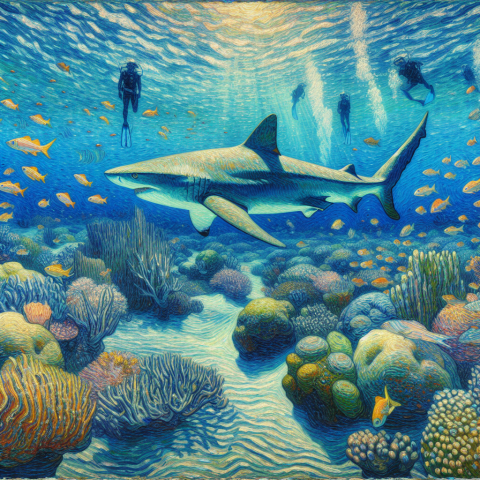
Engaging in water activities isn’t just about the thrill; it’s about connection—connection to the ocean, the incredible marine life, and even the people you’re with. Consider the dazzling beauty of the underwater world. Picture yourself snorkeling over a vibrant reef, gazing at a kaleidoscope of fish that seem more like a moving painting than reality. If worry keeps you ashore, you’ll be denying yourself the chance to create memories that last a lifetime.
So how do you combat this fear and step into the splendor of Cozumel? It starts with small steps. You don’t have to plunge into the deep end right away—believe me, I get it. Maybe you start with a calm beach. Dip your toes in, feel the waves lapping at your feet, and let the serenity of the moment soak in. Then consider a shallow snorkeling tour with a reputable guide. Many professionals cater to beginners and will walk you through the process, ensuring your safety while helping you gain confidence.
The key is to reframe your thoughts. Instead of viewing water as something to fear, see it as an opportunity for growth and adventure. Allow yourself to embrace the thrill of the unknown. Dive into the experience—perhaps not literally at first, but at least metaphorically. Cozumel is waiting, and the allure of its waters is undeniable. Don’t let fear sink your plans; let it inspire your journey.

Could Fear Of Water Activities Sink Your Cozumel Plans?
Could Fear Of Water Activities Sink Your Cozumel Plans?
- Cozumel is known for its beautiful beaches, clear waters, and vibrant coral reefs.
- Many people have a fear of water activities, which can hinder their enjoyment of the destination.
- This fear often stems from deeper anxieties, such as losing control or past negative experiences.
- Engaging in water activities fosters a connection to the ocean, marine life, and travel companions.
- Beginning with small steps, like dipping toes in the water, can help individuals overcome their fears.
- Shallow snorkeling tours with reputable guides can provide safety and confidence for beginners.
- Reframing thoughts about water as an opportunity for growth and adventure can inspire exploration.

Could Fear Of Water Activities Sink Your Cozumel Plans?
Table Of Contents
- Could Fear Of Water Activities Sink Your Cozumel Plans?
- What Is Aquaphobia And How Does It Affect Travelers?
- How Can I Manage My Fear Of Water?
- What Water Activities Can I Try In Cozumel?
- Are There Alternatives To Water Activities In Cozumel?
- How Can I Stay Safe While Trying New Water Activities?
- What Resources Are Available For Overcoming Aquaphobia?
- How Can I Support A Friend With A Fear Of Water?
- Conclusion
- Other Resources
- Glossary Of Terms
- Other Questions
- Haiku
- Poem
- Checklist
What Is Aquaphobia And How Does It Affect Travelers?
Aquaphobia, at its core, is an irrational fear of water. Now, I know what you’re thinking—water? The stuff that makes up two-thirds of our body and is essential for life? That’s the paradox wrapped in an enigma. For someone grappling with aquaphobia, the glistening surface of a serene lake or the crashing waves of the ocean transform from picturesque landscapes to sources of genuine dread. Imagine standing on the white sands of Cozumel, surrounded by the turquoise waters of the Caribbean, yet feeling a gnawing anxiety creeping in as you’re reminded of just how vast and potentially treacherous that body of water can be.
It’s not just the thought of drowning that sends shivers down their spine. It’s the choking sensation that comes with the idea of being submerged, that disorienting rush of not being able to breathe, and the feeling of losing control. For travelers, this can be especially difficult. They may find themselves in breathtaking destinations, like Cozumel—a veritable paradise for divers and snorkelers—but instead of excitement, they experience panic. While others revel in the colorful coral reefs and schools of fish, those with aquaphobia are shifting uncomfortably on the beach, longing for dry land and solid ground, grappling with feelings of alienation.
So, how does aquaphobia impact one’s travel experience? When vacation dreams become nightmarish routines of avoidance, excursions to the beach become challenging. Your fellow travelers are donning their snorkeling gear, while you’re wrestling with your own mind, opting to stay cooped up in a resort. Excursion opportunities can feel like taunting invitations to your own private hell.
Imagine missing out on a sunset cruise because the thought of being on a boat triggers your anxiety. You’re deprived of those moments that make travel memorable: the laughter, the camaraderie, the sheer joy of splashing in the surf. Instead, you find yourself confined to land, watching the world float by, longing to partake but paralyzed by fear.
For those affected by aquaphobia, it’s vital to seek support and strategies to manage those fears. Whether it’s therapy, gradual exposure, or simply finding alternative experiences, tackling aquaphobia can open the door to unforgettable adventures that lie just beneath the surface, even in beautiful places like Cozumel. It’s all about embracing the journey, both without and within.

What Is Aquaphobia And How Does It Affect Travelers?
What Is Aquaphobia And How Does It Affect Travelers?
- Aquaphobia is an irrational fear of water, creating a paradox as water is essential for life.
- Individuals with aquaphobia may experience anxiety even in serene water settings, viewing them as potential threats.
- The fear extends beyond drowning to sensations of being submerged, struggling to breathe, and losing control.
- Traveling to picturesque destinations can heighten feelings of panic and alienation for those with aquaphobia.
- Experiencing travel as a nightmare of avoidance, individuals may miss out on enjoyable excursions, like snorkeling or sunset cruises.
- Aquaphobia can lead to feelings of confinement, preventing participation in memorable travel experiences.
- Seeking support through therapy and gradual exposure can help manage aquaphobia, opening up opportunities for adventurous experiences.

What Is Aquaphobia And How Does It Affect Travelers?
How Can I Manage My Fear Of Water?
When it comes to facing your fears, there’s a certain grit that needs to be summoned, especially when that fear involves something as vast and deep as water. Now, if you find yourself standing on the shore, gazing longingly at the shimmering waves of places like Cozumel, you’re not alone. Many share this anxiety—an almost primal instinct that pushes us to avoid what we can’t control. But let’s talk about managing that fear, shall we?
First off, knowing the source of your fear is crucial. Was it a childhood incident that left you feeling uneasy around water? Understanding the roots of your anxiety can empower you to tackle it head-on. Now, this isn’t about diving into the deep end right away; it’s about baby steps. Starting small can make all the difference. If thoughts of the ocean’s mysteries keep you up at night, consider gently introducing yourself to water in a safe, controlled environment—maybe a kiddie pool or a calm lake.
Next, education is your ally. Take a good look into swimming classes specifically designed for adults. Many are tailored to help those who are apprehensive, offering supportive instructors who understand the journey you’re on. Each lesson is an opportunity to gain confidence, not just in your ability to float, but also in your ability to face your fears head-on.
Visualization is another powerful tool. Picture yourself in Cozumel, taking a leisurely swim while the sun kisses your skin. Imagine the warmth and beauty all around you. This mental imagery can gradually shift your focus from fear to excitement.
Peer support can work wonders, too. Find a friend who loves the water or even join a local group of fellow water warriors. Sharing experiences, laughter, and maybe some splashes can help you realize you’re not alone in this journey.
Finally, remember that progress isn’t linear. There will be days when you feel like you’re gliding smoothly through the waves and others when it all feels too daunting. Celebrate the small victories, and don’t beat yourself up on the tough days.
So, there you have it. Whether your dream is to swim in the azure waters of Cozumel or simply enjoy a refreshing dip in your local pool, take it one step at a time. You’ve got this. It might take a bit of grit and resolve, but as they say, water may be scary, but it can also be a source of endless joy. Dive in when you’re ready!

How Can I Manage My Fear Of Water?
How Can I Manage My Fear Of Water?
- Facing fears, particularly of water, requires determination and grit.
- Identifying the source of fear, such as childhood incidents, is vital for overcoming anxiety.
- Start with small, manageable steps in safe water environments like kiddie pools or calm lakes.
- Consider enrolling in adult swimming classes with supportive instructors to build confidence.
- Utilize visualization techniques to shift focus from fear to excitement about water activities.
- Seek peer support by finding friends or joining groups that share similar water-related goals.
- Recognize that progress can be uneven; celebrate small victories and be gentle with yourself during setbacks.

How Can I Manage My Fear Of Water?
What Water Activities Can I Try In Cozumel?
If you’re fortunate enough to find yourself in the tropical paradise of Cozumel, you might be wondering what water activities you can dive into. This island, cradled by the warm waters of the Caribbean, is an aquatic playground just waiting to be explored. So, grab your sunscreen and let’s take a plunge into the mesmerizing world of water adventures that Cozumel has to offer.
First up, we have the classic staple of island life: snorkeling. With its vibrant coral reefs and an abundance of marine life, Cozumel is a snorkeler’s dream. Strap on that mask and tube, and immerse yourself in a universe where fish dart about like confetti in an underwater parade. You’ll likely encounter colorful parrotfish, graceful rays, and, if you’re lucky, the elusive sea turtle gliding by with an air of serenity that would make anyone envious.
Not one for snorkeling? Fear not! Cozumel also boasts some of the best scuba diving in the world. Dive deeper and explore dramatic underwater landscapes that range from stunning coral walls to eerie wrecks teeming with fish. Whether you’re a novice or a seasoned pro, the island’s numerous dive shops are eager to cater to your needs, ensuring you get the most out of your underwater experience.
Now, if you prefer to keep your head above water, kayaking is a terrific way to soak in the sights while getting a workout. Paddle along the coastline and discover hidden coves, pristine beaches, and maybe even a secluded spot just for you. Renting a kayak is simple, and it’s a fantastic way to explore at your own pace.
For those who crave a little thrill, consider renting a jet ski. Skimming over the waves at breakneck speed provides more than just a dose of adrenaline; it offers an exhilarating perspective of the island from the water. Feel the wind in your hair and the sun on your back as you zip through the turquoise sea—there’s no shortage of smiles here.
And let’s not forget the fishing! Whether you prefer deep-sea or sport fishing, Cozumel’s plentiful waters offer chances to reel in hefty marlins or other prized catches. Just imagine the satisfaction of telling your friends you brought home dinner, caught by your own hand.
In Cozumel, adventure waits just beneath the surface—or right at the water’s edge. Whatever your preference, this island is brimming with opportunities to make a splash. So, shake off the landlubber vibes and dive into the fun!

What Water Activities Can I Try In Cozumel?
What Water Activities Can I Try In Cozumel?
- Cozumel is a tropical paradise offering numerous water activities in the Caribbean.
- Snorkeling is a must-do, featuring vibrant coral reefs and diverse marine life.
- Cozumel is renowned for its exceptional scuba diving opportunities for all skill levels.
- Kayaking allows for exploration of hidden coves and pristine beaches while staying active.
- Jet skiing offers a thrilling experience and a unique perspective of the island from the water.
- Fishing enthusiasts can enjoy deep-sea and sport fishing in the bountiful waters of Cozumel.
- Adventure awaits both below and above the water, making Cozumel a perfect spot for aquatic fun.

What Water Activities Can I Try In Cozumel?
Are There Alternatives To Water Activities In Cozumel?
If you’re planning a trip to Cozumel and water activities aren’t quite your cup of tea—or if you’ve spent so much time bobbing in the waves that you’re starting to feel like a human buoy—don’t worry! There’s a whole treasure chest of alternatives waiting for you on this vibrant island.
First and foremost, let’s not forget about Cozumel’s rich history and culture. Take a break from the beach and explore San Miguel, the island’s quaint downtown area. Here, you can stroll along the colorful streets, pop into local boutiques and artisan shops, and indulge in some mouthwatering cuisine. Authentic Mexican tacos and fresh guacamole are practically calling your name. While you’re at it, lift a glass of local cerveza to toast the vibrant culture surrounding you.
But the island’s magic doesn’t stop at food. Cozumel’s inland realms are teeming with opportunities for adventure on solid ground. Consider embarking on an eco-tour to discover the lush landscapes and diverse wildlife hidden away from the coast. Many local guides offer excursions deep into the island’s jungles where you can hike through paths less traveled and witness nature in all its glory. You might even spot some of the exotic birds and iguanas that call this paradise home.
For those with a bit of a thirst for adrenaline, the island’s expansive terrain provides a fantastic setting for biking and ATV rides. Whip through the rugged trails, feel the wind in your hair, and take in the breathtaking views of Cozumel’s lush scenery. Trust me, there’s nothing quite like the thrill of navigating the same countryside that the ancient Mayans once walked.
And if you’re still chomping at the bit for some history lessons, Cozumel is home to impressive archaeological sites. Venture out to the ruins of El Cedral, an ancient Mayan village, and delve into the awe-inspiring backstory of the island. Surrounded by tropical flora, these remains offer a glimpse into a fascinating culture long past.
So, while the waters of Cozumel might be calling out to some folks, rest assured that there’s an entire world of land-based adventures waiting for you. Whether it’s savoring local delicacies, immersing yourself in history, or venturing through the jungles, the island has something for everyone, water lover or not.

Are There Alternatives To Water Activities In Cozumel?
Are There Alternatives To Water Activities In Cozumel?
- Cozumel offers alternative activities for those not interested in water sports.
- Explore San Miguel, the island’s charming downtown with local boutiques and delicious cuisine.
- Enjoy authentic Mexican food, especially tacos and fresh guacamole.
- Consider eco-tours to experience Cozumel’s diverse wildlife and lush landscapes.
- Engage in biking and ATV rides on the island’s rugged trails for an adrenaline rush.
- Visit archaeological sites like El Cedral to learn about the ancient Mayan culture.
- Cozumel has a variety of land-based adventures suitable for all types of travelers.

Are There Alternatives To Water Activities In Cozumel?
How Can I Stay Safe While Trying New Water Activities?
Diving into new water activities is like taking a leap into the unknown. The thrill of splashing into the ocean or gliding across the surface can be exhilarating, but it’s crucial to prioritize safety. It doesn’t matter whether you’re planning a snorkeling adventure in Cozumel or trying your hand at paddleboarding in a calm lake—being prepared will help you enjoy those moments without unnecessary worry.
First things first, always assess your skill level before trying something new. If you’re not a strong swimmer, maybe skip that deep-sea diving lesson and stick with a leisurely float. Many activities, like jet skiing or surfing, require at least some level of comfort in the water. So, understand your limits. It’s easier to embrace enthusiasm when you know you’re not risking your safety.
Next, do your homework. Research the area where you’ll be water-bound. If you happen to be in Cozumel, familiarize yourself with the local marine life and the currents. Understanding the conditions helps you avoid unexpected surprises, like rough waters or troublesome wildlife. And please, heed the advice of local guides—they know their territory better than anyone.
Speaking of guides, consider choosing guided tours whenever possible. Professionals not only know the best spots—like where to find a secluded beach—but they also have safety measures in place that everyday adventurers might overlook. Whether it’s wearing a life jacket or understanding the right techniques, these guides provide invaluable knowledge that can keep you safe while maximizing your fun.
And let’s not forget the buddy system. If you’re trying jet skiing with a friend or taking a kayaking trip, always have someone looking out for you. Having a buddy can provide an extra layer of safety, whether you’re having technical difficulties or just feel the need to share that awesome moment when you spot a dolphin.
Finally, familiarize yourself with basic first aid. Knowing how to handle minor injuries or responding to aquatic emergencies can make a big difference in your experience. So pack a waterproof first aid kit and learn some essential skills. At the end of the day, having fun while staying safe is what it’s all about. Dive in, explore, and remember to respect the water. Adventure awaits, but safety should always be your co-pilot.

How Can I Stay Safe While Trying New Water Activities?
How Can I Stay Safe While Trying New Water Activities?
- Engaging in new water activities offers excitement but safety must be prioritized.
- Assess your skill level before trying new activities; understand your limits.
- Research the area where you’ll be water-bound to avoid surprises related to marine life and currents.
- Consider choosing guided tours for professional knowledge and safety measures.
- Use the buddy system to enhance safety and share memorable experiences.
- Familiarize yourself with basic first aid skills and pack a waterproof first aid kit.
- Remember that fun and safety go hand-in-hand when exploring aquatic adventures.

How Can I Stay Safe While Trying New Water Activities?
What Resources Are Available For Overcoming Aquaphobia?
Aquaphobia, the fear of water, can feel like a heavyweight anchor dragging down your potential for adventure. Ever tried to enjoy a trip to a tropical paradise but found yourself paralyzed by the thought of stepping into that stunning ocean? Fear not, because there are plenty of resources out there to help you dive into the deep end—figuratively, of course!
First off, consider seeking the aid of a qualified therapist. Cognitive Behavioral Therapy (CBT) is particularly effective, helping you to face your fears in a structured manner. Specialists in exposure therapy can gently lead you through the process of confronting your fear, gradually increasing your exposure to water until it no longer feels like a threat. It’s like easing into a warm pool instead of cannonballing into the cold end—both safer and smarter!
Next up, online resources are a treasure trove. Websites and forums dedicated to phobias can connect you with a community that understands your struggle. Sharing your experiences can be incredibly therapeutic. Remember, when you’re stuck in a rough spot, the last thing you want is to feel isolated. Engaging with others who’ve navigated the same waters can inspire you to keep paddling forward.
If you’re looking to tackle your fear in a fun way, consider enrolling in a swim class tailored for beginners. Many facilities offer programs specifically designed for those with aquaphobia. Instructors trained to work with fearful learners can make all the difference, giving you the tools and techniques to gain confidence in the water. And who knows? Maybe you’ll have the chance to take a dip in crystal-clear waters in Cozumel someday!
You can also explore multimedia resources like books, podcasts, and videos focused on overcoming fears. Sometimes, hearing stories from others who have triumphed can serve as a motivational boost. YouTube has plenty of channels dedicated to water safety and swimming techniques, ensuring you’re not just learning but also having fun along the way.
Lastly, but certainly not least, consider finding a mentor or a buddy willing to accompany you on your journey. Sometimes, a supportive hand can do wonders. Whether it’s encouraging you to try snorkeling in Cozumel, or simply taking a walk along the beach, your allies can help calm your nerves as you confront your fears.
So gear up! With the right approach and resources at your disposal, the open water can transform from a source of anxiety into a realm of endless possibilities.
What Resources Are Available For Overcoming Aquaphobia?
What Resources Are Available For Overcoming Aquaphobia?
- Aquaphobia, the fear of water, can hinder enjoyment of activities like beach vacations.
- Cognitive Behavioral Therapy (CBT) and exposure therapy can help confront and manage this fear.
- Online resources, such as forums, offer community support for sharing experiences related to aquaphobia.
- Swimming classes for beginners specifically designed for fearful learners provide supportive environments.
- Multimedia resources like books, podcasts, and videos can serve as motivational tools to overcome fears.
- Having a mentor or buddy can provide encouragement and support during the journey to face aquaphobia.
- With the right resources and support, confronting aquaphobia can open up new possibilities for adventure.

What Resources Are Available For Overcoming Aquaphobia?
How Can I Support A Friend With A Fear Of Water?
When it comes to supporting a friend with a fear of water, or aquaphobia as the psychologists call it, it’s important to dive in—pun intended—with empathy and understanding. There’s nothing simple about facing fears, especially when they’re as vast and intimidating as the ocean. If your buddy is staring down at a shimmering blue pool or contemplating a trip to a paradise like Cozumel, they might not be thinking about sandy beaches and soothing waves. Instead, they may be grappling with anxiety that makes every ripple feel more like a tidal wave of panic.
First and foremost, listen. Let your friend share their feelings without judgment. Sometimes, the act of verbalizing a fear can lessen its grip. Ask them what specifically makes them anxious. Is it a fear of drowning? A concern about losing control? Understanding the root of their anxiety is crucial in helping them navigate it.
Now, once you’ve got a solid understanding of their fear, it’s time to think about practical ways you can offer support. Consider accompanying them to a calm, shallow body of water—maybe a pool with a gentle slope or even a quiet lake. Remember, when it comes to water, the environment matters. You wouldn’t take them to a stormy beach in Cozumel if they’re struggling with anxiety. Start slow and make every experience a positive one.
You might even suggest activities that promote a sense of safety and control. Bring along a flotation device, or offer to wade in together. Being shoulder-deep in water can forge a connection between familiarity and comfort, allowing them to take small steps at their own pace.
Consider pairing these physical experiences with a little knowledge. Educate them about water safety and swimming techniques. Encourage them to take lessons through accredited instructors who understand the nuances of teaching those with fears. There’s power in knowledge, and equipping them with skills can often diminish their anxiety.
Above all, patience is key. Celebrating small victories, and recognizing each step they take, no matter how small, reinforces their progress. In a world filled with opportunities for adventure, supporting a friend through their fear of water can pave the way for countless experiences—often with breathtaking views, like those found in Cozumel—waiting just beyond the horizon.

How Can I Support A Friend With A Fear Of Water?
How Can I Support A Friend With A Fear Of Water?
- Support a friend with aquaphobia through empathy and understanding.
- Listening to their feelings without judgment helps lessen their fear.
- Identify specific triggers of their anxiety, such as fears of drowning or losing control.
- Offer practical support by accompanying them to calm, shallow water in safe environments.
- Engage in activities that promote safety and control, like using flotation devices.
- Educate them about water safety and encourage accredited swimming lessons.
- Be patient and celebrate small victories to reinforce their progress and encourage adventure.

How Can I Support A Friend With A Fear Of Water?
Conclusion
Cozumel is the kind of place that beckons us to jump into its glimmering waves and dance with vibrant marine life. But for some of us, that call can feel more like a siren song leading us toward our deepest fears—fear of water. It’s a tough nut to crack, and I get it: standing on the shore while everyone else is out swimming, snorkeling, or diving can feel like watching the party from the outside. But here’s the thing: aquaphobia doesn’t have to sink your dreams of a perfect getaway in paradise. In fact, it can be the spark that ignites a journey of self-discovery and growth.
The truth is, fear of water isn’t just about the water itself—it often stems from deeper concerns: fear of losing control, past experiences, the uncertainty of what’s lurking beneath the surface. But imagine standing there, the sun warming your skin, the salty breeze whispering promises of adventure. Are you really going to let that fear keep you from what could be an unforgettable experience? It’s time to change the narrative. Instead of seeing water as an enemy, start viewing it as a world ripe for exploration, connection, and inspiration.
How do you do that? By taking baby steps. Begin with a gentle introduction to water: wiggle your toes on a calm beach, wade into a shallow spot, or even consider a snorkeling tour guided by professionals who cater to beginners. These experts know how to ease you into the water, ensuring your safety while building your confidence. Remember, it’s not about cannonballing into the deep end at first—progress comes in waves, and everyone’s journey is different.
But it’s also crucial to surround yourself with support. Engage the help of a trusted friend, explore therapy options, or simply lean on resources that understand your journey. The aim is to embrace the beauty and joy that comes with water in all its forms. Picture this: a kaleidoscope of life swimming beneath you in Cozumel—fish darting, coral blooming, and the thrill of the ocean inviting you to join in.
So don’t let fear hold the reins—let it be your guide. With a bit of grit and determination, you can transform that anxiety into joyful exploration. Remember, the ocean is calling, and it’s more than just a splash; it’s a chance for joy. Dive in when you’re ready, because Cozumel is waiting, and adventure is only a wave away!

Conclusion
Conclusion:
- Cozumel is a beautiful location that encourages visitors to engage with its marine life.
- Many experience aquaphobia, which can hinder enjoyment of water activities like swimming and snorkeling.
- Aquaphobia can stem from fears of losing control, past negative experiences, or unknown dangers beneath the water.
- Changing your perspective on water can lead to exploration and personal growth, rather than fear.
- Start with small steps to overcome fear, such as walking on the beach or wading in shallow water.
- Seek support from friends, professionals, or therapy to help embrace and enjoy water activities.
- Transform anxiety into joyful exploration of Cozumel’s vibrant underwater life and adventure.

Conclusion
Other Resources
Other Resources
Cozumel rewards travelers who stay longer than the cruise ship crowd. If that’s the kind of trip you’re cooking up, here’s where we’d point you for lodging. Cozumel Journey is an editorial guide to Cozumel — neighborhoods, planning tips, and life on the island for travelers who want context, not a cruise schedule.
Here is a list of other resources you can review online to learn more:
- Cozumel Bar Hop
- Atlantis Submarines Cozumel
- Punta Morena Beach Club
- El Coffee Cozumel
- The Money Bar Beach Club
- Capitán Eduardo A. Toledo Airport
- Cozumel Adventure Tours
- Online Reef Guide
- Scuba Life Cozumel
- Cafe Caribe
- cozumeljourney.com
Use This Prompt To Get More Resources With Your Favorite Online AI Tool: Please provide me with a list of online articles with their URLs in a bulleted list that I can read regarding Could Fear Of Water Activities Sink Your Cozumel Plans?
Other Resources
Glossary Terms
Could Fear Of Water Activities Sink Your Cozumel Plans? – Glossary Of Terms
1. Aqua Phobia: An intense fear of water that can result in avoidance of water activities.
2. Anxiety: A feeling of worry or nervousness that can be triggered by the prospect of engaging in water activities.
3. Panic Attack: A sudden episode of intense fear or discomfort, often related to specific situations like being in or near water.
4. Water Safety: Practices and precautions taken to ensure safety while engaging in water activities, such as swimming or snorkeling.
5. Drowning: The process of suffocating due to submersion in water, often a significant fear for those with aqua phobia.
6. Snorkeling: A water activity that allows individuals to observe underwater life while floating at the surface, which may induce fear in some.
7. Scuba Diving: An underwater diving activity that requires specialized equipment, which can be daunting for those with a fear of water.
8. Hydrophobia: An extreme or irrational fear of water, often preventing individuals from participating in water-related activities.
9. Ocean Currents: Flows of seawater that can create dangerous conditions for swimmers, potentially heightening anxiety among those with water fears.
10. Safety Gear: Equipment such as life jackets or floats designed to enhance safety while engaging in water activities.
11. Personal Limits: Recognizing one’s own boundaries in terms of comfort with water activities, vital for managing fear.
12. Cognitive Behavioral Therapy (CBT): A type of therapy that can help individuals confront and overcome their fears, including those related to water.
13. Exposure Therapy: A therapeutic technique involving gradual exposure to feared situations, used to lessen water-related fears.
14. Fear of Heights (Acrophobia): A related anxiety that can also affect experiences in water activities, particularly activities on boats or cliffs.
15. Floatation Devices: Tools such as pool floats or life vests that help individuals feel more secure in water.
16. Bystander Effect: A social psychological phenomenon that can discourage individuals from seeking help in water emergencies due to the presence of others.
17. Relaxation Techniques: Methods such as deep breathing or meditation that can help alleviate anxiety before engaging in water activities.
18. Water Therapy: A therapeutic technique utilizing water to promote physical and mental well-being, beneficial for overcoming fear.
19. Rescue Techniques: Skills and knowledge used to assist someone in distress in water, helping to mitigate fears through safety assurance.
20. Buddy System: A safety practice in which individuals engage in water activities with a partner to provide mutual support and security.
21. Conditioning: A psychological approach to gradually get comfortable with being in or around water through repeated exposure.
22. Mindfulness: A mental practice that involves staying present and aware, which may help reduce anxiety about water activities.
23. Hydration: The process of maintaining adequate water intake, which is crucial for health during water activities.
24. Coastal Environment: The unique landscapes and ecosystems found in coastal areas like Cozumel, which can be intimidating yet beautiful.
25. Relaxation Response: A physiological state that counteracts the stress response, helpful for individuals anxious about water.
26. Underwater Exploration: Investigating marine life and ecosystems beneath the water surface, a common activity in Cozumel that may cause fear.
27. Swimming Lessons: Instruction for beginners designed to alleviate fear and teach necessary skills for safety in the water.
28. Peer Support: Assistance and encouragement from friends or family that can help reduce fear and increase confidence in water activities.
29. Marine Conservation: Efforts to protect ocean biodiversity that may intersect with interests in water activities like snorkeling and diving.
30. Adventure Tourism: Travel experiences that focus on physical activities, such as water sports, which might trigger fear in some individuals but can be navigated with proper preparation.

Glossary Of Terms
Other Questions
Could Fear Of Water Activities Sink Your Cozumel Plans? – Other Questions
If you wish to explore and discover more, consider looking for answers to these questions:
- What are the common symptoms of aquaphobia?
- How can I tell if I or someone I know has aquaphobia?
- What steps can I take to seek professional help for aquaphobia?
- Are there any specific therapies that are effective for overcoming aquaphobia?
- What types of swimming classes cater specifically to people with aquaphobia?
- How can I gradually introduce water activities to someone with aquaphobia?
- What additional resources are available for learning about aquaphobia?
- How can I find local support groups for people dealing with aquaphobia?
- What are some strategies for enjoying Cozumel without engaging in water activities?
- Are there local experts or guides who specialize in working with those fearful of water?

Other Questions
Haiku
Could Fear Of Water Activities Sink Your Cozumel Plans? – A Haiku
Waves whisper to you,
While fear lurks in ocean’s depths—
Dive in, find your joy.

Haiku
Poem
Could Fear Of Water Activities Sink Your Cozumel Plans? – A Poem
Where sun-kissed shores call out to thee.
Yet shadows linger, fears take flight,
For some, the water’s a daunting sight.
Aquaphobia grips, an unseen chain,
In tranquil waves, they feel the strain.
Not drowning alone, but memories past,
A dance with panic, holding steadfast.
But stop! On the beach, the sun shines bright,
A world of wonder, a chance for light.
With small steps taken, toes in the sand,
Embrace the ocean, lend it a hand.
Snorkels and masks, a vibrant reef,
Colors unfurl, a wondrous belief—
Parrotfish dart, turtles glide,
Moments of magic just beneath the tide.
Not a swimmer bold? Fear not the deep,
Gentle waves whisper, their secrets to keep.
Find solace in kayaks, adventure on land,
From vibrant tacos to jungles so grand.
Seek support, a friend by your side,
Patience and laughter can be your guide.
Hold fast to knowledge, take classes anew,
Transforming fear into joy that is true.
So here’s to the brave, let your heart take flight,
For each little victory is a marvelous sight.
In Cozumel’s embrace, adventure awaits,
Dive into joy, beyond fear’s heavy gates.

Poem
Checklist
Could Fear Of Water Activities Sink Your Cozumel Plans? – A Checklist
Understanding Aquaphobia
_____ Identify Your Fear: Reflect on specific aspects of water that cause anxiety (e. g. , drowning, losing control).
_____ Educate Yourself: Research aquaphobia to understand its effects and recognize you are not alone.
Preparing for Water Activities
_____ Start Small: Begin with calm water experiences, like dipping your toes in a shallow beach.
_____ Take Swimming Lessons: Enroll in beginner swimming classes to gain confidence and skills in the water.
_____ Visualize Success: Use mental imagery to envision enjoying water activities in Cozumel.
Finding Support
_____ Seek Professional Help: Consider therapy options like Cognitive Behavioral Therapy (CBT) to confront and manage fear.
_____ Join Support Groups: Engage with communities online or locally that focus on overcoming aquaphobia.
_____ Find a Buddy: Partner with a friend or mentor who is supportive and willing to accompany you on your water adventures.
Exploring Water Activities
_____ Try Snorkeling: Look for beginner-friendly snorkeling tours with reputable guides.
_____ Explore Kayaking: Experience the coastline while paddling at your own pace.
_____ Consider Alternatives: If water activities feel too overwhelming, explore land-based activities such as eco-tours, biking, or cultural experiences.
Staying Safe
_____ Assess Your Skill Level: Only engage in water activities that match your comfort and swimming ability.
_____ Research Conditions: Familiarize yourself with local water conditions, wildlife, and safety protocols specific to Cozumel.
_____ Choose Guided Tours: Opt for activities led by experienced professionals who prioritize safety.
Celebrating Progress
_____ Recognize Small Victories: Acknowledge any progress made, no matter how minor it may seem.
_____ Practice Patience: Understand that overcoming fear is a journey, and setbacks are a normal part of the process.
Resources for Further Support
_____ Books and Articles: Read literature on aquaphobia and overcoming fears.
_____ Online Videos and Tutorials: Watch instructional videos on swimming and water safety.
_____ Local Classes: Look for swimming classes designed for those with aquaphobia.
Feel free to print and distribute this checklist as a helpful guide for those looking to overcome their fear of water and enjoy the beauty of Cozumel!

Checklist
At TopCozumelNews, we help travelers enjoy Cozumel by collating information learned from frequently traveling to beautiful Cozumel.
Be sure to read our other related stories at TopCozumelNews to learn more about the Island of Cozumel.