Uncovering Cozumel’s Majestic Whale Sharks
By Tom Seest
At TopCozumelNews, we help travelers enjoy Cozumel by collating information learned from frequently traveling to beautiful Cozumel.
Be sure to read our other related stories at TopCozumelNews to learn more about the Island of Cozumel.
Can You Spot Cozumel’s Whale Sharks?
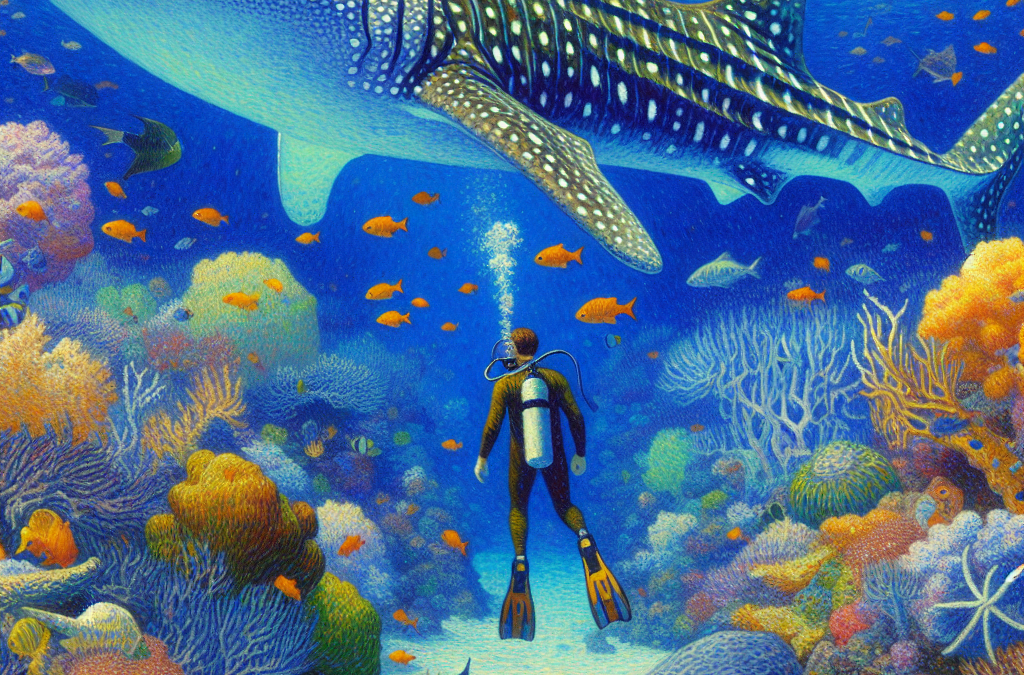
If you’re feeling adventurous and are ready to dive into the warm, blue waters of Cozumel, you’re in for a treat. Imagine gliding through the ocean—fish darting around you, sunbeams dancing beneath the waves, and there, off in the distance, the majestic silhouette of a whale shark. Yes, the Cozumel Whale Shark is a real thing, and for those who dare to explore, it can be the experience of a lifetime.
Now, don’t let the name fool you. Whale sharks are not whales; they are actually the largest fish in the ocean. Stretching up to 40 feet long, these gentle giants cruise through the warm Caribbean waters with a grace that’s often mistaken for a floating dream. What makes spotting Cozumel’s whale sharks truly exciting is the time of year. From June through September, these magnificent creatures gather in the nutrient-rich waters around the island, drawn in by the abundance of plankton.
If you’re hoping to catch a glimpse, it’s best to organize a guided tour. Local experts know the lagoon’s hotspots, giving you a fighting chance to spot a whale shark gliding silently beneath the surface. But let’s be clear, it’s not just about viewing. You can actually swim alongside these gentle giants, and trust me, there’s nothing quite like the feeling of gliding next to a creature that’s been around longer than most of history.
Now, let’s talk about etiquette. When you enter the water, you’re a guest in their world, and it’s essential to respect their space. Make sure you keep a safe distance, avoid touching them, and definitely do not create any splashes that might startle them off. Conservation is key in ensuring these amazing creatures continue to thrive in our oceans.
So, what are you waiting for? Don your snorkeling gear and prepare for an unforgettable adventure. Remember, spotting Cozumel’s whale sharks enriches not just your travel story but helps promote awareness about marine conservation. Dive in, soak up the sun, and enjoy the spectacle of Cozumel’s underwater giants. Who knows, you might just find yourself with a new respect for the ocean’s most formidable yet gentle inhabitants.

Can You Spot Cozumel’s Whale Sharks?
Can You Spot Cozumel’s Whale Sharks?
- Cozumel offers an adventurous opportunity to swim with whale sharks in warm, blue waters.
- Whale sharks are the largest fish in the ocean, growing up to 40 feet long.
- These gentle giants gather around Cozumel from June to September due to abundant plankton.
- Guided tours are recommended to increase the chances of spotting whale sharks.
- Swimmers can glide beside these historic creatures, creating a unique experience.
- Respect and conservation are vital; maintain a safe distance and avoid disturbing them.
- Participating in this adventure not only enriches travel experiences but also promotes marine conservation awareness.

Can You Spot Cozumel’s Whale Sharks?
Table Of Contents
- Can You Spot Cozumel’s Whale Sharks?
- How Big Are Cozumel’s Whale Sharks?
- Where Can Cozumel Whale Sharks Be Found?
- What Feeding Habits Do Cozumel Whale Sharks Have?
- Where Do Cozumel Whale Sharks Migrate?
- What Time Of Year Is Best To See Whale Sharks In Cozumel?
- How Can You Organize A Whale Shark Tour In Cozumel?
- What Should You Bring on a Cozumel Whale Shark Spotting Trip?
- Conclusion
- Other Resources
- Glossary Of Terms
- Other Questions
- Haiku
- Poem
- Checklist
How Big Are Cozumel’s Whale Sharks?
When it comes to the wondrous marine life that inhabits the waters surrounding Cozumel, few creatures capture the imagination quite like the Cozumel Whale Shark. These gentle giants, often recognized by their distinct polka-dot patterns, have a presence that’s both awe-inspiring and humbling. But the question on everyone’s mind is: just how big are these magnificent beings?
To put it simply, Whale Sharks are the largest fish in the ocean. That’s right, folks—this isn’t some run-of-the-mill fish tale; we’re talking about a true leviathan of the seas. Typically, a fully grown Cozumel Whale Shark can reach lengths of 40 feet or more. Yes, you heard that right! That’s about the size of a school bus. And they don’t just stop at that; some individuals have been recorded stretching up to 60 feet. While that may seem like an exaggeration, scientists assure us it’s as real as the saltwater splashing against your kayak.
Now, let’s talk weight. These behemoths can tip the scales at over 20 tons! Imagine trying to lift a car. That’s the kind of weight we’re dealing with here. But what’s even more miraculous is how these enormous fish navigate the oceans with such grace. With their broad, flat heads, laterally compressed bodies, and large, triangular fins, they glide effortlessly through the water in search of plankton, which constitutes their diet. They may be the giants of the sea, but their demeanor is as gentle as a summer breeze.
One of the best places to witness these remarkable creatures is right off the coast of Cozumel, where seasoned divers and snorkelers often have the chance to swim alongside them. Picture this: you’re floating in the crystal-clear waters, and suddenly, out of the blue, a massive Whale Shark swims by, its beauty and size taking your breath away. It’s a moment that etches itself into your memory, a testament to the wonder of nature.
The Cozumel Whale Shark isn’t just the largest fish in the ocean; it’s a remarkable symbol of marine diversity and a reminder of the incredible ecosystems that thrive beneath the waves. So next time you think about the ocean’s inhabitants, just remember: sometimes, the biggest wonders come in the gentlest of packages.

How Big Are Cozumel’s Whale Sharks?
How Big Are Cozumel’s Whale Sharks?
- The Cozumel Whale Shark is a captivating marine creature, known for its distinct polka-dot patterns.
- It is the largest fish in the ocean, typically growing to 40 feet or more.
- Some Whale Sharks have been recorded at lengths of up to 60 feet.
- They can weigh over 20 tons, comparable to the weight of a car.
- Whale Sharks have broad, flat heads, laterally compressed bodies, and large, triangular fins, allowing for graceful movement in the water.
- Cozumel is a prime location for divers and snorkelers to swim alongside these magnificent creatures.
- The Cozumel Whale Shark symbolizes marine diversity and highlights the importance of protecting ocean ecosystems.

How Big Are Cozumel’s Whale Sharks?
Where Can Cozumel Whale Sharks Be Found?
If you’re itching to meet the gentle giants of the sea, you won’t want to miss the Cozumel Whale Shark rendezvous. These magnificent creatures, the largest fish in the ocean, can be spotted primarily between June and September, drawing snorkelers and divers from all corners of the globe. Why? Because if you want a front-row seat to watch the Cozumel Whale Shark in action, these summer months are your prime time.
Now, let’s paint a picture of the scene. The azure waters surrounding Cozumel become a buffet for the whale sharks as plankton blooms during these warmer months. It’s the equivalent of a gourmet feast for these filter feeders, and they couldn’t be happier to munch away. Just imagine gliding through the crystal-clear water, surrounded by these serene creatures as they swim gracefully beneath the waves, their enormous bodies almost paradoxically gentle in movement.
The best spots to see Cozumel Whale Sharks are typically located to the northeast of the island. One popular area is the waters around Isla Mujeres; while not technically in Cozumel, it’s just a short boat ride away and often included in local excursions. Not to be overlooked are the waters off Playa del Carmen – another solid option if you’ve got your heart set on spotting these beautiful beings.
Local tour operators have excellent knowledge of the areas where the whale sharks congregate, and hopping on one of these guided tours can boost your chances of witnessing the encounter of a lifetime. The great news is that these tours prioritize sustainability, ensuring that interactions with the Cozumel Whale Shark are respectful and adhere to regulations designed to minimize stress on the animals.
So, what’s the takeaway? If you’re yearning for an unforgettable experience with some of the ocean’s most colossal residents, set your sights on Cozumel during the summer months. It’s not just about spotting the whale sharks; it’s about embracing the beauty of the underwater world and taking an active role in its conservation. Whether you’re an avid snorkeler or just a nature enthusiast, the chance to swim alongside the Cozumel Whale Shark is an adventure that surely won’t disappoint. So gear up, and get ready to explore a vibrant ecosystem that thrives in the embrace of these gentle leviathans.
Where Can Cozumel Whale Sharks Be Found?
Where Can Cozumel Whale Sharks Be Found?
- The Cozumel Whale Shark rendezvous occurs primarily between June and September.
- Whale sharks, the largest fish in the ocean, gather in Cozumel’s waters during summer for feeding.
- The waters around Cozumel are rich in plankton, providing a gourmet feast for these filter feeders.
- Popular spots for viewing include areas northeast of Cozumel, such as Isla Mujeres and Playa del Carmen.
- Local tour operators offer guided tours that enhance the chances of encountering whale sharks.
- These tours prioritize sustainability and ensure respectful interactions with the whale sharks.
- Swimming alongside whale sharks provides an unforgettable experience while promoting ocean conservation.

Where Can Cozumel Whale Sharks Be Found?
What Feeding Habits Do Cozumel Whale Sharks Have?
If you’ve ever gazed out over the azure waters off the coast of Cozumel, chances are you might have spotted something magnificent gliding gracefully beneath the surface—the Cozumel Whale Shark. These gentle giants are the ocean’s largest fish, measuring up to 40 feet long. But it’s not just their size that draws attention; it’s their unique feeding habits that make them a fascinating subject for marine enthusiasts and casual observers alike.
Contrary to what you might think about a creature of such enormity, the Cozumel Whale Shark is not a fearsome predator. Instead, these magnificent beings exemplify nature’s exquisite balance. Their diet primarily consists of plankton, small fish, and a smorgasbord of nutritious particles floating in the ocean. The feeding frenzy often resembles a delightful culinary adventure, as hundreds of Whale Sharks congregate in the rich waters around Cozumel, especially from June to September. During this time, an abundance of plankton and fish larvae attract these colossal eaters, turning the ocean into a veritable buffet line.
So, how exactly do these incredible fish feast on their favorite meals? As the Cozumel Whale Shark swims through the water, it opens its enormous mouth, filtering out its food through gill rakers, which act like a sieve. This filtering system is perfectly adapted to capture tiny organisms while allowing water to flow back out. It’s a process that could make any food enthusiast envious—a truly all-you-can-eat experience!
Additionally, the whale sharks have a few tricks up their fins when it comes to maximizing their feeding efficiency. They often engage in a behavior called “suction feeding.” By rapidly closing their mouths while swimming, they create a vacuum that helps suck in those elusive plankton and small fish. Imagine trying to enjoy a buffet while keeping your mouth wide open; it’s a delicate dance, but the Cozumel Whale Shark has it down to a fine art.
During their feeding excursions, these gentle giants can be spotted swimming near the surface, making them a marvel to behold for those fortunate enough to encounter them. For divers and snorkelers, witnessing the Cozumel Whale Shark during mealtime is akin to an exclusive front-row seat at nature’s most sumptuous banquet. So, next time you find yourself in Cozumel, keep an eye on the water—you may just catch a glimpse of this gentle giant feasting on its underwater delicacies.

What Feeding Habits Do Cozumel Whale Sharks Have?
What Feeding Habits Do Cozumel Whale Sharks Have?
- The Cozumel Whale Shark is the ocean’s largest fish, reaching lengths of up to 40 feet.
- These gentle giants primarily feed on plankton, small fish, and nutritious particles in the ocean.
- From June to September, hundreds of Whale Sharks gather in Cozumel’s rich waters, creating a feeding frenzy.
- Whale Sharks filter food using gill rakers while swimming, allowing them to capture tiny organisms effectively.
- They utilize a feeding technique called “suction feeding,” creating a vacuum to draw in prey.
- Whale Sharks can often be spotted near the surface during feeding, offering a spectacular view for observers.
- Encounters with these magnificent creatures provide a unique experience for divers and snorkelers in Cozumel.

What Feeding Habits Do Cozumel Whale Sharks Have?
Where Do Cozumel Whale Sharks Migrate?
When it comes to the impressive Cozumel Whale Shark, migration is a topic as vast and intriguing as the ocean itself. These magnificent creatures, the largest fish in the sea, make their way across the blue expanses of the Caribbean and beyond, driven by instinct and the search for sustenance. Their annual journey is a remarkable display of nature’s rhythms, but pinpointing their exact migratory paths can feel like trying to track a cloud in the sky.
Starting around June, the warm waters off the coast of Cozumel, a jewel in the Mexican Caribbean, become an irresistible draw for the Whale Sharks. This period marks the beginning of their migration, where these leviathans congregate in large numbers to feast on the abundant plankton that blooms in these nutrient-rich waters. It’s a feeding frenzy like no other, with snorkelers and divers flocking to witness these gentle giants up close, all while maintaining a respectful distance.
As the summer rolls into autumn, the Whale Sharks begin a gradual migration towards locations like Holbox and the Gulf of Mexico. They follow the plankton blooms, but their journey often takes them further afield. Some researchers have tracked these remarkable fish down to Honduras and even as far as the Bahamas, illustrating just how far they will go in pursuit of their meals. In fact, it’s not uncommon for them to travel thousands of miles in search of the food that their massive bodies require to sustain their size.
One fascinating aspect of the Cozumel Whale Shark’s migration is the varying patterns observed among individuals. Some sharks will make the same journey year after year, while others show a penchant for wandering into new territories. This unpredictability adds to the allure of these creatures. They traverse routes influenced by ocean currents, water temperatures, and the availability of food—all the while exhibiting behaviors that can offer clues to their majestic ways.
So, if you find yourself traversing the beautiful waters of Cozumel, keep your eyes peeled for these magnificent beasts. Their migration highlights a truly awe-inspiring connection between the land, sea, and life itself. Whether you’re a local or a tourist, witnessing the Cozumel Whale Shark in its natural habitat is an experience that underscores the wonder and mystery of our planet’s oceans.

Where Do Cozumel Whale Sharks Migrate?
Where Do Cozumel Whale Sharks Migrate?
- The Cozumel Whale Shark is the largest fish in the sea, migrating across the Caribbean in search of food.
- Migration begins in June, when warm waters off Cozumel attract large numbers of Whale Sharks to feed on abundant plankton.
- During this period, snorkelers and divers are drawn to witness the feeding frenzy while keeping a respectful distance.
- As summer transitions to autumn, Whale Sharks move towards the Gulf of Mexico and Holbox, following plankton blooms.
- Researchers have tracked these sharks to locations as distant as Honduras and the Bahamas, highlighting their extensive travels.
- Migration patterns vary; some sharks consistently follow the same route, while others explore new territories based on food availability.
- Observing these majestic creatures in their natural habitat fosters a deeper appreciation for the connection between land, sea, and life.

Where Do Cozumel Whale Sharks Migrate?
What Time Of Year Is Best To See Whale Sharks In Cozumel?
When we talk about the best time of year to see Cozumel’s whale sharks, we’re diving into an experience that’s as big as the ocean itself. Picture this: clear blue waters, the warm Caribbean sun kissing your skin, and one of the ocean’s largest gentle giants gliding gracefully beneath you. But timing is everything.
The prime window for spotting these magnificent creatures unfolds between June and September. That’s right—mark your calendars. As the summer months roll in, so too do the currents that bring nutrient-rich waters to the surface. And guess what? These waters are like an all-you-can-eat buffet for whale sharks, attracting them to the Cozumel area in droves.
Now, let me illuminate why this full-monster show is particularly spectacular. Firstly, whale sharks are solitary creatures by nature. However, during this annual migration, they gather in larger numbers, transforming the waters around Cozumel into a sort of underwater gathering place. Imagine snorkeling or diving alongside dozens of these massive but remarkably docile animals. It’s an exhilarating experience that is impossible to forget—staring into the eyes of wildlife that seems to understand the wisdom of cohabiting peacefully with humans.
Of course, not every day is created equal. Typically, the best time to see these ocean behemoths is early in the morning when the waters are calm, and the visibility is at its peak. The cooler air can help keep the sharks closer to the surface, increasing your chances of witnessing their majestic swim patterns and those iconic, distinctive spots that make them so recognizable.
Now, while June through September offers the best windows, let’s be real: nature has its whims. Weather patterns can change, and with them, so can the behavior of these incredible creatures. So, it’s wise to do your research, check with local guides, and prepare for the unexpected.
In summary, if you’ve got whale sharks on the bucket list and Cozumel is your target destination, plan that trip during the summer months. With a little timing and a lot of heart, you may find yourself in the presence of the ocean’s largest fish, swimming alongside a creature that epitomizes both beauty and the mysteries of the deep blue sea. There’s nothing quite like the thrill of sharing the water with a Cozumel whale shark, and nothing that can replace the memories made during this unparalleled experience. So, get ready to make a splash!

What Time Of Year Is Best To See Whale Sharks In Cozumel?
What Time Of Year Is Best To See Whale Sharks In Cozumel?
- The best time to see Cozumel’s whale sharks is between June and September.
- Clear blue waters and warm Caribbean sun create an ideal environment for sightings.
- Nutrient-rich waters during summer attract large numbers of whale sharks to the area.
- Whale sharks, typically solitary, gather in larger numbers during this annual migration.
- Snorkeling or diving early in the morning increases chances for optimal visibility.
- Weather patterns can affect sightings, so travelers are advised to prepare and do research.
- Experiencing whale sharks in Cozumel is a memorable adventure that shouldn’t be missed.

What Time Of Year Is Best To See Whale Sharks In Cozumel?
How Can You Organize A Whale Shark Tour In Cozumel?
Ah, the majestic whale shark—the gentle giants of the ocean. If you’ve ever dreamed of experiencing these incredible creatures up close, Cozumel is one of the best spots to make that dream a reality. But before you grab your snorkel and fins, let’s dive into the nuts and bolts of organizing a whale shark tour in Cozumel.
First things first: timing is everything. Whale sharks are migratory, with peak sightings between June and September. By planning your trip during these months, you’re setting yourself up for success. Do a little research to check the specific conditions in Cozumel during that time. Understanding whether the water visibility and weather are optimal can make all the difference in your adventure.
Next, you’ll want to align yourself with a reputable tour operator. There are countless companies offering whale shark tours in Cozumel, but not all are created equal. Look for those with solid reviews; firsthand experiences count in this world. A good operator should have safety protocols in place, experienced guides, and a commitment to eco-friendly practices. Remember, you’re not just there for a selfie; you’re participating in a delicate ecosystem that deserves respect.
Once you’ve selected a tour company, consider the types of tours they offer. Some tours combine snorkeling and sightseeing, while others focus exclusively on whale shark encounters. If you’re feeling adventurous, look into small group options for a more intimate experience. It’s much easier to connect with these gigantic fish—and your fellow adventurers—when you’re not crammed into a large boat.
Don’t forget about your gear! Most tours provide snorkeling equipment, but if you have your own, bring it along. A good wetsuit can help keep you warm in cooler waters. Sunscreen is a must, but remember to opt for reef-safe products to protect the environment. You wouldn’t want to harm the very waters you’re enjoying, now would you?
Lastly, prepare for a day of wonder. The excitement of jumping into the azure waters of Cozumel and swimming alongside the biggest fish in the sea can only be matched by the sheer thrill of seeing them glide gracefully beneath you. Immerse yourself in the moment, soak up the experience, and when it’s all over, don’t forget to share your stories and photos—they’ll be worth their weight in whale-sized memories. So, pack your bags, gather your courage, and get ready to embark on an unforgettable Cozumel whale shark adventure!

How Can You Organize A Whale Shark Tour In Cozumel?
How Can You Organize A Whale Shark Tour In Cozumel?
- The whale shark is known as the gentle giant of the ocean, making Cozumel a prime location for encounters.
- Timing your trip between June and September increases the chances of whale shark sightings.
- Research the water visibility and weather conditions in Cozumel during peak months for the best experience.
- Select a reputable tour operator with strong reviews, safety protocols, and eco-friendly practices.
- Consider the types of tours available, including those that focus solely on whale sharks or offer combined experiences.
- Bring your own snorkeling gear if possible, and use reef-safe sunscreen to protect the environment.
- Immerse yourself in the experience and capture memories to share after your unforgettable adventure.

How Can You Organize A Whale Shark Tour In Cozumel?
What Should You Bring on a Cozumel Whale Shark Spotting Trip?
So, you’re gearing up for a Cozumel Whale Shark spotting adventure? That’s fantastic! But, before you dive headfirst into the azure waters of the Caribbean, let’s make sure you’re properly equipped for this unmatched experience. Now, I hate to break it to you, but this isn’t a day at the beach—it’s a journey to encounter one of nature’s largest fish. So, here’s a rundown of essentials to ensure you’re ready for what lies beneath the surface.
First off, you’ll need a good swimsuit. This isn’t just any old swimwear; it should be something that makes you feel confident while allowing for free movement as you navigate the waves and the friendly giants below. Quick-dry fabric is ideal because trust me, nothing dampens the mood like a soggy suit on a boat.
Next, let’s talk about sun protection. The sun can be relentless, especially while you’re cruising around looking for those majestic Cozumel Whale Shark. A broad-spectrum sunscreen (think SPF 30 or higher) is a non-negotiable. Apply it liberally and reapply every couple of hours. Also, don’t forget a hat and some UV-protective sunglasses. You want to shield that pretty face while you’re living your best life.
On the topic of protection, consider a rash guard or a lightweight long-sleeve shirt. Not only does this protect you from the sun’s harmful rays, but it also serves as a barrier against scrapes and the occasional jellyfish sting. And if you’re lucky enough to get in the water, it adds a little warmth for those moments when the ocean feels a tad nippy.
Hydration is key, folks. Bring along a reusable water bottle to stay hydrated throughout the day. The last thing you want is to miss a glimpse of a Cozumel Whale Shark because you’re feeling faint from dehydration. Pack some snacks, too—light and energizing options like nuts or fruit can keep your spirits up as you await the thrill of seeing those gentle giants.
Don’t forget your underwater camera or GoPro! You’ll want to capture the experience—think breathtaking pictures of the whale shark gliding beside you. Also, bring a towel for when you come back onboard, and maybe even a dry bag to keep your valuables safe and sound.
So, there you have it: a simple checklist to prepare you for a thrilling day of whale shark spotting in Cozumel. Now, get out there and make some memories!

What Should You Bring on a Cozumel Whale Shark Spotting Trip?
What Should You Bring on a Cozumel Whale Shark Spotting Trip?
- Equip yourself for a Cozumel Whale Shark spotting adventure with essential gear.
- Choose a good swimsuit that allows for movement and quick-drying fabric.
- Apply broad-spectrum sunscreen (SPF 30 or higher), and consider wearing a hat and UV-protective sunglasses.
- Wear a rash guard or lightweight long-sleeve shirt for sun protection and warmth.
- Stay hydrated with a reusable water bottle and bring energizing snacks.
- Bring an underwater camera or GoPro to capture the experience and a towel for after swimming.
- Prepare with this checklist for a thrilling day of whale shark spotting and make unforgettable memories!

What Should You Bring on a Cozumel Whale Shark Spotting Trip?
Conclusion
Well folks, as we wrap up our deep dive into the world of Cozumel’s whale sharks, it’s clear that the ocean holds treasures that not only inspire awe but also challenge our understanding of nature. From June to September, the warm Caribbean waters become a bustling hub for these gentle giants, the largest fish in the sea, reaching lengths of up to 40 feet—imagine that! Swimming alongside a creature that’s been gliding through the ocean long before any of us arrived on the scene is an experience that leaves you with a profound respect for the magnificence of marine life.
Now, let’s not sugarcoat it. This is more than just a chance to snap some epic photos. This is about connecting with nature, understanding the delicate balance of marine ecosystems, and doing our part to protect it. When you enter the water, remember you’re not just a tourist; you’re a participant in an ancient dance of life that involves keeping a respectful distance, following the guidelines set by conservationists, and ensuring your presence does not disrupt their natural behaviors.
Plan wisely, because timing and preparation are crucial. Align your adventures with the whale sharks’ summer migration, lock in with a reputable tour company committed to eco-friendly practices, and always bring the gear that not only protects you but also the vibrant underwater ecosystems. Whether it’s sunscreen that’s reef-safe or reusable water bottles to cut down on plastic waste, every little action matters.
So, if you’re itching for that adrenaline rush and want to see these colossal creatures up close, get ready to suit up, dive in, and embark on an unforgettable journey. Not only you’ll get a front-row seat to one of nature’s greatest spectacles, but you’ll also create stories and memories that will ripple through time, fostering a lifelong love and respect for our oceans. Remember, paradise isn’t just a destination; it’s about understanding and appreciating the fantastic wonders of the natural world. So, gear up, get out there, and let the adventure begin!

Conclusion
Conclusion:
- Cozumel’s whale sharks are a fascinating aspect of marine life, embodying the ocean’s treasures.
- These gentle giants, reaching lengths of up to 40 feet, gather in warm Caribbean waters from June to September.
- Swimming alongside whale sharks offers a profound respect for marine life and nature’s magnificence.
- Visitors are encouraged to connect with nature and understand the importance of marine ecosystem balance.
- Maintaining a respectful distance and following conservation guidelines is crucial for protecting whale sharks.
- Planning and preparation, including eco-friendly practices and gear, are essential for responsible tourism.
- Engaging with these colossal creatures fosters a lifelong love and respect for the ocean and its wonders.
Conclusion
Other Resources

Other Resources
Reading this from somewhere that isn’t Cozumel? When you do come down, where you stay shapes the whole trip. A few options from our sister sites: Cozumel Journey is an editorial guide to Cozumel — neighborhoods, planning tips, and life on the island for travelers who want context, not a cruise schedule.
Here is a list of other resources you can review online to learn more:
- Caleta Harbor
- Cafe Caribe
- Del Sur Beach Club
- Palancar Beach
- Playa Uvas
- Cozumel Sunset Sailing
- Costamed Cozumel Hospital
- Liveaboard Diving
- ScubaTony Cozumel
- El Cedral
- Cozumel Journey — long-form writing on neighborhoods and planning
Use This Prompt To Get More Resources With Your Favorite Online AI Tool: Please provide me with a list of online articles with their URLs in a bulleted list that I can read regarding Can You Spot Cozumel’s Whale Sharks?

Other Resources
Glossary Terms
Can You Spot Cozumel’s Whale Sharks? – Glossary Of Terms
1. Whale Shark: The largest fish species in the world, recognizable by its large size, flat head, and distinctive patterns of spots and stripes.
2. Cozumel: An island in the Caribbean Sea off the coast of Mexico’s Yucatán Peninsula, known for its vibrant marine life and popular snorkeling and diving spots.
3. Marine Biodiversity: The variety of life found in ocean environments, including fish, corals, and marine mammals, contributing to ecological balance.
4. Filter Feeding: A feeding strategy utilized by whale sharks, where they open their mouths and filter small organisms like plankton and fish from the water.
5. Plankton: Microscopic organisms that float in the ocean, serving as the primary food source for many marine animals, including whale sharks.
6. Snorkeling: A water activity that involves swimming on the water’s surface with a mask and snorkel, allowing participants to observe underwater life.
7. Diving: A recreational or scientific activity that involves descending below the water’s surface to explore marine ecosystems, often with equipment like tanks and suits.
8. Ecotourism: Responsible travel to natural areas that conserves the environment and improves the well-being of local people, often including wildlife viewing experiences.
9. Observation: The act of watching or monitoring marine life, particularly in their natural habitat, essential for understanding and protecting ecosystems.
10. Conservation: The practice of protecting and managing natural resources and biodiversity to prevent loss and ensure sustainability.
11. Seasonal Migration: The movement of whale sharks in response to food availability and breeding grounds, often moving to specific regions at certain times of the year.
12. Sustainable Practices: Approaches that aim to reduce environmental impact, particularly in tourism, ensuring that activities do not harm wildlife or ecosystems.
13. Underwater Photography: Capturing images below the water’s surface, often used to document marine life and promote awareness of ocean conservation.
14. Dive Guide: A professional who leads snorkeling and diving tours, providing information about marine life and ensuring safety while exploring.
15. Surface Breaching: When whale sharks or other marine animals come partially out of the water, often observed during feeding activities.
16. Tagging: A conservation technique used to track the movement and behavior of marine species, including whale sharks, to aid in research and protection efforts.
17. Snorkel Tour: An organized outing where participants can explore marine environments while snorkeling, often including guide-led experiences to spot wildlife.
18. Habitat: The natural environment where a species lives, including aquatic ecosystems rich in food sources for whale sharks.
19. Species Interaction: The relationships between different species within an ecosystem, such as predator-prey dynamics or symbiotic relationships.
20. Environmental Awareness: The understanding and appreciation of the environment, promoting conservation efforts to protect ecosystems and wildlife.
21. Wildlife Viewing: The practice of observing animals in their natural habitats, a significant aspect of ecotourism and conservation education.
22. Dive Certification: A qualification awarded to individuals who have completed training in diving safety and skills, allowing them to dive independently.
23. Marine Conservation Area: Protected regions of sea designated to preserve marine biodiversity, including habitats for whale sharks.
24. Vessel Traffic: The navigation and movement of boats and ships in marine areas, which can impact whale shark habitats and behavior.
25. Behavioral Observation: The study of the activities and habits of species, such as feeding patterns and mating rituals, crucial for understanding whale sharks.
26. Ocean Currents: Flowing movements of seawater that can affect marine life distribution and feeding patterns of whale sharks.
27. Biological Research: Scientific studies focused on understanding marine species and ecosystems, often aimed at conservation efforts.
28. Fisheries Management: The regulation and oversight of fish and marine resource extraction to ensure sustainability and protect habitats.
29. Responsible Tourism: Travel practices that minimize negative impacts on the environment and support the well-being of local communities.
30. Species Awareness: Knowledge and understanding of a particular species, including its behaviors, habitats, and conservation status, essential for promoting protection efforts.

Glossary Of Terms
Other Questions
Can You Spot Cozumel’s Whale Sharks? – Other Questions
If you wish to explore and discover more, consider looking for answers to these questions:
- What are the best times of day to spot whale sharks in Cozumel?
- Are there specific safety measures to take when swimming with whale sharks?
- What should I know about the environmental impact of whale shark tourism?
- How can I help with whale shark conservation efforts?
- What are the chances of actually spotting a whale shark on a tour?
- Are there any age or health restrictions for participating in whale shark tours?
- What should I do if I see a whale shark while snorkeling?
- How much do whale shark tours typically cost in Cozumel?
- What types of marine life can I expect to see alongside whale sharks?
- Are there alternative locations besides Cozumel where I can see whale sharks?
- What other activities are available in Cozumel besides whale shark tours?
- How do weather conditions affect whale shark sightings?

Other Questions
Haiku
Can You Spot Cozumel’s Whale Sharks? – A Haiku
Cozumel’s warm seas
Gentle giants glide with grace,
Whale sharks roam the waves.
Haiku
Poem
Can You Spot Cozumel’s Whale Sharks? – A Poem
In hues of azure, where soft waves kiss the shore,
The ocean whispers tales of giants, legends of yore.
Cozumel’s embrace, a paradise so divine,
Where whale sharks glide, under sun’s gentle shine.
Not whales, but fish, of stature grand and meek,
Forty feet or more; in dreams, they gently sweep.
With polka-dot patterns, a cosmic tapestry,
Majestic and serene, they roam wild and free.
June through September, the feast begins anew,
Plankton blooms arise—a banquet in the blue.
Guided tours await, for those who wish to see,
The dance of these leviathans, a sight of ecstasy.
Respect their world, where silence reigns supreme,
Swim but don’t disturb; let them glide, let them dream.
Each encounter a memory, a spark upon the heart,
In the vibrant deep, where nature plays its part.
From Holbox’s shores to the Gulf’s inviting sway,
These gentle giants wander, in a rhythm of their play.
Tracking currents like whispers, where the food flows free,
Thousand-mile journeys shape their grand symphony.
So gather your courage, your snorkel, and your cheer,
Prepare for moments timeless, where wonders reappear.
Cozumel’s whale sharks await, with elegance and grace,
Dive into their realm, in this mesmerizing place.
Bring sun-block, snacks, and stories to share,
An underwater adventure, a dance beyond compare.
With the ocean’s gentle giants, beneath the Caribbean sun,
Seek the heart of nature, where life and joy are one.

Poem
Checklist
Can You Spot Cozumel’s Whale Sharks? – A Checklist
Before Your Trip
1. Plan Your Timing
_____ Schedule your trip between June and September for the best whale shark sightings.
2. Research Local Tour Operators
_____ Look for reputable tour companies with good reviews and a focus on eco-friendly practices.
3. Check Weather Conditions
_____ Verify water visibility and weather patterns before heading out.
Packing Essentials
1. Swimsuit
_____ Choose a comfortable, quick-dry swimsuit.
2. Sun Protection
_____ Broad-spectrum reef-safe sunscreen (SPF 30 or higher).
_____ A wide-brimmed hat or cap.
_____ UV-protective sunglasses.
3. Snorkeling Gear
_____ Check if your tour includes gear or bring your own (mask, snorkel, fins).
_____ Consider packing a wetsuit or rash guard for sun and sting protection.
4. Hydration and Snacks
_____ Reusable water bottle for hydration.
_____ Light snacks (nuts, fruit) to keep your energy up.
5. Underwater Camera
_____ A waterproof camera or GoPro to capture your experience.
6. Towel
_____ Bring a quick-dry towel for after your swim.
7. Dry Bag
_____ To protect your valuables and keep them safe from water.
On the Day of Your Trip
1. Arrive Early
_____ Get to your tour location early to ensure a good spot on the boat.
2. Listen to Safety Briefing
_____ Pay attention to the guide’s instructions and safety protocols.
3. Respect Marine Life
_____ Remember to maintain a safe distance, avoid touching the whale sharks, and refrain from creating splashes.
4. Enjoy the Experience
_____ Immerse yourself in the moment, appreciate the beauty around you, and make wonderful memories!
After the Trip
1. Share Your Experience
_____ Post your photos and stories to help promote marine conservation.
2. Stay Informed
_____ Keep learning more about whale sharks and the importance of protecting marine ecosystems.
With this checklist in hand, you’re set for an unforgettable adventure spotting the majestic whale sharks of Cozumel! Enjoy your journey beneath the waves!

Checklist
At TopCozumelNews, we help travelers enjoy Cozumel by collating information learned from frequently traveling to beautiful Cozumel.
Be sure to read our other related stories at TopCozumelNews to learn more about the Island of Cozumel.