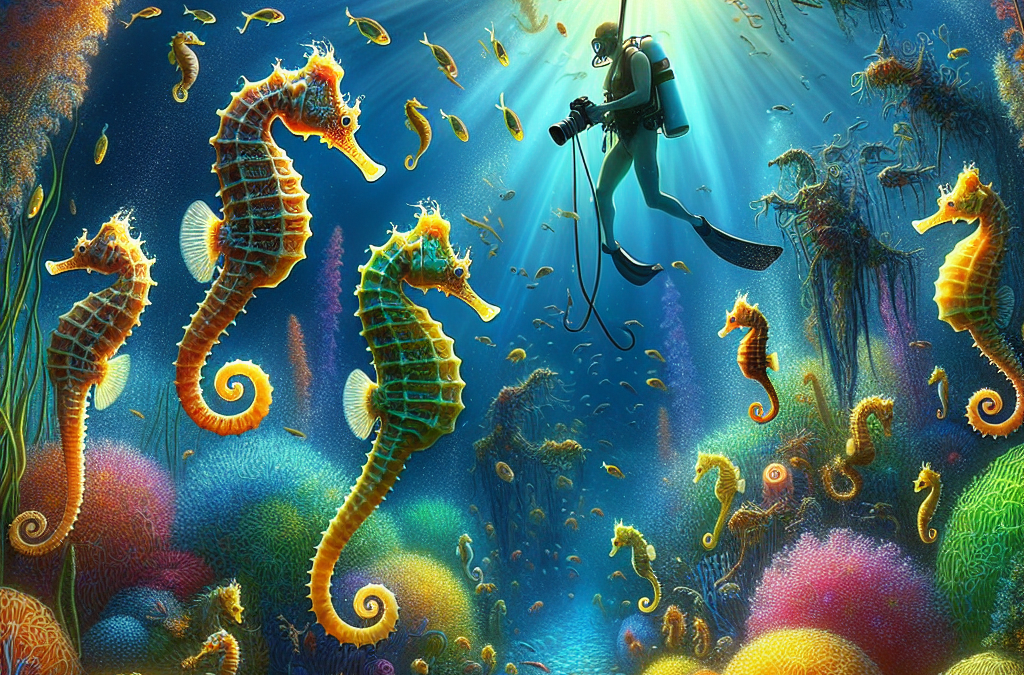
Exploring The Spectacular Underwater World Of Cozumel
By Tom Seest
At TopCozumelNews, we help travelers enjoy Cozumel by collating information learned from frequently traveling to beautiful Cozumel.
Be sure to read our other related stories at TopCozumelNews to learn more about the Island of Cozumel.
Where Is the Best Scuba Diving In Cozumel Mexico?
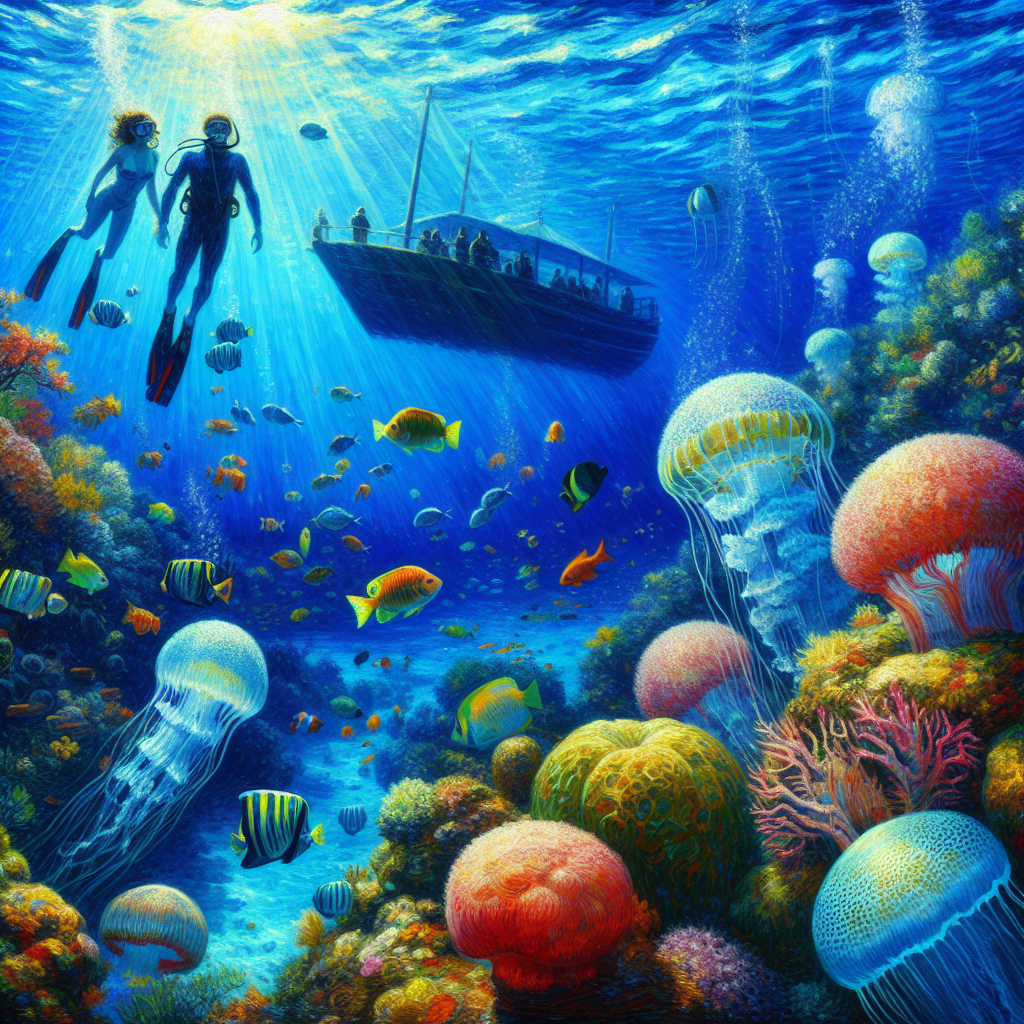
Picture this: you sink beneath the surface of the shimmering Caribbean Sea, and suddenly, the world above becomes a distant memory. Welcome to Cozumel, a diver’s paradise where each dip into the aquatic depths promises a fresh adventure. Known for its crystal-clear waters and rich marine life, this Mexican island is often heralded as one of the best scuba diving destinations on the planet. But where should you go to truly experience the magic beneath the waves?
Let’s start with the crown jewel: the Palancar Reef. Stretching over several miles, this vibrant underwater garden boasts dramatic coral formations, swim-throughs, and a kaleidoscope of marine species. Keep your eyes peeled for parrotfish, angelfish, and even the occasional sea turtle gliding by. This isn’t just another dive; it’s like swimming through a living painting, where every brushstroke is a new surprise.
Next up is the world-renowned Santa Rosa Wall. With its steep drop-offs, this dive site tends to get the adrenaline pumping. As you descend, you’ll be greeted by breathtaking coral formations and the kind of visibility that makes it feel like you’re diving in a giant aquarium. Schools of tropical fish dart in and out of crevices while eagle rays gracefully glide past, reminding you that you’re merely a visitor in their grand underwater realm.
If wreck diving is your jam, then head straight to the C-53, a retired naval ship that’s been transformed into a thriving artificial reef. The C-53 offers an opportunity to explore the remnants of history while surrounded by an array of vibrant marine life. Swim through the ship’s corridors and discover how nature has reclaimed this vessel, turning it into a bustling habitat for little critters and big fish alike.
But it doesn’t end there. For those seeking a more tranquil experience, the shallower reefs at Chankanaab Park provide an ideal spot for divers of all skill levels. Vibrant gardens of coral and diverse marine life make it an accessible option for novices, while still captivating enough for seasoned divers looking to enjoy a leisurely swim.
So, whether you’re chasing adrenaline on a wall dive or soaking in the serenity of a shallow reef, Cozumel delivers a diving experience that truly captivates. Each dive tells a new story, and in these waters, the plot is always rich with color and mystery. Grab your gear, and prepare to get a little salty—Cozumel is waiting.
Where Is the Best Scuba Diving In Cozumel Mexico?
Where Is the Best Scuba Diving In Cozumel Mexico?
- Cozumel is renowned as one of the best scuba diving destinations globally, featuring crystal-clear waters and rich marine life.
- The Palancar Reef is a highlight, showcasing dramatic coral formations and a vibrant array of marine species, including parrotfish and sea turtles.
- Santa Rosa Wall is known for its steep drop-offs and stunning coral structures, providing a thrilling diving experience with excellent visibility.
- The C-53 wreck offers a unique diving opportunity, allowing exploration of a retired naval ship transformed into an artificial reef.
- Chankanaab Park is perfect for divers of all levels, offering shallower reefs with vibrant coral gardens and diverse marine life.
- Cozumel provides a range of diving experiences, from adrenaline-pumping wall dives to serene shallow reef explorations.
- The underwater adventures in Cozumel are rich in color and mystery, promising each diver a unique story with every dive.
Where Is the Best Scuba Diving In Cozumel Mexico?
Table Of Contents
- Where Is the Best Scuba Diving In Cozumel Mexico?
- Does Tormentos Reef Have Good Scuba Diving In Cozumel?
- Does Palancar Reef Have Good Scuba Diving In Cozumel?
- Does Barracuda Reef Have Good Scuba Diving In Cozumel?
- Does Cantrel Reef Have Good Scuba Diving In Cozumel?
- Does Cenote Have Good Scuba Diving In Cozumel?
- What Makes Cozumel A Top Scuba Diving Destination?
- What Are The Best Dive Sites In Cozumel?
- Conclusion
- Other Resources
- Glossary Of Terms
- Other Questions
- Haiku
- Poem
- Checklist
Does Tormentos Reef Have Good Scuba Diving In Cozumel?
When it comes to scuba diving in Cozumel, most folks gravitate toward the famous reefs like Palancar and Columbia. But let’s take a moment to shine a spotlight on an unassuming gem in the area—Tormentos Reef. Nestled on the southwestern side of the island, this lesser-known locale invites thrill-seekers and underwater enthusiasts to plunge into its vibrant depths, delivering a unique dive experience that might just surprise you.
As you prepare for your descent, picture yourself hovering above a sprawling landscape of coral formations. The reef, in all its rugged beauty, stretches like an underwater labyrinth, adorned with an abundance of marine life. It’s not the most flashy place you’ll visit, but that’s part of its charm. You won’t find the overwhelming crowds here; instead, you’ll enjoy a tranquil dive, where the only company you have is the ebb and flow of the ocean and the diverse species beneath the surface.
Diving Tormentos offers the chance to encounter a plethora of marine creatures, from playful schools of sergeant major fish to the graceful gliding of eagle rays and unexpected visits from sea turtles. If you’re lucky, you might even spot a shy nurse shark hiding among the reef. The biodiversity here is impressive, owing much to its relatively untouched state. While the popular reefs are often flooded with divers, Tormentos represents a more intimate connection with the underwater world.
The visibility at Tormentos is usually remarkable, often reaching 80 feet or more, making it a photographer’s paradise. Brightly colored corals thrive in this environment, creating a painter’s palette of reds, yellows, and purples. You can meander through swim-throughs and explore crevasses filled with the bustling life of tiny shrimp and vibrant anemones. And let’s not forget about the thrill of drift diving here. The current can give you a joyful ride as you navigate the reef, effortlessly gliding past stunning coral gardens.
Now, do I dare say Tormentos Reef might just be one of Cozumel’s best-kept secrets? For those willing to venture off the beaten path, this spot offers a slice of serenity that’s hard to match. Whether you’re a novice or a seasoned diver, Tormentos serves up a memorable experience—one that may forever change how you see Cozumel’s incredible underwater world. So strap on that gear, take a deep breath, and dive into adventure. You won’t regret it.

Does Tormentos Reef Have Good Scuba Diving In Cozumel?
Does Tormentos Reef Have Good Scuba Diving In Cozumel?
- Tormentos Reef is a lesser-known dive site in Cozumel, located on the southwestern side of the island.
- It offers a tranquil diving experience away from the crowds found at more popular sites like Palancar and Columbia.
- Divers can encounter diverse marine life, including schools of sergeant major fish, eagle rays, sea turtles, and nurse sharks.
- The reef boasts impressive biodiversity due to its relatively untouched state.
- Visibility is often exceptional, reaching up to 80 feet, which is ideal for underwater photography.
- Diving at Tormentos includes the fun of drift diving and exploring colorful coral formations.
- The site provides an intimate connection to the underwater ecosystem, making it a potential hidden gem for divers.

Does Tormentos Reef Have Good Scuba Diving In Cozumel?
Does Palancar Reef Have Good Scuba Diving In Cozumel?
When it comes to scuba diving, few places on Earth can compete with the breathtaking beauty of Palancar Reef in Cozumel. This underwater paradise is often hailed as one of the best dive spots on the planet, and for good reason. With its vibrant marine life, stunning formations, and crystal-clear waters, Palancar Reef beckons divers from all walks of life, whether you’re a seasoned pro or a curious beginner.
Let’s start with the variety. This reef is not just a single site but a sprawling underwater landscape featuring a series of dive sites, each with its own unique charm. You’ve got the majestic wall dives, where you drift along the edge of a sheer drop-off, the vibrant coral gardens teeming with life, and the mesmerizing tunnels and caverns you can explore. Here, you can witness a menagerie of marine creatures, from playful sea turtles and elegant rays to multicolored schools of tropical fish darting between the corals. There’s simply no shortage of spectacles to behold.
Visibility is another major selling point. Divers often report astonishing clarity, sometimes exceeding 100 feet. This means that every detail of the coral formations and fish life is on full display. And let’s be honest—there’s something magical about gliding through an underwater landscape that seems straight out of a nature documentary. When you can see the colors pop and the shadows dance below you, it’s hard not to feel a rush of excitement.
The conditions at Palancar Reef make for a user-friendly dive experience, with warm waters that stay around a balmy 78 to 82 degrees Fahrenheit. Most dive sites are also accessible to a range of skill levels, allowing newbies to dip their fins in while encouraging experienced divers to explore the deeper, more challenging areas. It’s a place where adventure meets tranquility, offering something for everyone.
But perhaps what sets Palancar Reef apart is the sense of community. As you descend into this vibrant underwater world, you’ll often find yourself surrounded by fellow divers, sharing the awe of what’s just below the surface. It’s a camaraderie that transcends language and geography—a shared respect for the beauty that the ocean has to offer.
In short, if you’ve ever had the itch to explore the underwater world, Palancar Reef in Cozumel is an experience you won’t want to miss. Whether you’re swimming alongside a gentle giant or simply enjoying the sway of the coral, you’ll find that the true magic lies in the moments you spend submerged in the crystal-clear waters of this stunning reef.

Does Palancar Reef Have Good Scuba Diving In Cozumel?
Does Palancar Reef Have Good Scuba Diving In Cozumel?
- Palancar Reef is recognized as one of the best scuba diving spots in the world due to its stunning beauty.
- The reef features a variety of dive sites, including wall dives, coral gardens, and tunnels.
- Diverse marine life includes sea turtles, rays, and colorful tropical fish.
- Visibility often exceeds 100 feet, providing an extraordinary view of underwater landscapes.
- Water temperatures range from 78 to 82 degrees Fahrenheit, making for a comfortable diving experience.
- Dive sites cater to all skill levels, from beginners to experienced divers.
- The diving experience fosters a sense of community among divers sharing the beauty of the reef.

Does Palancar Reef Have Good Scuba Diving In Cozumel?
Does Barracuda Reef Have Good Scuba Diving In Cozumel?
When it comes to diving in Cozumel, Barracuda Reef stands out as a tantalizing destination for both seasoned divers and curious novices. Nestled in the warm, crystalline waters of the Caribbean, this reef captivates with its vibrant aquatic life and stunning underwater vistas. You might be wondering, “What’s the big deal?” Well, let me take you on a little dive into the depths of what makes Barracuda Reef such an alluring spot.
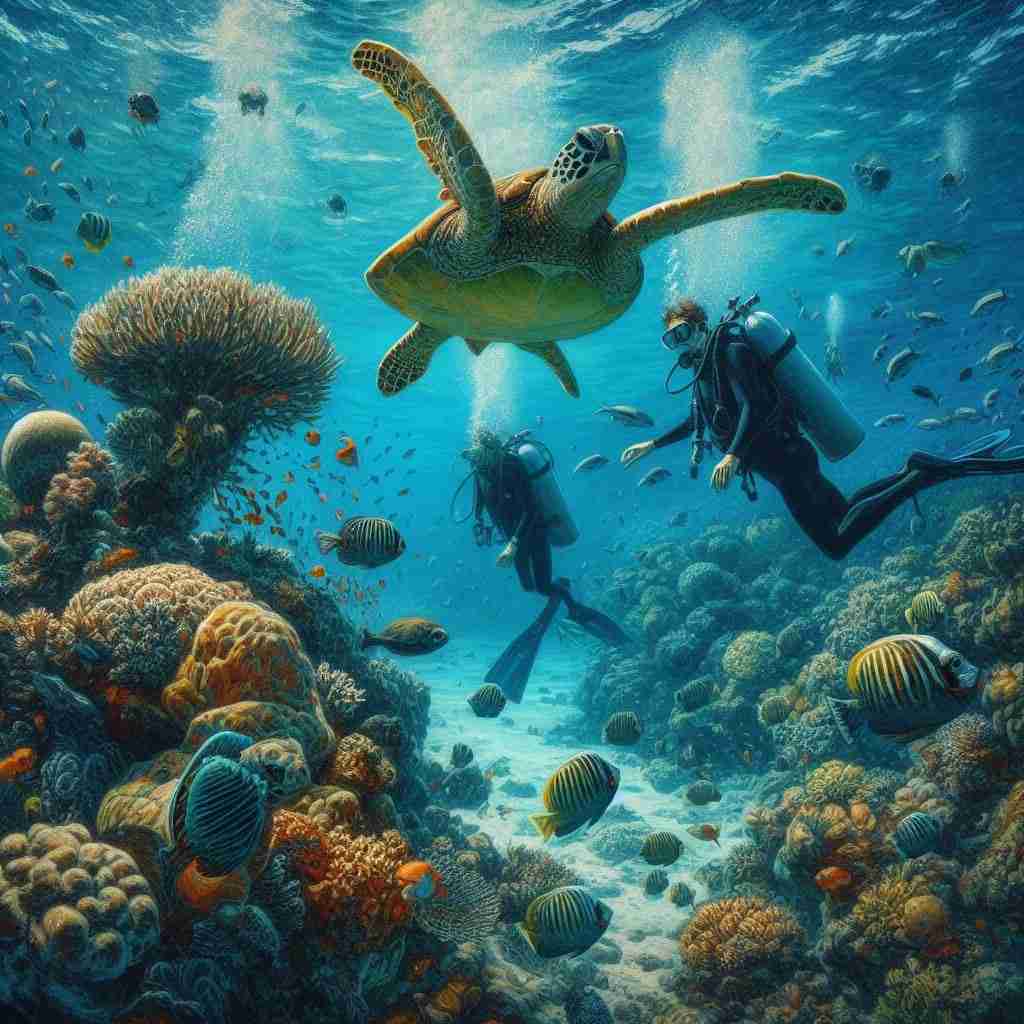
First off, the name alone conjures images of sleek, formidable fish darting through the currents, and you won’t be disappointed. This reef is a bustling metropolis of marine life. Expect to encounter barracuda, of course, but also schools of colorful parrotfish, graceful sea turtles, and even the occasional nurse shark. The biodiversity here is so rich that your underwater adventure could feel more like a live-action nature documentary than a simple outing.
But it’s not just the inhabitants that make Barracuda Reef special; it’s the scenery, too. With its sprawling coral formations and lush sea grass beds swaying gently with the tide, divers can revel in the mesmerizing beauty of the underwater world. You’ll be treated to breathtaking colors, shapes, and textures – think of it as a vibrant undersea gallery that Mother Nature curated just for you. The visibility is often excellent, often reaching up to 100 feet, which means you can soak in every detail, from the tiniest shrimp hiding in the coral crevices to the panoramic schools of fish sweeping by.
For those still on the fence about diving, Barracuda Reef offers various dive sites that cater to different skill levels. Beginners can start with more shallow sections, getting their fins wet and easing into the experience, while experienced divers can explore deeper walls teeming with life. Many dive shops nearby provide guided tours, gear rentals, and expert instruction, ensuring you’re well-prepared to make the most of your dive.
Additionally, the reef serves as a reminder of the fragile ecosystems that exist beneath the surface. Divers are urged to practice responsible diving techniques, respecting the environment and helping preserve this breathtaking locale for generations to come. Remember, every dive here is not just an adventure; it’s also an opportunity to be a steward of the sea.
So, does Barracuda Reef have good scuba diving? You bet it does! It’s the kind of place that calls to adventure seekers, nature lovers, and anyone with a sense of curiosity. Slip on your wetsuit, take a deep breath, and get ready to explore an underwater wonderland like no other.

Does Barracuda Reef Have Good Scuba Diving In Cozumel?
Does Barracuda Reef Have Good Scuba Diving In Cozumel?
- Barracuda Reef is a premier diving destination in Cozumel, appealing to both seasoned divers and novices.
- The reef is known for its vibrant marine life, including barracuda, parrotfish, sea turtles, and nurse sharks.
- Divers can enjoy stunning underwater scenery with expansive coral formations and lush sea grass beds.
- Visibility at the reef often reaches up to 100 feet, allowing for excellent viewing of marine life.
- Barracuda Reef offers dive sites for all skill levels, with shallow areas for beginners and deeper sections for advanced divers.
- Nearby dive shops provide guided tours, gear rentals, and expert instruction for a well-rounded diving experience.
- Divers are encouraged to practice responsible diving to help preserve the fragile ecosystem of Barracuda Reef.
Does Barracuda Reef Have Good Scuba Diving In Cozumel?
Does Cantrel Reef Have Good Scuba Diving In Cozumel?
Ah, Cantrel Reef—just whispering its name conjures visions of vibrant marine life and crystalline waters. Nestled in the heart of Cozumel, this underwater ecosystem is like nature’s own amusement park, just waiting for adventurous souls to dive in. So, does it deliver on the promise of unforgettable scuba diving? The answer is a resounding yes.
Take a moment to picture yourself slipping beneath the ocean’s surface. As you descend into the depths, the world transforms into a living mosaic of color and movement. Cantrel Reef doesn’t skimp on the spectacle. You’ll encounter stunning coral formations, swaying sea fans, and playful schools of fish that dart about as if performing their own underwater ballet. This is not merely a dive; it’s an invitation to witness nature’s artistry in high definition.
The health of the reef is another pat on the back for Cantrel. Unlike some of its more popular neighbors, this area has benefitted from conscious conservation efforts, allowing the marine life to flourish. Divers frequently report sightings of everything from reclusive seahorses to majestic eagle rays gliding elegantly through the water. However, let’s not forget the little guys—tiny nudibranchs that burst with color demand your attention, too. Bring your camera; you’re going to want to capture these moments.
But it’s not just about the sights; the conditions play a crucial role. With visibility often exceeding 100 feet, divers can appreciate the subtleties of the reef from all angles. The temperatures are inviting, usually hovering around the sweet spot of 75 to 85 degrees Fahrenheit year-round—perfect for extended exploration without the dread of freezing. Add the gentle currents into the mix, and you’ve got a recipe for an enjoyable diving experience, regardless of your skill level.
For those who might be new to the dive scene, fear not. Numerous local dive shops offer guided tours, ensuring you venture into the depths with knowledgeable experts. They’ll share their insights, point out hidden wonders, and help you navigate the underwater currents—all while prioritizing safety.
CCantrel Reef is more than just a destination; it’s a celebration of what lies beneath. So, grab your gear and prepare for an experience that might just change the way you see the ocean forever. Dive in, breathe deep, and let the wonders of Cantrel Reef enchant you.
Does Cantrel Reef Have Good Scuba Diving In Cozumel?
Does Cantrel Reef Have Good Scuba Diving In Cozumel?
- Cantrel Reef, located in Cozumel, is an underwater ecosystem known for vibrant marine life and clear waters.
- Diving at Cantrel Reef offers an unforgettable experience with stunning coral formations, swaying sea fans, and lively schools of fish.
- The reef’s health benefits from conservation efforts, supporting diverse marine life including seahorses and eagle rays.
- Visibility at Cantrel Reef exceeds 100 feet, making it ideal for observing the reef’s rich details.
- Water temperatures range from 75 to 85 degrees Fahrenheit year-round, ensuring comfortable diving conditions.
- Local dive shops offer guided tours for beginners, prioritizing safety and sharing insights about the underwater environment.
- Cantrel Reef is celebrated for its natural beauty and is sure to enhance your appreciation of the ocean.

Does Cantrel Reef Have Good Scuba Diving In Cozumel?
Does Cenote Have Good Scuba Diving In Cozumel?
When it comes to scuba diving in Cozumel, the conversation often drifts towards the vibrant coral reefs, the azure waters, and the colorful marine life. However, tucked away in the nearby Yucatán Peninsula are cenotes—natural sinkholes filled with crystal-clear water, offering an entirely different experience for scuba enthusiasts. So, does Cenote have good scuba diving? The answer is a resounding yes, and here’s why.
First, let’s get our feet wet. Cenotes are geological formations born from the erosion of limestone, creating spectacular underwater caverns and tunnels. Imagine diving beneath the surface and being enveloped in an otherworldly atmosphere where sunlight filters through openings above, casting mesmerizing patterns on the water. You’ll find that diving in a cenote is more than just a physical activity; it feels like stepping into nature’s art gallery. The unique limestone formations, stalactites, and stalagmites add a fascinating element to your underwater exploration.
One of the most appealing aspects of cenote diving is the visibility. Thanks to the filtration of rainwater through the limestone, cenotes often boast stunning visibility—a diver’s dream. Unlike the more turbulent waters you might encounter in ocean diving, cenote dives tend to offer a calm serenity that allows you to truly appreciate your surroundings. You can see for miles in some locations, revealing intricate geological formations and aquatic life that you might miss in murkier waters.
Now, let’s not forget the wildlife. While cenotes might not showcase the same flamboyance of tropical fish you’d expect in the ocean, they host a unique cast of characters. You may encounter freshwater species, cave-dwelling fish, and even the occasional turtle gliding through the enchanted blue depths. Plus, the opportunity to see prehistoric fossils and the remnants of ancient civilizations add a historical dimension that no ocean dive can touch.
For the adventure seekers out there, cenote diving is often less crowded than its oceanic counterparts, allowing for a more intimate experience. You won’t feel like you’re part of a school of fish competing for attention. Instead, it’s just you, the water, and the wonders of a natural phenomenon that has captivated explorers for centuries.
So, if you’re looking to squeeze every drop of fun out of your Cozumel diving experience, venture into the depths of a cenote. It’s a chance to explore a magical underwater world that’s as educational as it is exhilarating. There’s a whole lot more to discover beneath the surface than just coral reefs, and the cenotes of the Yucatán Peninsula beckon to scuba divers with that promise.

Does Cenote Have Good Scuba Diving In Cozumel?
Does Cenote Have Good Scuba Diving In Cozumel?
- Cenotes are natural sinkholes on the Yucatán Peninsula that offer a unique scuba diving experience.
- These geological formations are created from limestone erosion, featuring stunning underwater caverns and tunnels.
- Divers can enjoy an otherworldly atmosphere with sunlight filtering through the surfaces, creating beautiful light patterns in the water.
- Cenotes provide exceptional visibility, allowing divers to appreciate intricate geological formations and aquatic life.
- Instead of tropical fish, divers can encounter unique freshwater species, cave-dwelling fish, turtles, and prehistoric fossils.
- Cenote diving is often less crowded, providing a more intimate exploration experience.
- Exploring cenotes adds an educational and exhilarating dimension to the diving experience in Cozumel.

Does Cenote Have Good Scuba Diving In Cozumel?
What Makes Cozumel A Top Scuba Diving Destination?
When it comes to scuba diving, there’s a world of incredible destinations out there, but few can match the allure of Cozumel, a true gem in the Caribbean Sea. It’s a paradise for divers, bursting with underwater wonders, and the reasons why are as vast as the ocean itself.
First off, let’s talk about the geography. Cozumel, an island that’s part of Mexico’s Quintana Roo state, isn’t just any patch of land floated in the turquoise waves. It sits right on the Mesoamerican Reef, the second-largest barrier reef in the world. This natural wonder boasts an impressive array of marine life, vibrant coral formations, and crystal-clear waters, making it a playground for both novice divers and seasoned veterans. You can explore walls that plunge into the deep blue, swim through mesmerizing tunnels, and encounter diverse species—from brilliantly colored parrotfish to majestic sea turtles gliding by.
But it’s not only the underwater beauty that makes Cozumel stand out; it’s also the great conditions for diving year-round. The waters around the island are typically warm, with temperatures hovering around a comfortable 78°F to 85°F. Visibility can reach up to 100 feet, enabling divers to soak in every facet of this aquatic paradise. Add to that the remarkably calm seas, and you’ve got a recipe for memorable underwater adventures.
Cozumel isn’t just about exploring the depths; it’s about sharing experiences with other diving aficionados. The dive community here is welcoming, with seasoned instructors and local guides eager to introduce you to their underwater backyard. Whether you’re joining a group for a guided tour or taking a dive course, you’ll find camaraderie among fellow divers that turns every plunge into an unforgettable experience.
Don’t forget the variety of dive sites. For those who crave the thrill of drift diving, Cozumel offers a marvelous current that allows divers to glide alongside the scenery with minimal effort—like nature’s own amusement park ride. From the famous Palancar Reef to the captivating Santa Rosa Wall, every dive spot tells its own story, teeming with life and wonder.
In short, Cozumel is more than just a destination; it’s an invitation to immerse yourself in a world brimming with vibrant colors, intriguing creatures, and adventures around every corner. When you take the plunge into these waters, you’re not just diving—you’re stepping into a living gallery of nature’s artistic brilliance. So, strap on that gear, hold your breath, and get ready for an experience that goes beyond the ordinary. In Cozumel, the ocean’s calling, and it’s a siren song you won’t want to ignore.

What Makes Cozumel A Top Scuba Diving Destination?
What Makes Cozumel A Top Scuba Diving Destination?
- Cozumel is a premier diving destination in the Caribbean Sea, known for its underwater wonders.
- The island is located on the Mesoamerican Reef, the second-largest barrier reef globally, rich in marine life and coral formations.
- Diving conditions are excellent year-round, with water temperatures between 78°F to 85°F and visibility up to 100 feet.
- The dive community in Cozumel is welcoming, with experienced instructors and guides eager to share their knowledge.
- Variety of dive sites available, including drift diving opportunities and popular spots like Palancar Reef and Santa Rosa Wall.
- Cozumel offers an immersive experience in a vibrant underwater environment filled with diverse marine life.
- Diving in Cozumel is more than an activity; it’s a chance to explore a living gallery of nature’s brilliance.

What Makes Cozumel A Top Scuba Diving Destination?
What Are The Best Dive Sites In Cozumel?
When you think of diving in Cozumel, you’re stepping into a veritable cornucopia of marine life, vibrant coral reefs, and underwater adventures that would make Poseidon himself blush with envy. The island, nestled just off the coast of the Yucatán Peninsula, is adorned with some of the world’s finest dive sites, each offering a unique glimpse into the underwater wonderland below. So, strap on your gear and let’s plunge into the depths of what makes this Caribbean gem a diver’s paradise.
First on the list is Palancar Reef. This is the big kahuna of dive sites, a sprawling labyrinth of colorful coral formations and thriving marine habitats. Imagine swimming through towering coral canyons and encountering friendly sea turtles gliding by, as if they’re your personal tour guides. Palancar boasts excellent visibility and an array of marine life, from parrotfish to nurse sharks lurking in the shadows. You could spend days exploring its nooks and crannies, but don’t forget to look up; at times, the sheer beauty overhead rivals what’s below.
Next up is Columbia Reef, another majestic spot that rivalries Palancar. Known for its sheer walls and dramatic drop-offs, it’s like the Hollywood blockbuster of dive spots. You’re likely to encounter majestic eagle rays and cheerful schools of snapper flitting about. The currents can come into play here, so it’s ideal for those who are a bit more seasoned with their fins, but the thrill is well worth it.
If you’re after something a little less crowded, head over to Santa Rosa Wall. This site is where the ocean drops into the abyss, creating a thrilling experience for adventurous divers. Here, you might find yourself in the company of gigantic groupers and vibrant angelfish flitting through the coral, showcasing the beauty of life underwater.
And let’s not forget The Devil’s Throat. Sounds ominous, right? Well, it’s one of the most exciting dives you’ll ever experience. This site features a breathtaking vertical drop that leads to an enchanting tunnel carved by nature itself. The thrill of swimming through this geological wonder is palpable, as colorful fish dart around, seemingly choreographed to their own underwater ballet.
Each dive site in Cozumel tells its own story, filled with beauty, mystery, and the kick of adventure. So, grab your gear and get ready to explore; the underwater world of Cozumel is waiting to welcome you with open fins!

What Are The Best Dive Sites In Cozumel?
What Are The Best Dive Sites In Cozumel?
- Cozumel offers abundant marine life and vibrant coral reefs, making it a diver’s paradise.
- Palancar Reef features colorful coral formations, excellent visibility, and diverse marine species including parrotfish and nurse sharks.
- Columbia Reef is known for its dramatic drop-offs, with opportunities to see eagle rays and schools of snapper; suitable for experienced divers.
- Santa Rosa Wall offers a thrilling dive experience in a less crowded environment, home to large groupers and colorful angelfish.
- The Devil’s Throat presents an exciting vertical drop and a mesmerizing tunnel, rich in marine life and beauty.
- Each dive site in Cozumel has its unique features, promising adventure and exploration.
- Cozumel’s underwater world is an inviting realm for divers ready to discover its wonders.

What Are The Best Dive Sites In Cozumel?
Conclusion
Alright folks, let’s wrap this up with a dive into the depths of what makes Cozumel a true scuba diving haven. Picture this: you’re standing on the edge of a vibrant blue abyss, the gentle swells of the Caribbean Sea lapping at your feet, and an underwater world brimming with life just waiting to be explored. Whether you’re a seasoned pro or a curious newbie, Cozumel’s dive sites cater to everyone, offering a tapestry of marine spectacles like no other.
Let’s not forget the star of the show—Palancar Reef. This place is nothing short of a water-based wonderland, a sprawling locale where you can drift past colorful coral gardens and playful marine life. It’s like swimming through a living piece of artwork that never goes out of style. Meanwhile, the Santa Rosa Wall adds a dose of adrenaline with its steep drop-offs and the thrill of spotting eagle rays gliding effortlessly by.
For those who crave a taste of history, the C-53 wreck provides a double whammy of exploration and marine life. Imagine wandering through the remnants of a naval ship, now a thriving artificial reef—nature’s way of turning manmade into magical. And hey, if you’re looking for a peaceful retreat, the shallower reefs at Chankanaab Park are perfect for divers of all stripes, where tranquility reigns and vibrant marine life dares you to take a closer look.
Now let’s talk about a little hidden gem—Tormentos Reef. If you’re hoping to escape the crowds and discover an intimate underwater experience, this enchanting spot offers much more than meets the eye. With extraordinary visibility and a diverse range of marine critters, it’s a tranquil sanctuary that often leaves divers mesmerized.
And for even more adventure, the cenotes sprinkled across the Yucatán Peninsula give you an otherworldly diving experience, unveiling a geological spectacle that feels almost magical. These natural sinkholes invite you into a serene world of intricate formations and filtered sunlight, different from the coral playgrounds but every bit as captivating.
In conclusion, whether you’re about to pour salty water into your mask or enthralled by the sight of a sea turtle gliding by, every dive in Cozumel is a chapter in a grand underwater story. The vibrant colors, the diversity of life, and the sheer adventure of each descent make this destination a bucket list must for any diver. So grab that gear, take a deep breath, and dive into the wonders that await—you won’t be disappointed! Cozumel’s calling, and the ocean is ready to share its secrets with you.

Conclusion
Conclusion:
- Cozumel offers a vibrant scuba diving experience for both seasoned divers and beginners.
- Palancar Reef features colorful coral gardens and abundant marine life, resembling a living artwork.
- Santa Rosa Wall provides exhilaration with steep drop-offs and chances to see eagle rays.
- The C-53 wreck offers historical exploration alongside thriving marine ecosystems.
- Chankanaab Park features calm, shallow reefs perfect for tranquil dives and diverse sea life.
- Tormentos Reef is a hidden gem known for its extraordinary visibility and serene underwater environment.
- Cenotes in the Yucatán Peninsula offer unique geological diving experiences filled with intricate formations.

Conclusion
Other Resources

Other Resources
Cozumel rewards travelers who stay longer than the cruise ship crowd. If that’s the kind of trip you’re cooking up, here’s where we’d point you for lodging. Stingray 37 is a Cozumel rental for divers and ocean-leaning travelers. Sunset 37 is a Cozumel rental positioned for divers and waterfront-loving travelers.
Here is a list of other resources you can review online to learn more:
- CRAZY King Burrito
- La Cucina Italiana
- Cozumel Chef
- Cozumel Scuba Repair
- Chocolates Kaokao
- Cozumel Reefs
- Reef Safe Sunscreen
- Casa Denis
- Palancar Beach
- a Cozumel rental built around the dive schedule
- sunset37.com
Use This Prompt To Get More Resources With Your Favorite Online AI Tool: Please provide me with a list of online articles with their URLs in a bulleted list that I can read regarding Where Is the Best Scuba Diving In Cozumel Mexico?

Other Resources
Glossary Terms
Where Is the Best Scuba Diving In Cozumel Mexico? – Glossary Of Terms
1. Cozumel: An island off the eastern coast of Mexico’s Yucatán Peninsula, known for its clear waters and vibrant coral reefs, making it a prime scuba diving destination.
2. Reef: A submerged structure made of limestone and coral, providing habitat for diverse marine life. Cozumel is famous for its extensive reef systems.
3. Barracuda: A large, predatory fish often found in tropical waters, known for its streamlined body and sharp teeth, commonly seen by divers in Cozumel.
4. Manta Ray: A large, graceful fish with wide fins that can be seen gliding through the water around Cozumel’s reefs.
5. Coral Gardens: Vibrant areas rich with various coral species and marine life, popular dive sites in Cozumel characterized by their scenic underwater landscapes.
6. Drift Diving: A diving technique where divers allow themselves to be carried along by ocean currents, a common practice in Cozumel due to its favorable dive conditions.
7. Snorkeling: A surface water activity similar to diving, where participants use a mask and snorkel to observe underwater life, often done in the shallow areas of Cozumel.
8. Dive Shop: A business that provides scuba diving gear rental, guided dives, and certification courses, crucial for divers exploring Cozumel.
9. Dive Master: A certified professional who leads diving excursions, ensuring safety and providing information about local marine life during dives in Cozumel.
10. Wreck Diving: A type of diving that explores sunken ships, offering a unique experience of maritime history and artificial reefs in places like Cozumel.
11. Underwater Photography: Capturing images of marine life and landscapes while diving, a popular activity among divers in the beautiful waters of Cozumel.
12. Nitrox: A breathing gas mixture with a higher oxygen content than regular air, used for extended dive times and reduced nitrogen absorption, commonly used in Cozumel.
13. Ceiling: The top of a submerged cave or underwater structure, often marked by unique marine life, encountered while diving in Cozumel’s caves and caverns.
14. Vis: Short for visibility, it refers to how far one can see underwater. Cozumel is renowned for its excellent diving visibility, often exceeding 100 feet.
15. Marine Park: Protected areas that preserve marine ecosystems, such as the Cozumel Reefs National Marine Park, where divers can explore thriving marine habitats.
16. Buoyancy Control: A diver’s ability to maintain a neutral buoyancy underwater, crucial for an enjoyable and safe diving experience in Cozumel.
17. Scuba Certification: A recognized qualification indicating that an individual has completed the necessary training to dive safely, often required for divers in Cozumel.
18. Drop-Off: A steep underwater slope leading from shallow water to deeper depths, common in Cozumel’s dive sites, attracting various marine species.
19. Turtles: Sea turtles are commonly spotted diving in Cozumel, known for their gentle demeanor and importance in marine ecosystems.
20. Eel: Elongated fish often found hiding in crevices among reefs. Cozumel is home to various eel species, like green eels and moray eels.
21. Lobster: A crustacean often found in the waters surrounding Cozumel, known for its culinary value and as an intriguing sight for divers.
22. Anemone: A beautiful marine organism that often hosts clownfish, encountered in Cozumel’s coral gardens.
23. Reef Fish: A term for various species of fish that inhabit coral reefs, such as parrotfish, angelfish, and butterflyfish, commonly seen in Cozumel.
24. Safety Stop: A pause made during ascent to allow nitrogen to safely exit the body, often performed at a depth of 15 feet after a dive in Cozumel.
25. Thermocline: A layer of water where the temperature changes more dramatically, affecting buoyancy and visibility while diving.
26. Night Diving: An exhilarating experience of diving after dark, revealing nocturnal marine life that can be seen in Cozumel’s waters.
27. Dive Computer: An electronic device used by divers to track depth, time, and nitrogen absorption, essential for safe diving practices.
28. Goliath Grouper: A large fish found in the Caribbean, often spotted by divers in Cozumel, notable for their impressive size and docile behavior.
29. Mask: A vital piece of diving gear that allows divers to see underwater clearly while preventing water from entering the eyes.
30. Pressure: The force exerted by the weight of water surrounding a diver, which increases with depth and requires divers to properly equalize during descents.
Glossary Of Terms
Other Questions
Where Is the Best Scuba Diving In Cozumel Mexico? – Other Questions
If you wish to explore and discover more, consider looking for answers to these questions:
- What are the different types of scuba diving experiences available in Cozumel?
- What are the best times of year to go scuba diving in Cozumel?
- How can I prepare for scuba diving in Cozumel if I’m a beginner?
- What dive shops or guides are recommended for scuba diving in Cozumel?
- What safety precautions should I take while scuba diving in Cozumel?
- Are there any certifications required for diving in Cozumel?
- What marine life can I expect to see while diving in Cozumel?
- How do the dive conditions vary between different dive sites in Cozumel?
- What are the environmental considerations for divers in Cozumel?
- Are there any restrictions on diving in certain areas of Cozumel?
- What additional activities are available for non-divers in Cozumel?
- How can I best capture underwater memories while diving in Cozumel?

Other Questions
Haiku
Where Is the Best Scuba Diving In Cozumel Mexico? – A Haiku
Cozumel’s embrace,
Vibrant reefs and vivid blues,
Dive deep, explore life.

Haiku
Poem
Where Is the Best Scuba Diving In Cozumel Mexico? – A Poem
In the embrace of azure seas,
Where dreams of divers find their ease,
Cozumel waits, a jeweled prize,
Beneath its waves, adventure lies.
Palancar calls with coral bright,
A vibrant garden, pure delight.
Swim through tunnels, past sunlit beams,
A canvas alive with nature’s dreams.
Santa Rosa Wall, with thrills to feel,
A steep descent, an ocean reel,
Here schools of fish like flashes dart,
Where beauty dances, close to heart.
C-53, a vessel’s tale,
Once proud and strong now worn and pale.
Nature’s art, in shipwreck’s halls,
Life reclaims where history calls.
In tranquil realms of Chankanaab,
Shallow waters where wonders grab,
Thrive in colors, peace bestowed,
A gentle dance on a diver’s road.
Seek Tormentos, secrets untold,
A hidden gem, serene and bold.
Where currents flow and life unfolds,
In muted hues, its charm enfolds.
Barracuda Reef, vibrant and grand,
A bustling world at divers’ command.
With watchers silent, sleek and keen,
Every dive, a living scene.
Oh Cantrel, in your depths we roam,
A refuge of life, a sacred home.
With laughter and grace, the sea does tease,
In every crevice, nature’s ease.
And then the cenotes, jewel-like caves,
Where sunlight dances on water’s waves,
Explore the still, a world so rare,
In the limestone’s grip, beauty laid bare.
Cozumel’s heart—an underwater symphony,
Calls forth the curious, the wild and free.
So dive in deep, let spirits soar,
For beneath its waves, adventure is evermore.

Poem
Checklist
Where Is the Best Scuba Diving In Cozumel Mexico? – A Checklist
Before Your Dive Trip:
1. Research Dive Sites:
_____ Familiarize yourself with key dive sites: Palancar Reef, Santa Rosa Wall, Tormentos Reef, Barracuda Reef, Cantrel Reef, and cenotes.
_____ Understand what each site offers (e. g. , visibility, marine life, skill levels required).
2. Choose Your Dive Operator:
_____ Look for accredited diving centers with good reviews.
_____ Confirm what equipment is provided and what you should bring.
3. Skill Assessment:
_____ Assess your diving skill level and choose dives accordingly (beginner, intermediate, advanced).
_____ Consider taking a refresher course if it’s been a while since your last dive.
4. Plan Your Dive Itinerary:
_____ Create a schedule that balances different types of dives (wreck, wall, shallow reefs).
_____ Allocate time for other activities on the island if desired.
Packing Essentials:
5. Diving Gear:
_____ Mask and snorkel.
_____ Fins and wetsuit (check local conditions for appropriate thickness).
_____ BCD (buoyancy control device) and regulator (if not renting).
6. Camera Gear:
_____ Underwater camera or GoPro for capturing your adventures.
_____ Memory cards and extra batteries.
7. Safety Supplies:
_____ Dive computer or depth gauge.
_____ Safety sausages (surface markers) for signaling.
8. Personal Items:
_____ Sunscreen (reef-safe).
_____ Swimwear and towels.
_____ Water bottle to stay hydrated.
During Your Dive Trip:
9. Check Weather and Conditions:
_____ Monitor weather forecasts and sea conditions leading up to your dives.
10. Communicate with Your Dive Guide:
_____ Discuss dive plans and any specific interests or concerns.
_____ Confirm emergency protocols.
11. Stay Hydrated and Well-Fed:
_____ Drink plenty of water before and after dives.
_____ Consume nutritious meals to maintain energy levels.
12. Respect Marine Life and Environment:
_____ Follow all rules about touching coral and feeding fish.
_____ Practice responsible diving to protect the reef ecosystem.
Post-Dive Experience:
13. Share and Review Your Experience:
_____ Review your photos and note what you enjoyed most about each dive.
_____ Consider sharing your experiences with others in online forums or social media.
14. Plan Future Dives:
_____ Reflect on what you want to explore next time, based on your experiences.
_____ Consider diving in other locations on the Yucatán Peninsula or beyond.
Safety Reminders:
15. Monitor Your Health:
_____ Pay attention to any signs of decompression sickness or other health issues.
_____ Always dive with a buddy and keep an eye on each other.
Enjoy Your Diving Adventure in Cozumel! 🌊🐠

Checklist
At TopCozumelNews, we help travelers enjoy Cozumel by collating information learned from frequently traveling to beautiful Cozumel.
Be sure to read our other related stories at TopCozumelNews to learn more about the Island of Cozumel.