Exploring The Underwater Wonders Of Cozumel
By Tom Seest
At TopCozumelNews, we help travelers enjoy Cozumel by collating information learned from frequently traveling to beautiful Cozumel.
Be sure to read our other related stories at TopCozumelNews to learn more about the Island of Cozumel.
Visit Our Store To Purchase The Image Above On A Coaster
Do They Have Seahorses In Cozumel?
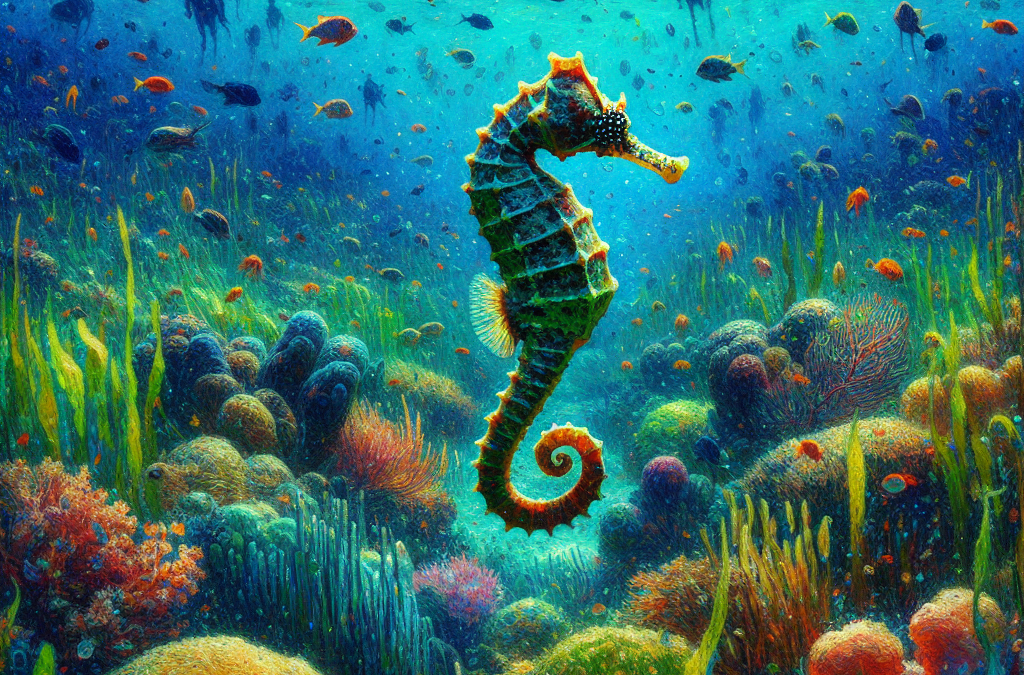
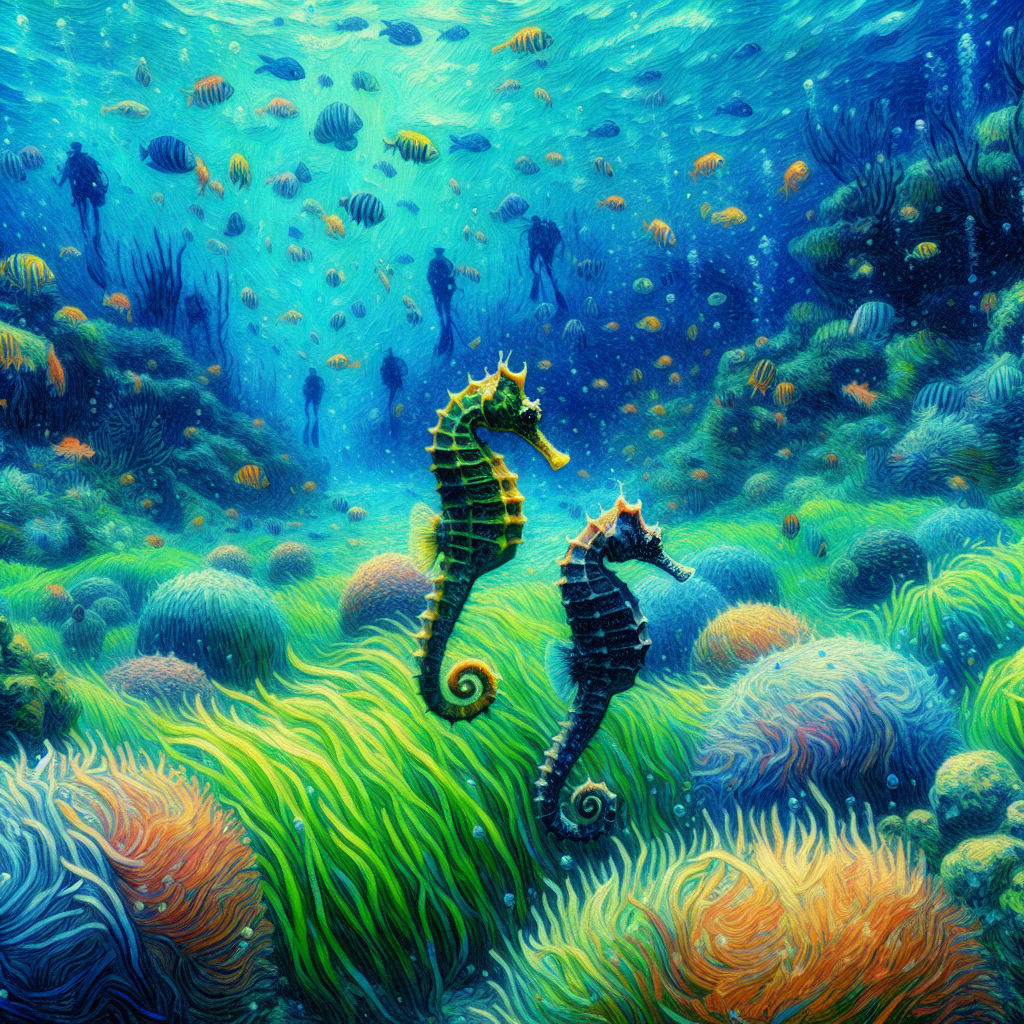
When you picture the vibrant underwater world of Cozumel, it’s easy to get lost in a kaleidoscope of colors—coral reefs bustling with schools of fish and the occasional dramatic splash of a dolphin. But nestled within these lively waters is a creature that demands a moment of contemplation: the seahorse. Curious and enigmatic, these small denizens of the deep have found a home among the warm currents and coral formations surrounding Cozumel.
Seahorses are not your average fish. With their curled tails and horse-like heads, they swim in a unique way that involves a fair bit of quirkiness. Instead of propelling themselves with powerful tail fins like their more boisterous neighbors, they rely on a subtle flutter of their dorsal fins. It’s not an Olympic swimming style, but it certainly sets them apart. These creatures can be hard to spot—almost like little underwater chameleons—hiding amidst seagrasses and coral, using their remarkable camouflage to evade predators. When you find one, it’s indeed a moment worth savoring.
In Cozumel, seahorses can commonly be found clinging to seagrasses and corals, their delicate bodies swaying with the currents. They tend to favor shallower waters, so if you’re diving or snorkeling in the right spots—like the gentle depths of the Parque Nacional Arrecifes de Cozumel—you might just catch a glimpse of these captivating creatures. Local dive shops are more than willing to guide you to the best seahorse spotting locations, often sharing stories of the delicate balancing act these little guys perform in their habitat.
But hands-off, folks! Seahorses are often endangered and should be treated with the utmost respect. They’ve got a mysterious way of engaging in courtship—some species even perform a dance that lasts for several days. That’s right: a couple of seahorses can take their time to woo one another, twirling gracefully in the water. It may not be a grand romantic gesture by human standards, but in the underwater realm, it’s an extraordinary spectacle.
In short, yes, Cozumel does have seahorses, and they’re truly a treasure worth observing. Whether you’re a seasoned diver or a casual snorkeler, keep an eye out for these fascinating little fish. After all, in this beautiful underwater world, every encounter is an opportunity to appreciate the mysteries of life beneath the waves.
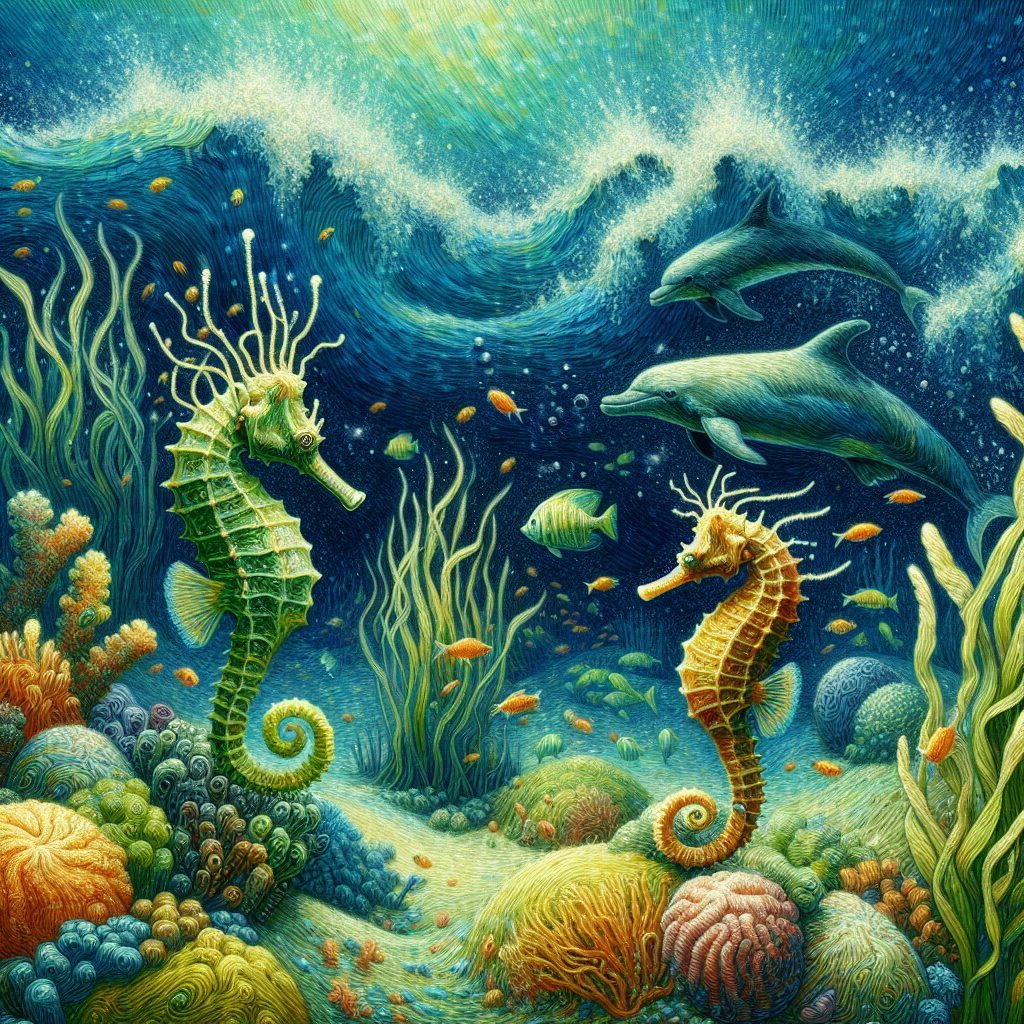
Do They Have Seahorses In Cozumel?
Do They Have Seahorses In Cozumel?
- Cozumel’s underwater world is vibrant, featuring colorful coral reefs and a variety of marine life.
- Seahorses are unique creatures, characterized by curled tails and horse-like heads.
- They swim differently from other fish, using their dorsal fins instead of tail fins for propulsion.
- Seahorses are adept at camouflage, making them difficult to spot among seagrasses and corals.
- They are commonly found in shallower waters, particularly in Parque Nacional Arrecifes de Cozumel.
- Seahorses are often endangered and engage in unique courtship rituals, including days-long dances.
- Observing seahorses is a rare and enchanting experience that enhances one’s appreciation of marine life.
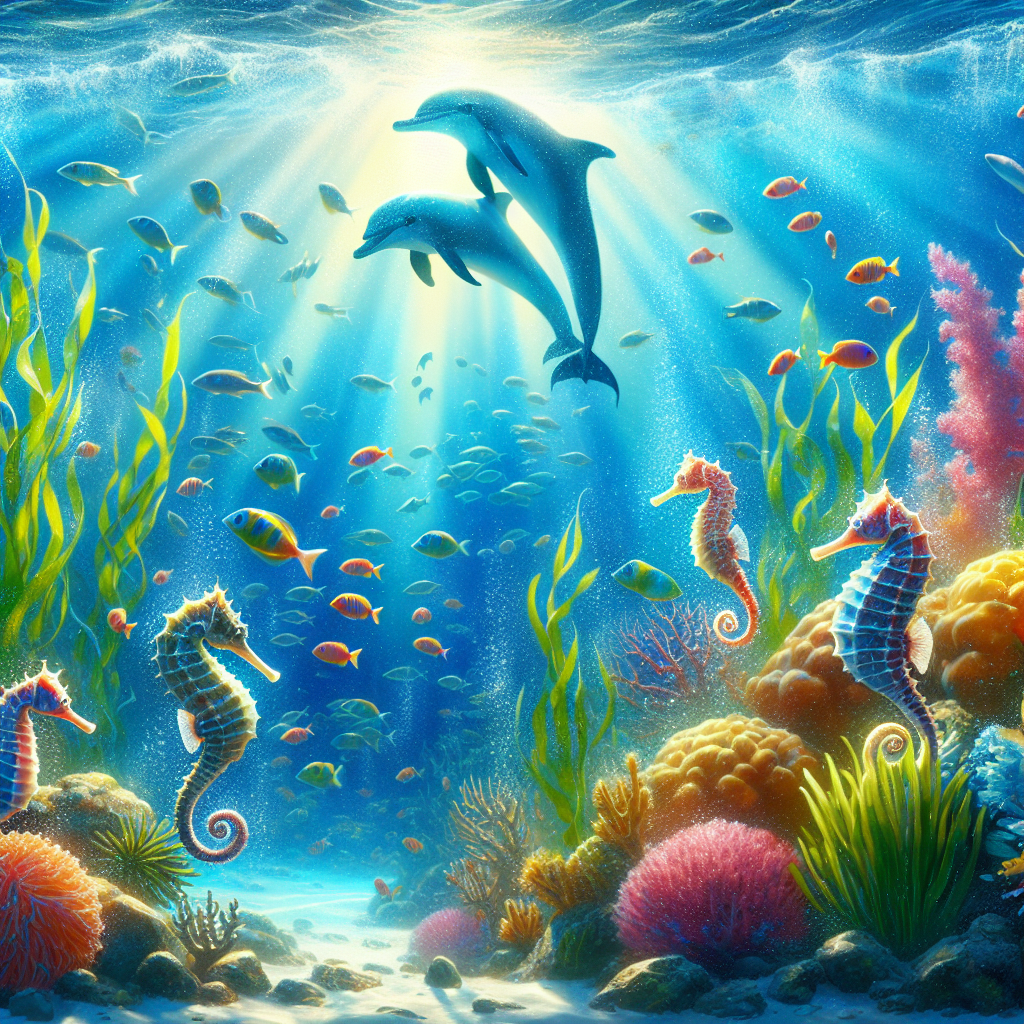
Do They Have Seahorses In Cozumel?
Visit Our Store To Purchase This Image On A Coaster
Table Of Contents
- Do They Have Seahorses In Cozumel?
- What Species Of Seahorses Can Be Found In Cozumel?
- Where Are The Best Spots To See Seahorses In Cozumel?
- What Is The Best Time Of Year To See Seahorses In Cozumel?
- Are There Tours That Focus On Seahorse Watching In Cozumel?
- How Can I Safely Observe Seahorses In Their Natural Habitat?
- What Should I Know About The Conservation Of Seahorses In Cozumel?
- Are Seahorses Endangered In The Waters Around Cozumel?
- Conclusion
- Other Resources
- Glossary Of Terms
- Other Questions
- Haiku
- Poem
- Checklist
What Species Of Seahorses Can Be Found In Cozumel?
When it comes to the enchanting underwater world of Cozumel, few creatures capture the imagination quite like seahorses. These captivating little fish, with their curled tails and horse-like heads, might look like something straight out of a fairytale, but here in the Caribbean waters, they’re as real as ticket prices at a tourist trap. If you’re ready to explore Cozumel’s marine wonders, you’ll be pleased to know that several species of seahorses call this vibrant reef paradise home.
First up is the slender seahorse, known scientifically as *Hippocampus reidi*. This guy is a master of camouflage and can often be spotted clinging to seagrass or coral, blending seamlessly into its surroundings. With elongated bodies and long snouts, slender seahorses can reach lengths of about 8 inches, making them a sight to behold if you’re lucky enough to spot one.
Next on our underwater excursion is the short-snouted seahorse, or *Hippocampus hippocampus*. This species is a bit more petite than its slender cousin but packs a punch when it comes to charm. Typically found in shallow coastal waters, they thrive in environments with plenty of vegetation—perfect for hiding from predators and waiting for a tasty morsel to swim by. These fellas are not just masters of disguise; they’re also masters of reproduction. In a twist that would make even the most seasoned soap opera writers envious, it’s the male seahorse that carries the fertilized eggs in a special pouch until they’re ready to make their grand entrance into the world.
Cozumel’s waters are also home to the Pacific seahorse (*Hippocampus ingens*), though sightings are somewhat rarer than the other species. Often found in deeper waters, these seahorses can grow up to a remarkable length of 12 inches. Don’t let their size fool you; though they are bigger, they are just as delicate and vulnerable as their smaller counterparts.
As you dive or snorkel around Cozumel’s stunning reefs, keep your eyes peeled. These mesmerizing creatures embody the very essence of the ocean’s magic, offering a glimpse into the rich tapestry of life below the surface. Whether you’re a seasoned diver or a curious snorkeler, tracking down these remarkable seahorses is an adventure worth taking. After all, who wouldn’t want to say they’ve hung out with the ocean’s most whimsical residents?
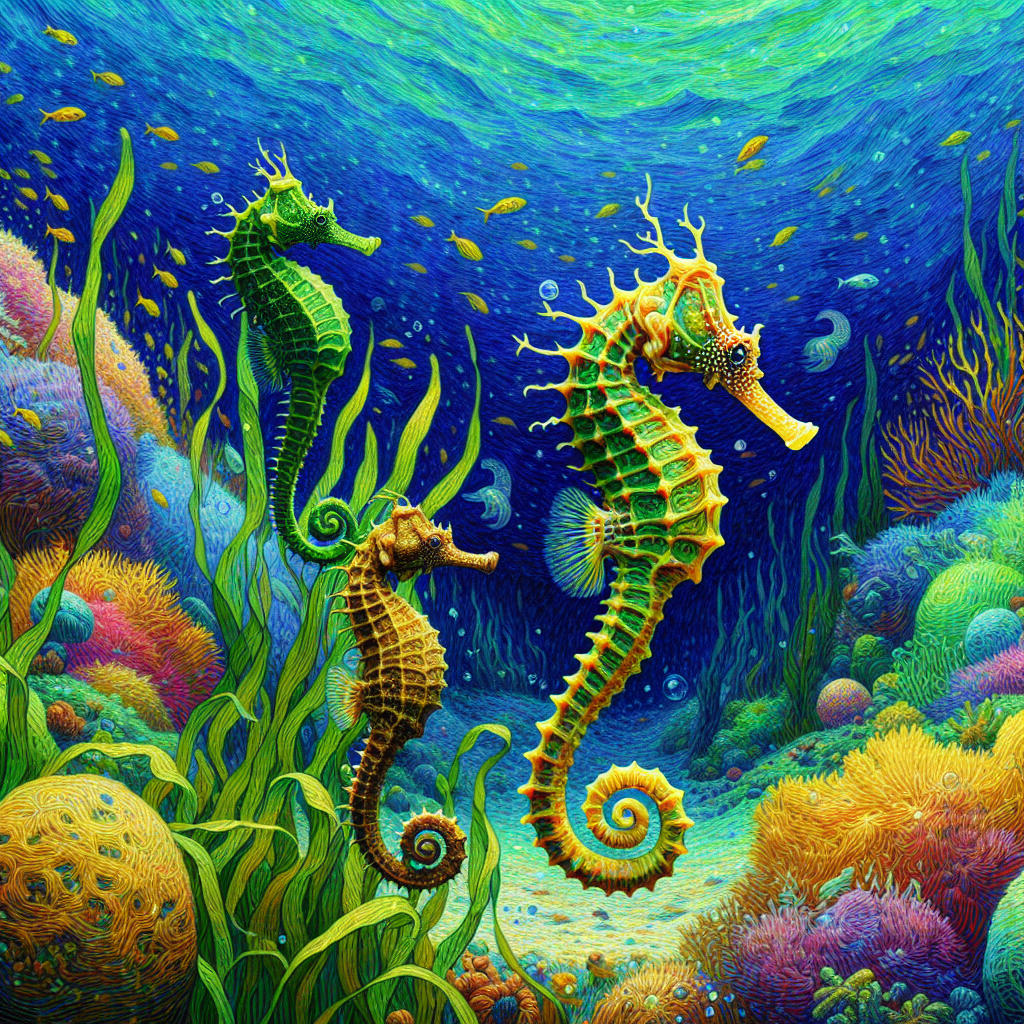
What Species Of Seahorses Can Be Found In Cozumel?
What Species Of Seahorses Can Be Found In Cozumel?
- Cozumel is home to several species of seahorses, which are captivating marine creatures.
- The slender seahorse (*Hippocampus reidi*) is known for its camouflage and can grow up to 8 inches long.
- The short-snouted seahorse (*Hippocampus hippocampus*) is smaller and thrives in shallow coastal waters with abundant vegetation.
- Male short-snouted seahorses uniquely carry fertilized eggs in a special pouch until they hatch.
- The Pacific seahorse (*Hippocampus ingens*) can reach lengths of 12 inches but is less commonly seen.
- All species of seahorses found in Cozumel are delicate and vulnerable despite their varying sizes.
- Exploring Cozumel’s reefs in search of these seahorses offers a magical underwater adventure.
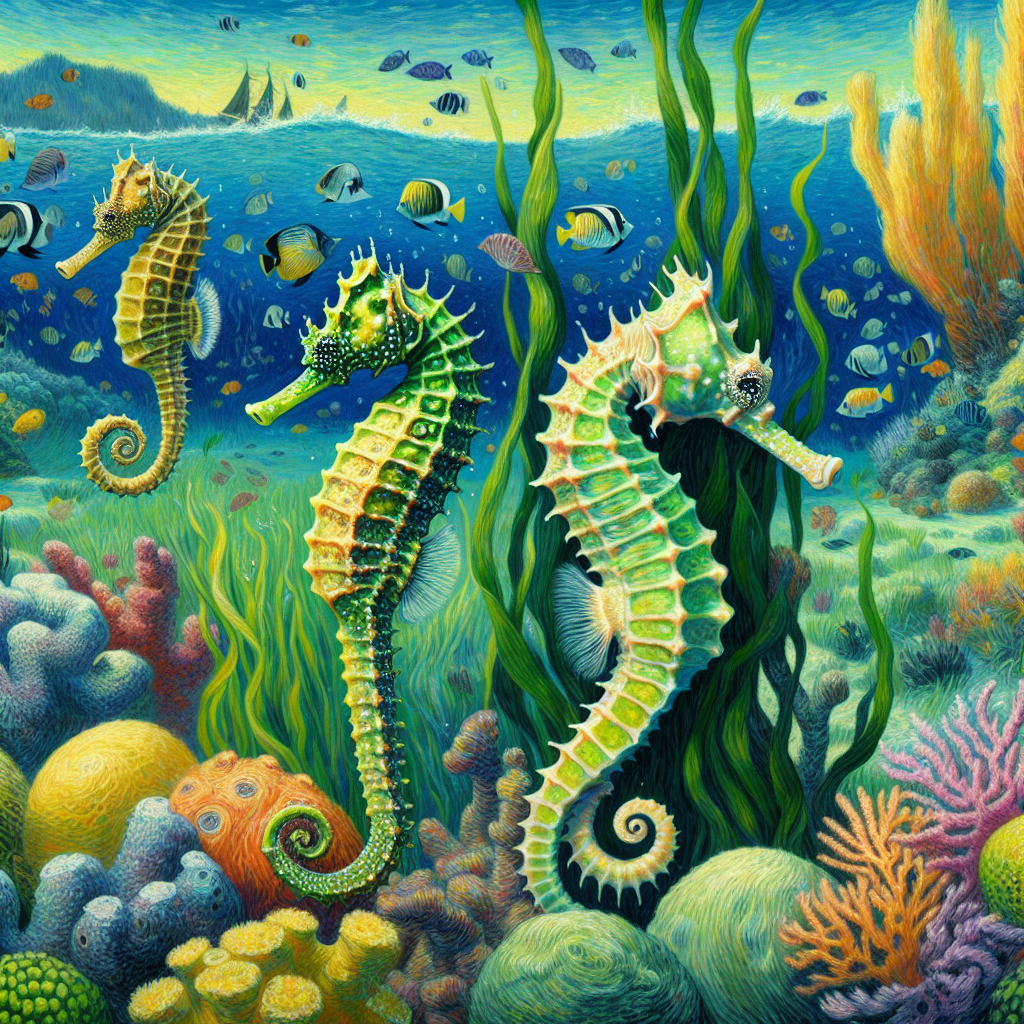
What Species Of Seahorses Can Be Found In Cozumel?
Visit Our Store To Purchase This Image On A Coaster
Where Are The Best Spots To See Seahorses In Cozumel?
Cozumel, a shimmering gem in the Caribbean, isn’t just a paradise for sunbathers and snorkeling enthusiasts; it’s a realm where marine magic comes alive. Among the underwater wonders that wander these waters, seahorses reign supreme, charming both seasoned divers and curious snorkelers alike. If you’re on a quest to spot these enchanting creatures in their natural habitat, you’ve come to the right place.
The first stop on your seahorse safari should be the tranquil shallows of the Puerto Morelos Reef. This protected area is often overlooked by tourists who flock to more popular dive sites, which means you may just have the seahorses all to yourself. The shallow waters are filled with seagrass beds, a favored hangout for seahorses, as they camouflage themselves among the swaying blades. As you glide through the water, keep your eyes peeled for their delicate bodies clinging to vegetation, swaying gently with the currents.
If you’re drawn to deeper waters, head over to the famous Palancar Reef. Known for its stunning coral formations, this site also houses a variety of marine life—including seahorses. Dive sites within the reef system, such as Palancar Gardens, boast vibrant ecosystems where seahorses can be spotted among sponges and gorgonians. Just a tip: move slowly and quietly. These unique creatures are prone to shying away from disturbance, so patience is key.
For those who prefer to stay above water, guided snorkeling tours offer a great opportunity to catch a glimpse of these fascinating critters. Local guides are not just knowledgeable about seahorses; they also excel in safely introducing you to the best viewing spots. Look for tour operators that emphasize sustainability and responsible practices—they know where to find the seahorses while minimizing impact on their delicate environment.
Lastly, the dreamy waters around Chankanaab National Park offer another excellent chance to spot these marine wonders. With designated snorkeling areas and scenic underwater paths, this park attracts colorful fish and delicate seahorses eager to entertain. It’s a family-friendly destination and the perfect spot to explore the underwater realm while keeping an eye out for those elusive seahorses.
So, gear up, grab your snorkeling equipment, and dive into the vibrant waters of Cozumel. You never know—your next magical encounter with a seahorse could be just a fin kick away!
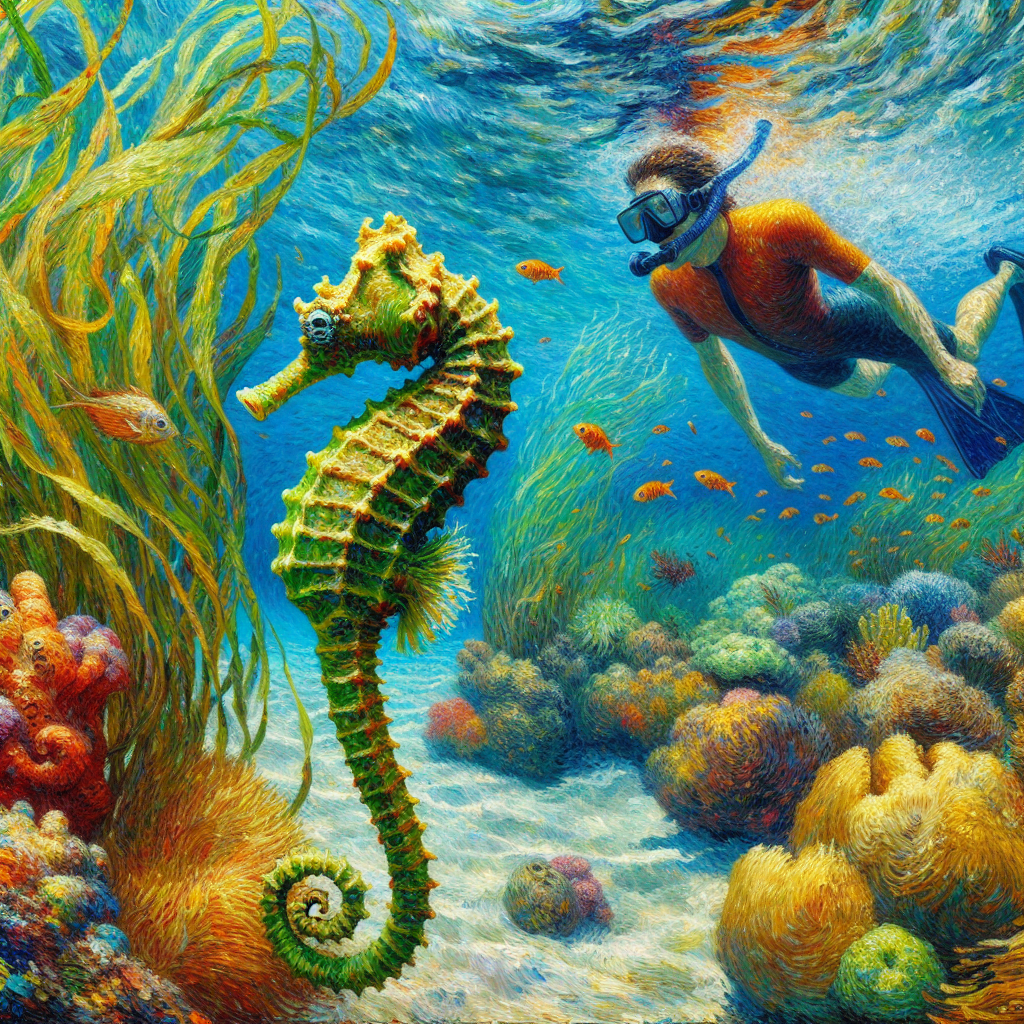
Where Are The Best Spots To See Seahorses In Cozumel?
Where Are The Best Spots To See Seahorses In Cozumel?
- Cozumel is a prime location for spotting seahorses, attracting divers and snorkelers alike.
- Start your seahorse quest at the Puerto Morelos Reef, a tranquil area often overlooked by tourists.
- The shallow waters of Puerto Morelos are rich in seagrass, providing a camouflage for seahorses.
- For deeper exploration, Palancar Reef features diverse marine life, including seahorses among coral formations.
- Guided snorkeling tours are available, led by local experts who focus on sustainability and responsible practices.
- Chankanaab National Park is another excellent spot for seahorse sightings with its designated snorkeling areas.
- Immerse yourself in Cozumel’s waters, as encountering a seahorse is just a fin kick away!
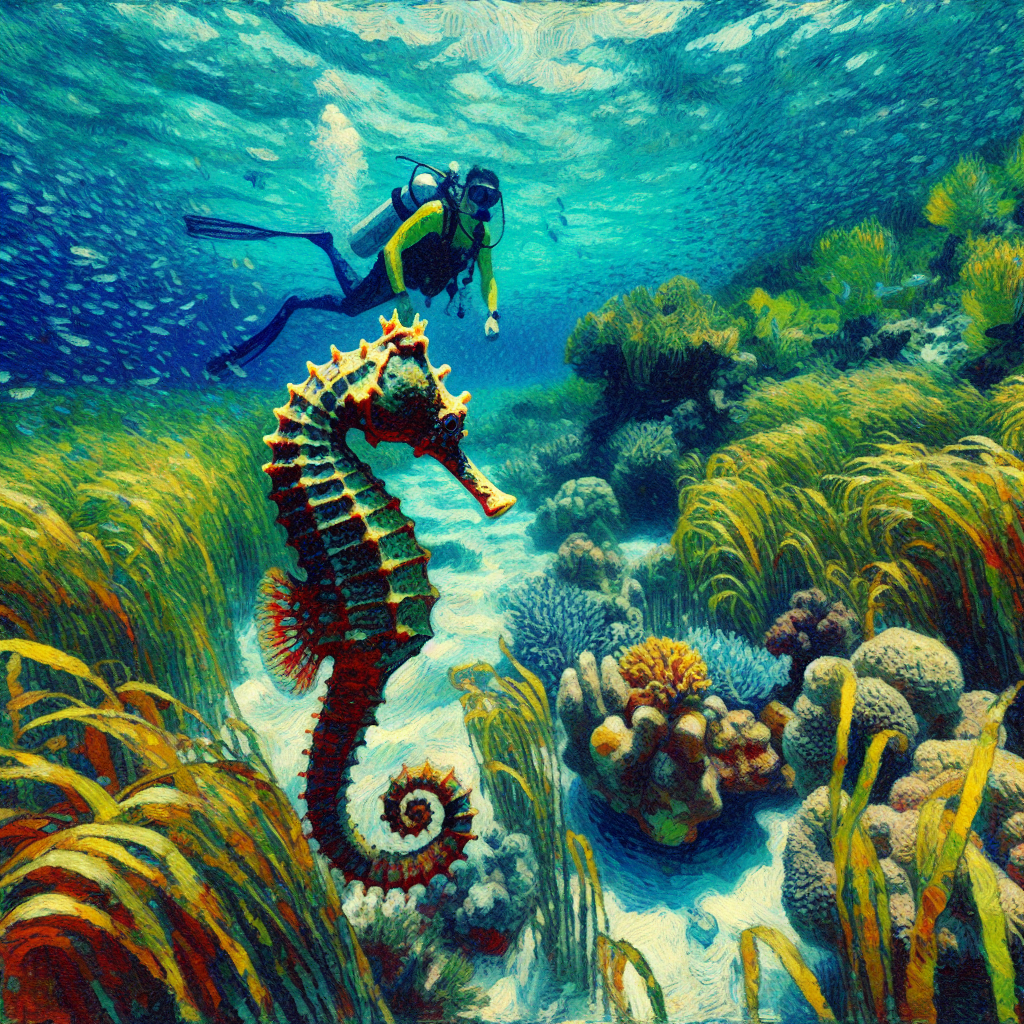
Where Are The Best Spots To See Seahorses In Cozumel?
Visit Our Store To Purchase This Image On A Coaster
What Is The Best Time Of Year To See Seahorses In Cozumel?
When planning a underwater adventure in Cozumel, one of the most extraordinary sights you can hope to encounter is the elusive seahorse. These quirky little creatures, with their curled tails and horse-like profiles, are often mistaken for whimsical myths rather than the fascinating marine life they truly are. But if you’re on a mission to catch a glimpse of them in their natural habitat, timing is everything.
The best time of year to see seahorses in Cozumel typically falls between the warmer months of late spring and early fall—specifically from May to September. During these months, the water temperature rises, and marine life is more active. This warmth draws in a multitude of fish species, creating an ecosystem teeming with life, and seahorses are no exception. You’ll find them tucked into coral reefs and seagrass beds, camouflaged against the vibrant backdrop of the underwater landscape. Just remember, patience is key. These small creatures can be masters of disguise, and a long dive can often yield the most rewarding sightings.
Now, if you really want to enhance your chances of a seahorse encounter, keep an eye out for the full moon phase. Many species of seahorse are known to breed during this time, and sightings during a full moon can be more frequent. The resulting mating action often prompts them to venture out into the open a bit more than usual, allowing you to spot these captivating critters in a ballet of courtship.
However, it’s not just about timing; it’s also crucial to choose the right diving conditions. The sea currents, visibility, and weather play a significant role in your underwater experience. The spring brings calmer waters, making it easier for divers to navigate and spot these enchanting fish. Keep an eye on the local dive shop’s reports and recommendations; they can provide invaluable insights into the best spots and times for viewing seahorses in the area.
To sum it up, if you’re yearning to see seahorses in Cozumel, plan your diving trip between May and September, align it with the full moon if possible, and don’t skimp on the local knowledge. With a little preparation and a sprinkle of luck, you just might witness one of the ocean’s true marvels. So grab your gear and get ready for an underwater adventure like no other!
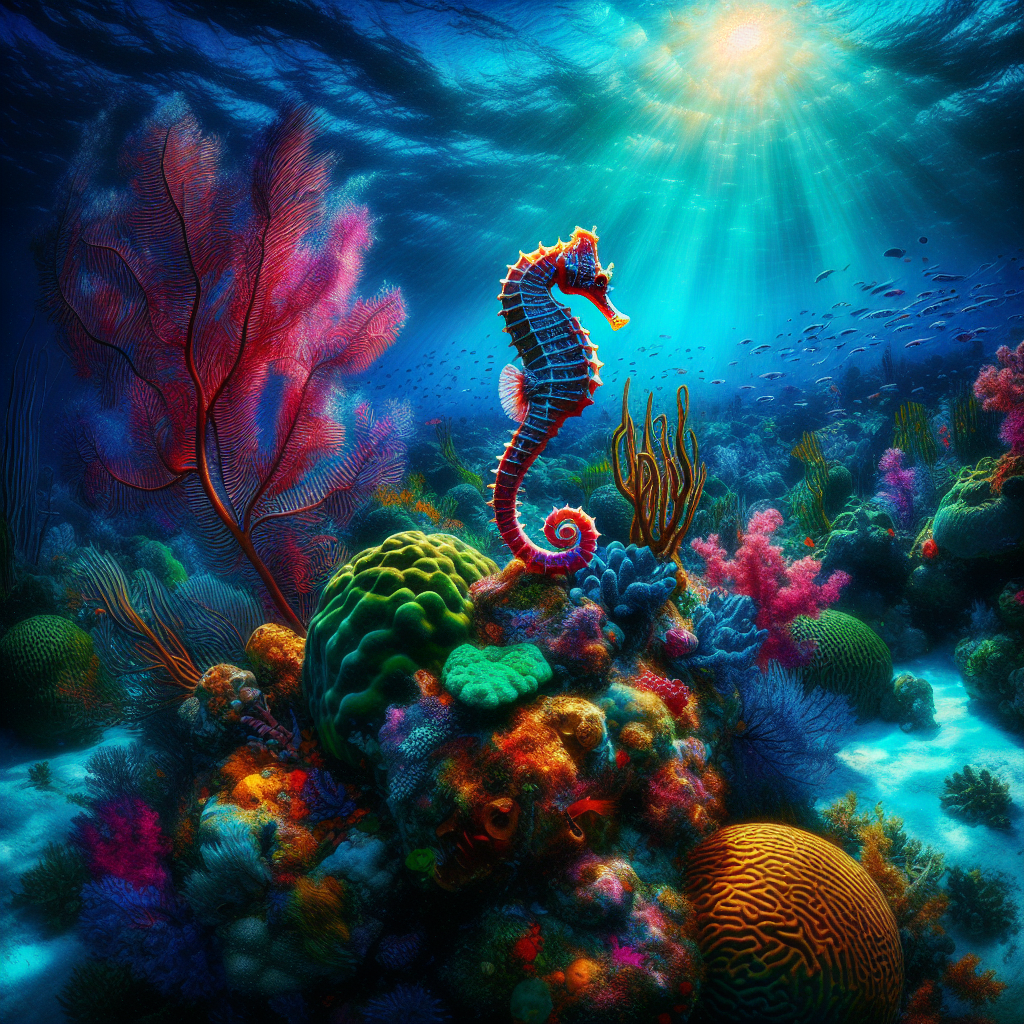
What Is The Best Time Of Year To See Seahorses In Cozumel?
What Is The Best Time Of Year To See Seahorses In Cozumel?
- The elusive seahorse can be encountered during underwater adventures in Cozumel.
- The best time to see seahorses is from May to September, when water temperatures rise and marine life is more active.
- Seahorses are often found in coral reefs and seagrass beds, camouflaged in vibrant underwater landscapes.
- Patience is essential, as seahorses can be difficult to spot due to their mastery of disguise.
- Planning your dives around the full moon may increase chances of sighting seahorses, as many species breed at this time.
- Optimal diving conditions, including calm waters and good visibility, play a crucial role in the success of spotting seahorses.
- Consulting local dive shops for recommendations can enhance your chances of a successful seahorse encounter.
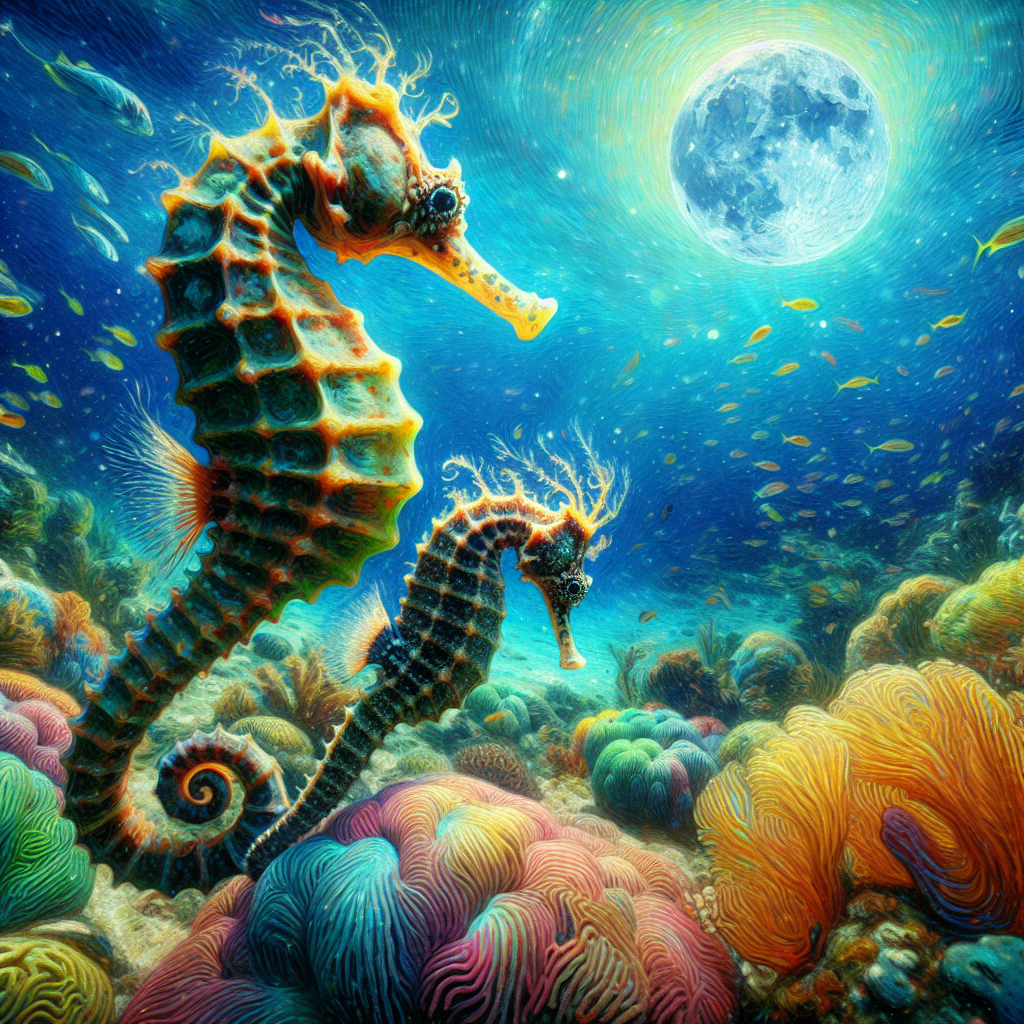
What Is The Best Time Of Year To See Seahorses In Cozumel?
Visit Our Store To Purchase This Image On A Coaster
Are There Tours That Focus On Seahorse Watching In Cozumel?
If you’re itching to step off the beaten path and immerse yourself in a world teeming with fascinating marine life, then look no further than the charming island of Cozumel. Nestled in the Caribbean, just off the eastern coast of Mexico’s Yucatán Peninsula, this tropical paradise boasts vibrant coral reefs and an array of underwater marvels. Among those marvels are the enchanting seahorses, unique little creatures that have captured the hearts of many marine enthusiasts. But are there tours specifically designed for seahorse watching? You bet your flippers there are!
The allure of seahorses lies not just in their unusual appearance but also in their captivating behavior. These tiny fish, with their curled tails and horse-like heads, have a knack for blending seamlessly into their surroundings. Spotting one can feel like discovering a hidden treasure among the corals, and there’s nothing quite like the thrill of observing these magnificent creatures up close.
Several tour operators in Cozumel offer specialized excursions focused on seahorse watching, often highlighting the lush underwater gardens where these remarkable animals reside. Equipped with masks, snorkels, and a healthy dose of curiosity, participants are guided by knowledgeable local experts who understand the rhythms of the reef. These passionate guides share invaluable insights into the ecology of seahorses and their habitats, making the experience not just fun but educational as well.
While traditional scuba diving and snorkeling tours may provide the chance to glimpse a seahorse here and there, these dedicated expeditions take it a step further. They’re designed to maximize your chances of encountering these elusive beauties. As the sun filters through the azure waters, you’ll learn to appreciate the delicate balance of the marine ecosystem, where each seahorse plays a vital role in keeping the underwater landscape healthy.
However, if getting wet isn’t your cup of tea, many operators offer glass-bottom boat tours that allow you to marvel at the oceanic wonders without diving in. From the safety and comfort of the boat, you can still get a glimpse of the underwater show, all while enjoying the warm Caribbean breeze.
So, if you find yourself longing for a unique adventure, consider diving into the enchanting world of seahorses on your next visit to Cozumel. Trust me, it’s an experience that will leave you with memories as vivid as the colors of the reef itself.
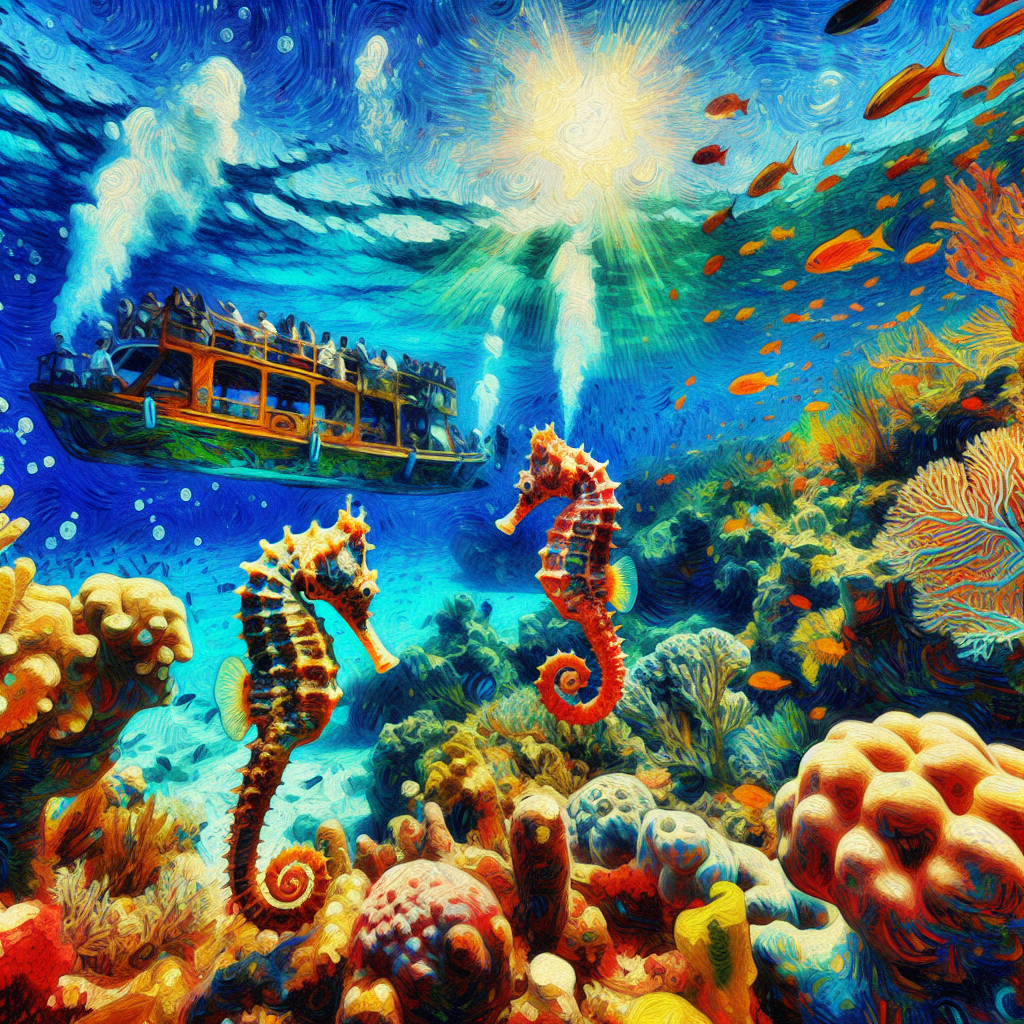
Are There Tours That Focus On Seahorse Watching In Cozumel?
Are There Tours That Focus On Seahorse Watching In Cozumel?
- Cozumel is a charming island in the Caribbean, off Mexico’s Yucatán Peninsula.
- Home to vibrant coral reefs and diverse marine life, including enchanting seahorses.
- Specialized tours for seahorse watching are available, providing unique experiences.
- Seahorses are known for their unusual appearance and behaviors, making them fascinating to observe.
- Tour operators offer excursions with knowledgeable local guides who educate about seahorses and their habitats.
- In addition to snorkeling, glass-bottom boat tours are available for those who prefer not to dive.
- Exploring the world of seahorses in Cozumel is a memorable adventure that highlights marine ecology.
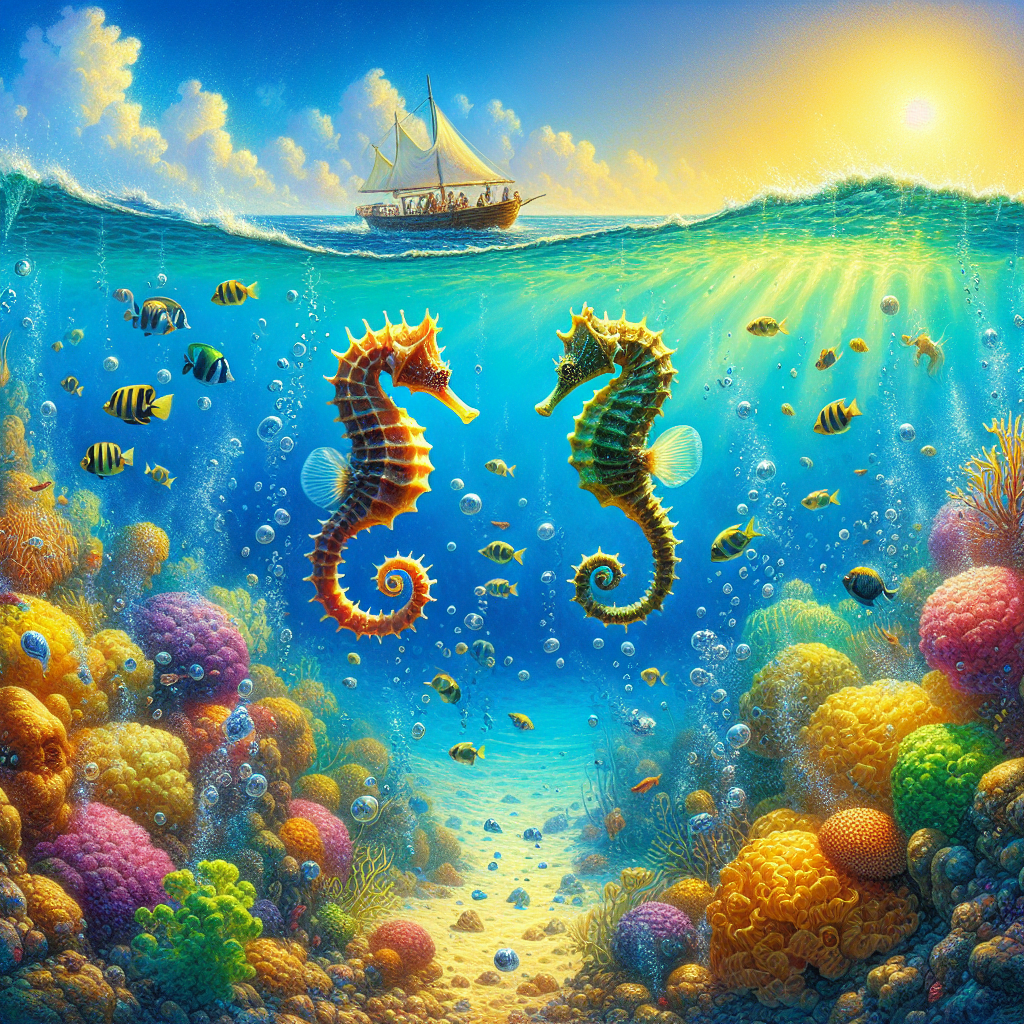
Are There Tours That Focus On Seahorse Watching In Cozumel?
Visit Our Store To Purchase This Image On A Coaster
How Can I Safely Observe Seahorses In Their Natural Habitat?
Ah, the enchanting world of seahorses! These delicate little critters, with their quirky shapes and graceful movements, beckon to nature lovers and adventure seekers alike. But venturing out to observe them in their natural habitat isn’t just about donning your snorkel and fins and diving into the deep blue. It requires a blend of respect, patience, and some solid groundwork to ensure both your safety and the preservation of these fascinating creatures.
First things first, do your homework. Before you even dip a toe into the water, it’s crucial to understand where seahorses make their home. Typically, you’ll find them swaying among seagrasses, coral reefs, or mangroves, clinging to the underwater vegetation with their prehensile tails. Research local ecosystems and discover the best times to observe these beauties – early mornings or late afternoons are often prime wooden periods when they’re most active.
Once you’ve identified a good spot and time, gear up accordingly. This means slipping into some well-fitted snorkeling or diving gear and ensuring you have a camera ready for action. But here’s the kicker: you’ll want to keep your movements slow and deliberate. Seahorses are not fans of sudden motions or vibrations. It’s like crashing a party uninvited—nobody wants that!
Now let’s talk about patience. Observing seahorses isn’t akin to scanning the horizon for a dolphin show; it’s about blending with the environment. So, take a moment to float quietly, let the water cradle you, and allow the magic to unfold. You’ll find that seahorses might come out of their hiding spots when they feel safe. Whether you’re on a guided tour or exploring on your own, remember to stay calm and collected.
Moreover, maintain a respectful distance. It’s easy to get mesmerized and inadvertently disturb their habitat. Avoid touching them or their surroundings, as this can disrupt their delicate ecosystem. Seahorse populations are vulnerable, and our role as observers should be one of stewardship—never exploitation.
Lastly, consider joining a conservation-focused tour. These groups often have the inside scoop on safe practices and sustainable interactions with marine life, ensuring your experience benefits both you and the environment. After all, preserving this wonder for future generations is the ultimate goal. So gear up, take a deep breath, and get ready for a breathtaking experience that honors these captivating creatures in their watery domain!
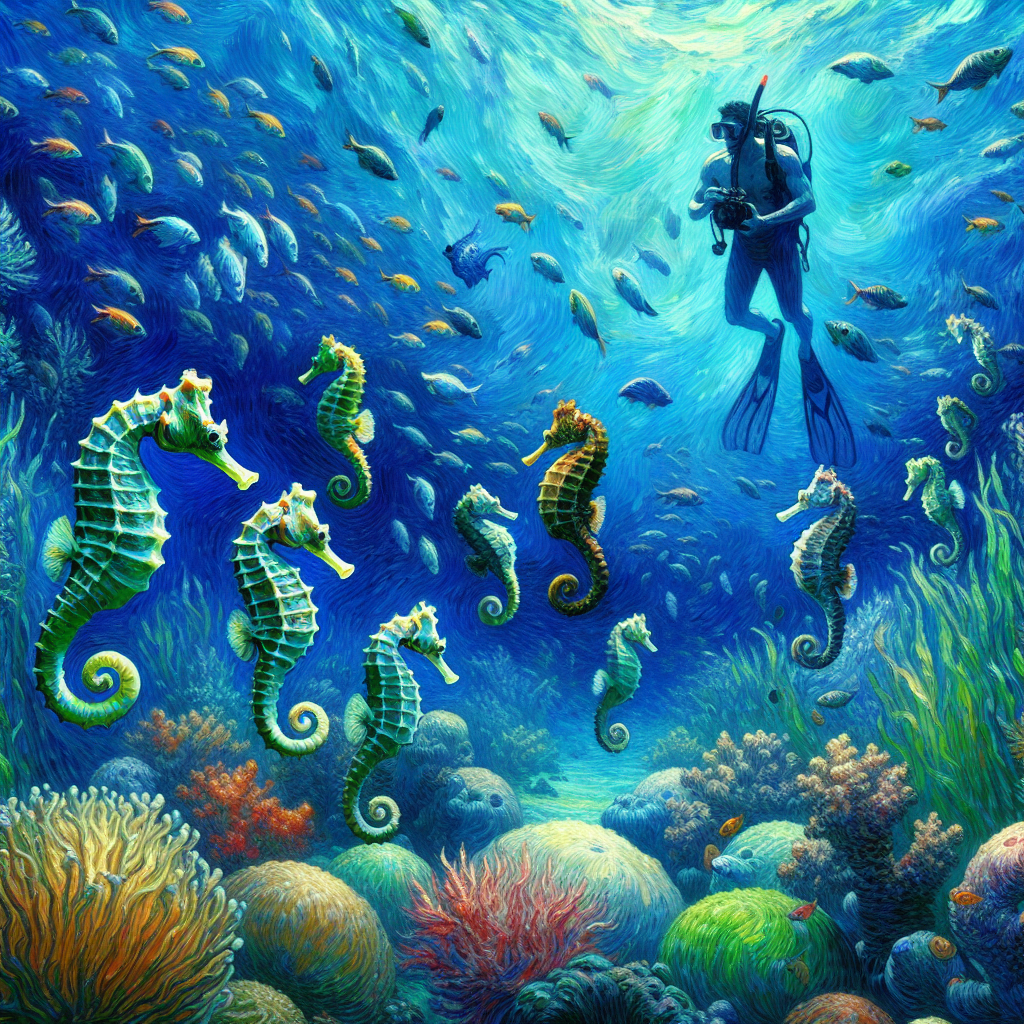
How Can I Safely Observe Seahorses In Their Natural Habitat?
How Can I Safely Observe Seahorses In Their Natural Habitat?
- Seahorses are delicate and enchanting creatures that attract nature lovers and adventurers.
- Research their habitats, typically found in seagrasses, coral reefs, or mangroves, to observe them effectively.
- Optimal observation times are usually early mornings or late afternoons when seahorses are most active.
- Use well-fitted snorkeling or diving gear and keep movements slow to avoid alarming seahorses.
- Exercise patience and blend with the environment for a better chance of spotting seahorses.
- Maintain a respectful distance to avoid disrupting their habitat, as seahorse populations are vulnerable.
- Consider joining a conservation-focused tour to learn about safe practices and promote sustainable interactions.
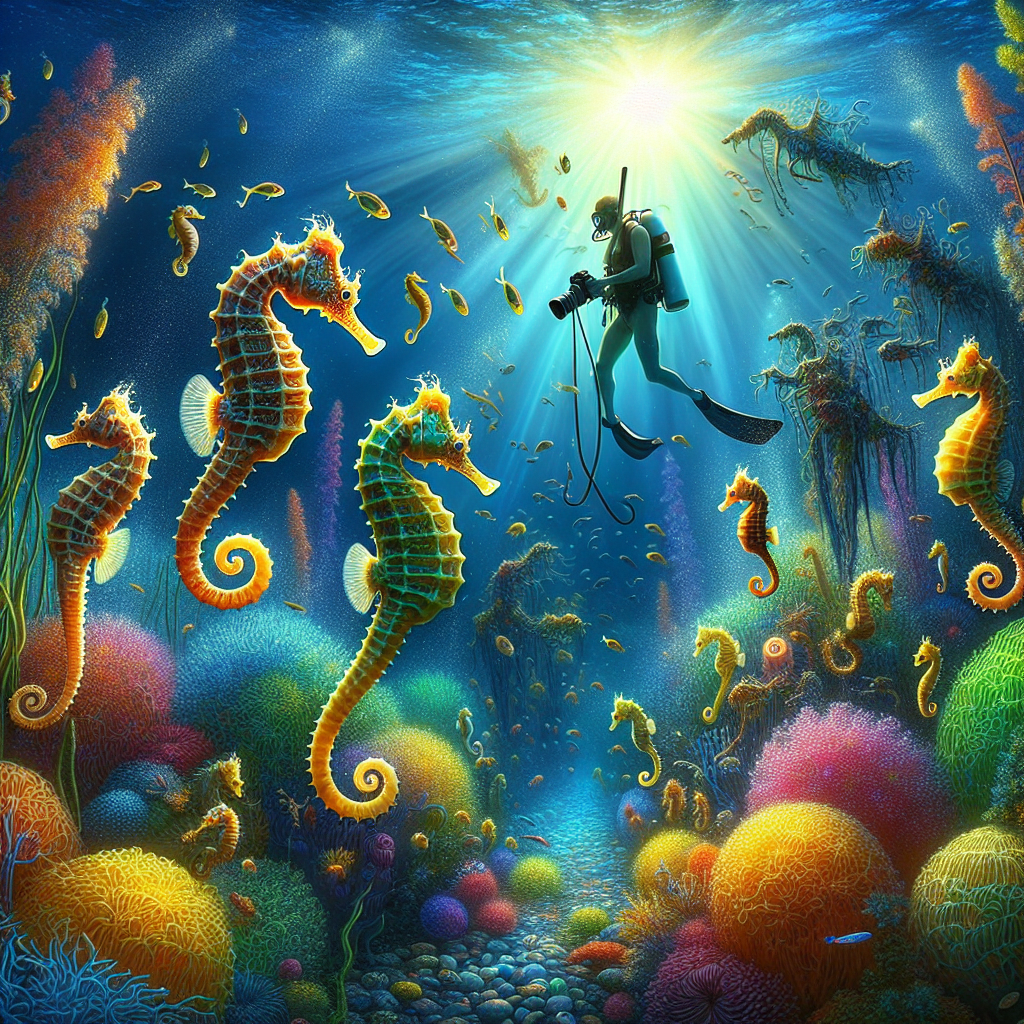
How Can I Safely Observe Seahorses In Their Natural Habitat?
Visit Our Store To Purchase This Image On A Coaster
What Should I Know About The Conservation Of Seahorses In Cozumel?
When you think of wildlife conservation, your mind might drift to fluffy pandas or majestic elephants. But let’s dive a little deeper into the sea, specifically to the vibrant coral reefs of Cozumel, where seahorses—those charming little creatures that look like they belong in a Miss America pageant—are quietly facing their own battles.
Located off the coast of Mexico, Cozumel is a haven for marine biodiversity. Yet, despite their picturesque charm, seahorses are under threat from pollution, habitat destruction, and the insatiable demand for traditional medicine and aquarium trade. But don’t panic just yet! There are organizations and passionate individuals working tirelessly to ensure these fascinating creatures don’t fade into the maritime history books.
First off, let’s understand what makes seahorses so uniquely captivating. With their curled tails and horse-like heads, these little fish not only win hearts but also play a vital role in their ecosystems. They act as bioindicators, which means their health can tell us a lot about the condition of the marine environment. When seahorse populations dwindle, it’s a red flag for the entire reef system, signaling that something’s amiss.
Now, you might be asking, “What can I do to help?” Awareness is the first step in conservation. Educating yourself and others about the importance of seahorses and the challenges they face is crucial. If you’re visiting Cozumel, consider supporting eco-friendly tour operators that prioritize conservation and respect marine life. Many of these organizations engage in habitat restoration and seahorse breeding programs designed to bolster their numbers.
Moreover, consider ditching single-use plastics and supporting local businesses that practice sustainable fishing methods. Your choices as a consumer can create ripples (pun intended) throughout the community. And if you’re in the water—scuba diving or snorkeling—be mindful of your surroundings. Avoid touching coral and marine life; remember that your actions can directly impact the delicate balance of these underwater ecosystems.
In short, the conservation of seahorses in Cozumel is not just about saving a quirky fish; it’s about preserving the intricate web of life that thrives beneath the waves. So, next time you’re gazing into the crystalline waters, remember the little guys that are fighting for their place in the sun reeling with beauty. Every effort counts, and together, we can ensure that seahorses continue to grace the underwater world for generations to come.
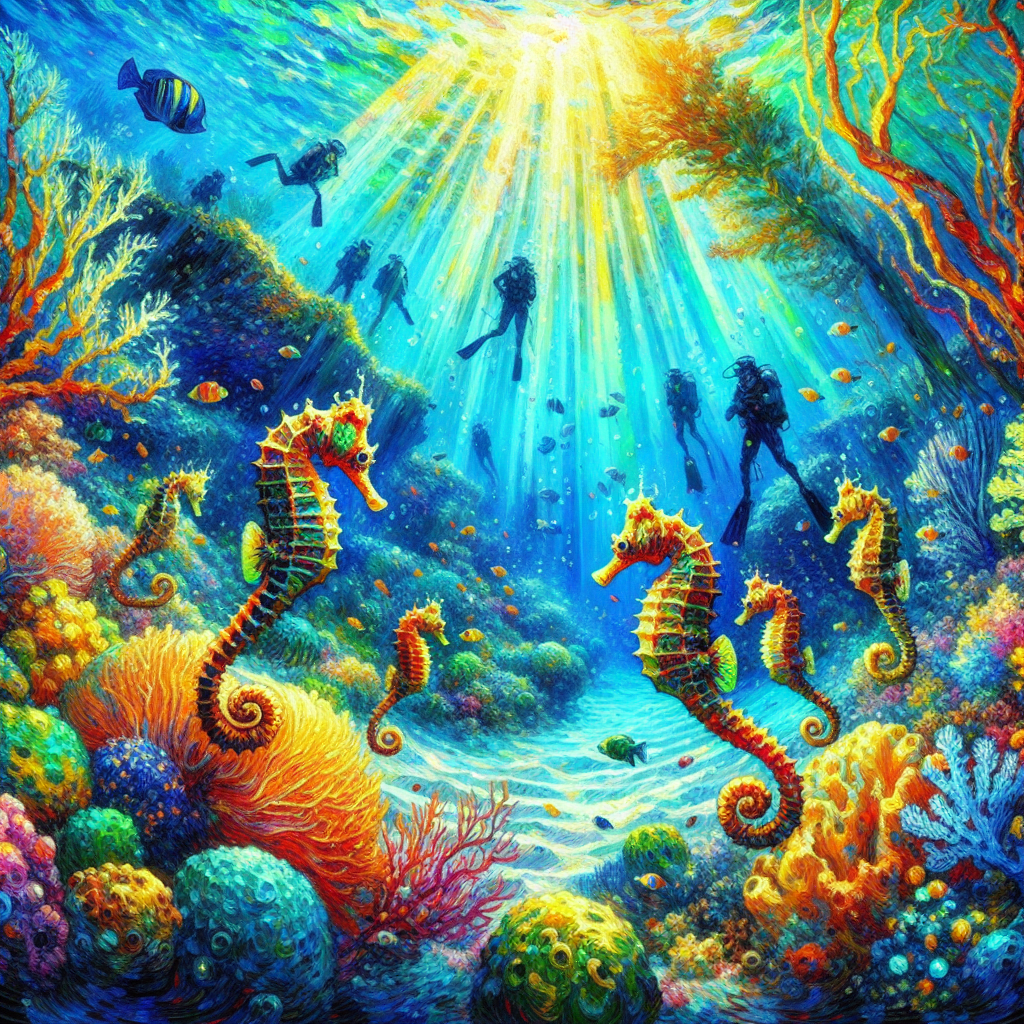
What Should I Know About The Conservation Of Seahorses In Cozumel?
What Should I Know About The Conservation Of Seahorses In Cozumel?
- Seahorses in Cozumel are facing threats from pollution, habitat destruction, and demand from traditional medicine and aquarium trade.
- Cozumel, off the coast of Mexico, boasts vibrant coral reefs and is a haven for marine biodiversity.
- Seahorses serve as bioindicators, reflecting the health of their marine environment.
- Raising awareness and educating others about seahorses is crucial for conservation efforts.
- Support eco-friendly tour operators and organizations involved in habitat restoration and seahorse breeding programs while visiting Cozumel.
- Consider reducing single-use plastics and choosing sustainable fishing practices to support local businesses.
- Mindfulness while scuba diving or snorkeling helps protect delicate coral and marine life, contributing to the ecosystem’s balance.
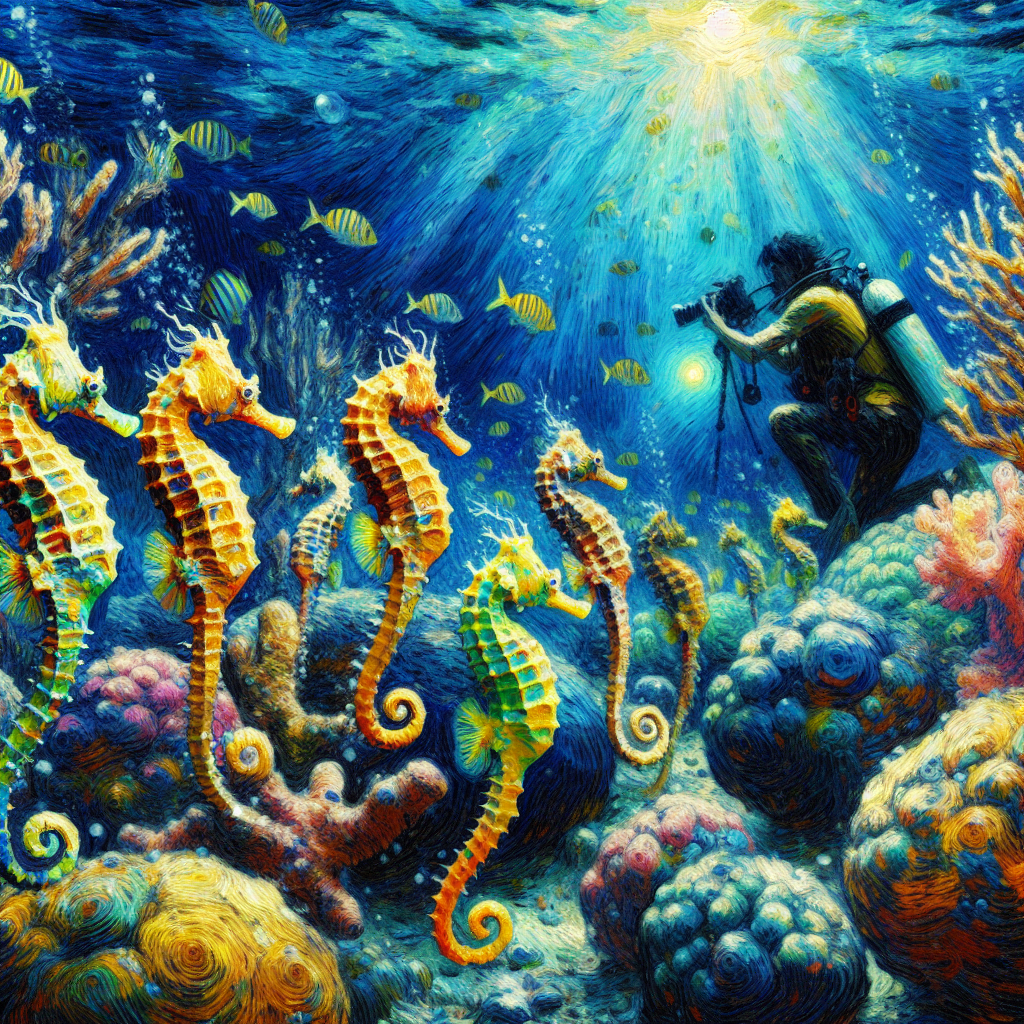
What Should I Know About The Conservation Of Seahorses In Cozumel?
Visit Our Store To Purchase This Image On A Coaster
Are Seahorses Endangered In The Waters Around Cozumel?
Cozumel, the jewel of the Caribbean, is renowned for its vibrant marine life and stunning coral reefs. Among the enchanting inhabitants of these waters is the seahorse—a creature so peculiar that it looks like it belongs in a fantasy novel rather than a bustling coral ecosystem. These delicate wonders, however, are facing an alarming set of challenges that threaten their very existence.
Seahorses are not your run-of-the-mill fish; they’re unique in their biology and behavior. Strolling through the shallow waters of Cozumel, it’s easy to see why snorkelers and divers are captivated by them. With their prehensile tails and quirky, horse-like heads, they glide gracefully, often seen clinging to seagrass or coral. But underneath that façade of whimsy lies a grim reality. Overfishing, habitat destruction, and climate change are wreaking havoc—not just on the seahorses but on the entire marine ecosystem.
Fishing practices in the region, both legal and illegal, have a significant impact. While many fishermen target larger, commercially valuable species, the bycatch often includes seahorses—intentional or not, they’re scooped up in nets, and once they’re out of their watery homes, survival odds plummet. Furthermore, seahorses are often sought after in traditional medicine and as curios in novelty shops. This ongoing demand only compounds the seahorse population’s peril.
Habitat destruction is another layer of this multifaceted issue. Coastal development, pollution, and the destruction of seagrass beds and coral reefs are erasing the homes where these remarkable creatures thrive. Coral reefs are not just beautiful; they are the very foundation of marine life, offering safety and food sources for seahorses. The loss of these vital ecosystems spells doom for seahorse populations.
Then there’s climate change, that looming giant casting a shadow over our oceans. Rising sea temperatures and ocean acidification pose severe threats, leading to the bleaching of corals and altering the delicate balance of marine habitats. A changing environment means shifting breeding and feeding patterns for seahorses, making survival even more precarious.
In Cozumel, local conservation efforts are underway to protect marine habitats and raise awareness about the plight of seahorses. As stewards of the ocean, it’s crucial we come together to safeguard these enchanting creatures before they slip beneath the waves into obscurity. After all, the seahorse is not just a quirky attraction—it’s a vital piece of the intricate puzzle that forms our underwater world. Only through collective action can we ensure these magnificent creatures continue to grace the waters of Cozumel for generations to come.
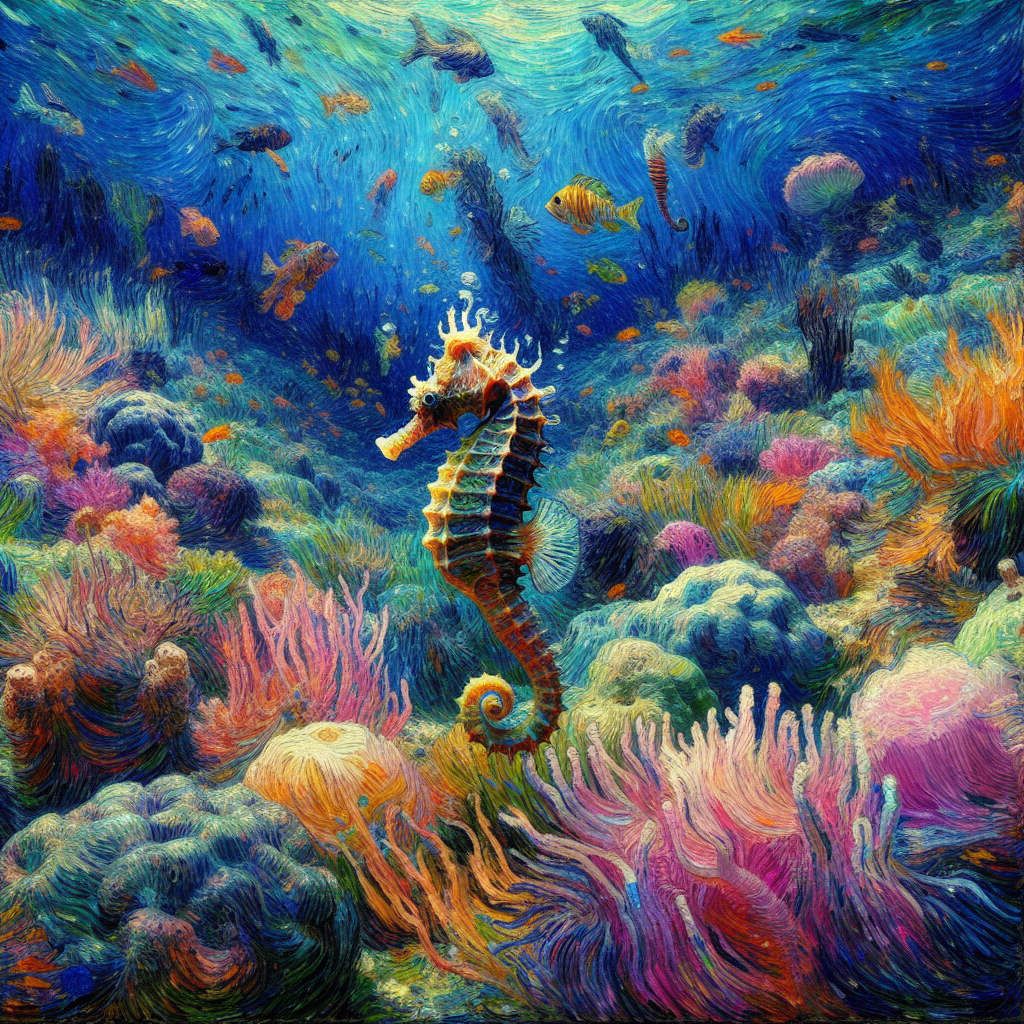
Are Seahorses Endangered In The Waters Around Cozumel?
Are Seahorses Endangered In The Waters Around Cozumel?
- Cozumel is famous for its vibrant marine life and stunning coral reefs, home to unique seahorses.
- Seahorses possess distinct features, such as prehensile tails and horse-like heads, which allure snorkelers and divers.
- They face significant threats including overfishing, habitat destruction, and climate change.
- Bycatch during fishing, along with demand for seahorses in traditional medicine and novelty shops, exacerbates their population decline.
- Coastal development and pollution are destroying the seagrass beds and coral reefs that are critical for the seahorses’ survival.
- Climate change is causing rising sea temperatures and ocean acidification, disrupting marine habitats.
- Local conservation efforts in Cozumel aim to protect marine environments and raise awareness about the importance of seahorses.
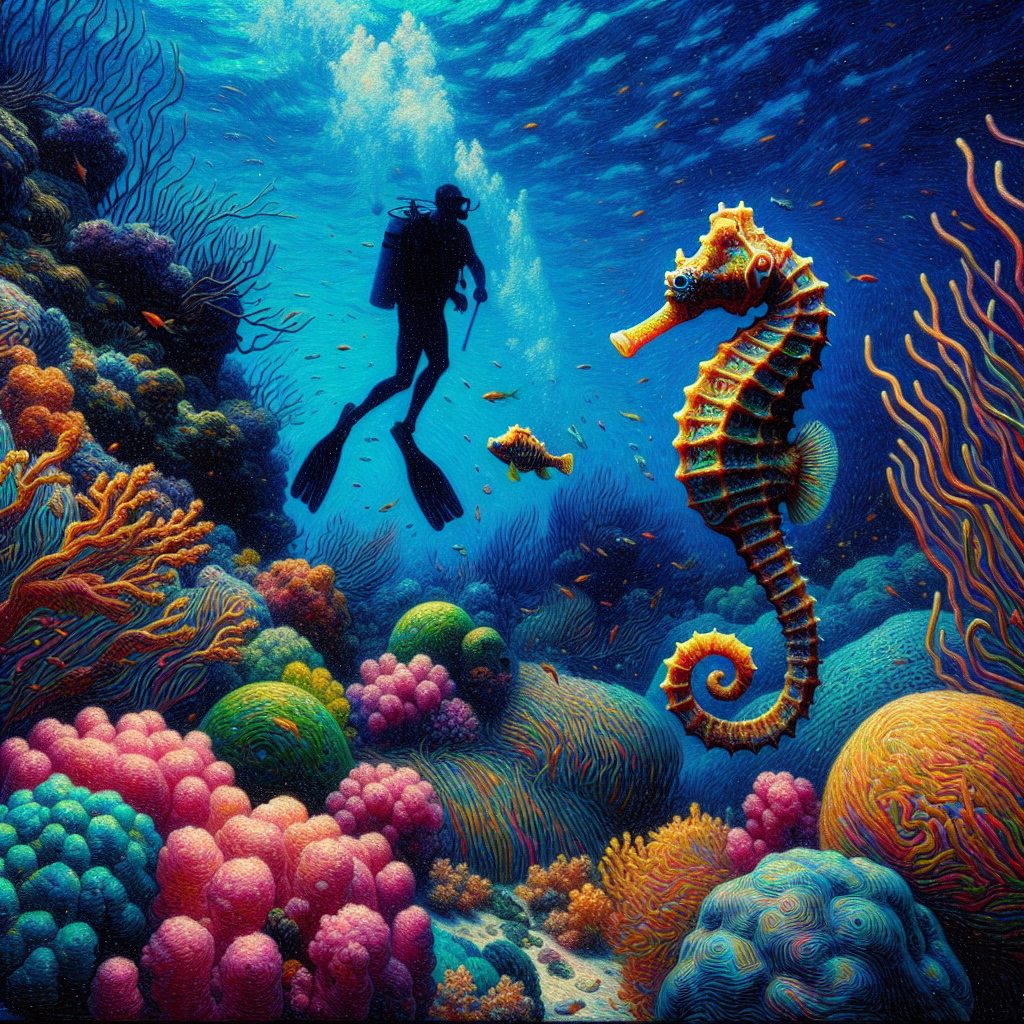
Are Seahorses Endangered In The Waters Around Cozumel?
Visit Our Store To Purchase This Image On A Coaster
Conclusion
As we prepare to wrap up our underwater adventure in the enchanting waters of Cozumel, let’s take a moment to reflect on the captivating seahorse—a marvel of nature that deserves our admiration and attention. These whimsical fish, with their unique horse-like heads and curled tails, offer a glimpse into the intricate tapestry of marine life that thrives beneath the waves. While the vibrant coral reefs and the lively fish schools might dominate the spotlight, it’s the seahorse that invites us to slow down, look closely, and appreciate the subtle wonders of the ocean.
In Cozumel, finding seahorses isn’t just a matter of luck; it takes a bit of knowledge, patience, and respect for their delicate environment. As you dive or snorkel through the shallows or deeper reefs, you might discover these elusive creatures clinging to seagrass and coral, showcasing their remarkable ability to blend into their surroundings. But let’s not forget—seahorses are not only charming but also vulnerable. Their populations face threats from habitat destruction, overfishing, and climate change. It’s here that we come in: our choices, whether it’s how we interact with the ocean or how we support conservation efforts, can shape the future for these beautiful little fish.
Local guides are passionate about sharing the wonders of the underwater world, and they hold valuable insights into the best places and times to see seahorses while ensuring we operate sustainably and respectfully. Participating in eco-friendly tours, educating ourselves about marine preservation, and advocating for responsible practices are ways we can all contribute to safeguarding the oceans and the myriad of life they harbor.
As you lace up your fins and grab your snorkeling gear, let the spirit of adventure serve as a reminder of the health and prosperity of our precious oceans. Every dive, every snorkel, and every chance encounter with a seahorse is a reminder of just how interconnected we are to the great blue expanse. So, when you do spot a seahorse, take a moment to acknowledge its quiet beauty, its role in the ecosystem, and your part in this shared mission of conservation. Together, let’s champion these incredible creatures and work to ensure their story continues to unfold in the captivating waters of Cozumel for generations to come. Now go forth, dive into those turquoise depths, and cherish every magical moment you encounter beneath the waves!
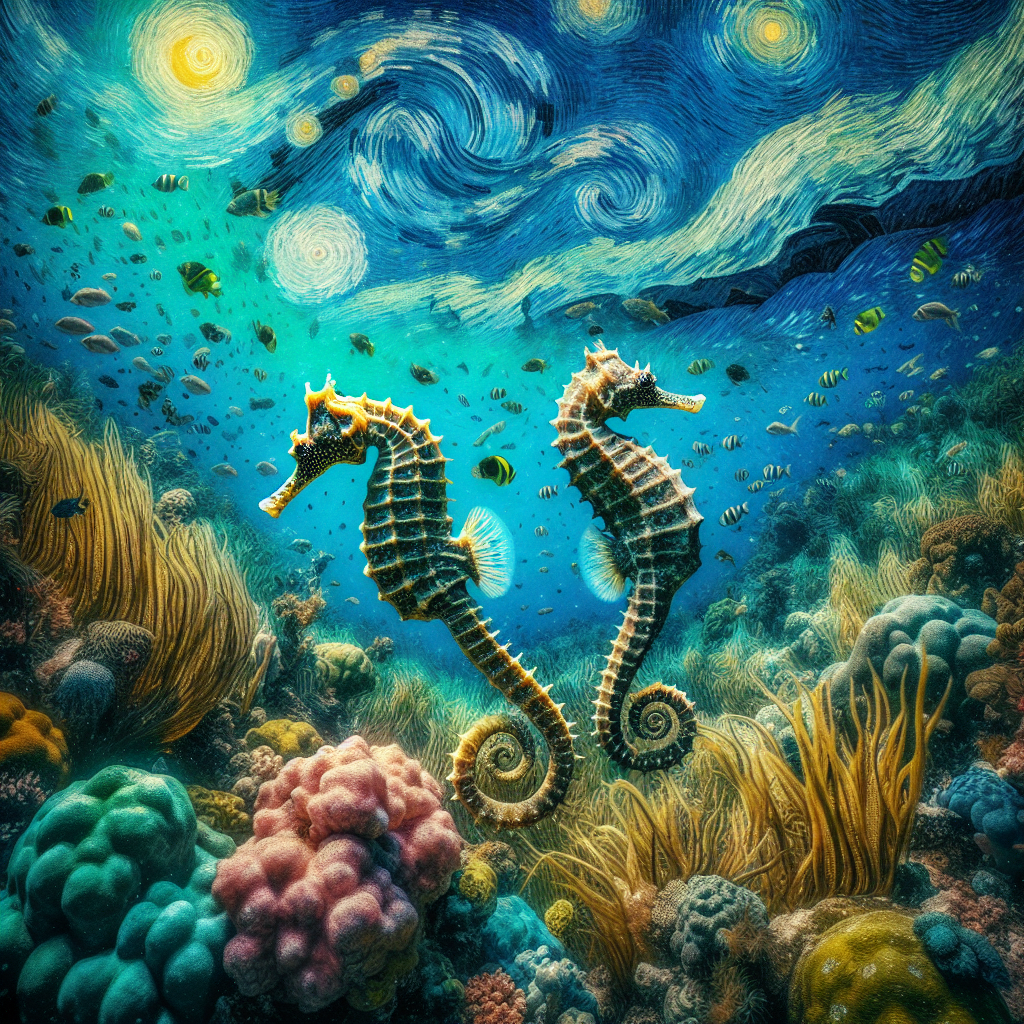
Conclusion
Conclusion:
- Cozumel offers a unique underwater adventure, highlighting the enchanting seahorse as a focal point of admiration.
- Seahorses are whimsical fish known for their horse-like heads and curled tails, representing the intricate marine ecosystem.
- Finding seahorses requires knowledge, patience, and respect for their fragile environment, as they blend seamlessly into seagrass and coral.
- The populations of seahorses are threatened by habitat destruction, overfishing, and climate change.
- Local guides provide insights on sustainable practices for observing seahorses and protecting marine life.
- Participating in eco-friendly tours and advocating for conservation efforts enhances our role in safeguarding the oceans.
- Every encounter with a seahorse emphasizes the interconnectedness between humans and marine life, urging us to support their conservation.
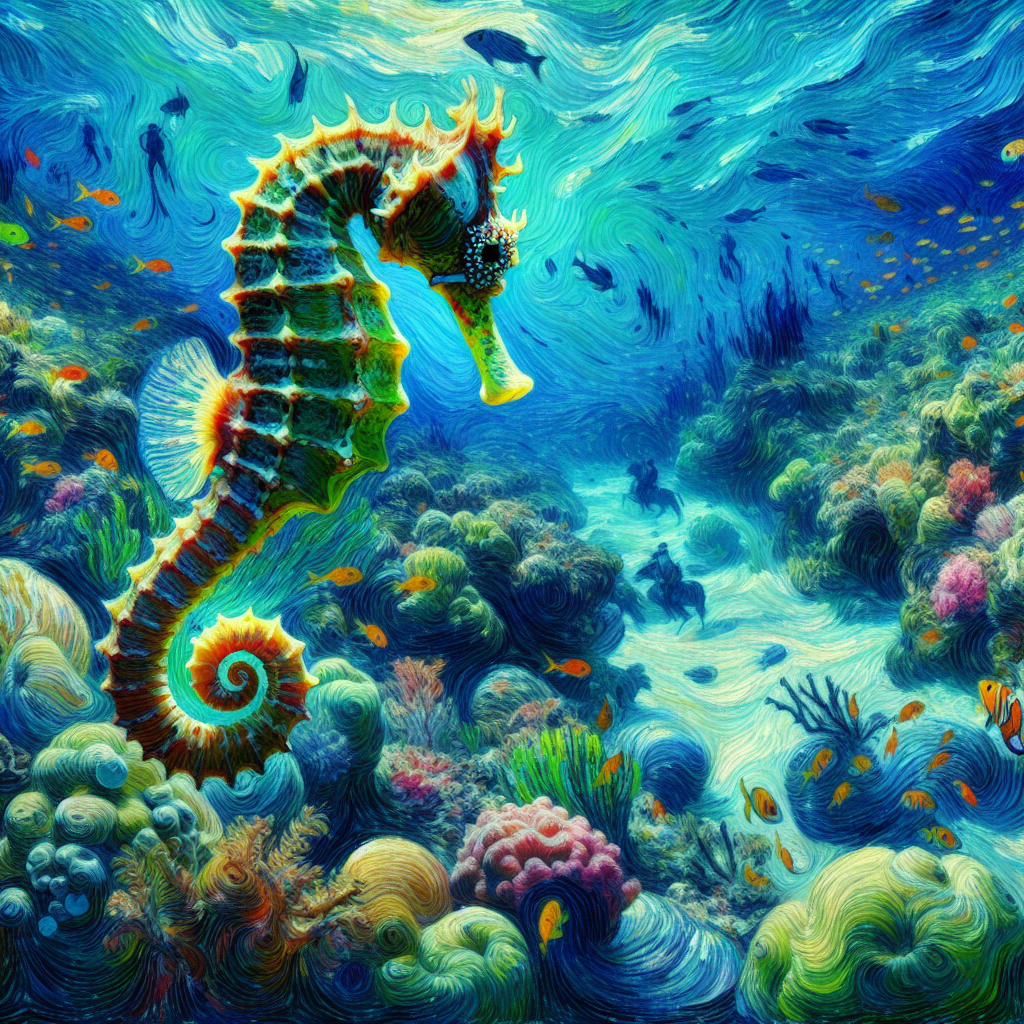
Conclusion
Visit Our Store To Purchase This Image On A Coaster
Other Resources
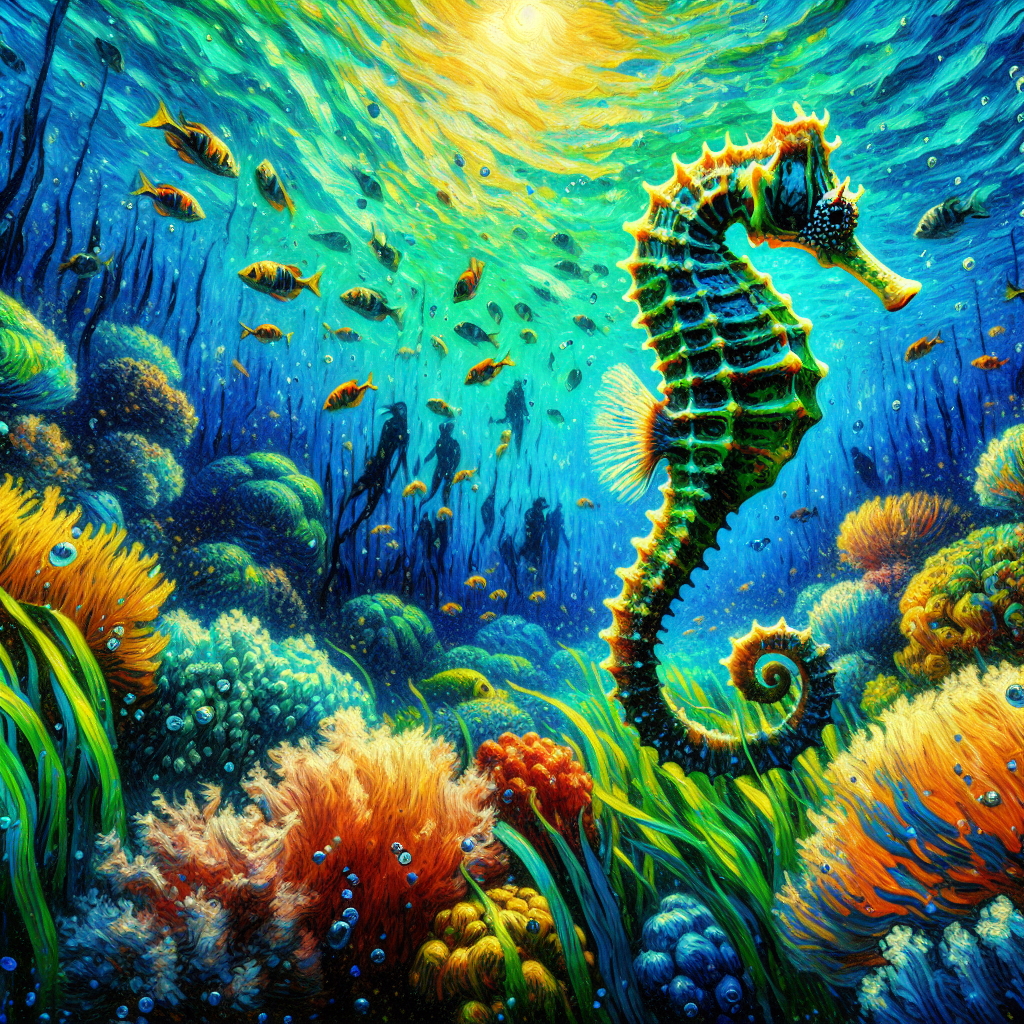
Other Resources
Visit Our Store To Purchase This Image On A Coaster
Reading this from somewhere that isn’t Cozumel? When you do come down, where you stay shapes the whole trip. A few options from our sister sites: Cozumel Journey is an editorial guide to Cozumel — neighborhoods, planning tips, and life on the island for travelers who want context, not a cruise schedule.
Here is a list of other resources you can review online to learn more:
- La Casa del Habano Steak – Tapas – Bar
- Cozumel Tours
- The LANDMARK of Cozumel
- Carolina Roadhouse
- San Francisco Beach
- Online Reef Guide
- Malecon
- Playa Chen Rio
- Rejuvenation Clinic Cozumel
- Cozumel Journey — long-form writing on neighborhoods and planning
Use This Prompt To Get More Resources With Your Favorite Online AI Tool: Please provide me with a list of online articles with their URLs in a bulleted list that I can read regarding Do They Have Seahorses In Cozumel?
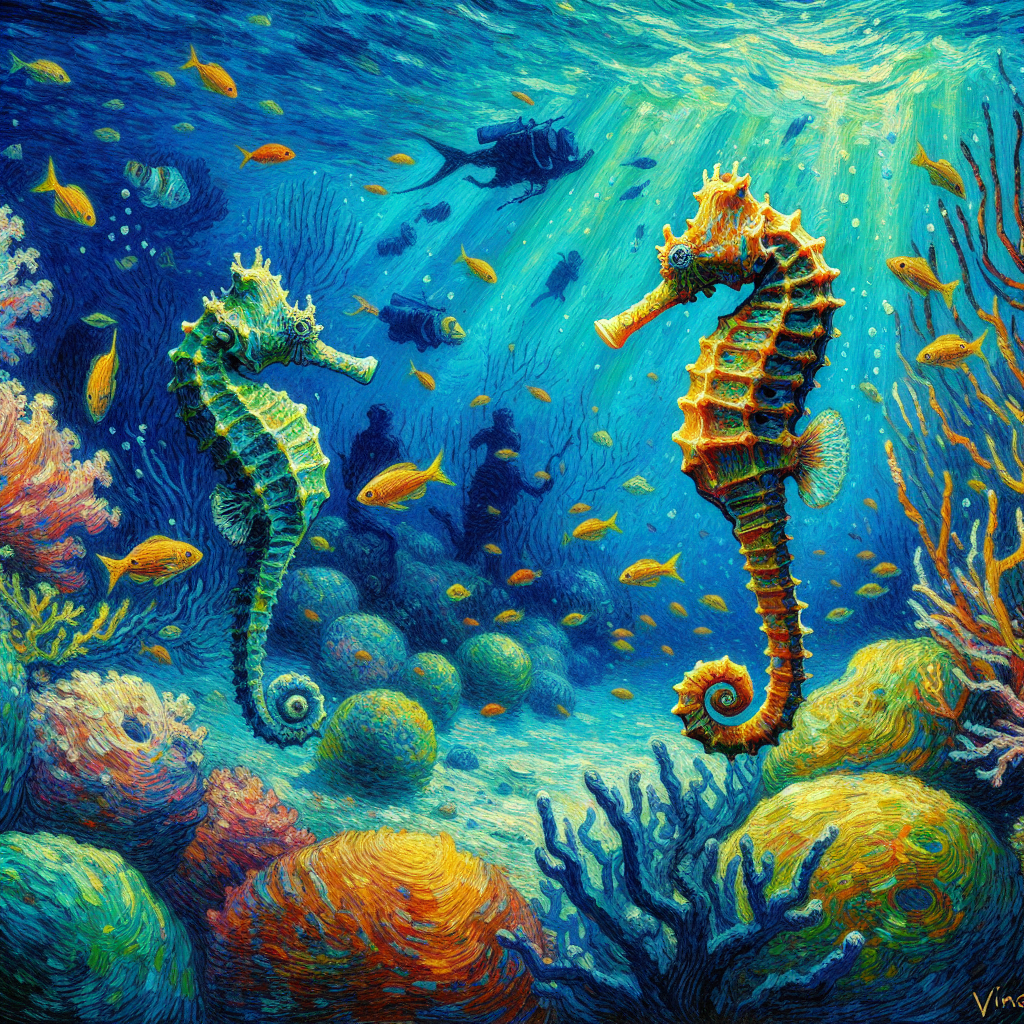
Other Resources
Glossary Terms
Do They Have Seahorses In Cozumel? – Glossary Of Terms
1. Seahorse: A marine fish belonging to the genus Hippocampus, known for its distinctive horse-like appearance.
2. Cozumel: An island located off the eastern coast of Mexico’s Yucatán Peninsula, known for its rich marine biodiversity and coral reefs.
3. Habitat: The natural environment in which a species lives, including specific conditions and resources necessary for survival.
4. Coral Reef: A diverse underwater ecosystem formed from coral polyps, providing habitat for many marine species including seahorses.
5. Biodiversity: The variety of life in a particular habitat or ecosystem, indicative of its ecological health and stability.
6. Ecosystem: A community of living organisms interacting with their physical environment, such as the marine ecosystem surrounding Cozumel.
7. Marine Biology: The scientific study of organisms in the ocean and other saltwater environments, including the behavior and ecology of seahorses.
8. Gnarled: Describes the characteristic twisted and knotted appearance of seahorse tails, which help them anchor to substrates.
9. Pygmy Seahorse: A small species of seahorse (e. g. , Hippocampus bargibanti) that often camouflages itself with coral.
10. Seagrass Bed: An underwater habitat rich in seagrass, which serves as a feeding ground for seahorses and other marine life.
11. Threatened Species: A species that is at risk of becoming endangered due to habitat loss, pollution, or overfishing.
12. Conservation: The protection and preservation of marine ecosystems and wildlife, important for maintaining seahorse populations.
13. Captive Breeding: The practice of breeding seahorses in controlled environments, aimed at preservation and research.
14. Overfishing: The depleting of fish populations through excessive fishing; can impact seahorse habitats and food sources.
15. Monogamous: Referring to the mating behavior of some seahorse species that form long-term pair bonds.
16. Brood pouch: A unique feature of male seahorses, where fertilized eggs are carried until they hatch, a rarity in the animal kingdom.
17. Reef Fish: Fish species that inhabit coral reefs, including seahorses, which have specialized behavioral and physiological traits.
18. Gills: The organs seahorses use to extract oxygen from water, allowing them to breathe underwater.
19. Symbiosis: A close ecological relationship between two different species, such as seahorses and their coral habitats.
20. Aquatic: Relating to water; seahorses are aquatic animals that rely on marine environments for survival.
21. Ecotourism: Responsible travel to natural areas that conserves the environment and improves the well-being of local people, including marine habitats.
22. Aquaculture: The farming of marine organisms, including the potential cultivation of seahorses for ecological purposes.
23. Pollution: The introduction of harmful substances into the marine environment, which can have detrimental effects on seahorse populations.
24. Migration: The seasonal movement of marine species, including seahorses, which can influence their distribution and breeding.
25. Algae: Photosynthetic organisms that provide food for many marine creatures; some seahorses use algae for camouflage.
26. Seahorse Conservation Programs: Initiatives aimed at protecting seahorse habitats, educating the public, and raising awareness about their ecological importance.
27. Keystone Species: A species that has a disproportionately large effect on its environment relative to its abundance; seahorses can be considered a keystone due to their role in marine ecosystems.
28. Mimicry: A survival adaptation where some seahorses blend in with their surroundings to avoid predation.
29. Natural Predators: Animals that prey on seahorses, including fish, rays, and larger marine organisms.
30. Marine Reserves: Protected areas of the ocean designated to preserve biodiversity and marine life, including habitats for seahorses.
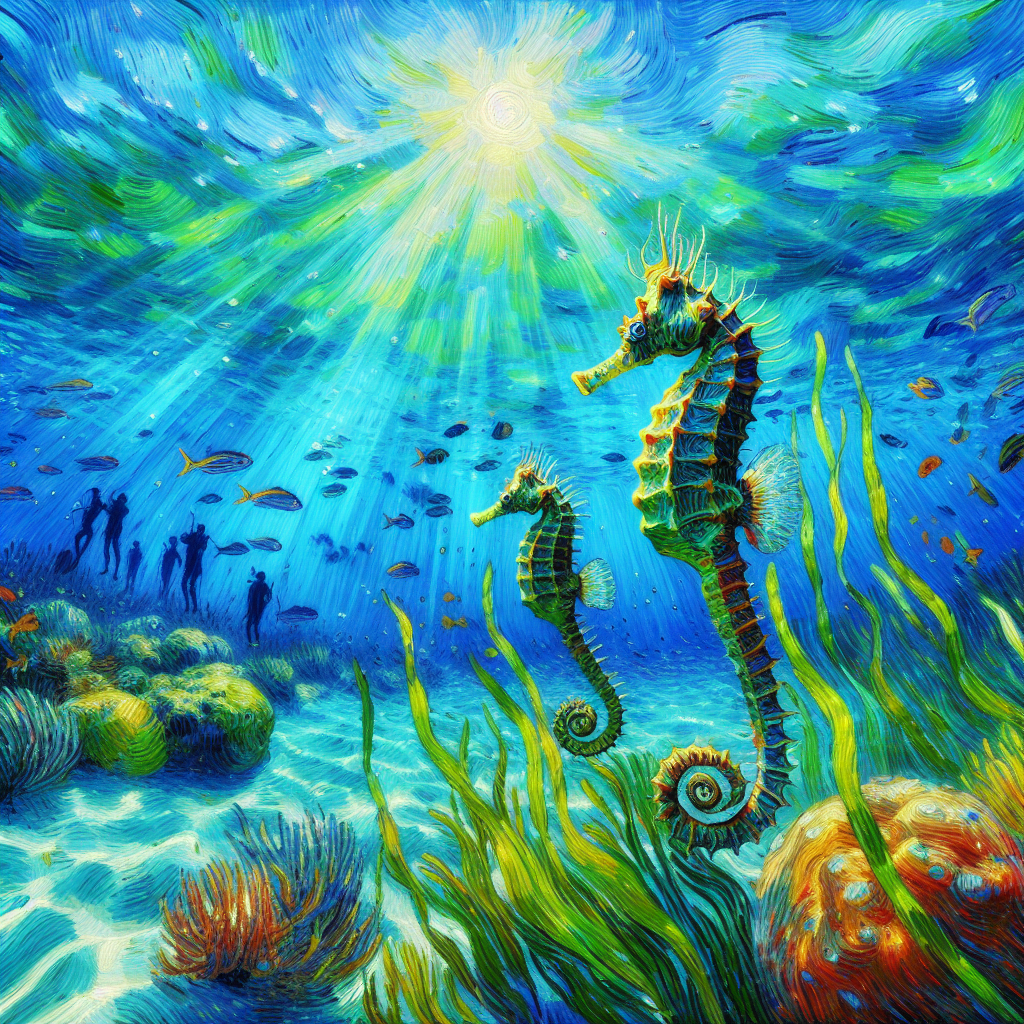
Glossary Of Terms
Other Questions
Do They Have Seahorses In Cozumel? – Other Questions
If you wish to explore and discover more, consider looking for answers to these questions:
- What are the best dive shops in Cozumel for seahorse spotting?
- Are there specific snorkeling tours that guarantee seahorse sightings?
- What precautions should I take while diving or snorkeling in Cozumel?
- How do seahorses reproduce, and what is their breeding cycle like?
- What are the main threats to seahorse populations in Cozumel?
- How can I contribute to seahorse conservation efforts while visiting Cozumel?
- Are there any regulations or guidelines for interacting with seahorses in the wild?
- How do local environmental factors impact seahorse populations in Cozumel?
- What challenges do marine conservationists face in protecting seahorses?
- Are there educational programs or workshops available for visitors interested in marine conservation?
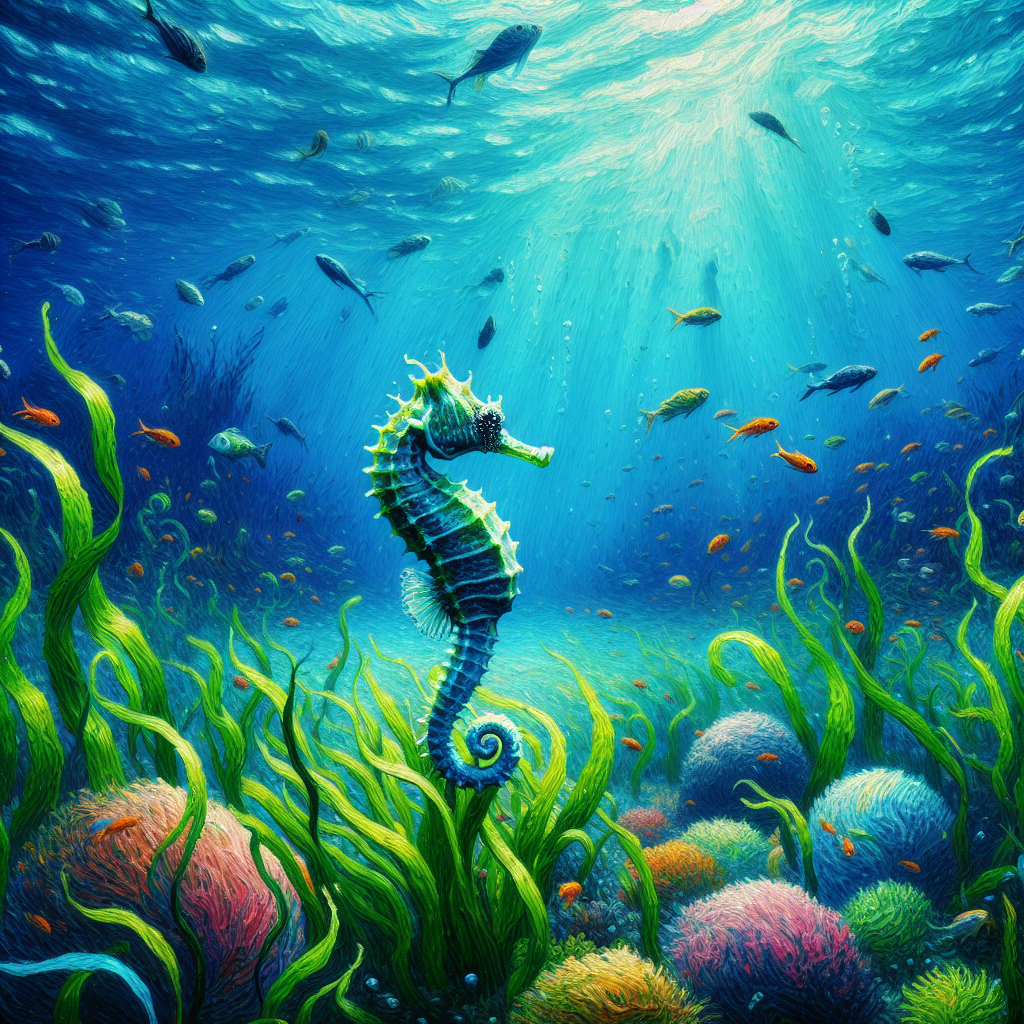
Other Questions
Haiku
Do They Have Seahorses In Cozumel? – A Haiku
Hidden in the waves,
Seahorses dance, shy and bold—
Life’s treasures unfold.
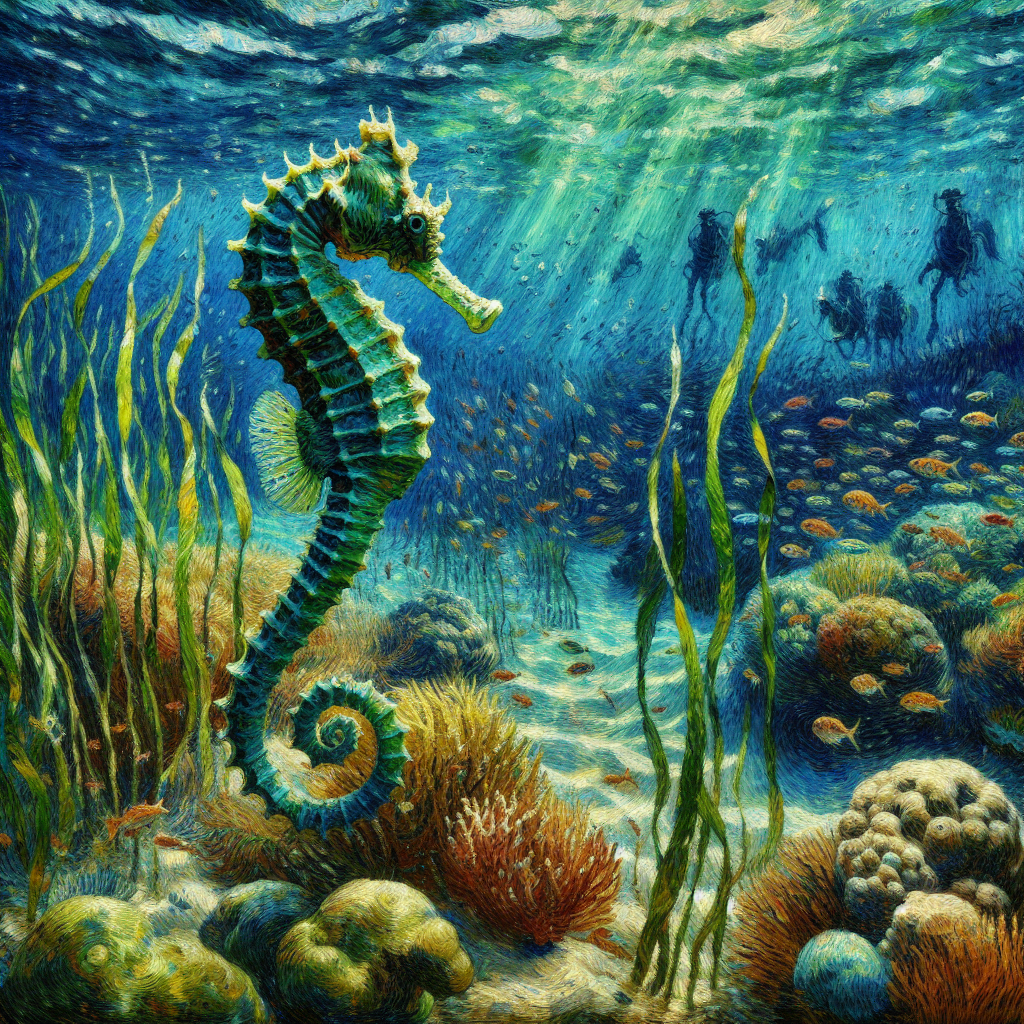
Haiku
Poem
Do They Have Seahorses In Cozumel? – A Poem
In Cozumel’s azure embrace,
Where coral gardens sway and dance,
A creature resides, of curious grace,
The seahorse, lost in a trance.
With curled tails and heads like steeds,
They drift through seagrass, shy and meek,
Masters of camouflage, they rarely heed,
The whispers of snorkelers who seek.
In the shallows where the soft currents play,
Amidst vibrant reefs, they cling and sway,
From slender to short-snouted, they silently greet,
Their beauty concealed where the sea grasses meet.
Oh, but the tale takes a darker turn,
For threats loom large as the oceans churn.
Habitat lost, and nets cast wide,
With each fragile seahorse, there’s nowhere to hide.
Yet, hope glimmers bright in the conservation’s fight,
As guides share their secrets, and knowledge ignites.
With each careful step, we must cherish and learn,
For seahorses thrive where respect is returned.
So tread softly, dear adventurers bold,
In this realm where wonders and stories unfold.
Every moment spent gazing beneath the blue waves,
Is a chance to protect what our ocean saves.
From May to September, heed nature’s call,
And perhaps you’ll meet them, just one slender sprawl.
Together we’ll cherish each magical sight,
For in Cozumel’s waters, the seahorses light.
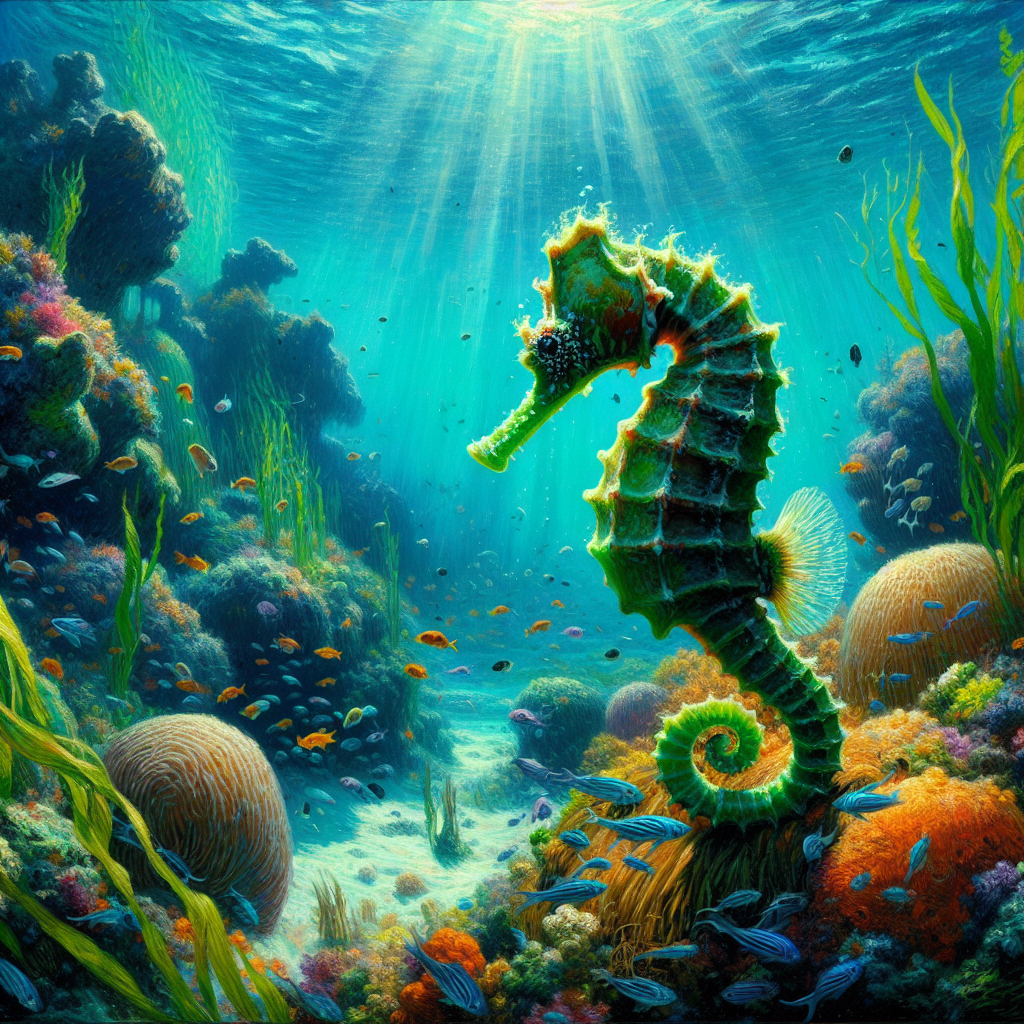
Poem
Checklist
Do They Have Seahorses In Cozumel? – A Checklist
Preparation Before Your Trip:
_____ Research the types of seahorses found in Cozumel (*Hippocampus reidi*, *Hippocampus hippocampus*, *Hippocampus ingens*).
_____ Understand the best times to visit for seahorse sightings (May to September, especially during full moon phases).
_____ Book your snorkeling or diving tour with a reputable operator that emphasizes sustainability and responsible practices.
What to Bring:
_____ Snorkeling or diving gear (mask, snorkel, fins).
_____ Camera (underwater if possible) for capturing those special moments.
_____ Eco-friendly sunscreen to protect the marine environment.
_____ A reusable water bottle to stay hydrated.
While Snorkeling/Diving:
_____ Stay calm and move slowly to avoid startling the seahorses.
_____ Maintain a respectful distance; do not touch or disturb the marine life.
_____ Be mindful of your surroundings and avoid damaging reefs or seagrass beds.
_____ Observe the time of day for the best chances of spotting seahorses (early mornings or late afternoons are usually best).
After Your Experience:
_____ Reflect on your observations and consider how you can share what you’ve learned about seahorse conservation.
_____ Support local businesses that engage in sustainable practices and contribute to marine conservation.
_____ Be aware of the threats facing seahorses (overfishing, habitat destruction, climate change) and discuss these with friends or family.
_____ Consider participating in local conservation efforts or educational programs to help protect marine life.
Conservation Awareness:
_____ Educate yourself and others about the importance of preserving seahorses and their habitats.
_____ Discuss the significance of seahorses as bioindicators of marine health.
_____ Advocate for responsible tourism practices that minimize impact on delicate ecosystems.
Utilize this checklist as a guide to enhance your experience exploring the enchanting underwater world of seahorses in Cozumel! Enjoy your adventure responsibly.
Checklist
At TopCozumelNews, we help travelers enjoy Cozumel by collating information learned from frequently traveling to beautiful Cozumel.
Be sure to read our other related stories at TopCozumelNews to learn more about the Island of Cozumel.