Discover The Hidden Gems Of Island Birdwatching
By Tom Seest
At TopCozumelNews, we help travelers enjoy Cozumel by collating information learned from frequently traveling to beautiful Cozumel.
Be sure to read our other related stories at TopCozumelNews to learn more about the Island of Cozumel.
Where Are The Best Birdwatching Spots on The Island?
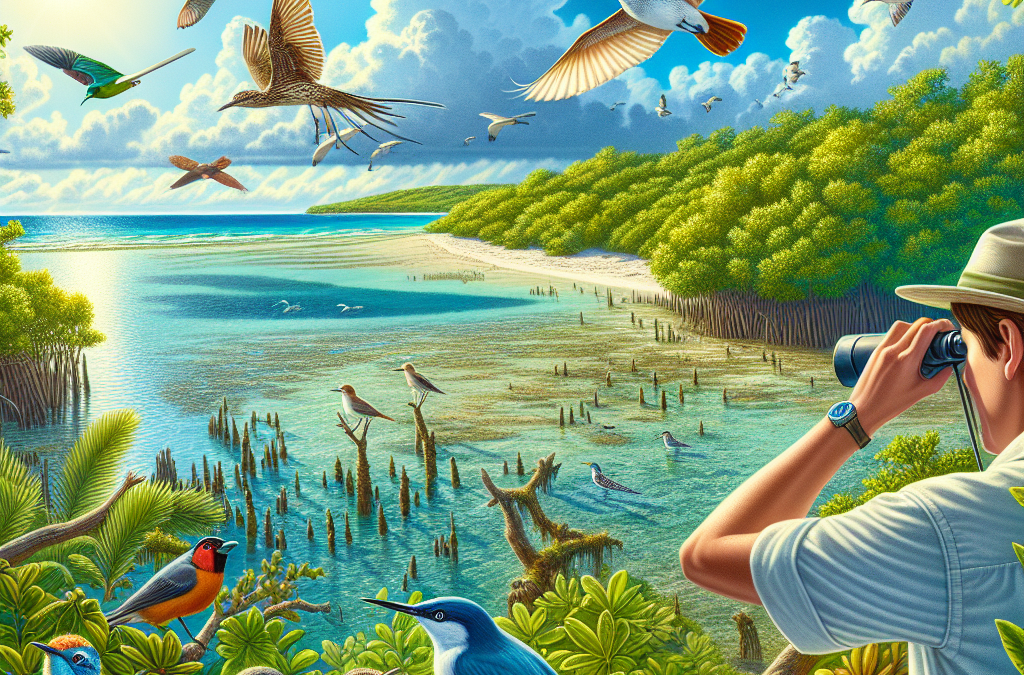
When the sun rises over the sprawling tropical landscape of Cozumel, a chorus unfolds. The air vibrates with the melodious calls of a thousand birds, each sound a testament to the vibrant life that thrums throughout the island. For those with a passion for birdwatching, Cozumel isn’t just a destination; it’s an experience, a living canvas painted with the hues and songs of nature’s most captivating artists.
Nestled within the island’s lush surroundings, you’ll find the Cozumel National Park. It’s more than just a collection of trails and trees; it’s a sanctuary for the nearly 200 species that call this paradise home. Picture yourself steps away from civilization, surrounded by the rustling leaves and the gentle splash of the sea, your heart in rhythm with the nature that thrives around you. Here, you’ll have the chance to catch a glimpse of the vibrant rose-throated becard or the strikingly beautiful orange-crowned warbler, creating connections between you and those winged wonders.
Then there’s the calm allure of the mangroves—a vital ecosystem that serves as both a nursery for marine life and a refuge for unique avian species. As you traverse these brackish waters, you might find the rare black-crowned night heron patiently perched, or perhaps the swift shadows of the mangrove cuckoo flitting just above your head. This is not just viewing; it’s about weaving yourself into the fabric of their world, understanding the delicate balance that exists here.
Let’s not forget the famous Punta Sur Eco Beach Park, where the wild meets the serene. Here, the panoramas are breathtaking, yet it’s the sights and sounds of nature that will truly seize your heart. The dazzling colors of a roseate spoonbill standing on still waters could evoke emotions you didn’t know you had. Each sighting becomes a story, a personal chapter in a much larger narrative of existence.
Birdwatching in Cozumel fosters not just a sport but a powerful communal bond among enthusiasts. Sharing your findings with fellow nature lovers at local cafés can lead to heartfelt conversations about conservation, ethics, and the urgent need to protect these precious habitats. This shared journey isn’t merely about spotting birds; it’s about standing together as stewards of our natural world.
So, if you’re seeking something that taps the soul, inspires action, and fosters connection, embark on this birdwatching adventure in Cozumel. Equip yourself with a good set of binoculars and an open heart, and let the symphony of nature sweep you away. Your spirit may just soar as high as the birds you seek.

Where Are The Best Birdwatching Spots on The Island?
Where Are The Best Birdwatching Spots on The Island?
- Cozumel offers a vibrant birdwatching experience amidst its tropical landscape, filled with the sounds of diverse bird species.
- The Cozumel National Park serves as a sanctuary for nearly 200 bird species, providing trails and natural beauty.
- Birdwatching allows connection with species like the rose-throated becard and orange-crowned warbler, enriching the experience.
- The mangroves act as a vital ecosystem, being a nursery for marine life and a home for unique birds like the black-crowned night heron.
- Punta Sur Eco Beach Park features stunning panoramas and offers intimate encounters with nature, such as sightings of roseate spoonbills.
- Birdwatching fosters communal bonds among enthusiasts, encouraging conversations about conservation and habitat protection.
- Embarking on a birdwatching adventure in Cozumel is a soulful journey that inspires connection with nature.

Where Are The Best Birdwatching Spots on The Island?
Table Of Contents
- Where Are The Best Birdwatching Spots on The Island?
- What Makes A Birdwatching Spot Unforgettable For You?
- How Can You Identify The Most Vibrant Birdwatching Locations?
- What Ethical Considerations Should Guide Your Birdwatching Adventures?
- Which Local Bird Species Are Often Overlooked By Island Visitors?
- What Stories Do Local Birdwatchers Have About Their Favorite Spots?
- How Can You Best Prepare For An Inspiring Day Of Birdwatching?
- Why Is It Important To Support Local Conservation Efforts For Birds?
- Conclusion
- Other Resources
- Glossary Of Terms
- Other Questions
- Haiku
- Poem
- Checklist
What Makes A Birdwatching Spot Unforgettable For You?
What makes a birdwatching spot unforgettable? Imagine the soft rustle of leaves as you step into a world carved by nature. Picture a sunbeam slanting through the trees, illuminating the iridescent feathers of a hummingbird darting from flower to flower. This isn’t merely a hobby; it’s a connection to a vast tapestry of life, a reminder that we are part of something greater. When I think back to the time I stood on the sandy shores of Cozumel, I recall the thrill of spotting the elusive Crimson-Collared Tanager, its colors vivid against the azure sky. That moment was more than just a tick on a list; it resonated deep within, striking chords of awe and respect for the planet we inhabit.
What makes your heart race? The thought of seeing a majestic raptor soar overhead or hearing the sweet serenade of a meadowlark? When a rare sighting occurs, it sparks a rush of emotions that bring us back to our roots, to those simple, primal instincts shared by every creature. But it’s not just the thrill of discovery; it’s also about community. Sharing those moments with fellow birdwatchers forms bonds that transcend mere acquaintance. The wisdom exchanged by seasoned birders can guide newcomers, creating a lineage of knowledge that spans generations.
On a rational level, the benefits of birdwatching are profound. Studies have shown that immersing ourselves in nature can reduce stress and improve mental health. The ethical responsibility of protecting birds and their habitats becomes a shared mission, igniting a fire within us to advocate for conservation. We realize that by nurturing these spaces, we nurture ourselves, ensuring future generations can experience the same joy we do today.
Yet beyond the facts and figures lies a narrative thread that weaves us all together. Every bird we encounter has a story, a journey filled with peril and resilience. When we sit quietly, we become part of that story, witnessing the struggles and triumphs of our feathered friends.
So, when contemplating what truly makes a birdwatching spot unforgettable, think about what resonates with you personally. Perhaps it’s the thrill of spotting a rare species, the camaraderie of shared experiences, or a location so imbued with beauty that it stirs the soul. Each outing is a chance not just to observe, but to connect—to the birds, the environment, and each other.

What Makes A Birdwatching Spot Unforgettable For You?
What Makes A Birdwatching Spot Unforgettable For You?
- Birdwatching spots evoke a connection with nature, offering a rich sensory experience.
- Memorable encounters, like spotting a Crimson-Collared Tanager, resonate deeply and inspire awe.
- Emotional responses to rare sightings emphasize our primal instincts and shared roots with nature.
- Birdwatching fosters community, creating bonds among enthusiasts and allowing knowledge transfer.
- Studies indicate that birdwatching reduces stress and enhances mental health.
- Participants feel an ethical responsibility to protect birds and their habitats, igniting a passion for conservation.
- Each bird encounter weaves a unique narrative, inviting observers to become part of a larger story of resilience.

What Makes A Birdwatching Spot Unforgettable For You?
How Can You Identify The Most Vibrant Birdwatching Locations?
When it comes to identifying the most vibrant birdwatching locations, it’s not just about where the birds are—it’s about where your spirit can soar alongside them. Picture this: standing on the sun-kissed shores of Cozumel, the gentle sea breeze ruffling your hair, as you scan the horizon for a flash of color amidst the greens and browns of the landscape. The thrill of birdwatching is as visceral as it is cerebral; it engages your heart, your head, and, most importantly, your gut.
Start by leaning into your instincts. Those who’ve walked the trails of lush forests or tangled wetlands know that sometimes, it’s the quiet moments that reveal the greatest treasures. Consult birdwatching guides or local experts who’ve spent countless hours studying their feathered neighbors. If you’re unsure where to go, seek out communities passionately dedicated to conservation and wildlife. Their collective wisdom can lead you to hidden gems that may not even be on the map yet. A single tweet from an expert can connect you to the most captivating spots, filled with the kind of life that makes your heart race.
However, it’s not just about finding the birds; it’s also about connecting with the stories that unfold around you. Every vibrant location has its own history—the bustling cities that dance to the tunes of migratory flocks, or the pristine wetlands that serve as a refuge for the endangered. When you witness these places, you’re not only seeing nature at its best; you’re becoming part of a narrative that spans generations. This deeper understanding enriches your experience and fosters a profound respect for the delicate balance of our ecosystems.
Embrace the camaraderie of fellow birdwatchers. Engage in discussions, swap stories, and share that palpable excitement when a rare sighting occurs. These bonds make every trip more fulfilling and keep you connected to a community that cares as deeply about the planet as you do. Whether it’s a weekend outing with friends or a solo expedition into nature, every moment spent observing these incredible creatures can ignite a spark of wonder.
So, venture into the vibrant world of birdwatching with an open heart and keen curiosity. With each bird you spot and every breathtaking landscape you traverse, you join a legacy of passionate adventurers who cherish the beauty beneath our skies. The next great discovery awaits you out there, just waiting to take flight.

How Can You Identify The Most Vibrant Birdwatching Locations?
How Can You Identify The Most Vibrant Birdwatching Locations?
- Identifying vibrant birdwatching locations is about where your spirit can soar alongside the birds.
- Engage your instincts and seek quiet moments for the greatest birdwatching treasures.
- Consult local experts and birdwatching guides to discover hidden gems.
- Connect with conservation communities for valuable insights and emerging spots.
- Each location has its own history, enriching your experience and respect for ecosystems.
- Embrace camaraderie with fellow birdwatchers to enhance trips and share excitement.
- Approach birdwatching with curiosity and an open heart, ready for unforgettable discoveries.

How Can You Identify The Most Vibrant Birdwatching Locations?
What Ethical Considerations Should Guide Your Birdwatching Adventures?
When you set out on a birdwatching adventure, particularly in a breathtaking locale like Cozumel, you become part of a larger story—one that connects you to nature, fellow enthusiasts, and the fleeting lives of the birds themselves. This connection carries the weight of responsibility; ethical considerations should be at the forefront of your experience, guiding your actions and decisions.
First, let’s talk about respect for the birds. Every fluttering wing and melodious call has its place in the ecosystem. By maintaining a respectful distance and observing quietly, you allow these avian wonders to thrive in their natural habitat. This isn’t just a preference; it’s a moral duty. Imagine watching a magnificent osprey soar overhead, knowing you didn’t interfere with its hunt for a meal. The thrill of the sight is multiplied by the knowledge that you contributed to its welfare.
Next, consider the impact of your presence on the environment. Every step you take in those lush, tropical landscapes should be deliberate. Stick to marked paths to avoid trampling delicate vegetation that serves as a home for countless species. Rationally speaking, preserving the habitat ensures that future generations can enjoy these experiences too, fostering a sense of stewardship that runs deep within those who love the outdoors. Protecting these spaces is not merely a choice; it’s a legacy.
Engagement with others adds another vital layer to the ethical dimensions of birdwatching. Share your findings, stories, and even your ethical dilemmas with fellow birdwatchers. Discuss the right way to choose binoculars, the best times to observe, or how to promote conservation efforts from the ground up. Being part of a community fosters a spirit of accountability, making it easier to adhere to ethical standards. Together, you all become the guardians of not only the birds but the entire ecosystem.
As you cherish each moment, you inspire others to do the same. By embodying ethical principles in your adventures, you not only enhance your experience but also influence those around you. The more we pass on the knowledge of what it means to responsibly engage with nature, the more we ensure that future generations will witness the beauty of a hawk gliding through the Cozumel skies, just as we did. Together, let’s nurture this remarkable bond with nature, cultivating a world where both birds and humans can coexist harmoniously, generation after generation.

What Ethical Considerations Should Guide Your Birdwatching Adventures?
What Ethical Considerations Should Guide Your Birdwatching Adventures?
- Birdwatching connects you to nature, other enthusiasts, and the lives of birds.
- Respect for birds is essential; maintain a distance to avoid disturbing their natural behavior.
- Preserve the environment by sticking to marked paths to protect vegetation and wildlife habitats.
- Cherishing natural spaces fosters a sense of stewardship for future generations.
- Engagement with fellow birdwatchers enhances ethical practices and accountability in conservation.
- Inspiring others to embrace ethical birdwatching enriches communal respect for nature.
- Promoting harmony between humans and birds is crucial for the legacy of future generations.

What Ethical Considerations Should Guide Your Birdwatching Adventures?
Which Local Bird Species Are Often Overlooked By Island Visitors?
When you think of Cozumel, it’s easy to get swept away by the vibrant turquoise waters and the mesmerizing beaches. But just a stone’s throw from those sun-soaked shores, a world teems with life that often goes unnoticed—right above our heads. Yes, I’m talking about the local bird species, many of which are easy to overlook amid the hustle and bustle of vacation excitement. These feathered friends deserve a spotlight.
Take a moment to listen, really listen. The melodies that fill the air are not just the songs of avian life; they’re whispers of history, evolution, and survival. The Cozumel Vireo subtly flits through branches, its gentle call echoing the stories of its ancestors who once wandered these same trees. Lay your eyes upon the striking Rose-throated Becard, whose vibrant colors rival any sunset. These birds aren’t just scenery; they’re part of a delicate ecosystem that relies on our awareness and care.
Why should we care about these smaller, unnoticed species? Ethically, every creature has its role in our world. Each bird is a silent guardian of biodiversity, instrumental in pollination and pest control. Species like the endemic Cozumel Emerald hummingbird maintain a fragile balance that supports the island’s lush habitat. Yet, as we bury ourselves in the pursuit of the picturesque, we risk losing the very fabric of what makes Cozumel unique.
Rationally, understanding these birds enhances our experience as visitors. Imagine spotting the vibrant Black-throated Blue Warbler weaving through the trees or the graceful flight of a White-crowned Pigeon. Each encounter becomes a story, a memory you can carry long after the sun sets on your vacation. These birds connect us to the island, allowing us to step beyond the typical tourist track and immerse ourselves in a living narrative.
By engaging with the local avian life, we foster a sense of community and responsibility. Share your findings with fellow travelers. Encourage them to pause, to appreciate, to connect. Next time you visit Cozumel, challenge yourself to notice what’s above you instead of just what’s in front of you. The unlikely beauty of these often-overlooked birds could open your heart to a deeper relationship with the world around us—one that encourages lasting, meaningful connections beyond the edge of the beach. Let’s make a commitment to see these unsung heroes of the sky. They’re ready to share their stories with you. Will you listen?

Which Local Bird Species Are Often Overlooked By Island Visitors?
Which Local Bird Species Are Often Overlooked By Island Visitors?
- Cozumel offers vibrant waters and beautiful beaches, but also has a rich avian life that is often ignored.
- The melodies of local birds reflect history, evolution, and survival, with species like the Cozumel Vireo telling tales of their ancestors.
- The striking Rose-throated Becard adds vibrancy to the ecosystem, which is important for biodiversity and conservation.
- Birds like the endemic Cozumel Emerald hummingbird play vital roles in pollination and pest control.
- Spotting various species, such as the Black-throated Blue Warbler or White-crowned Pigeon, enhances the visitor experience and creates lasting memories.
- Engaging with local bird life fosters community and encourages appreciation for the natural environment.
- Visitors are encouraged to take time to notice birds and connect with the deeper significance of Cozumel’s ecosystem.

Which Local Bird Species Are Often Overlooked By Island Visitors?
What Stories Do Local Birdwatchers Have About Their Favorite Spots?
When you stand at the edge of a tranquil lake at dawn, the world feels like it’s holding its breath. This is the magic that local birdwatchers chase. It’s not just about spotting a rare warbler or marveling at a ruby-throated hummingbird; it’s about the stories woven into each moment. You see, every birdwatcher has a favorite spot, where the thrill of discovery dances hand-in-hand with the bittersweet solitude that nature offers.
Take, for instance, the tale of a small group that ventured to an unassuming corner of Cozumel. They arrived early, the sun barely a whisper on the horizon. As the mist began to clear, they found themselves surrounded by vibrant colors and melodies that felt like a renaissance painting come to life. Within that moment, they weren’t just observers; they were part of a timeless tapestry, stitching together the threads of years gone by and sharing a slice of life.
What binds these stories is not just the thrill of a sighting but the shared experiences that create community. Faces lit up by fellow adventurers echo with laughter and awe when spotting a majestic hawk. It’s in the stories of lessons learned, patience cultivated, and connections made with both feathered friends and fellow watchers. The way the air feels electric with excitement as they recount their encounters can turn the driest of days into a vibrant memory.
For many, birdwatching goes beyond a pastime; it transforms into a vocation of advocacy. These storytellers care about the ecosystems they cherish and the creatures they observe. With each bird sighting, they feel an ethical responsibility to protect their favorite spots from encroachment and degradation. Their voices rise as one chorus in a world that often overlooks the delicate balance of nature.
What can be said is that when we engage with these local birdwatchers and listen to their tales, we not only gain insight into the avian world but into ourselves. Their stories aren’t just about the birds—they are vivid reminders of our connection to the earth. No matter who you are or where you stand, there’s a thrill in the air, an invitation to step outside, to be renewed in the simple act of observation. So grab a pair of binoculars and let your curiosity soar! Each chirp might just lead to your own story worth sharing.

What Stories Do Local Birdwatchers Have About Their Favorite Spots?
What Stories Do Local Birdwatchers Have About Their Favorite Spots?
- Standing by a tranquil lake at dawn evokes a sense of magic for birdwatchers.
- Birdwatching is about weaving stories through moments of discovery in nature.
- A small group in Cozumel experienced beauty and connection while birdwatching at dawn.
- Shared experiences among birdwatchers create a sense of community and joy.
- Birdwatching can transform from a hobby into a vocation of environmental advocacy.
- Engaging with birdwatchers offers insights into both avian life and our connection to nature.
- Birdwatching invites curiosity and personal storytelling through the act of observation.

What Stories Do Local Birdwatchers Have About Their Favorite Spots?
How Can You Best Prepare For An Inspiring Day Of Birdwatching?
When you’re gearing up for a day of birdwatching, it’s not just about grabbing binoculars and a field guide. It’s about capturing the spirit of the wild, steering your compass toward adventure, and immersing yourself in the natural world that surrounds you. Think of it like a pilgrimage to Cozumel; it’s a journey of the heart, mind, and spirit, connecting you not just to the magnificent creatures you’re seeking, but also to the broader biodiversity that shares our planet.
Prepare yourself by stepping back into nature. Clear your head of the everyday noise—those digital distractions can wait; the birds won’t. In doing so, you foster a mindset that is receptive and truly present. Head out early, when the world is still cloaked in a soft dawn glow, and breathe in the freshness of morning air. Knowing that early risers are often rewarded with a chorus of birdsong reminds you that the sun shines brightest on those who take the first step.
Gather your tools thoughtfully. Whether it’s a trusty pair of binoculars or a notebook for jotting down observations, each piece of gear plays an essential role in your adventure. Understand your local ecosystem and research the species you hope to see. This isn’t just about identification; it’s about respect. Each bird has its own narrative—a life built on survival, beauty, and mystery. The more you know, the deeper your appreciation, transforming birdwatching into a mission of stewardship.
Invite a friend or family member along. There’s something profound about sharing the wonder of watching a Scarlet Macaw swoop by or a Woodpecker drum on a tree. These moments foster connection, storytelling, and laughter, creating memories that last far longer than any fleeting winged sighting.
Remember, wherever your journey takes you, it’s about the journey itself. The sun on your back, the crackle of leaves underfoot, and the thrill of spotting a rare bird—these experiences bind us to our passions and to one another. So, lace up your hiking boots, embrace your wanderlust, and step outside. Birdwatching isn’t just a hobby; it’s a way to reconnect with the wild and, in doing so, with ourselves.

How Can You Best Prepare For An Inspiring Day Of Birdwatching?
How Can You Best Prepare For An Inspiring Day Of Birdwatching?
- Birdwatching is more than just using binoculars and a field guide; it’s about connecting with nature and its biodiversity.
- Clear your mind of distractions, focusing on the present to enhance the birdwatching experience.
- Early mornings offer the best opportunities for birdwatching, often accompanied by beautiful birdsong.
- Prepare your gear thoughtfully, including binoculars and notebooks, to enhance your adventure.
- Understanding local ecosystems and respecting bird life deepens appreciation and fosters stewardship.
- Sharing experiences with friends or family enhances the joy and memories of birdwatching.
- The journey of birdwatching is about rediscovering oneself and reconnecting with the wild.

How Can You Best Prepare For An Inspiring Day Of Birdwatching?
Why Is It Important To Support Local Conservation Efforts For Birds?
When you think about local conservation efforts for birds, consider the feathered friends that grace our skies and sing sweet melodies in our backyards. From the vibrant hummingbirds of Cozumel to the majestic eagles soars above us, these remarkable creatures are more than mere symbols of freedom—they are integral to our ecosystem. When we support local conservation, we’re not just ensuring that these avian wonders thrive; we’re also nurturing the environment that sustains us all.
Connecting with bird conservation efforts is about more than saving a species; it’s about preserving the stories we tell about our natural world. Picture a child catching their first glimpse of an elusive blue jay or a couple on a sunrise hike, listening to the echoing call of a loon. These moments resonate deeply, creating a shared cultural tapestry that binds us to our landscape and each other. When we protect birds, we safeguard those experiences and memories for generations to come.
On a rational level, consider the role birds play in our ecosystem. They pollinate plants, control insect populations, and disperse seeds, ensuring a healthy, balanced environment. By investing in local conservation efforts, you’re supporting initiatives that enhance biodiversity—critical for a resilient ecosystem that can withstand climate change and habitat loss. It’s a smart, long-term strategy that benefits not just our birds, but also our communities and our economy. Healthy habitats make for vibrant local tourism, bringing folks to appreciate nature’s beauty and providing economic uplift.
Ethically, there’s a profound responsibility we hold. We’re stewards of this planet, and our actions have consequences. When we choose to support conservation, we’re actively participating in a movement that honors our connection to wildlife. That connection fosters empathy and responsibility, inspiring us not just as individuals, but as part of a larger community committed to nurturing and protecting our natural heritage.
And let’s not underestimate the power of social engagement. When you join a local conservation group, you’re not just a member; you’re part of a community of like-minded individuals sharing a passion and resolve. You’re building connections, learning, and empowering others to take action. You become an advocate—not only for birds but for the health of the world we inhabit together.
So the next time you hear a flutter of wings or catch a glimpse of a bird in flight, remember that supporting local conservation efforts isn’t just an act of kindness; it’s an investment in hope, in heritage, and in the future we all share. Let’s make a commitment to protect the sky’s most enchanting inhabitants.

Why Is It Important To Support Local Conservation Efforts For Birds?
Why Is It Important To Support Local Conservation Efforts For Birds?
- Birds play a crucial role in our ecosystem, serving as symbols of freedom and integral components of the environment.
- Supporting local conservation ensures the survival of bird species and fosters a healthy environment for all living beings.
- Conservation efforts preserve shared cultural stories and memorable experiences related to birdwatching and nature.
- Birds contribute to biodiversity by pollinating plants, controlling pests, and dispersing seeds, essential for ecosystem resilience.
- Investing in conservation enhances local tourism and economic benefits, showcasing nature’s beauty and vitality.
- Participating in conservation reflects our ethical responsibility as stewards of the planet, nurturing empathy and community commitment.
- Joining conservation groups fosters a sense of community, encourages social engagement, and empowers collective action for wildlife protection.

Why Is It Important To Support Local Conservation Efforts For Birds?
Conclusion
Imagine standing on the sunlit shores of Cozumel, where the air is alive with the sweet symphony of birdsong. For many, birdwatching is not just a pastime; it’s a profound connection to nature’s vibrancy and a reminder of our place within this intricate web of life. In Cozumel, where nearly 200 species of birds call the environment home, every excursion unfolds like a grand story, weaving together the colors, textures, and sounds of the island.
As you step into this world, you become part of a greater narrative. Each bird you spot—be it the brilliant rose-throated becard or the elusive black-crowned night heron—becomes a chapter in your own adventure, a fleeting encounter that nurtures your sense of wonder. This experience transcends the thrill of discovery; it’s a chance to build community, to share stories and knowledge with fellow enthusiasts while advocating for the conservation of these precious habitats. In the hustle and bustle of modern life, there lies a simple truth: fostering connections with both the environment and each other can transform us into responsible stewards of the natural world.
Support for local conservation efforts is not merely an ethical choice; it’s a practical investment in the very health of our ecosystems. Birds play crucial roles in pollination, pest control, and seed dispersal, contributing to the balance of the environment and ensuring its resilience. By engaging in local initiatives, we secure not just the future of bird species but protect the shared habitats that sustain us all.
As you prepare for your birdwatching adventure, equip yourself with an open heart and a desire to engage with the world around you. Pay attention to those quieter moments; it’s often in silence that we find our most profound experiences. Bring a friend along, share your discoveries, and breathe in the beauty of interconnectedness. Each venture into nature isn’t just about seeking out the next rare sighting; it’s about immersing ourselves in the rich tapestry of life and leaving a legacy for future generations.
So grab your binoculars and join this vibrant community of birdwatchers. Let your spirit lift alongside the birds you seek. Remember, every fluttering wing holds the potential for a deeper bond with the earth, a call to engage in the stories of our shared existence, and a chance to witness the awe-inspiring beauty surrounding us. This journey is about more than observation; it’s about participation in the dance of life itself.

Conclusion
Conclusion:
- Birdwatching in Cozumel enhances our connection to nature and our role in the ecosystem.
- Nearly 200 bird species inhabit Cozumel, creating a rich tapestry of wildlife experiences.
- Each bird sighting contributes to a personal adventure and fosters a sense of wonder.
- Engaging in birdwatching promotes community building and environmental conservation.
- Support for local conservation efforts is essential for ecosystem health and resilience.
- Birds are vital for pollination, pest control, and seed dispersal, maintaining environmental balance.
- A successful birdwatching experience involves an open heart, quiet observation, and shared moments.

Conclusion
Other Resources

Other Resources
Cozumel rewards travelers who stay longer than the cruise ship crowd. If that’s the kind of trip you’re cooking up, here’s where we’d point you for lodging. Cozumel Escape is a larger Cozumel villa suited to groups, families, and divers who want their own base. Cozumel Journey is an editorial guide to Cozumel — neighborhoods, planning tips, and life on the island for travelers who want context, not a cruise schedule.
Here is a list of other resources you can review online to learn more:
- Studio Blue Cozumel
- Eduardo Toledo Aerodrome
- Malecon
- Amparo’s Cozumel
- Alberto’s Downtown
- Seahorse Divers Cozumel
- Beachscape Kin Ha Villas
- Blue Angel Resort
- Cozumel Medical Center
- GFNY Cozumel
- Benihana
- COZ Coffee Roasting Company
- Carnival
- UltraMar
- Alberto’s Beach Bar & Restaurant
- Playa Mia Grand Beach
- Casa Mission
- Turquoise Terraza & Beach Club Cozumel
- Isla Pasion
- Seasons 52
- Cozumel Escape
- our editorial guide to the island
Use This Prompt To Get More Resources With Your Favorite Online AI Tool: Please provide me with a list of online articles with their URLs in a bulleted list that I can read regarding Where Are The Best Birdwatching Spots on The Island?

Other Resources
Glossary Terms
Where Are The Best Birdwatching Spots on The Island? – Glossary Of Terms
1. Birdwatching: The recreational activity of observing birds in their natural habitat.
2. Habitat: The natural environment where a species of bird lives, including factors like vegetation and climate.
3. Migration: The seasonal movement of birds from one region to another for breeding or feeding.
4. Endemic Species: Birds that are native to a specific region and not found naturally anywhere else.
5. Rarity: The scarcity of certain bird species in an area, often attracting birdwatchers.
6. Binoculars: Optical instruments used to magnify distant birds for better observation.
7. Field Guide: A book or resource that provides information on bird identification and behavior.
8. Checklist: A list used by birdwatchers to record species they have observed.
9. Bird Call: The vocalizations made by birds, used for communication, attracting mates, or marking territory.
10. Feeder: A structure placed outdoors to attract birds by providing them with food.
11. Blind: A concealed shelter used by birdwatchers to observe birds without being detected.
12. Ecosystem: The community of living organisms, including birds, interacting with their environment.
13. Species Diversity: The variety of different species of birds in a particular location.
14. Wetlands: Areas of land that are saturated with water, providing a rich habitat for a variety of bird species.
15. Coastal Areas: Regions along coastlines that often attract shorebirds and seabirds.
16. Observation Point: A designated location for birdwatchers to view birds in their habitats.
17. Migratory Routes: The paths taken by birds during their seasonal migrations.
18. Nest Site: The location where birds build their nests and raise their young.
19. Roosting: The behavior of birds resting or sleeping in trees or other structures.
20. Biodiversity: The range of different species present in a given environment, including birds.
21. Conservation: Efforts to protect and preserve bird species and their habitats from threats.
22. Wildlife Reserve: Protected areas established to conserve wildlife, including bird populations.
23. Observation Deck: Elevated platforms that provide birdwatchers with a panoramic view of habitats.
24. Identification: The process of recognizing and naming bird species based on physical characteristics.
25. Backyard Birding: Observing and identifying birds in one’s own yard or nearby green spaces.
26. Park: A natural area designated for public use, often featuring diverse bird habitats.
27. Seasonality: Variations in bird populations and species presence based on seasonal changes.
28. Birding Tours: Organized excursions designed for people’s enjoyment of birdwatching.
29. Sighting: The act or instance of observing a specific bird species.
30. Peregrine Falcon: A fast-flying bird of prey known for its remarkable hunting abilities, often found in diverse habitats.

Glossary Of Terms
Other Questions
Where Are The Best Birdwatching Spots on The Island? – Other Questions
If you wish to explore and discover more, consider looking for answers to these questions:
- What are the best times of year for birdwatching in Cozumel?
- Are there guided birdwatching tours available in Cozumel?
- What equipment is essential for a successful birdwatching experience?
- How can I identify different bird species I encounter?
- What are the specific habitats that support bird biodiversity in Cozumel?
- How can I contribute to local conservation efforts while I’m birdwatching?
- What challenges do local bird species face in Cozumel?
- What are some tips for beginners in birdwatching?
- How can I document my birdwatching experiences effectively?
- What role do local communities play in bird conservation efforts?

Other Questions
Haiku
Where Are The Best Birdwatching Spots on The Island? – A Haiku
Birds sing at sunrise,
Silent stories in the air,
Hearts drawn to their flight.

Haiku
Poem
Where Are The Best Birdwatching Spots on The Island? – A Poem
In Cozumel’s embrace, where the sun greets the day,
A symphony of feathers begins to play.
Birds of vibrant color call from tree to sea,
A tapestry of life, inviting you and me.
Within the park of emerald dreams, they stir,
Two hundred species in nature’s soft purr.
Each call, a heartbeat, a thread in the night,
Connecting us deeper, igniting our sight.
The mangroves whisper secrets, the tides softly kneel,
While the black-crowned heron rests, so regal, so real.
Every sighting, a story, a memory’s spark,
Binds us to the earth and ignites a bright arc.
In this communal bond, shared tales intertwine,
Through laughter and wonder, our spirits align.
For every birdwatcher knows, it’s not just the thrill,
But caring for each creature, in silence and still.
Let ethics guide footsteps, keep nature’s paths clear,
For respect builds a legacy that we hold dear.
Discover the overlooked, the stories unsung,
In the busy hum of life, their voices are flung.
So gather your kin, your binoculars too,
With each heartfelt step, embrace the world anew.
For birdwatching is more than a mere fleeting glance,
It’s a venture of hearts, in nature’s great dance.
Support local efforts, let your passion ignite,
For the future of birds is our shared guiding light.
As we nurture our skies and the stories they weave,
Together we flourish, together we believe.

Poem
Checklist
Where Are The Best Birdwatching Spots on The Island? – A Checklist
Birdwatching Experience Checklist
Emotional Engagement
_____ Reflect on your motivations for birdwatching. What feelings does it evoke?
_____ Capture moments through photography and notes. How does each experience resonate with you?
_____ Share your birdwatching experiences with friends or family to strengthen bonds.
Rational Preparation
_____ Research local bird species and their habitats before your trip.
_____ Gather essential equipment: binoculars, field guide, notebook, water, and snacks.
_____ Plan your visit during early hours for optimal bird activity.
Ethical Considerations
_____ Maintain a respectful distance from wildlife to minimize disruption.
_____ Stick to marked trails to protect delicate ecosystems.
_____ Educate yourself on local conservation efforts and how to support them.
Community Connection
_____ Join local birdwatching groups or online forums to exchange insights.
_____ Share your birdwatching stories and findings after your outing.
_____ Engage with fellow birders to encourage a shared sense of responsibility.
Narrative Reflection
_____ Write down your favorite birdwatching moments and the stories behind them.
_____ Think about the role each bird plays in the ecosystem and its unique story.
_____ Create a personal narrative of your birdwatching journey, highlighting transformational experiences.
Authority and Knowledge
_____ Consult local experts or guides for firsthand knowledge about bird species.
_____ Attend workshops or talks to enhance your understanding of birdwatching and conservation.
_____ Follow reliable birdwatching blogs and resources for ongoing learning.
Social Responsibility
_____ Discuss the importance of bird conservation with peers to raise awareness.
_____ Participate in local conservation projects focused on habitat preservation.
_____ Advocate for responsible birdwatching practices among newcomers to the hobby.

Checklist
At TopCozumelNews, we help travelers enjoy Cozumel by collating information learned from frequently traveling to beautiful Cozumel.
Be sure to read our other related stories at TopCozumelNews to learn more about the Island of Cozumel.