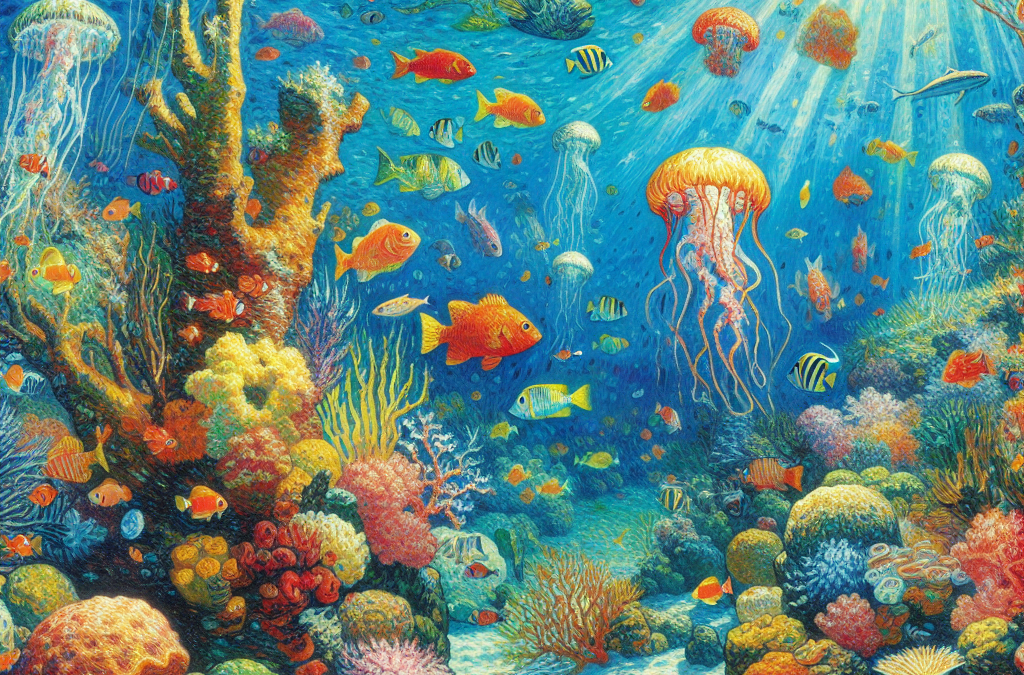
Dive Into The Diverse Fish Species Of Cozumel
By Tom Seest
At TopCozumelNews, we help travelers enjoy Cozumel by collating information learned from frequently traveling to beautiful Cozumel.
Be sure to read our other related stories at TopCozumelNews to learn more about the Island of Cozumel.
What Are Fish Species Found In Cozumel Mexico?
Cozumel, the pristine jewel of the Caribbean, is more than just a tropical paradise adorned with white sandy beaches and crystal-clear waters; it’s an underwater wonderland teeming with life. This thriving marine ecosystem serves as a playground for snorkelers, divers, and anyone with a sense of adventure. So, let’s dive into the vibrant aquatic world of Cozumel and explore the remarkable fish species that call this place home.
First off, you’ve got your parrotfish. With their vibrant colors and unique beak-like mouths, these fish are often the subject of awe for those peering through their snorkel masks. Not just pretty faces, parrotfish play a critical role in maintaining the health of coral reefs by munching on algae and dead coral, keeping the underwater landscape clean and thriving. Their curious behavior and vivid hues provide a visual feast that’s hard to forget.
Then there are the clownfish—those feisty little critters that dart playfully among the protective tentacles of sea anemones. These fish have earned quite a reputation thanks to their symbiotic relationship with other marine species and their unmissable colors. Watching them in their natural habitat, it’s evident why they capture the hearts of so many.
Of course, we can’t overlook the majestic groupers. Usually camouflaged against the rocks, these chunky fish are known for their impressive size and incredible presence. Encountering a grouper while diving is akin to running into a gentle giant; they’re peaceful and often quite curious.
Let’s not forget the vividly striped angelfish, gliding gracefully through the reefs. Their unique patterns and vibrant colors create a striking visual effect against the backdrop of coral gardens. If you’re lucky enough to spot one, take a moment to appreciate nature’s artistry at its finest.
And then there are the swift and agile barracudas, slicing through the water like living arrows. Often mistaken for ferocious hunters, these fish are more of an enigma than a threat; they are curious yet cautious. While you might not want to get too close, watching them from a distance adds an exhilarating thrill to your underwater exploration.
Cozumel’s waters are home to many other species, including snapper, triggerfish, and even the occasional sailfish. Each dive into these depths unveils a new chapter in this aquatic story—a testament to the rich biodiversity that defines this Caribbean paradise. So, grab your gear and get ready to plunge into one of the most vibrant underwater landscapes the world has to offer!

What Are Fish Species Found In Cozumel Mexico?
What Are Fish Species Found In Cozumel Mexico?
- Cozumel is a pristine Caribbean destination known for its white sandy beaches and vibrant underwater ecosystem.
- Parrotfish are a key species, recognized for their colorful appearance and role in keeping coral reefs healthy by eating algae and dead coral.
- Clownfish are playful and famous for their symbiotic relationship with sea anemones, captivating those who observe them.
- Groupers are large, peaceful fish that often blend into their rocky surroundings, creating a sense of wonder when encountered.
- Angelfish are noted for their striking colors and patterns, adding beauty to the coral reefs as they glide gracefully.
- Barracudas are swift and agile, often misunderstood as aggressive but are more curious than dangerous when viewed from a distance.
- Cozumel’s diverse marine life includes various species such as snapper and triggerfish, showcasing the rich biodiversity of this paradise.

What Are Fish Species Found In Cozumel Mexico?
Table Of Contents
- What Are Fish Species Found In Cozumel Mexico?
- Is The Whale Shark Found In Cozumel?
- Is The Blue Marlin Found In Cozumel?
- Is The Toadfish Found In Cozumel?
- Is The Coral Fish Found In Cozumel?
- What Types Of Fish Are Native To Cozumel?
- What Are The Most Common Fish Species In Cozumel?
- Are There Any Endangered Fish In Cozumel?
- Conclusion
- Other Resources
- Glossary Of Terms
- Other Questions
- Haiku
- Poem
- Checklist
Is The Whale Shark Found In Cozumel?
If you’ve ever dipped your toes into the azure waters off the coast of Cozumel, chances are you’ve marveled at the vibrant marine life thriving below. Among these underwater wonders is the grand and gentle giant known as the whale shark, a fish that evokes equal parts awe and intrigue. But are these remarkable creatures gracing the waters of Cozumel? The short answer: yes, but with a nuanced twist.
Whale sharks, the largest fish in the sea, can grow up to 40 feet in length. They are, in essence, the gentle giants of the ocean, basking in the sun-dappled waters, all while happily munching on plankton. These creatures are migratory, which makes their appearance in the Caribbean waters of Cozumel somewhat seasonal. The peak season for whale shark sightings typically runs from June to September, when these magnificent fish flock to the nutrient-rich waters of the Yucatán Peninsula. During this time, the chances of glove donning, mask wielding snorkelers and divers encountering these leviathans increase dramatically.
The waters around Cozumel offer a rich tapestry of marine life, and the presence of plankton during the summer months creates the perfect buffet for whale sharks. If you happen to be in Cozumel during this time, you’re in for a treat; encounters with these behemoths are unforgettable. Picture yourself gliding through the crystal-clear water alongside a creature that could easily be the length of a school bus. It’s an experience that is both exhilarating and humbling.
However, a word to the wise: interacting with whale sharks comes with its responsibilities. Eco-conscious tourism is essential to protect these animals and their habitats. Responsible snorkeling and diving practices are not just encouraged; they’re critical. Approaching these creatures with respect and caution ensures that future generations can enjoy the same breathtaking encounters that make Cozumel a world-renowned destination.
So, if you find yourself contemplating a summer escape to this tropical paradise, remember that the whale shark is more than a mythical creature; it’s a real part of the Cozumel experience. Embrace the journey, respect the ocean, and you just might find yourself swimming alongside one of nature’s most magnificent creations. Cozumel isn’t just another beautiful destination; it’s a gateway to the extraordinary world beneath the waves, and the whale shark is the jewel in that crown.

Is The Whale Shark Found In Cozumel?
Is The Whale Shark Found In Cozumel?
- Whale sharks are the largest fish in the sea, growing up to 40 feet in length.
- They are gentle giants, primarily feeding on plankton in sun-dappled waters.
- Whale sharks are migratory, with peak sightings in Cozumel from June to September.
- The summer presence of plankton attracts whale sharks to the nutrient-rich waters of the Yucatán Peninsula.
- Encounters with whale sharks are unforgettable experiences for snorkelers and divers.
- Eco-conscious tourism and responsible practices are crucial for protecting whale sharks and their habitats.
- Cozumel provides a unique opportunity to connect with nature and appreciate its underwater wonders.

Is The Whale Shark Found In Cozumel?
Is The Blue Marlin Found In Cozumel?
Ah, the blue marlin — an iconic giant of the ocean and a dream for many an angler. Picture this: the azure waters of Cozumel, glistening under the tropical sun, a gentle breeze ruffling your hair as you cast your line into the depths. The question hanging in the salty air is: does the blue marlin make its home in this aquatic paradise?
The short answer? Absolutely. Cozumel, located off the coast of Mexico’s Yucatán Peninsula, is a hotbed for marine life, and the blue marlin is one of its prized inhabitants. These magnificent creatures, renowned for their size and acrobatic displays, thrive in the warm, nutrient-rich waters that surround the island. From late summer through early fall, the waters pulse with life, and the chances of encountering a blue marlin are at their peak.
Now, let’s get into the nitty-gritty. The blue marlin isn’t just another fish; it’s a majestic predator, often weighing between 200 to 400 pounds, with some even tipping the scales at over 1,000! These beauties can grow to over 14 feet in length. They’re built for speed, with streamlined bodies and a bill that helps them swim faster than a speeding bullet. When hooked, they put on a spectacular show — leaping, tail-walking, and twisting through the air in a frenzy of energy that leaves even the most experienced fishermen in awe.
Cozumel’s geographical position plays a significant role in attracting blue marlin. The surrounding Caribbean Sea is rich in baitfish, which in turn draws these predatory giants closer to shore. Anglers from around the globe are drawn to this lure, eager to test their skills against one of the ocean’s mightiest warriors. Charter services dot the island’s coastline, ready to whisk eager fishers into the deep blue in search of the ultimate catch.
But the thrill of fishing for blue marlin isn’t just about the catch; it’s also about the experience. The vibrant reefs, the warm sun on your back, and the camaraderie of fellow fishermen create memories that last a lifetime. Whether you’re a novice angler or a seasoned pro, the chance to hook a blue marlin in Cozumel is an adventure like no other.
So, if you find yourself in Cozumel, don your fishing hat and grab that rod — the blue marlin awaits, ready to dance on the end of your line!

Is The Blue Marlin Found In Cozumel?
Is The Blue Marlin Found In Cozumel?
- The blue marlin is a prized target for anglers in the azure waters of Cozumel, Mexico.
- Cozumel is rich in marine life, making it an ideal habitat for blue marlin.
- These majestic fish typically weigh between 200 to 400 pounds and can grow over 14 feet long.
- Blue marlin are known for their speed and acrobatic displays when hooked.
- The geographical location of Cozumel attracts blue marlin due to abundant baitfish in the Caribbean Sea.
- A fishing trip in Cozumel offers an unforgettable experience beyond just the thrill of the catch.
- Anglers of all skill levels are invited to partake in the adventure of catching blue marlin in Cozumel.

Is The Blue Marlin Found In Cozumel?
Is The Toadfish Found In Cozumel?
When you think of Cozumel, images of sun-drenched beaches, vibrant coral reefs, and tropical fish dance through your mind. Yet, lurking among the colorful marine life is a peculiar creature that’s often overlooked: the toadfish. But is this bizarre-looking fish found in the crystalline waters surrounding Cozumel? Let’s dive in and explore.
Toadfish, renowned for their distinctive appearance and curious behaviors, belong to the family Batrachoididae. These little guys sport a squat body, wide mouth, and the kind of camouflaged skin that would make them right at home in a mud puddle on a rainy day. But don’t let their unassuming looks fool you; they pack a punch when it comes to character.
In Cozumel, which is a hotspot for divers and snorkelers seeking out the reef life, the likelihood of encountering a toadfish is fairly high. These fish tend to inhabit the tropical and subtropical zones, often burrowing in sandy bottoms or hiding among rocks and corals. The waters around Cozumel’s reefs are an ideal habitat, rich with the nooks and crannies that toadfish love. However, spotting one might require some patience—these masters of disguise can be downright elusive.
What makes the toadfish really interesting is their unique vocalizations, which can be heard as low grunts and croaks. Divers who venture into the deeper waters may find themselves intrigued by these sounds, a sort of underwater concert that adds to the musical ambiance of the ocean. Some scientists believe these vocalizations play a role in communication and attracting mates, turning an ordinary dive into a symphonic experience of nature.
But it’s not just their sounds and hiding skills that attract attention. Toadfish have a more complex role in the ecosystem as both predator and prey. While they primarily feast on small invertebrates, they also serve as a food source for larger fish, illustrating the intricate food web that thrives beneath the waves.
So, yes, the toadfish does indeed call Cozumel home. Whether you’re an experienced diver on a mission to spot one of these oddities or a curious snorkeler hoping to catch a glimpse of something unusual, keep your eyes peeled and your ears tuned. The underwater world of Cozumel is full of surprises, and the toadfish is just one of its many hidden gems.

Is The Toadfish Found In Cozumel?
Is The Toadfish Found In Cozumel?
- Cozumel is known for its beaches, coral reefs, and marine life, with the toadfish being a lesser-known inhabitant.
- Toadfish belong to the family Batrachoididae, characterized by their squat bodies, wide mouths, and camouflaged skin.
- These fish are commonly found in Cozumel’s tropical and subtropical waters, often hiding in sandy bottoms and among rocks and corals.
- To spot a toadfish requires patience due to their ability to blend into their surroundings.
- They produce unique vocalizations, described as low grunts and croaks, contributing to the ocean’s auditory atmosphere.
- Toadfish play an important role in the ecosystem as both predators and prey, primarily feeding on small invertebrates.
- Cozumel is a great place for divers and snorkelers to encounter these intriguing fish, making the underwater experience richer.

Is The Toadfish Found In Cozumel?
Is The Coral Fish Found In Cozumel?
When we talk about the vibrant underwater ecosystems of Cozumel, one question often bubbles up: Is the coral fish actually found in these crystalline waters? The answer, my friends, is a resounding “yes,” but let’s dive a little deeper into what that really means.
First off, it’s essential to understand that coral fish refers to a broad spectrum of species that thrive around coral reefs. In Cozumel, we’re looking at a marine wonderland teeming with a kaleidoscope of colors and life forms. Picture this: as you snorkel or dive, you’re greeted by tangs, clownfish, and parrotfish darting through lush coral gardens—all of which rely on healthy coral ecosystems to survive.
Cozumel is like a natural aquarium, boasting the second-largest barrier reef in the world, the Mesoamerican Reef. This vibrant underwater terrain serves as a crucial habitat for our finned friends. The corals act as both a shelter and a food source for these creatures, which in turn helps maintain the balance of this delicate ecosystem. So yes, coral fish flourish here, and they rely heavily on the intricate dance of life that coral reefs provide.
However, let’s not be naïve; this aquatic paradise faces serious challenges. Climate change, pollution, and irresponsible tourism threaten the coral reefs of Cozumel. The corals, those ancient builders of these underwater cities, are under siege. Coral bleaching events, where stressed corals expel the colorful algae living in their tissues, are becoming alarmingly common. If the corals suffer, so too will the fish that call these reefs home.
So, what can you do? Educate yourself and others about the importance of marine conservation. When you visit Cozumel, choose eco-friendly tours, support local conservation efforts, and avoid single-use plastics. Remember, every small action counts in the fight to keep these waters pristine and the reefs thriving.
In summary, yes, the coral fish do call Cozumel home, but like all good neighbors, they depend on a healthy environment to thrive. It’s a relationship that requires mutual respect—one that all of us, whether we’re living above or below the waves, should cherish and strive to protect. So next time you snorkel among the corals, take a moment to appreciate not just the vibrant fish darting by, but the intricate world that supports them. It’s all connected, and it’s worth fighting for.

Is The Coral Fish Found In Cozumel?
Is The Coral Fish Found In Cozumel?
- Coral fish are abundant in the vibrant underwater ecosystems of Cozumel.
- The term “coral fish” encompasses a wide variety of species that thrive around coral reefs.
- Cozumel features the Mesoamerican Reef, the second-largest barrier reef in the world, offering a rich habitat for marine life.
- Corals provide shelter and food for fish, maintaining the balance of the ecosystem.
- The coral reefs of Cozumel face challenges from climate change, pollution, and irresponsible tourism.
- Coral bleaching events are increasing and threaten both corals and the fish that rely on them.
- Visitors can contribute to marine conservation by choosing eco-friendly tours and supporting local efforts.

Is The Coral Fish Found In Cozumel?
What Types Of Fish Are Native To Cozumel?
Cozumel, that sun-kissed slice of paradise nestled off the eastern coast of Mexico’s Yucatan Peninsula, isn’t just a vacation hotspot; it’s a vibrant underwater wonderland teeming with life. When you submerge yourself in its crystalline waters, prepare to meet some of the most fascinating fish native to the region. These aquatic residents have adapted to the warm currents, coral reefs, and unique ecosystems that make Cozumel a diver’s dream.
First up, let’s talk about the magnificent *Mesoamerican Barrier Reef*. Stretching along the coast, this reef is home to a stunning variety of fish species. One of the stars of the show is the colorful *parrotfish*. With their bright scales and beak-like mouths, these fish do more than just look good. They play a crucial role in the ecosystem by munching on algae and helping to keep the coral clean and vibrant. A diver might be lucky to observe them cruising near the reefs, feasting on algae while displaying their vivid colors.
Next, encounter the sleek and speedy *barracuda*. Known for their sharp teeth and streamlined bodies, barracudas can be the fearsome guardians of the reef. Don’t let their intimidating looks fool you; they’re also an essential part of the marine food chain. You’ll often spot them hanging around coral formations, waiting for an unsuspecting meal to swim by. Just stay calm—they’re more interested in scaring off smaller fish than in bothering the scuba divers.
Then there are the playful *clownfish*, famous for their symbiotic relationship with sea anemones. You know those iconic orange-and-white stripes? That’s them! These little critters dart in and out of the anemones, safe from predators while giving the anemones some much-needed nutrients. Watching them dance among the tentacles can bring a smile to anyone’s face.
Finally, let’s not forget about the majestic *lionfish*. With their extravagant fins and venomous spines, lionfish are both a sight to behold and a problem for local ecosystems. Native to the Indo-Pacific region, their introduction to the Caribbean has caused quite a stir. While they may be mesmerizing to look at, it’s essential for local divers and fishermen to manage their populations to protect the natural balance of Cozumel’s waters.
Cozumel is not just a place—it’s a living gallery of marine life. Whether you’re diving deep or snorkeling near the surface, every splash can lead to a new, exhilarating encounter with the vibrant and diverse fish that call these waters their home.

What Types Of Fish Are Native To Cozumel?
What Types Of Fish Are Native To Cozumel?
- Cozumel is a vibrant underwater paradise located off the eastern coast of Mexico’s Yucatan Peninsula.
- The *Mesoamerican Barrier Reef* offers a stunning variety of fish species, including the colorful *parrotfish* which helps maintain coral health.
- The sleek *barracuda* is a notable predator in the area, playing a crucial role in the marine food chain.
- *Clownfish* are famous for their symbiotic relationship with sea anemones, providing protection and nutrients.
- The majestic *lionfish*, while visually stunning, poses a threat to local ecosystems due to its invasive presence.
- Cozumel is a popular destination for divers and snorkelers, offering exhilarating encounters with diverse marine life.
- The waters of Cozumel create a living gallery that attracts marine enthusiasts from around the world.

What Types Of Fish Are Native To Cozumel?
What Are The Most Common Fish Species In Cozumel?
Diving into the vibrant waters of Cozumel is like stepping into an underwater carnival. With its crystal-clear visibility and thriving marine life, this island has become a playground for snorkelers and divers alike. The underwater world here is a tapestry woven with colors and creatures, but some fish species stand out more than others. Let’s take a deep dive into the most common fish you are likely to encounter in Cozumel’s mesmerizing coral reefs.
Starting with the lionfish, this exotic-looking predator is hard to miss. With its spiky fins fanning out like a flamboyant crown, the lionfish is both beautiful and menacing. Originally from the Indo-Pacific region, it has found a home in the Caribbean waters, where it’s both a breathtaking sight and a cause for concern. Lionfish are voracious eaters, and their presence has disrupted local ecosystems, but their striking appearance makes them a favorite among divers.
Next up, the parrotfish is another charismatic character in the cast of Cozumel’s aquatic residents. With their bright, jewel-toned scales and beak-like teeth, they’re not only easy on the eyes but also crucial to coral health. These fish graze on algae, preventing it from suffocating the coral. Watching a parrotfish nibbling away at the reef is like observing a natural gardener in action.
As we continue our journey, we can’t overlook the grunts—specifically, the blue-striped grunt. Often seen in schools, these fish bring a dynamic energy to the reef. Their shimmering stripes catch the sunlight and create a mesmerizing dance as they move in unison, illustrating not just beauty but also the efficiency of teamwork in nature.
Moving on, we encounter the clownfish. Made famous by a little animated film, these tiny, colorful fish have a symbiotic relationship with anemones. Watching one dart in and out of its anemone home is delightful, showcasing a relationship rooted in mutual survival.
Last but certainly not least are the snapper species, particularly the yellowtail snapper. With their silvery bodies punctuated by bright yellow accents, they’re a common sight for fishermen and divers alike. These fish are not only beautiful but also delicious, making them highly sought after in local cuisine.
So, whether you’re swimming alongside a parrotfish or marveling at the drama of a lionfish in its element, Cozumel offers a colorful palette of life beneath the waves. It’s a vivid reminder that the oceans are teeming with stories waiting to be experienced—if you’re willing to take the plunge.

What Are The Most Common Fish Species In Cozumel?
What Are The Most Common Fish Species In Cozumel?
- Cozumel’s vibrant underwater world is likened to an aquatic carnival, attracting snorkelers and divers with its clear waters and diverse marine life.
- The lionfish, an exotic predator with striking spiky fins, is notable for its beauty and ecological impact, having disrupted local ecosystems.
- Parrotfish contribute to coral health by grazing on algae, showcasing their importance as natural gardeners of the reef.
- Blue-striped grunts often display a dynamic energy in schools, illustrating teamwork and beautifying the reef with their shimmering stripes.
- Clownfish are famous for their symbiotic relationship with anemones, providing a delightful spectacle of mutual survival.
- Yellowtail snapper, with their distinct yellow accents, are both visually appealing and a popular choice for local cuisine.
- Cozumel’s underwater ecosystem is a treasure trove of life, offering memorable experiences for those willing to dive in.

What Are The Most Common Fish Species In Cozumel?
Are There Any Endangered Fish In Cozumel?
When you think of Cozumel, visions of sun-soaked beaches and vibrant coral reefs likely spring to mind. It’s a tropical paradise that’s swarming with life—underwater life, that is. Scuba divers and snorkelers come from all corners of the globe to dip into its crystal-clear waters. But hidden beneath those shimmering waves lies a pressing concern: endangered fish species.
Let’s break it down. Cozumel’s rich marine biodiversity isn’t just for show; it’s a delicate ecosystem that needs protection. Among the colorful parade of fish that swim in its waters are several species facing an uncertain future. Notably, the Nassau grouper and the hawksbill turtle are two prime residents that risk disappearing from these waters. Once abundant, these fish now find themselves on the endangered list, largely due to overfishing and habitat loss.
The Nassau grouper, a fish known for its striking color patterns and size, has seen a steep decline in populations throughout the Caribbean, including Cozumel. Once a premier catch for local fishermen, these fish are now at risk. Their late spawning habits, where they cluster together in specific spots, make them particularly vulnerable to fishing pressures. The simple act of gathering to reproduce has become a treacherous gamble for these fish.
Then there’s the hawksbill turtle, often seen gracefully gliding through Cozumel’s reefs. These turtles aren’t fish, of course, but they inhabit the same ecosystems and are equally deserving of protection. Their population suffers due to habitat destruction and illegal hunting. The impact reaches beyond just the turtles; their decline signifies larger issues at play in the marine ecosystem.
The real kicker? The plight of these fish and turtles isn’t just an environmental issue; it’s a testament to how human actions ripple through nature. Conservation efforts are underway, with local organizations working to protect these species while educating the community and visitors. So, what’s the takeaway? If you’re gearing up for a trip to Cozumel, remember to do your part. Respect the reefs, avoid purchasing products that exploit endangered species, and promote sustainable diving practices.
It’s not just about admiring the beauty of Cozumel’s underwater world; it’s about ensuring that future generations can also marvel at these magnificent creatures. So, let’s commit to protecting what we love, because this paradise deserves a fighting chance.

Are There Any Endangered Fish In Cozumel?
Are There Any Endangered Fish In Cozumel?
- Cozumel is a tropical paradise known for its sun-soaked beaches and vibrant coral reefs.
- The region’s rich marine biodiversity is at risk, with several species, including the Nassau grouper and hawksbill turtle, facing endangerment.
- The Nassau grouper has sharply declined due to overfishing and its vulnerability during spawning periods.
- The hawksbill turtle’s population suffers from habitat destruction and illegal hunting.
- The decline of these species highlights the broader environmental impacts of human actions.
- Conservation efforts are being made by local organizations to protect these marine species.
- Visitors to Cozumel are encouraged to respect marine life, avoid harmful products, and promote sustainable practices.

Are There Any Endangered Fish In Cozumel?
Conclusion
Alright, folks, let’s wrap things up by diving into why Cozumel isn’t just an ordinary vacation spot, but a living, breathing underwater paradise. When you immerse yourself in its crystal-clear waters, prepare to experience a maritime gallery featuring a kaleidoscope of fish species. It’s like nature’s own aquarium, where every fin and splash tells a story—an adventure waiting for the taking.
First, you’ve got the powerhouse performers like the vibrant parrotfish, tirelessly munching away algae and keeping the coral reefs thriving. Then there are the playful, orange-and-white striped clownfish, darting among sea anemones like they own the place. And if you’re lucky enough to spot a majestic grouper or a camouflaged toadfish, well, consider yourself privy to some of the ocean’s best-kept secrets.
And let’s not ignore the roar you’ll hear when a barracuda slices through the water. But there’s more at play here than just eye candy. The dynamics of these ecosystems are fragile, and our actions have consequences. Entities such as climate change and pollution threaten the very reefs housing these wondrous creatures. Tread lightly; your snorkeling or diving adventures can either contribute to or mitigate these issues.
Let’s transition to the giants of the ocean, shall we? Cozumel is a known pit stop for gentle whale sharks during their migrations. Picture this: you’re gliding alongside one of these majestic beasts, as they filter-feed on plankton, effortlessly reminding you of the vastness and grace of nature. It’s a humbling experience—one that sparks a reverence for the ocean and all its inhabitants.
On the flip side, we must acknowledge the dangers lurking beneath the waves, including endangered species like the Nassau grouper. Their fate is a sobering reminder that every interaction we have with nature can impact the delicate balance that sustains life in these waters. So, let’s take up the crusade for responsible tourism by supporting local conservation efforts and advocating for sustainable practices.
In summary, Cozumel is far more than just a vacation spot. It’s an underwater sanctuary calling out for respect and appreciation. It’s a living testament to biodiversity, resilience, and—let’s face it—natural beauty. So grab your gear, respect the ocean, and dive in! You’re not just a spectator; you’re part of the grand aquatic story that deserves to be cherished for generations to come.

Conclusion
Conclusion:
- Cozumel is a vibrant underwater paradise, featuring crystal-clear waters and diverse marine life.
- Key species include parrotfish, clownfish, groupers, and toadfish, each contributing to the reef’s ecosystem.
- The dynamics of these ecosystems are fragile, with climate change and pollution posing significant threats.
- Cozumel serves as a migration stop for gentle whale sharks, offering unique and humbling experiences.
- Endangered species like the Nassau grouper highlight the importance of preserving marine biodiversity.
- Responsible tourism is crucial; support local conservation efforts and sustainable practices.
- Cozumel is not just a vacation destination, but a sanctuary that calls for respect, appreciation, and active participation in its preservation.

Conclusion
Other Resources

Other Resources
If you’re thinking about actually being in Cozumel for any of this — not just reading about it from a cold kitchen back home — a couple of our sister sites cover where to stay for the kind of trip you might be planning. Cozumel Journey is an editorial guide to Cozumel — neighborhoods, planning tips, and life on the island for travelers who want context, not a cruise schedule.
Here is a list of other resources you can review online to learn more:
- Colores y Sabores Cozumel Restaurant
- Coral Reefs
- Cozumel Eco Tours
- Cafeteria La Cozumelena Cozumel
- Mr. Sanchos ATV
- WestJet
- Cozumel Country Club
- El Coffee Cozumel
- El Mercado
- Cozumel Journey — long-form writing on neighborhoods and planning
Use This Prompt To Get More Resources With Your Favorite Online AI Tool: Please provide me with a list of online articles with their URLs in a bulleted list that I can read regarding What Are Fish Species Found In Cozumel?

Other Resources
Glossary Terms
What Are Fish Species Found In Cozumel? – Glossary Of Terms
1. Angelfish: Vibrantly colored reef fish known for their distinctive shape and patterns, often found in shallow waters.
2. Parrotfish: Characterized by their beak-like teeth, parrotfish play a crucial role in maintaining coral reefs by grazing on algae.
3. Triggerfish: Recognizable by their stout bodies and strong jaws, triggerfish are known for their territorial behavior and bright coloration.
4. Snapper: A popular target for both recreational and commercial fishing, snappers are known for their delicious flesh and striking markings.
5. Lionfish: An invasive species in the Caribbean, lionfish have venomous spines and are known for their beautiful but dangerous appearance.
6. Grouper: Large and robust fish, groupers are often found hiding in rocky crevices and are prized for their culinary qualities.
7. Tangs: These fish are known for their vibrant colors and distinct body shapes, often seen in schools around coral reefs.
8. Wrasses: A diverse group of colorful reef fish, wrasses are known for their elongated bodies and important role in cleaning other fish.
9. Butterflyfish: Small, brightly colored fish commonly found near coral reefs, identified by their unique patterns and dietary preferences for coral polyps.
10. Surgeonfish: Known for the sharp spines on their tails, surgeonfish are social creatures often seen in large schools grazing on algae.
11. Mackerel: Fast-swimming pelagic fish that prefer open waters, mackerel are popular among sport fishermen due to their speed and fighting ability.
12. Barracuda: Featuring a long body and sharp teeth, barracudas are apex predators that are commonly found in warm coastal waters.
13. Seahorse: Unique among fish species, male seahorses carry and give birth to young, often found in seagrass beds and coral reefs.
14. Dolphin Fish (Mahi-Mahi): Known for their vibrant colors and delicious taste, they are often sought after by anglers.
15. Octopus: Although not a fish, octopuses are important in the marine ecosystem, known for their intelligence and ability to camouflage.
16. Eel: Long, snake-like fish that can be found in rocky hiding spots, some species are nocturnal and play important roles in reef ecosystems.
17. Pufferfish: Recognizable by their ability to inflate their bodies, pufferfish are often toxic and have a distinctive appearance.
18. Flounder: Flatfish that camouflage themselves on the seabed, they are known for their unique adaptations and are popular in fisheries.
19. Clownfish: Famous for their symbiotic relationship with sea anemones, clownfish are brightly colored and often found in pairs.
20. Squirrelfish: Characterized by their large eyes and spiny dorsal fins, squirrelfish are nocturnal and found near reefs.
21. Basslet: Small, colorful reef fish that exhibit vibrant colors, they often inhabit coral-rich environments.
22. Goby: Tiny fish often found in sandy substrates, gobies have symbiotic relationships with shrimps and are important in reef ecosystems.
23. Scad: Known for their schooling behavior, scads are small, pelagic fish often seen in large groups near reefs.
24. Jacks: Powerful fish known for their speed and size, jacks are often found in deeper waters and are popular among sport fishermen.
25. Triggerfish: Robust fish with a unique shape, triggerfish are known for their vibrant colors and aggressive behavior when defending territory.
26. Needlefish: Long, slender fish often seen near the surface, needlefish are known for their sharp teeth and quick bursts of speed.
27. Angel Shark: Flat-bodied sharks often found lying on the seafloor, they are relatively rare and noted for their unique shape.
28. Saddleback Clownfish: A type of clownfish known for its characteristic saddle-like markings, often found in anemones.
29. Moorish Idol: A highly recognizable reef fish with a distinctive shape and coloration, often seen in tropical coral reefs.
30. Hamlet: A smaller reef fish known for their territorial behaviors and bright coloration, hamlets are often found near coral structures.

Glossary Of Terms
Other Questions
What Are Fish Species Found In Cozumel? – Other Questions
If you wish to explore and discover more, consider looking for answers to these questions:
- What other types of marine life can be found in Cozumel?
- What are the best snorkeling and diving spots in Cozumel?
- How does the presence of different fish species affect the coral reefs in Cozumel?
- What conservation efforts are in place to protect fish species in Cozumel?
- Are there any seasonal fish migrations or breeding patterns in Cozumel?
- What impact does tourism have on Cozumel’s marine ecosystem?
- How can visitors practice responsible snorkeling and diving in Cozumel?
- What safety precautions should divers and snorkelers take in Cozumel?
- Are there any guided tours that focus on fish species in Cozumel?
- What are the common threats to fish populations in Cozumel?

Other Questions
Haiku
What Are Fish Species Found In Cozumel? – A Haiku
Cozumel’s waters
Teem with vivid life and grace—
Guardians of the reef.

Haiku
Poem
What Are Fish Species Found In Cozumel? – A Poem
In Cozumel’s embrace, where the waters gleam,
A vibrant tapestry weaves an underwater dream.
Parrotfish parade with their colors so bright,
Guardians of reefs, in their dietary fight.
Clownfish weave playfully through anemones’ sway,
Dancing in safety, while predators stray.
A grouper’s presence, a gentle giant’s grace,
Curious eyes peering from their rocky space.
Angelfish flutter in stripes vivid and bold,
Nature’s own artwork, a marvel to behold.
While barracudas slice through the cerulean maze,
Shining silver arrows, igniting thrill and praise.
Among fleeting glimpses, a whale shark glides,
Gentle and majestic, as the ocean abides.
In summer’s embrace, they feast on the flow,
A banquet of plankton, in currents they go.
Yet darkness looms near, with the lionfish threat,
A jewel-like predator we can’t quite forget.
And endangered are many, like the Nassau’s own plight,
As human hands tug at the threads of their right.
For every breath taken in crystal shallows bright,
Comes the call for conservation; we must unite.
Because every wave ripples, every action speaks clear,
To uphold Cozumel’s magic, we hold dear.
So grab your mask, step in, let the adventure begin,
With respect for the ocean, our journey can spin.
For beneath azure skies and the sun-kissed sand,
Lives a world of wonders, we must care for and stand.

Poem
Checklist
What Are Fish Species Found In Cozumel? – A Checklist
Checklist of Fish Species to Look For:
1. Parrotfish
_____ Note: Look for their vibrant colors and unique beak-like mouths. They help maintain coral reef health by eating algae.
2. Clownfish
_____ Note: Famous for their orange and white stripes, these fish inhabit anemones and display playful behavior.
3. Groupers
_____ Note: These larger fish may be camouflaged against rocks. They are peaceful and curious, making for an amazing encounter.
4. Angelfish
_____ Note: Look for their vividly striped bodies gliding gracefully through coral reefs.
5. Barracudas
_____ Note: Swift and agile, these fish are often mistaken for fierce predators but are more curious than threatening.
6. Snapper (e. g. , Yellowtail Snapper)
_____ Note: Known for their beautiful silvery bodies with yellow accents; a common sight in the waters.
7. Triggerfish
_____ Note: Often found around coral reefs, these fish are known for their colorful appearances and curious nature.
8. Sailfish
_____ Note: Occasionally sighted; known for their incredible speed and acrobatics.
9. Whale Shark
_____ Seasonal Sightings: Typically from June to September; look for these gentle giants who feed on plankton.
10. Blue Marlin
_____ Fishing Season: Best chances between late summer and early fall; iconic for their acrobatic displays.
11. Toadfish
_____ Note: Look for their squat body and unique vocalizations. They are masters of camouflage.
12. Coral Fish
_____ Habitats: Many types, including tangs, rely on coral reefs. Healthy ecosystems provide crucial habitats.
13. Lionfish
_____ Note: Exotic-looking with venomous spines; their invasive presence is a concern for local ecosystems.
Responsible Practices:
_____ Eco-Conscious Behavior: Always engage in responsible snorkeling and diving practices to protect marine life and their habitats.
_____ Educational Awareness: Share information about the importance of marine conservation with fellow adventurers.
_____ Support Local Conservation: Choose eco-friendly tours and support initiatives aimed at preserving Cozumel’s marine ecosystem.

Checklist
At TopCozumelNews, we help travelers enjoy Cozumel by collating information learned from frequently traveling to beautiful Cozumel.
Be sure to read our other related stories at TopCozumelNews to learn more about the Island of Cozumel.