Experience The Thrill Of Bull Shark Diving In Cozumel
By Tom Seest
At TopCozumelNews, we help travelers enjoy Cozumel by collating information learned from frequently traveling to beautiful Cozumel.
Be sure to read our other related stories at TopCozumelNews to learn more about the Island of Cozumel.
Can You Dive with Bull Sharks In Cozumel?
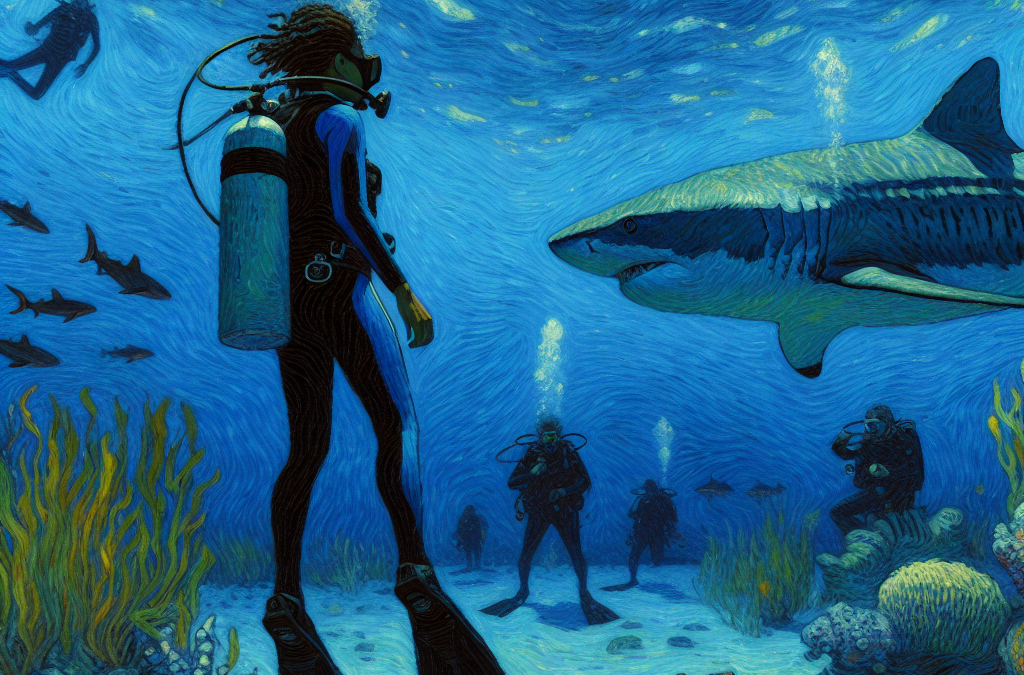
When it comes to diving in Cozumel, the mere thought of sharing the deep blue with bull sharks can send a shiver down your spine—or ignite a flicker of excitement. These muscular predators, known for their fierce reputation, roam the Caribbean waters with a swagger that commands respect. But can you actually dive with them? That’s the million-dollar question.
Let’s get one thing straight: bull sharks are not the misunderstood cuddly creatures that some movies might suggest. They are apex predators, equipped with the tools of the trade—sharp teeth and a powerful physique—that allow them to dominate their environment. Native to coastal waters of the tropics and subtropical zones, they don’t shy away from shallower waters, sometimes even venturing into rivers. Yes, they’re adaptable and tough. But here’s the kicker: they are also creatures of habit, often returning to the same areas as they hunt, and Cozumel is no exception.
Considered a top spot for thrill-seeking divers, Cozumel offers prime opportunities to encounter these sharks, particularly during the winter months—from November through March. It’s during this season that the waters are crystal clear and the chances of spotting an elusive bull shark increase dramatically. Dive shops on the island often organize shark dives, allowing adventurous souls to get up close and personal with these magnificent animals. But this isn’t your average casual plunge into the ocean. It’s a serious expedition, requiring a level of experience and knowledge about the marine life you’ll be interacting with.
Before you dive in, it’s essential to prepare. Understanding shark behavior can make a world of difference. Knowing to keep your buoyancy steady, avoid frantic movements, and maintain a respectful distance will enhance both your safety and the sharks’ experience. Keep your gear in check; any sudden splashes could trigger a curious—or worse, an aggressive—reaction.
And let’s not gloss over the importance of professional dive guides. These experts are not just there to point out the sharks; they’re lifeguards in disguise, equipped with knowledge and training to ensure divers engage in a safe and thrilling experience.
So, can you dive with bull sharks in Cozumel? Absolutely. Just remember, you’re not just a visitor; you’re a respectful guest in their domain. Gear up, listen to your dive master, and prepare for an underwater encounter that will be etched in your memory long after your fins have dried.

Can You Dive with Bull Sharks In Cozumel?
Can You Dive with Bull Sharks In Cozumel?
- Cozumel is known for exciting bull shark diving opportunities that can evoke both fear and thrill.
- Bull sharks are apex predators, recognized for their powerful physique and sharp teeth.
- They inhabit coastal and shallow waters, showing adaptability and a tendency to return to familiar hunting grounds.
- Winter months (November to March) offer the best visibility and chances for spotting bull sharks while diving.
- Shark dives are organized by local dive shops, requiring experience and an understanding of marine life.
- Divers must be aware of shark behavior, maintain steady buoyancy, and keep a respectful distance during encounters.
- Professional dive guides play a critical role in ensuring safety and enhancing the diving experience.

Can You Dive with Bull Sharks In Cozumel?
Table Of Contents
- Can You Dive with Bull Sharks In Cozumel?
- Can You Experience Bull Sharks While Diving In Cozumel?
- Can You Dive Safely with Bull Sharks In Cozumel?
- Do You Need Special Equipment to Dive with Bull Sharks In Cozumel?
- Can You Feed Bull Sharks While Diving In Cozumel?
- Can You Safely Dive With Bull Sharks In Cozumel?
- What Is The Best Time To Dive With Bull Sharks In Cozumel?
- Are There Specific Dive Sites For Bull Shark Encounters?
- Conclusion
- Other Resources
- Glossary Of Terms
- Other Questions
- Haiku
- Poem
- Checklist
Can You Experience Bull Sharks While Diving In Cozumel?
If you’ve ever dipped your toes into the azure waters of Cozumel, you know the island’s coral reefs resemble a living kaleidoscope. As you peel back the layers of vivid marine life, a question arises that stirs the imagination of divers and thrill-seekers alike: Can you experience bull sharks while diving in Cozumel? Spoiler alert: the answer is a resounding yes. But hold on to your wetsuits; it’s a journey worth diving into.
Picture this: you’re descending into a realm where the colors are sharper, the silence is palpable, and the ocean is alive with the sort of energy that makes every hair on your body stand at attention. Bull sharks, the robust omnivores of the sea, are often spotted in these waters, particularly during the mating season from late November through March. And though they might have a fearsome reputation, encountering these majestic creatures is more about respect than about fear.
Now, let’s get into the nitty-gritty. If you’re looking to bump into these remarkable fish while exploring Cozumel, the best bet is to book a dive with an operator who specializes in shark encounters. They’ll have the insider knowledge of the best spots. Often, this includes areas near the infamous Santa Rosa Wall and the stunning Punta Sur, where visibility is high, and the marine life abounds.
Once you’re submerged, the experience is nothing short of exhilarating. Bull sharks tend to be curious and will often approach divers, gracefully gliding through the water with elegance that belies their size. Make no mistake—the interaction is thrilling, but it’s essential to maintain your composure. After all, they’re not the mindless eating machines that pop culture may suggest. They’re part of a delicately balanced ecosystem that you’re privileged to enter.
For those who are apprehensive, consider this: in their natural habitat, bull sharks are often preoccupied with hunting smaller fish, leaving little time for divers. Recognizing their behavior can be an enlightening experience, one that changes preconceived notions about these fascinating predators.
In short, if you have the spirit of adventure and the proper gear, diving with bull sharks in Cozumel is not just possible; it’s an unforgettable rite of passage into the blue wonderland of the Caribbean Sea. So grab your fins and embrace the thrill—it’s time for the ultimate underwater adventure!

Can You Experience Bull Sharks While Diving In Cozumel?
Can You Experience Bull Sharks While Diving In Cozumel?
- Cozumel’s coral reefs host a vibrant array of marine life, including bull sharks.
- Divers can encounter bull sharks, especially during their mating season from late November to March.
- It’s advisable to book a dive with operators who specialize in shark encounters for the best experience.
- Popular dive spots include Santa Rosa Wall and Punta Sur, noted for excellent visibility and marine diversity.
- Bull sharks are curious and may approach divers, offering an exhilarating experience.
- Understanding bull shark behavior can alleviate fears, as they primarily focus on hunting smaller fish.
- Diving with bull sharks in Cozumel is an unforgettable adventure for those with a spirit of exploration.

Can You Experience Bull Sharks While Diving In Cozumel?
Can You Dive Safely with Bull Sharks In Cozumel?
When you think of diving in Cozumel, images of vibrant coral reefs and schools of colorful fish typically come to mind. But let’s not beat around the bush; lurking within those azure waters are some larger, toothier residents. That’s right—bull sharks. Known for their robust builds and tenacious nature, these aquatic giants stir a mix of wonder and anxiety among divers. So, can you dive safely with bull sharks in Cozumel? Let’s dive into it.
First and foremost, let’s establish the basics. Bull sharks are not the villains of the ocean—they’re just big fish following their instincts. The waters around Cozumel are known for being a seasonal haven for these creatures, particularly during the winter months. They come in looking for food, often making their presence known with a curious nudging or a slow, graceful glide. But fear not, divers; there’s a robust system in place to ensure safety.
To safely share the water with these apex predators, divers need a solid understanding of the environment. Staying calm is your first line of defense. Panic can lead to rash decisions, and that’s the last thing you want when a bull shark makes an unexpected cameo. Respect their space, and remember that you’re a guest in their watery realm.
Professional dive operations in Cozumel are well-acquainted with bull sharks and devote time to educating divers about what to expect. Follow your guide’s instructions to the letter; they’re trained to handle encounters with these majestic creatures. Often, they’ll conduct shark dives where groups can experience the thrill of being up close without the stressful unpredictability.
It’s also vital to approach bull shark diving with the right mindset and equipment. Ensure you have the proper training—advanced certifications often include handling large marine life. Additionally, consider diving with a group. Safety in numbers applies here; there’s strength in a united front, and that camaraderie can enhance your experience.
Lastly, approach the marine life with reverence. These creatures are vital to our ocean ecosystems, and respecting their space is crucial not just for your safety, but for their well-being. When done right, diving with bull sharks can be one of the most exhilarating experiences of your underwater adventures.
So, can you dive safely with bull sharks in Cozumel? You bet you can. Just do your homework, respect the sharks, and remember—stay calm, cool, and collected. The ocean is a big, beautiful place, and sometimes its most fearsome residents offer the most unforgettable encounters.

Can You Dive Safely with Bull Sharks In Cozumel?
Can You Dive Safely with Bull Sharks In Cozumel?
- Diving in Cozumel features vibrant coral reefs and colorful fish, alongside bull sharks.
- Bull sharks are not dangerous villains; they are large, instinct-driven fish present in Cozumel’s waters especially during winter.
- Divers should remain calm and respectful, as panic can lead to poor decisions during encounters.
- Professional dive operations in Cozumel educate divers about bull sharks and safety measures.
- It’s important to have proper training and consider diving in groups to enhance safety.
- Respecting bull sharks is crucial for both divers’ safety and the well-being of these marine creatures.
- With the right preparation and attitude, diving with bull sharks can be a thrilling experience.

Can You Dive Safely with Bull Sharks In Cozumel?
Do You Need Special Equipment to Dive with Bull Sharks In Cozumel?
Diving with bull sharks in Cozumel can feel a bit like stepping onto the set of a thrilling adventure flick. You’ve seen these magnificent creatures in oceanside documentaries, gliding through the water with strength and poise. The reality is, experiencing these powerful animals up close demands a bit of preparation, but thankfully, you don’t need to break the bank on a treasure trove of special equipment.
First things first: your basic scuba gear will do just fine. You’ll need a well-fitting wetsuit—preferably one that’s at least 3mm thick if you’re planning to dive in the cooler months. Bull sharks often inhabit deeper waters, so reliable thermal protection is key, ensuring you stay comfortable during your dive and can focus on the majesty unfolding around you.
Next on your checklist is the standard scuba kit: a tank, regulator, and BCD (buoyancy control device). You don’t need any high-tech advancements here; your regular setup will suffice. If you’re a certified diver, chances are you’ve used all this equipment before. Just make sure your gear is in tip-top shape. Bull sharks can be surprisingly inquisitive and tend to come closer than you might expect. So, all systems should be go—inside and out.
Now, let’s talk about communication underwater. Many experienced divers use hand signals to convey messages, but a good dive computer can be a real asset. While not mandatory, it adds an element of safety by monitoring your depth and time spent underwater, ensuring your dive regulations are followed. As for cameras, underwater photography can elevate your experience, but be mindful of how and when you use your gear. Remember, your main focus should be enjoying the moment, rather than wrestling with your equipment.
Lastly, while you don’t need an entire arsenal to swim with these impressive sharks, it’s crucial to have a healthy respect for the ocean and its inhabitants. Following safety guidelines and diving with a reputable guide keeps you and the sharks protected.
So, gear up, get excited, and remember: it’s not about the equipment, but the experience. Diving with bull sharks is an unforgettable journey into their world, and you’re about to become a part of it—no fancy gadgets required.

Do You Need Special Equipment to Dive with Bull Sharks In Cozumel?
Do You Need Special Equipment to Dive with Bull Sharks In Cozumel?
- Diving with bull sharks in Cozumel feels adventurous, akin to being in an action film.
- A basic scuba setup is sufficient; a well-fitting wetsuit of at least 3mm is recommended for cooler waters.
- Essential scuba gear includes a tank, regulator, and BCD, all of which should be in good condition.
- Underwater communication can be enhanced with hand signals and a dive computer for safety.
- Underwater photography can enhance the dive experience, but focus on enjoying the moment.
- Respect for the ocean and its wildlife is crucial; follow safety guidelines and dive with reputable guides.
- The experience of diving with bull sharks is memorable, emphasizing enjoyment over equipment.

Do You Need Special Equipment to Dive with Bull Sharks In Cozumel?
Can You Feed Bull Sharks While Diving In Cozumel?
Picture this: you’re submerged in the crystalline waters of Cozumel, surrounded by vibrant coral reefs and darting schools of tropical fish. It’s a diver’s paradise, but lurking beneath the waves is a creature that might make your heart race — the bull shark. Known for their formidable presence and hefty size, these sharks are often considered the apex predators of their domain. But here’s the kicker: can you feed them while you’re diving?
The short and sweet answer is no, and for good reason. Although the waters off Cozumel are a playground for marine life, feeding bull sharks — or any sharks, for that matter — raises some serious concerns. While the idea might seem tantalizing, particularly if you’re searching for an adrenaline rush or a chance to snap that perfect underwater selfie, the reality is a bit more complicated.
Shark feeding, especially in the wild, is a contentious topic. Many diving operations have adopted strict policies against it as they prioritize both the safety of divers and the well-being of marine environments. When divers feed sharks, it alters their natural behavior. Imagine a seasoned predator becoming accustomed to human interaction; it’s a recipe for disaster. Once sharks associate humans with food, they could lose their natural wariness, leading to unexpected encounters that could end poorly for everyone involved.
Moreover, feeding sharks can create a feeding frenzy. Bull sharks are known to be aggressive, and when they’re competing for food, the chaos can be unpredictable. Imagine being among a pack of hungry sharks — not quite the serene diving experience you envisioned, right?
Despite the thrill, divers should admire these magnificent creatures from a respectful distance, allowing bull sharks to exhibit their natural behaviors without interference. The real magic of diving lies in the beauty and wonder of the underwater world. A well-executed dive can provide close encounters with these stunning animals without resorting to feeding.
In Cozumel, the focus should be on preserving the integrity of the marine ecosystem while enjoying the unforgettable experience of diving with nature — sharks and all. So, respect the bull sharks, embrace the adventure, and leave the feeding to professionals who strive to educate and protect our oceans. After all, there’s a fine line between exhilarating and irresponsible, and nobody wants to be the star of a cautionary tale in the deep blue sea!

Can You Feed Bull Sharks While Diving In Cozumel?
Can You Feed Bull Sharks While Diving In Cozumel?
- Diving in Cozumel offers stunning underwater scenery and encounters with bull sharks.
- Feeding bull sharks while diving is prohibited for safety and ecological reasons.
- Feeding disrupts sharks’ natural behaviors and could lead to dangerous interactions.
- Shark feeding can incite a feeding frenzy, increasing unpredictability and risk.
- Divers should observe sharks from a distance to allow them to display natural behaviors.
- The focus while diving should be on preserving marine ecosystems and experiencing nature responsibly.
- It’s essential to respect bull sharks and leave feeding activities to trained professionals.

Can You Feed Bull Sharks While Diving In Cozumel?
Can You Safely Dive With Bull Sharks In Cozumel?
Ah, the thrill of diving with one of the ocean’s top predators—that’s what draws adventurous souls to the crystalline waters of Cozumel. But here’s the thing: when it comes to bull sharks, the heart races not just from excitement but also from a hint of apprehension. These toothy titans certainly deserve the respect they command, and just as with any exhilarating endeavor, safety must be the first consideration.
Now, bull sharks are often misunderstood. Their reputation as ferocious hunters stems largely from their raw power and the fact that they aren’t shy about venturing into shallower waters, where humans often play. But here’s where the story takes a turn—many seasoned divers say that bull sharks tend to be more curious than dangerous. Quite the paradox, right? With proper care and awareness, diving with them can indeed be a safe experience.
Preparation is key. Engaging with a reputable dive operator should top your list. Look for those with a solid track record of shark dives, as they’ll not only know the waters but also how to keep their divers safe. They’ll brief you on what to expect, recommended behavior during the encounter, and how to handle unexpected situations. Understanding the sharks’ behavior is imperative; not every movement is a threat, and remaining calm can often defuse the situation.
Diving in groups also adds a layer of safety. Sharks are less likely to approach a large, organized group, so stick with your buddies. Keep close, but don’t forget to maintain a respectful distance to avoid provoking curiosity or encroaching on their space. Always remember that you’re the guest in their domain.
Wearing the right gear matters too. A full wetsuit may not only give you warmth but also provide a little extra protection, just in case a shark does decide to swim a little too close. Bright colors may attract attention from these creatures, so opting for understated gear can keep you under the radar.
Finally, you must trust your instincts. If the dive feels off or you sense something amiss, do what feels right for you. In experiencing the thrill of bull shark diving in Cozumel, remember that the ocean demands respect. Follow the guidelines, stay sharp, and you just might come away with not only a few stunning photos but also a newfound appreciation for these fascinating fish.

Can You Safely Dive With Bull Sharks In Cozumel?
Can You Safely Dive With Bull Sharks In Cozumel?
- Experiencing bull sharks in Cozumel offers both excitement and a touch of apprehension.
- Bull sharks are often misunderstood; they are more curious than dangerous when approached properly.
- Engage with a reputable dive operator to ensure safety and proper guidance on shark behavior.
- Diving in groups enhances safety, as sharks are less likely to approach organized and larger groups.
- Wear appropriate gear; a full wetsuit provides warmth and some protection, while understated colors may help avoid attracting sharks.
- Trust your instincts; if something feels off during the dive, prioritize your safety.
- Respect the ocean and its inhabitants, and you may gain a deeper appreciation for bull sharks.

Can You Safely Dive With Bull Sharks In Cozumel?
What Is The Best Time To Dive With Bull Sharks In Cozumel?
When it comes to diving with bull sharks in Cozumel, timing is everything. These powerful and majestic creatures have a specific season when they’re more active, and understanding that rhythm can mean the difference between a once-in-a-lifetime experience and a lackluster outing. So, if you’re plotting your underwater adventure, here’s what you need to know about the best time to dive with these marvels of the sea.
Typically, the peak season for bull shark encounters in Cozumel runs from November to March. During this period, the water temperature settles into a comfortable range of about 75°F to 80°F, making it a splendid time for divers of all skill levels. One important note, though: this isn’t just a mere suggestion. These sharks are instinctively drawn to the area during this time, often due to the reproductive cycle and food availability. As a result, you’re not just diving into warmer waters – you’re paddling right into the heart of bull shark activity.
The ideal months within that window are December and January. This is when you’ll likely see the highest concentration of these fascinating fish, as they move into shallower waters, providing divers with the perfect setting to observe them. Diving in the early morning hours can be particularly fruitful, as the sharks are often more active at this time, engaging in their natural patterns of hunting and swimming.
Now, let’s not mince words: diving with bull sharks isn’t for the faint of heart. They’re strong, formidable creatures with a commanding presence, and respecting their space is paramount. The waters around Cozumel are well-known for crystal-clear visibility, which means you can often spot these sharks from a distance, adding to the thrill of the encounter. However, another key factor to take into account is the moon phase. Many experienced divers believe that a full moon can influence shark activity, potentially heightening your chances of an encounter.
Overall, the best time to dive with bull sharks in Cozumel is during that November-to-March window, ideally in December and January. So, grab your gear, plan your trip, and prepare for a dive that promises to be unforgettable – just remember to mind your manners when mingling with these ocean titans. They deserve both your respect and your awe.

What Is The Best Time To Dive With Bull Sharks In Cozumel?
What Is The Best Time To Dive With Bull Sharks In Cozumel?
- The peak season for bull shark encounters in Cozumel is from November to March.
- Water temperatures during this time are between 75°F and 80°F, ideal for divers.
- Bull sharks are drawn to Cozumel during this period due to their reproductive cycle and food availability.
- December and January are the best months for high concentrations of bull sharks in shallower waters.
- Diving early in the morning increases chances of observing active sharks.
- Consider moon phases, as a full moon may enhance shark activity.
- Respecting the space of these powerful creatures is crucial while diving.

What Is The Best Time To Dive With Bull Sharks In Cozumel?
Are There Specific Dive Sites For Bull Shark Encounters?
When it comes to the thrill of encountering bull sharks in their natural habitat, there’s no shortage of dive sites that can make your heart race and your adrenaline pump. These apex predators are known for their formidable presence, and while they may cause a stir in some circles, divers often find them to be more curious than menacing. If you’re looking for the crème de la crème of bull shark hotspots, you’re in luck; there are several places around the globe where these magnificent creatures frequent.
One of the premier locations for bull shark encounters is in the crystal-clear waters of Florida’s Palm Beach County. Here, diverse coral reefs teem with life, but it’s the Bull Shark Migration that draws the most attention. During the winter months, bull sharks converge in large numbers, making it an ideal time for divers to enter the water. The visibility, typically hovering around 80 feet, allows you to get a clear view of these muscular sharks as they glide through the currents, often less than 20 feet from you.
Traveling east, the waters off Bimini in the Bahamas host another thrilling destination. The area is famous for its shark diving tours, where divers can experience the electrifying energy of bull sharks during feeding dives. Just imagine descending into the water as these powerful predators circle around—it’s a heart-stopping experience that many divers crave. Just remember, respect the creatures you encounter; they’re more than just jaw-dropping selfies.
If you’re after an exotic experience, Cape Town, South Africa, has you covered. The Cape’s cool waters provide a unique look at bull sharks, especially around the iconic False Bay. This area offers a rare opportunity to encounter these sharks while exploring kelp forests, adding a surreal backdrop to your adventure.
For those who want an experience that’s heavy on thrill and low on crowds, consider Costa Rica’s Cano Island, a marine reserve rich in biodiversity. Here, the bull sharks are known to thrive. During certain seasons, the visibility is excellent, and the chances of catching sight of them are pretty high.
Whether you’re a seasoned diver or a brave newcomer looking to make a splash in the underwater world, these destinations offer the opportunity to get up close and personal with one of the ocean’s most iconic predators. So, grab your gear, prepare for adventure, and remember: respect, safety, and a keen sense of wonder will be your best companions in the deep blue.

Are There Specific Dive Sites For Bull Shark Encounters?
Are There Specific Dive Sites For Bull Shark Encounters?
- Numerous dive sites around the world offer thrilling bull shark encounters.
- Florida’s Palm Beach County is a premier destination during winter months when bull sharks migrate.
- Bimini, Bahamas, is known for shark diving tours, providing electrifying experiences during feeding dives.
- Cape Town, South Africa, offers views of bull sharks in the unique environment of False Bay’s kelp forests.
- Cano Island, Costa Rica, is a less crowded spot with high chances of bull shark sightings during certain seasons.
- Divers experience bull sharks as curious rather than menacing, emphasizing respect for these apex predators.
- Preparation and a sense of wonder are essential for a safe and enjoyable diving adventure.

Are There Specific Dive Sites For Bull Shark Encounters?
Conclusion
Alright, folks, let’s wrap this up with a dive into the depths of the matter—bull sharks in Cozumel. Sure, they might sound like the stuff of nightmares, but in truth, they’re misunderstood marvels of the underwater world. These apex predators have made Cozumel’s Caribbean waters their seasonal playground, particularly from November through March. During this exhilarating window, the waters are inviting and bursting with possibilities for those brave enough to enter their realm.
Now, I’m not saying this is a leisurely swim with dolphin-like cuddles. No, we’re talking about an encounter that requires grit, respect, and some serious preparation. Bull sharks, with their muscular bodies and keen instincts, deserve respect and a little reverence. They’re not your average ocean dwellers; these are the big players in the marine food chain, and when you join them, it’s essential to know your stuff.
First things first: if you plan to enter their watery domain, a solid dive operator should be at the top of your checklist. These professionals know their business—from educating you on shark behavior to teaching you how to stay calm should a shark decide to swim a little too close. Trust me, maintaining composure is not just a cliché; it’s a survival mantra down there.
And while you won’t need a treasure chest of special gear, make sure your basic scuba setup is in tip-top shape—think wetsuits that fit well, quality tanks, and buoyancy control devices. Remember, the thrill of diving with these big fish should come with a hefty side of common sense.
Feeding these majestic creatures? Forget it. That’s a no-go zone. Observing them in their natural habitat—bolting after smaller fish or engaging in their unique behavior—is where the true adventure lies. It’s a dance of respect, where you remain the courteous guest while they showcase their wild beauty.
So, gear up, dive deep, and don’t forget: you’re stepping into their kingdom. You’re there for an encounter that will etch itself in your memory long after you’ve stripped off your wetsuit. Each dive is an invitation to glimpse a world that remains largely untouched—an exhilarating rite of passage into the mysteries of the ocean. And remember, in the world of bull sharks and divers, it’s about one beautiful dance in a blue expanse. So dive smart, stay safe, and above all, leave with a newfound appreciation for these magnificent creatures.

Conclusion
Conclusion:
- Bull sharks are misunderstood apex predators in Cozumel’s Caribbean waters.
- The seasonal presence of bull sharks occurs between November and March.
- Encounters with bull sharks require preparation, respect, and a solid understanding of their behavior.
- Choosing a reliable dive operator is crucial for safety and education on shark encounters.
- Divers should ensure their scuba gear is in good condition for a safe experience.
- Feeding bull sharks is prohibited; observing their natural behavior is encouraged.
- Diving with bull sharks offers an exhilarating and memorable glimpse into the ocean’s mysteries.

Conclusion
Other Resources

Other Resources
Cozumel rewards travelers who stay longer than the cruise ship crowd. If that’s the kind of trip you’re cooking up, here’s where we’d point you for lodging. Stingray 37 is a Cozumel rental for divers and ocean-leaning travelers. Cozumel Escape is a larger Cozumel villa suited to groups, families, and divers who want their own base.
Here is a list of other resources you can review online to learn more:
- ScubaTony Cozumel
- Cozumel Museum
- Cafeteria La Cozumelena Cozumel
- Punta Morena
- Noodles & Company
- Discover Mexico Cozumel Park
- San Francisco Beach
- Cozumel Beaches
- Turquoise Terraza & Beach Club Cozumel
- Alamo
- a Cozumel rental built around the dive schedule
- a larger villa for families and dive groups
Use This Prompt To Get More Resources With Your Favorite Online AI Tool: Please provide me with a list of online articles with their URLs in a bulleted list that I can read regarding Can You Dive with Bull Sharks In Cozumel?

Other Resources
Glossary Terms
Can You Dive with Bull Sharks In Cozumel? – Glossary Of Terms
1. Bull Shark: A species of shark known for its robust body and aggressive behavior; found in warm coastal waters.
2. Cozumel: An island in the Caribbean Sea, part of Mexico, known for its coral reefs and diverse marine life, including bull sharks.
3. Diving: The act of swimming underwater using equipment like tanks for breathing and exploring marine environments.
4. Scuba Gear: Equipment used for underwater diving, including tanks, masks, fins, wetsuits, and regulators.
5. Dive Site: A specific location where diving occurs, often characterized by unique underwater features, marine life, or conditions.
6. Shark Diving: A specialized form of diving that involves encountering and observing sharks in their natural habitats.
7. Dive Master: A certified professional who leads and guides divers, ensuring safety and providing knowledge about dive sites.
8. Ecosystem: A community of living organisms interacting with their environment; in this context, it refers to marine ecosystems.
9. Marine Conservation: Efforts aimed at protecting and preserving marine environments and wildlife, including sharks.
10. Courtship Behavior: Specific actions performed by bull sharks during mating season, which divers may observe in the water.
11. Safety Stop: A pause made at a specific depth during ascent to allow for the safe release of nitrogen from a diver’s body.
12. Underwater Photography: The practice of taking photographs underwater to capture marine life, including sharks.
13. Dive Minimum Age: The minimum age requirement for scuba diving, which can vary by certification agency and dive operation.
14. Nutritional Behavior: How bull sharks hunt and consume prey, which can be essential knowledge for divers interacting with them.
15. Plankton: Tiny organisms that are a vital part of the marine food web and can attract larger predators, including bull sharks.
16. Strobe Light: A flash of light used in underwater photography to illuminate subjects, important for capturing images of sharks.
17. Freediving: Diving without the use of breathing apparatus, relying on holding one’s breath, which some divers may prefer.
18. Dive Certification: A credential awarded to divers, indicating they have completed training and understand safe diving practices.
19. Threatened Species: A classification indicating that a species, such as the bull shark, is at risk of becoming endangered.
20. Schooling Behavior: A social behavior where marine animals, including some species of fish, swim together, which can be seen while diving.
21. Shark Feed: A controlled event where bait is used to attract sharks for divers to observe; often controversial regarding ethics.
22. Observation Dive: A type of dive focused on watching marine life rather than hunting or collecting specimens.
23. Visibility: The clarity of the water in a dive site, which can affect the experience of interacting with bull sharks.
24. Liveaboard: A type of diving trip where divers stay on a boat for multiple days, allowing access to remote dive locations.
25. Current: The flow of water in the ocean, which can influence where sharks are found and how divers navigate underwater.
26. Bait Ball: A group of fish that gather tightly together as a defense mechanism against predators, which can attract sharks.
27. Dive Log: A personal record kept by divers detailing their dives, including locations, conditions, and encounters with marine life.
28. Lethargic Behavior: A state where sharks or other marine animals appear sluggish or inactive, usually due to environmental factors.
29. Aggressive Behavior: Actions that indicate a potential threat, common in bull sharks, especially during mating seasons.
30. Sustainable Diving Practices: Techniques and guidelines that promote the protection of marine ecosystems while allowing for recreation.
Feel free to use or adapt this list as needed

Glossary Of Terms
Other Questions
Can You Dive with Bull Sharks In Cozumel? – Other Questions
If you wish to explore and discover more, consider looking for answers to these questions:
- What level of experience is needed to dive with bull sharks in Cozumel?
- Are there any health restrictions for diving with bull sharks?
- What is the presence of other marine life when diving with bull sharks?
- What safety measures are in place during a bull shark dive?
- What should I do if I see a bull shark while diving?
- How do dive shops in Cozumel prepare divers for shark encounters?
- What dive certifications are recommended for diving with bull sharks?
- What time of day is best for diving with bull sharks?
- Are there any eco-tourism practices in place for bull shark diving?
- What are the best dive shops in Cozumel for bull shark encounters?
- Are there ways to engage with bull sharks without diving?
- What should I wear when diving with bull sharks in Cozumel?
- How can I participate in a bull shark dive as a beginner?
- What are the potential risks of diving with bull sharks?

Other Questions
Haiku
Can You Dive with Bull Sharks In Cozumel? – A Haiku
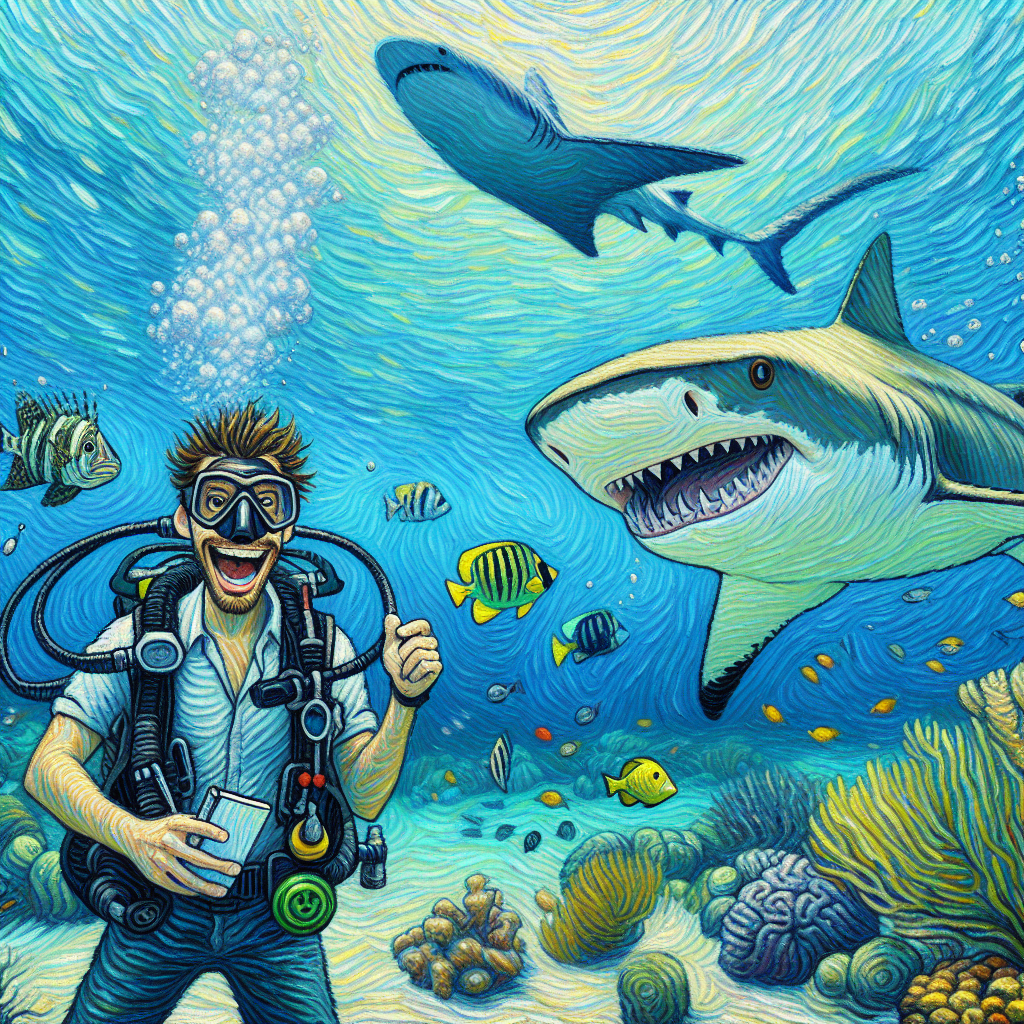
In Cozumel’s depths,
Bull sharks glide with power, grace—
Thrill meets respect here.
Haiku
Poem
Can You Dive with Bull Sharks In Cozumel? – A Poem
In the azure embrace where coral reefs gleam,
Adventurers gather, awakened from dream.
With hearts racing fast, they dare to descend,
To where bull sharks prowl, the ocean’s fierce blend.
Mighty and bold, these predators roam,
In the Caribbean depths, they make their home.
Not misunderstood beasts of cinematic lore,
They glide through the currents, a powerful chore.
From November to March, when waters are clear,
The thrill of encounter draws divers near.
In graceful arcs, they swim with intent,
A hidden dance in their natural splendor spent.
Respect is the key as you enter their domain,
With seasoned guides to shepherd the gain.
Stay calm and composed, no frantic display,
For the curious sharks may choose to sway.
Wetsuits snugged close, gear checked with care,
You’re a guest in their world — be wise, be aware.
Embrace the adventure, as stories unfold,
In the depths of Cozumel, where wonders are bold.
But feeding, dear diver, is where we draw lines,
For tampering with nature, no glory defines.
Admire from distance, let instincts take flight,
In the blue wonders, beneath the moonlight.
So gather your fins, to the ocean you’ll go,
Where sharks are not villains, but guardians of flow.
With oceans to cherish, respect and behold,
Dive into magic, where tales are retold.

Poem
Checklist
Can You Dive with Bull Sharks In Cozumel? – A Checklist
Before You Dive
_____ Research Dive Operators: Choose a reputable dive shop that specializes in shark encounters.
_____ Get Certified: Ensure you have the necessary diving certifications, especially advanced training for large marine life.
_____ Plan Your Dive Dates: Schedule your trip between November and March for the best bull shark encounters.
Equipment Essentials
_____ Wetsuit: A well-fitting wetsuit (at least 3mm thick) for warmth and protection.
_____ Scuba Gear: Ensure your gear (tank, regulator, BCD) is in good condition and appropriate for diving with sharks.
_____ Dive Computer (optional): Use for monitoring depth and bottom time for added safety.
_____ Underwater Camera (optional): Bring to capture memories, but prioritize safety and experience over photography.
Dive Day Preparation
_____ Briefing with Dive Master: Attend the safety briefing and pay attention to instructions regarding shark behavior and dive protocols.
_____ Stay Calm: Practice techniques to manage potential panic; remaining calm is crucial during encounters.
_____ Buddy System: Dive with a partner for added safety and enhanced experience.
During the Dive
_____ Observe Shark Behavior: Familiarize yourself with bull shark behavior to avoid unnecessary stress.
_____ Maintain Buoyancy: Keep a steady buoyancy and avoid sudden movements to prevent provoking curiosity.
_____ Respect Personal Space: Do not invade the sharks’ space; maintain a respectful distance.
_____ Avoid Feeding: Remember, feeding sharks is not only prohibited but can lead to dangerous behavior.
Post Dive
_____ Debrief with Dive Master: Share experiences and gather feedback on safety measures.
_____ Respect the Environment: Note the importance of preserving marine life and ecology.
Additional Considerations
_____ Check Moon Phases: If experiencing high shark activity is important, consider diving around the full moon.
_____ Stay Healthy: Ensure you are in good health and fit for diving.
By following this checklist, you’ll be well-prepared for an exhilarating and safe diving experience with bull sharks in Cozumel. Enjoy your adventure!

Checklist
At TopCozumelNews, we help travelers enjoy Cozumel by collating information learned from frequently traveling to beautiful Cozumel.
Be sure to read our other related stories at TopCozumelNews to learn more about the Island of Cozumel.