
Protect Cozumel, Protect Yourself: Banned Items, Fines, Local Rules
By Tom Seest
At TopCozumelNews, we help travelers enjoy Cozumel by collating information learned from frequently traveling to beautiful Cozumel.
Be sure to read our other related stories at TopCozumelNews to learn more about the Island of Cozumel.
What Can You Not Bring to Cozumel?
I learned the hard way on my first run down to Cozumel: customs isn’t theater — it’s a workplace with rules, and they don’t applaud improvisation. You feel like you’re doing someone a favor bringing local snacks or a handful of shells, but that kind of generosity can land you embarrassed, out-of-pocket, or worse, on the wrong side of environmental and legal lines.
Straight talk: firearms, ammunition, and explosives are a hard no. You don’t need them on an island built around snorkeling and shifting tides, and the paperwork to move them is a fortress. Illegal drugs are obvious — not just a ticket home, but a criminal record. Bringing in more than a personal amount of alcohol or tobacco without declaring it brings taxes, confiscation, or fines. Cash? Declare large sums; it’s about keeping things aboveboard.
From the heart: folks in Cozumel depend on the reef and the sea. That means coral, turtle products, certain shells, and anything labeled “antique” that’s actually modern poaching are off the list. It’s not about taking the fun out of a souvenir — it’s about not stealing someone’s livelihood or a species’ survival for a trinket.
From the head: fresh fruit, plants, seeds, soil, and unprocessed meats are restricted because invasive pests travel in your luggage. Bringing a crate of mangos or a bag of seeds seems harmless until a pest hitchhikes and wrecks crops or native plants. Customs enforces these bans to protect local agriculture and fisheries — sensible, if not sentimental.
From the gut and ethics: don’t bring live animals without proper permits — it’s stressful for the creature and a legal minefield. Avoid counterfeit goods and pirated media; buying or importing them supports shady markets and invites seizure.
Authority counts: Mexican customs and environmental agencies set these rules. They’ll confiscate items, levy fines, or press charges. Play by their rules and you keep your trip simple, your conscience clear, and your pockets intact.
Practical note: if you’re unsure, declare it. Saying nothing and getting caught is the kind of thing that turns stories into regrets. Be a visitor who respects the island, the people who live there, and the fragile beauty that brought you to Cozumel in the first place. You’ll leave with better memories — and fewer headaches.

What Can You Not Bring to Cozumel?
What Can You Not Bring to Cozumel?
- Customs is a strict workplace with rules — improvisation and well-intentioned gifts can cause problems.
- Firearms, ammunition, and explosives are prohibited; illegal drugs carry criminal penalties.
- Alcohol and tobacco beyond personal allowances must be declared and may incur taxes, confiscation, or fines; large cash sums should be declared.
- Environmental protections bar coral, turtle products, many shells, and modern items passed off as “antiques” to prevent poaching and protect local livelihoods.
- Agricultural restrictions apply to fresh fruit, plants, seeds, soil, and unprocessed meats to stop invasive pests.
- Live animals need proper permits; counterfeit goods and pirated media are subject to seizure and support illicit markets.
- Mexican customs and environmental agencies enforce these rules with confiscation, fines, or charges — declare uncertain items to avoid regrets.
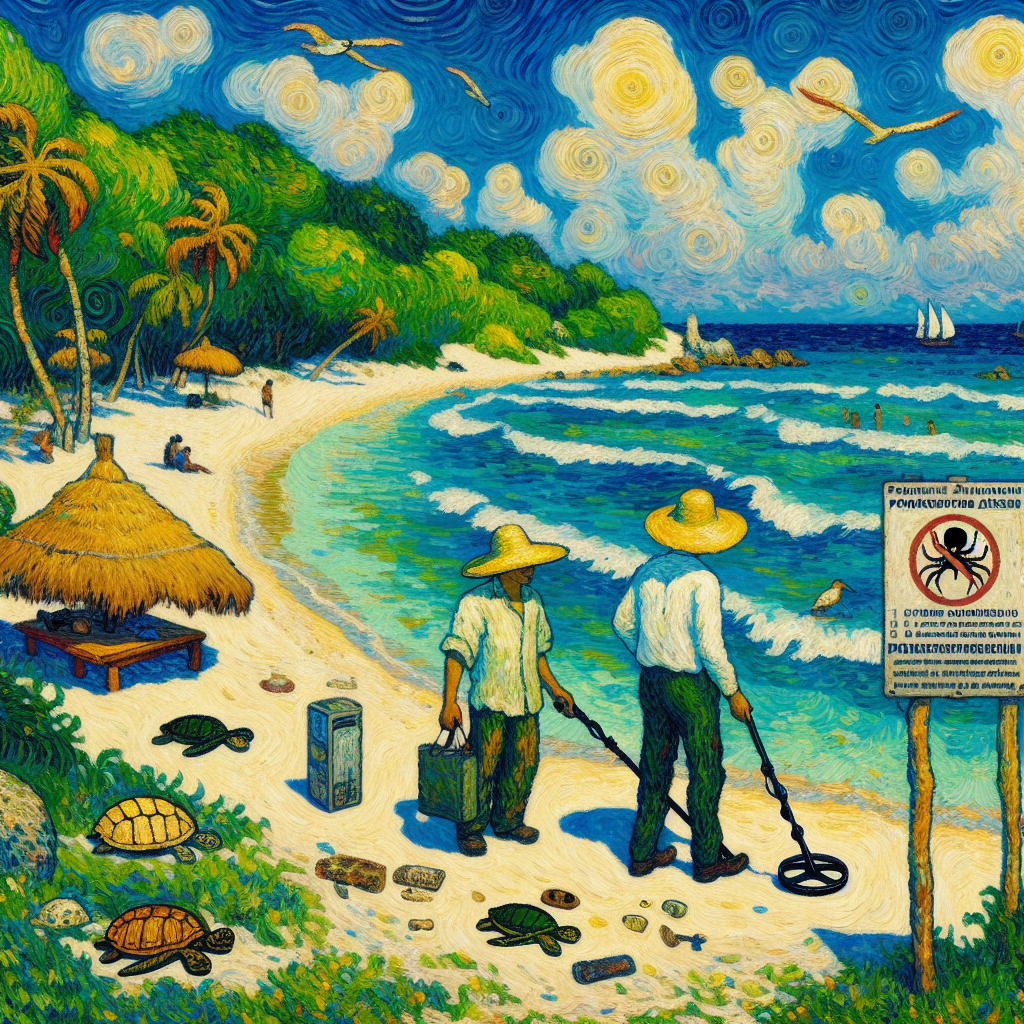
What Can You Not Bring to Cozumel?
Table Of Contents
- What Can You Not Bring to Cozumel?
- What Items Are Illegal to Bring Into Cozumel?
- Can I Bring Fresh Fruit Or Plants Into Cozumel?
- Are There Restrictions on Bringing Prescription Medicines Into Cozumel?
- Will Customs Seize My Alcohol Or Cigarettes In Cozumel?
- Are Drones Restricted on Cozumel Beaches?
- Can I Bring Coral Or Seashell Souvenirs Home From Cozumel?
- Is Sunscreen Allowed Or Banned on Reefs In Cozumel?
- Conclusion
- Other Resources
- Glossary Of Terms
- Other Questions
- Haiku
- Poem
- Checklist
What Items Are Illegal to Bring Into Cozumel?
Listen, nobody wants their vacation turned into a long, humiliating conversation at a customs window. You come down for sun, fish tacos, and a little island quiet, not to explain why you packed a bag full of trouble. Out here, common sense and respect keep the place the kind of small-town paradise folks brag about. Think of it as doing right by your neighbors and the sea.
At the top of the list: illegal drugs and unlicensed firearms. That’s simple, non-negotiable. Bring those and you’ll trade your hammock for handcuffs. Then there’s anything that damages the environment or exploits wildlife—raw turtle shells, certain corals, protected animal products, and wild-sourced souvenirs. You don’t need that cracked shell as a keepsake; the island is better off without it, and so are you.
Agricultural items matter more than most travelers realize. Fresh fruit, vegetables, seeds, and soil can carry pests that wreck local crops. It’s not paperwork; it’s preservation. Commercial quantities of food or goods without proper permits? Also off-limits. If it looks like you’re trying to run a beachside import business out of your suitcase, expect questions.
Counterfeit goods and pirated media are illegal, plain and simple. Nobody likes a knockoff on the market, and buying or bringing fakes fuels shady networks. Prescription medicines are allowed when properly labeled and accompanied by prescriptions. Loose pills in a baggie—bad idea. Industrial chemicals, certain drones or broadcast equipment may require permits. Large sums of undeclared cash can bring delays and eyebrow-raising paperwork.
There’s an ethical side to this too. Bringing contraband isn’t a victimless prank — it strains border agents who are just doing their jobs, harms local ecosystems, and can drag the whole island into trouble. I’ve seen a family lose a day of vacation because someone thought a souvenir would be “fine.” That’s a memory ruined over something that could’ve been left at home.
Practical steps: keep receipts, carry prescriptions, declare unusual items, and when in doubt, leave it behind. Follow the rules and you’ll get to keep the parts of the trip that matter: the sunset off the pier, a quiet beach, and the good kind of stories to take home. Respect the place and it’ll welcome you back.
Cozumel

What Items Are Illegal to Bring Into Cozumel?
What Items Are Illegal to Bring Into Cozumel?
- Guidance for visitors to Cozumel: follow local rules to avoid customs problems and protect the island.
- Illegal drugs and unlicensed firearms are absolutely prohibited.
- Avoid items that damage the environment or exploit wildlife (raw turtle shells, certain corals, protected animal products, wild-sourced souvenirs).
- Agricultural items (fresh fruit, vegetables, seeds, soil) and commercial quantities of goods can carry pests and often require permits.
- Counterfeit goods and pirated media are illegal; prescription medicines must be properly labeled with prescriptions; some chemicals, drones, or broadcast equipment may need permits; undeclared large cash can cause delays.
- Bringing contraband harms ecosystems, strains border agents, and can ruin vacations for others.
- Practical steps: keep receipts, carry prescriptions, declare unusual items, and leave questionable things at home to preserve the trip and the island.

What Items Are Illegal to Bring Into Cozumel?
Can I Bring Fresh Fruit Or Plants Into Cozumel?
Listen: you love the idea of dragging home a sack of mangoes or a potted something with roots and good intentions. That’s human. You steward souvenirs with your hands, not your wallet. But islands are delicate things, and the people who live here know that a single hitchhiking bug can wreck harvests and livelihoods. Think of it like packing a gift that might be poison to someone else’s garden.
Straight talk — the short answer is usually no, or at least not without declaring it. Agriculture inspectors at the port and airport are doing more than paperwork; they’re the folks keeping local farms, backyard gardeners, and the island’s food supply healthy. They’ll ask, they’ll inspect, and they’ll expect you to either hand it over, show paperwork, or send it home. This isn’t theatrical fuss—it’s practical protection. Pests and plant diseases travel hidden inside leaves, soil, and skin. You don’t want to be the person who brought a pest that cost a family’s crop.
Ethically, it’s simple: respect where you visit. Bringing a plant tucked in soil, or fresh fruit packed in a cooler, might be the thing that introduces an invasive insect or fungus. That isn’t just statistics; it’s a real hit to neighbors who tend farms and markets. If you care about leaving the place better than you found it, follow the rules and declare what you’ve got.
Practical, hands-on moves: eat it before you arrive, give it away to crew or on-board friends, or pack only commercially sealed, processed items with labels. If you’re set on carrying a plant, get the proper phytosanitary certificate before travel and be ready to show it. When in doubt, declare it—asking an inspector is five minutes and a clear conscience. They’ll show you the bins where unwanted produce ends up; better there than spreading problems across the island.
There’s a social side to this too. Buy local. Grab fruit at the Cozumel markets and meet the people who grow it. That’s a kinder souvenir than a smuggled clump of dirt. It supports local vendors, gives you a fresher taste, and keeps the island’s gardens safe.
If you want to come home with something green, do it the right way: paperwork, sealed product, or a promise to someone local. Your trip won’t be less for it—maybe richer, because you’ll be part of keeping Cozumel the kind of place people want to visit again.
Can I Bring Fresh Fruit Or Plants Into Cozumel?
Can I Bring Fresh Fruit Or Plants Into Cozumel?
- Islands are fragile; a single hitchhiking pest can devastate local harvests and livelihoods.
- Agricultural inspectors at ports and airports protect local farms and expect you to declare plants or produce; they will inspect and require paperwork or confiscation.
- Respect the place you visit: plants, soil, and fresh fruit can carry invasive insects or diseases that harm neighbors and markets.
- Practical options: eat perishables before arrival, give them away, or bring only commercially sealed/processed items with labels.
- If transporting a plant, obtain the proper phytosanitary certificate and be prepared to show it.
- Buy local as a kinder souvenir—supports growers, offers fresher produce, and helps keep the island’s gardens safe; if you bring something home, do it with paperwork or sealed products.

Can I Bring Fresh Fruit Or Plants Into Cozumel?
Are There Restrictions on Bringing Prescription Medicines Into Cozumel?
I’ve seen the stomach-tighten look on a traveler’s face when they realize their pills are missing — vacations go sideways fast when your medicine isn’t with you. Bringing prescription meds to Cozumel is usually straightforward if you treat it like fixing a truck: do the simple prep, keep the paperwork handy, and don’t try to improvise under pressure.
Practical, hands-on rules that actually work:
– Keep meds in their original, labeled containers. That label is your ticket to credibility.
– Carry a copy of the prescription or a doctor’s note stating what the drug is for and the dose. Print it out; screenshots are fine, but hard copies make customs officers’ lives easier.
– Pack medications in your carry-on so they don’t wander off with checked bags. Bring a little extra for delays — a few days’ cushion beats scrambling.
– If a medicine is a controlled substance, expect more scrutiny. Documentation and being upfront with authorities make things smoother.
– Declare what you’re carrying if asked by customs. Honesty short-circuits drama.
There’s an ethical side to this, too. You’re not just looking out for yourself; following the rules respects local laws and the folks enforcing them. Customs officers deal with all kinds of people — being clear, calm, and prepared shows you understand you’re a guest in their country.
Authority and common sense: Mexican customs and airport security are what they are — professional and thorough. They’re doing a job that keeps travel working for everyone. Showing up with prescriptions labeled and a note from your doctor tends to settle things. Pharmacists and travel clinics will back you up with the right paperwork if you need it before you fly.
Narrative and social pull: imagine sitting on a Cozumel pier, salt on your boots, knowing your meds are sorted so you can enjoy the sun without worry. That’s the payoff for doing five minutes of prep at home. And when you share this habit with your travel buddies, you reduce panic and keep the trip light for the whole crew.
Bottom line: Bring what you need, keep it labeled and documented, and carry it with you. Do the work ahead of time and Cozumel will be nothing but good stories — not stressed ones.

Are There Restrictions on Bringing Prescription Medicines Into Cozumel?
Are There Restrictions on Bringing Prescription Medicines Into Cozumel?
- Missing prescription meds derails trips; treat bringing medications like simple prep work: plan, document, don’t improvise.
- Keep medications in their original, labeled containers for credibility with authorities.
- Carry a printed copy of the prescription or a doctor’s note (screenshots acceptable, hard copies preferred).
- Pack medications in your carry-on and bring a few days’ extra supply in case of delays.
- Expect extra scrutiny for controlled substances; have documentation and be upfront with officials.
- Declare medications to customs if asked—honesty minimizes complications and shows respect for local laws.
- Five minutes of prep lets you enjoy Cozumel worry-free and helps keep travel companions calm.

Are There Restrictions on Bringing Prescription Medicines Into Cozumel?
Will Customs Seize My Alcohol Or Cigarettes In Cozumel?
Traveling to Cozumel with a cooler of beer or a suitcase with smokes tucked in the corner feels like bringing a peace offering to the island — something for the barbecues, the family table, or the buddies back home. Most of the time those things arrive without drama. Customs agents aren’t looking to ruin a vacation; they’re looking to enforce limits and collect duties when people treat crossings like a wholesale run. That’s the dug-in truth from years on the road: common sense beats creativity.
Keep it honest and you won’t have to plead your case. Pack your booze and cigarettes where they belong, keep the receipts, and treat them like taxable goods if you’re near the limit. Personal-use quantities — a couple of bottles, a carton of smokes — usually pass through without a fuss. Overdo it and you’ll draw attention, and attention has a way of turning a small trip into a paperwork slog, fines, or confiscation. Customs officers have the authority and the patience for routine travelers; they don’t have patience for cartons stacked like a side business.
There’s also dignity in doing things the right way. Declaring items when required isn’t shameful, it’s respectful. It keeps you out of the corner with animosity and keeps the island’s economy and rules intact. You’ll earn quicker lanes, fewer questions, and a cleaner conscience. The people checking bags are doing a job that’s been done for decades — experience gives them a keen eye. If they ask, answer plainly. Hide nothing. Nervousness looks like guilt; frankness looks like an honest traveler.
Real-world tip pile: stash alcohol in checked baggage when possible, use original sealed packaging, keep receipts visible, and know the rough personal limits so you don’t overpack. If you’re coming off a cruise, remember duty-free purchases after customs are safest. If you’re carrying extra for friends, redistribute or ship it ahead through legal channels rather than risking seizure.
Trust comes from preparation. Walk into Cozumel with a little humility, a clear bag of receipts, and a plan for what’s truly for personal use. You’ll save money, time, and a lot of awkward conversations. If you take care of the small stuff, the island takes care of the rest — and your vacation stays about the rum, the sun, and the people you came to see.

Will Customs Seize My Alcohol Or Cigarettes In Cozumel?
Will Customs Seize My Alcohol Or Cigarettes In Cozumel?
- Bringing beer or cigarettes to Cozumel is common and usually trouble-free when kept within personal-use limits.
- Customs agents enforce limits and collect duties; they act when crossings look like commercial import, not to ruin vacations.
- Pack items properly, keep receipts, and treat items near the limit as taxable to avoid scrutiny, fines, or confiscation.
- Declare required items and be honest and cooperative—frank answers reduce delays and suspicion.
- Practical tips: place alcohol in checked baggage, use original sealed packaging, keep receipts visible, and know personal limits.
- If carrying extra for others, redistribute or ship legally instead of risking seizure at the border.
- Preparation and humility—plan for true personal use to save time, money, and awkward conversations so the trip stays focused on relaxation.

Will Customs Seize My Alcohol Or Cigarettes In Cozumel?
Are Drones Restricted on Cozumel Beaches?
You come to Cozumel for the salt, the palms, the kind of quiet that makes you slow your breathing. Tossing a drone up to snag that turquoise sweep feels natural — like putting a fishing line in the water. But the island doesn’t belong to any one of us, and the sky has rules as plain as the ones on the sand. Think of them as common sense codified: keep people safe, keep wildlife safe, and keep the island’s peace.
On the head level: authorities regulate aircraft, and that includes small unmanned ones. There are places you simply can’t fly — around the airport, near marine parks and protected reefs, and in busy public places where a misstep becomes someone’s injury or ruined vacation photo. Local park rangers and beach patrols know the spots where sea turtles nest and where kayaks line up at sunrise; those are sacred zones for the community and for the creatures that don’t get a say. You might need permits or to file a notice with aviation authorities before you lift off. Ignore that and you’re not just being rude — you’re exposing yourself to fines, confiscation, or worse, a hassle that makes the whole trip smell like bureaucracy.
On the heart level: picture a mama turtle hauling herself up at night while your rotor sings overhead. Picture a wedding on the sand, a kid’s kite tangled because someone blew through a no-fly patch. We’re not trying to kill your shot — we’re asking you to honor other people’s evenings, the local families who live here year-round, and the fragile life that depends on darkness and quiet. Respect, in practice, looks like lowering altitude, keeping clear of nests, and turning your lights off after sunset.
On the gut level: you don’t want a scolding from a ranger, or a crowd of locals giving you the stink-eye while you fumble with paperwork. The simple, confident path is to check in before you fly, secure any permits, and fly like a neighbor. That earns you trust, keeps your gear where it belongs, and gets you the shots without the drama.
If you care about Cozumel, treat its beaches the way you’d treat someone else’s front porch — ask, be mindful, and leave it better than you found it. Fly smart, fly legal, and you’ll get the storybook footage without becoming the island’s cautionary tale.

Are Drones Restricted on Cozumel Beaches?
Are Drones Restricted on Cozumel Beaches?
- Visit Cozumel for salt, palms, and tranquil beaches—drone use feels natural but the sky is regulated to protect people, wildlife, and the island’s peace.
- Aircraft regulations apply to drones; many areas are off-limits, including around the airport, marine parks and protected reefs, and busy public spaces.
- Park rangers and beach patrols flag sensitive zones like sea turtle nesting sites and kayak launch areas that require special care.
- Permits or notifications to aviation authorities may be required before flying; noncompliance can lead to fines, confiscation, or bureaucratic hassle.
- Respect others by lowering altitude, avoiding nests and events (e.g., weddings), and turning lights off after sunset to protect wildlife and local evenings.
- Check in before flying and operate like a considerate neighbor to earn trust, avoid conflict, and keep your gear safe.
- Treat beaches like someone’s front porch—ask, be mindful, leave them better, and fly smart and legal to capture footage without becoming a cautionary tale.

Are Drones Restricted on Cozumel Beaches?
Can I Bring Coral Or Seashell Souvenirs Home From Cozumel?
I used to come home with pockets full of shells and a fistful of coral fragments, thinking I’d snagged a little piece of the trip to show for it. It felt honest and small‑time, like something real you could hold — the kind of souvenir that smells of salt and sun. That tug in your chest when you find something beautiful on the beach is human, plain and simple: you want to keep a memory, share a story, show your friends you were there.
Then I spent time with local dive guides, fishermen, and park staff around Cozumel, hauling nets and hauling stories. They taught me that those shiny pieces aren’t just pretty trinkets; they’re part of a living neighborhood under the waves. Corals build homes for fish, buffer storms, and support livelihoods. Remove enough of them, and the whole place starts to thin out. The rational side clicks in: a few shells might seem harmless, but lots of little harms stack up, and ecosystems don’t get second chances like tools in a shed.
There’s an ethical beat to this, too. The people who live here depend on the reef — for food, for tours, for the economy. Taking souvenirs without thinking about that is like cutting a neighbor’s fence because you wanted the pickets. Authority comes from boots on the sand and fins in the water. Officials and conservation folks will tell you the same thing I heard: leave the reef whole, buy local-made keepsakes, or bring photos and stories back instead. Those options keep the ocean intact and put money into local hands.
There’s also the practical, no-nonsense angle: getting coral or protected shells past customs is messy. You can spend the rest of your trip arguing with paperwork, or worse, lose the thing you thought would be a keepsake. Smart travelers choose items that travel clean and legal, or invest in handcrafted pieces from island artisans who use permitted materials.
At the end of the day, the heart wants a keepsake, the head wants a sustainable plan, and the gut knows when something doesn’t feel right. Make your souvenir choice the kind that earns a nod from the people who live here, keeps Cozumel’s reefs healthy, and still gives you a story worth telling. That’s the kind of thing you can stick on your shelf and be proud of.
Can I Bring Coral Or Seashell Souvenirs Home From Cozumel?
Can I Bring Coral Or Seashell Souvenirs Home From Cozumel?
- Started by collecting shells and coral fragments as small, tangible souvenirs that captured the trip’s salt-and-sun memory.
- That impulse is simple and human: find something beautiful, keep a memory, and show you were there.
- Time spent with Cozumel dive guides, fishermen, and park staff revealed corals are living infrastructure—homes for fish, storm buffers, and supports for local livelihoods.
- Removing pieces may seem harmless individually, but cumulative damage thins the ecosystem and reduces its resilience.
- There’s an ethical dimension: local communities rely on the reef for food and income, so taking souvenirs thoughtlessly harms neighbors and the local economy.
- Practically, coral and protected shells create legal and customs problems; better options are legal, handcrafted local keepsakes or photos and stories.
- Summary: balance emotion and reason—choose souvenirs that respect residents, protect Cozumel’s reefs, and still provide a story you can be proud to keep.

Can I Bring Coral Or Seashell Souvenirs Home From Cozumel?
Is Sunscreen Allowed Or Banned on Reefs In Cozumel?
I’ve been elbow-deep in nets and reef patches around Cozumel long enough to know this: nobody wants to see those gardens die. The coral down here is family—bright, stubborn, and worth fighting for. That’s the heart of it. When locals, dive guides, and shop owners talk about sunscreen, it’s not about convenience; it’s about keeping a neighborhood alive.
Here’s the plain fact that makes the head sit up: certain sunscreen chemicals have been tied to coral stress and bleaching in lab and field studies. That science has pushed parks and operators to act. In practice, Cozumel isn’t a blanket “banned” or “allowed” message carved into stone and read at arrival. It’s a landscape of rules, common sense, and boots-on-the-reef enforcement. Marine park staff and tour operators will ask guests to use reef-safe sunscreens, to apply lotion before getting wet, or to wear protective shirts and hats. Some businesses flat-out won’t take customers who insist on slathering with suspect products before a dive. That’s authority backed by stewardship, not posture.
There’s an ethical chord here you can’t ignore. If you come for the color and the quiet below the waves, it’s on you to protect it. Think of it like the way you treat your mama’s old truck: use the right oil, don’t toss junk in the bed. Same principle. The social side matters too—locals notice who fishes, clears, or trashes the place. Visitors who respect simple rules earn trust and smiles. That mutual respect keeps the reefs open for everyone.
Practical, hands-on moves work. Bring a mineral-based, reef-friendly sunscreen marked as such, put it on before you hit the water, and consider a long-sleeve rashguard for extra coverage. Support operators who enforce reef care; tipping your guide and buying local sunscreen from a shop that sources responsibly are little actions that add up.
You’ll leave Cozumel wanting the reefs to still be here on your next visit. Treating sunscreen as part of your kit—like decent boots or a good knife—keeps the dive sites vibrant and the people who depend on them working, smiling, and telling stories. That’s common sense with a conscience, and it’s the kind of small behavior that actually saves things.

Is Sunscreen Allowed Or Banned on Reefs In Cozumel?
Is Sunscreen Allowed Or Banned on Reefs In Cozumel?
- Locals view Cozumel’s coral as family and are committed to protecting the reefs.
- Certain sunscreen chemicals have been linked to coral stress and bleaching in studies, prompting action.
- Cozumel’s approach is a mix of rules and enforcement—marine park staff and operators ask guests to use reef-safe sunscreen, apply lotion before entering the water, or wear protective clothing.
- Some businesses refuse customers who use suspect products; enforcement is practical stewardship, not posturing.
- There’s an ethical and social expectation: visitors who respect reef rules earn local trust and help keep sites open.
- Practical steps: bring mineral-based reef-friendly sunscreen, apply it before getting wet, wear a long-sleeve rashguard, support and tip operators who enforce reef care, and buy responsibly sourced local sunscreen.
- Treating sunscreen as standard gear helps keep dive sites vibrant, sustains local livelihoods, and preserves the reefs for future visits.

Is Sunscreen Allowed Or Banned on Reefs In Cozumel?
Conclusion
You want Cozumel to be the kind of place you can brag about later — clean water, full reefs, folks who still smile at strangers. It’s a simple contract: you come with respect, they keep sharing their home. That means following rules that aren’t there to make your life miserable; they’re there to keep an island working. Customs and park rangers aren’t putting on a show. They’re doing the job that keeps fisheries, farms, and reefs from getting thinned out by someone’s souvenir habit or an imported pest.
Hard no’s are plain: guns without paperwork, illegal drugs, explosives. Protected wildlife — live animals, turtle parts, corals, and shells taken from the reef — aren’t keepsakes, they’re theft. Agricultural hitchhikers like fruit, plants, soil, and seeds bring bugs that can gut a season’s crop. Counterfeits and pirated goods fuel shady markets and get seized. Even alcohol, tobacco, and large sums of cash have rules; exceed personal limits without declaring and you’re buying yourself a stack of paperwork and fines.
Practical, hands-on moves save time and shame. Keep prescription meds in their labeled bottles and carry prescriptions; put meds in your carry-on. Eat or give away fresh fruit before arrival or buy local produce once you’re there. If you’re dead set on a plant or unusual gear, get the proper permits and phytosanitary certificates ahead of time. Declare anything that looks unusual. Receipts in a visible pocket make customs agents’ lives easier — and yours.
The reef deserves a line in your kit list. Use mineral-based, reef-friendly sunscreen, slap it on before you hit the water, or wear a rashguard. Don’t siphon coral or shell pieces into your pockets; buy work from local artisans instead. Drone pilots: treat the sky like a neighbor’s porch. Stay away from airports, marine parks, turtle nests, and crowded beaches; secure permits when needed.
This isn’t about policing your fun. It’s about the ethics of being a guest. A handful of coral, a potted plant, or a secret bottle in checked luggage isn’t small when multiplied by thousands of visitors. Those little choices add up to either a thriving island that welcomes you back or a place with closed beaches and tighter gates.
Walk in with common sense and a little humility. Declare when unsure, keep paperwork handy, shop and tip locally, and protect the reef like it’s part of your own backyard. Do that and you’ll keep the rum, the sunsets, and the good stories — none of the awkward conversations at customs.

Conclusion
Conclusion:
- Treat Cozumel as a shared home: arrive with respect and follow local rules so customs and park rangers can protect fisheries, farms, and reefs.
- Absolute prohibitions include undeclared firearms, illegal drugs, explosives, protected wildlife (live animals, turtle parts, corals, shells), agricultural goods (fruit, plants, soil, seeds), and counterfeit/pirated items; declare excess alcohol, tobacco, or large sums of cash.
- Prepare practical documentation: keep prescription meds in labeled bottles with prescriptions, carry meds in your carry-on, and keep receipts accessible for customs.
- Get permits and phytosanitary certificates in advance for plants or unusual gear, and declare anything that looks out of the ordinary.
- Protect the reef: use mineral-based, reef-safe sunscreen or wear a rashguard, never remove coral or shells, and support local artisans instead of taking souvenirs from the reef.
- Follow drone and area rules: avoid airports, marine parks, turtle nests, and crowded beaches; obtain permits when required and respect local spaces.
- Remember the ethics: small choices by many visitors determine whether the island stays welcoming—declare when unsure, shop and tip locally, keep paperwork handy, and protect the reef.

Conclusion
Other Resources

Other Resources
One quiet thing worth knowing: where you stay on the island changes what you can actually do here. If you’re sketching out a trip, these may help. Cozumel Journey is an editorial guide to Cozumel — neighborhoods, planning tips, and life on the island for travelers who want context, not a cruise schedule.
Here is a list of other resources you can review online to learn more:
- La Ruta de las Iglesias
- Cozumel Beaches
- Beach Bum Bikes
- Cozumel Eco Tours
- Hooters Cozumel
- Casa Cuzamil Restaurante & Sports Bar Cozumel
- Cozumel Trips
- Royal Village Cozumel
- Cozumel Country Club
- Super Taqueria EL PIQUE
- Avis
- Coral Reef National Park in Cozumel
- El Maharaja
- Cozumel Shore Excursions
- Traveler’s Checklist
- Ramsar
- Muelle Fiscal
- Caleta Harbor
- Celarain Lighthouse
- Confederation Mondiale des Activites Subaquatiques
- cozumeljourney.com
Use This Prompt To Get More Resources With Your Favorite Online AI Tool: Please provide me with a list of online articles with their URLs in a bulleted list that I can read regarding What Can You Not Bring to Cozumel?

Other Resources
Glossary Terms
What Can You Not Bring to Cozumel? – Glossary Of Terms
Firearms: Guns, rifles, pistols and major firearm components are prohibited unless accompanied by specific import permits.
Ammunition: Bullets, cartridges and related explosive primers are not allowed without authorization.
Explosives: Dynamite, blasting caps, gunpowder and similar explosive materials are banned.
Fireworks: Consumer and professional fireworks are restricted or prohibited for import and transport.
Stun guns and tasers: Electronic incapacitation devices are commonly prohibited.
Large or concealed knives: Switchblades, ballistic knives and knives designed for concealment or combat are restricted.
Pepper spray and mace: Some self-defense aerosol sprays are prohibited or tightly restricted.
Illegal drugs: Narcotics, illegal controlled substances and drug paraphernalia are strictly prohibited.
Prescription medications without documentation: Controlled medicines carried without valid prescriptions or documentation may be denied entry.
Fresh fruits and vegetables: Fresh produce is prohibited to prevent introduction of pests and plant diseases.
Meat and dairy products: Fresh, processed or canned meats and many dairy items are restricted or banned.
Plants and seeds: Live plants, soil and untreated seeds are prohibited or require phytosanitary certification.
Firewood and untreated wood: Wood and firewood are restricted to prevent spread of invasive pests.
Live animals without paperwork: Pets and other live animals lacking required vaccination and health certificates are not permitted.
Endangered wildlife and products: Items made from protected species (ivory, tortoise shell, certain furs) are illegal under conservation laws.
Coral, shells and marine life: Collected coral, shells and protected marine organisms are prohibited for export.
Archaeological and cultural artifacts: Historical artifacts, antiquities and cultural patrimony cannot be exported without authorization.
Counterfeit goods: Fake designer goods, counterfeit electronics and knockoffs are prohibited.
Pirated media and software: Unauthorized copies of movies, music, books and software are not allowed.
Undeclared large sums of cash: Significant amounts of currency exceeding declaration thresholds may be seized if not properly declared.
Pornographic material involving minors: Any sexual content involving minors is illegal and strictly prohibited.
Hazardous chemicals and toxins: Strong acids, industrial solvents, pesticides and toxic reagents are restricted or banned.
Radioactive materials: Radioactive sources and contaminated items are prohibited for safety reasons.
Flammable liquids and gases: Gasoline, lighter fluid, compressed gas cylinders and other flammables are not allowed in luggage.
Lithium batteries in excess: Large quantities or high-capacity lithium batteries are restricted due to fire risk.
Silencers and weapon accessories: Suppressors, high-capacity magazines and other restricted firearm accessories are prohibited without permits.
Drone equipment without authorization: Drones and professional aerial gear may be restricted and require permits for import or use.
Soil, sand and beach materials: Sand, rocks and soil removed from beaches or protected areas are prohibited.
Biological samples and specimens: Human or animal biological samples, cultures and certain research specimens are restricted and often prohibited.

Glossary Of Terms
Other Questions
What Can You Not Bring to Cozumel? – Other Questions
If you wish to explore and discover more, consider looking for answers to these questions:
- What are the exact quantity limits for alcohol and tobacco I can bring without declaring?
- How much cash must I declare when entering Cozumel and what paperwork is required?
- What fines or penalties apply for bringing prohibited items like coral, shells, protected animal products, or illegal drugs?
- What is the procedure at the airport or port to declare items — which forms do I fill out and where?
- Which Mexican agencies enforce customs and environmental rules (names and contact details)?
- How do I obtain permits for drones, firearms, or importing/exporting protected wildlife products?
- Are there different rules for cruise passengers versus air travelers arriving in Cozumel?
- What are the requirements for bringing pets — vaccinations, permits, and quarantine rules?
- Are e-cigarettes, vape devices, and vape liquids allowed, and are there quantity or battery restrictions?
- Can I bring CBD oil or medical marijuana for personal use, and what documentation is required?
- What exact documentation proves a prescription medication is legal to carry (format, translations, originals vs. copies)?
- Are there limits on how much medication I can bring for personal use?
- What are the rules for packing and transporting lithium batteries and power banks in checked or carry-on luggage?
- Can I bring scuba or spearfishing gear, and are there restrictions on certain types of equipment?
- How can I tell if a shell or coral offered for sale is legal, and what receipts or permits should a legitimate vendor provide?
- Are there specific species or shell types that are always prohibited, and where can I find a list?
- Where can I buy reef‑safe sunscreen on Cozumel and which ingredients should I avoid?
- Are sunscreens with mineral active ingredients universally accepted, or do some operators still prohibit certain products?
- Which areas of Cozumel are no‑fly zones for drones (marine parks, nesting beaches, airport) and is there a map?
- What altitude, distance, and privacy rules apply when flying a drone in Mexico?
- Do I need to register my drone or file a flight plan with Mexican aviation authorities for recreational use?
- How do I obtain a phytosanitary certificate for plants, seeds, or cuttings before travel?
- What happens to items confiscated by customs — are they destroyed, auctioned, or returned, and is there an appeal process?
- How are duties calculated for declared goods and when will I be required to pay taxes or fees?
- Can I legally ship prohibited or restricted items from Cozumel to my home country, and what paperwork would that require?
- Are there exemptions or special procedures for medical supplies and foods for infants or special diets?
- What are the rules for bringing musical, broadcast, or professional camera equipment into Cozumel?
- Are there specific penalties (fines, jail time) for removing coral or protected shells, and how severe are they?
- Where can I report vendors selling illegal wildlife souvenirs or counterfeit goods in Cozumel?
- Are there local resources or offices at the airport/port to help travelers with customs problems or lost/held items?
- What documentation is needed to bring hunting firearms or ammunition for licensed sport, and how much lead time is required?
- Are there recommended packing tips to avoid triggering inspections or damaging allowed items like dive gear and meds?
- Are there differences in enforcement between peak tourist season and off‑season, or between major ports and small marinas?

Other Questions
Haiku
What Can You Not Bring to Cozumel? – A Haiku
Keep the reef alive
Declare, follow customs’ rules
Buy local, leave shells

Haiku
Poem
What Can You Not Bring to Cozumel? – A Poem
I learned the hard way at the customs window—
rules not theater, a workplace that keeps islands whole.
You pack snacks and shells like favors, like proof you were here,
but generosity can cost more than a souvenir.
No guns, no ammo, no explosives—this is nursery waters,
not a battlefield. Illegal drugs trade freedom for regret.
Alcohol, tobacco, cash: declare what exceeds simple use,
or meet the ledger’s teeth—fines, seizures, paperwork that bites.
From the heart: a mama turtle heaves herself up at night,
coral gardens hum with small lives that let fishermen eat.
A cracked shell is not a keepsake but a missing brick
in the reef-house that keeps a town afloat.
From the head: fruit, soil, seeds, unprocessed meat
carry tiny invaders in the quiet dark of luggage.
One pest can strip a market, one blight can silence a farm—
phytosanitary rules are common sense acting like a guard.
From the gut: live animals without permits bustle and suffer;
counterfeits and pirated goods fund shadows and bring shame.
Prescription pills? Keep them labeled, boxed, with paper proof—
loose pills turn holidays into stomach‑tightening headaches.
Authority stands in uniform: Mexican customs, park rangers,
fishermen and dive guides who know every tide and hurt.
They’ll confiscate, fine, press charges—no mercy for careless pride.
Play by their rules and you keep your pockets, your conscience, your trip.
Narrative memory: a family lost a day while someone hid a shell—
vacation turned interrogation, stories soured by one small choice.
I saw the stink‑eye from a ranger, the quiet disappointment
of people who steward this place for generations.
Drones: don’t lift joy where nests and weddings sleep.
The sky is shared—airspace, quiet, a mother’s night to haul a young turtle.
Sunscreen: science whispers chemicals bleach color from coral;
wear a reef‑safe lotion, a rashguard—protect what feeds your wonder.
Practical moves: declare, keep receipts, carry meds in carry‑on,
buy local fruit, buy local crafts, or bring photos and stories home.
When in doubt, ask—five minutes at the counter buys a clear conscience.
Permit, label, honor—small work now saves a thousand apologies later.
Cozumel is not your shelf to plunder, but your neighbor to respect.
Leave the reef whole, the sand untrampled, the markets bustling.
Protect Cozumel, protect yourself—return with memories, not regrets,
and let the island keep breathing for the people and the tides that live there.

Poem
Checklist
What Can You Not Bring to Cozumel? – A Checklist
Do Not Pack
✓ Illegal drugs ________
✓ Firearms, ammunition, explosives (unlicensed/without permits) ________
✓ Industrial chemicals or hazardous materials requiring permits ________
✓ Counterfeit goods or pirated media ________
✓ Commercial quantities of goods or food (personal-use only) ________
Agriculture and Food
✓ No fresh fruit or vegetables ________
✓ No plants, seeds, soil, or unprocessed meats ________
✓ If transporting plant items, carry a phytosanitary certificate and declare ________
✓ Choose only commercially sealed, processed items with labels ________
Wildlife and Natural Items
✓ Do not take or bring coral, turtle products, protected shells, or wild-sourced souvenirs ________
✓ Leave beach-found shells and fragments behind ________
✓ No live animals without proper permits ________
Alcohol and Tobacco
✓ Keep within personal-use limits; keep receipts ________
✓ Pack alcohol sealed (preferably in checked baggage) ________
✓ Declare amounts over the allowance; expect duties if over the limit ________
✓ If carrying extra for others, use legal shipping channels rather than risking seizure ________
✓ Cruise travelers: duty-free purchases after clearing customs are safest ________
Prescription Medicines
✓ Keep meds in original, clearly labeled containers ________
✓ Carry printed prescriptions or a doctor’s note (especially for controlled substances) ________
✓ Pack meds in your carry-on; bring a small extra supply ________
✓ Declare if asked ________
Cash and Valuables
✓ Declare large sums of currency/monetary instruments as required ________
✓ Keep proof of purchase/receipts for high-value items ________
Drones and Special Gear
✓ Check no-fly zones: airport vicinity, marine parks/protected reefs, turtle nesting beaches, crowded areas ________
✓ Obtain any required permits/notifications before flying ________
✓ Fly neighborly: away from people and wildlife; comply with rangers and local rules ________
✓ Certain drones/broadcast equipment may require permits—declare unusual gear ________
Reef Care and Sunscreen
✓ Use mineral-based, reef-safe sunscreen; apply before entering the water ________
✓ Wear UPF/rashguard clothing to reduce lotion use ________
✓ Follow marine park and tour operator instructions ________
Customs and Conduct
✓ When in doubt, declare it ________
✓ Keep receipts handy and answer questions plainly ________
✓ Respect local enforcement—violations can mean confiscation, fines, or charges ________
✓ Buy local instead of importing restricted or risky items ________
Departure Double-Check
✓ Re-check bags for shells, coral, plants, or other restricted items before you go ________
✓ Leave natural areas undisturbed so the island stays healthy for your next visit ________

Checklist
At TopCozumelNews, we help travelers enjoy Cozumel by collating information learned from frequently traveling to beautiful Cozumel.
Be sure to read our other related stories at TopCozumelNews to learn more about the Island of Cozumel.