




Preserving Cozumel’s Marine Life: Navigating The Park Regulations
By Tom Seest
At TopCozumelNews, we help travelers enjoy Cozumel by collating information learned from frequently traveling to beautiful Cozumel.
Be sure to read our other related stories at TopCozumelNews to learn more about the Island of Cozumel.
What Are The Rules In Cozumel’s Marine Parks?
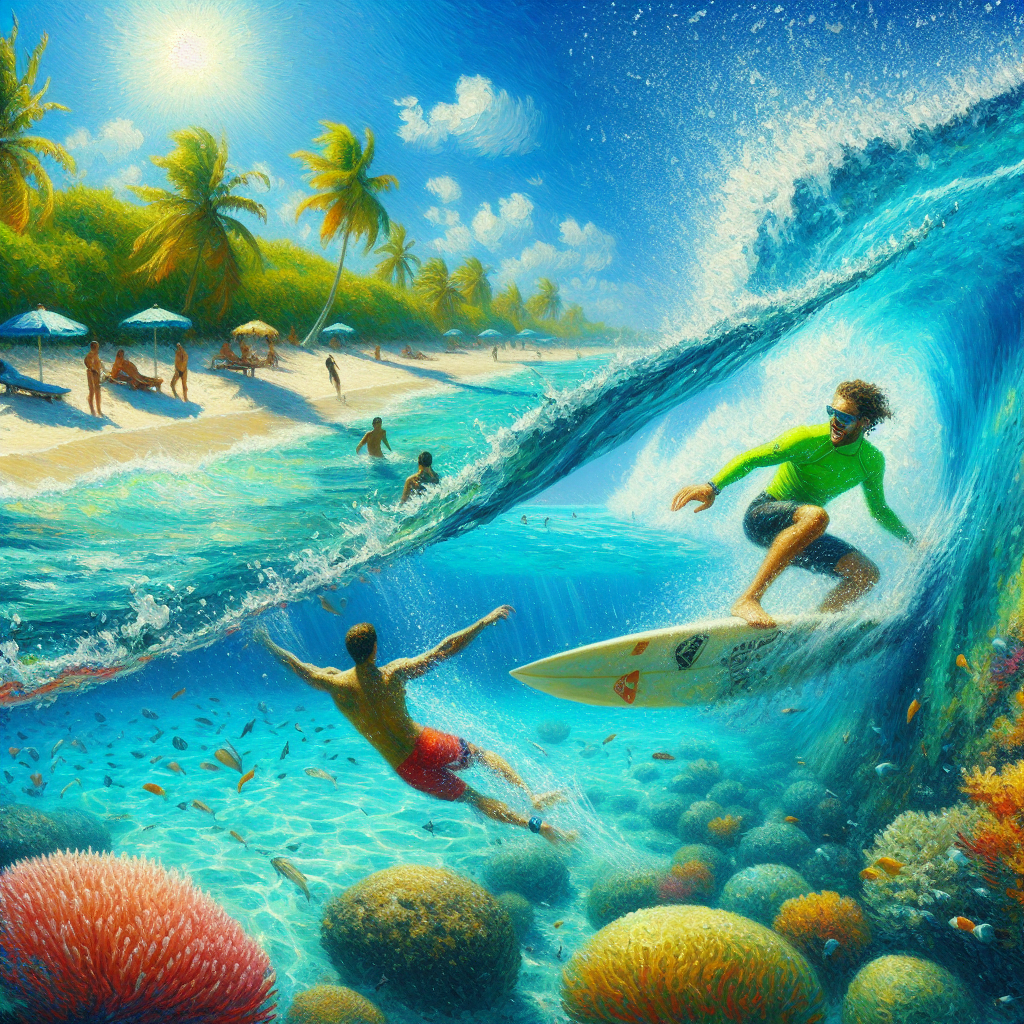
Cozumel’s marine parks are a natural wonder, a vibrant underwater kingdom that rivals the greatest masterpieces of humanity. From the moment you dip your toes into its crystalline waters, you’re not just a visitor; you’re a guardian of this fragile ecosystem. It’s essential to understand the rules that govern these treasures, not only for your own experience but for the well-being of future generations.
First on the agenda is the simple yet profound rule of respect. Whether you’re swimming among schools of tropical fish or marveling at sprawling coral reefs, every interaction matters. Touching the coral can damage it irreparably. Instead, let your gaze wander and your heart swell with appreciation. Take only memories, leave only bubbles.
Next up, let’s talk about trash. Litter doesn’t just sully the beauty of Cozumel; it chokes the very life out of its waters. Utilize the designated bins to dispose of your waste. By doing so, you align with countless others who share a commitment to keeping this paradise pristine. Remember, it isn’t just about you; it’s about us—every diver, snorkeler, and beachgoer who calls this place home, even if just for a moment.
And then there’s fishing. You may dream of casting a line in these crystal waters, but certain areas are strictly off-limits. This isn’t just a guideline; it’s a lifeline for marine life to thrive. When we honor these boundaries, we’re ensuring that our children can enjoy the same wonders that captivated us. Each snapper and parrotfish is vital in maintaining the delicate balance of this beautiful underwater community.
Furthermore, adhere to the prescribed paths when snorkeling or diving. It might feel tempting to wander off the beaten track to find “your spot,” but consider the potential damage. Protecting our oceans from unnecessary harm is a shared responsibility that showcases our basic decency to care for the planet.
Engagement with local experts is not just beneficial; it’s a smart move. Their knowledge isn’t merely academic; it is born from years of experience, dedication, and a heartfelt commitment to preserving Cozumel’s magnificence. Listen, learn, and engage; it enhances your visit and empowers you as a steward of this marine treasure.
Join the ranks of those who value Cozumel’s beauty, who understand that rules are not just obstacles but trust-building guidelines. By following them, you become part of a shared legacy, one that honors the ocean’s magic and ensures it remains for all to bask in, today and tomorrow.
What Are The Rules In Cozumel’s Marine Parks?
What Are The Rules In Cozumel’s Marine Parks?
- Cozumel’s marine parks are a vibrant underwater ecosystem to be protected.
- Respect is crucial; avoid touching coral to prevent irreversible damage.
- Dispose of waste properly in designated bins to maintain the beauty of the waters.
- Certain fishing areas are off-limits to protect marine life and its delicate balance.
- Adhere to prescribed paths when snorkeling or diving to minimize environmental harm.
- Engage with local experts to enhance your experience and learn about preservation efforts.
- Following the rules fosters a shared legacy of stewardship for future generations.

What Are The Rules In Cozumel’s Marine Parks?
Table Of Contents
- What Are The Rules In Cozumel’s Marine Parks?
- What Impact Do Marine Park Rules Have On Local Ecosystems?
- How Do These Regulations Protect Endangered Species?
- Are You Aware Of The Fines For Violating Marine Park Rules?
- What Ethical Responsibilities Do We Have As Travelers In Nature?
- Should We Advocate For Stricter Regulations To Preserve Marine Parks?
- How Do Marine Parks Contribute To The Local Economy?
- What Stories Can You Share About Your Own Experiences In Marine Parks?
- Conclusion
- Other Resources
- Glossary Of Terms
- Other Questions
- Haiku
- Poem
- Checklist
What Impact Do Marine Park Rules Have On Local Ecosystems?
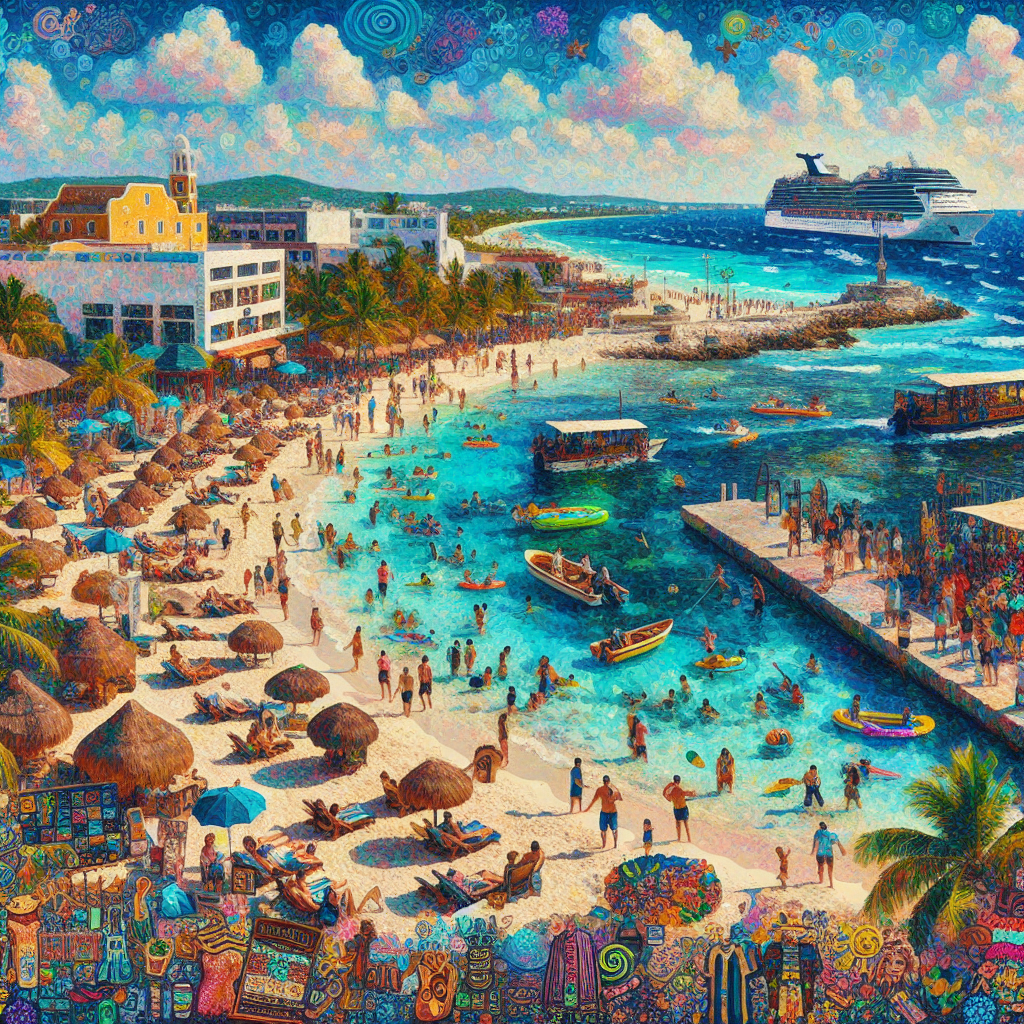
When you dive into the vibrant waters of Cozumel, you don’t just encounter fish—you encounter a community. A delicate tapestry of life, each thread woven together by the unyielding forces of nature, shaped by the rules designed to protect it. Marine parks are more than just boundaries on a map; they are lifelines to the ecosystems teetering on the edge. Picture a school of fish shimmering like jewels, darting through coral gardens that sway gently with every underwater current. These aren’t just paintings on the ocean’s canvas; they are living, breathing entities that depend on regulations to thrive.
Every time you see a diver pause to admire a colorful reef, it’s a reminder of what’s at stake. The rules governing these marine parks—from fishing limits to boating regulations—serve a dual purpose: they not only conserve biodiversity but also cultivate a sustainable relationship between humans and the ocean. You might think these regulations are just numbers, but they tell a story of resilience. They breathe life into ecosystems that have seen their fair share of ecological woes.
Consider this: what happens when the rules are cast aside? The delicate balance falters, and the livelihood of local fishermen, the beauty adored by tourists, and the health of the ocean itself face dire consequences. These aren’t distant issues—they impact families, economies, and futures. Imagine the heartbreak of seeing vibrant coral reefs succumb to bleached lifelessness, an elegy for ecosystems that once thrived. That heartbreak is tangible, and it stirs something deep within us. We owe it to ourselves and future generations to advocate for sustainable practices that respect marine habitats.
But it’s not just about feeling good about our choices; it’s a call to responsibility. When we step into marine parks, we’re stepping into a world where humanity and nature can coexist. We need to share the narrative of conservation, spread awareness like ripples across the surface of water, and encourage our friends and families to become stewards of the sea. The impact of marine park rules isn’t just academic; it reaches to the very heart of what we cherish—our planet, our communities, and our connection with the natural world. So, dive into that vibrant reality and remember, every choice you make can resonate far beyond the waves.

What Impact Do Marine Park Rules Have On Local Ecosystems?
What Impact Do Marine Park Rules Have On Local Ecosystems?
- Diving in Cozumel reveals a thriving ecosystem, not just fish.
- Marine parks serve as vital lifelines for ecosystems facing threats.
- Fish and coral rely on regulations to thrive amidst environmental challenges.
- Rules in marine parks help conserve biodiversity and promote sustainable human-ocean relationships.
- Ignoring these regulations risks the livelihoods of local fishermen and the health of marine environments.
- Promoting awareness and responsible practices is crucial for the future of marine habitats.
- Every choice made in marine parks impacts broader environmental and community well-being.
What Impact Do Marine Park Rules Have On Local Ecosystems?
How Do These Regulations Protect Endangered Species?
In an age where technology and urban life often overshadow the natural world, our regulations serve as the lifeline for endangered species, weaving a complex safety net that protects the fragile threads of our ecosystem. Picture Cozumel, with its azure waters and vibrant coral reefs—a paradise that, if unprotected, could easily slip into a story of loss, like so many other once-thriving ecosystems. Here, the stakes are higher than mere statistics; they resonate deeply in our hearts and minds.
These regulations act as guardians, ensuring that the delicate balance between human activity and wildlife preservation is maintained. They stand between industry-driven progress and the irreplaceable beauty of a thriving natural habitat. It’s about more than just maintaining biodiversity; it’s about preserving the very essence of our world for generations to come. When common species vanish, the ripple effects touch everything, from local economies reliant on tourism to the intricate web of life that sustains us all. Logic tells us that a healthy planet leads to healthier communities; losing one species can lead to unforeseen consequences, echoing into every facet of our world.
Ethically speaking, isn’t it our responsibility to protect those who cannot speak for themselves? Every creature—no matter how small—plays a vital role in the tapestry of life. Think about the role of the honeybee in our crops or the majestic whale’s influence on ocean health. Regulations do more than govern; they reflect our collective values. They remind us what we’re truly capable of when we unite to protect our planet.
Stories abound of communities coming together under these regulations, rallying to revive endangered populations and rehabilitate their habitats. Local fishermen in Cozumel have made changes to their fishing practices, inspired not only by law but by the realization that preserving these species enhances their livelihoods. When people engage with the environment around them, they spark a broader movement—one that acknowledges our shared responsibility for the planet.
Ultimately, these regulations foster a connection—between people and nature, between past and future. They inspire trust and confidence in our ability to coexist, to embrace sustainable practices that ensure a thriving world. The call to action is clear: let’s not wait for the crisis to strike. Instead, let’s celebrate the richness of life by actively participating in these protective measures, ensuring that the stories of the Cozumel coral reefs and their inhabitants are ones of survival and renewal. The time is now to stand up for the voiceless and reclaim our role as stewards of this beautiful planet.

How Do These Regulations Protect Endangered Species?
How Do These Regulations Protect Endangered Species?
- Regulations provide crucial protection for endangered species, acting as a lifeline for ecosystems.
- Cozumel’s vibrant coral reefs symbolize the need for preservation to avoid ecological loss.
- These regulations strike a balance between industrial progress and wildlife conservation.
- Loss of common species can disrupt local economies and the intricate web of life.
- Protecting the voiceless is an ethical responsibility; every creature plays a vital role.
- Community-driven efforts under these regulations enhance both biodiversity and local livelihoods.
- Engagement in environmental protection fosters a connection between people, nature, and sustainable practices.
How Do These Regulations Protect Endangered Species?
Are You Aware Of The Fines For Violating Marine Park Rules?
When most people think of a marine park, images of vibrant coral reefs and bustling schools of fish come to mind. These underwater paradises, like those found in Cozumel, are not just picturesque backdrops for sun-soaked vacations; they’re delicate ecosystems that require our protection. Violating marine park rules might seem trivial—an unintended brush with a coral here, a little litter there—but the reality is far more consequential. Each infraction chips away at the very fabric of these underwater communities.
Imagine for a moment the vibrant coral reef, teeming with life, as a community much like our own. When one of its members is harmed, the whole system begins to suffer. The emotional weight of this realization should resonate with anyone who values the interconnectedness of our world. These reefs are home to countless species, each playing a vital role, much like people do in our society. By disregarding the rules that maintain this balance, we risk losing not just beauty but biodiversity—and what could be more heartbreaking than that?
Now, let’s engage the rational side. The fines for violating marine park rules can be steep—up to thousands of dollars, depending on the offense. But beyond the monetary repercussions, consider the ethical responsibility we hold. Are we not stewards of this world? Our actions echo far beyond our immediate surroundings, and when we choose to abide by regulations that protect nature, we’re choosing to invest in the future—for ourselves, for generations to come.
Experts and marine biologists tirelessly advocate for the preservation of these ecosystems. Their voices remind us that every piece of refuse left behind, every coral gouged, has a ripple effect that diminishes the marine beauty we cherish. The authority of their expertise is not something to dismiss lightly; they’re not just figures of authority—they are the guardians of our oceans.
In a social sense, think of the conversations we have with friends, family, or fellow travelers. Sharing our love for places like Cozumel also means sharing our responsibility. Choosing to respect marine park rules is a statement not just about individual choice but collective commitment. Engage in this conversation; inspire others to join you in protecting these treasures. When you respect marine rules, you’re more than a visitor—you’re a protector of wonders that belong to all of us. Let’s honor that commitment together.

Are You Aware Of The Fines For Violating Marine Park Rules?
Are You Aware Of The Fines For Violating Marine Park Rules?
- Marine parks are vital ecosystems that require protection beyond their aesthetic appeal.
- Violating marine park rules, even unintentionally, can significantly harm the delicate balance of underwater communities.
- Coral reefs function like communities; harming one member affects the entire ecosystem.
- Legal repercussions for violations can be severe, including hefty fines, illustrating the importance of adhering to rules.
- As stewards of the earth, we have an ethical duty to protect our environment and invest in its future.
- Experts and marine biologists emphasize the impact of every violation on the health of marine ecosystems.
- Respecting marine park rules fosters a collective commitment to conservation and inspires others to take action.

Are You Aware Of The Fines For Violating Marine Park Rules?
What Ethical Responsibilities Do We Have As Travelers In Nature?
Traveling in nature is more than just a recreational spree; it’s an invitation to be part of something much bigger than ourselves. Each moment spent wandering trails or soaking in the beauty of places like Cozumel calls for a commitment to respecting the sanctity of our environment. Picture yourself hiking along verdant paths, the scent of fresh pine in the air, only to discover that your mere presence has the power to either preserve or disrupt this natural wonder.
Our ethical responsibilities as travelers are foundational. When we step into nature, we must engage our heart and mind, recognizing our role as stewards. Consider the wildlife that calls these areas home. Every step you take on a path is a potential disruption. Rationally, we know that a single footprint can have consequences, but it’s essential to embrace the conviction that our actions matter—because they do. Adopt the “Leave No Trace” principle as part of your mantra. It’s not just a catchy phrase; it’s a moral obligation to ensure future generations can revel in the same beauty we do.
The gut feeling when seeing a piece of trash strewn across a pristine landscape is universally understood. It provokes a sense of anger, but also a challenge: what will you do about it? Don’t just swipe past; pick it up. Each tiny act fosters a sense of community among travelers and reinforces the idea that we can collectively impact our world. This is where the real authority lies—in our shared responsibility to nurture and protect the splendor that surrounds us.
Engagement with local cultures further deepens our connection to nature. Understanding how indigenous peoples coexist harmoniously with their environment can enrich our experience. Always be mindful of their customs and practices; as travelers, we have an ethical obligation to honor the land and its original caretakers.
So as you embark on your next adventure, remember: it’s not merely a trip to unwind. It’s an opportunity to reflect, participate, and enhance. The mountains, the rivers, the forests, and even the azure waters of Cozumel are inviting you to contribute to a legacy of preservation. Let’s embrace this journey together, with hearts full of respect and actions fueled by a collective commitment to care for our natural world.
What Ethical Responsibilities Do We Have As Travelers In Nature?
What Ethical Responsibilities Do We Have As Travelers In Nature?
- Traveling in nature invites individuals to be part of something larger than themselves.
- Respecting the environment is crucial for preserving its sanctity during outdoor adventures.
- Travelers should engage their hearts and minds, recognizing their role as environmental stewards.
- Following the “Leave No Trace” principle is a moral obligation for maintaining natural beauty for future generations.
- Actively picking up trash during trips fosters community among travelers and reinforces shared responsibilities.
- Engaging with local cultures and understanding indigenous practices enriches the travel experience.
- Each adventure serves as an opportunity to reflect, participate, and contribute to the preservation of nature.
What Ethical Responsibilities Do We Have As Travelers In Nature?
Should We Advocate For Stricter Regulations To Preserve Marine Parks?
Imagine the teal waters of Cozumel, a paradise teeming with life—colorful coral reefs, vibrant marine life, and a delicate ecosystem that sings a chorus for all of us to hear. Beneath those shimmering waves, a story unfolds, one of beauty, but also one of fragility. It’s easy to get lost in the postcard-perfect images, but behind that beauty lies a pressing reality that should tug at our hearts and challenge our minds.
Every day, human activity chips away at the very fabric of these marine sanctuaries. Our carelessness, whether through pollution, overfishing, or uninhibited tourist practices, threatens the intricate balance that has existed for millennia. As stewards of this planet, we have a moral obligation, an ethical responsibility, to advocate for stricter regulations to shield these magnificent aquatic environments. It’s not about stifling enjoyment or putting a damper on tourism, but rather, ensuring that we leave the wonder of Cozumel for generations to come.
Consider the authority we wield as consumers and advocates. Each diving excursion and snorkeling adventure should come with a healthy dose of respect and awareness. Imagine if every time we purchased a ticket to explore these underwater wonders, a portion of our payment directly supported conservation efforts or stricter regulations that protect the delicate balance of marine life. This isn’t just a dream; it’s a practical solution that empowers us, allowing each of us to make a difference in protecting what we love.
Now, think about the narratives that are being formed every day. When visitors speak of their experiences in coasts that thrive with life or lament the loss of coral reefs, their stories influence others. A simple conversation about a snorkeling trip can spark awareness and ignite a movement. The more we share our narratives—our loves, our losses—the more we cultivate a sense of community dedicated to preservation.
And so, we are faced with a choice: continue down this path of exploitation or rise up to advocate for regulations that preserve the very heart of our oceans. Each voice matters, and each action counts. By rallying around stricter regulations, we engage in a fight not just for Cozumel, but for all marine parks around the globe. Together, let’s ensure that our children and their children will have the chance to experience the marvels that lie beneath the surface.

Should We Advocate For Stricter Regulations To Preserve Marine Parks?
Should We Advocate For Stricter Regulations To Preserve Marine Parks?
- Cozumel is a vibrant paradise, rich in colorful coral reefs and diverse marine life.
- The beauty of Cozumel masks a pressing reality of fragility due to human impact.
- Pollution, overfishing, and uninhibited tourism threaten the delicate marine ecosystem.
- We have a moral and ethical obligation to advocate for stricter regulations to protect these environments.
- Consumer actions, such as paying for excursions, can directly support conservation efforts.
- Personal narratives and shared experiences foster community awareness and preservation efforts.
- We must choose to advocate for regulations that protect the oceans for future generations.

Should We Advocate For Stricter Regulations To Preserve Marine Parks?
How Do Marine Parks Contribute To The Local Economy?
In the heart of our oceans lies an extraordinary asset—marine parks. Picture Cozumel, a paradise where the vibrant hues of coral reefs dance beneath the waves, a hub of life that gives more than just scenic beauty. Marine parks are not only a sanctuary for countless species; they also serve as lifelines for local economies. When you think of these protected areas, consider how they serve as a cradle for sustainable tourism, drawing visitors who come eager to experience the thrill of snorkeling, diving, or simply basking in the sun.
Now, let’s talk dollars and sense. Economically, these parks generate significant income, creating jobs in hospitality, guiding, and conservation. Local business owners—those folks serving a cold drink after a day in the sun or a slice of fresh seafood—thrive on the influx of tourists, fostering a community that grows around shared experiences and mutual support. This isn’t just commerce; it’s a connection between visitors and locals, knitting together stories and memories that span oceans and generations.
But let’s not forget the ethical aspect of this whole equation. Supporting marine parks means investing in the sustainability of our planet. Each dollar spent in these waters helps fund conservation efforts that protect endangered species and restore delicate ecosystems. It’s a purposeful choice, a vote for the health of our oceans and the future of our children. When you spend your money in a marine park, you’re not just enjoying a vacation; you’re becoming a part of something larger—a global community that values the earth’s natural resources.
Socially, there’s something magical about witnessing the resilience of these ecosystems. When we dive among schools of fish or glide over coral formations, we connect with something primal, something ancient. Sharing these moments with friends and family fosters relationships that go beyond the surface, creating bonds steeped in wonder and adventure.
So, the next time you find yourself contemplating a getaway, think of Cozumel and the marine parks that support not just the beauty of our planet, but the livelihoods of those who call it home. Dive into that experience, knowing you’re contributing to the economy and conservation of a place that needs your support. It’s more than just a trip; it’s a meaningful journey that enriches lives—yours and theirs.

How Do Marine Parks Contribute To The Local Economy?
How Do Marine Parks Contribute To The Local Economy?
- Marine parks, like Cozumel, are vibrant ecosystems that sustain diverse marine life.
- They play a crucial role in supporting local economies through tourism and conservation-related jobs.
- Visitors engage in activities such as snorkeling and diving, enhancing the appeal of these areas.
- Local businesses benefit from the tourist influx, creating a community centered on shared experiences.
- Investing in marine parks supports conservation efforts for endangered species and ecosystem restoration.
- Experiencing marine parks fosters deep, meaningful connections among visitors and local communities.
- Your visit to marine parks contributes to both economic growth and environmental sustainability.

How Do Marine Parks Contribute To The Local Economy?
What Stories Can You Share About Your Own Experiences In Marine Parks?
When you think of marine parks, it’s easy to conjure up images of postcard-perfect beaches and shimmering coral reefs, but the stories behind those scenes are what truly resonate. Every time I think about my visit to Cozumel, I’m reminded not just of the beauty but of the deeper connections formed in those turquoise waters.
Picture this: You’re floating on the surface, the sunlight dances across the waves, and beneath you lies a world teeming with life. As you descend into the water, you might catch a glimpse of a sea turtle gliding gracefully by—a creature that’s lived for decades, witnessing change in its habitat that we can only begin to understand. It’s in these moments that you feel small yet significant, realizing you are part of something much larger. The thrill of encountering a dolphin up close or witnessing the vibrant colors of a parrotfish isn’t just a fleeting joy—it’s a reminder of how intertwined our lives are with the ocean.
Marine parks like those in Cozumel offer us the chance to connect with wildlife in ways that are profound and personal. They invite us to reflect on our relationship with nature. Are we merely observers, or are we stewards tasked with protecting these wonders? When you listen to the stories of locals thriving on ecotourism, you can sense their pride and commitment. It’s not just about the extraordinary sights; it’s about a community rallying behind the health of their environment and ensuring future generations get to dive into the same waters that shaped their lives.
But here’s the gut punch—these places are fragile. The responsibility falls on our shoulders to advocate for these marine sanctuaries. We can’t afford to take them for granted, not when coral reefs are bleaching and marine species are dwindling. By sharing our experiences—whether through social media, conversations with friends, or even in family gatherings—we amplify the importance of conservation. Imagine the ripple effect if each visitor played a role in this mission.
So, what stories can you share about your own experiences in marine parks? Every tale holds the power to inspire, connect, and motivate action. Your narrative may be the spark someone else needs to take an interest in safeguarding our oceans. Ultimately, it’s about fostering trust and confidence that, together, we can protect the beauty of our planet. What will your story be?

What Stories Can You Share About Your Own Experiences In Marine Parks?
What Stories Can You Share About Your Own Experiences In Marine Parks?
- Marine parks evoke images of beautiful beaches and vibrant coral reefs, but the deeper stories behind them are significant.
- Cozumel’s turquoise waters provided profound connections with wildlife, amplifying the significance of our relationship with nature.
- Interactions with creatures like sea turtles and dolphins highlight the interconnectedness of all life forms.
- Marine parks encourage visitors to reflect on their role as stewards of the environment rather than mere observers.
- Communities engaged in ecotourism take pride in protecting their natural habitats for future generations.
- The fragility of marine environments necessitates active advocacy and awareness to prevent degradation and loss of species.
- Sharing experiences from marine parks can inspire others to engage in conservation efforts and foster a collective mission to protect the oceans.
What Stories Can You Share About Your Own Experiences In Marine Parks?
Conclusion
Cozumel’s marine parks are not just spectacular vacation spots; they are vital ecosystems that speak to the essence of our shared responsibility as global citizens. As you dive into the crystal-clear waters, remember that you’re walking, or rather swimming, into a realm where every fish, coral, and wave tells a story. The regulations governing these parks serve not just as guidelines, but as essential lifelines that protect the intricate tapestry of life below the surface. They remind us that we’re individual threads in a much larger fabric—one that requires care to maintain its beauty and complexity.
Respect for these underwater worlds starts with a simple mantra: “Take only memories, leave only bubbles.” Each brush with a coral reef is not just an interaction; it’s a choice with consequences. Every time you witness the vibrant marine life thriving within these parks, take a moment to remember that your actions matter. Whether it’s disposing of waste responsibly or adhering to strict fishing guidelines, these rules form an ethical framework that resonates with our collective commitment to sustainability. Ignoring them is not just an offense to the environment; it threatens the livelihoods of local communities and the future of marine biodiversity.
But let’s take it a step further. The weight of our choices goes beyond personal enjoyment. Imagine the long-term economic impact of safeguarding these environments. Marine parks are engines of local economies, attracting tourists whose experiences transform into income for families, jobs, and a thriving community spirit. When you engage with these ecosystems responsibly, you’re not just enjoying a vacation; you’re investing in the legacy of both a place and its people. The thrill you feel witnessing a dolphin twist and turn in the water mirrors the pride of local fishermen who depend on healthy marine life to sustain their families.
This isn’t just a vacation; it’s part of a narrative we all share. By following marine park regulations, you become an advocate for preservation—one that sparks conversation, inspires others, and builds a culture of respect for our planet. The stories we tell, whether big or small, weave a community dedicated to safeguarding these natural treasures. So, as you float above the marine gardens of Cozumel, reflect on your role within this delicate ecosystem. Together, we can ensure that the stories of wonder and awe continue for generations, ensuring that the ocean’s magic remains alive.

Conclusion
Conclusion:
- Cozumel’s marine parks are essential ecosystems that highlight our global responsibility.
- Regulations in the parks protect marine life and emphasize our interconnectedness.
- The mantra “Take only memories, leave only bubbles” encourages responsible interaction.
- Adhering to park guidelines supports sustainability and protects local communities.
- Marine parks boost local economies by attracting tourists and creating jobs.
- By following regulations, visitors contribute to environmental preservation and inspire others.
- Engaging with these ecosystems fosters a culture dedicated to safeguarding natural treasures.

Conclusion
Other Resources

Other Resources
Here is a list of other resources you can review online to learn more:
- BSAC
- Jeanie’s Cozumel
- Mayan Bee Sanctuary
- The Money Bar Beach Club
- The Spa at Presidente InterContinental Cozumel Resort
- Hard Rock Cafe Cozumel
- British Scuba Association
- El Cedral
- El Mercado
- Tulum
- Dunkin’ Donuts
- The Plaza Central
- Dive with Cristina
- Playa Chen Rio
- Cozumel Jeep Tours
- Jersey Mike’s Subs
- Villa Deja Blue
- Bodega Aurrera
Use This Prompt To Get More Resources With Your Favorite Online AI Tool: Please provide me with a list of online articles with their URLs in a bulleted list that I can read regarding What Are The Rules In Cozumel’s Marine Parks?

Other Resources
Glossary Terms
What Are The Rules In Cozumel’s Marine Parks? – Glossary Of Terms
1. Marine Park: Designated areas in Cozumel intended to protect marine life and habitats.
2. Coral Reef: A diverse underwater ecosystem characterized by reef-building corals, crucial for marine biodiversity.
3. Fishing Regulations: Specific rules governing fishing practices to ensure sustainable use of fish resources.
4. Snorkeling: A recreational activity involving swimming near the water’s surface while equipped with a mask and snorkel.
5. Diving: Underwater exploration using scuba gear to observe marine environments.
6. Protected Species: Marine animals and plants that are legally safeguarded from harm, including specific fish and coral species.
7. No-Take Zone: Areas within marine parks where fishing and resource extraction are prohibited.
8. Buoys: Floating markers used to indicate safe mooring areas and protected zones.
9. Underwater Photography: Taking pictures underwater, often used for educational or recreational purposes in marine parks.
10. Environmental Education: Programs designed to inform visitors about marine ecosystems and conservation efforts.
11. Anchoring Restrictions: Rules that limit where boats can anchor to prevent damage to coral reefs.
12. Speed Limits: Regulations that restrict boat speeds in certain areas to protect marine wildlife and habitats.
13. Littering Prohibition: Rules against disposing of waste in marine parks to maintain cleanliness and protect wildlife.
14. Scuba Certification: A credential indicating that a diver has completed training and is qualified to dive safely.
15. Wildlife Observation: The practice of observing marine animals in their natural habitat without interference.
16. Ecosystem Health: A measure of the condition and sustainability of marine habitats and their biological communities.
17. Guided Tours: Organized excursions led by experts to provide insights into marine ecosystems and regulations.
18. Habitat Restoration: Efforts to rehabilitate damaged ecosystems, such as coral reefs, to restore their health.
19. Pollution Control: Measures taken to reduce harmful substances entering marine environments.
20. Visitor Code of Conduct: Guidelines for behavior while visiting marine parks to minimize human impact on ecosystems.
21. Endangered Species: Species at risk of extinction due to habitat loss, pollution, and other threats.
22. Reef Conservation: Initiatives aimed at protecting and preserving coral reef ecosystems.
23. Marine Biodiversity: The variety and variability of life forms within marine environments, crucial for ecological balance.
24. Boat Permits: Required permissions for vessels to operate in designated marine park areas.
25. Restoration Projects: Initiatives focused on repairing damaged marine habitats, often involving community participation.
26. Monitoring Programs: Systems in place to assess the health of marine ecosystems and track changes over time.
27. Sustainable Tourism: Tourism practices that minimize environmental impact and support conservation efforts.
28. Research Activities: Scientific studies conducted to better understand marine ecosystems and inform management practices.
29. Fishing Licenses: Certifications required for individuals or vessels intending to fish within designated waters.
30. Outreach Programs: Community engagement efforts aimed at raising awareness and promoting marine conservation.

Glossary Of Terms
Other Questions
What Are The Rules In Cozumel’s Marine Parks? – Other Questions
If you wish to explore and discover more, consider looking for answers to these questions:
- What specific regulations are in place for diving in Cozumel’s marine parks?
- How can visitors report violations of marine park rules?
- What should I do if I accidentally touch coral while snorkeling?
- Are there designated areas for fishing within the marine parks?
- What are the best practices to minimize environmental impact while visiting?
- How can tourists contribute to conservation efforts while in Cozumel?
- What educational programs are available for visitors to learn about marine conservation?
- What are the implications of violating marine park rules for the local community?
- How do local businesses benefit from strict marine park regulations?
- What role do local communities play in enforcing marine park regulations?
- How have marine park regulations evolved over the years in Cozumel?
- What other marine parks share similar regulations as those in Cozumel?
- How do the economic benefits of marine parks compare to the costs of enforcing regulations?
- What success stories exist regarding the recovery of ecosystems in Cozumel?
- What can travelers do if they witness illegal activities in marine parks?

Other Questions
Haiku
What Are The Rules In Cozumel’s Marine Parks? – A Haiku
Beneath azure waves,
Guardians of coral bloom,
Hearts unite to save.
Poem
What Are The Rules In Cozumel’s Marine Parks? – A Poem
In azure depths where wonders stir,
A treasure thrives, a world to save,
Each coral reef, a vibrant blur—
Yet fragile, delicate as a wave.
As guardians, we dip our toes,
Embrace the beauty, honor the laws;
Through every shimmer, every pose,
We weave a tapestry with nature’s cause.
Leave only bubbles, take memories bright,
Trash must find its home, not fill the sea;
In united effort, we ignite the light,
A shared commitment, a legacy.
Fishing lines draw boundaries, strict but fair,
To let the parrotfish and snapper thrive;
Each rule a heartbeat in oceanic air,
Protecting futures, keeping life alive.
With local wisdom guiding hands,
Engagement deepens, trust unfolds;
In stories shared, a movement stands,
A legacy of care, relying on the old.
Remember, our actions ripple wide,
A footprint in the sand can shift the tide;
From vibrant reefs to bustling shores,
Our choices echo, resounding roars.
So advocate for those pristine seas,
With every voice, let passion rise;
Together, let’s embrace our duties,
And ensure the ocean’s beauty never dies.
Dive deep into your stories, let them flow,
In every venture, spark connection’s flame;
For in the heart of Cozumel, we all know,
The echo of the waters calls—remember your name.
Checklist
What Are The Rules In Cozumel’s Marine Parks? – A Checklist
Checklist: Thriving Responsibility in Cozumel’s Marine Parks
Emotional Appeals
_____ Reflect on a personal connection to nature: What memories do you cherish from your visits?
_____ Imagine the joy of witnessing vibrant marine life. How can you contribute to preserving that beauty?
_____ Consider the legacy you want to leave for future generations. What stories do you want to share?
Rational Appeals
_____ Understand the rules: Review the specific regulations of Cozumel’s marine parks and why they matter.
_____ Acknowledge the consequences of violations: What are the potential fines, and why should you care about adhering to regulations?
_____ Evaluate the impact of sustainable practices on local ecosystems: How do these practices contribute to biodiversity and conservation?
Ethical Appeals
_____ Recognize your role as a steward of the ocean: How can you advocate for the protection of endangered species?
_____ Commit to the “Leave No Trace” principle: What steps will you take to minimize your impact while enjoying nature?
_____ Reflect on the ethical obligation to support conservation efforts through responsible tourism: How can your spending choices promote eco-friendly practices?
Authority Appeals
_____ Engage with local experts: Have you sought guidance from knowledgeable marine biologists or local conservationists during your visits?
_____ Follow trusted sources for research and updates about marine conservation: What credible organizations can you support or follow?
_____ Participate in local conservation initiatives or programs: How can you empower and support those advocating for marine protection?
Narrative Appeals
_____ Share your experiences: What memorable encounters with marine life have shaped your perspective?
_____ Use storytelling to inspire others to appreciate the marine environment: How can your narrative encourage friends and family to care for our oceans?
_____ Document and share the importance of marine parks in your travels: How can your stories spark awareness and inspire collective action?
Social Appeals
_____ Join communities committed to marine preservation: What organizations or social media groups can you engage with?
_____ Discuss the impact of marine parks on local economies with friends and family: How can collective advocacy strengthen community efforts?
_____ Engage fellow travelers in conversations about conservation: How can you create a ripple effect of awareness among your peers?
At TopCozumelNews, we help travelers enjoy Cozumel by collating information learned from frequently traveling to beautiful Cozumel.
Be sure to read our other related stories at TopCozumelNews to learn more about the Island of Cozumel.