




Protecting Cozumel’s Turtles: How You Can Make A Difference
By Tom Seest
At TopCozumelNews, we help travelers enjoy Cozumel by collating information learned from frequently traveling to beautiful Cozumel.
Be sure to read our other related stories at TopCozumelNews to learn more about the Island of Cozumel.
Where Can You Support Turtle Conservation In Cozumel?
When you step onto the beautiful island of Cozumel, you’re greeted by the rhythmic sound of waves crashing on pristine beaches, a soothing backdrop to a vibrant ecosystem just off shore. But beneath this tranquil surface, a silent crisis unfolds—the plight of sea turtles. Supporting turtle conservation here isn’t just an act of kindness; it’s a commitment to preserving a crucial part of marine biodiversity.
Cozumel is home to several organizations dedicated to turtle conservation, where you can channel your passion into hands-on volunteer work or donations. Imagine the thrill of witnessing hatchlings scramble across the sand, the uncontainable joy that fills your heart as they make their chaotic, yet determined, journey to the ocean. The experiences offered by these organizations create bonds between you and nature that words can scarcely describe.
Groups like the Cozumel Turtle Conservation Society not only welcome volunteers but rely on them. Whether you’re patrolling beaches at night to protect nests from predators or tending to hatcheries, you become an integral part of a mission that is both noble and necessary. Rationally, you’re not just aiding a few turtles—you’re participating in a broader movement to sustain marine health, which ultimately benefits us all. This is the kind of work where ethics and duty blend, igniting a sense of purpose that very few pursuits can offer.
The narratives woven by those who have participated in these efforts are powerful. Join the legions of individuals transformed by the experience. Like Alyssa, who once spent a summer cradling fragile hatchlings, reflecting that each small act contributes to global conservation. These are friendships formed in the salty air, where strangers become comrades in conservation, and each success story fuels a community’s soul.
Socially, your actions ripple outwards. As you share your experience, you inspire others to get involved too. It creates a movement, a collective consciousness that values the planet and its inhabitants. Cozumel isn’t just another vacation spot; it’s a call to action. Supporting turtle conservation is a chance to be part of something larger than yourself, a commitment to protecting the beauty that holds us all captive. Every act—big or small—contributes to a legacy of love and respect for our oceans. So come on down to Cozumel and take part in this crucial mission; the turtles are counting on you.

Where Can You Support Turtle Conservation In Cozumel?
Where Can You Support Turtle Conservation In Cozumel?
- Cozumel features pristine beaches and a vibrant ecosystem, home to several organizations dedicated to turtle conservation.
- Supporting sea turtle conservation is crucial for preserving marine biodiversity and is more than just an act of kindness.
- Volunteer opportunities allow individuals to engage directly with conservation efforts, including patrols and hatchery care.
- Experiencing the release of hatchlings fosters deep connections between volunteers and nature.
- Participants in conservation efforts often share transformative stories, highlighting the impact of their contributions.
- These volunteer efforts inspire broader community involvement and create a collective commitment to protecting the planet.
- Engaging in turtle conservation in Cozumel provides a chance to be part of a larger mission focused on ocean health and legacy.

Where Can You Support Turtle Conservation In Cozumel?
Table Of Contents
- Where Can You Support Turtle Conservation In Cozumel?
- What Emotional Connection Do You Have With Sea Turtles?
- How Does Turtle Conservation Impact Local Ecosystems?
- Why Should We Prioritize The Protection Of Endangered Species?
- What Role Do Local Communities Play In Protecting Turtle Habitats?
- How Can Supporting Turtle Conservation Make A Difference?
- What Stories Highlight The Success Of Turtle Conservation In Cozumel?
- How Does Turtle Tourism Benefit Both The Environment And Economy?
- Conclusion
- Other Resources
- Glossary Of Terms
- Other Questions
- Haiku
- Poem
- Checklist
What Emotional Connection Do You Have With Sea Turtles?
When you think of the ocean, what comes to mind? The vast blue expanse, the gentle lapping of waves, and perhaps the enchanting glide of a sea turtle beneath the surface? For many, particularly those who have had the privilege to explore the vibrant waters of Cozumel, sea turtles represent so much more than a snapshot of nature’s beauty. They embody a compelling narrative that touches our hearts.
Imagine standing on the sandy shores, watching a mother turtle lumber up the beach, the moonlight reflecting off her shell. This ancient creature, with a wisdom etched in every scale, instinctively knows what to do. It’s a profound moment that resonates deep within us, stirring a sense of guardianship. These turtles, often likened to living fossils, remind us of the passage of time and the fragile link between our existence and the natural world.
From a rational perspective, the survival of sea turtles is increasingly at risk due to human activity. They provoke a gut reaction; it feels wrong to think that our choices could lead to their extinction. Education about their plight is crucial—for every turtle that makes it to the ocean, countless others fall victim to fishing nets, pollution, and habitat loss. Understanding this dire reality can lead us to make informed choices, supporting sustainable practices that protect their habitats and encourage their survival.
Ethically, we have a responsibility to act. Our connection to these creatures is part of a larger moral framework that transcends individual experience. Conservation efforts, driven by passionate advocates and scientists, show that collective action can create change. Maybe you’ve sat in on a local presentation, engrossed in personal stories of rescues, rehabilitation, and triumph. The ability to foster a community around these efforts reinforces our shared responsibility.
On a social level, our fascination with sea turtles fosters connectivity. Sharing photos or stories of a turtle sighting can create bonds, spawning conversations about ocean health and conservation. Each time someone chooses to share their experience, they inspire others to care, and with that awareness comes action.
Sea turtles symbolize resilience, grace, and the importance of preservation. Next time you gaze at one, remember that your connection isn’t just emotional; it’s a rallying call for action, a chance to stand up for those who cannot speak for themselves. It’s an invitation to be part of a larger story—one where we all play a role in safeguarding the beauty of our planet’s oceans.

What Emotional Connection Do You Have With Sea Turtles?
What Emotional Connection Do You Have With Sea Turtles?
- The ocean evokes images of beauty, tranquility, and the grace of sea turtles, particularly for those who explore Cozumel.
- Watching a mother turtle on the beach instills a deep sense of guardianship and reflects on the passage of time and our connection with nature.
- Sea turtles face significant survival threats due to human activities such as fishing, pollution, and habitat loss.
- Raising awareness and understanding their plight is crucial for making informed choices that protect their habitats.
- Ethically, we bear a responsibility to take action and support conservation efforts led by passionate advocates and scientists.
- Sharing experiences and stories about sea turtles fosters social connections and raises awareness about ocean health and conservation.
- Sea turtles represent resilience and the importance of preservation, urging us to protect them as part of our collective responsibility to safeguard ocean beauty.

What Emotional Connection Do You Have With Sea Turtles?
How Does Turtle Conservation Impact Local Ecosystems?
When we talk about turtle conservation, we’re not just discussing the fate of a single species; we’re diving into an intricate tapestry of life that stretches beyond the sandy shores of Cozumel. Imagine the delicate balance of an ecosystem—a web of plants, animals, and microorganisms all interconnected. Sea turtles, often called the ocean’s gentle giants, play a pivotal role in maintaining this balance. They are key players in coastal ecosystems, contributing to the health of seagrass beds and coral reefs.
Every time a turtle glides gracefully through the crystal-clear waters, it’s performing a vital service. As herbivores, green sea turtles munch on seagrass, helping to keep these underwater meadows healthy and vibrant. These meadows, in turn, provide habitat and nursery grounds for countless marine species, from the smallest shrimp to playful baby fish. By preserving sea turtles, we’re not just safeguarding a species; we’re ensuring the survival of the homes that sustain so many other lives, creating a ripple effect that resonates throughout the ecosystem.
Think of the fishermen and women who make a living off these waters. A thriving turtle population means healthier fish stocks, which translates into more catch for local communities. The economic benefit of a healthy ecosystem can lead to sustainable livelihoods. In Cozumel, this is more than just a catch—it’s about community resilience and a shared future. When we protect turtles, we empower local economies and foster a deep connection between people and their environment.
On an ethical level, saving turtles is about preserving the beauty and diversity of life. These creatures have existed for millions of years, bearing witness to the unfolding story of our planet. Allowing their decline would be a tragedy not just for the turtles, but for all of us. We owe it to future generations to protect this intricate web of life, to inspire a sense of wonder and responsibility in our children.
So the next time you see a turtle swimming peacefully in the waters of Cozumel, remember that it’s about more than just a creature of the sea. It’s about heritage, economy, and the vibrant ecosystems that provide for us all. Let’s rally together to ensure that future generations can enjoy the same mesmerizing sights and rich ecosystems that we hold dear today. Turtle conservation isn’t just an act of kindness; it’s an obligation to our planet and each other.
How Does Turtle Conservation Impact Local Ecosystems?
How Does Turtle Conservation Impact Local Ecosystems?
- Turtle conservation impacts the entire ecosystem beyond Cozumel’s shores.
- Sea turtles are crucial for maintaining the health of coastal ecosystems, including seagrass beds and coral reefs.
- Green sea turtles help keep underwater meadows vibrant by feeding on seagrass.
- Preserving sea turtles supports the habitats of many marine species, creating a ripple effect throughout the ecosystem.
- A healthy turtle population contributes to sustainable livelihoods for local fishermen, enhancing community resilience.
- Saving turtles preserves biodiversity and the beauty of life, benefiting future generations.
- Turtle conservation is both an ethical obligation and essential for the well-being of our planet and communities.

How Does Turtle Conservation Impact Local Ecosystems?
Why Should We Prioritize The Protection Of Endangered Species?
When we talk about endangered species, we’re not just tossing around scientific terms or worrying about a list that seems disconnected from our daily lives. We’re grappling with the very fabric of our planet’s ecosystems—the delicate threads that hold everything together. Picture Cozumel, a paradise where vibrant coral reefs teem with marine life. If we do nothing to protect the diverse creatures that inhabit these waters, we risk turning a thriving ecosystem into a ghost town, stripped of its beauty and vitality.
At the heart of this issue lies a simple yet powerful truth: every species plays a role in the grand tapestry of life. From the smallest insect to the largest mammal, each one contributes to a crucial balance that allows us to thrive. When we lose an endangered species, we’re not just losing biodiversity; we’re losing a part of our humanity. The emotional connection we have with nature runs deep—think about the awe you feel gazing at a majestic tiger or the joy of watching a hummingbird flit from bloom to bloom. These moments remind us of our place in the world, a shared existence that transcends our differences.
From a rational standpoint, protecting endangered species makes sense economically, too. The cost of inaction far exceeds the investment needed for conservation. Healthier ecosystems provide cleaner air, more resilient agriculture, and even pharmaceuticals derived from nature’s endless innovation. Ethical considerations come into play as well. Shouldn’t we, as stewards of this planet, take responsibility for its welfare? The notion of extinguishing a species forever—because of our actions or negligence—is something that should weigh heavily on our conscience.
Let’s not forget the authority of science that stands behind this cause. Researchers and ecologists have shown time and time again that protecting biodiversity is essential for our survival. Their data confirms what our gut already knows: when we choose to protect nature, we’re also protecting ourselves.
And finally, think about the social impact of conservation. It strengthens community bonds, creates jobs, and enriches our cultures. When we rally together for the protection of endangered species, we foster a sense of purpose and collective action. There’s power in unity, and every small effort counts.
So, let’s engage our hearts, our minds, and our guts to advocate for those who can’t advocate for themselves. Together, we can ensure that future generations inherit a world filled with the wonder and diversity of life. Let’s make the choice to act, not just for the sake of the endangered, but for the rich, shared legacy of our planet.

Why Should We Prioritize The Protection Of Endangered Species?
Why Should We Prioritize The Protection Of Endangered Species?
- Endangered species are crucial to the delicate balance of our planet’s ecosystems.
- Each species, from insects to mammals, plays a significant role in our shared existence.
- Loss of biodiversity is akin to losing a part of our humanity and emotional connection to nature.
- Protecting endangered species is economically beneficial, as healthier ecosystems lead to better resources and innovation.
- Ethically, as stewards of the planet, we have a responsibility to protect its welfare.
- Scientific research supports the necessity of biodiversity for human survival and well-being.
- Conservation efforts can strengthen communities, create jobs, and foster a sense of unified purpose.

Why Should We Prioritize The Protection Of Endangered Species?
What Role Do Local Communities Play In Protecting Turtle Habitats?
When you gaze upon the turquoise waters surrounding Cozumel, you see not just sunlight dancing on waves but a vibrant life teeming beneath the surface. Here lies a sanctuary for turtles, creatures that have navigated these waters for millions of years. Yet, their future depends less on the ocean and more on the community that surrounds it. Local inhabitants are the front line of turtle conservation, their daily lives intertwined with the fate of these ancient mariners.
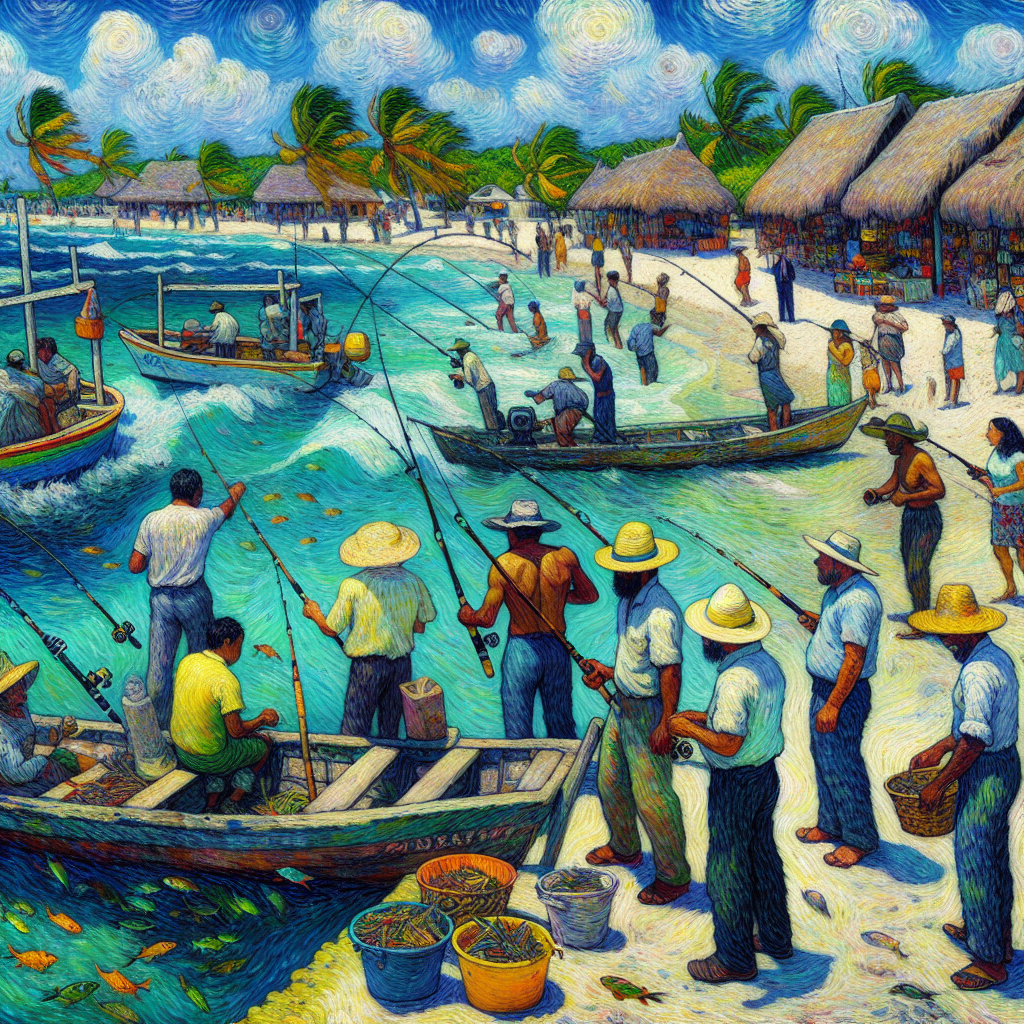
Imagine waking up each morning to the sight of turtle hatchlings emerging from the sand, pushing their tiny flippers toward the sea. It’s a moment that not only fills hearts with joy but ignites a fire within the community to protect these fragile lives. The local fishermen of Cozumel, once more focused on the bounty of the sea, have transformed their practices, adopting sustainable methods that safeguard not just turtles but the entire marine ecosystem. This shift isn’t just about preserving a species; it’s about preserving a way of life—a legacy passed down through generations.
This is where emotional and ethical ties bind the community. Residents understood that every turtle saved is a testament to harmony between humanity and nature. Schools educate children on the importance of protecting these reptiles, fostering an ethical commitment that resonates deeply, ensuring that future generations inherit not just landscapes, but a respect for their inhabitants.
Moreover, reeling back from ecological decline isn’t just a local concern; it’s a shared narrative. Tourists flock to Cozumel with a desire to witness its natural beauty, unknowingly becoming crucial players in this conservation story. They’re drawn by an innate human need to connect with nature and with one another. By supporting local initiatives—such as turtle sanctuary visits or eco-friendly tours—these visitors tap into a greater social movement. The community doesn’t just invite them in; they weave them into a shared journey toward sustainability.
Every small action counts, from local beach cleanups to widespread awareness campaigns. This collective ethos transforms the community into a formidable protector of turtle habitats. Each voice matters in this narrative—every testimony, every action, every commitment. Together, they create ripples of change that reach far beyond the shores of Cozumel, urging us all to consider the role we play in the conservation of our planet’s marvels. When we protect turtles, we protect a piece of our own humanity, linking our stories to theirs, and inviting all to join the cause. The heart, the head, and the gut remind us: we are all part of the same symphony, and it’s time to start playing our part.

What Role Do Local Communities Play In Protecting Turtle Habitats?
What Role Do Local Communities Play In Protecting Turtle Habitats?
- Cozumel’s turquoise waters are home to turtles that have existed for millions of years.
- The future of these turtles relies heavily on the local community’s conservation efforts.
- Residents of Cozumel experience joy as they witness turtle hatchlings making their way to the sea.
- Local fishermen have shifted to sustainable fishing practices to protect marine life.
- Schools play a vital role in educating children about the importance of turtle conservation.
- Tourists contribute to the conservation efforts by participating in eco-friendly initiatives.
- Every action, no matter how small, contributes to the larger narrative of environmental protection.
What Role Do Local Communities Play In Protecting Turtle Habitats?
How Can Supporting Turtle Conservation Make A Difference?
Turtle conservation isn’t just about saving a species; it’s about preserving a slice of our shared heritage. Picture the sun setting over the crystal-clear waters of Cozumel, where sea turtles—those ancient mariners—still come ashore to nest, marking a ritual that has been repeated for over a hundred million years. Each time a hatchling breaks free from its sandy cocoon, it’s more than just a tiny creature embarking on a daunting journey; it’s hope materialized.
We often forget that nature isn’t merely a backdrop for our lives. It’s the intricate tapestry we’re all woven into, and when a thread, such as the turtle, starts to fray, it affects the whole fabric. Protecting these remarkable animals is not just an act of kindness; it’s a testament to our responsibility as stewards of the environment. When you support turtle conservation, you are actively participating in a legacy that will echo through generations. Imagine telling your children about the majestic turtles that once roamed these waters, or, better yet, taking them to witness their splendor firsthand.
But let’s get real; there’s also a pragmatic side to this. Sea turtles play a vital role in maintaining the health of marine ecosystems. From controlling seagrass beds, which are essential for carbon capture, to providing habitats for a myriad of marine life, these creatures are pivotal to ocean health and, by extension, our own well-being. A thriving ocean means thriving communities, economies, and futures. Each contribution—whether it’s financial support to local conservation programs or simply spreading the word—has a direct impact on the balance of life in our oceans.
At its core, supporting turtle conservation isn’t just an act of benevolence. It’s a call to arms for ethical coexistence. Joining this mission aligns us with a community that recognizes the intrinsic value of all life forms and the critical interconnectedness we share. Picture being part of a collective, a tribe dedicated to nurturing what can’t speak for itself.
So, let’s roll up our sleeves and get involved. Whether it’s adopting a turtle or participating in beach clean-ups, every small action contributes to a larger narrative of restoration and hope. Together, we can ensure that future generations will live in a world where the sight of a sea turtle gliding through the waves isn’t just a cherished memory but a common occurrence—a symbol of our commitment to making a difference.

How Can Supporting Turtle Conservation Make A Difference?
How Can Supporting Turtle Conservation Make A Difference?
- Turtle conservation is essential for preserving our shared heritage and ecological balance.
- Sea turtles have been nesting for over a hundred million years, symbolizing hope with each hatchling’s journey.
- Nature is an interconnected tapestry; protecting turtles is crucial to maintaining the fabric of our environment.
- Supporting turtle conservation represents our responsibility as stewards of the planet and has lasting implications for future generations.
- Sea turtles are vital for marine ecosystems, aiding in the health of seagrass beds and supporting marine biodiversity.
- Participation in turtle conservation connects individuals to a community that values all life forms and ethical coexistence.
- Every action, like adopting a turtle or joining beach clean-ups, contributes to a greater narrative of hope and restoration.

How Can Supporting Turtle Conservation Make A Difference?
What Stories Highlight The Success Of Turtle Conservation In Cozumel?
Nestled in the vibrant waters of the Caribbean, Cozumel is a tropical paradise that harbors secrets beneath its waves, particularly tales woven from the delicate threads of turtle conservation. Here, on this idyllic island, the hard-fought efforts to protect endangered sea turtles have blossomed into a testament of hope, resilience, and community spirit. The stories emerging from this sun-soaked haven are not just about saving a species; they are a celebration of the human spirit’s capacity to act with purpose.
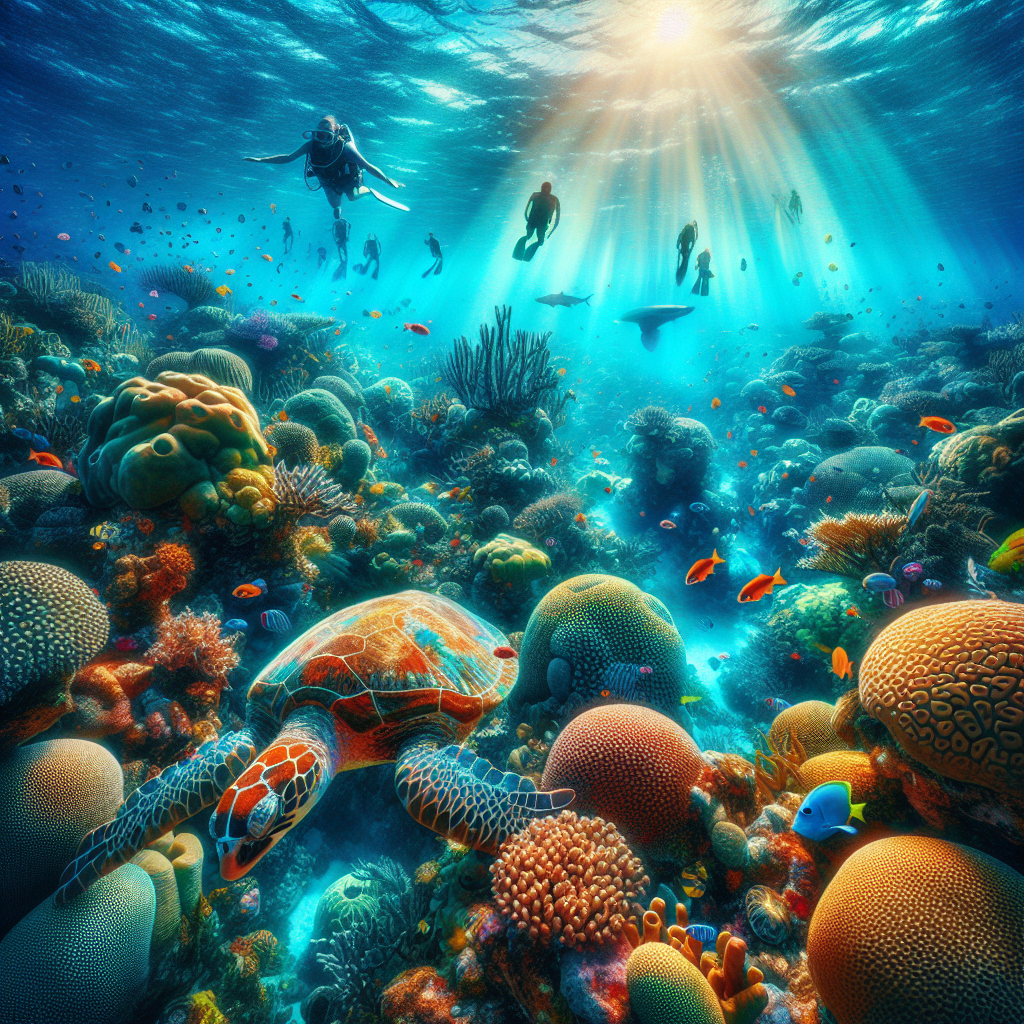
Imagine for a moment the sight of a hatchling sea turtle, no bigger than your palm, struggling to make its way to the ocean. This is where emotional connection meets urgent action. This resilient creature, born into a world fraught with danger, encapsulates the fight against extinction. Through the tireless work of local organizations and volunteers who patrol the beaches at night, these young turtles are given a fighting chance. Each nest marked, each egg safeguarded, tells a story of hope—one where individual lives can indeed be saved.
Rational minds can appreciate the significance of these endeavors beyond mere sentiment. Declining sea turtle populations threaten entire ecosystems, impacting coral reefs and local fisheries. In Cozumel, when we choose to protect sea turtles, we’re also choosing to protect life itself. It’s an ethical imperative, underscoring a growing understanding that our actions ripple through the environment, affecting all living organisms.
Listening to the stories of local fishermen turned conservationists illustrates the authority of community action. These men, who once viewed turtles as mere competitors, have become passionate advocates, fostering a new culture of respect for marine life. Through shared narratives, they encourage others to take up the mantle of stewardship—demonstrating that change isn’t just possible; it’s already happening.
Social shifts are evident as tourists flock to Cozumel, eager to engage in conservation efforts and witness the magic of turtle hatchings firsthand. These encounters forge deeper connections not only between humans and nature but also between people, as they support each other’s journeys toward sustainability. The sounds of laughter echo near nesting grounds, blending with the gentle lull of the waves, as children and parents alike learn the importance of protecting these enchanting creatures.
In Cozumel, stories unfold like the sunrise over turquoise waters, revealing not just the triumphs of turtle conservation but also inviting us to participate. Each story calls not only to the heart but to our shared humanity, urging us to draw nearer and take our part in protecting the irreplaceable tapestry of life that shapes our world. Together, we can continue to ensure that the fragile, beautiful legacy of the sea turtle endures for generations to come.
What Stories Highlight The Success Of Turtle Conservation In Cozumel?
What Stories Highlight The Success Of Turtle Conservation In Cozumel?
- Cozumel, a Caribbean paradise, is a hub for turtle conservation efforts.
- Local organizations and volunteers work tirelessly to protect endangered sea turtles by safeguarding their nests and ensuring hatchlings reach the ocean.
- Declining sea turtle populations threaten ecosystems, including coral reefs and local fisheries, making their conservation crucial.
- Community action is paramount; former fishermen have transitioned into advocates for marine life, fostering a culture of respect for turtles.
- Tourists visit Cozumel to engage in conservation efforts and experience turtle hatchings, enhancing human-nature connections.
- Educational encounters around nesting grounds promote sustainability among families and foster a sense of community.
- The ongoing stories of turtle conservation in Cozumel invite collective participation in protecting marine life for future generations.
What Stories Highlight The Success Of Turtle Conservation In Cozumel?
How Does Turtle Tourism Benefit Both The Environment And Economy?
In the balmy waters of Cozumel, where the sun brushes the ocean waves with golden light, an unlikely hero emerges: the turtle. These graceful creatures, often seen gliding effortlessly through coral reefs, have become the centerpiece of a tourism economy that is both vibrant and vital. The benefits of turtle tourism reach far beyond the immediate joy of observing these magnificent beings. They create a profound connection between the environment and the economy that’s hard to ignore.
Think about it for a moment. Every tourist who sets foot on the sandy shores of Cozumel comes with a sense of wonder, eager to experience the enchantment of witnessing a nesting turtle or the thrill of snorkeling alongside these ancient mariners. This enthusiasm translates into a rise in eco-friendly businesses—small tours, local guides, and sustainable restaurants—all committed to protecting these creatures and their habitats. When you spend money on a local guide, you’re not just taking home a souvenir; you’re actively participating in the conservation of an entire ecosystem. It feels good to know your choices have a ripple effect, right?
The rational mind can appreciate the statistics: according to recent studies, for every sea turtle that attracts tourists, local economies can see a multitude of jobs created, from hospitality to conservation efforts. It’s not just about dollars and cents; it’s about fostering a community that thrives on the balance between enjoying nature and nurturing it. When every visitor acknowledges that their presence here contributes to both the preservation of marine life and the livelihood of local families, it sparks a deeper bond, one that’s intertwined with duty and respect.
Ethically, we’re faced with a question: How do we leave a legacy for the next generations? By supporting turtle tourism, people are choosing to protect these vulnerable species. Every nesting turtle that survives to hatch is not just another creature; it’s a testament to our commitment to a sustainable future—an investment into a thriving planet for our children.
So the next time you dive into the emerald waters of Cozumel, take a moment to breathe deep and connect with what you see. Remember that each flipper you spot represents hope, resilience, and a thriving economy. Together, let’s inspire a movement where every interaction with nature is a chance to do more than just observe. Let’s change the narrative and be part of a story that celebrates both the environment we cherish and the communities we support.

How Does Turtle Tourism Benefit Both The Environment And Economy?
How Does Turtle Tourism Benefit Both The Environment And Economy?
- In Cozumel’s warm waters, turtles emerge as key players in a vibrant tourism economy.
- Tourists contribute to eco-friendly businesses that focus on conservation and local experiences.
- Spending on local guides and services helps protect turtle habitats and supports the ecosystem.
- Studies show that sea turtles generate various jobs, bolstering local economies.
- Every visitor’s contribution aids in preserving marine life while supporting local families.
- Supporting turtle tourism fosters a commitment to future generations and sustainable practices.
- Encouraging deeper connections with nature transforms observation into advocacy for the environment.

How Does Turtle Tourism Benefit Both The Environment And Economy?
Conclusion
Cozumel, with its stunning shorelines and crystal-clear waters, may seem like just a beautiful vacation destination, but beneath the surface lies a vital mission—one that revolves around the fragile sea turtles that call these waters home. Supporting turtle conservation in Cozumel isn’t merely an act of altruism; it’s a profound commitment to the health of our planet. As these ancient mariners navigate their perilous journey toward survival, they symbolize resilience, a connection to our shared heritage, and our responsibility as guardians of the earth.
When you witness a tiny hatchling racing toward the ocean, it’s not just an adorable sight; it’s an emotional awakening. Each turtle’s journey is a vivid reminder of the stakes involved, each little life carrying the weight of ecological significance. Rationally, the fate of turtles is intricately linked to the health of marine ecosystems, which in turn directly impacts local communities. Healthy turtle populations mean thriving fish stocks—a lifeline for fishermen and families alike, creating a sustainable future for all living beings in this vibrant ecosystem.
This isn’t simply a local issue. It’s an ethical call for humanity to recognize our role in conservation, fostering a culture where respect for nature echoes through generations. By participating in conservation efforts, joining forces with organizations like the Cozumel Turtle Conservation Society, or even just spreading awareness, we actively contribute to a movement larger than ourselves, weaving our stories into a collective narrative of resilience.
The social dynamics surrounding turtle conservation are equally powerful. Tourists drawn by the allure of Cozumel’s natural beauty become part of the solution. Their presence supports local economies and the grassroots initiatives that protect these remarkable creatures. Every eco-friendly tour or local purchase contributes to a sustainable loop where the wellbeing of turtles and humans is interconnected. Stories of success emerge from such interactions—neighbors becoming advocates, families teaching their children about nature’s fragility, tourists sharing their transformative experiences.
As you consider your next journey to Cozumel, see this as more than just a vacation. Embrace the opportunity to connect with nature in meaningful ways. Every small act, from volunteering to education, matters in this fight. Support turtle conservation, and you’ll find not just a chance to protect a species, but a heartwarming path toward a more sustainable future for everyone. The turtles are counting on us, and together we can ensure their legacy—and ours—endures long into the future.

Conclusion
Conclusion:
- Cozumel is not just a vacation destination; it is crucial for sea turtle conservation.
- Conservation efforts support the health of marine ecosystems and local communities.
- Each turtle hatchling’s journey serves as a reminder of environmental stakes and significance.
- Promoting healthy turtle populations correlates with thriving fish stocks, benefiting local fishermen and families.
- Conservation is an ethical responsibility, building respect for nature through generations.
- Tourists play a vital role by supporting local economies and conservation initiatives.
- Engaging in turtle conservation offers a chance to create a more sustainable future for all living beings.

Conclusion
Other Resources
Other Resources
Here is a list of other resources you can review online to learn more:
- Kondesa Restaurant
- Caleta Marina
- El Abuelo Gerardo Restaurant
- Guido’s Restaurant Cozumel
- Snorkeling Trip Checklist
- BJ’s Restaurant & Brewhouse
- Cozumel International Airport
- Malecon
- La Cocina De Silvia
- Chankanaab National Park
- The Westin Cozumel
- deviantART
- Cozumel Beaches
- The Money Bar Beach Club
- Amerimed
- Dzul-Ha Reef
Use This Prompt To Get More Resources With Your Favorite Online AI Tool: Please provide me with a list of online articles with their URLs in a bulleted list that I can read regarding Where Can You Support Turtle Conservation In Cozumel?
Other Resources
Glossary Terms
Where Can You Support Turtle Conservation In Cozumel? – Glossary Of Terms
1. Turtle Conservation: Efforts and practices aimed at protecting sea turtles and their habitats from threats such as pollution, habitat loss, and poaching.
2. Cozumel: An island off the eastern coast of Mexico’s Yucatán Peninsula, known for its marine biodiversity and turtle nesting sites.
3. Nest Protection: Activities that involve safeguarding turtle nests from predators and environmental threats to ensure successful hatching.
4. Hatchery: A designated area where turtle eggs are incubated safely until they hatch, helping to increase the survival rate of newborn turtles.
5. Eco-Tourism: Responsible travel to natural areas that conserves the environment and improves the welfare of local people, often supporting wildlife conservation efforts.
6. Volunteer Programs: Initiatives that invite individuals to assist with conservation efforts, including beach cleanups, nest monitoring, and educational outreach.
7. Sea Turtle Organizations: Non-profit groups dedicated to the protection and conservation of sea turtles through research, advocacy, and community involvement.
8. Marine Protected Areas (MPAs): Regions designated to protect marine ecosystems, including turtle habitats, from overfishing and human activities.
9. Nesting Beaches: Sandy shores where sea turtles come ashore to lay eggs, often protected to ensure safe nesting conditions.
10. Public Awareness Campaigns: Initiatives designed to educate the public about the importance of sea turtles and how to help protect them.
11. Scientific Research: Studies conducted to gather data on turtle behavior, migration patterns, and population health, informing conservation strategies.
12. Adoption Programs: Initiatives that allow individuals or businesses to fund the protection of specific turtle nests or conservation projects.
13. Sustainable Practices: Methods that meet current needs without compromising the ability of future generations to meet theirs, particularly in fishing and tourism.
14. Citizen Science: Public participation in scientific research and data collection to aid in monitoring and protecting turtle populations.
15. Beaches for Turtles: Specific beaches recognized for their significant role in turtle nesting, essential for conservation efforts.
16. Education Centers: Facilities providing information and resources about turtle conservation, often offering workshops and visitor tours.
17. Turtle Rehabilitation: The treatment and care of sick or injured turtles, focusing on their recovery and successful return to the wild.
18. Pollution Control: Efforts to reduce waste and contaminants in marine environments that threaten turtle habitats.
19. Community Engagement: Involvement of local populations in conservation efforts, recognizing their role in protecting turtle species.
20. Bycatch Reduction: Strategies aimed at decreasing the unintended capture of sea turtles in fishing gear.
21. Monitoring Programs: Systems established to track turtle populations, movements, and nesting success rates over time.
22. Rescue Operations: Actions taken to save stranded or injured turtles, often involving trained professionals and volunteers.
23. Turtle Tagging: A method of attaching identification devices to turtles for tracking their movements and behavior in the wild.
24. Marine Biodiversity: The variety of life in marine ecosystems, including various species of sea turtles and their interdependence with other marine organisms.
25. Legislation: Laws and regulations designed to protect turtle species through restrictions on hunting and habitat destruction.
26. Local Fisheries: Fishing industries that can support turtle conservation by implementing sustainable practices and reducing bycatch.
27. Habitat Restoration: Efforts to restore degraded marine environments to their natural state, improving conditions for turtle populations.
28. International Agreements: Treaties and protocols between countries aimed at the shared responsibility of protecting migratory turtle species.
29. Turtle Festival: Community events that celebrate and promote awareness of sea turtles and conservation initiatives.
30. Beach Cleanups: Organized efforts to remove trash and debris from beaches, improving nesting conditions and protecting marine life.
Glossary Of Terms
Other Questions
Where Can You Support Turtle Conservation In Cozumel? – Other Questions
If you wish to explore and discover more, consider looking for answers to these questions:
- What organizations are involved in turtle conservation in Cozumel?
- How can I volunteer for turtle conservation efforts in Cozumel?
- What practical actions can tourists take to support turtle conservation?
- What are the main threats to sea turtles in Cozumel?
- What success stories have emerged from turtle conservation in Cozumel?
- How does turtle conservation impact the local economy?
- Are there educational programs related to turtle conservation for schools in Cozumel?
- What research is being done to better understand sea turtle populations in Cozumel?
- How can my community get involved in turtle conservation efforts?
- What is the role of local fishermen in turtle conservation initiatives?
- How does turtle tourism affect conservation efforts?
- What are the ecological benefits of preserving sea turtles?
- How can individuals make a significant impact on turtle conservation?
- What environmental practices can help protect turtle habitats?
- How can storytelling be used to promote turtle conservation awareness?

Other Questions
Haiku
Where Can You Support Turtle Conservation In Cozumel? – A Haiku
Gentle giants swim,
Echoes of ancient whispers—
Weave our fate with theirs.

Haiku
Poem
Where Can You Support Turtle Conservation In Cozumel? – A Poem
In Cozumel’s embrace, where azure waters gleam,
A tale unfolds, woven through a shared dream.
Beneath the surface, a quiet crisis swells,
Sea turtles, ancient mariners, weave their spells.
With every hatchling’s dash towards the ocean’s song,
Hope emerges bright, as life and courage throng.
Volunteers unite with passion in their hearts,
Patrolling, nurturing, each playing their parts.
What is a turtle but a symbol so profound?
A link to our past in each gentle round.
Rational voices echo: “Protect what you revere,”
For in saving them, it’s ourselves we hold dear.
With each tender act, a legacy we mold,
Preserving our oceans, a story retold.
Economies flourish where respect meets the tide,
In turtle tourism, communities take pride.
The narratives of locals show transformation’s grace,
From fishermen to guardians, they’ve found their place.
Teaching the young, sharing tales of the sea,
Connecting with nature, allowing hearts to be free.
So let’s rally together, hearts open and wide,
Support the turtles, let conservation be our guide.
With each small commitment, a ripple we create,
In this tapestry of life, let’s celebrate our fate.
For turtles are more than just creatures in plight,
They’re whispers of wisdom in the soft moonlight.
Join hands to protect, with every choice you make,
In this dance of existence, let’s ensure no life’s at stake.
Poem
Checklist
Where Can You Support Turtle Conservation In Cozumel? – A Checklist
Turtle Conservation Support Checklist
Emotional Appeals
_____ Connect with Nature
Reflect on your personal experiences with sea turtles or similar wildlife that evoke feelings of joy and wonder.
_____ Visualize Your Impact
Picture a hatchling’s journey from the sand to the sea, recognizing the role you play in ensuring their survival.
Rational Appeals
_____ Understand the Ecosystem
Educate yourself on how sea turtles impact marine biodiversity and local economies.
_____ Research Opportunities
Explore organizations and programs dedicated to turtle conservation in Cozumel.
Ethical Appeals
_____ Reflect on Responsibility
Consider your role as a steward of the environment and the importance of protecting endangered species.
_____ Commit to Sustainable Practices
Pledge to adopt eco-friendly habits in your daily life, both at home and while traveling.
Authority Appeals
_____ Follow Leaders in Conservation
Identify reputable organizations (like the Cozumel Turtle Conservation Society) and their initiatives.
_____ Attend Educational Events
Participate in local conservation talks or workshops to gain insights from experts.
Narrative Appeals
_____ Share Success Stories
Look for and share inspiring stories of individuals or communities positively impacting turtle conservation.
_____ Document Your Experience
Capture your own journey in supporting turtle conservation—photos, stories, or journal entries.
Social Appeals
_____ Engage with Others
Discuss turtle conservation with friends or family and inspire collective action.
_____ Participate in Community Events
Join local conservation efforts, beach clean-ups, or fundraising events focused on marine life protection.
Practical Actions
_____ Volunteer
Sign up to volunteer with local turtle conservation organizations, whether during your visit to Cozumel or at home.
_____ Make a Donation
Consider donating to organizations that focus on turtle conservation and marine ecosystem health.
_____ Spread Awareness
Use your social media platforms to educate others about turtle conservation and its significance.

Checklist
At TopCozumelNews, we help travelers enjoy Cozumel by collating information learned from frequently traveling to beautiful Cozumel.
Be sure to read our other related stories at TopCozumelNews to learn more about the Island of Cozumel.