An Overview Of Whale Sharks Which May Be Found In the Waters Around Cozumel
By Tom Seest
At TopCozumelNews, we help travelers enjoy Cozumel by collating information learned from frequently traveling to beautiful Cozumel.
Be sure to read our other related stories at TopCozumelNews to learn more about the Island of Cozumel.
Are Whale Sharks Found In the Waters Around Cozumel?
Picture this: a colossal creature gliding gracefully through the crystalline waters, its mottled skin reflecting the sunlight in a kaleidoscope of blues and greens. Welcome to the world of the whale shark, the gentle giant of the ocean, and yes, they absolutely do make a grand appearance around Cozumel.
Cozumel, nestled off Mexico’s Yucatan Peninsula, is not just a sun-soaked paradise for vacationers; it’s also a thriving underwater ecosystem that plays host to these remarkable filter feeders. Every year, starting around June and peaking in September, these magnificent creatures migrate to the warm waters surrounding the island, drawn by the abundant plankton and the nutrient-rich currents.
Now, the whale shark, despite its intimidating size—growing up to 40 feet or more—isn’t the ferocious predator that folks might imagine. In reality, they are the ocean’s equivalent of a gentle giant, filtering their food through specialized gills as they swim with an almost balletic grace. This makes them particularly appealing to those who enjoy the thrill of snorkeling or diving alongside such astounding wildlife.
For anyone planning a visit to Cozumel during the summer months, the chance to swim with whale sharks is one of those bucket-list experiences that’s hard to beat. Several local tour operators specialize in eco-friendly excursions, ensuring that your interactions with these majestic creatures are respectful and safe. Just imagine: you, equipped with a mask and snorkel, floating inches away from these magnificent beings that have roamed the seas for millions of years. It’s a humbling experience that makes you feel small in the best possible way.
However, before you dive into the adventure, educate yourself. Whale sharks are a protected species, and conservation efforts are critical to preserving their habitats and ensuring sustainable interactions. Responsible tourism is key, and being mindful of how we engage with these gentle giants can make all the difference.
So, are whale sharks found in the waters around Cozumel? You bet they are! Embrace the opportunity to witness these magnificent beings in their natural habitat, and take part in a truly unforgettable marine encounter that blends adventure, awe, and a touch of respect for the ocean’s wonders. After all, in the grand theater of nature, few performances are as breathtaking as swimming alongside the majestic whale shark.

Are Whale Sharks Found In the Waters Around Cozumel?
Are Whale Sharks Found In the Waters Around Cozumel?
- Whale sharks, the gentle giants of the ocean, glide gracefully through the waters around Cozumel.
- Cozumel, located off Mexico’s Yucatan Peninsula, features a rich underwater ecosystem that attracts whale sharks.
- These creatures migrate to the area annually from June to September, seeking abundant plankton and nutrients.
- Despite their size of up to 40 feet, whale sharks are gentle filter feeders, not aggressive predators.
- Swimming with whale sharks is a popular bucket-list experience during summer, with eco-friendly tour operators available.
- Education and responsible tourism are essential, as whale sharks are a protected species requiring conservation efforts.
- Experiencing these magnificent beings in their natural habitat offers a unique, humbling marine encounter.

Are Whale Sharks Found In the Waters Around Cozumel?
Table Of Contents
- Are Whale Sharks Found In the Waters Around Cozumel?
- Are Whale Sharks Found Around Cozumel?
- What Do Whale Sharks Look Like Around Cozumel?
- How Big Do Whale Sharks Get Around Cozumel?
- What Is The Habitat Of Whale Sharks Around Cozumel?
- Do Whale Sharks Attack Humans Around Cozumel?
- How To Respond To Whale Sharks Attacks In Cozumel?
- Are There Tips For People That Encounter Whale Sharks Near Cozumel?
- Conclusion
- Other Resources
- Glossary Of Terms
- Other Questions
- Haiku
- Poem
- Checklist
Are Whale Sharks Found Around Cozumel?
Ah, the Caribbean Sea—where the water shimmers in hues of turquoise and all manner of marine life frolics beneath the waves. Among the grandeur of this aquatic playground lurks one of the ocean’s most gentle giants: the whale shark. Now, if you’ve ever found yourself pondering whether these magnificent creatures grace the waters surrounding Cozumel, let me set the record straight.
Cozumel, a stunning island off the coast of Mexico’s Yucatán Peninsula, has long been a haven for divers and snorkelers. The coral reefs teeming with colorful fish and vibrant underwater life have captivated anyone looking to get their feet wet—figuratively and literally. However, it’s the summer months that bring an incredible twist to these waters: the arrival of the whale sharks. That’s right! This is the season when these colossal filter feeders migrate to the area, and trust me, they’re the real deal.
Between June and September, the waters around Cozumel become a playground for these gentle giants. Picture this: you’re snorkeling in warm, crystal-clear water, and suddenly, you spot a creature that can grow up to 40 feet long, gliding gracefully beneath you. Yes, it’s as awe-inspiring as it sounds. These whales, despite their name, are not the dangerous predators one might picture; they feast primarily on plankton and small fish.
But what draws these leviathans to Cozumel, you ask? Well, it’s all about the food chain. The nutrient-rich waters around the island are perfect for supporting the small marine life that whale sharks munch on. They are savvy travelers, appearing where food is plentiful and where they can enjoy the warm embrace of the Caribbean currents.
As you plan your aquatic adventures, consider that encountering a whale shark is an experience that can change your perspective on marine life. Organizations and tour operators around Cozumel are eager to help you get up close and personal with these creatures, always with a keen emphasis on responsible whale shark tourism.
To sum it up, if you’re yearning for a unique blend of swimming with the world’s largest fish while surrounded by breathtaking vistas, Cozumel from June to September is the place to be. Make sure you jump into the water—who knows? You might just find yourself sharing a moment with a whale shark, one of nature’s biggest and most serene wonders.

Are Whale Sharks Found Around Cozumel?
Are Whale Sharks Found Around Cozumel?
- The Caribbean Sea is a vibrant ecosystem with marine life and stunning turquoise waters.
- Whale sharks, gentle giants of the ocean, migrate to Cozumel from June to September.
- Cozumel is a well-known destination for divers and snorkelers, featuring colorful coral reefs.
- Whale sharks can grow up to 40 feet long and primarily feed on plankton and small fish.
- The nutrient-rich waters around Cozumel attract whale sharks due to abundant food sources.
- Responsible whale shark tourism allows visitors to experience close encounters with these creatures.
- Swimming with whale sharks in Cozumel offers a unique and unforgettable marine adventure.

Are Whale Sharks Found Around Cozumel?
What Do Whale Sharks Look Like Around Cozumel?
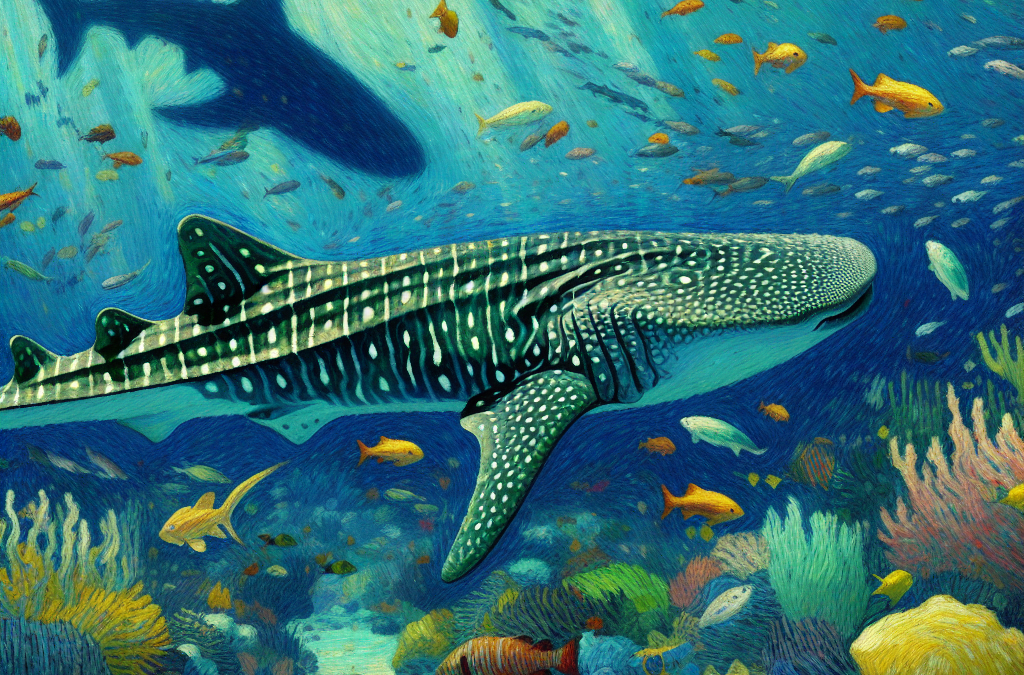
If you’ve ever wondered what it’s like to encounter the behemoths of the ocean, let me paint a picture for you—specifically, one that swims in the warm, azure waters off Cozumel. The whale shark, the gentle giant of the sea, presents a sight you won’t soon forget. Picture this: a creature that can reach lengths of up to 40 feet, gliding gracefully through the water like a big, slow-moving bus. It’s as if nature took an enormous blueprint and said, “Let’s make the world’s largest fish, and we’ll have it look magnificent in its own unique way.”
Now, if you’re lucky enough to spot one of these magnificent creatures in Cozumel, you’ll notice their distinctive mottled skin—especially a soft, muted blue-gray color adorned with an array of white spots and stripes. It’s a design so intricate and perfect that you could spend a lifetime trying to replicate it, but good luck getting anywhere close! Each whale shark is as unique as a snowflake, meaning no two have the exact same pattern. As they swim through the crystal-clear waters, it’s almost as if they have their own personal escort of smaller fish, known as remoras, tagging along for the ride. These little companions hitch a free ride, while the whale sharks go about their business of grazing on plankton and small fish.
What’s even more captivating is the whale shark’s impressive mouth, which can stretch up to 5 feet wide! But don’t let that size intimidate you. This creature isn’t built for aggression; it’s equipped for filtering out its food. Picture it cruising along, mouth wide open, as it filters water the same way a big vacuum cleaner sucks up dirt.
When you’re bobbing in the water near these gentle giants, you can feel small—as if you’ve been transported into a realm where size and scale are entirely recalibrated. The whale shark’s size provides a humbling perspective, reminding us of our much smaller place in the grand tapestry of marine life. So, if you ever find yourself snorkeling or diving in Cozumel, keep your eyes peeled. Who knows? You just might find yourself face-to-face with one of the ocean’s most magnificent inhabitants, peacefully roaming the underwater world. Just don’t forget to catch your breath when you do!

What Do Whale Sharks Look Like Around Cozumel?
What Do Whale Sharks Look Like Around Cozumel?
- The whale shark is a gentle giant found in the warm waters off Cozumel, reaching lengths of up to 40 feet.
- It has a unique mottled skin pattern of soft blue-gray color with white spots and stripes, making each whale shark distinct.
- As they swim, whale sharks often have smaller fish called remoras accompanying them, which hitch a free ride.
- The whale shark’s mouth can stretch up to 5 feet wide, designed for filtering food, not aggression.
- When near a whale shark, observers experience a humbling perspective on size and scale in the ocean.
- Encountering a whale shark can be a memorable experience while snorkeling or diving in Cozumel.
- Swimmers are encouraged to remain calm and enjoy the experience of seeing these magnificent creatures up close.

What Do Whale Sharks Look Like Around Cozumel?
How Big Do Whale Sharks Get Around Cozumel?
If you’ve ever gazed out over the clear blue waters surrounding Cozumel, you might have found yourself thinking about the ocean’s gentle giants. Enter the whale shark, the largest fish in the sea. But when we say “largest,” we’re not just throwing around hyperbolic adjectives to sound impressive. We’re talking about an animal that can grow to lengths exceeding 40 feet. That’s about the size of a school bus! In fact, the record-holding whale shark came in at a staggering 61 feet. So yes, when it comes to size, these magnificent creatures don’t mess around.
Now, let’s talk about Cozumel specifically. This Mexican island isn’t just a tropical paradise; it’s also a hotspot for whale shark activity, especially during the summer months. Snorkelers and divers flock to the area from June to September, drawn in by the promise of swimming alongside these magnificent beasts. The waters around Cozumel serve as a veritable buffet for the whale sharks, who feast on plankton and small fish as they cruise through the currents.
Whale sharks have a unique way of saying hello—you’ll typically spot them gliding gracefully near the surface, using their gills to filter-feed. They’re not the kind of creatures that chase after their food. Instead, they gently mosey along, often accompanied by schools of smaller fish that hitch a ride on their massive bodies. If you’re lucky enough to encounter one while snorkeling, you’ll quickly realize that your average-sized human pales in comparison to these ocean behemoths.
The size of a whale shark is a spectacle in itself. Picture this: you’re floating in the water, and suddenly this enormous creature swims by, leaving you in awe of its sheer scale. These gentle giants can weigh as much as 20 tons! Now, that’s not something you forget easily. And even with their formidable size, whale sharks pose no threat to humans. They’re filter feeders at heart, focused more on devouring tiny critters than on anything larger.
In a world where so many things seem to be getting smaller, the whale shark stands out—both in size and in the wonder it inspires. If you ever find yourself in Cozumel, make sure to take a moment. Look out over the water and remember that just beneath the surface, something truly colossal might be gliding by. In the grand scheme of things, they remind us of the sheer vastness and mystery of the ocean—a place where even the biggest among us can be incredibly vulnerable.

How Big Do Whale Sharks Get Around Cozumel?
How Big Do Whale Sharks Get Around Cozumel?
- Whale sharks are the largest fish in the sea, capable of exceeding 40 feet in length.
- The record-holding whale shark measured 61 feet, comparable to the size of a school bus.
- Cozumel is a prime location for whale shark activity, especially from June to September.
- During summer, snorkelers and divers come to Cozumel to swim with these gigantic fish.
- Whale sharks filter-feed on plankton and small fish, gliding near the surface gracefully.
- They can weigh up to 20 tons, but pose no threat to humans, focusing on tiny critters.
- Whale sharks remind us of the ocean’s vastness and the wonders it holds beneath its surface.

How Big Do Whale Sharks Get Around Cozumel?
What Is The Habitat Of Whale Sharks Around Cozumel?
When we think of whale sharks, our minds often drift to exotic locations such as the Caribbean, the Indian Ocean, or the vibrant waters of Southeast Asia. But let’s bring our focus closer to home, specifically the stunning waters surrounding Cozumel, Mexico—a hotspot for those magnificent, gentle giants of the sea.
Cozumel sits just off the eastern coast of the Yucatán Peninsula, where the warm waters of the Caribbean embrace the shoreline. This beautiful island is not just a paradise for sunbathers and snorkelers; it’s also a vital habitat for whale sharks during their seasonal migrations. Every year, from June through September, these enormous creatures flock to the nutrient-rich waters around the island. They’re often spotted in areas where the currents bring in an abundance of plankton, their favorite snack.
The water here is ideal for whale sharks for several reasons. First, the Caribbean waters are teeming with life. The nutrient-rich currents create a veritable buffet of tiny organisms that make for a whale shark feast. These gentle giants swim with their mouths wide open, filtering the water to capture their food. It’s an awe-inspiring sight to witness these massive creatures glide effortlessly through the depths, feeding on the very same plankton that makes this region their dining room.
The habitat preferences of whale sharks are not solely dictated by the abundance of food. They also favor the shallower waters along the coast. The area around Cozumel features sandy bottoms and coral reefs, making it a perfect environment for both feeding and the social interactions that often occur among these animals. In shallower depths, the visibility increases, giving divers and snorkelers a front-row seat to observe whale sharks in their natural habitat while maintaining the creatures’ comfort.
However, it’s essential to remember that while Cozumel offers a temporary home for these majestic animals, we, as visitors, must foster a sense of stewardship towards their environment. Practices like responsible diving, eco-friendly snorkeling, and respecting the marine life can ensure that whale sharks continue to thrive in these waters. By understanding their habitat and protecting it, we can relish the wondrous experience of sharing the ocean with one of nature’s gentle colossi—a treasure worth preserving for generations to come.

What Is The Habitat Of Whale Sharks Around Cozumel?
What Is The Habitat Of Whale Sharks Around Cozumel?
- Whale sharks are often associated with exotic locations but are also found in Cozumel, Mexico.
- Cozumel is located off the eastern coast of the Yucatán Peninsula in warm Caribbean waters.
- From June to September, whale sharks migrate to the nutrient-rich waters surrounding the island.
- The abundance of plankton in the waters serves as a food source for whale sharks.
- They prefer shallower waters with sandy bottoms and coral reefs for feeding and social interactions.
- Visitors to Cozumel should practice stewardship to protect the whale shark habitat.
- Responsible eco-friendly practices can help ensure the survival of these gentle giants for future generations.

What Is The Habitat Of Whale Sharks Around Cozumel?
Do Whale Sharks Attack Humans Around Cozumel?
If you’ve ever thought about diving into the deep blue waters around Cozumel, chances are you’ve encountered tales of whale sharks—those gentle giants of the ocean that have captivated the hearts of adventurers and nature lovers alike. But amidst the excitement and intrigue, there’s a nagging question that bubbles to the surface: Do these colossal fish pose a threat to humans?
First off, let’s set the record straight. Whale sharks are anything but ferocious. Contrary to the gripping narratives spun by the legends of the sea, they aren’t the marauding villains of the aquatic world. Instead, these majestic creatures feast primarily on plankton. That’s right, these enormous fish, which can reach lengths of up to 40 feet or more, have mouths wide enough to swallow an entire human—but they’re not interested in dining on you or me. Their diets consist of tiny organisms, which they filter out of the water, turning the idea of a “whale shark attack” into something akin to a teddy bear turning ferocious.
Cozumel is one of those rare and magical places where snorkelers and scuba divers can encounter these gentle giants in their natural habitat. The waters around the island serve as a feeding ground for whale sharks, drawing tourists from all over the globe. Being in their presence is an experience like no other. Imagine gliding through crystal-clear waters, the sunlight filtering down, and there they are—the world’s largest fish, gliding gracefully past without a care in the world.
Now, while some folks might wonder if there’s a risk involved, the truth is the primary danger comes from our human curiosity rather than any aggression from the whale sharks. They may swim close, but they’re not inclined to make contact. However, it’s crucial to approach them with respect. Humans splashing about can inadvertently harm these gentle giants. The real danger lies in reckless behavior: divers should avoid thrashing about or trying to touch these magnificent creatures. Instead, keep your distance and let them be.
In short, if you’re planning a rendezvous with whale sharks near Cozumel, rest assured: they won’t attack. Instead, they offer a glimpse into the ocean’s vast beauty, a reminder that sometimes the largest creatures can be the most docile. Just remember to play nice and enjoy the incredible sight!

Do Whale Sharks Attack Humans Around Cozumel?
Do Whale Sharks Attack Humans Around Cozumel?
- Whale sharks are gentle giants of the ocean, captivating many adventurers.
- They primarily feed on plankton, posing no threat to humans.
- Whale sharks can grow up to 40 feet or more, but they are not aggressive.
- Cozumel provides a unique opportunity for snorkelers and scuba divers to see whale sharks in their natural habitat.
- While they may swim close to humans, the threat comes from human curiosity, not from the sharks themselves.
- To avoid harming the whale sharks, divers should keep their distance and avoid reckless behavior.
- Whale sharks offer a peaceful glimpse into the ocean’s beauty, emphasizing their docile nature.

Do Whale Sharks Attack Humans Around Cozumel?
How To Respond To Whale Sharks Attacks In Cozumel?
Now, let’s get one thing clear: whale sharks are not your garden-variety attackers. These enormous, gentle giants of the ocean are more akin to the paddleboats at your local lake than predators on the prowl. But, like any good vacationer, they do appreciate their personal space—just like you would if a wayward tourist decided to cannonball right next to your beach towel. So, if you ever find yourself in Cozumel and one of these magnificent creatures breaches your personal bubble, here’s how to respond—courtesy of wise choices and a sprinkle of common sense.
First off, understand that whale sharks are filter feeders. Think of them as the vacuum cleaners of the sea; they glide through, patiently sifting plankton and tiny fish. They’re about as interested in you as you are in the flavor of the green jellybean in a bag of mixed candies. If a whale shark comes near, your response should be more “ahh” than “ahhh!” Stay calm. Panic is the enemy, and when in the presence of such grandeur, the last thing you want to do is start splashing around like a greased pig.
Next, if you’re in the water and a whale shark approaches, back off and give it some room. You didn’t come here to wrestle a marine creature—not unless you’ve got an undersea UFC title to defend. If a whale shark feels crowded, it may take off at a surprising speed, leaving you in its wake and possibly missing the chance to watch it glide like a freight train through water. Respect its space. It’s a massive animal, and it deserves a wide berth.
In the unlikely event that a whale shark unintentionally bumps into you—think of it like an unexpected hug from an overly affectionate uncle—stay as steady as possible. Resist the urge to flail. Instead, let it pass. After all, we’re not here to hurt each other. If you’re on a boat, don’t attempt to chase the beast; follow the guidelines provided by your local tour operators. They know whale sharks better than you might think.
So, in summary: if you find yourself face-to-face with one of nature’s gentle giants, breathe. Give it space. And most importantly, enjoy the opportunity to witness such a spectacular animal in its natural habitat. After all, that’s what Cozumel is all about—embracing the awe of nature without stepping on anyone’s fins.

How To Respond To Whale Sharks Attacks In Cozumel?
How To Respond To Whale Sharks Attacks In Cozumel?
- Whale sharks are gentle giants, not aggressive predators.
- They are filter feeders, primarily interested in plankton and tiny fish.
- Stay calm if a whale shark approaches; panic is counterproductive.
- Back off and give the whale shark space to avoid startling it.
- If accidentally bumped, remain steady and let it pass without flailing.
- On a boat, follow local tour operators’ guidelines instead of chasing the whale shark.
- Enjoy the encounter while respecting the whale shark’s personal space.

How To Respond To Whale Sharks Attacks In Cozumel?
Are There Tips For People That Encounter Whale Sharks Near Cozumel?
Encountering a whale shark in the warm waters near Cozumel is a bucket list dream for many. These gentle giants glide through the blue with an elegance that’s hard to capture in words or images. But if you find yourself face-to-face with one of these colossal creatures, it pays to be prepared. Here are some tips to ensure that your encounter is as magical as it is respectful.
First off, patience is key. Whale sharks are not your usual marine attraction. They tend to swim at a leisurely pace, often appearing out of nowhere. When you spot one, keep calm and take a moment to observe its behavior before jumping in. This isn’t just for your benefit; it’s a chance for you to appreciate the natural world while giving the shark its space. Remember, you’re a guest in its home.
Next, approach with care. For anyone planning to snorkel or dive, remember that whale sharks are filter feeders. They have no interest in you, so don’t go waving your arms around like you’re attempting to signal an airplane. Instead, adopt a gentle, streamlined movement as you enter the water. The last thing we want is to startle our massive friend or cloud the water with excess splashes.
Also, make sure you’re equipped with proper gear. A well-fitting wetsuit will keep you warm and comfortable, which matters when you’re floating in open water. Consider bringing a snorkel that’s easy to clear and a pair of fins that won’t send you sprawling every time you kick. And, of course, a good mask! You want to see as clearly as possible when you’re swimming alongside such a magnificent creature.
Photography enthusiasts, take heed: capture the moment responsibly. While it’s tempting to swim up close for that jaw-dropping shot, remember that proximity can stress the animal. Use a zoom lens if you can, and allow the whale shark to dictate the encounter. Respect its space, and you’ll be left with memories and images to treasure without risking harm to the shark or yourself.
Finally, educate yourself and others. Whale sharks are listed as vulnerable, and their numbers are declining due to environmental pressures. Share your knowledge, advocate for conservation, and inspire your peers to treat these magnificent creatures—and their habitats—with the reverence they deserve.
In a world that often rushes, take a moment to soak in the experience. It’s a privilege to share the ocean with such awe-inspiring giants, and with a little mindfulness, your encounter can be one for the ages.

Are There Tips For People That Encounter Whale Sharks Near Cozumel?
Are There Tips For People That Encounter Whale Sharks Near Cozumel?
- Encountering whale sharks near Cozumel is a bucket list dream for many.
- Patience is essential; observe the whale shark’s behavior calmly before approaching.
- Approach with care; use gentle, streamlined movements to avoid startling the shark.
- Ensure you have proper gear, including a well-fitting wetsuit, snorkel, fins, and mask.
- Photograph responsibly using a zoom lens and respect the whale shark’s space.
- Educate yourself and others about whale sharks, which are listed as vulnerable.
- Appreciate the experience and share the ocean with these magnificent creatures mindfully.

Are There Tips For People That Encounter Whale Sharks Near Cozumel?
Conclusion
Well, folks, let’s wrap this up by diving into the fascinating world of whale sharks around Cozumel—a true gem of the Caribbean. Picture yourself in those crystal-clear waters, teeming with life, and there they are: the whale sharks, the gentle giants that are the largest fish in the ocean. These magnificent creatures, some stretching over 40 feet long, are like the ocean’s best-kept secret, surfacing each year between June and September to feast on the abundant plankton that thrives in these nutrient-rich waters.
And here’s the kicker—they’re harmless! No need to worry about encountering a ferocious predator here. Whale sharks are filter feeders, meaning they’re more interested in munching on tiny organisms than having you for dinner. It’s almost poetic—these colossal beings glide through the water with an elegance that defies their size, reminding us of nature’s incredible diversity and beauty.
But the experience isn’t just about spotting these majestic creatures; it’s about connection and respect. Local tour operators are eager to facilitate encounters that prioritize the well-being of these gentle giants. Snorkeling alongside a whale shark isn’t just a check on your bucket list—it’s an opportunity to witness the sheer wonder of the ocean. However, it’s critical that as visitors, we embrace responsible practices to ensure whale sharks continue to thrive in Cozumel’s waters. Respecting their space and adhering to guidelines fosters a sustainable coexistence for both us and these extraordinary creatures.
Now, while your heart races with excitement, don’t forget: patience is key. When you finally glimpse a whale shark, take a moment to soak in the experience. Approach with care, ensuring you don’t startle these magnificent animals. Use proper gear and consider the power of your slow movements. And when it comes to capturing the moment, let the whale shark dictate the pace. After all, this is their home, and we’re just honored guests.
In conclusion, if you have the opportunity to snorkel alongside whale sharks in Cozumel, seize it! Marvel at these gentle colossi, understand their importance, and become an advocate for their conservation. The ocean holds countless wonders, and the chance to swim with whale sharks is undeniably one of the crown jewels. So make your plans, and prepare for an unforgettable experience that showcases the grace and magnificence of one of nature’s finest creations. Happy swimming!

Conclusion
Conclusion:
- Whale sharks are the largest fish in the ocean, reaching lengths over 40 feet.
- They thrive in Cozumel’s nutrient-rich waters, appearing annually from June to September.
- Whale sharks are harmless filter feeders, primarily consuming plankton.
- Interacting with these gentle giants offers a chance to appreciate marine diversity and beauty.
- Local tour operators prioritize responsible encounters and the well-being of whale sharks.
- Visitors should respect whale sharks’ space and adhere to guidelines for sustainable interactions.
- Snorkeling with whale sharks is a unique experience that highlights the importance of ocean conservation.

Conclusion
Other Resources

Other Resources
Most of the people who read this are also figuring out where to stay. A couple of places we run or know well, in case it’s useful: Cozumel Journey is an editorial guide to Cozumel — neighborhoods, planning tips, and life on the island for travelers who want context, not a cruise schedule.
Here is a list of other resources you can review online to learn more:
- Cozumel Museum
- Dive Paradise Cozumel
- Nachi Cocom Beach Club
- Chedraui
- Cozumel Bar Hop
- Cozumel Scuba Repair
- deviantART
- Malecon Cruise Port
- Cozumel Journey
Use This Prompt To Get More Resources With Your Favorite Online AI Tool: Please provide me with a list of online articles with their URLs in a bulleted list that I can read regarding Are Whale Sharks Found In the Waters Around Cozumel?
Other Resources
Glossary Terms
Are Whale Sharks Found In the Waters Around Cozumel? – Glossary Of Terms
1. Whale Shark: The largest species of fish, known for its distinctive patterns and gentle nature, primarily feeding on plankton.
2. Cozumel: An island in the Caribbean Sea off the eastern coast of Mexico, known for its rich marine life and coral reefs.
3. Plankton: Microscopic organisms drifting in oceans or bodies of freshwater; they are the primary food source for whale sharks.
4. Filter Feeding: A feeding method used by whale sharks where they swim with their mouths open to capture plankton and small fish.
5. Migration: Seasonal movement of species, including whale sharks, to areas rich in food and warm waters.
6. Coral Reefs: Underwater ecosystems made of corals, providing habitat for various marine species, including whale sharks.
7. Marine Biodiversity: The variety of life found in ocean ecosystems, which Cozumel is known for, attracting various marine species.
8. Ecotourism: Responsible travel to natural areas that conserves the environment and improves the well-being of local people, prevalent in Cozumel.
9. Spotting Patterns: Unique configurations of spots and stripes on whale sharks, used by researchers to identify individuals.
10. Conservation Status: The classification of a species’ risk of extinction; whale sharks are listed as endangered.
11. Shark Sanctuary: Protected areas where sharks are safeguarded from overfishing and habitat destruction, important for whale sharks’ survival.
12. Sustainable Practices: Methods of fishing and tourism that do not deplete marine resources, ensuring the health of ecosystems.
13. Diving: Recreational activity where individuals explore underwater environments; Cozumel is a popular diving destination.
14. Snorkeling: A surface water sport where individuals swim with a mask and snorkel, often to observe whale sharks in their natural habitat.
15. Critical Habitat: Areas essential to the conservation of a species, particularly important for the breeding and feeding of whale sharks.
16. Tour Operator: Businesses that provide tours, often including whale shark encounters, emphasizing ethical practices.
17. Acoustic Monitoring: A technique used to track whale sharks’ movements and behaviors through listening devices.
18. Seasonality: Refers to the specific times of year when whale sharks are commonly sighted in Cozumel waters, often in warmer months.
19. Bycatch: Non-target species unintentionally captured by fishing practices, which can impact whale shark populations.
20. Marine Protected Area (MPA): Designated regions of seas where human activity is regulated to protect wildlife and ecosystems, relevant for preserving whale sharks.
21. Tagging: A research method where devices are attached to animals like whale sharks to study their behavior and migration patterns.
22. Ecosystem Health: A measure of the condition and balance of an ecosystem; healthy ecosystems support whale shark populations.
23. Trophic Level: A position in the food chain; whale sharks occupy a role as filter feeders at a distinct trophic level.
24. Larval Stage: The early development phase of marine organisms, including prey species vital for whale shark feeding.
25. Oceanic Biodiversity Hotspot: Areas in oceans with exceptionally high levels of species richness, like the waters surrounding Cozumel.
26. Research Expeditions: Missions undertaken by scientists to study whale sharks and their behaviors in natural habitats.
27. Public Awareness Campaigns: Initiatives aimed at educating the public about the importance of whale sharks and conservation efforts.
28. Biomimicry: The design process of mimicking natural systems; inspired by the aerodynamic shape of whale sharks in various applications.
29. Telemetry: Technology used to remotely track animal movement, crucial for studying whale shark migration and habitat use.
30. Community Involvement: Engaging local populations in conservation efforts, promoting sustainable tourism practices related to whale sharks.

Glossary Of Terms
Other Questions
Are Whale Sharks Found In the Waters Around Cozumel? – Other Questions
If you wish to explore and discover more, consider looking for answers to these questions:
- What is the best time of year to see whale sharks in Cozumel?
- How can one find a reputable tour operator for swimming with whale sharks?
- What are the rules or regulations regarding swimming with whale sharks?
- What should I wear when swimming with whale sharks?
- Are there any health risks associated with snorkeling or diving near whale sharks?
- What other marine species can be spotted in Cozumel alongside whale sharks?
- How do whale sharks contribute to the marine ecosystem in Cozumel?
- What conservation efforts are in place to protect whale sharks in Cozumel?
- Can people of all ages participate in whale shark tours, or are there restrictions?
- What kind of photography tips are recommended for capturing whale sharks?

Other Questions
Haiku
Are Whale Sharks Found In the Waters Around Cozumel? – A Haiku
Whale sharks swim near,
Gentle giants glide through blue,
Respect them, then swim.

Haiku
Poem
Are Whale Sharks Found In the Waters Around Cozumel? – A Poem
In Cozumel’s embrace, where the sea meets the sky,
Gentle giants of ocean, gliding softly by,
Whale sharks, the largest, yet peaceful and kind,
Filter feeders of plankton, with grace intertwined.
From June to September, they dance and they roam,
In warm Caribbean waters, they find their true home.
With mottled blue skin, and a smile that charms,
They cruise through the currents, exuding no harms.
Tourists arrive to witness this wonder,
Snorkeling close as they glide like thunder.
Eager hearts pause, in awe of their size,
An ocean ballet beneath radiant skies.
Yet wisdom prevails in encounters so grand,
Respect for their space is a must, understand.
These giants remind us, beneath sun and tide,
That in nature’s theater, we must not collide.
So swim with a purpose, with patience in tow,
Embrace the encounter, let your wonder grow.
In Cozumel’s waters, where marvels abide,
The whale shark’s gentle spirit is a treasure, our guide.

Poem
Checklist
Are Whale Sharks Found In the Waters Around Cozumel? – A Checklist
Before Your Visit
1. Research Whale Sharks: Understand their behaviors, dietary habits, and the best time to see them in Cozumel (June to September).
2. Choose a Responsible Tour Operator: Look for eco-friendly and reputable tour operators who practice sustainable tourism.
3. Pack Essential Gear:
_____ Snorkel gear: Ensure your mask, snorkel, and fins are in good condition.
_____ Wetsuit: Consider wearing a wetsuit for warmth and buoyancy.
_____ Underwater camera: If you’re a photographer, plan ahead for capturing images responsibly.
Safety and Respect in the Water
4. Stay Calm: If you spot a whale shark, take a deep breath and enjoy the moment without panicking.
5. Give Space: Maintain a respectful distance from the whale sharks to avoid stressing them out.
6. Observe Behavior: Take time to watch how the whale shark moves before entering the water.
While Snorkeling or Diving
7. Approach Gently: Enter the water quietly and without splashing to avoid startling the whale sharks.
8. Maintain Steady Movements: Swim smoothly and avoid making sudden movements that could upset the marine life.
9. Observe from a Distance: Use a zoom lens if photographing; let the whale shark guide the encounter.
After the Encounter
10. Educate Yourself & Others: Share what you learn about whale sharks and their conservation status.
11. Participate in Conservation Efforts: Support local initiatives focused on the protection of whale sharks and their habitats.
12. Practice Responsible Tourism: Always respect marine life and their environment, ensuring you leave no trace during your visit.
Reminder
_____ Whale Sharks Are Gentle Giants: They pose no threat to humans, and your responsible behavior can help protect these magnificent creatures for future generations. Enjoy the extraordinary experience of swimming alongside them!

Checklist
At TopCozumelNews, we help travelers enjoy Cozumel by collating information learned from frequently traveling to beautiful Cozumel.
Be sure to read our other related stories at TopCozumelNews to learn more about the Island of Cozumel.