Exploring the Ancient Mayan Ruins Of Cozumel
By Tom Seest
At TopCozumelNews, we help travelers enjoy Cozumel by collating information learned from frequently traveling to beautiful Cozumel.
Be sure to read our other related stories at TopCozumelNews to learn more about the Island of Cozumel.
Uncovering the Secrets Of Cozumel’s Mayan History
When you think of Cozumel, images of sun-soaked beaches, crystal-clear waters, and vibrant coral reefs might dance through your mind. But beneath that idyllic surface lies a tapestry woven with the rich and compelling stories of the ancient Maya. It’s a history not just etched in stone, but carved into the very soul of the island—an invitation, if you will, to explore who we are and where we come from.
Picture this: as you wander through the lush landscapes of Cozumel, you’re not merely walking on sand; you’re treading the same paths that the Maya did centuries ago. Feel the warmth of the sun on your back and listen closely. The trees whisper secrets; the breeze carries tales of an ancient civilization that thrived under the same sun. It’s easy to romanticize these histories, yet the realities faced by the Maya were often fraught with challenges, endurance, and resilience—qualities that resonate deep within each of us today.
Cozumel served as a vital trading hub for the Maya civilization, a vibrant crossroads that connected cultures, goods, and ideas. As we uncover the stone temples, the remnants of bustling markets, and sacred sites, we’re reminded of the human spirit’s tenacity against adversity. Perhaps you’ve faced a personal challenge or an obstacle that seemed insurmountable. The triumphs of the Maya are reflections of our struggles, victories, and the innate desire to thrive against the odds.
Exploring Cozumel’s Mayan history is not just about observing ancient artifacts; it’s about forging a connection—to the people who called this island home, to their innovations in agriculture, astronomy, and architecture, and to their profound respect for nature. They faced tribulations from drought to war, yet they adapted, learned, and grew. You, too, may find inspiration in their stories, perhaps even insight into your own journey.
So, before you dive into the turquoise waters or souvenir shops, take a moment to stop and truly appreciate this wondrous island. Walk the hallowed grounds where the Maya once stood, breathe in the air heavy with history, and ponder the legacy of resilience that is woven into the fabric of Cozumel. Embrace the invitation to explore, to learn, and to grow—because uncovering the secrets of this ancient civilization might just lead you to uncover a little part of yourself along the way.

Uncovering the Secrets Of Cozumel’s Mayan History
Uncovering the Secrets Of Cozumel’s Mayan History
- Cozumel is known for its stunning beaches and coral reefs, but it has a rich Mayan history beneath the surface.
- The island’s landscapes reflect the paths once walked by the ancient Maya, offering a glimpse into their past.
- The Maya civilization faced numerous challenges, showcasing qualities of endurance and resilience.
- Cozumel was a crucial trading hub that connected different cultures, goods, and ideas within the Mayan civilization.
- Exploring Mayan history on the island allows for a connection to their innovations and respect for nature.
- The Maya adapted and thrived despite adversities like drought and war, offering lessons in overcoming obstacles.
- Visitors are encouraged to appreciate the island’s history and embrace the opportunity to learn and grow from it.
Uncovering the Secrets Of Cozumel’s Mayan History
Table Of Contents
- Uncovering the Secrets Of Cozumel’s Mayan History
- Are There Secrets In The Cozumel Mayan Past?
- Uncovering The Spanish Impact on Cozumel Mayan History?
- What Really Happened to The Mayans In Cozumel?
- How Did The Mayans Return to Cozumel?
- What Role Did The Mestizos Play In The Cozumel Mayan History?
- What Secrets Did The Spaniards Uncover In Cozumel?
- Did Pirates Impact Cozumel Mayan History?
- Is There a Cozumel Pirate Past?
- Conclusion
- Other Resources
- Glossary Of Terms
- Other Questions
- Haiku
- Poem
- Checklist
Are There Secrets In The Cozumel Mayan Past?
Imagine standing on the shores of Cozumel, where the soft lapping waves whisper secrets from millennia past. It’s quiet now, but beneath that tranquil surface lies a story waiting to be told—a tapestry woven with the threads of a vibrant Mayan civilization. As curious adventurers, we often find ourselves brushing against the allure of historical enigmas, yearning to understand the lives of those who walked this land long before us.
Picture the ancient Mayans, skilled architects and brilliant astronomers, their lives steeped in a culture rich with rituals and mysteries. They built cities that danced with the sunlight, aligning with celestial bodies that guided their agricultural practices and spiritual beliefs. Yet today, as we explore their remnants, we come face-to-face with spirals of uncertainty—what were their daily lives really like? What drove their monumental achievements and extraordinary artistry?
We’re all explorers at heart, navigating the uncharted waters of curiosity and wonder. The desire to uncover truths about our past resonates deeply within us, often surfacing from a common thirst for connection. When we ponder the Mayans, we are reminded of our own struggles and triumphs, our yearnings for meaning and community. There’s a part of us that hopes to find reflections of ourselves within their stories. Each artifact, each ruin, beckons us to dig deeper—not just into the earth but into our own human experience.
Yet, it’s not just about the history lessons. Within these archaeological layers lies an emotional tapestry, revealing the dreams, challenges, and aspirations of a people who navigated similar tides as we do today. The echoes of their existence call us to engage thoughtfully with our own lives. What lessons can we capture from their resilience? How can their story inspire our own journeys in a world that can often feel overwhelming?
So, as we wander through Cozumel’s ancient passages and vibrant landscapes, let’s embrace the unknown. Let’s foster a sense of connection not only with the past but with one another. Together, we can awaken the spirit of exploration in our lives, allowing the whispers of the Mayan past to guide us toward a deeper understanding of our own place in the tapestry of humanity. After all, every ancient secret waiting to be uncovered presents an opportunity for us to learn, grow, and inspire the next generation of explorers.

Are There Secrets In The Cozumel Mayan Past?
Are There Secrets In The Cozumel Mayan Past?
- Exploring Cozumel reveals a rich tapestry woven by an ancient Mayan civilization.
- The Mayans were skilled architects and astronomers, deeply connected to their culture through rituals and mysteries.
- Ancient cities were designed to align with celestial bodies, linking agricultural practices to spiritual beliefs.
- Current explorations evoke curiosity about the daily lives, achievements, and artistry of the Mayans.
- Engaging with Mayan history prompts reflections on our own struggles, triumphs, and desires for community and meaning.
- The archaeological layers uncover the aspirations and challenges of a people with relatable experiences.
- Embracing exploration of the past fosters connection and inspires personal growth in our own lives.
Are There Secrets In The Cozumel Mayan Past?
Uncovering The Spanish Impact on Cozumel Mayan History?
Imagine walking through the vibrant jungles of Cozumel, surrounded by the remnants of a civilization that flourished long before our time. The Mayans, with their intricate temples and complex societies, carved out a world that demonstrated human ingenuity and resilience. But the history of this enchanting island didn’t unfold in isolation. The arrival of the Spanish in the 16th century acted as an abrupt turning point, shaking the very foundation of Mayan existence. It’s a bittersweet tale—a clash of cultures that reflects both the impact of colonization and the unbreakable spirit of the Mayans.
As we delve deeper, we may find ourselves grappling with conflicting emotions. It’s hard not to feel sorrow for the loss sustained when the Spanish arrived with their foreign customs, diseases, and ambitions. They didn’t come in peace; they came in search of gold and glory, their arrival serving as a stark reminder of how history often plays out. Yet, within this narrative of conquest, we can find threads of resilience. The Mayans, despite overwhelming odds, adapted and transformed, weaving their rich heritage into the fabric of a new reality.
This impact didn’t just reshape the island—it influenced generations of cultural evolution. It’s easy to feel a sense of frustration or injustice when reflecting on the dislocation of Indigenous populations. Yet, understanding this complex history offers us a chance to foster connection with those who came before us. It’s about recognizing our shared human experience and learning from the past rather than letting it divide us.
So why should we care? Because history matters. It speaks to who we are today and the legacies we uphold or choose to challenge. It invites us to reflect on our values and consider how we engage with other cultures. It encourages us to embrace curiosity and empathy, to seek out stories that might be different from our own.
Diving into Cozumel’s past isn’t merely an academic pursuit; it’s a call to action. It urges us to explore, to connect, and to honor the resilience of the Mayans while acknowledging the complexities of history. As we walk the paths once tread by these ancient people, let us carry their spirit with us and ensure that the tales of endurance and adaptation are not forgotten. After all, integrating their history into our collective narrative not only enriches our understanding but also fosters a profound respect for the cultures that have shaped our world.

Uncovering The Spanish Impact on Cozumel Mayan History?
Uncovering The Spanish Impact on Cozumel Mayan History?
- The Mayans built intricate temples and complex societies in Cozumel long before the 16th-century Spanish arrival.
- The Spanish colonization marked a significant turning point, impacting Mayan existence through foreign customs, diseases, and ambitions.
- Despite the challenges posed by colonization, the Mayans showcased resilience by adapting and transforming their culture.
- The arrival of the Spanish influenced generations of cultural evolution on the island and affected Indigenous populations.
- Understanding this complex history fosters connection, encourages empathy, and highlights our shared human experience.
- History matters as it shapes our identities, inviting reflection on our values and interactions with other cultures.
- Diving into Cozumel’s past is a call to action to honor Mayan resilience and ensure their stories are not forgotten.

Uncovering The Spanish Impact on Cozumel Mayan History?
What Really Happened to The Mayans In Cozumel?
When we think about the Mayans, our minds often drift toward the grand temples silhouetted against a setting sun, the breathtaking artistry of their culture, and, yes—the profound mysteries that linger long after their cities fell silent. But what happened in Cozumel—a paradise known for its turquoise waters and serene beaches—offers a cautionary tale, one that strikes a chord with anyone who has ever invested in dreams that didn’t pan out as expected.
Imagine this vibrant island as it once was: bustling markets filled with traders, fishermen hauling in their daily catch, and families gathering around flickering fires, sharing stories of gods and ancestry. Cozumel was a waypoint for Mayans, a vital link in their extensive trade routes and a hub for rituals and ceremonies. But it wasn’t just the natural beauty that drew them in; it was a community clinging to a vision of prosperity.
However, that vision was fraught with challenges. By the time the Spanish arrived, the Mayans faced internal strife, depletion of resources, and a changing climate. While many flocked to Cozumel for its allure, others found their hopes dashed against the rocks of reality, battling rival states and relentless environmental shifts. It’s a bit like chasing a dream job, only to have it yanked away by circumstances beyond your control.
Yet, even in adversity, there’s resilience. The Mayans adapted, sustained, and evolved, even as their power waned. They found ways to blend tradition with survival, an endeavor that echoes through the ages and speaks volumes about our own struggles today. Think about it: we all navigate our “Cozumels”—those moments and places where our hopes intersect with harsh truths.
So, what does this mean for us? The story of the Mayans isn’t merely a historical narrative; it’s a testament to human endurance and adaptability. Just as they faced their trials with a communal spirit, we can leverage our challenges as opportunities for growth. When life throws obstacles your way, remember that history books are filled with stories of those who dared to redefine their paths.
Embrace the spirit of resilience. Whether you’re in pursuit of a personal goal, striving for better, or recapturing that dream once again, remember: every setback can carve the way for an incredible comeback—one that the Mayans themselves would surely admire.

What Really Happened to The Mayans In Cozumel?
What Really Happened to The Mayans In Cozumel?
- The Mayans are often associated with their grand temples and rich culture, but the story of Cozumel offers deeper insights.
- Cozumel was a vibrant hub for trade, rituals, and community, once bustling with life and shared stories.
- Challenges arose for the Mayans due to internal strife, resource depletion, and climate change by the time the Spanish arrived.
- Many encountered harsh realities despite the island’s allure, akin to pursuing unattainable dreams.
- Despite adversity, the Mayans demonstrated resilience, adapting and evolving amid declines in their power.
- The Mayan experience serves as a modern-day reminder of human endurance and adaptability in the face of challenges.
- Every setback can lead to a comeback; we can learn from the Mayans’ legacy of embracing resilience in pursuit of our goals.
What Really Happened to The Mayans In Cozumel?
How Did The Mayans Return to Cozumel?
Imagine standing on the sun-kissed shores of Cozumel, the rhythmic waves lapping at your feet, the scent of salt in the air, and a rich history waiting to unfurl before you. Though it may seem like a modern paradise, Cozumel has a legacy that runs deep—a story of resilience and rebirth that conjures up the spirits of the ancient Mayans. While it’s easy to get swept away in the turquoise vistas, there’s a profound journey behind their return to this idyllic island.
Picture it: centuries after European contact disrupted their way of life, the Mayans faced a grim reality of displacement. They were resilient, yes, but adversity has a way of sapping faith. The echoes of their ancestors whispered of their connection to this land, a bond rooted in their identity, culture, and spirituality. While many might have faltered at the precipice of despair, it was this very connection that fueled the flame of a renaissance.
As contemporary Mayans began to reclaim their heritage, they didn’t just navigate a path back to Cozumel—they embarked on a homecoming. Through festivals celebrating their unique traditions, the community began to breathe new life into the island’s cultural tapestry. They weren’t merely returning to a land; they were reestablishing a presence and a voice. The challenges they faced were not for the faint of heart—disputes over land use, environmental preservation, and the push to keep their customs alive amid modern encroachments. Yet they stood steadfast, knowing that their identity was intrinsically tied to this paradise.
What does that say to us? Life can throw us curveballs, and we all face obstacles that seem insurmountable. The Mayans remind us that resilience isn’t just about enduring hardship; it’s about finding a way back—back to our roots, to our communities, to our authentic selves. Their journey to reclaim Cozumel is more than a historical footnote; it’s a living testament that encourages us all to confront our own challenges, to rebuild what has been lost, and to forge connections with the things that matter most.
As you delve into the rich heritage of Cozumel, take a moment to reflect on your own journey. What aspects of your life merit reclaiming? What parts of your story long to be retold? Like the Mayans, you too have a chance to rewrite your narrative, to return to the shores of your own potential. After all, rediscovery is a powerful step in any journey, isn’t it?

How Did The Mayans Return to Cozumel?
How Did The Mayans Return to Cozumel?
- Cozumel is a place with a rich history interwoven with the legacy of the ancient Mayans.
- The Mayans faced significant challenges and displacement after European contact, sparking a need to reconnect with their heritage.
- Contemporary Mayans are reclaiming their identity through the celebration of traditional festivals and cultural practices.
- These efforts represent more than a return to Cozumel; they signify a homecoming and reaffirmation of community and voice.
- Challenges faced include land use disputes, environmental preservation, and the need to maintain traditions in a modern context.
- The Mayan journey offers a broader lesson in resilience, emphasizing the importance of reconnecting with roots and identity.
- Encourages individuals to reflect on their own journeys of rediscovery and reclaiming important aspects of their lives.

How Did The Mayans Return to Cozumel?
What Role Did The Mestizos Play In The Cozumel Mayan History?
It’s easy to overlook the intricate tapestry of cultures that have shaped Cozumel’s history, especially when we consider the impact of the Mestizos—those who proudly embody both Indigenous and European heritage. The narrative of the Mestizos isn’t just a footnote; it’s a testament to resilience, adaptation, and the rich cultural synthesis that characterizes this vibrant island.
Picture the bustling streets of San Miguel in the 19th century—where the clamor of cart vendors mingled with the poignant melodies of traditional Mayan instruments. The Mestizos played an essential role in this lively dance of history. After the Spanish arrival, the blending of cultures was both chaotic and beautiful, creating a new society that reflected the strengths of both European and Indigenous traditions. The Mestizos became the connective tissue binding the past with the present, bridging languages, beliefs, and ways of life that would otherwise have been lost.
However, it’s crucial to recognize the complexities baked into this identity. For many Mestizos, the challenge was not just about heritage, but about navigating the shifting tides of acceptance in their communities. They straddled two worlds, often facing skepticism from both sides while trying to carve out a sense of belonging. This struggle fosters a sense of kinship that resonates today—after all, most of us have experienced the awkward dance of fitting in, of balancing different aspects of our lives, and seeking acceptance in multifaceted communities.
The Mestizos contributed significantly to Cozumel’s economic and social landscape, becoming skilled artisans, merchants, and farmers who helped sustain their families and traditions. They were the storytellers, preserving the folklore of their ancestors while embracing new narratives brought by the Europeans. This exchange was not merely transactional; it was transformative, illuminating the resilience of a people who adapted and thrived despite adversity.
So to connect with this rich history is to acknowledge our shared human struggle—to face challenges yet find strength in collaboration. In tracing the roots of Cozumel’s Mestizo heritage, we find an invitation to celebrate diversity and recognize the beauty in blending cultures. In doing so, we honor not just the past, but also the ongoing journey of those who continue to define and redefine their identities amidst change. In our own lives, let’s strive to weave together our stories, embracing every twist and turn on our paths, just as the Mestizos have done through generations.
What Role Did The Mestizos Play In The Cozumel Mayan History?
What Role Did The Mestizos Play In The Cozumel Mayan History?
- The Mestizos of Cozumel embody a blend of Indigenous and European heritage, showcasing resilience and cultural synthesis.
- In the 19th century, Mestizos played a vital role in the cultural dynamics of San Miguel, blending traditional Mayan and European influences.
- They served as a bridge between the past and present, integrating various languages, beliefs, and customs.
- Mestizos faced challenges of acceptance within their communities, often feeling caught between two worlds.
- Contributions to Cozumel’s economy included roles as artisans, merchants, and farmers, helping to sustain families and traditions.
- Their efforts in storytelling preserved ancestral folklore while integrating new narratives from European culture.
- Engaging with Mestizo heritage encourages celebration of diversity and acknowledgment of ongoing identity evolution amidst change.

What Role Did The Mestizos Play In The Cozumel Mayan History?
What Secrets Did The Spaniards Uncover In Cozumel?
The lush island of Cozumel, with its sparkling waters and sun-kissed shores, might seem like a paradise, but it holds a history rich with intrigue and mystery. When the Spaniards arrived in the early 16th century, they unearthed secrets that would shape not only the island’s destiny but the entire region’s fate. But let’s step back for a moment. Before we dive into these revelations, consider how human beings have always marched into new frontiers, driven by a blend of curiosity, ambition, and sometimes, desperation. Think about it: how many times have you found yourself in a new place, eager to uncover its hidden stories?
As these explorative Spaniards set foot on the island, they were greeted by the strong cultural imprint of the Mayans, an advanced civilization that had thrived here long before their arrival. The Spaniards discovered ancient temples, sacred sites, and a vibrant tapestry of rituals that spoke to the island’s deep spirituality and connection to the ocean. But along with the beauty, they stumbled upon dark undercurrents—the sacrifices made to appease gods, the burdens of oppression, and the clash of two disparate worlds.
You might empathize with the islanders’ plight. Just as you navigate your own journey, balancing dreams and realities, the people of Cozumel faced an overwhelming wave of change forced upon them. The Spaniards weren’t merely exploring; they were also imposing their will, changing the landscape both physically and culturally.
As confrontations became commonplace, many Mayans were displaced and their way of life disrupted. The Spaniards uncovered gold and riches, yes, but they also unleashed a tidal wave of consequences that would echo for generations. You might be reminded of your own life’s crossroads: those moments when choices lead you down paths filled with both opportunity and unforeseen challenges.
Understanding these secrets—the wealth of knowledge held in ancient traditions, the intricacies of human connection, and the resilience of communities—can inspire us today. Cozumel reminds us that history is not just about the grand and the glorious but also about the quiet struggles and triumphs of common people. So, as we explore this captivating island, let’s be mindful of the stories hidden beneath its surface and the lessons they offer us in our own quests for meaning and purpose. Consider this a call to action: delve into the past, and in doing so, enrich your own present.
What Secrets Did The Spaniards Uncover In Cozumel?
What Secrets Did The Spaniards Uncover In Cozumel?
- Cozumel possesses a rich history filled with intrigue and mystery, shaped significantly by the arrival of Spaniards in the early 16th century.
- The island was previously home to the advanced Mayan civilization, whose cultural and spiritual legacy was evident in ancient temples and rituals.
- The Spaniards’ exploration revealed both the beauty of the island and the darker aspects of Mayan sacrifices and the oppression they faced.
- Confrontations led to the displacement of many Mayans, as Spaniards imposed their will, significantly altering the island’s landscape and culture.
- The discovery of wealth like gold brought opportunities but also unforeseen challenges and consequences for the local population.
- Understanding the deep knowledge of ancient traditions and human connections from Cozumel’s history can inspire resilience in today’s world.
- This narrative serves as a reminder that history encompasses both grand tales and the everyday struggles of individuals; a call to explore the past to enrich our present.

What Secrets Did The Spaniards Uncover In Cozumel?
Did Pirates Impact Cozumel Mayan History?
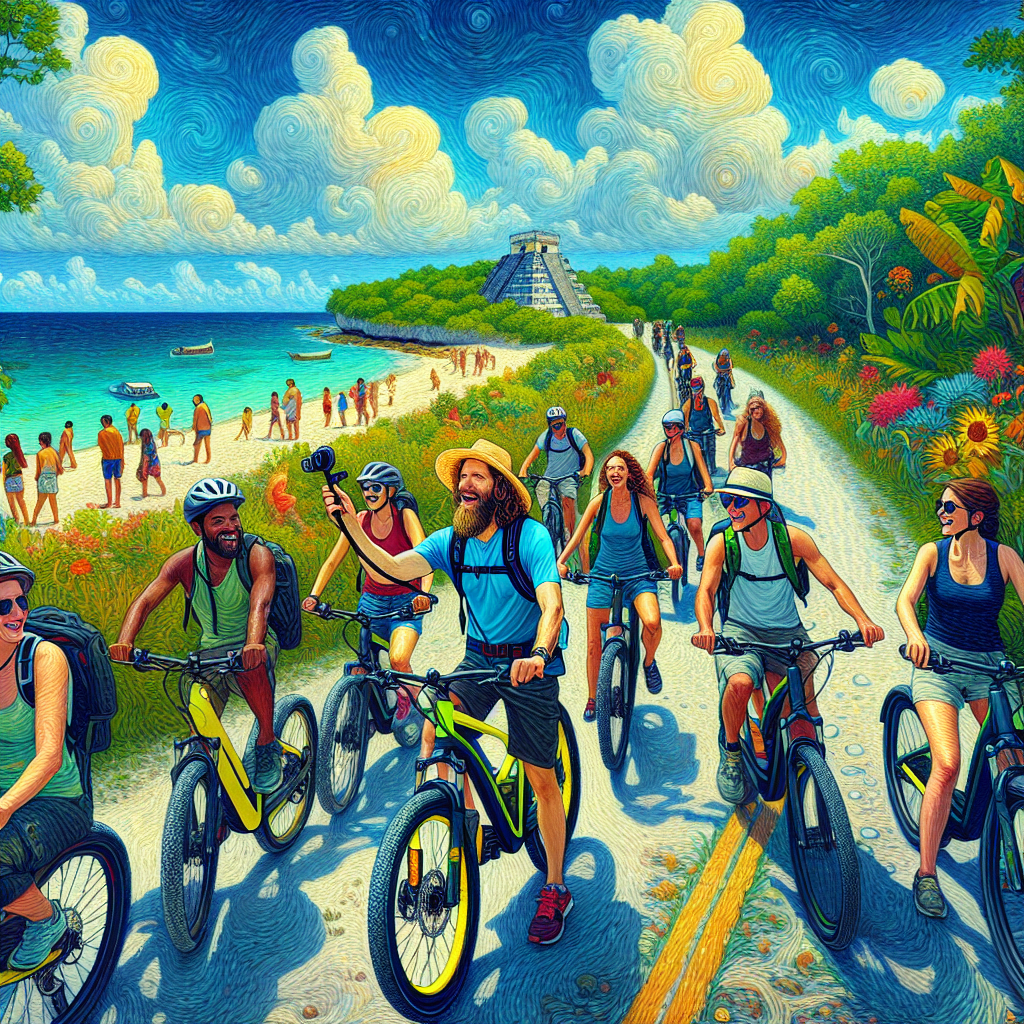
When you think about the Golden Age of piracy, images of treasure maps, swashbuckling battles, and pirate ships navigating the azure waters of the Caribbean probably dance in your mind. But have you ever stopped to wonder how those legendary marauders impacted the cultures they encountered, particularly the ancient Mayan civilization on the island of Cozumel? For many, the harshness of history can feel overwhelming—like fitting a jigsaw puzzle together with half the pieces missing. Yet, this very uncertainty in understanding can lead us down a path of discovery.
Cozumel, with its lush scenery and rich cultural tapestry, was not just a picturesque island but a significant Mayan trading hub long before the pirates appeared on the scene. The Mayans possessed their own myths, their own gods, and their own means of thriving in an often challenging world. But as the pirates descended upon the Caribbean, that flourishing way of life faced a new and daunting threat.
Imagine the dread that swept through the Mayan population when whispers of hostile ships reached their ears—ships that were not just after gold and silver, but also the very essence of their culture and commerce. The encounters between pirates and the Mayans were not just skirmishes over riches; they represented a clash of worlds. For those Mayans, the stakes were higher than treasure; it was about survival and preserving their legacy.
It’s easy to overlook the intimate human experience wrapped around these historical events—the fears of losing one’s home, the uncertainty of tomorrow, and the struggle to hold on to identity when storms of change loom large. Can you feel that tension? That unyielding spirit? It speaks to the resilience we all carry within us, regardless of the era we find ourselves in.
In understanding the impact of piracy on Cozumel, we not only delve deep into the fabric of Mayan history but also echo our own challenges today. After all, it’s the stories of adaptation, courage, and survival that bind us, transcending time and geography.
So, as we piece together this mosaic of history—a narrative filled with hope amid adversity—let it inspire us to learn from the past. Each twist and turn reminds us that resilience is universal, an enduring lesson that continues to resonate through the ages. Embrace your curiosity about these historical reverberations; they remind us of our shared human experience, urging us to reflect on how we navigate our own challenges.
Did Pirates Impact Cozumel Mayan History?
Did Pirates Impact Cozumel Mayan History?
- The Golden Age of piracy conjures images of treasure maps, battles, and Caribbean piracy.
- Cozumel was a significant Mayan trading hub before pirates arrived, rich in culture and mythology.
- The arrival of pirates posed a threat to Mayan culture, commerce, and survival.
- Encounters between pirates and Mayans represented a clash of worlds, emphasizing stakes higher than just treasure.
- The human experience of fear, uncertainty, and identity amidst change is highlighted in these historical events.
- Understanding piracy’s impact on Cozumel connects past challenges with contemporary issues of resilience.
- This narrative encourages reflection on shared human experiences and the lessons learned from history.
Did Pirates Impact Cozumel Mayan History?
Is There a Cozumel Pirate Past?
Ah, the allure of pirates—those swashbuckling rogues of the seas, with their treasure maps and tales of adventure. It’s easy to get swept away by the romantic notion of life on the high seas, but when it comes to Cozumel, the reality is as rich and textured as the vibrant waters that surround this quaint island. So, let’s dive into the depths of its past and see if Cozumel ever danced with those notorious ne’er-do-wells.
Imagine standing on a sun-soaked beach, the sound of waves lapping against the shore as you gaze out over the shimmering Caribbean. The picturesque view may evoke peaceful days spent lounging under the sun, but close your eyes for a moment and you might just hear the echoes of cannon fire and the raucous laughter of old sailors. It’s easy to picture this island being a playground for pirates—after all, its strategic location along trade routes made it ripe for plunder.
But here’s the kicker: while there is undoubtedly a flirtation with piracy in Cozumel’s history, it didn’t quite unfold like the tales spun in Hollywood. Sure, the Caribbean was bustling with buccaneers, but Cozumel wasn’t necessarily their lair. The island was more a refueling station—a place for rum, repairs, and perhaps a rousing card game—than a full-fledged pirate hideout. Yet that doesn’t make it any less captivating!
Cozumel’s stories are steeped in the exploits of those who traversed its waters. Think about it: seasoned sailors seeking treasure and adventure, merchants navigating the same waves, hoping to avoid any opportunistic scallywags. The thrill of risk filled the air back then, just as it does now, when adventurers set sail to explore the island’s coral reefs or embark on a dive into its underwater caverns.
And you know what? It really does connect us—those who venture here today and those who roamed these waters centuries ago. We all share a longing for adventure, a thirst for discovery, and perhaps, an inkling of mischief. So, the next time you stroll along Cozumel’s shores, remember that history isn’t just written in books; it’s also crafted in the shared dreams of all who visit.
Whether you seek out tales of pirates or simply the serenity of the sea, Cozumel invites you to be part of its ongoing story—a story that continues to inspire connections across time. Who knows? Your next adventure might just be the beginning of a new chapter, one that’s all your own.

Is There a Cozumel Pirate Past?
Is There a Cozumel Pirate Past?
- Cozumel’s history is influenced by the romantic allure of pirates and tales of adventure.
- The island’s strategic location along trade routes made it a potential pirate target, but it served mainly as a refueling station.
- Cozumel was a place for rum, repairs, and socializing rather than a direct pirate hideout.
- Adventure and risk were prevalent, attracting sailors and merchants navigating its bustling waters.
- Today’s visitors share a connection with those who traversed these waters centuries ago in search of adventure.
- Cozumel invites exploration, offering both tales of piracy and serene experiences by the sea.
- Visitors are encouraged to become part of Cozumel’s ongoing story, potentially starting their own adventure.

Is There a Cozumel Pirate Past?
Conclusion
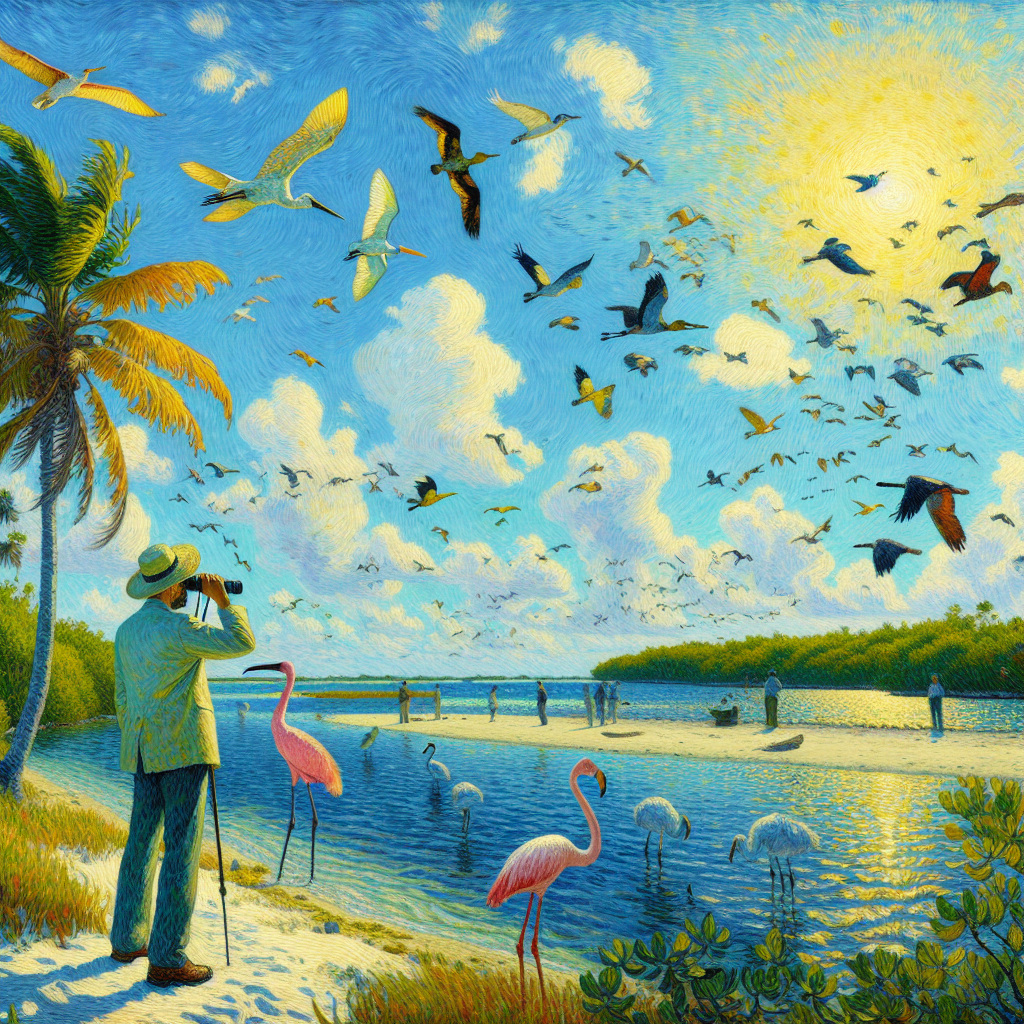
When you think about Cozumel, it’s easy to get lost in the postcard-perfect imagery of sun-kissed beaches and turquoise waters. But just beneath that glossy surface lies a rich tapestry of history, woven with the threads of the ancient Maya civilization. Walking through Cozumel isn’t just a leisurely beach stroll; it’s an invitation to step back in time, to walk the same paths that the Mayans used centuries ago. You’re not just a tourist here; you’re a fellow traveler in a long story that speaks to resilience, community, and the human spirit.
The Mayans were not only remarkable builders and astronomers but were also a vibrant culture facing trials and tribulations that challenge our own modern lives. They created a thriving trading hub on Cozumel, where ideas took root just as surely as the lush vegetation surrounding you. Think about your own challenges—those moments when it felt like the weight of the world was against you. The Mayans understood this struggle deeply and adapted to an ever-changing environment, a lesson we can all carry forward.
But as history unfolded, the story of Cozumel became an intricate dance of cultures, particularly with the arrival of the Spanish in the 16th century. Their arrival marked a turning point for the Mayans, bringing with it a bittersweet cocktail of opportunity and upheaval. It’s a sobering reminder that history is riddled with obstacles, transformations, and the spirit of resilience that shines through, even in dark times.
As time marched on, the island saw a blend of cultures—the Mestizos, embodying both Indigenous and European heritage, became storytellers, bridging the gap between the past and the present. Their contributions to Cozumel are a reminder that identity is a living, breathing thing—one that grows and morphs through shared struggles.
So, as you prepare to dip your toes into the inviting waters of Cozumel, pause and acknowledge the whispers of history calling out from the depths. Reflect on the legacy of the Mayans, the struggles they faced and overcame, and the beautiful intersection of cultures that has forged this extraordinary place. Each step you take on this island can lead not just to the beauty of its beaches, but also to the beauty of understanding your own journey in the grander tapestry of life. Remember, exploring Cozumel is more than just indulging in its paradise; it’s about engaging with the lessons left behind by those who came before you. It’s a chance to uncover a little piece of yourself along the way. Happy exploring!
Conclusion
Conclusion:
- Cozumel is known for its beautiful beaches and turquoise waters, but also has a rich history linked to the ancient Maya civilization.
- Walking through Cozumel allows visitors to connect with the paths once traveled by the Mayans, experiencing a journey through time.
- The Mayan civilization was renowned for its exceptional building and astronomical skills, while also facing significant challenges.
- Cozumel was a thriving trading hub for the Mayans, symbolizing resilience and the capacity to adapt to changes.
- The arrival of the Spanish in the 16th century brought both opportunities and challenges, marking a significant shift in Cozumel’s history.
- Mestizos emerged as cultural storytellers, combining Indigenous and European heritage to convey the evolving identity of Cozumel.
- Exploring Cozumel encourages reflection on its historical journey, promoting a deeper understanding of one’s own life narrative.

Conclusion
Other Resources

Other Resources
Most of the people who read this are also figuring out where to stay. A couple of places we run or know well, in case it’s useful: Cozumel Journey is an editorial guide to Cozumel — neighborhoods, planning tips, and life on the island for travelers who want context, not a cruise schedule.
Here is a list of other resources you can review online to learn more:
- La Cocina De Silvia
- Cozumel Medical Center
- Studio Blue Cozumel
- Yucatek Divers
- Fiesta Americana Cozumel
- Blue Magic Scuba
- Chankanaab National Park
- Casa Denis
- Palancar Beach
- Chardonnay Italian Mexican Food Restaurant Cozumel
- cozumeljourney.com
Use This Prompt To Get More Resources With Your Favorite Online AI Tool: Please provide me with a list of online articles with their URLs in a bulleted list that I can read regarding Uncovering the Secrets Of Cozumel’s Mayan History

Other Resources
Glossary Terms
Uncovering the Secrets Of Cozumel’s Mayan History – Glossary Of Terms
1. Cozumel: A picturesque island in the Caribbean Sea off the eastern coast of Mexico, known for its rich Mayan heritage and archaeological sites.
2. Maya: An ancient Mesoamerican civilization that thrived in present-day Mexico, Belize, Guatemala, and Honduras, known for its advanced knowledge in architecture, mathematics, and astronomy.
3. Archaeology: The scientific study of human history and prehistory through excavation and analysis of artifacts, structures, and other physical remains.
4. Artifact: An object made or used by humans, typically an item of cultural or historical interest uncovered during archaeological excavations.
5. Pyramids: Monumental structures built by the Maya, often serving as temples or ceremonial sites, characterized by a stepped design.
6. Tzolk’in: The 260-day ceremonial calendar used by the Maya, featuring 20 periods of 13 days, which was significant in religious and agricultural practices.
7. Long Count: A Maya calendar system that tracks longer periods of time, often used to date historical or mythological events.
8. Stelae: Carved stone slabs or pillars that were erected by the Maya to commemorate important historical events or rulers, often inscribed with glyphs.
9. Glyphs: The written characters or symbols used in Maya script, which can represent sounds, syllables, or whole words.
10. Ball Court: A specific game arena used by the Maya for a ceremonial ball game, often featuring distinct features such as sloped sides and markers.
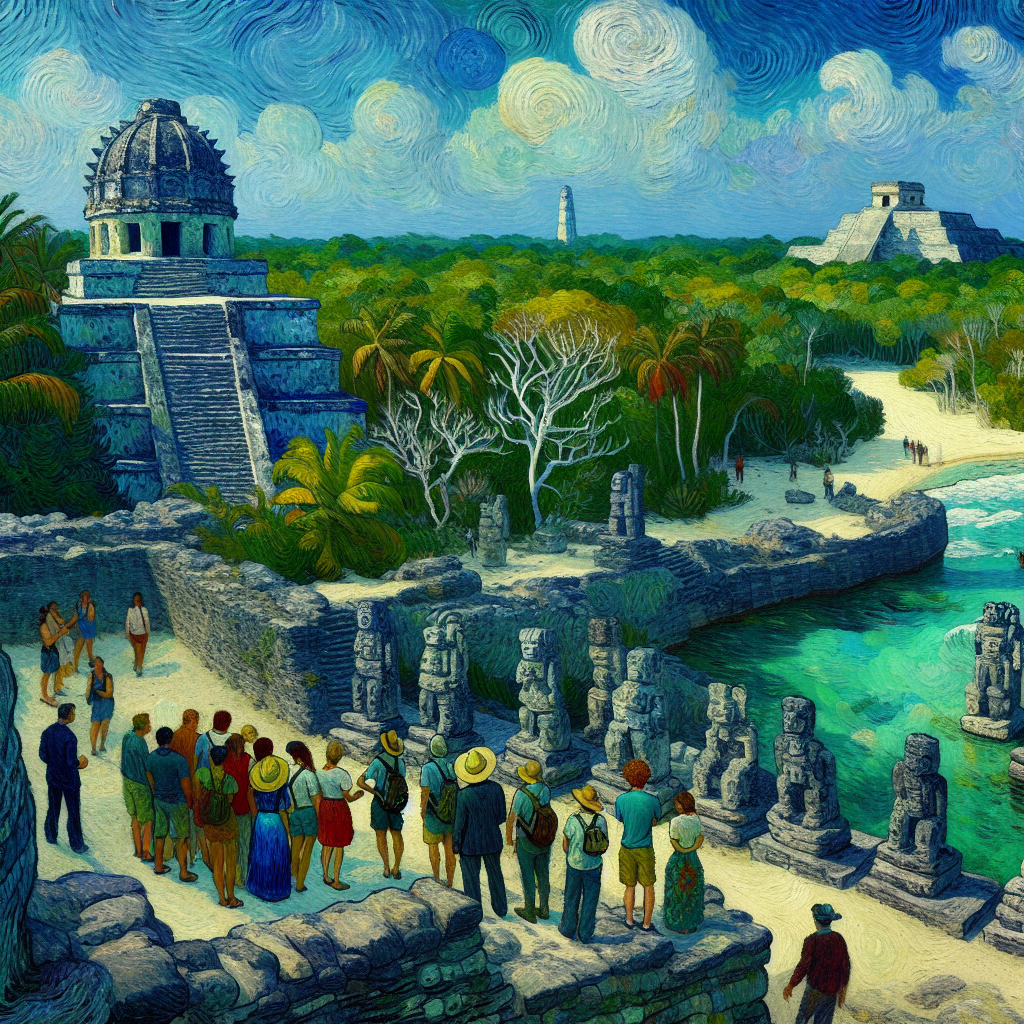
11. Chichen Itza: An ancient Mayan city located on the Yucatán Peninsula that was a major political and economic center, famous for its well-preserved temples and pyramids.
12. Xcaret: An eco-archaeological park near Playa del Carmen that showcases Mayan culture, biodiversity, and archaeological remains.
13. Cenote: A natural sinkhole filled with water that was significant to the ancient Maya for ritual purposes and as a water source.
14. Hieroglyphics: Writing characterized by pictorial symbols, used by the Maya and other ancient civilizations to convey language and meaning.
15. Mesoamerica: A historical region that includes parts of Mexico and Central America, recognized as the cradle of several ancient civilizations including the Maya.
16. El Castillo: The Pyramid of Kukulcán in Chichen Itza, famed for its astronomical significance and architectural precision.
17. Itzamná: A major deity in Maya mythology, often associated with creation, wisdom, and the sky.
18. Underworld: In Maya cosmology, Xibalba is the land of the dead, a significant concept influenced by their religious beliefs.
19. Sacred Round: A combination of the Tzolk’in and the Haab’ calendars, central to the Maya understanding of time and ritual.
20. Tulum: A coastal Mayan archaeological site known for its well-preserved ruins and dramatic cliff-top views over the Caribbean.
21. Chak: The Maya god of rain and storms, essential for agriculture and worshipped for his control over the weather.
22. Mayan Civilization: Refers to the diverse cultures and societies that flourished in the region, marked by complex social, political, and economic structures.
23. Excavation: The process of systematically uncovering archaeological sites to retrieve artifacts and gather information about ancient cultures.
24. Heritage: The legacy of physical artifacts, traditions, and cultural practices inherited from past generations, particularly regarding the Maya.
25. Cultural Exchange: Interactions between different cultures that can lead to the sharing of ideas, practices, and technologies; significant in the development of the Maya.
26. Kukulkan: A feathered serpent deity worshipped by the Maya, symbolizing both the earth and sky and associated with creation and rebirth.
27. Ceremonial Center: A focal point within Mayan cities where rituals, ceremonies, and important social events were held, often hosting pyramids and plazas.
28. Akk’ala: A term referring to the special religious significance of specific trees or plants in Maya culture, often used in rituals.
29. Tikal: One of the largest and most significant archaeological sites of the ancient Maya civilization, renowned for its towering temples and vibrant history.
30. Cultural Resilience: The ability of the Maya people to adapt and maintain their traditions and identity despite historical challenges and changes over time.
Glossary Of Terms
Other Questions
Uncovering the Secrets Of Cozumel’s Mayan History – Other Questions
If you wish to explore and discover more, consider looking for answers to these questions:
- What are the most significant Mayan ruins to visit in Cozumel?
- How can I experience Mayan culture while in Cozumel?
- What archaeological research has been done on Cozumel’s Mayan history?
- What are some traditional Mayan practices that still exist today in Cozumel?
- How did the environment of Cozumel influence the Mayan civilization?
- What were the key contributions of the Mayans to modern society?
- How can visitors respectfully engage with local Mayan communities?
- What is the current state of Mayan culture in Cozumel?
- Are there any festivals in Cozumel that celebrate Mayan history?
- What role did agriculture play in the sustainability of the Mayan civilization in Cozumel?
- What is the historical significance of Cozumel as a trading hub in the Mayan Empire?
- How did the Mayan civilization adapt to changes brought by the Spanish colonization?
- What are the most common misconceptions about the Mayans?
- How did piracy specifically affect trade in Cozumel?
- Are there educational resources or tours available for those interested in Mayan history?

Other Questions
Haiku
Uncovering the Secrets Of Cozumel’s Mayan History – A Haiku
Ancient ruins whisper,
Cozumel’s vibrant saga—
Maya’s spirit thrives.

Haiku
Poem
Uncovering the Secrets Of Cozumel’s Mayan History – A Poem
In azure seas where whispers dwell,
Beneath the sunlit, coral shell,
Cozumel wakes, a vibrant shore,
With tales of Maya, lost in lore.
Upon this land, their spirit soared,
As traders, dreamers, they explored,
A hub of life, where cultures met,
In every stone, their stories set.
Yet storms did brew on history’s page,
With tides of change in every age,
The Spaniards came with crowns and swords,
Unveiling truths, shattering worlds.
Pirates roamed, while hope did fade,
Yet resilience in hearts was laid,
The ancients adapted, endured,
As nature’s will their lives obscured.
Mestizos emerged, a bridge so strong,
Infusing past with a future song,
Through markets bustling, crafts alive,
In every heartbeat, prayers survive.
Now walk where ancients walked before,
Feel roots entwined in Cozumel’s core,
Let whispers of the past be heard,
In every wave, each gentle bird.
For in this dance of ebb and flow,
We find ourselves in tales of woe,
And as we tread on sacred ground,
In echoes, our own truths are found.
So pause and ponder, breathe the air,
Embrace the journey, shed your care,
Cozumel’s secrets beckon, gleam,
A tapestry of life, a living dream.
Poem
Checklist
Uncovering the Secrets Of Cozumel’s Mayan History – A Checklist
Before You Go:
1. Research: Familiarize yourself with basic Mayan history and the key archaeological sites in Cozumel.
2. Packing: Bring comfortable walking shoes, a reusable water bottle, sunscreen, and a camera.
3. Plan Your Itinerary: Identify the top Mayan sites you want to visit, such as San Gervasio and El Cedral.
4. Cultural Sensitivity: Learn a few phrases in Spanish and understand the significance of the sites within the Mayan culture.
During Your Visit:
1. Visit Major Archaeological Sites:
_____ San Gervasio: Explore the remains of the largest Mayan ruin on the island.
_____ El Cedral: Experience the historical significance and cultural events.
2. Engage with Local Guides: Hire knowledgeable guides who can share insights and stories about Mayan life and history.
3. Observe Nature: Pay attention to the natural surroundings, as many Mayan ceremonies were intertwined with the environment.
4. Participate in Cultural Activities:
_____ Attend traditional festivals or events if available.
_____ Sample local cuisine, understanding its historical roots connected to the Maya.
Historical Context:
1. Learn about Mayan Adaptability:
_____ Reflect on how environmental challenges shaped their civilization.
_____ Consider how Mayan innovations in agriculture, astronomy, and architecture influence us today.
2. Understand the Impact of Colonization:
_____ Explore the effects of Spanish arrival and the Mestizo culture that emerged.
_____ Acknowledge the resilience of the contemporary Mayan communities.
3. Explore the Role of Pirates:
_____ Investigate pirate lore and its impact on local commerce and culture.
_____ Consider how these events shaped modern Cozumel.
Reflection:
1. Personal Connection: Reflect on what you have learned and how it relates to your own experiences of resilience and adaptability.
2. Share Your Insights: Consider documenting your thoughts and findings and sharing them with others interested in Mayan culture and history.
After Your Trip:
1. Continue Learning: Read books or watch documentaries about the ancient Maya and their civilization.
2. Support the Local Community: Consider ways to support local artisans or cultural preservation efforts.
Whether you’re wandering through ancient ruins or simply enjoying the beach, use this checklist to deepen your understanding and appreciation of Cozumel’s rich Mayan heritage!

Checklist
At TopCozumelNews, we help travelers enjoy Cozumel by collating information learned from frequently traveling to beautiful Cozumel.
Be sure to read our other related stories at TopCozumelNews to learn more about the Island of Cozumel.