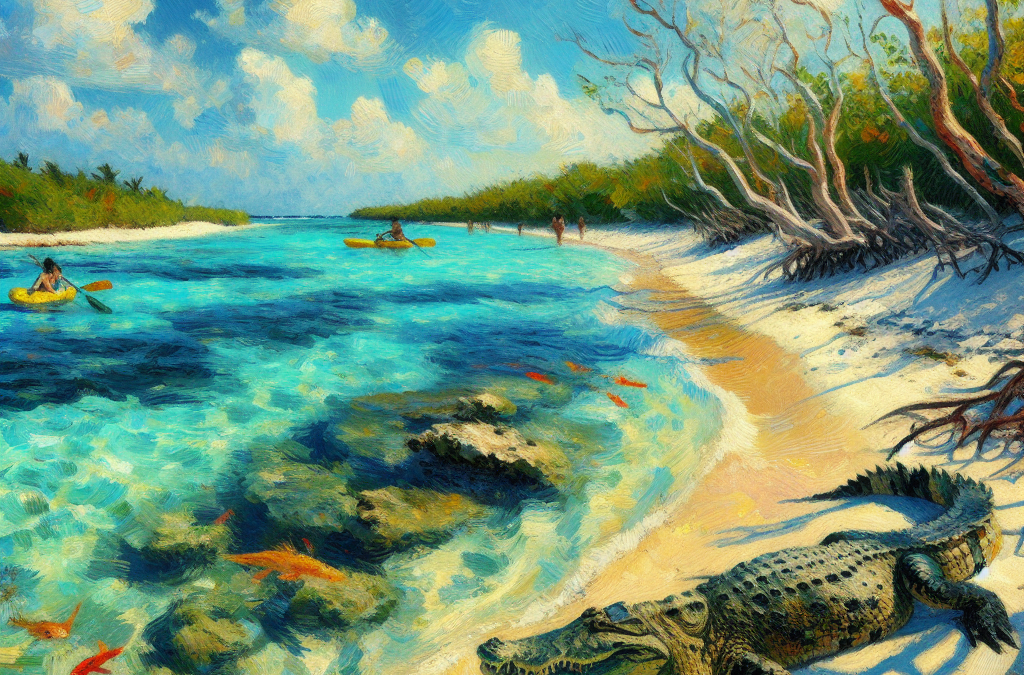
Navigating The Myth: Cozumel’s Ocean Crocodiles
By Tom Seest
At TopCozumelNews, we help travelers enjoy Cozumel by collating information learned from frequently traveling to beautiful Cozumel.
Be sure to read our other related stories at TopCozumelNews to learn more about the Island of Cozumel.
Are There Crocodiles In The Ocean In Cozumel?
When you think of the ocean in Cozumel, you likely picture crystal-clear waters, vibrant coral reefs, and tropical fish darting among the waves. But lurking beneath the surface, there’s another creature you might not expect—a crocodile. While these powerful reptiles may not be swimming alongside the vibrant parrotfish, it’s worth noting their presence in the waters surrounding this beautiful island.
Cozumel, situated off the coast of Mexico’s Yucatan Peninsula, is world-renowned for snorkeling and diving, but it’s also home to the American crocodile (Crocodylus acutus). These reptiles are typically found in brackish waters, such as lagoons, mangroves, and estuaries, and occasionally venture into the open sea. While you’re likely to encounter them more in inland areas like the lagoons of the island, it’s not impossible to spot one gliding along the shoreline, particularly in spots less frequented by tourists.
Now, let’s separate fact from fear. American crocodiles are not as aggressive as their reputation might suggest. In fact, they’re far more reserved creatures, usually preferring to avoid humans. Most sightings occur early in the morning or at dusk when these reptiles are more active. With an impressive adaptability, they thrive in a range of environments, but they tend to steer clear of busy beaches or crowded snorkeling spots. So, while there may be crocodiles lurking in the waters, they aren’t exactly waiting to ambush your sun-soaked beach day.
That being said, it’s important to respect their space and keep an eye out for any guidelines posted by local authorities. If you happen to catch a glimpse of one, take a moment to admire its prehistoric elegance from a safe distance. These creatures play a vital role in the local ecosystem, acting as top predators that help maintain the balance necessary for healthy marine habitats.
In summary, yes, there are crocodiles in the ocean around Cozumel—but the likelihood of an encounter while you’re diving or snorkeling is slim. So dive in, snorkel through those vibrant reefs, and enjoy the breathtaking beauty of Cozumel’s waters, knowing that a true predator is out there, doing its own thing. Just remember: respect the crocodile, and it’ll likely do the same for you. Happy exploring!
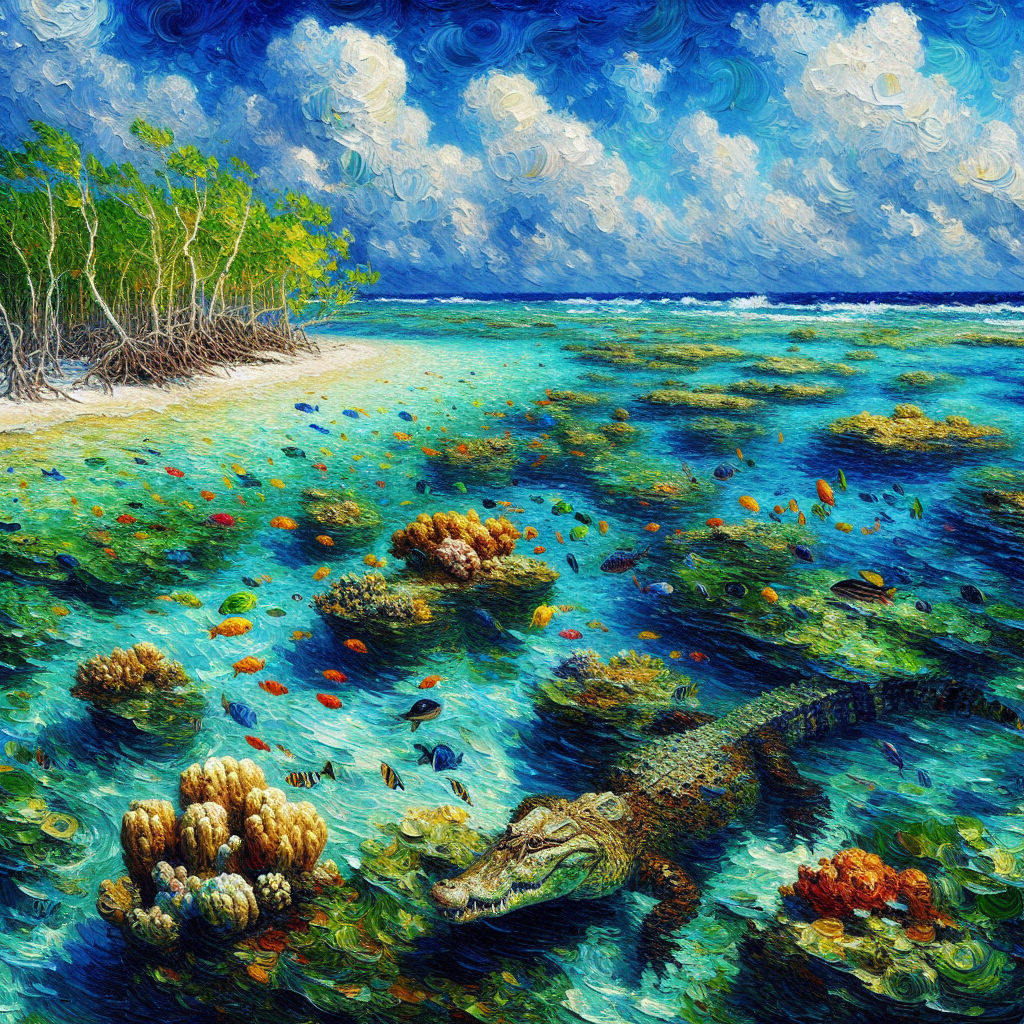
Are There Crocodiles In The Ocean In Cozumel?
Are There Crocodiles In The Ocean In Cozumel?
- Cozumel is known for its clear waters, coral reefs, and diverse marine life.
- The American crocodile (Crocodylus acutus) inhabits the waters around Cozumel.
- Crocodiles prefer brackish waters like lagoons and mangroves but can occasionally be seen in open sea.
- These reptiles are generally not aggressive and tend to avoid human interaction.
- Most crocodile sightings happen early in the morning or at dusk.
- Respect local guidelines if you spot a crocodile, as they are important to the ecosystem.
- While crocodiles live in Cozumel’s waters, the chance of encountering one while snorkeling is low.
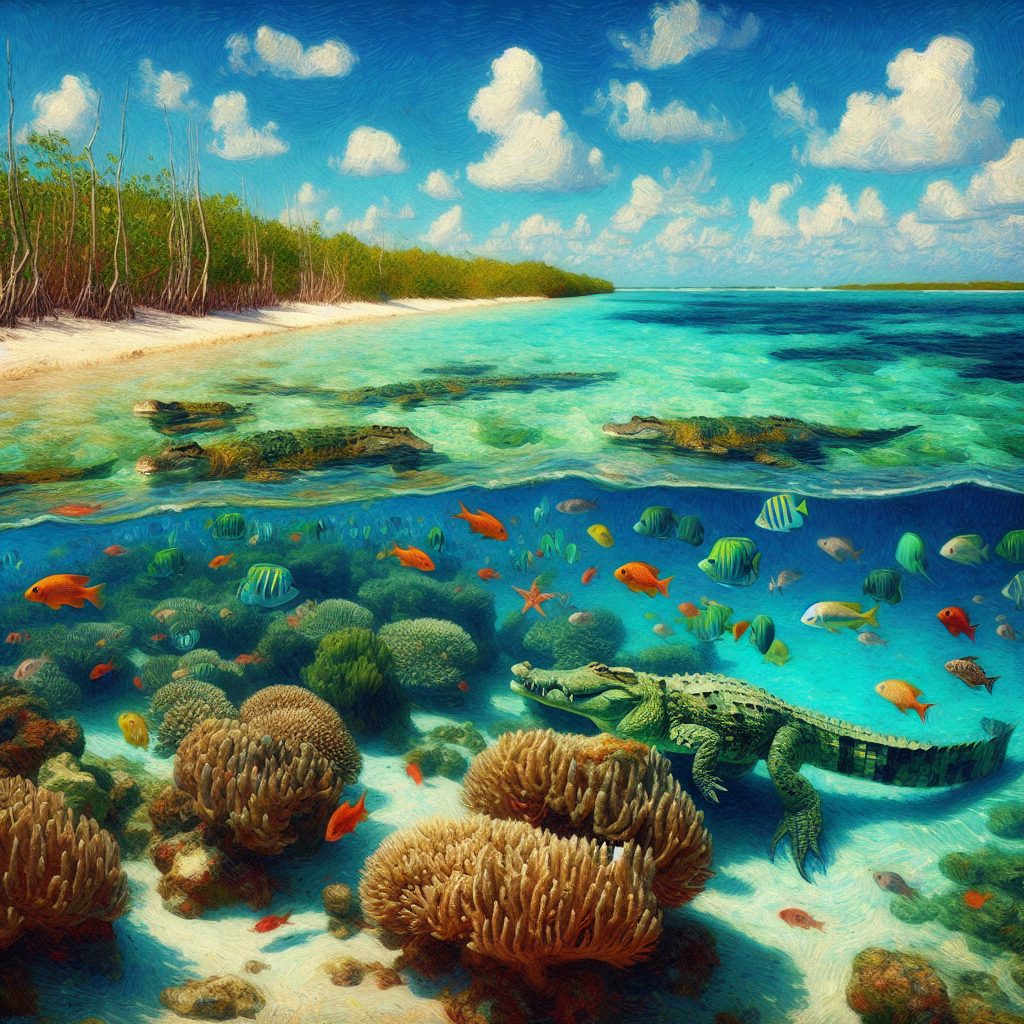
Are There Crocodiles In The Ocean In Cozumel?
Table Of Contents
- Are There Crocodiles In The Ocean In Cozumel?
- How to See Crocodiles Safely In Cozumel?
- What Types Of Crocodiles Are In Cozumel?
- Where To Find Crocodiles In Cozumel?
- Are Crocodiles Dangerous To Humans In Cozumel?
- How Do Crocodiles Survive In Saltwater Environments Like Cozumel?
- What Habitats Do Crocodiles Prefer on Cozumel?
- Conclusion
- Other Resources
- Glossary Of Terms
- Other Questions
- Haiku
- Poem
- Checklist
How to See Crocodiles Safely In Cozumel?
Cozumel, with its sun-soaked beaches and vibrant marine life, is a paradise where the wild meets the beautiful. But tucked away from the tourist trails is a creature that undoubtedly raises the hairs on the back of your neck: the crocodile. These ancient reptiles are as fascinating as they are formidable. If you’re keen on catching a glimpse of them, you’ll want to do it safely, with both your wellbeing and theirs in mind.
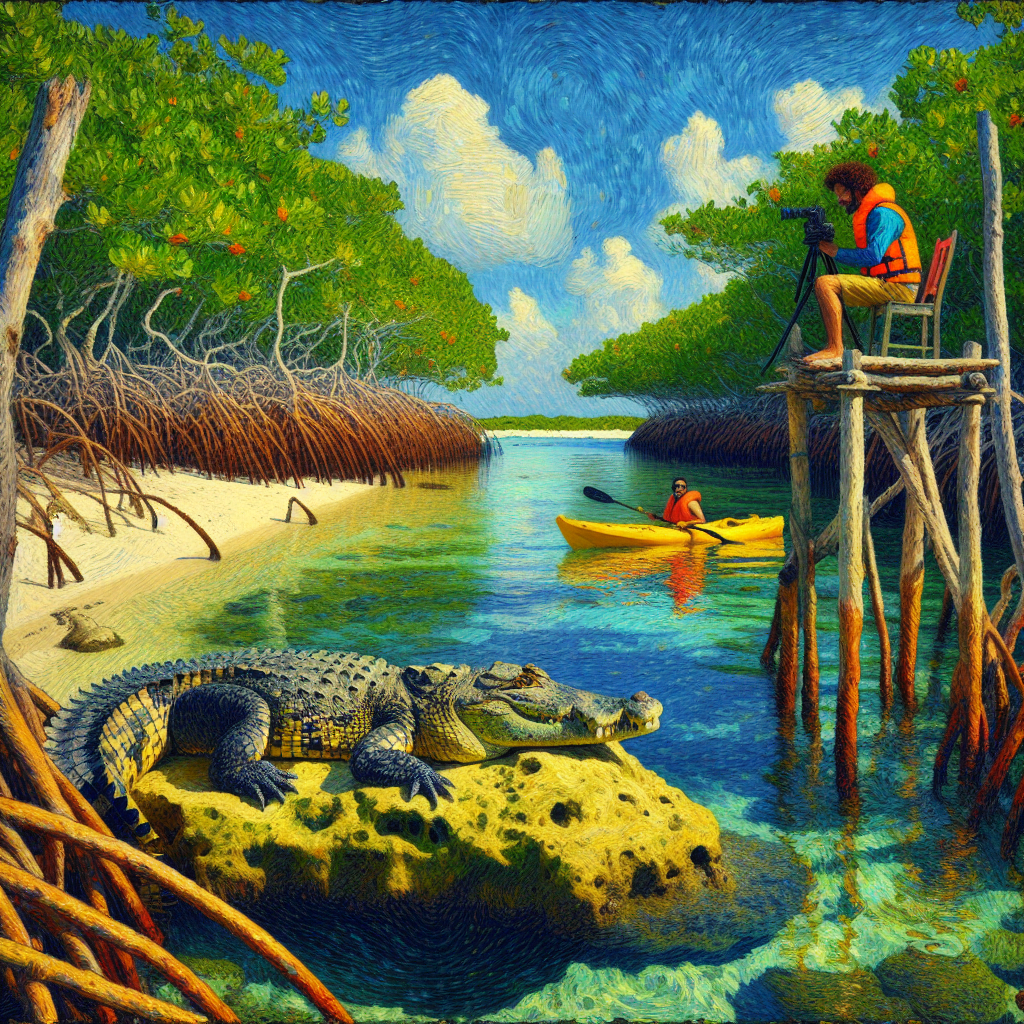
First things first, forget about trying to pet one. You wouldn’t hug a lion, so why would you think it’s a good idea to get up close and personal with a croc? Treat these creatures with respect. Understanding their habitat is key. The best spots to observe crocodiles in Cozumel are usually mangroves and lagoons, where they bask in the sun or float stealthily through the water.
The most popular viewing locations include the Parque Nacional Arrecifes de Cozumel and the mangroves near the San Gervasio ruins. Armed with binoculars and a camera, find a safe viewpoint—preferably from a distance. It might feel a bit like peeping through the bushes, but trust me, that’s the healthiest way to get your crocodile fix. Local tour guides can help navigate these areas while keeping you at a safe distance from any snapping jaws.
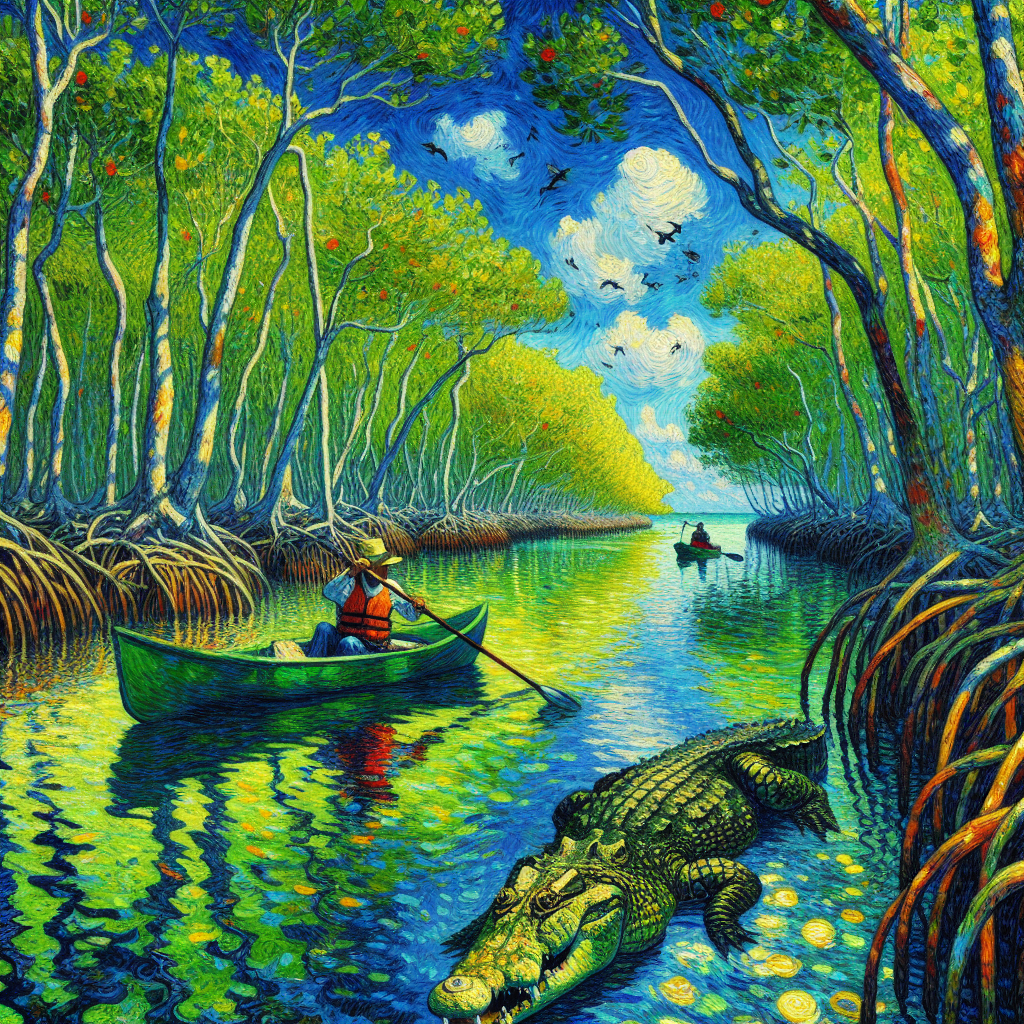
If you’re adventurous and want to do some kayaking in the mangroves, choose a guided tour run by professionals who know the area and, importantly, the crocodiles’ behavior. These guides have an intimate understanding of the landscape and can position you securely while ensuring you don’t intrude on the croc’s territory. Always wear a life jacket, keep kayak noise to a minimum, and steer clear of their sunbathing spots. Think of it like hiking—you wouldn’t stomp through bear country, right?
Timing is also crucial. Early morning or late afternoon is when crocodiles are most active and visible. They tend to bask in the midday sun, and lurking near the water’s edge can offer the perfect vantage point.
In short, seeing crocodiles in Cozumel is all about respect, distance, and a little bit of luck. Keep safety at the forefront and embrace the beauty of these majestic creatures from afar. After all, there’s nothing quite like watching a crocodile glide through the water—just remember, it’s a show worth watching, not an act to join.
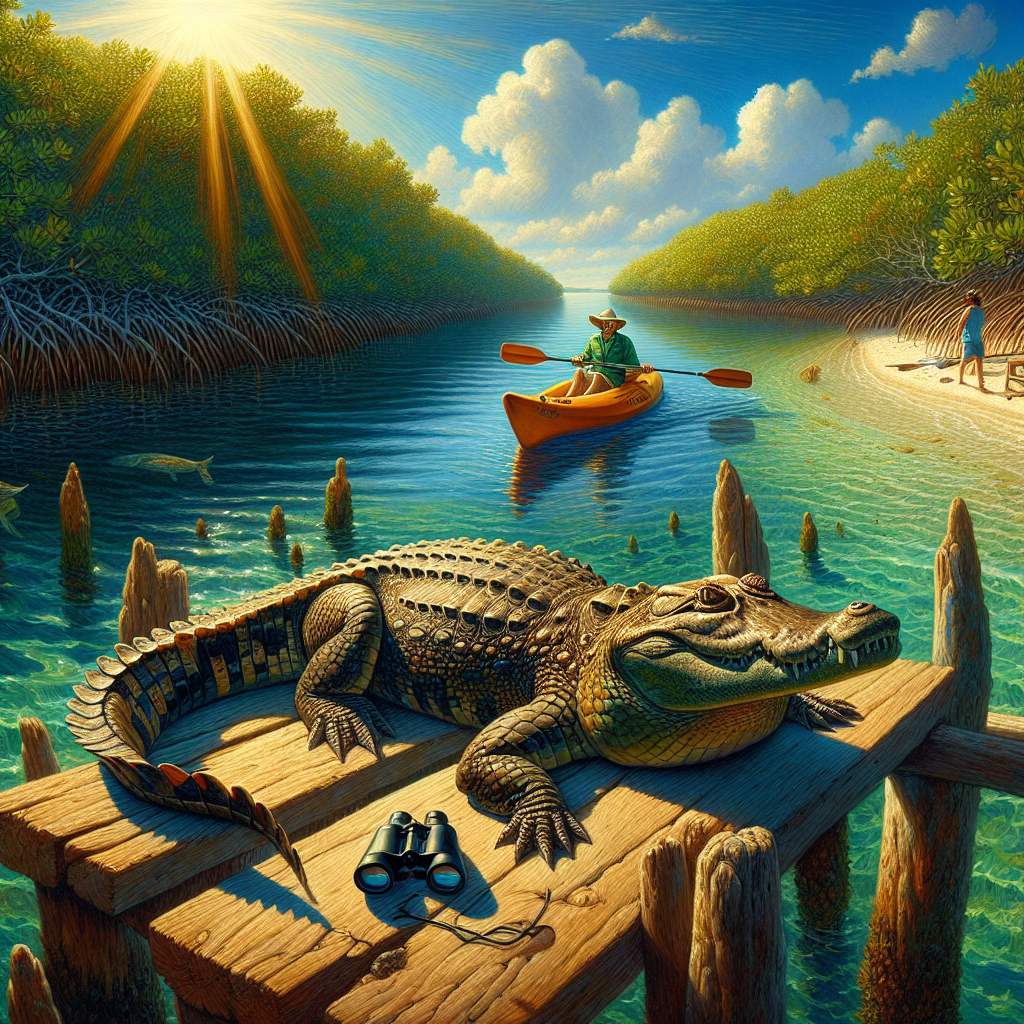
How to See Crocodiles Safely In Cozumel?
How to See Crocodiles Safely In Cozumel?
- Cozumel offers unique opportunities to see crocodiles in their natural habitat.
- Ignore the urge to get close; respect crocodiles like you would other wild animals.
- Best viewing spots include mangroves and lagoons, especially Parque Nacional Arrecifes de Cozumel and near San Gervasio ruins.
- Use binoculars and cameras from a safe distance to observe crocodiles.
- If kayaking, choose guided tours with professionals familiar with local crocodile behavior and safety measures.
- Early morning or late afternoon are ideal times to see crocodiles when they are most active.
- Always prioritize safety and enjoy watching these majestic creatures from afar.
How to See Crocodiles Safely In Cozumel?
What Types Of Crocodiles Are In Cozumel?
When you think of Cozumel, pristine beaches and vibrant coral reefs might come to mind. But lurking just beneath the surface—or sometimes basking in the sun—is a creature that has been around since the dinosaurs: the crocodile. In the waters surrounding this beautiful island, the most commonly encountered species is the American Crocodile (Crocodylus acutus). But don’t be fooled; this isn’t your average alligator you might see in a swampy bayou. This reptilian heavyweight is well-adapted to both freshwater and saltwater habitats, giving it the versatility to thrive in the diverse ecosystems of Cozumel.
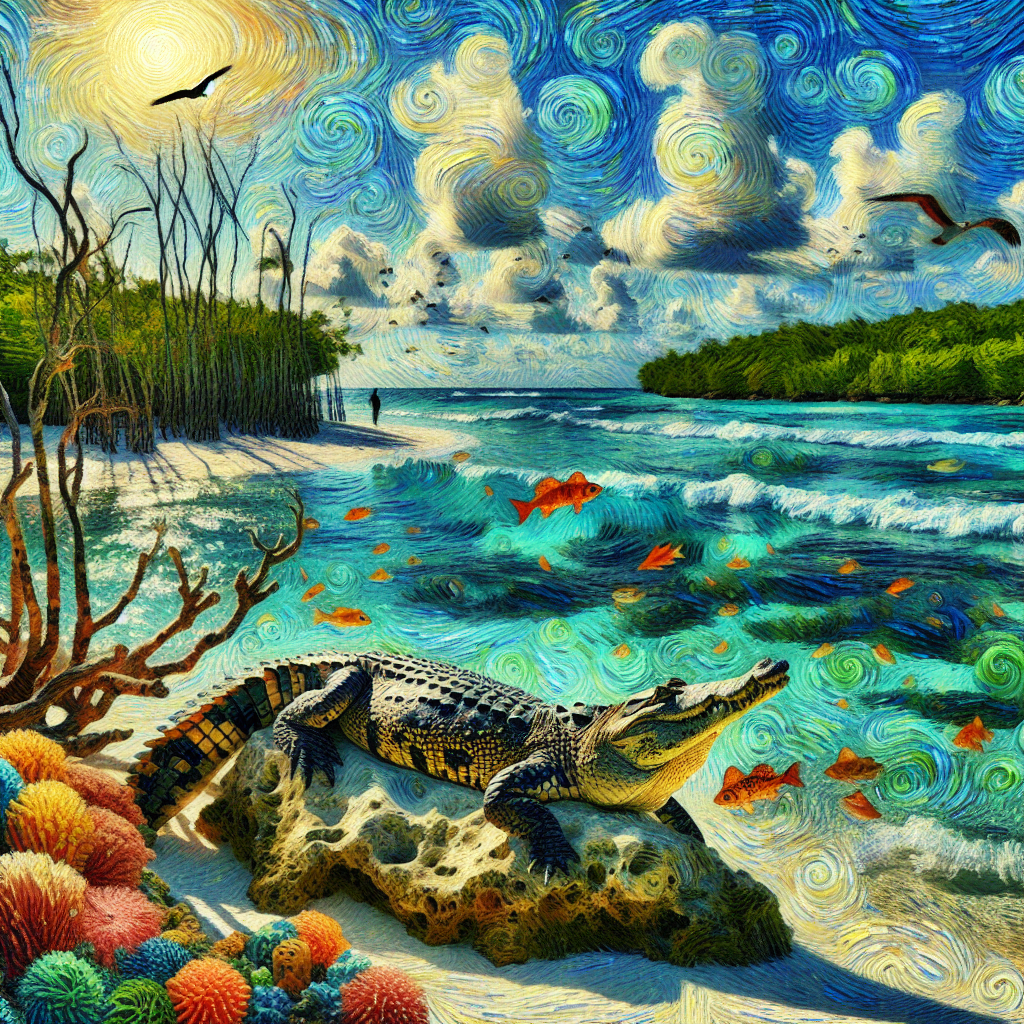
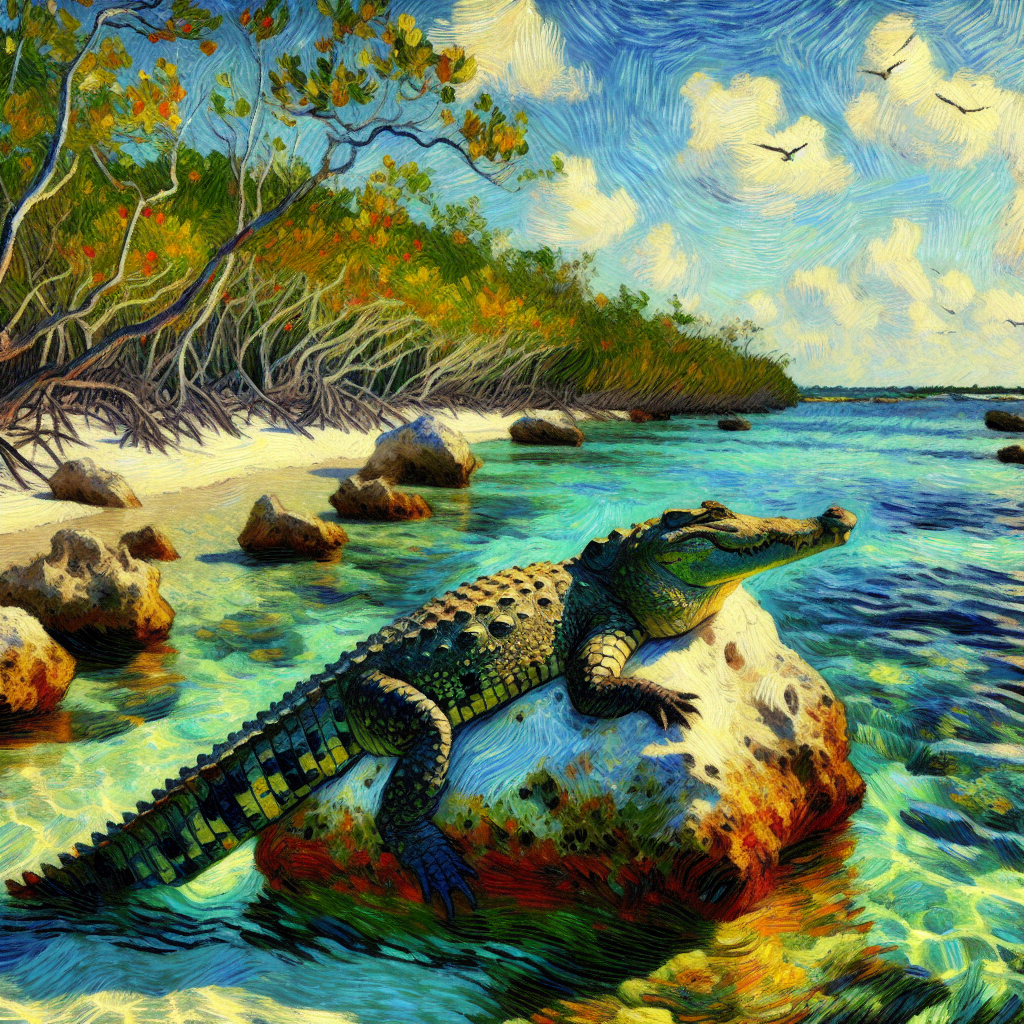
The American Crocodile is unmistakable with its long, slender snout, and when fully grown, it can reach lengths of up to 15 feet. But before your imagination runs wild picturing a monstrous beast ready to jump out of the water, let’s set the record straight—these creatures are often far more elusive than their terrestrial cousins. You can spot them sunning on rocks or drifting in the shallow waters, but they’re also notoriously shy. If you’re lucky enough to get a glimpse, observe how they glide through the water with an ease that speaks to millions of years of evolution.
Now, Cozumel is known for its vibrant marine life, and while the American Crocodile may not be the poster child of charm, it plays a crucial role in the local ecosystem. As apex predators, they help maintain the balance of fish populations and other wildlife. That said, these crocodiles can sometimes wander into areas that bring them into close contact with humans, which is where the adventure lies. Unlike alligators, they are fully capable of swimming in saltwater, making them a common sight in coastal lagoons and mangroves.
In terms of conservation, the American Crocodile is listed as “Least Concern” by the IUCN, but habitat loss and human encroachment do pose threats. So when you’re lounging on the beach or taking a dip in the water, remember to respect the territory of these ancient hunters. And if you see one, consider yourself fortunate—you’ve had a rare encounter with one of nature’s most resilient survivors. In a world where wildlife faces constant pressure, it’s a reminder that while we may share the same land and sea, the experience of the wild remains beautifully untamed.
What Types Of Crocodiles Are In Cozumel?
What Types Of Crocodiles Are In Cozumel?
- Cozumel is home to the American Crocodile (Crocodylus acutus).
- American Crocodiles thrive in both freshwater and saltwater habitats.
- These crocodiles can grow up to 15 feet in length and have a long, slender snout.
- They are often elusive, with sightings occurring while sunbathing or drifting in shallow waters.
- As apex predators, they play a vital role in maintaining local fish populations and ecosystem balance.
- The American Crocodile is listed as “Least Concern” by the IUCN, but faces threats from habitat loss and human encroachment.
- Visitors should respect the crocodile’s habitat and consider themselves fortunate to encounter these ancient creatures.
What Types Of Crocodiles Are In Cozumel?
Where To Find Crocodiles In Cozumel?
If you’re on the hunt for crocodiles in Cozumel, get ready for an adventure that goes beyond your typical sun-and-sand vacation. These magnificent reptiles are more than just the stuff of legends; they’re a living part of the island’s ecosystem. But where exactly can you spot them? Grab your gear (and maybe a good pair of binoculars), and let’s dive into the muddy waters of croc country.
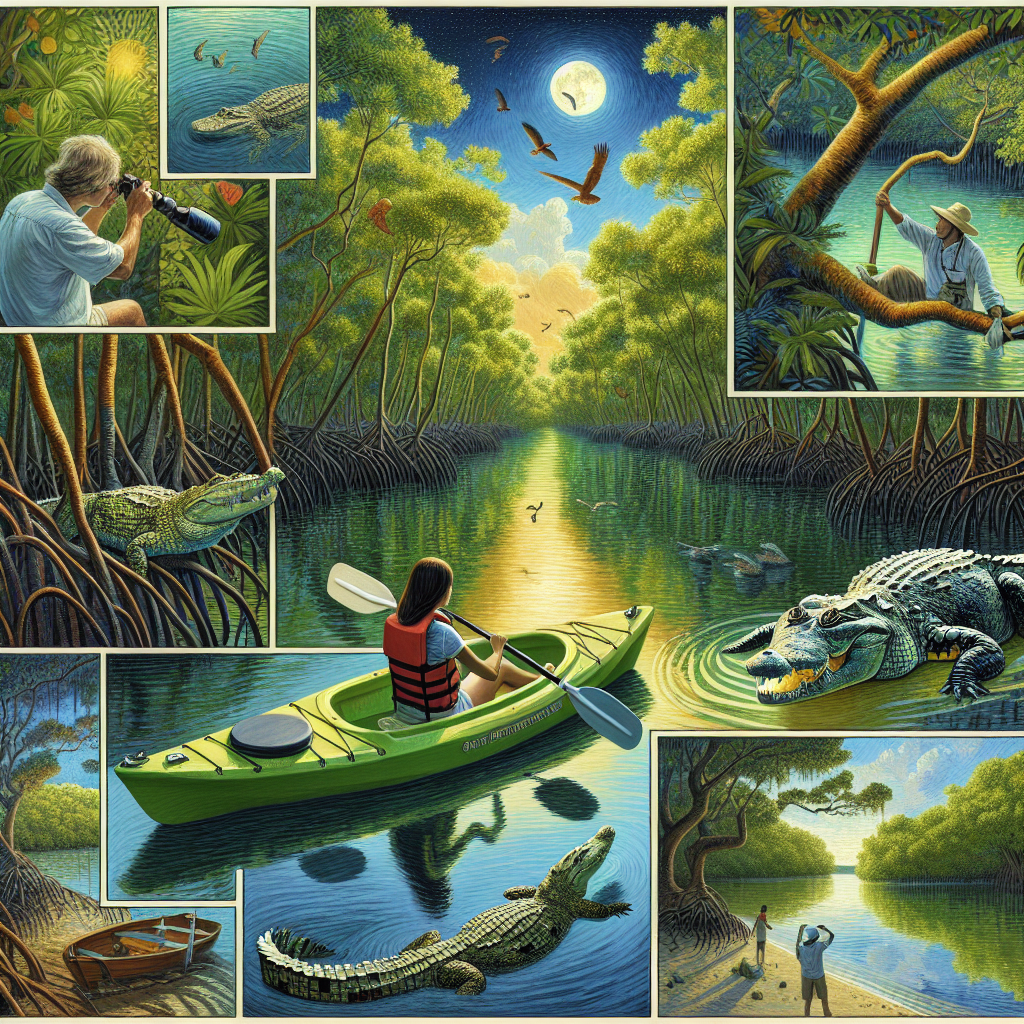
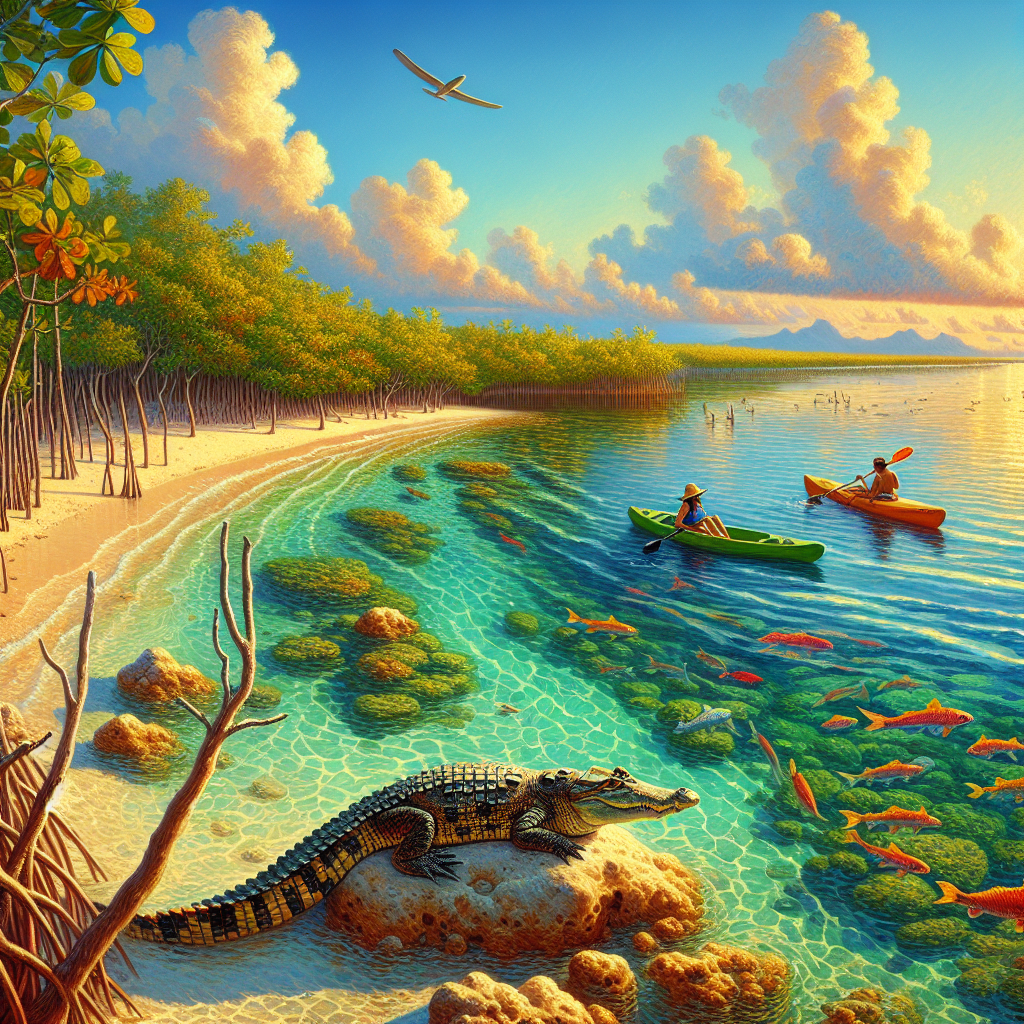
First, let’s talk about the obvious spot: the mangroves. The lush, maze-like swamps along the coastline are the prime habitat for these ancient predators. One of the best areas to explore is the mangrove forest located in the north of the island, specifically around Punta Sur Eco Beach Park. The dense vegetation offers ideal camouflage for crocodiles soaking up the sun or stealthily lurking in the water. Grab a kayak or a small boat, and paddle through these enchanting waterways. Just don’t forget to keep your eyes peeled—you might catch a glimpse of a croc lounging on a sun-soaked rock or slipping silently into the depths.
Another good find is the lesser-visited lagoons, like the one at the southern tip of the island. Here, the still waters mirror the sky, creating a serene environment that masks the thrills beneath. If you’re feeling adventurous, consider hiring a local guide who really knows the ins and outs of croc spotting and can share tales that will capture your imagination. These seasoned experts often know all the secret spots where the crocs are likely to put on a show.
Cozumel is also home to the occasional croc sighting at local beaches. While it’s not typical, remnants of their territory sometimes overlap with tourist areas, particularly near rocky outcrops where the jungle meets the shore. Just remember to maintain a respectful distance—this isn’t a petting zoo. These creatures are wild animals, and as fascinating as it is to see them, safety should always come first.
Finally, for the truly bold, consider a guided night tour—because crocs are nocturnal hunters. Some operators specialize in nighttime excursions, giving you the chance to spot these elusive reptiles under the light of the moon. The sense of mystery and thrill when exploring the water at night can deliver an experience you won’t soon forget.
So, whether you’re paddling through mangroves, exploring lagoons, or strolling along the shore, keep your senses sharp. The crocodiles of Cozumel are waiting—and they’re bound to make your trip unforgettable.
Where To Find Crocodiles In Cozumel?
Where To Find Crocodiles In Cozumel?
- Crocodiles in Cozumel are part of the island’s ecosystem and offer an adventurous experience beyond a typical vacation.
- The mangroves along the coastline serve as prime habitats for crocodiles, with Punta Sur Eco Beach Park being a notable area to explore.
- Kayaking or using small boats in mangrove forests can provide opportunities to spot crocodiles basking in the sun or in the water.
- Less-visited lagoons at the southern tip of the island offer serene environments for crocodile spotting, particularly with the help of a local guide.
- Croc sightings may also occur at local beaches, especially near rocky areas where the jungle meets the shore, but safety and respect for wildlife are crucial.
- For a unique experience, consider guided night tours to view crocs, as they are nocturnal hunters.
- Exploring mangroves, lagoons, and shores while keeping alert can lead to unforgettable encounters with Cozumel’s crocodiles.
Where To Find Crocodiles In Cozumel?
Are Crocodiles Dangerous To Humans In Cozumel?
Ah, the allure of Cozumel—an island paradise bathed in sunshine, turquoise waters, and the sweet scent of ocean air. It’s enough to make anyone forget about the lurking predators that call these waters home. Chief among them? The crocodile, a creature that’s been around for millions of years, perfecting the art of survival—and yes, perfecting it right under our noses.
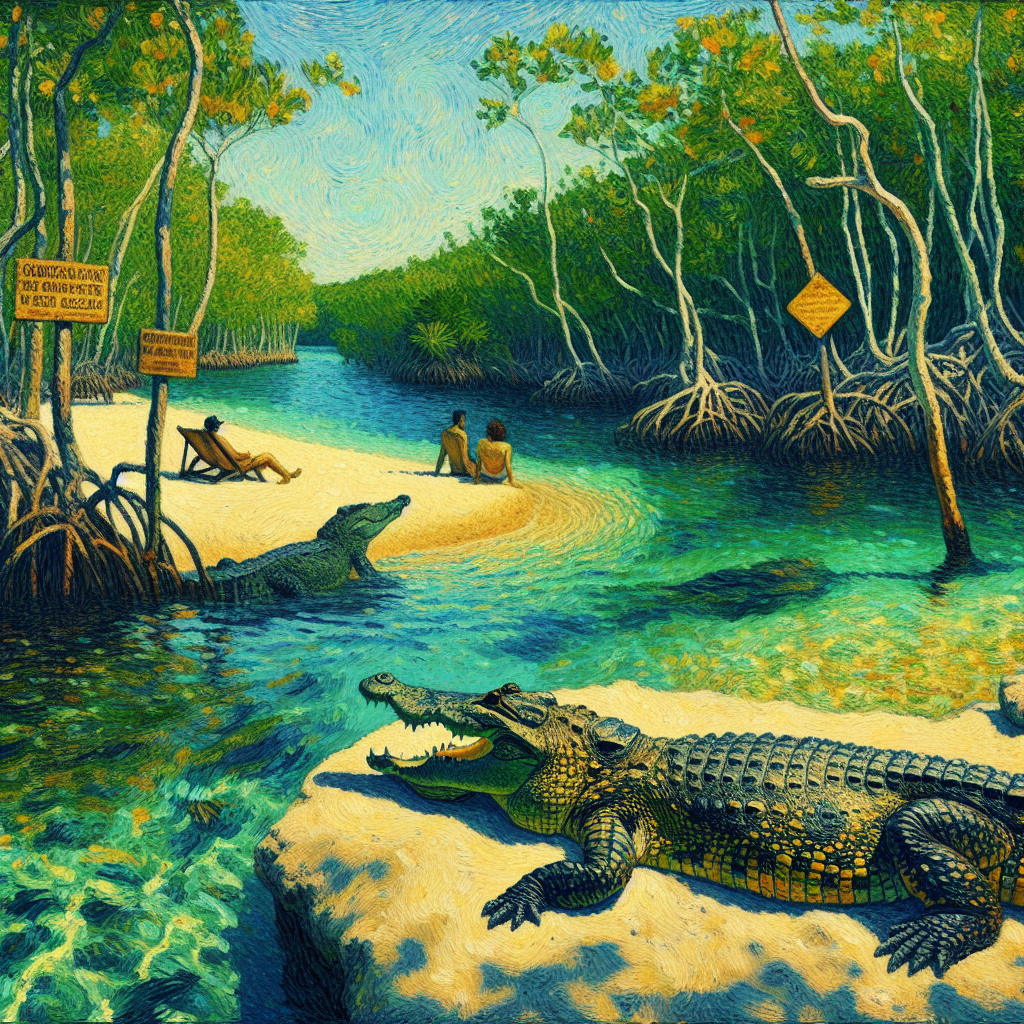
Now, before you toss your sunscreen and run for the hills, let’s clear the air. Not every crocodile has visions of turning beachgoers into appetizers. Crocs are generally shy, often preferring to keep their distance from human activity. They’re not out looking for trouble, but that doesn’t mean they aren’t capable of it. These reptiles, particularly the American crocodile, can reach lengths of up to 13 feet and possess a jaw strength that would make your ice cream sandwich feel like a marshmallow. So, while they’re not hunting you down like a horror movie villain, they can pose a real threat if you venture too close.
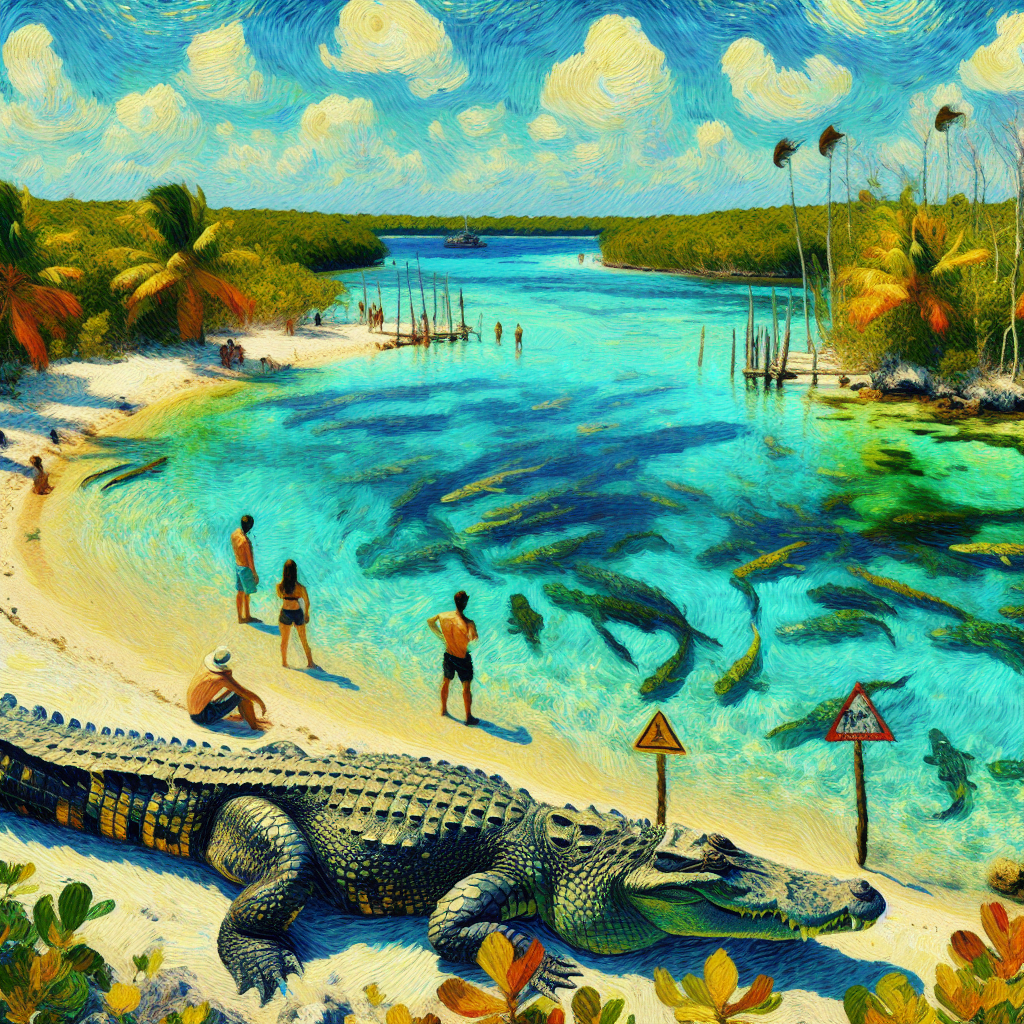
Cozumel is home to a thriving ecosystem, one that includes mangroves and waterways where these ancient reptiles can be found basking on shore or lurking in the shallows. Signs warning visitors to stay away from crocodile habitats are no joke—they’re there for a reason. Ignoring those warnings is akin to diving into a pool of piranhas because you heard they like to nibble.
Much like any wild animal, the best way to coexist with crocodiles is to respect their space. Trust me; you don’t want to be the person who dramatically turns from sunbather to snack because you thought the crocodile was just another sunbathing tourist.
What about the locals? They’ve learned a thing or two about living in harmony with these fascinating creatures. Fishermen and swimmers often keep a safe distance and understand the behaviors of crocs, allowing both species to thrive without conflict.
So, can you enjoy the natural beauty of Cozumel without concern? Absolutely! Just exercise common sense—stay clear of the water’s edge, don’t feed them, and yeah, maybe skip that early morning swim in the mangroves. In the dance of man versus nature, it’s better to be an observer than a participant—especially when your dance partner has sharp teeth.
Are Crocodiles Dangerous To Humans In Cozumel?
Are Crocodiles Dangerous To Humans In Cozumel?
- Cozumel is a beautiful island paradise with crocodiles lurking in its waters.
- Not all crocodiles pose a threat; they are generally shy and avoid human interaction.
- The American crocodile can grow up to 13 feet and has a strong bite.
- Visitors should heed warning signs about crocodile habitats to ensure safety.
- Respecting the space of crocodiles is crucial for coexistence.
- Locals know how to interact safely with crocodiles, maintaining distance and understanding their behavior.
- To enjoy Cozumel safely, avoid the water’s edge, do not feed crocodiles, and skip swimming in mangroves.
Are Crocodiles Dangerous To Humans In Cozumel?
How Do Crocodiles Survive In Saltwater Environments Like Cozumel?
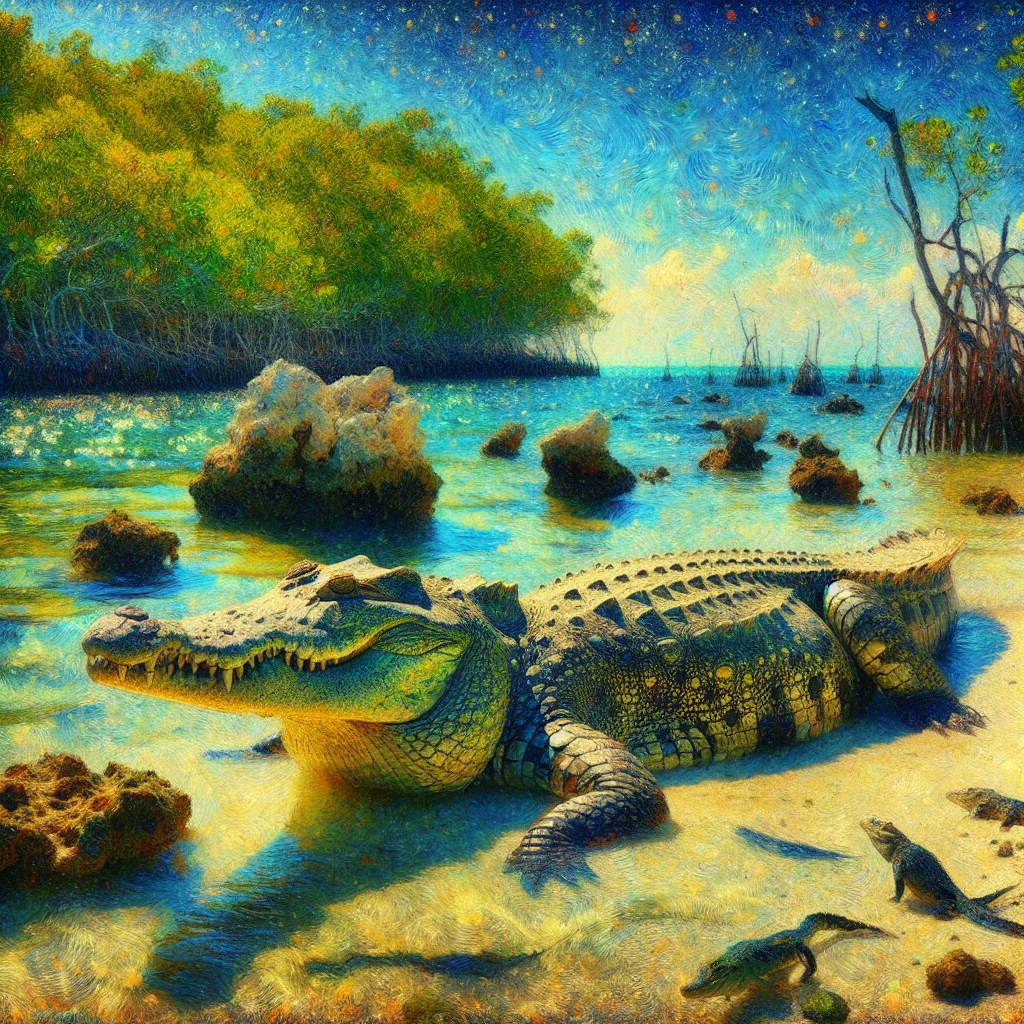
Crocodiles are the ultimate survivors, masters of adaptability, and if you’ve ever seen one lurking in the salty waters off Cozumel, you know these creatures are built for it. While most reptiles shy away from the harsh realities of saltwater habitats, the saltwater crocodile—known scientifically as Crocodylus porosus—embraces it with a swagger that’s hard to miss.
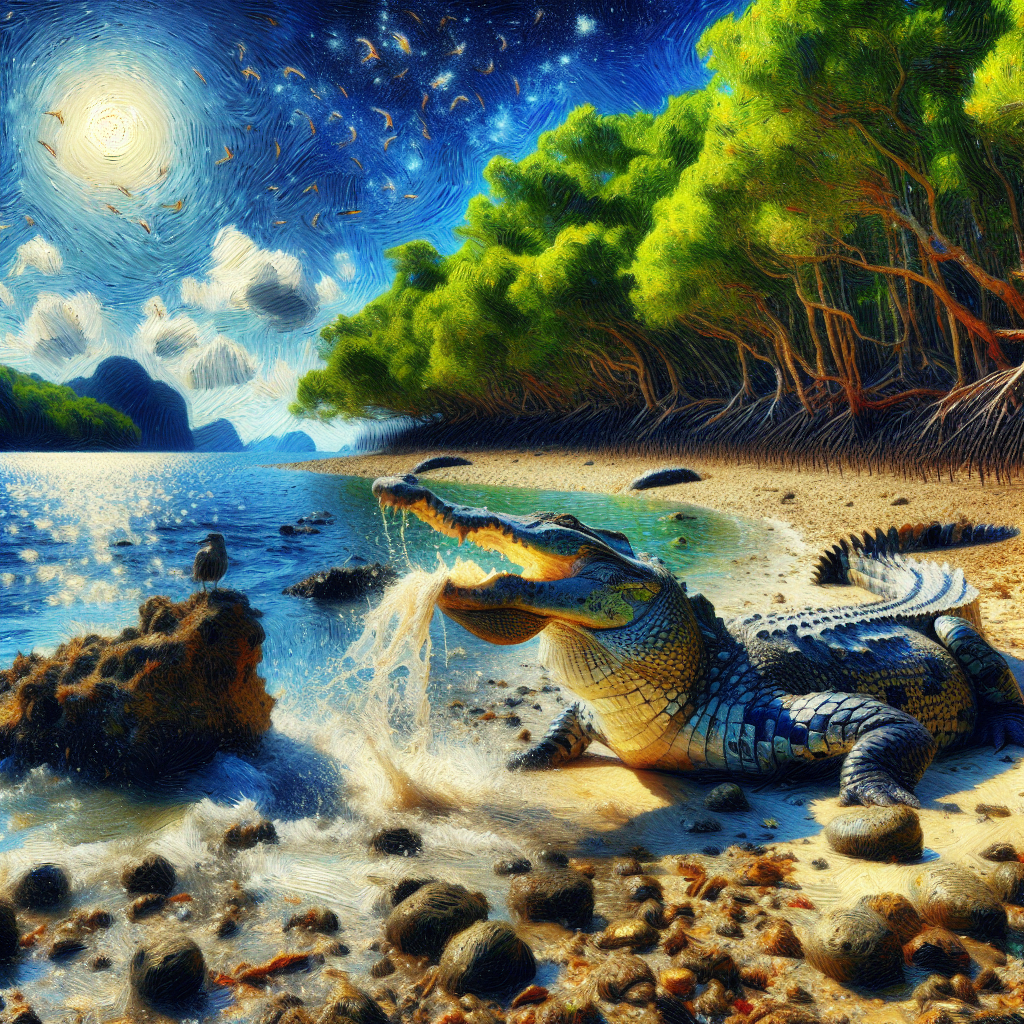
So how do these prehistoric predators thrive in a milieu that would make lesser creatures crumble? First, let’s talk about their anatomy. These crocs have specialized salt glands located on their tongues that allow them to excrete excess salt. This unique ability is crucial because, in the intertidal zones and mangroves, excess salinity can be a death sentence for animals ill-equipped to handle it. Ever seen a crocodile spit? Well, that’s just them ridding themselves of what they don’t need. Talk about a built-in filtration system!
Next up, let’s consider their diet. Crocs are opportunistic feeders, which means if it swims, walks, buzzes, or hops, it’s on their menu. In Cozumel’s biodiverse waters, they savor fish, crustaceans, and whatever unfortunate animal gets too close to the water’s edge. Their formidable jaws, equipped with peering teeth, crush prey like a kid mashing a bug underfoot. It’s not pretty, but there’s a reason they’ve been around since the time of the dinosaurs—efficiency is key.
And don’t overlook their resilience to temperature fluctuations. Crocodiles are ectothermic, which means they rely on external temperatures to regulate their body heat. In tropical climates like Cozumel, where the sun can be punishing, these reptiles know how to sunbathe efficiently. They’ll bask on rocks or the sandy shores to soak up warmth, and when it gets too hot, they slip back into the water to cool off. It’s a balancing act worthy of an Olympic gold medalist.
Social behavior plays a role too. Saltwater crocs are often solitary, but they engage in social structures that help with breeding and territorial disputes. They’ll claim their turf aggressively, marking their territory with vocalizations and posturing.
These saltwater goliaths exemplify nature’s ingenious ability to adapt and survive. From specialized physiology to cunning survival strategies, they’ve carved out a niche in a world that, quite frankly, isn’t designed for the faint of heart—or jaw.
How Do Crocodiles Survive In Saltwater Environments Like Cozumel?
How Do Crocodiles Survive In Saltwater Environments Like Cozumel?
- Crocodiles, particularly the saltwater crocodile (Crocodylus porosus), are masters of adaptability in harsh saltwater environments.
- They possess specialized salt glands on their tongues that excrete excess salt, crucial for survival in high-salinity habitats.
- As opportunistic feeders, they have a varied diet that includes fish, crustaceans, and other animals near water.
- Their powerful jaws effectively crush prey, showcasing their long-standing efficiency as predators.
- Crocodiles are ectothermic and use sunbathing to regulate their body temperature, demonstrating remarkable resilience to temperature changes.
- Though typically solitary, they engage in social behaviors for breeding and establishing territory, using vocalizations and posturing.
- These adaptations exemplify nature’s ingenuity, allowing saltwater crocodiles to thrive in challenging environments.
How Do Crocodiles Survive In Saltwater Environments Like Cozumel?
What Habitats Do Crocodiles Prefer on Cozumel?
Cozumel isn’t just a tropical paradise with stunning beaches and vibrant reefs; it’s also home to an ancient predator that has thrived on this island since the time of the dinosaurs—the crocodile. If you think these creatures are just lounging around in the sun on the banks of a tranquil lagoon, think again. Crocodiles are meticulous about their real estate and tend to set up shop in specific habitats that meet their needs for hunting, breeding, and basking.
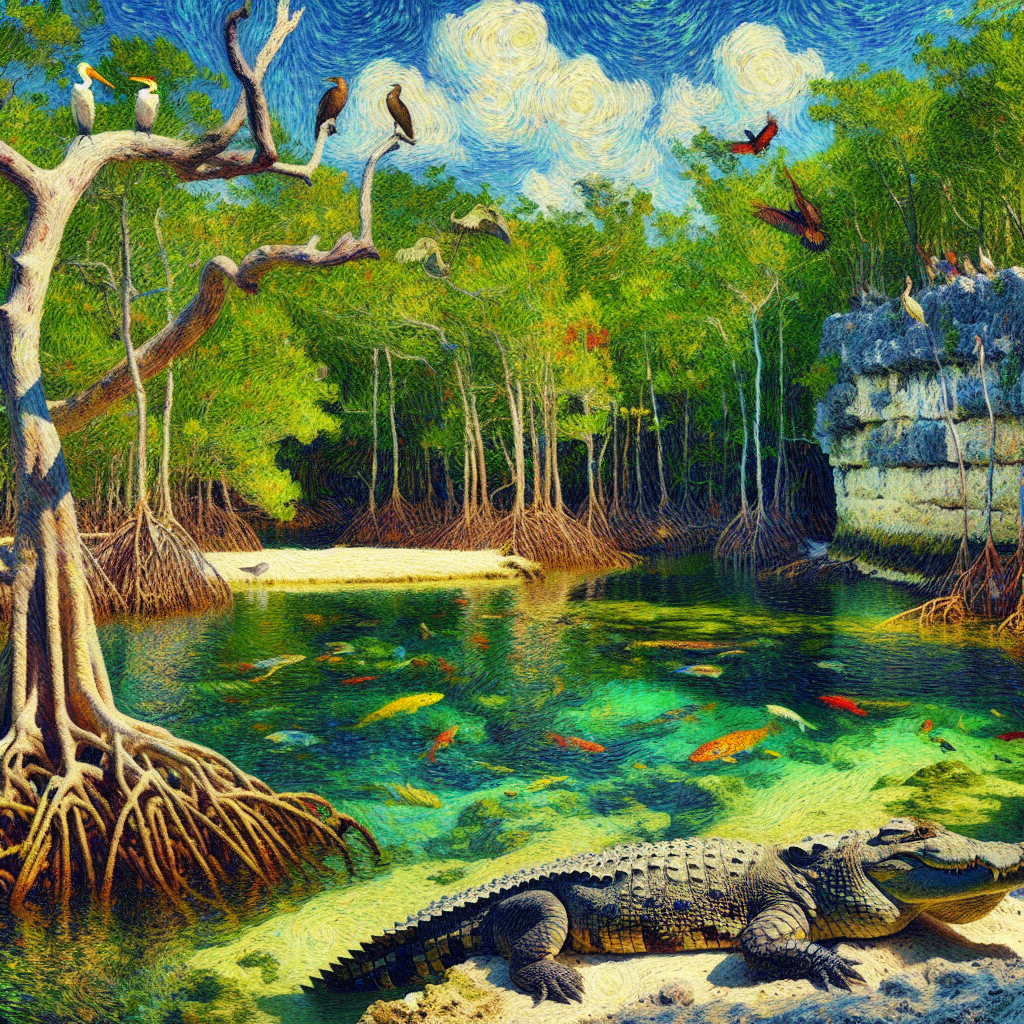
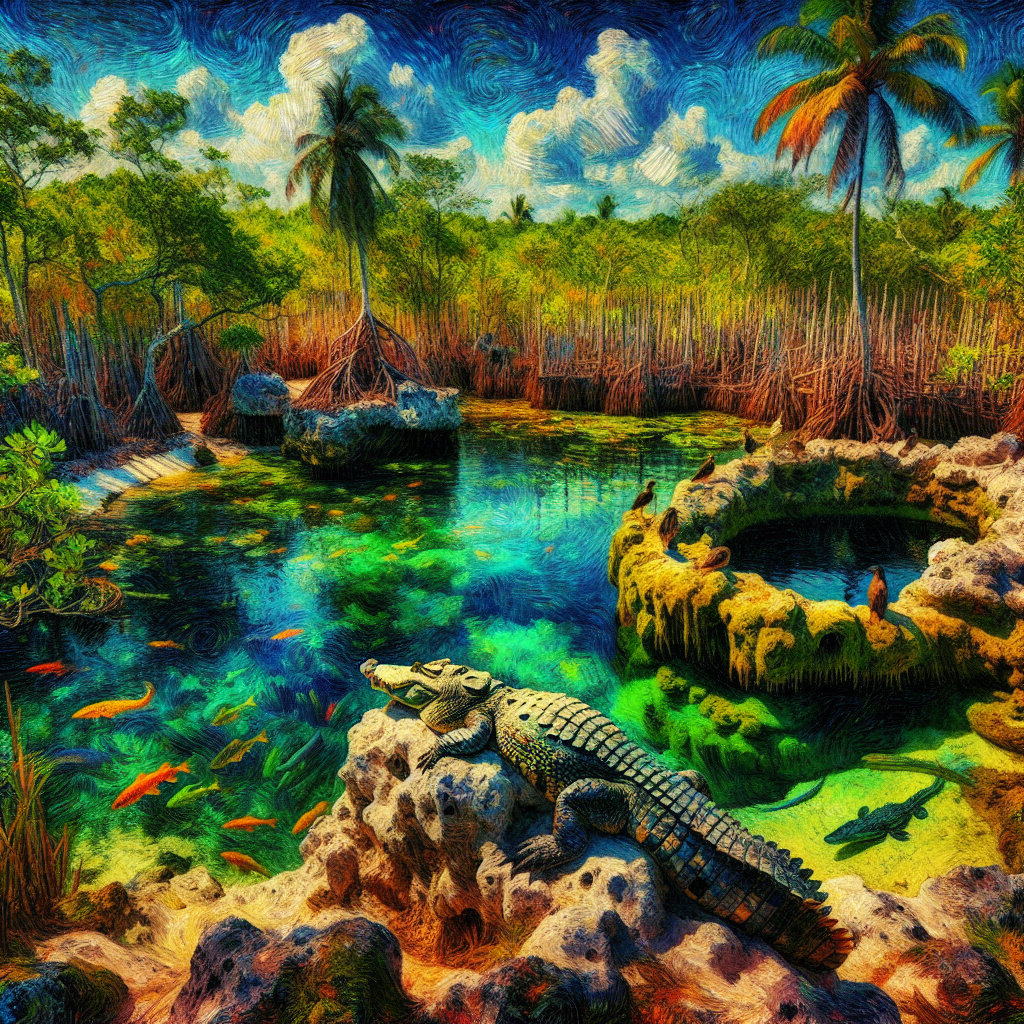
You’ll find the American crocodile (Crocodylus acutus) making itself at home in a variety of environments on Cozumel. These crocs are not picky eaters or dwellers; they adapt to both freshwater and saltwater habitats, which is a big plus for their survival. They commonly reside in mangrove estuaries, brackish lagoons, and river mouths, making these areas prime real estate. Mangroves are especially appealing because the roots provide excellent cover for ambushing unsuspecting prey, like fish and birds, and offer a place to lounge out of the water where they can soak up some sun.
Now, let’s not overlook the importance of freshwater habitats. The island is dotted with cenotes—natural sinkholes filled with freshwater—that provide essential breeding grounds for crocodiles. Female crocs are known to dig nests near these water sources, where they lay their eggs in the sandy earth. The cenotes not only give these ancient reptiles a safe place to raise their young but also access to essential hydration. It’s the circle of life at its finest!
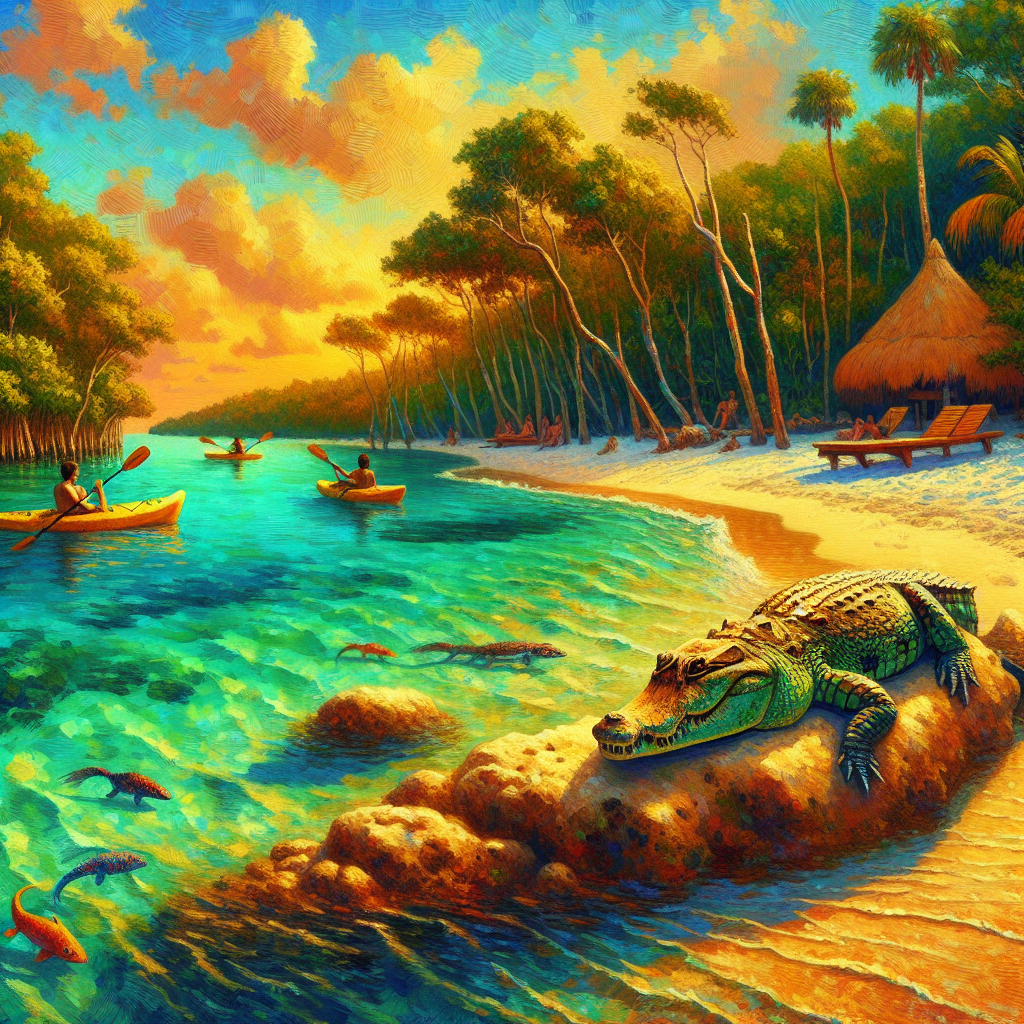
And if you thought these creatures only hang out close to the water, think again! During certain times of the year, you might even spot these reptiles basking in the sun on rocky outcrops or beaches. Why do they do this? Well, like any cold-blooded critter, they need to maintain their body temperature to stay energized and ready for action. It’s not a lazy day at the beach; it’s a strategic move to maximize their hunting efficiency.
So, when you’re exploring Cozumel and come across a crocodile, remember that they are not just casual sunbathers. They are savvy survivors, meticulously choosing their habitats based on a mix of hunting needs, breeding desires, and temperature control. This remarkable adaptability not only highlights the resilience of these creatures but also reminds us of the delicate balance of life that exists within the ecosystems they call home.
What Habitats Do Crocodiles Prefer on Cozumel?
What Habitats Do Crocodiles Prefer on Cozumel?
- Cozumel is home to the American crocodile (Crocodylus acutus), an ancient predator that has thrived since the time of dinosaurs.
- Crocodiles are selective about their habitats, requiring environments suitable for hunting, breeding, and basking.
- They adapt to both freshwater and saltwater habitats, residing in mangrove estuaries, brackish lagoons, and river mouths.
- Mangroves provide excellent cover for ambushing prey and a sunning spot out of the water.
- Cenotes, natural freshwater sinkholes, serve as important breeding grounds for crocodiles, allowing for nesting and hydration.
- Crocodiles can often be spotted sunbathing on rocky outcrops or beaches to regulate their body temperature.
- Their adaptability underscores the delicate balance of life within their ecosystems, showcasing their resilience as survivors.
What Habitats Do Crocodiles Prefer on Cozumel?
Conclusion
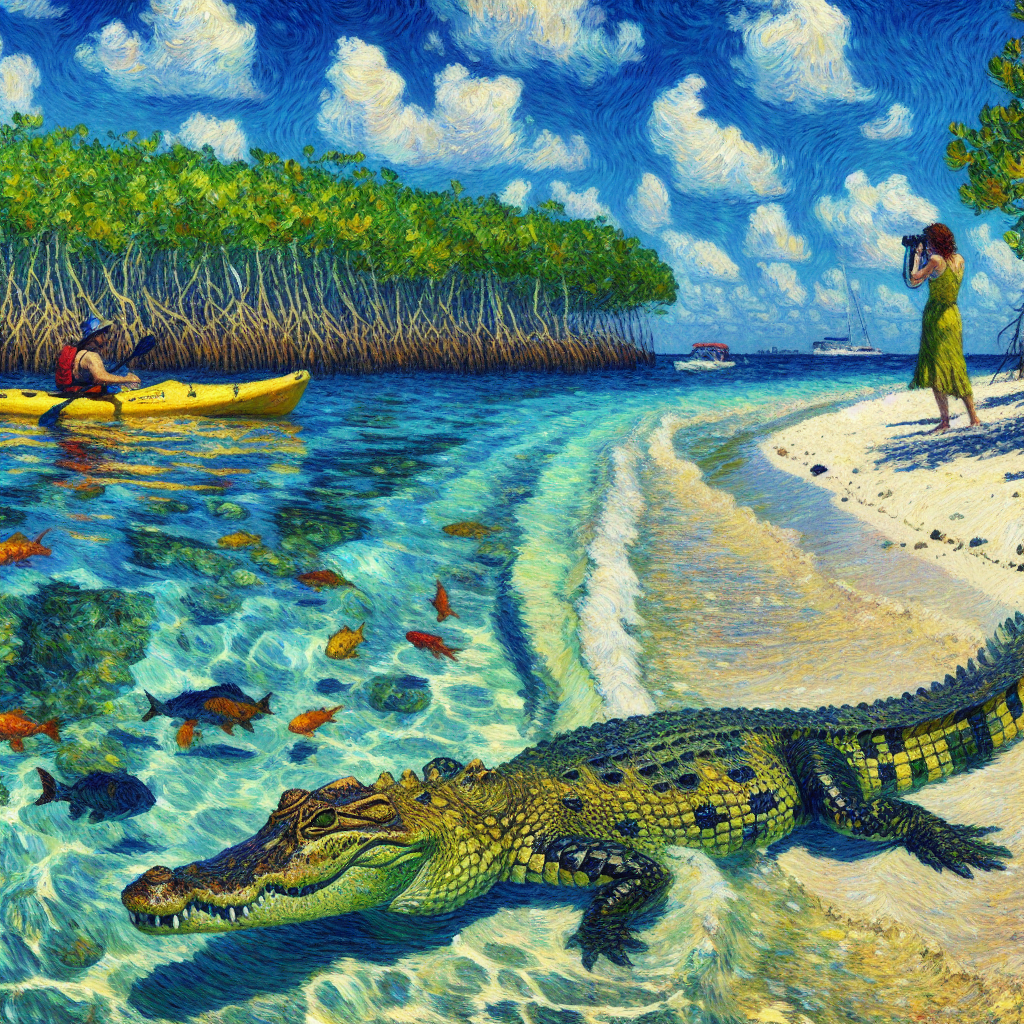
As you pack your bags for Cozumel, certain images likely come to mind—sun-drenched beaches, vivid coral reefs, and maybe a few cocktails by the water’s edge. But lurking beneath those crystal-clear waves is an ancient creature that invites a moment of reflection: the crocodile. Yes, you heard right! While these fearsome reptiles may not be the first thing you associate with a tropical paradise, they play a vital role in this beautiful ecosystem.
Let’s dispel the myths. American crocodiles call Cozumel home, but they’re not on the hunt for human interaction or beachside ambushes. Most of the time, they’d rather avoid us entirely. So when you hear a croc is nearby, don’t imagine a relentless predator poised to pounce—think of it more like a shy neighbor who prefers to keep the curtains drawn. They thrive in brackish lagoons, mangroves, and estuaries, occasionally wandering into open water yet usually steering clear of tourist hotspots. If you’re out snorkeling amid vivacious fish and colorful reefs, chances are you won’t encounter one of these prehistoric guardians.
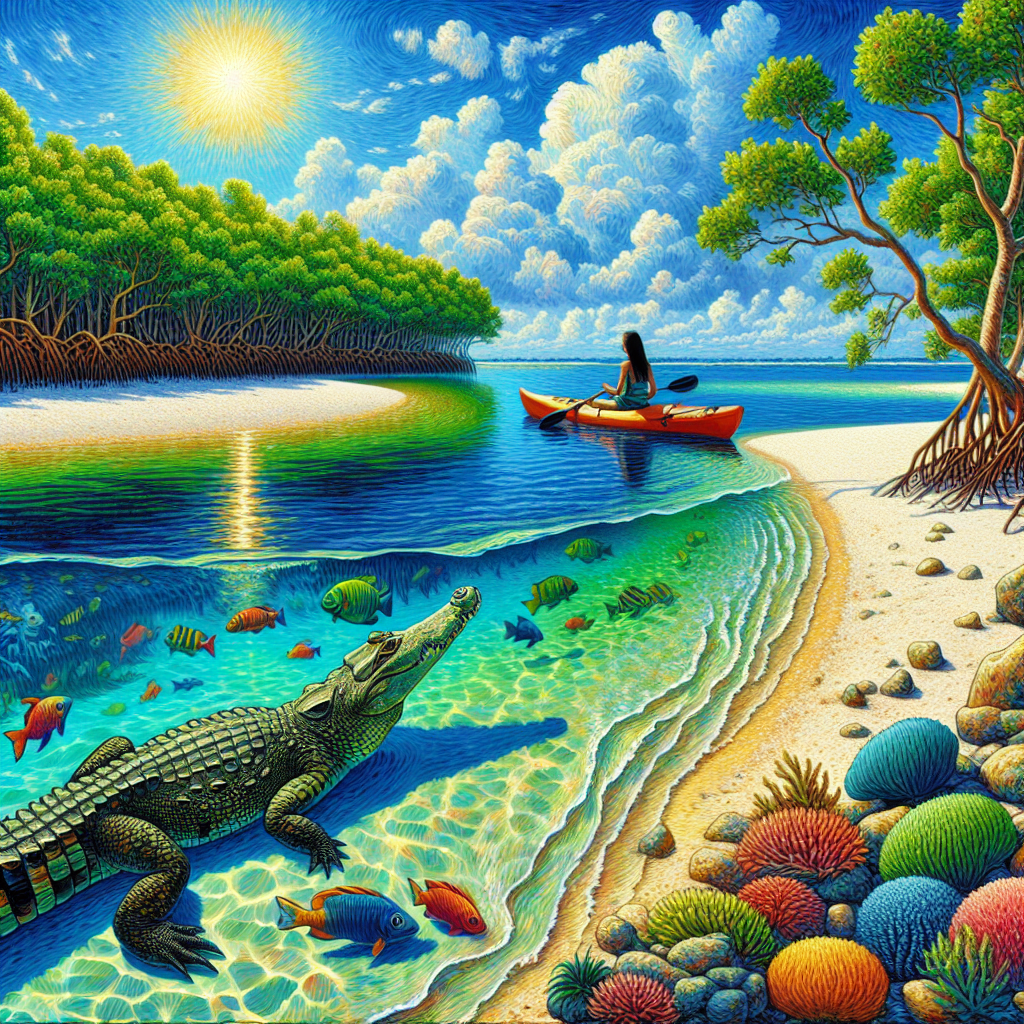
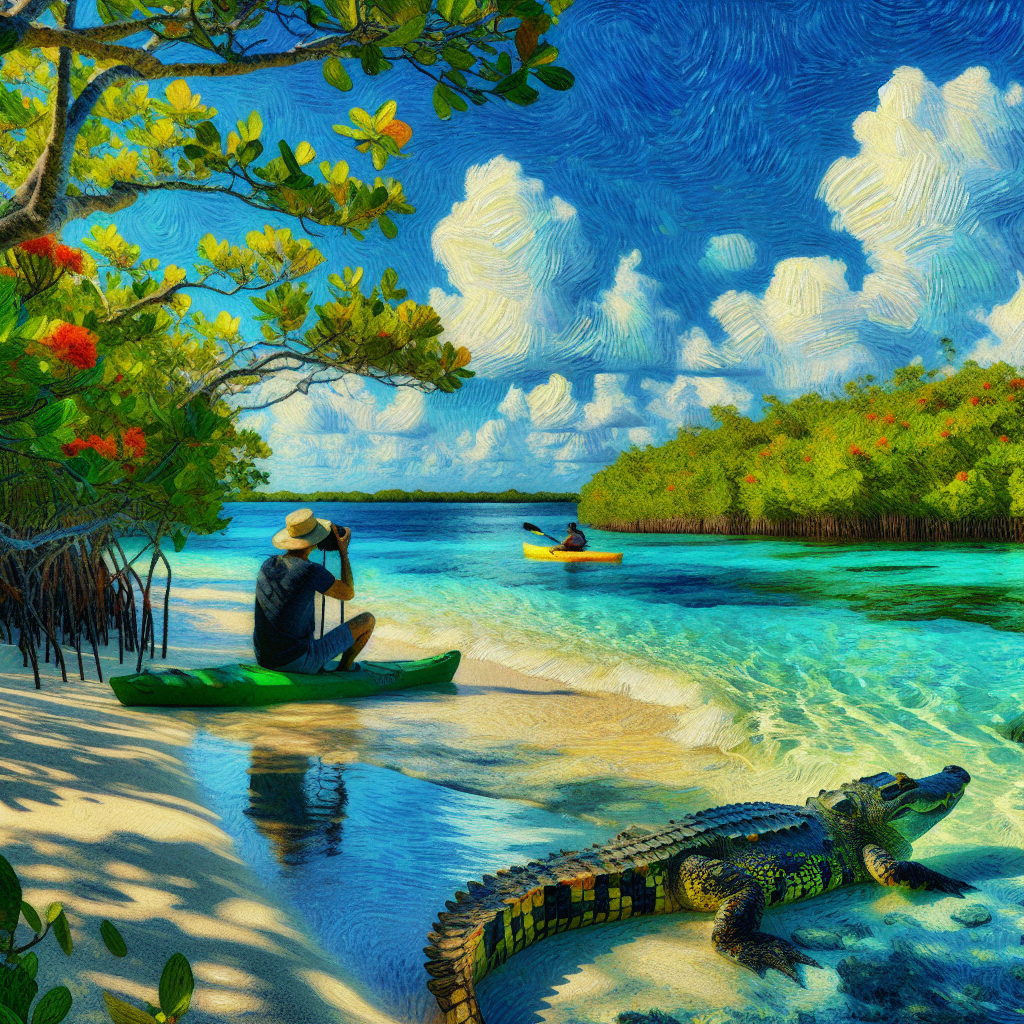
Should the adventurous among you feel inclined to spot these fascinating reptiles, it’s best done with respect and distance. Local guides know where the crocs like to hang out, usually in areas far removed from the hustle and bustle. Watch from the safety of your kayak or while perched on a hill overlooking their domain. Feel free to admire these remarkable animals, but remember: from binoculars, not from the water’s edge. In this delicate dance of coexistence, it’s the croc that retains the upper hand—and rightly so!
And while it’s crucial to respect their territory, we must also acknowledge the important ecological role they play. As apex predators, they help maintain balance in fish populations and other wildlife that enrich Cozumel’s vibrant underwater world.
So, as you journey through this tropical haven, carry a sense of appreciation for its dynamic inhabitants. Whether you catch a glimpse of a crocodile basking in the sun or swimming silently beneath a mangrove, cherish the wild beauty around you. In Cozumel, the ocean does not just offer a treat for the eyes and senses, but a visceral reminder that nature has its own way of thriving, reminding us all of the untamed spirit of life. Respect the croc, and you just might uncover a world of wonders in this island paradise. Safe travels and happy exploring!
Conclusion
Conclusion:
- While Cozumel evokes images of beaches and coral reefs, the American crocodile is a vital part of its ecosystem.
- Crocodiles in Cozumel prefer to avoid human interaction and do not pose a danger to beachgoers.
- These reptiles often inhabit brackish lagoons, mangroves, and estuaries, staying away from tourist areas.
- For those wishing to observe crocodiles, local guides can help find safe viewing locations.
- Crocodiles serve as apex predators, maintaining the balance of fish populations and enhancing the local wildlife.
- Visitors are encouraged to appreciate the beauty of these creatures from a safe distance, such as while kayaking.
- Embracing the coexistence with crocodiles enriches the travel experience and highlights the wild beauty of Cozumel.
Conclusion
Other Resources
Other Resources
Reading this from somewhere that isn’t Cozumel? When you do come down, where you stay shapes the whole trip. A few options from our sister sites: Cozumel Journey is an editorial guide to Cozumel — neighborhoods, planning tips, and life on the island for travelers who want context, not a cruise schedule.
Here is a list of other resources you can review online to learn more:
- UltraMar
- Studio Blue Cozumel
- Rejuvenation Clinic Cozumel
- Dolphinaris Cozumel
- Cozumel Jeep Tours
- Reefs of Cozumel
- Cozumel Medical Center
- La Ruta de las Iglesias
- Ramsar
- Del Sur Beach Club
- Cozumel Journey
Use This Prompt To Get More Resources With Your Favorite Online AI Tool: Please provide me with a list of online articles with their URLs in a bulleted list that I can read regarding Are There Crocodiles In The Ocean In Cozumel?
Other Resources
Glossary Terms
Are There Crocodiles In The Ocean In Cozumel? – Glossary Of Terms
1. Crocodile: A large aquatic reptile belonging to the family Crocodylidae, known for its elongated snout, powerful jaws, and semi-aquatic nature.
2. Cozumel: An island off the eastern coast of Mexico’s Yucatán Peninsula, known for its beautiful beaches and vibrant marine life.
3. Saltwater Crocodile: A species (Crocodylus porosus) known to inhabit coastal regions, river mouths, and mangrove swamps, capable of living in both freshwater and saltwater.
4. Habitat: The natural environment in which an organism lives; for crocodiles, this includes rivers, lakes, and coastal areas.
5. Estuary: A coastal area where freshwater from rivers meets and mixes with saltwater from the ocean, providing a habitat for various marine and terrestrial species, including crocodiles.
6. Mangrove: A coastal ecosystem characterized by salt-tolerant trees, which provide critical habitat for wildlife, including nesting and hunting grounds for crocodiles.
7. Nesting: The process by which female crocodiles lay eggs, typically in sandy banks or vegetation near water bodies.
8. Diet: The feeding habits of an organism; crocodiles are carnivorous, primarily feeding on fish, birds, and mammals.
9. Habituation: The process by which a wild animal becomes used to the presence of humans, which can lead to increased interactions between humans and crocodiles.
10. Conservation: The protection and management of wildlife and natural habitats to prevent species extinction and preserve biodiversity.
11. Endangered Species: A species at risk of extinction due to habitat loss, exploitation, or other environmental factors. While some crocodile species are endangered, the saltwater crocodile is not currently listed as such.
12. Reptile: A class of cold-blooded vertebrates that includes crocodiles, snakes, lizards, turtles, and others, characterized by their scaly skin.
13. Behavior: The ways in which an organism acts or conducts itself in response to its environment or stimuli.
14. Ecological Role: The function an organism plays within its ecosystem, such as predator or prey, which helps maintain the balance of the environment.
15. Territoriality: A behavior displayed by crocodiles in which they establish and defend a specific area against others of the same species.
16. Breeding Season: The time of year when crocodiles mate and lay eggs, often linked to environmental conditions like temperature and food availability.
17. Cold-Blooded: An organism that relies on external environmental temperatures to regulate its body temperature; crocodiles exhibit this characteristic.
18. Wildlife Tourism: A segment of the tourism industry focused on observing and interacting with wildlife in their natural habitats, often impacting local ecosystems.
19. Research: The systematic investigation into a subject or phenomenon, including studies on crocodile behavior, genetics, habitat use, and conservation efforts.
20. Predator: An animal that hunts and consumes other animals for food; crocodiles are apex predators in their habitats.
21. Threats to Crocodiles: Factors that jeopardize crocodile populations, such as habitat destruction, climate change, poaching, and pollution.
22. Biodiversity: The variety of life in a particular ecosystem, crucial for ecological balance and resilience.
23. Invasive Species: Non-native species that, when introduced to a new environment, can disrupt local ecosystems and outcompete native wildlife.
24. Adaptation: The process through which species evolve traits that enhance their survival and reproduction in specific environments.
25. Local Knowledge: Information and understanding about local wildlife and ecosystems, often held by indigenous communities and long-term residents.
26. Surveillance: The monitoring of wildlife populations, including crocodiles, to assess health, behavior, and environmental interactions.
27. Wetlands: Areas where water covers the soil or is present near the surface, often serving as critical habitats for crocodiles and other wildlife.
28. Environmental Impact: The effect that human activities, such as tourism and development, have on local ecosystems and wildlife, including crocodiles.
29. Tourist Interaction: The engagement between visitors and local wildlife, which can influence conservation practices and species behavior.
30. Ecotourism: Sustainable travel focused on natural areas, promoting conservation and responsible wildlife interactions, often including crocodile monitoring or viewing opportunities.
Glossary Of Terms
Other Questions
Are There Crocodiles In The Ocean In Cozumel? – Other Questions
If you wish to explore and discover more, consider looking for answers to these questions:
- What other wildlife can be found in Cozumel alongside crocodiles?
- What safety precautions should be taken when swimming near crocodile habitats?
- Are there any guided tours specifically for crocodile watching in Cozumel?
- How often are crocodile sightings reported in Cozumel?
- What time of year is best for observing crocodiles in Cozumel?
- Are there any reported incidents of crocodile attacks on humans in Cozumel?
- What role do crocodiles play in the local ecosystem of Cozumel?
- How can I differentiate between crocodiles and alligators?
- Is it safe to kayak or boat in lagoons where crocodiles are known to live?
- What local guidelines exist for interacting with or viewing crocodiles?
Other Questions
Haiku
Are There Crocodiles In The Ocean In Cozumel? – A Haiku
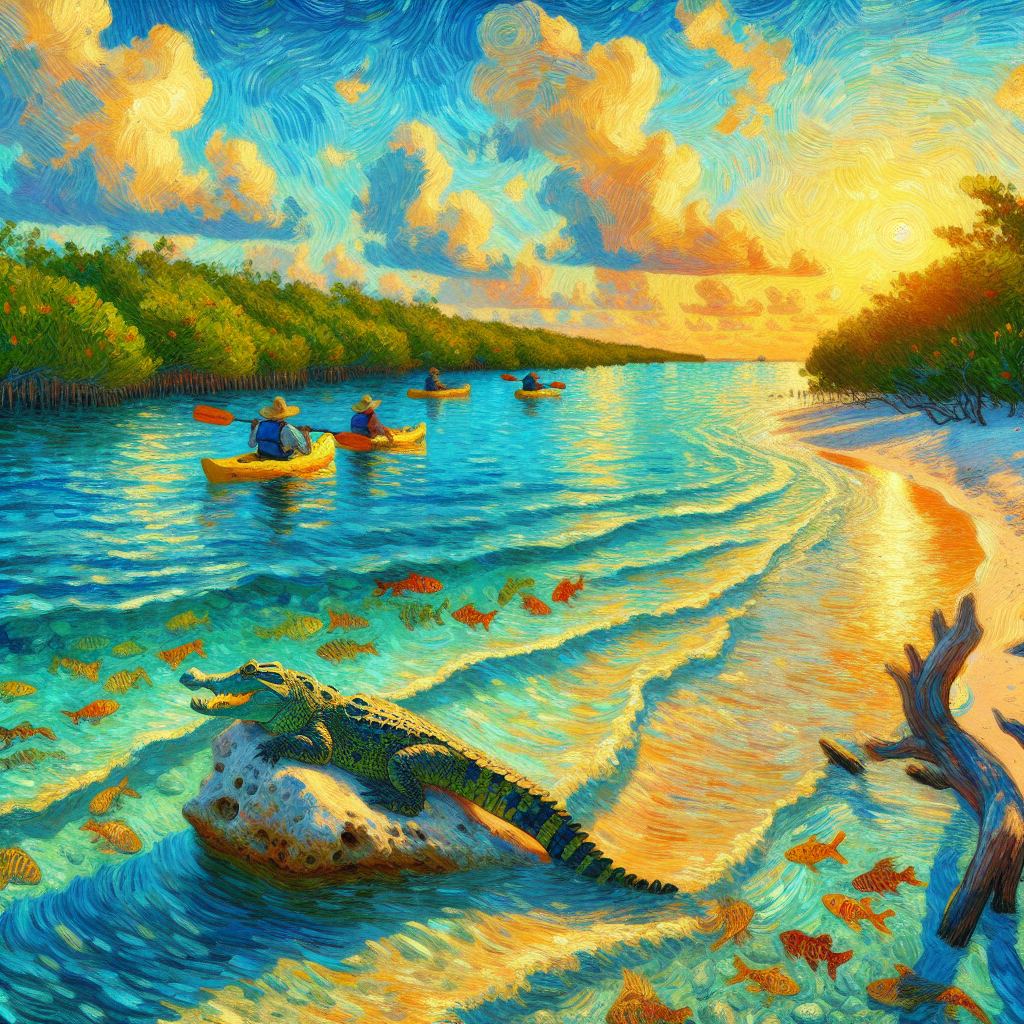
Cozumel’s blue waves,
Crocodiles lurk in peace—
Nature’s ancient grace.
Haiku
Poem
Are There Crocodiles In The Ocean In Cozumel? – A Poem
In waters clear, where colors dance,
Beneath the waves, a hidden glance.
Crocodiles roam in silence profound,
In mangroves rich, where secrets abound.
Not eager to snatch the careless prey,
They shyly glide, then slip away.
In lagoons’ embrace, they find their sun,
Reserved yet ready—survival’s run.
O, ancient reptile, with a gaze so wise,
You’ve navigated seas since the dawn skies.
With slender jaws and a stealthy grace,
In Cozumel’s wild, you carve your space.
Yet fear not the shadow, nor brace for a bite,
These regal creatures avoid the light.
Respect their realms, keep your distance wide,
Observe their beauty while safely aside.
From rocky outcrops to tranquil shores,
Crocodiles bask as their presence explores.
In the calm of dawn or dusk’s soft glow,
They remind us of nature’s ebb and flow.
So paddle with care through mangrove strands,
With binoculars ready, respect their lands.
In this paradise, where wonders intertwine,
Cozumel’s crocs—both fearsome and divine.
A balance of life, a cycle unbroken,
In this island’s heart, nature’s proud token.
Embrace the wild, marvel from afar,
For in Cozumel’s waters, a mythic memoir.
Poem
Checklist
Are There Crocodiles In The Ocean In Cozumel? – A Checklist
Before You Go:
_____ Research Local Rules: Check for any local guidelines regarding crocodile habitats and safety.
_____ Understand Their Habitat: Know that crocodiles prefer mangroves, lagoons, and estuaries, but can also be found near coastal areas.
_____ Get A Safety Briefing: If planning guided tours or kayaking, ensure the guide understands crocodile behavior.
Packing Essentials:
_____ Binoculars: For safe and distant viewing of crocodiles without disturbing them.
_____ Camera: To capture the beauty of Cozumel’s wildlife from afar.
_____ Life Jacket: Always wear a life jacket when kayaking or boating.
_____ Comfortable Attire: Dress in lightweight, light-colored clothing and wear a hat for sun protection.
While Observing Crocodiles:
_____ Maintain Distance: Keep at least a safe distance of 50 feet from any crocodile you observe.
_____ Stay Quiet: Minimize noise to avoid disturbing the crocodiles.
_____ Use Designated Viewing Areas: Look for safe viewpoints that allow you to admire them without encroaching on their territory.
_____ Avoid Feeding: Never attempt to feed crocodiles. This can encourage them to associate humans with food.
Timing Your Visits:
_____ Best Viewing Times: Plan your adventures early in the morning or late afternoon when crocodiles are most active.
_____ Avoid High Traffic Areas: Steer clear of crowded beaches or areas popular with tourists to lower the chance of encounters.
General Safety Tips:
_____ Respect Warning Signs: Always heed local signs warning of crocodile habitats and boundaries.
_____ Avoid Basking Spots: Do not approach or disturb crocodiles that are basking in the sun.
_____ Don’t Swim in Unknown Areas: Avoid swimming in waters where crocodiles may be present, especially in lagoons and mangroves.
_____ Stay Calm if Spotted: If you encounter a crocodile, back away slowly and do not provoke it.
After Your Adventure:
_____ Report Sightings: If you spot a crocodile in a crowded area, report it to local authorities to ensure community safety.
_____ Share Your Experience: Educate fellow travelers about respecting wildlife and maintaining safe distances.
By using this checklist, you can enjoy the breathtaking ecosystem of Cozumel while ensuring both your safety and the well-being of its resident crocodiles. Happy exploring!
Checklist
At TopCozumelNews, we help travelers enjoy Cozumel by collating information learned from frequently traveling to beautiful Cozumel.
Be sure to read our other related stories at TopCozumelNews to learn more about the Island of Cozumel.