Uncovering Cozumel’s Hidden Architectural Gems
By Tom Seest
At TopCozumelNews, we help travelers enjoy Cozumel by collating information learned from frequently traveling to beautiful Cozumel.
Be sure to read our other related stories at TopCozumelNews to learn more about the Island of Cozumel.
Are There Any Architectural Wonders In Cozumel to Explore?
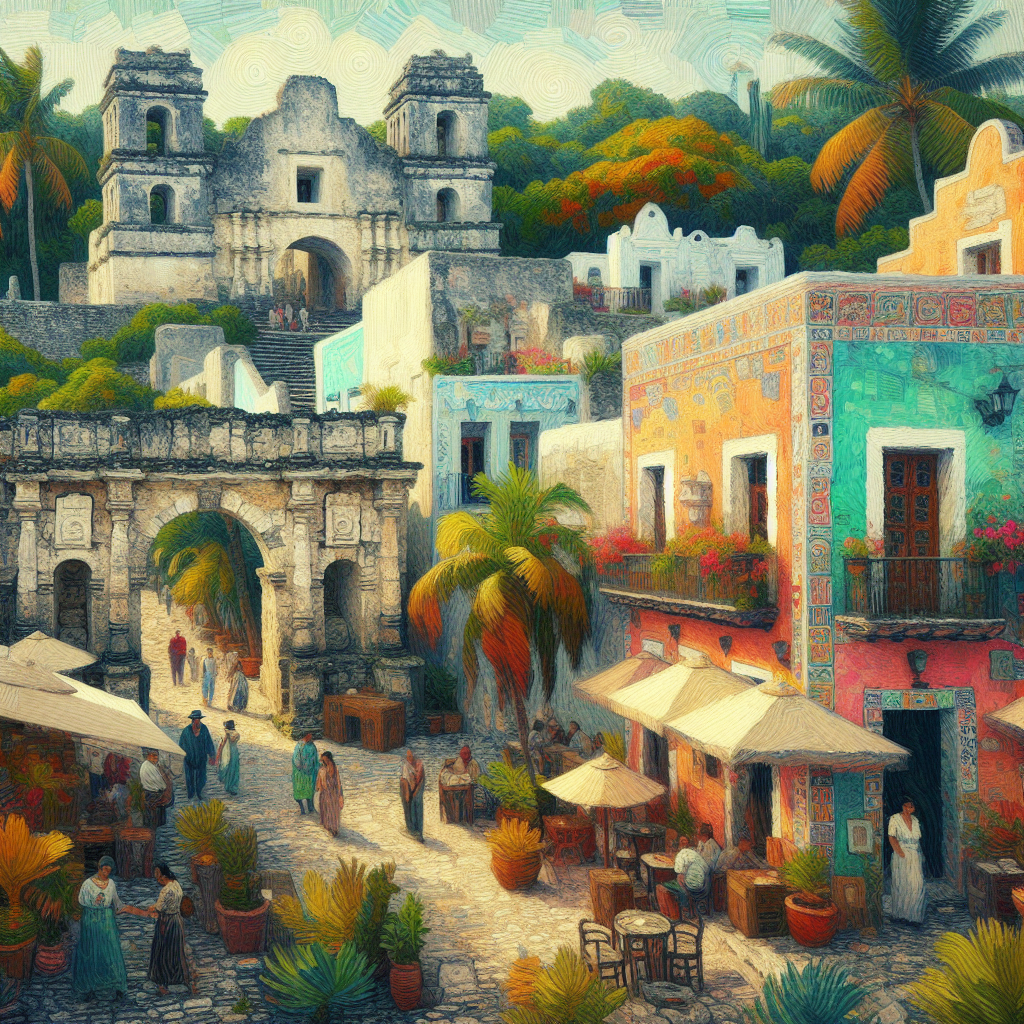
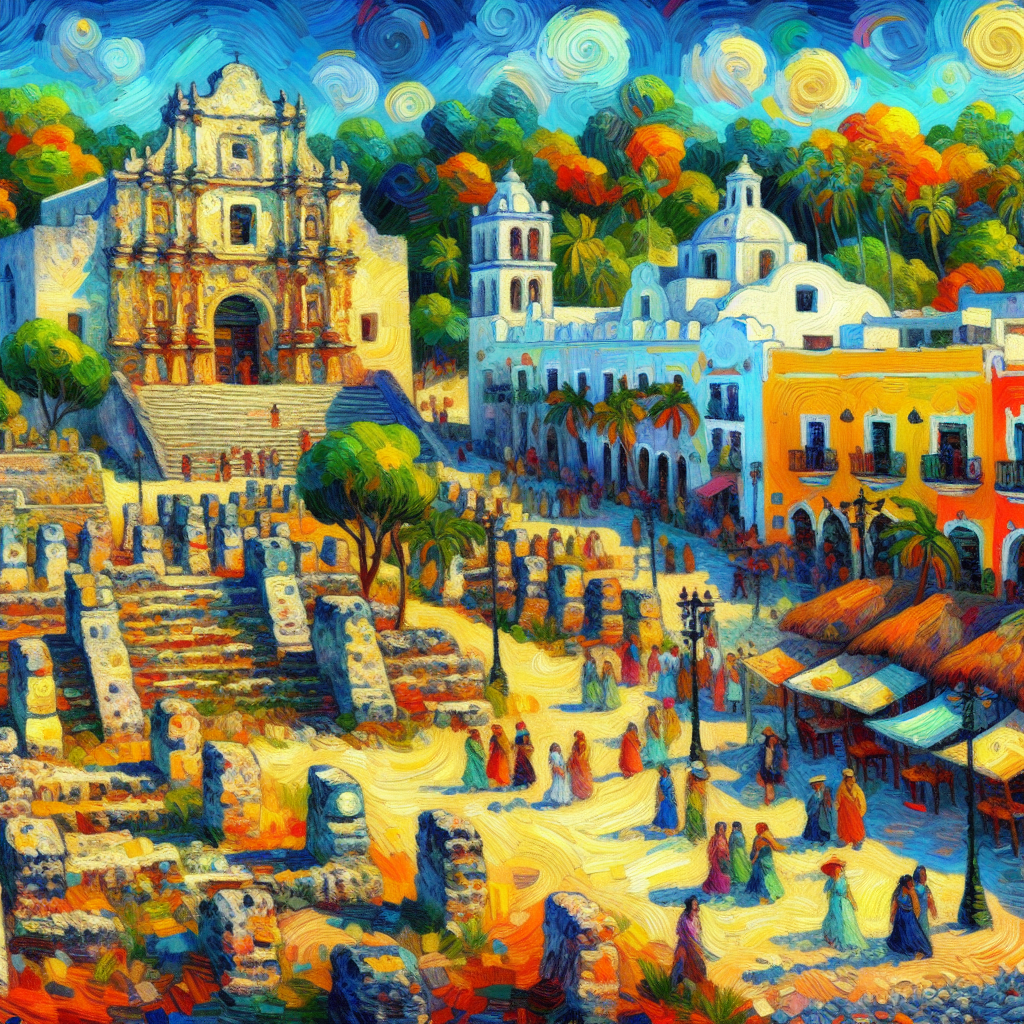
When you think of Cozumel, it’s easy to get swept up in the turquoise waves and sun-soaked beaches. But let’s take a moment to lift our gaze from the sandy shores and dive into the fascinating architectural wonders that breathe life into this vibrant island. Sure, you’re probably feeling the tug of the ocean, the pull to kick back and relax—but the beauty of Cozumel doesn’t stop at the shoreline; it’s a treasure trove of history just waiting for you to discover.
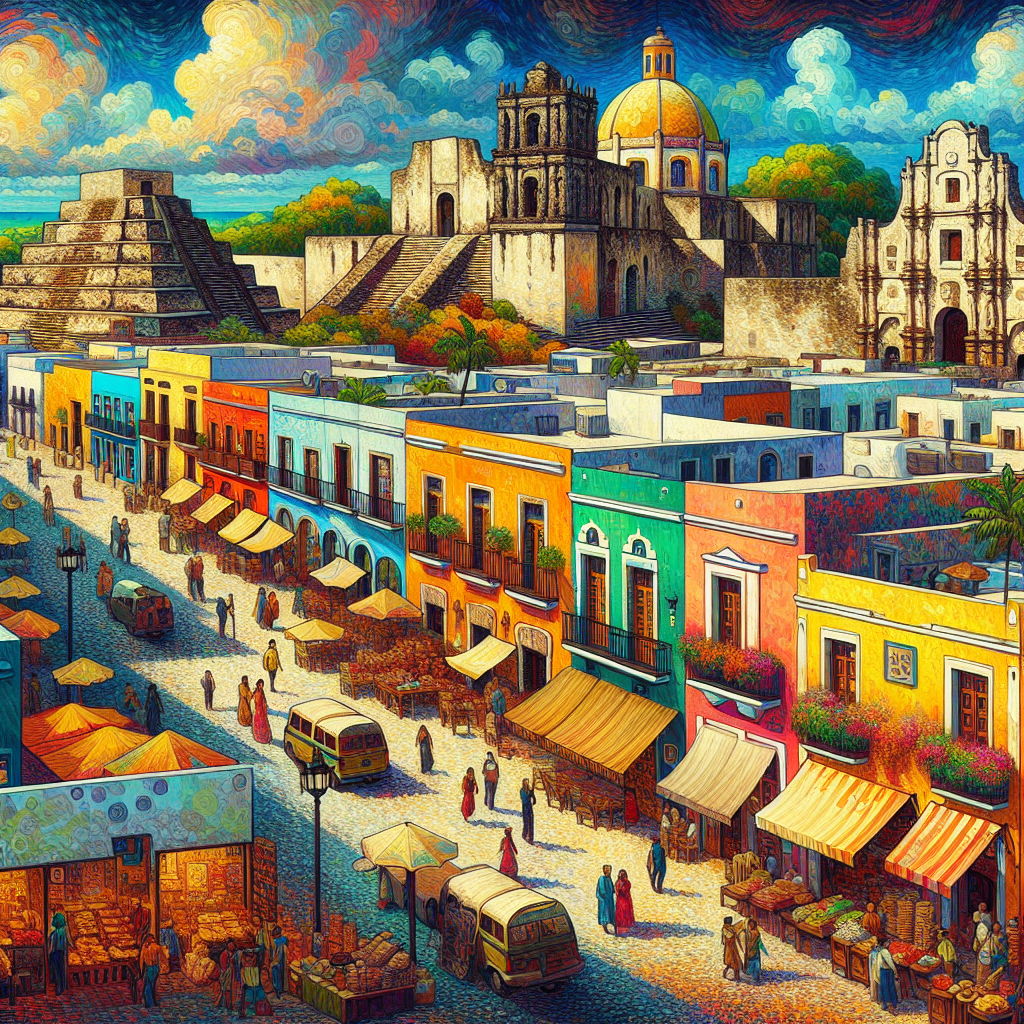
Start your journey at the San Gervasio Ruins, a site that whispers stories of the ancient Mayans who once thrived here. As you wander through the remnants, you might feel a connection—an echo of the past that sends shivers down your spine. Imagine what life was like for the people who built these sacred structures, navigating their own challenges and triumphs. You can almost hear the laughter echoing off the limestone; you can see the rituals that took place, surrounded by the lush greenery that still holds pieces of this island’s history.
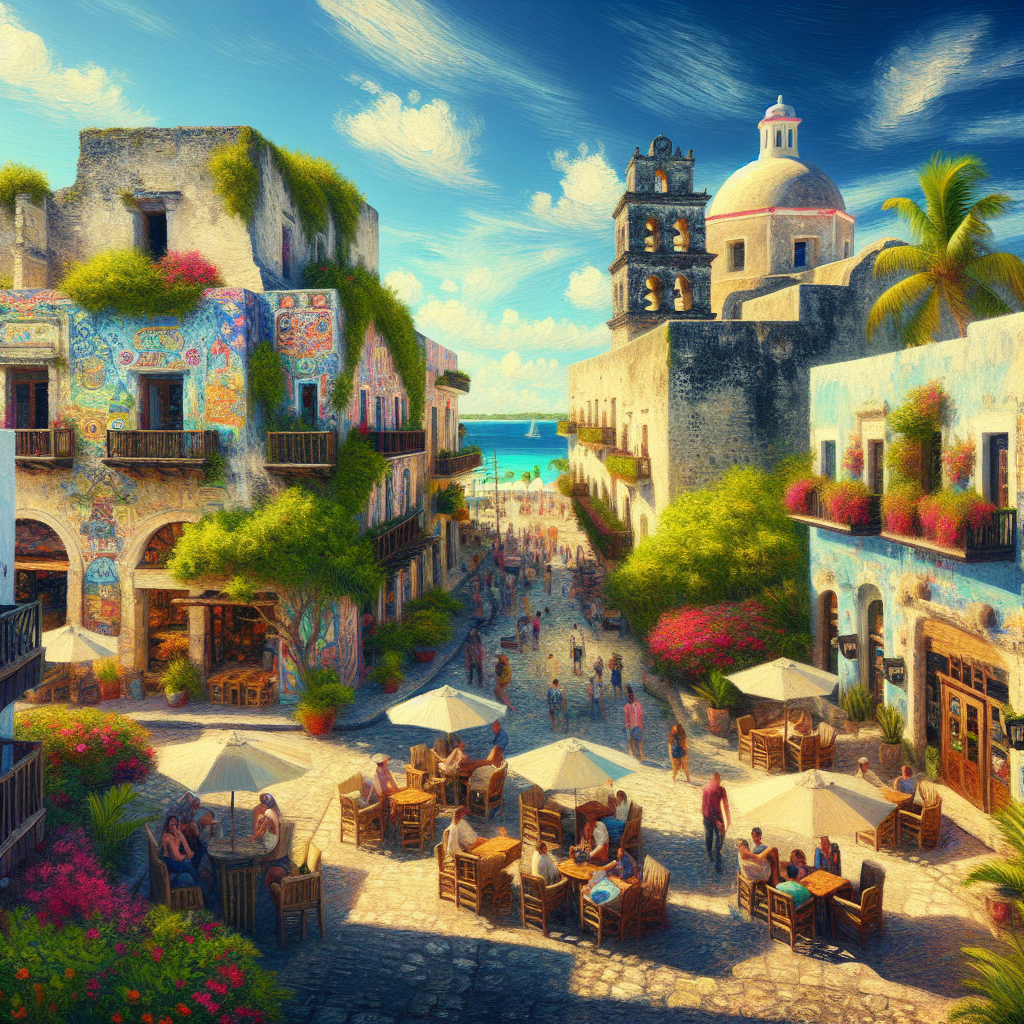
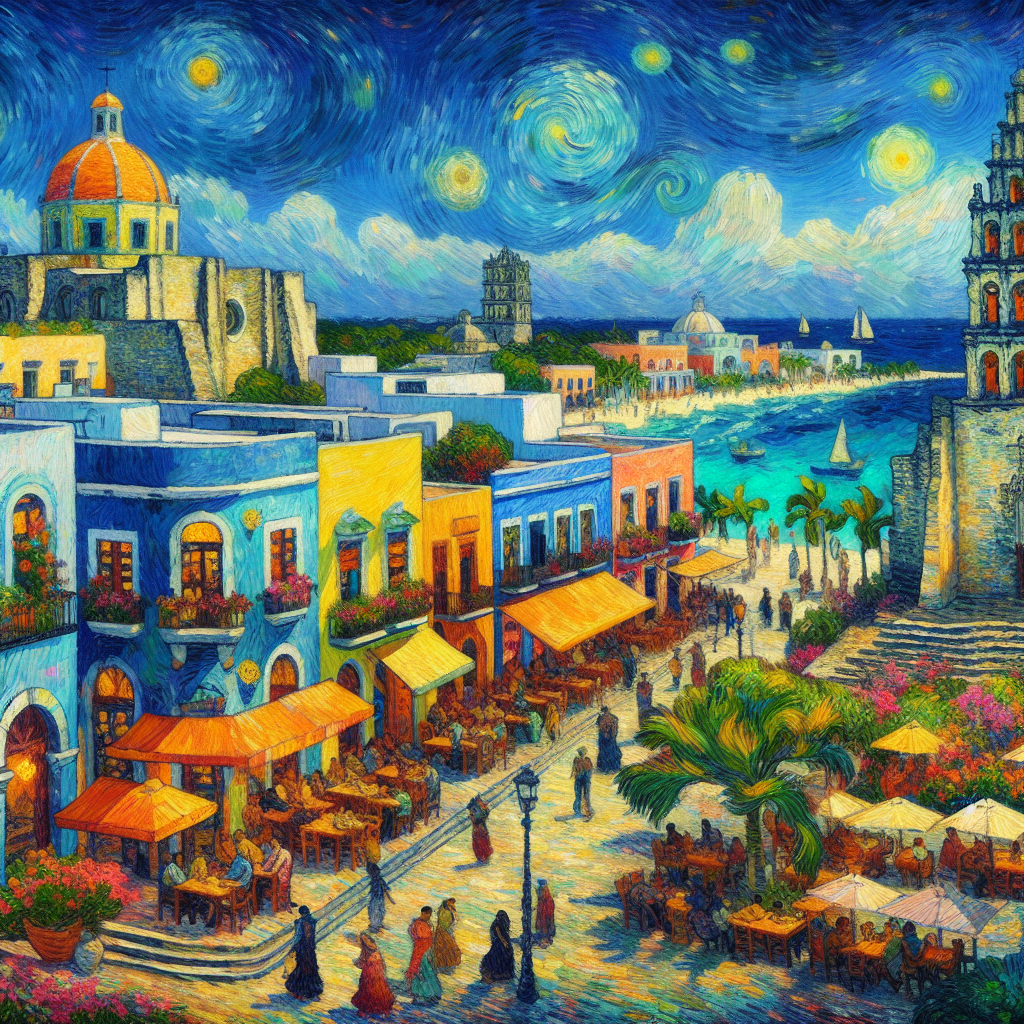
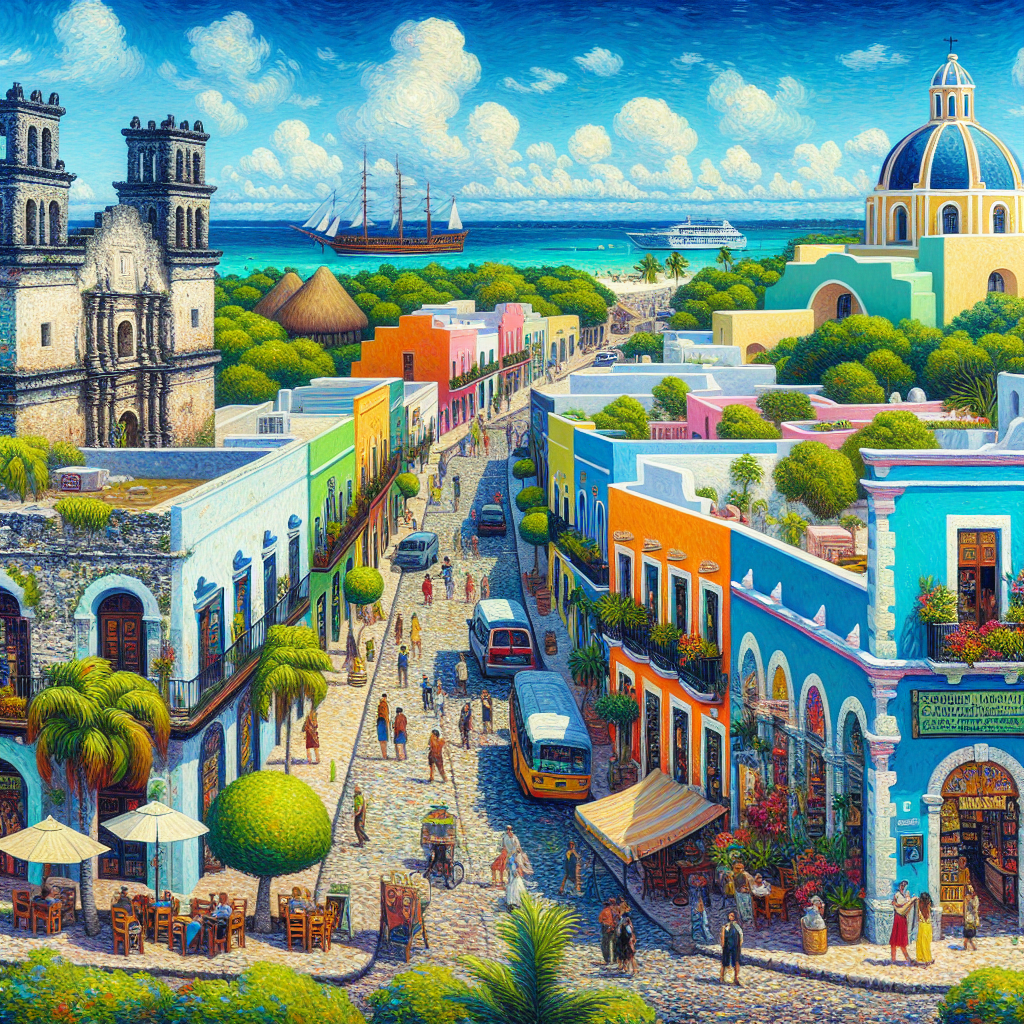
And then, there’s the charming architecture of San Miguel, the island’s main town. The colorful buildings lining the streets are more than just a pretty facade; they’re a testament to the resilience and spirit of the local community. As you stroll along the bustling avenues, more than just a visitor, you become part of a living, breathing entity rich with stories woven into every brick and tile. Each corner holds a cafe, a market, an artisan’s shop, waiting to share its narrative with anyone who takes the time to look.
Let’s not forget the stunning churches, like the majestic Parroquia de San Miguel Arcángel. With its gleaming white exterior and ornate details, it stands tall and proud, inviting you in for a moment of reflection or a bit of quiet contemplation. In a world that often feels chaotic, finding a little sanctuary can be a balm for the soul.
So, as you make your plans for Cozumel, remember to allocate some time to explore these architectural marvels. You might find that amid the relaxation and adventure, there’s a deeper connection waiting for you in the buildings and ruins that tell the tale of this incredible island. Embrace the journey—you just might discover a piece of yourself along the way.
Are There Any Architectural Wonders In Cozumel to Explore?
Are There Any Architectural Wonders In Cozumel to Explore?
- Cozumel is not only known for its beautiful beaches but also for its rich architectural heritage.
- The San Gervasio Ruins offer insights into the ancient Mayan civilization that once thrived on the island.
- Exploring the ruins allows visitors to feel a connection to the past and the rituals of the Mayans.
- San Miguel, the main town, features colorful buildings that reflect the resilience and spirit of the local community.
- Each street corner in San Miguel is filled with cafes, markets, and artisan shops, all sharing unique stories.
- The Parroquia de San Miguel Arcángel church stands out with its stunning white exterior and ornate details.
- Visiting these architectural wonders can enhance your experience of Cozumel and provide deeper connections to its history.
Are There Any Architectural Wonders In Cozumel to Explore?
Table Of Contents
- Are There Any Architectural Wonders In Cozumel to Explore?
- Which Buildings Showcase Mayan Architectural Styles In Cozumel?
- Are There Any Colonial-Era Structures Worth Visiting In Cozumel?
- What Modern Architectural Designs Can Be Found In Cozumel?
- How Can I Access The Architectural Sites In Cozumel Easily?
- Are There Guided Tours Focusing On Architecture In Cozumel?
- What Architectural Features Are Unique To Cozumel?
- Which Architectural Wonders Are Most Popular Among Tourists?
- Conclusion
- Other Resources
- Glossary Of Terms
- Other Questions
- Haiku
- Poem
- Checklist
Which Buildings Showcase Mayan Architectural Styles In Cozumel?
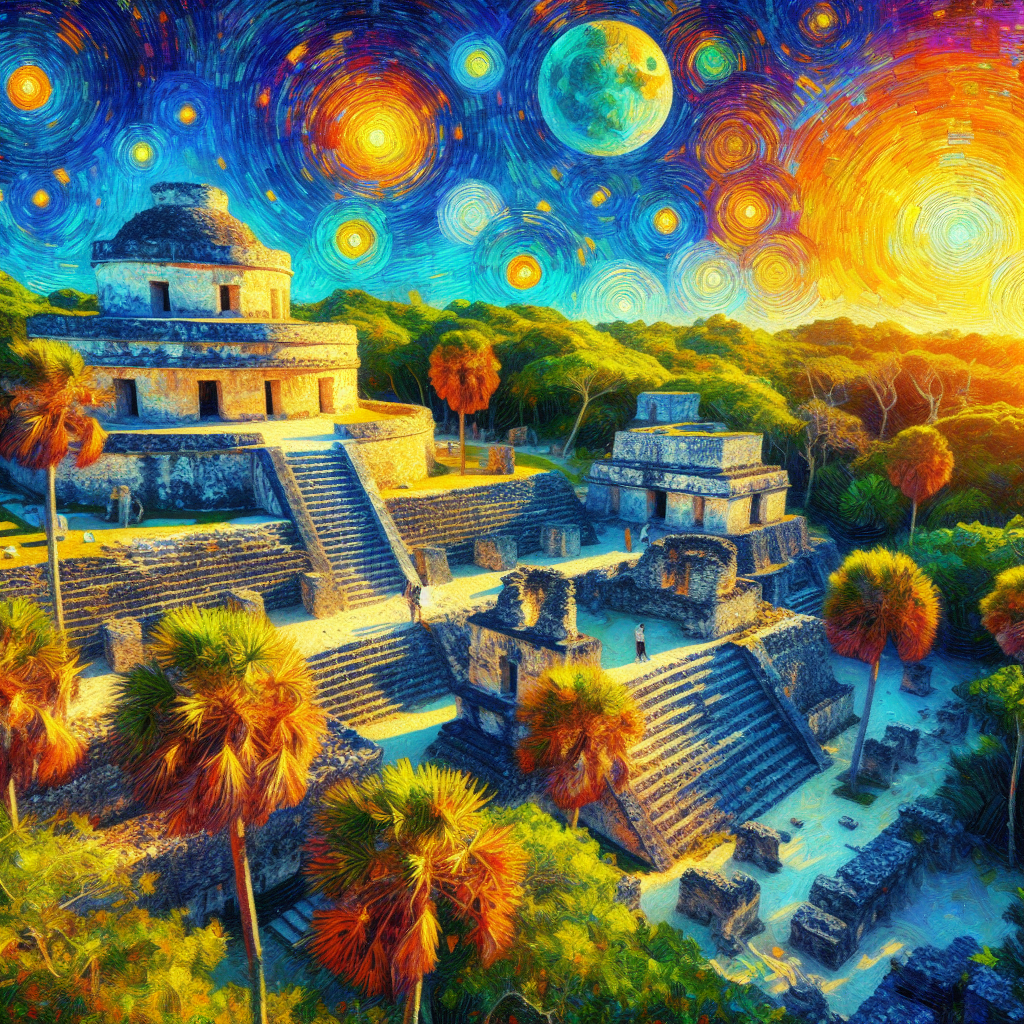
If you find yourself wandering the sun-drenched island of Cozumel, chances are you’ll stumble upon remnants of a fascinating past—Mayan architecture, a testament to an ancient civilization that once thrived in this vibrant region. Picture this: majestic structures looming over the jungle, their walls steeped in history, whispering secrets of a time when vibrant cultures, impressive artistry, and philosophical thought danced through tropical breezes. These buildings aren’t just stone and mortar; they’re portals to an age where every corner of life was intricately connected to the cosmos.
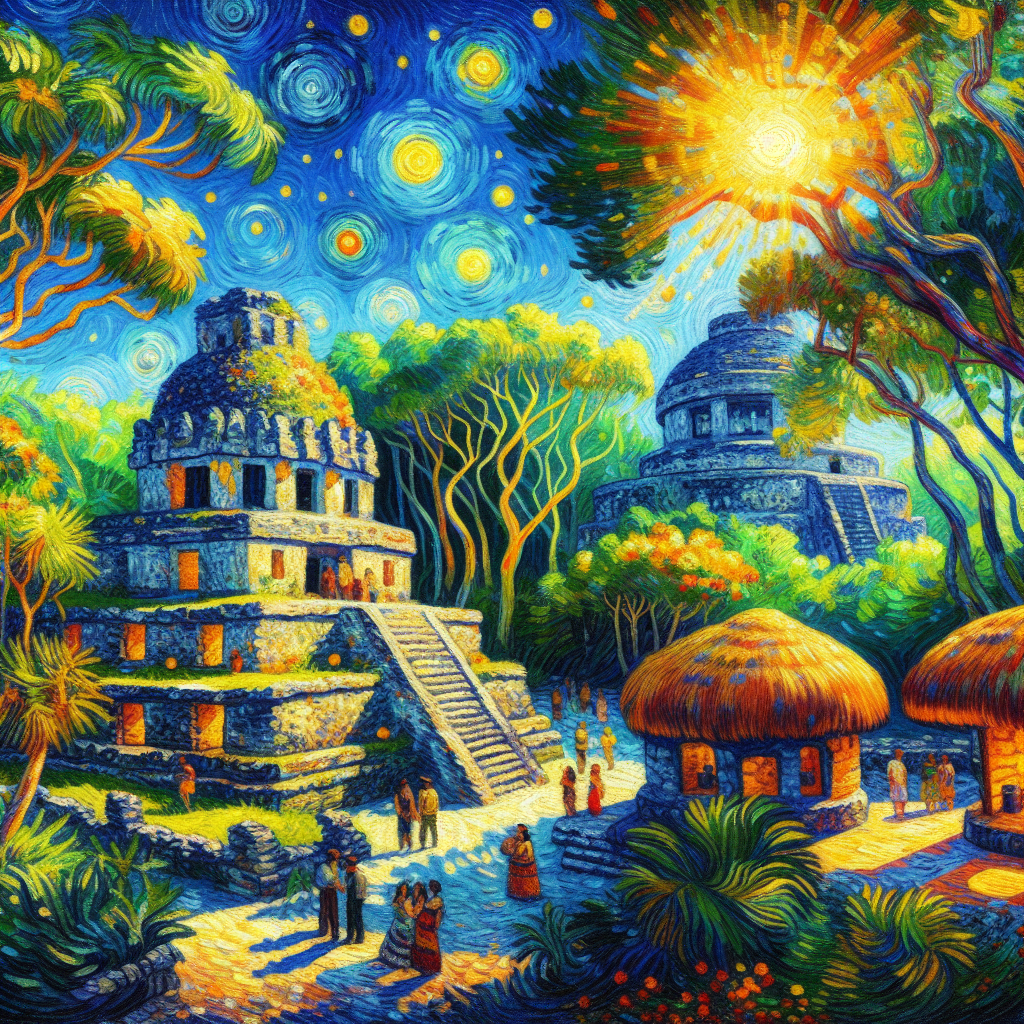
One remarkable site is San Gervasio, an archaeological treasure nestled deep in the verdant heart of the island. Here, the resilient remnants of temples and platforms stand proudly against the specter of time. As you wander through this ancient ceremonial center, you may find yourself feeling a connection to something larger, as if the pulse of past inhabitants still resonates through the air. San Gervasio also served as a major pilgrimage site for the goddess Ix Chel, the deity of love and fertility. Imagine the rituals that unfolded here—the prayers, the offerings, the communal bonds formed through shared beliefs. It’s an emotional journey, a reminder of our own quests for meaning and belonging.
Another impressive example is El Caracol, which, while not purely Mayan in its architectural style, represents a mix of cultural influences that have made their mark in Cozumel. This round structure, often used for astronomical observations, showcases the ingenuity of an era when understanding the stars was as essential as the food on your plate. Walking under its arched ceilings, you might reflect on your own relationship with the universe, pondering where you fit in this vast tapestry of existence.
Finally, the Temazcal, a traditional steam bath, serves as a vivid reminder of both physical and spiritual cleansing practices of the Mayan people. While it’s not a building in the conventional sense, this structure invites personal reflection—just as the ancient Mayans would have embraced the rituals of renewal, so too can we find solace in the often chaotic world around us.
So, whether you’re a history buff, an adventurer, or simply someone looking to connect with the essence of a culture long gone, these buildings stand as inviting symbols of resilience and understanding. Don’t just observe; engage with these stories. Walk through the ruins, feel the energy, and let it stir something deep within. After all, every stone has a tale, and every journey has the potential to uncover pieces of ourselves we didn’t even know we were searching for.
Which Buildings Showcase Mayan Architectural Styles In Cozumel?
Which Buildings Showcase Mayan Architectural Styles In Cozumel?
- Cozumel features remnants of Mayan architecture, revealing the island’s rich historical past.
- San Gervasio is an important archaeological site housing temples and platforms, formerly a pilgrimage location for the goddess Ix Chel.
- The site offers visitors a connection to the ancient civilization and its communal rituals surrounding love and fertility.
- El Caracol, though not purely Mayan, displays a blend of cultural influences and served as an astronomical observatory.
- This round structure invites reflection on humanity’s place in the universe, highlighting the historical significance of star-gazing.
- The Temazcal, a traditional steam bath, symbolizes physical and spiritual cleansing rituals of the Mayans.
- Visitors are encouraged to engage with these sites, allowing their history and energies to inspire personal introspection.
Which Buildings Showcase Mayan Architectural Styles In Cozumel?
Are There Any Colonial-Era Structures Worth Visiting In Cozumel?
If you’ve ever found yourself wandering through a new place, you might know that nagging question lurking just below the surface: Are there any hidden gems here that are worth my time? That’s especially true in a vibrant tourist destination like Cozumel, where the beaches gleam with turquoise waters and the margaritas flow all too freely. But amidst the sun-kissed shores, there’s a whisper of history waiting for you—one that might just draw you away from your beach chair for a moment of discovery.
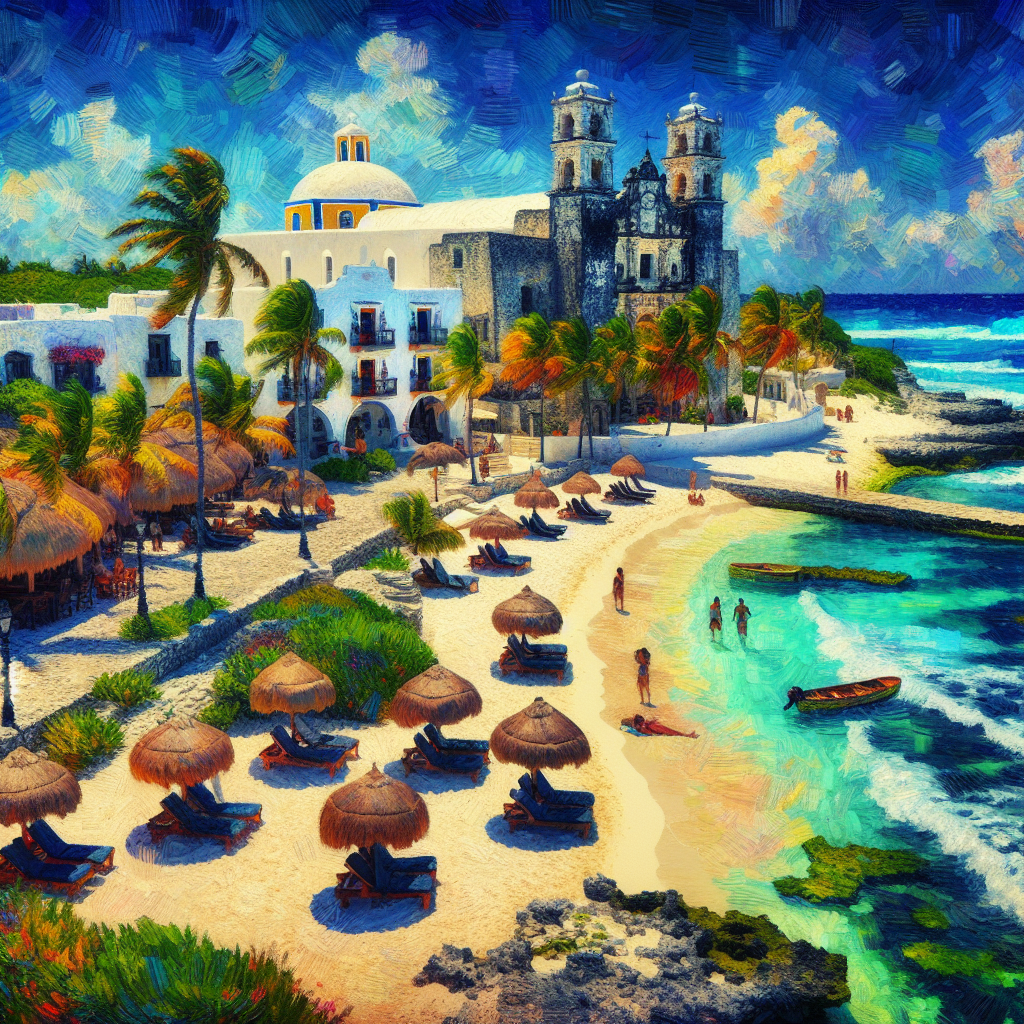
Let’s dive into the colonial past of this little island, shall we? Cozumel may be small, but it has its fair share of structures that harken back to a different era, telling tales of days gone by in a way that a sunburned afternoon never could. One notable spot is the San Gervasio Ruins, remnants of a once-thriving Mayan settlement. Just think of it for a moment: centuries ago, these very grounds were alive with vibrant activity, worship, and commerce. While the ruins aren’t colonial in the strictest sense—they predate that era—they set the stage for Spanish colonization, giving color to the island’s rich tapestry.
Then there’s the stunning Guadeloupe Church, a beacon of faith and a stunning display of colonial architecture. With its striking white facade that pops against the blue sky, it’s more than just a place of worship; it’s a sanctuary where you can pause, reflect, and soak in the spirit of the island. Picture yourself stepping inside, the cool air whispering around you, as sunlight streams through stained glass, illuminating figures of devotion. It’s difficult not to feel a sense of peace as you wander the grounds, perhaps wondering how many people before you sought solace here.
You might be thinking, can traveling back in time within the confines of these structures really live up to the dreamy vacation ethos? Absolutely! Embracing the past doesn’t mean sacrificing your fun; rather, it enriches your experience, offering layers of meaning to the sun-soaked sands.
So, if you find your toes inching into the sand for one more moment, step back and consider adding a dash of history to your itinerary. There’s a wild adventure waiting for you in Cozumel’s colonial-era structures. Trust me, it’ll be a rewarding detour you won’t regret.
Are There Any Colonial-Era Structures Worth Visiting In Cozumel?
Are There Any Colonial-Era Structures Worth Visiting In Cozumel?
- Cozumel is a vibrant tourist destination with beautiful beaches and a rich history.
- The island features hidden gems worth exploring beyond its sun-soaked shores.
- San Gervasio Ruins are remnants of a Mayan settlement, showcasing historical activity.
- Guadeloupe Church is a stunning example of colonial architecture with a peaceful atmosphere.
- Exploring historical sites enhances the vacation experience with deeper meaning.
- Travelers are encouraged to balance relaxation with moments of historical discovery.
- A visit to Cozumel’s colonial-era structures promises a rewarding adventure.

Are There Any Colonial-Era Structures Worth Visiting In Cozumel?
What Modern Architectural Designs Can Be Found In Cozumel?
Cozumel, a jewel nestled in the Caribbean, is not only famous for its pristine beaches and vibrant marine life but also for its eclectic architectural landscape that straddles the line between tradition and modernity. If you’re a traveler seeking to dive deeper into the essence of this island, you’ll find that modern architectural designs here reflect a harmonious blend of innovative styles and local culture.
Take a leisurely stroll through San Miguel, the island’s vibrant capital, and you’ll encounter contemporary buildings adorned with vivid colors, expansive windows, and sleek lines that stand in stark contrast to the traditional Mexican facades. These structures are intentionally designed to invite the outside in, encouraging a seamless flow between indoor comfort and the breathtaking natural beauty just beyond the walls. Imagine sipping your morning coffee in a sunlit corner, your view framed by a clever design that enhances the allure of the turquoise waters outside.
Consider the eco-friendly resorts and private villas that pop up along the coastline. They aren’t just about luxury; they’re about sustainability too. Architects are increasingly embracing materials native to the Yucatán Peninsula, ensuring that their projects marry well with the environment. The result? Homes that don’t just sit on the landscape but become a part of it, reflecting the unyielding beauty of the Caribbean while reducing their ecological footprint.
But it’s not just the structures themselves that captivate; it’s the stories they tell. Many of these modern designs stem from a dialogue with the local community, addressing the very real challenges they face: the impacts of climate change, the desire for economic development, and the need to preserve cultural heritage. You can sense this commitment in the buildings’ thoughtful silhouettes and their use of local craftsmanship alongside modern technology.
Walking around Cozumel, you’ll realize that every corner is an invitation. An invitation to connect with the land, the people, and the island’s vibrant history—even as it strides confidently into the future. So, whether you’re lounging at a high-tech hotel or exploring a sleek gallery, take a moment to appreciate the creativity and resolve embedded in Cozumel’s evolving architecture. It’s a testament to the resilience and spirit of an island determined to thrive, and a reminder that the past and the present can coexist beautifully. Embrace the journey, and feel at home in the architectural heartbeat of this stunning destination.
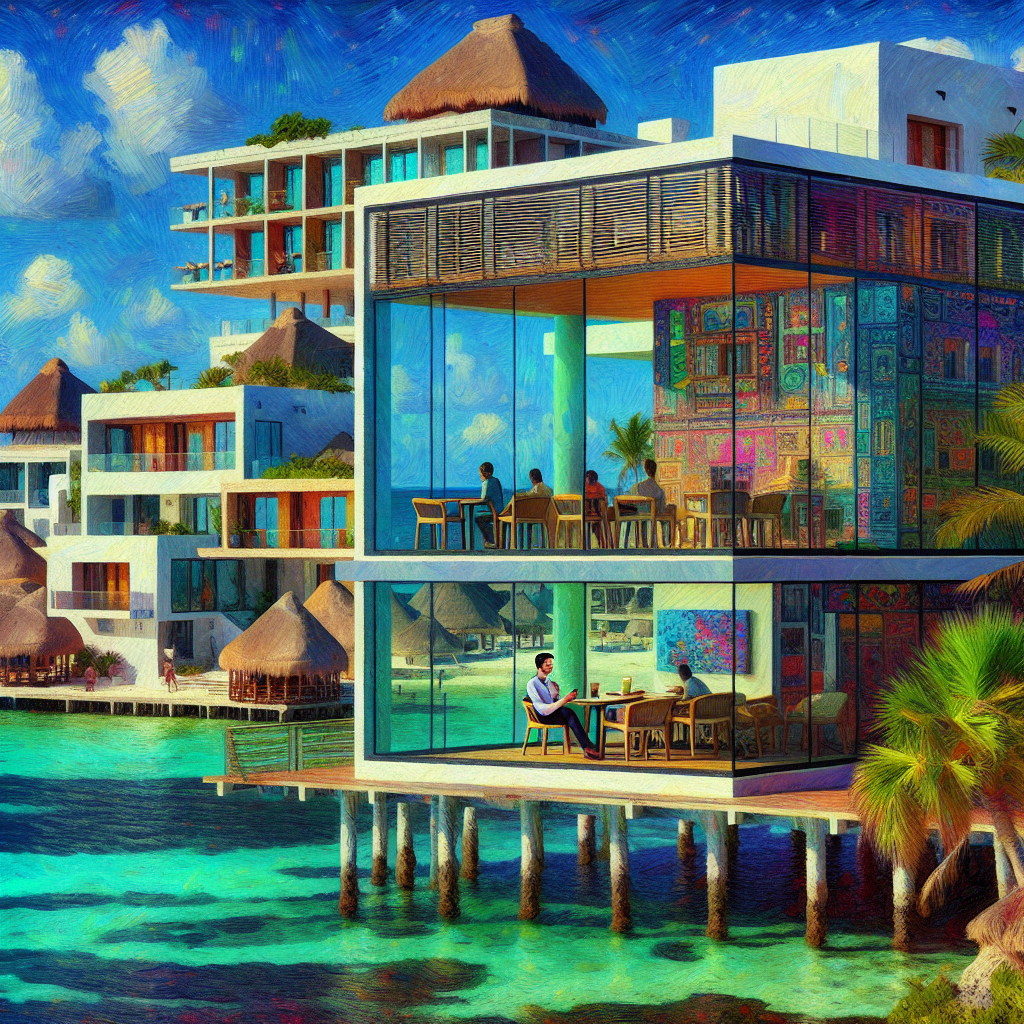
What Modern Architectural Designs Can Be Found In Cozumel?
What Modern Architectural Designs Can Be Found In Cozumel?
- Cozumel is renowned for its pristine beaches, vibrant marine life, and unique architectural landscape.
- Modern architecture on the island blends innovative styles with local culture.
- San Miguel, the capital, features contemporary buildings with vivid colors and expansive windows.
- Structures are designed to invite the outdoors in, enhancing coastal views from within.
- Eco-friendly resorts and private villas reflect a commitment to sustainability and use local materials.
- Modern designs stem from community dialogues addressing climate change, economic development, and cultural heritage preservation.
- Cozumel’s architecture invites visitors to engage with its history while embracing a sustainable future.

What Modern Architectural Designs Can Be Found In Cozumel?
How Can I Access The Architectural Sites In Cozumel Easily?
Ah, Cozumel—a treasure trove of architectural wonders just waiting for your exploration. But let’s be honest, navigating a new island can feel a bit like trying to solve a Rubik’s Cube blindfolded. Those majestic Mayan ruins and colonial landmarks won’t come to you; so how do you make sure you reach these awe-inspiring sites without the frustration?
First off, embrace the fact that you’re not alone on this journey. Many travelers feel that twinge of anxiety when faced with a foreign landscape, but that’s part of the adventure! Recognizing these emotional bumps along the way is what makes the experience worthwhile. Here’s the good news: accessing architectural sites in Cozumel can be straightforward with a little preparation.
Start by equipping yourself with a reliable map or a smartphone app that’s designed for tourists. Most of us are pretty familiar with technology these days, but in new surroundings, your phone can be your best friend. Download offline maps if you anticipate sketchy Wi-Fi, and pin those key architectural locations—like the iconic San Gervasio ruins or buzzing downtown San Miguel. You’ll feel like you’re holding a golden ticket to uncover history!
Once you’re set with your digital navigation tool, consider hopping on a guided tour. I know, I know—tour groups can seem a bit cheesy, but hear me out. Not only do they take the stress out of logistics, but they also provide a knowledgeable guide who can share stories and anecdotes about each site. Imagine standing amidst ancient structures, and learning that the very stones beneath your feet have stories stretching back centuries. Trust me, that insight adds layers of meaning to what you’re looking at, making the experience all the richer.
And let’s not forget about transportation options. Renting a scooter or bicycle is a fantastic way to roam freely, feeling the warm breeze against your face as you ride towards your next destination. But if that seems a tad too adventurous, local taxis and shuttles are always ready at your service.
Lastly, be open to spontaneity. Yes, it’s great to have a plan, but some of the best moments can arise when you deviate from your itinerary. Wandering off the beaten path might unveil hidden gems that no guidebook can tell you about. Embrace the unexpected, and you might find that the journey is just as fulfilling as the destination. So gear up, take a deep breath, and let the architectural wonders of Cozumel unveil themselves!
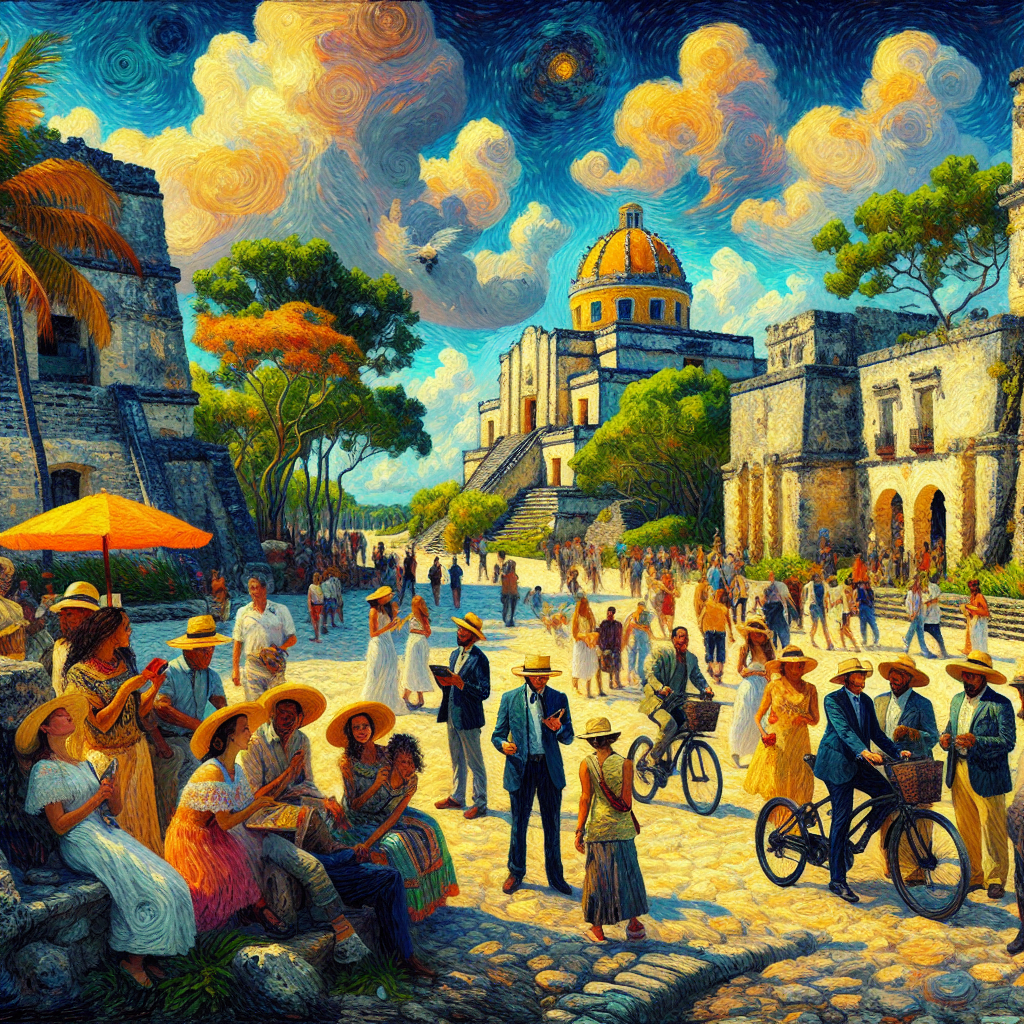
How Can I Access The Architectural Sites In Cozumel Easily?
How Can I Access The Architectural Sites In Cozumel Easily?
- Cozumel is rich in architectural wonders including Mayan ruins and colonial landmarks.
- Traveling in a new place can be challenging, but it’s part of the adventure.
- Prepare by using a reliable map or smartphone app to navigate to key sites.
- Consider joining a guided tour for insights and stories about the locations.
- Transportation options include renting a scooter or bicycle, or utilizing local taxis and shuttles.
- Be open to spontaneity; deviating from your plan can lead to unexpected discoveries.
- Embrace the exploration and enjoy the architectural beauty of Cozumel!
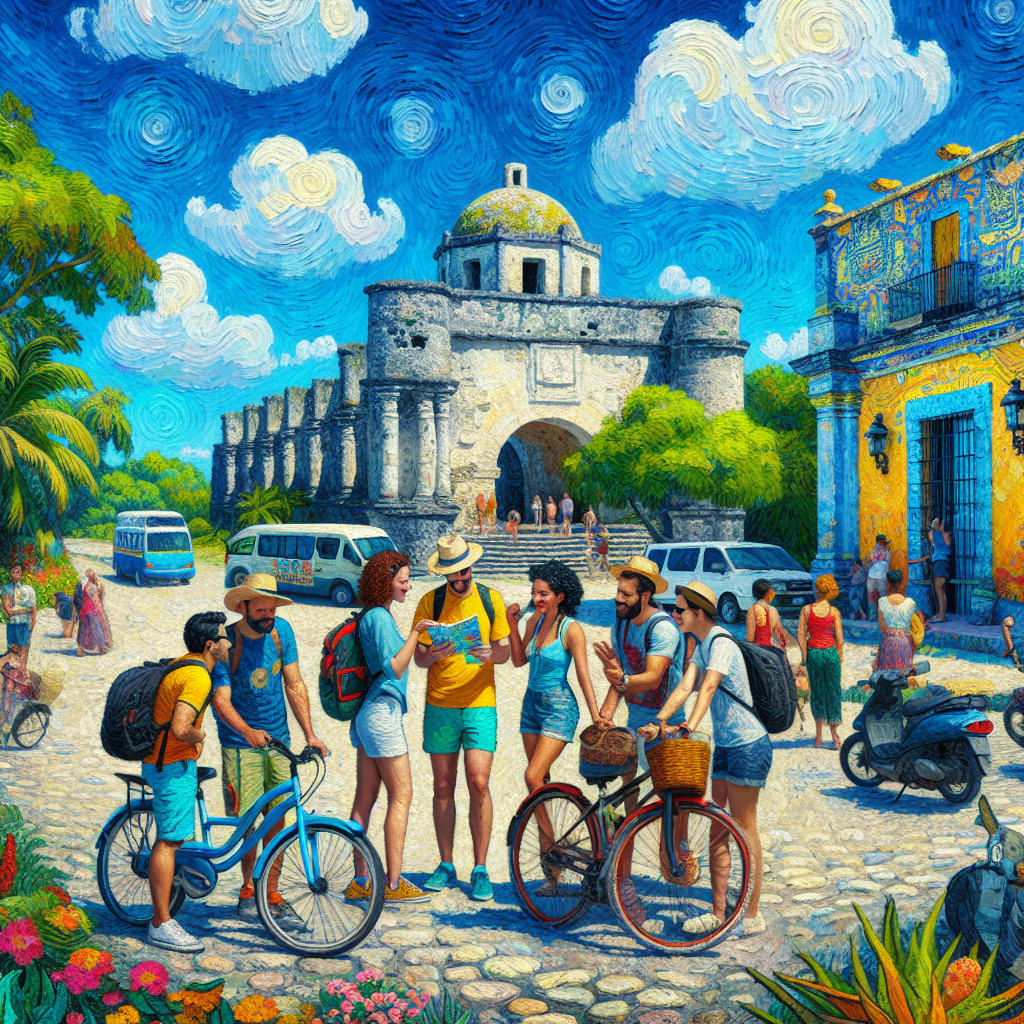
How Can I Access The Architectural Sites In Cozumel Easily?
Are There Guided Tours Focusing On Architecture In Cozumel?
Ah, Cozumel! A serene isle cradled by the Caribbean Sea, where the golden sun paints the sky, and the scent of salt water dances through the air. But beyond the inviting beaches and vibrant coral reefs lies a treasure trove of architectural marvels that weave together the rich tapestry of the island’s history. You might be wondering, “Are there guided tours that dive into this fascinating blend of culture and design?” The answer, dear traveler, is a resounding yes!
You see, architecture isn’t just about walls and roofs; it’s a living diary that tells stories of people who have shaped a place. Walking through the cobblestone streets of downtown Cozumel, you’ll encounter colonial-era buildings that whisper secrets of Spanish influence and ancient Mayan structures that remind us of the island’s indigenous heritage. But to truly appreciate these architectural gems, catching a glimpse through the eyes of a knowledgeable guide can make all the difference.
Imagine standing before the iconic San Miguel Church, feeling the coolness of its façade as your guide recounts fascinating tales that make the past come alive. Picture yourself wandering through picturesque plazas, where each corner reveals a little more of the island’s character, guided by someone who’s not just there to talk, but to share a passion for architecture that resonates with your own curiosity.
Guided tours are more than just an itinerary; they create a connection to Cozumel’s heartbeat. As you stroll alongside others who share your love for architecture, you’ll bond over captivating stories that breathe life into every building. You’ll find camaraderie in fellow explorers who also yearn to understand the intricacies of the island’s vibe—a shared experience that transforms mere sightseeing into real storytelling.
It’s natural to feel a bit apprehensive when trying something new. Maybe you’re unsure if a guided tour will be worth your time and money. But, trust me—these tours are crafted by people who genuinely care about showcasing the artistry behind every structure. They will guide you, not just with knowledge, but enthusiasm and affection for the place that calls them home.
So, if you’re gearing up for your adventure in Cozumel, consider embarking on one of these architectural tours. Step off the beaten path, engage with the local culture, and immerse yourself in the narrative of a place that might just surprise you. Because at the end of the day, it’s about more than just seeing; it’s about understanding, feeling, and connecting with the past while enjoying the present. Now, who’s ready to explore?
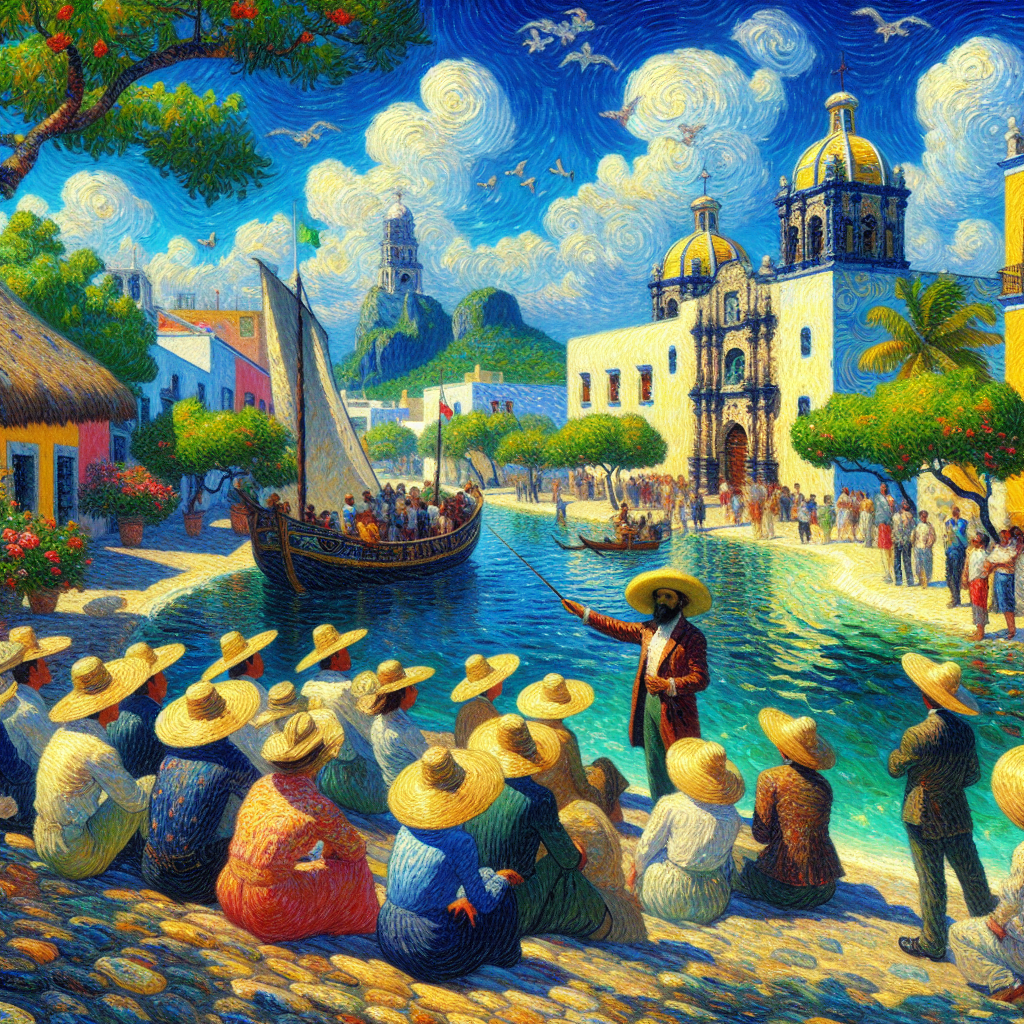
Are There Guided Tours Focusing On Architecture In Cozumel?
Are There Guided Tours Focusing On Architecture In Cozumel?
- Cozumel is a serene island in the Caribbean, known for its stunning beaches and rich architectural history.
- Guided tours are available that explore the island’s blend of cultural and architectural heritage.
- Architecture serves as a living diary, reflecting the island’s colonial Spanish influence and ancient Mayan heritage.
- Visitors can appreciate landmarks like the San Miguel Church with the insights of knowledgeable guides.
- Guided tours foster a sense of community among participants who share a passion for architecture.
- These tours are designed to provide genuine connections and deeper understanding of the local culture.
- Exploring architectural sites in Cozumel enhances the experience of understanding and connecting with the island’s past.
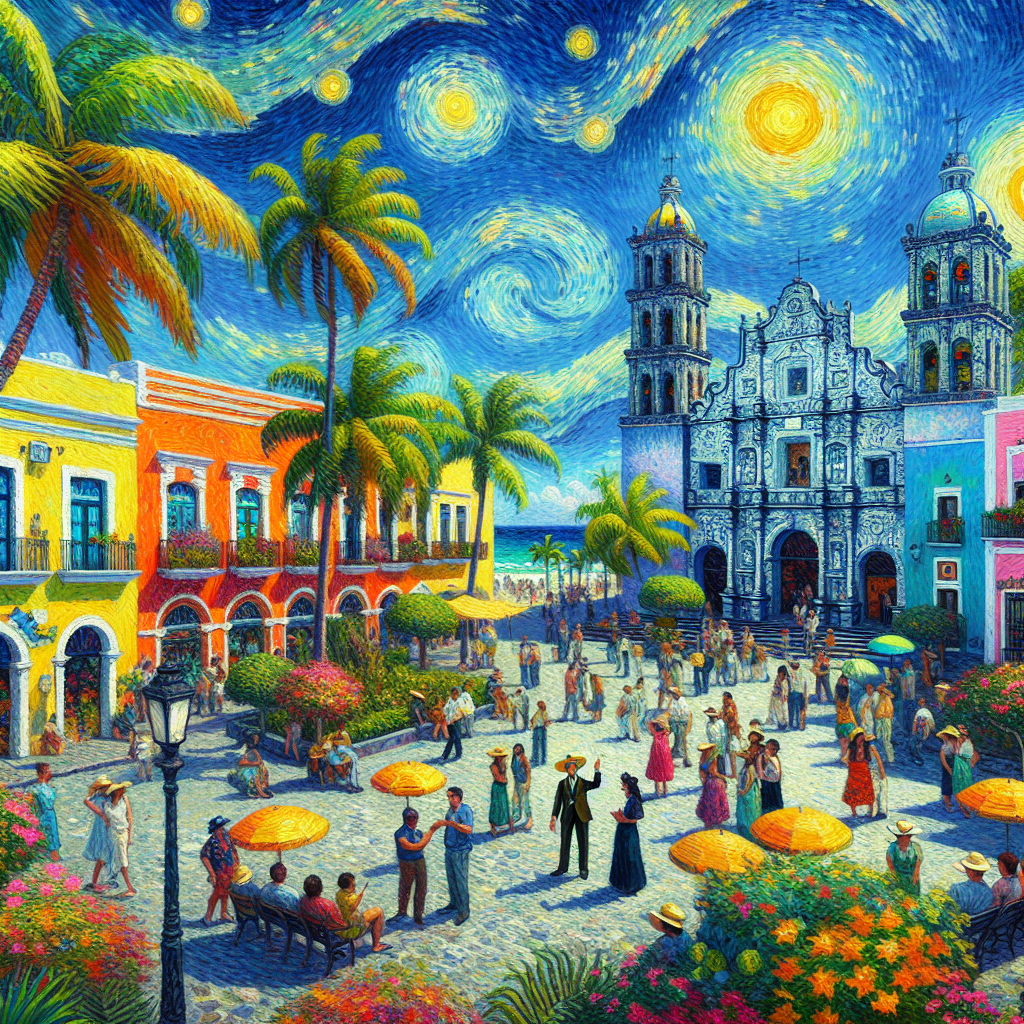
Are There Guided Tours Focusing On Architecture In Cozumel?
What Architectural Features Are Unique To Cozumel?
As you stroll through the vibrant streets of Cozumel, the architectural landscape tells a story—one that blends history with the hustle and bustle of island life. The buildings here are not just structures; they are a testament to the rich cultural tapestry that is woven together from ancient Mayan influences, colonial Spanish designs, and contemporary island living. This blend creates a unique charm that beckons you to pause, look closer, and breathe in the history.
One standout feature that commands attention is the bright, pastel colors of the buildings. The islanders seem to have a knack for vibrant hues, and you can’t help but feel a sense of joy as you walk past homes and shops splashed with aquas, corals, and yellows. It’s as if the buildings themselves are smiling, inviting you to explore their doors and windows. This colorful aesthetic serves a purpose beyond beauty; it reflects the Caribbean spirit—a spirit of warmth, openness, and a hint of celebration that makes you feel right at home, even when you’re miles away from your own.
Architectural details like the ornate wrought-iron railings and wooden doors reveal a craftsmanship that hasn’t wavered through generations. Imagine the artisans’ hands that shaped each piece, painstakingly ensuring that every curve, every scroll tells its own story. This isn’t just construction; it’s artistry—and it’s a reminder that behind every building, there’s a soul.
Now, let’s address the heat—it’s as much a part of Cozumel as the architecture itself. You might find yourself longing for a shady nook or a refreshing breeze. Here’s where the island’s design shines: Many buildings feature wide verandas and breezy open-air spaces, allowing the soothing island air to flow through. This thoughtful design isn’t just practical; it reflects the local culture’s deep respect for nature and a desire to embrace life under the sun.
As you explore Cozumel’s architectural wonders, let them inspire you. Each structure encourages you to look deeper, to connect with the people who inhabit the spaces. A journey here isn’t just about sightseeing; it’s about experiencing a lifestyle that values community, creativity, and the beauty found in everyday life. So, take a moment to sit back on a vibrant porch, engage with the locals, and soak in the unique ambiance that defines this beautiful island. It’s more than an invitation to admire; it’s a call to be part of the story.
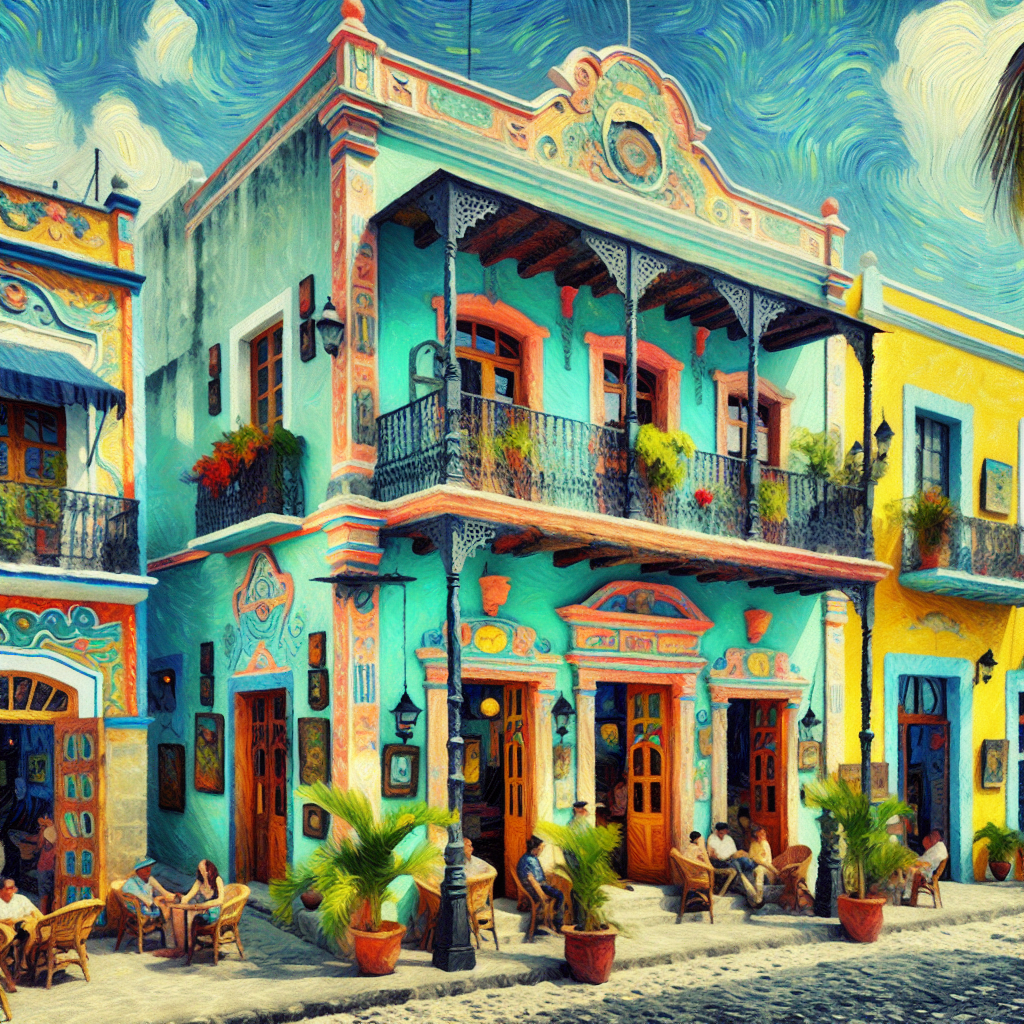
What Architectural Features Are Unique To Cozumel?
What Architectural Features Are Unique To Cozumel?
- Cozumel’s architecture showcases a blend of ancient Mayan, colonial Spanish, and contemporary influences.
- Buildings are characterized by bright, pastel colors, embodying the vibrant Caribbean spirit.
- Ornate wrought-iron railings and handcrafted wooden doors highlight local craftsmanship and artistry.
- Wide verandas and open-air spaces in building designs promote natural airflow, reflecting respect for nature.
- The island’s architecture encourages deeper connections with its inhabitants and their culture.
- Exploring Cozumel is about experiencing a lifestyle valuing community, creativity, and everyday beauty.
- Visiting is not just sightseeing; it’s an invitation to engage and be part of the island’s story.
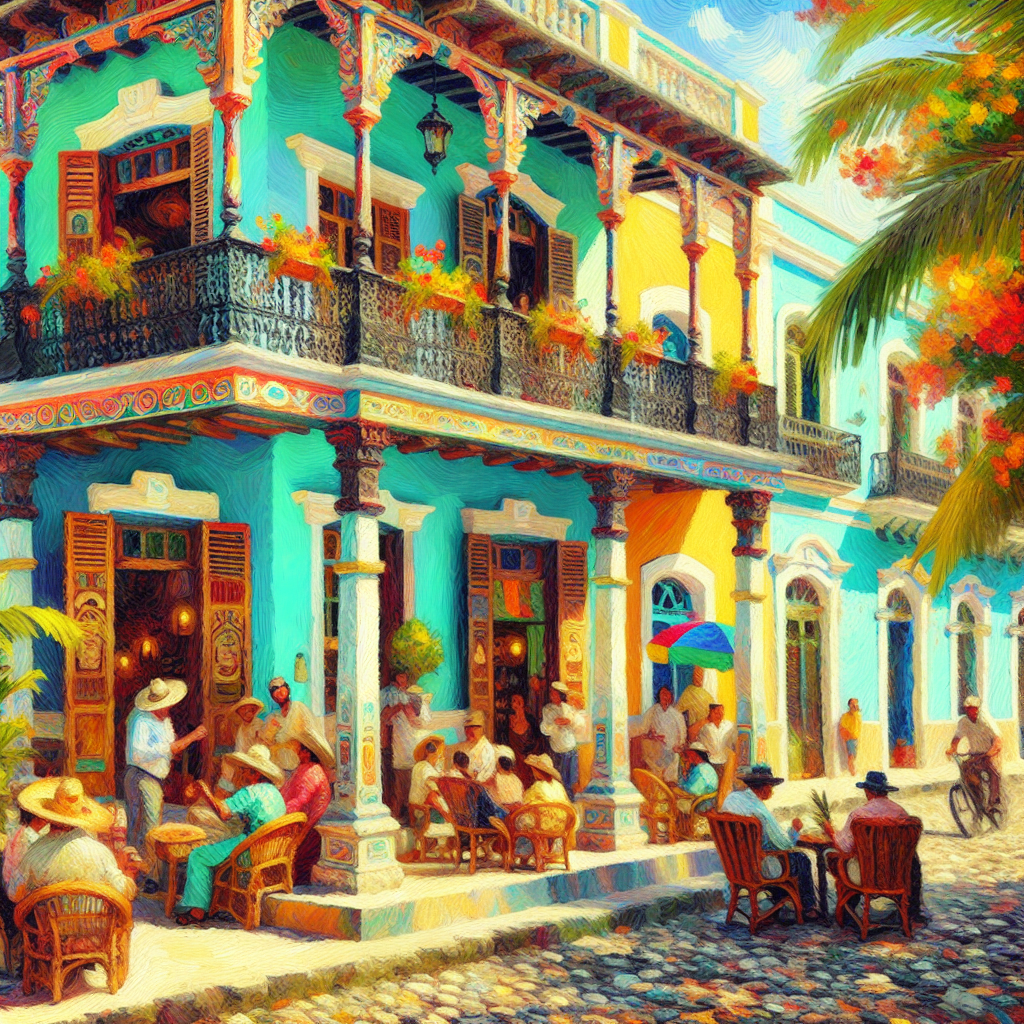
What Architectural Features Are Unique To Cozumel?
Which Architectural Wonders Are Most Popular Among Tourists?
When you think about architectural wonders, images of towering spires, intricate carvings, and breathtaking vistas come to mind. These remarkable structures—and the stories they tell—have a way of pulling at our heartstrings, sparking curiosity, and igniting that familiar itch to explore. If you’ve ever found yourself gazing up in awe at an iconic building, you’re not alone. Millions of us seek out these stunning feats of design, often feeling a deep connection to the histories and cultures they encapsulate.
Take the Eiffel Tower, for instance. It’s not just a landmark; it’s a symbol of love and creativity that attracts around seven million visitors each year. As you ascend that iron giant, you can practically feel the whisper of history in the wind—stories of artists, lovers, and dreamers who walked beneath its arching structure. It’s a universal experience, one that transcends language and geography. Yet, here you stand, part of something much greater, connecting with people from all walks of life who share your sense of wonder.
Head to the majestic Taj Mahal, and you’ll witness firsthand how architecture can manifest love. This dazzling white marble mausoleum pulls in crowds from every corner of the globe, inviting each visitor to pause and reflect on the powerful emotions and sacrifices that gave rise to such beauty. The potential to inspire introspection and appreciation is what makes these places more than mere destinations; they are sanctuaries of human experience.
Then there’s Machu Picchu in the clouds of Peru. The journey there, with its challenging terrain, resonates with anyone who’s had to overcome hurdles to achieve something extraordinary. Once you arrive, standing among those ancient stones isn’t just about seeing; it’s about feeling a part of something timeless—an echo of a vibrant civilization long gone. Everyone in attendance is creating memories, struggling to capture the perfect photo, and marveling at the sheer audacity of its existence.
Architectural wonders hold that special allure because they embody dreams forged in stone and steel, inviting us to step into a narrative that’s much larger than us. They remind us that despite our individual challenges and emotions, we are all united by a thirst for discovery and a shared appreciation for human creativity. So, pack your bags and let your curiosity lead the way. These wonders are waiting to embrace you, each one offering a fresh perspective and a chance to connect—both with history and with others who are also seeking their place in the grand tapestry of life.

Which Architectural Wonders Are Most Popular Among Tourists?
Which Architectural Wonders Are Most Popular Among Tourists?
- Architectural wonders evoke a sense of awe, curiosity, and a connection to histories and cultures.
- The Eiffel Tower symbolizes love and creativity, attracting around seven million visitors annually.
- Visiting the Eiffel Tower allows individuals to feel connected to a diverse community sharing similar experiences.
- The Taj Mahal represents love and sacrifice, serving as a sanctuary for reflection and appreciation.
- Machu Picchu’s challenging terrain emphasizes the effort needed to achieve extraordinary experiences.
- These structures invite us to engage with narratives larger than ourselves, showcasing human dreams and creativity.
- Exploring architectural wonders fosters connections with history and fellow travelers in life’s grand journey.

Which Architectural Wonders Are Most Popular Among Tourists?
Conclusion
As we wrap up this exploration of Cozumel’s architectural treasures, let’s take a moment to peel back the layers of what makes this island more than just a sun-soaked paradise. Sure, the turquoise waters and sandy beaches beckon with their siren song, but beneath the surface lies a landscape steeped in history, culture, and architectural marvels that deserve our attention. Cozumel isn’t just a destination; it’s a vibrant tapestry woven from the threads of the past and the present—a story waiting to be told.
Starting with the echoes of the ancient Mayans, the San Gervasio Ruins transport you back in time, offering a glimpse into a civilization that flourished with creativity and spirituality. As you wander through its remnants, you can almost hear the whispers of rituals and life from centuries gone by. Meanwhile, the colorful streets of San Miguel invite you to engage with the local spirit—a mosaic of resilience and artistry reflected in every building. This is an island where every corner holds a narrative, each shop and café eager to share its story if only we take a moment to listen.
And let’s not forget the colonial elegance. Structures like the Guadeloupe Church invite introspection and encourage a sense of peace, transforming what could be just another tourist stop into a soulful experience. It’s the kind of connection that gives a trip depth and a personal touch, enriching the sun-soaked days.
As you soak in the sights, it becomes clear that modern architecture has also found its place here, harmonizing with its surroundings and telling tales of innovation and sustainability. From eco-friendly resorts to contemporary designs, Cozumel embraces the future while nodding respectfully to its roots. This blend reflects a community committed to celebrating and preserving its cultural heritage while crafting a sustainable future.
Accessible, engaging, and alive with possibilities, Cozumel’s architectural wonders are a reminder that exploration is about more than seeing—it’s about experiencing and connecting. Whether you choose to embark on guided tours or wander at your own pace, let curiosity lead the way. Each site holds a piece of the island’s heart, encouraging us to embrace the journey and discover not just the landscape but also a little more about ourselves.
So, as you kick back and savor that fruity cocktail, remember: there’s a world of stories waiting just beyond the shoreline—stories that echo through ancient ruins, colorful streets, and places of worship. Dive in, explore, and who knows? You might just unearth a piece of history that resonates with your own story in the most unexpected ways.
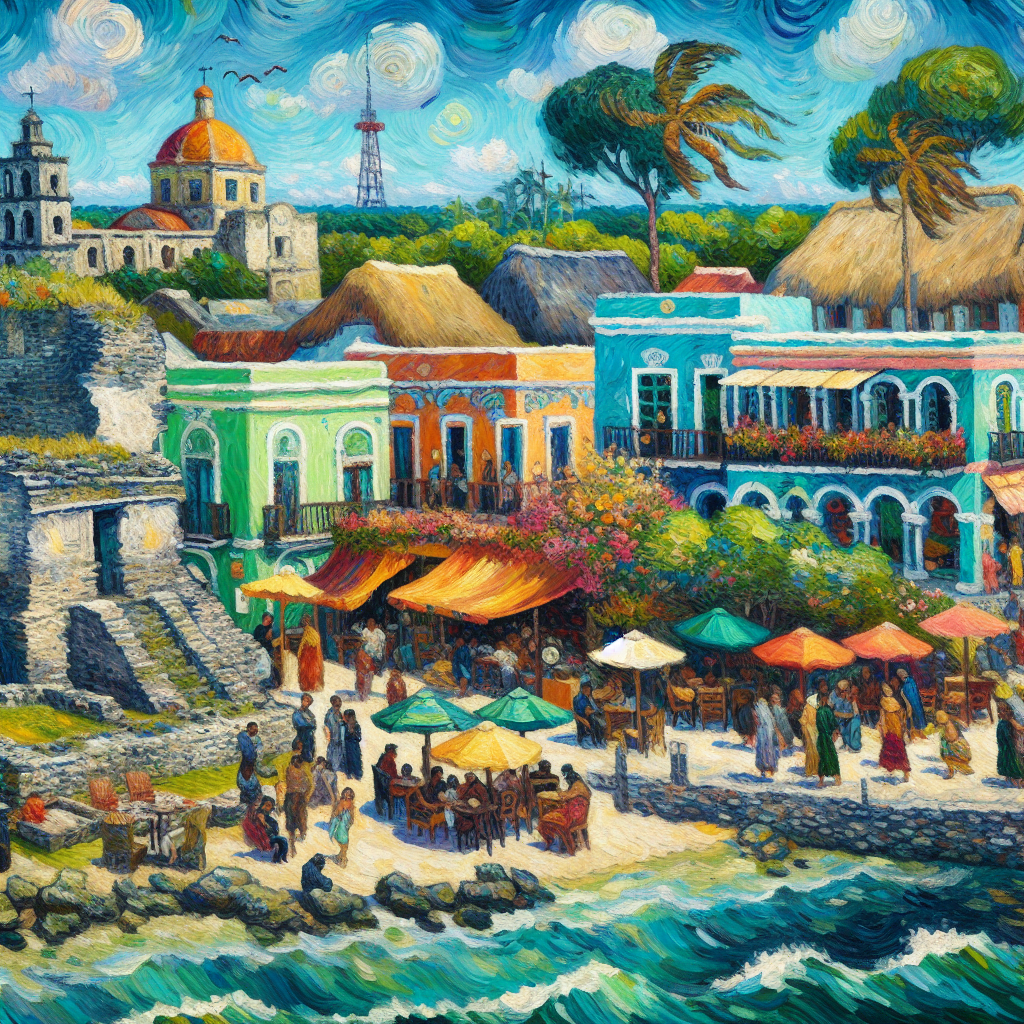
Conclusion
Conclusion:
- Cozumel offers more than just beautiful beaches, showcasing a rich history and architectural marvels.
- The San Gervasio Ruins reveal the ancient Mayan civilization’s creativity and spirituality.
- San Miguel’s vibrant streets reflect local culture, inviting exploration and interaction with its resilient community.
- Colonial structures, such as the Guadeloupe Church, provide peaceful and introspective experiences for visitors.
- Modern architecture in Cozumel harmonizes with its surroundings, showcasing innovation and sustainability.
- Cozumel encourages exploration beyond sightseeing, promoting connections with the island’s heart and culture.
- Visitors are reminded to embrace the journey, as every experience may uncover personal stories intertwined with history.
Conclusion
Other Resources
Other Resources
If you’re thinking about actually being in Cozumel for any of this — not just reading about it from a cold kitchen back home — a couple of our sister sites cover where to stay for the kind of trip you might be planning. Cozumel Journey is an editorial guide to Cozumel — neighborhoods, planning tips, and life on the island for travelers who want context, not a cruise schedule.
Here is a list of other resources you can review online to learn more:
- Nachi Cocom
- El Cozumeleño Beach Resort
- Fly Cozumel
- Palancar Beach
- Hooters Cozumel
- The Thirsty Cougar
- Seahorse Divers Cozumel
- Sky Reef Beach Club
- a slower, editorial take on Cozumel
Use This Prompt To Get More Resources With Your Favorite Online AI Tool: Please provide me with a list of online articles with their URLs in a bulleted list that I can read regarding Are There Any Architectural Wonders In Cozumel to Explore?
Other Resources
Glossary Terms
Are There Any Architectural Wonders In Cozumel to Explore? – Glossary Of Terms
1. Cozumel: The largest Caribbean island in Mexico, known for its rich history, vibrant culture, and beautiful landscapes.
2. Maya Civilization: An ancient Mesoamerican civilization known for its advanced architecture, mathematics, and astronomy, with significant ruins located in the Yucatán Peninsula.
3. San Gervasio Ruins: An archaeological site in Cozumel, once a sacred place for the Mayans, dedicated to the goddess Ixchel.
4. Ixchel: The Mayan goddess of love and fertility, who was honored at various temples in Cozumel.
5. Nohoc Ek: An ancient Mayan ceremonial site in Cozumel that showcases the typical layout of Maya urban centers.
6. Templo de la Cruz: A temple located in Cozumel dedicated to the worship of the cross, reflecting the syncretism of Mayan and Catholic beliefs.
7. Pueblo del Caracol: A reconstructed Mayan village that offers insight into the daily life of the ancient inhabitants of Cozumel.
8. Colonnade: A row of columns supporting a roof or an upper story, often found in temples and public buildings of classical architecture.
9. Palapa: A traditional rural dwelling made from palm leaves, showcasing local building techniques.
10. Balam Art Gallery: A modern architectural space that displays contemporary Mayan art and culture through various artistic mediums.
11. Museo de la Isla de Cozumel: A museum dedicated to the history and culture of Cozumel, featuring exhibits on the island’s archaeological and ethnographic heritage.
12. Chankanaab National Park: An ecological park that blends natural beauty with Mayan-inspired architecture, including replicas of ancient structures.
13. El Cedral: A small historic village in Cozumel known for its early Spanish influence and ancient ruins.
14. Cozumel Bar & Grill: A cultural hotspot featuring local architecture and design elements that celebrate the island’s heritage through food and beverage offerings.
15. Bayside architecture: A style of architecture adapted to coastal environments, characterized by open spaces and materials that resist humidity and salt.
16. Architectural Syncretism: The blending of different architectural styles, reflecting the cultural interactions between the Mayans and Spanish colonizers.
17. Sacred Ceiba Tree: A significant tree in Mayan culture that often marks sacred spaces and is associated with the connection between the earth and the heavens.
18. Quintana Roo: The state in Mexico that encompasses Cozumel, known for its cultural heritage and archaeological sites.
19. Stone Carving: A traditional Mayan art form used to create decorative elements found in temples and monuments.
20. Cenote: A natural sinkhole resulting from the collapse of limestone bedrock, often considered sacred in Mayan culture and sometimes integrated into architectural sites.
21. Patio: An open space surrounded by buildings, typical in traditional architecture, often used for social gatherings.
22. Murals: Decorative paintings used to tell stories or religious themes, found on the walls of Mayan and colonial buildings.
23. Coral Stone: A common building material in the region, used by the Mayans for constructing their temples and homes.
24. Cozumel Lighthouse: An architectural landmark serving both a functional and aesthetic purpose, guiding vessels away from rocky shores.
25. Heritage Site: A designation for locations with historical, cultural, or architectural significance, indicative of both Mayan and colonial influences.
26. Eco-architecture: A design philosophy that promotes sustainability and harmony with the natural environment, often reflected in Cozumel’s developments.
27. Cozumel Cathedral: A church that showcases colonial architecture, blending historical influences from Spain with local design elements.
28. Local Crafts: Artisan works that reflect cultural identity and traditional skills, often seen in architecture through decorative details.
29. Sustainability Practices: Methods incorporated into building and conservation efforts aimed at preserving Cozumel’s natural and cultural resources for future generations.
30. Cultural Heritage: The legacy of physical artifacts and intangible attributes inherited from past generations, significantly shaped by the island’s diverse history.
Glossary Of Terms
Other Questions
Are There Any Architectural Wonders In Cozumel to Explore? – Other Questions
If you wish to explore and discover more, consider looking for answers to these questions:
- What are the best times of year to visit architectural sites in Cozumel?
- Are there specific festivals or events that celebrate Cozumel’s architecture?
- How do I get to San Gervasio from the main town?
- What is the history behind the Guadeloupe Church?
- Are there any local architectural guides or books that I can reference?
- What is the significance of the color choices in Cozumel’s buildings?
- Are there any famous architects who have designed buildings in Cozumel?
- Is it possible to volunteer for local preservation projects related to architecture?
- How has tourism influenced architectural styles in Cozumel?
- What are the safety measures for exploring the ruins and other historical sites?
Other Questions
Haiku
Are There Any Architectural Wonders In Cozumel to Explore? – A Haiku
Ancient whispers call,
Colorful tales etched in stone,
Cozumel’s heart glows.
Haiku
Poem
Are There Any Architectural Wonders In Cozumel to Explore? – A Poem
Beneath the sun’s embrace, the turquoise sea does gleam,
Cozumel, a paradise, where beauty flows like a dream.
But lift your gaze from sandy shores and let your spirit roam,
For here among the ancient stones, the island whispering—home.
Through Mayan echoes at San Gervasio, stories softly call,
Remnants of ancient rituals where history stands tall.
Lush greenery surrounds the past, as laughter fills the air,
A tapestry of life and love in every stone laid bare.
In San Miguel’s vibrant heart, colors dance on every wall,
Each building tells a tale anew, each corner holds a thrall.
Wrought-iron railings, wooden doors, craftsmanship refined,
A culture steeped in artistry, where soul and spirit bind.
Stunning churches pierce the sky—Parroquia’s gleam so bright,
A sanctuary of solitude inviting hearts to light.
With every step, you find a piece, a fragment of the past,
In colonial echoes and modern dreams, the die is ever cast.
To navigate this wondrous land, don’t fear, just take your time,
Maps and smiles will guide your way, adventure so sublime.
Guided tours to quench your thirst for stories of the old,
Connecting threads of history, a marvel to behold.
Through every vibrant façade, warm breezes weaving in,
Life embraces nature’s flow, inviting you to spin.
In Cozumel, each journey brings a piece of self to find,
In architecture’s heartbeat, let your wanderlust unwind.
So embrace the treasures here, both ancient and anew,
Discover layers of the past as each moment beckons you.
For in the wonders of this isle, the spirit sings and sways,
Cozumel’s heart beats ever strong, inviting you to stay.
Poem
Checklist
Are There Any Architectural Wonders In Cozumel to Explore? – A Checklist
Before Your Journey:
1. Research Historical Context
_____ Familiarize yourself with the history of Cozumel, particularly its Mayan and colonial influences.
2. Select Key Sites to Visit
_____ Make a list of must-see architectural wonders:
_____ San Gervasio Ruins
_____ Parroquia de San Miguel Arcángel
_____ El Caracol
_____ Guadeloupe Church
3. Plan a Guided Tour
_____ Look for local guided tours that focus on architectural and historical insights.
4. Download a Map
_____ Equip your smartphone with offline maps to help navigate architectural sites seamlessly.
Packing Essentials:
5. Comfortable Footwear
_____ Wear sturdy shoes for walking through ruins and exploring towns.
6. Sunscreen and Hat
_____ Protect yourself from the sun while exploring outdoor sites.
7. Camera or Smartphone for Photos
_____ Capture the stunning architecture and vibrant colors of the buildings.
During Your Exploration:
8. Engage with Locals
_____ Talk to residents and artisans to learn about the stories behind the architecture.
9. Take Time to Reflect
_____ Find a quiet spot in one of the churches or parks to absorb the history and ambiance.
10. Explore Off the Beaten Path
_____ Don’t hesitate to wander into less-traveled areas to discover hidden gems.
11. Stay Open to Spontaneity
_____ Embrace unexpected surprises, which may lead to memorable experiences.
After Your Visit:
12. Document Your Journey
_____ Write about your experiences, thoughts, and the connections you felt with the architecture.
13. Share Your Discoveries
_____ Consider sharing your findings and favorite sites with fellow travelers or on social media.
By following this checklist, you’ll maximize your architectural explorations while deepening your understanding of Cozumel’s rich history and culture. Enjoy the journey!
Checklist
At TopCozumelNews, we help travelers enjoy Cozumel by collating information learned from frequently traveling to beautiful Cozumel.
Be sure to read our other related stories at TopCozumelNews to learn more about the Island of Cozumel.