Exploring The Depths Of Cozumel: A Diver’s Paradise
By Tom Seest
At TopCozumelNews, we help travelers enjoy Cozumel by collating information learned from frequently traveling to beautiful Cozumel.
Be sure to read our other related stories at TopCozumelNews to learn more about the Island of Cozumel.
Is Cozumel Good for Diving?
If you’re a fan of the deep blue, then let’s talk about Cozumel—a little slice of paradise sitting like a jewel in the Caribbean Sea. This island isn’t just about sunbathing on pristine beaches; it’s an underwater wonderland begging for some exploration. There’s something magnetic about the allure of diving here that has drawn divers from all corners of the globe.
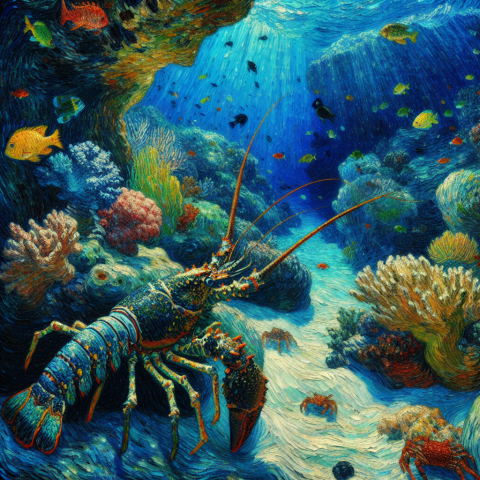
First up, let’s talk about the reefs. Cozumel is home to the Mesoamerican Barrier Reef, the second-largest coral reef system in the world. Think vibrant corals, crystal-clear waters, and marine life that makes every dive feel like a scene from a National Geographic documentary. You’ll swim alongside turtles, vibrant schools of fish, and if you’re lucky, maybe even a dolphin or two. The biodiversity is so rich and diverse that it’s like nature’s own aquarium—sans the walls.
Now, you might be wondering what conditions are like for diving. Spoiler alert: they’re pretty much ideal. The visibility can reach up to 100 feet, which is like looking through a well-polished window into a world you’ve never seen before. The water temperature typically hovers around a balmy 78 to 84 degrees Fahrenheit, so you won’t need to wrap yourself in a wetsuit like a sausage. You might even find yourself questioning why you’d want to leave this aquatic wonderland when you could make it your second home.
For beginners, fear not; Cozumel is a welcoming place with plenty of dive shops that cater to aspiring divers. Guided dive tours take out novices and seasoned pros alike. You don’t need to be Jacques Cousteau to experience the marvel of this underwater paradise. A certified instructor will lead the way, showing you the ropes while ensuring every dive is safe and enjoyable.
For the more experienced diver, dive sites like Palancar and Colombia Reefs offer thrilling underwater landscapes littered with dramatic drop-offs, hidden caverns, and tunnels that will make your heart race with excitement. The adventure is as much about the joy of discovery as it is about gliding effortlessly through the depths of the ocean.
In short, Cozumel is not just good for diving—it’s downright exceptional. Whether you’re a newbie or a veteran, this island is a playground beneath the waves begging for your attention. So grab your gear and dive into the adventure that awaits!

Is Cozumel Good for Diving?
Is Cozumel Good for Diving?
- Cozumel is a Caribbean island known for its beautiful beaches and exceptional underwater diving opportunities.
- Home to the Mesoamerican Barrier Reef, the second-largest coral reef system globally, featuring vibrant corals and diverse marine life.
- Visibility for diving can reach up to 100 feet, with water temperatures between 78 to 84 degrees Fahrenheit.
- Suitable for divers of all levels, Cozumel offers numerous dive shops and guided tours for beginners.
- Experienced divers can explore thrilling sites like Palancar and Colombia Reefs, known for dramatic underwater landscapes.
- The island’s rich biodiversity makes every dive feel like an adventure in a natural aquarium.
- Cozumel invites both novice and veteran divers to enjoy its aquatic wonders and immerse themselves in the adventure.

Is Cozumel Good for Diving?
Table Of Contents
- Is Cozumel Good for Diving?
- Is The Water Temperature In Cozumel Good for Diving?
- Are The Water Currents In Cozumel Good for Diving?
- Are The Diving Sites In Cozumel Good for Diving?
- Is The Equipment In Cozumel Good for Diving?
- Is Cozumel Suitable For Beginner Divers?
- What Are The Best Dive Sites In Cozumel?
- How Is The Visibility For Diving In Cozumel?
- Conclusion
- Other Resources
- Glossary Of Terms
- Other Questions
- Haiku
- Poem
- Checklist
Is The Water Temperature In Cozumel Good for Diving?
If you’ve ever dipped a toe into the waters of Cozumel, you know there’s an allure to this Caribbean jewel that’s hard to resist. The vibrant coral reefs, the abundant marine life, and crystal-clear visibility make it a diver’s paradise. But let’s talk turkey here—how’s that water temperature treating us divers?
First off, let’s get one thing clear: the water temperature in Cozumel is about as inviting as a friendly wave from a long-lost buddy. Generally, you’re looking at a range from the cozy 75°F (24°C) in the cooler months to a balmy 84°F (29°C) during the summer. If that doesn’t sound appealing, I don’t know what does. It’s like swimming in a more refreshing version of your favorite hot tub.
For your first dive or your fiftieth, stepping into warm water is a game-changer. You won’t need full-on polar gear here. A lightweight wetsuit or even a shorty suit will do the trick for most folks, especially when you’re spending extended time submerged. The warm water keeps you comfortable, allowing you to focus on the wonders beneath the surface rather than the shivers running down your spine.
Now, let’s break it down by season. During the dry season, from December to April, you’ll enjoy the warmest water temperatures, perfect for long dives that can stretch into hours. However, as summer rolls around from June to August, while those temperatures hit their peak, the occasional rain can cloud visibility. But fear not! Visibility in Cozumel is generally remarkable year-round, often reaching upwards of 100 feet. So even if it’s raining above, you’re still diving through a kaleidoscope of color below.
Another factor? Currents. Cozumel is famous for its drift dives—think lazy swimming with the help of nature’s currents. Just like a rollercoaster, it adds an extra thrill to your underwater exploration. The warm waters mean the diving conditions are practically begging you to explore, and trust me when I say that the underwater scenery will have you scratching your head, marveling at how these vibrant ecosystems thrive.
So, is the water temperature in Cozumel good for diving? You’d better believe it. Whether you’re a novice or an experienced diver, those tropical temps will cradle you in comfort, allowing you to dive deep and explore this underwater wonderland to your heart’s content. Grab your gear, and let’s make some memories!

Is The Water Temperature In Cozumel Good for Diving?
Is The Water Temperature In Cozumel Good for Diving?
- Cozumel is a diver’s paradise, known for its vibrant coral reefs and abundant marine life.
- The water temperature ranges from a cozy 75°F (24°C) in cooler months to 84°F (29°C) in summer, making it inviting for divers.
- A lightweight wetsuit or shorty suit is usually sufficient due to the warm water, ensuring comfort during dives.
- The dry season (December to April) offers the warmest water temperatures for longer dives.
- Summer (June to August) sees peak temperatures, but occasional rain can impact visibility; however, visibility remains excellent year-round.
- Cozumel is famous for drift dives, providing a thrilling and effortless diving experience.
- The tropical temperatures and warm waters provide a comfortable diving environment for both novice and experienced divers.

Is The Water Temperature In Cozumel Good for Diving?
Are The Water Currents In Cozumel Good for Diving?
When you think about Cozumel, the mind quickly conjures up images of crystalline waters teeming with vibrant marine life. But before you throw on your dive gear and plunge into this underwater paradise, it’s crucial to discuss the elephant in the room: the water currents.
You see, Cozumel is famous for its drift diving, and that’s not just a fancy term tossed around by dive instructors to sound sophisticated. Drift diving means you get to ride the currents like nature’s very own water slide, allowing you to cover vast areas of breathtaking reefs without exhausting yourself. It transforms an ordinary dive into an exhilarating glide through the deep blue, where all you need to do is let the current do the heavy lifting while you marvel at the colorful corals and playful fish darting around you.
Yet, there’s no such thing as a perfect ride. The currents can vary—sometimes they’re gentle, and other times, well, they can feel like a vigorous hand trying to give you a push out into open water. Newcomers to diving might find that unsettling, and rightly so. While experienced divers often appreciate the thrill, those who are still getting accustomed to submerging themselves in the ocean’s embrace might want to approach with caution.
The good news? Most dive operations in Cozumel have a wealth of experience navigating these waters. They assess the conditions daily and know the local dive sites better than the back of their hand. They’ll brief you on the current status and take you to dive spots best suited for your skill level—whether you’re a nervous novice or a seasoned diver craving the adventure of a strong dive.
It’s also vital to remember that safety always comes first. The dive guides will help you understand how to read the currents and work alongside them rather than against them. They’ll show you how to position yourself and how to use your equipment correctly to make your time in the water enjoyable and safe.
In essence, the water currents in Cozumel are not just good for diving; they’re part of the excitement that makes diving here a unique experience. With the right preparation and guidance, you’ll find that the currents can turn a simple dive into a journey of artistic fluidity through some of the ocean’s most spectacular offerings. So gear up, and let nature take the lead!

Are The Water Currents In Cozumel Good for Diving?
Are The Water Currents In Cozumel Good for Diving?
- Cozumel is known for its beautiful waters and vibrant marine life.
- Drift diving allows divers to ride currents, covering vast reef areas effortlessly.
- Water currents can vary from gentle to strong, which may be intimidating for newcomers.
- Experienced dive operations assess daily conditions and choose appropriate dive sites.
- Safety is a priority; dive guides teach how to navigate currents and use equipment correctly.
- With guidance, the currents enhance the diving experience, making it unique and exciting.
- Diving in Cozumel combines thrill with the beauty of the underwater world.

Are The Water Currents In Cozumel Good for Diving?
Are The Diving Sites In Cozumel Good for Diving?
If you’ve ever imagined plunging into the Caribbean’s crystalline waters, Cozumel is likely at the top of your list. This little gem off Mexico’s Yucatan Peninsula boasts an underwater paradise that feels almost otherworldly. But are the diving sites here worth the plunge? Let’s take a look beneath the surface.
First off, let’s talk about the visibility. The waters surrounding Cozumel are famous for their stunning clarity. Divers often report visibility exceeding 100 feet. That means when you dive down, you’re not just looking at a murky abyss; you’re staring straight into an underwater masterpiece painted by nature. This clarity allows divers to fully appreciate the vibrant coral reefs and marine life that inhabit these waters.
Now, let’s dive deeper into the reefs themselves. Cozumel’s reefs are part of the Mesoamerican Reef, the second-largest barrier reef system in the world. It’s teeming with life—think colorful corals, playful schools of fish, and even the occasional sea turtle gliding gracefully by. Whether you’re a beginner or an experienced diver, you’ll find a dive site that suits your skill level and curiosity. From easy, shallow dives to thrilling drift dives that sweep you across the reef at breakneck speeds, this island serves it all on a silver platter.
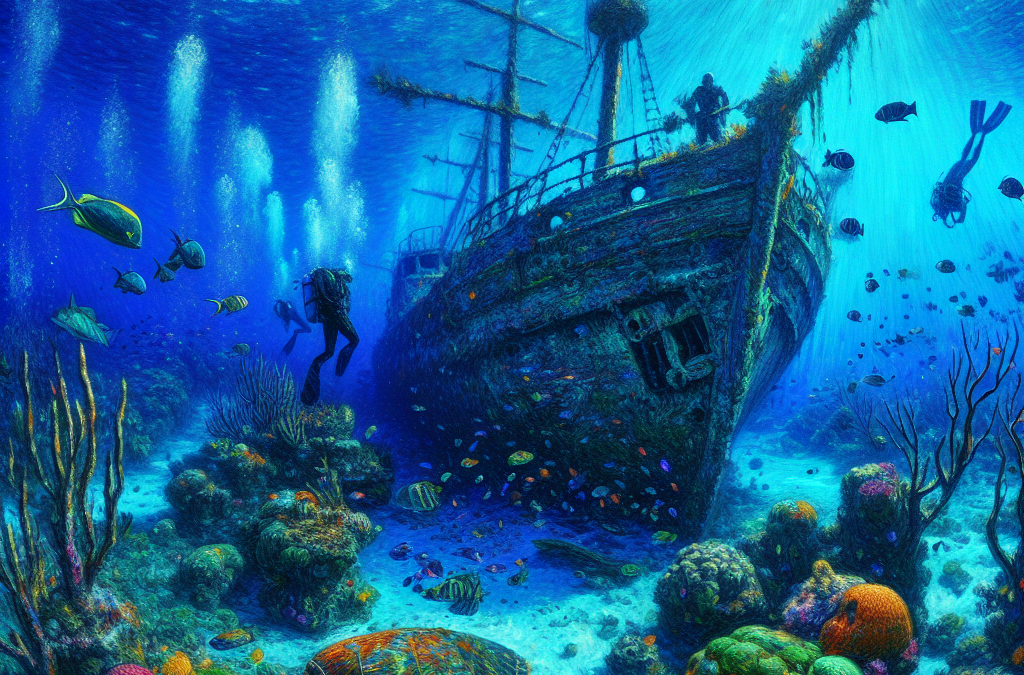
You can explore renowned sites like Palancar Reef, where vibrant corals create a spectacular underwater landscape, or the famous Devil’s Throat, where advanced divers venture into stunning underwater caverns. Each site tells a story, revealing the delicate ecosystem that thrives beneath the waves.
But diving in Cozumel isn’t just about the sights; it’s also about the experience. You’ll find dive shops and instructors ready to ensure your safety and enjoyment. Many of them are passionate about marine conservation, so not only are you diving among spectacular creatures, you’re also contributing to the ongoing efforts to protect this delicate environment.
In short, if you’re pondering whether Cozumel’s diving sites are worth your time, the answer is a resounding yes. With breathtaking visibility, thriving marine ecosystems, and a variety of dive sites to choose from, you’d be hard-pressed to find a better destination. So grab your gear, take the plunge, and experience the magic beneath the waves—Cozumel won’t disappoint.
Are The Diving Sites In Cozumel Good for Diving?
Are The Diving Sites In Cozumel Good for Diving?
- Cozumel, located off Mexico’s Yucatan Peninsula, offers stunning underwater diving experiences.
- Visibility in Cozumel’s waters often exceeds 100 feet, providing a clear view of vibrant coral reefs and marine life.
- The reefs are part of the Mesoamerican Reef, the second-largest barrier reef system in the world.
- Dive sites cater to all skill levels, from beginners to advanced divers, with options for shallow and drift dives.
- Notable dive locations include Palancar Reef and Devil’s Throat, each showcasing unique marine ecosystems.
- Local dive shops and instructors focus on safety and marine conservation, enhancing the diving experience.
- Cozumel is a top destination for divers, promising breathtaking sights and unforgettable underwater adventures.

Are The Diving Sites In Cozumel Good for Diving?
Is The Equipment In Cozumel Good for Diving?
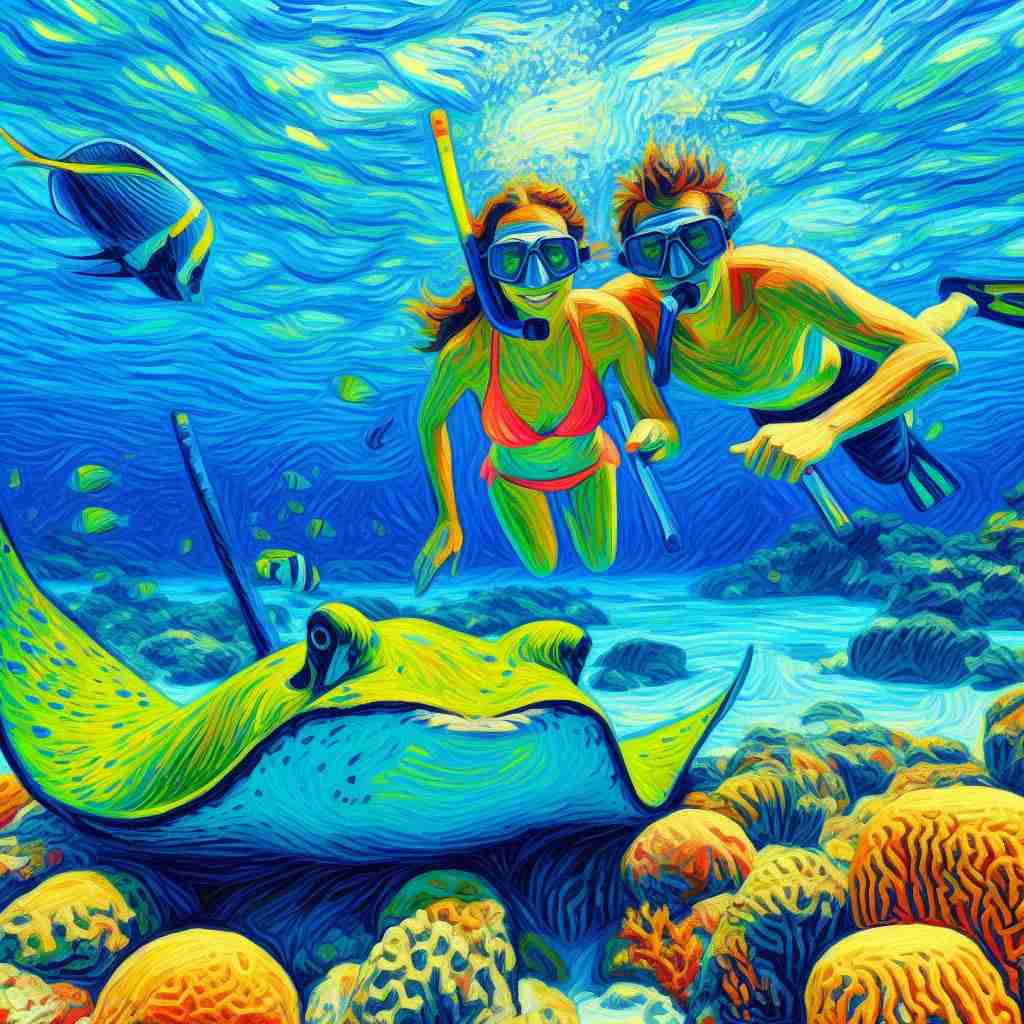
Diving in Cozumel is like stepping into an underwater paradise, where vibrant coral reefs and teeming marine life create a spectacle that’s nothing short of awe-inspiring. But let’s get one thing straight: the beauty of the ocean isn’t enough if you’re not equipped properly to explore it. So, how does the dive equipment in Cozumel stack up? Spoiler alert: it’s generally pretty darn good.
First off, let’s talk about the dive shops. You’ve got everything from small, family-run operations to larger establishments that seem as polished as a captain’s yacht. The quality of gear varies, but the majority of dive shops in Cozumel take pride in maintaining their equipment. You’re likely to find rental gear that is relatively new and well-cared-for. Wetsuits, BCDs, regulators—these items aren’t usually relics from a bygone era. Most other divers who’ve splashed into Cozumel rave about the state of the gear. Imagine slipping into a wetsuit that smells like the ocean air instead of last summer’s seaweed; that’s a good feeling.
However, not all dive shops are created equal. If you’re a serious diver or just someone who values high-quality gear, doing a little research can go a long way. Look for shops with good reviews, a solid reputation, and knowledgeable staff who can talk to you about their equipment like they’re sharing the secrets of the sea itself. The more invested the shop is in the quality of their gear, the better your experience is likely to be—simple as that.
When it comes to maintenance, a lot of the dive operators in Cozumel take that matter seriously. They understand that equipment safety is paramount. Regular maintenance checks are as routine as the morning briefings for dives. Many divers have shared stories of how attentive and responsive dive shop staff can be when it comes to equipment issues, so you can breathe easy knowing someone’s got your back.
Lastly, if you’re the kind of person who prefers your own gear, bringing your equipment is a great option. Cozumel’s warm waters mean you don’t have to pile on extra layers, and your personal gear means you know exactly what you’re working with. That being said, whether you rent or bring your own, just remember: in the depths of Cozumel, a good dive begins with good equipment. And in Cozumel, you’re likely to find just that. Dive in and enjoy!

Is The Equipment In Cozumel Good for Diving?
Is The Equipment In Cozumel Good for Diving?
- Diving in Cozumel features vibrant coral reefs and diverse marine life, creating an awe-inspiring underwater experience.
- The quality of dive equipment in Cozumel is generally high, with most dive shops maintaining well-cared-for rental gear.
- Dive shops range from small family-run operations to larger, polished establishments, impacting the availability and quality of gear.
- Serious divers should research shops with good reviews and knowledgeable staff to ensure high-quality equipment.
- Regular maintenance checks on dive equipment are common, prioritizing safety and responsiveness to equipment issues.
- Bringing personal gear is a good option, as the warm waters of Cozumel don’t require excessive layers.
- A good dive experience in Cozumel starts with quality equipment, whether rented or personally owned.
Is The Equipment In Cozumel Good for Diving?
Is Cozumel Suitable For Beginner Divers?
When it comes to diving, the waters off Cozumel are as welcoming as a warm summer breeze, making this beautiful island a prime destination for beginners. Nestled in the Caribbean Sea, Cozumel offers a unique blend of vibrant marine life and clear visibility, creating the perfect playground for those just starting their underwater adventures.
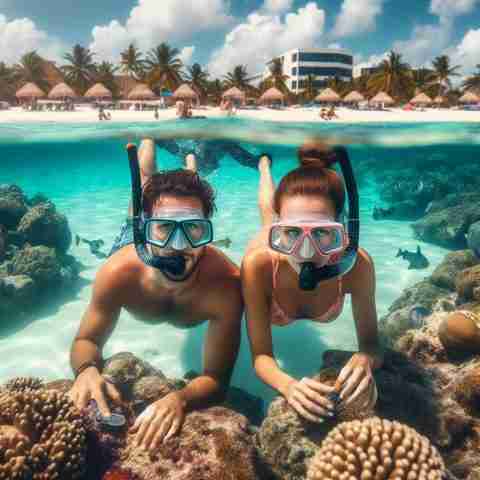
Imagine slipping into the warm waters with nothing but your snorkel gear—or perhaps even a tank—and suddenly finding yourself surrounded by an aquarium bursting with color. Schools of tropical fish dart by like confetti, while playful sea turtles glide gracefully through the currents. For beginners, this view is not just a feast for the eyes; it’s a confidence-builder. Visibility can often reach upwards of 100 feet, allowing newly minted divers to immerse themselves comfortably—and safely—in their new passion.
But it’s not just the scenery that makes Cozumel suitable for novices; it’s also the variety of dive sites tailored specifically for those still finding their sea legs. Popular spots such as Palancar Reef and Columbia Reef feature gentle conditions and shallow depths, ideal for first-timers who might still be getting the hang of buoyancy control. The reef formations provide a natural barrier, protecting divers from rough waves and currents that can be daunting for those still learning the ropes.
Cozumel’s dive shops and instructors are seasoned pros in catering to beginners. Most offer tailored courses that combine classroom learning with hands-on experience in the water, ensuring that new divers are not just thrown into the deep end. Plus, the local guides know these waters like the back of their hands and are committed to making the experience enjoyable and safe. Whether it’s your first time putting on a tank or your fifth, you’ll find a community eager to share their enthusiasm and knowledge.
Even beyond the scuba excursions, the laid-back island vibe extends to the local culture. After a day beneath the waves, the opportunity to kick back and share stories over fresh seafood and a cold drink along the waterfront isn’t just a perk; it’s part of the whole experience. So, if you’re pondering whether Cozumel is the place to dip your toes—or even take the plunge—rest easy. This paradise not only welcomes beginners; it embraces them with open arms and plenty of fish. Dive in and discover a world that feels just right for newcomers.

Is Cozumel Suitable For Beginner Divers?
Is Cozumel Suitable For Beginner Divers?
- Cozumel is an ideal diving destination for beginners thanks to its warm Caribbean waters.
- The island boasts vibrant marine life and clear visibility, often exceeding 100 feet.
- Beginner divers can encounter colorful schools of fish and graceful sea turtles.
- Popular dive sites like Palancar Reef and Columbia Reef are perfect for novices due to their gentle conditions and shallow depths.
- Cozumel’s dive shops offer tailored courses that combine classroom sessions with hands-on experience.
- Local guides are knowledgeable and dedicated to providing a safe and enjoyable experience for new divers.
- The island’s relaxed culture includes enjoying fresh seafood and drinks after diving, enhancing the overall experience.

Is Cozumel Suitable For Beginner Divers?
What Are The Best Dive Sites In Cozumel?
When it comes to diving, Cozumel is like that secret spot your buddy keeps boasting about, the one you just have to see to believe. The island, nestled off the coast of Mexico’s Yucatán Peninsula, rivals even the best underwater vistas, offering a kaleidoscope of vibrant marine life, dramatic coral formations, and crystal-clear waters that seem to beckon divers from all around the globe.
First up on our dive site tour is the iconic Palancar Reef. This underwater marvel is a labyrinth of coral gardens, arches, and tunnels that makes you feel like you’re swimming in a vibrant underwater city. As you glide through, the colors of the coral are almost hypnotic, and you might just catch a glimpse of a hawksbill turtle or an enormous sponge puffing out an impressive silhouette. It’s the kind of place that makes even seasoned divers pull out their underwater cameras.
Next, let’s not forget about Columbia Reef. If you’re after both adventure and a bit of relaxation, this site serves up a generous helping of both. With its powerful currents balanced by some stunning underwater scenery, Columbia is home to an array of species — from schools of neon fish to the majestic eagle rays gliding by effortlessly. The thrill of the dive here is matched only by the postcard-worthy views.
For those with a taste for the peculiar, Devil’s Throat is a dive you won’t soon forget. Beginning at about 70 feet, you dive down into a narrow passage that opens up into a stunning cavern at 130 feet. With dramatic wall formations and the kind of thrill that makes your heart race, it’s a dive that appeals not just to your adventurous spirit, but also to that innate desire we all have to explore the unknown. Just be prepared — it’s not for the faint of heart.
And, of course, we can’t skip Santa Rosa Wall. This spot is renowned among divers for its steep drop-offs and lush coral reefs that teem with life. The wall seems to go on forever, giving you the sensation of being in a vast underwater universe, with creatures darting in and out of sight like they’re part of a dance choreographed just for you.
So whether you’re a novice or a seasoned sea-goer, Cozumel’s dive sites deliver a thrilling experience — an underwater adventure just waiting to unfold. Grab your gear, take a plunge, and dive into the beauty that awaits beneath the waves!

What Are The Best Dive Sites In Cozumel?
What Are The Best Dive Sites In Cozumel?
- Cozumel offers breathtaking diving experiences with vibrant marine life and clear waters.
- Palancar Reef features a labyrinth of coral gardens and tunnels, ideal for underwater photography.
- Columbia Reef provides a mix of adventure and relaxation, showcasing diverse marine species.
- Devil’s Throat offers an exhilarating dive through a narrow passage leading to a cavern.
- Santa Rosa Wall is known for its steep drop-offs and bustling coral reefs.
- Cozumel caters to divers of all skill levels, promising a memorable underwater adventure.
- Diving in Cozumel invites exploration and is a must-see for ocean enthusiasts.

What Are The Best Dive Sites In Cozumel?
How Is The Visibility For Diving In Cozumel?
When it comes to diving, visibility is king. You could have a shipwreck dripping with history or a coral reef bustling with a riot of colors, but if you can’t see it, does it really exist? That’s where Cozumel casts its spell, as if to say, “Welcome to my underwater kingdom!”
Imagine descending beneath the waves, and immediately being enveloped by a brilliant blue so clear it’s as though you’re swimming in liquid glass. Cozumel is known for its visibility, often exceeding 100 feet. Yes, you heard that right—more than 30 meters of pristine waters stretching out before you, revealing the ocean’s secrets with each kick of your fins.
The secret sauce behind this remarkable clarity? A perfect blend of geography, currents, and the absence of murky rivers dumping sediment into the sea. The island sits along the Mesoamerican Barrier Reef, the second-largest coral reef system in the world, which creates a natural, protected environment teeming with marine life and vibrant coral formations. Tropical weather year-round ensures that the waters remain warm and inviting while seasonal currents sweep through the channel, flushing out any debris that might spoil the view.
The best part? Each season offers a slightly different experience. The summer months bring the warmest temperatures and some of the best visibility—ideal for divers itching to explore intricate walls and swim alongside giant manta rays. As winter approaches, the water cools a bit, but the clarity can be exceptional, revealing even the tiniest details on a coral head. In the early fall, when hurricane season dances on the horizon, it’s a toss-up; while visibility may vary, it can also yield some surreal, almost dreamlike views of the reef.
For those new to diving in Cozumel, the dive operators on the island have seen it all. They know the spots where the visibility is at its best, and they’ll lead you along the sun-drenched walls and through the canyons of coral with expert precision. Just be sure to bring your camera—because when that sunlight streams through the water, lighting up everything around you, it’s a sight that deserves to be captured.
So grab your gear, breathe in, and dive into the wonder. In Cozumel, visibility is more than good—it’s an invitation to experience the ocean like never before.

How Is The Visibility For Diving In Cozumel?
How Is The Visibility For Diving In Cozumel?
- Cozumel offers unparalleled diving visibility, often exceeding 100 feet (over 30 meters).
- The island’s clarity is due to its geography, currents, and absence of sediment from nearby rivers.
- Cozumel is home to the Mesoamerican Barrier Reef, the second-largest coral reef system globally.
- The warm, tropical weather year-round keeps the waters inviting for divers.
- Different seasons provide varying diving experiences, with summer offering warm temperatures and great visibility.
- Dive operators on the island are experienced and knowledgeable about the best visibility spots.
- Diving in Cozumel is described as an invitation to explore the ocean’s wonders, making it a must-visit for divers.

How Is The Visibility For Diving In Cozumel?
Conclusion
So, let’s tie this all together, folks. Cozumel isn’t just another destination; it’s a certified diver’s dreamland. Nestled in the Caribbean like a precious gem, this island has every ingredient that makes for unforgettable underwater escapades. Think of it as Mother Nature’s artwork, displayed in vibrant coral reefs and populated by a cacophony of marine life. If you’re a fan of the blues, Cozumel is calling your name, and trust me—it’s worth answering.
Let’s start with the reefs, shall we? You’re plunging into the heart of the Mesoamerican Barrier Reef, the second-largest in the world. It’s a kaleidoscope down there, with every color of the rainbow woven into stunning coral formations. Swimming alongside your new underwater pals—turtles, schools of tropical fish, and perhaps a dolphin—will leave you with memories that glitter brighter than any sun-drenched beach.
Now, let’s talk conditions. Visibility often exceeds 100 feet—yes, you read that right! When you dive, it feels like you’re peering through a pristine window into a vast aquatic museum. Temperatures hover around a delightful 75 to 84 degrees Fahrenheit, so leave your worries about frigid waters behind. Whether you’re a rookie donning your first tank or a seasoned diver exploring hidden caverns, the water is downright inviting.
And then there’s the magic of the currents. Cozumel’s drift diving experience turns every descent into a serene glide through underwater galleries. The currents can vary, but fear not—experienced dive operators are ready to guide you, ensuring that whether you want a gentle ride or a thrilling challenge, you find just what you need.
For those new to diving, Cozumel is the friendliest playground one could ask for. With dive shops catering specifically to beginners, you won’t feel like you’re diving into the deep end without a life jacket. And if you’re wondering about gear, rest assured—most rental equipment is well-maintained and up to snuff, letting you focus on the adventure at hand.
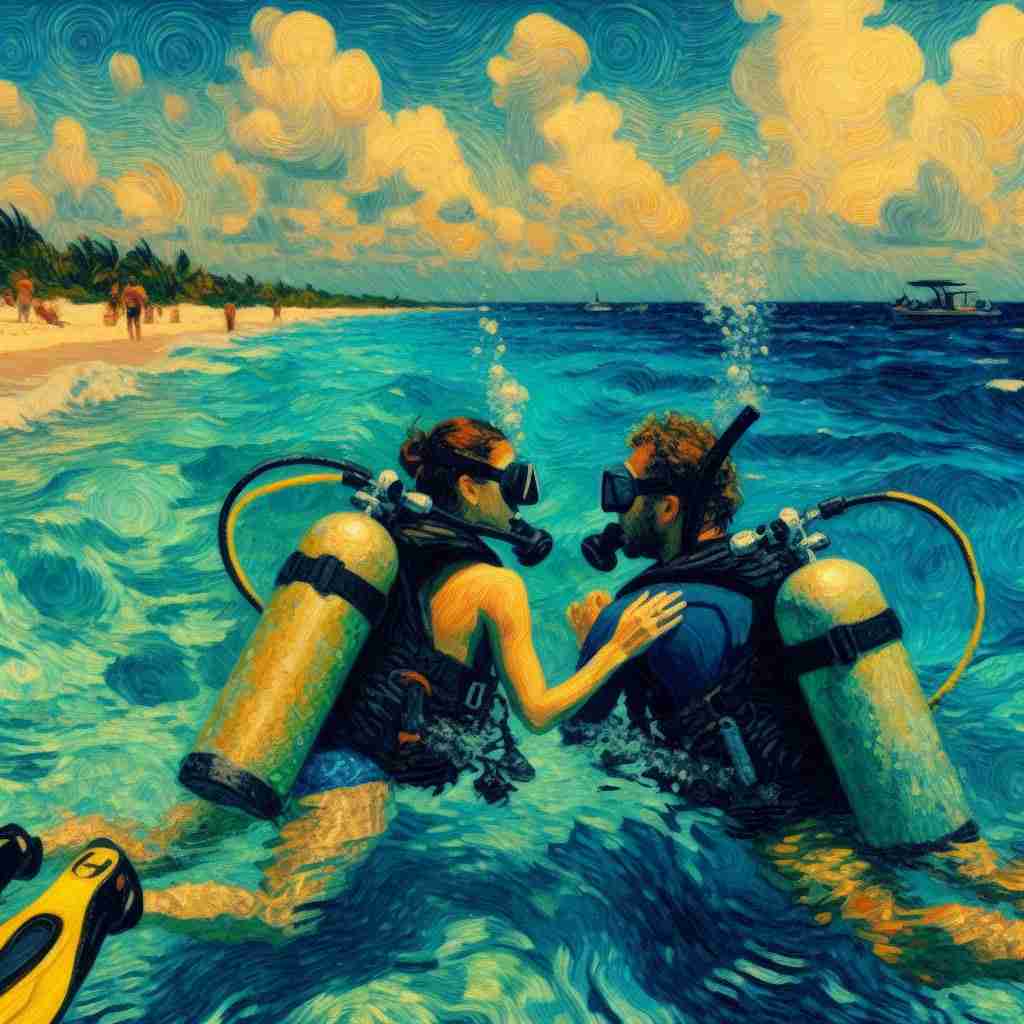
In short, whether you’re a first-time diver or a seasoned veteran, Cozumel is an experience richly woven with exploration and discovery. So grab your gear, make the journey, and dive headfirst into the underwater masterpiece that awaits. This isn’t just diving; it’s a deep-sea embrace, a chance to discover the depths of your adventurous spirit. Now, what are you waiting for? Dive in!

Conclusion
Conclusion:
- Cozumel is considered a diver’s paradise in the Caribbean, featuring vibrant coral reefs and abundant marine life.
- The island is home to the Mesoamerican Barrier Reef, the second-largest in the world, offering stunning visual experiences.
- Divers can expect visibility exceeding 100 feet and water temperatures ranging from 75 to 84 degrees Fahrenheit.
- The drift diving experience allows for smooth, serene underwater descents, guided by experienced operators.
- Cozumel is beginner-friendly, with dive shops catering to novices and ensuring safe diving experiences.
- Most rental diving gear is well-maintained, allowing divers to focus on their underwater adventures.
- Cozumel provides unparalleled opportunities for exploration for both first-time and experienced divers.
Conclusion
Other Resources

Other Resources
One quiet thing worth knowing: where you stay on the island changes what you can actually do here. If you’re sketching out a trip, these may help. Stingray 37 is a Cozumel rental for divers and ocean-leaning travelers. Sunset 37 is a Cozumel rental positioned for divers and waterfront-loving travelers.
Here is a list of other resources you can review online to learn more:
- Coral Reefs
- Palancar Reef
- COZ Coffee Roasting Company
- Palancar Beach
- El Casino – La Casa del Mojito
- Muelle Fiscal
- Cozumel Airport
- Cozumel Trips
- Malecon Cruise Port
- Stingray 37
- sunset37.com
Use This Prompt To Get More Resources With Your Favorite Online AI Tool: Please provide me with a list of online articles with their URLs in a bulleted list that I can read regarding Is Cozumel Good for Diving?

Other Resources
Glossary Terms
Is Cozumel Good for Diving? – Glossary Of Terms
1. Cozumel: An island in the Caribbean Sea known for its crystal-clear waters and vibrant marine life, making it a popular diving destination.
2. Diving: The activity of swimming underwater, often using specialized equipment to explore marine environments.
3. Coral Reef: A diverse underwater ecosystem formed by coral structures that provide habitat for various marine organisms; Cozumel has one of the largest barrier reefs in the world.
4. Marine Life: The flora and fauna found in oceans and other bodies of water, including fish, marine mammals, and invertebrates.
5. Snorkeling: A water activity where individuals swim on the surface while equipped with a mask and snorkel, often used to explore marine environments.
6. Scuba Diving: A method of diving where divers use self-contained underwater breathing apparatus (scuba) to explore submerged environments.
7. Dive Site: A specific location where diving activities are conducted, often recognized for its unique features or biodiversity.
8. Liveaboard: A type of boat that allows divers to stay onboard and conduct multiple dives over several days, often traveling to remote dive sites.
9. Dive Operator: A business that provides diving services, including guided dives, equipment rentals, and safety training.
10. Depth: The distance below the surface of the water; often important for planning dives and ensuring diver safety.
11. Wreck Dive: A dive that takes place around or inside submerged wreckage, which can attract diverse marine life and provide unique exploration opportunities.
12. Buoyancy Control: The ability to manage one’s position in the water, crucial for safety and to avoid damaging the reef while diving.
13. Visibility: Refers to how clear the water is, affecting how far a diver can see; Cozumel is known for excellent visibility.
14. Currents: Flowing water in the sea, which can affect diving conditions; some dive sites in Cozumel have noticeable currents.
15. Drift Diving: A diving technique where divers let the current carry them along, often used in locations with active currents.
16. Underwater Photography: Capturing images underwater; divers often bring cameras to document their experiences in Cozumel.
17. Dive Certification: Official recognition awarded by diving organizations to individuals who have completed training in scuba diving techniques and safety.
18. Nitrox: A breathing gas mixture that has a higher concentration of oxygen than regular air, often used to extend bottom time during dives.
19. Decompression: The process of ascending slowly from depth to avoid decompression sickness; important in diving planning.
20. Reef Anatomy: The structural features of a coral reef, including sections like the reef crest, slope, and base; essential for understanding diving environments.
21. Marine Conservation: Practices aimed at protecting marine ecosystems, crucial for preserving Cozumel’s coral reefs and marine life.
22. El Niño: A climate pattern that can affect ocean temperatures and marine conditions, potentially impacting diving experiences.
23. Marine Park: Protected areas designated to conserve marine environments; Cozumel has a marine park to safeguard its reefs.
24. Bubble Ring: A formation of bubbles created by divers or marine life, often encountered during dives and visually striking.
25. Safety Stop: A brief pause at a shallow depth during ascent to allow excess nitrogen to safely exit the diver’s body.
26. Skin Diver: A term for divers who rely on breath-holding techniques and don’t use breathing apparatus such as tanks.
27. Tarpon: A common fish species found in Cozumel, often seen by divers due to its size and behavior.
28. Manta Ray: A large species of ray that can often be spotted while diving in Cozumel, renowned for its graceful movements.
29. Dive Gear: Equipment used for diving, including wetsuits, tanks, masks, and fins; proper gear is essential for safety and comfort.
30. Underwater Ecology: The study of the relationships between marine organisms and their environment; understanding this is key for responsible diving.

Glossary Of Terms
Other Questions
Is Cozumel Good for Diving? – Other Questions
If you wish to explore and discover more, consider looking for answers to these questions:
- What are the best times of year to dive in Cozumel?
- What types of marine life can be seen while diving in Cozumel?
- Are there any safety concerns or precautions to take while diving in Cozumel?
- What diving certifications are accepted in Cozumel?
- Can you rent diving equipment on Cozumel, and how much does it cost?
- Are there liveaboard diving options available in Cozumel?
- What are the recommended dive shops in Cozumel?
- How do visibility and water conditions change with the seasons in Cozumel?
- Are there any specific dive tours or packages that cater to beginner divers?
- What is the average cost of diving in Cozumel?

Other Questions
Haiku
Is Cozumel Good for Diving? – A Haiku
Cozumel’s blue depths,
Coral reefs and warm waters,
Dive into life’s surge.

Haiku
Poem
Is Cozumel Good for Diving? – A Poem
In the heart of the Caribbean, a treasure lies,
Cozumel, where azure waters kiss the skies.
An underwater wonderland, it’s yours to explore,
With coral reefs whispering tales of yore.
Mesoamerican Barrier, alive with delight,
A vibrant kingdom, where colors ignite.
Turtles and dolphins serenade your descent,
Each dive a journey, each moment well spent.
Visibility gleams like a crystal-clear pane,
Up to a hundred feet, where wonders remain.
Gentle currents dance, nature’s embrace,
Drifting through gardens, a magical space.
From Palancar’s arches to Columbia’s grace,
Every dive site a unique, enchanted place.
Devil’s Throat beckons the brave-hearted souls,
While Santa Rosa’s wall reveals the abyss’s scrolls.
Warm waters cradle, a snug, welcoming hue,
Between seventy-five and eighty-four dew.
For beginners and masters, the island provides,
Safe hands to guide through the ocean’s wild tides.
Dive shops stand ready, with gear well-prepared,
Quality and care, their reputations shared.
So gather your courage, let your spirit take flight,
In Cozumel’s embrace, your heart will ignite.
With laughter and stories, after each dive,
The island invites you to share and revive.
So grab your equipment, let the adventure unwind,
In the depths of Cozumel, new treasures you’ll find.

Poem
Checklist
Is Cozumel Good for Diving? – A Checklist
Before Your Diving Adventure in Cozumel:
1. Research Dive Shops:
_____ Look for reputable dive shops with good reviews.
_____ Check for the availability of rental equipment or consider bringing your own.
2. Understand Dive Conditions:
_____ Familiarize yourself with typical water temperatures (75°F to 84°F).
_____ Note the visibility range (often exceeds 100 feet).
3. Assess Your Skills:
_____ Evaluate your diving experience and comfort level with currents.
_____ Be aware of drift diving techniques if you are not an experienced diver.
4. Plan Dive Sites:
_____ Identify dive sites suited to your skill level:
_____ Beginners: Palancar Reef, Columbia Reef.
_____ Advanced Divers: Devil’s Throat, Santa Rosa Wall.
5. Attend a Pre-Dive Briefing:
_____ Participate in any safety briefings provided by your dive instructors.
_____ Confirm the plan for the dive, including exit strategies and current conditions.
Packing for Cozumel:
6. Diving Equipment:
_____ Bring personal gear if preferred (mask, snorkel, fins).
_____ Consider a lightweight wetsuit for comfort.
7. Safety Gear:
_____ Ensure you have a dive computer (or know the shop provides it).
_____ Pack safety accessories like a whistle, dive signaling devices, and surface marker buoy.
8. Protection Against Sun:
_____ Pack reef-safe sunscreen to protect marine life.
_____ Bring a hat, sunglasses, and appropriate swimwear for beach days.
While Diving:
9. Check Equipment:
_____ Inspect rental gear for proper fit and functionality before diving.
_____ Ask dive staff for help with any equipment you’re unfamiliar with.
10. Stay Hydrated:
_____ Drink plenty of water before and after dives to stay hydrated.
_____ Avoid alcohol before diving.
11. Monitor Your Buddy:
_____ Practice buddy checks and communicate throughout your dive.
_____ Keep an eye on your buddy’s air supply and comfort level.
12. Respect Marine Life:
_____ Follow guidelines for marine conservation.
_____ Avoid touching corals or disturbing marine life.
Post-Dive Activities:
13. Log Your Dives:
_____ Document your dive experiences (site, depth, and marine life spotted).
_____ Reflect on areas for improvement or skills to enhance for future dives.
14. Enjoy Local Culture:
_____ Savor fresh seafood or local dishes after your dive.
_____ Explore Cozumel’s beautiful beaches and local attractions.
15. Share Experiences:
_____ Share stories and photos with fellow divers to inspire others to explore Cozumel.
Feel free to customize this checklist further to fit your audience’s preferences or specific requirements! Happy diving!

Checklist
At TopCozumelNews, we help travelers enjoy Cozumel by collating information learned from frequently traveling to beautiful Cozumel.
Be sure to read our other related stories at TopCozumelNews to learn more about the Island of Cozumel.