Discover The Hidden Underwater Treasures Of Cozumel
By Tom Seest
At TopCozumelNews, we help travelers enjoy Cozumel by collating information learned from frequently traveling to beautiful Cozumel.
Be sure to read our other related stories at TopCozumelNews to learn more about the Island of Cozumel.
What to See Diving In Cozumel?
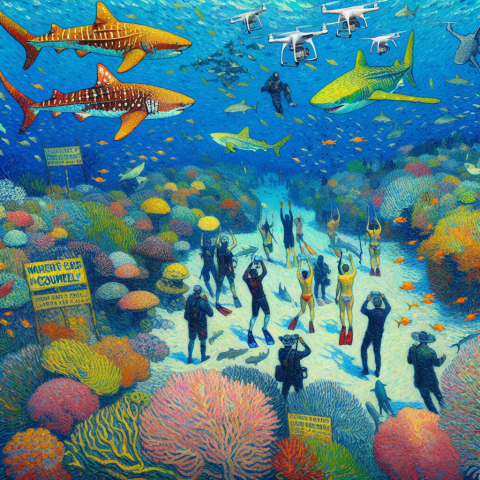
When it comes to diving in Cozumel, you’re not just plunging into water; you’re plunging into a whole new world. With its crystal-clear visibility and vibrant marine life, this picturesque island off the coast of Mexico is like Mother Nature’s own aquarium, and it’s begging you to take a look.
As you immerse yourself, you’re likely to encounter the stunning coral reefs that make Cozumel a diver’s paradise. The famous Palancar Reef is a highlight, with its colorful corals and diverse fish species. Let me tell you, swimming alongside a parrotfish or watching a school of sergeant major swim by is something special. Not to mention the gentle currents, which ensure that you get a little help while cruising through the underwater gardens.
Then, there’s the thrill of the drop-offs at the walls of Cozumel. If you’re feeling adventurous, head to the stunning vertical descent at Santa Rosa Wall. It’s like standing on the edge of a cliff—except instead of looking down at rocks, you’re gazing into a deep blue void teaming with life. You might even spot a moray eel peeking out from its rocky hideaway, or a graceful reef shark gliding by. Talk about a rush!
If you’re a fan of the small things, don’t overlook the critters that call the reefs home. Keep your eyes peeled for seahorses, nudibranchs, and the elusive octopus. These small wonders often get overshadowed by the larger marine life, but trust me, spotting them can feel like finding a treasure hidden in plain sight.
For those who love exploring wrecks, Cozumel has some impressive options. The C-53 Felipe Xicoténcatl is a decommissioned navy ship that sank intentionally to create an artificial reef. It’s not just a shipwreck; it’s a habitat teeming with life. Swim through the corridors filled with colorful fish, and you’ll really appreciate the harmony between human-made structures and nature.
Don’t just take my word for it—dive in and experience the breathtaking sights of Cozumel for yourself. Whether you’re a seasoned pro or just starting your diving journey, every dive here reveals a new facet of this underwater wonderland. So strap on that tank, take a deep breath, and let the adventure begin!

What to See Diving In Cozumel?
What to See Diving In Cozumel?
- Cozumel offers incredible diving experiences with crystal-clear visibility and vibrant marine life.
- The renowned Palancar Reef features stunning coral formations and a variety of fish species.
- Swimmers can encounter diverse marine life, including parrotfish and schools of sergeant major fish.
- The Santa Rosa Wall provides an exhilarating drop-off experience, perfect for adventurous divers.
- Small marine creatures, such as seahorses, nudibranchs, and octopuses, are treasures to discover within the reefs.
- The C-53 Felipe Xicoténcatl wreck serves as an artificial reef, blending human-made structures with thriving marine ecosystems.
- Cozumel is suitable for both experienced divers and beginners, offering new discoveries with every dive.
What to See Diving In Cozumel?
Table Of Contents
- What to See Diving In Cozumel?
- Are There Deep Dive Sites In Cozumel?
- Are There Wall Dives In Cozumel?
- Are There Cave Dives In Cozumel?
- Are There Cenote Dives In Cozumel?
- What Marine Life Can I Expect To See While Diving In Cozumel?
- What Are The Best Dive Sites In Cozumel For Beginners?
- How Do The Visibility Conditions Vary Throughout The Year?
- Conclusion
- Other Resources
- Glossary Of Terms
- Other Questions
- Haiku
- Poem
- Checklist
Are There Deep Dive Sites In Cozumel?
When it comes to diving in Cozumel, the words “spectacular” and “vibrant” get thrown around quite a bit. But scratch beneath the surface, and you’ll discover that the underwater wonders of this Caribbean paradise offer much more than just a pretty scene. For those eager to explore the depths, Cozumel is not only a haven for casual snorkelers and shallow-water adventurers but also a playground for those with a penchant for plunging into the deep blue.
Now, you might wonder, what makes deep diving in Cozumel so special? For starters, the waters are clear, and visibility often exceeds 100 feet, giving divers a front-row seat to nature’s underwater artistry. With an expansive marine park that boasts coral reefs, intact ecosystems, and rich biodiversity, Cozumel serves up the kind of thrill that seasoned divers crave. A range of dive sites caters to various skill levels, but the deeper dives truly stand out, revealing a different world altogether.
Take the famous “Barracuda Reef,” for example. As you make your descent, the thrill of seeing schools of barracuda weaving through the water gives way to awe-inspiring coral formations that rise like skyscrapers from the seabed. The deeper you go, the more you’ll encounter intriguing marine life: vibrant parrotfish, playful stingrays, and, if you’re lucky, you might even spot a sea turtle gliding gracefully through the currents.
Another standout is “San Juan,” renowned for its dramatic wall dives. Here, divers can drop off into the depths, where underwater canyons and ledges are teeming with life. The thrill of free-falling into the blue, buoyed only by the rhythm of your breath, is nothing short of exhilarating. The deeper sites are not just a test of skill; they offer an immersive experience into the underwater world.
However, deep diving in Cozumel isn’t just about the breathtaking views; it’s about understanding and respecting the ocean. The currents can be strong, and deep dives require proper training, experience, and an appreciation for safety. Fortunately, many dive shops on the island offer courses and guided trips that ensure everyone gets a chance to see these incredible sites while diving responsibly.
So, whether you’re a seasoned pro or a curious novice, diving in Cozumel has something for everyone. Prepare to be captivated by an underwater festival of colors and life that’s waiting just beneath the surface!

Are There Deep Dive Sites In Cozumel?
Are There Deep Dive Sites In Cozumel?
- Cozumel offers a spectacular and vibrant underwater experience for divers of all levels.
- The waters boast clarity with visibility often exceeding 100 feet, enhancing the diving experience.
- Cozumel’s marine park features coral reefs, intact ecosystems, and rich biodiversity.
- Popular dive sites like “Barracuda Reef” offer breathtaking coral formations and diverse marine life.
- “San Juan” is famous for dramatic wall dives with underwater canyons and ledges.
- Deep dives require proper training and safety awareness due to strong currents.
- Many local dive shops provide courses and guided trips for both novice and experienced divers.

Are There Deep Dive Sites In Cozumel?
Are There Wall Dives In Cozumel?
When it comes to diving in Cozumel, many enthusiasts are drawn to its vibrant underwater landscapes and clear blue waters. One aspect that frequently captures the imagination is the presence of wall dives. Indeed, wall diving brings a whole new dimension to the experience, and Cozumel is famous for its striking drop-offs along the reef.
So, what exactly are wall dives? Picture this: You’re cruising along a reef, and all of a sudden, the ocean floor drops away, revealing a dramatic vertical wall. It’s as if nature decided to sculpt a breathtaking underwater amphitheater, offering divers an unparalleled view of marine life found at varying depths. The wall dives in Cozumel are not only visually stunning but also host a plethora of aquatic species. Brightly colored corals adorn the walls, creating a mesmerizing backdrop against which fish dart and swirl.
Now, let’s address the pertinent question: Are there wall dives in Cozumel? Spoiler alert—yes, there certainly are! The island boasts some of the most iconic wall dives in the Caribbean. Sites like Palancar and Santa Rosa provide breathtaking vertical walls that descend to depths of over 100 feet. These particular dives are often characterized by thriving ecosystems, with everything from sea turtles and eagle rays cruising by to intricate coral formations that have taken millennia to shape.
For those new to the exhilarating world of diving, wall dives in Cozumel can be both thrilling and intimidating. It’s essential to be mindful of safety practices, ensuring you’re equipped with the knowledge and skills to navigate these majestic underwater terrains. Many dive shops in Cozumel offer guided tours that cater to divers of varying experience levels, ensuring everyone gets their chance to explore these captivating walls.
And let’s not forget the essential aspect that sets Cozumel apart: its commitment to marine conservation. The local diving community is deeply invested in preserving the beauty and diversity of these underwater habitats. This ensures that future generations of divers can also experience the stunning wall dives that make Cozumel a premier diving destination.
So, if you’re contemplating a dive trip, don’t overlook the allure of wall dives in Cozumel. They’re not just a part of the experience—they’re the kind of adventure that sticks with you long after you’ve surfaced. Whether you’re a seasoned diver or a novice, the walls of Cozumel are calling, and you won’t want to miss out on this underwater spectacle.

Are There Wall Dives In Cozumel?
Are There Wall Dives In Cozumel?
- Cozumel is renowned for its vibrant underwater landscapes and clear blue waters, attracting many diving enthusiasts.
- Wall dives offer a unique diving experience with dramatic vertical drop-offs along the reef.
- During a wall dive, divers encounter a breathtaking underwater amphitheater filled with diverse marine life.
- Popular wall dive sites in Cozumel include Palancar and Santa Rosa, featuring walls that descend over 100 feet.
- These sites host thriving ecosystems, including sea turtles, eagle rays, and intricate coral formations.
- Diving safety is crucial for both new and experienced divers, with many local dive shops offering guided tours.
- Cozumel’s commitment to marine conservation helps preserve the underwater habitats for future generations of divers.

Are There Wall Dives In Cozumel?
Are There Cave Dives In Cozumel?
If you think of Cozumel, your mind might immediately drift to colorful coral reefs, vibrant marine life, and the tranquil blue waters that beckon divers from around the globe. However, seasoned adventurers often seek something a bit more intense; the thrill of cave diving in the Caribbean paradise. So, are there cave dives in Cozumel? Well, let’s take a plunge into this subterranean world.
When we talk about diving in Cozumel, we usually picture sun-soaked reefs teeming with fish rather than the shadowy depths of underwater caves. Surprisingly, while Cozumel is widely renowned for its spectacular open water diving sites, it is not typically known for cave diving. However, don’t let that dampen your adventurous spirit; the surrounding area has some intriguing options.
Just a short boat ride from the island, you can explore the fascinating underwater cave systems that are part of the Yucatan Peninsula’s unique geological landscape. The nearby cenotes, natural freshwater sinkholes, offer some of the most exhilarating diving experiences you can find. These underwater caves—part of a vast network that meanders through the limestone bedrock—provide divers with an opportunity to experience stunning stalactites, crystal-clear waters, and mysterious caverns.
To dive these depths, it’s essential to be equipped not only with the appropriate gear but also the skills requisite for cave diving. Unlike your average scuba trip, cave diving requires specialized training and knowledge of cave systems. The visibility can change, and the environments can be challenging. But for those with the right certification, the rewards are as alluring as they are otherworldly.
While divers in Cozumel may have to venture slightly off the island to experience cave dives, the journey is well worth it. Picture gliding through water that sings with echoes of the past, the light filtering in through openings above, illuminating your path in ethereal shades. It’s an adventure that captures the essence of exploration, pushing the boundaries of what diving can really be.
Diving in Cozumel might not heavily feature cave dives within its cherished waters, but the nearby cenotes present a treasure trove of experiences waiting to be uncovered. Just remember to do your homework, don the right gear, and be ready for an experience that defies the ordinary!

Are There Cave Dives In Cozumel?
Are There Cave Dives In Cozumel?
- Cozumel is famous for its colorful coral reefs and vibrant marine life.
- While primarily known for open water diving, cave diving opportunities exist nearby.
- The Yucatan Peninsula features intriguing underwater cave systems and cenotes.
- Cenotes are natural freshwater sinkholes that offer exhilarating diving experiences.
- Cave diving requires specialized training and the right equipment due to challenging environments.
- Divers may need to venture off the island for cave dives, enhancing the adventure.
- Exploring these underwater caves offers stunning sights and a unique diving experience.

Are There Cave Dives In Cozumel?
Are There Cenote Dives In Cozumel?
When it comes to the Caribbean, few things get the adrenaline pumping quite like diving in Cozumel. With its world-renowned reefs, crystal-clear waters, and vibrant marine life, Cozumel is a diver’s paradise. But what if I told you that just a stone’s throw away from those famous reefs lurk some equally enchanting underwater wonders in the form of cenotes?
Now, cenotes are not your average diving spots. They’re natural sinkholes filled with water, often creating breathtaking cave systems that offer a completely different diving experience. Just imagine plunging into a submerged world where light trickles in through the caverns, illuminating the unique rock formations and fauna that call these underwater sanctuaries home. It’s a stark contrast to the colorful coral gardens you’ll find while diving in Cozumel’s azure waters.
However, don’t be fooled into believing that “Cozumel diving” and “cenote diving” are interchangeable. They each have their own vibe, and the cenotes come with a different kind of thrill—one that’s a little more subterranean and a whole lot more mysterious. You’ll want to be prepared; a quick lesson on geology might not hurt, and it’s best to dive with experienced guides, as these underwater caves can be tricky.
So, where can you find these cenote dives? Just a short ferry ride from Cozumel, the mainland offers several prime cenote locations. Many dive shops provide packages that include transportation and guidance, turning your day of exploration into a well-orchestrated adventure. From the famous Dos Ojos to the stunning Gran Cenote, you are in for a cave diving experience that pairs perfectly with the coastal charm of Cozumel.
Let’s be clear; cenote diving isn’t about the free-spirited fishes and swaying coral, but rather an exploration of nature’s stunning geological artistry. Whether you’re seeking the thrill of traversing through twisted tunnels or indulging in the serene beauty of a sliver of light cutting through the water, cenote diving invites you to experience the raw, untouched magic of the Yucatán Peninsula.
So, if you find yourself in Cozumel with an adventurous spirit and a curiosity for the unknown, don’t forget to venture beyond the reefs and explore the enchanting cenotes. They might just take your breath away—as if you needed another reason to dive deep into the wonders of the underwater world.

Are There Cenote Dives In Cozumel?
Are There Cenote Dives In Cozumel?
- Cozumel is a diver’s paradise known for its world-renowned reefs, clear waters, and vibrant marine life.
- Cenotes are unique natural sinkholes offering breathtaking cave diving experiences distinct from traditional reef diving.
- Diving in cenotes features stunning lighting effects and unique rock formations, contrasting with Cozumel’s colorful coral gardens.
- Cozumel diving and cenote diving offer different vibes and types of thrills, with cenote dives being more mysterious and subterranean.
- Experienced guidance and some geological knowledge can enhance the safety and enjoyment of cenote diving.
- Mainland locations near Cozumel provide prime cenote dive spots, with many dive shops offering packages that include guidance and transportation.
- Cenote diving is an exploration of geological artistry that allows divers to experience the raw beauty of the Yucatán Peninsula.

Are There Cenote Dives In Cozumel?
What Marine Life Can I Expect To See While Diving In Cozumel?
When it comes to diving in Cozumel, prepare to be mesmerized by a dazzling underwater spectacle. The waters surrounding this Caribbean paradise function like an all-you-can-eat buffet for marine life, serving up everything from the smallest shrimp to majestic sea turtles. Whether you’re a seasoned diver or a curious beginner, the vibrant ecosystem here promises a show worthy of the ocean itself.
As you descend into the crystal-clear blue, you might find yourself face to face with colorful coral reefs that are bustling with life. These reefs are home to an astounding variety of fish, each flaunting its own flair. You’ll see parrotfish munching on algae, their vibrant hues flashing like neon lights against the corals. If luck is on your side, a regal angelfish might glide by, showcasing its intricate patterns while keeping a royal distance.
As you continue your journey deeper into the ocean, keep your eyes peeled for larger inhabitants. You may spot a sea turtle gracefully navigating through the water. These gentle giants are a true highlight of diving in Cozumel, and watching them effortlessly glide by is an experience you won’t soon forget. And let’s not forget about the elusive nurse shark. Often found lounging on the ocean floor or nestled among rocks, these creatures bring a sense of calm to the underwater realm.
If you venture further into the blue, the excitement ramps up with the encounter of a moray eel peeking out of its rocky sanctuary. These fascinating creatures, with their mesmerizing colors and unique personalities, are sure to be a thrill, especially when they steal a curious glance at you.
In addition to fellow divers and passing fish, the coral gardens are alive with an array of critters, from flamboyant nudibranchs to playful schools of krill dancing in the current. With every dive in Cozumel, there’s a lesson in patience and wonder, revealing secrets hidden in this aquatic wonderland.
So, if you’re ready to explore the depths, every descent is an invitation to marvel at a world teeming with life. Don your wetsuit, grab your gear, and dive into the vibrant tapestry of marine life that awaits you in Cozumel. You’ll discover that this underwater adventure is not just a dive; it’s a journey through nature’s artistry.

What Marine Life Can I Expect To See While Diving In Cozumel?
What Marine Life Can I Expect To See While Diving In Cozumel?
- Cozumel offers mesmerizing diving experiences in its crystal-clear waters, resembling an all-you-can-eat buffet for marine life.
- Divers can encounter colorful coral reefs bustling with a variety of fish, including parrotfish and regal angelfish.
- Sea turtles are a highlight, gracefully navigating through the waters and providing unforgettable encounters.
- Nurse sharks can be spotted lounging on the ocean floor, adding tranquility to the underwater environment.
- Encounters with moray eels peeking from rocky shelters add excitement and intrigue to dives.
- The coral gardens feature a diverse array of critters like nudibranchs and playful krill schools, enhancing the marine experience.
- Diving in Cozumel is more than just a dive; it’s a journey through nature’s artistry, filled with wonder and discovery.

What Marine Life Can I Expect To See While Diving In Cozumel?
What Are The Best Dive Sites In Cozumel For Beginners?
When it comes to diving in Cozumel, beginners often find themselves in a world of wonder that is both accessible and awe-inspiring. Nestled in the Caribbean, this Mexican island is a diver’s dream, not just for seasoned pros but also for those just starting their underwater journey. The vibrant marine life and crystal-clear waters provide an ideal playground for novices eager to dip their toes—or rather, fins—into the realm of scuba.
One of the best starting points for beginners is Palancar Gardens. This site is renowned for its gentle currents and shallow depths, which make it perfect for those who may still be getting used to their gear. Picture vibrant corals and schools of fish surrounding you as you glide through underwater gardens, feeling more like an explorer than a tourist. There’s an undeniable magic in the simplicity of this site; even a novice can find themselves mesmerized by the beauty that lies just beneath the surface.
Just a short swim away is Colombia Shallows, another haven for beginner divers. This site boasts a wealth of biodiversity and is typically less crowded, allowing new divers to get comfortable without the pressure of being surrounded by experienced divers. Here, you’re likely to spot everything from colorful angelfish to gentle sea turtles, each encounter a reminder of how rich and vibrant life is beneath the waves. With its easy access and favorable conditions, Colombia Shallows is often cited as a ‘must-see’ for anyone beginning their diving journey.
For a truly unforgettable experience, consider Santa Rosa Wall. While it can be a bit deeper than the others, it’s still suitable for less experienced divers, especially under the guidance of a certified instructor. This site features breathtaking coral formations and abundant marine life, providing a taste of what makes diving in Cozumel such an enticing adventure. You’ll find yourself captivated by the sheer drop of the wall and the many creatures that call it home.
Lastly, don’t overlook Buoy 21, another great entry point for newbies. It’s a perfect spot to practice skills while enjoying a lively dive characterized by vibrant coral and playful fish. It’s straightforward to navigate, allowing you to gain confidence without the anxiety of challenging conditions.
In summary, diving in Cozumel is like stepping into a postcard—beautiful, serene, and welcoming. With these prime dive sites beckoning to new divers, it’s clear why Cozumel remains a premier destination for those eager to explore the aquatic wonders that await.
What Are The Best Dive Sites In Cozumel For Beginners?
What Are The Best Dive Sites In Cozumel For Beginners?
- Cozumel offers an accessible and awe-inspiring diving experience for beginners and pros alike.
- Palancar Gardens features gentle currents and shallow depths, ideal for novice divers.
- Colombia Shallows provides a diverse marine ecosystem and less crowded conditions for comfort.
- Santa Rosa Wall, while deeper, is suitable for beginners under instructor guidance, showcasing stunning coral formations.
- Buoy 21 is a great spot for practicing skills with vibrant coral and playful fish, offering an easy-to-navigate experience.
- Diving in Cozumel is a beautiful and serene adventure, perfect for exploring aquatic wonders.
- The island’s prime dive sites heavily contribute to its reputation as a top diving destination.

What Are The Best Dive Sites In Cozumel For Beginners?
How Do The Visibility Conditions Vary Throughout The Year?
When you think about diving in Cozumel, you’re not just daydreaming about vibrant coral reefs and schools of tropical fish. No, you’ve got to consider the visibility conditions that can make or break your underwater adventure. In Cozumel, visibility is influenced by a whole bunch of factors that vary throughout the year, and if you want to dive deep into that crystal-clear water, knowing what to expect is half the battle.
In general, the winter months from December through March boast some of the best visibility. It’s during this time that conditions tend to stabilize, offering deep blue, clear waters. Imagine descending into the depths and being able to see effortlessly for over a hundred feet! But the changing seasons aren’t just for the fish—local currents shift, and that can impact what you see down there.
As spring rolls in, specifically around April and May, the visibility starts to dip slightly. Warmer water temperatures lead to plankton blooms, which can cloud the otherwise pristine waters. While you might still enjoy your dive, don’t be surprised if the view isn’t as dazzling as it was in the winter months. However, this time of year is ideal for enjoying the rich diversity of marine life that comes onboard, prepping for their spawning season.
In the summer months from June through September, the visibility can take another hit. Tropical storms and rain can muddy the waters. The shifting currents stir up sediments and carry debris, making those amazing underwater visuals a bit less than stellar. But don’t let that deter you! Wet season means warm water, vibrant colors, and lots of action. You might even spot a sea turtle or a whale shark! Just prepare for a little less clarity.
Finally, as we transition into fall, particularly October and November, the visibility starts to improve again. The weather stabilizes, and things tend to clear up once more after the summer months. With fewer storms and cooler temperatures, divers often find themselves in waters that sparkle again, making that trip to Cozumel feel like an underwater paradise.
So, as you gear up for diving in Cozumel, keep these seasonal shifts in mind. It’s all about timing, understanding conditions, and embracing the unpredictability of nature. Dive smart, dive safe, and maybe you’ll find yourself in the perfect slice of sea!

How Do The Visibility Conditions Vary Throughout The Year?
How Do The Visibility Conditions Vary Throughout The Year?
- Diving in Cozumel offers vibrant coral reefs and diverse marine life.
- Visibility conditions vary throughout the year, impacting underwater experiences.
- Best visibility typically occurs from December to March, with clear waters over 100 feet deep.
- Spring (April and May) sees slightly reduced visibility due to warmer temperatures and plankton blooms.
- Summer months (June to September) can bring muddied waters from tropical storms and rain.
- Fall (October and November) usually restores visibility as weather stabilizes and conditions improve.
- Timing and understanding seasonal changes are essential for a successful dive in Cozumel.

How Do The Visibility Conditions Vary Throughout The Year?
Conclusion
If you’re contemplating a dive trip to Cozumel, strap in, because you’re about to embark on an underwater adventure that rivals anything you’ve seen on the Discovery Channel. This isn’t just about sinking beneath the waves; it’s about diving headfirst into Mother Nature’s very own aquarium. With visibility often exceeding 100 feet and an explosion of marine life populating its vibrant coral reefs, Cozumel is a bucket list destination for divers from all walks of life.
Let’s start with those colorful coral reefs, particularly the famous Palancar Reef, where the underwater scenery feels almost like a fantasy. Imagine gliding alongside parrotfish and groovy schools of sergeant majors—it’s like swimming through an abstract painting transformed into living art. And if you’re feeling adventurous, make sure to check out the stunning drop-offs like Santa Rosa Wall, where the thrill of freefalling into the blue abyss truly gets your adrenaline pumping.
Now, for those of you who might think that diving is just about the bigger fish, hold on; the smaller critters deserve the spotlight, too. Keep your eyes peeled for seahorses and nudibranchs hiding in plain sight. Discovering these tiny wonders can feel like stumbling upon a hidden treasure, a delightful reminder that the underwater world holds secrets of all sizes.
But the fun doesn’t stop at the reefs. If wreck diving is your jam, Cozumel delivers again. The C-53 Felipe Xicoténcatl, a decommissioned navy ship, serves as an artificial reef. Diving through it, you’ll see how nature reclaims human creations, creating a vibrant habitat full of life.
For everyone out there salivating at the thought of deeper dives, Cozumel has got you covered with sites like Barracuda Reef and the dramatic wall dives of San Juan. Sure, you need to be respectful of the ocean and its currents, but the payoff is witnessing the mesmerizing dance of marine life in their natural habitat.
Whether you choose to dive the serene shallow sites, experience adrenaline-pumping wall dives, or explore the captivating cenotes nearby, this slice of paradise has something for every level of diver. In the end, diving in Cozumel isn’t just about the sights—it’s about immersing yourself in a vibrant underwater community and creating memories that stick with you long after your gear is hung up. Ready to take the plunge? The ocean’s waiting!

Conclusion
Conclusion:
- Cozumel is a premier diving destination known for its stunning underwater scenery and vibrant marine life.
- Visibility often exceeds 100 feet, making it an ideal spot for divers of all levels.
- Palancar Reef is famous for its colorful coral and diverse fish, providing an abstract painting-like experience.
- Adventurous divers can explore dramatic drop-offs like Santa Rosa Wall for an adrenaline rush.
- Smaller marine creatures, such as seahorses and nudibranchs, offer hidden treasures in the underwater world.
- Cozumel features wreck diving opportunities like the C-53 Felipe Xicoténcatl, which serves as an artificial reef.
- The area has various dive sites, including shallow and wall dives, ensuring a memorable experience for all divers.

Conclusion
Other Resources

Other Resources
One quiet thing worth knowing: where you stay on the island changes what you can actually do here. If you’re sketching out a trip, these may help. Stingray 37 is a Cozumel rental for divers and ocean-leaning travelers. Sunset 37 is a Cozumel rental positioned for divers and waterfront-loving travelers.
Here is a list of other resources you can review online to learn more:
- Cozumel Beach Tours
- Seasons 52
- Eduardo Toledo Aerodrome
- Playa Uvas
- Rolandi’s Restaurant Bar & Pizzeria Cozumel
- Cozumel Bar Crawl
- Amparo’s Cozumel
- MayanmanTriatlón
- Punta Morena Beach Club
- stingray37.com
- a diver-friendly rental near Cozumel’s reef
Use This Prompt To Get More Resources With Your Favorite Online AI Tool: Please provide me with a list of online articles with their URLs in a bulleted list that I can read regarding What to See Diving In Cozumel?

Other Resources
Glossary Terms
What to See Diving In Cozumel? – Glossary Of Terms
1. Coral Reef: A vibrant underwater ecosystem made up of coral polyps, providing habitat for numerous marine life species.
2. Marine Biodiversity: The variety of marine organisms found in Cozumel, including fish, invertebrates, and plant life.
3. Scuba Diving: A method of underwater diving using a self-contained underwater breathing apparatus (scuba) to explore the ocean.
4. Drift Diving: A type of diving where divers are carried along by ocean currents, allowing for exploration with minimal effort.
5. Shore Diving: Diving accessed from the beach or shore, typically more accessible and suitable for beginners.
6. Sponge: A simple aquatic organism that filters water and can be found on the ocean floor in Cozumel’s coral reefs.
7. Snorkeling: A surface water activity involving swimming with a snorkel, allowing individuals to observe underwater life without deep diving.
8. Fish Species: Various types of fish native to Cozumel’s waters, such as parrotfish, angelfish, and nurse sharks.
9. Underwater Photography: The art of capturing images underwater, often a popular activity among divers in Cozumel.
10. Cenote: A natural sinkhole filled with water, often popular for diving due to their unique geological formations.
11. Nurse Shark: A docile shark species often found resting on the ocean floor in Cozumel.
12. Turtle Sanctuary: Conservation areas dedicated to the protection and study of sea turtles that inhabit Cozumel’s waters.
13. Visibility: Refers to the clarity of the water, which can significantly affect the diving experience in Cozumel.
14. Manta Ray: A large, graceful ray known for its wide wingspan, often spotted gliding through Cozumel’s waters.
15. Stingray: A flat-bodied sea creature often found resting on the sandy ocean floor; care should be taken to avoid stepping on one.
16. Drop-off: A steep underwater cliff where the reef descends into deeper water, often a prime diving location.
17. Barracuda: A predatory fish characterized by its elongated body and sharp teeth, often encountered while diving in Cozumel.
18. Bubble Ring: A circular formation of bubbles created by divers exhaling, often used playfully while underwater.
19. Anchor: A heavy object used to moor boats; divers need to be cautious of anchors to protect coral reefs.
20. Abyss: The deep part of the ocean; further depths encountered during deep diving excursions.
21. Kelp Forest: Underwater areas dominated by kelp plants, providing habitat for diverse marine life.
22. Reef Loop: A diving route allowing divers to explore different sections of coral reef without backtracking.
23. Anemone: A marine animal that often lives in symbiosis with clownfish, providing a colorful addition to underwater landscapes.
24. Scalloped Hammerhead: A distinctive species of shark known for its unique head shape, often seen in larger groups.
25. Plankton: Microscopic organisms that drift in ocean currents, forming the basis of the marine food web.
26. Marine Protected Area (MPA): Regions designated for conservation, where fishing and other activities are regulated to protect marine environments.
27. Sargassum: A floating seaweed that provides habitat for various marine species and can often be found in tropical waters.
28. Thermocline: A layer in the ocean where temperature changes rapidly with depth, often felt during dives.
29. Underwater Cavern: A submerged cave system that offers unique diving experiences for those skilled in cave diving.
30. Bioluminescence: The natural phenomenon of certain organisms producing light, often seen during night dives in Cozumel.

Glossary Of Terms
Other Questions
What to See Diving In Cozumel? – Other Questions
If you wish to explore and discover more, consider looking for answers to these questions:
- What are the best dive sites for experienced divers in Cozumel?
- What safety precautions should I take when diving in Cozumel?
- How can I choose the right dive shop or guide in Cozumel?
- What diving certifications are needed to dive in Cozumel?
- What is the best time of year to dive in Cozumel?
- Are there any regulations or conservation efforts for divers in Cozumel?
- What equipment do I need to bring for diving in Cozumel?
- Can I rent diving gear on the island, and what should I expect?
- How do currents affect diving conditions in Cozumel?
- Are there dive tours specifically for families or beginner divers?
- What other activities can I do in Cozumel besides diving?
- What is the average cost of diving trips in Cozumel?
- Are there specific dive sites recommended for underwater photography?
- How can I prepare for a diving trip to Cozumel?
- What health considerations should I keep in mind when scuba diving?

Other Questions
Haiku
What to See Diving In Cozumel? – A Haiku
Cozumel calls you,
Coral gardens dance with life,
Dive deep, find your bliss.

Haiku
Poem
What to See Diving In Cozumel? – A Poem
In Cozumel’s embrace, where the waters gleam,
An underwater realm awaits, like a vivid dream.
Bright coral gardens, alive with delight,
Colors swirl and dance in the soft, filtered light.
Dive deeper down to Palancar Reef,
Where parrotfish frolic, shedding their grief.
Santa Rosa’s drop-offs invite the brave,
Into blue chasms, where wonders wave.
Tiny treasures lurk, be on the hunt,
Seahorses and nudibranchs, a charming front.
While shadows hold secrets in wrecks of old,
Life thrives in the echoes, a story retold.
For beginners, the shallow depths call,
Palancar Gardens, where soft currents enthrall.
Colombia Shallows, calm and serene,
Yet teeming with beauty—a diver’s dream.
Venture forth to cenotes nearby,
Mysterious caves where the shadows lie.
Light trickles through like whispers from stones,
A different adventure, where silence intones.
Visibility dances, a seasonal game,
Winter’s clarity, summer’s wild claim.
Through each wave and swell, let your heart soar,
For beneath Cozumel, there’s always more.
So gear up, take the plunge, let your spirit glide,
In this Caribbean jewel, let wonder be your guide.
From colorful creatures to depths unexplored,
In Cozumel’s waters, adventure is stored.

Poem
Checklist
What to See Diving In Cozumel? – A Checklist
Before Your Dive: Preparation
_____ Research Dive Sites: Familiarize yourself with dive sites like Palancar Reef, Santa Rosa Wall, and Barracuda Reef.
_____ Check Certification: Ensure you have the necessary certification for your skill level, especially for deep or cave diving.
_____ Pack Essential Gear: Bring your wetsuit, mask, fins, dive computer, and underwater camera if desired.
_____ Review Safety Protocols: Understand dive safety measures, including buoyancy control and buddy system essentials.
_____ Choose a Dive Shop: Select a reputable dive shop for guided tours or rental equipment.
During Your Dive: What to Look For
_____ Marine Life: Look for parrotfish, sea turtles, moray eels, and able to recognize critters like nudibranchs and seahorses.
_____ Coral Reefs: Appreciate and identify different types of coral formations at dive sites.
_____ Check Visibility: Be aware of current visibility conditions to enhance your underwater experience.
Special Diving Experiences: Explore the Variety
_____ Wall Dives: Don’t miss out on the thrilling wall dives at Santa Rosa and Palancar.
_____ Wreck Diving: Explore the C-53 Felipe Xicoténcatl and observe its relationship with marine life.
_____ Cave and Cenote Diving: Consider venturing to nearby cenotes for a different underwater adventure, ensuring you are trained and equipped for cave dives.
Timing Your Dive Trip: Seasonal Considerations
_____ Winter Diving (Dec-Mar): Plan dives during this period for optimal visibility.
_____ Spring (Apr-May): Be aware of plankton blooms that may affect water clarity.
_____ Summer (Jun-Sep): Prepare for potential reduced visibility due to storms but enjoy the warm waters and active marine life.
_____ Fall Diving (Oct-Nov): Take advantage of improving visibility conditions.
Post-Dive Reflection: After Your Adventure
_____ Log Your Dives: Record details of your dives, including locations, marine life encountered, and personal impressions.
_____ Share Experiences: Connect with fellow divers and share photos or experiences from your dives.
_____ Promote Conservation: Respect the marine environment and consider ways to contribute to conservation efforts.
This checklist is designed to enhance your diving experience in Cozumel and ensure your safety and preparedness as you explore this underwater paradise. Happy diving!

Checklist
At TopCozumelNews, we help travelers enjoy Cozumel by collating information learned from frequently traveling to beautiful Cozumel.
Be sure to read our other related stories at TopCozumelNews to learn more about the Island of Cozumel.