Unveiling The Unparalleled Beauty Of Yucab Reef
By Tom Seest
At TopCozumelNews, we help travelers enjoy Cozumel by collating information learned from frequently traveling to beautiful Cozumel.
Be sure to read our other related stories at TopCozumelNews to learn more about the Island of Cozumel.
How Does Exploring Yucab Reef In Cozumel Compare to Nearby Reefs?
When it comes to exploring the vibrant underwater world surrounding Cozumel, Yucab Reef stands out as a treasure chest overflowing with life, color, and wonder. Unlike nearby reefs that often attract the fleeting tide of tourism, Yucab offers a quieter oasis—a serenade of coral, fish, and serenity in the embrace of turquoise water. Here, every dive transforms into a story waiting to be told, and the moment you slip beneath the surface, you’re not just an observer; you become part of a living narrative that stretches back through ancient marine history.
Picture yourself gliding through schools of parrotfish that appear to be putting on a show, artfully dancing between vibrant corals. Nearby reefs, while impressive, might echo with the chatter of fellow divers or the hum of motorboats. But at Yucab, there’s a unique stillness, a gentle lull that invites reflection and appreciation. This connection to the underwater ecosystem isn’t just a fleeting thrill; it’s a soul-nourishing experience that leaves you craving more than just moments in the sun.
As you explore Yucab Reef, you engage more than your senses; you engage your ethics. Each brush with the delicate corals teaches us about fragility and resilience, urging us to become stewards of this beautiful world. By choosing to dive here, you’re not only enriching your own life but also contributing to the preservation of an environment that faces numerous threats. Supporting local operators committed to sustainable practices ensures that the breathtaking beauty of Yucab Reef thrives for generations to come.
What truly distinguishes Yucab from its counterparts is the sense of belonging—the camaraderie you feel with fellow divers. Strangers become friends as you share wide-eyed astonishment over the vibrant trumpetfish or the gentle grace of a passing stingray. It’s a bond built over shared awe, one that echoes long after you’ve returned to the surface.
The choice is clear. Yucab Reef in Cozumel isn’t just a stop on the dive map; it’s an experience rich with emotion, insight, and a palpable sense of responsibility. As you navigate its wonders, you’re not merely diving—you’re discovering the heartbeat of the ocean, one pulse at a time. Choose wisely; the ocean’s stories are waiting for you, and Yucab invites you to listen closely.
How Does Exploring Yucab Reef In Cozumel Compare to Nearby Reefs?
How Does Exploring Yucab Reef In Cozumel Compare to Nearby Reefs?
- Yucab Reef is a hidden gem in Cozumel, rich in marine life, color, and vibrancy.
- Unlike busier reefs, Yucab offers a tranquil environment, facilitating deeper connections with the underwater world.
- Diving at Yucab transforms into a narrative experience, connecting divers to ancient marine history.
- The reef encourages ethical engagement with the ecosystem, urging divers to become stewards of the environment.
- Choosing to dive here supports sustainable practices and the preservation of the reef’s beauty for future generations.
- Diving at Yucab fosters camaraderie among divers, turning strangers into friends through shared awe and experiences.
- Yucab Reef represents not just a dive location, but an emotionally enriching journey into the ocean’s depths.
How Does Exploring Yucab Reef In Cozumel Compare to Nearby Reefs?
Table Of Contents
- How Does Exploring Yucab Reef In Cozumel Compare to Nearby Reefs?
- What Unique Treasures Await You At Yucab Reef?
- How Do Weather Conditions Affect Diving At Yucab Reef?
- Why Should You Consider the Ethics Of Reef Preservation?
- How Can Yucab Reef Enhance Your Underwater Photography?
- What Stories Do Divers Tell About Their Experiences At Yucab?
- How Does the Accessibility Of Yucab Reef Influence Its Popularity?
- What Conservation Efforts Are In Place to Protect Yucab Reef?
- Conclusion
- Other Resources
- Glossary Of Terms
- Other Questions
- Haiku
- Poem
- Checklist
What Unique Treasures Await You At Yucab Reef?
Diving into Cozumel’s Yucab Reef is like stepping into a vibrant underwater gallery, where each stroke of color tells a tale of resilience and beauty. As you descend into this aquatic wonderland, your senses awaken to a world that thrives beneath the surface. The crystal-clear waters invite explorers, families, and diving enthusiasts to leave their worries behind and discover a realm where nature reigns supreme.
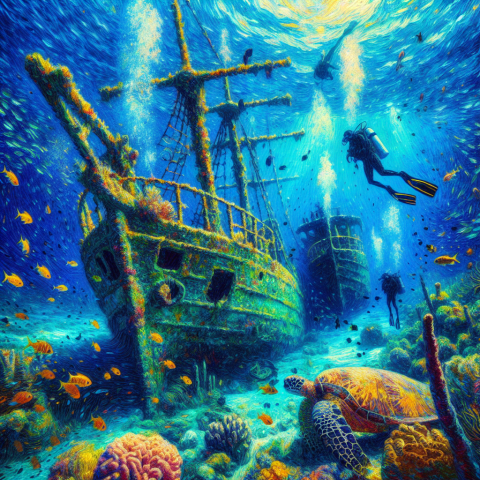
Picture yourself gliding over sprawling coral formations that resemble intricate sculptures, each teeming with life. Schools of fish dart around you, shimmering like jewels in sunlight. You might find a gentle sea turtle grazing on the seagrass, a creature that has graced these waters for millions of years, reminding us of the importance of conservation. Witnessing such moments evokes a sense of responsibility, urging us to safeguard these habitats for future generations to enjoy.
As you navigate Yucab Reef, let your mind unwind and reflect on the delicate balance of this ecosystem. The vibrant marine life—parrotfish, angelfish, and the elusive lionfish—serve a purpose beyond their stunning appearances. They play critical roles in maintaining the health of the reef, a living entity in constant flux. Understanding this relationship fosters a deeper appreciation for the interconnectedness of all life forms, igniting a spark of curiosity and respect for our planet.
This underwater escape is not just about adventure; it’s about community too. When you dive with fellow enthusiasts, you connect through shared awe and wonder. Narrating your experiences above water becomes a collective celebration, as you swap stories of encounters with the vast, mysterious ocean dwellers. It’s moments like these that build bonds stronger than the most durable coral.
Economically, supporting the dive spots like Yucab Reef helps bolster local communities in Cozumel. Your participation contributes to conserving these incredible environments while empowering those who depend on tourism for their livelihoods. Every dive becomes an act of stewardship, a personal commitment to preserving a slice of paradise.
So, whether you’re a seasoned diver or a first-timer, let Yucab Reef captivate your heart, challenge your mind, and awaken your spirit. It’s not just a destination; it’s an experience that urges you to take action, to protect this aquatic treasure we’re lucky enough to explore. Your journey starts the moment you choose to dive in.
What Unique Treasures Await You At Yucab Reef?
What Unique Treasures Await You At Yucab Reef?
- Diving into Cozumel’s Yucab Reef offers a vibrant underwater experience filled with color and life.
- Explorers can witness diverse marine life, including schools of shimmering fish and gentle sea turtles.
- The beauty of the reef emphasizes the importance of conservation for future generations.
- Each species, such as parrotfish and angelfish, plays a critical role in maintaining the reef’s health.
- Diving fosters connections among enthusiasts, sharing stories and experiences builds community bonds.
- Support for dive spots like Yucab Reef aids local economies and conservation efforts.
- Visiting Yucab Reef is both an adventure and a call to action for preserving aquatic environments.

What Unique Treasures Await You At Yucab Reef?
How Do Weather Conditions Affect Diving At Yucab Reef?
Diving at Yucab Reef is much more than just a hobby; it’s a way to connect with nature, reflect on life, and experience the stunning beauty beneath the waves. But here’s the crux of it – weather conditions can substantially sway the drama of your underwater adventure. Cozumel, with its azure waters and thriving marine life, is a slice of paradise. Yet, it’s also a tapestry woven from the elements, where sun, clouds, wind, and currents dance together to dictate your diving experience.
When you pull on your wetsuit and set out, you’re stepping into an invitation that the ocean holds. Calm, sunny days transform inviting turquoise into a postcard-perfect tableau. Visibility exceeds 100 feet, schools of vibrant fish dart around, and the coral gardens come alive, their colors as vivid as a painter’s palette. It’s easy to give in to the allure of these conditions—after all, who wouldn’t want to float through a living wonderland?
However, the flip side of the coin reveals a more turbulent truth. Stormy weather can whip up the surface, creating strong currents and murky visibility. Imagine descending into water that looks like the aftermath of a tempest, where every stroke feels like a battle against nature. This is not simply an inconvenience; it can be a risk. Conditions such as rip tides can emerge, challenging even the most seasoned diver. In this context, understanding weather patterns is not just a skill; it’s a vital part of your ethical duty to prioritize safety for yourself and your fellow explorers.
Picture your fellow divers – each one a member of a shared community, fueled by passion and curiosity. The bond we form isn’t just about witnessing marine wonders; it’s about mutual respect for the ocean. We owe it to ourselves and to the delicate ecosystems we visit to be skilled navigators of not just the reefs but also the environmental factors at play.
So before you gear up for your next dive at Yucab Reef, check the forecast as carefully as you would check your air gauge. Let weather conditions be your compass, guiding you to the perfect dive that respects the ocean’s temperament. When you dive smart, you not only enhance your experience but also contribute to the harmony of this breathtaking underwater world. Trust that instinct, and you’ll find that every dive brings not just adventure but connection, discovery, and responsibility.
How Do Weather Conditions Affect Diving At Yucab Reef?
How Do Weather Conditions Affect Diving At Yucab Reef?
- Diving at Yucab Reef offers a unique connection with nature and reflection on life.
- Cozumel’s weather can significantly impact your diving adventure, influencing visibility and marine life.
- Calm and sunny days create ideal conditions with clear waters and vibrant coral gardens.
- Stormy weather can lead to strong currents and reduced visibility, posing risks for divers.
- Understanding weather patterns is essential for ensuring safety during dives.
- Divers form a community focused on mutual respect for the ocean and its ecosystems.
- Checking weather conditions is as important as checking dive gear to enhance the diving experience.
How Do Weather Conditions Affect Diving At Yucab Reef?
Why Should You Consider the Ethics Of Reef Preservation?
When you think about the expanses of the ocean, it’s easy to feel dwarfed by its vastness. Yet, tucked beneath the surface in places like Cozumel resides a vibrant world, a bustling metropolis of color and life that plays a pivotal role in our planet’s health. But here’s the kicker—it’s in jeopardy. Why should you care about the ethics of reef preservation? Because what we do today shapes the world we leave behind.
At first glance, preservation may seem like a lofty concern reserved for scientists wearing lab coats and eco-warriors with tie-dyed shirts. But let’s break it down: reefs are like the lungs of our oceans, producing oxygen and supporting a staggering diversity of species—the same species that contribute to our own well-being. The fish that feed millions, the medicines that save lives, and the ecosystems that regulate climate are all interlinked with these delicate structures. Ignoring their preservation isn’t just a loss for marine life; it’s a reckless gamble with our own future.
Now, consider the moral obligation we bear. We’re stewards of this planet, tasked with the responsibility to protect it—not just for ourselves but for generations to come. Children’s laughter should echo over sparkling waters, not fade alongside the crumbling coral reefs. The ethics of reef preservation isn’t merely a debate; it’s a call to action. It’s about ensuring that the beauty of Cozumel remains vibrant and accessible, not relegated to memories trapped in fading photographs.
Engaging in this cause crosses societal barriers and invites unity. Imagine families coming together, tourists becoming advocates, and local communities rallying around a common purpose. The movement to preserve our reefs can forge connections that transcend economic statuses or backgrounds. It fosters discussions about conservation that inspire not just action, but a sense of belonging.
Our oceans have been resilient, but they need us now more than ever. When you invest your heart and mind into reef preservation, you’re not only protecting marine life; you’re reconnecting with the fundamental values of respect, responsibility, and love for our planet. The ethics of preserving these underwater treasures isn’t just about ecology; it’s about legacy. So whether you’re diving in the crystal-clear waters of Cozumel or simply standing by the shore, remember: the tide of change begins with each one of us. Let’s choose to be the wave of preservation instead of the ripple of regret.
Why Should You Consider the Ethics Of Reef Preservation?
Why Should You Consider the Ethics Of Reef Preservation?
- The ocean’s vastness hides a vibrant and crucial ecosystem beneath the surface, particularly in areas like Cozumel.
- Reefs are essential for producing oxygen and supporting diverse species that contribute to human well-being.
- Ignoring reef preservation risks not only marine life but also future resources and ecosystems essential for humanity.
- There is a moral obligation to protect our planet and its ecosystems for future generations.
- Preserving reefs can unite people across societal barriers, fostering community and advocacy.
- Investing in reef preservation reflects respect and love for the planet and emphasizes a commitment to legacy.
- Each person can play a role in this movement, making choices that contribute to the preservation of our oceans.
Why Should You Consider the Ethics Of Reef Preservation?
How Can Yucab Reef Enhance Your Underwater Photography?
Underwater photography is more than just a pastime; it’s a plunge into a world that thrives just beneath the surface, where the colors are as vivid as the emotions they evoke. As you suit up for an adventure at Yucab Reef in Cozumel, think of it as an invitation to witness a masterpiece painted by nature’s own hand. The vibrant corals swaying under the gentle caress of the currents are not just subjects to be captured; they’re stories waiting to be told.
Picture this: the moment you descend into the crystalline waters, the rush of excitement mingles with the tranquil hum of marine life around you. Here, at Yucab Reef, every flick of a fish’s fin or swirl of a sea urchin tells a tale of resilience and beauty—the very essence of life thriving in harmony. Emotionally, this is where you can connect with the pulse of the ocean, obtaining images that resonate long after you’ve surfaced.
Rationally, think about the benefits of such an idyllic setting. Yucab Reef offers a rich biodiversity teeming with vibrant marine life—from nimble parrotfish to majestic sea turtles. Each dive is a new opportunity to refine your skills, to understand light and angles underwater, and to capture moments that few will ever experience first-hand. Your camera here becomes not just a tool but a trusted companion, translating fleeting sights into eternal memories.
Ethically and responsibly, being at Yucab Reef also inspires a deeper appreciation for the underwater world. When you share your photography, you aren’t just showcasing beauty; you’re advocating for the conservation of these delicate ecosystems. Your images have the power to raise awareness about the fragility of marine environments and influence others to cherish and protect them.
Finally, consider the social aspect of underwater photography. As you share your Yucab Reef experiences with friends, family, or fellow divers, you foster a community built on shared experiences and admiration for nature’s wonders. Each conversation imbued with the excitement of the dive becomes a bond, evoking a sense of belonging that extends beyond the water.
Embrace the call to explore Yucab Reef. Dive in, capture those breathtaking moments, and emerge not just with stunning photographs, but with stories that tug at the heartstrings and ignite a fire within to protect our oceans. Let your adventure unfold—both in your lens and in your soul.
How Can Yucab Reef Enhance Your Underwater Photography?
How Can Yucab Reef Enhance Your Underwater Photography?
- Underwater photography offers a vibrant glimpse into a thriving world below the surface.
- Diving at Yucab Reef in Cozumel is an invitation to witness nature’s masterpieces.
- The underwater environment is filled with stories, from graceful corals to dynamic marine life.
- Each dive presents opportunities to refine photography skills and capture unique moments.
- Ethical photography raises awareness about the fragility of marine ecosystems and promotes conservation.
- Sharing underwater experiences fosters community and connection among divers and nature lovers.
- Diving at Yucab Reef results in stunning photographs and inspiring stories that encourage ocean protection.

How Can Yucab Reef Enhance Your Underwater Photography?
What Stories Do Divers Tell About Their Experiences At Yucab?
Diving at Yucab off the stunning coast of Cozumel isn’t just a journey into the depths; it’s a passage into another world—one that gets beat into the hearts of those fortunate enough to submerge themselves in it. The stories murmured by divers who’ve explored Yucab possess an unparalleled majesty and a touch of the poetic.
Picture this: a coral reef, radiant in color, teeming with life. Every diver who hits the water becomes part of something grand—not just a mere vacation, but an adventure steeped in time and the raw earthiness of the ocean. From the moment they slip beneath the waves, they’re not just observing; they’re participating in a dance of nature. Stories emerge, punctuated by laughter and awe, as divers recount encounters with curious turtles gliding by or the iridescent flashes of tropical fish darting through the coral. Each tale carries the weight of experience, tapping into the profound connection we seek with our environment.
A seasoned diver might share their emotional rollercoaster of witnessing a vibrant schooling of fish while feeling the gentle pull of the current. Their narrative often invites a deeper reflection, examining our responsibility to protect these delicate ecosystems. There’s an understanding that beneath the surface, a fragile world hangs in the balance, sparking conversations about sustainability and our role as stewards of the ocean.
Yet beyond our duties lies the thrill—the visceral gut reaction to the sheer beauty of Yucab. It’s the realization that every dive has the potential for something extraordinary. Divers often leave the water with hearts pounding, minds racing with adrenaline, and a spirit rejuvenated. Friendships formed over shared experiences turn into bonds that resonate beyond the day’s dive, revealing how adventure can unite us in ways we often overlook.
Who among us hasn’t craved that unique moment when vulnerability meets exhilaration? When a diver emerges from the depths, their mask fogged yet eyes wide with wonder, they’re not just sharing a story—they’re inviting others to feel the magic themselves. Their tales ripple outward, encouraging others to embrace their own adventures, elevating the allure of Yucab as a sanctuary for all who seek connection, both to nature and to one another. It’s more than a place to dive; it’s a touchstone for the soul.

What Stories Do Divers Tell About Their Experiences At Yucab?
What Stories Do Divers Tell About Their Experiences At Yucab?
- Diving at Yucab off Cozumel’s coast offers an extraordinary underwater experience.
- The vibrant coral reef is teeming with life, making each dive an adventure filled with awe.
- Divers participate in nature’s dance, creating lasting memories with encounters like turtles and tropical fish.
- Experienced divers reflect on the importance of protecting fragile ecosystems while diving.
- The thrill of diving in Yucab leaves divers rejuvenated and energized.
- Friendships formed during dives create strong connections among adventurers.
- Divers inspire others to explore, making Yucab a sanctuary for connection with nature and each other.
What Stories Do Divers Tell About Their Experiences At Yucab?
How Does the Accessibility Of Yucab Reef Influence Its Popularity?
The allure of Yucab Reef is not just the vibrant reefs and the teeming sea life; it’s also the ease of access that transforms this underwater paradise into a must-visit destination. Nestled off the coast of Cozumel, this gem welcomes divers and snorkelers of all experience levels, making it a true melting pot of marine enthusiasts. Imagine those first few moments underwater, surrounded by a kaleidoscope of colors—schools of fish dancing among the corals, sea turtles gliding gracefully, all within reach of those eager to explore. This accessibility invites more than just adventurers; it beckons families, friends, and couples, creating a shared experience that’s hard to forget.
It’s about more than just convenience, though; it’s about connection. The ease of reaching Yucab Reef fosters camaraderie and encourages unforgettable memories. Groups can bond over the thrill of descending into the blue, sharing those awe-inspiring glimpses of nature’s wonders. For someone less familiar with diving or snorkeling, the reef’s accessibility is a reassuring promise. Professional instructors and guided tours are ready to lead the way, offering that much-needed confidence to those who might otherwise hesitate at the thought of diving into the unknown.
From a rational perspective, accessibility isn’t just a bonus; it’s a lifeline for the local economy. Tour operators thrive, local businesses flourish, and the community benefits as visitors flock to soak in the beauty that Cozumel is known for. It’s heartening to see a destination where the natural world and the human spirit coexist and thrive together.
On an ethical note, the emphasis on sustainable practices at Yucab Reef showcases a commitment to preserve its stunning environment for future generations. Accessible diving means more than just easy entry; it comes with the responsibility of care, encouraging visitors to respect and protect this delicate ecosystem. As you engage with the reef, you’re not merely an observer; you become a steward of its beauty, something profoundly meaningful.
So, whether you’re a seasoned diver eager to explore new depths or a family wanting a memorable day out, Yucab Reef’s accessibility isn’t just a convenience—it’s an invitation to connect, explore, and cherish. Dive into this underwater wonderland, and perhaps you’ll leave with more than just memories; you’ll leave a part of yourself behind, woven into the tapestry of Cozumel’s marine life.

How Does the Accessibility Of Yucab Reef Influence Its Popularity?
How Does the Accessibility Of Yucab Reef Influence Its Popularity?
- Yucab Reef is a vibrant underwater paradise located off the coast of Cozumel, attracting divers and snorkelers of all experience levels.
- The ease of access transforms Yucab Reef into a must-visit destination for families, friends, and couples.
- Visitors can enjoy stunning underwater scenes, including colorful schools of fish and graceful sea turtles.
- Accessibility fosters camaraderie among groups as they bond over shared experiences in the water.
- Professional instructors and guided tours provide support for those new to diving or snorkeling, enhancing confidence.
- Local economies benefit from increased tourism, with thriving tour operators and businesses in the area.
- The emphasis on sustainable practices promotes the preservation of the reef, encouraging visitors to protect its delicate ecosystem.

How Does the Accessibility Of Yucab Reef Influence Its Popularity?
What Conservation Efforts Are In Place to Protect Yucab Reef?
The Yucab Reef, nestled off the coast of Cozumel, is a vibrant, underwater tapestry woven from corals, sea turtles, and an array of colorful fish. But this marine jewel is under siege. Human activity, climate change, and pollution all toil together like a careless orchestra, strumming discord in an otherwise harmonious ecosystem. Thankfully, a symphony of conservation efforts is rising to the occasion, uniting local communities, scientists, and tourists in a heartfelt mission to safeguard this fragile paradise.
At the heart of these efforts is education. Local organizations are spreading the word about the reef’s unique biodiversity and the crucial role it plays in our global ecosystem. Imagine a local fisherman teaching children about the delicate balance of life beneath the waves; it’s not just about fishing anymore; it’s about sustainability. By fostering a sense of stewardship, these initiatives spark a profound connection between the community and their ocean home.
Moreover, the Mexican government and various non-profit entities have stepped up their game. They have established marine protected areas, regulated fishing practices, and invested in restoration projects that actively engage the community. These areas serve as refuges where marine life can thrive, free from harmful practices. The ethical responsibility is clear: we owe it to the next generation to protect our natural heritage.
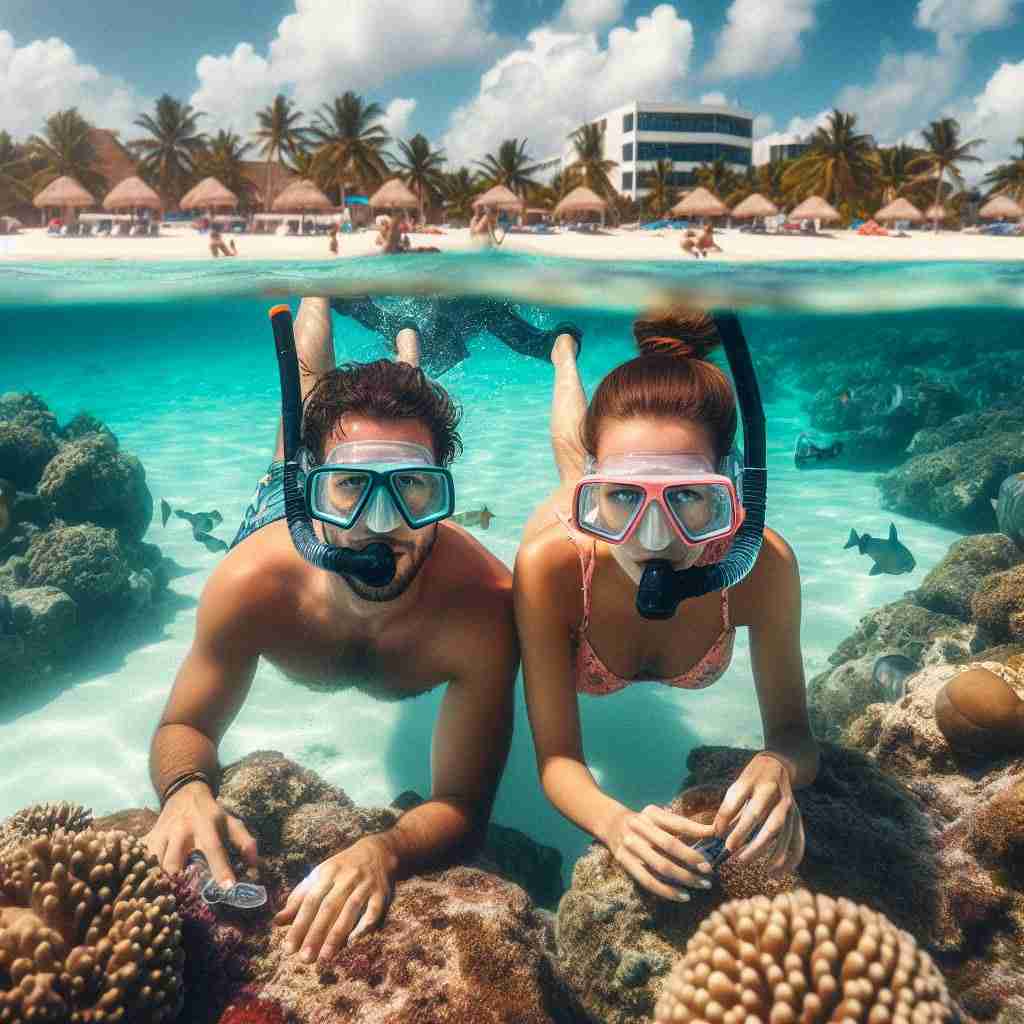
But action doesn’t stop with policy; it extends to tourism as well. Eco-tourists flock to Cozumel, not just for the stunning underwater views, but to participate in reef cleanup projects and coral planting excursions. These experiences are transformative. Picture a traveler, snorkeling alongside a marine biologist, seeing first-hand the impact of their efforts. It’s about more than just enjoying the beauty—they’re rolling up their sleeves and becoming a part of the solution.
Scientific research is also crucial. Experts are studying the reef’s delicate ecosystems, gaining insights that inform conservation strategies. The collaboration between scientists and local stakeholders fosters a shared commitment to preserving this underwater wonderland.
The question isn’t just what’s being done, but what we can all do together. The Yucab Reef is a vibrant reflection of our shared commitment to the planet. By engaging our hearts, our heads, and our guts, we have the power to protect its beauty for generations to come. Embrace this call to action. Let your impact ripple, just like the gentle waves lapping at the shores of Cozumel.
What Conservation Efforts Are In Place to Protect Yucab Reef?
What Conservation Efforts Are In Place to Protect Yucab Reef?
- The Yucab Reef, located off Cozumel, faces threats from human activity, climate change, and pollution.
- Conservation efforts involve local communities, scientists, and tourists working to protect the reef.
- Education is central to these initiatives, highlighting the reef’s biodiversity and the importance of sustainability.
- Marine protected areas, regulated fishing, and restoration projects have been established by the government and non-profits.
- Eco-tourism plays a role, with visitors participating in reef cleanups and coral planting, along with local experiences.
- Scientific research on the reef’s ecosystems informs effective conservation strategies and fosters community engagement.
- Collective action is vital for safeguarding the Yucab Reef, encouraging a shared commitment to the environment.
What Conservation Efforts Are In Place to Protect Yucab Reef?
Conclusion
Yucab Reef, off the coast of Cozumel, is much more than just a picturesque dive site; it’s an intimate invitation into the heart of a vibrant underwater ecosystem. What sets Yucab apart from other nearby reefs isn’t merely its captivating marine life but the profound experiences it offers—experiences that resonate with our hearts, minds, and ethical responsibilities. Unlike bustling tourist hotspots where the chatter of divers echoes against coral formations, Yucab envelops you in a serene embrace, inviting introspection amid the beauty of its coral gardens and schools of flashing fish.
As you plunge into its depths, you become part of an ancient narrative, one that speaks to the fragility and resilience of life beneath the surface. Each encounter—a swaying sea turtle, a darting parrotfish—forces you to reflect on our role in preserving such wonders. Recognizing that the delicate ecosystems we explore are under threat makes our visits not just about adventure, but about stewardship. Supporting local businesses that prioritize sustainable practices reinforces our commitment to conserving this unique environment for future generations.
Beyond conservation, Yucab Reef fosters a sense of community among divers. In this underwater sanctuary, strangers bond over shared awe and serious discussions about preserving marine life. Whether seasoned divers or first-timers, everyone is united by a common purpose—to embrace and protect the beauty around them. The laughter, the gasps, and the stories exchanged above water create friendships that linger long after you resurface.
The accessibility of Yucab Reef is another compelling aspect, opening its ocean floor to anyone eager to discover its wonders. As you navigate the vibrancy of this underwater gallery, you’re contributing to the local economy, affirming the importance of sustainable tourism. It’s here that your dive becomes more than mere recreation; it transforms into a powerful commitment to creating positive change.
Conservation efforts surrounding Yucab Reef remind us that we are part of a larger story—one where our actions today will echo into tomorrow. When we leave the water, we carry with us an urgency to protect this aquatic treasure, to ensure its health for those who come after us. Dive into Yucab Reef, and find not only breathtaking beauty but also a call to action. Let the ocean’s heartbeat guide you; it’s time to listen, to learn, and to live with purpose.

Conclusion
Conclusion:
- Yucab Reef, located off Cozumel, offers a unique and intimate dive experience in a vibrant underwater ecosystem.
- The reef is distinguished by its serene atmosphere, encouraging introspection rather than the hustle of typical tourist spots.
- Encounters with marine life, such as sea turtles and parrotfish, highlight the need for ecological stewardship and conservation.
- Visitors are encouraged to support local businesses that practice sustainability, enhancing the commitment to preserving the reef.
- Yucab Reef fosters community among divers, promoting connections through shared experiences and discussions about marine life preservation.
- The reef’s accessibility invites divers of all skill levels, allowing them to engage with and contribute to the local economy through sustainable tourism.
- Conservation efforts surrounding Yucab Reef underscore the urgency to protect this aquatic treasure for future generations.
Conclusion
Other Resources

Other Resources
Most of the people who read this are also figuring out where to stay. A couple of places we run or know well, in case it’s useful: Cozumel Journey is an editorial guide to Cozumel — neighborhoods, planning tips, and life on the island for travelers who want context, not a cruise schedule. Cozumel Escape is a larger Cozumel villa suited to groups, families, and divers who want their own base.
Here is a list of other resources you can review online to learn more:
- Yard House
- Eduardo Toledo Aerodrome
- The LANDMARK of Cozumel
- Turquoise Terraza & Beach Club Cozumel
- MayanmanTriatlón
- Playa Mia Water Park
- Hooters Cozumel
- Cozumel Cruise Excursions
- Cozumel Beach Tours
- Amerimed Islamed Cozumel
- Cozumel Beaches
- Liveaboard Diving
- Sky Reef Beach Club
- Novena Ola
- Cozumel Shore Excursions
- Chankanaab Beach Adventure Park
- Playa Mia Grand Beach Park
- Cozumel Journey — long-form writing on neighborhoods and planning
- cozumelescape.com
Use This Prompt To Get More Resources With Your Favorite Online AI Tool: Please provide me with a list of online articles with their URLs in a bulleted list that I can read regarding How Does Exploring Yucab Reef In Cozumel Compare to Nearby Reefs?

Other Resources
Glossary Terms
How Does Exploring Yucab Reef In Cozumel Compare to Nearby Reefs? – Glossary Of Terms
1. Yucab Reef: A popular dive site off the coast of Cozumel, known for its diverse marine life and coral formations.
2. Cozumel: An island in the Caribbean Sea, part of Mexico, famous for its coral reefs and vibrant underwater ecosystems.
3. Coral Reef: A marine structure formed by coral polyps that provides habitat for numerous aquatic species.
4. Diving: The activity of swimming underwater, often using specialized equipment, to explore marine environments and observe marine life.
5. Snorkeling: A recreational activity involving swimming near the surface of water while wearing a mask and snorkel to view underwater life.
6. Marine Life: Various species of organisms that inhabit the ocean, including fish, coral, crustaceans, and mollusks.
7. Ecosystem: A biological community of interacting organisms and their physical environment, characterized by interdependence among species.
8. Biodiversity: The variety of life forms within a given ecosystem, which contributes to its resilience and ecological health.
9. Current: The flow of water in the ocean that can impact diving conditions and the distribution of marine organisms.
10. Visibility: The distance at which underwater objects can be seen, often influenced by water clarity and the presence of particles.
11. Coral Bleaching: A phenomenon where corals lose their color due to stress from temperature increases or pollution, leading to a decline in health.
12. Underwater Topography: The physical features of the ocean floor, including reefs, trenches, and canyons, which affect marine habitats.
13. Dive Guide: A professional who leads diving excursions, ensuring safety and providing knowledge about marine environments.
14. Species Diversity: The number of different species present in a specific area, contributing to the ecological balance of the reef.
15. Wreck Diving: A specialized diving activity that involves exploring sunken ships or structures, often rich in marine life.
16. Saturation Diving: A type of diving technique that allows divers to stay underwater for extended periods by living in a habitat at pressure.
17. Artificial Reef: Man-made structures placed in the ocean to promote marine life growth and enhance biodiversity.
18. Depth: The vertical distance from the surface of the water to a given point underwater, influencing the types of marine life encountered.
19. Photography: The practice of capturing images underwater to document marine life and ecosystems, often requiring specialized equipment.
20. Humpback Whale: A large marine mammal known for its acrobatics and long migrations, occasionally spotted around Cozumel.
21. Pelagic Zone: The open waters of the ocean, where various fish and marine creatures roam, contrasting with reef environments.
22. Rock Formation: Natural geological features on the ocean floor that provide habitats for marine organisms.
23. Soft Coral: Corals that lack a hard limestone skeleton and are flexible, often seen in colorful and diverse shapes.
24. Hard Coral: Corals with a rigid calcium carbonate structure that form the backbone of reef systems.
25. Climate Change: Long-term shifts in temperatures and weather patterns that significantly impact ocean ecosystems, including coral reefs.
26. Fishing Practices: Techniques used to catch fish, which can adversely affect reef health and marine biodiversity if not sustainable.
27. Ecotourism: Responsible travel to natural areas that conserves the environment and improves the well-being of local communities.
28. Tidal Zones: Areas affected by the ebb and flow of tides, influencing marine organisms and their habitats.
29. Sustainable Practices: Conservation methods employed to protect coral reefs and marine life while still allowing human interaction and enjoyment.
30. Research Expeditions: Scientific journeys to study marine ecosystems, collecting data on biodiversity and environmental changes.

Glossary Of Terms
Other Questions
How Does Exploring Yucab Reef In Cozumel Compare to Nearby Reefs? – Other Questions
If you wish to explore and discover more, consider looking for answers to these questions:
- What makes Yucab Reef unique compared to other dive spots in Cozumel?
- What types of marine life can be found specifically at Yucab Reef?
- How do the diving experiences at Yucab Reef differ for beginners versus experienced divers?
- What are the best times of year to dive at Yucab Reef?
- What safety measures should divers take when exploring Yucab Reef?
- What are the environmental threats currently facing Yucab Reef?
- How can tourists contribute to the conservation of Yucab Reef while visiting?
- What equipment is recommended for diving at Yucab Reef?
- Are there guided tours available for diving at Yucab Reef?
- How does the local community benefit from the tourism generated by Yucab Reef?
- What initiatives are in place to promote sustainable tourism in Cozumel?
- How have climate change and pollution specifically affected Yucab Reef?
- What are the success stories of conservation efforts at Yucab Reef?
- Can diving at Yucab Reef help raise awareness for marine conservation issues?
- What stories do locals tell about their experiences with the reef?
Other Questions
Haiku
How Does Exploring Yucab Reef In Cozumel Compare to Nearby Reefs? – A Haiku
Beneath azure waves,
Yucab’s beauty calls to hearts—
Protect, connect, explore.

Haiku
Poem
How Does Exploring Yucab Reef In Cozumel Compare to Nearby Reefs? – A Poem
In the turquoise embrace of Cozumel’s dreams,
Yucab Reef beckons with whispering gleams.
A tranquil sanctuary, where silence prevails,
In vibrant depths, the underwater tale sails.
With parrotfish dancing and corals aglow,
Each dive is a portal to wonders down below.
Here, you’re no stranger, but part of the weave,
In the heart of the ocean, you learn to believe.
As waves crash softly, your soul finds its tune,
A chorus of colors beneath a bright moon.
But beyond the allure of nature’s grand show,
Lies an ethical call—preserve what we know.
For fragile ecosystems cling to their fate,
And our hands hold the power to love and create.
With each finned companion, connections abound,
In laughter and awe, a community found.
Accessibility opens the gates wide for all,
From children to divers, we answer the call.
Supporting the locals, their livelihoods thrive,
In the dance of exploration, our spirits come alive.
Let your camera capture the beauty, the bliss,
Each moment a story, in memory’s kiss.
For beyond the adventure, there lies a great task,
To protect this paradise—let’s wear our hearts as a mask.
Fighting for Yucab, for future and now,
Joining with others, let’s pledge and vow.
Through education and action, together we strive,
To safeguard this treasure, where life will survive.
So dive deep, share your tales of the sea’s art,
For Yucab is more than a place—it’s the heart.
An invitation to cherish, to connect and to give,
In the depths of the ocean, we find how to live.

Poem
Checklist
How Does Exploring Yucab Reef In Cozumel Compare to Nearby Reefs? – A Checklist
Checklist for Exploring Yucab Reef: Engaging Heart, Head, and Gut
Emotional Appeals:
_____ Reflect on your personal connection to nature. How does the ocean inspire you?
_____ Share your diving experiences with friends and family. What emotional stories can you tell?
_____ Consider how the beauty of Yucab Reef can evoke feelings of awe and responsibility.
Rational Appeals:
_____ Research the diversity of marine life at Yucab Reef. What species do you expect to see?
_____ Analyze weather conditions before your dive. What precautions should you take for safety?
_____ Understand ethical diving practices. How can you navigate the reef without causing harm?
Ethical Appeals:
_____ Pledge to support sustainable tourism when visiting Yucab Reef. How will you choose eco-friendly operators?
_____ Educate yourself on the fragility of coral ecosystems. What actions can you take for preservation?
_____ Engage in conversations about reef conservation within your community. What initiatives can you join?
Authority Appeals:
_____ Read up on local conservation efforts. Which organizations are leading the charge for Yucab Reef?
_____ Follow experienced divers and marine biologists online. What insights can they offer?
_____ Attend workshops or seminars about marine ecosystems. How can expertise deepen your understanding?
Narrative Appeals:
_____ Collect stories from fellow divers. What memorable encounters have they had at Yucab?
_____ Document your dive experiences. How can storytelling enhance your appreciation for marine life?
_____ Create visual narratives through underwater photography. What emotions do your photographs convey?
Social Appeals:
_____ Join diving groups or community forums. Who can you connect with to share experiences and tips?
_____ Participate in reef clean-up events. How can you contribute to the preservation of Yucab Reef?
_____ Encourage friends to join you on your next dive adventure. How does sharing this experience enhance your bond?
Practical Tips:
_____ Plan your dive around favorable weather conditions. What resources will you use to check forecasts?
_____ Bring eco-friendly gear and avoid single-use plastics. What changes can you make for a greener dive?
_____ Have a conversation with local guides about their conservation efforts. How can you advocate for their work?
Checklist
At TopCozumelNews, we help travelers enjoy Cozumel by collating information learned from frequently traveling to beautiful Cozumel.
Be sure to read our other related stories at TopCozumelNews to learn more about the Island of Cozumel.