
Uncovering The Wonders Of Palancar Gardens Reef
By Tom Seest
At TopCozumelNews, we help travelers enjoy Cozumel by collating information learned from frequently traveling to beautiful Cozumel.
Be sure to read our other related stories at TopCozumelNews to learn more about the Island of Cozumel.
How Does Exploring Palancar Gardens Reef In Cozumel Compare to Nearby Reefs?
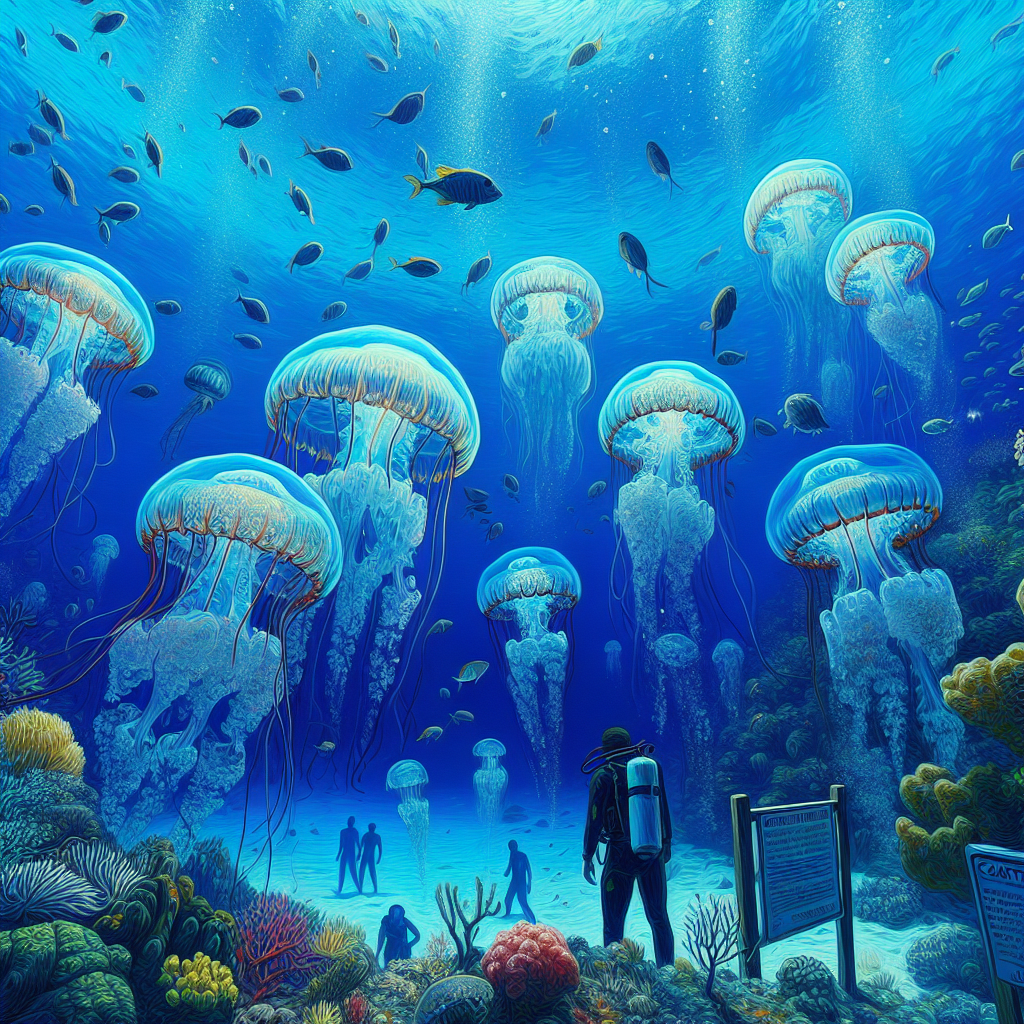
When you slip beneath the surface of the turquoise waters around Cozumel, it’s like stepping into another world—a vibrant, pulsing organism teeming with life. Here lies Palancar Gardens, a reef that feels more like a living cathedral than just a collection of coral. The vibrant corals wave gently with the rhythm of the sea, and schools of fish dart like colorful confetti, reminding us of nature’s artistry. Surrounded by this thriving spectacle, you’ll find that Palancar Gardens offers a unique blend of adventure and serenity.
Now, how does this experience stack up against the nearby reefs? In truth, Palancar Gardens stands proudly amid its companions, but it offers something singular. While many reefs boast crystal-clear visibility and diverse marine life, Palancar Gardens is renowned for its sheer scale and striking drop-offs. Here, the coral formations are not just beautiful—they create a habitat filled with fishes so diverse that even the most seasoned diver will find new wonders hiding in every nook. The pinnacle of this underwater journey connects us to a rich tapestry of life and highlights the delicate balance of marine ecosystems.
Let’s be honest—when you choose a dive site in Cozumel, you’re not just picking a place to see fish; you’re making a choice that reflects your values. Engaging with these reefs, especially one as remarkable as Palancar Gardens, is an ethical plunge into conservation. Enjoying this underwater paradise fosters a deeper appreciation for our oceans and their fragility. It’s an opportunity to connect with something bigger than ourselves and to support local efforts safeguarding these aquatic treasures.
Beyond the thrill, it’s about community. Sharing stories with fellow divers at the surface as the sun sets on another day creates bonds that extend beyond just a shared experience. You’ll return with tales of gracefully gliding sea turtles and playful dolphins, instilling a sense of camaraderie and shared stewardship for the ocean.
So, whether you are a novice hoping to unravel the mysteries of the deep or an experienced diver seeking the next breathtaking tableau, dive into the magic of Palancar Gardens. It’s not just a destination; it’s a call to embrace life—both above and below the waves. Make the leap; your adventure awaits.

How Does Exploring Palancar Gardens Reef In Cozumel Compare to Nearby Reefs?
How Does Exploring Palancar Gardens Reef In Cozumel Compare to Nearby Reefs?
- Diving in Cozumel’s turquoise waters offers a vibrant and immersive experience at Palancar Gardens.
- The reef resembles a living cathedral with stunning corals and schools of colorful fish.
- Palancar Gardens is known for its impressive scale, striking drop-offs, and diverse marine life.
- The coral formations provide unique habitats, revealing new wonders for even seasoned divers.
- Diving here promotes conservation efforts and fosters appreciation for the ocean’s fragility.
- Engaging with other divers enhances community bonds and creates shared ocean stewardship.
- Whether a novice or experienced diver, Palancar Gardens invites all to embrace the magic of the underwater world.

How Does Exploring Palancar Gardens Reef In Cozumel Compare to Nearby Reefs?
Table Of Contents
- How Does Exploring Palancar Gardens Reef In Cozumel Compare to Nearby Reefs?
- What Feelings Do the Vibrant Marine Ecosystems Evoke In You?
- How Do Ethical Diving Practices Influence Reef Conservation Efforts?
- Who Are the Experts That Endorse the Preservation Of Palancar Gardens?
- How Do Underwater Visuals At Palancar Compare with Nearby Dive Sites?
- What Makes Palancar Gardens a Must-Visit for Reef Enthusiasts?
- How Does Exploring Palancar Change Your Perspective on Marine Life?
- What Community Initiatives Protect the Reefs In Cozumel?
- Conclusion
- Other Resources
- Glossary Of Terms
- Other Questions
- Haiku
- Poem
- Checklist
What Feelings Do the Vibrant Marine Ecosystems Evoke In You?
Vibrant marine ecosystems, like those found in Cozumel, stir something deep within us. Picture this: you’re submerged in crystal-clear waters, surrounded by a bustling city of coral and fish. Your heart races with exhilaration as schools of vibrant parrotfish dart past, their colors a reminder of nature’s artistry. This spectacle doesn’t just dazzle the eyes; it tugs at the heart. It’s a glimpse into a world teeming with life, drawing you into a connection that feels both magical and humbling.
But beyond the immediate thrill lies a profound sense of responsibility. The stark reality reminds us that these ecosystems are fragile. The mind kicks in, sparking thoughts about the delicate balance of life. Have you ever considered the intricate dance of ecosystems? Each creature, from the smallest shrimp hiding in the coral to the majestic sea turtles gliding gracefully, plays a role in a complex web of survival. A rational engagement with these thoughts can lead to a deeper understanding of our impact as humans. Understanding that our choices—be it a plastic bottle tossed carelessly or the fishing practices we support—have consequences can invoke a powerful ethical response.
What about the gut instinct? The feeling that something is worth protecting. You see a sunken reef—maybe from diving in Cozumel—and your stomach knots. You can almost hear the whispers of the ocean, telling you about the biodiversity that once thrived there. It’s a call to action. We need to champion the preservation of these stunning underwater landscapes, not just for ourselves, but for the generations to come. It’s not just about snorkeling; it’s about ensuring that what we treasure today survives tomorrow.
When you share stories of your adventures in Cozumel with friends, do you feel you are part of a community? One that cares not only for their fun memories but for the wellbeing of our oceans? You’re writing a narrative about shared experiences, fostering social ties that inspire collective action. Through awareness, passion, and connection, we can rally together to protect these beautiful ecosystems. It’s more than admiration; it’s an obligation to ensure their survival. So next time you dip your toes into the ocean, remember—you’re not just a spectator; you’re a vital ally in this fight for preservation.

What Feelings Do the Vibrant Marine Ecosystems Evoke In You?
What Feelings Do the Vibrant Marine Ecosystems Evoke In You?
- Vibrant marine ecosystems, like those in Cozumel, evoke strong emotional responses and a sense of connection.
- The diverse sea life, including colorful parrotfish and sea turtles, highlights the beauty and complexity of underwater habitats.
- These ecosystems are fragile, reminding us of our responsibility to protect them.
- Every creature plays a vital role in the intricate balance of marine life, influencing our understanding of ecological impacts.
- A gut instinct emerges to protect these environments, especially when witnessing the decline of reefs.
- Sharing experiences fosters community and promotes collective action towards ocean conservation.
- Engagement goes beyond enjoyment; it encompasses a duty to ensure the survival of marine ecosystems for future generations.

What Feelings Do the Vibrant Marine Ecosystems Evoke In You?
How Do Ethical Diving Practices Influence Reef Conservation Efforts?
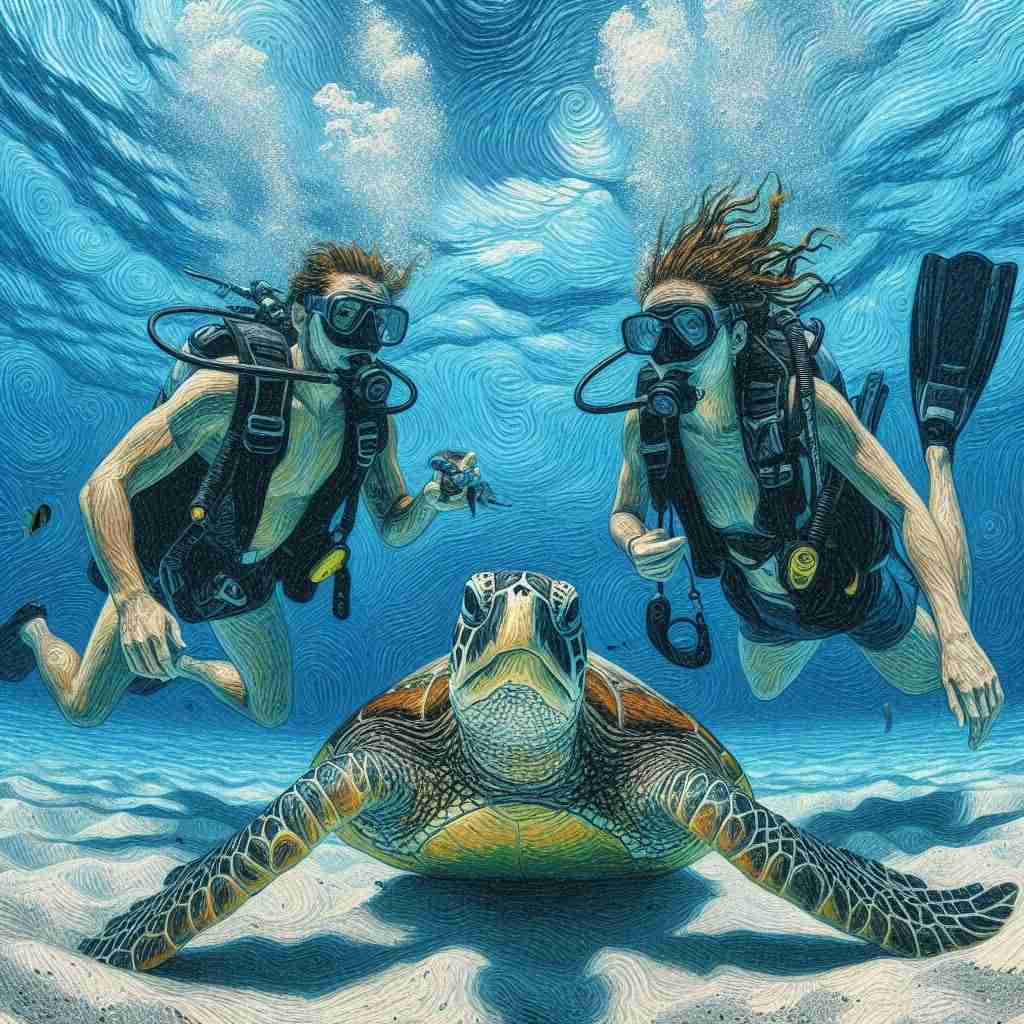
When we think of coral reefs, images of vibrant marine life and crystal-clear waters come to mind. Places like Cozumel are undeniably breathtaking, yet beneath the surface of this paradise lies a delicate balance that is disrupted all too easily. Ethical diving practices play a critical role in reef conservation, and it’s vital for every diver to understand the impact of their actions on these ecosystems.
Imagine yourself gliding through the water, surrounded by colorful fish and swaying corals. It’s an awe-inspiring experience that connects us deep within, resonating with our need to appreciate and protect the natural world. But every splash can create ripples of consequence. Ethical diving isn’t just a set of rules; it’s a commitment to preserving the beauty around us for generations to come. Each time a diver chooses to respect the reef—by not touching delicate corals or staying within marked areas—they make a choice that echoes far beyond that moment.
Rationally speaking, healthy reefs are vital to the overall health of our oceans. They provide habitat, help combat climate change, and support local economies. When diving practices are aligned with conservation efforts, divers aren’t just visitors; they become stewards of the sea. It’s a shared responsibility that transcends personal pleasure. This isn’t merely an issue for scientists or policymakers. It’s about individuals asserting their influence, demonstrating that even small actions can lead to monumental change.
Ethically, the choice to follow sustainable diving practices means considering the legacy we leave behind. The coral reefs of Cozumel won’t thrive on their own—they need our care and respect. We must foster a culture of mindfulness and responsibility in our diving communities. It’s about building trust—both with the environment and among fellow divers. When you connect through genuine concern, it becomes a rallying point for collective action. Tell the stories of your dives, not just to recount the thrill but to inspire others to join this vital cause.
Creating a network of like-minded divers can amplify this message. Imagine joining a group that shares your values, where each dive reinforces a commitment to ethical practices and reef conservation. Together, you can make a difference—one dive at a time, ensuring that Cozumel remains a jewel of the ocean and a refuge for countless species. It’s time to immerse ourselves not only in the beauty of the underwater world but also in the responsibility of protecting it.
How Do Ethical Diving Practices Influence Reef Conservation Efforts?
How Do Ethical Diving Practices Influence Reef Conservation Efforts?
- Coral reefs are vibrant ecosystems essential for marine life and beauty, yet they require careful preservation.
- Ethical diving practices are crucial for conserving coral reefs and understanding the impact of divers’ actions.
- Divers must respect the reef by avoiding touching corals and staying within designated areas to protect the ecosystem.
- Healthy reefs are vital for ocean health, providing habitats, combating climate change, and supporting local economies.
- Every diver can contribute to conservation efforts, acting as stewards of the sea through responsible diving.
- Building a culture of mindfulness among divers is essential for the long-term survival of coral reefs.
- Creating a community of like-minded divers can enhance efforts toward reef conservation and inspire collective action.

How Do Ethical Diving Practices Influence Reef Conservation Efforts?
Who Are the Experts That Endorse the Preservation Of Palancar Gardens?
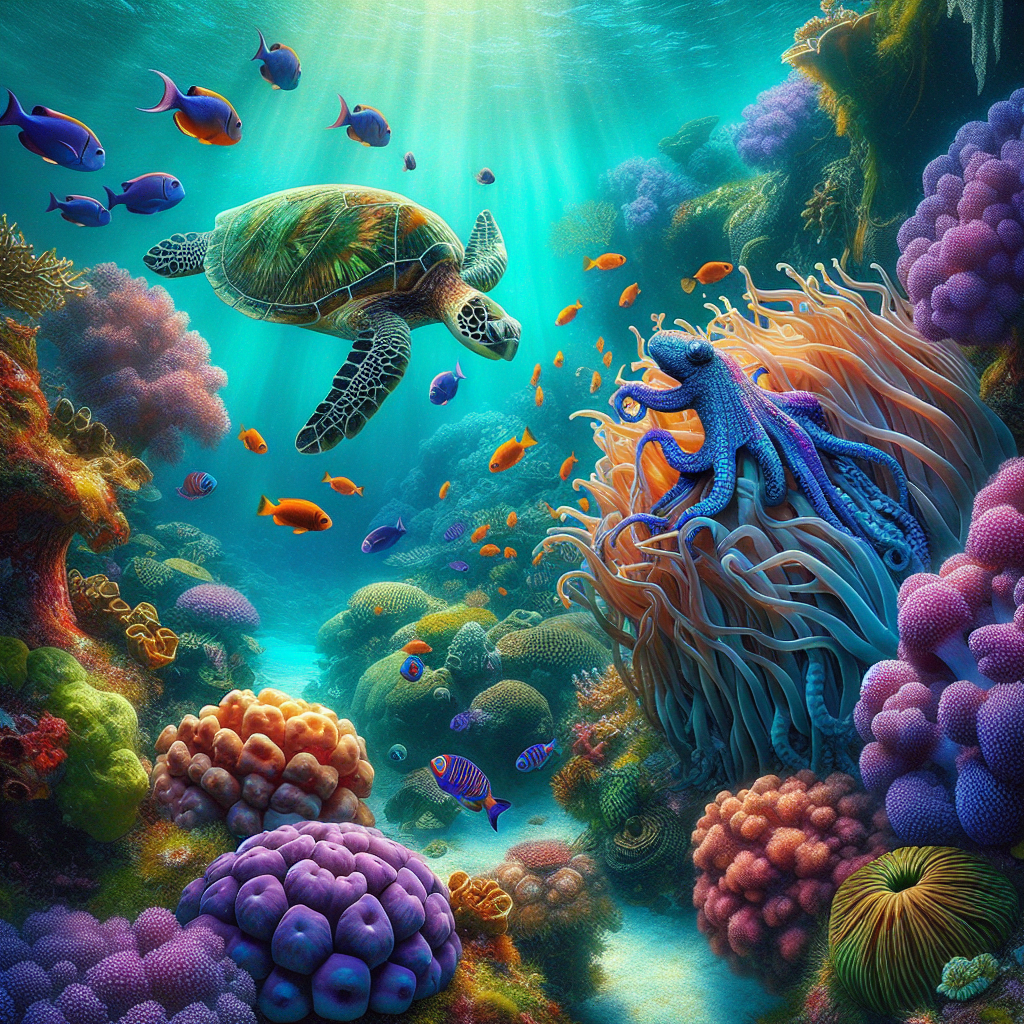
When it comes to preserving the natural wonder of Palancar Gardens in Cozumel, it’s not just environmentalists standing on soapboxes; it’s a diverse coalition of scientists, local community leaders, conservationists, and even dive masters who’ve spent years exploring these underwater treasures. Each embodies a piece of the heart, resonating with those who understand that true beauty—and its preservation—requires more than mere affection; it demands commitment.
The marine biologists, with their dive gear and a wealth of knowledge, illuminate the delicate ecosystems thriving in the coral reefs. Their studies reveal shocking statistics: coral reefs support about 25% of all marine species. Each time they present their findings to local governments or international forums, they aren’t just showcasing data; they’re giving a voice to the ocean, making it difficult to ignore the urgency of conservation efforts.
On the other side of the spectrum, there are local fishermen, whose families have worked these waters for generations. Their narratives—stories of a declining fish population and changing tides—strike a chord in the gut. They speak from experience, sharing tales of what once was and what should be, redefining the notion of sustainability. Their love for Cozumel runs deep; it’s woven into the very fabric of their daily lives. To them, the preservation of Palancar Gardens isn’t just an ecological duty—it’s an ethical obligation to leave a thriving ocean for their children and grandchildren.
The endorsement of local tourism authorities brings yet another perspective, emphasizing economic benefits tied to a well-preserved environment. This isn’t just an emotional appeal; it’s a rational one. Healthier reefs mean better snorkeling and diving experiences, which ultimately benefits the local economy. The combined forces of ecological understanding and economic incentive create a powerful narrative that is hard to resist.
Finally, we see an evolving social consciousness among travelers. As people flock to Cozumel not just for sun-soaked beaches but for authentic experiences in eco-tourism, they are beginning to understand their role. They aren’t just visitors; they’re stewards of these landscapes. The call to action has never been clearer: by supporting the preservation of Palancar Gardens, they become part of something greater—a movement fueled by both love and logic, echoing through generations.
Together, these voices form an intricate tapestry of authority and passion, beckoning all of us to take a stand. The preservation of Palancar Gardens transcends geography and profession; it becomes a shared mission, inviting everyone to engage, act, and connect with both nature and community in a very real way.
Who Are the Experts That Endorse the Preservation Of Palancar Gardens?
Who Are the Experts That Endorse the Preservation Of Palancar Gardens?
- A diverse coalition, including scientists, conservationists, and local leaders, is committed to preserving Palancar Gardens in Cozumel.
- Marine biologists reveal that coral reefs support about 25% of all marine species, stressing the urgency of conservation.
- Local fishermen share personal stories of declining fish populations, emphasizing their ethical obligation to maintain the ocean for future generations.
- Local tourism authorities highlight the economic benefits of preserving the environment, linking healthy reefs to enhanced tourism experiences.
- Travelers are evolving into eco-conscious stewards, recognizing their role in the preservation of natural spaces.
- The message of conservation combines passion and logic, calling for collective action toward the preservation of Palancar Gardens.
- The preservation effort invites engagement from everyone, transcending backgrounds and professions to connect with nature and community.

Who Are the Experts That Endorse the Preservation Of Palancar Gardens?
How Do Underwater Visuals At Palancar Compare with Nearby Dive Sites?
When you slip beneath the waves at Palancar Reef, you’re not just diving into crystal-clear waters; you’re immersing yourself in a living tapestry of life that speaks to the very core of our relationship with nature. Set against the breathtaking backdrop of Cozumel, Palancar offers an underwater spectacle that outshines many nearby dive sites, redefining what it means to explore the ocean’s depths.
The sheer vibrancy of the corals, bursting with color, invites you to pause and appreciate the delicate ecosystems thriving beneath the surface. Each dive draws you deeper into a world of wonder, where graceful sea turtles glide past and schools of fish flash like living jewels in their underwater dance. It’s an encounter that stirs the heart, triggering not just awe but an urgent call to protect these vital environments.
From a rational standpoint, the diving conditions at Palancar are hard to beat. With lesser currents and improved visibility compared to other popular sites, divers of all skill levels find themselves at ease here, which enhances the experience. The more you experience it, the more you’ll notice the subtleties: the way sunlight filters through the water and dances across a hidden nook, or how a slight shift can reveal a thriving garden of sponges and more. The familiar sounds of the ocean become calming, reassuring reminders of the life that exists beneath our feet, and you find yourself inspired to dive deeper—not just into the water, but into a deeper understanding of what these ecosystems represent.
Ethically, it becomes clear that diving at Palancar is not a selfish pursuit. It’s an invitation to join a larger community of divers and environmental advocates dedicated to preserving the beauty of Cozumel’s underwater world. When you share an experience like this, you become part of a social narrative. You form connections with fellow divers, but also with the ocean itself. You leave with a sense of duty, a commitment not just to return but to speak up for the waters that give us so much joy.
The underwater visuals at Palancar stand as a testament to the power of our oceans. Each dive reaffirms our bond with nature while urging us to protect it. So strap on your gear, take a deep breath, and dive in—this is a journey you won’t want to miss.

How Do Underwater Visuals At Palancar Compare with Nearby Dive Sites?
How Do Underwater Visuals At Palancar Compare with Nearby Dive Sites?
- Palancar Reef offers a unique diving experience in crystal-clear waters, emphasizing our relationship with nature.
- The vibrant corals and diverse marine life redefine underwater exploration and stimulate a sense of wonder.
- Diving conditions are particularly favorable with lesser currents and improved visibility for divers of all skill levels.
- Each dive reveals subtle beauty, encouraging divers to appreciate the delicate ecosystems beneath the surface.
- Diving at Palancar fosters a sense of community among divers and advocates for environmental preservation.
- Every dive strengthens our bond with nature while highlighting the importance of protecting marine environments.
- Engaging in this underwater journey is an urgent call to appreciate and advocate for the oceans.

How Do Underwater Visuals At Palancar Compare with Nearby Dive Sites?
What Makes Palancar Gardens a Must-Visit for Reef Enthusiasts?
When you think of paradise, what comes to mind? Pristine beaches, warm sun, and maybe a cocktail in hand? While those images certainly have their charm, let’s dig deeper into what true paradise means—especially for those who’ve ever stood at the edge of the ocean and felt a profound connection to the underwater world. Palancar Gardens Cozumel isn’t just a spot for divers; it’s a realm where the heart meets the reef, a playground for the soul.
Diving into the crystal-clear waters feels like stepping into a living tapestry. The vibrant coral formations dance with a kaleidoscope of colors, each one telling a different story. Here’s where the head comes into play—scientific research has repeatedly shown that coral reefs are vital to ocean ecology and biodiversity. If you’re a reef enthusiast, witnessing the incredible marine life firsthand ignites a passion and responsibility to protect these treasures. You can’t help but feel a surge of inspiration knowing you’re witnessing nature at its most breathtaking, and that gives rise to a purpose, a deeper connection that keeps you coming back.
But let’s not forget the ethical aspect. Engaging with this aquatic paradise comes with an unspoken responsibility. Educating yourself about reef preservation goes hand-in-hand with appreciation. Supporting local conservation efforts enhances your experience; it’s a way to contribute to the longevity of the very beauty that captures your heart. You’re diving, sure, but you’re also pledging allegiance to the delicate ecosystems and the tales they weave.
And let’s talk about community. As you explore Palancar Gardens, you’ll encounter other enthusiasts who share your passions—it’s like finding a second family. The conversations that spark underwater friendships create a sense of belonging that is simply unparalleled. The laughter and camaraderie, whether you’re exchanging tips on the best spots or sharing stories about your most unforgettable dives, create an atmosphere that transcends the ordinary.
So, if you’re ready to plunge into an underwater realm that captivates the heart, educates the mind, and ignites the spirit, Palancar Gardens Cozumel awaits your call. Venture into these waters and immerse yourself—not just in the thrill of the dive, but in the richness of connection, purpose, and passion that comes with it. Whether you’re an experienced diver or a curious newcomer, the experience will leave you forever changed, a guardian of the ocean’s wonders, ready to inspire others.

What Makes Palancar Gardens a Must-Visit for Reef Enthusiasts?
What Makes Palancar Gardens a Must-Visit for Reef Enthusiasts?
- Palancar Gardens Cozumel offers a deeper connection to the underwater world beyond typical paradise imagery.
- Diving in crystal-clear waters reveals vibrant coral formations and diverse marine life, emphasizing the ecological importance of coral reefs.
- Experiencing the beauty of the ocean fosters a sense of passion and responsibility for reef preservation.
- Engaging with the aquatic paradise involves educating oneself about conservation and supporting local efforts to protect these ecosystems.
- The community aspect at Palancar Gardens allows divers to connect with like-minded individuals, creating lasting friendships.
- Shared stories and experiences among divers foster camaraderie and a sense of belonging.
- Exploring Palancar Gardens offers transformative experiences for both seasoned divers and newcomers, inspiring guardianship of ocean wonders.
What Makes Palancar Gardens a Must-Visit for Reef Enthusiasts?
How Does Exploring Palancar Change Your Perspective on Marine Life?
Diving into the depths of Cozumel’s Palancar Reef is more than an adventure; it’s an awakening. Imagine yourself suspended in a world teeming with life, where vibrant colors and intricate shapes weave together in a timeless dance. As you glide through this marine wonderland, each flick of your fin reveals a new story—an ethereal ballet of schools of fish darting through coral formations, the slow, deliberate movements of sea turtles, and the gentle sway of anemones in the current.
From a rational standpoint, the biodiversity you encounter is staggering. According to marine biologists, Palancar Reef is home to over 500 species of fish and dozens of coral varieties—each integral to this fragile ecosystem. Understanding the roles these creatures play in their environment can reshape how we view our relationship with the ocean. This isn’t just a playground for vacationers; it’s a vital, interconnected web of life that depends on our respect and stewardship.
Feel the emotional pull as you grab your gear and slip beneath the surface. Every breath you take is a reminder of the delicate balance of life, where each heartbeat is synced not just with your own, but with the rhythm of the ocean. This intimate encounter often stirs a deep, gut-level commitment to protect what you are experiencing. In that moment, it becomes palpably clear—our oceans are in peril. The stunning beauty of Cozumel’s reef is under threat from pollution, overfishing, and climate change. These harsh realities serve as a call to action, propelling you to become an ambassador for marine conservation, starting with small but significant changes in your life.
The narrative of your journey continues beyond the dive. As you rise to the surface, exhilaration and clarity fuel a newfound passion for advocacy. Sharing your experiences with friends and family becomes a powerful way to spread awareness. Social connections are forged in the stories of breathtaking encounters—the bright flashes of parrotfish, the graceful glide of a manta ray—that resonate far beyond the water’s edge.
Ultimately, exploring Palancar Reef doesn’t just change your perspective; it ignites a responsibility to protect the marine life you’ve come to cherish. Every dive deepens that connection, urging you to act, to share, and to inspire others, ensuring that this extraordinary world thrives for generations to come.

How Does Exploring Palancar Change Your Perspective on Marine Life?
How Does Exploring Palancar Change Your Perspective on Marine Life?
- Diving at Cozumel’s Palancar Reef is an immersive adventure that awakens a connection with nature.
- The reef is vibrant and alive, showcasing a rich tapestry of marine life, including schools of fish, sea turtles, and anemones.
- Palancar Reef hosts over 500 species of fish and various coral types, crucial for maintaining a fragile ecosystem.
- Experiencing the reef can transform perceptions and foster a sense of stewardship for the ocean.
- The beauty of the reef is threatened by pollution, overfishing, and climate change, highlighting an urgent need for conservation efforts.
- Post-dive, individuals often feel compelled to advocate for marine conservation, sharing their experiences to raise awareness.
- Exploring Palancar Reef instills a sense of responsibility to protect marine environments for future generations.

How Does Exploring Palancar Change Your Perspective on Marine Life?
What Community Initiatives Protect the Reefs In Cozumel?
Cozumel, with its turquoise waters and vibrant marine life, is a paradise that has captivated travelers and locals alike. But beneath the surface lies a silent struggle, as coral reefs face an onslaught of threats. Fortunately, a united front is emerging in this coastal treasure, where community initiatives are leading the charge in reef protection.
Picture this: a group of local divers, not professionals or environmentalists by trade, but everyday people passionate about their island. They gather on weekends, armed with their masks and fins, ready to tackle underwater challenges and reconnect with their natural heritage. These are the guardians of Cozumel’s reefs, demonstrating that passionate hearts can make a real difference. Their commitment to preserving these underwater ecosystems isn’t just a hobby; it’s personal. These reefs are their playgrounds, their livelihoods, and a crucial part of their cultural identity.
Engagement doesn’t stop at the shore. Local dive shops and conservation organizations have developed educational programs that connect tourists and residents alike to the delicate web of life hidden beneath the waves. Imagine a family, on vacation, learning about the fragile balance of the reef ecosystem. As they listen to passionate explanations of coral health, they begin to see their role in this narrative. They learn that every small action matters—whether it’s reducing plastic use or participating in reef-cleaning events. Education transforms tourists into advocates, creating a ripple effect that touches their communities back home.
Being ethical about our choices resonates deeply with many who love Cozumel. It becomes clear that protecting the reefs is not just the responsibility of a few; it’s a shared journey. When local businesses embed sustainability into their operations, they aren’t just safeguarding the ocean—they’re safeguarding their own future. Eco-tourism thrives when the reefs flourish, providing jobs and fostering a sense of pride among locals.
In the heart of Cozumel, there’s a narrative of resilience and collaboration that is both inspiring and actionable. When you see a local community banding together, cleaning up the beaches and restoring coral habitats, you can’t help but feel an urge to join in. Whether you’re a seasoned diver or a first-time visitor, you have the power to contribute to this movement. The reefs need us, and together, we can ensure that future generations will experience the magic of Cozumel’s underwater world. So, let’s dive in and become the change we wish to see, not just for ourselves but for the captivating, life-giving reefs that have given so much.

What Community Initiatives Protect the Reefs In Cozumel?
What Community Initiatives Protect the Reefs In Cozumel?
- Cozumel is known for its beautiful turquoise waters and diverse marine life but faces significant threats to its coral reefs.
- Community initiatives are emerging to protect these reefs, driven by local divers who are passionate about their heritage.
- These local guardians engage in underwater activities to help preserve their reefs, viewing them as vital to their culture and livelihoods.
- Educational programs by dive shops and conservation groups help tourists and locals understand the importance of coral ecosystems.
- Learning about the reefs encourages tourists to adopt sustainable practices and advocate for marine conservation.
- Businesses integrating sustainability into their operations contribute to the protection of the reefs while safeguarding their future.
- Cozumel’s community collaboration inspires individuals, inviting everyone to participate in preserving its underwater beauty for future generations.

What Community Initiatives Protect the Reefs In Cozumel?
Conclusion
Exploring the breathtaking Palancar Gardens Reef in Cozumel is not merely an adventure; it’s a profound invitation to engage with our planet’s beauty while nurturing a sense of responsibility. Beneath the shimmering surface of the turquoise waters lies a vibrant underwater cathedral, where every coral and fish tells its own story, urging us to appreciate—and protect—this intricate web of life.
Palancar Gardens stands out amidst a sea of coral reefs, offering a unique combination of stunning visuals and accessible diving conditions. Here, every deep breath taken underwater becomes part of a continual dialogue with nature, awakening our senses and enriching our connection to the ocean. Each dive reveals the fragility of these ecosystems, stirring not just admiration but also sparking a heartfelt commitment to conservation.
While the thrill of encountering magnificent marine life captivates divers, the responsibility that follows is just as exhilarating. The echoes of our choices—what we consume, how we interact with nature—resonate far beyond an individual experience. Engaging with Palancar Gardens can transform us into advocates, not just recipients of beauty. By participating in ethical diving practices, we contribute to the preservation of these reefs for future generations, ensuring that the vibrant ecosystems we cherish will endure.
The social aspect of diving in Cozumel adds another layer of satisfaction. Sharing stories with fellow divers fosters a sense of camaraderie that extends beyond the water, creating a community dedicated to both adventure and advocacy. It’s about building bonds through shared experience and sparking collective action that echoes the importance of protecting our oceans.
Guided by marine experts and empowered by local communities, the call to action for reef conservation grows stronger. As we witness the commitment of scientists, fishermen, and dive masters alike to safeguard these waters, we are invited to join this collective endeavor. Supporting local conservation initiatives not only enhances our understanding but also enriches our presence within this vibrant ecosystem.
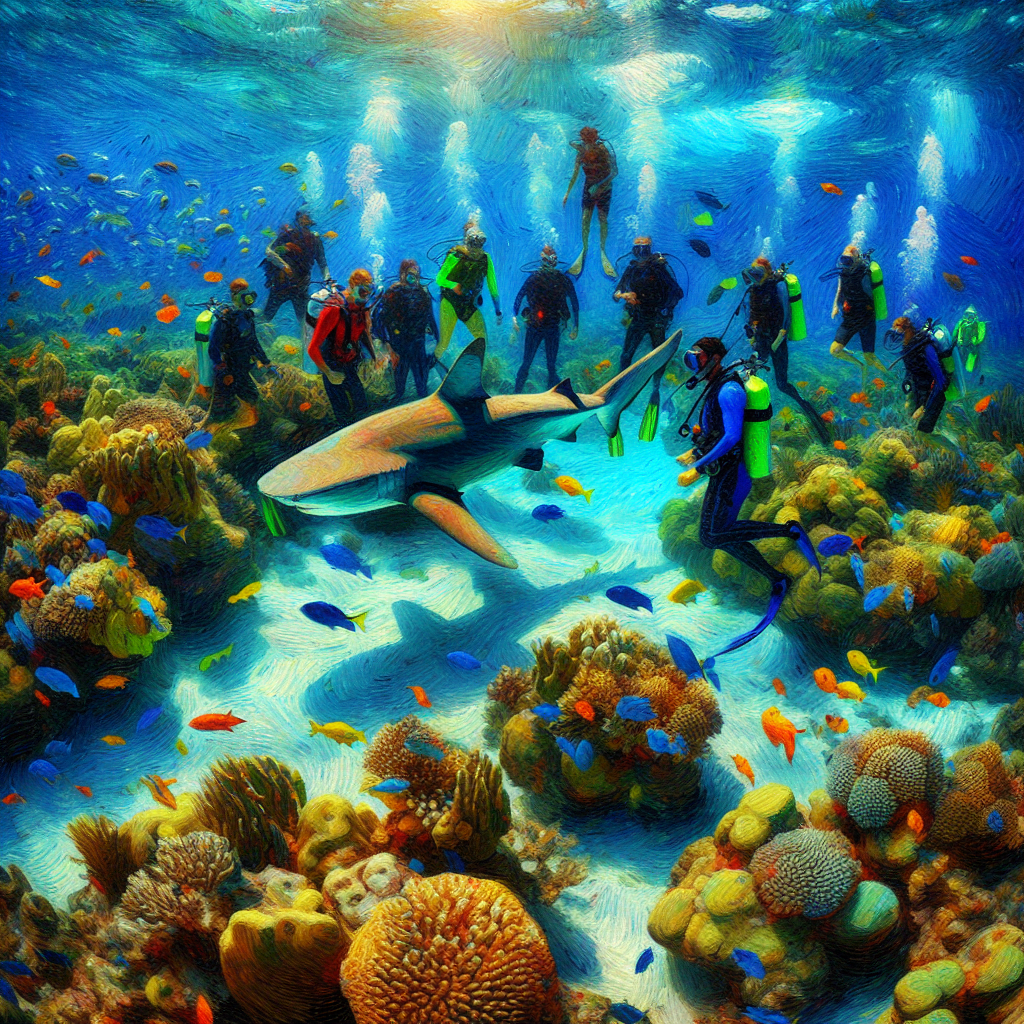
Palancar Gardens is more than just a dive site; it’s a transformative experience that ignites the heart, stimulates the mind, and stirs the gut. Whether you’re navigating through schools of fish or absorbing the intricacies of coral formations, every moment spent there reminds us that we are stewards of the sea. So take the plunge—embrace the beauty, feel the responsibility, and join a community that champions the protection of this underwater paradise. Your adventure awaits, and with it, the opportunity to make a difference.
Conclusion
Conclusion:
- Exploring Palancar Gardens Reef in Cozumel invites engagement with the planet’s beauty and fosters a sense of environmental responsibility.
- The vibrant underwater ecosystem offers stunning visuals and accessible diving conditions, enhancing our connection to nature.
- Each dive reveals the fragility of marine ecosystems, inspiring admiration and a commitment to conservation.
- Encountering marine life highlights the responsibility to make conscious choices regarding consumption and interaction with nature.
- Diving fosters a sense of camaraderie among divers, creating a community dedicated to adventure and ocean advocacy.
- Guided by marine experts, divers are encouraged to support local conservation initiatives for the sustainability of the reefs.
- Palancar Gardens is a transformative experience that inspires stewardship of the sea, urging divers to embrace beauty and responsibility.

Conclusion
Other Resources

Other Resources
Reading this from somewhere that isn’t Cozumel? When you do come down, where you stay shapes the whole trip. A few options from our sister sites: Cozumel Escape is a larger Cozumel villa suited to groups, families, and divers who want their own base. Cozumel Journey is an editorial guide to Cozumel — neighborhoods, planning tips, and life on the island for travelers who want context, not a cruise schedule.
Here is a list of other resources you can review online to learn more:
- Isla Pasion
- deviantART
- Burritos Gorditos
- Beach Bum Bikes
- Palancar Beach
- Del Sur Beach Club
- El Coctelito Cozumel-Mariscos
- Cozumel Water Sports
- Yard House
- Malecon
- The Cheesecake Factory
- Playa Bonita
- Cozumel Shore Excursions
- Three Amigos Cantina & Restaurante Cozumel
- Meliá Cozumel
- Turquoise Terraza & Beach Club Cozumel
- cozumelescape.com
- Cozumel Journey
Use This Prompt To Get More Resources With Your Favorite Online AI Tool: Please provide me with a list of online articles with their URLs in a bulleted list that I can read regarding How Does Exploring Palancar Gardens Reef In Cozumel Compare to Nearby Reefs?
Other Resources
Glossary Terms
How Does Exploring Palancar Gardens Reef In Cozumel Compare to Nearby Reefs? – Glossary Of Terms
1. Palancar Gardens: A renowned coral reef in Cozumel known for its rich marine biodiversity and vibrant coral formations.
2. Reef: A submerged structure made primarily of coral and other marine organisms, providing habitat for various aquatic life.
3. Biodiversity: The variety of life in a particular habitat, including the number of species and their ecological roles.
4. Diving: The activity of swimming underwater, often with the use of scuba gear, to explore marine environments like reefs.
5. Snorkeling: A surface water sport where individuals swim with a snorkel and mask to observe underwater life.
6. Coral: Marine invertebrates within the class Anthozoa that form colonies and build reefs, crucial for marine ecosystems.
7. Marine Life: Refers to all living organisms that inhabit the ocean and its ecosystem, including fish, mollusks, and crustaceans.
8. Visibility: The distance one can see underwater, which affects the quality of the diving experience.
9. Current: The flow of water in a specific direction, which can impact diving and snorkeling conditions at reefs.
10. Ecology: The study of relationships between organisms and their environment, key to understanding reef health and dynamics.
11. Marine Protected Area (MPA): Regions where human activity is regulated to protect marine ecosystems and biodiversity.
12. Underwater Photography: Capturing images of marine life and environments, often done by divers to document and share experiences.
13. Sustainable Tourism: Tourism that minimizes environmental impact and supports conservation efforts in natural areas.
14. Coral Bleaching: A phenomenon where corals lose their color due to stress, often linked to temperature rise and pollution.
15. Fish Species: Refers to the various types of fish that inhabit the reef, each playing a specific role in the ecosystem.
16. Flora: The plant life found in a particular region, including seagrasses and algae that support reef ecology.
17. Fauna: The animal life present in a specific area, including various marine species that inhabit reefs.
18. Snorkel Tour: Guided excursions that allow participants to explore reefs at the surface, often accessible to non-divers.
19. Tide: The periodic rise and fall of sea levels caused by the gravitational pull of the moon and sun, affecting sea life behavior.
20. Waves: Surface water motion created by wind, impacting diving conditions and visibility at reefs.
21. Companion Reefs: Nearby reefs that share similar ecological characteristics and biodiversity with Palancar Gardens.
22. Dive Master: A trained professional who leads diving trips, ensuring safety and providing knowledge about marine environments.
23. Fringing Reef: A type of coral reef that is directly attached to the shore, typically found in shallow waters.
24. Sand Spits: Deposits of sand found near shores, influencing sedimentation patterns and marine life distribution at reefs.
25. Artificial Reef: Man-made structures placed in oceans to promote marine life colonization and enhance biodiversity.
26. Scuba Gear: Equipment used for underwater diving, including tanks, masks, and fins, allowing divers to explore depths safely.
27. Temperature: A critical factor impacting coral health, as unusually high temperatures can lead to bleaching.
28. Resilience: The capacity of a reef ecosystem to recover from disturbances like storms or bleaching events.
29. Endangered Species: Marine life that is at risk of extinction, often found in coral reefs and prioritized for conservation.
30. Conservation: Efforts taken to preserve marine ecosystems, including policies, education, and sustainable practices to protect reefs.

Glossary Of Terms
Other Questions
How Does Exploring Palancar Gardens Reef In Cozumel Compare to Nearby Reefs? – Other Questions
If you wish to explore and discover more, consider looking for answers to these questions:
- What are the best times of year to visit Palancar Gardens Reef?
- What equipment is recommended for diving at Palancar Gardens?
- How do the marine species at Palancar Gardens differ from those at other reefs in Cozumel?
- What specific conservation efforts are underway for Palancar Gardens?
- Are there guided tours available for first-time divers at Palancar Gardens?
- What safety measures should divers be aware of when exploring Palancar Gardens?
- How does climate change specifically impact the reefs around Cozumel?
- What role do local fishermen play in the conservation of Palancar Gardens?
- How can visitors contribute to reef conservation during their stay in Cozumel?
- What types of educational programs are offered to raise awareness about reef preservation?
- How does the local government support reef conservation efforts in Cozumel?
- What are some personal actions individuals can take to support marine conservation?
- What stories do local divers or experts have about their experiences at Palancar Gardens?
- What differences exist between diving at Palancar Gardens and other renowned dive sites?
- How can divers minimize their environmental impact while exploring reefs?

Other Questions
Haiku
How Does Exploring Palancar Gardens Reef In Cozumel Compare to Nearby Reefs? – A Haiku
Beneath waves, life swirls,
Colors dance in coral homes,
Guardians we become.

Haiku
Poem
How Does Exploring Palancar Gardens Reef In Cozumel Compare to Nearby Reefs? – A Poem
Beneath the waves, a world awaits,
In Cozumel’s depths, where life pulsates.
Palancar Gardens, a cathedral bright,
Where corals dance, and fish take flight.
Here, colors weave a vibrant tale,
Each dive reveals a magical veil.
A sanctuary, rich and vast,
Echoes of nature’s beauty cast.
But lurking beneath this splendor lies,
A call to action, a world’s quiet sigh.
With every splash, we must reflect,
The fragile balance we must protect.
Together we rise, a community strong,
With stories to share, we all belong.
Local heroes, with hearts so bold,
Their passion for reefs, a treasure to behold.
Dive masters and fishermen, hand in hand,
Crafting a future, a sustainable plan.
For every excited gasp, each startled glance,
Ignites a purpose, a shared circumstance.
See the turtles glide, hear the whispers low,
Of coral that thrives under sun’s soft glow.
Yet the shadows creep, pollution’s stark threat,
An urgency felt, we cannot forget.
To witness the wonder is to feel the weight,
Of legacy passed down, it’s never too late.
With each diver’s choice, the ocean we honor,
Dive for adventure, but swim for a future all the stronger.
So leap into blue, let courage unfurl,
Be guardians of reefs, protectors of pearl.
For in the waters, our hearts intertwine,
In Palancar’s embrace, we redefine.
Not just visitors, but allies in a fight,
For the beauty of oceans, for nature’s right.
With passion in our lungs and hope in our souls,
Together we’ll champion the sea that consoles.

Poem
Checklist
How Does Exploring Palancar Gardens Reef In Cozumel Compare to Nearby Reefs? – A Checklist
Checklist for Exploring Palancar Gardens Reef: A Call to Action for Conservation
Emotional Appeals
_____ Reflect on the vibrant beauty of marine life during your dive.
_____ Share your adventurous stories and experiences with friends and family.
_____ Consider how diving connects you to something greater than yourself, inspiring awe and responsibility.
Rational Appeals
_____ Understand the biodiversity of Palancar Gardens—research over 500 fish species and various coral types.
_____ Analyze the benefits of environmentally sustainable diving practices for the health of marine ecosystems.
_____ Recognize the economic advantages of preserving Cozumel’s reefs for local communities and tourism.
Ethical Appeals
_____ Pledge to engage in ethical diving practices: avoid touching corals, respect marked areas, and minimize waste.
_____ Educate yourself about the fragile ecosystem to foster responsibility in your diving community.
_____ Support local conservation efforts, understanding the impact of your actions on the environment.
Authority Appeals
_____ Explore insights from marine biologists and conservationists to deepen your knowledge of reef preservation.
_____ Attend workshops or talks led by experts in marine ecology during your visit for practical learning.
_____ Tap into local resources: dive masters and community leaders who advocate for protective measures for the reefs.
Narrative Appeals
_____ Write about your dive experiences and how they have shaped your perspective on marine conservation.
_____ Share stories of local initiatives and conservation successes to inspire others to engage.
_____ Connect your personal journey with the larger narrative of ocean preservation, fostering community bonds.
Social Appeals
_____ Join local community initiatives focused on reef protection during your visit.
_____ Participate in group dives or beach clean-up events to cultivate camaraderie among fellow divers.
_____ Create a network of environmentally-conscious friends or fellow divers to share tips, experiences, and advocate for the ocean together.
Practical Actions
_____ Dive responsibly: respect marine life, use reef-safe sunscreen, and minimize noise pollution.
_____ Support eco-friendly businesses and practices while visiting Cozumel.
_____ Commit to eco-conscious habits upon returning home to advocate for marine conservation in your community.
Embrace the adventure and responsibility—become a steward of Palancar Gardens and the oceans beyond.

Checklist
At TopCozumelNews, we help travelers enjoy Cozumel by collating information learned from frequently traveling to beautiful Cozumel.
Be sure to read our other related stories at TopCozumelNews to learn more about the Island of Cozumel.