



Protecting Cozumel’s Reefs: An Urgent Call To Action
By Tom Seest
At TopCozumelNews, we help travelers enjoy Cozumel by collating information learned from frequently traveling to beautiful Cozumel.
Be sure to read our other related stories at TopCozumelNews to learn more about the Island of Cozumel.
How Are Cozumel’s Reefs Doing In 2025?
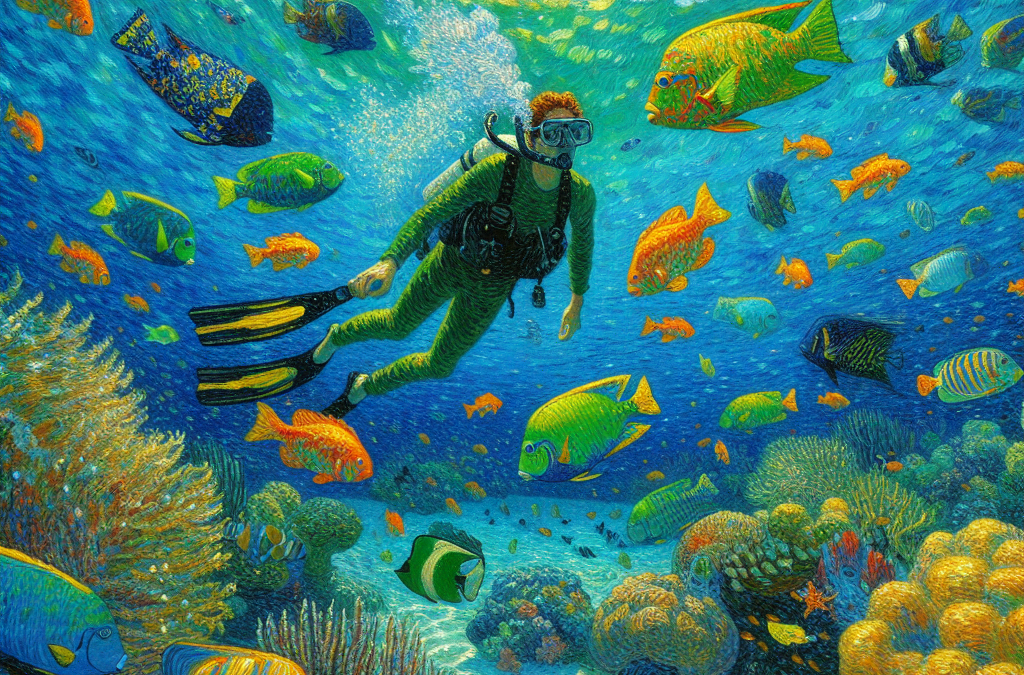
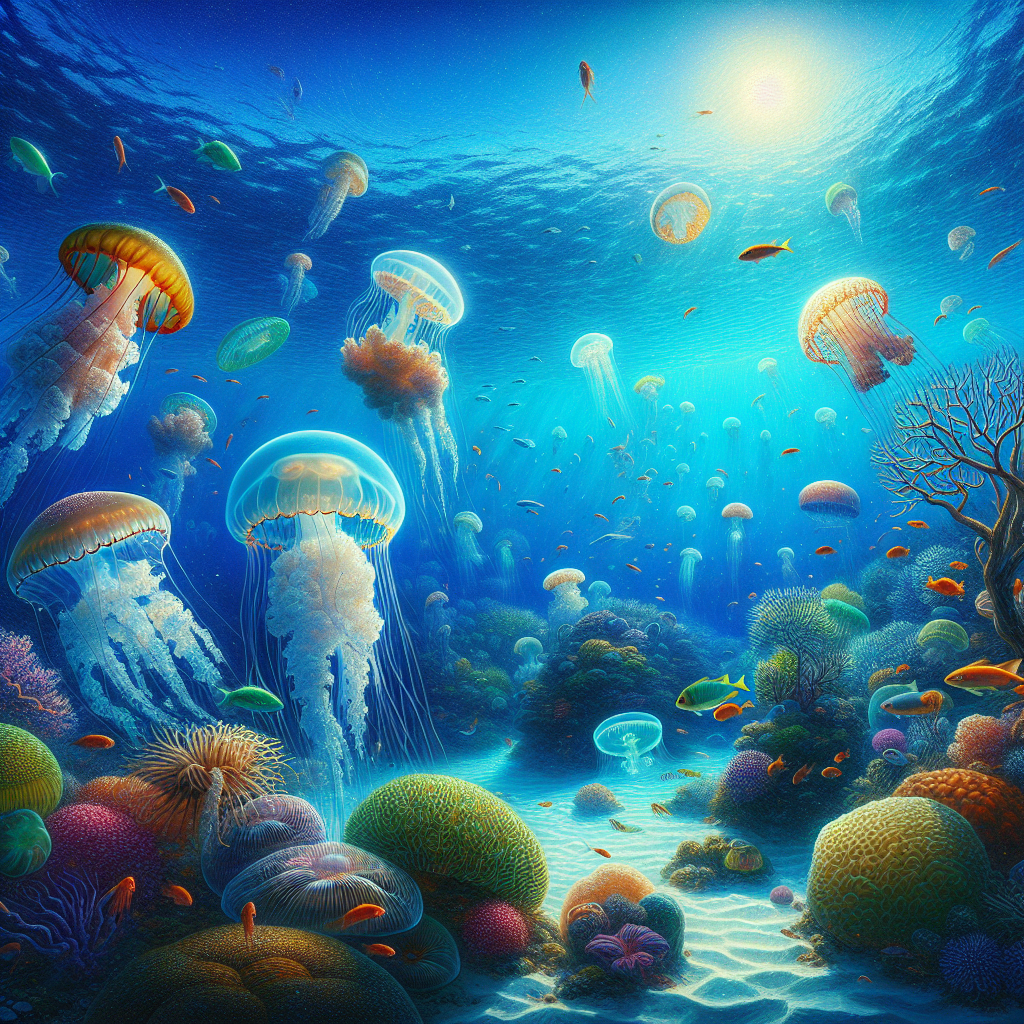
Cozumel, a gem nestled in the turquoise embrace of the Caribbean, is home to some of the most vibrant reefs on the planet. But as we step into 2025, their resilience hangs delicately in the balance. Picture this: a world beneath the waves, where dazzling corals burst with color and marine life dances in harmony. Now imagine that vibrant scene dimming, succumbing to the shadows of climate change and human intervention. This is not just an environmental issue; it’s a call to our hearts and our conscience.
When we talk about Cozumel’s reefs, we’re not merely discussing swathes of coral and schools of fish. We’re rallying against the tide of indifference that threatens to wash away an irreplaceable ecosystem. It’s a narrative that resonates deeply—one where the fate of underwater worlds intersects with our daily choices. From the seafood we consume to the sunscreen we slather on before diving in, our actions ripple through the ocean’s depths, affecting everything from the tiniest plankton to majestic sea turtles.
Now, let’s engage our rational minds. Scientists have long warned about coral bleaching and habitat loss, but what does this mean for us? For every coral that fades, we lose not just a beautiful landscape, but entire communities of marine life that depend on it. This isn’t a tale from the far-off future; it’s unfolding now. Economies tied to tourism, local fishermen, and those who rely on the sea for their livelihoods hang in the balance. Protecting Cozumel’s reefs isn’t just an ethical duty; it’s a rational necessity for our own survival.
But change isn’t just a call to arms; it’s an invitation to connect. Together, as guardians of this beautiful island, we can rally efforts for preservation. Local organizations are stepping up, turning passion into action, creating sustainable practices that can nourish both lives and livelihoods. This is a community effort—a social movement that we can all be part of.
As we look forward, let’s carry pride in our hearts and a commitment to act on our conscience. Each dive, each beach cleaned, each conscious purchase—we can nourish the very reefs that inspire awe beneath the waves. The stakes are high, but so is our capacity to make a difference. Let’s rise to the occasion, not just for Cozumel, but for the oceans that bind us all.

How Are Cozumel’s Reefs Doing In 2025?
How Are Cozumel’s Reefs Doing In 2025?
- Cozumel, located in the Caribbean, is known for its vibrant reefs, crucial for marine biodiversity.
- The resilience of these reefs is threatened by climate change and human activities as we approach 2025.
- Our individual choices, from seafood to sunscreen, impact the health of marine ecosystems.
- Coral bleaching and habitat loss directly affect marine life and communities dependent on the ocean.
- Protecting Cozumel’s reefs is essential not only for ethical reasons but also for economic survival.
- Local organizations are promoting sustainable practices, fostering community involvement in reef preservation.
- Collective action and conscious efforts can help nourish the reefs and preserve them for future generations.

How Are Cozumel’s Reefs Doing In 2025?
Table Of Contents
- How Are Cozumel’s Reefs Doing In 2025?
- What Does The Future Hold For Cozumel’s Vibrant Reefs?
- How Are The Local Communities Impacted By Reef Health?
- What Measures Are Being Taken To Protect Cozumel’s Reefs?
- How Does Coral Bleaching Affect Marine Life In Cozumel?
- Are Tourists Doing Enough To Support Reef Conservation Efforts?
- What Role Do Local Businesses Play In Protecting Coral Ecosystems?
- How Can We Balance Tourism And Reef Preservation In Cozumel?
- Conclusion
- Other Resources
- Glossary Of Terms
- Other Questions
- Haiku
- Poem
- Checklist
What Does The Future Hold For Cozumel’s Vibrant Reefs?
As you gaze at the turquoise waters surrounding Cozumel, a sense of wonder envelops you—a kaleidoscope of colors thriving just below the surface. Each coral, each fish plays a part in an intricate dance that has carved this coastal paradise into one of the most cherished ecosystems on Earth. Yet, the future of these vibrant reefs hangs by a thread, and it’s time we all take a closer look.
Imagine walking along the shore, the salty breeze whipping through your hair, and hearing the whispers of a fading paradise. The reefs of Cozumel are under siege from climate change, pollution, and overfishing. These aren’t just corals; they’re the lifeblood of the local community, supporting the economy and providing sustenance for generations. With every bleached coral, we risk losing not just a habitat but the very essence of life that connects us all—our shared responsibility to this planet.
We’ve all heard the dream of sustainability, but what does it look like in practice? If we, as a collective, commit to change—whether that means reducing plastic waste, supporting eco-friendly tourism, or advocating for stronger environmental policies—we can turn the tide together. It’s not just a task for the government or conservationists; it’s a call to action for everyone. From the diver marveling at the underwater spectacle to the tourist savoring a sunset cocktail, we each have a vital role to play.
The stories of Cozumel’s reefs must be told—narratives of resilience and hope intermingled with despair. When families share their experiences of diving among the reef’s vibrant life or fishermen recount tales of bountiful catches, these stories resonate deep within us. They remind us that our actions today shape the world of tomorrow. Transparency and engagement are crucial; communities must rise as stewards of their surrounding waters.
As both citizens of the Earth and adventurers, we owe it to ourselves to nurture this living tapestry. Our hearts and incentives are intertwined with the fates of these reefs. Let’s rally for Cozumel, for our own future, and for the generations who will wander these shores long after we’re gone. If we weave together our hope with tangible actions, we can ensure that the vibrant reefs of Cozumel remain not just a memory but an enduring legacy—a testament to what we can achieve together when we care enough to act.

What Does The Future Hold For Cozumel’s Vibrant Reefs?
What Does The Future Hold For Cozumel’s Vibrant Reefs?
- The vibrant coral reefs of Cozumel are facing threats from climate change, pollution, and overfishing.
- These reefs are essential for local communities, providing economic support and sustenance.
- The loss of coral impacts not just the environment, but our shared responsibility to the planet.
- Collective action toward sustainability is necessary, involving reduced plastic waste and eco-friendly tourism.
- Everyone, from tourists to divers, plays a vital role in preserving the reefs.
- Personal stories of the reefs foster a connection and highlight the importance of community stewardship.
- By uniting in action, we can create a lasting legacy for the future of Cozumel’s reefs.

What Does The Future Hold For Cozumel’s Vibrant Reefs?
How Are The Local Communities Impacted By Reef Health?
When you dive into the vibrant waters surrounding Cozumel, you realize that the health of the coral reefs isn’t just a scientific concern; it’s a lifeline for local communities. These reefs are not just underwater landscapes—they are bustling ecosystems that support fisheries, tourism, and, ultimately, the livelihoods of those who call this stunning island home.
Imagine a fisherman casting his nets early in the morning, the sun painting the sky with streaks of orange and pink. The success of his haul depends on the thriving coral reefs, teeming with fish that feed families and fuel the local economy. When reef health declines, so does his catch, causing ripples that touch not only his family’s dinner table but also the local markets where their vibrant seafood brings smiles and sustenance. The rational heart craves stability; when the reefs suffer, the whole community feels it.
Now consider the tourism industry, which thrives on the allure of Cozumel’s breathtaking waters. Each year, thousands of visitors flock to the island for pristine snorkeling and diving experiences. These interactions create a symbiotic relationship between tourists and the local economy. A decline in reef health threatens both the beauty that captivates tourists and the income that supports local businesses. This isn’t just an economic argument; it’s a call to protect the essence of Cozumel. You can almost hear the echoes of laughter and joy as families share memorable experiences in these waters; losing that would fracture the community’s spirit.
Ethically, we have a collective responsibility to safeguard these natural treasures. It’s more than just about recreation—it’s about respect for the generations who have relied on these reefs. Each piece of coral is a story, a connection, a legacy that deserves preservation. As stewards of the environment, our actions should reflect a commitment to ensuring that future generations can revel in the same beauty that captivates us today.
Communities in Cozumel embody resilience, proving that people can rally for what’s right when they recognize their interconnectedness with nature. By supporting initiatives centered on reef preservation, you’re not just contributing to environmental health; you’re investing in the backbone of a vibrant community. The stakes are high, but so are the rewards. Together, we can make waves of change for the reefs, and in turn, for the people who depend on them. Your actions can be a part of this crucial narrative, reinforcing trust and fostering a shared purpose that binds us all.

How Are The Local Communities Impacted By Reef Health?
How Are The Local Communities Impacted By Reef Health?
- The coral reefs surrounding Cozumel are vital to local communities, supporting fisheries and tourism.
- The success of fishermen relies on healthy reefs, as they enrich local markets with seafood.
- Declining reef health negatively impacts both the economy and the community’s stability.
- Tourism, reliant on the beauty of Cozumel’s waters, is threatened by the deterioration of coral reefs.
- There is a collective ethical responsibility to preserve coral reefs for future generations.
- Cozumel’s communities showcase resilience and interconnectedness with nature through reef preservation initiatives.
- Supporting reef health is an investment in the community and the environment, creating lasting change.

How Are The Local Communities Impacted By Reef Health?
What Measures Are Being Taken To Protect Cozumel’s Reefs?
Cozumel—we often picture white sands and turquoise waters, but what lies beneath that alluring surface is a world teeming with life. The island’s coral reefs, some of the most vibrant and diverse ecosystems on the planet, play a crucial role in not just marine health, but the overall balance of our environment. Yet, they are facing unprecedented threats from climate change, pollution, and tourism. So, what measures are being taken to protect Cozumel’s reefs?
First, let’s talk about the heart of the issue. Many local organizations and passionate individuals are rallying around the cause, driven by a deep love for their island and its natural wonders. Community-driven initiatives emphasize the importance of marine conservation, combining education with action. Local dive shops offer programs that not only allow visitors to explore the reefs but also invite them to contribute to their preservation. Imagine being underwater, cradling a baby coral studded with hope, knowing you’re making a tangible difference. That kind of connection reaches far into the depths of our souls.
From a rational perspective, the economic reality can’t be ignored. Tourists flock to Cozumel for its famed reefs; their survival is vital for the livelihood of local fishermen, dive operators, and countless families. By implementing sustainable tourism practices, like limiting the number of divers in sensitive areas and promoting eco-friendly activities, we create a model where economic benefit and ecological responsibility walk hand in hand. The idea of preserving a vibrant reef today ensures that future generations can experience the beauty of Cozumel tomorrow.
Ethically, the responsibility is ours. Each one of us has a role to play. We cannot stand idly by while these ecosystems diminish. Engaging with and supporting local conservation efforts sends a strong message. It’s about fostering a community that holds both cooperation and activism as core values. This collective effort creates a ripple effect—encouraging neighbors, friends, and fellow travelers to join in the fight for Cozumel’s natural heritage.
But perhaps the strongest motivation lies in the narrative of resilience. Various organizations are engaged in coral restoration projects, transplanting corals to revive damaged areas and studying species that can withstand rising temperatures. This commitment offers a glimmer of hope, a promise that even in challenging times, we can turn the tide.
So, as you bask in the beauty of Cozumel, remember that protecting its reefs is not just an issue for marine biologists or environmentalists. It’s an opportunity for all of us to connect with something greater and take action that matters. Together, we can ensure that this treasure continues to thrive for years to come.

What Measures Are Being Taken To Protect Cozumel’s Reefs?
What Measures Are Being Taken To Protect Cozumel’s Reefs?
- Cozumel is home to vibrant coral reefs that are vital for marine health and environmental balance.
- The reefs face threats from climate change, pollution, and tourism.
- Local organizations and individuals are working passionately for marine conservation.
- Community-driven initiatives emphasize education and active participation in reef preservation.
- Sustainable tourism practices are being promoted to balance economic needs with ecological responsibility.
- There is a collective ethical responsibility to support local conservation efforts and foster activism.
- Organizations are engaged in coral restoration projects to revive damaged areas and study resilient species.

What Measures Are Being Taken To Protect Cozumel’s Reefs?
How Does Coral Bleaching Affect Marine Life In Cozumel?
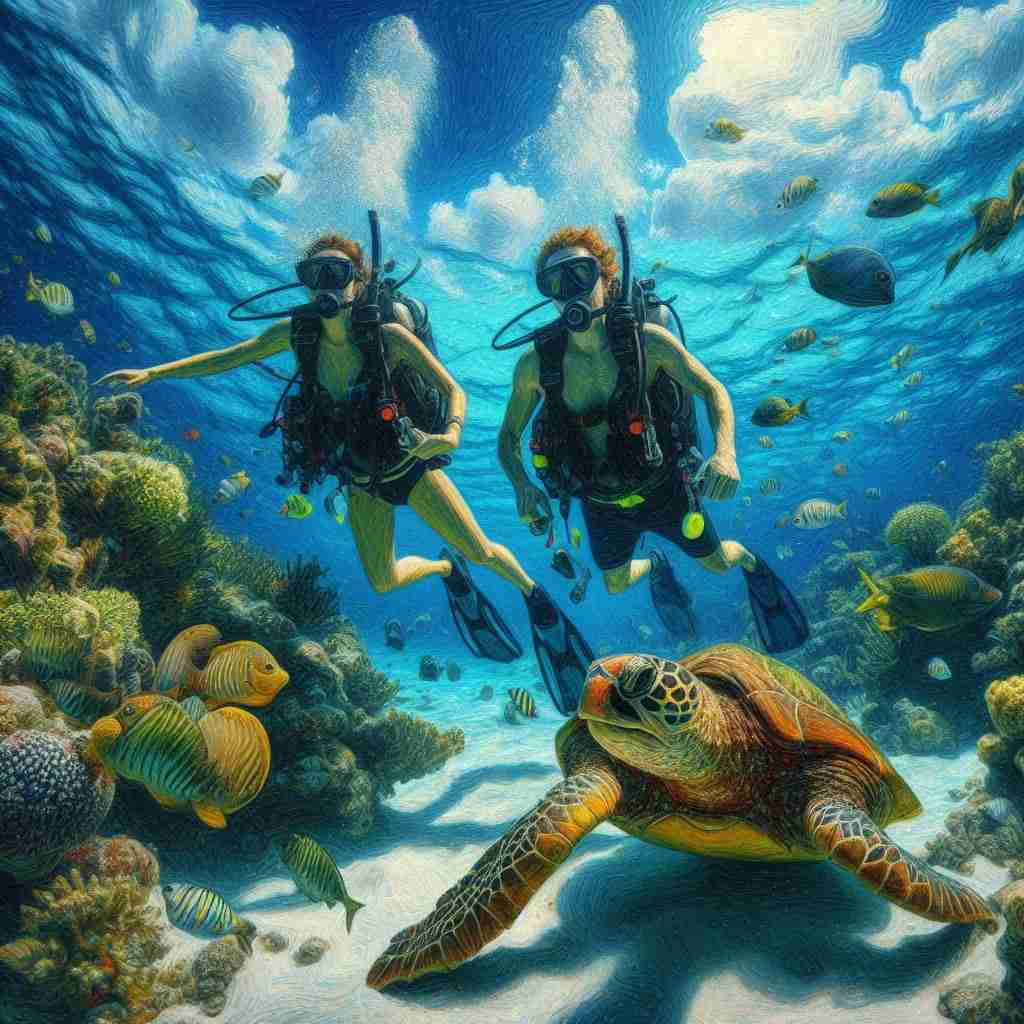
In the crystal-clear waters surrounding Cozumel, vibrant coral reefs teem with life. These underwater gardens are not just beautiful; they’re essential hubs of biodiversity, crammed with thousands of species, from miniature shrimp to graceful sea turtles. But when stressors like rising sea temperatures hit, these coral reefs face a dire threat: coral bleaching. Picture this: the very structures that provide sanctuary and sustenance for countless marine species essentially turn into lifeless white skeletons. The impact of this phenomenon doesn’t just ripple through the ocean; it sends shockwaves across the entire ecosystem.
Imagine being a clownfish, made famous for its vibrant colors and playful antics among the protective tentacles of an anemone. With coral bleaching, that sanctuary fades away; what once was a safe harbor becomes a barren wasteland. You have to wonder: how would that feel? Stripped of home and community, species struggle against the elements, often leading to a cascade of failures in survival and reproduction.
From a rational perspective, the statistics are alarming. Coral reefs support about 25% of all marine life, despite covering less than 1% of the ocean floor. Losing these reefs means losing a substantial chunk of marine biodiversity—not to mention the economic implications for local communities reliant on fishing and tourism in Cozumel. The delicate balance of marine ecosystems maintains not only fish populations and the livelihoods they support but also preserves the beauty that draws millions to our shores each year.
Ethically, we carry a responsibility towards these irreplaceable ecosystems. As stewards of the ocean, we must reckon with our choices: reducing carbon footprints, supporting sustainable fishing practices, and protecting marine habitats. Each little action contributes to the bigger picture of healing our planet’s blue heart. There’s a familial bond formed when you dive in and meet the parrotfish or dance with a turtle. We are all connected, and when coral suffers, so do we.
Remember, conservation isn’t just an obligation; it’s a shared journey. Engage with your community, advocate for healthier oceans, and make informed choices that benefit both the stunning vistas of Cozumel and the myriad life that calls it home. Together, we can restore our precious reefs and protect the treasure of marine life that enriches our world. Rest assured, the future of these vibrant waters intertwines with our actions today.

How Does Coral Bleaching Affect Marine Life In Cozumel?
How Does Coral Bleaching Affect Marine Life In Cozumel?
- Cozumel’s coral reefs are essential ecosystems filled with diverse marine species.
- Coral bleaching caused by rising sea temperatures threatens the survival of these reefs.
- Coral reefs support 25% of marine life while covering less than 1% of the ocean floor.
- The loss of coral reefs impacts marine biodiversity and local economies dependent on fishing and tourism.
- Humans have a responsibility to protect these ecosystems through sustainable practices.
- Conservation is a collective effort that involves community engagement and informed choices.
- Our future and the health of the ocean are interconnected with our actions today.
How Does Coral Bleaching Affect Marine Life In Cozumel?
Are Tourists Doing Enough To Support Reef Conservation Efforts?
Picture yourself floating in the clear, turquoise waters off the coast of Cozumel, surrounded by a kaleidoscope of vibrant marine life. It’s breathtaking, isn’t it? But behind that beauty lies an urgent challenge: our reefs are in peril, and the role of tourists is crucial. Each visit to these natural wonders presents an opportunity—not just for adventure, but for conservation.
Let’s consider the heart of the matter. When tourists flock to Cozumel, they bring with them not only their wallets but also their love for nature. That unmistakable connection to the ocean stirs something deep within us. It taps into our innate desire to protect what we cherish. However, the question remains: Are we doing enough to ensure that the reefs thrive for generations to come? Just by showing up, we can either become guardians or saboteurs of these delicate ecosystems.
Rationally speaking, supporting reef conservation doesn’t require a degree in marine biology. Simple actions like opting for eco-friendly tours, participating in local clean-up efforts, or choosing accommodations that prioritize sustainability can make a tangible difference. Each small choice adds up, creating a ripple effect of positive impact. It’s not just about snorkeling or sunbathing; it’s about leaving a place better than we found it—a principle that resonates with anyone who’s ever been taught to treat the world with respect.
On an ethical level, we have a responsibility to protect the fragile equilibrium of nature. After all, it’s not solely about our enjoyment; it’s about preserving the livelihoods of local communities who depend on these waters. Supporting businesses that honor and uphold conservation efforts empowers both the environment and the people who call it home. This is where we can make our mark—not just as tourists, but as stewards of our planet.
When we share our experiences on social media, we can amplify the message of marine conservation. Each post has the potential to raise awareness and inspire others to care deeply about these underwater havens. Our collective voice can motivate larger communities and influence businesses to embrace greener practices.
So the next time you find yourself in Cozumel, remember: enjoy that paradise, but also take time to consider how your presence can support the fight for the reefs. When we unite our love for exploration with a commitment to conservation, we can ensure that these treasures endure—both under the waves and in our hearts.

Are Tourists Doing Enough To Support Reef Conservation Efforts?
Are Tourists Doing Enough To Support Reef Conservation Efforts?
- Tourism in Cozumel supports both adventure and conservation efforts for fragile reefs.
- Tourists’ love for nature encourages a desire to protect marine ecosystems.
- Simple actions like eco-friendly tour choices and local clean-ups can significantly impact reef conservation.
- Visitors have a responsibility to sustain the environment for future generations and local communities.
- Supporting businesses that prioritize conservation helps empower both the environment and local economies.
- Social media can amplify marine conservation messages and inspire others to engage in preservation efforts.
- Combining exploration with a commitment to conservation ensures the longevity of Cozumel’s natural treasures.

Are Tourists Doing Enough To Support Reef Conservation Efforts?
What Role Do Local Businesses Play In Protecting Coral Ecosystems?
When you stroll the sun-kissed shores of Cozumel, the vibrant coral reefs beneath the waves tell a story as old as time itself. These undersea marvels aren’t just beautiful; they are the lifeblood of our oceans, supporting countless species and sustaining local economies. But here’s the kicker—local businesses play an undeniably crucial role in their protection.
Picture the local dive shop that teaches new generations how to explore these underwater gardens. They don’t just hand over gear and set you loose; they impart wisdom about the delicate balance of marine ecosystems. These shops foster a culture of respect and stewardship, turning casual visitors into passionate advocates for coral conservation. They create a connection that runs deep, making every dive a shared experience—a chance to witness the beauty and fragility of marine life firsthand.
The rational side of this equation is clear: healthy coral reefs contribute significantly to the economy. For Cozumel, tourism and fishing are not merely industries; they are lifelines that rely on the well-being of these ecosystems. By championing environmentally sustainable practices, local businesses ensure their livelihoods while preserving the very resources that brought them success in the first place. It’s not just a business model; it’s a sustainable future—one that benefits everyone.
Ethically, local businesses carry a weighty responsibility. They form the backbone of the community, face to face with decisions that can protect or destroy. Imagine a local restaurant choosing to serve only sustainably-sourced seafood. Each menu item enriches the narrative of conservation, gracefully reminding diners that their choices have consequences. It’s about fostering a sense of pride and responsibility—a commitment to preserving Cozumel’s natural heritage for future generations.
When the community unites, powerful change occurs. Local events focusing on beach clean-ups and educational workshops connect people to the reefs, fostering a camaraderie anchored in mutual respect for nature. This is more than just a fight for survival; it’s a rallying cry to protect something beautiful and irreplaceable.
So next time you find yourself in Cozumel, remember that every purchase you make, every interaction you have, and every lesson you learn can be a stepping stone toward safeguarding the coral ecosystems that make this place special. Supporting local businesses isn’t just good for the economy—it’s a heartfelt investment in our oceans and our way of life. Let’s dive in and make a difference.

What Role Do Local Businesses Play In Protecting Coral Ecosystems?
What Role Do Local Businesses Play In Protecting Coral Ecosystems?
- Cozumel’s coral reefs are vital for ocean health, supporting diverse species and local economies.
- Local dive shops educate visitors on marine ecosystems, fostering respect and advocacy for coral conservation.
- Healthy coral reefs significantly benefit Cozumel’s tourism and fishing industries, linking ecosystem health to economic success.
- Local businesses have a responsibility to adopt sustainable practices, enhancing community conservation efforts.
- Restaurants serving sustainably-sourced seafood contribute to conservation awareness and community pride.
- Community events, like beach clean-ups and workshops, encourage respect for nature and collective action.
- Supporting local businesses is an investment in both the economy and the preservation of Cozumel’s coral ecosystems.

What Role Do Local Businesses Play In Protecting Coral Ecosystems?
How Can We Balance Tourism And Reef Preservation In Cozumel?
Cozumel sits like a jewel in the Caribbean, its turquoise waters a siren song for travelers from all corners of the globe. But beneath its surface lies a delicate ecosystem teeming with life—coral reefs housing vibrant fish and ancient turtles. The magic of these undersea gardens is both breathtaking and fragile, and therein lies our challenge: How can we balance the allure of tourism with the critical task of reef preservation?
Imagine diving into those crystalline waters, greeted by a kaleidoscope of colors dancing around you. Your heart races, and for a moment, you’re more than just a visitor; you’re a part of something bigger. But every splash of a fin, every snorkel, has a ripple effect on this magnificent ecosystem. By educating ourselves and others about the inherent value of these reefs, we can transform tourists into stewards. We must engage our gut feelings, the gut that tells us it’s not just about getting the perfect vacation photo but about leaving a legacy for those who will come after us.
Let’s think rationally for a moment. According to experts, the economic impact of sustainable tourism in Cozumel outpaces the short-term gains from unrestricted visitation. Every coral reef we protect today can provide lasting benefits for your grandchildren’s grandchildren. By fostering ethical practices, we can create a model where visitation aligns seamlessly with preservation, ensuring that both locals and visitors thrive.
Now, consider the power of story. Tales of our connection to the ocean—grandparents recounting their fishing trips or parents sharing the wonder of marine life—shape our understanding of why we should care. This tradition links generations and reminds us that our actions today dictate the future of this enchanting destination.
Finally, foster a sense of community. Together, tourists and locals can create a shared mission, initiate beach clean-ups, or discover eco-friendly dive shops that prioritize sustainability. By standing shoulder to shoulder with those who call Cozumel home, we can inspire confidence that with every decision made—whether it’s where to stay, eat, or explore—we can choose paths that benefit the reef and the people who depend on it.
Cozumel deserves neither mindless destruction nor apathetic tourism. It beckons for a thoughtful balance, inviting us all to partake in its beauty while being vigilant guardians of its wonders. Together, let’s dive deeper; let’s be the change that fosters a harmonious existence between tourism and preservation.

How Can We Balance Tourism And Reef Preservation In Cozumel?
How Can We Balance Tourism And Reef Preservation In Cozumel?
- Cozumel is a stunning Caribbean destination with vibrant coral reefs and diverse marine life.
- The challenge lies in balancing tourism’s appeal with the need for reef preservation.
- Engagement in responsible tourism can transform visitors into advocates for the ecosystem.
- Sustainable tourism can provide greater long-term economic benefits than unrestricted visitation.
- Sharing stories of our connection to the ocean helps instill a sense of responsibility for future generations.
- Caring for Cozumel involves community efforts, such as beach clean-ups and supporting eco-friendly businesses.
- A thoughtful approach to tourism is essential to protect Cozumel’s beauty and marine resources for future generations.

How Can We Balance Tourism And Reef Preservation In Cozumel?
Conclusion
As we look toward the horizon of Cozumel’s reefs in 2025, it’s clear we stand at a crossroads. This isn’t just an environmental concern; it’s a heartfelt call to action that we can’t ignore. Beneath those tranquil turquoise waters lies a vibrant world—a community of corals and fish that is a lifeline, not just for the ecosystem, but for the local families and economies dependent on it. Imagine the sheer beauty of divers circling through colorful reefs, but also envision the stark reality of what happens when these habitats decline: fishermen returning with empty nets and a hollow echo where lively markets once thrived.
We can’t afford to turn a blind eye to coral bleaching and habitat loss. The implications of inaction are personal and immediate. Each coral that fades not only diminishes a stunning landscape but also disrupts a fundamental balance that supports marine life and human livelihoods. Tourists and residents alike possess the power to change this trajectory. Supporting local conservation efforts, choosing sustainable tourism practices, and engaging in community initiatives are accessible actions that can create ripples of positive change.
We must remember that every engagement—whether through eco-friendly tourism or educational outreach—serves as a declaration of stewardship for this irreplaceable treasure. Together, we can build a narrative that connects each individual to the fate of the reefs, fostering a culture of respect that extends beyond vacation snapshots. This journey towards sustainability isn’t just about preservation; it’s about legacies. We owe it to future generations to ensure that the dazzling reefs of Cozumel aren’t just fond memories but, rather, thriving ecosystems that continue to inspire awe and adventure.
Furthermore, local businesses play an indispensable role in this effort. They are not merely providers of goods and services; they are educators, guardians, and driving forces for sustainable practices. When tourists align their spending with conservation, we create a community united in purpose, transforming every transaction into an act of love for the ocean.
So, as we navigate this pivotal moment, let’s embrace our role as custodians of the sea. Each action—be it a community cleanup or a conscious purchase—matters. We have the opportunity to weave our hopes into the very fabric of Cozumel’s future, ensuring its vibrant reefs remain a living legacy. Together, let’s step forward with determination to protect this paradise for the generations yet to come. Cozumel is calling. Let’s answer it with heart, head, and gut.

Conclusion
Conclusion:
- Cozumel’s reefs face a critical juncture as we approach 2025, highlighting urgent environmental concerns.
- The reefs are vital for local ecosystems and economies, impacting families and the fishing community.
- Coral bleaching threatens not just natural beauty but also livelihood, with empty nets and declining markets.
- Action against habitat loss is necessary and possible through local conservation support and sustainable tourism.
- Engagement in eco-friendly practices fosters stewardship and connection to the reefs’ future.
- Local businesses serve as educators and advocates for sustainability, influencing tourist spending towards conservation.
- Every action, big or small, contributes to preserving Cozumel’s vibrant reefs for future generations.
Conclusion
Other Resources
Other Resources
Here is a list of other resources you can review online to learn more:
- Alberto’s Beach Bar
- El Mirador
- Cozumel Hacienda San Miguel
- World Nomads
- Islands Beach Club
- Casa del Mar Cozumel Hotel
- Cozumel Museum
- BSAC
- The Spa at Presidente InterContinental Cozumel Resort
- Beachscape Kin Ha Villas
- TopCozumelNews
- Dive Sites
- Blue Angel Resort
- Villa Deja Blue
- Al Pie del Carbon Restaurant
- Palancar Reef
- Chankanaab National Park
Use This Prompt To Get More Resources With Your Favorite Online AI Tool: Please provide me with a list of online articles with their URLs in a bulleted list that I can read regarding How Are Cozumel’s Reefs Doing In 2025?

Other Resources
Glossary Terms
How Are Cozumel’s Reefs Doing In 2025? – Glossary Of Terms
1. Biodiversity: The variety of different species found in Cozumel’s reefs, indicating the ecosystem’s health.
2. Coral Bleaching: A phenomenon where corals lose their color and vitality due to environmental stress, often linked to rising sea temperatures.
3. Resiliency: The ability of coral reefs to recover from disturbances such as storms or bleaching events.
4. Marine Protected Area (MPA): Regions designated to protect marine ecosystems, including reefs, from harmful activities.
5. Acropora: A genus of fast-growing corals that are vital to reef structure and health, often at risk due to climate change.
6. Overfishing: The depletion of fish stocks that can disrupt reef ecosystems by removing key species needed for balance.
7. Aquaculture: The practice of cultivating fish and other marine species, which can be a sustainable alternative to traditional fishing.
8. Chemical Pollution: Contaminants that enter the ocean, negatively impacting coral health and marine life.
9. Coral Replanting: Restoration efforts that involve reintroducing healthy corals to damaged reef areas.
10. Sustainable Tourism: Practices that aim to minimize ecological footprints while supporting local economies tied to reef activities.
11. Ecosystem Services: Benefits that coral reefs provide to humans, such as coastal protection, tourism, and biodiversity.
12. Invasive Species: Non-native organisms that can disrupt local ecosystems, often outcompeting native species for resources.
13. Long-term Monitoring: Ongoing surveillance of reef health metrics to assess changes over time and inform conservation efforts.
14. Sea Level Rise: The increase in sea levels due to climate change, which can submerge coral reefs and alter ecosystems.
15. Zooxanthellae: Symbiotic algae that live in coral tissues, crucial for coral nutrition and health.
16. Ocean Acidification: The decrease in pH levels of ocean waters due to increased carbon dioxide absorption, affecting coral growth.
17. Marine Biodiversity Hotspot: Areas with exceptionally high levels of species diversity; Cozumel is considered one due to its rich marine life.
18. Habitat Loss: The destruction of natural environments that jeopardizes marine species and biodiversity.
19. Water Quality: The condition of water in coral ecosystems, influenced by pollution, sedimentation, and nutrient levels.
20. Climate Adaptation: Strategies aimed at increasing resilience to climate change impacts on coral reefs.
21. Trophic Levels: The hierarchical levels in a food web that illustrate how energy moves through marine ecosystems.
22. Wave Action: The energy generated by ocean waves that can influence coral growth and sediment distribution.
23. Local Engagement: Community involvement in conservation initiatives, essential for sustainable reef management.
24. Fisheries Management: Regulations and practices aimed at sustaining fish populations and protecting reef ecosystems.
25. Coral Spawning: The reproductive process in corals where gametes are released into the water, crucial for species propagation.
26. Thermal Tolerance: The capacity of coral species to withstand temperature fluctuations, relevant in the context of climate change.
27. Sediment Influx: The movement of sediment into reef areas, which can smother corals and affect light availability.
28. Nutrient Loading: An excess of nutrients entering marine ecosystems, often from agricultural runoff, leading to harmful algal blooms.
29. Community Resilience: The ability of local populations dependent on reefs to adapt to changes and maintain their livelihoods.
30. Integrated Coastal Management: A holistic approach to managing coastal resources that balances conservation with economic development.

Glossary Of Terms
Other Questions
How Are Cozumel’s Reefs Doing In 2025? – Other Questions
If you wish to explore and discover more, consider looking for answers to these questions:
- What specific threats are currently facing Cozumel’s reefs in 2025?
- How can individuals contribute to the conservation of Cozumel’s reefs?
- What are the long-term impacts of coral bleaching on marine biodiversity?
- How effective are current local initiatives in protecting the reefs?
- What role does scientific research play in reef conservation efforts?
- How can tourists be educated about sustainable practices while visiting Cozumel?
- What are the economic implications for local communities if reef health continues to decline?
- What are some successful case studies of reef restoration around the world?
- How do coral ecosystems support overall marine health?
- What actions can local businesses take to contribute to reef preservation?
- How do government policies impact the health of Cozumel’s reefs?
- What are the benefits of sustainable tourism for both the environment and local economies?
- How can we measure the success of conservation efforts in Cozumel?
- What is the community’s role in advocating for stronger environmental policies?
Other Questions
Haiku
How Are Cozumel’s Reefs Doing In 2025? – A Haiku
Corals vibrant, bright,
Echoes of a fading home,
Together, we act.

Haiku
Poem
How Are Cozumel’s Reefs Doing In 2025? – A Poem
In Cozumel’s realm, where turquoise dreams lie,
A vibrant world beneath the waves draws nigh.
Reefs once ablaze with colors grand,
Now face the shadows at our hand.
Climate whispers, pollution creeps,
A legacy threatens, and silence weeps.
Each coral bleached, a ghost in despair,
For every lost home, a life laid bare.
Fishermen cast nets, beneath the dawn’s glow,
Their fortunes tied to currents below.
Tourists flock with hearts open wide,
Yet how many choose to stand by its side?
In the depth of the ocean, the tales intertwine,
Of families united, of nature divine.
A community rises to take up the fight,
With passion and purpose, igniting the light.
From dive shops to dinners, responsibility reigns,
As local voices work to break chains.
Sustainable choices, small actions combined,
Create ripples of hope, a future aligned.
A call to the wanderer, the steward, the friend,
To cherish and honor, to protect, to defend.
Let each footprint left on the soft, sandy shore,
Be a promise to nurture what we all can’t ignore.
Connected we flourish, the land and the sea,
In the heart of Cozumel, where we long to be free.
Let’s weave stories of hope, resilience in hand,
For together, we thrive—a united stand.
So dive deep in the waters, but also lift your eye,
To see the heart of the ocean, and answer its cry.
For in saving the reefs, we save a piece of our soul,
A future for generations—a world to behold.

Poem
Checklist
How Are Cozumel’s Reefs Doing In 2025? – A Checklist
Checklist for Supporting the Preservation of Cozumel’s Coral Reefs
Emotional Appeals
_____ Reflect on your connection to nature: Spend time considering the beauty and life that coral reefs provide.
_____ Share personal stories: Encourage sharing experiences of diving or snorkeling in Cozumel to foster a sense of community.
_____ Embrace gratitude: Take a moment to appreciate the natural wonders and understand their fragility.
Rational Appeals
_____ Educate Yourself: Research the current state of Cozumel’s reefs and the impact of climate change.
_____ Promote Sustainable Practices: Whenever possible, choose eco-friendly tour operators and activities.
_____ Analyze Economic Impact: Understand how healthy reefs contribute to local economies and your own travel experience.
Ethical Appeals
_____ Advocate for Conservation: Support local initiatives aimed at preserving reef health and marine biodiversity.
_____ Responsible Consumption: Choose sustainable seafood and avoid products that harm marine ecosystems.
_____ Encourage Transparency: Stand by businesses that prioritize ecological responsibility and ethical practices.
Authority Appeals
_____ Follow Conservation Leaders: Stay informed about efforts from local conservation organizations and scientists.
_____ Support Education Programs: Engage with and support local businesses that educate visitors about reef preservation.
_____ Trust Expert Recommendations: Act on advice from marine biologists and conservationists regarding reef-safe products.
Narrative Appeals
_____ Share Local Stories: Amplify the voices of locals who share their connections to the reefs.
_____ Participate in Community Events: Join events that focus on reef preservation and celebrate local culture.
_____ Create Your Own Narrative: Document and share your journey of learning about coral ecosystems and your protective efforts.
Social Appeals
_____ Join Groups: Connect with others dedicated to marine conservation, both online and in-person.
_____ Encourage Friends and Family: Invite loved ones to learn about the importance of coral reefs and marine conservation.
_____ Use Social Media Responsibly: Share your experiences and knowledge to raise awareness and inspire others to act.
Practical Action Steps
_____ Reduce Plastic Use: Carry a reusable water bottle and shopping bag to minimize waste.
_____ Participate in Clean-Up Efforts: Volunteer for beach or underwater clean-ups organized by local groups.
_____ Offset Your Footprint: Make conscious choices about travel and transportation to reduce carbon emissions.
By incorporating these steps into your visit to Cozumel, you can play a vital role in sustaining the health of its exquisite coral reefs for generations to come.

Checklist
At TopCozumelNews, we help travelers enjoy Cozumel by collating information learned from frequently traveling to beautiful Cozumel.
Be sure to read our other related stories at TopCozumelNews to learn more about the Island of Cozumel.