
An Overview Of Reasons People Travel to Cozumel From Texas
By Tom Seest
At TopCozumelNews, we help travelers enjoy Cozumel by collating information learned from frequently traveling to beautiful Cozumel.
Be sure to read our other related stories at TopCozumelNews to learn more about the Island of Cozumel.
Why Do People Travel to Cozumel From Texas?
Cozumel, a gem in the Caribbean, isn’t just another tropical vacation spot; it’s a sort of pilgrimage for many Texans. The reasons folks from the Lone Star State find themselves boarding flights to this island paradise are as varied as Texas BBQ recipes. But there’s a rhythm to it, a blend of adventure and relaxation that can’t be ignored.
First and foremost, let’s talk about the natural allure of Cozumel. For Texans tired of the dry heat or bustling city streets, the island offers a refreshing escape. With its turquoise waters and sun-drenched beaches, Cozumel provides a visual feast that feels a million miles away from the plains of West Texas or the hustle of Houston. For many, it’s a chance to experience nature at its finest, whether that’s snorkeling alongside vibrant coral reefs or lounging on soft sands. The island’s underwater beauty is particularly enticing, making it a hotspot for divers and snorkelers itching for adventure beneath the surface.
Then there’s the culture. Cozumel is steeped in history, from ancient Mayan ruins to laid-back beach bars serving up the best tequila cocktails this side of the Rio Grande. Texans, known for their pride in their own rich culture, appreciate the unique blend of Mexican traditions and modern tourist amenities. You can wander through the charming towns, where the vibrant colors of the buildings and the warmth of the locals create an atmosphere that’s both welcoming and intriguing.
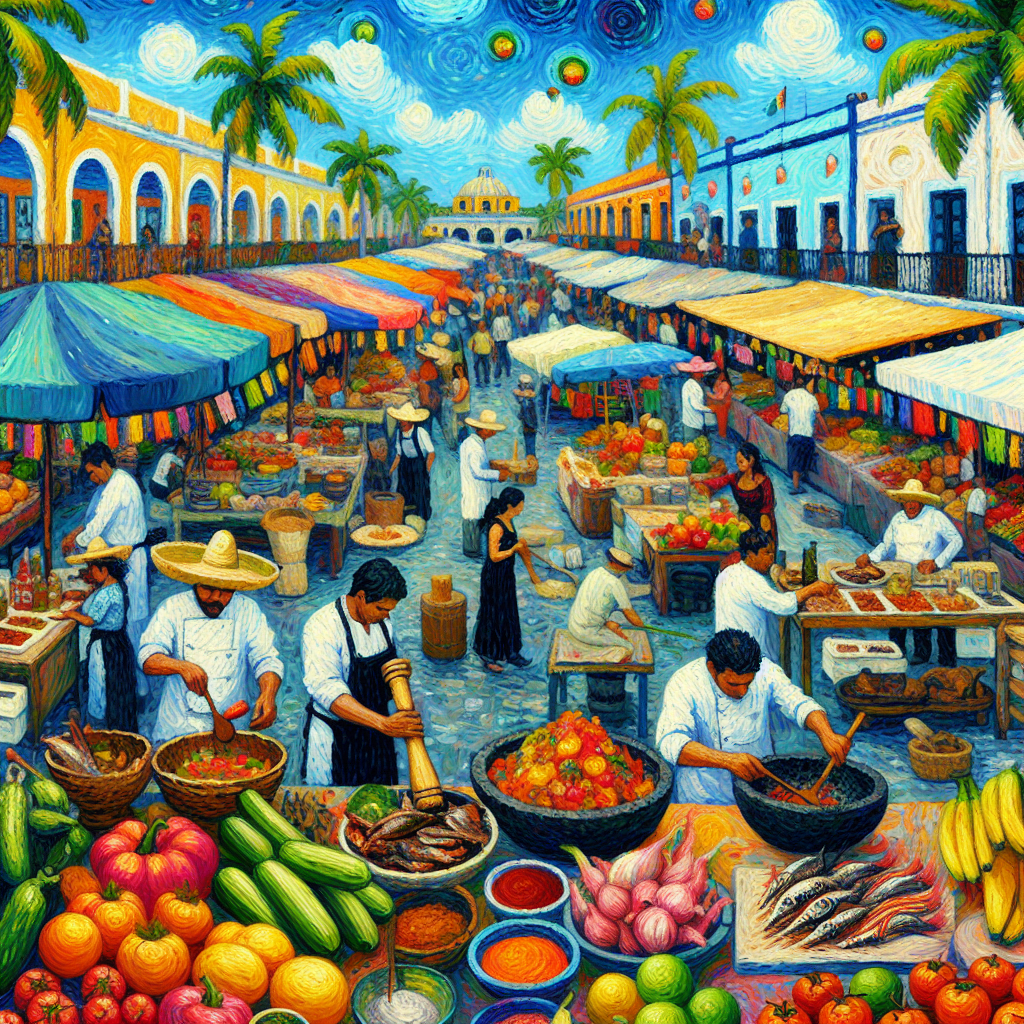
Of course, let’s not forget about the food. Texas is known for its barbecue and Tex-Mex, but Cozumel offers a tantalizing twist on flavor. From fresh ceviche to mouthwatering tacos piled high with all the fixings, the culinary offerings can make any food-loving Texan swoon. Dining in Cozumel isn’t just about the meal; it’s an experience filled with sights, sounds, and tastes that transport you to another place entirely.
Lastly, there’s the proximity. For many Texans, Cozumel is only a short flight away, making it a convenient getaway. When the desire for an island adventure strikes, it’s easy to swap the boots for sandals and hit the beach within just a few hours. It’s this blend of adventure, relaxation, culture, and convenience that draws people from Texas to Cozumel.
So, whether you’re dipping your toes in the ocean or savoring a margarita at sunset, Cozumel holds a special allure that keeps Texans coming back for more. It’s a place where relaxation meets adventure, and that, my friends, is a combination that never goes out of style.

Why Do People Travel to Cozumel From Texas?
Why Do People Travel to Cozumel From Texas?
- Cozumel is a popular vacation destination for many Texans seeking adventure and relaxation.
- The island offers a refreshing escape with its turquoise waters and sun-drenched beaches.
- It’s renowned for its underwater beauty, attracting divers and snorkelers.
- Cozumel features rich cultural experiences, including ancient Mayan ruins and vibrant local traditions.
- The culinary scene offers delicious options like fresh ceviche and tacos, enhancing the dining experience.
- Cozumel’s proximity to Texas makes it a convenient getaway for quick island adventures.
- The blend of adventure, relaxation, culture, and convenience keeps Texans returning to Cozumel.

Why Do People Travel to Cozumel From Texas?
Table Of Contents
- Why Do People Travel to Cozumel From Texas?
- What Is The History of the State of Texas?
- What Is The State Motto for Texas?
- What Is Texas Known For?
- What Is The Cultural Background of Texas?
- What Major Cities are in Texas?
- What Are The Methods Of Transport to Cozumel From Texas?
- What Are The Reasons to Travel From Texas to Cozumel?
- Conclusion
- Other Resources
- Glossary Of Terms
- Other Questions
- Haiku
- Poem
- Checklist
What Is The History of the State of Texas?
Ah, Texas! A place where the stars at night shine big and bright, and the legends of old are larger than the state itself. The history of Texas is as rich and varied as the Tex-Mex cuisine you can find down the road, combining indigenous cultures, European exploration, and a revolting spirit that just keeps on going.
Long before settlers were dreaming of cattle drives and oil booms, the land was home to Native American tribes like the Comanche, Apache, and Caddo. They thrived on the land for thousands of years, hunting, gathering, and living off its vibrant resources. Fast forward to the early 1500s, when Spaniards, curious about the North American frontier, came traipsing through. The Spanish were on a mission to claim territory and spread Christianity, although they probably didn’t anticipate a little thing called guerrilla warfare from the natives.
In 1821, Texas became part of the newly independent Mexico, which was great news for settlers lured by promises of land. But, as you might expect, things got complicated. Tensions brewed between American settlers and the Mexican government, primarily over issues like slavery and governance. By the mid-1830s, it was clear that something had to give. Enter the Texas Revolution, a spirited revolt that culminated in the famous Battle of the Alamo in 1836. The Alamo, a humble mission turned battleground, became the symbol of Texan resilience and the fight for independence.
After a hard-fought victory at the Battle of San Jacinto, Texas declared independence and became the Republic of Texas, all proud and independent for nearly a decade. But the allure of manifest destiny was too strong to resist, and in 1845, Texas decided to join the United States. Cue the inevitable conflicts with Mexico, leading to the Mexican-American War, which ended with a hefty land acquisition for America.
Texas has since transformed from a rugged frontier to an economic powerhouse, embracing oil, technology, and cultural diversity. It’s a state that wears its history like a badge of honor, blending a cowboy spirit with modern innovation. So whether you’re perusing its rich past or stomping through a bustling city, remember: in Texas, history isn’t just learned; it’s lived. And that, my friends, is its essence.

What Is The History of the State of Texas?
What Is The History of the State of Texas?
- Texas has a rich and varied history influenced by indigenous cultures and European exploration.
- Native American tribes like the Comanche, Apache, and Caddo thrived in the Texas region for thousands of years.
- Spanish explorers arrived in the early 1500s, aiming to claim territory and spread Christianity.
- In 1821, Texas became part of independent Mexico, attracting settlers with promises of land.
- Rising tensions between American settlers and the Mexican government led to the Texas Revolution in the mid-1830s.
- The Republic of Texas gained independence after the Battle of San Jacinto but joined the U.S. in 1845, sparking the Mexican-American War.
- Today, Texas is an economic powerhouse known for its blend of cowboy heritage and modern innovation.

What Is The History of the State of Texas?
What Is The State Motto for Texas?
When you think of Texas, a few things likely come to mind: vast open landscapes, spirited rodeos, and the unmistakable flavor of Tex-Mex cuisine. But beneath the iconic imagery, there lies a sentiment that resonates deeply within the hearts of Texans—an embodiment of their identity, pride, and fortitude, crystallized in the state’s motto: “Friendship.”
Now, before you assume that tagline is just a nod to the Southern hospitality for which the Lone Star State is famous, let’s peel back the layers. The motto, adopted officially in 1930, isn’t merely a nice sentiment; it reflects a longstanding belief that no matter how vast and varied the Texas landscape may be, the ties that bind its people are rooted in camaraderie and shared experiences. Texas is a place where neighbors lend a helping hand and where the phrase “What’s mine is yours” isn’t just a gesture; it’s a way of life.
The origin of the motto itself is fascinating. It evolved from the state’s earlier motto, which was the less catchy “Liberty,” and showcases a shift from an individualistic pursuit of freedom to a broader, collective celebration of fellowship. After all, it’s easy to be independent when you have a circle of friends at your side to back you up. You can almost hear the echo of cowboy boots echoing through small towns and bustling cities alike, where every handshake carries the weight of genuine intent.
The spirit of “Friendship” permeates Texas culture in ways that are often hard to articulate. It’s felt at community barbecues, high school football games, and when folks gather to celebrate a victory or share a loss. It’s about being there for one another, whether that means cheering for the local sports team or rallying together in times of crisis. In Texas, that camaraderie fosters a sense of belonging that feels as wide as the horizon.
So, the next time you catch a glimpse of that iconic lone star, remember: it’s not just a symbol of independence; it’s a beacon of interconnection. In a state where rugged individualism often reigns supreme, “Friendship” serve as a rallying cry—a reminder that no Texan is truly alone, and that together, they can take on any challenge that comes their way. After all, in the heart of Texas, friendship isn’t just a motto; it’s a way of living.

What Is The State Motto for Texas?
What Is The State Motto for Texas?
- Texas is known for its vast landscapes, lively rodeos, and flavorful Tex-Mex cuisine.
- The state motto “Friendship” reflects Texans’ identity, pride, and resilience.
- Adopted officially in 1930, the motto signifies a collective celebration of camaraderie.
- It represents a shift from an individualistic pursuit of “Liberty” to a focus on fellowship.
- The spirit of friendship is evident in community gatherings, sporting events, and shared experiences.
- In Texas, there is a strong sense of belonging and support among neighbors.
- Friendship serves as a reminder that together, Texans can face any challenge.
What Is The State Motto for Texas?
What Is Texas Known For?
Texas, my friends, is a land brimming with contradictions, where the grandiose meets the humble, and the past collides with the present. When you think of Texas, what springs to mind? For many, it’s that iconic cowboy culture, replete with leather boots, wide-brimmed hats, and the unmistakable call of the rodeo. Many cities boast their cowboy heritage—from the legendary Fort Worth Stockyards, steeped in history, to modern-day Houston, which plays host to some of the most thrilling rodeos this side of the Mississippi. But Texas is not just about the saddle and spurs; its roots run deep into the oil-rich grounds that have fueled economies and sparked fortunes since the early 20th century. The state’s ability to adapt and thrive, fueled by this liquid gold, is something to behold.
Let’s not forget about its culinary claims to fame. Texas is synonymous with BBQ—a love affair between meat and smoke that smolders in the hearts (and stomachs) of locals. The brisket here isn’t just a dish; it’s a rite of passage, masterfully cooked low and slow until it practically melts in your mouth. And if you think BBQ is the end of the culinary road, think again. Tex-Mex cuisine offers a delightful fusion of flavors, where tacos and enchiladas celebrate a cross-cultural feast that has taken the nation by storm.
Then we have the vast and diverse landscapes of Texas. From the rugged terrain of Big Bend National Park to the sweeping plains of the panhandle, the state is a patchwork quilt of stunning vistas. Outdoor enthusiasts flock to these wide-open spaces, eager to explore the natural beauty that defines the Lone Star State. The prairies are alive with wildflowers in spring, and the sunsets? Well, they’re an experience unto themselves, painting the sky in hues that most artists can only dream of capturing.
And don’t forget the music—oh, the music! Texas is a veritable melting pot of genres, from country and blues to rock ‘n’ roll. Austin, often dubbed the live music capital of the world, hosts festivals that beckon musicians and music lovers alike from all corners. The spirit of creativity, resilience, and a touch of rebellion permeates the Texas air, reminding us all why this storied state holds a special place in the heart of America. Whether you come for the culture, the food, or the stunning landscapes, one thing’s for sure: Texas has something for everyone, and it’s proud of it.

What Is Texas Known For?
What Is Texas Known For?
- Texas is a land of contradictions, merging the grandiose with the humble and the past with the present.
- Iconic cowboy culture features prominently, with attractions like the historic Fort Worth Stockyards and thrilling rodeos in Houston.
- The oil industry has deep historical roots in Texas, driving economic growth and fortunes since the early 20th century.
- Texas is famous for its BBQ, especially brisket, which is considered a rite of passage for locals.
- Tex-Mex cuisine adds to the culinary scene, offering a fusion of flavors through dishes like tacos and enchiladas.
- The state boasts diverse landscapes, from Big Bend National Park to sweeping plains, attracting outdoor enthusiasts.
- Texas has a rich music scene, particularly in Austin, known as the live music capital of the world, celebrating various genres.

What Is Texas Known For?
What Is The Cultural Background of Texas?
Texas, the second-largest state in the United States, is a rich tapestry of cultures, woven together by the threads of history, geography, and human experience. When you think of Texas, images of cattle drives, rodeos, and sprawling ranches might come to mind, along with the unmistakable twang of country music. However, to truly appreciate the cultural background of the Lone Star State, one must delve deeper into its eclectic mix of influences that have shaped it over centuries.
First and foremost, let’s talk about the indigenous peoples who inhabited Texas long before European explorers set foot on its soil. Tribes like the Comanche, Apache, and Caddo thrived in the diverse landscapes, from deserts to forests, each contributing unique customs, languages, and beliefs. The legacy of these tribes is still palpable today, influencing local art, ceremonies, and even food.
As European settlers arrived, they brought their own cultural identities with them. The Spanish were among the first, establishing missions and ranching traditions in the 18th century. Their influence is still celebrated in the architecture of towns like San Antonio, where the Alamo stands as a testament to both conflict and cooperation. This Hispanic heritage profoundly impacts Texan cuisine, music, and festivals—think of the mouth-watering allure of Tex-Mex cuisine and the vibrant rhythms of mariachi.
As the landscape evolved, so did the settlers. The arrival of Germans, Czechs, and other European groups in the 19th century added layers to the cultural fabric. You can find this blend in the historic towns of Fredericksburg and Round Top, where folk festivals and traditional dances celebrate their roots. This infusion has led to a distinctly Texan culture that embraces diversity, a celebration of different languages, art forms, and culinary traditions.
The Civil War and the subsequent economic changes ushered in new cultures, especially those of African Americans. Texas played a significant role in the story of emancipation, and the rich traditions of African American communities continue to thrive in literature, music, and art. The powerful influences of blues, jazz, and gospel music can be traced back to this rich history, further diversifying the auditory landscape of Texas.
Lastly, let’s not overlook the vibrant urban cultures found in cities like Austin, Houston, and Dallas, where modern influences mingle with the old. Art scenes, tech innovation, and bustling cultural festivals reflect a dynamic present, while honoring the storied past. Texas culture is a living, breathing entity shaped by its people, their stories, and their shared experiences—a true celebration of resilience, innovation, and unity amidst diversity.

What Is The Cultural Background of Texas?
What Is The Cultural Background of Texas?
- Texas is a diverse state influenced by its rich history, geography, and cultural experiences.
- Indigenous tribes like the Comanche, Apache, and Caddo shaped Texas’ early cultural landscape with their customs and beliefs.
- The arrival of Spanish settlers in the 18th century introduced ranching traditions and a Hispanic heritage still evident in Texan cuisine and architecture.
- 19th-century European immigrants, including Germans and Czechs, added to the state’s cultural diversity, celebrated in towns like Fredericksburg and Round Top.
- Post-Civil War, African American cultures significantly influenced Texas, contributing to its musical traditions such as blues, jazz, and gospel.
- Modern cities like Austin, Houston, and Dallas showcase vibrant urban cultures with art, tech innovations, and cultural festivals.
- Texas culture is a living tapestry of resilience and unity, shaped by its diverse peoples and shared experiences.

What Is The Cultural Background of Texas?
What Major Cities are in Texas?
When we think of Texas, we often envision sprawling landscapes, sizzling BBQ joints, and, of course, the iconic cowboy culture. But let’s not obscure the fact that Texas is also home to some of the largest and most vibrant cities in the United States. Each one has its own distinct flavor, history, and identity—kind of like a good chili, if you will.
First off, we’ve got Houston, the state’s largest city and an economic powerhouse. Known as the “Space City,” it’s a hub for the aerospace industry and energy sector, with companies like NASA and ExxonMobil calling it home. But beyond the business suits and skyscrapers, Houston boasts a rich tapestry of cultures. You can take a culinary tour of the world without ever leaving this metropolis. From Tex-Mex to Vietnamese street food, there’s something for every palate.
Next, let’s take a gander at San Antonio. Famous for its historical significance, especially the Alamo, San Antonio is a city that wears its past with pride. The River Walk, a network of walkable paths along the San Antonio River, is lined with shops, restaurants, and lively bars. It’s a place where you can soak in both culture and sunshine, all while taking a leisurely stroll or enjoying a boat ride. Don’t forget the annual Fiesta, a ten-day celebration that embodies the city’s vibrant spirit and diverse communities.
Then there’s Dallas, a city that’s equal parts boisterous and sophisticated. Known for its skyline filled with striking modern architecture, Dallas puts on a show as a major business center and cultural hub. The arts district here is a feast for the eyes, featuring the renowned Dallas Museum of Art and the stunning architecture of the Winspear Opera House. And let’s not skip over the fact that this city owns the “Dallas Cowboys,” making it a Mecca for sports enthusiasts.
Fort Worth lies just a hop, skip, and a jump from Dallas, and it offers a different vibe entirely. Known for its cowboy culture, you can still catch a glimpse of a cattle drive in the Stockyards National Historic District. Fort Worth combines old-school Americana with modernity, making it a delightful place for history buffs and urban explorers alike.
Lastly, there’s Austin, the state capital and the self-proclaimed “Live Music Capital of the World.” With its funky vibe and booming tech scene, Austin is a magnet for artists, musicians, and entrepreneurs. The city pulsates with creativity, showcasing an annual calendar packed with festivals that gives you a front-row seat to some of the best talents the music industry has to offer.
So, whether you’re drawn to the rich history of San Antonio, the hustle of Houston, the flair of Austin, or the cosmopolitan allure of Dallas, Texas truly has a city for everyone.

What Major Cities are in Texas?
What Major Cities are in Texas?
- Texas is known for its landscapes, BBQ, and cowboy culture, but also features large, vibrant cities.
- Houston, the largest city, is an economic powerhouse and cultural hub, known as “Space City” for its aerospace and energy sectors.
- San Antonio is steeped in history, famous for the Alamo and the River Walk, and hosts an annual Fiesta celebration.
- Dallas is a major business and cultural center with a striking skyline, housing the Dallas Museum of Art and the Winspear Opera House.
- Fort Worth offers a unique cowboy culture experience, including a historic cattle drive in the Stockyards National Historic District.
- Austin, the capital, is known as the “Live Music Capital of the World,” attracting artists and entrepreneurs with its vibrant scene.
- Texas has diverse cities catering to various interests, from rich history in San Antonio to the creative energy in Austin.

What Major Cities are in Texas?
What Are The Methods Of Transport to Cozumel From Texas?
Getting to Cozumel from Texas is an adventurous endeavor that reflects the very spirit of wanderlust. The journey might seem daunting at first, but like embarking on any worthwhile quest, there are several routes to explore, each offering its own flair and flavor.
First up, we have the classic method—air travel. Direct flights to Cozumel from major Texan cities like Dallas and Houston are pretty plentiful. Airlines operate regular services, whisking you off to the tropical paradise in about two to three hours. Before you know it, you’ll be trading the hustle and bustle of airport terminals for the serene shores of crystal-clear waters. But keep an eye on those flight prices; they can fluctuate like a fish trying to escape a fisherman’s net.
If you’re feeling a bit more adventurous and don’t mind taking your time, the drive to the border offers a scenic route for those with a sense of exploration. Texas boasts great highways, leading right down to the Mexican border. You can hop in your vehicle, put some great music on, and take a little road trip. Although it can take upwards of 14 hours to reach the border town of Playa del Carmen, it’s a chance to see parts of Texas and Mexico you might otherwise miss. Just remember: once you cross the border, the road will lead you straight to a ferry terminal, and from there, it’s a smooth ride across to Cozumel.
Then there’s the beautiful, albeit slower, option of going by bus. Several bus services operate routes from cities like San Antonio and Austin directly to Playa del Carmen. While it isn’t the fastest mode of transport, you’ll meet interesting fellow travelers along the way and witness the landscape morph from sprawling Texan plains into the lush subtropical terrain of Mexico. This journey is about embracing the experience rather than rushing to your destination.
Let’s not forget about the cruise ships. If you’re lucky enough to catch a cruise departing from ports like Galveston or Corpus Christi, you can sit back, relax, and enjoy the voyage to Cozumel. There’s nothing quite like feeling the salty breeze on your face while sipping a drink as you make your way to a place that feels like paradise.
In short, whether you’re catching a flight, driving down, hopping on a bus, or sailing the ocean waves, reaching Cozumel from Texas is as much about the journey as it is about the destination. So, buckle up or grab your boarding pass, because adventure awaits!

What Are The Methods Of Transport to Cozumel From Texas?
What Are The Methods Of Transport to Cozumel From Texas?
- Traveling from Texas to Cozumel is an adventurous experience that highlights wanderlust.
- Air travel is the classic method, with direct flights available from cities like Dallas and Houston, taking about two to three hours.
- Driving to the border offers a scenic road trip experience, taking up to 14 hours to reach Playa del Carmen before taking a ferry to Cozumel.
- Bus services from cities like San Antonio and Austin provide a slower, more social travel option, allowing for scenic views along the way.
- Cruise ships from ports like Galveston or Corpus Christi offer a relaxing voyage to Cozumel.
- The journey, regardless of the mode of transport, is as important as the destination itself.
- Adventure awaits whether you fly, drive, take a bus, or cruise to Cozumel.

What Are The Methods Of Transport to Cozumel From Texas?
What Are The Reasons to Travel From Texas to Cozumel?
If you’re looking to step away from the familiar and dive into an experience that’s as vibrant as a Texas sunrise, then Cozumel is beckoning you. Nestled in the turquoise embrace of the Caribbean Sea, this little island is a world away from your Texan backyard, offering reasons that go beyond just sun and sand.
The Allure of Adventure
First off, let’s talk about adventure. You see, Cozumel isn’t just about lounging on a beach with a fruity drink in hand—though, to be fair, that’s a perfectly fine way to spend your day. Picture yourself donning a snorkel and gliding through coral reefs that are teeming with life. This island boasts some of the best diving spots in the world, where every plunge into its waters feels like entering a technicolor aquarium. The vibrant marine life and breathtaking underwater landscapes remind you that adventure is just a heartbeat away from the comfort of terra firma.
A Taste of History and Culture
Now, while the water is alluring, the land offers its own kind of charm. Ancient Mayan ruins dot the landscape, allowing you to walk in the footsteps of those who once called this island home. Visiting sites like San Gervasio can be a profound experience, connecting you to a history that predates Texas itself. Coupled with the tantalizing local cuisine—a fusion of flavors that could make even the most seasoned Texan food-lover reconsider—your palate is in for a treat. Tacos, fresh ceviche, and the inevitable encounter with hand-crafted tortillas remind you how food can elevate a culture.
A Quick Getaway for the Soul
Let’s not forget the simple fact that a trip to Cozumel represents a break from the hustle of everyday life. In today’s fast-paced world, there’s something rejuvenating about swapping your work boots for flip-flops. Whether you’re strolling through the colorful streets of San Miguel or catching the sunset from a beachside hammock, you can feel the weight of the world melt away. It’s the kind of trip that rekindles your spirit, reminding you that there’s more to life than deadlines and responsibilities.
So, if you find yourself at a crossroads, weighing the familiar comfort of Texas against the enchanting allure of Cozumel, consider this: life is too short to miss out on the opportunities that await you. Grab your passport, follow the call of the Caribbean, and discover what awaits in this paradise just a short trip away.

What Are The Reasons to Travel From Texas to Cozumel?
What Are The Reasons to Travel From Texas to Cozumel?
- Cozumel offers a vibrant experience that contrasts with the familiar Texan landscape.
- Adventure awaits with world-class diving spots and snorkeling among colorful coral reefs.
- Ancient Mayan ruins, such as San Gervasio, provide a connection to deep historical roots.
- The local cuisine features a delicious mix of flavors, highlighting tacos and fresh ceviche.
- A trip to Cozumel allows for a refreshing break from the fast-paced everyday life.
- Strolling through San Miguel and enjoying sunsets by the beach can rejuvenate your spirit.
- Life is too short to miss out on the opportunities for adventure and culture in Cozumel.

What Are The Reasons to Travel From Texas to Cozumel?
Conclusion
It’s no secret that Cozumel has become a go-to getaway for many Texans, and who could blame them? This Caribbean jewel offers a rich tapestry of adventure, relaxation, and culture—a combination that resonates deeply with the rugged yet relational spirit of the Lone Star State. You see, for Texans who are accustomed to wide-open skies and sprawling landscapes, the vibrant allure of Cozumel represents a refreshing escape. The turquoise waters and sun-kissed shores are an antidote to the arid plains and bustling life back home.
But let’s dive a little deeper than just the beaches. Texans are adventurers at heart. Whether it’s snorkeling through crystalline waters teeming with marine life or exploring ancient Mayan ruins, Cozumel provides endless opportunities for exploration that go beyond mere sunbathing. In fact, you could say it’s a kind of sanctuary where nature and adventure shake hands, inviting you to join the fun beneath the surface of the sea or among the historic remnants of a lost civilization.
And for those with a passion for culinary delights, Cozumel doesn’t disappoint either. The island’s array of fresh seafood and zesty Mexican cuisine tantalizes the taste buds, making even the staunchest Texan foodie reconsider their go-to BBQ. Between delicious tacos and exquisite ceviches, you’ll find that each meal is more than just sustenance—it’s a celebration of culture and flavor.
Cozumel’s close proximity to Texas is another bonus, affording travelers the chance to swap their work boots for flip-flops in mere hours. The convenience of direct flights and scenic road trips makes it easy for Texans to embrace a spontaneous escape. After all, who doesn’t love a good beach day? And let’s face it, life is about experiences—whether you’re soaking in that sun-soaked scenery or savoring the local fare, you’re adding chapters to your own travel narrative.
So, if you’re pondering whether to embrace the familiar comfort of Texas or answer the call of the Caribbean, remember: life’s a short ride, and every adventure is worth it. From the gentle lapping of waves to the warm smiles of locals, Cozumel is more than just another vacation spot—it’s a vibrant escape that encapsulates the essence of adventure, relaxation, and connection. That’s the beauty of travel, folks; it not only broadens our horizons but also reminds us of the ties that hold us together, no matter where we’ve laid our hats.

Conclusion
Conclusion:
- Cozumel has become a popular getaway destination for Texans.
- The island offers a mix of adventure, relaxation, and culture, appealing to the spirit of Texas.
- Beyond the beaches, Cozumel provides activities like snorkeling and exploring ancient Mayan ruins.
- The culinary scene features fresh seafood and zesty Mexican cuisine that captivates Texan foodies.
- Cozumel’s proximity to Texas allows for quick getaways via direct flights or scenic drives.
- The island fosters memorable experiences through its environment and local hospitality.
- Traveling to Cozumel emphasizes adventure, connection, and the joy of broadening horizons.

Conclusion
Other Resources

Other Resources
Reading this from somewhere that isn’t Cozumel? When you do come down, where you stay shapes the whole trip. A few options from our sister sites: Cozumel Journey is an editorial guide to Cozumel — neighborhoods, planning tips, and life on the island for travelers who want context, not a cruise schedule.
Here is a list of other resources you can review online to learn more:
- Coral Reef Restoration Program
- Parque Nacional Arrecifes de Cozumel
- Arrecifes de Cozumel National Park
- Cozumel Tours
- Cozumel Marine National Park
- Bindiya Cozumel
- GFNY Cozumel
- Alamo
- Playa Mia
- SkyReef Cozumel
- a slower, editorial take on Cozumel
Use This Prompt To Get More Resources With Your Favorite Online AI Tool: Please provide me with a list of online articles with their URLs in a bulleted list that I can read regarding Why Do People Travel to Cozumel From Texas?

Other Resources
Glossary Terms
Why Do People Travel to Cozumel From Texas? – Glossary Of Terms
1. Cozumel: An island off the eastern coast of Mexico’s Yucatán Peninsula, known for its stunning beaches and coral reefs.
2. Texas: A large state in the southern United States, known for its diverse culture and proximity to Mexico.
3. Tourism: The business of providing services to travelers, including accommodations, entertainment, and transportation.
4. Snorkeling: A water activity that involves swimming while equipped with a mask and snorkel to observe underwater life.
5. Diving: The underwater sport of exploring the ocean, often undertaken in Cozumel due to its rich marine biodiversity.
6. All-Inclusive Resorts: Vacation accommodations that offer meals, drinks, and activities included in one price, popular in Cozumel.
7. Culture: The social behavior, norms, beliefs, and customs that characterize a destination, driving interest in Cozumel.
8. Cuisine: The food styles of a region; Mexican cuisine is a major draw for Texas travelers to Cozumel.
9. Ecotourism: Responsible travel to natural areas that conserves the environment and improves the well-being of local people, often a focus in Cozumel.
10. Cruise Ships: Passenger ships that transport travelers to various ports of call, including Cozumel; a common means of travel from Texas.
11. Accessibility: The ease of reaching Cozumel from Texas due to proximity and available travel options like flights and ferries.
12. Relaxation: A primary motive for travel to Cozumel, as many seek a break from busy lifestyles in Texas.
13. Adventure: Activities such as zip-lining, ATV tours, and exploring ancient ruins that attract thrill-seekers to Cozumel.
14. Beaches: Sandy shorelines ideal for sunbathing, swimming, and water sports that are major attractions in Cozumel.
15. Shopping: Opportunities to purchase local crafts, jewelry, and souvenirs, appealing to visitors from Texas.
16. Marine Life: The diversity of species found in Cozumel’s waters, enticing snorkelers and divers from Texas.
17. Historical Sites: Ancient Mayan ruins and colonial architecture found in Cozumel that attract history enthusiasts.
18. Nightlife: Bars, clubs, and entertainment options that create a vibrant after-hours scene in Cozumel.
19. Weather: Cozumel’s warm tropical climate draws travelers seeking pleasant alternatives to Texas winters.
20. Festivals: Local celebrations and events that showcase Cozumel’s culture, attracting tourists from Texas.
21. Friendly Locals: The welcoming nature of the island’s residents enhances the travel experience for visitors.
22. Wildlife: The unique flora and fauna of Cozumel, including endangered species and ecosystems, appeal to nature lovers.
23. Spa Services: Wellness and relaxation treatments available at resorts, drawing Texans looking for pampering vacations.
24. Water Sports: Activities like kayaking, paddleboarding, and sailing that attract tourists to Cozumel’s clear waters.
25. Language: Spanish is the official language of Cozumel; however, English is widely spoken, easing communication for Texas travelers.
26. Sustainable Tourism: Efforts to minimize environmental impact, making Cozumel appealing to eco-conscious travelers.
27. Family Vacations: Cozumel offers family-friendly activities and accommodations, attracting Texans traveling with children.
28. Romantic Getaways: Cozumel is a popular destination for couples seeking a romantic experience, such as honeymoons or anniversaries.
29. Photography: The picturesque landscapes and vibrant culture of Cozumel provide excellent opportunities for photography enthusiasts.
30. Caribbean: Referring to the region where Cozumel is located, known for its beautiful islands, warm weather, and unique culture that attracts travelers from Texas.

Glossary Of Terms
Other Questions
Why Do People Travel to Cozumel From Texas? – Other Questions
If you wish to explore and discover more, consider looking for answers to these questions:
- What are the best activities to do in Cozumel?
- What is the best time of year to travel to Cozumel from Texas?
- Are there any specific travel tips for Texans visiting Cozumel?
- What are the entry requirements for U.S. citizens traveling to Cozumel?
- What accommodations are available in Cozumel for different budgets?
- Are there any guided tours or excursions recommended in Cozumel?
- What local customs should travelers be aware of when visiting Cozumel?
- How does the cost of living in Cozumel compare to Texas?
- What are the health and safety considerations for travelers in Cozumel?
- What is the local currency used in Cozumel, and can I use U.S. dollars?
- What are some popular restaurants or food experiences in Cozumel?

Other Questions
Haiku
Why Do People Travel to Cozumel From Texas? – A Haiku
Texans seek escape,
Cozumel’s sunlit shores call—
Adventure awaits.

Haiku
Poem
Why Do People Travel to Cozumel From Texas? – A Poem
In the heart of Texas, where the stars twinkle bright,
A longing for adventure takes flight in the night.
With BBQ flavors and cowboy pride,
They seek a new journey, where cultures collide.
Cozumel calls them with turquoise embrace,
A tropical refuge, a magical place.
Where the waters whisper secrets of coral and sun,
Adventure ignites, as the journey’s begun.
Through ancient ruins, their footsteps will trace,
A history woven in time and in space.
With tacos and ceviche, each bite is a story,
In this dance of flavors, they find joy and glory.
Quick flights from Texas—just hours away,
A getaway beckons, a chance to play.
From humdrum routines, they swap boots for sand,
With margaritas in hand, they savor the land.
Through vibrant towns filled with warmth and with cheer,
The spirit of friendship is always near.
So off they embark, crossing waters so blue,
For in Cozumel’s arms, they discover what’s true.
Adventure, culture, and smiles in the sun,
In the embrace of the island, their worries undone.
So, whether you’re Texan or from lands far and wide,
Cozumel welcomes all with its waves and its tide.

Poem
Checklist
Why Do People Travel to Cozumel From Texas? – A Checklist
Before You Go
1. Check Your Passport
Ensure your passport is valid for at least six months beyond your planned travel dates.
2. Research Flights
_____ Look for direct flights from major Texan cities (Dallas, Houston) to Cozumel.
_____ Compare prices and book in advance to secure the best deals.
3. Prepare Travel Documents
_____ Gather any necessary documents, such as ID, travel insurance, and hotel reservations.
4. Pack Accordingly
_____ Lightweight clothing for warm weather
_____ Swimwear and beach essentials
_____ Snorkeling gear (if not renting)
_____ Sunblock and after-sun lotion
_____ Insect repellent
While in Cozumel
5. Plan Your Activities
_____ Research and schedule diving or snorkeling excursions.
_____ Identify historical sites to visit, such as the Mayan ruins.
6. Explore Local Cuisine
_____ Make a list of must-try dishes (e. g. , ceviche, tacos).
_____ Check out local restaurants or bars for an authentic experience.
7. Know the Local Culture
_____ Familiarize yourself with local customs and traditions.
_____ Learn a few basic Spanish phrases to enhance your interaction with locals.
8. Stay Hydrated
_____ Drink plenty of water, especially after spending time in the sun.
Getting Around
9. Transportation Options
_____ Consider renting a scooter or bicycle to explore the island.
_____ Research public transport options or local taxi services.
10. Consider Day Trips
_____ Plan for potential day trips to nearby attractions or other parts of the Yucatan Peninsula.
After Your Trip
11. Share Your Experiences
_____ Document your adventures through photos and notes to inspire others considering the trip.
12. Stay in Touch
_____ Connect with locals via social media or online travel groups to stay engaged with the culture.
Enjoy the Journey!
13. Relax and Unwind
_____ Remember, it’s about both adventure and relaxation. Take time to enjoy the beach and soak in the views.
14. Embrace New Experiences
_____ Be open to trying new activities, foods, and cultural experiences that will enrich your travel experience to Cozumel.
This checklist will help ensure that your travel from Texas to Cozumel is organized and enjoyable, making your getaway a memorable adventure!

Checklist
At TopCozumelNews, we help travelers enjoy Cozumel by collating information learned from frequently traveling to beautiful Cozumel.
Be sure to read our other related stories at TopCozumelNews to learn more about the Island of Cozumel.