An Overview Of Can You Spot Sharks In Cozumel’s Waters
By Tom Seest
At TopCozumelNews, we help travelers enjoy Cozumel by collating information learned from frequently traveling to beautiful Cozumel.
Be sure to read our other related stories at TopCozumelNews to learn more about the Island of Cozumel.
Can You Spot Sharks In Cozumels Waters?
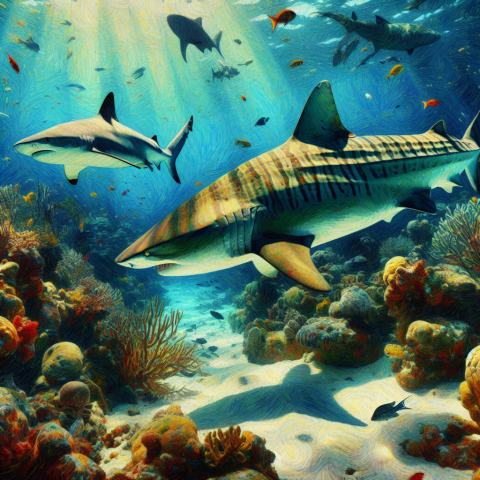
Cozumel—a sparkling jewel nestled in the Caribbean—often draws visitors with its stunning reefs and vibrant marine life. But as you glide through the azure waves, a question lingers beneath the surface: What about those big fish with sharp teeth? Can you spot sharks in Cozumel’s waters?
The short answer? Yes, you can! But let’s not get ahead of ourselves. Sharks have a bit of a bad rap, don’t they? When most folks think of these majestic creatures—often depicted as ruthless hunters in flashy documentaries or sensationalized news reports—what you typically conjure is less about nature’s elegance and more about instinctual fear. Here’s the twist: The waters around Cozumel are home to various shark species, and most of them are much more interested in keeping to themselves than in eyeing you for lunch.
Picture this: snorkeling or diving in the crystal-clear depths, surrounded by schools of colorful fish darting about. Then, out of the corner of your eye, a shadow glides gracefully past—a sleek figure, perhaps a nurse shark, resting lazily on the ocean floor. Or maybe a reef shark, curious but cautious, passing by like a dapper gentleman checking out the scene, entirely unperturbed by your presence.
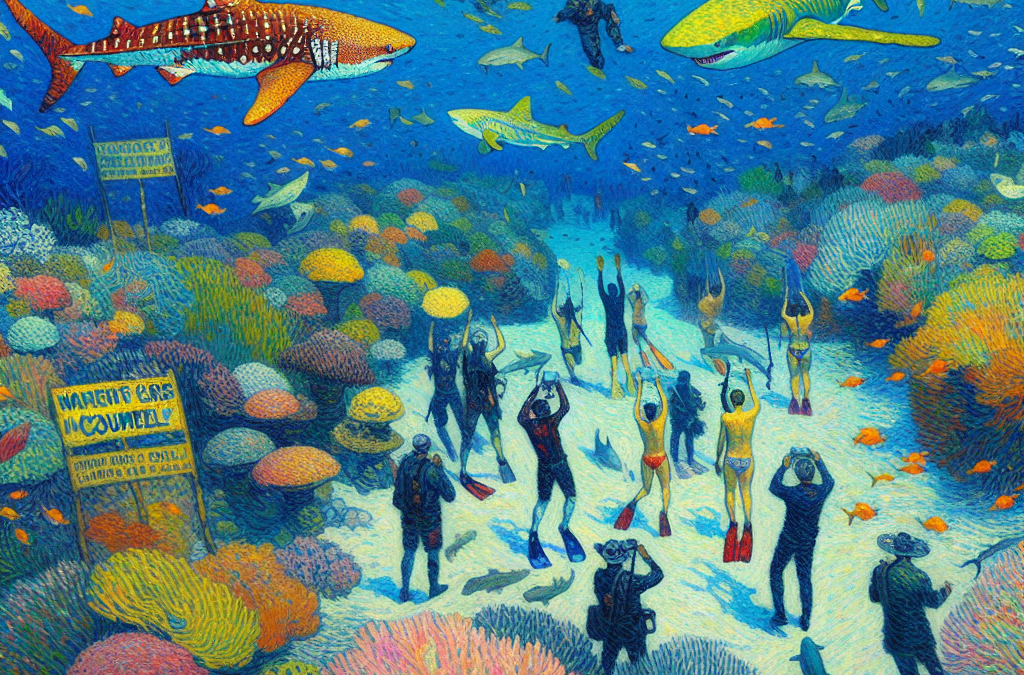
Cozumel’s waters host several friendly residents, including the ever-so-gentle nurse shark and the elusive but fascinating Caribbean reef shark. Some divers even get lucky enough to encounter more exotic species like the formidable hammerhead or the majestic whale shark—though these giants tend to favor deeper waters. If you’re hoping to spot a shark, the best bet is to join a guided dive or snorkeling tour, where knowledgeable guides can lead you to spots known for these underwater encounters.
But don’t forget to approach with respect. Unlike their cinematic counterparts, these sharks play a vital role in maintaining balanced ecosystems. They help keep fish populations healthy, which is crucial for coral reefs. So, as you slip beneath the waves, remember that sharks are not the villains in this watery realm, but rather integral players in the delicate dance of marine life.
Whether you find yourself sharing a moment with a nurse shark or just marveling at the coral gardens, the thrill of the hunt from the safety of your snorkel mask is unmatched. So, put on your fins, take a deep breath, and dive into the adventure—who knows what wonders await below?

Can You Spot Sharks In Cozumels Waters?
Can You Spot Sharks In Cozumels Waters?
- Cozumel is known for its stunning reefs and vibrant marine life.
- Sharks in Cozumel’s waters include species like nurse sharks and Caribbean reef sharks.
- Many sharks are more focused on keeping to themselves than posing a threat to humans.
- Exotic species like hammerhead and whale sharks can sometimes be encountered in deeper waters.
- Joining guided dive or snorkeling tours increases your chances of spotting sharks.
- Sharks play a vital role in maintaining healthy fish populations and balanced ecosystems.
- Exploring Cozumel’s underwater world offers thrilling experiences while promoting marine life conservation.
Can You Spot Sharks In Cozumels Waters?
Table Of Contents
- Can You Spot Sharks In Cozumels Waters?
- What Makes Whale Sharks Unique in Cozumel?
- What Lurks Beneath: Hammerhead Sharks in Cozumel?
- Can Bull Sharks be Found in Cozumel?
- Are Nurse Sharks in Cozumel?
- Can You See Sharks While Diving In Cozumel?
- What Types Of Sharks Are In Cozumel?
- Are There Specific Areas to Spot Sharks In Cozumel?
- Conclusion
- Other Resources
- Glossary Of Terms
- Other Questions
- Haiku
- Poem
- Checklist
What Makes Whale Sharks Unique in Cozumel?
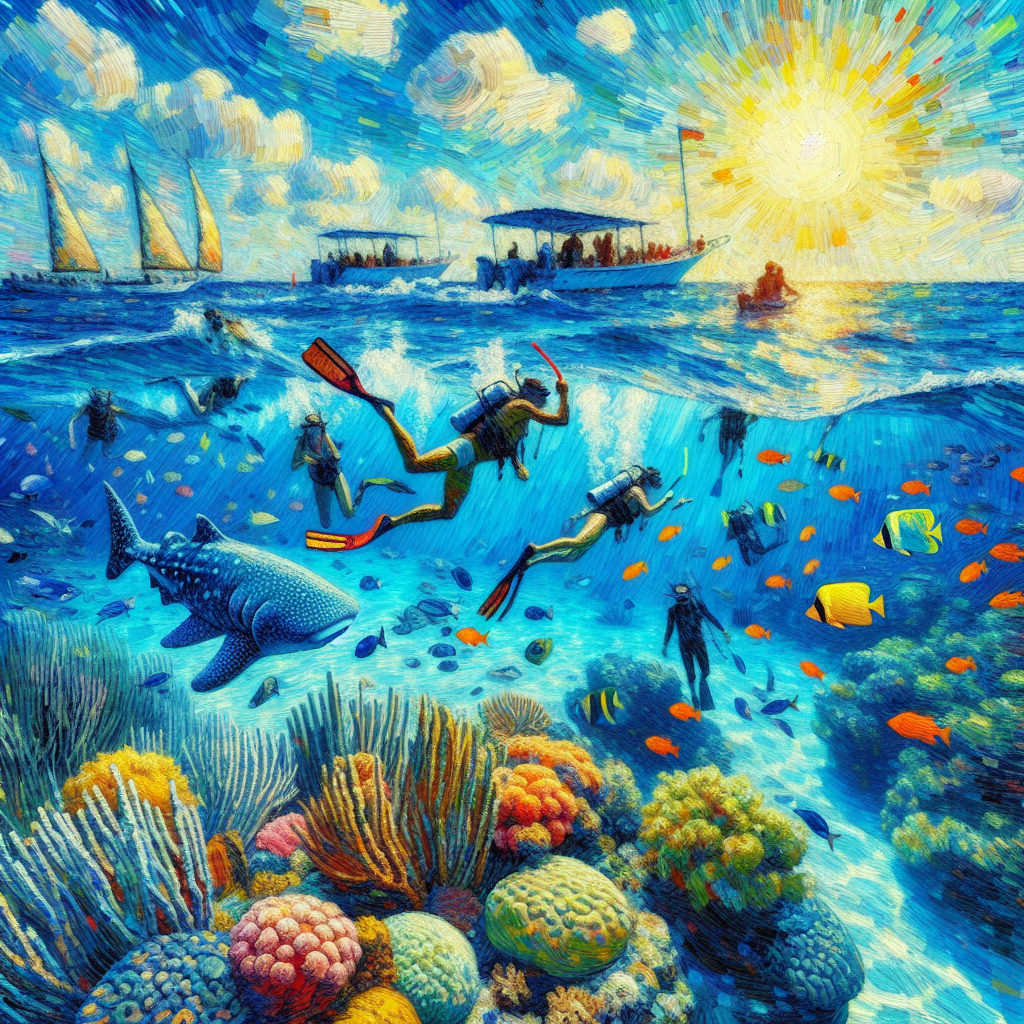
In the vibrant waters off Cozumel, where the Caribbean sun glistens and the reefs burst with color, swims the gentle giant known as the whale shark. These colossal creatures, reaching lengths of up to 40 feet, aren’t just notable for their sheer size; they embody a series of unique traits that set them apart in the marine kingdom and make Cozumel one of the premier locations to catch a glimpse of their majestic presence.
First and foremost, the whale shark’s diet is as fascinating as the creature itself. Unlike their fearsome relatives, the great white or the tiger shark, whale sharks are filter feeders. Picture this: a massive fish with a mouth wide enough to swallow a small child, but instead of sharpening its teeth for a feeding frenzy, it elegantly glides through the water, filtering out plankton and small fish. It’s a vivid reminder of how diverse and intricate the ecosystems of our oceans can be.
But let’s not stop there. One of the most captivating aspects of whale sharks in Cozumel is their migratory behavior. Every year, these gentle giants flock to the region to feast on the abundant plankton—a bounty brought forth by seasonal upwellings. This phenomenon creates an underwater buffet that draws in the whale sharks like a magnet, providing a front-row seat to one of nature’s most impressive spectacles. Locals and tourists alike can be found snorkeling or diving alongside these magnificent beings, witnessing firsthand a ballet of grace that’s as awe-inspiring as it is humbling.
Then there’s the unique spotting pattern of each whale shark—a series of spots and stripes that serves as individual identification. Just imagine meeting thousands of them while swimming in the open water, each one a unique visitor with its own story etched into its skin. This characteristic not only fuels scientific research but also adds a layer of wonder for those fortunate enough to encounter them.
And let’s not forget the environmental context. Cozumel’s reefs offer a thriving habitat not just for the whale sharks, but for countless other marine species, making it a critical area for conservation efforts. The efforts to protect these gentle giants are intrinsic to preserving the delicate balance of this underwater paradise.
Ultimately, what makes whale sharks unique in Cozumel isn’t just their size or serene feeding habits; it’s the incredible interplay of nature, science, and conservation that intertwines to create an unforgettable experience in one of the most beautiful marine locations on Earth. Whether you’re a seasoned diver or a first-time snorkeler, witnessing these remarkable creatures is nothing short of magical.

What Makes Whale Sharks Unique in Cozumel?
What Makes Whale Sharks Unique in Cozumel?
- Whale sharks are the gentle giants of Cozumel’s vibrant waters, reaching lengths of up to 40 feet.
- They are filter feeders, contrasting with more aggressive shark species like great whites and tiger sharks.
- Whale sharks migrate to Cozumel annually to feast on abundant plankton, creating a spectacular underwater sight.
- Each whale shark has a unique spotting pattern, aiding in individual identification and scientific research.
- Cozumel’s reefs provide a critical habitat for whale sharks and numerous other marine species.
- Conservation efforts are essential to protect whale sharks and maintain the delicate ecological balance of the region.
- Experiencing whale sharks in Cozumel offers a magical encounter with nature for divers and snorkelers alike.

What Makes Whale Sharks Unique in Cozumel?
What Lurks Beneath: Hammerhead Sharks in Cozumel?
Beneath the sun-drenched waves of Cozumel, where the vibrant coral reefs pulse with life, lurks a creature that sparks equal parts awe and trepidation—the hammerhead shark. These marine marvels aren’t just the stuff of myth or Hollywood movies; they’re an integral part of the oceanic environment, roaming the depths with a sense of grace and purpose that defies their fearsome reputation.
Let’s start with the basics. Hammerheads are named for their distinctively flattened heads, which resemble the most rugged of tools. But there’s more to this iconic shape than meets the eye. Their unique head structure provides them with enhanced sensory capabilities, allowing them to detect prey hiding in the ocean floor’s crevices. It’s an evolutionary adaptation that renders them the apex predators of their domain, utilizing electroreception to find food in dark or murky waters. In simple terms, they’re nature’s well-tuned hunting machines.
Cozumel, known for its breathtaking dive sites, is a favored hangout for several species of hammerheads, particularly the great hammerhead. Experienced divers flock to locations like Punta Sur and the famous Devil’s Throat, often hoping to catch a glimpse of these extraordinary creatures in their natural habitat. Imagine yourself descending into the crystal-clear waters, buoyed by the thrill of anticipation, only to see a sleek hammerhead cruising effortlessly by. It’s a rush that transcends mere adrenaline; it’s a connection to the primal world that reminds us we’re just guests in the shark’s ocean.
However, lurking beneath the surface of this allure is a stark reality. Hammerhead populations are declining due to overfishing and the brutal practice of shark finning. These majestic fish face very real threats, and their future hangs in a precarious balance. Conservation efforts are underway, but it’s an uphill battle. When you’re in the water, swimming alongside a hammerhead, it’s essential to recognize what’s at stake—not just for the sharks, but for the entire marine ecosystem.
So, as you contemplate a visit to Cozumel and its teeming underwater world, let the image of the hammerhead shark serve as a reminder. It’s not only about the thrill of the dive but also about the broader responsibility we bear to protect these magnificent creatures. Respect the ocean, and perhaps it will return the favor, revealing its secrets in the haunting beauty of the hammerhead’s glide.

What Lurks Beneath: Hammerhead Sharks in Cozumel?
What Lurks Beneath: Hammerhead Sharks in Cozumel?
- The hammerhead shark is a captivating creature found in the coral reefs of Cozumel, representing both awe and fear.
- Hammerheads are named for their unique flattened heads, which enhance their sensory capabilities for detecting prey.
- They are apex predators, using electroreception to hunt effectively in dark or murky waters.
- Cozumel is a prime location for diving, attracting divers hoping to observe great hammerheads in their natural habitat.
- Despite their allure, hammerhead populations are declining due to overfishing and shark finning practices.
- Conservation efforts are in place, but the future of hammerheads remains uncertain and is vital for the marine ecosystem.
- Visiting Cozumel offers not only adventure but also a reminder of our responsibility to protect these magnificent sharks and their environment.

What Lurks Beneath: Hammerhead Sharks in Cozumel?
Can Bull Sharks be Found in Cozumel?
When it comes to spotting sharks, the waters around Cozumel, Mexico, don’t just put on a good show—they host a genuine spectacle. Among the assorted sea creatures that call this tropical paradise home lies the formidable bull shark, a species known for its strength and adaptability. But can you find these toothy titans cruising the currents near this slice of paradise? The short answer is yes, bull sharks can indeed be found in the waters around Cozumel, and the long answer involves a bit of intrigue.
Bull sharks thrive in a variety of environments; from the depths of the ocean to the brackish waters of rivers, they are the aquatic equivalent of that one friend who can fit into any social circle. In Cozumel, bay systems and areas with ample underwater topography provide a perfect hunting ground for these apex predators. Their preference for warmer waters and their tendency to venture into shallower areas make them a common sight for divers and snorkelers eager for a thrill.
Unlike your run-of-the-mill reef sharks, bull sharks carry a bit of reputation. Known for their robust bodies and formidable sets of teeth, they can emit an air of intimidation—especially to those unaware of their generally curious nature. Not aggressive by default, these sharks are opportunistic feeders, preying on fish, rays, and even smaller sharks. Enthusiasts often recount thrilling encounters: a flash of gray, a curious glide, and then, poof!—they’re gone, leaving behind only ripples in the water.
While shark enthusiasts might be thrilled at the prospect of an encounter, it’s crucial to remember to share the water respectfully. Divers and snorkelers should prioritize safety and maintain a healthy distance if they do spot one of these magnificent creatures. Note that while the bull shark is sometimes portrayed as villainous in movies and media, they play an integral role in the marine ecosystem, helping to keep fish populations in check and maintaining the balance of underwater life.
In essence, if you find yourself diving or snorkeling in Cozumel, keep your eyes peeled because bull sharks are indeed part of the underwater community here. Respect their presence, and who knows? You might just find yourself sharing space with greatness, proving that even within the depths of our oceans, adventure awaits those who dare to explore.
Can Bull Sharks be Found in Cozumel?
Can Bull Sharks be Found in Cozumel?
- The waters around Cozumel, Mexico, host bull sharks, known for their strength and adaptability.
- Bull sharks thrive in various environments, including oceans and rivers, making them versatile predators.
- They prefer warmer waters and shallower areas, commonly sighted by divers and snorkelers.
- Unlike typical reef sharks, bull sharks are robust and can seem intimidating, yet they are generally curious.
- They are opportunistic feeders, preying on fish, rays, and smaller sharks.
- Divers and snorkelers should respect bull sharks’ space and prioritize safety while sharing the water.
- Bull sharks play an essential role in maintaining the marine ecosystem by keeping fish populations in check.

Can Bull Sharks be Found in Cozumel?
Are Nurse Sharks in Cozumel?
If you’ve ever dipped a toe into the tranquil waters off Cozumel, you might’ve wondered what lies beneath that clear blue surface. Among the vibrant coral reefs and schools of colorful fish, one of the ocean’s more laid-back residents makes its home: the nurse shark. This gentle giant glides through the water, often misunderstood due to its formidable appearance, but there’s much more to these creatures than meets the eye.
Nurse sharks, with their stocky bodies and long, whisker-like barbels, are often spotted snoozing in sandy patches or tucked into crevices. They’ve got this unique knack for blending into their surroundings, making them seem like the sleepy grumps of the ocean floor. But before you start worrying about running into one during your snorkeling expedition, let me put your mind at ease: these sharks are as harmless as a Labrador Retriever. Weighed down by their own hefty presence—often tipping the scales around 200 pounds or more—they prefer a good lounge over a chase.
Cozumel provides a perfect habitat for nurse sharks, especially around the reefs found in popular diving spots like Palancar and Colombia. These locations are not just teeming with colorful marine life; they are also ideal for nurse sharks to hunt for their favorite treats, like fish, crustaceans, and, yes, octopus. While they may not have the acclaim of the great white, nurse sharks play an essential role in maintaining the healthy balance of the underwater ecosystem.
Now, if you’re planning a visit to Cozumel, the good news is that chances are high you might encounter these relaxed predators. Dive shops offer guided tours, and many experienced divers will tell you that a nurse shark sighting can elevate an ordinary dive into an extraordinary adventure. Just keep your distance and enjoy the view; these animals do have a bit of personality, and they aren’t shy about reminding you who’s the boss of their territory with a swift flick of their tail.
So, yes! Nurse sharks can indeed be found in Cozumel, lounging around the coral, roaming freely, and adding to the vibrant tapestry of ocean life. They may not be the most glamorous of the sea creatures, but they certainly have their own charm. So strap on your mask, kick off your fins, and remember: in the world of the ocean, sometimes it pays to slow down and just appreciate the casual company of these amazing creatures.

Are Nurse Sharks in Cozumel?
Are Nurse Sharks in Cozumel?
- Nurse sharks are gentle giants found in Cozumel’s vibrant waters, often misunderstood due to their appearance.
- They typically have stocky bodies and long, whisker-like barbels, often found resting in sandy spots or crevices.
- Despite their size (around 200 pounds or more), nurse sharks are harmless and prefer to lounge rather than chase.
- Cozumel’s coral reefs, such as Palancar and Colombia, provide an ideal habitat for nurse sharks to hunt for fish, crustaceans, and octopus.
- Nurse sharks play a vital role in maintaining the underwater ecosystem, even if they’re not as famous as other shark species.
- Dive shops in Cozumel offer guided tours where snorkelers and divers can encounter nurse sharks, enhancing the diving experience.
- Nurse sharks add to the ocean’s vibrancy, and it’s best to enjoy observing them while respecting their territory.

Are Nurse Sharks in Cozumel?
Can You See Sharks While Diving In Cozumel?
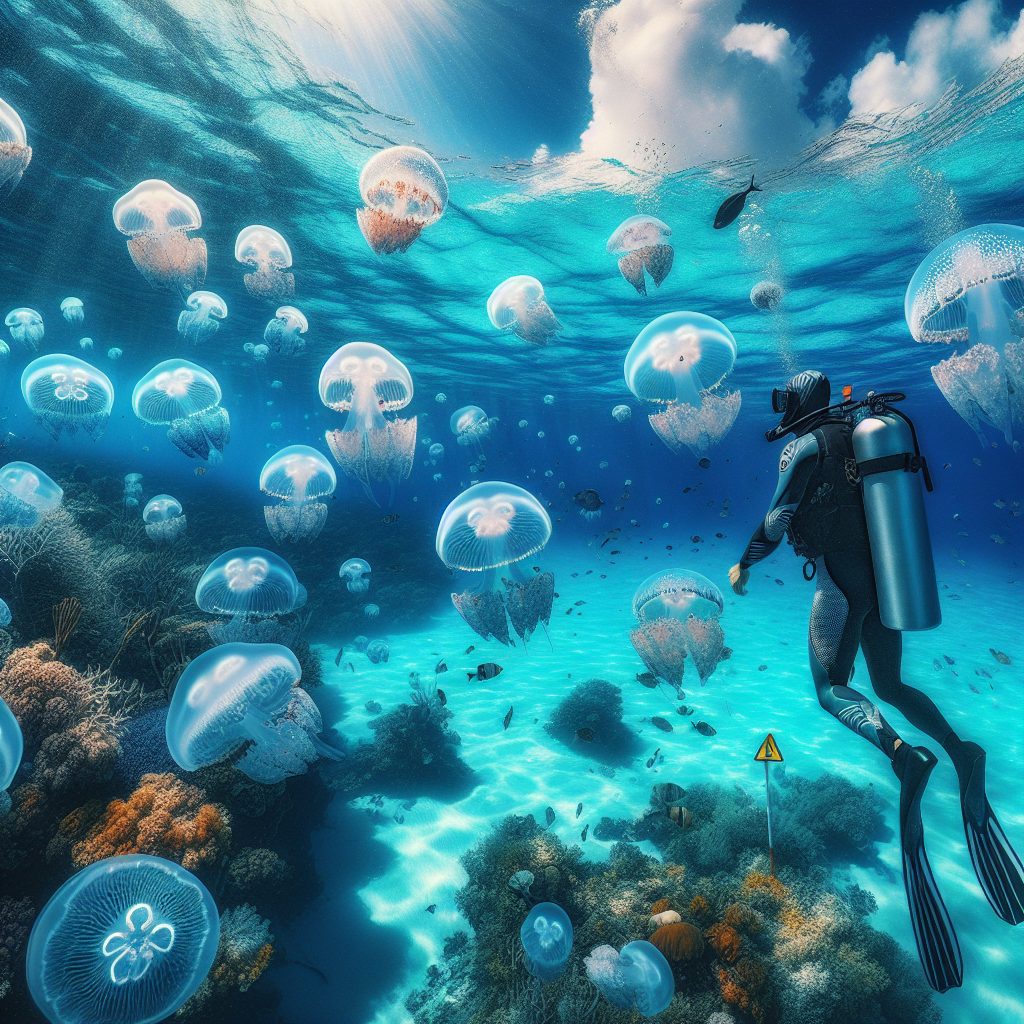
Cozumel, an island paradise off the coast of Mexico, is renowned for its vibrant coral reefs and crystal-clear waters, offering divers an underwater experience that many only dream about. But let’s cut to the chase: if you’re strapping on your gear and heading into the depths, one question is likely to bubble to the surface: Can you see sharks?
To answer that, we first need to understand the local shark population. Cozumel is home to several shark species, including the majestic nurse shark, the elusive reef shark, and the rarely spotted whale shark. While these creatures may not be as ferocious as Hollywood would have you believe, they command a healthy respect in the ocean’s ecosystem. Sharks play a vital role in maintaining the balance of marine life, and quite frankly, seeing one underwater can be a humbling experience.
Now, don’t expect to see a shark on every dive. The underwater world tends to be a bit unpredictable—kind of like trying to catch a glimpse of a shooting star. Ideally, your chances are better in the depths, where these sleek swimmers prefer to roam. Certain dive sites around the island are known for higher shark activity. Places like Punta Sur and Palancar Gardens are often mentioned in hushed excitement by locals and seasoned divers alike.
Venturing into the renowned waters surrounding Cozumel offers a thrill, but remember, patience is key. Oftentimes, divers will huddle together, eyes peeled like hawks, waiting for that unmistakable silhouette to swim into view. The experience of seeing a shark can take your breath away (in a good way)—it’s a reminder of the ocean’s raw and untamed nature. Just think of it: one moment you’re gliding alongside brilliantly colored fish, and the next, a sleek silhouette glides past, triggering that primal sense of awe and humility.
Be mindful not to rush the experience. Instead of forcing an encounter, let it come to you. The ocean has its own rhythm—if you respect that, you may just find yourself graced by a shark’s presence. So, can you see sharks while diving in Cozumel? Absolutely. The real question is, are you ready for the experience that comes with it? Grab your gear, take a deep breath, and dive into the unknown. You might just find that the ocean’s wonders extend far beyond what you ever imagined.

Can You See Sharks While Diving In Cozumel?
Can You See Sharks While Diving In Cozumel?
- Cozumel is a beautiful island known for its vibrant coral reefs and clear waters, ideal for diving.
- The local shark population includes nurse sharks, reef sharks, and whale sharks.
- Sharks play an essential role in maintaining the balance of marine life.
- Sharks are not guaranteed to be seen on every dive; they tend to prefer deeper waters.
- Popular dive sites for shark sightings include Punta Sur and Palancar Gardens.
- Patience is crucial when waiting to see sharks underwater; divers should be observant.
- Seeing a shark can be a breathtaking experience, emphasizing the ocean’s wild nature.
Can You See Sharks While Diving In Cozumel?
What Types Of Sharks Are In Cozumel?
When you think of Cozumel, images of sun-soaked beaches, vibrant coral reefs, and an endless ocean of blue come to mind. But lurking beneath those shimmering waves is a whole other world—a realm where sharks roam. Yes, sharks! These remarkable creatures often evoke fear, but in Cozumel, they’re part of the rich tapestry of marine life that draws divers and snorkelers from around the world.
The waters surrounding Cozumel are home to a variety of shark species, each with its own quirks and personality traits. First up, we have the majestic nurse shark. These docile bottom dwellers prefer to lounge on the ocean floor, often found resting in reef nooks or near sandy patches. With their distinctive barbels on their snouts, they’re like the friendly giants of the sea, often more interested in a good siesta than in causing trouble.
Next on the roster is the Caribbean reef shark, a sleek and nimble predator that’s as graceful as it is stealthy. These sharks are known for their curious nature, often swimming close to divers and snorkelers as if to say, “Hey, check me out!” While they’re not out for a midnight snack, it’s wise to respect their space—after all, they are top-tier hunters, equipped with a keen sense of smell that can detect a single drop of blood in the ocean.
Then there are the elusive hammerhead sharks, known for their unmistakable head shape that allows them to excel in their hunting tactics. Although sightings aren’t as common, those lucky enough to glimpse these creatures will never forget their breathtaking silhouette cutting through the water. Hammerheads tend to favor deeper waters, but various diving excursions around Cozumel offer the opportunity to encounter them—an experience that leaves divers speechless.
Let’s not forget the majestic whale shark—the gentle giant of the ocean. These filter feeders are the largest fish in the sea, growing up to 40 feet long. Swimming with them feels like a brush with nature’s wonders; they glide gracefully through the blue, often gathering near the reefs during the summer months.
Cozumel’s waters offer a spectacular palette of marine life that’s irresistible to those willing to explore. With every dive, the chance to encounter these sharks reminds us that beneath the surface, a thrilling adventure awaits, filled with elegance, power, and a bit of wild mystery. So grab your gear and dive into the unexpected—Cozumel’s sharks are ready to show you the ocean’s best-kept secrets!

What Types Of Sharks Are In Cozumel?
What Types Of Sharks Are In Cozumel?
- Cozumel is known for its stunning beaches, coral reefs, and diverse marine life, including various shark species.
- Nurse sharks are docile bottom dwellers that prefer resting in reef nooks or sandy patches.
- Caribbean reef sharks are sleek predators known for their elegance and curious nature, often approaching divers.
- Hammerhead sharks, recognized by their unique head shape, are elusive but can be spotted during specific diving excursions.
- The whale shark is the largest fish in the sea, reaching up to 40 feet, and is a gentle filter feeder often found near reefs in summer.
- Cozumel offers thrilling underwater experiences and the chance to encounter these remarkable sharks.
- Exploring Cozumel’s waters provides the opportunity to discover the ocean’s hidden wonders and mysteries.

What Types Of Sharks Are In Cozumel?
Are There Specific Areas to Spot Sharks In Cozumel?
When it comes to spotting sharks in Cozumel, you’re diving into a game of geological roulette. The waters surrounding this Mexican paradise are teeming with life, and the thrill of encountering these magnificent creatures is part of what draws adventurers to this Caribbean gem. But if you’re hoping to catch a glimpse of a shark in its natural habitat, there are a few specific spots where your chances significantly improve.
Let’s start with the iconic sites like Palancar Reef and Santa Rosa Wall. These colorful underwater landscapes aren’t just postcard-perfect; they’re also prime habitats for several shark species. Here, the deep walls drop dramatically into the abyss, creating an ideal hunting ground for larger fish and, by extension, sharks. It’s like a buffet laid out for them, and if you time your dive just right, you might find yourself sharing space with a nurse shark, a reef shark, or even a hammerhead.
Another hotspot is the area around the shallow lagoons and mangroves, particularly near the northern part of the island. Sharks love to patrol these waters, especially juvenile species looking for shelter and a convenient meal. While you might not see the big boys here, keep your eyes peeled for smaller sharks cruising the shallows. Here, nature runs wild, and you can witness firsthand how vital these ecosystems are to the sharks’ life cycles.
Now, let’s not forget about the underwater magic that happens around the Cozumel Marine Park. This protected area is a literal sanctuary for marine life, including sharks. The park’s regulations mean that fishing is off-limits, providing these apex predators the perfect environment to thrive. With an abundance of fish and thriving corals, it’s an open invitation for sharks to make an appearance.
Finally, don’t rule out the drift diving experience in Cozumel. The currents can carry you past some of the most spectacular sights and, with a little luck, right into the vicinity of a curious shark following its next meal. Be ready, though; one minute you could be marveling at a colorful parrotfish, and the next, you could be eye-to-eye with a majestic shark.
So, grab your fins and your sense of adventure; Cozumel’s waters hold plenty of opportunities for those willing to explore. Just remember to respect these incredible creatures and their environment—after all, you’re a guest in their underwater kingdom.

Are There Specific Areas to Spot Sharks In Cozumel?
Are There Specific Areas to Spot Sharks In Cozumel?
- Cozumel offers diverse habitats for a variety of shark species.
- Iconic dive sites like Palancar Reef and Santa Rosa Wall are prime locations for seeing sharks.
- Shallow lagoons and mangroves are frequented by juvenile sharks seeking shelter and food.
- Cozumel Marine Park is a protected area that provides a safe environment for sharks to thrive.
- Drift diving can lead to encounters with sharks as currents often guide divers through prime shark territory.
- Timing your dives and exploring different areas increases your chances of spotting these magnificent creatures.
- Respect for sharks and their habitats is essential while diving in Cozumel.

Are There Specific Areas to Spot Sharks In Cozumel?
Conclusion
As we wrap up our dive into the crystal-clear waters of Cozumel, let’s take a moment to appreciate the ocean’s apex predators: our shark companions. Now, I’ll be the first to admit that sharks can have a rough reputation—thanks in no small part to Hollywood’s penchant for sensationalism. But the reality beneath those shimmering waves? It’s a whole different story. Cozumel is home to a diverse cast of sharks, each playing a critical role in the underwater ecosystem while adding a thrill factor for divers and snorkelers alike.
From friendly nurse sharks lazily lounging on the soft seafloor to the sleek and curious Caribbean reef sharks, you’ve got a front-row seat to nature’s drama. Not to mention the majestic whale shark, the gentle giant that gracefully filters plankton and glides past, reminding us just how awe-inspiring life beneath the waves can be. Of course, we can’t overlook the hammerheads—quite the show-stoppers with their extraordinary head shapes and hunting prowess. These incredible creatures highlight just how diverse and fascinating ocean life can be.
So where can you find these aquatic wonders? Prime hotspots like Palancar Reef, Santa Rosa Wall, and the Cozumel Marine Park are where the magic happens. Imagine dropping down into a world of vibrant coral and bustling marine life, with the tantalizing possibility of encountering a shark gliding by. It’s a thrill ride that combines beauty, mystery, and a healthy dose of respect for the ocean’s ecosystem.
Now, folks, remember that while the allure of seeing a shark up close can send your adrenaline soaring, safety and respect for these creatures should always come first. Sharks are not the villains of the sea; rather, they are essential players in the grand scheme of ocean life. As you embark on your underwater adventure, let the thought of encountering these magnificent fish inspire a sense of wonder—and a commitment to their conservation.
In the end, whether you catch a glimpse of a majestic hammerhead or simply watch a nurse shark through your snorkel mask, Cozumel offers an ocean of experiences waiting to be explored. So grab your gear, take a deep breath, and dive into the wonders below. Adventure awaits, and who knows? You might just become the next advocate for these extraordinary creatures roaming the depths of the Caribbean.

Conclusion
Conclusion:
- Cozumel is home to a diverse variety of sharks, each playing a critical role in the underwater ecosystem.
- Sharks like nurse sharks and Caribbean reef sharks provide thrilling experiences for divers and snorkelers.
- The whale shark, a gentle giant, filters plankton and showcases the awe of marine life.
- Hammerhead sharks are notable for their unique head shapes and impressive hunting abilities.
- Prime shark spotting locations in Cozumel include Palancar Reef, Santa Rosa Wall, and the Cozumel Marine Park.
- Sharks are essential for ocean health and should be respected, rather than feared, during underwater adventures.
- Exploring Cozumel’s underwater world can inspire a commitment to shark conservation and ocean preservation.

Conclusion
Other Resources

Other Resources
Most of the people who read this are also figuring out where to stay. A couple of places we run or know well, in case it’s useful: Cozumel Journey is an editorial guide to Cozumel — neighborhoods, planning tips, and life on the island for travelers who want context, not a cruise schedule.
Here is a list of other resources you can review online to learn more:
- El Casino – La Casa del Mojito
- SkyReef Cozumel
- Cuatro Tacos Cozumel
- Playa Mia Water Park
- Margaritaville
- Capitán Eduardo A. Toledo Airport
- Cozumel ATV Adventure
- El Coctelito Cozumel-Mariscos
- Chankanaab Adventure Beach Park
- a slower, editorial take on Cozumel
Use This Prompt To Get More Resources With Your Favorite Online AI Tool: Please provide me with a list of online articles with their URLs in a bulleted list that I can read regarding Can You Spot Sharks In Cozumels Waters?

Other Resources
Glossary Terms
Can You Spot Sharks In Cozumels Waters? – Glossary Of Terms
1. Cozumel: An island in the Caribbean Sea off the eastern coast of Mexico, known for its coral reefs and diverse marine life.
2. Shark: A type of fish characterized by a cartilaginous skeleton, multiple gill slits, and a wide range of species found in oceans worldwide.
3. Coral Reef: An underwater ecosystem made up of coral structures, providing habitat for various marine organisms, including sharks.
4. Marine Biodiversity: The variety of life found in marine environments, which includes numerous species of fish, invertebrates, corals, and marine mammals.
5. Diving: The activity of swimming underwater using scuba or free diving equipment to observe marine life, such as sharks.
6. Snorkeling: A water activity that involves swimming at the surface of the water while wearing a mask and snorkel, often used to observe shallow marine environments.
7. Bait: Food or attractants used to lure sharks for observation or scientific studies, but also a potential hazard for divers.
8. Sighting: The act of observing or spotting a shark in its natural habitat.
9. Predator: An animal that preys on others for food; sharks are considered apex predators in their ecosystems.
10. Identification: The process of recognizing and distinguishing different shark species based on physical characteristics.
11. Behavior: The actions and reactions of sharks in their environment, which can inform divers about their presence and activity levels.
12. Habitat: The natural environment where sharks live, which includes coastal and oceanic waters.
13. Species: A group of organisms that can interbreed and produce fertile offspring; there are over 500 known shark species.
14. Safety Protocols: Guidelines and procedures followed to ensure safety when diving or snorkeling in waters where sharks may be present.
15. Feeding Frenzy: A rapid, aggressive feeding behavior exhibited by sharks when prey is abundant.
16. Ecotourism: Responsible travel to natural areas that conserves the environment and improves the well-being of local people, often involving marine wildlife observation.
17. Conservation: Efforts and practices aimed at protecting shark populations and their habitats from threats such as overfishing and habitat destruction.
18. Dive Operators: Companies or individuals that organize and conduct diving excursions, often providing expertise in spotting marine life, including sharks.
19. Underwater Photography: The practice of taking photographs underwater to capture images of marine life, including sharks.
20. Shark Facts: Interesting or educational information about sharks, including their biology, behavior, and ecological importance.
21. Attacks: Incidents in which sharks bite humans; understanding the context of such events is important for safety and conservation awareness.
22. Conservation Status: Classification of species based on their risk of extinction, often assessed by organizations like the IUCN (International Union for Conservation of Nature).
23. Tagging: The practice of attaching a device to a shark to monitor its behavior and movements for research purposes.
24. Natural Predation: The process by which sharks hunt and feed on other marine animals as part of their survival.
25. Shark Sanctuary: Protected marine areas where sharks are safe from fishing and habitat destruction, promoting their conservation.
26. Visibility: The distance underwater that divers can see, influenced by water clarity, which can affect the likelihood of spotting sharks.
27. Water Temperature: The degree of heat in the ocean, which can influence shark behavior and distribution.
28. Shark Watch: A project or initiative aimed at monitoring shark populations and behaviors in specific areas.
29. Inshore Sharks: Species of sharks that inhabit coastal waters, often observed by divers and snorkelers.
30. Liveaboard: A type of boating trip where divers stay on the boat for multiple days to explore various dive sites, increasing chances of shark sightings.
Glossary Of Terms
Other Questions
Can You Spot Sharks In Cozumels Waters? – Other Questions
If you wish to explore and discover more, consider looking for answers to these questions:
- What are the different species of sharks found in Cozumel?
- What is the best time of year to see sharks in Cozumel?
- Are there specific tours that focus on shark sightings in Cozumel?
- What safety precautions should divers and snorkelers take when encountering sharks?
- How do the local ecosystems support shark populations in Cozumel?
- What role do sharks play in the marine ecosystem of Cozumel?
- Can you interact with sharks while snorkeling or diving in Cozumel?
- What kind of dive conditions can one expect when searching for sharks in Cozumel?
- Are there any conservation efforts for sharks in Cozumel?
- How has shark tourism affected the local economy in Cozumel?

Other Questions
Haiku
Can You Spot Sharks In Cozumels Waters? – A Haiku
Cozumel’s clear waves,
Sharks glide in vibrant waters,
Nature’s grace unfolds.

Haiku
Poem
Can You Spot Sharks In Cozumels Waters? – A Poem
In Cozumel’s embrace, where sunlight dances bright,
A world of wonders waits, cloaked in shades of blue and white.
With reefs that teem with life, vibrant whispers through the sea,
But beneath that crystal surface, who else might we see?
Sharks glide on silken fins, shadows in the light,
Not the feral hunters told in tales that bring us fright.
The nurse shark lounges low, a gentle giant’s grace,
While reef sharks, sleek and curious, meander through their space.
Dive into the depths, where the hammerheads do roam,
Their flat heads slicing currents, claiming oceans as their home.
And oh, the whale shark, drifting, filter feeding wide,
Majesty in motion, nature’s gentle tide.
With each descent, the thrill awaits, a heartbeat’s gentle race,
Where man meets fish in harmony—a mutual, sacred place.
But heed the balance of the sea, respect their right to dwell,
For every shark’s an ocean’s thread, in nature’s weave it fell.
From the depths of rocky ledges to mangrove shallows’ play,
Specific spots where sharks reside invite the brave to sway.
Palancar’s colorful expanse or Santa Rosa’s wall,
In these rich, vibrant arteries, you may encounter all.
So strap your fins and mask anew, embrace the ocean dance,
Cozumel’s waters call to you, a swimming, mystic chance.
Adventure lies in patient hearts, for wonders do unfold,
In the depths where sharks reside, more than legends told.
Poem
Checklist
Can You Spot Sharks In Cozumels Waters? – A Checklist
Preparation and Awareness
_____ Research local shark species (nurse sharks, Caribbean reef sharks, hammerhead sharks, whale sharks, bull sharks).
_____ Understand the role of sharks in the marine ecosystem—important for maintaining balance.
Diving and Snorkeling Essentials
_____ Book a guided dive or snorkeling tour with knowledgeable instructors.
_____ Ensure you have the appropriate gear (mask, fins, wetsuit).
_____ Bring underwater camera or GoPro (optional, but useful for documenting encounters).
Choosing Locations
_____ Visit recommended dive sites:
_____ Palancar Reef
_____ Santa Rosa Wall
_____ Punta Sur
_____ Colombia (noted for nurse sharks)
_____ Explore shallow lagoons and mangroves for juvenile shark sightings.
_____ Consider diving at designated areas in Cozumel Marine Park for potential shark encounters.
Safety and Respect
_____ Maintain a safe distance from sharks—observe, don’t approach.
_____ Avoid sudden movements in the water; be calm and composed.
_____ Do not disturb the marine life; follow the guidelines set by dive instructors.
Timing and Patience
_____ Be patient; sightings can be unpredictable.
_____ Attempt dives during peak shark activity times (research these based on local knowledge).
_____ Keep an eye on movements under water; sharks may approach out of curiosity.
Post-Dive Reflection
_____ Share experiences in diving groups or with fellow travelers.
_____ Support conservation efforts for shark protection and marine biodiversity.
_____ Document sightings and any notable behaviors for future reference.
Conservation Awareness
_____ Learn about threats to shark populations (overfishing, shark finning).
_____ Engage in or support local conservation initiatives focused on marine life protection.
Remember, you’re a guest in these beautiful waters. Approach the experience with respect and excitement, and cherish the opportunity to witness these magnificent creatures in their natural habitat. Happy diving!

Checklist
At TopCozumelNews, we help travelers enjoy Cozumel by collating information learned from frequently traveling to beautiful Cozumel.
Be sure to read our other related stories at TopCozumelNews to learn more about the Island of Cozumel.