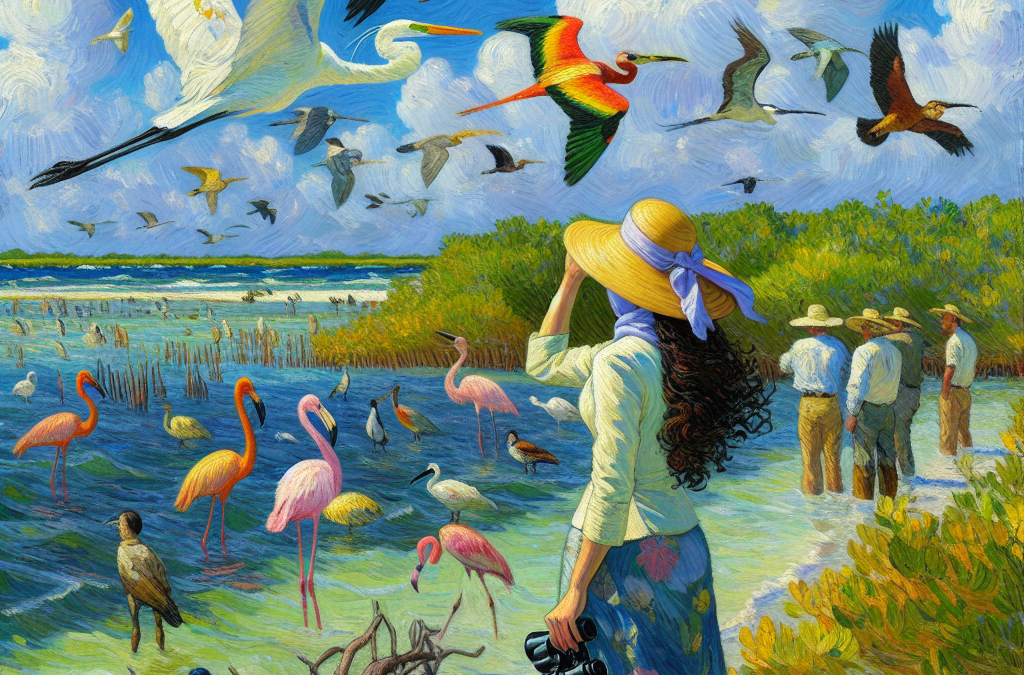
Discover The Surprising Bird Watching Scene In Cozumel
By Tom Seest
At TopCozumelNews, we help travelers enjoy Cozumel by collating information learned from frequently traveling to beautiful Cozumel.
Be sure to read our other related stories at TopCozumelNews to learn more about the Island of Cozumel.
Which Exotic Birds Call Cozumel Their Island Paradise?
Can You Go Bird Watching In Cozumel?
Absolutely, you can go bird watching in Cozumel! In fact, if you’ve got a pair of binoculars and an appreciation for Mother Nature’s feathered wonders, you might just find yourself in birding paradise. Cozumel, with its lush landscapes and coastal beauty, offers a rich tapestry of habitats that attract a dazzling array of avian species.
Now, let’s set the stage. You’re standing on the shores of the Caribbean, the sun warming your back, the gentle waves whispering to the shore. But your attention is not just on the turquoise water—no, my friend; it’s drawn upwards to the vibrant life flitting among the palms and mangroves. This island, while famous for its beaches and diving spots, also hides some real treasures in its skies.
Among the most famous local celebrities is the Great Egret, with its elegant neck and sharp beak poised for a catch. Spot a Roseate Spoonbill, and you might wonder if Mother Nature herself dipped her paintbrush in cotton candy! These birds and many others find sanctuary here, including various species of herons, pelicans, and the elusive American Flamingo, which can often be seen grazing in the tidal flats.
But don’t think you’ll need to be a birding expert to enjoy the experience. From casual visitors taking a stroll along the shore to seasoned bird watchers with their journals, Cozumel offers a welcoming environment. You’ll find that birding here can be as laid-back or intense as you want it to be. For the adventurous, guided eco-tours are available, leading you deep into the island’s heart, where you can explore dense jungles and wetlands that few dare to wander.
Dawn is arguably the best time for bird enthusiasts. As the sun rises over the horizon, the island awakens with a chorus of calls and songs. Grab those binoculars, head out early, and immerse yourself in the symphony of nature.
So, whether you’re a birding beginner eager to check off your life list or just someone looking to enjoy the great outdoors, bird watching in Cozumel is a rewarding experience. Grab a field guide, pour a cup of coffee, and get ready to be enchanted by the splendor of our avian friends amidst the breathtaking backdrop of this Mexican gem. The birds are waiting—are you?

Can You Go Bird Watching In Cozumel?
Can You Go Bird Watching In Cozumel?
- Bird watching in Cozumel is a rewarding experience for all levels of enthusiasts.
- The island’s diverse habitats attract a variety of bird species, including the Great Egret and Roseate Spoonbill.
- Cozumel’s coastal beauty offers a stunning backdrop for observing vibrant avian life.
- Birding can be enjoyed casually or with intensity, depending on personal preference.
- Guided eco-tours are available for those wishing to explore the island’s deep jungles and wetlands.
- Dawn is the best time for bird watching, as the island comes alive with natural sounds.
- All you need is an appreciation for nature, binoculars, and a spirit of adventure to enjoy bird watching in Cozumel.

Can You Go Bird Watching In Cozumel?
Table Of Contents
- Can You Go Bird Watching In Cozumel?
- Can You Find The Best Bird Watching Spots In Cozumel?
- What Types Of Birds Can You See In Cozumel?
- When Is The Best Time For Bird Watching In Cozumel?
- Are There Guided Bird Watching Tours Available In Cozumel?
- What Equipment Do You Need For Bird Watching In Cozumel?
- How Beginner-Friendly Is Bird Watching In Cozumel?
- Are There Any Bird Watching Clubs In Cozumel?
- Is Cozumell Home to Birds Found Nowhere Else In The World?
- Conclusion
- Other Resources
- Glossary Of Terms
- Other Questions
- Haiku
- Poem
- Checklist
- Quizzes And Puzzles
Can You Find The Best Bird Watching Spots In Cozumel?
When you think of Cozumel, images of crystal-clear waters and sandy beaches might dance through your mind. But while the Caribbean is certainly a visual feast for the senses, there’s another side of this island that deserves just as much attention — the vibrant world of bird watching. With a rich tapestry of ecosystems, Cozumel is a hidden gem for anyone with a pair of binoculars and a knack for spotting our feathered friends.
Let’s dive in. The island is home to over 200 species of birds, many of which can be seen fluttering about in the lush mangroves and dry forests that makeup much of the landscape. One of the premier spots for bird watching is Punta Sur Eco Beach Park. This oasis offers a variety of habitats — from coastal lagoons to sandy beaches — making it a paradise for birders. Here, you might catch a glimpse of the striking American Flamingo gracefully wading through the reeds or hear the distinct call of a Black-crowned Night-Heron as it hunts for dinner.
And if you’re feeling adventurous, a visit to the Cozumel Pearl Farm is a must. This spot not only dishes up insight into pearl cultivation but is also a breeding ground for several endemic bird species. It’s a quieter place, perfect for those who appreciate solitude and the gentle sound of nature. Bring your binoculars, and you might be lucky enough to spot a Roseate Spoonbill or a rare Collared Aracari — both of which are as colorful as they are fascinating.
Let’s not forget the San Gervasio Ruins. Beyond its archaeological significance, this site offers a different kind of thrill: a chance to witness the avian life that inhabits this cultural gem. As you wander through the ancient structures, keep your eyes peeled for the vibrant Yellow Warbler darting between the branches or the melodious song of the Ovenbird echoing through the trees.
But bird watching in Cozumel isn’t just about the birds. It’s about the experience — the tranquil pathways, the crisp ocean air, and the delightful thrill of spotting something unexpected. So, whether you’re a seasoned bird watcher or just someone who enjoys the great outdoors, grab your gear, hit the trails, and prepare to be amazed. The best bird watching spots in Cozumel are waiting, and who knows? You might just find yourself falling in love with a whole new winged world.

Can You Find The Best Bird Watching Spots In Cozumel?
Can You Find The Best Bird Watching Spots In Cozumel?
- Cozumel boasts over 200 species of birds, making it a fantastic destination for bird watching.
- Punta Sur Eco Beach Park is a premier bird watching location, featuring diverse habitats such as coastal lagoons and sandy beaches.
- Birders may spot the American Flamingo and Black-crowned Night-Heron in Punta Sur Eco Beach Park.
- The Cozumel Pearl Farm offers insights into pearl cultivation and is a breeding ground for endemic bird species.
- San Gervasio Ruins provide opportunities to observe birds like the Yellow Warbler and Ovenbird among ancient structures.
- Bird watching in Cozumel combines nature, tranquility, and the excitement of spotting various feathered species.
- Both seasoned bird watchers and outdoor enthusiasts can enjoy the serene paths and beauty of Cozumel’s avian life.

Can You Find The Best Bird Watching Spots In Cozumel?
What Types Of Birds Can You See In Cozumel?
When you think of Cozumel, your mind might drift to azure waters, vibrant coral reefs, and perhaps the scent of fresh ceviche wafting through the air. But let’s not overlook the feathered residents that call this island home. Trust me when I say that if you take a moment from your sunbathing or snorkeling to lift your eyes to the skies, you just might encounter some avian wonders that’ll make even the most seasoned birdwatcher do a double-take.
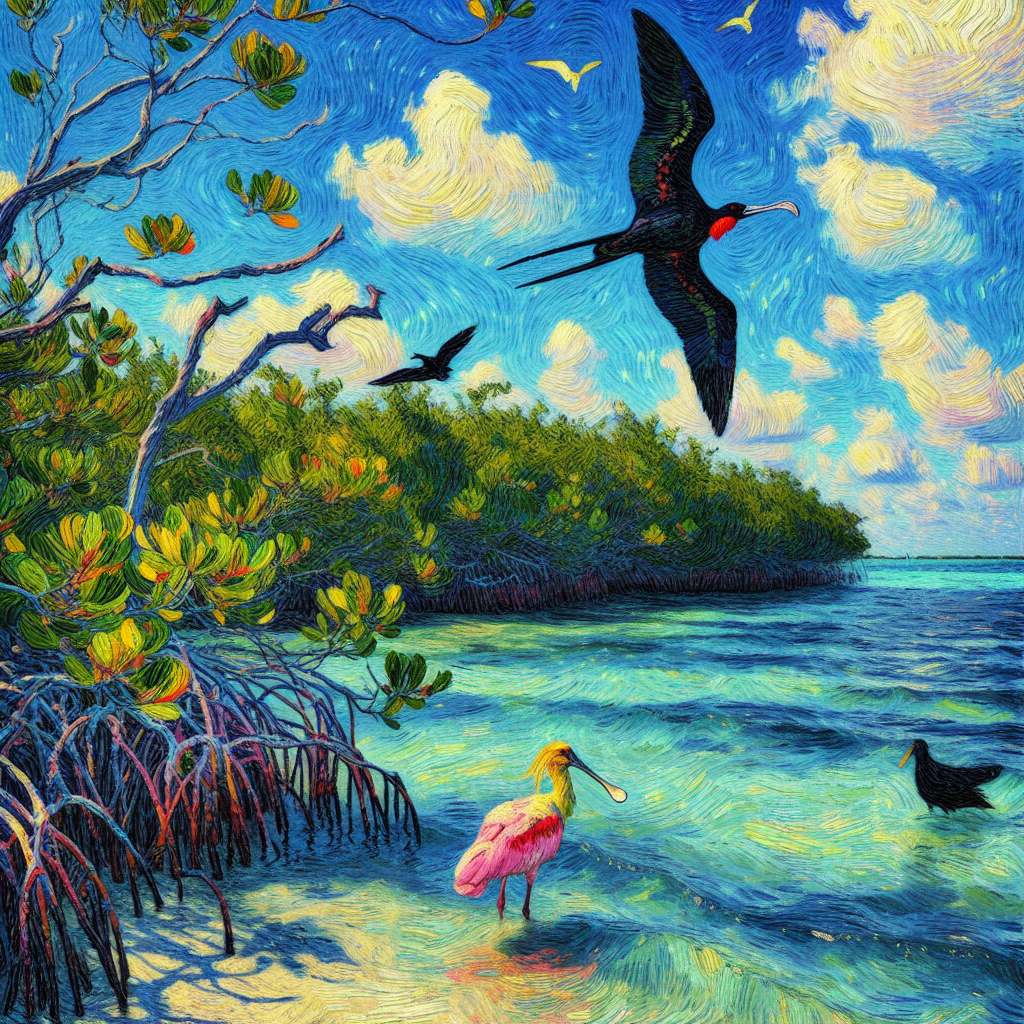
First up, the Magnificent Frigatebird. With an impressive wingspan that can reach nearly eight feet, these are some of the most awe-inspiring flyers around. You’ll spot the male’s striking black plumage and the bright red throat pouch, puffed up as it attempts to woo a mate. Watching one soar effortlessly on the thermals is a reminder of nature’s raw power and elegance.
Then there’s the Roseate Spoonbill, best known for its eye-catching pink feathers and distinctive spoon-shaped bill. These striking birds are often seen wading through the shallow waters, sifting through the mud for morsels. They might just add a splash of color to your Cozumel memories, and if you happen to see one in the midst of its elegant dance while foraging, consider it a small gift from the island.
Keep your binoculars ready for the Yellow Warbler, a small, cheerful bird that flits through the mangroves. This little dynamo boasts a bright yellow body and a beautiful song that echoes through the island’s lush landscapes. Don’t be surprised if you find yourself enamored by its lively antics as it searches for insects and berries.
You can’t talk about Cozumel’s feathered inhabitants without mentioning the native Yucatán Jay. These striking blue and black birds are known for their boisterous calls and curious nature. They can often be found hopping through the trees, looking for nuts, seeds, or even the occasional pesky insect to snack on.
And let’s not forget the numerous shorebirds that thrive along Cozumel’s coastlines. From Ospreys diving for fish to Willets probing the sand for treats, the shoreline is alive with activity.
In Cozumel, every bird has a story, and by simply looking up, you can start writing your own chapter in this vibrant natural narrative. Grab your camera, take a deep breath, and dive into the avian world that’s waiting for you above.

What Types Of Birds Can You See In Cozumel?
What Types Of Birds Can You See In Cozumel?
- Cozumel is renowned for its stunning natural beauty, including azure waters and vibrant coral reefs.
- The island is also home to a diverse range of bird species, making it a worthwhile destination for birdwatchers.
- The Magnificent Frigatebird, with its nearly eight-foot wingspan and striking male plumage, is a prominent sight.
- Roseate Spoonbills are known for their vibrant pink feathers and unique spoon-shaped bills, often found wading in shallow waters.
- The cheerful Yellow Warbler, recognizable by its bright yellow body, is frequently spotted in mangroves.
- The native Yucatán Jay showcases a mix of blue and black coloring and is known for its curious and boisterous behavior.
- Cozumel’s coastline is alive with various shorebirds, including Ospreys and Willets, adding to the island’s vibrant avian presence.
What Types Of Birds Can You See In Cozumel?
When Is The Best Time For Bird Watching In Cozumel?
Cozumel, with its sun-soaked beaches and vibrant coral reefs, is a paradise for many. Yet, if you’re looking to trade sand for feathered friends, you might want to consider the timing of your visit. Bird watching in Cozumel is not just an activity; it’s an experience that can make you feel more connected to this Caribbean gem. But when’s the ideal time to grab your binoculars and hit the trails?
Let’s start with the weather. Cozumel enjoys a tropical climate, characterized by warm temperatures year-round. However, the birds have their own calendars, and knowing these can substantially enhance your bird-watching adventure. The prime months for spotting a variety of species are from October to May. This period marks the migratory season, when numerous birds make their way to Cozumel from colder regions. Winter is when the island’s skies become a canvas painted with various migratory species, and the chances of witnessing colorful flocks are at their peak.
The nesting season from late March through April can also be a striking time to visit. Many local birds, including the inquisitive Black-crowned Night-Heron and the majestic Osprey, are busy raising their young. This added activity can give keen observers a glimpse into the birds’ intimate lives, showcasing courtship displays and feeding behaviors. Plus, the island’s warmer evenings are perfect for nocturnal bird-watching, which unveils a whole new dimension of avian activity.
Consider the time of day as well. Early mornings, just as the sun begins to rise and the world awakens, are often the best times for birding. The air is cooler, and the birds are most active, calling and flitting about in search of breakfast. You bundle up your thermos of coffee and head out to the sounds of chirps and rustles—an orchestra of nature waiting for you to take part.
Don’t forget to explore different habitats, too. Cozumel boasts everything from mangroves to salt marshes, and each environment has its own unique avian residents. By varying your locations throughout the year, you’ll gain access to a cornucopia of sights and sounds, expanding your birding collection like a seasoned pro.
In short, if you’re looking to enjoy the best bird-watching experience in Cozumel, plan your visit during the migratory months, embrace the early mornings, and explore the diverse ecosystems of this enchanting island. Prepare your gear, take a deep breath, and get ready to feel the thrill of spotting that elusive bird in the wild. Happy watching!

When Is The Best Time For Bird Watching In Cozumel?
When Is The Best Time For Bird Watching In Cozumel?
- Cozumel is a paradise known for sun-soaked beaches and vibrant coral reefs.
- The best time for bird watching in Cozumel is from October to May, during migratory season.
- Late March through April is ideal for observing nesting local birds like the Black-crowned Night-Heron and Osprey.
- Early mornings are the most productive time for birding due to cooler air and increased bird activity.
- Different habitats, such as mangroves and salt marshes, should be explored for diverse avian species.
- Prepare your bird-watching gear and plan visits to enhance your experience.
- Enjoy the thrill of spotting various birds and immerse yourself in Cozumel’s natural beauty.

When Is The Best Time For Bird Watching In Cozumel?
Are There Guided Bird Watching Tours Available In Cozumel?
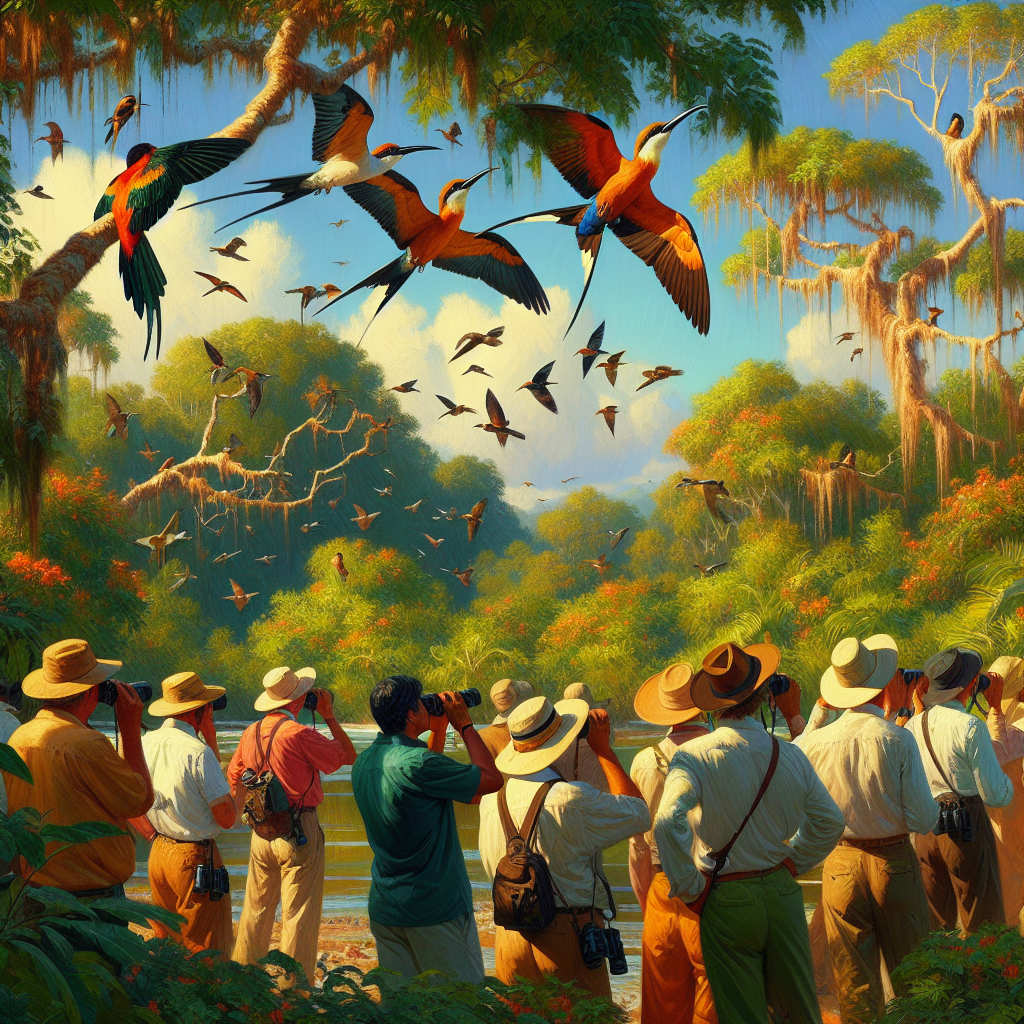
If you find yourself in Cozumel—a vibrant isle kissed by the Caribbean Sea—you might want to set aside some time to explore its feathered residents. Sure, the beaches and the tequila can be incredibly tempting, but trust me, the local avian population is worth a gander, or several. Fortunately, for those who prefer not to venture out solo into the lush jungles or mangroves, guided bird watching tours are at your disposal.
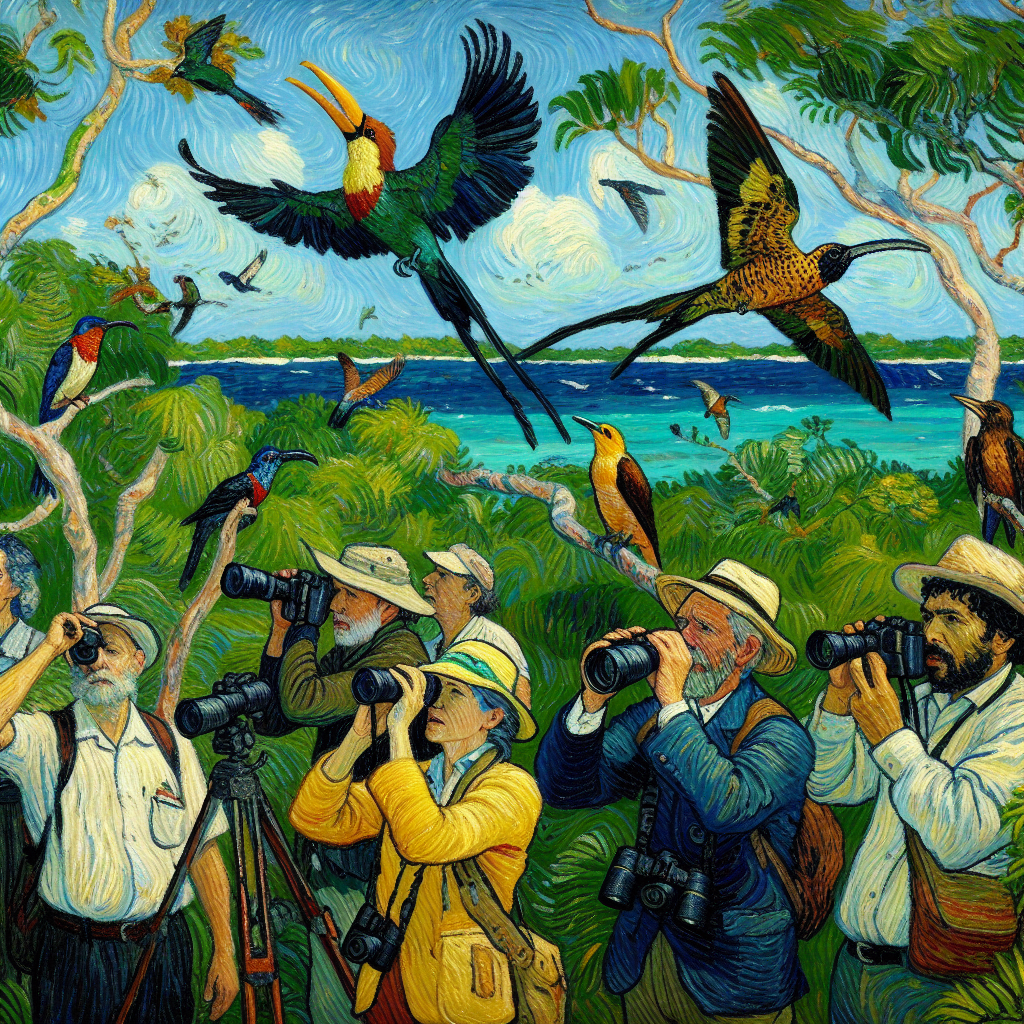
So, what can you expect from these guided tours? Well, first off, you’ll be in the hands of knowledgeable guides, many of whom can name not only the birds you’re looking at but also have an encyclopedia of stories to tell you about them. These folks generally possess a passion that you can sense in their voice—a mixture of excitement and reverence for the natural world that’s contagious. You may find them just as captivated by the cutthroat drama of a warbler’s life as you are.
Cozumel is home to an impressive array of bird species, with over 200 types reported to frequent the island. Excursions often lead you to prime spots like the Cozumel Island and the lush jungles that abound with tropical birds. Expect the elusive cinnamon hummingbird to flit by, or perhaps you’ll catch a glimpse of the majestic frigatebird soaring overhead. And don’t overlook the bright orange of the endemic Cozumel emerald hummingbird—the little guy has a habit of stealing the show.
Many of these tours also prioritize sustainability and conservation, ensuring that the fragile ecosystems of Cozumel thrive. Guides typically inform you about the importance of protecting these brown pelican nests or the mangrove habitats that shelter countless species. It’s a thoughtful approach that respects both the land and its inhabitants—something we could all stand to learn from.
Equipment? Most tours provide you with the optics—binoculars and spotting scopes—to catch the best views. And hey, if you’ve got your own gear, bring it along! You’ll want to be prepared to aim at that elusive bird perched high in the treetops.
To put it plainly, if you’re craving a little adventure off the beaten path of the typical island tour, a guided bird watching expedition might just be the ticket. You’ll come back with more than just a tan; you’ll have stories to share—a reverent appreciation for the unique avian life that thrives in this tropical paradise.
Are There Guided Bird Watching Tours Available In Cozumel?
Are There Guided Bird Watching Tours Available In Cozumel?
- Cozumel offers rich bird watching opportunities alongside its beaches and tequila.
- Guided bird watching tours are available, led by passionate and knowledgeable guides.
- Over 200 bird species can be spotted on the island, including the cinnamon hummingbird and Cozumel emerald hummingbird.
- Excursions typically visit prime locations like Cozumel Island and lush jungles.
- Many tours emphasize sustainability and conservation, teaching participants about protecting local ecosystems.
- Most tours provide binoculars and spotting scopes, but personal equipment is welcome.
- A guided bird watching expedition offers a unique adventure and a deeper appreciation for local avian life.
Are There Guided Bird Watching Tours Available In Cozumel?
What Equipment Do You Need For Bird Watching In Cozumel?
When you think about bird watching in Cozumel, you might picture a serene beach sunset, the gentle rustle of palm fronds, and the cheerful symphony of lilting bird calls echoing through the air. But to truly immerse yourself in this avian paradise, you’ll need more than just a knack for sitting still and a love for the great outdoors. You’ll require some essential equipment that balances utility with the joys of observation.
First up on our list is a quality pair of binoculars—or as I like to call them, your backyard wings. This isn’t a time for bargain-bin toys; investing in a decent set of binoculars with an appropriate magnification (8x to 10x) will make all the difference. Look for a lightweight and waterproof model; Cozumel’s humidity and occasional showers can turn a leisurely outing into an unexpected soak. Remember, the crisp, clear vision will help you spot a lazy hummingbird or an elusive Caribbean dove from a suitable distance without startling them.
Next, let’s talk about optics. A spotting scope can elevate your bird-watching game, particularly if you’re keen on studying the intricate details of those feathered friends high atop palm trees or toasting in the sunlight. Generally mounted on a tripod, this equipment allows you to enjoy a high-powered view while keeping your hands free for a detailed field guide or a snack—because let’s be real, you can’t focus on an azure kingfisher’s plumage on an empty stomach.
The fun doesn’t stop there; a solid field guide specific to the region can be your trusty companion. You’ll want something that includes captivating photos and distinguishing features for the birds native to Cozumel. Whether it’s the vibrant hues of the roseate spoonbill or the subtler charms of a yellow-throated warbler, having a reference on hand enhances the experience and boosts your knowledge.
Don’t forget about sun protection. A wide-brimmed hat and sunglasses will keep you comfortable during long hours of observation under the glorious sun. A sturdy backpack to carry your gear is essential; you’ll want to make sure you can trek both near the shore and into the tropical heart of the island with ease.
Finally, embrace the spirit of camaraderie. A notebook or sketchpad encourages you to jot down your experiences or capture your favorite moments. Bird watching is as much about savoring the journey as it is about what you spot along the way. So gear up, get outside, and let Cozumel’s dazzling feathered denizens take center stage in your own adventure.

What Equipment Do You Need For Bird Watching In Cozumel?
What Equipment Do You Need For Bird Watching In Cozumel?
- Bird watching in Cozumel offers a serene natural experience full of wildlife.
- A quality pair of binoculars (8x to 10x magnification) is essential for spotting birds.
- Opt for lightweight, waterproof binoculars to handle Cozumel’s humid environment.
- A spotting scope on a tripod can enhance your view of birds at higher elevations.
- A detailed field guide specific to Cozumel’s birds enriches the observation experience.
- Sun protection gear, including a wide-brimmed hat and sunglasses, is important for comfort.
- A notebook or sketchpad encourages reflection and creativity during bird-watching adventures.

What Equipment Do You Need For Bird Watching In Cozumel?
How Beginner-Friendly Is Bird Watching In Cozumel?
Cozumel, with its crystal-clear waters and lush landscapes, isn’t just a paradise for sunbathers and snorkelers; it’s also a hidden gem for bird watchers. Now, before you roll your eyes and assume this is just another hobby reserved for tweed-jacketed enthusiasts, let me assure you: bird watching in Cozumel is as approachable as it gets.
First off, let’s talk accessibility. Unlike some destinations that require deep knowledge of local bird species or extensive gear, Cozumel rolls out the welcome mat for novices. You don’t need a PhD in ornithology to start spotting the feathered inhabitants here. The island boasts a variety of ecosystems—wetlands, coastal mangroves, and coral reefs—making it one of Mexico’s premier birding locales. Grab a pair of binoculars, download an app, and you’re already light years ahead.
Now, speaking of birds, you’ll find Cozumel is home to a fascinating array that ranges from the hummingbird to the endemic Cozumel Emerald. If you’re lucky, you might catch glimpses of migrant species that pass through. The birds here don’t operate on some high-brow set of rules; they’re simply living their lives, and all you have to do is stand still and take it in. You’ll be amazed at how these creatures, with their vibrant plumage and unique calls, can suddenly appear right before your eyes, turning what could have been a mundane stroll into a hearty thrill.
And don’t forget about the locals! The residents of Cozumel are proud of their island’s avian inhabitants and are more than happy to lend a hand. Whether it’s a guided tour or a casual chat, they can direct you to the best spots, like the Punta Sur Eco Beach Park, where you can often see flocks of flamingos or even herons that make their home in the mangroves.
For those concerned about physical rigor, worry not. Most bird watching around Cozumel can be done at a leisurely pace, allowing you to enjoy the scenery without feeling like you just ran a marathon. Easy trails wind through picturesque settings that make even the most novice observer feel like they’re in an adventure movie, minus the high-intensity soundtrack.
In essence, bird watching in Cozumel is not just beginner-friendly; it’s an open invitation to embrace nature. So whether you’re a seasoned pro or just someone looking to sip a cool drink while watching nature unfold, there’s a spot waiting for you amid the chirps and flutters of this vibrant island.

How Beginner-Friendly Is Bird Watching In Cozumel?
How Beginner-Friendly Is Bird Watching In Cozumel?
- Cozumel is a paradise for both sunbathers and bird watchers.
- Bird watching in Cozumel is accessible for novices with no need for extensive knowledge or gear.
- The island features diverse ecosystems, including wetlands, coastal mangroves, and coral reefs.
- Cozumel is home to an array of birds, from hummingbirds to the endemic Cozumel Emerald.
- Local residents are enthusiastic about bird watching and can provide guidance on the best spots, such as Punta Sur Eco Beach Park.
- Bird watching can be enjoyed at a leisurely pace along easy trails in picturesque settings.
- The experience invites all, from beginners to seasoned enthusiasts, to connect with nature in a vibrant environment.

How Beginner-Friendly Is Bird Watching In Cozumel?
Are There Any Bird Watching Clubs In Cozumel?
Cozumel—a name that conjures images of sun-soaked beaches, warm azure waters, and vibrant coral reefs. But for those with a penchant for feathered friends, there’s an entirely different layer to this tropical jewel. Yes, while tourists flock to the waterfront and sip fruity drinks, a passionate community of bird watchers discerns a different kind of beauty in Cozumel’s lush ecosystems.
Now, before we dive into the avian aspects of this island paradise, let’s set the scene. Enveloped in natural splendor, Cozumel boasts a treasure trove of bird species. The island is a migratory stop, housing hundreds of birds, from the radiant roseate spoonbill to the enigmatic American kestrel. But who’s keeping track of all these winged wonders? Enter the bird watching clubs.
There might not be a bustling scene of formal birding organizations on the island like you’d find in some larger cities, but that doesn’t mean bird enthusiasts are hard to come by. In fact, many nature lovers have created informal groups through social media and local associations. These collectives pull together locals and tourists alike, eager to explore walking trails, wetlands, and the rocky coastline teeming with birdlife.
If you’re keen on joining such a group, start by looking at local ecological associations or community boards. Often, word of mouth travels faster than any social network, so don’t hesitate to ask around at local cafes or convenience stores. People in Cozumel are friendly; they take pride in their natural environment and will likely point you in the direction of someone who shares your interests.
Many of these clubs organize outings that vary from casual strolls with binoculars in hand to more structured “big days” where the goal is to spot as many species as possible in a single outing. As you make your way through mangroves or along coastal paths, you’ll find not just the thrill of spotting a rare bird, but also a sense of camaraderie with fellow enthusiasts.
In a world increasingly dominated by screens and city lights, bird watching is a reminder that some of life’s most enriching experiences lie just outside your front door—or in this case, fluttering above it. So, grab a pair of binoculars, reach out to some locals, and step into the vibrant community of birdwatchers that awaits you in Cozumel.

Are There Any Bird Watching Clubs In Cozumel?
Are There Any Bird Watching Clubs In Cozumel?
- Cozumel is known for its stunning beaches, waters, and coral reefs, but also offers rich bird-watching opportunities.
- The island serves as a migratory stop for hundreds of bird species, including the roseate spoonbill and American kestrel.
- While there are no formal birding organizations, informal bird watching groups exist, forming through social media and local associations.
- Local bird enthusiasts often gather to explore Cozumel’s walking trails, wetlands, and coastline.
- Interested individuals can connect with bird watching clubs via ecological associations or community boards.
- Club activities range from casual bird watching strolls to structured events aimed at spotting as many species as possible.
- Engaging in bird watching in Cozumel offers a sense of community and a chance to enjoy the local natural environment.

Are There Any Bird Watching Clubs In Cozumel?
Is Cozumell Home to Birds Found Nowhere Else In The World?
Nestled in the turquoise embrace of the Caribbean Sea, Cozumel isn’t just a paradise for sunbathers and snorkelers; it’s also a haven for birdwatchers who come seeking species that flit about the island like gems in a tropical crown. But what sets Cozumel apart isn’t just the stunning scenery and vibrant culture; it’s the unique avian life that calls this island home.
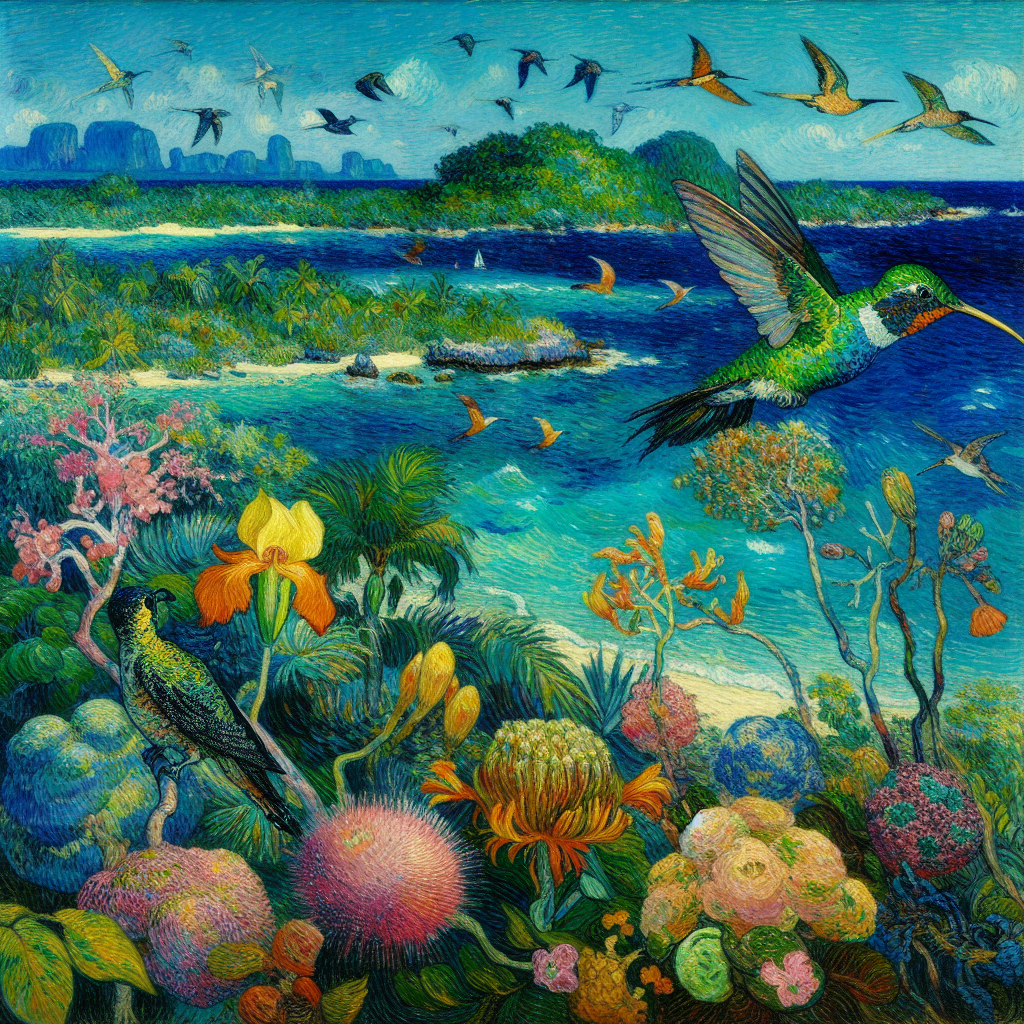
Among the many feathered residents of Cozumel, the Cozumel Emerald stands out—both for its dazzling plumage and its exclusive claim to this island paradise. This tiny hummingbird, with its iridescent green and blue feathers, is not just eye candy but a testament to the island’s unique ecosystem. While its relatives flit about the mainland, the Cozumel Emerald sticks to the lush jungles and vibrant gardens of Cozumel, offering birdwatchers a front-row seat to nature’s own fireworks display when it comes to mating season.
But the Cozumel Emerald isn’t the only avian ambassador of the island. The elusive Cozumel Wren, with its distinct call and charming demeanor, can only be found in this slice of paradise. This species has adapted to the more sedentary lifestyle of the island, often seen poking around the underbrush or boldly flitting between branches. Bird enthusiasts flock to Cozumel, hoping to catch a glimpse of these rare wrens, learning that while the eco-balance of the island is finely tuned, it can be easily disrupted, reminding us of our role as stewards of nature.
Of course, birdwatching in Cozumel isn’t limited to just the rare finds. The island is a stopover for migratory birds, making it an exceptional locale for spotting seasonal visitors. From majestic frigatebirds to colorful tanagers, Cozumel’s diverse habitats—mangroves, coral reefs, and dense forests—support a kaleidoscope of birdlife. For every endemic species, there are profound lessons in conservation and biodiversity, where enthusiasts can revel in the splendor of the natural world while understanding the fragility of these ecosystems.
So, is Cozumel home to birds found nowhere else? Absolutely. With its unique flora and fauna, this island represents a microcosm of the Earth’s vast avian diversity. A visit here isn’t just a getaway; it’s a chance to witness nature’s masterpieces, each flight a reminder of why we should cherish and protect these irreplaceable treasures.
Is Cozumell Home to Birds Found Nowhere Else In The World?
Is Cozumell Home to Birds Found Nowhere Else In The World?
- Cozumel is a paradise for birdwatchers, offering unique species in addition to its scenic beauty.
- The Cozumel Emerald, a tiny hummingbird, is exclusive to the island and showcases its unique ecosystem.
- This hummingbird features iridescent green and blue feathers, particularly active during mating season.
- The Cozumel Wren, another unique species, is characterized by its distinct call and charming behaviors.
- Cozumel serves as a stopover for migratory birds, supporting a variety of species across different habitats.
- The island’s ecological balance is delicate, highlighting the importance of conservation and stewardship.
- A visit to Cozumel offers an opportunity to appreciate and protect the island’s unique avian diversity.

Is Cozumell Home to Birds Found Nowhere Else In The World?
Conclusion
So, can you go bird watching in Cozumel? The short answer is a resounding yes! But let’s not stop there—Cozumel isn’t just a tropical retreat for sunbathers and divers. It’s a vibrant tapestry of ecosystems brimming with over 200 species of birds that quietly go about their business, begging for a little attention from anyone willing to lift their gaze from the beach to the sky.
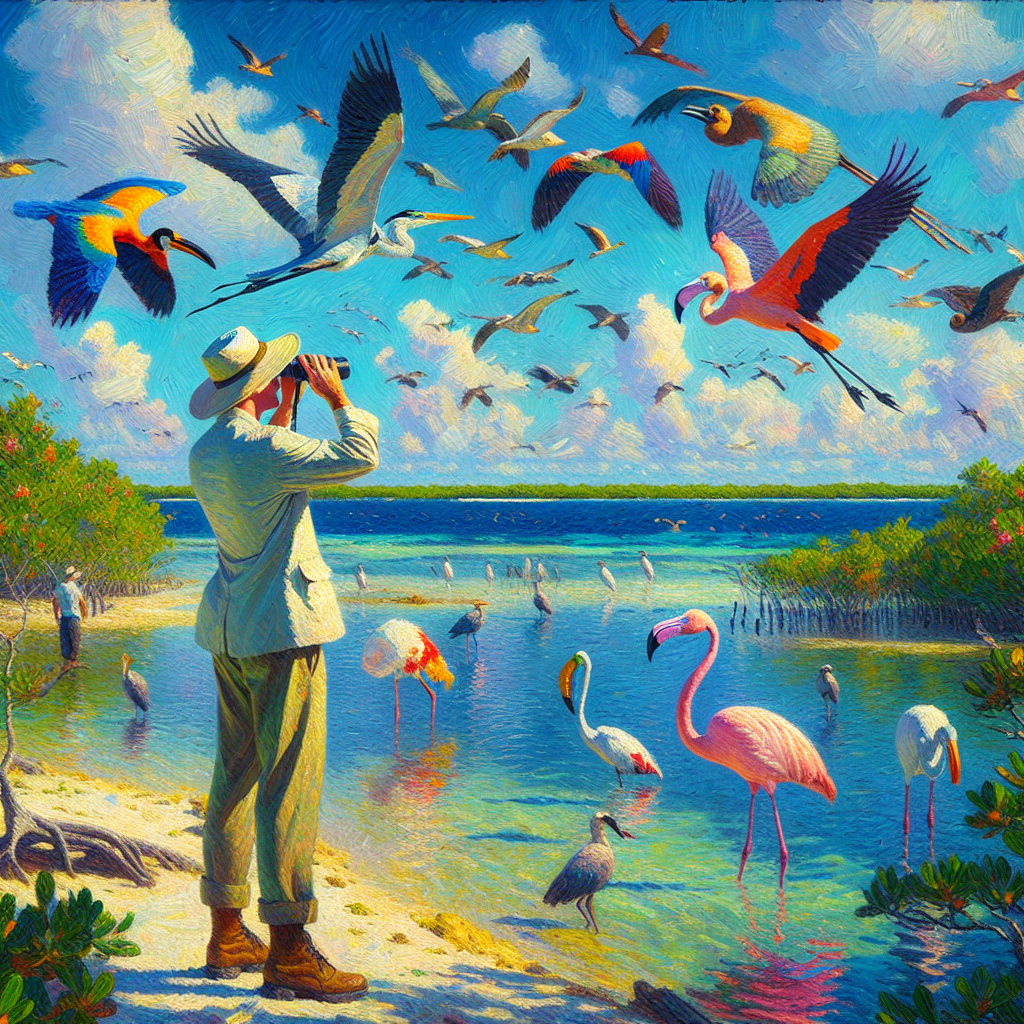
Picture yourself standing on the coastline, with the warm Caribbean breeze gently tousling your hair and the brilliant blues of the ocean as your backdrop. Your binoculars are your ticket to a world alive with feathered color and life. From the majestic Great Egret with its elegant stance to the pink-hued Roseate Spoonbill that looks like it just stepped off a cotton-candy cloud, the birding experience here is nothing short of enchanting.
What makes Cozumel a hidden gem? It’s not just about the birds themselves, but the diversity of habitats that they call home—mangroves, wetlands, and coastal lagoons all play host to these avian wonders. Head to Punta Sur Eco Beach Park, where a birdwatcher can experience everything from the leisurely waddle of an American Flamingo to the stealthy hunting techniques of the Black-crowned Night-Heron. Feeling adventurous? Guided eco-tours lead you deeper into the island’s heart, making sure you don’t miss the unseen gems that hide within the jungles.
And don’t worry, bird watching in Cozumel is a beginner’s game, too. You don’t need a degree in ornithology to appreciate the fluttering wings around you. Whether you’re a veteran birdwatcher with a meticulous journal or someone just looking to connect with nature, Cozumel welcomes you with open wings and flapping tails. Plus, it offers a social scene with informal clubs and groups where enthusiasts gather, swap stories, and share tips on spotting the elusive Cozumel Emerald or the lively Yucatán Jay.
So, grab your binoculars, pour yourself a coffee, and prepare to have your spirit lifted by the symphony of calls that greets the dawn over this spectacular island. The opportunity to witness nature’s breathtaking array of birdlife awaits—let’s see what you can discover under those wide blue skies. Happy birding, my friends!

Conclusion
Conclusion:
- Cozumel is an excellent destination for bird watching with over 200 species of birds.
- The diverse ecosystems, including mangroves and coastal lagoons, support a rich variety of avian life.
- Punta Sur Eco Beach Park is a prime location for birdwatching, featuring species like the American Flamingo and Black-crowned Night-Heron.
- Birdwatching can be enjoyed by both beginners and experienced enthusiasts, with no special knowledge required.
- There are informal clubs and groups for birdwatchers to share experiences and tips.
- Guided eco-tours are available for those looking to explore deeper into the island’s jungles.
- Cozumel provides a beautiful backdrop for observing birdlife amidst the stunning Caribbean scenery.
Conclusion
Other Resources

Other Resources
Cozumel rewards travelers who stay longer than the cruise ship crowd. If that’s the kind of trip you’re cooking up, here’s where we’d point you for lodging. Cozumel Journey is an editorial guide to Cozumel — neighborhoods, planning tips, and life on the island for travelers who want context, not a cruise schedule.
Here is a list of other resources you can review online to learn more:
- Which Exotic Birds Call Cozumel Their Island Paradise?
- Playa Mia Water Park
- La Cocina De Silvia
- Eduardo Toledo Aerodrome
- The Westin Cozumel
- Tulum
- The Thirsty Cougar
- Palancar Reef
- The Money Bar Beach Club
- Mayan Bee Sanctuary
- Cozumel Journey
Use This Prompt To Get More Resources With Your Favorite Online AI Tool: Please provide me with a list of online articles with their URLs in a bulleted list that I can read regarding Can You Go Bird Watching In Cozumel?

Other Resources
Glossary Terms
Can You Go Bird Watching In Cozumel? – Glossary Of Terms
1. Avifauna: The collection of bird species that inhabit a specific region, such as Cozumel.
2. Biodiversity: The variety of life in a particular habitat or ecosystem, important for maintaining ecological balance.
3. Binoculars: A handheld optical instrument with lenses that enables bird watchers to see distant birds clearly.
4. Birding: The recreational activity of observing and identifying birds in their natural habitats.
5. Endemic Species: Birds that are native to and found exclusively in Cozumel, such as the Cozumel Emerald.
6. Migration: The seasonal movement of birds from one region to another, often to find food or breeding grounds.
7. Habitat: The natural environment in which a bird species lives, including forests, wetlands, or coastal areas.
8. Field Guide: A reference book containing images and descriptions of local bird species to aid in identification during bird watching.
9. Bird Call: The vocal sounds produced by birds, often used for communication between species, and can be used for identification.
10. Feeding Behavior: The habits and techniques birds use to find and consume food, essential for understanding their ecology.
11. Eco-tourism: Sustainable travel practices that focus on visiting natural areas to observe wildlife, including bird watching in Cozumel.
12. Raptor: Birds of prey, such as hawks and owls, that are significant for birding enthusiasts due to their hunting capabilities.
13. Species Identification: The process of recognizing and classifying birds based on their physical characteristics and behaviors.
14. Wetlands: Ecosystems saturated with water, either permanently or seasonally, that provide essential habitats for various bird species.
15. Ornithology: The scientific study of birds, encompassing their behavior, ecology, and conservation.
16. Spotting Scope: A powerful, portable telescope used for long-distance bird observation, offering higher magnification than binoculars.
17. Photodocumentation: Capturing images of birds for identification or research purposes, useful for both amateurs and professionals.
18. Conservation: The protection and management of bird habitats to prevent extinction and maintain biodiversity.
19. Twitching: The pursuit of spotting rare or out-of-range bird species, often leading bird watchers to travel great distances.
20. Nesting Sites: Locations where birds build their nests for laying eggs and raising young, critical for breeding success.
21. Flock: A social group of birds that travel or feed together, often providing opportunities for observation and study.
22. Life List: A record kept by bird watchers of all the bird species they have identified throughout their lives.
23. Hearing Aid: A device or technology that amplifies sounds, helping bird watchers identify birds based on their calls and songs.
24. Pelagic Birds: Bird species that live primarily at sea, found around coastal areas of Cozumel.
25. Pest Control: The role birds play in controlling insect populations, benefitting agriculture and human habitation.
26. Ecosystem Services: The benefits provided by birds and their habitats, such as pollination, seed dispersal, and pest control.
27. Bander: A person trained to capture and safely mark birds for research purposes, providing valuable data on migratory patterns.
28. Sighting Report: Documentation of bird observations, often shared among bird watching communities to track rare species.
29. Guide Tour: Organized excursions led by an expert who provides insights and knowledge about bird species and habitats in Cozumel.
30. Responsible Birding: Ethical practices that ensure minimal disturbance to wildlife and habitats, promoting conservation and sustainability in bird watching activities.

Glossary Of Terms
Other Questions
Can You Go Bird Watching In Cozumel? – Other Questions
If you wish to explore and discover more, consider looking for answers to these questions:
- What are the best times of year for bird watching in Cozumel?
- What kind of binoculars are best for bird watching in Cozumel?
- Are there any specific bird species that are harder to spot in Cozumel?
- What are some common bird watching etiquette tips?
- Can you rent bird watching equipment in Cozumel?
- What other wildlife can you expect to see while bird watching in Cozumel?
- Are there any local bird watching events or festivals in Cozumel?
- What accommodations are available in Cozumel for bird watchers?
- Is it safe to go bird watching alone in Cozumel?
- What are some recommended field guides for birds of Cozumel?

Other Questions
Haiku
Can You Go Bird Watching In Cozumel? – A Haiku
In Cozumel’s skies,
Colorful birds dance and thrive,
Nature’s gems await.

Haiku
Poem
Can You Go Bird Watching In Cozumel? – A Poem
In Cozumel’s sunlit dance,
Nature’s whisper calls the glance,
A paradise where waters gleam,
Yet skies conceal a vibrant dream.
With binoculars clutched in hand,
A canvas spreads of lush demand,
Among the palms and mangroves dense,
Feathered wonders, wild and immense.
Great Egrets with elegance glide,
Roseate Spoonbills, colors collide,
A chorus sings as dawn awakes,
The island shivers, the heart it shakes.
Punta Sur’s haven, a birder’s delight,
Coastal lagoons, endless sights,
Flamingos wade, herons preen,
In nature’s symphony, pure and serene.
Early hours capture the thrill,
As birds emerge, the air they fill,
From Magnificent Frigatebirds in the sky,
To the tiny Emerald, zipping by.
Not just a pastime, a welcoming space,
Where the novice finds a gentle grace,
Guided tours weave stories deep,
While camaraderie in every peep.
Cozumel nurtures its avian kin,
With endemic beauties, tucked within,
A call for peace in nature’s guise,
To treasure wings that grace the skies.
So lift your eyes and heed the call,
In this sanctuary, we stand in thrall,
For every flutter, song, and flight,
Cozumel’s birds invite delight.

Poem
Checklist
Can You Go Bird Watching In Cozumel? – A Checklist
Preparation Checklist
_____ Binoculars: Ensure you have a quality pair (8x to 10x). Consider waterproof and lightweight models for comfort and durability.
_____ Field Guide: Bring a field guide specific to Cozumel’s birds. This can help you identify various species and enhance your experience.
_____ Spotting Scope: If possible, pack a spotting scope for close-up views of distant birds; this is especially useful in areas with tall vegetation.
_____ Backpack: Use a sturdy backpack to carry your gear comfortably, ensuring easy access while on the trails.
_____ Notebook/Sketchpad: For jotting down notes or sketching the birds you see.
Personal Gear Checklist
_____ Comfortable Clothing: Dress in breathable, light layers suitable for the tropical climate.
_____ Sun Protection: Pack a wide-brimmed hat, sunglasses, and sunscreen to protect yourself from the sun.
_____ Water and Snacks: Stay hydrated and energized for your outings with sufficient water and light snacks.
_____ Camera: Don’t forget your camera to capture stunning bird moments and landscapes.
Timing and Planning Checklist
_____ Best Months to Visit: Plan your visit between October to May for optimal bird watching during migratory seasons.
_____ Early Morning Outings: Aim for early morning excursions when birds are most active.
_____ Explore Diverse Habitats: Include different ecosystems in your itinerary, such as mangroves, wetlands, and coastal areas.
Activity Checklist
_____ Research Birding Sites: Identify and visit top spots like:
_____ Punta Sur Eco Beach Park
_____ Cozumel Pearl Farm
_____ San Gervasio Ruins
_____ Join Guided Tours: Consider participating in eco-tours led by knowledgeable guides for an enriched experience.
_____ Connect with Local Bird Watching Clubs: Engage with local enthusiasts for group outings, tips, and shared experiences.
Birds to Look For Checklist
_____ Endemic Species: Search for the Cozumel Emerald and Cozumel Wren.
_____ Common Species: Familiarize yourself with birds like:
_____ Magnificent Frigatebird
_____ Roseate Spoonbill
_____ Yellow Warbler
_____ Yucatán Jay
_____ Black-crowned Night-Heron
Enjoyment Checklist
_____ Relax and Observe: Take your time to immerse yourself in the surroundings. Enjoy the beauty of the nature around you.
_____ Share Your Experience: Consider documenting your bird watching in a blog or social media to inspire others.
Final Thoughts
_____ Leave No Trace: Always respect nature by minimizing your impact. Keep to designated paths and avoid disturbing wildlife.
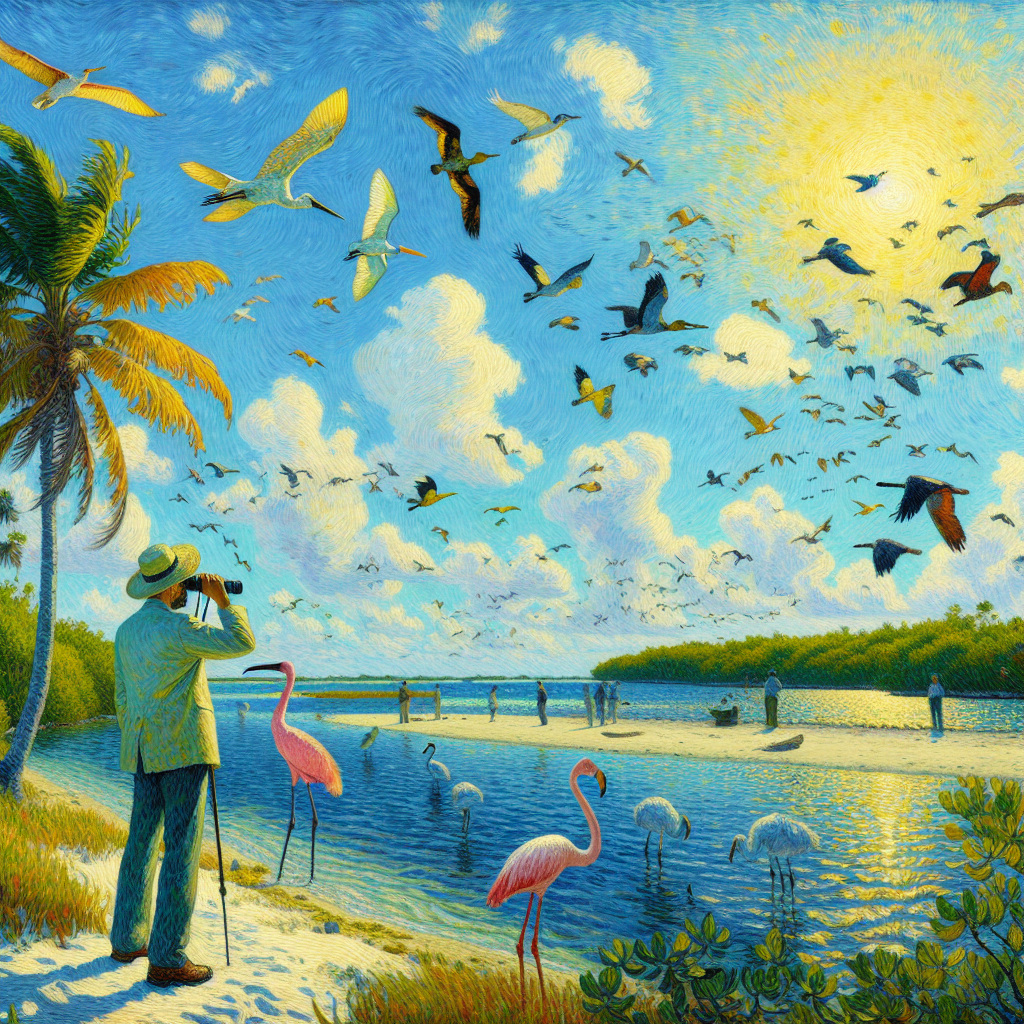
Prepare yourself for an unforgettable bird watching adventure in Cozumel, and enjoy discovering the vibrant avian life this beautiful island has to offer!
Checklist
Jeopardy! Style Puzzle
Here’s a Jeopardy-style game structure using the provided glossary terms and definitions. Each category contains clues with a corresponding answer format.
Categories:
1. Bird Watching Tools
2. Bird Behavior & Ecology
3. Conservation & Ecosystems
4. Types of Birds
5. Birding Activities
Bird Watching Tools
$200 Clue: A handheld optical instrument with lenses that enables bird watchers to see distant birds clearly.
Correct Answer: What is Binoculars?
$400 Clue: A powerful, portable telescope used for long-distance bird observation, offering higher magnification than binoculars.
Correct Answer: What is a Spotting Scope?
$600 Clue: A reference book containing images and descriptions of local bird species to aid in identification during bird watching.
Correct Answer: What is a Field Guide?
$800 Clue: A device or technology that amplifies sounds, helping bird watchers identify birds based on their calls and songs.
Correct Answer: What is a Hearing Aid?
$1000 Clue: Capturing images of birds for identification or research purposes, useful for both amateurs and professionals.
Correct Answer: What is Photodocumentation?
Bird Behavior & Ecology
$200 Clue: The recreational activity of observing and identifying birds in their natural habitats.
Correct Answer: What is Birding?
$400 Clue: The collection of bird species that inhabit a specific region, such as Cozumel.
Correct Answer: What is Avifauna?
$600 Clue: The natural environment in which a bird species lives, including forests, wetlands, or coastal areas.
Correct Answer: What is Habitat?
$800 Clue: The habits and techniques birds use to find and consume food, essential for understanding their ecology.
Correct Answer: What is Feeding Behavior?
$1000 Clue: The process of recognizing and classifying birds based on their physical characteristics and behaviors.
Correct Answer: What is Species Identification?
Conservation & Ecosystems
$200 Clue: The protection and management of bird habitats to prevent extinction and maintain biodiversity.
Correct Answer: What is Conservation?
$400 Clue: The benefits provided by birds and their habitats, such as pollination, seed dispersal, and pest control.
Correct Answer: What are Ecosystem Services?
$600 Clue: Sustainable travel practices that focus on visiting natural areas to observe wildlife, including bird watching in Cozumel.
Correct Answer: What is Eco-tourism?
$800 Clue: Ecosystems saturated with water, either permanently or seasonally, that provide essential habitats for various bird species.
Correct Answer: What are Wetlands?
$1000 Clue: Birds that are native to and found exclusively in Cozumel, such as the Cozumel Emerald.
Correct Answer: What are Endemic Species?
Types of Birds
$200 Clue: Birds of prey, such as hawks and owls, that are significant for birding enthusiasts due to their hunting capabilities.
Correct Answer: What is a Raptor?
$400 Clue: Bird species that live primarily at sea, found around coastal areas of Cozumel.
Correct Answer: What are Pelagic Birds?
$600 Clue: A social group of birds that travel or feed together, often providing opportunities for observation and study.
Correct Answer: What is a Flock?
$800 Clue: The seasonal movement of birds from one region to another, often to find food or breeding grounds.
Correct Answer: What is Migration?
$1000 Clue: Locations where birds build their nests for laying eggs and raising young, critical for breeding success.
Correct Answer: What are Nesting Sites?
Birding Activities
$200 Clue: The pursuit of spotting rare or out-of-range bird species, often leading bird watchers to travel great distances.
Correct Answer: What is Twitching?
$400 Clue: Documentation of bird observations, often shared among bird watching communities to track rare species.
Correct Answer: What is a Sighting Report?
$600 Clue: Organized excursions led by an expert who provides insights and knowledge about bird species and habitats in Cozumel.
Correct Answer: What is Guide Tour?
$800 Clue: Ethical practices that ensure minimal disturbance to wildlife and habitats, promoting conservation and sustainability in bird watching activities.
Correct Answer: What is Responsible Birding?
$1000 Clue: A person trained to capture and safely mark birds for research purposes, providing valuable data on migratory patterns.
Correct Answer: What is a Bander?
This Jeopardy-style game can be enjoyed for educational purposes or as a fun activity among bird enthusiasts!
True False Quiz
Here is a true or false quiz based on your glossary terms and definitions:
1. Avifauna refers to the collection of fish species that inhabit a specific region.
False (Avifauna refers to bird species, not fish.)
2. Biodiversity is important for maintaining ecological balance in habitats and ecosystems.
True
3. Binoculars can help bird watchers see distant birds clearly.
True
4. Birding is a solitary activity that does not involve observing birds in their natural habitats.
False (Birding is a recreational activity that involves observing birds in their natural habitats.)
5. Endemic species are birds that are native to and found exclusively in a specific geographic region, like Cozumel.
True
6. Migration refers to the permanent movement of birds from one region to another.
False (Migration is typically a seasonal movement, not permanent.)
7. A habitat is the natural environment where a bird species lives.
True
8. A field guide contains images and descriptions of local bird species to aid in identification.
True
9. Bird calls are only used for attracting mates and have no other functions.
False (Bird calls are used for communication between species, and can also aid in identification.)
10. Feeding behavior is essential for understanding a bird’s ecology.
True
11. Eco-tourism focuses on sustainable travel practices but does not involve wildlife observation.
False (Eco-tourism includes visits to natural areas to observe wildlife.)
12. Raptors are birds of prey significant to birding enthusiasts.
True
13. Species identification is the process of recognizing and classifying birds based only on their size.
False (Species identification is based on physical characteristics and behaviors, not just size.)
14. Wetlands are ecosystems that are always saturated with water.
False (Wetlands can be saturated with water either permanently or seasonally.)
15. Ornithology is the study of trees and their ecosystems.
False (Ornithology is the scientific study of birds.)
16. A spotting scope provides higher magnification than binoculars for bird observation.
True
17. Photodocumentation involves capturing sound recordings of birds.
False (Photodocumentation refers to capturing images, not sound recordings.)
18. Conservation focuses on protecting bird habitats to maintain biodiversity.
True
19. Twitching is the casual observation of common bird species.
False (Twitching involves the pursuit of rare or out-of-range bird species.)
20. Nesting sites are where birds go to find food.
False (Nesting sites are locations where birds build nests, not where they find food.)
21. A flock is a social group of birds that often travel or feed together.
True
22. A life list is a record of all the bird species one has seen and identified throughout their life.
True
23. A hearing aid is an optical device used for bird watching.
False (A hearing aid amplifies sounds, but it is not used for visual observation.)
24. Pelagic birds are primarily found in terrestrial habitats.
False (Pelagic birds live primarily at sea.)
25. Pest control refers to the role birds play in controlling insect populations.
True
26. Ecosystem services include benefits provided by birds, like pest control and pollination.
True
27. A bander is a type of bird known for its colorful feathers.
False (A bander is a person trained to capture and mark birds for research.)
28. A sighting report is shared among bird watching communities to track rare species.
True
29. A guide tour involves individual bird watchers exploring on their own without expert insights.
False (A guide tour is led by an expert who provides knowledge about bird species and habitats.)
30. Responsible birding promotes conservation practices that ensure minimal disturbance to wildlife.
True
Feel free to use this quiz for educational purposes or bird watching activities!
Multiple Choice Quiz
Here’s a multiple-choice quiz using the provided glossary terms and their definitions:
Quiz: Bird Watching Concepts
1. What term describes the collection of bird species that inhabit a specific region, such as Cozumel?
a) Biodiversity
b) Avifauna
c) Habitat
d) Eco-tourism
Correct Answer: b) Avifauna
2. Which term refers to the recreational activity of observing and identifying birds in their natural habitats?
a) Bird Call
b) Migration
c) Birding
d) Spotting Scope
Correct Answer: c) Birding
3. What is the variety of life in a particular habitat or ecosystem, important for maintaining ecological balance?
a) Species Identification
b) Conservation
c) Biodiversity
d) Flock
Correct Answer: c) Biodiversity
4. Which instrument is used by bird watchers to see distant birds clearly?
a) Field Guide
b) Binoculars
c) Raptor
d) Hearing Aid
Correct Answer: b) Binoculars
5. What term describes birds that are native to and found exclusively in Cozumel?
a) Pelagic Birds
b) Endemic Species
c) Flock
d) Nesting Sites
Correct Answer: b) Endemic Species
6. What is the term for the seasonal movement of birds from one region to another, often to find food or breeding grounds?
a) Migration
b) Nesting Sites
c) Feeding Behavior
d) Photodocumentation
Correct Answer: a) Migration
7. What term refers to the natural environment in which a bird species lives?
a) Habitat
b) Species Identification
c) Ecosystem Services
d) Eco-tourism
Correct Answer: a) Habitat
8. What is a reference book that contains images and descriptions of local bird species for identification?
a) Spotting Scope
b) Life List
c) Field Guide
d) Guide Tour
Correct Answer: c) Field Guide
9. What do you call the vocal sounds produced by birds, often used for communication and identification?
a) Flock
b) Bird Call
c) Nesting Sites
d) Pest Control
Correct Answer: b) Bird Call
10. Which behavior involves understanding the habits and techniques birds use to find and consume food?
a) Feeding Behavior
b) Twitching
c) Photodocumentation
d) Sighting Report
Correct Answer: a) Feeding Behavior
11. What term describes sustainable travel practices that focus on visiting natural areas to observe wildlife?
a) Responsible Birding
b) Eco-tourism
c) Birding
d) Conservation
Correct Answer: b) Eco-tourism
12. Which term refers to birds of prey, such as hawks and owls, significant for birding enthusiasts?
a) Raptor
b) Nesting Sites
c) Pelagic Birds
d) Endemic Species
Correct Answer: a) Raptor
13. What is the process of recognizing and classifying birds based on their characteristics and behaviors?
a) Conservation
b) Species Identification
c) Bird Call
d) Bander
Correct Answer: b) Species Identification
14. What describes ecosystems saturated with water, providing crucial habitats for various bird species?
a) Wetlands
b) Habitat
c) Flock
d) Eco-tourism
Correct Answer: a) Wetlands
15. What is the scientific study of birds, encompassing their behavior, ecology, and conservation called?
a) Eco-tourism
b) Conservation
c) Ornithology
d) Bird Call
Correct Answer: c) Ornithology
16. What powerful, portable telescope is used for long-distance bird observation?
a) Guide Tour
b) Spotting Scope
c) Binoculars
d) Field Guide
Correct Answer: b) Spotting Scope
17. What is the act of capturing images of birds for identification or research purposes known as?
a) Chirping
b) Twitching
c) Photodocumentation
d) Nesting Sites
Correct Answer: c) Photodocumentation
18. Which term refers to the protection and management of bird habitats to prevent extinction?
a) Conservation
b) Biodiversity
c) Toolkit
d) Raptor
Correct Answer: a) Conservation
19. What does the term ‘twitching’ refer to in birding?
a) Observing common local birds
b) Pursuing rare or out-of-range bird species
c) Identifying nesting sites
d) Watching from a spotting scope
Correct Answer: b) Pursuing rare or out-of-range bird species
20. What term describes locations where birds build their nests for laying eggs and raising young?
a) Flock
b) Nesting Sites
c) Habitat
d) Feeding Behavior
Correct Answer: b) Nesting Sites
Feel free to adjust any questions or answers as needed!
Fill In The Blank Quiz
Here’s a fill-in-the-blank puzzle using the provided glossary terms and definitions:
Fill-in-the-Blank Puzzle
1. The diverse array of bird species in a specific area, such as Cozumel, is referred to as the __________. (Hint: This term represents bird life in a location.)
2. The term __________ describes the range and variety of life in any given habitat or ecosystem, which is critical for ecological stability. (Hint: Think about the importance of different living organisms working together.)
3. When observing birds from a distance, a bird watcher typically uses __________ to enhance their view of the avifauna. (Hint: This device has lenses and is handheld.)
4. The activity of watching and identifying birds in their natural surroundings is commonly known as __________. (Hint: This hobby involves enjoying nature while observing birds.)
5. An example of an __________ would be the Cozumel Emerald, a bird that is found only on the island of Cozumel. (Hint: These species are unique to a specific area.)
6. Birds often undertake __________, traveling seasonally to different regions to find food or breeding grounds. (Hint: This behavior is linked to different times of the year.)
7. The __________ of a bird species encompasses the area where it can naturally thrive, such as forests or wetlands. (Hint: This term defines a bird’s living environment.)
8. A __________ is a useful book for bird watchers, containing images and descriptions to help them identify different bird species. (Hint: This reference tool is essential for bird identification.)
9. The sounds that birds make for communication, which can help bird watchers identify species, are known as __________. (Hint: Think about the vocalizations of birds.)
10. Understanding a bird’s __________ provides insight into how they find and eat their food, which is vital for grasping their role in the environment. (Hint: This refers to their eating habits.)
11. __________ promotes environmentally conscious travel activities aimed at observing wildlife while supporting ecological integrity, such as bird watching in Cozumel. (Hint: This term emphasizes sustainable tourism.)
12. __________ are raptors that include species like hawks and owls, popular among birding enthusiasts for their predatory skills. (Hint: This group of birds is known for hunting.)
13. The process of determining which bird species you are observing, based on characteristics and behavior, is called __________. (Hint: This is important for bird watchers to identify the birds correctly.)
14. __________ are crucial ecosystems that are saturated with water, providing habitats for numerous bird species. (Hint: Areas that are wet!)
15. The branch of science dedicated to the study of birds, their behaviors, and conservation efforts is known as __________. (Hint: This field encompasses everything about birds.)
16. A __________ is a high-powered telescope designed for bird watchers to observe birds from a long distance more clearly than with regular binoculars. (Hint: This tool offers greater magnification for bird observation.)
17. __________ refers to the practice of capturing and photographing birds for purposes such as research and identification, helpful for enthusiasts and scientists alike. (Hint: This practice can document bird species visually.)
18. The concept of __________ involves the protection and management of bird habitats to avoid extinction and preserve biodiversity. (Hint: This is critical for ensuring survival rates of species.)
19. Bird watchers engage in __________ when they actively seek out rare or out-of-range bird species, often necessitating travel to different locations. (Hint: This term suggests a dedicated pursuit of elusive birds.)
20. Important areas where birds reproduce and rear their young are known as __________. (Hint: These spots are vital for the continuation of a species.)
21. A __________ is a group of birds that socialize and move together, which can enhance birding opportunities. (Hint: Think about how groups of animals behave when together.)
22. Many bird watchers keep a __________, a listing of all the bird species they have identified throughout their birding adventures. (Hint: This personal record is often quite treasured.)
23. A __________ can help enhance hearing, which is valuable for identifying birds based on their calls and songs. (Hint: Think about a device that assists those who may have difficulty with sounds.)
24. Some bird species, known as __________, primarily inhabit marine environments and can be observed near coastal areas of Cozumel. (Hint: Think of birds that thrive over the ocean.)
25. Birds play a significant role in __________ by controlling insect populations, which is beneficial for agriculture and human living conditions. (Hint: This term relates to how birds contribute to keeping pests in check.)
26. The advantages provided by birds and their ecosystems, including services like pollination and pest control, are referred to as __________. (Hint: Consider what benefits nature gives us through birds.)
27. A __________ is an individual skilled at safely capturing and marking birds for research, helping scientists gather data on migratory behaviors. (Hint: Think of someone involved in bird research.)
28. A __________ is an account of bird sightings, often shared within the birding community to track interesting or rare species. (Hint: This document records bird observations.)
29. Participating in a __________ can be a rewarding experience where an expert leads a group to observe and learn about local bird species and habitats. (Hint: It often involves going on a guided outing.)
30. Practicing __________ means engaging in bird watching in a manner that minimizes disturbance to wildlife and their habitats, supporting sustainable practices. (Hint: This implies ethical behavior in birding.)
Answer Key
1. Avifauna
2. Biodiversity
3. Binoculars
4. Birding
5. Endemic Species
6. Migration
7. Habitat
8. Field Guide
9. Bird Call
10. Feeding Behavior
11. Eco-tourism
12. Raptor
13. Species Identification
14. Wetlands
15. Ornithology
16. Spotting Scope
17. Photodocumentation
18. Conservation
19. Twitching
20. Nesting Sites
21. Flock
22. Life List
23. Hearing Aid
24. Pelagic Birds
25. Pest Control
26. Ecosystem Services
27. Bander
28. Sighting Report
29. Guide Tour
30. Responsible Birding
Anagram Puzzle
Here’s an anagram puzzle using the provided glossary terms along with their definitions as clues. The actual terms are replaced with scrambled letters:
1. Auvafanai
Clue: The collection of bird species that inhabit a specific region, such as Cozumel.
2. Diorbsiveyt
Clue: The variety of life in a particular habitat or ecosystem, important for maintaining ecological balance.
3. Bilanocruas
Clue: A handheld optical instrument with lenses that enables bird watchers to see distant birds clearly.
4. Gdrniib
Clue: The recreational activity of observing and identifying birds in their natural habitats.
5. EedeimcS cpices
Clue: Birds that are native to and found exclusively in Cozumel, such as the Cozumel Emerald.
6. Gmgtraoii
Clue: The seasonal movement of birds from one region to another, often to find food or breeding grounds.
7. Tbaahi
Clue: The natural environment in which a bird species lives, including forests, wetlands, or coastal areas.
8. Fgelid Gudi
Clue: A reference book containing images and descriptions of local bird species to aid in identification during bird watching.
9. Bdirl acll
Clue: The vocal sounds produced by birds, often used for communication between species, and can be used for identification.
10. GieniFe froeahbevt
Clue: The habits and techniques birds use to find and consume food, essential for understanding their ecology.
11. Oo-rmsietica
Clue: Sustainable travel practices that focus on visiting natural areas to observe wildlife, including bird watching in Cozumel.
12. Rtoap
Clue: Birds of prey, such as hawks and owls, that are significant for birding enthusiasts due to their hunting capabilities.
13. Sceiipsdiedtnfaoi
Clue: The process of recognizing and classifying birds based on their physical characteristics and behaviors.
14. Tedslanw
Clue: Ecosystems saturated with water, either permanently or seasonally, that provide essential habitats for various bird species.
15. Ynihtoolroq
Clue: The scientific study of birds, encompassing their behavior, ecology, and conservation.
16. Sgottipnco Scoe
Clue: A powerful, portable telescope used for long-distance bird observation, offering higher magnification than binoculars.
17. Otdpmoientautci
Clue: Capturing images of birds for identification or research purposes, useful for both amateurs and professionals.
18. Vnnocisretao
Clue: The protection and management of bird habitats to prevent extinction and maintain biodiversity.
19. Tnigwtiic
Clue: The pursuit of spotting rare or out-of-range bird species, often leading bird watchers to travel great distances.
20. Etsnigni Siet
Clue: Locations where birds build their nests for laying eggs and raising young, critical for breeding success.
21. Fclko
Clue: A social group of birds that travel or feed together, often providing opportunities for observation and study.
22. Leif tLs
Clue: A record kept by bird watchers of all the bird species they have identified throughout their lives.
23. Grahenii Aid
Clue: A device or technology that amplifies sounds, helping bird watchers identify birds based on their calls and songs.
24. Eglicap Bdsri
Clue: Bird species that live primarily at sea, found around coastal areas of Cozumel.
25. Pesctnoolr
Clue: The role birds play in controlling insect populations, benefitting agriculture and human habitation.
26. Eosccseimt emrcsiev
Clue: The benefits provided by birds and their habitats, such as pollination, seed dispersal, and pest control.
27. Drneba
Clue: A person trained to capture and safely mark birds for research purposes, providing valuable data on migratory patterns.
28. Sgihinot Reptoo
Clue: Documentation of bird observations, often shared among bird watching communities to track rare species.
29. Gdui eutor
Clue: Organized excursions led by an expert who provides insights and knowledge about bird species and habitats in Cozumel.
30. Bsopgerelnie vBdairg
Clue: Ethical practices that ensure minimal disturbance to wildlife and habitats, promoting conservation and sustainability in bird watching activities.
Enjoy solving the anagram puzzle!
Sentence Completion Puzzle
Here’s a Sentence Completion Puzzle based on the glossary terms you provided:
1. The ________ in Cozumel includes species such as the Cozumel Emerald, which cannot be found anywhere else.
2. To support healthy ecosystems, it is crucial to maintain ________, as it describes the variety of life in a habitat.
3. During my birding trip, I brought my ________ to get a better look at the distant birds soaring above.
4. ________ is not just a hobby; it’s a chance to connect with nature and appreciate the beauty of various bird species.
5. The Cozumel Emerald is an example of an ________, uniquely adapted to the local environment.
6. Every year, many birds embark on ________ to warmer climates in search of food and suitable breeding grounds.
7. A bird’s ________ can vary greatly, from lush forests to coastal wetlands, and is essential for its survival.
8. I always carry a ________ while bird watching; it helps me quickly identify the various species I encounter.
9. Birds often use ________ to communicate with each other, and these unique sounds can assist bird watchers in identifying them.
10. Understanding a bird’s ________ is vital, as it informs us about their survival strategies and dietary habits.
11. Many travelers seek out ________ experiences, where they can observe birds and other wildlife in their natural habitats.
12. Birds of prey, commonly known as ________, play a significant role in the food chain and captivate many bird watchers.
13. The process of ________ involves keen observation and distinguishing features that help in recognizing different bird species.
14. Coastal ecosystems like ________ are crucial for many bird species, providing breeding and feeding grounds.
15. The field of ________ encompasses the study of bird behavior, ecology, and efforts towards their conservation.
16. For serious birders, a ________ is an essential tool that provides high magnification for clearer views of distant birds.
17. ________ allows both amateurs and professionals to collect valuable images of birds for further study and identification.
18. Effective ________ efforts are necessary to protect bird habitats from degradation and ensure their survival.
19. Many bird watchers enjoy ________, which involves the enthusiastic chase of rare birds, often leading them on distant travels.
20. Carefully selected ________ are important for the breeding success of many bird species, providing safety and shelter for their young.
21. When birds travel together, they form a ________, creating opportunities for collective feeding and enhanced protection.
22. Each bird watcher often keeps a ________ to track all the different species they have viewed throughout their lives.
23. With a ________, bird watchers can enhance their ability to hear the subtle calls of birds in their environment.
24. ________ can be seen gliding gracefully over coastal waters, showcasing the rich avifauna around Cozumel.
25. Birds significantly contribute to ________ by helping to control insect populations and maintain balance in the ecosystem.
26. The various ________ provided by birds, such as pollination and seed dispersal, are vital for a thriving environment.
27. A ________ is responsible for catching and marking birds, contributing vital information about their movements and behaviors.
28. After observing a rare bird, it’s essential to complete a ________ to share findings with the wider birding community.
29. Joining a ________ can enhance your birding experience, as an expert guide shares insights about local birds and their habitats.
30. Practicing ________ ensures that bird watchers respect wildlife and contribute positively to the conservation of bird species and their habitats.
Feel free to use these sentences as a fun and educational activity!
Codebreaker Puzzle
Here’s a codebreaker puzzle using the specified glossary terms. Each term has been encoded using a simple Caesar cipher with a shift of 3. The definitions serve as clues to help decode the terms.
Encoded Terms and Definitions:
1. Eugcfxq
The collection of bird species that inhabit a specific region, such as Cozumel.
2. Eiorwqfub
The variety of life in a particular habitat or ecosystem, important for maintaining ecological balance.
3. Eqlqjvdu
A handheld optical instrument with lenses that enables bird watchers to see distant birds clearly.
4. Elrglqj
The recreational activity of observing and identifying birds in their natural habitats.
5. Hqfhplf Vshflhv
Birds that are native to and found exclusively in Cozumel, such as the Cozumel Emerald.
6. Pljudwlrq
The seasonal movement of birds from one region to another, often to find food or breeding grounds.
7. Kdewdw
The natural environment in which a bird species lives, including forests, wetlands, or coastal areas.
8. Ihog Jxgh
A reference book containing images and descriptions of local bird species to aid in identification during bird watching.
9. Eird Fdoo
The vocal sounds produced by birds, often used for communication between species, and can be used for identification.
10. Ihglqj Ehdyiru
The habits and techniques birds use to find and consume food, essential for understanding their ecology.
11. Hfr-rwulvm
Sustainable travel practices that focus on visiting natural areas to observe wildlife, including bird watching in Cozumel.
12. Udswr
Birds of prey, such as hawks and owls, that are significant for birding enthusiasts due to their hunting capabilities.
13. Vshflhv Ighqwlfdwrq
The process of recognizing and classifying birds based on their physical characteristics and behaviors.
14. Zhwdqgv
Ecosystems saturated with water, either permanently or seasonally, that provide essential habitats for various bird species.
15. Ruqjwkrojb
The scientific study of birds, encompassing their behavior, ecology, and conservation.
16. Spwwlqj Vfrsh
A powerful, portable telescope used for long-distance bird observation, offering higher magnification than binoculars.
17. Skrwrgrqwdwlrq
Capturing images of birds for identification or research purposes, useful for both amateurs and professionals.
18. Frqvxuydwq
The protection and management of bird habitats to prevent extinction and maintain biodiversity.
19. Twiwfkqj
The pursuit of spotting rare or out-of-range bird species, often leading bird watchers to travel great distances.
20. Qhvwqj Vlwfhv
Locations where birds build their nests for laying eggs and raising young, critical for breeding success.
21. Iock
A social group of birds that travel or feed together, often providing opportunities for observation and study.
22. Iife Llvw
A record kept by bird watchers of all the bird species they have identified throughout their lives.
23. Khduqj Dlgd
A device or technology that amplifies sounds, helping bird watchers identify birds based on their calls and songs.
24. Shodjlf Eirds
Bird species that live primarily at sea, found around coastal areas of Cozumel.
25. Shvw Frqwurq
The role birds play in controlling insect populations, benefitting agriculture and human habitation.
26. Hfrvphqw Vhuylfhv
The benefits provided by birds and their habitats, such as pollination, seed dispersal, and pest control.
27. Edqghu
A person trained to capture and safely mark birds for research purposes, providing valuable data on migratory patterns.
28. Vljkwlqj Uhsruw
Documentation of bird observations, often shared among bird watching communities to track rare species.
29. Jxgqh Wrxu
Organized excursions led by an expert who provides insights and knowledge about bird species and habitats in Cozumel.
30. UhvSRnVle eLrGLQJ
Ethical practices that ensure minimal disturbance to wildlife and habitats, promoting conservation and sustainability in bird watching activities.
Instructions for Decoding:
To decode each term, subtract 3 from the letters (for example, A becomes X, B becomes Y, C becomes Z, etc. ). Match the decoded term to its definition to complete the puzzle!
Matching Quiz
| Terms | Definitions |
|---|---|
| 1. Bird Call _________ | 1. The collection of bird species that inhabit a specific region, such as Cozumel. |
| 2. Conservation _________ | 2. The vocal sounds produced by birds, often used for communication between species, and can be used for identification. |
| 3. Biodiversity _________ | 3. The variety of life in a particular habitat or ecosystem, important for maintaining ecological balance. |
| 4. Binoculars _________ | 4. A handheld optical instrument with lenses that enables bird watchers to see distant birds clearly. |
| 5. Raptor _________ | 5. Birds of prey, such as hawks and owls, that are significant for birding enthusiasts due to their hunting capabilities. |
| 6. Endemic Species _________ | 6. Birds that are native to and found exclusively in Cozumel, such as the Cozumel Emerald. |
| 7. Spotting Scope _________ | 7. A powerful, portable telescope used for long-distance bird observation, offering higher magnification than binoculars. |
| 8. Habitat _________ | 8. The natural environment in which a bird species lives, including forests, wetlands, or coastal areas. |
| 9. Migration _________ | 9. The seasonal movement of birds from one region to another, often to find food or breeding grounds. |
| 10. Sighting Report _________ | 10. Documentation of bird observations, often shared among bird watching communities to track rare species. |
| 11. Birding _________ | 11. The recreational activity of observing and identifying birds in their natural habitats. |
| 12. Feeding Behavior _________ | 12. The habits and techniques birds use to find and consume food, essential for understanding their ecology. |
| 13. Eco-tourism _________ | 13. Sustainable travel practices that focus on visiting natural areas to observe wildlife, including bird watching in Cozumel. |
| 14. Birding _________ | 14. Ethical practices that ensure minimal disturbance to wildlife and habitats, promoting conservation and sustainability in bird watching activities. |
| 15. Pelagic Birds _________ | 15. Bird species that live primarily at sea, found around coastal areas of Cozumel. |
| 16. Life List _________ | 16. A record kept by bird watchers of all the bird species they have identified throughout their lives. |
| 17. Nesting Sites _________ | 17. Locations where birds build their nests for laying eggs and raising young, critical for breeding success. |
| 18. Ornithology _________ | 18. The scientific study of birds, encompassing their behavior, ecology, and conservation. |
| 19. Flock _________ | 19. A social group of birds that travel or feed together, often providing opportunities for observation and study. |
| 20. Twitching _________ | 20. The pursuit of spotting rare or out-of-range bird species, often leading bird watchers to travel great distances. |
| 21. Field Guide _________ | 21. A reference book containing images and descriptions of local bird species to aid in identification during bird watching. |
| 22. Photodocumentation _________ | 22. Capturing images of birds for identification or research purposes, useful for both amateurs and professionals. |
| 23. Pest Control _________ | 23. The role birds play in controlling insect populations, benefitting agriculture and human habitation. |
| 24. Bander _________ | 24. A person trained to capture and safely mark birds for research purposes, providing valuable data on migratory patterns. |
| 25. Ecosystem Services _________ | 25. The benefits provided by birds and their habitats, such as pollination, seed dispersal, and pest control. |
| 26. Hearing Aid _________ | 26. A device or technology that amplifies sounds, helping bird watchers identify birds based on their calls and songs. |
| 27. Wetlands _________ | 27. Ecosystems saturated with water, either permanently or seasonally, that provide essential habitats for various bird species. |
| 28. Guide Tour _________ | 28. Organized excursions led by an expert who provides insights and knowledge about bird species and habitats in Cozumel. |
| 29. Species Identification _________ | 29. The process of recognizing and classifying birds based on their physical characteristics and behaviors. |
| 30. Responsible Birding _________ | 30. Ethical practices that ensure minimal disturbance to wildlife and habitats, promoting conservation and sustainability in bird watching activities. |

Quizzes And Puzzles
At TopCozumelNews, we help travelers enjoy Cozumel by collating information learned from frequently traveling to beautiful Cozumel.
Be sure to read our other related stories at TopCozumelNews to learn more about the Island of Cozumel.