



Discovering The Origins Of Cozumel
By Tom Seest
At TopCozumelNews, we help travelers enjoy Cozumel by collating information learned from frequently traveling to beautiful Cozumel.
Be sure to read our other related stories at TopCozumelNews to learn more about the Island of Cozumel.
When Was Cozumel Founded?
Ah, Cozumel—a sun-kissed island off the eastern coast of Mexico, a paradise that seems to have popped right out of a postcard. But while most visitors flock to its sandy shores and azure waters for a dose of relaxation, the history of this tiny isle tells a much richer tale. If you’re wondering when Cozumel was “founded,” well, that’s a question layered with time, intrigue, and a hefty serving of cultural evolution.
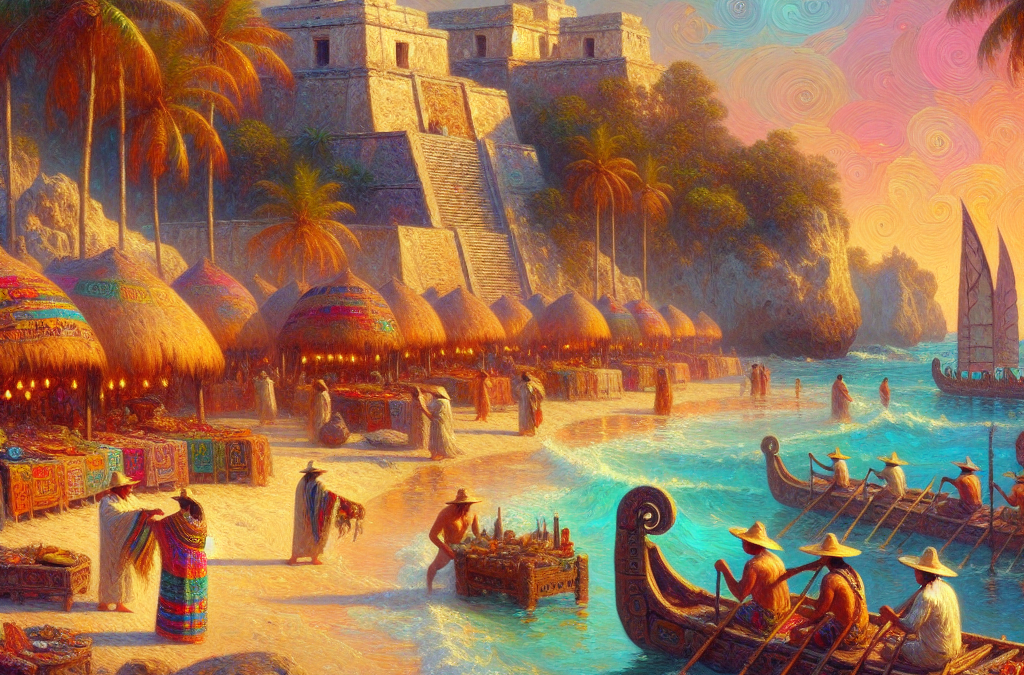
Let’s rewind the clock to the 1st century AD. Picture it: the ancient Maya, a civilization rich in culture, architecture, and astronomy, had already begun to settle the region. Cozumel wasn’t just a speck on the map; it was a sacred place where these early inhabitants worshipped Ix Chel, the goddess of fertility, medicine, and the moon. The island served as a crucial stopover for traders and a center of pilgrimage. So, while you might throw around the term “founded” with a simple date, the truth is that Cozumel has been inhabited for more than a millennium.
By the time Spanish explorers sailed into the Caribbean in the early 16th century, they encountered an island bustling with life, spirituality, and trade. In 1518, Juan de Grijalva arrived, and you can bet he wasn’t just admiring the scenery. His visit marked the beginning of European interest in this gem of an island. A few years later, Hernán Cortés followed suit, leading to a series of events that would change Cozumel forever—hello, colonization.
But let’s not get lost in the colonizers’ tales. By the early 1800s, Cozumel was officially established as a port. The Mexican War of Independence pushed the island into a new chapter, as residents sought to carve out their own identity away from foreign powers. Fast forward to the late 19th century, and the island started to flourish, primarily through sugar and henequen production. It was a boom time, drawing settlers and entrepreneurs who would give Cozumel a modern backbone.
Today, while the island thrives as a tourist hotspot, the remnants of its rich history are woven into its culture and daily life. So, when you find yourself lounging on the beach, take a moment to appreciate that Cozumel is more than just a slice of paradise; it’s a tapestry of history, woven over centuries. What a journey it’s been since the days of the ancient Maya!
When Was Cozumel Founded?
When Was Cozumel Founded?
- Cozumel is a sun-kissed island off the eastern coast of Mexico known for its stunning beaches and vibrant culture.
- The island’s history dates back to the 1st century AD when the ancient Maya settled the region, worshipping Ix Chel, the goddess of fertility.
- Cozumel served as a vital stopover for traders and a significant center of pilgrimage for the Maya.
- In 1518, Spanish explorer Juan de Grijalva’s arrival marked the beginning of European interest in Cozumel.
- By the early 1800s, Cozumel was established as a port, particularly influenced by the Mexican War of Independence.
- The late 19th century saw the island flourish through sugar and henequen production, attracting settlers and entrepreneurs.
- Today, Cozumel is a popular tourist destination, with its rich history integrated into the local culture and daily life.

When Was Cozumel Founded?
Table Of Contents
- When Was Cozumel Founded?
- Did the Maya Settle Cozumel?
- Did the Spanish Help Settle Cozumel?
- Did the War Of the Castes Occur In Cozumel?
- Did the Pirates Use Cozumel As Lair?
- When Did Cozumel Become A Popular Tourist Destination?
- Who Were The First Settlers Of Cozumel?
- How Did Cozumel Get Its Name?
- Conclusion
- Other Resources
- Glossary Of Terms
- Other Questions
- Haiku
- Poem
- Checklist
Did the Maya Settle Cozumel?
When you think of the ancient Maya, visions of towering temples, intricate carvings, and bustling city-states might dance in your head, but let’s take a moment to ponder a lesser-known locale: Cozumel. This small island, sitting like a gem off the coast of Mexico’s Yucatán Peninsula, has sparked a debate among historians and archaeologists: did the Maya really settle here, or was it just a stopover on their extensive travels?
Cozumel wasn’t just a beautiful place with azure waters and swaying palm trees; it was also strategically located, making it a prime spot for trade and religious pilgrimage. The island served as a critical waypoint for the Maya, and the evidence suggests that they frequented it long before it was a tourist hotspot. Many believe that Cozumel was a sacred site for the Maya, particularly for the worship of Ix Chel, the goddess of fertility and medicine. The remains of temples and ceremonial centers scattered across the island support this idea, hinting at a vibrant, spiritual life that thrived here.
Now, let’s not confuse visitation with settlement. The question looms: did the Maya plant roots on Cozumel, or was it merely a place to rest their weary heads? Pottery shards and tools discovered in various archaeological digs hint at more than occasional stopovers. These artifacts suggest a more permanent presence, perhaps in the form of seasonal settlements or small communities. The island’s natural resources, particularly its marine bounty, would surely have been attractive to those who wished to establish a more lasting claim.
As researchers continue to dust off ancient relics and pour over findings, one thing becomes clear: the Maya had a complex relationship with Cozumel. Whether they established villages, engaged in trade, or set up ritual sites, their footprints can be felt all over the island. With each discovery—be it a ceremonial altar, an intricately carved stone, or a fragment of trade goods—scholars inch closer to a deeper understanding of how the Maya interacted with this picturesque island.
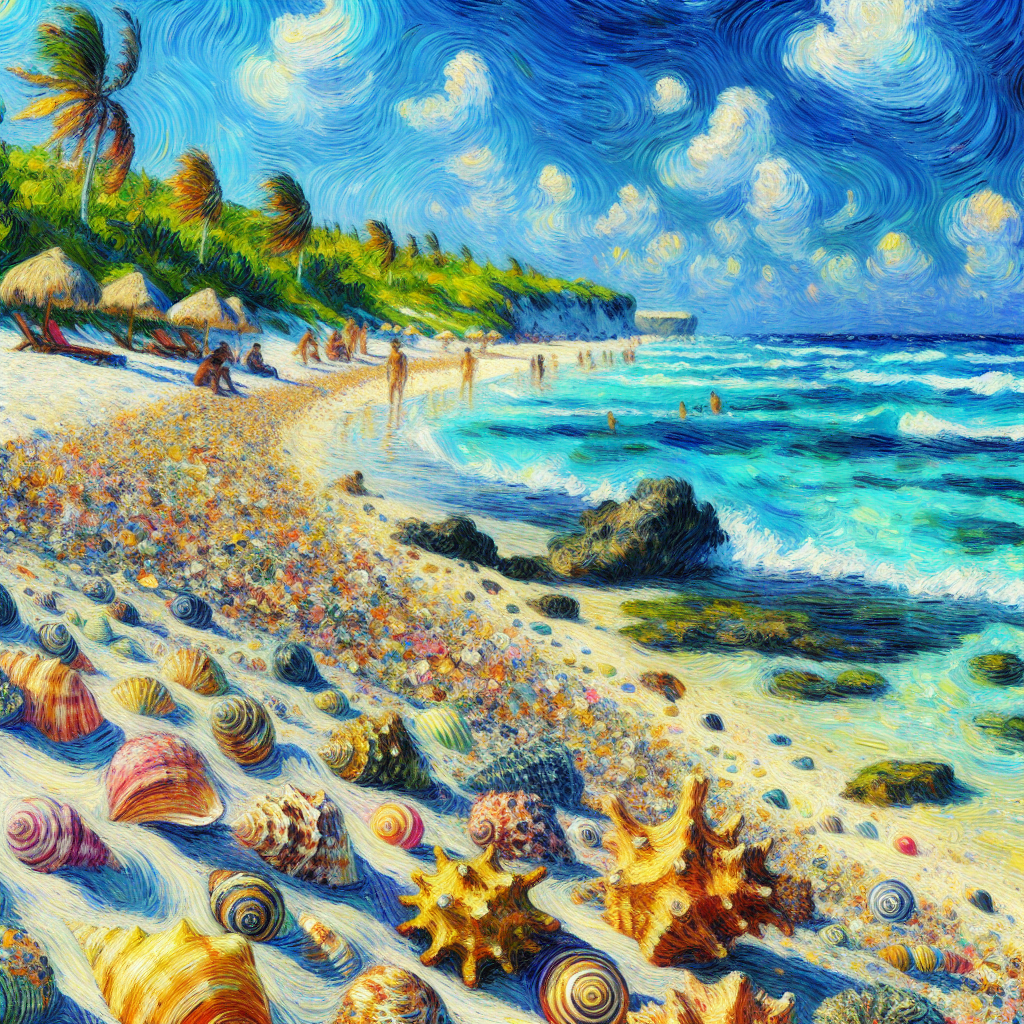
So, the next time you find yourself lounging on a beach in Cozumel, take a moment to consider the history steeped in that very sand. It may seem like just another tropical paradise, but beneath the surface lies a story interwoven with the history of a civilization that once traversed, traded, and perhaps even called this beautiful island home.

Did the Maya Settle Cozumel?
Did the Maya Settle Cozumel?
- Cozumel, a small island off Mexico’s Yucatán Peninsula, is debated among historians as a settlement or stopover for the ancient Maya.
- The island was strategically located for trade and religious pilgrimage, attracting the Maya long before its tourist popularity.
- Cozumel is believed to have been a sacred site for the worship of Ix Chel, the goddess of fertility and medicine.
- Archaeological evidence, including temples and ceremonial centers, suggests a vibrant spiritual life for the Maya on the island.
- Artifacts such as pottery shards and tools indicate a more permanent presence, possibly seasonal settlements or small communities.
- The Maya’s relationship with Cozumel includes trade, ritual sites, and potential village establishment, as supported by ongoing archaeological discoveries.
- Cozumel’s history reflects the interwoven legacy of a civilization that engaged with its resources and contributed to its vibrant past.
Did the Maya Settle Cozumel?
Did the Spanish Help Settle Cozumel?
When you gaze upon Cozumel today, it’s hard to imagine the hustle and bustle of the past. This island, adorned with turquoise waters and vibrant coral reefs, was once a silent witness to the ebb and flow of history. As we peel back the layers of time, we find that the Spanish expedition of the 16th century played a pivotal role in Cozumel’s transformation from a Native paradise to a port of call that caught the eye of European powers.
The story begins with the Mayans, who inhabited Cozumel long before the arrival of the Spanish. They revered the island as a sacred place, a spiritual hub dedicated to their goddess of love and fertility, Ix Chel. The Mayans thrived here, developing a rich culture that warmly welcomed travelers and traders. But like many inviting places in the world, Cozumel caught the attention of outsiders—specifically, the Spaniards. As Christopher Columbus made his infamous jaunt across the Atlantic in 1492, his voyage triggered a wave of exploration that would ultimately change the Caribbean.
In 1518, Juan de Grijalva sailed into the waters of Cozumel, marking one of the earliest encounters between the Spanish and the natives. This wasn’t just a charming meet-and-greet; Grijalva’s arrival signaled the tip of the iceberg for colonization efforts that would follow. The Spaniards, intrigued by the island’s resources and strategic location, took a keen interest, laying the groundwork for future settlement.
However, the Spanish weren’t exactly what you’d call polite guests. With them came diseases that decimated the local population, disrupting lives that had flourished for centuries. After all, history often favors the bold—and in this case, the bold had little regard for the consequences of their quests. As the natives succumbed to illnesses never before encountered, the Spanish quickly seized the opportunity to exploit Cozumel’s resources.
By the 16th century, Spanish influence was unmistakable on the island. They established a small settlement, turning Cozumel into a vital waystation for trade and supplies heading to the mainland. Despite the upheaval, the island’s allure remained, drawing merchants and sailors who came for adventure and fortune.
In essence, the Spanish didn’t just help settle Cozumel; they profoundly transformed it, leaving fingerprints that would shape its history for generations to come. The lingering effects of their expansion are still felt today, reminding us all of that delicate dance between exploitation and appreciation that characterizes human history.

Did the Spanish Help Settle Cozumel?
Did the Spanish Help Settle Cozumel?
- Cozumel, known for its turquoise waters and coral reefs, was once a sacred site for the Mayans.
- The Mayans developed a rich culture on the island, dedicating it to the goddess Ix Chel.
- Christopher Columbus’s 1492 voyage initiated European exploration in the Caribbean.
- Juan de Grijalva’s arrival in 1518 marked the beginning of Spanish encounters with the natives.
- The Spanish expansion brought diseases that devastated the local population and disrupted their way of life.
- By the 16th century, Cozumel became a Spanish settlement and a vital trade waystation.
- The Spanish influence on Cozumel’s history is significant and continues to be felt today.

Did the Spanish Help Settle Cozumel?
Did the War Of the Castes Occur In Cozumel?
In the vibrant tapestry of Mexican history, there’s a thread called the War of the Castes—a brutal conflict that shook the Yucatán Peninsula in the mid-19th century. But did this upheaval spill over into the sun-kissed shores of Cozumel? Well, let’s roll up our sleeves and dive into the rich soil of history to find out.
The War of the Castes began in 1847 and was rooted deep in the systemic inequalities faced by the Maya people. Disenfranchised and fed up, they rose against social and economic oppression. This insurrection was marked by fierce battles and desperate calls for autonomy, ringing far beyond the jungles and towns where it began. Yet Cozumel, largely a port town and tourist haven today, was not a battleground in this tumultuous saga.
Geographically, Cozumel is that idyllic island just off the coast of the Yucatán, known more for its stunning beaches and coral reefs than its historical conflicts. While the mainland was embroiled in war, the island remained relatively insulated, a sanctuary of sorts. Local leaders and inhabitants may have observed the turmoil from afar, perhaps rallying in support or quietly lamenting the violence, but the island’s strategic and economic position kept it from erupting into conflict itself.
That’s not to say Cozumel was entirely untouched by the broader implications of the War of the Castes. Like a pebble tossed into a lake, ripples from the war would have undoubtedly reached the island. Displaced populations, economic shifts, and changing trade routes were felt even amidst the palm trees and azure waters. However, there are scant records of organized uprisings or battles taking place directly on Cozumel’s shores.
As the dust settled from the War of the Castes in mainland Yucatán, Cozumel evolved in response to the shifting dynamics. The island transitioned gradually from its conflict-averse existence to becoming a tourist hotspot, a stark contrast to the struggles faced by the Maya communities. Today, Cozumel is a symbol of resilience and transformation, where the specters of past injustices stand in the shadows of bustling beach resorts.
So, was there a War of the Castes in Cozumel? Not in the traditional sense, but like so many places in the Yucatán, the island carries the echoes of those battles—their struggle for justice and the vibrant culture that emerged from the ashes.
Did the War Of the Castes Occur In Cozumel?
Did the War Of the Castes Occur In Cozumel?
- The War of the Castes began in 1847, rooted in the systemic inequalities faced by the Maya people.
- This brutal conflict spread across the Yucatán Peninsula, but Cozumel remained insulated from direct battles.
- Cozumel, known for its beaches and coral reefs, was not a battleground during the War of the Castes.
- Although the island did not experience organized uprisings, it felt the ripple effects of the conflict, such as displaced populations and economic shifts.
- The strategic and economic position of Cozumel helped it avoid direct involvement in the war.
- Post-war, Cozumel transitioned into a tourist hotspot, contrasting with the struggles of the Maya communities on the mainland.
- Today, Cozumel reflects a history of resilience and transformation, echoing the past injustices but thriving in its present.

Did the War Of the Castes Occur In Cozumel?
Did the Pirates Use Cozumel As Lair?
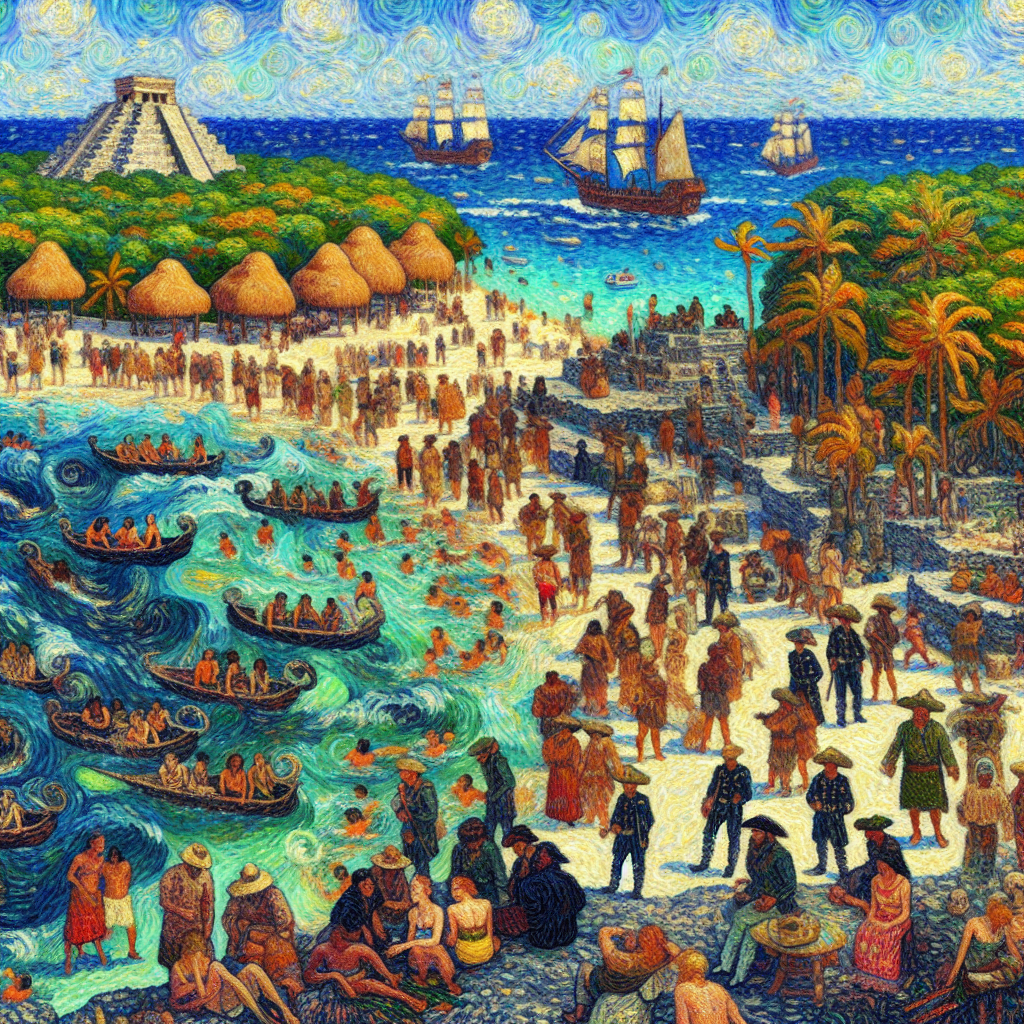
Picture this: the sun-drenched beaches of Cozumel, surrounded by turquoise waters and lush jungles. It sounds like a tropical paradise today, but during the Golden Age of Piracy, it might have evoked a different image—the hideout of swashbuckling rogues and sea marauders, orchestrating their next grand scheme. Yes, the idea that pirates utilized Cozumel as a lair has tantalized historians and adventure-seekers alike. But what’s the truth behind this seafaring myth?
To begin with, Cozumel’s strategic location in the Caribbean makes it a prime candidate for pirate activity. Nestled between the Yucatan Peninsula and the mainland of Mexico, the island served as a perfect jump-off point for marauding vessels. Whether they were seeking treasure or looking for refuge from the law, this little island provided both a natural harbor and an escape route. As any modern sailor will tell you, it’s all about location, location, location.
Historical records suggest that pirates were active in the Caribbean during the 17th and 18th centuries, often targeting Spanish galleons laden with gold and silver. The island’s proximity to key shipping routes means it’s nearly inevitable that a few buccaneers would have found their way to its shores, either to restock provisions or to lay low for a while. However, while many tales swirl around the pirate lifestyle, evidence of a permanent lair on Cozumel is decidedly thin.
The island, with its rugged coastlines and dense jungles, could easily conceal hidden coves and secret hideouts. It’s easy to picture a weather-beaten ship resting quietly in a palm-fringed alcove, its crew enjoying a momentary respite after a thrilling escapade. But without solid evidence—perhaps an archived map or an old journal—the notion of Cozumel as a pirate haven remains largely in the realm of folklore.
Additionally, the legacy of piracy has left a mark on local culture, often celebrated in tales and festivities. This creates a veritable treasure chest of inspiration for those who wish to imagine or even seek out such storied encounters. However, while the allure of pirate life and adventure gives the winds of Cozumel a certain enchantment, let’s not lose sight of the distinct difference between reality and myth.
So, did the pirates truly call Cozumel home? Likely not as a main base, but the whispers of history continue to linger, reminding us that the pirate life was as much about adventure as it was about survival. Let’s raise a glass to the possibility, however shrouded in mystery it may be, that during their escapades, they felt the pull of Cozumel’s shores.
Did the Pirates Use Cozumel As Lair?
Did the Pirates Use Cozumel As Lair?
- Cozumel’s beautiful beaches and jungles were potentially a hideout for pirates during the Golden Age of Piracy.
- The island’s strategic location in the Caribbean made it an ideal spot for pirate activity, serving as a jump-off point for marauders.
- Historical records indicate that pirates frequented the Caribbean in the 17th and 18th centuries, targeting Spanish galleons.
- Cozumel’s proximity to shipping routes likely attracted pirates seeking refuge or resupplying.
- Despite the island’s rugged coastlines offering potential hiding spots, there’s little solid evidence of a permanent pirate lair in Cozumel.
- Local culture celebrates the legacy of piracy through tales and festivities, blending myth with history.
- While pirates may not have considered Cozumel a main base, its allure as a hiding place persists in tales of adventure.

Did the Pirates Use Cozumel As Lair?
When Did Cozumel Become A Popular Tourist Destination?
Cozumel, a picturesque island off the eastern coast of Mexico, has transformed over the decades from a sleepy fishing haven to a bustling hotspot for tourists seeking sun, sand, and adventure. But when exactly did this tropical paradise hit the mainstream tourist radar? The answer can be traced back to the mid-20th century, when a combination of curiosity, natural beauty, and cultural allure began drawing visitors to its shores.
The 1960s marked a pivotal turning point. While the Caribbean had long been a desirable getaway, Cozumel was relatively untouched. That all changed when an enterprising American diving enthusiast named Jacques Cousteau showcased the island’s vibrant underwater world to the globetrotting elite through his documentary “The Undersea World of Jacques Cousteau.” His awe-inspiring footage of colorful coral reefs and thriving marine life thrust Cozumel into the limelight, igniting a newfound fascination with its waters. Suddenly, divers and snorkelers were eager to explore what was once a hidden gem.
The island’s infrastructure began to adapt to its burgeoning popularity. In the 1970s, hotels started popping up like weeds after a rainstorm, accommodating the influx of visitors eager to immerse themselves in both adventure and relaxation. The local economy shifted gears, with burgeoning tourism creating new jobs and opportunities for the island’s residents. As hotels multiplied, so did the attractions — from stunning beaches to archaeological sites, Cozumel had something for everyone.
In the 1980s and 1990s, several influential cruise lines recognized the island’s potential, adding it to their itineraries. This led to an explosion of day visitors, further solidifying Cozumel’s status as a sought-after destination. Online travel platforms in the early 2000s made it easier for travelers to book vacations, putting Cozumel right at their fingertips.
Fast forward to today, and Cozumel stands as a shining example of a successful tourism model, where preservation of natural beauty goes hand-in-hand with development. Visitors from all walks of life flock to this thriving locale, drawn by its rich history, stunning scenery, and the warm hospitality of its people. What began as an undiscovered paradise has become a vibrant celebration of culture and adventure, inviting travelers to dive into its crystal-clear waters and explore the rich tapestry that is Cozumel.

When Did Cozumel Become A Popular Tourist Destination?
When Did Cozumel Become A Popular Tourist Destination?
- Cozumel, an island off the eastern coast of Mexico, evolved from a fishing haven to a major tourist destination.
- The mid-20th century marked the beginning of Cozumel’s rise in popularity among tourists.
- Jacques Cousteau’s 1960s documentary highlighted Cozumel’s unique underwater environment, attracting divers.
- The 1970s saw a boom in hotel development, accommodating increasing tourist numbers and shifting the local economy.
- In the 1980s and 1990s, major cruise lines included Cozumel in their itineraries, boosting day visitors.
- The rise of online travel booking in the early 2000s made planning vacations to Cozumel more accessible for travelers.
- Today, Cozumel combines tourism with the preservation of its natural beauty, offering a rich cultural and adventurous experience.
When Did Cozumel Become A Popular Tourist Destination?
Who Were The First Settlers Of Cozumel?
When it comes to the history of Cozumel, it’s easy to get caught up in the turquoise waters and sun-soaked beaches. But beneath that serene exterior lies a rich tapestry of human history that dates back thousands of years. The first settlers of Cozumel were the Maya, an ancient civilization whose influence stretched across modern-day Mexico and Central America.
Archaeological evidence suggests that the Maya began to inhabit Cozumel around 300 BCE, establishing a cultural and spiritual foothold on the island that would endure for centuries. These early settlers were not just sunbathers; they were skilled farmers, traders, and builders, driven by a deep respect for the land and its resources. Through intricate agricultural practices, they cultivated crops like maize, beans, and squash, sustaining themselves and forming the backbone of their society. Farming was a labor of love—and necessity—turned into an art that allowed the Maya to thrive in the island’s subtropical climate.
Cozumel served as a significant religious and trading hub for the Maya. The island was dotted with temples and ceremonial sites dedicated to their many gods, with some of the most notable being found at the San Gervasio ruins. This was no run-of-the-mill vacation spot for ancient peoples; it was a sacred place where rituals connected the settlers with their deities, akin to a spiritual pilgrimage for the faithful. The proximity to key trade routes enhanced its importance, helping the local Maya exchange goods and ideas with other cultures—think of it as an ancient version of a bustling marketplace.
Interestingly, the island also attracted travelers and traders from across the region. The proximity of Cozumel to the mainland made it a convenient stop for goods and ideas to flow. This melting pot of cultures contributed to the evolution of Mayan society on the island, as they adopted and adapted elements from other civilizations.
However, the arrival of Spanish conquistadors in the early 16th century marked a turning point for the island and its inhabitants. Influences shifted dramatically as disease, colonization, and new religious impositions took their toll on the indigenous way of life. But the legacy of the first settlers—the Maya—remains integral to the identity of Cozumel today, echoing in its ruins, language, and cultural traditions. So next time you enjoy the beauty of Cozumel, take a moment to appreciate the remarkable journey of those who first called this island home.

Who Were The First Settlers Of Cozumel?
Who Were The First Settlers Of Cozumel?
- Cozumel has a rich history dating back thousands of years, primarily influenced by the Maya civilization.
- The Maya began settling in Cozumel around 300 BCE, establishing a cultural and spiritual presence on the island.
- These early settlers were skilled in farming, trading, and building, cultivating crops like maize, beans, and squash.
- Cozumel served as a significant religious and trading hub, featuring temples and ceremonial sites such as the San Gervasio ruins.
- The island’s proximity to trade routes facilitated the flow of goods and ideas, enriching the Maya culture.
- The arrival of Spanish conquistadors in the 16th century dramatically altered the island’s indigenous way of life through disease and colonization.
- Despite these changes, the legacy of the Maya continues to shape Cozumel’s identity, evident in its ruins, language, and cultural traditions.

Who Were The First Settlers Of Cozumel?
How Did Cozumel Get Its Name?
Cozumel, that sun-drenched jewel off Mexico’s Yucatan Peninsula, has a name steeped in a history as rich as its coral reefs. But before we dive into the murky waters of etymology, let’s take a moment to appreciate the island itself. With its turquoise waters, vibrant marine life, and lush jungles, it’s easy to forget that the name “Cozumel” has a story that goes back long before the first sunbather spread a towel on its sandy shores.
The name Cozumel is often attributed to the ancient Maya civilization, believed to have thrived on the island as early as 300 AD. The island’s original name, according to some historians, was “CozUMel,” stemming from the Mayan words “Coh”, meaning “swallow,” and “Zomel,” which means “land.” So, when you say Cozumel, you’re not just mumbling a touristy buzzword; you’re invoking echoes of a bygone era where swallows flitted between palm trees, and the island was revered as a sacred place.
Why the swallows, you might ask? Well, the Mayans had a deep connection to nature, and the swallow, a migratory bird known for its agility and grace, symbolized freedom and renewal. Amidst this lush paradise, the swallows soared, and in their flight, they carried tales of the island back to the mainland. The Maya were not just visitors; they were travelers on a spiritual quest, and Cozumel became a vital pit stop on their journey to worship Ix Chel, the goddess of fertility and medicine.
As history unraveled and the island faced the inevitable tides of change, Spanish explorers stumbled upon Cozumel in the early 16th century. The name may have transformed slightly in pronunciation as European tongues twisted its syllables, but it retained its essence. The Spanish recorded the island as “Cozumel,” solidifying its identity on the world map.
Today, despite the modern hustle of resorts and bustling cruise ships, the name Cozumel still whispers of its ancient heritage. It’s a reminder that beneath the sun-kissed façades, there lies a story of resilience, reverence, and nature’s timeless rhythms. So, the next time you find yourself sipping a margarita in Cozumel, take a moment to appreciate the swallows that gave the island its name—a small avian tribute to a vibrant history that continues to dance through the air.

How Did Cozumel Get Its Name?
How Did Cozumel Get Its Name?
- Cozumel is a beautiful island off Mexico’s Yucatan Peninsula, known for its coral reefs and vibrant marine life.
- The name “Cozumel” has origins linked to the ancient Maya civilization, which inhabited the island around 300 AD.
- Some historians suggest the name derives from Mayan words: “Coh” meaning “swallow” and “Zomel” meaning “land.”.
- The swallow symbolizes freedom and renewal, reflecting the Maya’s deep connection to nature.
- Cozumel served as an important stop for the Maya on their spiritual journey to worship Ix Chel, the goddess of fertility and medicine.
- Spanish explorers arrived in the early 16th century, recording the name as “Cozumel” while retaining its essence.
- Today, despite modern developments, Cozumel’s name continues to evoke its rich history and natural beauty.
How Did Cozumel Get Its Name?
Conclusion
Cozumel, with its sun-kissed beaches and turquoise waters, is more than just a tropical getaway. It’s an island with a rich tapestry of history, woven from the threads of ancient civilizations, colonization, and more recent growth into a tourist hotspot. To grasp when Cozumel was founded isn’t a simple quest for a date; it’s a dive into layers of time, beginning with the ancient Maya. They’ve been exploring and venerating this sacred space, particularly in worship of Ix Chel, since around 1,000 years ago, making the island a crucial pilgrimage site long before it caught the eye of European explorers.
In 1518, Spanish explorer Juan de Grijalva set foot on Cozumel, triggering a seismic shift in its trajectory. This marked the beginning of European interest—a door swinging wide open, leading to colonization that would alter the island’s destiny. As the influence of Spanish settlers grew, they transformed Cozumel from a lush native paradise into a bustling port town. By the early 1800s, the island began crafting its identity, as the echoes of the Mexican War of Independence gave rise to a burgeoning sense of autonomy.
Fast forward to the mid-20th century, and we find ourselves in the age of tourism. Jacques Cousteau’s groundbreaking documentary unveiled Cozumel’s mesmerizing underwater world, igniting interest that drew visitors from around the globe. Once a fishing community, Cozumel saw rapid growth with the advent of hotels and cruise lines, shaping the vibrant tourist destination we know today.
But it’s essential to not lose sight of Cozumel’s history amidst the piña coladas and snorkeling trips. It’s home to archaeological wonders left behind by the Maya and shaped by countless legacies. Significant events, such as the War of the Castes, left ripples beyond the mainland, influencing the island’s evolution even if Cozumel itself wasn’t a battlefield.
So, as you kick back in a hammock or embark on a diving adventure, remember that beneath the veneer of leisure lies a profound history—the kind that, like the island itself, is rich with stories waiting to be unearthed. Cozumel isn’t just a destination; it’s an inhalation of the past, a testament to the journey that has shaped it into the magical locale people treasure today. Here’s to the swallows, the explorers, and everyone who breathed life into this remarkable island!

Conclusion
Conclusion:
- Cozumel is a rich historical island, known for its beautiful beaches and turquoise waters.
- It has been a sacred site for the ancient Maya, particularly as a pilgrimage location dedicated to the goddess Ix Chel for around 1,000 years.
- The arrival of Spanish explorer Juan de Grijalva in 1518 marked the start of European interest and subsequent colonization.
- Spanish settlers transformed Cozumel from a native paradise into a thriving port town in the early 1800s.
- Jacques Cousteau’s documentary in the mid-20th century highlighted Cozumel’s underwater beauty, kicking off its tourism boom.
- Cozumel is home to archaeological treasures and historical legacies despite its modern tourist appeal.
- The island represents a blend of leisure and profound history, making it a testament to its cultural journey.

Conclusion
Other Resources

Other Resources
Here is a list of other resources you can review online to learn more:
- Rejuvenation Clinic Cozumel
- Ixchel Shrine
- Parque Nacional Arrecifes de Cozumel
- Chankanaab National Park
- Bindiya Cozumel
- Cozumel Cruise Port
- Snorkeling Trip Checklist
- CZM
- Muelle Fiscal
- Cozumel Jeep
Use This Prompt To Get More Resources With Your Favorite Online AI Tool: Please provide me with a list of online articles with their URLs in a bulleted list that I can read regarding When Was Cozumel Founded?

Other Resources
Glossary Terms
When Was Cozumel Founded? – Glossary Of Terms
1. Cozumel: An island located off the eastern coast of Mexico’s Yucatán Peninsula, known for its beautiful beaches and rich history.
2. Mayan Civilization: An ancient civilization that inhabited parts of present-day Mexico, Guatemala, Belize, and Honduras, known for its architectural and cultural achievements.
3. Cultural Heritage: The legacy of tangible and intangible attributes of a group or society, encompassing traditions, customs, and historical sites.
4. Spanish Conquest: The period in the 16th century when Spanish explorers and conquerors took control of various parts of the Americas, including Mexico.
5. Historical Timing: The specific period or year in which significant events took place, essential for understanding the context of a location’s development.
6. Pillaging: The act of robbing a place, especially during war or conflict, as occurred in many colonial contexts.
7. Colonization: The process of establishing control over the indigenous people of an area and exploiting it for economic gain.
8. Archaeological Sites: Locations where remnants of past human activity are preserved, providing insight into historical cultures and civilizations.
9. Hacienda: A large estate or plantation, typically associated with the colonial agricultural economy.
10. Religious Significance: The importance of a site or practice in the context of belief systems, especially in relation to the ancient Mayan gods.
11. Island Governance: The system by which a territory or region, such as Cozumel, is managed and regulated, especially post-colonization.
12. Tourism: The commercial organization and operation of vacations and visits to places of interest, significantly affecting Cozumel’s economy today.
13. Ecotourism: A form of sustainable travel that focuses on visiting natural areas while minimizing impact, promoting conservation.
14. Pre-Columbian: The period in the Americas before the arrival of Columbus and European influences, crucial for understanding Cozumel’s early history.
15. Cultural Exchange: The process by which different cultures share ideas, products, and practices, influencing each other over time.
16. Inhabitation: The act of living in a place or region, especially noting the history of indigenous peoples in Cozumel.
17. Nautical Trade Routes: Established paths used by ships for trading goods, significant for Cozumel’s early economic activities.
18. Conquistador: A Spanish explorer or conqueror, particularly those who led expeditions in the Americas during the Age of Discovery.
19. Tulum: A nearby archaeological site that was a major port city for the Mayans, offering context to Cozumel’s trade history.
20. Natural Resources: Materials or substances occurring in nature that can be exploited for economic gain, including those found in Cozumel.
21. Civic Structure: The organization and governance of a community, particularly relevant in the development of settlements like Cozumel.
22. Cultural Preservation: Efforts made to protect and sustain the heritage and traditions of a community or nation.
23. Spanish Colonies: Territories established by Spain in the Americas that significantly affected local governance and culture after the conquest.
24. Historic Documentation: Records and written accounts that capture the events and dynamics of a given time, vital for understanding Cozumel’s history.
25. Emergence: The process of coming into being or becoming prominent; the time when Cozumel started to develop as a significant settlement.
26. Socioeconomic Factors: The social and economic conditions that influence people’s lives, vital for understanding the founding dynamics of Cozumel.
27. Agricultural Practices: Methods used in farming, key to the early settlement and sustenance of communities like those in Cozumel.
28. Mesoamerica: A historical region encompassing central and southern Mexico and parts of Central America, where ancient civilizations flourished.
29. Heritage Tourism: Travel directed towards experiencing and understanding the heritage and cultural sites of a destination, such as Cozumel.
30. Modern Development: The ongoing changes and improvements in infrastructure, economy, and culture of places like Cozumel in contemporary times.

Glossary Of Terms
Other Questions
When Was Cozumel Founded? – Other Questions
If you wish to explore and discover more, consider looking for answers to these questions:
- What is the significance of Ix Chel in Cozumel’s history?
- What archaeological evidence supports Maya settlement on Cozumel?
- How did colonization impact the indigenous people of Cozumel?
- What are some popular attractions in Cozumel related to its history?
- What role did sugar and henequen production play in Cozumel’s development?
- How did Cozumel’s economy evolve after the Mexican War of Independence?
- What legends or folklore are associated with pirates in Cozumel?
- What changes did Cozumel undergo during the 20th century?
- How does the local culture in Cozumel reflect its historical influences?
- What are some key events that shaped modern tourism in Cozumel?
- How do local festivals celebrate Cozumel’s history and culture?
- What is the current state of archaeological research in Cozumel?

Other Questions
Haiku
When Was Cozumel Founded? – A Haiku
Cozumel’s rich past,
Maya’s sacred embrace blooms,
Waves whisper their tale.

Haiku
Poem
When Was Cozumel Founded? – A Poem
In azure embrace where the sun warms the sand,
Lies Cozumel, a pearl on Mexico’s strand.
A sacred isle where the Maya once thrived,
In temples they worshipped, their spirits alive.
From the depths of the past, their stories unfold,
Of Ix Chel they prayed, in her arms they’d be bold.
Through trade routes they traveled, as traders convened,
Their culture and legacy, woven and streamed.
Then came the conquistadors, with visions of gold,
Beneath their bright banners, a dark story told.
For in their arrival, disease took its toll,
As Cozumel, once sacred, began to unroll.
The shadows of pirates danced on the tides,
In whispers of legends, adventure abides.
Though hideaways few ever claimed as their lair,
The thrill of their tales still floats on the air.
Emerging from turmoil, the island did bloom,
From fishing to tourism, escaping its gloom.
Jacques Cousteau’s lens brought the world to its shores,
A dive into wonders—Cozumel explores.
Through the laughter of children and days spent in sun,
The spirit of Maya, their journey not done.
For even in leisure, their essence remains,
In coral and culture, in laughter, in names.
So as you bask in the warmth of the sea,
Remember the threads of the past wrapped in glee.
Cozumel whispers, through skies clear and bright,
A tapestry woven with history’s light.
Poem
Checklist
When Was Cozumel Founded? – A Checklist
Historical Timeline
_____ Identify the approximate date when the ancient Maya first inhabited Cozumel.
_____ Note the year when Juan de Grijalva arrived on the island and its significance.
_____ Record any key events in Cozumel’s history during the 1800s, including its establishment as a port.
Cultural Impact
_____ Research the worship practices of the Maya, particularly concerning Ix Chel.
_____ Reflect on the impact of Spanish colonization on Cozumel’s indigenous population and culture.
Archaeological Findings
_____ Look for evidence of Maya settlements or ceremonial centers on Cozumel.
_____ Investigate the significance of archaeological finds such as pottery shards and tools on the island.
Economic Transformations
_____ Identify the main economic activities that contributed to Cozumel’s growth, especially in the 19th century.
_____ Examine the effects of tourism on Cozumel’s economy since the mid-20th century.
Historical Conflicts
_____ Assess how the War of the Castes influenced the island, despite it not being a battleground.
_____ Explore if there are any documented interactions between pirates and Cozumel.
Key Figures
_____ Investigate the role of Jacques Cousteau in promoting Cozumel as a tourist destination.
_____ Identify any notable settlers or contributors to the island’s development in the 19th and 20th centuries.
Etymology
_____ Learn about the origin of the name “Cozumel” and the meanings of the Mayan words it derives from.
_____ Reflect on how the name relates to the island’s natural environment and cultural significance.
Miscellaneous
_____ Take note of how Cozumel’s identity has evolved from its ancient roots to a modern tourist destination.
_____ Consider the ways in which the island’s history can be appreciated while enjoying its present-day beauty.
Feel free to use this checklist as a guide to deepen your appreciation for Cozumel’s fascinating history during your reading experience!
Checklist
At TopCozumelNews, we help travelers enjoy Cozumel by collating information learned from frequently traveling to beautiful Cozumel.
Be sure to read our other related stories at TopCozumelNews to learn more about the Island of Cozumel.