Exploring Cozumel’s Magnificent Coral Reefs
By Tom Seest
At TopCozumelNews, we help travelers enjoy Cozumel by collating information learned from frequently traveling to beautiful Cozumel.
Be sure to read our other related stories at TopCozumelNews to learn more about the Island of Cozumel.
Are There Beautiful Coral Reefs In Cozumel?
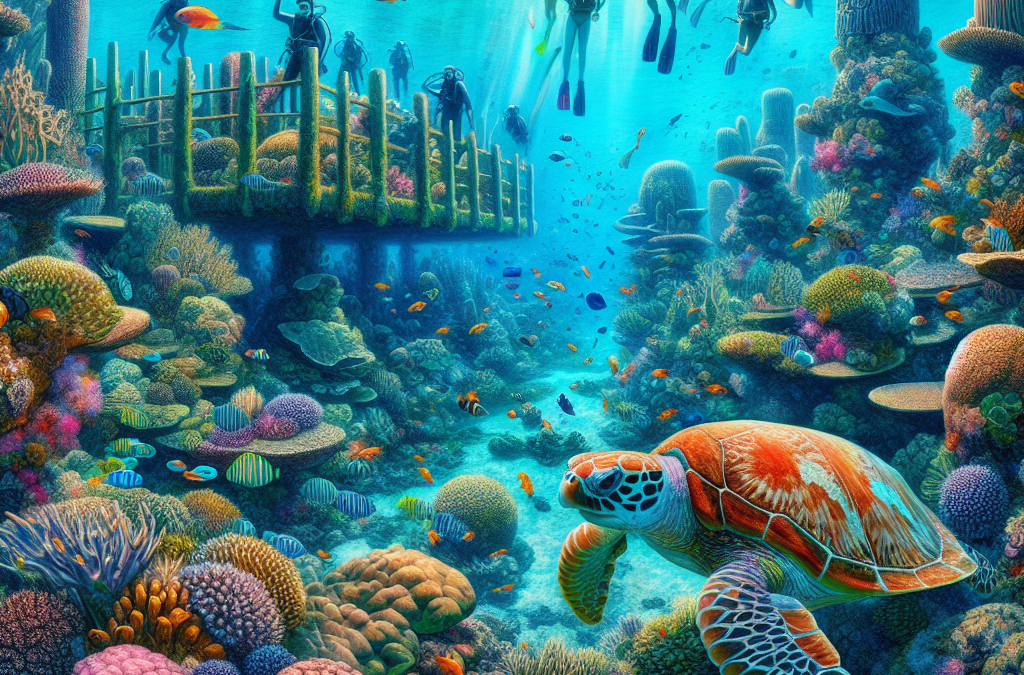
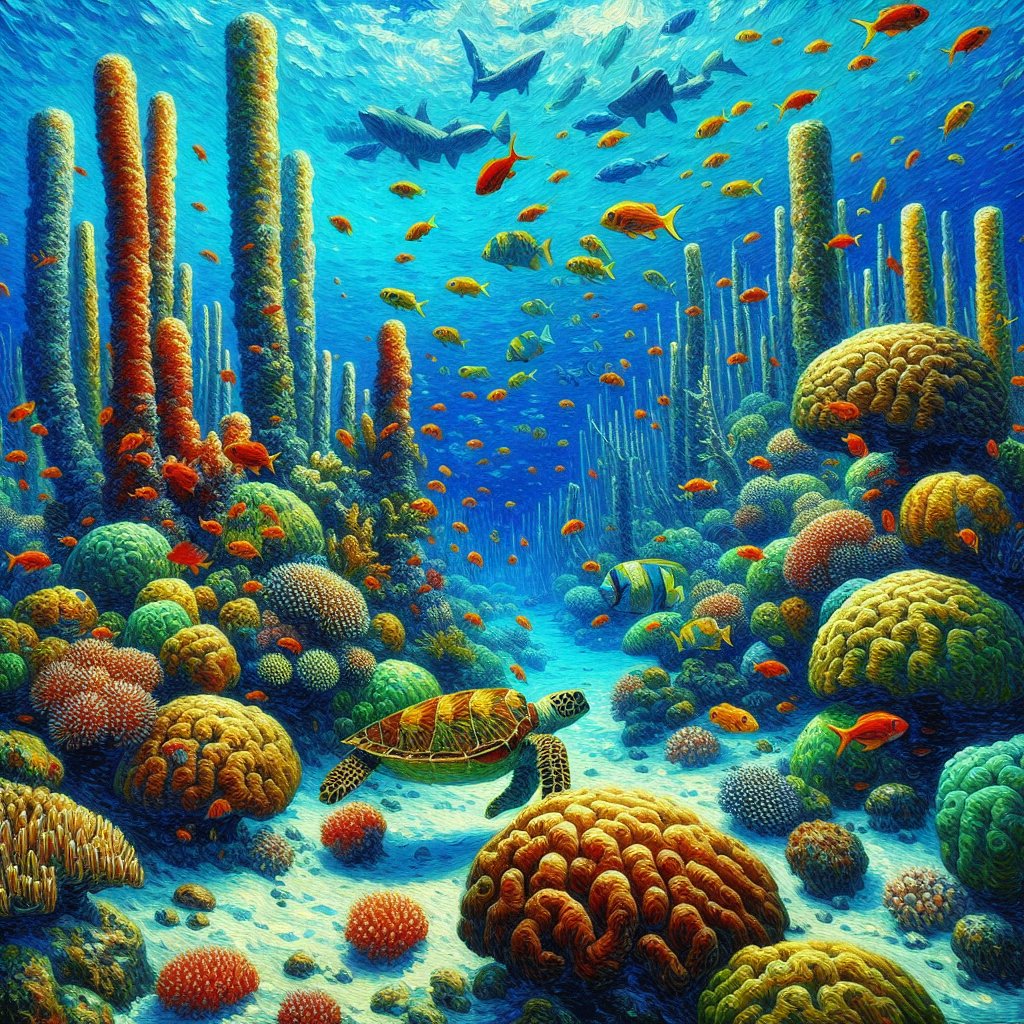
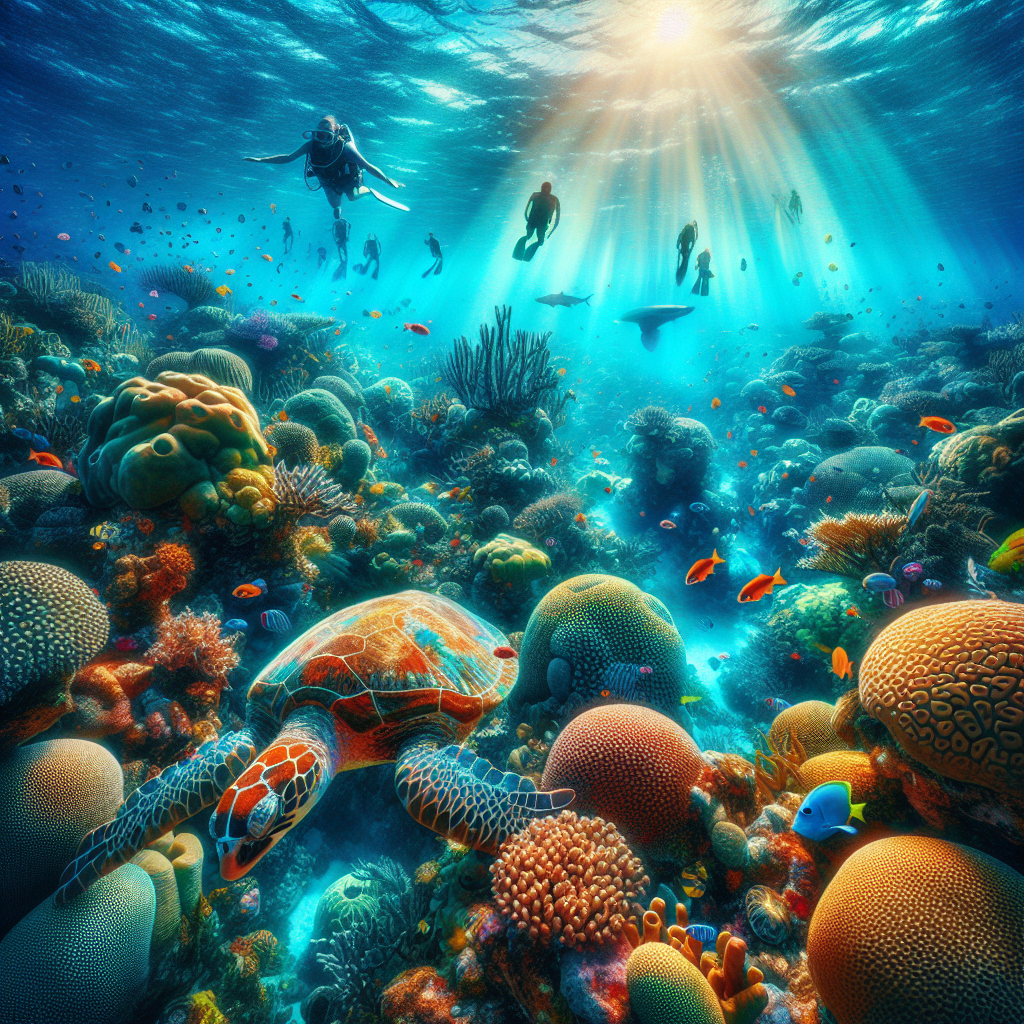
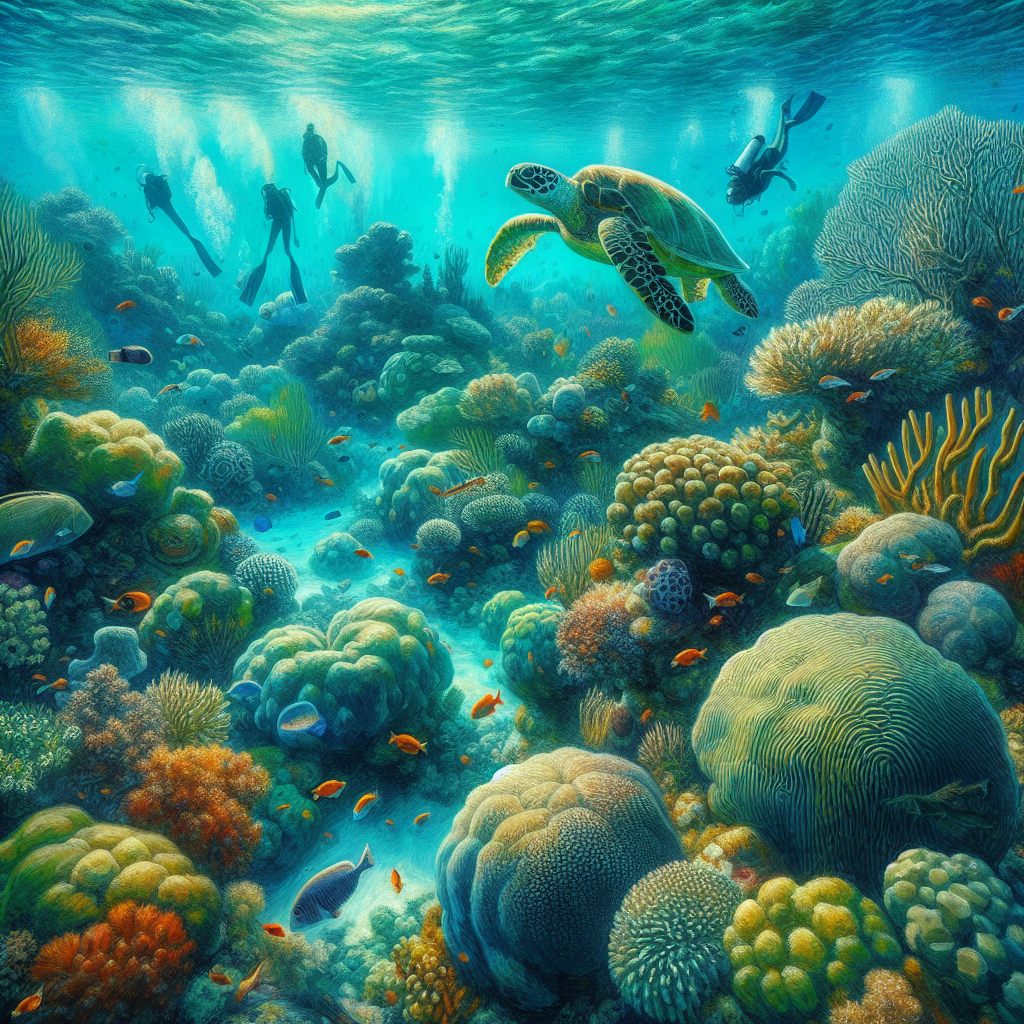
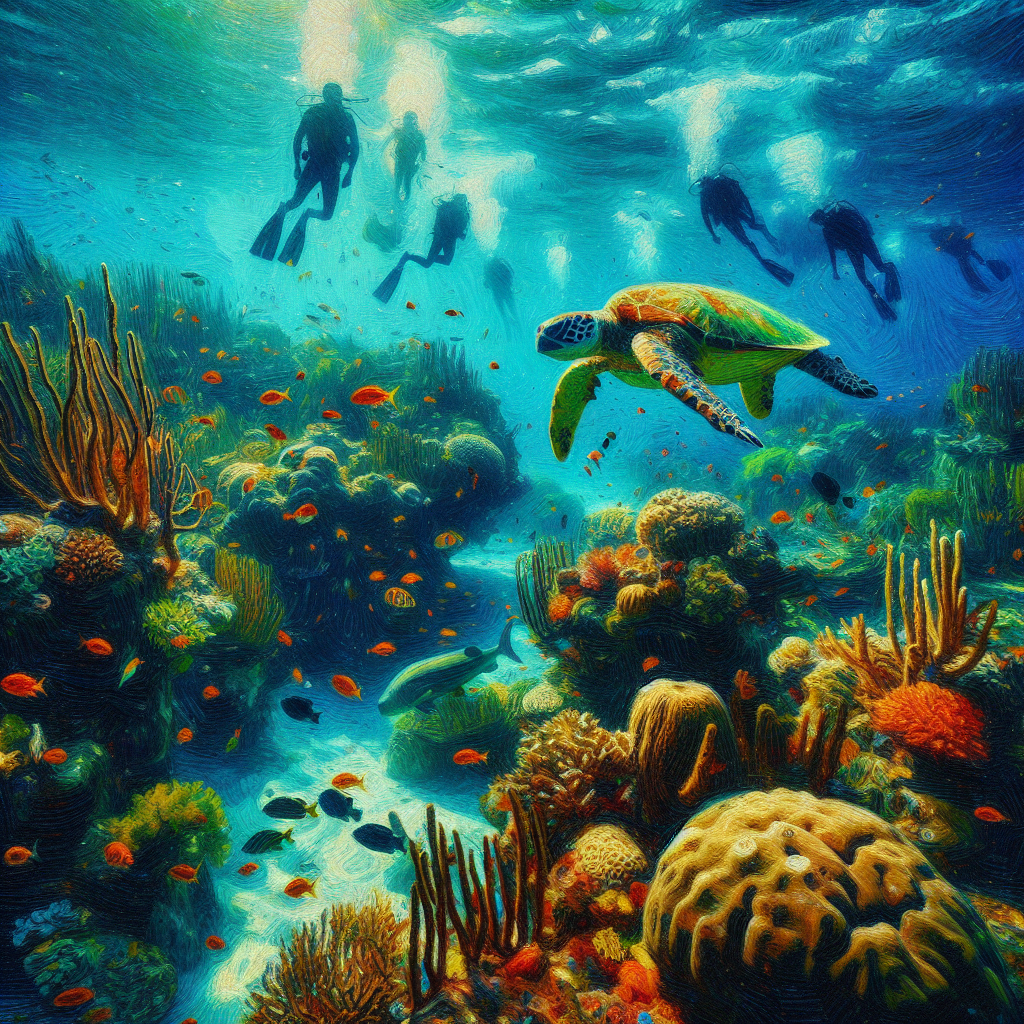
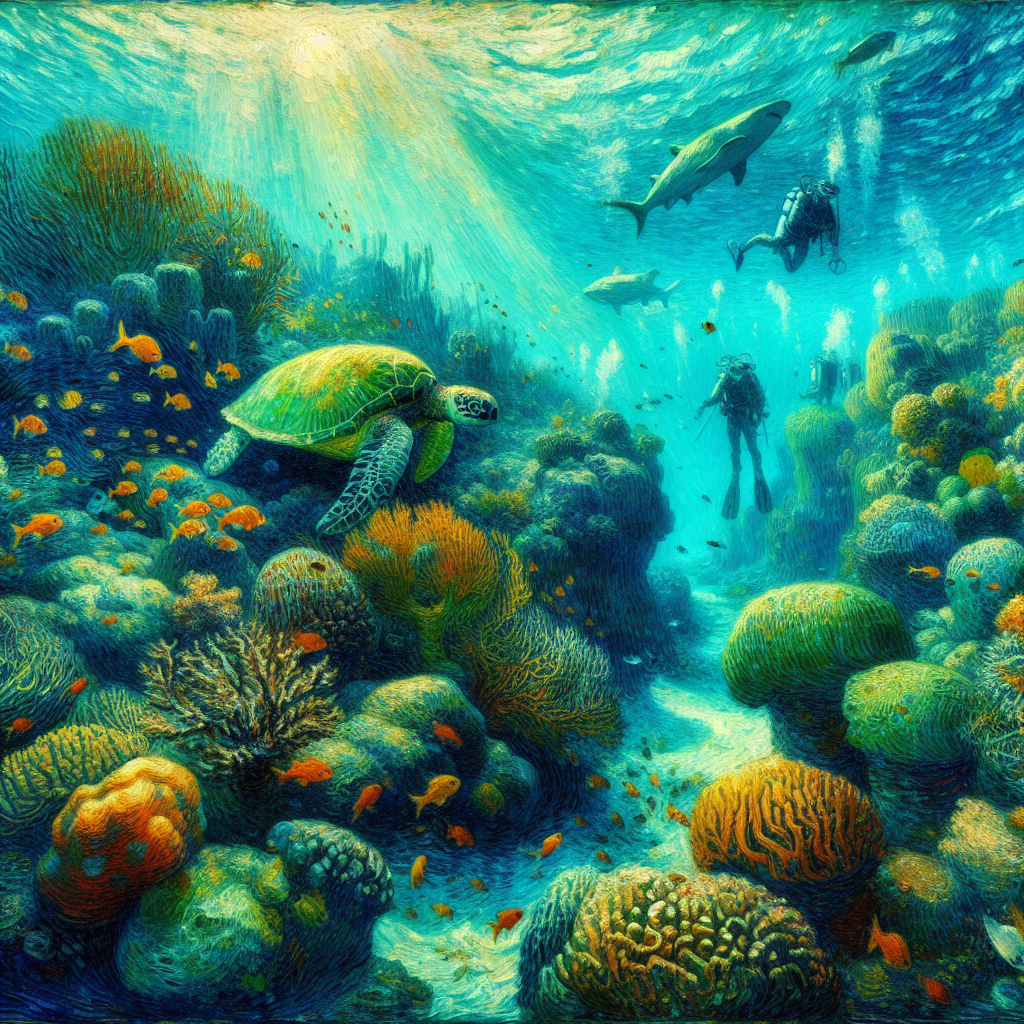
If you find yourself in the vibrant waters surrounding Cozumel, one thing becomes astonishingly clear: beauty is not just skin deep; it’s in the very fabric of the ocean itself. Picture it: hues of azure and turquoise intertwined with vibrant coral gardens, teeming with marine life. Cozumel’s coral reefs aren’t merely a sight to behold—they are a breathtaking tapestry of life and color that draws adventurers from around the world.
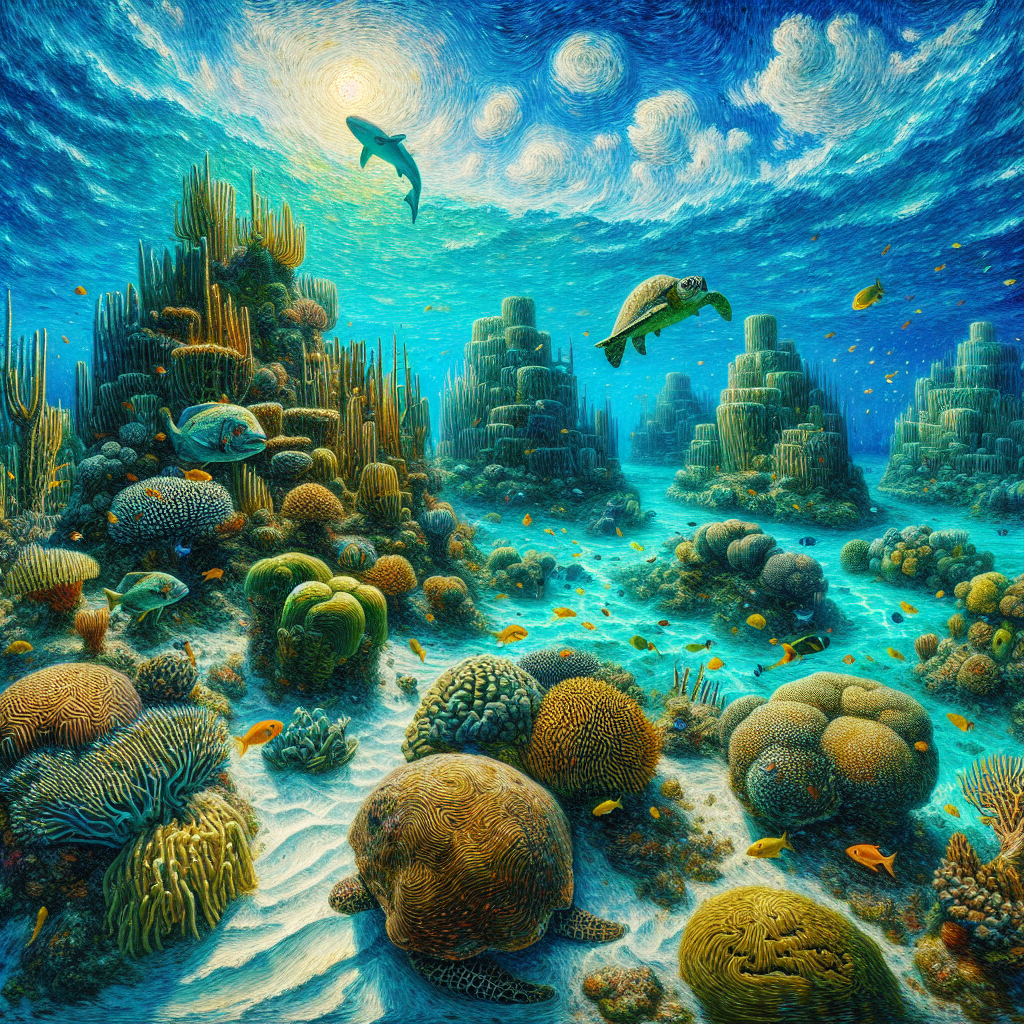
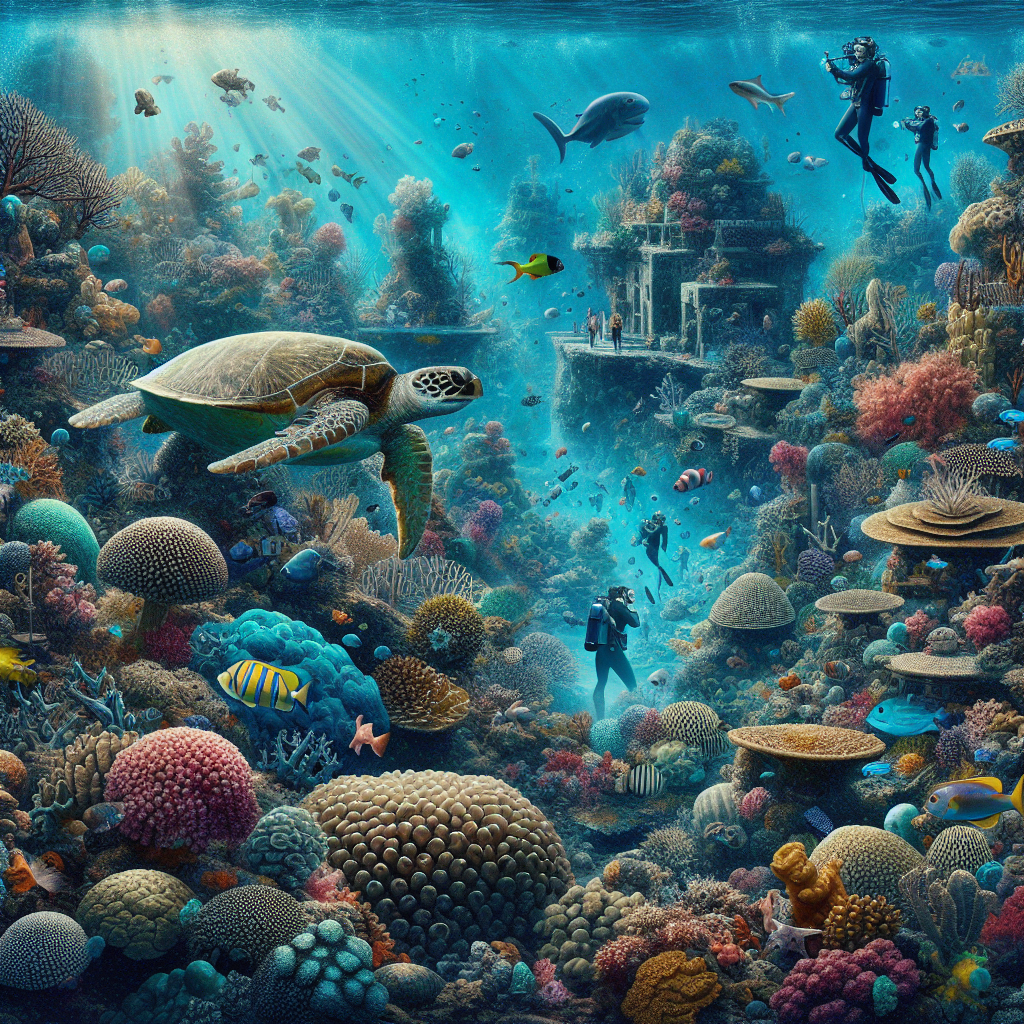
Diving into these waters, you’ll discover one of the most significant barrier reefs in the Western Hemisphere, the Mesoamerican Reef. As you descend, you’ll encounter coral formations that rise like underwater skyscrapers, creating an intricate habitat for countless species. Staghorn, brain, and elkhorn corals are just some of the architects of this mesmerizing underwater city. Each formation brings with it a wealth of ecological dynamics—a bustling marketplace for critters both big and small.
Now, let’s talk about the residents of this enchanted underwater realm. Schools of brightly colored fish dart among the corals, creating a dazzling display that can make you lose track of time. Look closer, and you might spot a shy sea turtle munching on seagrass or a curious nurse shark gliding effortlessly across the sandy floor. And if you’re lucky, the welcoming mantle of a giant grouper might just swim by to check you out.
But it’s not just beauty; it’s also about diversity and health. Healthy coral reefs act as natural barriers against erosion and provide a critical source of sustenance for local communities. They’re vital to the well-being of not only marine life but also the human folks who call Cozumel home. The local economy thrums to the rhythm of ecotourism, with the reefs acting as both a playground for snorkelers and divers and a lifeline for fisheries.
However, this spectacular ecosystem is not invincible. It’s a sobering reality that climate change, pollution, and unsustainable fishing practices pose significant threats to these underwater jewels. Conservation efforts are critical—not only to protect the reefs for future generations but also to preserve the delicate balance of life that thrives within.
So, yes, there are indeed beautiful coral reefs in Cozumel, and while the vibrant colors and enchanting marine life will take your breath away, it’s the responsibility of all of us to safeguard these underwater wonders for years to come. Dive in, explore, and cherish the magic beneath the surface, but remember to tread lightly. The ocean’s treasures rely on us too.
Are There Beautiful Coral Reefs In Cozumel?
Are There Beautiful Coral Reefs In Cozumel?
- Cozumel’s coral reefs are a stunning blend of azure waters and vibrant coral gardens, attracting adventurers worldwide.
- The Mesoamerican Reef, one of the largest barrier reefs in the Western Hemisphere, features impressive coral formations.
- Corals like staghorn, brain, and elkhorn create complex habitats for diverse marine species.
- Brightly colored fish, sea turtles, nurse sharks, and grouper inhabit this underwater ecosystem, adding to its mesmerizing beauty.
- Healthy coral reefs serve as natural barriers against erosion and are essential for local communities and fisheries.
- Threats such as climate change, pollution, and unsustainable fishing practices jeopardize the reefs’ health and diversity.
- Conservation efforts are crucial to protect Cozumel’s coral reefs for future generations, emphasizing the need for responsible exploration.
Are There Beautiful Coral Reefs In Cozumel?
Table Of Contents
- Are There Beautiful Coral Reefs In Cozumel?
- How Can I Access The Coral Reefs In Cozumel?
- Are There Different Types Of Coral Reefs In Cozumel?
- How to Choose a Snorkeling Or Diving Tour to View Cozumel Coral?
- What Are Safety Tips for Snorkeling Or Diving Near Cozumel Coral?
- How Do The Coral Reefs Impact Local Tourism In Cozumel?
- Can I Explore Cozumel Coral Reefs Without Scuba Diving Or Snorkeling?
- Conclusion
- Other Resources
- Glossary Of Terms
- Other Questions
- Haiku
- Poem
- Checklist
How Can I Access The Coral Reefs In Cozumel?
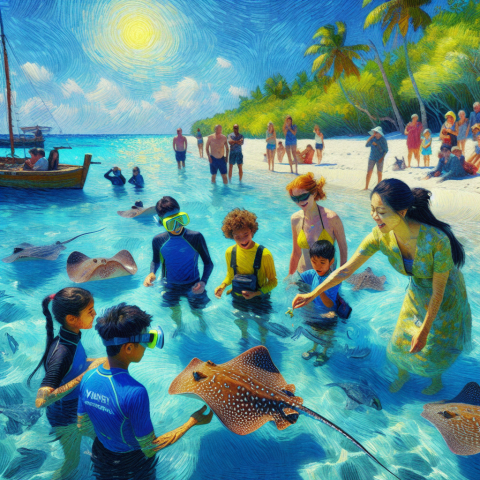
If you’ve got a craving for adventure and a mild obsession with all things aquatic, Cozumel is calling your name. This little island nestled off Mexico’s Yucatán Peninsula boasts some of the most pristine coral reefs in the world, making it a diver’s paradise and a snorkeler’s playground. Accessing these underwater wonders is easier than you might think, and I’m here to break it down for you.
First up, let’s talk about getting there. If you’re in the mood for a scenic arrival, hop on a ferry from Playa del Carmen. The ride is about 45 minutes and the views are downright breathtaking. You’ll see the clear turquoise waters and even catch a glimpse of the island before you touch down. Want to skip the ferry? You can also fly directly into Cozumel’s airport, which is a stone’s throw from many resorts and dive shops.
Now that you’re on the island, you’ll want to choose your mode of exploring. With nearly 70 different dive sites, from shallow reefs to thrilling wall dives, your options are plentiful. If you’re scuba-certified, hit up a local dive shop to book a guided dive. Many shops offer two-tank dives that will take you to some of the most Instagram-worthy underwater sceneries you can imagine. Most dive operators provide all the gear you’ll need, so just show up with your suit, a sense of adventure, and a hearty appetite for underwater exploration.
Not a diver? No worries! Snorkeling is equally spectacular. Many operators run half-day trips that include all the gear you’ll need, along with transportation to the best snorkeling spots. For those who prefer a more leisurely approach, renting a kayak or paddleboard can also provide a unique vantage point and allow you to access some shallow reefs. Just remember, respect the reef; avoid touching or stepping on coral. These vibrant ecosystems are delicate lifelines that need our protection.
And if you’re feeling particularly adventurous, you can even join a small group tour that offers options like boat snorkeling or semi-submersible vessels. This way, you can marinate in the colors and life of the reefs without even getting wet if you choose!
So grab your gear, lace up those sea-legs, and prepare for an unforgettable journey beneath the waves. With a little planning and the right attitude, accessing Cozumel’s coral reefs can turn a good vacation into an epic aquatic escapade.

How Can I Access The Coral Reefs In Cozumel?
How Can I Access The Coral Reefs In Cozumel?
- Cozumel is a small island near Mexico’s Yucatán Peninsula, famous for its pristine coral reefs, ideal for diving and snorkeling.
- Accessible via a scenic 45-minute ferry from Playa del Carmen or by flying directly into Cozumel’s airport.
- The island features nearly 70 dive sites, offering a range from shallow reefs to exhilarating wall dives.
- Scuba-certified visitors can book guided dives at local dive shops, which often include gear rental.
- Snorkeling trips are available for non-divers, with operators providing equipment and transport to prime spots.
- Alternative exploration options include renting kayaks or paddleboards for a unique view of the shallow reefs.
- Adventurous options like boat snorkeling or semi-submersible tours allow for experiencing the reefs while staying dry.

How Can I Access The Coral Reefs In Cozumel?
Are There Different Types Of Coral Reefs In Cozumel?
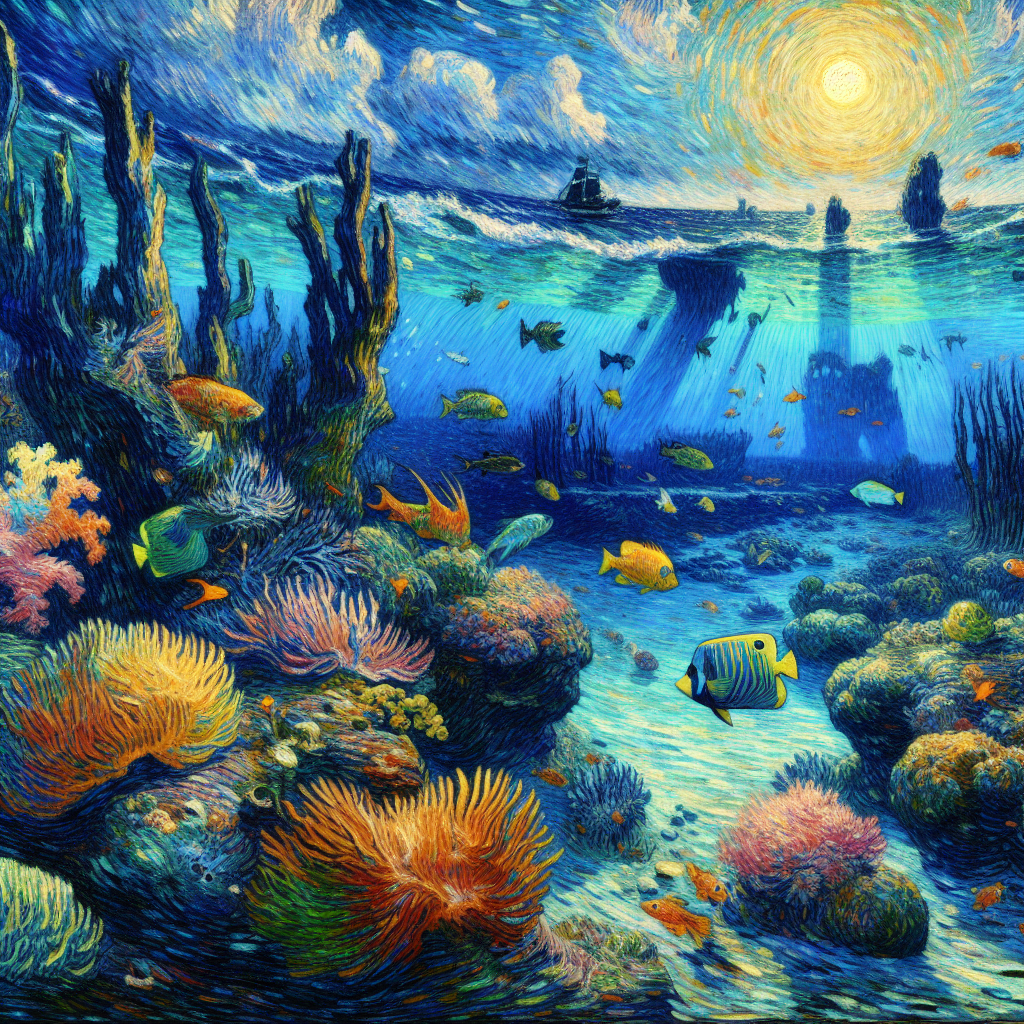
When you dive into the waters off the coast of Cozumel, you’re not just entering a tropical paradise; you’re stepping into a vibrant underwater tapestry woven with a variety of coral reefs. Each reef plays a unique role in the marine ecosystem and presents a different spectacle for divers, snorkelers, and ocean enthusiasts alike. So, what types of coral reefs can you expect to encounter in this idyllic location?
First up, we have the fringing reefs. These bad boys are like the outer walls of a fortress, lying directly adjacent to the shore. They’re typically shallow, making them a favorite for those new to snorkeling. Picture bright corals swaying gently with the currents, schools of colorful fish darting in and out, and the occasional sea turtle gliding by. The shallow depths also mean sunlight penetrates easily, fueling the growth of vibrant coral species. Fringing reefs are your gateway to exploring Cozumel’s underwater beauty without having to plunge into deeper waters.
Next, we have barrier reefs. Now, these guys take it a step further. Positioned a bit further offshore, they create a sort of buffer between the open ocean and the coastline. The Great Mayan Reef is an example of this, and it offers some of the best diving spots in Cozumel. Barrier reefs are a bit deeper and more diverse than their fringing cousins, hosting an array of marine life—from brilliant parrotfish to stealthy predators like the barracuda. Here, you can find characteristic structures like grottoes and overhangs, where marine organisms take shelter, creating a dynamic habitat.
Lastly, let’s not forget the atolls, which are more rare in Cozumel but worth mentioning. These ring-shaped formations often encircle a lagoon and are typically found further south than where most tourists venture. While they’re not as common, they present a unique opportunity to witness untouched marine ecosystems. With a mix of shallow and deeper waters, atolls serve as breeding grounds for numerous fish species, making them a diver’s paradise.
In essence, the coral reefs of Cozumel come in all shapes and sizes, each telling its own story beneath the waves. Whether you’re gliding above a fringing reef or exploring the depths of a barrier reef, you’re bound to encounter an enchanting underwater world that’s as diverse as it is breathtaking. So grab your fins and prepare for adventure—this underwater journey is one you won’t soon forget!

Are There Different Types Of Coral Reefs In Cozumel?
Are There Different Types Of Coral Reefs In Cozumel?
- Cozumel features a vibrant underwater tapestry of various coral reefs.
- Fringing reefs lie directly adjacent to the shore and are shallow, ideal for novice snorkelers.
- Fringing reefs showcase bright corals, schools of colorful fish, and occasionally sea turtles.
- Barrier reefs, like the Great Mayan Reef, are located further offshore and provide excellent diving spots.
- Barrier reefs are deeper, more diverse, and host a wide range of marine life, including parrotfish and barracudas.
- Atolls, though rare in Cozumel, are unique ring-shaped formations that encircle lagoons and serve as breeding grounds for fish.
- Cozumel’s coral reefs offer diverse ecosystems, promising an enchanting underwater experience for adventurers.
Are There Different Types Of Coral Reefs In Cozumel?
How to Choose a Snorkeling Or Diving Tour to View Cozumel Coral?
How to Choose a Snorkeling or Diving Tour to View Cozumel Coral
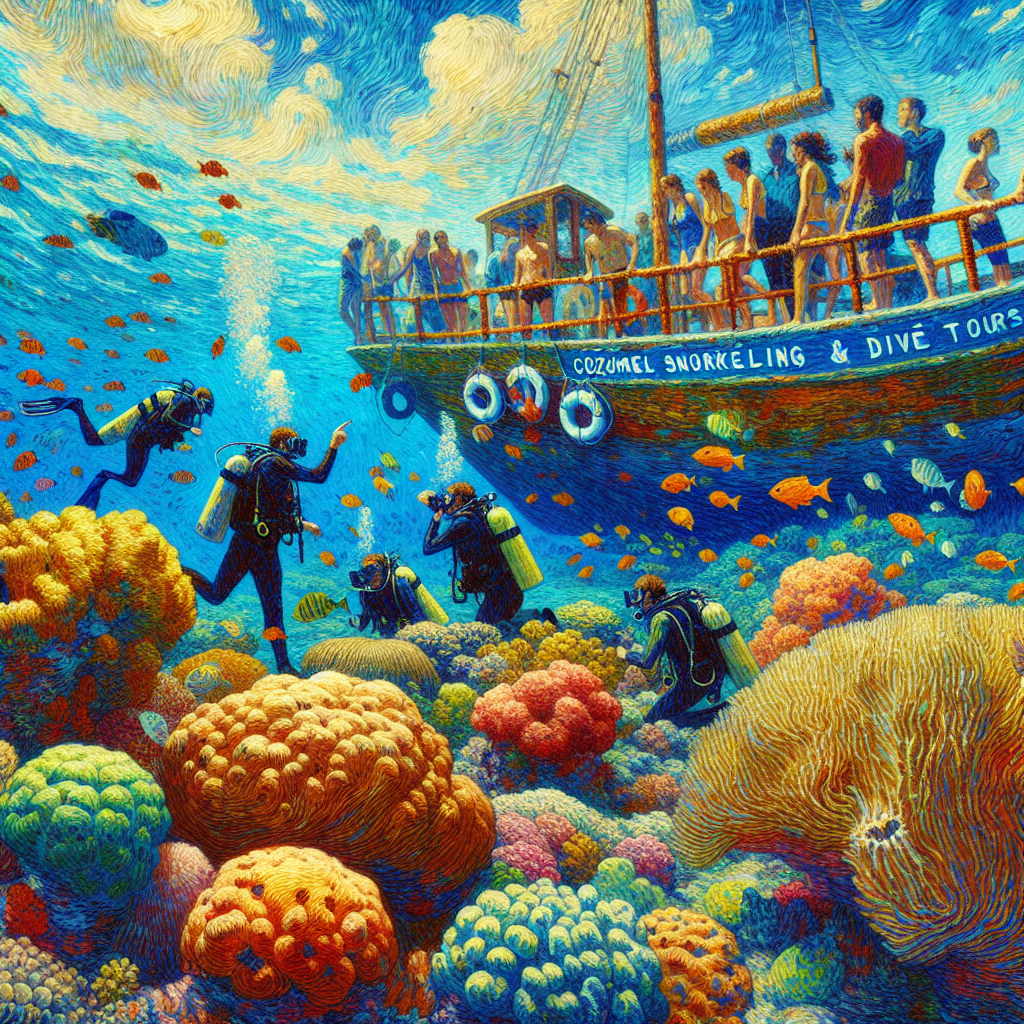
When it comes to exploring the magnificent underwater world of Cozumel, the right tour can make all the difference between a memory you cherish and a wet, chaotic experience that leaves you wishing you’d stayed on dry land. Let’s roll up our sleeves and sift through the murky waters of options available for snorkeling and diving tours in this mesmerizing paradise.
1. Know Your Experience Level
First and foremost, assess your comfort and experience with snorkeling and diving. Are you a seasoned pro or a curious novice? Many tours cater to specific skill levels, offering everything from beginner-friendly guided tours to advanced deep dives that dive deep into the ocean’s secrets. A reputable provider often has a range of offerings, and understanding where you fit will help narrow down your choices.
2. What’s Included?
Consider what the tour package includes. Does it come with equipment rentals, safety briefings, or refreshments? Some services might tack on extra fees for gear or unexpected costs for transportation. Make sure you understand what you’re signing up for—nothing puts a damper on a day in paradise like hidden costs that hit you after you’ve already committed! Look for tours that offer everything upfront.
3. Safety Standards
Safety is paramount—especially when you’re venturing into the deep blue. Check guidelines and certifications of the tour operators. Look for affiliations with safety organizations or local governments to ensure they adhere to maritime regulations. A well-trained crew isn’t just a bonus; it’s a necessity for ensuring both your safety and enjoyment.
4. Group Size and Personalized Attention
Bigger isn’t always better. Smaller group sizes can lead to a more intimate and personalized experience. A smaller group means you’ll get more attention from your guide and a better chance to interact with the beauty of the coral reefs without feeling rushed or crowded. Ask potential tour operators about their group sizes and guide-to-guest ratios.
5. Reviews and Recommendations
Lastly, do your homework! Peruse online reviews, seek out recommendations from friends, or check local guides. Authentic experiences shared by other adventurers can give you a clearer picture of what to expect. Look for tours with a consistent record of positive feedback—it’s the best way to gauge whether the claims are as bright as the coral you’ll be swimming among.
Choosing the right snorkeling or diving tour in Cozumel is a cinch if you take a thoughtful approach. So set your sights on those vibrant corals, pick a tour that feels right, and dive into the adventure that awaits beneath the waves!
How to Choose a Snorkeling Or Diving Tour to View Cozumel Coral?
How to Choose a Snorkeling Or Diving Tour to View Cozumel Coral?
- Assess your comfort and experience level in snorkeling and diving.
- Check what is included in the tour package, including equipment, safety briefings, and refreshments.
- Ensure the tour operator meets safety standards and has the necessary certifications.
- Consider group size for a more personalized experience with guides.
- Read reviews and seek recommendations from friends or local guides.
- Choose a tour with a reputation for positive feedback from past adventurers.
- Take a thoughtful approach to enhance your snorkeling or diving experience in Cozumel.
How to Choose a Snorkeling Or Diving Tour to View Cozumel Coral?
What Are Safety Tips for Snorkeling Or Diving Near Cozumel Coral?
What Are Safety Tips for Snorkeling or Diving Near Cozumel Coral?
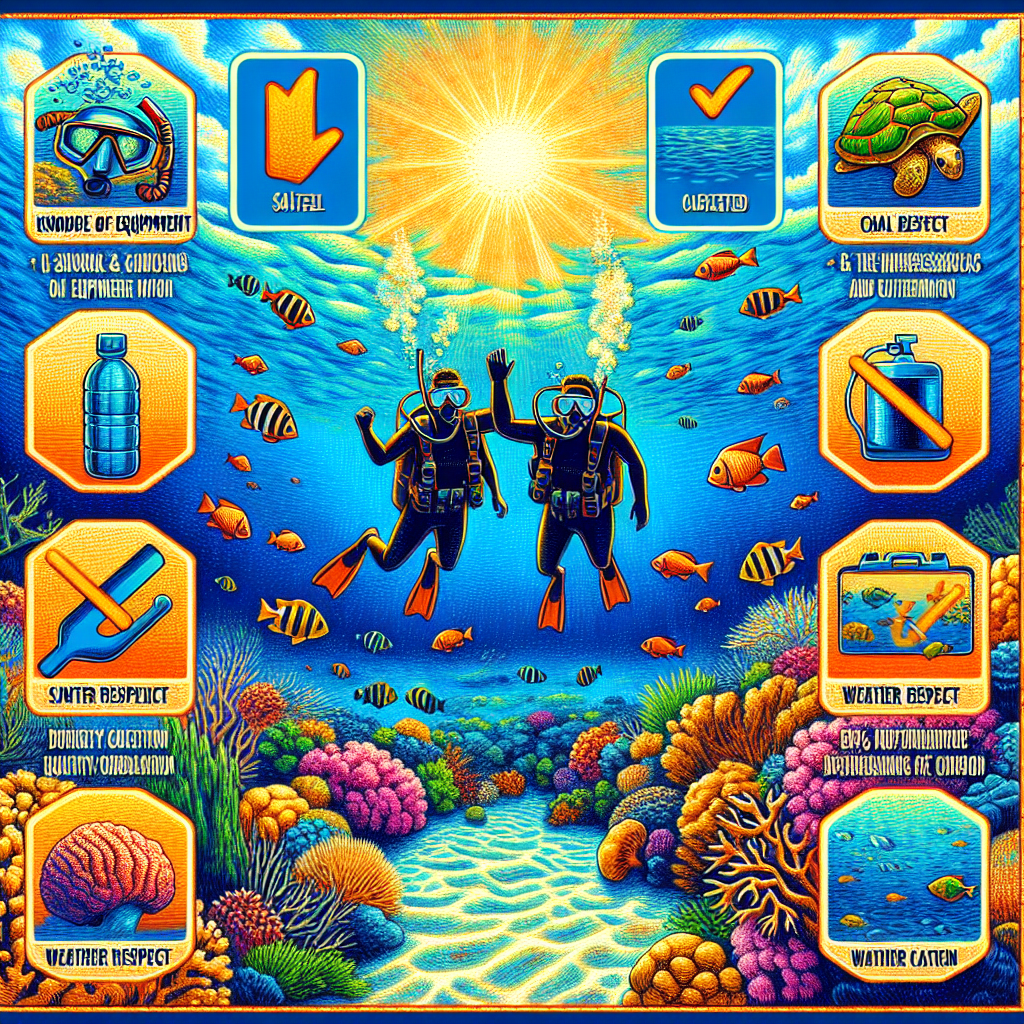
When it comes to exploring the mesmerizing underwater realm of Cozumel, safety should be your top priority—right after ensuring you’ve got the proper gear, of course. This enchanted island offers some of the most vibrant coral reefs, teeming with marine life ready to capture the eye of even the most seasoned snorkeler or diver. But before you strap on that mask and flippers, let’s dive into some essential safety tips to keep your underwater adventure both thrilling and secure.
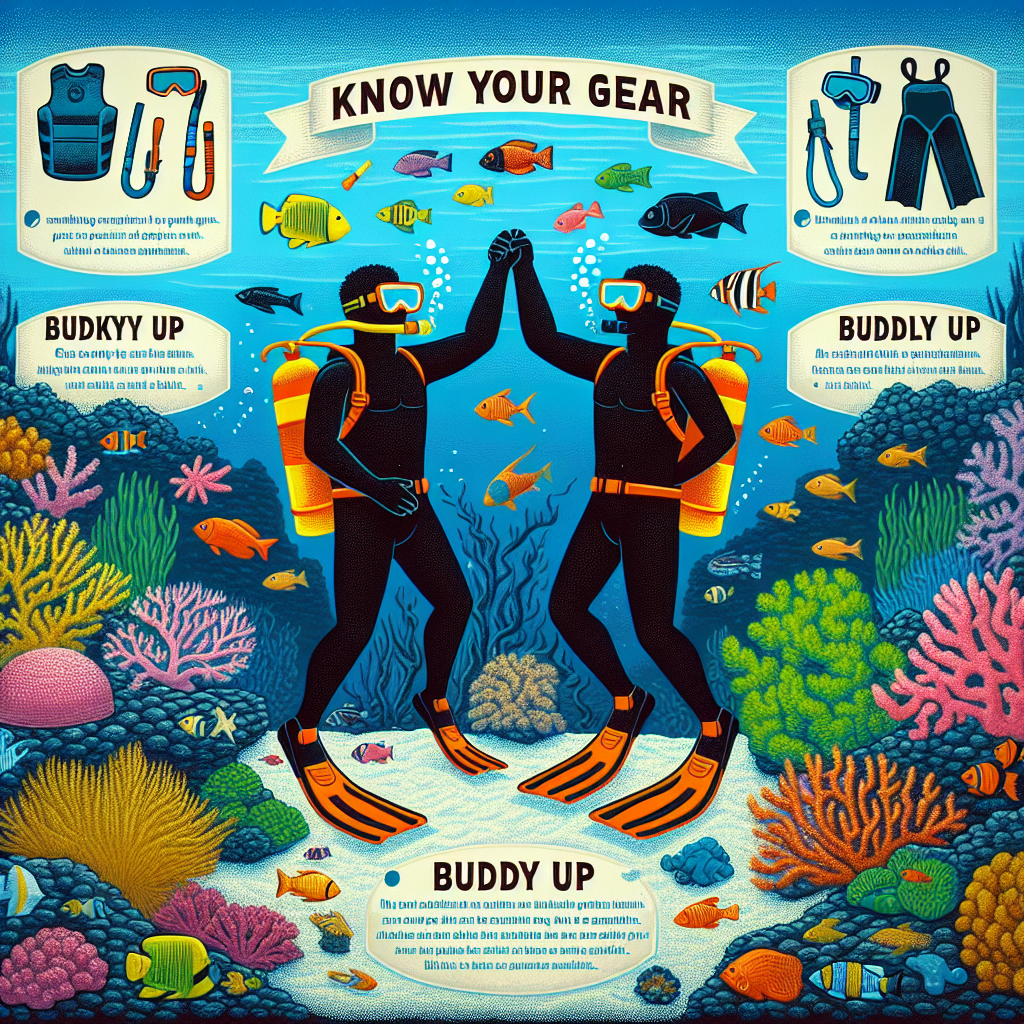
Know Your Gear
First things first: become intimately acquainted with your equipment. Whether you’re renting gear or using your own, make sure it’s in good working condition. Check your mask for a proper seal, straps for wear, and the tank pressure if diving. Practicing with your snorkel and fins in shallow water will help you feel comfortable before you take the plunge.
Buddy Up
Whether you’re a lone wolf or a social butterfly, always make it a practice to snorkel or dive with a buddy. This rule isn’t just about company; it’s about accountability. A buddy can help you out in case of unexpected currents, mechanical failures, or just in case you need a high-five after spotting that elusive sea turtle.
Respect the Coral
Cozumel’s coral reefs are a delicate maze of life, and your presence should be a gentle one. Maintain a safe distance from the coral structures to avoid damaging them or unintentionally harming marine life. There’s plenty to admire from afar! Keep your fins and gear away from the reef, as even a light touch can lead to significant damage.
Stay Hydrated and Fueled
It’s easy to forget the basics when you’re enveloped in the beauty of the ocean, but hydration and nutrition are vital. Dehydration can sneak up on you, especially in a tropical climate. Drink plenty of water before and after your underwater escapades, and don’t skimp on snacks that will give you sustained energy.
Watch the Weather
Cozumel’s waters can change quicker than you can say “the fish is that big.” Keep an eye on weather forecasts and heed warnings from local dive shops. If conditions don’t seem favorable, it’s better to reschedule an outing than to risk personal safety.
Be Mindful of Marine Life
Cozumel is home to an array of fascinating creatures, many of which can be harmless, but others can pack a punch. Familiarize yourself with local species and always keep a respectful distance. Never touch or disturb marine wildlife, and avoid feeding the fish; they might get a little too friendly if you do.
By embracing these safety tips, you can ensure your snorkeling or diving adventure near Cozumel’s coral reefs is not only unforgettable but also responsible. Now, go out there and explore the wonders that await beneath the surface—safely, of course!
What Are Safety Tips for Snorkeling Or Diving Near Cozumel Coral?
What Are Safety Tips for Snorkeling Or Diving Near Cozumel Coral?
- Familiarize yourself with your snorkeling or diving gear to ensure it’s in good working condition before heading into the water.
- Always snorkel or dive with a buddy for added safety and accountability.
- Maintain a safe distance from coral structures to protect the delicate marine ecosystem.
- Stay hydrated and well-nourished, especially in a tropical climate.
- Monitor weather conditions and reschedule your outing if necessary for safety.
- Be mindful of local marine life and maintain a respectful distance; do not touch or feed them.
- Embrace these safety tips to ensure a responsible and enjoyable underwater adventure near Cozumel.
What Are Safety Tips for Snorkeling Or Diving Near Cozumel Coral?
How Do The Coral Reefs Impact Local Tourism In Cozumel?
When you think of Cozumel, the first picture that likely springs to mind is that of crystal-clear turquoise waters caressing sun-soaked beaches. However, beneath the surface, an astonishing world comes alive, teeming with vibrant marine life, delicate coral structures, and ecosystems that are as breathtaking as they are fragile. The coral reefs are the lifeblood of local tourism here, drawing millions of visitors each year who seek to experience the ocean’s unparalleled beauty.
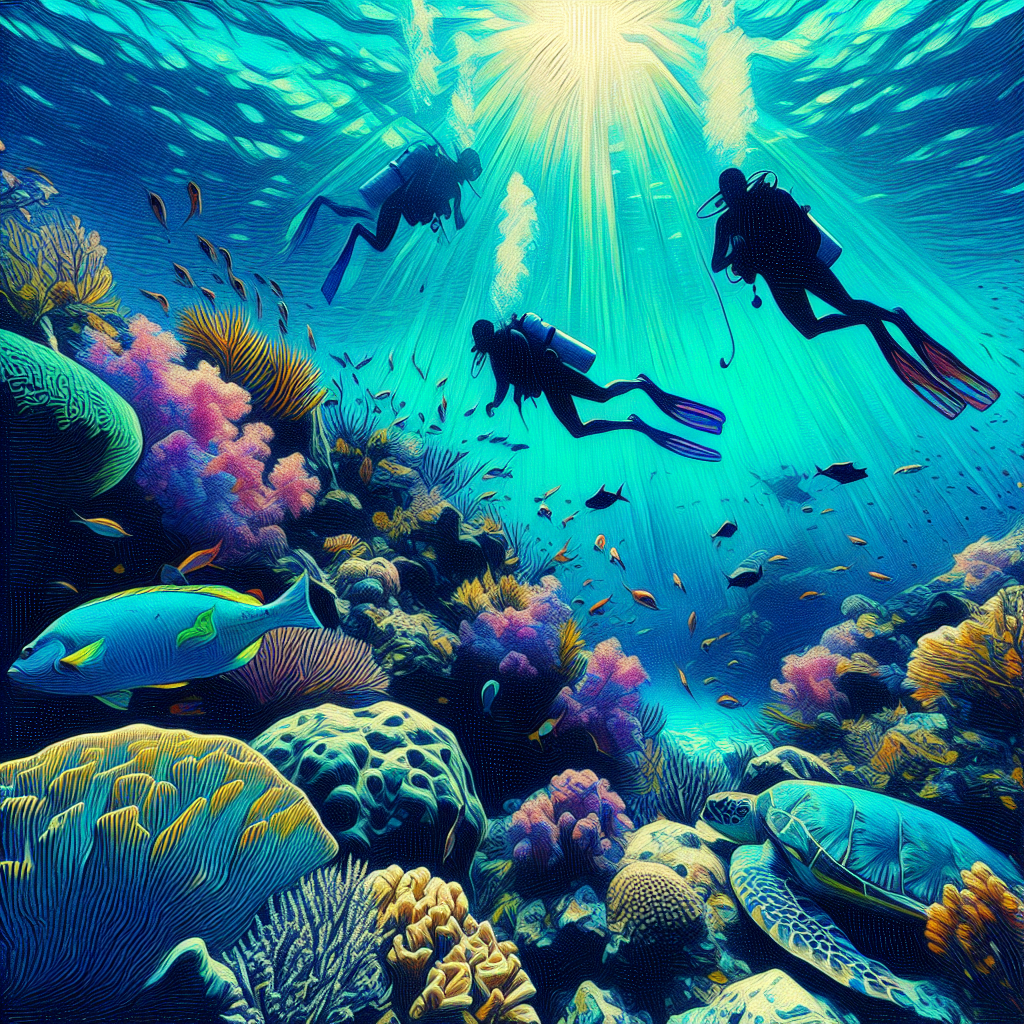
Let’s face it—people don’t flock to Cozumel just for the weather, although the sun rarely skips town. They come for the adventure, the thrill of exploring vibrant underwater landscapes that seem almost otherworldly. Snorkeling and scuba diving among the coral reefs is a bucket-list experience for many. Coral formations like the Palancar Reef and the Colombia Reef are renowned for their diverse marine species, showcasing everything from strikingly colorful fish to delicate sea turtles. These attractions play a huge part in the local economy, as dive shops, tour operators, and coastal restaurants thrive on the business that this vibrant underwater world generates.
The economic impact of these reefs is staggering. A significant part of the island’s revenue comes from tourists eager to take a plunge into the clear waters. The more visitors that come, the more money flows into the local coffers to support everything from restaurants to hotels to the myriad shops selling local crafts. The coral reefs essentially serve as a natural tourism engine, driving demand for services and products both on and off the water.
But there’s a flip side to this coin. The environmental health of the reefs is paramount. Increased tourism often means more boats, more people wading through delicate ecosystems, and increased pollution—all of which poses serious risks to the reefs. Local authorities and environmental groups are increasingly emphasizing the importance of sustainable practices to preserve these natural wonders for generations to come.
In essence, the coral reefs of Cozumel represent a careful balancing act between economic gain and environmental preservation. As tourists continue to flood the island, they’re not just contributing to the local economy—they’re also becoming stewards of the very ecosystems that bring them there in the first place. So the next time you’re snorkeling through a coral garden, remember: each colorful fish you see—or coral structure you touch—tells the story of both prosperity and fragility in this Caribbean paradise.
How Do The Coral Reefs Impact Local Tourism In Cozumel?
How Do The Coral Reefs Impact Local Tourism In Cozumel?
- Cozumel is famous for its crystal-clear turquoise waters and sun-soaked beaches.
- Beneath the surface lies a vibrant ecosystem with delicate coral reefs and marine life.
- The coral reefs attract millions of tourists, driving local tourism and the economy.
- Popular diving spots include Palancar Reef and Colombia Reef, known for their diverse marine species.
- Tourism generates significant revenue for local businesses, including restaurants and dive shops.
- Increased tourism poses environmental risks, such as pollution and ecosystem damage.
- Efforts are being made to promote sustainable practices to protect these valuable coral reef ecosystems.
How Do The Coral Reefs Impact Local Tourism In Cozumel?
Can I Explore Cozumel Coral Reefs Without Scuba Diving Or Snorkeling?
When you think about exploring the vibrant coral reefs surrounding Cozumel, the first images that might pop into your mind are those of divers gracefully gliding through the waves or snorkelers bobbing on the surface. But hold on just a moment! What if I told you there are other—just as thrilling—ways to experience these underwater wonders without strapping on a tank or sticking your face in a mask?
Let’s get to the heart of it: you don’t need scuba gear or snorkel equipment to appreciate Cozumel’s marine beauty. The island is not only a diving mecca; it offers a cornucopia of alternatives that can bring you eye-to-eye with those colorful corals and curious fish.
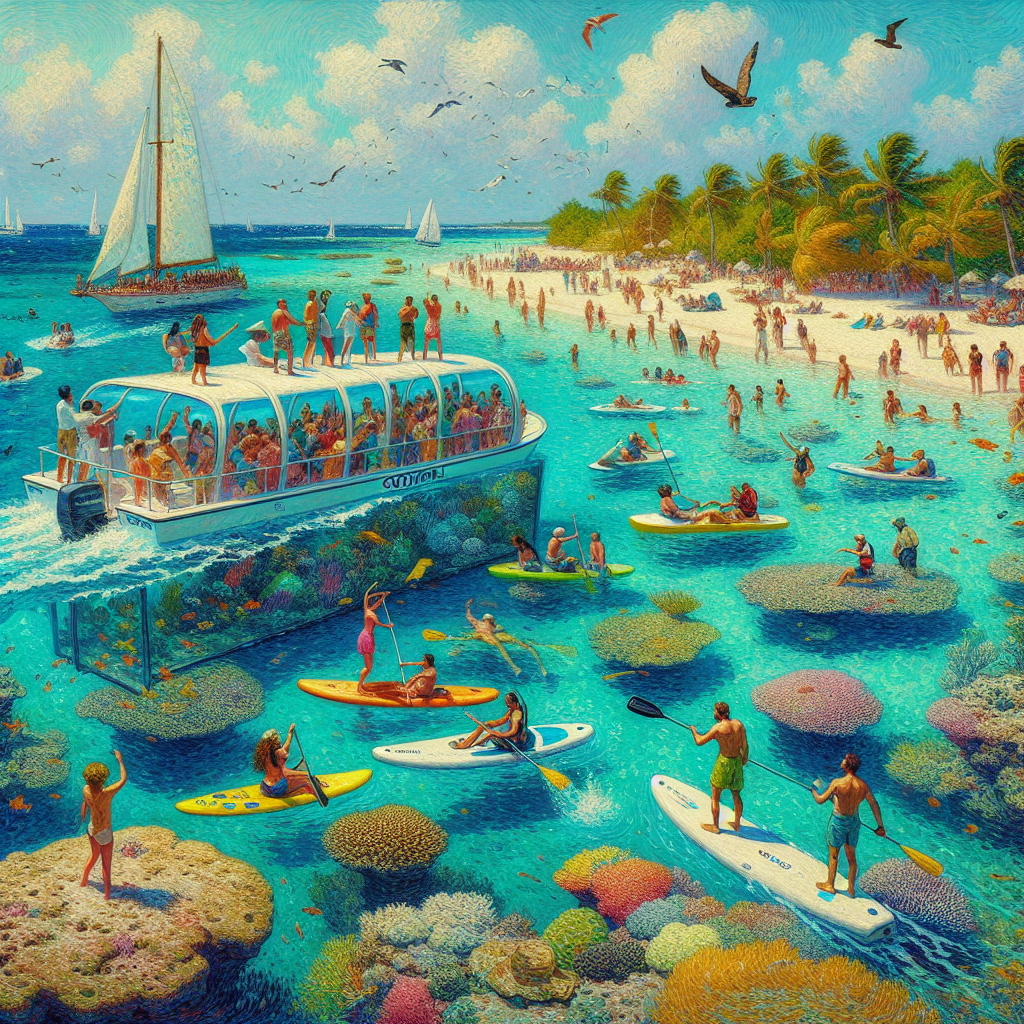
One of the most accessible ways to connect with the underwater world is through glass-bottom boat tours. Picture this: you’re seated comfortably aboard a boat, cruising over sun-dappled waters while the ocean’s secrets are revealed beneath your feet. With a bit of luck and a keen eye, you’ll spot angelfish, parrotfish, and maybe even a sea turtle gliding gracefully by. It’s a relaxing yet thrilling experience, and you can snap away with your camera without worrying about water getting in your gear!
If you’re feeling a little more adventurous but still want to keep your head above water, consider stand-up paddleboarding (SUP) or kayaking. These activities allow you to glide along the shoreline and witness the marine life in their natural habitat. As you paddle out, you’ll find areas where coral formations peek through the water’s surface, showcasing vibrant colors. Plus, you get a workout while you’re at it—two birds, one paddle, right?
Now, let’s talk about the shores of Cozumel. For those who prefer to stay dry, simply walking along the coast can be a rewarding venture. Many areas are teeming with life; you might find shell collectors or bird watchers captivated by the island’s avian inhabitants. Different spots along the beaches also offer great opportunities for low-tide excursions, where you can explore tide pools packed with life.
So, whether you’re comfortable on a boat, leaning over a paddle, or strolling along the sandy shores, Cozumel’s coral reefs can be enjoyed in a multitude of ways. Dive in—figuratively, of course—and let the ocean’s wonders unfold before you!

Can I Explore Cozumel Coral Reefs Without Scuba Diving Or Snorkeling?
Can I Explore Cozumel Coral Reefs Without Scuba Diving Or Snorkeling?
- Exploring Cozumel’s coral reefs doesn’t require scuba or snorkeling gear.
- Glass-bottom boat tours provide a relaxing way to see marine life without getting wet.
- Stand-up paddleboarding (SUP) and kayaking offer an adventurous way to view reefs while staying above water.
- Walking along the coast can reveal various forms of marine life, including shells and birds.
- Low-tide excursions allow for exploration of tide pools filled with diverse wildlife.
- Cozumel offers multiple ways to appreciate its underwater wonders, catering to different preferences.
- Visitors can enjoy the ocean’s beauty by engaging in various surface activities.
Can I Explore Cozumel Coral Reefs Without Scuba Diving Or Snorkeling?
Conclusion
In conclusion, Cozumel’s coral reefs are more than just an underwater spectacle; they are vibrant ecosystems teeming with life and color that reflect the very essence of nature’s beauty. Imagine descending into crystal-clear waters where shades of azure and turquoise intertwine with lively coral formations, creating an underwater city that’s home to colorful fish, majestic sea turtles, and curious nurse sharks. It’s a realm that pulses with biodiversity, drawing adventurers from all corners of the globe who crave the thrill of exploration and the serenity of the sea.
Yet, amid this majesty lies a responsibility—we must safeguard these wonders for future generations. The reefs are critical not just for marine life but also for the communities that depend on them for sustenance and economic support. They act as natural barriers against erosion and fuel the island’s tourism, presenting endless opportunities for snorkeling and diving. With nearly 70 dive sites, both seasoned divers and snorkeling novices can dive into a world full of life, from fringing reefs that hug the shoreline to deeper barrier reefs hosting an array of species.
However, while the allure of Cozumel’s marine splendor draws many, the challenges posed by climate change, pollution, and unsustainable practices threaten these fragile ecosystems. It is imperative that we tread lightly as we explore, respect the coral, and support local conservation efforts. Whether you choose to dive, snorkel, kayak, or simply cruise over these reefs in a glass-bottom boat, your experience is enhanced by a commitment to protect and preserve the ocean’s treasures.
In essence, Cozumel invites you to plunge into its radiant waters and uncover the magic below the surface. Adventure awaits you in every dive and every snorkel, but remember: each coral, each fish, and each breathtaking view is part of a delicate tapestry woven by nature. So grab your gear, arm yourself with awareness, and take the plunge—literally and figuratively—into a paradise that deserves our reverence and protection. Join us in celebrating these underwater jewels and championing their future, because together, we can make a difference, one dive at a time.
Conclusion
Conclusion:
- Cozumel’s coral reefs are vibrant ecosystems embodying nature’s beauty.
- The underwater city features colorful fish, sea turtles, and nurse sharks.
- Reefs provide sustenance and economic support for local communities.
- They serve as natural barriers against erosion and boost tourism.
- Nearly 70 dive sites cater to both experienced divers and novices.
- Challenges like climate change and pollution threaten these fragile ecosystems.
- Protection and respect for the reefs are essential for their preservation.
Conclusion
Other Resources
Other Resources
One quiet thing worth knowing: where you stay on the island changes what you can actually do here. If you’re sketching out a trip, these may help. Cozumel Journey is an editorial guide to Cozumel — neighborhoods, planning tips, and life on the island for travelers who want context, not a cruise schedule.
Here is a list of other resources you can review online to learn more:
- Bahama Breeze
- Casa Denis
- Cozumel Island Tours
- El Mirador
- Noodles & Company
- Chankanaab Adventure Beach Park
- CRAZY King Burrito
- Beach Bum Bikes
- Cozumel Trips
- MayanmanTriatlón
- Cozumel Journey — long-form writing on neighborhoods and planning
Use This Prompt To Get More Resources With Your Favorite Online AI Tool: Please provide me with a list of online articles with their URLs in a bulleted list that I can read regarding Are There Beautiful Coral Reefs In Cozumel?
Other Resources
Glossary Terms
Are There Beautiful Coral Reefs In Cozumel? – Glossary Of Terms
1. Coral Reef: A marine structure formed by colonies of tiny animals called coral polyps that secrete calcium carbonate, creating a habitat for diverse marine life.
2. Cozumel: An island in the Caribbean Sea off the eastern coast of Mexico’s Yucatán Peninsula, known for its stunning coral reefs and vibrant marine ecosystems.
3. Biodiversity: The variety of life forms in a given habitat, including different species of coral, fish, and other marine organisms found within coral reefs.
4. Hard Coral: Corals that build the structure of the reef by producing a hard calcium carbonate skeleton, such as brain coral and staghorn coral.
5. Soft Coral: Corals that do not produce a rigid skeleton, often characterized by their flexible, feathery appearance, such as sea fans and sea whips.
6. Symbiosis: A mutually beneficial relationship between different organisms, such as the relationship between coral polyps and zooxanthellae algae.
7. Zooxanthellae: Photosynthetic algae that live within coral polyps and provide energy to the coral through photosynthesis, benefiting both organisms.
8. Reef Fish: Species of fish that inhabit coral reefs, including parrotfish, angelfish, and clownfish, known for their bright colors and diverse behaviors.
9. Marine Protected Area (MPA): A designated region of the ocean where human activities are regulated to conserve marine biodiversity and habitats, including coral reefs in Cozumel.
10. Diving: An underwater activity that allows individuals to explore coral reefs, often used for recreation and scientific research.
11. Snorkeling: A water activity where individuals swim on the surface while equipped with a mask and snorkel, providing access to shallow coral reefs.
12. Marine Sanctuary: A specific type of MPA that focuses on protecting marine life and ecosystems, such as those in the waters surrounding Cozumel.
13. Algal Bloom: A rapid increase in algae in water, often harmful as it can deplete oxygen levels and block sunlight from reaching coral reefs.
14. Ecosystem: A biological community of interacting organisms and their physical environment, which for coral reefs includes various marine species and habitats.
15. Bleaching: The loss of color in corals due to stress, often caused by rising sea temperatures, resulting in the expulsion of zooxanthellae and potential coral death.
16. Overfishing: Unsustainable fishing practices that deplete fish populations and disrupt the balance of marine ecosystems, affecting the health of coral reefs.
17. Sedimentation: The process by which particles settle out of water, which can harm coral reefs by smothering corals and blocking sunlight.
18. Coral Spawning: The synchronized release of eggs and sperm by corals, leading to the reproduction and potential proliferation of coral colonies.
19. Sustainable Tourism: Tourism practices that minimize environmental impact and promote conservation, ensuring that coral reefs can be enjoyed for generations to come.
20. Scuba Certification: A formal acknowledgment that an individual has undergone training and meets the standards for safe diving to explore places like coral reefs.
21. Conservation: The act of protecting and managing natural resources, including efforts to preserve coral reefs from threats like climate change and pollution.
22. Threatened Species: Species that are at risk of becoming endangered due to habitat loss or environmental changes, including some reef fish and corals.
23. Restoration: The process of renewing and repairing damaged ecosystems, such as coral reefs, through methods like coral planting and habitat enhancement.
24. Underwater Photography: A specialized field of photography focused on capturing images of marine life and coral reefs, raising awareness about their beauty and fragility.
25. Marine Life: All organisms that live in the ocean, including fish, mollusks, crustaceans, and sea turtles that inhabit coral reefs.
26. Tide Pools: Coastal areas where seawater is trapped in depressions, showcasing a variety of marine organisms, and often home to juvenile reef species.
27. Ecotourism: Responsible travel to natural areas that conserves the environment and improves the well-being of local people, particularly in coral reef regions.
28. Buoyancy Control Device (BCD): A piece of scuba diving gear that allows divers to maintain neutral buoyancy, essential for exploring delicate ecosystems like coral reefs.
29. Loggerhead Turtle: A species of sea turtle commonly found in Caribbean waters, often associated with coral reefs, and plays a vital role in marine ecosystems.
30. Marine Biologist: A scientist who studies marine organisms and their environments, including the health and ecology of coral reefs and the impacts of human activities.
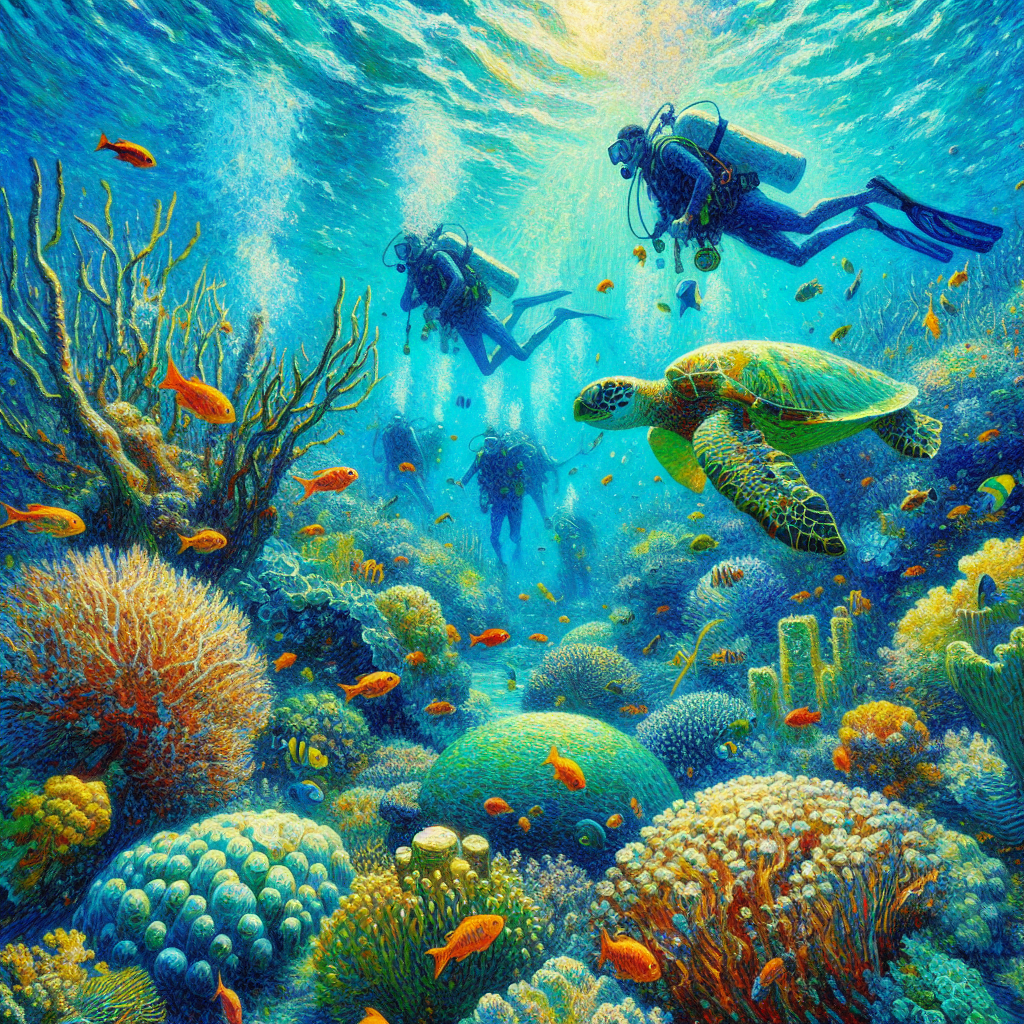
Glossary Of Terms
Other Questions
Are There Beautiful Coral Reefs In Cozumel? – Other Questions
If you wish to explore and discover more, consider looking for answers to these questions:
- What are the best times of year to visit Cozumel for coral reef exploration?
- Are there specific coral reef tours recommended for families or children?
- What marine life can I expect to see while diving or snorkeling in Cozumel?
- What precautions should I take to protect myself from sun exposure while snorkeling?
- Are there any ethical guidelines to follow when visiting coral reefs?
- How do local conservation efforts impact the health of Cozumel’s coral reefs?
- What are the costs associated with diving or snorkeling tours in Cozumel?
- What should I bring with me when going on a snorkeling or diving excursion?
- Are there any age restrictions for snorkeling or diving tours in Cozumel?
- What should I do if I encounter dangerous marine life while exploring?
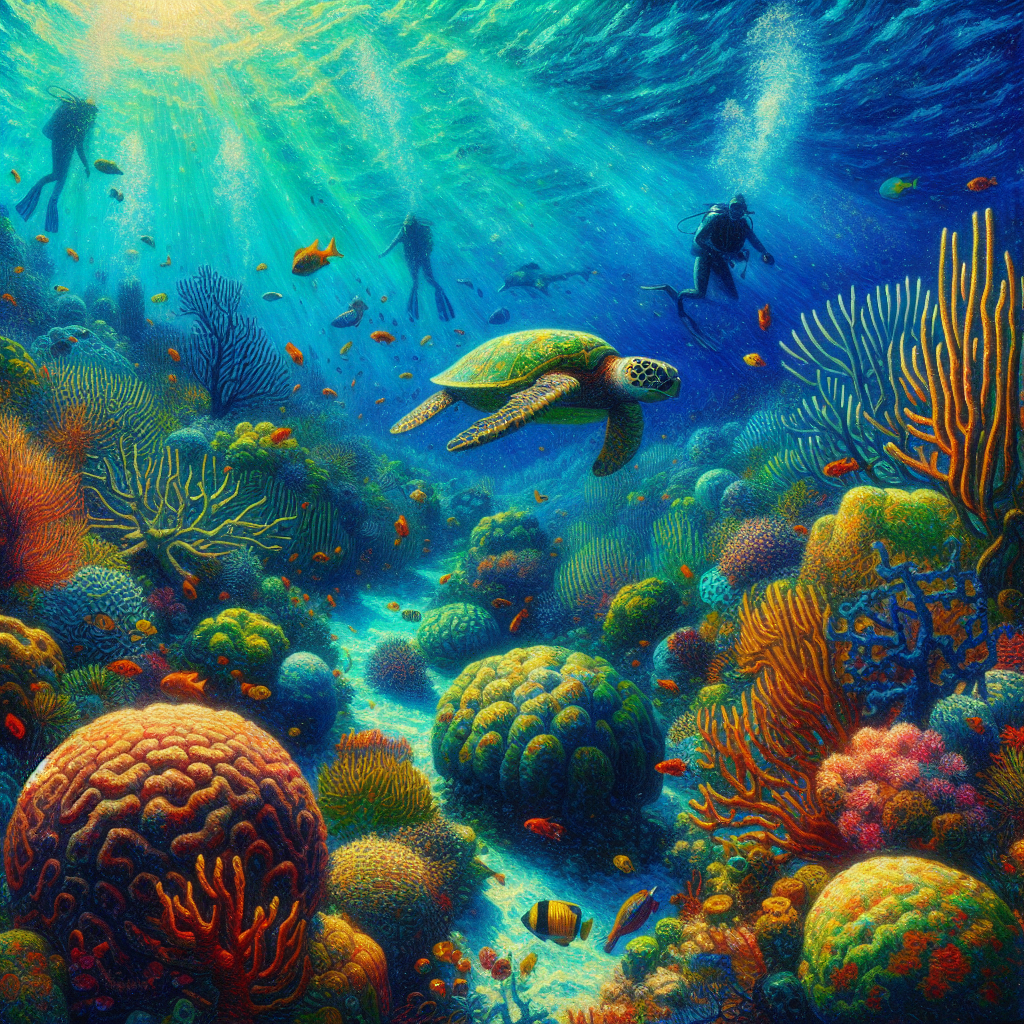
Other Questions
Haiku
Are There Beautiful Coral Reefs In Cozumel? – A Haiku
Vibrant reefs below,
Colorful life thrives in waves—
Guardians of the deep.
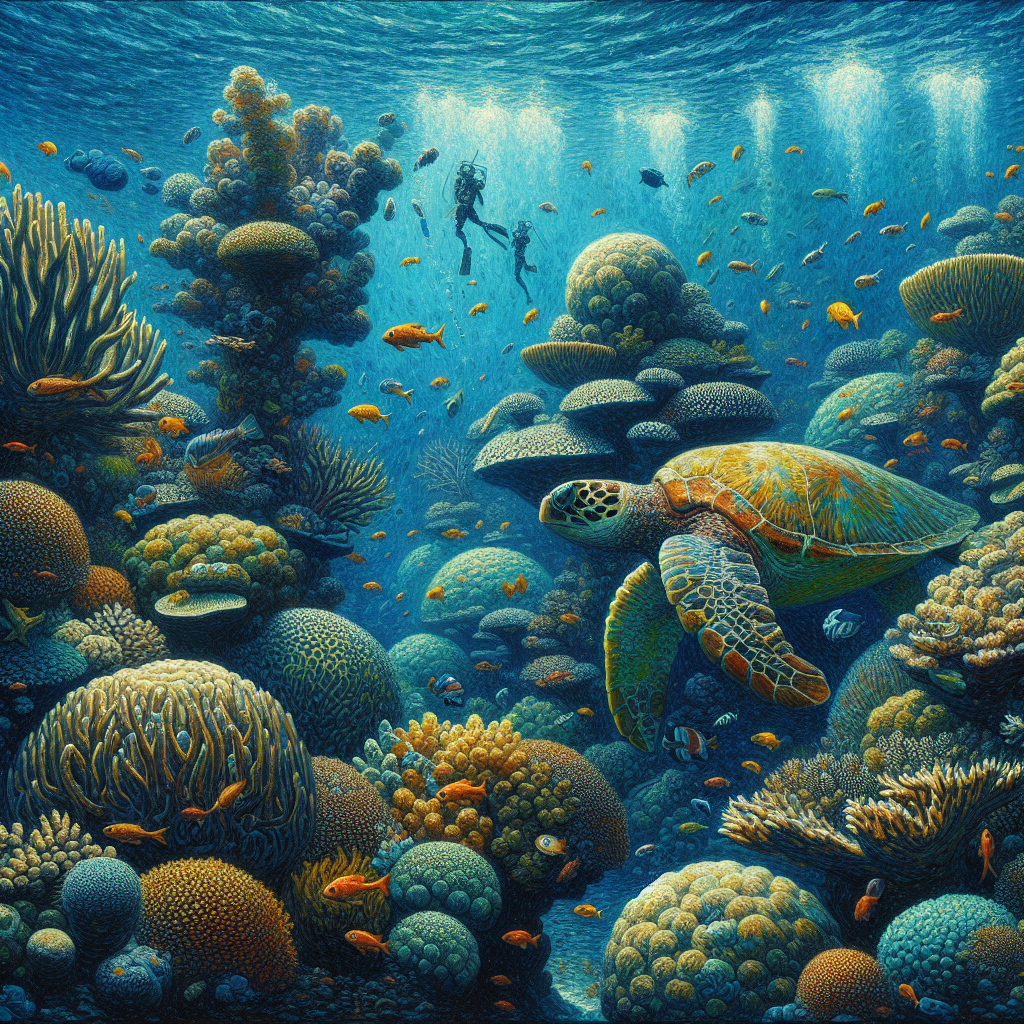
Haiku
Poem
Are There Beautiful Coral Reefs In Cozumel? – A Poem
In Cozumel’s tranquil bays, where colors dance and play,
Coral reefs in splendor rise, beneath a sunlit day.
With azure depths and vibrant hues, a paradise unfolds,
A symphony of undersea, with tales of beauty told.
Fringing reefs embrace the shore, inviting curious souls,
As schools of fish weave through the corals, nature’s living scrolls.
Barrier reefs, like fortresses, protect the land from strife,
While creatures big and small convene, celebrating life.
Adventurers, both bold and keen, plunge into the blue,
Exploring depths where wonders dwell, where sea turtles glide through.
Snorkelers and divers come to find, their hearts in awe inspired,
Among the coral’s painted maze, their spirits ignited, fired.
Yet heed, dear friends, the call to care, for fragile life is there,
In shadows lurk the threats of change, pollution, and despair.
Conserve these jewels gifted by the sea for future eyes to see,
And through our actions, honor them—let nature’s chorus be.
From glass-bottom boats to shores of sand, the reefs can be embraced,
In every wave, there lies a chance to cherish and protect this place.
So wander forth with joy and grace, let vibrant life impart,
For Cozumel’s coral dream awaits, a treasure for the heart.
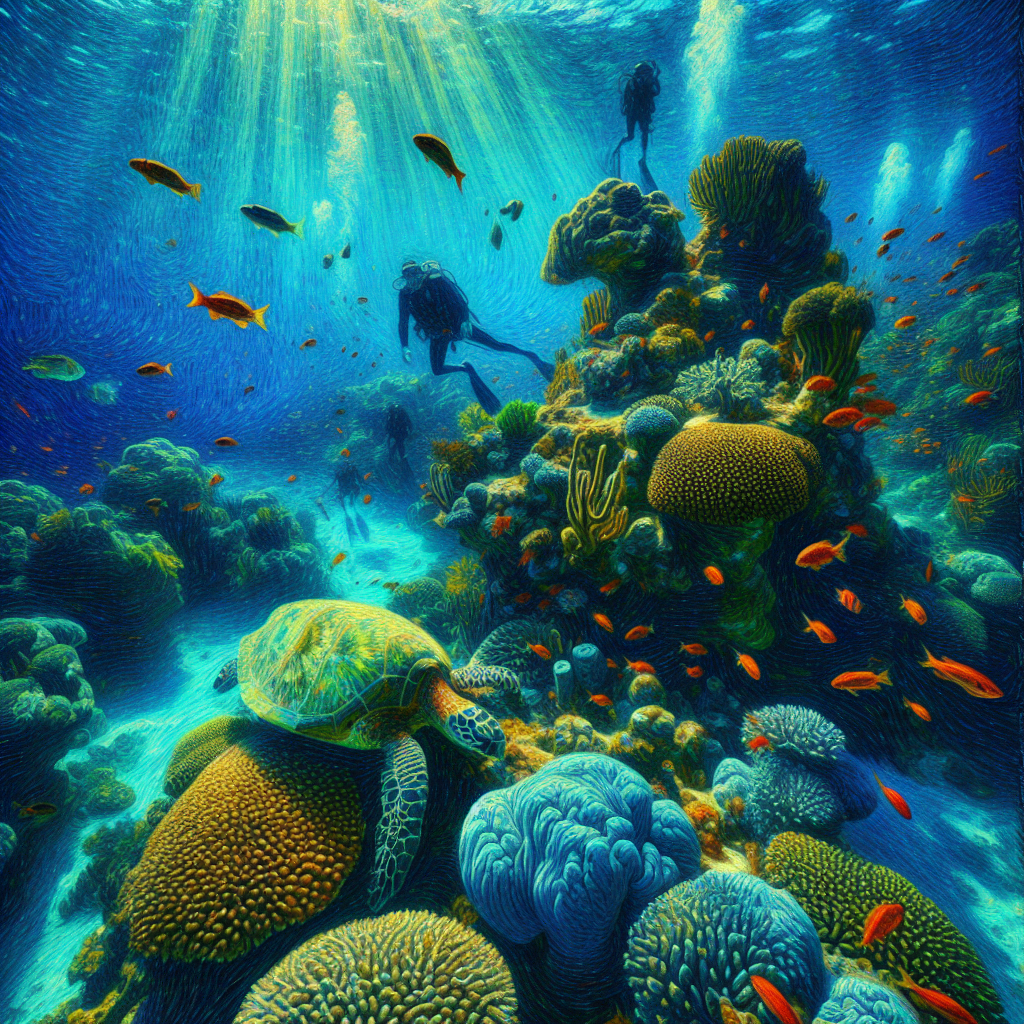
Poem
Checklist
Are There Beautiful Coral Reefs In Cozumel? – A Checklist
Before You Go: Preparation Checklist
1. Research the Reefs:
_____ Learn about the types of coral reefs in Cozumel (fringing, barrier, atolls).
2. Select a Suitable Tour:
_____ Determine your experience level (beginner or advanced).
_____ Choose between snorkeling, scuba diving, or glass-bottom boat tours.
3. Book Your Travel:
_____ Arrange ferry or flight to Cozumel.
_____ Reserve accommodations close to dive shops or coral reef access points.
Packing Checklist:
4. Essential Gear:
_____ Snorkel or scuba equipment (check for rental options).
_____ Reef-safe sunscreen.
5. Safety and Navigation Supplies:
_____ Waterproof phone case or camera.
_____ Map or guide of dive/snorkeling sites.
6. Personal Items:
_____ Swimwear and a rash guard.
_____ Towel and a change of clothes.
Health & Safety Checklist:
7. Check Your Gear:
_____ Inspect snorkeling/scuba gear for proper functioning.
_____ Verify mask fit and tank pressure (if diving).
8. Buddy System:
_____ Ensure you have a partner for safety during snorkeling or diving.
9. Stay Hydrated:
_____ Bring water and snacks; stay fueled for energy.
10. Observe Weather Conditions:
_____ Check for any warnings or changes in the forecast.
While Exploring: Respect and Enjoy Checklist
11. Respect Marine Life:
_____ Maintain a safe distance from coral and marine creatures.
_____ Avoid touching or disturbing coral formations.
12. Follow Environmental Guidelines:
_____ Only use reef-safe sunscreen.
_____ Dispose of waste properly to help keep the waters clean.
13. Take Safe Photographs:
_____ Use a waterproof camera for memorable underwater shots.
_____ Avoid flash photography, which can harm marine wildlife.
After Your Adventure: Reflection Checklist
14. Share Your Experiences:
_____ Write about your adventure or share photos with friends and family.
15. Support Local Conservation:
_____ Donate to or engage with local reef conservation efforts.
16. Plan Your Next Visit:
_____ Keep a list of your favorite spots to revisit or explore further next time.
Utilizing this checklist will ensure you enjoy a safe, thrilling, and respectful experience while exploring the magnificent coral reefs of Cozumel!
Checklist
At TopCozumelNews, we help travelers enjoy Cozumel by collating information learned from frequently traveling to beautiful Cozumel.
Be sure to read our other related stories at TopCozumelNews to learn more about the Island of Cozumel.