




Discover The Diverse Fish Species Of Cozumel
By Tom Seest
At TopCozumelNews, we help travelers enjoy Cozumel by collating information learned from frequently traveling to beautiful Cozumel.
Be sure to read our other related stories at TopCozumelNews to learn more about the Island of Cozumel.
What Are Fish Species Found In Cozumel?
Cozumel: a jewel of the Caribbean, invites you to dive deep into its vibrant underwater world. Now, when you think of Cozumel, you might imagine sun-drenched beaches and swaying palm trees, but if you don’t take the plunge, you’re missing the real show— the aquatic life that calls these waters home. Let’s explore the incredible array of fish species that you can find while snorkeling or diving in this tropical paradise.
First up, we have the regal parrotfish, a burst of colors that looks like it just stepped out of a crayon box. These beauties are not just for looks; they play a crucial role in the coral ecosystem by munching on algae. Keep an eye out, though, because alongside them, you’ll likely encounter the majestic angel fish, which flaunts a vibrant blue and yellow coloration that could make any artist envious.
Now, if you’re feeling adventurous, you might come across the imposing barracuda. These sleek predators are known for their speed and, quite frankly, their sharp teeth. Don’t fret, they usually keep their distance, and they have no interest in snacking on humans when there are plenty of fish swimming around. Speaking of smaller fish, let’s not forget about the lively clownfish. Often seen nestled among the anemones, these little guys are as playful as they are colorful, waving hello like tiny underwater greeters.
And then there’s the nurse shark. These gentle giants may seem intimidating, but they’re mostly harmless and can often be spotted lounging on the ocean floor. If you find yourself in the right spot, you could even catch a glimpse of a playful dolphin pod zipping through the waves.
The waters of Cozumel are also home to the elusive octopus. These intelligent creatures may be hard to spot, but if you do, prepare to be amazed by their ability to morph into their surroundings— it’s like an underwater magic show.
From the smallest damselfish to the largest elusive grouper, Cozumel offers a smorgasbord of marine life just waiting for you to discover. A dive or a snorkel here isn’t just an activity; it’s a front-row seat to one of nature’s most spectacular performances. So, lace up those fins and get ready to embrace the enchanting world beneath the waves. If the ocean doesn’t fill you with wonder, I don’t know what will.

What Are Fish Species Found In Cozumel?
What Are Fish Species Found In Cozumel?
- Cozumel is a vibrant Caribbean destination popular for its underwater world.
- The coral ecosystem thrives with species like the colorful parrotfish and the striking angel fish.
- Adventurous explorers may encounter fast barracudas, though they typically avoid humans.
- Playful clownfish often reside among anemones, adding charm to the aquatic scene.
- Harmless nurse sharks can be spotted resting on the ocean floor, showcasing their gentle nature.
- Dolphin pods may be seen gracefully swimming through the waters, enhancing the experience.
- Cozumel’s marine life includes elusive octopuses and a wide variety of fish, offering a spectacular diving adventure.

What Are Fish Species Found In Cozumel?
Table Of Contents
- What Are Fish Species Found In Cozumel?
- Can Whale Sharks Be Found In Cozumel?
- Can Blue Marlin Be Found In Cozumel?
- Can Toadfish Be Found In Cozumel?
- Can Coral Be Found In Cozumel?
- What Fish Species Can Be Found Around Cozumel?
- What Is The Best Time To See Fish In Cozumel?
- Are There Any Endangered Fish Species In Cozumel?
- Conclusion
- Other Resources
- Glossary Of Terms
- Other Questions
- Haiku
- Poem
- Checklist
Can Whale Sharks Be Found In Cozumel?
When you think of Cozumel, images of sun-soaked beaches, vibrant coral reefs, and a myriad of marine life probably fill your mind. But nestled beneath the turquoise waters, there’s a gentle giant that captures the imagination of those willing to dive a little deeper. Yes, I’m talking about the whale shark — the largest fish in the sea.
Now, let’s set the scene. Cozumel’s warm waters are not just a haven for divers, snorkelers, and a host of colorful fish. They’re also prime real estate for the majestic whale shark. Each year, from June through September, these colossal creatures make their pilgrimage to the waters off Cozumel, drawn by an abundance of plankton. Imagine swimming alongside a creature that can grow up to 40 feet long, gliding gracefully through the water like a massive underwater bus, albeit one that serves nothing but plankton on the menu.
But why here? Why Cozumel? The answer lies in the perfect blend of nutrients and geography. The currents bring nutrient-rich waters, creating a banquet that attracts tiny creatures, ultimately drawing in the whale sharks looking for a meal. It’s nature’s own buffet, and these gentle giants know exactly where to go.
For those lucky enough to encounter them, swimming with whale sharks off the coast of Cozumel is a feat that leaves lasting memories. Picture the moment you slip into the water, heart pounding, and catch that first glimpse of a whale shark slowly moving through the depths. It’s a humbling experience, one that reminds us just how vast and mysterious the ocean can be.
However, it’s crucial to appreciate the experience responsibly. Cozumel embodies a commitment to marine conservation, and initiatives are in place to protect these magnificent creatures. That means following guidelines to ensure that our fascination with these animals doesn’t turn into a harmful interaction.
So, can whale sharks be found in Cozumel? Absolutely! As the sun sets on another perfect day in this paradise, take a moment to reflect on how nature’s wonders continually remind us of the incredible ecosystems we still have. Just remember to respect them, and let your curiosity and sense of adventure guide you into the ocean blue. You won’t regret it!

Can Whale Sharks Be Found In Cozumel?
Can Whale Sharks Be Found In Cozumel?
- Cozumel is known for its sun-soaked beaches, coral reefs, and diverse marine life.
- The whale shark, the largest fish in the sea, frequents Cozumel’s waters from June to September.
- These gentle giants are attracted to nutrient-rich waters filled with plankton.
- Swimmers can experience the awe of swimming alongside whale sharks, which can grow up to 40 feet long.
- The geography and nutrients in Cozumel create a natural buffet that lures these colossal creatures.
- Responsible interaction with whale sharks is encouraged to protect and conserve marine life.
- Cozumel serves as a reminder of the incredible ecosystems still found in our oceans.

Can Whale Sharks Be Found In Cozumel?
Can Blue Marlin Be Found In Cozumel?
When you think about Cozumel, the first images that might come to mind are sandy beaches, vibrant coral reefs, and shimmering turquoise waters. But beneath that surface, there exists a world where anglers pursue one of the ocean’s most magnificent creatures: the blue marlin. This fish isn’t just a trophy; it’s the stuff of legends, the ultimate prize for those who dare to cast their lines in the depths surrounding this enchanting island.
Cozumel, celebrated for its breathtaking dive spots and snorkeling adventures, also harbors the clear, deep waters ideal for big game fishing. Anglers have long been captivated by the prospect of tangling with a blue marlin, known for its relentless strength and sleek beauty. These magnificent fish are not just any catch; they can reach lengths of up to 14 feet and weigh over 1,000 pounds. That’s not your average fish story; that’s an epic saga waiting to unfold on the high seas.
The waters around Cozumel see blue marlin primarily during the summer months, peaking from late May to early September. During this time, the prevailing currents and abundant baitfish create a perfect storm for these beasts to roam. A seasoned fisherman, armed with skill and patience, can spot a marlin tailing through the water, a sight that’ll make your heart race and your hands tremble in anticipation. But catching one isn’t just about luck; it requires finesse and respect for the ocean.
Engaging with blue marlin is both thrilling and humbling. Once hooked, these ocean titans will put up a fight like no other, demonstrating their incredible acrobatics and raw power. The struggle of reeling one in is a testament to both the angler’s skill and the majestic nature of the marlin itself. It’s not just about the catch; it’s about the experience, the connection to nature, and the stories that will last a lifetime.
For those who venture to Cozumel, the allure of blue marlin fishing offers a unique blend of adventure, challenge, and immersion in a vibrant marine ecosystem. It’s a chance to appreciate the beauty of the sea while engaging in the age-old dance between predator and prey. Whether you’re an experienced angler or a novice ready to learn, the waters around Cozumel promise an unforgettable fishing experience, with blue marlin as the ultimate prize lurking just beneath the surface.

Can Blue Marlin Be Found In Cozumel?
Can Blue Marlin Be Found In Cozumel?
- Cozumel is known for its beautiful beaches, coral reefs, and turquoise waters.
- The island offers a unique fishing experience, particularly targeting the blue marlin, a legendary game fish.
- Blue marlin can grow up to 14 feet long and weigh over 1,000 pounds, making them a significant catch.
- The best time to fish for blue marlin in Cozumel is during the summer months, from late May to early September.
- Fishing for blue marlin requires skill, patience, and respect for the ocean.
- Catching a blue marlin is a thrilling experience, showcasing the fighter’s incredible acrobatics and strength.
- Whether experienced or a novice, anglers will find Cozumel’s waters offer unforgettable fishing adventures with blue marlin.

Can Blue Marlin Be Found In Cozumel?
Can Toadfish Be Found In Cozumel?
If you’re planning an underwater adventure in the vibrant reefs surrounding Cozumel, you might wonder about the local cast of characters—specifically, the elusive toadfish. These fascinating creatures, known for their peculiar looks and unique calls, are part of what makes diving off the coast of Cozumel such an exhilarating experience.
Now, toadfish are not your average fish. Sporting a flat body and a wide mouth, they have a somewhat comical appearance that can make them a favorite sight for divers. Their coloration is generally a mottled blend of browns and greens, which allows them to blend seamlessly into their surroundings, making them quite the masters of camouflage. That said, their distinctive looks make them a rewarding sight for those who know where to look.
Cozumel, renowned for its crystal-clear waters and diverse marine life, offers a haven for various species, including the toadfish. These fish primarily inhabit rocky and coral reefs, where they often tuck themselves into crevices or under ledges to hide from predators. If you’re fortunate enough to spot one during your dive, you might hear their drumming call—a gurgling sound produced by air bubbles they expel, which can be quite remarkable.
Diving enthusiasts in Cozumel will tell you that timing your dives is key. Toadfish are more active at dusk and dawn, so planning your wreck or reef dive during these times will increase your chances of seeing them. Alongside the breathtaking corals and tropical fish, the toadfish serves as a reminder of the incredible biodiversity that thrives beneath the surface.
However, be mindful of your surroundings. While cohabitating with other marine life, toadfish may display defensive behaviors. They are not harmful to divers, but maintaining a respectful distance is always a good practice. After all, the ocean is their home, and we’re just visitors eager to take in the wonder it offers.
So, the next time you find yourself exploring the warm waters of Cozumel, take a moment to appreciate the hidden gems beneath the waves, including the quirky toadfish. They are a perfect example of how nature surprises us, blending the ordinary with the extraordinary in the underwater world.

Can Toadfish Be Found In Cozumel?
Can Toadfish Be Found In Cozumel?
- Cozumel’s vibrant reefs are home to the elusive toadfish, adding excitement to diving adventures.
- Toadfish have a unique appearance, characterized by a flat body, wide mouth, and mottled brown and green coloration for camouflage.
- These fish live primarily in rocky and coral reefs, hiding in crevices or under ledges from predators.
- Toadfish produce a distinct drumming call, a gurgling sound made by expelled air bubbles, which divers may hear.
- Diving at dusk or dawn increases chances of spotting toadfish, as they are more active during these times.
- While generally not harmful, toadfish may exhibit defensive behaviors, so maintain a respectful distance while diving.
- Appreciating toadfish while exploring Cozumel showcases the extraordinary biodiversity of the underwater world.

Can Toadfish Be Found In Cozumel?
Can Coral Be Found In Cozumel?
Cozumel, a small island off the eastern coast of Mexico’s Yucatán Peninsula, is a vibrant hub for marine life. If you’ve ever wanted to dive into the deep blue and explore an underwater paradise, this is the place. But let’s be real—what’s the real star of this show? Coral, of course!
You may be wondering: can coral really be found in Cozumel? The answer is a resounding yes! Known for its crystal-clear waters and thriving coral reefs, Cozumel hosts a rich tapestry of marine biodiversity that draws enthusiasts from around the globe. The Mesoamerican Barrier Reef, one of the largest coral reef systems in the world, stretches right alongside this picturesque island, creating a perfect playground for divers and snorkelers.
Now, let’s dive beneath the surface. When you explore these coral reefs, you’ll encounter a stunning array of colors and shapes. The coral here isn’t just a pretty face; it serves as a crucial habitat for countless marine species. From the vibrant parrotfish that nibble on the coral to the elusive sea turtles gliding by, the ecosystem is a bustling metropolis of sea life. If you’re lucky, you might even catch sight of a graceful manta ray or a playful dolphin during your underwater adventures.
But it’s not just about the sights; the health of these coral reefs is a serious business. Unfortunately, like many other ecosystems worldwide, the coral off Cozumel faces challenges from climate change, pollution, and ocean acidification. Fortunately, conservation efforts are underway, focusing on protecting these reefs and the marine life that depends on them. Organizations are working tirelessly to educate visitors, restore damaged areas, and create sustainable practices that benefit both the environment and local economies.
So, if you’re planning a trip to Cozumel with hopes of swimming through coral gardens teeming with life, you won’t be disappointed. Don your diving gear or grab a snorkel mask, and get ready to plunge into an aquatic world like no other. Remember, every splash in these waters contributes to the story of this extraordinary ecosystem, so treat it with care. The coral in Cozumel is not just a sight to behold; it’s a vital part of a larger tapestry, deserving our respect and protection. Dive in, explore, and cherish this underwater wonderland!

Can Coral Be Found In Cozumel?
Can Coral Be Found In Cozumel?
- Cozumel is a vibrant hub for marine life located off Mexico’s Yucatán Peninsula.
- The island is known for its thriving coral reefs and crystal-clear waters.
- Cozumel is home to part of the Mesoamerican Barrier Reef, one of the largest coral reef systems globally.
- Visitors can encounter a diverse range of marine species, including parrotfish, sea turtles, manta rays, and dolphins.
- Coral reefs are crucial habitats supporting a bustling marine ecosystem.
- Challenges such as climate change, pollution, and ocean acidification threaten the health of these reefs, prompting conservation efforts.
- Visitors are encouraged to engage in sustainable practices while exploring the underwater world to protect this vital ecosystem.

Can Coral Be Found In Cozumel?
What Fish Species Can Be Found Around Cozumel?
When you’re talking about the waters off Cozumel, you’re diving into a rich tapestry of biodiversity that could make even the most jaded marine biologist sit up and take notice. Nestled in the Caribbean, this island isn’t just a pretty face; it’s a veritable fish factory. If you’re the adventurous type, you’ll find an underwater wonderland teeming with life.
First up, you have to mention the colorful parrotfish. With their vibrant hues and distinct beak-like mouths, these fish dance between corals, diligently nibbling away at algae. It’s like watching nature’s version of a color palette come to life. You’ll often find them hanging around the coral reefs that define Cozumel’s underwater landscape. Their ecological role is crucial, helping maintain reef health by controlling algae growth.
Then there are the majestic eagle rays, gliding gracefully through the water. These stunning creatures can often be spotted performing aerial acrobatics, and their presence is a sign of a thriving ecosystem. The shallow waters near Cozumel create perfect conditions for these rays to thrive, making any dive or snorkeling trip a real treat.
Don’t forget about the reef sharks that lurk in the deeper waters. With their sleek bodies and powerful fins, they’re the silent sentinels of the ocean. While they might look intimidating, they typically prefer to keep their distance from humans. Still, the thrill of spotting one can make your heart race faster than a sailboat in a storm.
And let’s not overlook the intricate world of snapper species that call these waters home. With their striking colors and delicious taste, they’re a favorite among fishermen and divers alike. Whether you’re here to catch dinner or just to watch them swim lazily by, snappers add a unique flair to Cozumel’s aquatic environment.
Then there are the clownfish, those iconic little charmers often seen nestled among anemones. Their symbiotic relationship with their host is a true testament to nature’s rhythms, and if you’re lucky enough to spot one, you’ll remember it long after the sunset fades.
In short, Cozumel isn’t just a stop on the map; it’s a showcase of marine life that’ll leave you wide-eyed and breathless. Whether you’re diving, snorkeling, or simply gazing into the water from a boat, the fish species around this enchanting island will ensure that you never forget the beauty that lies beneath the waves.

What Fish Species Can Be Found Around Cozumel?
What Fish Species Can Be Found Around Cozumel?
- Cozumel is renowned for its rich biodiversity, attracting marine biologists and adventurers alike.
- The colorful parrotfish help maintain coral reef health by grazing on algae.
- Majestic eagle rays glide gracefully, often spotted performing aerial acrobatics.
- Reef sharks are found in deeper waters, acting as silent protectors of the ocean.
- Snapper species, known for their striking colors and taste, inhabit these waters and are popular with fishermen.
- Clownfish have a symbiotic relationship with anemones, showcasing nature’s intricate partnerships.
- Cozumel offers unforgettable experiences in marine life through diving, snorkeling, or boat viewing.

What Fish Species Can Be Found Around Cozumel?
What Is The Best Time To See Fish In Cozumel?
When it comes to fishing in Cozumel, knowing the right time to cast your line can mean the difference between a day filled with bites and a day spent in quiet contemplation, taking in the beauty of the Caribbean. For many, the joy of Cozumel lies not just in the crystal-clear waters, but in the thrill of reeling in a catch that represents a slice of its vibrant marine life.
First off, let’s talk about the seasons. The best time to fish in Cozumel typically falls between April and June. During these months, the waters are teeming with life. Mahi-mahi, the flying fish, and marlin are just some of the big game fish you can expect to encounter. As the weather warms, these species come closer to the shoreline to gorge on smaller baitfish, making them more accessible for those who are eager to reel in a trophy.
Now, while the months leading up to summer are prime, let’s not forget the early morning hours. If you can drag yourself out of bed before the sun breaks the horizon, you’ll find that fishing just after dawn offers some of the best opportunities. The serenity of the dawn combined with the cooler temperatures means fish are more active, feeding voraciously before the heat of midday sends them deeper into the water.
But don’t fall into the trap of thinking that the early morning is your only chance. Sunset can also be an excellent time to cast your line. As the sun begins to dip below the horizon, fish like snook and tarpon come out to play. The magical transition from day to night sparks a feeding frenzy that can leave your line screaming with activity.
Of course, let’s not overlook the influence of tides and moon phases. Some seasoned anglers swear by fishing during a full or new moon, when the tides are strong and the fish are even more active. A little prior research can go a long way in planning your excursion.
The best time to fish in Cozumel isn’t just about the calendar days—it’s a combination of season, time of day, and nature’s rhythms. Whether you’re casting off into the sparkling waters at dawn or at dusk, the goal remains the same: bring home a piece of Cozumel’s underwater bounty and some unforgettable memories. So gear up, be patient, and let the island’s rich waters do the work.

What Is The Best Time To See Fish In Cozumel?
What Is The Best Time To See Fish In Cozumel?
- The best fishing time in Cozumel is typically between April and June.
- During these months, fish like mahi-mahi, flying fish, and marlin are more abundant.
- Early morning fishing, just after dawn, offers great opportunities due to cooler temperatures and active fish.
- Sunset is another prime time for fishing, attracting species like snook and tarpon.
- The phases of the moon and tides significantly influence fish activity, making full or new moons favorable times to fish.
- Successful fishing in Cozumel requires understanding the combination of season, time of day, and natural rhythms.
- Patience and preparation are key to enjoying the rich underwater bounty Cozumel has to offer.

What Is The Best Time To See Fish In Cozumel?
Are There Any Endangered Fish Species In Cozumel?
When you think of Cozumel, what comes to mind? Crystal-clear waters, vibrant reefs, and a paradise for divers and snorkelers alike? While it certainly delivers on all of that, lurking beneath the surface is a sobering reality: some of the fish that call these waters home are teetering on the brink of extinction.
Cozumel is a stunning island off the coast of Mexico, boasting incredible biodiversity. Its coral reefs are teeming with life, from whimsical clownfish darting through anemones to majestic sea turtles gliding by. However, not all fish are faring as well. The balance of this undersea paradise is precarious. Many species, like the iconic Nassau grouper and the stunning parrotfish, are experiencing steep declines in their populations. Overfishing, habitat destruction, and climate change are pushing certain fish species closer to the edge.
The Nassau grouper, once a staple catch for local fishermen, has declined drastically over the years. These fish need specific conditions to thrive: mature reefs and a stable environment. Unfortunately, with pressures from commercial fishing and habitat loss, they’ve become one of the species classified as endangered. That vibrant underwater landscape we admire is gradually losing one of its key players—simply put, it’s a tremendous loss for both the ecosystem and the local culture, which has relied on these fish for generations.
Then, there’s the parrotfish. Known for their vibrant colors and unique feeding habits, parrotfish play a vital role in maintaining reef health by grazing on algae that can otherwise smother coral. Despite their importance, their populations are dwindling as coastal development leads to further habitat degradation. These delightful fish are not just pretty to look at; they’re the unsung heroes of the marine environment.
So, what’s being done? Conservation efforts in Cozumel are gaining momentum. Local organizations are pushing for sustainable fishing practices and creating marine protected areas to restore and safeguard these delicate ecosystems. It’s a tough battle—one that requires the cooperation of fishermen, tourists, and locals alike. By raising awareness of these endangered species, we can all play a part in ensuring that Cozumel’s aquatic wonders continue to flourish for generations to come.
The fate of the endangered fish species in Cozumel is intertwined with the fate of the island itself. It’s a reminder that every colorful fish and complex ecosystem we admire has its struggles—struggles that deserve our attention and action.

Are There Any Endangered Fish Species In Cozumel?
Are There Any Endangered Fish Species In Cozumel?
- Cozumel is a stunning Mexican island with vibrant biodiversity, including crystal-clear waters and rich coral reefs.
- Some fish species, like the Nassau grouper and parrotfish, are nearing extinction due to overfishing, habitat destruction, and climate change.
- The Nassau grouper has dramatically declined as they require mature reefs and stable environments, now classifying them as endangered.
- Parrotfish, crucial for maintaining reef health by managing algae, are also suffering from population declines caused by habitat degradation.
- Conservation efforts are underway, focusing on sustainable fishing practices and establishing marine protected areas.
- Community cooperation among fishermen, tourists, and locals is essential for successful conservation efforts.
- The health of Cozumel’s aquatic life is directly linked to the island’s well-being, highlighting the need for awareness and action.
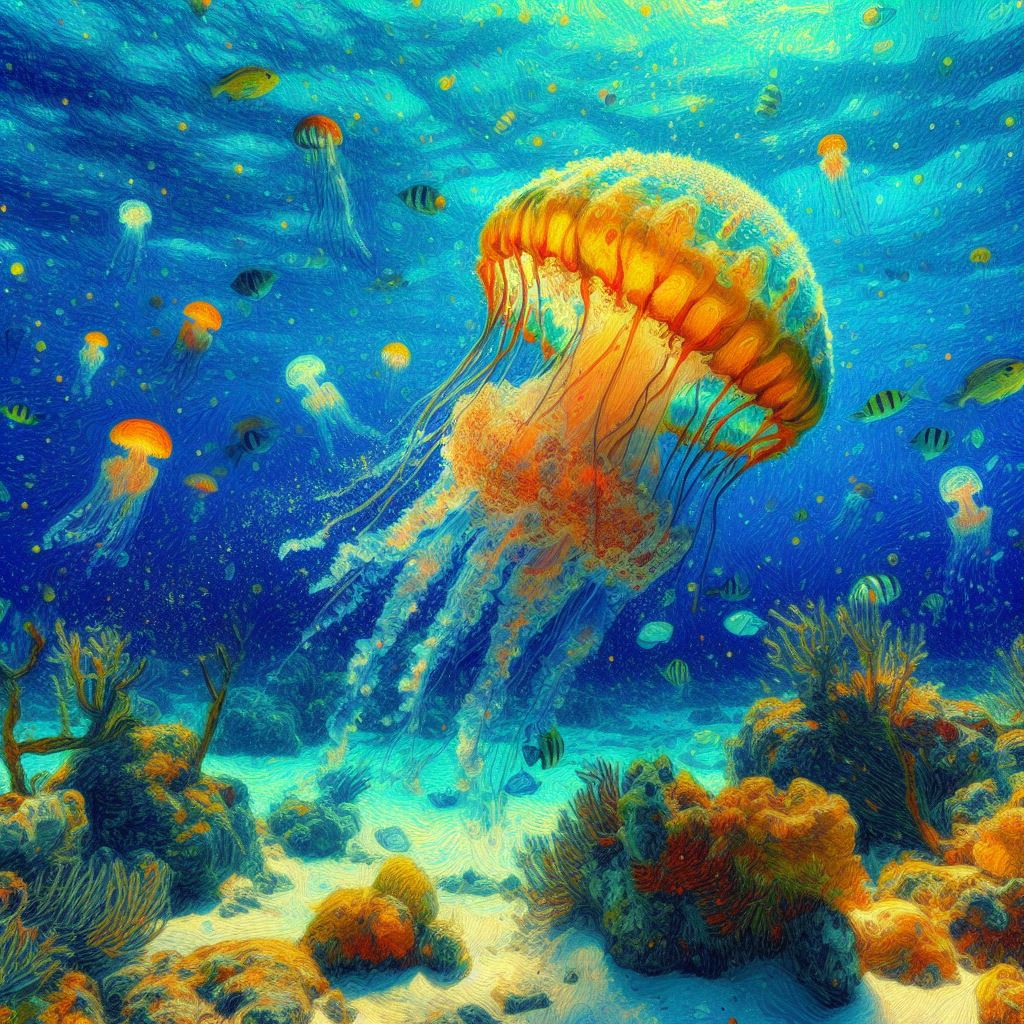
Are There Any Endangered Fish Species In Cozumel?
Conclusion
As we wrap up this underwater journey through Cozumel’s enchanting aquatic wonderland, let’s take a moment to appreciate what lies beneath the waves. Cozumel isn’t just a glorious sun-and-beach destination; it’s a vibrant microcosm teeming with life—a place where every snorkel and dive feels like diving into a National Geographic documentary. From the vivid colors of parrotfish that could make a painter jealous, to the jaw-droppingly majestic glide of a whale shark, this island is a living, breathing spectacle.
You’ve met the regal parrotfish diligently munching on algae, keeping coral healthy while flaunting their dazzling hues. Then there’s the enigmatic barracuda, the playful clownfish, and the gentle nurse shark—each with its own quirky personality that adds to the tapestry of marine life. And let’s not forget the thrilling opportunity to share the water with iconic creatures like the blue marlin or to try your luck at catching one—an adrenaline rush that could fill a fishing tale with envy.
But like a classic Mike Rowe tale, there’s a flip side. The sobering truth is that many of these remarkable fish species are facing endangerment due to human impact. From overfishing to climate change, the delicate balance of this ecosystem is in jeopardy. The Nassau grouper and the parrotfish are just two prime examples of fish that have seen their numbers dwindle due to aggressive fishing and habitat destruction. In the face of such challenges, conservation efforts are taking root, with initiatives dedicated to sustainable practices and marine protected areas. It’s a collaborative effort, involving locals, conservationists, and visitors like you who hold the key to preserving this underwater paradise.
So, whether you’re buoyed by the thrill of seeing a dolphin or humbled by the quiet patience of an octopus, remember that every adventure in Cozumel is a chance to forge a connection with nature—and a call to action. Dive in, explore responsibly, and respect this exquisite world. Cozumel’s waters aren’t just a backdrop for a vacation; they’re a vibrant testament to the wonders of biodiversity. By cherishing this incredible ecosystem, we ensure that these spectacular underwater performances continue for generations to come. Grab your gear and make a splash—you won’t regret it!

Conclusion
Conclusion:
- Cozumel is not just a beach destination, but a vibrant underwater paradise abundant with marine life.
- The island features breathtaking species, including parrotfish, whale sharks, barracudas, clownfish, and nurse sharks.
- Catching iconic fish like the blue marlin offers an exhilarating experience for visitors.
- Many marine species are endangered due to human activities such as overfishing and climate change.
- Conservation efforts are underway, focusing on sustainable practices and marine protected areas.
- Visitors have the opportunity to connect with nature and contribute to preservation efforts.
- Cozumel’s waters exemplify biodiversity, urging everyone to explore responsibly and cherish the ecosystem.

Conclusion
Other Resources

Other Resources
Here is a list of other resources you can review online to learn more:
- Senor Frogs
- Studio Blue Cozumel
- Dive Sites
- Cozumel Tours
- El Rincon De Addy Cozumel
- Caribbean Divers Cozumel
- Kaokao Chocolate Factory
- Three Amigos Cantina & Restaurante Cozumel
- Snorkeling Trip Checklist
Use This Prompt To Get More Resources With Your Favorite Online AI Tool: Please provide me with a list of online articles with their URLs in a bulleted list that I can read regarding What Are Fish Species Found In Cozumel?

Other Resources
Glossary Terms
What Are Fish Species Found In Cozumel? – Glossary Of Terms
1. Angelfish: Small, vibrant fish known for their striking colors and unique shapes. Commonly found around coral reefs and rock formations.
2. Barracuda: A long, predatory fish with sharp teeth. Known for its speed and agility, often found in offshore waters.
3. Butterflyfish: Small, colorful fish with a flat body and distinctive patterns. They feed primarily on corals and other small invertebrates.
4. Cichlid: A diverse group of freshwater fish, some species of which can be found in coastal areas. Known for their intelligence and territorial behavior.
5. Clownfish: Brightly colored fish often associated with sea anemones. They are known for their symbiotic relationship with these protective hosts.
6. Damselfish: Small, territorial fish that are often brightly colored. They are commonly found in shallow reefs and are known for their aggressive nature.
7. Grouper: A large, robust fish that typically inhabits rocky reefs and is known for its stout body and strong jaws. Popular in recreational fishing.
8. Hogfish: A type of wrasse with a long, slender body and a distinctive face. They primarily feed on crustaceans and are often found in coral reefs.
9. Lionfish: An invasive species characterized by its venomous spines and striking appearance. It poses a threat to local ecosystems.
10. Mahi-Mahi: Also known as dolphinfish, these are colorful, fast-growing fish often found in warm ocean waters. They are popular for their culinary value.
11. Parrotfish: Brightly colored fish with beak-like teeth used for scraping algae off reefs. They play a crucial role in maintaining coral health.
12. Rabbitfish: A herbivorous fish that grazes on algae. They are often found in schools and contribute to reef ecosystem balance.
13. Snapper: A versatile group of fish known for their sharp teeth and flavor. They inhabit reefs and are popular among anglers.
14. Surgeonfish: Colorful reef fish recognized by the sharp spines on their tails. They primarily feed on algae and play a significant role in reef health.
15. Triggerfish: Species characterized by their tough skin and strong jaws. They can be aggressive when defending their territory.
16. Moray Eel: Elongated, snake-like fish often found in crevices of reefs. They are known for their unique hunting techniques.
17. Scad: Small schooling fish typically found in open water. They are essential prey for larger predator species.
18. Tuna: Fast-swimming fish that are sought after both commercially and recreationally. Species such as yellowfin tuna are common in deeper waters.
19. Wahoo: A highly prized sportfish known for its speed and delicious taste. It inhabits warmer waters, including surrounding Cozumel.
20. Squirrelfish: Nocturnal fish recognizable by their large eyes and spiny fins. They often hide among reefs during the day.
21. Blennies: Small, bottom-dwelling fish that often inhabit crevices and rock formations. Known for their curious nature and vibrant colors.
22. Tetraodontidae (Pufferfish): Known for their ability to inflate when threatened, they have unique shapes and some species are toxic.
23. Stingray: Flattened fish typically found on sandy bottoms. They have a barbed tail and can be spotted while snorkeling or diving.
24. Hammerhead Shark: A distinctive shark known for its wide-set eyes and unique head shape. They are often encountered in deeper waters.
25. Nurse Shark: A slow-moving shark often found resting on the ocean floor. They are generally non-aggressive and can be seen in shallow waters.
26. Octopus: Cephalopods known for their intelligence and ability to camouflage. They can often be found in reef systems.
27. Seahorse: Unique fish species known for their horse-like heads and curled tails. They often inhabit shallow coastal waters.
28. Flounder: A flatfish species that lies on the ocean floor, blending into its surroundings. They are typically found in sandy or muddy areas.
29. Uni (Sea Urchin): While technically not a fish, they have a significant role in the marine ecosystem and are a delicacy in some cuisines.
30. Tropical Fish: A broad term referring to many colorful and diverse fish species found in warm ocean waters, characteristic of coral reef ecosystems.

Glossary Of Terms
Other Questions
What Are Fish Species Found In Cozumel? – Other Questions
If you wish to explore and discover more, consider looking for answers to these questions:
- What are some other common marine species in Cozumel?
- What activities can I do to experience the fish species in Cozumel?
- Are there guided tours for snorkeling and diving in Cozumel?
- What safety precautions should I take while snorkeling or diving in Cozumel?
- How can I contribute to marine conservation efforts in Cozumel?
- What is the average water temperature in Cozumel throughout the year?
- Are there restrictions on fishing in Cozumel?
- What is the significance of the Mesoamerican Barrier Reef?
- How does coral health impact fish populations in Cozumel?
- What should I bring for a snorkeling or diving trip in Cozumel?
- Are there specific seasons for viewing certain fish species in Cozumel?
- What role do local communities play in preserving marine biodiversity?
- Can I see jellyfish or other dangerous marine life in Cozumel?
- What are the best dive sites around Cozumel for fish enthusiasts?

Other Questions
Haiku
What Are Fish Species Found In Cozumel? – A Haiku
Under waves they dance,
Cozumel’s vibrant fish thrive—
Life in coral arms.

Haiku
Poem
What Are Fish Species Found In Cozumel? – A Poem
In Caribbean waters, a gem does rest,
Where coral gardens bloom, and life’s at its best.
Beneath sunlit waves, a world to behold,
A tapestry of colors, vibrant and bold.
Parrotfish swirl in hues of dazzling delight,
Munching on algae, keeping the reef bright.
While angels swim gracefully, cloaked in blue and gold,
Each encounter a glimpse into wonders untold.
Meet the sleek barracuda, a shadow in motion,
Guarding this realm of aquatic devotion.
And hidden among anemones, small clowns flare bright,
A dance of connection, a heartwarming sight.
The gentle nurse shark, low on the sea bed,
With patience and grace, through the currents they tread.
And if luck is your guide, in playful pods they’ll glide,
Dolphins, those tricksters, with joy as their guide.
Yet lurking in silence, an octopus wanders,
Transforming its colors in magical fonder.
From tiny damselfish to the mighty grouper,
Every creature’s a story, each dive a new trooper.
The gentle whale shark, a giant most kind,
Drawn to rich currents, where plankton they find.
A pilgrimage yearly, from June to September,
A humbling encounter, one we’ll always remember.
Blue marlin, a legend, in waters so clear,
Creel dreams of the daring, their beauty held dear.
Through battles of artistry, rod bending with might,
The thrill of the chase in the fading daylight.
Yet all is not well, for shadows do linger,
Endangered the chorus—each scales shines a singer.
With a world in decline, conservation’s a quest,
To protect the wild heart, to uphold nature’s best.
So venture to Cozumel, the depths call your name,
With respect, dive in deeply, for we’re all part of the game.
Each splash in the ocean sings songs of connection,
In this wondrous blue realm, let love be our direction.

Poem
Checklist
What Are Fish Species Found In Cozumel? – A Checklist
Preparing for Your Underwater Adventure
_____ Research: Familiarize yourself with the diverse fish species found in Cozumel: parrotfish, angel fish, barracuda, clownfish, nurse sharks, whale sharks, blue marlin, toadfish, and more.
_____ Gear Up: Ensure you have appropriate snorkeling or diving gear, including fins, mask, snorkel, wetsuit, and underwater camera if desired.
_____ Plan for Conservation: Understand the importance of marine conservation and be aware of guidelines to protect the local ecosystem.
Best Times for Snorkeling and Diving
_____ Season Planning: Aim for the best months to dive (April to June) for vibrant marine life and good visibility.
_____ Timing: Consider early morning and late evening dives for optimal fish activity.
_____ Monsoon Awareness: Check tide charts and moon phases which can affect fish activity.
Encountering Endangered and Iconic Species
_____ Identify Endangered Species: Keep an eye out for the Nassau grouper and parrotfish, and learn about their ecological roles.
_____ Look for Majestic Creatures: Be prepared to encounter sharks, rays, dolphins, and the fascinating whale shark from June to September.
Responsible Viewing and Interaction
_____ Maintain Distance: Respect the space of marine life; avoid touching or chasing fish.
_____ Record Responsibly: If taking photos, limit flash use to not disturb marine life.
Suggestions for Experiencing Cozumel’s Marine Life
_____ Join Guided Tours: Consider joining local dive or snorkeling tours led by experienced guides who emphasize sustainability.
_____ Explore Different Sites: Visit a range of dive sites to maximize your exposure to diverse aquatic species (e. g. , reefs, cenotes, wreck dives).
_____ Report Sightings: Share any unusual fish sightings or concerns with dive operators to help with conservation efforts.
Post-Trip Actions
_____ Stay Informed: Research the ongoing conservation efforts in Cozumel and consider donating to local marine organizations.
_____ Share Your Experiences: Share your experiences and knowledge with fellow adventurers or on social media to spread awareness.
By following this checklist, you’ll be well-prepared to enjoy and respect the vibrant underwater world of Cozumel while contributing to the preservation of its delicate marine ecosystems. Happy diving!

Checklist
At TopCozumelNews, we help travelers enjoy Cozumel by collating information learned from frequently traveling to beautiful Cozumel.
Be sure to read our other related stories at TopCozumelNews to learn more about the Island of Cozumel.