Uncovering The Mystery Of Whale Sharks In Cozumel
By Tom Seest
At TopCozumelNews, we help travelers enjoy Cozumel by collating information learned from frequently traveling to beautiful Cozumel.
Be sure to read our other related stories at TopCozumelNews to learn more about the Island of Cozumel.
Are There Whale Sharks In Cozumel?
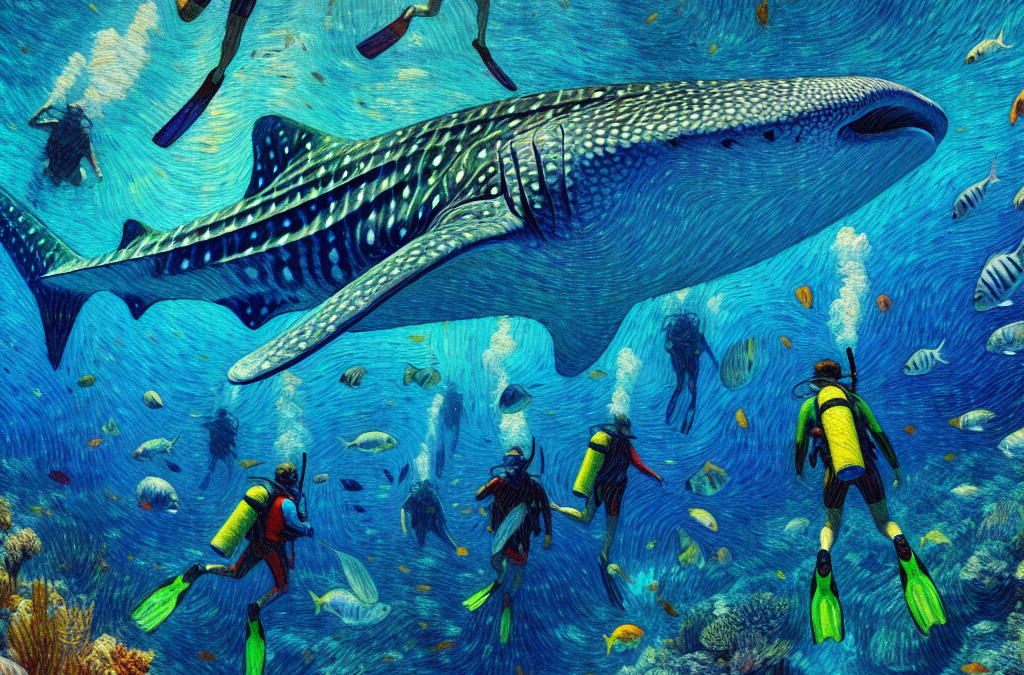
In the warm, crystal-clear waters of Cozumel, a remarkable phenomenon awaits those who dare to explore beneath the surface. The question on the lips of curious travelers and marine enthusiasts alike is simple: Are there whale sharks in Cozumel? The answer, happily, is a resounding yes.
Every summer, from June through September, these gentle giants glide through the waters surrounding the island, creating a spectacle that draws snorkelers and divers from around the globe. Whale sharks, known scientifically as Rhincodon typus, are the largest fish in the ocean, reaching lengths of up to 40 feet—or more! But don’t let their size intimidate you. Despite their impressive dimensions, they are docile creatures, often described as “the puppies of the sea.”
What brings these colossal fish to the vibrant waters of Cozumel? It’s all about food. As filter feeders, whale sharks feast on plankton, small fish, and other tiny organisms. The rich ecosystem surrounding the island presents an abundant buffet that attracts these magnificent beings during their seasonal migrations. For the fortunate few who venture out on a whale shark tour, the experience is nothing short of awe-inspiring. Imagine floating in the water, surrounded by a multitude of colorful fish, when suddenly, a gigantic silhouette glides gracefully beneath you.
Tour operators on the island offer guided excursions that prioritize both safety and environmental conservation. They emphasize the importance of respectful interaction with these incredible animals, ensuring that the experience is appreciated rather than exploited. After all, witnessing a whale shark in its natural habitat should be about celebration, not sensation.
For those considering a trip to see these magnificent creatures, preparation is key. A good sunscreen, a comfortable snorkel mask, and a sense of adventure are all you need. Many tour companies provide everything else, including experienced guides who know the best spots for encounters with these gentle giants.
So, if you find yourself in Cozumel during the summer months, take a deep breath, jump into the ocean, and get ready to share the water with one of nature’s most majestic creations. The whale sharks are waiting, and they can’t wait to meet you!

Are There Whale Sharks In Cozumel?
Are There Whale Sharks In Cozumel?
- Whale sharks are present in Cozumel from June through September.
- These gentle giants can reach lengths of up to 40 feet and are filter feeders.
- Cozumel’s vibrant ecosystem provides an abundant food source for whale sharks.
- Tour operators prioritize safety and environmental conservation during excursions.
- Respectful interaction with whale sharks is emphasized to avoid exploitation.
- Preparation for a tour includes sunscreen, a snorkel mask, and a sense of adventure.
- Experiencing a whale shark in its natural habitat is an awe-inspiring opportunity.

Are There Whale Sharks In Cozumel?
Table Of Contents
- Are There Whale Sharks In Cozumel?
- What Is the Size Of the Whale Sharks In Cozumel?
- What Is the Habitat Of the Whale Sharks In Cozumel?
- What Is the Feeding Of the Whale Sharks In Cozumel?
- What Is The Migration Of The Whale Sharks In Cozumel?
- Are Whale Sharks Commonly Found In Cozumel?
- When Is The Best Time To See Whale Sharks In Cozumel?
- What Are The Best Spots For Whale Shark Sightings In Cozumel?
- Conclusion
- Other Resources
- Glossary Of Terms
- Other Questions
- Haiku
- Poem
- Checklist
What Is the Size Of the Whale Sharks In Cozumel?
When it comes to the size of whale sharks in Cozumel, prepare to have your perspective on “big” radically altered. These gentle giants aren’t just the largest fish in the ocean; they’re often affectionately referred to as the ocean’s friendly leviathans. Imagine, if you will, floating alongside a creature that can span lengths of up to 40 feet or more. That’s right—these magnificent beings can be as long as a school bus. In fact, some recorded whale sharks have grown upwards of 60 feet!
But hold onto your flippers; size isn’t just a matter of length. These fish can weigh anywhere between 15,000 to 20,000 pounds. To put that into perspective, envision a small family car gracefully gliding through the azure waters off the coast of Cozumel. Despite their colossal size, whale sharks are known for their gentle demeanor and filter-feeding habits, subsisting mainly on plankton and small fish. It’s an incredible display of nature’s paradox—massive yet docile.
In Cozumel, the whale shark season typically runs from June to September, during which time these majestic creatures flock to the nutrient-rich waters around the island. This provides us with a spectacular front-row seat to their breathtaking presence. In fact, you may find yourself snorkeling alongside one, marveling at the unique patterns on their skin that resemble a starry night sky. Each whale shark is uniquely marked, akin to a fingerprint, making them as recognizable as they are breathtaking.
Now, you may wonder about the experience of seeing these magnificent animals in their natural habitat. Rest assured, getting up close and personal with a whale shark is an awe-inspiring experience that will remain lodged in your memory for years. As you glide alongside one, just remember: they might be big enough to swallow you whole, yet they’re as harmless as they are grand—perfectly adapted to life among the vibrant reefs and open waters.
So, whether you’re an experienced diver or a first-time snorkeler, the chance to encounter whale sharks in Cozumel is an opportunity worth seizing. Just keep your camera ready, and prepare to be enchanted by the sheer size and grace of these oceanic titans.

What Is the Size Of the Whale Sharks In Cozumel?
What Is the Size Of the Whale Sharks In Cozumel?
- Whale sharks are the largest fish in the ocean, often referred to as ocean’s friendly leviathans.
- They can grow to lengths of up to 40 feet or more, with some recorded specimens reaching over 60 feet.
- These gentle giants can weigh between 15,000 to 20,000 pounds, comparable to a small family car.
- Whale sharks are filter feeders, primarily consuming plankton and small fish, showcasing their docile nature.
- The whale shark season in Cozumel runs from June to September, attracting these magnificent creatures to the area.
- Each whale shark has unique patterns on its skin, making them easily recognizable, similar to human fingerprints.
- Encountering whale sharks in their natural habitat is a memorable experience for both divers and snorkelers.

What Is the Size Of the Whale Sharks In Cozumel?
What Is the Habitat Of the Whale Sharks In Cozumel?
When you think of whale sharks, you might picture giant oceanic behemoths gliding gracefully through the deep blue sea. But here’s the kicker – in Cozumel, these magnificent creatures reveal themselves in a vibrant marine playground that’s as dynamic as it is beautiful. So, let’s dive into the nitty-gritty of the whale shark habitat in this iconic Caribbean paradise.
Cozumel, located off the eastern coast of Mexico’s Yucatán Peninsula, is surrounded by warm, turquoise waters that teem with marine life. The underwater landscape here isn’t just a flat canvas; it’s a striking tapestry of coral reefs, submerged mountains, and deep canyons, all bustling with an array of colorful fish and intricate ecosystems. Whale sharks, the largest fish in the ocean, are often drawn to Cozumel for its productive waters, especially during the summer months when the nutrient flow from the nearby Yucatán current peaks.
Now, let’s talk about what makes this habitat so attractive for these gentle giants. Whale sharks feast primarily on plankton, and the waters around Cozumel are a buffet of rich and delicious nutrients, thanks in large part to the phenomenon of upwelling. As warm currents rise from the depths, they carry with them microscopic creatures that these filter-feeding wonders can’t resist. It’s a marine feast that creates a scenario where whale sharks come to dine, often forming in small groups or even solo.
In addition to the rich food supply, Cozumel offers a blend of shallow coastal waters and deeper offshore spots. This variety allows whale sharks to navigate between feeding grounds with ease. It’s common to see them near the surface, their spotted dorsal fins breaking the water as they bask in the sun or swim in search of a snack. If you’re lucky enough to take a snorkeling or diving trip in these waters, you might just find yourself in the presence of one of the ocean’s largest inhabitants – a humbling experience, to say the least.
However, let’s not kid ourselves. As beautiful as Cozumel’s waters are, they can be fragile. Conscientious tourism and sustainable practices are necessary to ensure that the habitat remains favorable for the whale sharks and the myriad of life that calls this enchanting underwater realm home. Protecting this ecosystem means ensuring that these awe-inspiring creatures continue to grace the waters of Cozumel for generations to come.

What Is the Habitat Of the Whale Sharks In Cozumel?
What Is the Habitat Of the Whale Sharks In Cozumel?
- Cozumel is known for its vibrant marine playground, home to whale sharks in beautiful turquoise waters.
- The area features a diverse underwater landscape including coral reefs, submerged mountains, and deep canyons.
- Whale sharks are drawn to Cozumel during summer months due to the peak nutrient flow from the Yucatán current.
- They primarily feed on plankton, which is abundant in these waters thanks to upwelling currents.
- Cozumel’s mix of shallow and deep waters allows whale sharks to easily navigate their feeding grounds.
- Snorkeling and diving opportunities enable visitors to have a close encounter with these majestic creatures.
- Conscientious tourism and sustainable practices are essential to protect the fragile ecosystem and ensure the whale sharks’ future.

What Is the Habitat Of the Whale Sharks In Cozumel?
What Is the Feeding Of the Whale Sharks In Cozumel?
Picture this: turquoise waters brushing up against white sandy shores, the warm sun bathing everything in a golden hue, and underwater giants gliding gracefully through the blue depths. Welcome to Cozumel, a paradise for divers and ocean-lovers alike. But it’s not just the stunning scenery that draws visitors; it’s the chance to witness one of nature’s most magnificent feasts—the feeding of the whale sharks.
Whale sharks are the largest fish in the ocean, reaching lengths up to 40 feet or more. These gentle giants are filter feeders, meaning they don’t hunt for prey in the traditional sense. Instead, they rely on the abundance of plankton, tiny shrimp, and other small creatures in the water. In Cozumel, the annual “whale shark season” typically runs from June to September, drawing these massive creatures to the nutrient-rich currents that swirl around the region.
During this time, you can head out on a boat, geared up with your snorkeling equipment, and plunge into a world where behemoths roam. But here’s where it gets interesting: the actual feeding. As the boat chugs along, your eyes scan the surface, waiting for that telltale dorsal fin to slice through the water. Once spotted, it’s game on!
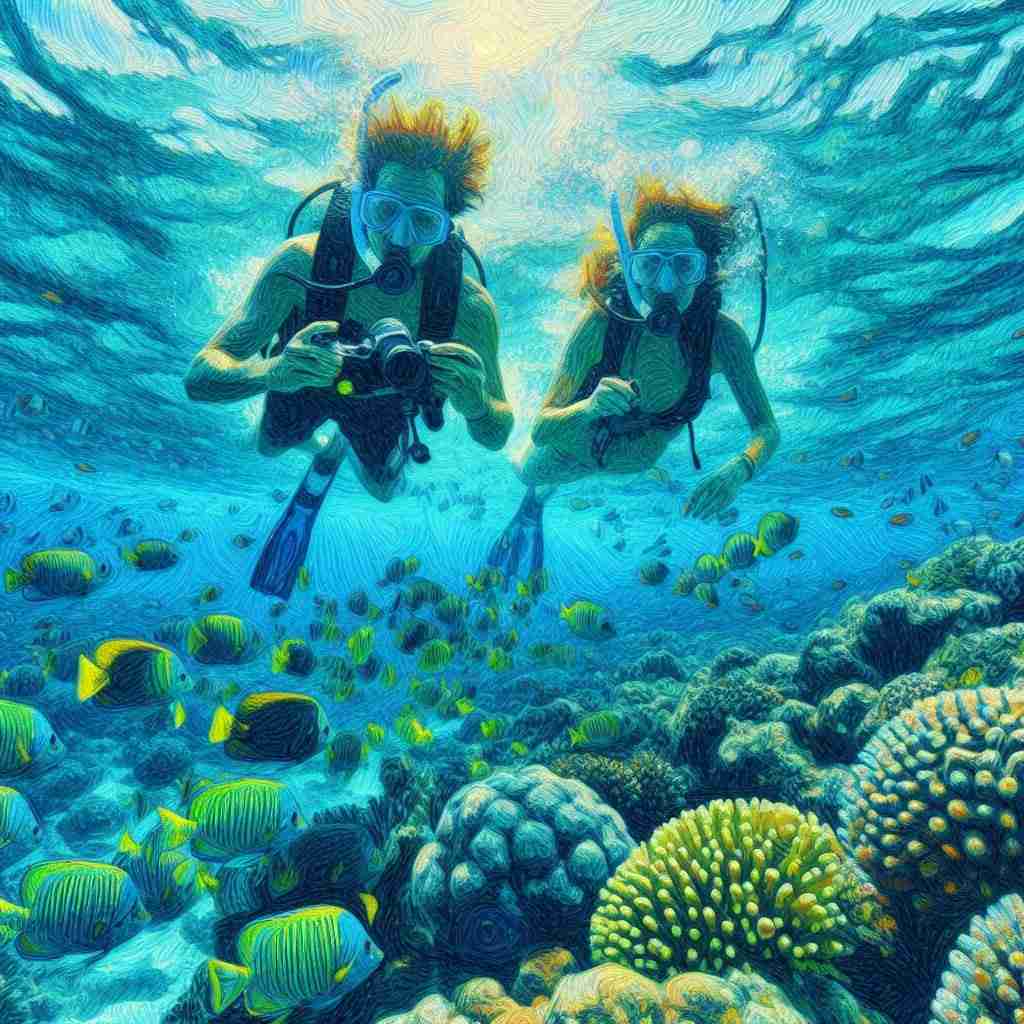
As you slide into the water, the excitement is palpable. Here, you find yourself in a surreal ballet, watching as these majestic creatures swim with their mouths agape, filtering the water and, in effect, devouring tons of plankton. They glide by with a grace that belies their size, often allowing curious snorkelers to swim alongside them. It’s a mesmerizing sight that leaves even seasoned divers in awe.
The experience isn’t just visually stunning; it’s also a poignant reminder of the delicate balance within our oceans. The feeding frenzy serves as a critical moment for marine biodiversity, drawing attention to conservation efforts. It’s essential that we approach these encounters with respect, keeping our distance, ensuring we don’t disrupt their feeding patterns, and supporting regulations that protect these serene giants.
So, before you jump into the water, remember: you’re not just swimming with whale sharks; you’re participating in a natural spectacle that showcases their vital role in the ocean ecosystem. In Cozumel, the whale sharks are not merely a highlight of your vacation; they are a majestic reminder of the wonders lying beneath the surface, deserving of our admiration and protection.

What Is the Feeding Of the Whale Sharks In Cozumel?
What Is the Feeding Of the Whale Sharks In Cozumel?
- Cozumel is a beautiful destination for divers and ocean enthusiasts, featuring turquoise waters and white sandy beaches.
- Whale sharks are the largest fish, reaching lengths of up to 40 feet, and are gentle filter feeders.
- The annual “whale shark season” in Cozumel runs from June to September, attracting these creatures to nutrient-rich waters.
- Visitors can snorkel alongside whale sharks as they feed on plankton and small ocean creatures.
- The feeding spectacle highlights the importance of marine biodiversity and conservation efforts.
- Snorkelers are encouraged to observe from a distance to respect the whale sharks’ feeding patterns.
- Interacting with whale sharks in Cozumel serves as a reminder of the need to protect and appreciate our ocean ecosystems.
What Is the Feeding Of the Whale Sharks In Cozumel?
What Is The Migration Of The Whale Sharks In Cozumel?
When you think of migration, you might picture flocks of birds painting the sky, or the grand trek of wildebeests across the Serengeti. But deep in the azure waters surrounding Cozumel, a different kind of migration takes place, featuring one of the ocean’s most majestic residents: the whale shark. It’s an event that draws marine enthusiasts, snorkelers, and curious minds from around the globe, and it’s nothing short of a spectacle.
Each year, from June until September, whale sharks begin to gather off the coast of this stunning island, lured by the rich food supply generated by nutrient-rich currents. These gentle giants, the largest fish in the ocean, can reach lengths of up to 40 feet. Their arrival is orchestrated by nature’s food web—plankton blooms fueled by the warm waters and currents that swirl around the eastern coastline of the Yucatán Peninsula. This isn’t just a casual swim; it’s a full-scale buffet where these massive creatures feast on the tiny organisms that drift in the sea.
As migratory patterns go, whale sharks are the epitome of grace. They glide through the water with a slow, deliberate elegance, filtering the ocean as they go. For those fortunate enough to venture into these waters, the experience of swimming alongside them is surreal. Imagine the sensation of being in the presence of a creature that has been around since the time of the dinosaurs, its massive body gently moving beneath you while your heart races and your sense of wonder peaks.
But let’s not get carried away in the romance of their majesty. This migration isn’t without its challenges. Environmental factors such as ocean pollution, climate change, and habitat destruction are ever-looming threats. Whale sharks are considered vulnerable, and their seasonal arrival highlights both the beauty and fragility of our oceans. Preserving these magnificent creatures requires collective awareness and action—after all, every snorkeler that swims alongside a whale shark becomes a potential ambassador for marine conservation.
So, the next time you find yourself daydreaming about adventure, consider the migration of the whale sharks in Cozumel. It’s a dance of nature that invites awe and respect, showcasing a side of life beneath the waves that reminds us of the deep connections we share with our oceans. Let’s cherish it while we can.

What Is The Migration Of The Whale Sharks In Cozumel?
What Is The Migration Of The Whale Sharks In Cozumel?
- Whale shark migration occurs off the coast of Cozumel from June to September.
- The migration is driven by the rich food supply from nutrient-rich currents.
- Whale sharks are the largest fish in the ocean, reaching lengths of up to 40 feet.
- Their graceful swimming and feeding habits create a unique experience for snorkelers.
- Environmental threats such as pollution and climate change endanger whale sharks.
- Whale sharks are classified as vulnerable, underscoring the need for marine conservation.
- The migration highlights the beauty and fragility of ocean ecosystems, reminding us to cherish them.

What Is The Migration Of The Whale Sharks In Cozumel?
Are Whale Sharks Commonly Found In Cozumel?
When you think of fish, you might picture tiny guppies flitting around a bowl or the ever-popular goldfish making bored circles in a glass tank. But in the oceans surrounding Cozumel, there’s a fish that’s about as far from a goldfish as you can get – the whale shark. Imagine a creature that can grow up to 40 feet long, with a wide mouth perfect for filtering out plankton like a divine sea vacuum cleaner. Now that’s a fish worth knowing about!
Cozumel, an island nestled in the Caribbean, is not just a pretty face with its beaches and turquoise waters; it’s also a stopover for one of the ocean’s most fascinating creatures. Each year, these gentle giants grace the waters off the coast of Cozumel, drawing in divers and snorkelers eager to catch a glimpse. Generally, the whale shark season kicks off around June and can extend until September, making those summer months prime time for anyone wanting to swim alongside these magnificent beasts.
Now, let’s get to the heart of the matter: Are whale sharks common in Cozumel? The answer is a resounding yes, but it comes with a caveat. While they may appear in greater concentrations during those peak months, spotting one can often feel like a game of hide-and-seek. These animals roam vast stretches of ocean in search of food, so their presence fluctuates. When conditions are just right—think warm waters and plentiful plankton—they make their appearance known.
Cozumel’s clear waters and rich biodiversity act as an inviting buffet for whale sharks, attracting them to the area year after year. Eco-tours have sprung up in abundance, promising unforgettable experiences with these gentle giants. However, it’s crucial to approach these excursions with respect for the wildlife. This means obeying regulations, keeping a safe distance, and avoiding any actions that could disturb their natural habitat.
So, if you ever find yourself in Cozumel during the season, grab a snorkel, don your wetsuit, and get ready for an adventure that will leave you breathless—not because you’re struggling to swim, but because you’re witnessing one of nature’s most incredible spectacles. Whale sharks may not hang out in Cozumel all year round, but during the right season, they’re definitely a main attraction worth your time.

Are Whale Sharks Commonly Found In Cozumel?
Are Whale Sharks Commonly Found In Cozumel?
- Whale sharks can grow up to 40 feet long and filter plankton from the water.
- Cozumel is a tropical island in the Caribbean known for its clear waters and biodiversity.
- Whale shark season in Cozumel occurs from June to September, drawing divers and snorkelers.
- While whale sharks are commonly seen during the season, their presence can vary due to food availability.
- Conditions such as warm waters and abundant plankton increase the likelihood of spotting whale sharks.
- Eco-tours are available for swimming with whale sharks, emphasizing the importance of wildlife respect.
- Whale sharks are a major attraction in Cozumel, making it a must-visit during the appropriate season.

Are Whale Sharks Commonly Found In Cozumel?
When Is The Best Time To See Whale Sharks In Cozumel?
If you find yourself dreaming of swimming alongside the gentle giants of the sea, the stunning island of Cozumel should be on your radar. But timing, my friend, is everything. Whale sharks, the biggest fish in the ocean, aren’t just hanging around waiting for curious adventurers; they have their own timetable, and it’s one that’s rooted in the rhythms of the ocean and the abundance of food.
Generally speaking, the prime whale shark season in Cozumel runs from June to September. During this time, these magnificent creatures migrate to the warm waters of the Caribbean Sea, drawn by the tantalizing bloom of plankton, their favorite feast. Imagine swathes of tiny, microscopic organisms making their home in warm waters—that’s like a buffet opening up for these colossal fish. When that plankton makes its annual appearance, you can bet that whale sharks will turn up for breakfast, lunch, and dinner.
So, how do you know exactly when to plunge into the azure waters of Cozumel for an unforgettable encounter? Well, late June through August tends to be the most fruitful, with peak sightings often occurring in July. You see, nature has its own sense of timing; it can be a bit unpredictable. Nonetheless, those summer months offer the best chance to swim side by side with these gentle beasts, gracefully cruising through the water with their distinctive spotted patterns glistening in the sunlight.
Now, don’t just haul yourself over to Cozumel at any old time. Trust me, if you’re intent on dodging the crowds and basking in the magic of these oceanic wonders, try to avoid weekends and holidays when local tourists flock to the area. Instead, aim for weekday excursions, particularly early in the day. Not only will you sidestep the hustle and bustle, but you’ll also have a better shot at catching glimpses of those magnificent creatures before they decide to head deeper into the blue.
So, whether you’re an experienced diver or just a curious seeker of adventure, mark your calendar for those summer months. Equip yourself with a healthy dose of patience, a passion for exploration, and maybe some sunscreen too. It’s a wild world beneath the waves, and in Cozumel, the whale sharks are waiting for you. The best time to see them? That time is just around the corner. Happy swimming!

When Is The Best Time To See Whale Sharks In Cozumel?
When Is The Best Time To See Whale Sharks In Cozumel?
- The prime whale shark season in Cozumel is from June to September.
- Whale sharks migrate to warm Caribbean waters for the plankton bloom, their primary food source.
- Peak sightings usually occur from late June through August, with July being the best month.
- Avoid weekends and holidays to dodge crowds and enhance your chances of seeing whale sharks.
- Weekday excursions, especially in the morning, provide a better experience for encountering whale sharks.
- Be prepared with patience, a love for adventure, and sunscreen for your swimming experience.
- Cozumel offers a unique opportunity to swim alongside these gentle giants of the sea.

When Is The Best Time To See Whale Sharks In Cozumel?
What Are The Best Spots For Whale Shark Sightings In Cozumel?
When it comes to the deep blue waters of Cozumel, there’s one gentle giant that steals the show: the whale shark. These magnificent creatures, reaching lengths of up to 40 feet, are not only the largest fish in the ocean but also one of the most fascinating. So, if you’re looking to witness these giants in their natural habitat, you’ve come to the right place. Let’s dive into the top spots where you can catch a sighting of these majestic wonders.
First off, let’s talk about the waters surrounding Isla Mujeres. Located a bit north of Cozumel, this is a prime feeding ground for whale sharks, especially between June and September. The nutrient-rich currents draw in both the whale sharks and plenty of eager snorkelers. While technically not part of Cozumel itself, many tour operators in Cozumel will take you to Isla Mujeres, where you can experience the thrill of swimming alongside these gentle fish.
Now, if you’re sticking to Cozumel, head straight to the southern tip of the island to an area known as “Palancar Reef.” This spot isn’t just famed for its vibrant coral and marine life; it also offers the occasional glimpse of whale sharks during the migration season. Your best bet is to book a snorkeling or diving trip with a local guide who knows the waters intimately. They can lead you to secret spots where these magnificent creatures are likely to congregate.
Another clutch spot is the reef area near the Punta Sur Eco Beach Park. This tranquil spot is a haven for many types of marine life, and the chances of running into a whale shark here are decent, particularly during the peak summer months. A guided tour is highly recommended. Not only do they know where the whale sharks hang out, but they also ensure that your encounter is safe and respectful to these marvelous animals.
Lastly, for the truly adventurous, consider some night snorkeling excursions which often result in surprising sightings. The underwater world changes dramatically at night, and while whale sharks are primarily daytime feeders, the thrill of being in the water in the quiet night can yield unexpected, memorable moments.
In summary, whether you’re embarking on a tour to Isla Mujeres, exploring Palancar Reef, or floating alongside the tranquil waters of Punta Sur, Cozumel offers ample opportunities for those eager to meet the ocean’s gentle giants. Just remember, it’s all about patience, respect, and a pinch of luck. Happy diving!

What Are The Best Spots For Whale Shark Sightings In Cozumel?
What Are The Best Spots For Whale Shark Sightings In Cozumel?
- Whale sharks are the largest fish in the ocean, reaching up to 40 feet.
- Isla Mujeres, north of Cozumel, is a prime whale shark feeding ground from June to September.
- Many Cozumel tour operators offer trips to Isla Mujeres for whale shark snorkeling experiences.
- Palancar Reef in southern Cozumel is known for its vibrant marine life and occasional whale shark sightings.
- Punta Sur Eco Beach Park is another good spot with decent chances of encountering whale sharks, especially in summer.
- Guided tours are highly recommended for safe and respectful interactions with whale sharks.
- Night snorkeling excursions can lead to unexpected encounters with wildlife, including whale sharks.

What Are The Best Spots For Whale Shark Sightings In Cozumel?
Conclusion
Well folks, there you have it—the saga of the whale sharks in Cozumel, a tale that feels like a page straight out of a marine adventure novel. As you dip your toes into the azure waters of this Caribbean paradise, you’re not just contemplating a swim; you’re diving headfirst into an experience that blends awe, excitement, and a hefty dose of respect for the natural world.
From June to September, these magnificent behemoths of the sea—some reaching lengths of 40 feet or more—graciously glide into the Cozumel waters, turning the ocean into a live action documentary unfolding before your very eyes. It’s less about making a splash and more about sharing space with some of the ocean’s gentlest giants, who feast on an all-you-can-eat buffet of plankton as they navigate their seasonal migration. Picture this: while you float there, snorkeling gear in place, feeling a mild trill of excitement coursing through your body, these magnificent creatures cruise past without a care in the world, embodying grace in their massive forms.
But let’s not forget: these experiences come with responsibilities. Sensible eco-tourism practices aren’t just a suggestion; they’re essential! Treat these gentle giants with the respect they deserve, and you’ll not only enjoy your encounters but ensure they remain a part of Cozumel’s stunning marine tapestry for years to come. It’s about playing your part in the ongoing story of our oceans—one that needs all of us to be vigilant custodians.
So, whether you’re a seasoned diver or a curious first-timer, timing your visit right and choosing your spots—like the revered Palancar Reef or Isla Mujeres—can make all the difference. Just be sure to approach each search for these majestic sea puppies with a sense of wonder and a commitment to conservation.
In a world often filled with hustle and bustle, there’s something incredibly grounding about sharing the water with creatures that have been cruising the seas since the time of the dinosaurs. It’s a reminder of the breathtaking beauty and rich biodiversity that the ocean holds. Next time you’re daydreaming about adventure, remember—whale sharks in Cozumel are waiting, ready to make any ocean enthusiast’s dream a reality. So, grab your diving gear, practice your best underwater dolphin kick, and get ready for a splash-tacular encounter with nature’s most impressive creatures! Now, go ahead and make a memory that’ll stick with you like barnacles on a boat hull. Happy swimming!

Conclusion
Conclusion:
- The whale sharks in Cozumel present an awe-inspiring marine adventure experience.
- From June to September, these gentle giants, sometimes over 40 feet long, visit Cozumel’s waters.
- Snorkelers can witness these remarkable creatures gliding gracefully while they feed on plankton.
- Responsible eco-tourism practices are essential for preserving the whale shark population.
- Locations like Palancar Reef and Isla Mujeres are ideal for viewing these animals.
- Engaging with these ancient beings offers a profound connection to nature and the ocean’s biodiversity.
- Prepare for a memorable adventure and ensure your experience contributes to marine conservation.

Conclusion
Other Resources

Other Resources
One quiet thing worth knowing: where you stay on the island changes what you can actually do here. If you’re sketching out a trip, these may help. Cozumel Journey is an editorial guide to Cozumel — neighborhoods, planning tips, and life on the island for travelers who want context, not a cruise schedule.
Here is a list of other resources you can review online to learn more:
- La Cocina De Silvia
- Amparo’s Cozumel
- Costamed Cozumel Hospital
- Palancar Reef
- El Maharaja
- Dzul-Ha Reef
- Cozumel Sunset Sailing
- Coco’s Bakery Restaurant
- Mex Rent A Car
- a slower, editorial take on Cozumel
Use This Prompt To Get More Resources With Your Favorite Online AI Tool: Please provide me with a list of online articles with their URLs in a bulleted list that I can read regarding Are There Whale Sharks In Cozumel?
Other Resources
Glossary Terms
Are There Whale Sharks In Cozumel? – Glossary Of Terms
1. Whale Shark: The largest fish species in the world, known for its gentle nature and distinctive pattern of spots.
2. Cozumel: An island in the Caribbean Sea off the eastern coast of Mexico, known for its coral reefs and marine biodiversity.
3. Pelagic: Referring to the open sea, away from the coast, where whale sharks are often found.
4. Filter Feeder: An organism, like the whale shark, that feeds by straining suspended matter and food particles from water.
5. Plankton: Microscopic organisms drifting in water, which constitute a primary food source for whale sharks.
6. Diving: An underwater activity where individuals explore marine environments, often including interactions with whale sharks.
7. Snorkeling: A water activity that involves swimming on the surface with a mask and snorkel to observe underwater life.
8. Ecotourism: A responsible travel approach that focuses on visiting natural areas while preserving the environment, often including whale shark tours.
9. Migration: Seasonal movement of whale sharks between feeding and breeding grounds, which affects their presence in Cozumel.
10. Breaching: A behavior exhibited by marine animals, where they leap out of the water, often seen in some shark species.
11. Conservation: Efforts aimed at protecting and preserving whale sharks and their habitats from threats such as fishing and pollution.
12. Endangered: A status indicating that a species, like the whale shark, faces a high risk of extinction in the wild.
13. Marine Biodiversity: The variety of life found in marine environments, including fish, corals, and invertebrates.
14. Sustainable Practices: Methods of fishing and tourism that do not harm the marine ecosystem and allow for the continued existence of species like whale sharks.
15. Local Guides: Community members who lead tours and share knowledge about marine life, including whale sharks, in Cozumel.
16. Underwater Photography: Capturing images of marine life, often pursued by tourists wanting to document their encounters with whale sharks.
17. Coral Reefs: Vibrant marine ecosystems that support diverse species, including those that whale sharks may feed on.
18. Surface Behavior: The actions of whale sharks as they swim near the water’s surface, often observed by snorkelers and divers.
19. Marine Protected Areas (MPAs): Designated zones to protect biodiversity and resources, crucial for the conservation of whale sharks.
20. Tagging: A research method used to study whale sharks by attaching a tracking device to monitor their movements.
21. Behavioral Ecology: The study of how whale sharks interact with their environment and other species, including feeding habits and migration patterns.
22. Species Identification: The process of identifying different species, crucial for conservation efforts and understanding marine ecosystems.
23. Environmental Impact: The effect of human activities on the ocean and its inhabitants, influencing whale shark populations.
24. Fishing Regulations: Rules established to manage fish populations, relevant to the protection of whale shark habitats.
25. Tour Operators: Companies that organize tours for tourists to swim or observe whale sharks in their natural environment.
26. Seasonality: Referring to the particular times of year when whale sharks are more likely to be found in Cozumel, often during the summer months.
27. Aquatic Ecosystem: A community of organisms in water, including various species that interact with whale sharks.
28. Conservation Education: Informing the public about the importance of preserving marine life and ecosystems, including whale sharks in Cozumel.
29. Research Studies: Scientific inquiries into whale sharks’ behaviors, population dynamics, and their ecological roles.
30. Community Engagement: Involving local residents in conservation efforts and eco-friendly tourism initiatives to protect whale sharks.

Glossary Of Terms
Other Questions
Are There Whale Sharks In Cozumel? – Other Questions
If you wish to explore and discover more, consider looking for answers to these questions:
- What are the best tour companies for whale shark excursions in Cozumel?
- What is the cost of whale shark tours in Cozumel?
- Are there any safety precautions to be aware of during whale shark tours?
- What equipment do I need for snorkeling with whale sharks?
- Can children participate in whale shark tours in Cozumel?
- What is the sustainability of whale shark tourism in Cozumel?
- How does climate change affect whale sharks in Cozumel?
- What are the common behaviors of whale sharks that can be observed while snorkeling?
- Are there other marine creatures that can be seen alongside whale sharks in Cozumel?
- What should I do if I encounter a whale shark while swimming?
- How do whale sharks contribute to the marine ecosystem in Cozumel?
- What is the lifespan of whale sharks, and how does it affect their migration patterns?

Other Questions
Haiku
Are There Whale Sharks In Cozumel? – A Haiku
Whale sharks glide near,
Gentle giants roam the seas,
Cozumel’s treasure.

Haiku
Poem
Are There Whale Sharks In Cozumel? – A Poem
In azure depths where wonders hide,
The gentle giants drift and glide,
Whale sharks roam, a grand ballet,
From June to September, their seasonal play.
With spots like stars against the skies,
These titans of the sea mesmerize,
Forty feet or more they span,
Yet remain a docile, friendly clan.
Rich currents bring a feasting delight,
Plankton blooms—a delicious sight,
Here in Cozumel, they gather round,
Nature’s banquet, where life abounds.
Adventurers come to share the scene,
With snorkels ready, hearts full of dream,
Guided tours weave through waters bright,
Respect for life, our shared delight.
Palancar Reef, Punta Sur’s embrace,
Isla Mujeres holds a thrilling chase,
In harmony, we dive, we swim,
Among the giants, our spirits brim.
But let us not ignore the signs,
Fragile oceans need our designs,
With every sighting, let’s raise our voice,
To cherish this world, we must rejoice.
So come, brave souls, explore the deep,
Where whale sharks roam, and memories keep,
In Cozumel’s dance, their magic unfurls,
A reminder of beauty in our world.
Poem
Checklist
Are There Whale Sharks In Cozumel? – A Checklist
1. Timing Your Trip
_____ Visit between June to September for the whale shark season.
_____ Aim for late June to August for peak sightings, especially in July.
_____ Consider weekdays over weekends to avoid crowds.
2. Gear Essentials
_____ Snorkel Mask & Fins: Make sure they fit well and are comfortable.
_____ Wet Suit: Light suit for warmth and buoyancy.
_____ Underwater Camera: Capture memorable moments with whale sharks.
3. Personal Items
_____ Sunscreen: Use reef-safe options to protect marine life.
_____ Towel: For drying off after your adventure.
_____ Water Bottle: Stay hydrated before and after the tour.
4. Health & Safety
_____ Verify Tour Operators: Choose reputable companies that prioritize safety and conservation.
_____ Understand Safety Guidelines: Get informed on how to interact respectfully with whale sharks.
_____ Be Prepared for Conditions: Familiarize yourself with ocean currents and weather.
5. Respecting the Environment
_____ Follow eco-tourism practices to minimize environmental impact.
_____ Keep a safe distance from whale sharks and avoid touching them.
_____ Report any illegal activities regarding wildlife exploitation.
6. Enjoying the Experience
_____ Bring your sense of adventure and enthusiasm for marine life!
_____ Be patient and open-minded about possible wait times for sightings.
_____ Engage with your guide to learn more about whale sharks and their habitat.
7. Post-Experience Recommendations
_____ Share your experiences on social media or with friends to raise awareness about whale shark conservation.
_____ Consider making future visits to support local conservation efforts.
_____ Participate in marine cleanup initiatives if available.
Bonus Tips:
_____ Look for local tour packages that often include transportation, gear rental, and expert guides.
_____ Check for any specific rules or regulations regarding whale shark watching in Cozumel.
_____ Stay calm and enjoy the serene underwater atmosphere; the whale sharks will come!
This checklist is designed to help you prepare for an unforgettable experience while swimming with the magnificent whale sharks in Cozumel, ensuring both your safety and the well-being of these gentle giants. Happy swimming!

Checklist
At TopCozumelNews, we help travelers enjoy Cozumel by collating information learned from frequently traveling to beautiful Cozumel.
Be sure to read our other related stories at TopCozumelNews to learn more about the Island of Cozumel.