Discovering Cozumel: Unveiling The Island’s Fascinating Culture
By Tom Seest
At TopCozumelNews, we help travelers enjoy Cozumel by collating information learned from frequently traveling to beautiful Cozumel.
Be sure to read our other related stories at TopCozumelNews to learn more about the Island of Cozumel.
Will The Cozumel Culture Satisfy Your Curiosity?
If you find yourself drawn to the unmistakable charm of Cozumel, get ready for a cultural journey that’s as vibrant as the azure waters surrounding this tropical paradise. With its unique blend of history, tradition, and modern flair, Cozumel offers more than just stunning beaches—it’s a window into a world that’s rich and diverse.
Cozumel has a long-standing history that dates back to the ancient Maya civilization. As you stroll through the island’s intriguing archaeological sites, you’ll discover remnants of temples and cenotes that tell tales of a time when these ancient people honored their gods and lived in harmony with the land. The ruins of San Gervasio, once a sacred site dedicated to the goddess Ix Chel, serve as a testament to the structural ingenuity of the Maya and are a must-visit for any history enthusiast.
But the culture of Cozumel is not just about the past; it thrives in the present, deeply rooted in the traditions of its people. The local markets are a feast for the senses, overflowing with handcrafted goods, colorful textiles, and an array of artisanal foods that showcase the culinary heritage of the region. Don’t miss out on trying the regional delicacies like fresh ceviche or the savory cochinita pibil, which reflect both the influence of native ingredients and the flavors brought in by historical trade. Your taste buds will thank you.
Festivals and celebrations play a significant role in Cozumel’s culture, especially Carnival, a lively explosion of music, dance, and vibrant costumes that transforms the atmosphere into one of pure joy. This annual event invites everyone to join in the fun—locals and visitors alike—creating an inclusive environment that showcases the island’s spirit. You’ll find yourself swept up in the enthusiasm and energy, realizing that every beat of the drum resonates with centuries of tradition.
What about local crafts? Cozumel is a haven for those intrigued by skilled artisans crafting beautiful pottery, jewelry, and art pieces that echo the island’s heritage. Engaging with these creators gives you a tangible connection to the culture—an experience that’s both satisfying and enlightening.
In Cozumel, curiosity is not just welcomed; it’s rewarded. Whether you’re wandering through ancient ruins, sampling delightful cuisine, or dancing at a festival, the island serves up a culture that is as irresistible as the sea breeze. So pack your sense of adventure and immerse yourself. You won’t be disappointed.
Will The Cozumel Culture Satisfy Your Curiosity?
Will The Cozumel Culture Satisfy Your Curiosity?
- Cozumel offers a vibrant cultural journey enriched by its stunning beaches and diverse history.
- The island has roots in the ancient Maya civilization, with archaeological sites like San Gervasio showcasing their architecture and spirituality.
- Local markets feature handcrafted goods, textiles, and artisanal foods, highlighting the culinary heritage of the region.
- Must-try regional dishes include fresh ceviche and cochinita pibil, influenced by native and historical trade flavors.
- Carnival is a significant cultural event, filled with music, dance, and vibrant costumes, fostering a sense of community among locals and visitors.
- Cozumel is known for skilled artisans creating pottery, jewelry, and art pieces that reflect the island’s heritage and culture.
- The island encourages curiosity and adventure, offering immersive experiences in both history and local traditions.
Will The Cozumel Culture Satisfy Your Curiosity?
Table Of Contents
- Will The Cozumel Culture Satisfy Your Curiosity?
- What Are The Traditional Customs Of The Cozumel Community?
- What Languages Are Spoken In Cozumel And Why?
- How Does Tourism Impact Cozumel’s Traditional Culture?
- What Are The Popular Cultural Attractions In Cozumel?
- What Stories Do The Locals Share About Their Cultural Traditions?
- What Can You Learn From Interacting With Locals In Cozumel?
- Conclusion
- Other Resources
- Glossary Of Terms
- Other Questions
- Haiku
- Poem
- Checklist
What Are The Traditional Customs Of The Cozumel Community?
Cozumel, a picturesque island off the eastern coast of Mexico, isn’t just a beautiful getaway; it’s a vibrant tapestry of traditions woven together by the rich history of its community. If you peel back the layers of its contemporary charm, you’ll find an array of customs that reflect the island’s unique identity and the heart of its people.
Let’s start with festivals. One of the most significant is the Carnival of Cozumel, a spirited celebration bursting with color and joy, held just before Lent. You can’t help but get swept up in the exuberance as locals don elaborate costumes and dance through the streets. There’s no holding back here; the atmosphere is electric with live music, laughter, and a festive spirit that invites you to join in. It’s a time when the community unites, letting loose and celebrating their cultural heritage.
Then there’s the culinary tradition. The island’s cuisine is a delightful melange of flavors, influenced by both Mayan and Spanish heritage. You haven’t truly experienced Cozumel until you’ve dined on fresh ceviche, or tried a traditional dish called “cochinita pibil,” which features slow-roasted marinated pork. These meals are often enjoyed in family gatherings, reinforcing the communal bond that is a hallmark of Cozumel life. Food isn’t merely sustenance for the people here; it’s a form of expression, symbolizing love, tradition, and togetherness.
Another essential element of tradition is the connection to fishing, a lifeblood of the island. Generations of fishermen have passed down their techniques, with families spending weekends out on the water, catching everything from snapper to lobster. The skills required to navigate these waters are as profound as any craft, reflecting a way of life that values hard work, resilience, and respect for nature.
Artisan crafts also play a vital role in Cozumel’s culture. Local artisans create beautiful handmade items—from colorful textiles to intricate pottery. These crafts serve as both a means of livelihood and a homage to their ancestors. Markets bustled with the vibrant colors and textures of handmade goods, inviting visitors and locals alike to appreciate the artistry that thrives in this community.
So, beneath the surface of its tourist-friendly façade lies a community deeply rooted in tradition, where the customs of Cozumel speak volumes about its people, their history, and their enduring spirit.
What Are The Traditional Customs Of The Cozumel Community?
What Are The Traditional Customs Of The Cozumel Community?
- Cozumel is a picturesque island off the eastern coast of Mexico with a rich cultural history.
- The Carnival of Cozumel is a major festival celebrated before Lent, showcasing vibrant costumes and lively music.
- Culinary traditions in Cozumel feature dishes influenced by Mayan and Spanish heritage, such as ceviche and cochinita pibil.
- Fishing is a vital tradition, with families passing down techniques and spending weekends catching various seafood.
- Local artisans produce handmade crafts, including textiles and pottery, that reflect their cultural heritage.
- The community values food, fishing, and crafts as expressions of tradition and togetherness.
- Cozumel’s traditions reveal a community with a deep-rooted cultural identity and a vibrant, enduring spirit.
What Are The Traditional Customs Of The Cozumel Community?
What Languages Are Spoken In Cozumel And Why?
Cozumel, that sun-soaked gem of the Caribbean, is a bastion of culture, history, and an impressive linguistic tapestry. When you set foot on this island, you might anticipate the lilting melodies of Spanish—rightly so, as it’s the official language of Mexico. But if you listen closely, you’ll hear a symphony of tongues blending seamlessly with the ocean breeze.
Spanish, of course, reigns supreme in Cozumel. It’s not just a language; it’s the heartbeat of the community, an expression of the vibrant traditions that have been passed down through generations. However, don’t let that lull you into a belief that Spanish is the sole player in the linguistic game here. The island is a cocktail of cultural influences, and they all leave their mark on the language spoken by the locals.
As a tourist destination, Cozumel welcomes visitors from all corners of the globe—think cruise ships carrying thousands of eager travelers ready to soak in the sun and indulge in lush waters. Given this influx, it’s no surprise that English is widely spoken. Many locals work in the service industry, so you’ll find English commonplace in hotels, restaurants, and shops. It makes sense; knowing English opens doors and bridges gaps between worlds, making it a vital skill in this bustling hub.
There’s also a bit of a nod to the island’s heritage found in Maya, the language of the ancient civilization that once ruled these lands. Although the number of speakers may be fewer today, the preservation of this language mirrors a deep-rooted respect for history. Signs, place names, and the occasional conversation among the locals honor their lineage, reminding us that while many languages may come and go, some remain tied to the very essence of a place.
Now, let’s not forget the expats that have made Cozumel their home. With a diverse community hailing from various countries, you might overhear snippets of German, Italian, or even French while sipping a cold drink under a swaying palm. This confluence of languages encapsulates the spirit of Cozumel—a true melting pot where new influences dance with the old.
So, whether you’re ordering fresh ceviche or haggling at a market, embrace the rich linguistic landscape of Cozumel. It’s a reflection of the island’s vibrancy and history—a testament to how language knits together the fabric of life in this captivating destination.

What Languages Are Spoken In Cozumel And Why?
What Languages Are Spoken In Cozumel And Why?
- Cozumel is a culturally rich and historically significant Caribbean island, with a diverse linguistic landscape.
- Spanish is the official language and serves as the primary means of communication among locals.
- English is commonly spoken due to the influx of tourism, especially in the service industry.
- Maya, the language of the ancient civilization, is still preserved in place names and local conversations, showcasing respect for heritage.
- The island hosts a diverse expat community, contributing languages such as German, Italian, and French to the local vernacular.
- Cozumel’s linguistic diversity reflects its vibrant culture and history, creating a unique melting pot of influences.
- Embracing the island’s rich language tapestry enhances the visitor experience, whether dining or shopping.
What Languages Are Spoken In Cozumel And Why?
How Does Tourism Impact Cozumel’s Traditional Culture?
Cozumel, a small island off the eastern coast of Mexico, is often regarded as a tropical paradise for sun-seekers and cruise ship passengers alike. But beyond the picturesque beaches and vibrant coral reefs, Cozumel has a rich traditional culture that deserves attention. With the influx of tourism, this culture faces both challenges and opportunities.
Tourism in Cozumel can be a double-edged sword. On one hand, it brings economic benefits. Local artisans and craftspeople flourish as visitors clamour for handwoven textiles, intricate pottery, and colorful Maya-inspired art. These goods, steeped in tradition, serve as a tangible connection to Cozumel’s past. Festivals, music, and culinary traditions also attract tourists, shining a spotlight on local customs that might otherwise fade away. However, the reality is that the bustling cruise ships and tour groups can overwhelm the very culture they come to appreciate.
Take, for instance, the quaint village of San Gervasio, where remnants of ancient Maya civilization exist amidst the lush greenery. Tourists flock to this site to learn about Cozumel’s history and spiritual significance. While the attention helps preserve these sites, the sheer volume of visitors can lead to erosion and environmental degradation. It raises an important question: at what point does preservation shift to commodification? When local traditions are packaged and sold as mere experiences, they risk losing their authenticity, becoming, in a sense, a performance for outsiders rather than a way of life for the community.
The influence of mass tourism has also impacted local customs and culinary practices. Traditional dishes may be modified to cater to international palates, leading to a dilution of time-honored recipes. Instead of enjoying homemade meals crafted from generations of knowledge, visitors may settle for “Mexican food” that caters to the lowest common denominator. This shift can gradually erode the culinary identity that defines Cozumel’s culture.
Despite these challenges, there’s hope. Many locals are actively working to preserve their heritage, fostering a balance between welcoming visitors and maintaining their cultural integrity. Initiatives promoting authentic experiences—be it through workshops in traditional cooking or community-driven festivals—can help keep the spirit of Cozumel alive. As the island navigates the tide of tourism, the community faces a crucial juncture: protect the heart of their culture while embracing the benefits of a globalized world. The real challenge lies in finding that delicate balance.
How Does Tourism Impact Cozumel’s Traditional Culture?
How Does Tourism Impact Cozumel’s Traditional Culture?
- Cozumel is a small island in Mexico known for its tropical beauty and vibrant culture.
- Tourism brings economic benefits but can overwhelm local culture and traditions.
- Local artisans thrive due to demand for traditional crafts, textiles, and art.
- High visitor volumes threaten cultural sites, leading to erosion and environmental damage.
- Mass tourism alters local culinary practices, diluting authentic recipes and experiences.
- Many locals are actively working to preserve their heritage while welcoming tourists.
- Finding a balance between cultural preservation and tourism opportunities is essential for Cozumel’s future.

How Does Tourism Impact Cozumel’s Traditional Culture?
What Are The Popular Cultural Attractions In Cozumel?
Cozumel, a picturesque island off the southeastern coast of Mexico, offers more than just sun-soaked beaches and crystal-clear waters. This vibrant destination beckons travelers with a range of cultural attractions that reflect its rich history and lively traditions. You might find yourself wandering through the local plazas, marveling at the colorful architecture, or sampling delicious street food, but let’s dive into some of the more popular cultural experiences that define this charming island.
First up, we have the archaeological site of San Gervasio. The significance of this place runs deep in the lore of the island. Once a pilgrimage site dedicated to the Mayan goddess Ix Chel, it tells a captivating story of reverence and worship that dates back centuries. Walking among the ancient ruins, you can almost hear the whispers of history echoing through the stone structures, compelling visitors to ponder the past while surrounded by lush tropical flora.
Next, let’s not overlook the charming town of San Miguel. This bustling hub is a microcosm of Cozumel’s vibrant life. Strolling through its central plaza, you’ll find local artisans showcasing their crafts and vendors dishing out tantalizing morsels from food stalls. The colorful murals adorning buildings throughout the town tell stories celebrated in the vibrant local culture. Each piece serves as a testament to the island’s artistic spirit and a salute to its heritage. It’s an excellent place to soak in the local atmosphere, especially during festive occasions when the streets come alive with music and dance.
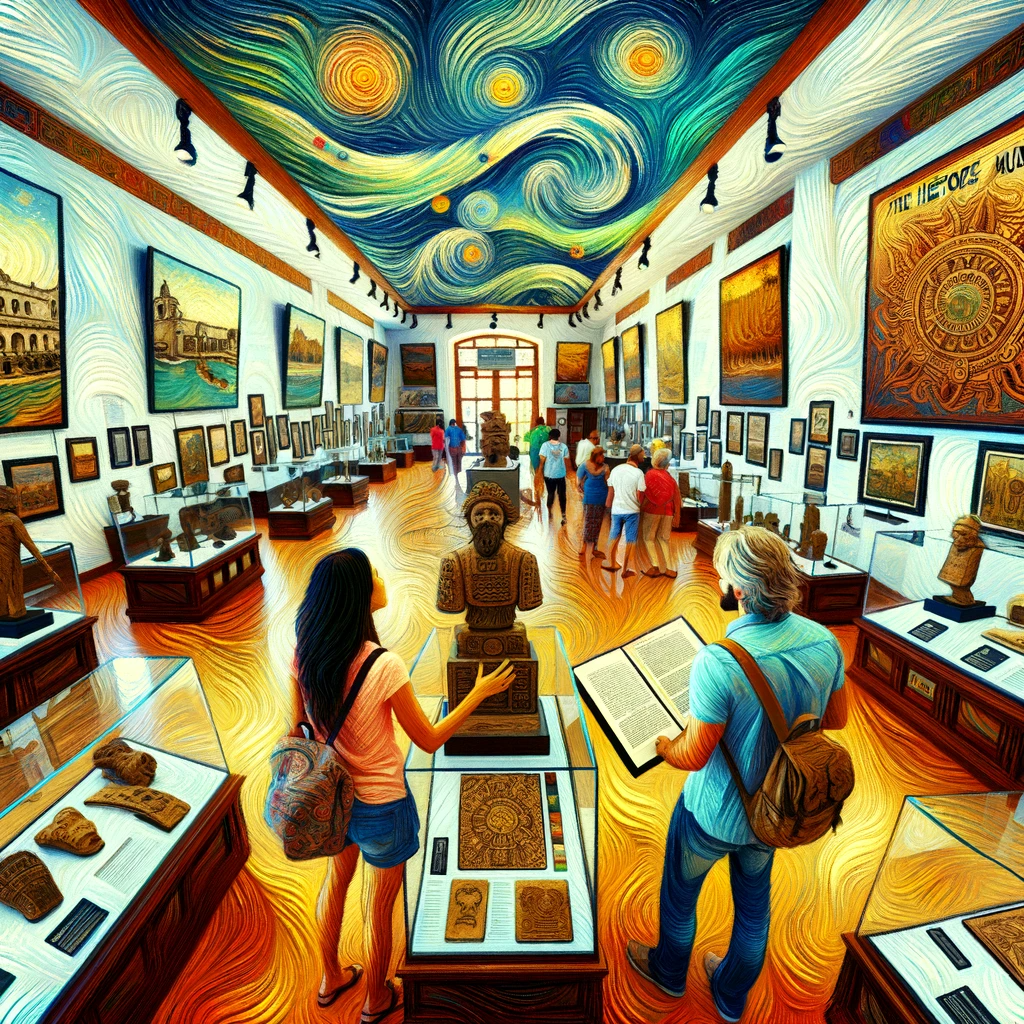
If you’re hungry for a deeper understanding of Cozumel’s history, make a stop at the Museo de la Isla de Cozumel. This museum offers insightful exhibits that span the island’s journey from pre-Columbian times to the present day. With artifacts that tell tales of ancient civilizations and photographs that paint a picture of modern-day life, you’ll leave with a newfound appreciation for this enchanting island and its people.
Lastly, experiencing the local festivals is a must. Events like the Fiesta de la Santa Cruz and Carnival showcase the island’s lively spirit through vibrant parades, traditional music, and regional gastronomy. These gatherings are a fantastic way to connect with the community and see the joyful heart of Cozumel in full bloom.
In a world often rushing by, Cozumel invites you to slow down, savor its cultural tapestry, and appreciate the rich narratives woven throughout this stunning island. Whether you’re a history enthusiast, an art lover, or simply seeking a slice of local life, Cozumel has something waiting just for you.
What Are The Popular Cultural Attractions In Cozumel?
What Are The Popular Cultural Attractions In Cozumel?
- Cozumel, an island in Mexico, offers more than just beautiful beaches; it has rich cultural attractions.
- The archaeological site of San Gervasio is significant, serving as a pilgrimage site dedicated to the Mayan goddess Ix Chel.
- San Miguel is a lively town filled with local artisans, food vendors, and colorful murals that reflect the vibrant local culture.
- The Museo de la Isla de Cozumel provides insights into the island’s history from pre-Columbian times to the present.
- Local festivals like Fiesta de la Santa Cruz and Carnival feature parades, music, and regional food, showcasing the community’s spirit.
- Cozumel encourages visitors to slow down and appreciate its rich cultural tapestry and narratives.
- Whether you’re into history, art, or local life, Cozumel has diverse offerings for every traveler.
What Are The Popular Cultural Attractions In Cozumel?
What Stories Do The Locals Share About Their Cultural Traditions?
In the heart of the Caribbean lies an island steeped in history and tradition: Cozumel. Beyond its turquoise waters and sandy beaches, the locals have a rich tapestry of stories that reflect their vibrant culture. These narratives are not just tales whispered over a sunset cocktail; they are the lifeblood of the community, passed down through generations like a well-loved recipe.
Take, for instance, the stories of the ancient Mayans, who once inhabited this beautiful island. When you stroll through the town square, you can hear the elders recount how their ancestors used Cozumel as a sacred site for worship and ceremonies dedicated to the goddess Ix Chel, the deity of fertility and love. They speak of the rituals that filled the air with incense and song, creating a deep spiritual connection with the land. To the locals, these stories are not merely historical footnotes; they serve as reminders of their roots and the shared identity that binds them together.
Every year, the island comes alive with the Festival de la Virgen de la Caridad, a vibrant celebration that many locals claim is the heart and soul of their cultural heritage. During this time, the streets are filled with music, dance, and colorful parades that tell tales of devotion and thanksgiving. As residents share their experiences of the festival, they describe how the air buzzes with energy, a palpable connection to their ancestors who once celebrated in the same spirit. The laughter, chatter, and clanging of maracas create an atmosphere that is electric, drawing visitors and locals alike into a shared experience that transcends time.
In their stories, you’ll find accounts of the island’s traditions, such as fishing and crafting, passed down like heirlooms. Fishermen share tales of early morning trips into the shimmering sea, where the waves whisper secrets and the sun rises like a golden promise. Craftsmen and women weave narratives about the art of making intricate handicrafts, infusing each piece with stories that tell of love, loss, and joy. These crafts are not merely products; they are vessels of memory, filled with the essence of the island’s people.
So, if you’re looking to truly understand Cozumel, take the time to listen. Each tale—whether it’s the story of the ancients, the vibrant festivals, or the daily lives of the locals—offers a glimpse into the heart of a culture that thrives on its rich traditions and shared stories.

What Stories Do The Locals Share About Their Cultural Traditions?
What Stories Do The Locals Share About Their Cultural Traditions?
- Cozumel is a Caribbean island rich in history and tradition, beyond its natural beauty.
- Local narratives reflect vibrant culture and are passed down like treasured recipes.
- The ancient Mayans viewed Cozumel as a sacred site dedicated to goddess Ix Chel.
- The Festival de la Virgen de la Caridad is a vibrant celebration of cultural heritage.
- Music, dance, and colorful parades during the festival create a deep connection to ancestors.
- Fishing and crafting traditions are shared through stories that embody the island’s spirit.
- Listening to these tales offers insight into the heart of Cozumel’s culture and identity.
What Stories Do The Locals Share About Their Cultural Traditions?
What Can You Learn From Interacting With Locals In Cozumel?
When you set foot on the sun-drenched shores of Cozumel, a world of vibrant culture and warm hospitality awaits you. But beyond the serene beaches and turquoise waters lies a treasure trove of wisdom tucked away in the hearts of the locals. Engaging with the people of this tropical paradise can reshape your understanding of island life, and here’s why that experience matters.
First and foremost, Cozumel boasts a tight-knit community that’s rich in tradition. By striking up conversations with locals, you’ll tap into stories passed down through generations. Whether it’s a fisherman recounting tales of the sea or a market vendor sharing the secrets of their family’s recipes, these narratives provide authentic context to the island’s essence. Here, one learns that every tiny detail, from the flavors in a home-cooked dish to the vibrant colors of a market stall, is laden with meaning that goes far beyond mere aesthetics.
Moreover, the locals will show you firsthand the profound connection they share with their environment. Life in Cozumel is rhythmically intertwined with the ocean, leading to a palpable respect for nature that you won’t find in tour guides. Witnessing how fishermen honor their daily catch or how artisans use sustainable materials to create their crafts adds a layer of appreciation for the land and sea. It’s a reminder of the thin line between humanity and nature, revealing lessons in sustainability and stewardship that are increasingly relevant in our modern world.
You’ll also find that the people of Cozumel are eager to share their joy. Festivals, music, and dance are woven into the fabric of daily life, and locals will welcome you to join in the celebration. This exuberance teaches you that joy tends to multiply when shared, and moments spent laughing and dancing forge bonds that transcend language barriers.
Lastly, by learning a handful of Spanish phrases or greetings, you’ll open doors that were once closed. It’s a simple gesture that embodies respect and genuine interest, serving as a bridge to deeper conversations and connections. In these interactions, you may find lessons in humility, gratitude, and the shared human experience in ways that no guidebook could convey.
So, when you venture into the heart of Cozumel, don’t just look at the sights—dive in, lend an ear, and allow the locals to guide you through a colorful tapestry of life lessons that will enrich your journey long after you’ve left the island.

What Can You Learn From Interacting With Locals In Cozumel?
What Can You Learn From Interacting With Locals In Cozumel?
- Cozumel offers a vibrant culture and warm hospitality beyond its stunning beaches.
- Engaging with locals provides access to rich traditions and stories passed down through generations.
- Conversations with residents reveal the island’s essence and the significance of everyday details.
- The locals have a profound connection with the environment, highlighting lessons of sustainability and respect for nature.
- Festivals, music, and dance are integral to life in Cozumel, creating opportunities for joyful connections.
- Learning basic Spanish phrases fosters respect and opens doors for deeper conversations with the community.
- Immersing yourself in local life enriches your journey with invaluable life lessons and meaningful experiences.

What Can You Learn From Interacting With Locals In Cozumel?
Conclusion
Alright, folks, here’s the deal: if you’re sitting on the edge of your seat thinking about whether Cozumel can tickle your cultural fancy, let me assure you, the answer is a resounding “yes!” This isn’t just any old tropical escape; this Brazilian paradise is an intricate tapestry of history, tradition, and the day-to-day lives of its people.
Imagine strolling through sun-dappled streets lined with vibrant markets overflowing with handmade goods and mouthwatering local delicacies. Ever tried cochinita pibil? It’s a soulful dish that embodies the island’s culinary roots and the influence of the ancient Mayans and Spanish traders. As you bite into fresh ceviche, you’re not just tasting flavor; you’re experiencing a blend of history and community spirit.
And let’s talk about community. The islanders are proud of their heritage, and festivals like Carnival serve as a full-blown celebration of that pride. When the vibrant costumes parade through the streets accompanied by pulsating rhythms, locals and tourists alike become participants in a living tribute to tradition—a joyful reminder of what it means to celebrate life together.
But it’s not just about the past; it’s also about the present, with artisans crafting pottery, textiles, and jewelry steeped in stories that honor their ancestors. Spending time with these creators reveals a connection to something greater—an appreciation for the craftsmanship that embodies not just skill, but heart.
Of course, tourism has a hand in all of this. While it can amplify cultural expression and provide economic lifeblood, there’s a balancing act that locals navigate. They’re inviting you in while fiercly protecting their authentic way of life. It’s vital that we understand their struggle—preserving their cultural integrity amidst the hustle and bustle of holiday-goers eager for an experience.
So, if you’re ready to dive deeper than just soaking up sun on the beach, pack your curiosity and your open heart. Cozumel is far more than just a pretty postcard; it’s a vibrant community filled with stories waiting to be uncovered. Step off the beaten path, chat with the locals, and maybe, just maybe, you’ll walk away with more than memories—you’ll leave with insights that enrich your understanding of humanity itself. Trust me, your adventure starts the moment you decide to lean in and explore!
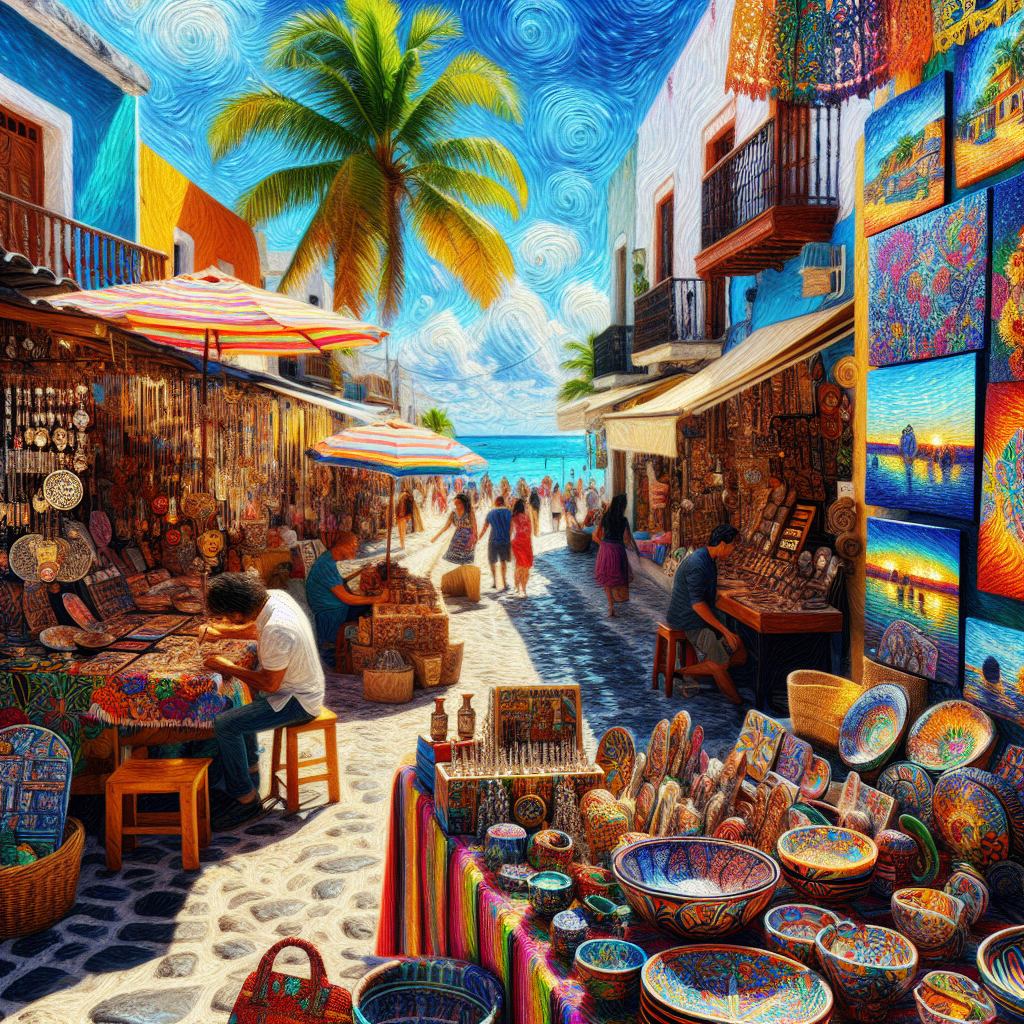
Conclusion
Conclusion:
- Cozumel is a rich tapestry of history, culture, and the daily lives of its people.
- The island’s culinary heritage features dishes like cochinita pibil and fresh ceviche, blending local flavors with historical influences.
- Carnival is a vibrant festival that showcases local pride through parades, costumes, and music, inviting participation from both locals and tourists.
- Artisans on the island create pottery, textiles, and jewelry that honor their ancestors and reflect a deep-rooted connection to the past.
- Tourism offers economic benefits but also presents challenges in preserving cultural integrity for the local community.
- Visitors are encouraged to engage with the community, fostering a deeper understanding of the island’s culture beyond traditional sightseeing.
- Cozumel promises a journey filled with enriching experiences and insights about humanity when approached with curiosity and an open heart.

Conclusion
Other Resources

Other Resources
Most of the people who read this are also figuring out where to stay. A couple of places we run or know well, in case it’s useful: Cozumel Journey is an editorial guide to Cozumel — neighborhoods, planning tips, and life on the island for travelers who want context, not a cruise schedule.
Here is a list of other resources you can review online to learn more:
- Caleta Marina
- Reefs and Corals
- Cozumel Adventure Tours
- The Mayan Cacao Company
- COZ Coffee Roasting Company
- Cozumel Reefs
- Reefs of Cozumel
- The Cheesecake Factory
- El Foco Restaurant & Bar
- Cozumel Journey — long-form writing on neighborhoods and planning
Use This Prompt To Get More Resources With Your Favorite Online AI Tool: Please provide me with a list of online articles with their URLs in a bulleted list that I can read regarding Will The Cozumel Culture Satisfy Your Curiosity?
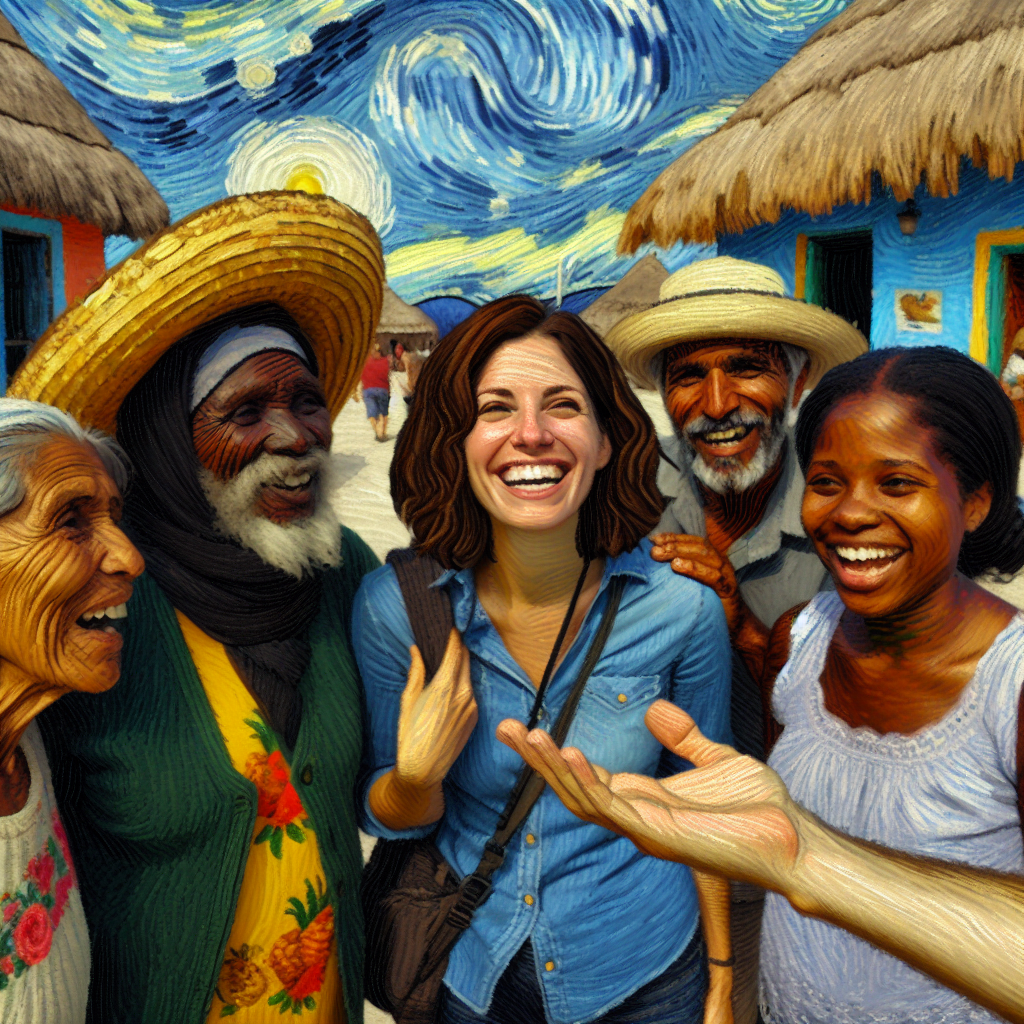
Other Resources
Glossary Terms
Will The Cozumel Culture Satisfy Your Curiosity? – Glossary Of Terms
1. Cozumel: An island in the Caribbean Sea, Mexico, known for its stunning beaches, coral reefs, and rich cultural heritage.
2. Mayan Civilization: An ancient civilization that inhabited parts of Mexico, Guatemala, Belize, and Honduras, recognized for its advanced architecture, mathematical, and astronomical knowledge.
3. Pueblo: Spanish term for ‘village,’ often used to refer to the community structures where Indigenous groups in Cozumel historically lived.
4. Ixchel: A Mayan goddess associated with love, fertility, and medicine, significant in Cozumel’s spiritual traditions.
5. Ecotourism: Responsible travel to natural areas, aiming to conserve the environment and improve the well-being of local people, popular in Cozumel.
6. Carnaval: A festive season celebrated with parades, music, dancing, and colorful costumes in Cozumel, reflecting its vibrant culture.
7. Chichen Itza: A famous Mayan archaeological site in Mexico, reflecting the region’s historical significance, though not located in Cozumel, but influential in Mayan culture.
8. Snorkeling: A popular activity in Cozumel, allowing visitors to explore underwater ecosystems and enjoy the island’s renowned coral reefs.
9. Tequila: A distilled beverage made from the blue agave plant, commonly consumed in Cozumel and an important part of Mexican culture.
10. Cuisine: The traditional foods and cooking methods of Cozumel, showcasing local ingredients and Mayan influences, known for dishes like ceviche and cochinita pibil.
11. Dia de los Muertos: The Day of the Dead, a Mexican holiday honoring deceased loved ones with offerings, decorated altars, and celebrations, significant in Cozumel’s community.
12. Coral Reefs: Marine ecosystems that are vital to Cozumel’s biodiversity and attract tourists for diving and snorkeling experiences.
13. Traditional Dress: Attire worn during cultural festivities, often colorful and intricately designed, showcasing local artisan craftsmanship.
14. Archaeology: The study of human history and prehistory through excavation and analysis of artifacts, important to understanding Cozumel’s past.
15. Folklore: The traditional beliefs, myths, and stories of Cozumel’s culture, passed down through generations, reflecting community values.
16. San Gervasio: An archaeological site in Cozumel that served as a pilgrimage site for Mayan women worshipping Ixchel, significant for cultural exploration.
17. Handicrafts: Artisanal products made by local artisans, reflecting Cozumel’s heritage, including textiles, pottery, and jewelry.
18. Cenotes: Natural sinkholes filled with water, sacred to the Mayans, found in the Yucatan Peninsula, often associated with rituals in Cozumel.
19. Marimba: A musical instrument that is integral to traditional music and dance in Cozumel, adding to the island’s vibrant cultural scene.
20. Rituals: Ceremonial acts that hold religious or cultural significance, often observed in Cozumel’s festivities and community gatherings.
21. Flora and Fauna: The plant and animal life unique to Cozumel, which adds ecological diversity and cultural significance.
22. Luxury Tourism: A segment of tourism focused on high-end experiences in Cozumel, including private resorts and exclusive activities.
23. Local Markets: Places where residents sell traditional foods, crafts, and goods, providing insight into everyday life and local culture.
24. Sustainability: Practices aimed at maintaining the ecological balance in Cozumel, especially in tourism and local fishing industries.
25. Community: The group of people living in Cozumel who share cultural practices, traditions, and social interactions.
26. Cultural Exchange: The sharing of cultural ideas, practices, and beliefs between locals and visitors, fostering understanding and appreciation.
27. Languages: Spanish is the primary language spoken in Cozumel, alongside indigenous languages like Yucatec Maya that reflect the island’s history.
28. Art Festivals: Events showcasing local artists, musicians, and performers, pivotal for celebrating Cozumel’s creative culture.
29. Marine Conservation: Efforts to protect and sustain marine ecosystems, crucial for preserving Cozumel’s biodiversity and attracting visitors for eco-friendly tourism.
30. Heritage Sites: Locations recognized for their cultural significance, such as archaeological sites and historical landmarks in Cozumel, important for tourism and education.

Glossary Of Terms
Other Questions
Will The Cozumel Culture Satisfy Your Curiosity? – Other Questions
If you wish to explore and discover more, consider looking for answers to these questions:
- What are the best times to visit Cozumel to experience local festivals?
- How can travelers engage with the local artisans in Cozumel?
- What are some cultural dos and don’ts in Cozumel?
- What role does fishing play in Cozumel’s economy and culture?
- How has the influx of tourism changed traditional practices in Cozumel?
- What traditional crafts are unique to Cozumel, and where can they be found?
- What are the most common misunderstandings about Cozumel’s culture?
- How do local families celebrate significant life events in Cozumel?
- What are the major influences on Cozumel’s culinary scene today?
- Is there a local guide service that offers cultural tours in Cozumel?
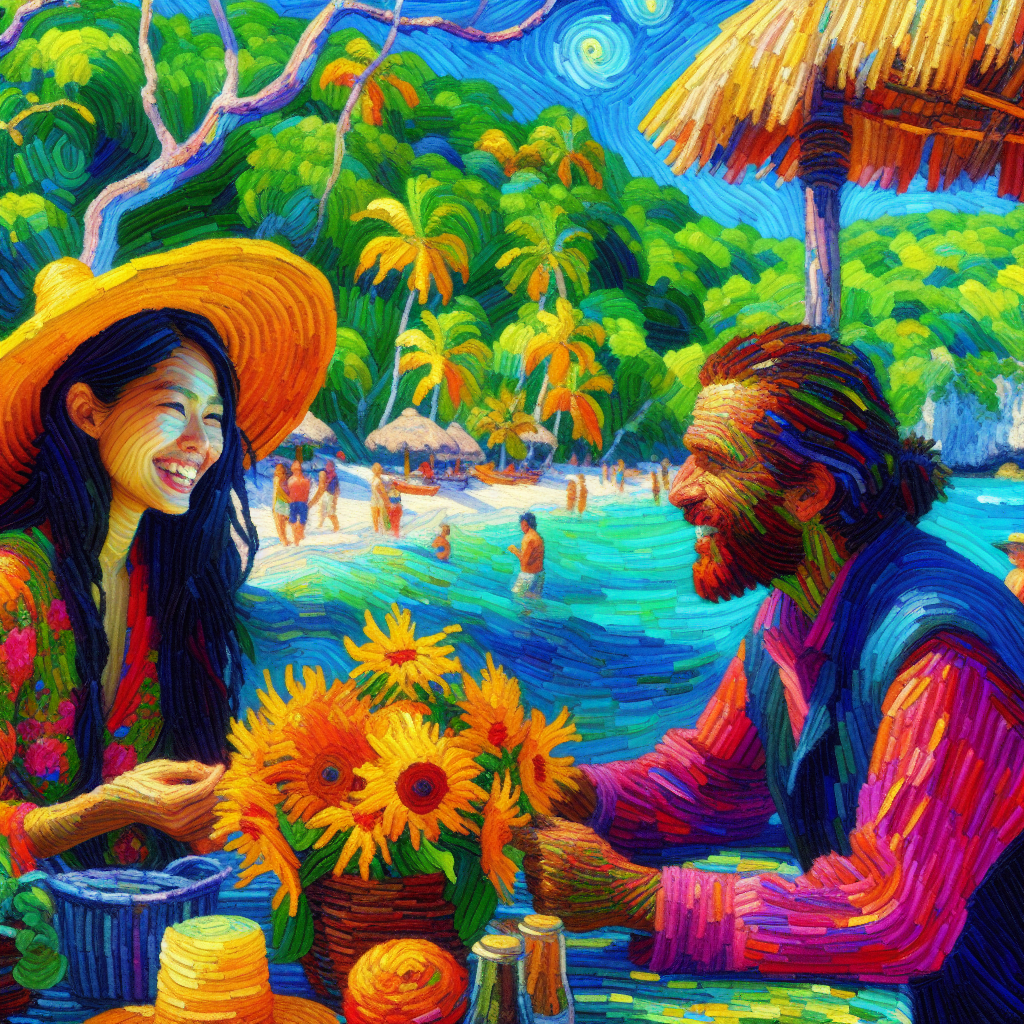
Other Questions
Haiku
Will The Cozumel Culture Satisfy Your Curiosity? – A Haiku
Cozumel’s heartbeat,
Ancient tales and flavors mix,
Culture’s vibrant hues.
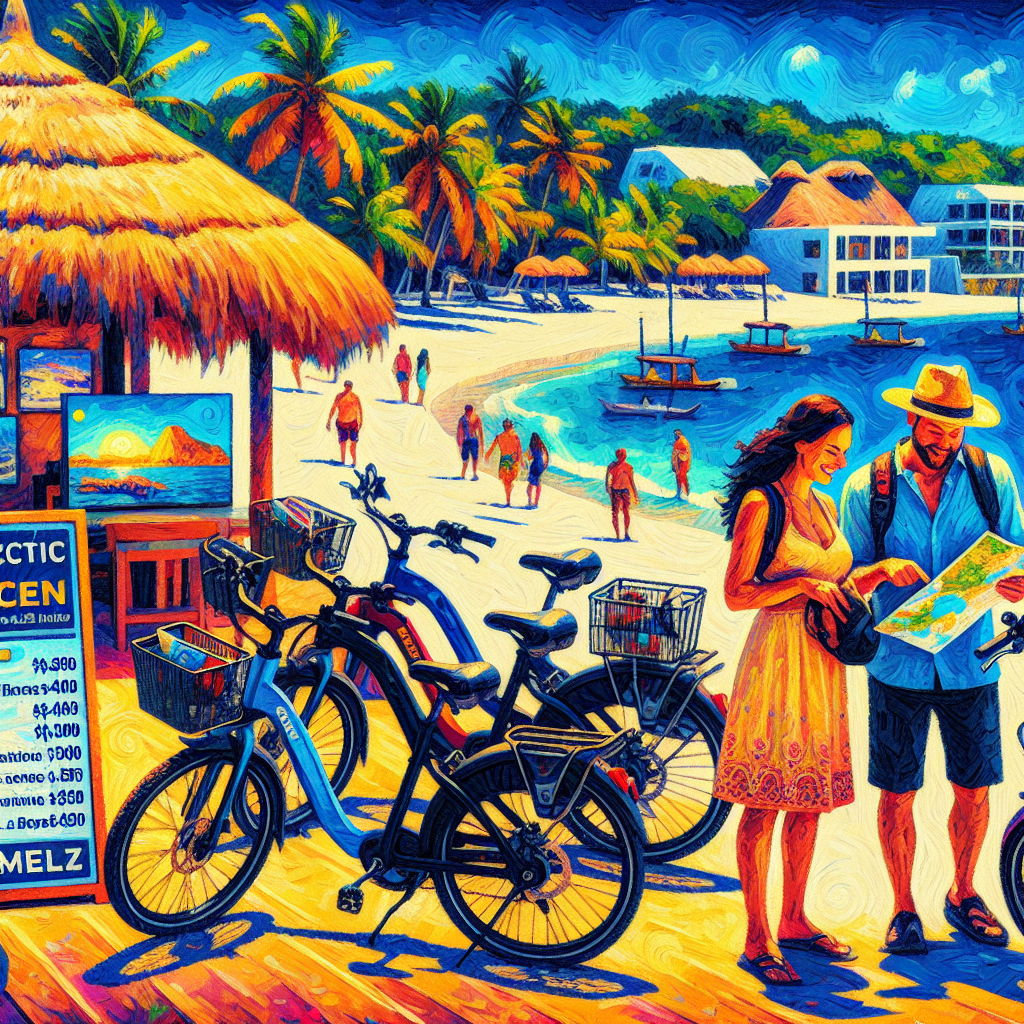
Haiku
Poem
Will The Cozumel Culture Satisfy Your Curiosity? – A Poem
In azure waves where histories blend,
Cozumel whispers tales that never end.
From ancient Maya, temples so grand,
To vibrant markets, handwoven by hand.
Every corner of this island bright,
Echoes laughter and dances in light.
Carnival bursts forth with colors so bold,
A tapestry woven with stories retold.
Ceviche and cochinita, flavors that sing,
In every bite, the past and present cling.
Fishermen’s tales in the morning mist,
Crafts of the artisan, too lovely to resist.
Spanish lingers like a warm sunbeam,
While Maya threads through the local dream.
In bustling plazas, the languages flow,
A melting pot where diverse cultures glow.
But tourism’s tide can both lift and sway,
With treasures concealed in the bustle and fray.
Markets alive, yet traditions must guard,
As authenticity fights to stand hard.
Listen closely to the locals’ lore,
Their laughter, their struggles—weave rich tales galore.
From festivals vibrant to stories of yore,
Each conversation unlocks an open door.
So come with curiosity, hearts wide and free,
Explore the essence of Cozumel’s sea.
In this paradise where culture takes flight,
You’ll uncover a world that shimmers with light.
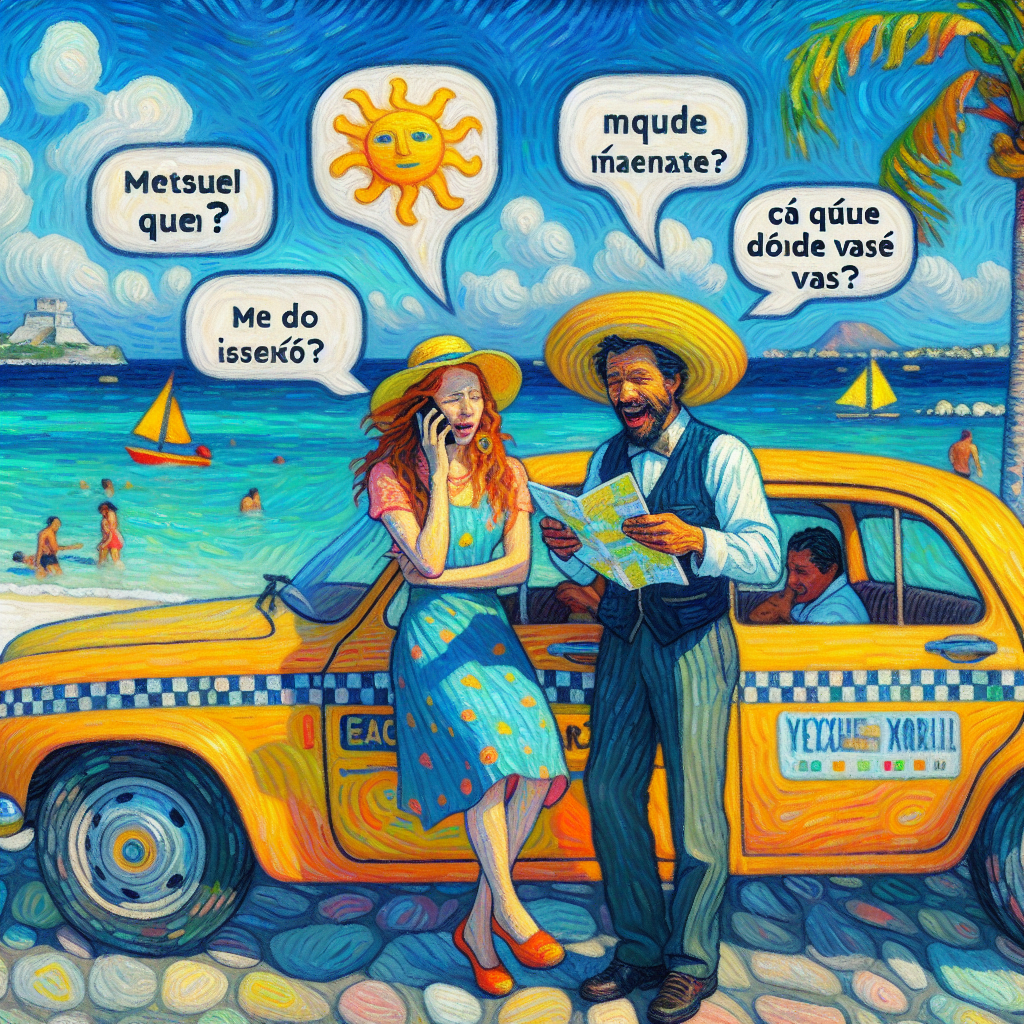
Poem
Checklist
Will The Cozumel Culture Satisfy Your Curiosity? – A Checklist
Prepare for Your Cultural Journey:
_____ Research Cozumel’s history to appreciate the context of your visit.
_____ Learn basic Spanish phrases to engage with locals.
_____ Be open to trying new foods and flavors that reflect local culinary traditions.
Experiencing Ancient Traditions:
_____ Visit archaeological sites like San Gervasio to explore Mayan history.
_____ Respect the cultural significance of ancient ruins and participate in guided tours.
Engage with Local Markets:
_____ Explore local markets for handcrafted goods and artisanal foods.
_____ Try traditional dishes like ceviche and cochinita pibil.
_____ Consider purchasing local crafts to support artisans.
Participate in Festivals and Celebrations:
_____ Attend the Carnival of Cozumel or the Festival de la Virgen de la Caridad.
_____ Join in local festivities to experience the vibrant culture firsthand.
_____ Take part in traditional music and dance events.
Connect with Locals:
_____ Strike up conversations with local artisans, fishermen, and vendors.
_____ Listen to local stories about cultural traditions and practices.
_____ Participate in community-driven activities, workshops, or cooking classes.
Explore Cultural Attractions:
_____ Visit the Museo de la Isla de Cozumel to learn about local history and culture.
_____ Stroll through San Miguel to admire the colorful architecture and street art.
_____ Discover local tales reflected in the vibrant murals around town.
Reflect on Sustainable Practices:
_____ Observe how locals interact with their natural resources.
_____ Support sustainable tourism initiatives that protect local culture and environment.
Take Note of Linguistic Diversity:
_____ Be mindful of the different languages spoken and their significance.
_____ Appreciate the blend of cultures in your conversations and interactions.
Post-Visit Reflection:
_____ Journal your experiences and lessons learned from interaction with locals.
_____ Share your cultural insights with friends and family to spread awareness about Cozumel’s rich heritage.
By utilizing this checklist, you can make the most of your journey in Cozumel and foster a deeper understanding of its captivating culture. Enjoy your adventure!

Checklist
At TopCozumelNews, we help travelers enjoy Cozumel by collating information learned from frequently traveling to beautiful Cozumel.
Be sure to read our other related stories at TopCozumelNews to learn more about the Island of Cozumel.