



An Overview Of The History Of Cozumel
By Tom Seest
At TopCozumelNews, we help travelers enjoy Cozumel by collating information learned from frequently traveling to beautiful Cozumel.
Be sure to read our other related stories at TopCozumelNews to learn more about the Island of Cozumel.
When Was Cozumel Established?
Cozumel, that sun-kissed gem of the Caribbean, boasts a history as colorful as the coral reefs that surround it. While the island is a paradise for modern-day tourists seeking relaxation and adventure, its establishment is rooted in a rich cultural tapestry that predates the arrival of cruise ships and luxury resorts.
The history of Cozumel can be traced back to the ancient Maya civilization, which began settling the island around 300 AD. Back then, Cozumel was more than just another speck of land in the Caribbean; it served as a sacred site for Mayan worship, dedicated predominantly to the goddess Ix Chel, the deity of fertility, medicine, and love. The island was dotted with temples and shrines, making it a significant pilgrimage destination for countless Mayans from the mainland.
Throughout the centuries, Cozumel transformed into an important trading hub. With its strategic location, it facilitated commerce and cultural exchanges between mainland cultures and other Caribbean islands. The Mayans were skilled navigators and traders, and Cozumel’s natural harbor made it an ideal port for ships laden with goods, ideas, and innovations. By the time Spanish explorers arrived in the early 16th century, the island had already established itself as a crucial point in the region’s trade network.
In 1518, the Spanish explorer Juan de Grijalva laid eyes on Cozumel, marking a pivotal moment in its history. The island didn’t just capture the curiosity of explorers; it also caught the attention of conquistadors. Under Hernán Cortés, the Spanish not only recognized the island’s strategic importance, but they also sought to harness its resources. The subsequent colonization brought about significant changes, including the arrival of European settlers, the introduction of new agricultural practices, and, of course, the impact of disease and displacement on the indigenous population.
By the late 19th century, Cozumel began to transform from a sleepy island into a burgeoning economic center, thanks largely to the production of henequen, a plant used to make twine and rope. This agricultural boom spurred further development and attracted labor from the mainland.
Today, while the historical narrative of Cozumel echoes through its ancient ruins and vibrant culture, the island stands as a testament to resilience and adaptation. From its early days as a sacred space to its status as a premier tourist destination, Cozumel’s establishment is a story of evolution, woven with the threads of history, commerce, and the natural beauty that continues to lure visitors from around the globe.

When Was Cozumel Established?
When Was Cozumel Established?
- Cozumel has a rich history linked to the ancient Maya civilization, beginning around 300 AD.
- The island was a sacred site for the Mayans, primarily dedicated to the goddess Ix Chel.
- Cozumel emerged as an important trading hub, facilitating commerce and cultural exchanges in the region.
- In 1518, Spanish explorer Juan de Grijalva’s arrival marked a significant moment in Cozumel’s history.
- The Spanish colonization led to the introduction of new agricultural practices and impacted the indigenous population.
- By the late 19th century, Cozumel transformed into an economic center due to the production of henequen.
- Today, Cozumel is a premier tourist destination, reflecting its history of resilience and cultural richness.
When Was Cozumel Established?
Table Of Contents
- When Was Cozumel Established?
- Was The Spanish Conquest Part Of The Establishment Of Cozumel Mexico?
- Were The Pirates Part Of The Establishment Of Cozumel Mexico?
- Were The Mayan Settlements Part Of The Establishment Of Cozumel Mexico?
- Was The Caste War Part Of The Establishment Of Cozumel Mexico?
- Was Tourism Part Of The Establishment Of Cozumel Mexico?
- How Did Cozumel Get It’s Name?
- What Languages Are Spoken In Couzmel?
- Conclusion
- Other Resources
- Glossary Of Terms
- Other Questions
- Haiku
- Poem
- Checklist
Was The Spanish Conquest Part Of The Establishment Of Cozumel Mexico?
Picture this: the sun glimmering off the turquoise waters of the Caribbean, palm trees swaying lazily in the warm breeze, and a vibrant world beneath the waves. Cozumel, a beautiful island off the coast of Mexico, might seem like an idyllic paradise today, but the story of its establishment is steeped in conflict, ambition, and conquest. The Spanish arrival in the early 16th century marked a significant turning point for Cozumel and its indigenous populations.
When Spanish explorers first set their sights on this lush island in 1518, they were lured not just by its beauty but by the riches they had heard tell of throughout the Americas. Rumors of gold, silver, and untapped resources were like siren calls luring these ambitious men into the heart of what we now know as Mexico – and Cozumel was a stepping stone. This island wasn’t just an unoccupied paradise; it was home to the Mayans, who had their own vibrant culture, spiritual beliefs, and trade networks. Yet, the arrival of the Spanish initiated a series of events that would irrevocably change the landscape.
In the wake of Hernán Cortés’ expeditions, Cozumel became a pivotal location for Spanish interests. The island served as a vital supply stop for expeditions aimed at conquering the mainland, where the Aztec Empire awaited. The Spanish recognized the strategic significance of Cozumel, leading to the establishment of settlements as they aimed to harness its resources and transform it into a base for their ambitious ventures into the Yucatán Peninsula.
But let’s not romanticize the encounter. The Spanish conquest came at a great cost to the indigenous populations. The introduction of foreign diseases decimated local communities, and the Spanish imposed their own religious and political structures, forever altering the dynamics of power and belief. While the Spanish may have seen it as a conquest, it was, for the Mayans, an encounter they never asked for—a clash that muddied the waters of their existence.
The establishment of Cozumel as we recognize it today can’t be divorced from the broader narrative of the Spanish conquest. It was a confluence of vision and exploitation, strategy and suffering, as the serene island became embroiled in the tumultuous saga of European expansion in the Americas. The echoes of history remind us that behind every beautiful destination is a complex story shaped by the hands of many, and in Cozumel’s case, it is a tale marked by both beauty and tragedy.

Was The Spanish Conquest Part Of The Establishment Of Cozumel Mexico?
Was The Spanish Conquest Part Of The Establishment Of Cozumel Mexico?
- The Spanish conquest of Cozumel began with explorers arriving in the early 16th century, attracted by rumors of riches.
- Cozumel was home to the Mayans, with a rich culture and trade networks prior to Spanish arrival.
- Hernán Cortés’ expeditions made Cozumel a crucial supply stop for conquests aimed at the Aztec Empire.
- The Spanish established settlements on the island to utilize its resources for further exploration into the Yucatán Peninsula.
- The indigenous populations suffered greatly due to foreign diseases, loss of their cultural practices, and imposed governance.
- Cozumel’s establishment reflects a complex history of exploitation intertwined with European expansion in the Americas.
- The story of Cozumel highlights the dual narratives of beauty and tragedy that shape many modern destinations.

Was The Spanish Conquest Part Of The Establishment Of Cozumel Mexico?
Were The Pirates Part Of The Establishment Of Cozumel Mexico?
Ah, Cozumel—a gem nestled in the Caribbean, renowned for its crystal-clear waters, vibrant marine life, and a touch of history that has both charmed and intrigued travelers for centuries. But behind the sun-soaked beaches and bustling resorts lies a tale that is as murky as the depths of the ocean itself. Enter the world of pirates, those swashbuckling rogues who roamed the seas, searching for treasure and adventure. Were they mere footnotes in Cozumel’s history, or did they play a pivotal role in its establishment?
To understand this, we need to dive back into the 17th and 18th centuries, a time when the Caribbean was a veritable playground for pirates and privateers. These salty sea dogs weren’t just out for a joyride; they were part of a larger narrative involving trade routes and colonial power plays. As the Spanish Empire extended its reach, Cozumel became strategically significant, situated along crucial trade routes. And guess who loved to prey on vulnerable ships laden with gold and silver? You guessed it—the pirates.
Cozumel, with its secluded coves and sheltered waters, provided a perfect hideout for these marauders. They weren’t simply there to cause chaos; they were part of the establishment in a certain sense, shaping the economy and politics of the era. The influx of ships meant that local populations could engage in a complex relationship with these buccaneers, sometimes as adversaries and sometimes as allies. Some pirates even set up makeshift camps on the island, leaving a mark that wouldn’t be easily erased.
However, it’s not just about gold doubloons and cutlasses. The pirates significantly influenced the local economy and culture. As they made their forays into the region, they brought with them diverse influences—from European goods to tales of distant lands. In that way, they contributed to the melting pot that was emerging in Cozumel.
Ultimately, while the pirates may not have officially “established” Cozumel, their presence undeniably shaped its early history. They played a role as agents of change, acting as both destroyers and creators in a land that was about to become a vital part of Mexico’s cultural tapestry. So next time you’re sipping a margarita on Cozumel’s shores, take a moment to ponder the swashbucklers of the past whose very legacy still lingers in the salty air. Who knows what tales might lie beneath those sunny waters?
Were The Pirates Part Of The Establishment Of Cozumel Mexico?
Were The Pirates Part Of The Establishment Of Cozumel Mexico?
- Cozumel, Mexico is known for its beautiful beaches and rich history.
- The Caribbean was a haven for pirates in the 17th and 18th centuries, an era marked by trade routes and colonial power struggles.
- Cozumel’s strategic location made it a target for pirates seeking to plunder Spanish ships laden with treasures.
- Secluded coves in Cozumel provided a refuge for pirates, who influenced the island’s economy and politics.
- Local populations had complex interactions with pirates, sometimes cooperating and sometimes opposing them.
- Pirates introduced diverse goods and tales that enriched Cozumel’s culture and contributed to its development.
- Though not officially responsible for its establishment, pirates played a significant role in shaping Cozumel’s early history and legacy.

Were The Pirates Part Of The Establishment Of Cozumel Mexico?
Were The Mayan Settlements Part Of The Establishment Of Cozumel Mexico?
To dive into the relationship between the ancient Mayan settlements and the establishment of Cozumel, you need to take a good, hard look at history. Buckle up, because we’re going back centuries, to a time when the Mayans roamed the sun-drenched landscapes of Mesoamerica, shaping their world in ways we’re still deciphering today.
Cozumel, that picturesque island off Mexico’s eastern coast, wasn’t just a random speck in the Caribbean. It was a strategic point for trade and communication, serving as a bridge between the Mayan mainland and the broader world. While many associate Cozumel with white sandy beaches and swaying palm trees today, ancient Mayans saw something entirely different. They recognized its value early on; after all, who wouldn’t want a lush retreat with a breathtaking coastline?
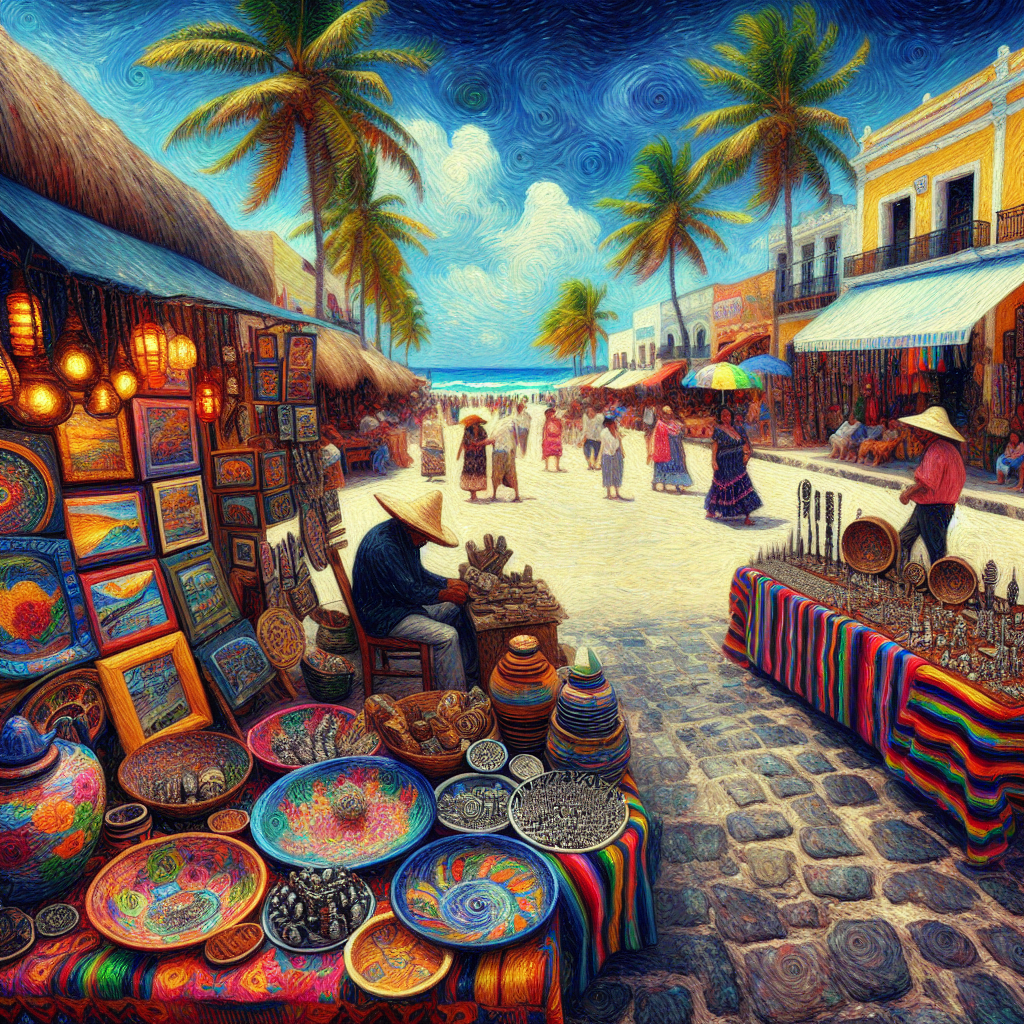
The Mayans established settlements on the island as early as 300 AD. Archaeological evidence suggests that these early inhabitants weren’t just passing through; they were laying down roots. They erected platforms, temples, and other structures that hinted at a sophisticated society. These settlements were likely centers of commerce and trade where culture and ideas flowed freely—think of it as the ancient equivalent of a bustling market, complete with trade routes stretching far beyond the horizon.
Cozumel was also revered for its association with the goddess Ix Chel, a deity of fertility and medicine. Pilgrimage to this sacred site attracted worshippers from all over the region, further embedding Cozumel into the Mayan cultural tapestry. The influx of visitors meant that the settlements grew more complex, becoming hubs of religious and economic activity.
But did the Mayan settlements directly lead to the establishment of modern Cozumel as we know it? Though the threads of history are tangled, the answer is a resounding yes. The foundations laid by the Mayans paved the way for future generations to recognize the island’s potential. Over time, Cozumel transformed, adapting to the changing tides of conquest and colonization, but the echo of the Mayan presence still resonates.
So, while today you might be planning a beach getaway or sipping a margarita, remember: underneath those sun-soaked vibes, there’s a rich history of Mayan ingenuity, trade, and spirituality—the very heartbeat that helped establish Cozumel, shaping its legacy for centuries to come.
Were The Mayan Settlements Part Of The Establishment Of Cozumel Mexico?
Were The Mayan Settlements Part Of The Establishment Of Cozumel Mexico?
- The relationship between ancient Mayan settlements and the establishment of Cozumel, Mexico is rooted in history.
- Cozumel was a strategic location for trade and communication between the Mayan mainland and the wider world.
- Mayan settlers arrived on Cozumel as early as 300 AD, establishing permanent settlements with platforms and temples.
- These settlements served as centers of commerce and culture, facilitating the exchange of ideas and goods.
- Cozumel was associated with the goddess Ix Chel, attracting pilgrims and embedding the island into the Mayan cultural framework.
- The Mayan settlements laid the groundwork for modern Cozumel, influencing its future development.
- Today, Cozumel’s vibrant history underscores the Mayan legacy, blending past and present in its identity.
Were The Mayan Settlements Part Of The Establishment Of Cozumel Mexico?
Was The Caste War Part Of The Establishment Of Cozumel Mexico?
When we think of Cozumel, images of sun-kissed beaches, vibrant coral reefs, and swaying palm trees often come to mind. However, nestled beneath the surface of this idyllic paradise lies a complex history, one that includes the traumatic echoes of the Caste War, an uprising that profoundly influenced the region.
The Caste War, which began in 1847 on the Yucatán Peninsula, was not merely an insurrection against the oppressive social structure; it was a desperate struggle for dignity and rights against a backdrop of colonial exploitation. For the indigenous Maya, the stakes were incredibly high. Pressed into a socio-economic order that ranked them as less-than-citizens, they rose up against their mistreatment, envisioning a future free of subjugation.
Now, why mention this uprising when discussing the sleek and modern Cozumel we see today? The answer lies in the fact that the war’s repercussions reverberated throughout the Yucatán Peninsula and, indeed, beyond. As conflict swirled, many Maya sought refuge on Cozumel. To call it a peaceful influx would be misleading; it was an act of survival, an attempt to preserve their culture and community amidst chaos.
While the beaches remained pristine, the political and social transformations that began in the wake of the Caste War sowed seeds of resilience. Indigenous groups found their footing amid the tumult, forging connections that would eventually shape Cozumel’s societal landscape. Many settlers, influenced by the emerging spirit of self-determination, brought with them not only their rich cultural heritage but also the determination to protect it. Their presence helped lay the groundwork for a diverse community throughout the island—a tapestry woven together by historical threads of struggle, resilience, and adaptation.
Cozumel did not evolve in a vacuum. The tourist economy that thrives today owes much to the convergence of cultural influences that emerged partly as a result of the Caste War. As communities adapted to their new realities, they began to develop distinct identities, contributing to a larger narrative marked by both suffering and triumph.
In essence, the Caste War was more than just a backdrop to the emergence of Cozumel; it was a catalyst that helped forge a community. It shaped cultural identities and laid the groundwork for a society that eventually embraced its diversity, standing as a testament to human resilience against adversity. So, the next time you stroll along those sandy shores, remember that beneath the allure of paradise lies a story filled with struggle and triumph—a story that continues to define Cozumel today.

Was The Caste War Part Of The Establishment Of Cozumel Mexico?
Was The Caste War Part Of The Establishment Of Cozumel Mexico?
- The Caste War, starting in 1847, was an uprising against colonial exploitation by the Maya on the Yucatán Peninsula.
- It was a struggle for dignity and rights for the indigenous Maya, who sought a future free from oppression.
- Many Maya sought refuge in Cozumel as a response to the upheaval caused by the war.
- This influx of Maya was an act of survival to preserve their culture and community amidst chaos.
- The war spurred political and social transformations that contributed to the resilience of indigenous groups on the island.
- Cozumel’s modern tourist economy reflects the diverse cultural influences shaped partly by the Caste War.
- The Caste War was a catalyst for community formation, resilience, and the embracing of diversity in Cozumel.

Was The Caste War Part Of The Establishment Of Cozumel Mexico?
Was Tourism Part Of The Establishment Of Cozumel Mexico?
When we take a trip down the sun-soaked streets of Cozumel, it’s hard not to soak in the vibrant culture, warm hospitality, and enticing turquoise water that define this Mexican gem. However, the history of tourism in Cozumel is more layered than a quesadilla stuffed with cheese and history.
Cozumel’s story begins long before sunbathers and cruise ship passengers descended upon its shores. The island, rich in Mayan heritage, was once a sacred place where pilgrims traveled to worship the goddess Ix Chel, symbolizing fertility and healing. According to ancient texts, the Mayans didn’t just see Cozumel as a haven but as a significant cultural hub—an advance notice that this was a place of pilgrimage long before the tourist brochures arrived.
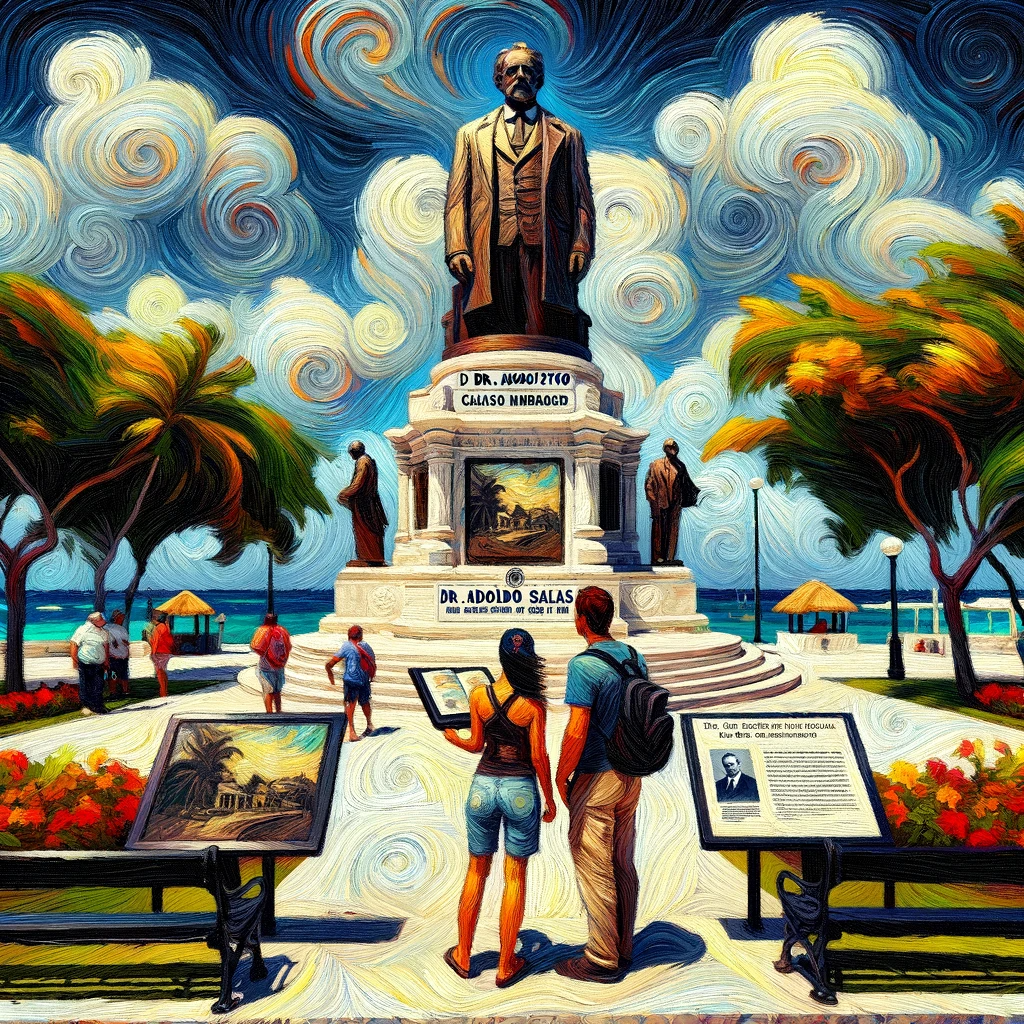
Fast forward to the 20th century. The post-World War II era witnessed a surge in travel and leisure, and the world was wide-eyed with wanderlust. Enter Cozumel, a hidden paradise that caught the attention of adventurous spirits looking for sun, sea, and a slice of the exotic. The first proper hotel opened in the 1950s, drawing in those curious to explore this untouched slice of the Caribbean. Once the American travel industry caught wind of Cozumel’s pristine beaches and ancient ruins, the stage was set for a tourism explosion.
But did tourism truly play a role in the establishment of modern-day Cozumel? Absolutely. The waves of visitors transformed not only the local economy but also the cultural landscape. Jobs were created, restaurants flourished, and the quaint villages began to transition into bustling hubs of activity. The island’s rich history slowly became entangled with the need to cater to the needs of tourists who sought authentic experiences while sipping margaritas on a beach.
Of course, this development hasn’t been without its complications. The delicate balance of preserving the rich Mayan heritage while promoting an irresistible tourist destination has posed significant challenges. Yet, this dynamic tension is what makes Cozumel tick—a continuous dance between ancient traditions and modern comforts, all set against a backdrop that seems to have been plucked straight from a postcard.
In essence, tourism didn’t just support the establishment of Cozumel; it helped weave its narrative, forcing it to adapt and thrive. So, the next time you relish the sound of waves crashing on the shore, remember that those waves have carried the weight of history and change—one beach chair at a time.

Was Tourism Part Of The Establishment Of Cozumel Mexico?
Was Tourism Part Of The Establishment Of Cozumel Mexico?
- Cozumel, Mexico, has a rich history intertwined with tourism and Mayan heritage.
- It was originally a sacred site for Mayan pilgrims worshipping the goddess Ix Chel.
- The 20th century saw a surge in tourism, beginning with the opening of the first hotel in the 1950s.
- The American travel industry’s interest in Cozumel led to a tourism boom.
- Tourism significantly transformed the local economy, creating jobs and revitalizing villages.
- Cozumel faces challenges in balancing the preservation of its culture with the demands of tourism.
- Tourism has played a crucial role in shaping Cozumel’s identity and narrative over time.
Was Tourism Part Of The Establishment Of Cozumel Mexico?
How Did Cozumel Get It’s Name?
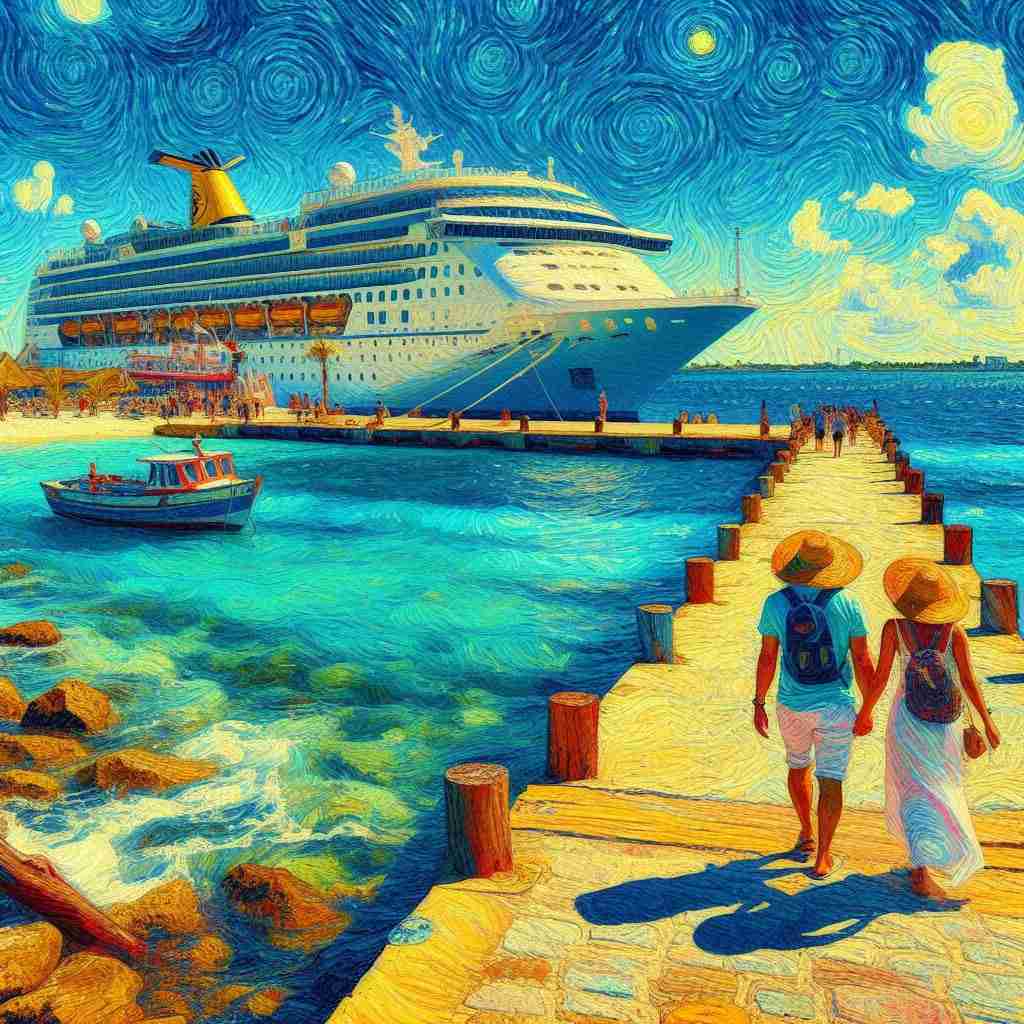
Cozumel, the Mexican island known for its pristine beaches and vibrant coral reefs, boasts a name that blends intrigue with history. The island’s name traces its roots back to the ancient Mayans, who roamed these lands long before the advent of mass tourism and sunburned vacationers. To understand the origin of “Cozumel,” we first need to dive deep into the linguistic waters of the Mayan language.
The name Cozumel is derived from the Mayan term “Cuzamil,” which translates roughly to “Island of the Swallows.” Now, why swallows? These clever little birds were not just common inhabitants of the area; they embodied a kind of grace and resilience that resonates with the spirit of the island itself. The Mayans observed nature closely, and they often incorporated their surroundings into their language. So, as swallows flitted in and out of the tall palms and across the clear blue skies, the name “Cuzamil” emerged, celebrating the beauty and vitality of this little piece of paradise.
Fast forward a few centuries and you’ll find that the island caught the attention of Spanish explorers in the early 1500s. When these adventurers stumbled upon this serene isle, they took the existing Mayan name and adapted it. “Cuzamil” was transformed into “Cozumel,” making it more palatable for the European tongue. But even as the name evolved, the essence remained—the island continued to resonate with the swallows’ spirit, and its stunning natural landscape beckoned explorers and pilgrims alike.
Beyond its etymology, Cozumel isn’t just a name; it’s a symbol of an island that weaves together the past and the present. Today, Cozumel attracts divers, snorkelers, and tourists from around the globe, all drawn to its natural beauty and rich cultural heritage. But beyond the sun-soaked beaches, there’s a whisper of history carried by the waves—stories of Mayan priests, Spanish conquistadors, and modern-day adventurers.
So the next time you find yourself on the sandy shores of Cozumel, take a moment to appreciate that name—a blend of history, nature, and resilience. And remember, every time you hear the call of a swallow, it’s not just a bird, but a reminder of the island’s vibrant past that still echoes through its name today.
How Did Cozumel Get It’s Name?
How Did Cozumel Get It’s Name?
- Cozumel is a Mexican island known for its beaches and coral reefs.
- The name “Cozumel” originates from the Mayan term “Cuzamil,” meaning “Island of the Swallows.”.
- Swallows symbolize grace and resilience, reflecting the spirit of the island.
- The name evolved when Spanish explorers adapted “Cuzamil” to “Cozumel” in the early 1500s.
- Cozumel represents a blend of history and nature, attracting divers and tourists worldwide.
- The island’s history includes influences from Mayan priests and Spanish conquistadors.
- Visitors are encouraged to appreciate the significance of the island’s name and its vibrant past.

How Did Cozumel Get It’s Name?
What Languages Are Spoken In Couzmel?
When you think of Cozumel, the picturesque island off the coast of Mexico, images of white sandy beaches and crystal-blue waters likely come to mind. But, beyond the stunning views and vibrant culture, there’s a fascinating linguistic landscape waiting to be explored. It’s a place where language isn’t just a tool for communication; it’s a part of the island’s rich heritage and an essential thread in the fabric of daily life.
The predominant language in Cozumel, as in the rest of Mexico, is Spanish. Here, the language hums in the lively chatter of local markets and dances in the melodies of traditional music. Shade-covered locals engage in animated conversations, peppering their Spanish with expressions unique to the region. Many might not realize it, but this vibrant dialect reflects the island’s history, influenced by indigenous roots and the mingling of cultures over centuries.
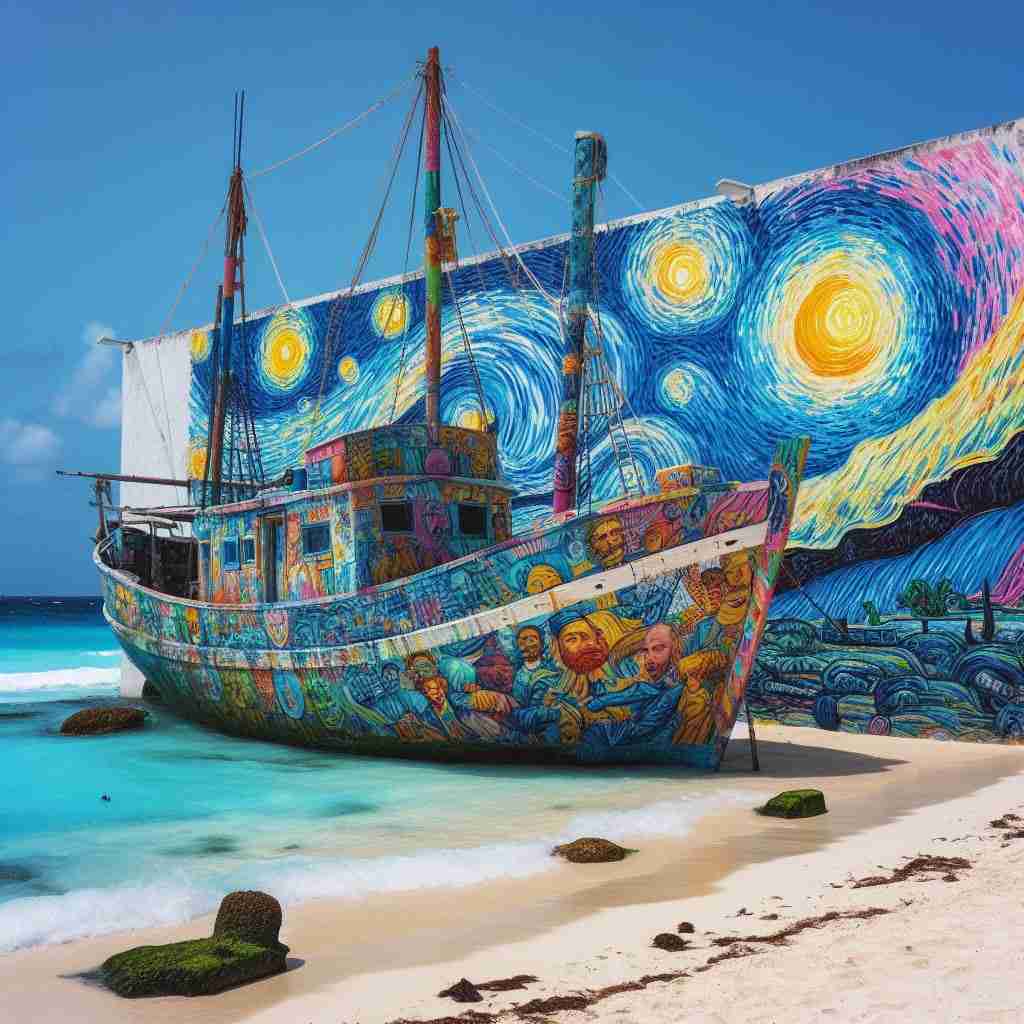
But it’s not just Spanish that fills the air. Cozumel is home to a diverse population, including expats and tourists from all over the world. As a gateway for cruise ships and an attractive destination for retirees, English has carved out its own niche. You’ll hear it echoing through hotel lobbies, tourist traps, and sometimes even in the charming local eateries. Here, the ability to switch between languages is more than just a skill—it’s a necessity in this melting pot of cultures.
French and German are also part of the mix, thanks to the influx of international visitors and the island’s appeal to European tourists. Staff in popular restaurants and attractions often speak these languages, catering to a variety of travelers who make their way to this tropical paradise.
Yet, it’s not just foreign tongues that add flavor to the conversation. The indigenous Mayan language still has a presence among the locals, particularly in the more traditional communities. This linguistic heritage offers a glimpse into the island’s past, reminding us that Cozumel’s history is as rich as its scenery.
Whether you’re bargaining for souvenirs at a local market, ordering tacos al pastor, or simply soaking in the sun with a cool drink in hand, the languages you hear here weave a complex, colorful tapestry of human experience. In Cozumel, language isn’t merely spoken; it’s celebrated, creating connections that transcend culture and geography. So, grab your sunscreen and your best phrasebook—Cozumel has a story to tell, and it’s waiting for you to join the conversation!

What Languages Are Spoken In Couzmel?
What Languages Are Spoken In Couzmel?
- The predominant language in Cozumel is Spanish, reflecting the island’s rich heritage and cultural history.
- Spanish is often enriched with regional expressions, influenced by indigenous roots and a mix of cultures.
- English is widely spoken due to the presence of expats, tourists, and the island’s role as a cruise ship destination.
- French and German are also heard in popular restaurants and attractions, catering to European visitors.
- The indigenous Mayan language remains present among locals, particularly in traditional communities.
- Languages in Cozumel create a vibrant tapestry of communication, enhancing the visitor experience.
- Language in Cozumel is celebrated as a means to connect diverse cultures and histories.
What Languages Are Spoken In Couzmel?
Conclusion
As we wrap up our journey through the vibrant and layered history of Cozumel, it becomes clear that this sun-soaked Caribbean paradise is more than meets the eye. The island’s establishment tells a story that is steeped in ancient civilizations, global explorations, and cultural exchanges that stretch back over a millennium. We’ve traveled from the sacred Mayan temples dedicated to the goddess Ix Chel to the bustling trade routes that flourished long before modern tourism came knocking.
Cozumel was not simply a destination; it served as a cultural epicenter for the ancient Maya, who recognized its strategic importance and revered its natural beauty. They built communities and rituals that laid the groundwork for what would become a significant trading hub—a nexus where goods, ideas, and religious practices flowed freely. Fast forward to the 16th century, and the arrival of Spanish explorers like Juan de Grijalva shifted Cozumel’s trajectory from sacred site to colonial stronghold, embedding the island deeper into the complex tapestry of European conquest.
Then, we can’t overlook the impact of pirates—the notorious swashbucklers who turned Cozumel into both an occasional hideout and a vibrant marketplace, leaving behind a unique blend of cultures. The echoes of the Caste War remind us that the struggle for dignity and rights paved new paths for the indigenous Maya, reinforcing their resilience and shaping the evolving identity of Cozumel.
And what about tourism? It surged in the latter half of the 20th century, transforming the island once again into a lively destination where heritage meets hospitality. The rush of visitors may have altered its landscape, but it also allowed the island to showcase a historical richness that thrives alongside the modern allure of white sandy beaches and crystal waters.
In essence, Cozumel is a living narrative—a dynamic mosaic of history where each wave that laps the shore carries with it tales of triumph, tragedy, and transformation. So, whether you’re lounging on a beach, sipping a margarita, or snorkeling among the vibrant coral reefs, take a moment to soak in the stories that have shaped this island paradise. It’s not just about relaxation and adventure; it’s about honoring the roots of a place that has seen millennia of change, courageous resilience, and enduring beauty. That’s the real essence of Cozumel—a legacy etched in the sands of time.
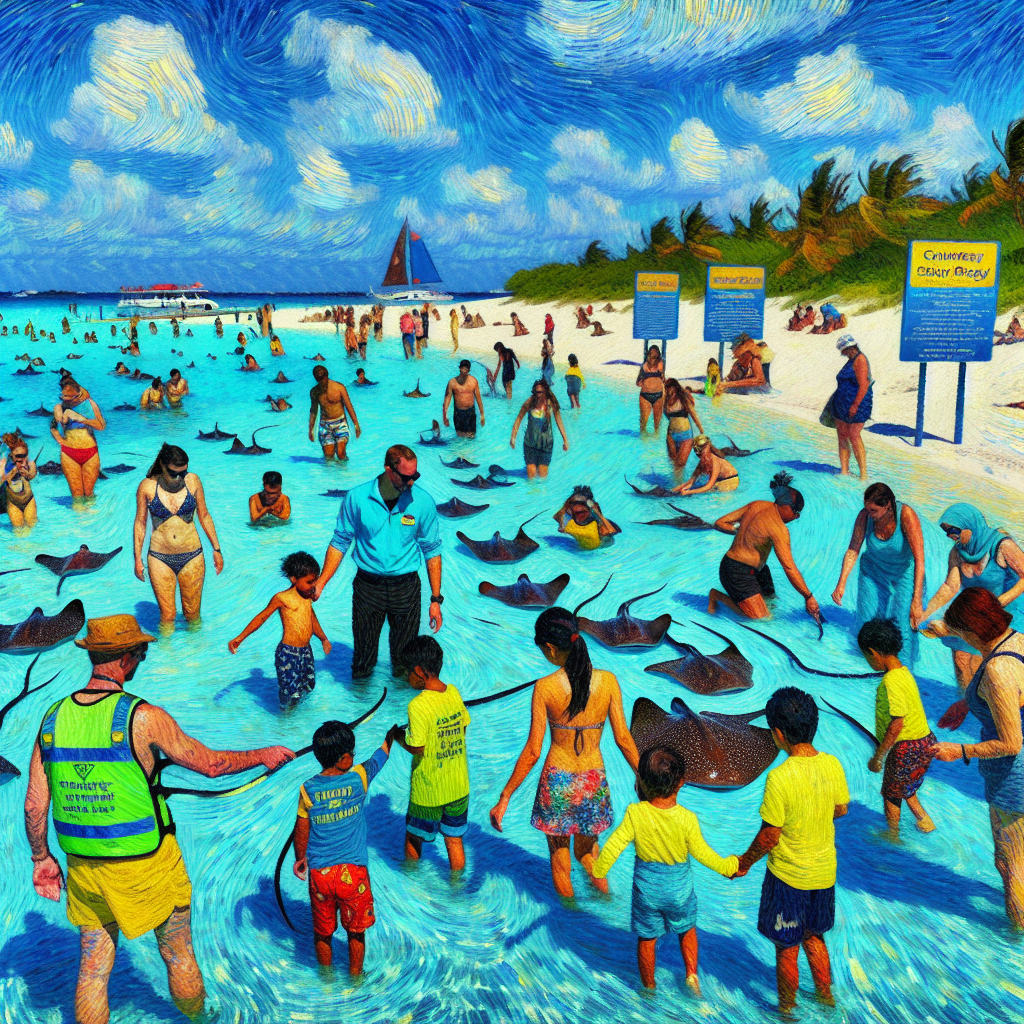
Conclusion
Conclusion:
- Cozumel has a rich history steeped in ancient civilizations, global explorations, and cultural exchanges over a millennium.
- The island was a cultural epicenter for the ancient Maya, with a strategic importance and natural beauty.
- The arrival of Spanish explorers in the 16th century shifted Cozumel from a sacred site to a colonial stronghold.
- Pirates turned Cozumel into a vibrant marketplace, blending various cultures and leaving lasting influences.
- The echoes of the Caste War highlight the struggle for indigenous rights and the resilience of the Maya people.
- Tourism surged in the late 20th century, transforming Cozumel into a lively destination that showcases its historical richness.
- Cozumel is a dynamic mosaic of history, where relaxation and adventure coexist with the island’s storied past.
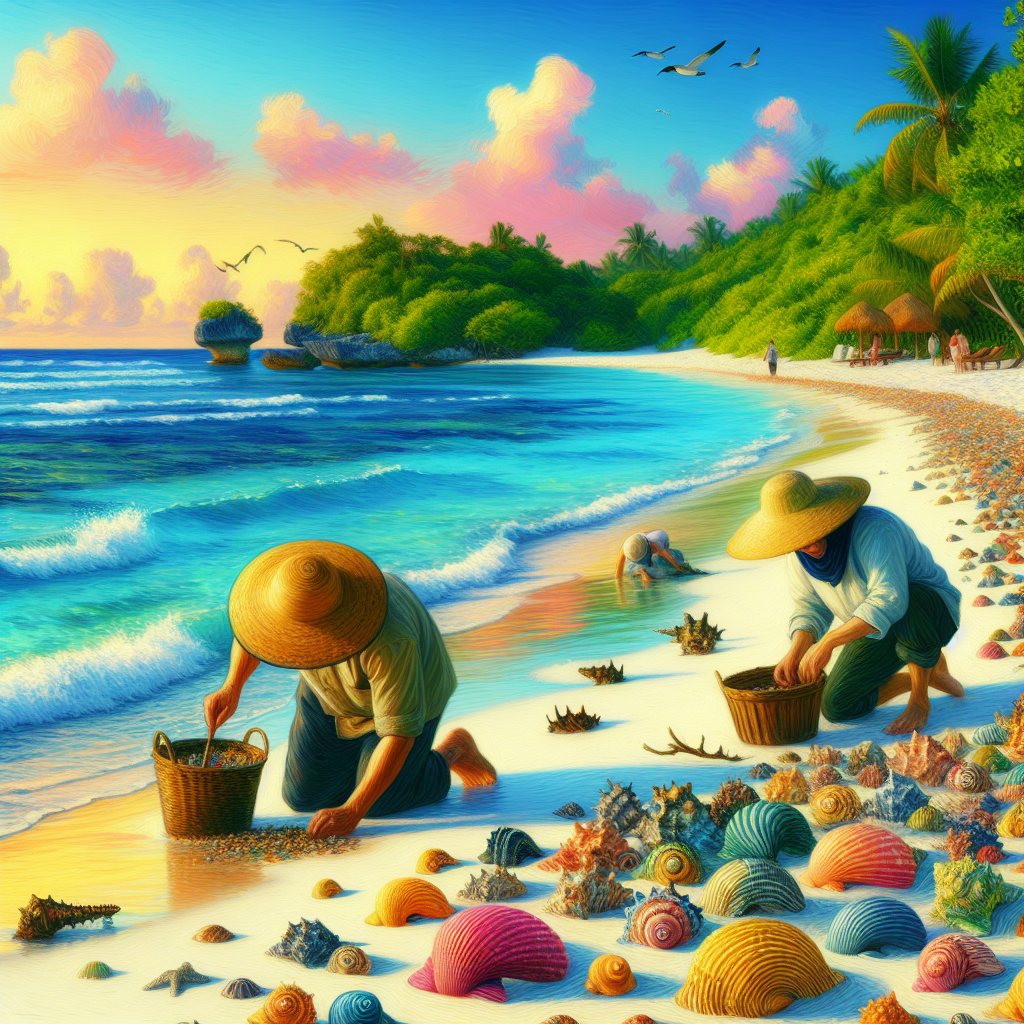
Conclusion
Other Resources

Other Resources
Here is a list of other resources you can review online to learn more:
- Mr. Sanchos ATV
- Novena Ola
- Snorkeling Trip Checklist
- Chankanaab
- Bahama Breeze
- Los Chilangos Loncheria
- La Choza Cozumel
- Alamo
Use This Prompt To Get More Resources With Your Favorite Online AI Tool: Please provide me with a list of online articles with their URLs in a bulleted list that I can read regarding When Was Cozumel Established?
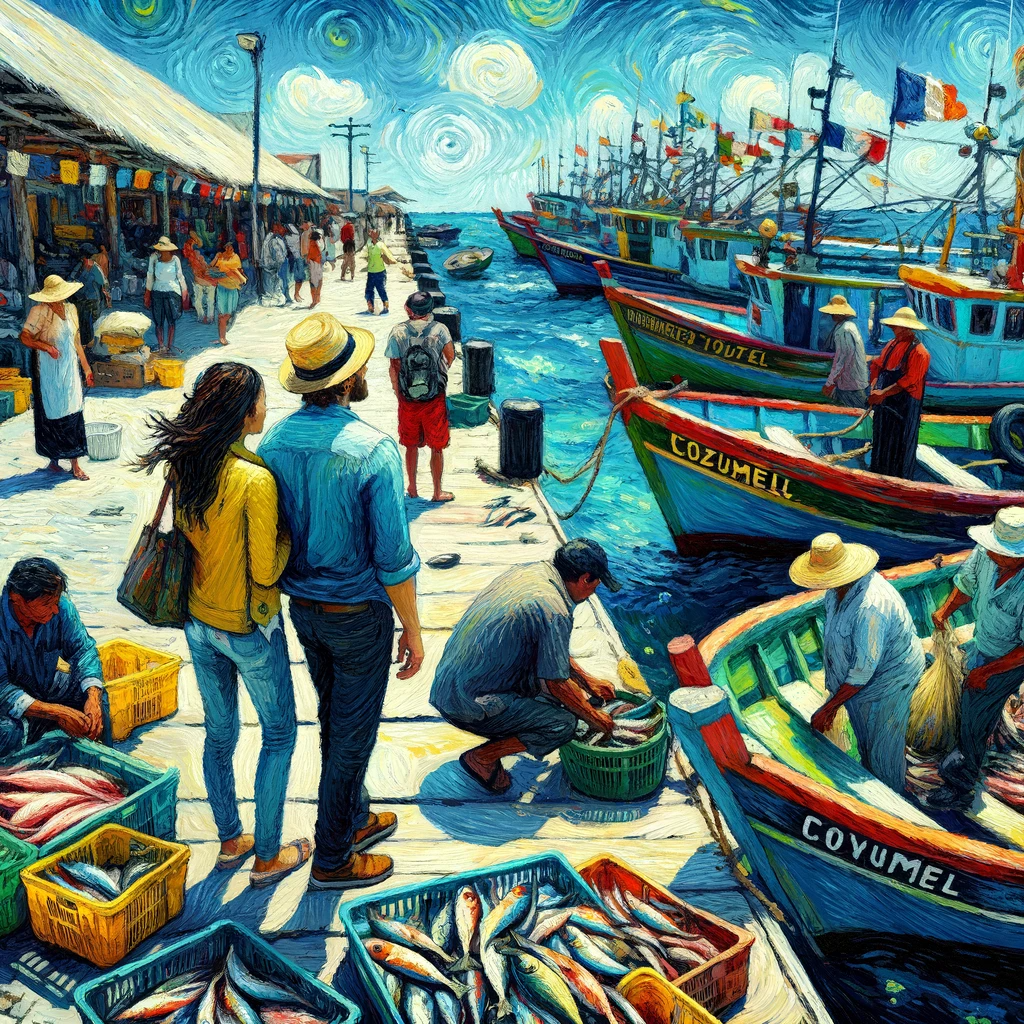
Other Resources
Glossary Terms
When Was Cozumel Established? – Glossary Of Terms
1. Cozumel: An island in the Caribbean Sea known for its tropical climate, coral reefs, and rich Mayan history.
2. Establishment: The act of founding or creating a permanent community or settlement.
3. Maya Civilization: An ancient civilization known for its architecture, mathematics, and astronomical advances that inhabited areas of present-day Mexico, including Cozumel.
4. Archaeology: The study of human history and prehistory through excavation and analysis of artefacts, structures, and other physical remains.
5. History: The study of past events, particularly in human affairs; crucial for understanding the timeline of Cozumel’s settlement.
6. Indigenous: Referring to the original inhabitants of a region; Cozumel was originally populated by the Maya.
7. Spanish Conquest: The period in the 16th century when Spanish explorers and conquistadors took over large parts of the Americas, impacting indigenous cultures.
8. Palenque: An impressive archaeological site in southern Mexico, associated with the Maya civilization, indicative of their influence in the region.
9. Tulum: A popular coastal Mayan ruin near Cozumel, showcasing the historical significance of the area.
10. Ecotourism: A responsible travel to natural areas that conserves the environment and improves the well-being of local people, important for Cozumel today.
11. Colonialism: A practice of domination involving the subjugation of one people to another, significant in the context of Spanish rule in the Americas.
12. Caribbean Sea: The body of water that envelops Cozumel and is known for its beautiful beaches and biodiversity.
13. Cultural Heritage: The legacy of physical artifacts and intangible attributes of a group or society, significant for understanding Cozumel’s identity.
14. Biodiversity: The variety of life found in a particular habitat or ecosystem, present in Cozumel’s coral reefs and ecosystems.
15. Tourism: The commercial organization of vacations and visits to places of interest, a major economic driver for Cozumel.
16. Mesoamerica: A historical region and cultural area in North America, where ancient civilizations such as the Maya flourished.
17. Sustainable Development: Economic development that is conducted without depletion of natural resources, vital for Cozumel’s tourism initiatives.
18. Religion: The beliefs and practices of the Maya, which included the worship of various gods, influencing their settlement patterns.
19. Agriculture: The practice of farming, which was crucial for the sustenance of the indigenous people of Cozumel.
20. Trade: The exchange of goods and services that occurred between Cozumel and other civilizations, enhancing its historical significance.
21. Conquistador: Spanish term for “conqueror,” often referring to those who led expeditions in the Americas in the 16th century.
22. Quintana Roo: The state in Mexico where Cozumel is located, known for its tourism and natural beauty.
23. Isla de las Golondrinas: The indigenous name for Cozumel, meaning “Island of Swallows. ”
24. Colonization: The act of establishing control over the indigenous people of an area, relevant to the Spanish presence in Cozumel.
25. Pre-Columbian: Relating to the history of the Americas before the arrival of Columbus in 1492.
26. Ruins: The remains of ancient buildings and other structures, significant for archaeological studies in Cozumel.
27. Cultural Exchange: Interaction between different cultures, particularly important after European contact with the Maya.
28. Heritage Sites: Locations recognized for their cultural significance, many of which can be found in and around Cozumel.
29. Snorkeling: A popular recreational activity in Cozumel, allowing exploration of its rich underwater ecosystem.
30. UNESCO World Heritage Site: A designation given to sites of special cultural or physical significance, applicable to areas around Cozumel with archaeological importance.
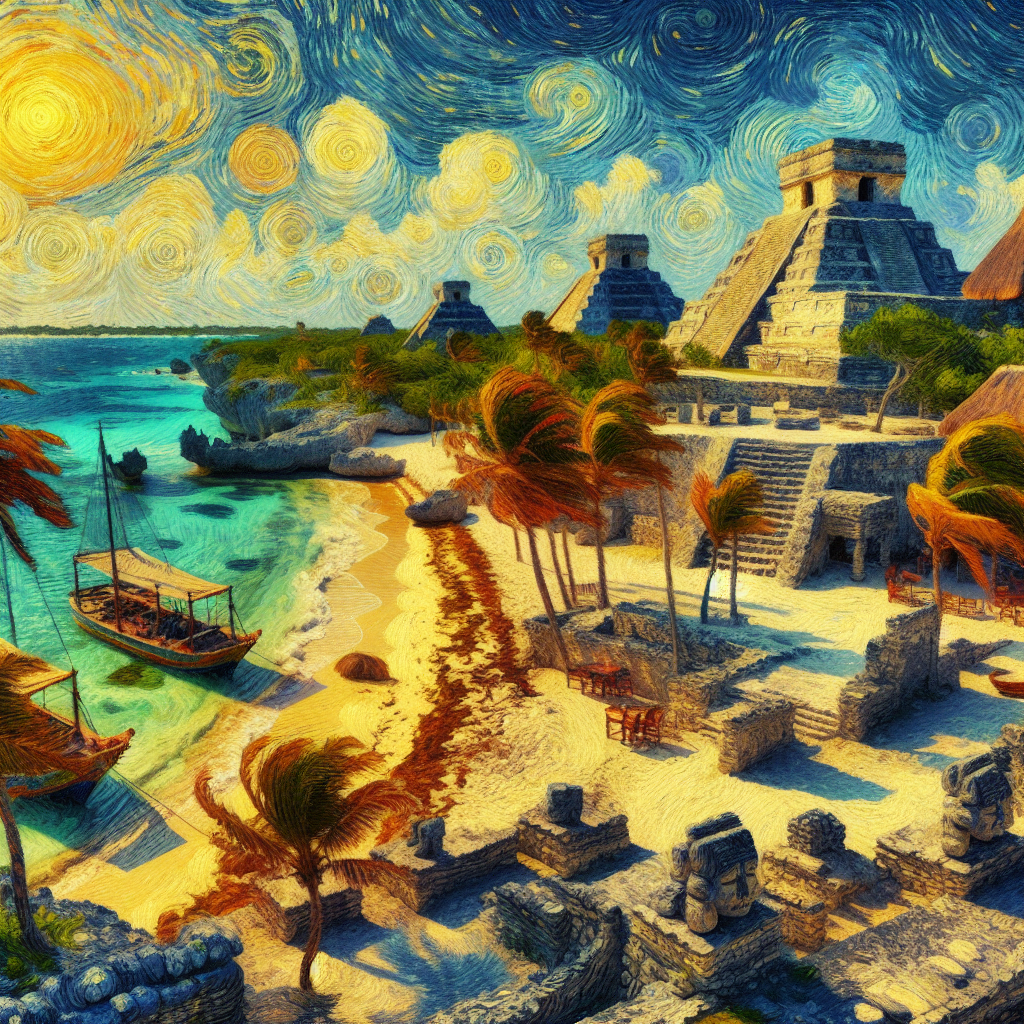
Glossary Of Terms
Other Questions
When Was Cozumel Established? – Other Questions
If you wish to explore and discover more, consider looking for answers to these questions:
- What were the significant events that influenced the establishment of Cozumel?
- How did the Mayan civilization influence the culture of Cozumel today?
- What role did religion play in the early establishment of Cozumel?
- When did tourism begin to flourish in Cozumel?
- What are the main archaeological sites to visit in Cozumel?
- How has the history of Cozumel shaped its current economy?
- What are the primary cultural influences on Cozumel today?
- How did the arrival of European settlers change Cozumel?
- What can visitors learn about the indigenous Mayan culture in Cozumel?
- What are some historical sites that tell the story of pirates in Cozumel?
- How has Cozumel’s identity evolved in the modern era?
- What challenges does Cozumel face in preserving its history amidst tourism growth?
- What languages are most commonly spoken in Cozumel today?
- What impact did the Caste War have on the demographics of Cozumel?
- Are there any festivals or events that celebrate Cozumel’s history and culture?

Other Questions
Haiku
When Was Cozumel Established? – A Haiku
Ancient Maya lands,
Swallows’ dance on sacred shores,
History whispers.
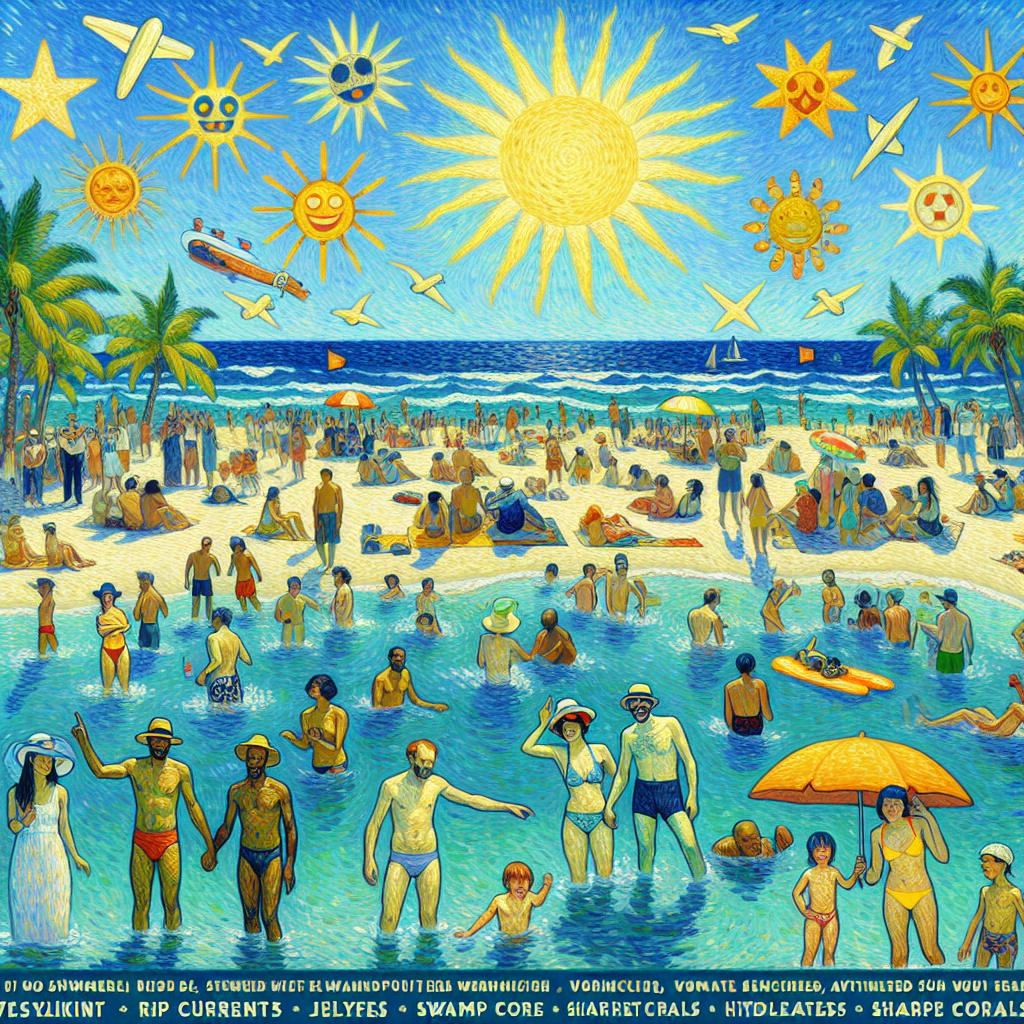
Haiku
Poem
When Was Cozumel Established? – A Poem
In waters blue where swallows soar,
A tale unfolds on a sunlit shore.
From sacred roots ‘neath the Mayan sky,
To whispers of gods, the time drifts by.
In three hundred AD, cultures entwined,
Temples and prayers in heartbeats combined.
A trading hub, with riches in hand,
The pulse of the island, a merchant’s land.
Spanish sails on horizons anew,
Explorers and greed brought a world askew.
With Cortés’ march and dreams of gold,
A history written, both tragic and bold.
Yet shadows loomed as pirates took flight,
In coves they lay, where day meets night.
Flashing cutlasses danced on the waves,
Crafting a history—both saviors and knaves.
Amidst the rumble of colonial zeal,
The Caste War thundered—an oppressed people’s reel.
Maya took refuge, their hearts blazing bright,
Forging a future, embracing the fight.
Through ages past, tourism arrived,
On sandy shores where beauty thrived.
Pilgrims and wanderers, seeking the sun,
Wove a new narrative, where old worlds spun.
Cozumel, land of resilience and grace,
Where time and tides leave a trace.
From sacred roots to shores unveiled,
A tapestry woven, both joy and travail.
So sip your margarita, let waves kiss your feet,
In the heart of Cozumel, history’s beat,
Reminds us anew, with each gentle swell,
Every paradise holds its own story to tell.
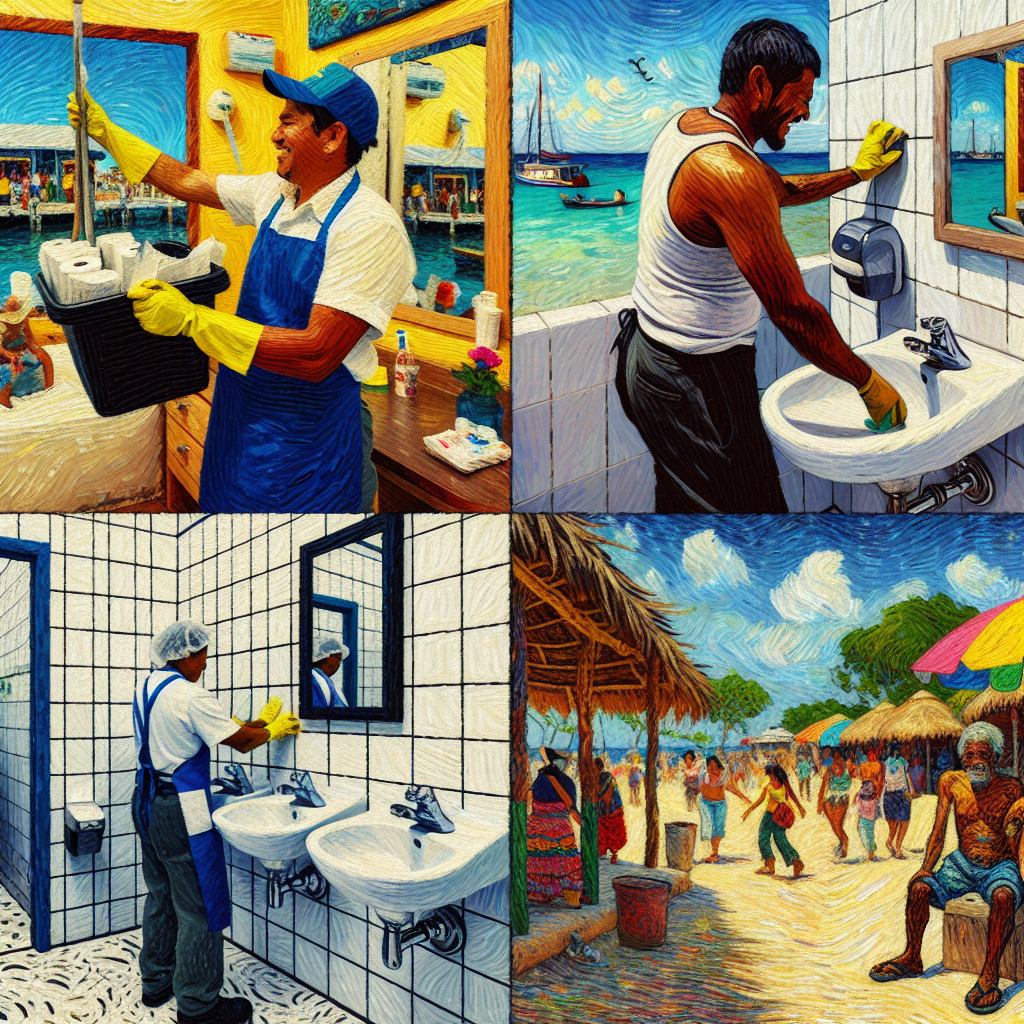
Poem
Checklist
When Was Cozumel Established? – A Checklist
Understanding Cozumel’s Rich History:
1. Ancient Maya Civilization
_____ Research the significance of Cozumel in ancient Maya culture (around 300 AD).
_____ Learn about the goddess Ix Chel and the temples/platforms dedicated to her worship.
2. Impact of Spanish Conquest
_____ Investigate the arrival of Spanish explorers in 1518, focusing on Juan de Grijalva and Hernán Cortés.
_____ Examine the effects of colonization on the indigenous population, including disease and cultural shifts.
_____ Understand Cozumel’s role as a supply stop during the Spanish expeditions.
3. Pirate History
_____ Learn about the role of pirates in the 17th and 18th centuries and their influence on trade routes.
_____ Discover how pirates affected the local economy and culture of Cozumel.
4. Mayan Settlements
_____ Explore archaeological evidence of early Mayan settlements in Cozumel.
_____ Understand the social structure and trade practices of the early inhabitants.
5. Caste War (1847)
_____ Investigate the Caste War’s impact on Cozumel and the indigenous population.
_____ Reflect on how this event influenced cultural identities on the island.
6. Development of Tourism
_____ Research the evolution of tourism in Cozumel post-World War II.
_____ Examine the effects of modern tourism on local culture and economy.
7. Origin of the Name “Cozumel”
_____ Explore the linguistic roots of the name Cozumel and its Mayan origin (Cuzamil).
_____ Understand the significance of swallows in the local ecology and culture.
8. Languages Spoken in Cozumel
_____ Familiarize yourself with the primary languages in Cozumel, including Spanish and English.
_____ Learn about the presence of indigenous languages and their cultural significance.
Engaging with Cozumel’s Culture:
9. Historical Sites to Visit
_____ Make a list of significant historical ruins and sites to explore in Cozumel.
10. Cultural Experiences
_____ Identify local festivals or events that celebrate Cozumel’s heritage.
11. Recommended Reading/Viewing
_____ Compile a list of books, documentaries, or articles that provide further insights into Cozumel’s history.
12. Personal Reflections
_____ Reflect on how Cozumel’s rich history enhances your experience as a visitor or resident.
Use this checklist to dive deeper into Cozumel’s fascinating history and culture, whether you’re planning a visit or simply curious about this beautiful Caribbean island!

Checklist
At TopCozumelNews, we help travelers enjoy Cozumel by collating information learned from frequently traveling to beautiful Cozumel.
Be sure to read our other related stories at TopCozumelNews to learn more about the Island of Cozumel.