




Unraveling The Impact Of Cozumel Mexico On History
By Tom Seest
At TopCozumelNews, we help travelers enjoy Cozumel by collating information learned from frequently traveling to beautiful Cozumel.
Be sure to read our other related stories at TopCozumelNews to learn more about the Island of Cozumel.
How Has Cozumel Mexico Shaped History?
When you step onto the sun-drenched shores of Cozumel, it’s hard not to feel a sense of awe. This island, emerging boldly from the turquoise depths of the Caribbean, is more than just a picturesque vacation spot; it’s a living testament to centuries of history, culture, and resilience. Cozumel’s story is woven into the very fabric of human experience, a narrative ripe with challenges and triumphs that resonate far beyond its sandy beaches.
You may not realize it, but Cozumel has played a significant role in shaping the region’s history. The ancient Maya cherished this island as a sacred place, dedicating it to the goddess Ix Chel, the deity of fertility, and childbirth. They constructed temples and ceremonial sites that still linger in the underbrush, relics of a people who understood reverence for nature and spirituality. When you explore these ruins, it’s easy to feel a connection to a time when every stone held a story and every ceremony sought to harmonize with the world around them.
Yet, like many stories of growth, Cozumel’s journey has not been without its share of turbulent waters. During the age of exploration, the island found itself thrust into the crosshairs of colonial ambition. The clash of cultures that followed brought significant challenges, shaping both local lives and global dynamics in ways that still ripple through time. This complicated legacy can evoke a mix of emotions; pride in the endurance of a vibrant culture and sorrow for the struggles endured.
Today, Cozumel stands as a beacon of resilience and renewal. The island has transformed, embracing tourism while striving to honor its rich heritage. As you wander the colorful streets or savor the local cuisine, you’re not merely a visitor; you’re part of a continuum, a witness to the ongoing dialogue between past and present. Your presence here is more than just a holiday—it’s an acknowledgment of the struggles faced and the victories won.
So, as you dip your toes into the warm waters or hike through the lush jungles, take a moment to reflect. Cozumel invites you not just to taste its beauty, but to engage with its history. The island reminds us that every place is a chapter in the story of humanity, urging us to connect, to appreciate, and to understand the paths we walk. Remember: in acknowledging the past, we often find the strength to shape the future.

How Has Cozumel Mexico Shaped History?
How Has Cozumel Mexico Shaped History?
- Cozumel, Mexico, is not just a scenic destination but a site rich in history and culture.
- Ancient Maya viewed Cozumel as sacred, dedicating it to the goddess Ix Chel, and built temples and ceremonial sites on the island.
- The island has a complex history marked by the clash of cultures during the colonial era, impacting local and global dynamics.
- Visitors to Cozumel become part of a historical continuum, experiencing its vibrant culture and rich heritage.
- Cozumel has evolved into a center for tourism while maintaining its cultural identity.
- The island’s history serves as a reminder of humanity’s broader story, emphasizing the importance of understanding the past.
- Engaging with Cozumel invites reflection on the struggles and victories that have shaped not only the island but also the future.

How Has Cozumel Mexico Shaped History?
Table Of Contents
- How Has Cozumel Mexico Shaped History?
- How to Best Uncover The Past Of Cozumel?
- What Are The Ancient Mysteries Of Cozumel?
- What Lies Behind The Tourist Appeal Of Cozumel?
- Are There Weather Secrets In Cozumel?
- What Key Historical Events Have Occurred In Cozumel?
- What Role Did Cozumel Play During The Spanish Conquest?
- What Significant Archaeological Sites Can Be Found In Cozumel?
- Conclusion
- Other Resources
- Glossary Of Terms
- Other Questions
- Haiku
- Poem
- Checklist
How to Best Uncover The Past Of Cozumel?
Ah, Cozumel—a shimmering jewel in the Caribbean, with its warm sun, gentle breezes, and that unmistakable sense of adventure. You might find yourself drawn to its vibrant beaches or the thrill of snorkeling in crystal-clear waters. Yet, if your curious heart aches for something deeper, something more profound than just sandy toes and sunburned shoulders, you’re not alone. Many travelers share that yearning to peel back the layers of time and discover the rich tapestry of Cozumel’s history.
To embark on this quest, start by tapping into the island’s stories. It might feel daunting, but rest assured, you don’t need an archaeology degree to get started. Visit the San Gervasio ruins, a former Mayan ceremonial site. As you walk the uneven paths and stand before the ancient stone structures, allow your imagination to roam. Picture the priests in white linen conducting rituals beneath the sun—this is where the past and present collide, creating a palpable energy that almost beckons you to listen.
Don’t shy away from the local guides, either. These individuals are like living libraries, filled with tales passed down through generations. They will illuminate the island’s history with a passion that’s hard to ignore. Picture this: a local historian animatedly recounting the island’s role in ancient trade routes, or a fisherman sharing tales of battles fought over this strategic slice of paradise. This is where you’ll feel the heartbeat of Cozumel, a rhythm that connects you to everyone who walked those paths before you.
And speaking of connection, don’t overlook the stories of everyday life here. Hit up a bustling market or a local café, where you might strike up a conversation with a resident eager to share their family’s history or their perspective on the island’s evolution. You’ll discover that the past isn’t just written in history books—it lives in the hearts of its people.
Consider setting aside a day for a guided tour or a workshop on traditional crafts. Getting your hands dirty, learning the art of weaving or pottery, allows you to appreciate the labor and love that have shaped Cozumel’s identity. You’ll not only gain a richer understanding of the island’s heritage, but you’ll come away with a sense of accomplishment and newfound appreciation.
So, dive into the past of Cozumel with an open heart and inquisitive spirit. It’s a journey that promises to connect you not just with the island, but with humanity itself—a timeless thread linking us all.

How to Best Uncover The Past Of Cozumel?
How to Best Uncover The Past Of Cozumel?
- Cozumel offers vibrant beaches and thrilling snorkeling experiences.
- To explore the island’s history, visit the San Gervasio ruins, a former Mayan ceremonial site.
- Engage with local guides who share stories of Cozumel’s past and cultural significance.
- Immerse yourself in the everyday life of residents at local markets and cafés to learn about their histories.
- Consider a guided tour or workshop on traditional crafts like weaving or pottery for hands-on experience.
- Approach the exploration of Cozumel’s past with curiosity and an open heart.
- This journey enhances your connection to the island and its people, revealing shared human experiences.

How to Best Uncover The Past Of Cozumel?
What Are The Ancient Mysteries Of Cozumel?
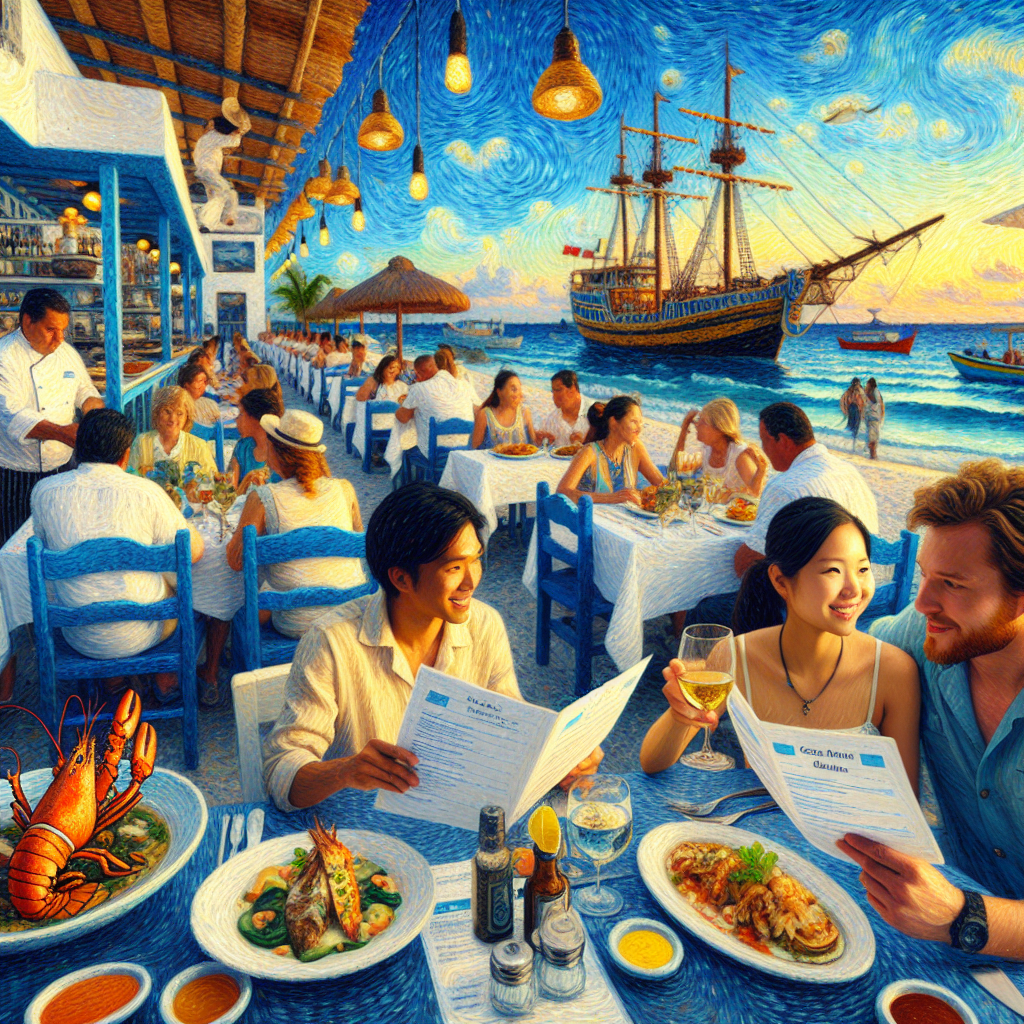
When most of us think of Cozumel, we picture sun-soaked beaches, turquoise waters, and the occasional margarita served with a generous side of relaxation. But beneath the inviting surface lies a tapestry of ancient mysteries that’s just waiting to be unraveled. You might struggle to imagine this rugged history beneath the modern-day tourist traps, but take a moment to close your eyes and picture the island as it once was—swathed in dense jungles, vibrant rituals, and the pulse of a civilization steeped in intrigue.
The ancient Maya, masters of art, astronomy, and architecture, called Cozumel home long before it was a vacation destination. They revered it as a sacred place, largely due to the island’s goddess of love and fertility, Ix Chel. Standing in the ruins of a temple or resting by the shore where ancient priests once performed age-old ceremonies, you can almost feel the weight of their presence. It’s a remarkable journey from the plush beach chairs to the rugged stones that hold centuries of secrets. I can’t help but think how grueling it must have been to carve out lives and legacies in such a wild and unforgiving landscape.
Adventuring into these ancient mysteries beckons an emotional response—it’s an invitation to connect not just with the history, but with our own lives. Think about it: each of us carries our own stories, arduous challenges, triumphs, and mysteries. The Maya faced their own struggles, mastering a land that demanded their respect while worshiping deities they believed influenced their very existence. Just like them, we confront obstacles daily, and perhaps that’s the thread that ties us all together.
Digging deeper than the surface means not just visiting a tourist site, but absorbing the energy of a culture that flourished amidst struggles. When you stand in the shadow of the ruins of the Temple of Ix Chel, you might feel awash in something larger than yourself. History can ignite a passion, a sense of stewardship toward these sacred sites that allow you to grapple with your own journey.
So why not embrace a little adventure? Don’t just scan the QR codes or take photos to show off on social media. Allow yourself to connect, to reflect, and to wonder. After all, the ancient mysteries of Cozumel offer more than just relics; they provide a narrative that aligns with our own human experience. That’s the true beauty of history—when it resonates, it becomes personal.

What Are The Ancient Mysteries Of Cozumel?
What Are The Ancient Mysteries Of Cozumel?
- Cozumel is often seen as a sunny vacation spot with beautiful beaches and waters.
- Its rich history includes the ancient Maya civilization, who viewed Cozumel as sacred.
- The island’s goddess of love and fertility, Ix Chel, played a significant role in Maya culture.
- Visiting ruins allows for a connection with the struggles and legacies of ancient peoples.
- The Maya’s challenges resonate with modern human experiences and obstacles.
- Exploring ancient sites encourages a deeper appreciation and stewardship of cultural heritage.
- Connecting with history can enhance personal reflection and understanding of one’s own journey.
What Are The Ancient Mysteries Of Cozumel?
What Lies Behind The Tourist Appeal Of Cozumel?
Picture this: the sun dips below the horizon, blanketing the sky in a symphony of colors only nature could orchestrate. You’re standing on a beach where soft waves gently kiss the shore, and the scent of salt and adventure mingles in the air. Cozumel has an uncanny ability to tap into something deep within us, drawing travelers from all corners of the globe to its sun-kissed shores. But what lies behind this nearly magnetic pull?
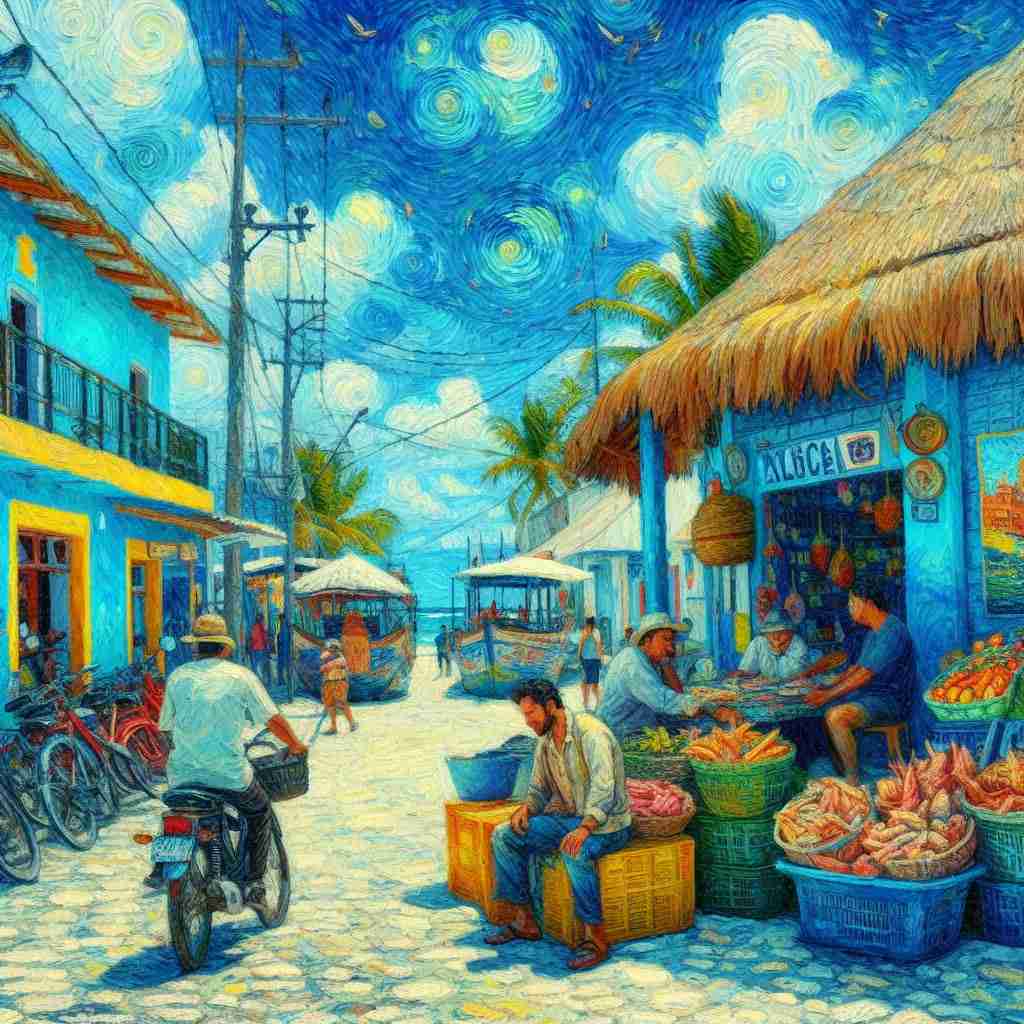
At first glance, Cozumel is a feast for the senses, boasting vibrant coral reefs, endless turquoise waters, and a culture rich enough to fill volumes. But peel back the layers, and you’ll discover that it’s not just a pretty façade. It’s the feeling of connection that Cozumel fosters—between the land and its people, between visitors and locals, between the salty sea and the sweet embrace of island life. In a world that often feels disconnected, here you can share smiles with friendly locals, experience the rhythm of the island’s music, and savor authentic cuisine that dances on your palate.
For many, travel can be a daunting journey fraught with uncertainty: language barriers, cultural nuances, and the fear of missing out on hidden gems. Cozumel alleviates these concerns almost effortlessly. Whether you’re exploring ancient Mayan ruins or simply lounging on a beach, the warmth of the island envelops you, reassuring you that every moment spent here is an opportunity to connect—not just with the destination, but with yourself.
Adventure seekers know this place is a gold mine, filled with snorkeling spots that showcase the vibrant underwater life and lush trails perfect for diving into nature. But it’s also an oasis of relaxation, inviting you to sway in a hammock with the ocean breeze whispering your name. Everyone has their own reason for coming to Cozumel, yet the common thread is the yearning for something more—something deeper than merely collecting stamps in a passport.
In a society that often prioritizes hustle over harmony, Cozumel stands as a testament to the power of slowing down and engaging fully with your surroundings. This is where you can let go of your worries, even if just for a few days, and immerse yourself in a world that beckons you to reconnect with life. There’s magic here, inviting you to embrace it—all you have to do is say yes.

What Lies Behind The Tourist Appeal Of Cozumel?
What Lies Behind The Tourist Appeal Of Cozumel?
- Cozumel offers a stunning natural landscape, characterized by vibrant coral reefs and turquoise waters.
- The island promotes deep connections among travelers, locals, and the environment.
- Visitors can experience authentic local cuisine, music, and the friendly hospitality of the inhabitants.
- Cozumel eases travel anxieties, making it accessible for guests despite cultural and language barriers.
- Adventure opportunities abound, including snorkeling and exploring lush nature trails.
- The island encourages relaxation and the slowing down of life’s pace, promoting a sense of harmony.
- Cozumel inspires visitors to engage fully and reconnect with themselves and the world around them.
What Lies Behind The Tourist Appeal Of Cozumel?
Are There Weather Secrets In Cozumel?
Picture this: you arrive in Cozumel, that sun-kissed paradise where the water sparkles like a million sequins. Your bags are packed with sunscreen, flip-flops, and dreams of beachside relaxation. An average vacationer might believe that the only weather secrets lurking in paradise involve turning over a palm frond for a little shade. But the island’s climate holds nuances that can profoundly impact your experience.
Let’s be honest—weather can be a fickle friend and a formidable foe. Tropical storms can roll in faster than you can say “margarita,” and before you know it, your plans for lounging by the turquoise tide may wash away. Fear not! Knowing the ins and outs of Cozumel’s weather patterns can empower you to make the most of your vacation, ensuring that not even a cloud or two can rain on your parade.
First, let’s talk about the seasons. Cozumel basks in a tropical climate, marked by two distinct periods: the dry season and the wet one. From December to April, the skies tend to be clear, and the balmy temperatures make for ideal beach days. During this time, Cozumel welcomes visitors like a warm embrace; it’s when the tourists come alive, and the charm of the island shines brightest. But don’t underestimate the allure of the wet season from May to November. Yes, it may come with a few rain showers, but it’s also when the island is lush and teeming with life. Plus, you might get to witness quieter beaches and better deals on accommodations. Talk about a win-win!
Then there are those unexpected storms. The key here is flexibility. If a sudden downpour interrupts your snorkeling plans, consider swapping your flippers for an umbrella and exploring the island’s vibrant culture instead. Trust me; a little spontaneity can lead to unforgettable adventures—like finding a hidden taco stand where the flavors will dance on your taste buds.
So here’s the takeaway: stay informed, be adaptable, and don’t let the weather dictate your enjoyment. Embrace whatever Cozumel throws your way. Many travelers have come and gone, armed with only their beach towels and the occasional sad rainy day story, yet they leave behind a treasure trove of memories. You, too, can uncover the secrets of Cozumel’s weather, turning every raindrop into an opportunity for discovery. With just a little preparation and a dash of curiosity, you’ll navigate the elements like a pro, creating moments that are simply, and beautifully, unforgettable.

Are There Weather Secrets In Cozumel?
Are There Weather Secrets In Cozumel?
- Cozumel boasts a tropical climate with two distinct seasons: dry (December to April) and wet (May to November).
- The dry season offers clear skies and ideal beach conditions, attracting many tourists.
- During the wet season, the island is lush and vibrant, providing quieter beaches and better accommodation deals despite occasional rain.
- Weather can be unpredictable with sudden storms, making flexibility important for vacation plans.
- Travelers can embrace spontaneity by exploring local culture and cuisine during unexpected weather changes.
- Staying informed and adaptable can enhance the vacation experience, turning potential disappointments into memorable adventures.
- Preparation and curiosity are key to enjoying Cozumel’s beauty, regardless of the weather.

Are There Weather Secrets In Cozumel?
What Key Historical Events Have Occurred In Cozumel?
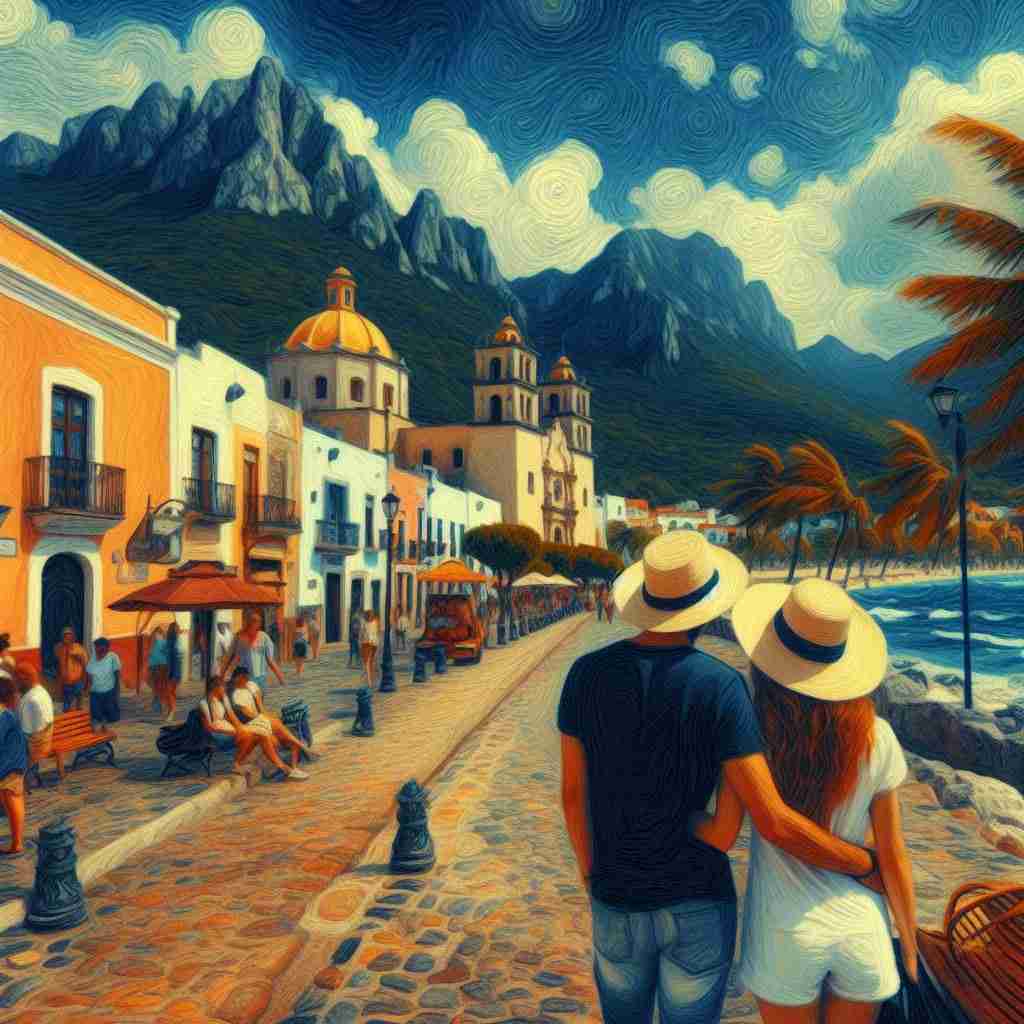
When you step onto the sun-drenched shores of Cozumel, it’s easy to get lost in the vibrant hues of the Caribbean Sea. But beneath that inviting surface lies a rich tapestry of history that’s just waiting to be unveiled. Picture yourself strolling along the gentle waves, while images of ancient civilizations and brave explorers weave through your thoughts. You see, Cozumel’s past isn’t just a collection of names and dates; it’s a living story, filled with both triumph and tragedy, reflection and resilience.
We can start with the ancient Mayans, who first set foot on these shores over 2,000 years ago. They recognized Cozumel for its beauty and spiritual significance, building temples and making it a pilgrimage site dedicated to the goddess Ix Chel. Imagine their arrival—sailing against the backdrop of a vast, uncharted ocean, guided by the stars, and driven by faith. It’s these very waves that have echoed with the footsteps of countless seekers, all in search of something greater than themselves.
Fast forward to the Age of Exploration, when the likes of Hernán Cortés sailed into these waters in the 16th century. His arrival marked a seismic shift, ushering European influence onto the island, but it also set the stage for profound cultural exchanges—both positive and detrimental. The challenges faced by the indigenous people during this time can feel heavy when you consider the experiences of communities grappling with change, identity, and the quest for survival. It resonates, doesn’t it? Generations battling to hold onto their roots in the face of transformation.
Cozumel’s history isn’t without its share of modern scars either. The devastation wrought by Hurricane Wilma in 2005 was a gut punch that brought unimaginable challenges to local residents. Yet, in the midst of such a storm, we often see what people are truly made of: resilience, determination, and a sense of community. These actions serve as poignant reminders of our own choices as we navigate the storms in our lives.
Cozumel has continuously risen from the waves, adapting and thriving, transforming obstacles into opportunities for growth. So, as you sit by the shore or explore the lush interiors of the island, allow yourself to connect with the deeply intertwined stories that have shaped this enchanting paradise. You’re not just a visitor here; you’re a part of its ongoing legacy. Embrace it, and let the echoes of history inspire your own journey.

What Key Historical Events Have Occurred In Cozumel?
What Key Historical Events Have Occurred In Cozumel?
- Cozumel boasts a rich history beyond its picturesque Caribbean shores.
- Ancient Mayans first settled on the island over 2,000 years ago, establishing it as a spiritual pilgrimage site.
- Hernán Cortés arrived during the 16th century, introducing significant European influence and cultural exchanges.
- Indigenous communities faced profound challenges regarding identity and survival during the Age of Exploration.
- Modern setbacks, including Hurricane Wilma in 2005, highlighted local resilience and community strength.
- Cozumel continues to adapt and thrive, turning obstacles into opportunities for growth.
- Visitors are encouraged to connect with the island’s history and embrace its ongoing legacy.
What Key Historical Events Have Occurred In Cozumel?
What Role Did Cozumel Play During The Spanish Conquest?
Cozumel, a sun-drenched island floating serenely off the coast of Mexico’s Yucatan Peninsula, might evoke images of turquoise waters and sandy shores—for those of us seeking postcard-perfect escapes. But step beyond the beaches, and you’ll discover this island carries the weight of a tumultuous past. During the Spanish Conquest in the early 16th century, Cozumel wasn’t just a picturesque retreat; it was a critical juncture in a pivotal moment of history, a crossroads of cultures that would reshape the face of the Americas forever.
Imagine the scene: it’s the early 1500s, a time when the Age of Exploration breathed life into adventurous ambitions, but not without the bitter aftertaste of conflict. As Hernán Cortés initiated his relentless march toward the Aztec Empire, Cozumel became a waypoint—a brief stop between the old world and the new. The island offered a refuge for weary sailors, but its role extended far beyond mere hospitality. It was here that the Spaniards first established contact with the indigenous Maya, a people rich in tradition and deeply connected to the land.
Yet, this meeting was no idyllic reunion. Picture the emotions intensified by this convergence—fear and hope swirling together like the tides. For the Spaniards, it was the tantalizing prospect of riches and conquest; for the indigenous inhabitants, it was the dawning realization that their world was about to change forever. Cozumel became a microcosm of the larger narrative of the Conquest, reflecting both the promise and peril of two worlds colliding.
Cozumel also served as a base for religious conversions. The Spanish, intent on spreading Catholicism, saw the island as fertile ground for missionary work. It’s astonishing to think that amid the chaos, the islanders—facing an existential threat—were approached by missionaries seeking to instill a new faith in a land steeped in their own spiritual richness. How would they feel, witnessing their beliefs challenged while grappling with the complexities of survival?
Today, as we revel in Cozumel’s beauty, it’s essential to remember this island’s layered history. Acknowledge the trials endured here. Reflect on the impact of those monumental encounters. The past may be distant, but it continues to shape our present. So, the next time you find yourself wandering its shores, think about the resilience of those who walked before you, and consider how such legacies influence your own journey. Trust that history, in all its messiness, is a vital compass guiding us toward understanding, connection, and collective growth.

What Role Did Cozumel Play During The Spanish Conquest?
What Role Did Cozumel Play During The Spanish Conquest?
- Cozumel is a picturesque island off the coast of Mexico’s Yucatan Peninsula, known for its turquoise waters and sandy shores.
- During the Spanish Conquest in the early 16th century, Cozumel served as a critical juncture in history, facilitating the meeting of diverse cultures.
- In the 1500s, Cozumel became a waypoint for Hernán Cortés’s expedition toward the Aztec Empire, providing refuge for sailors.
- The island was the site of initial contact between the Spanish and the indigenous Maya, marking the beginning of significant cultural exchanges.
- This encounter was fraught with tension, with Spaniards motivated by conquest and riches, while indigenous people confronted imminent change.
- Cozumel also acted as a base for Spanish missionaries aiming to convert the indigenous population to Catholicism.
- Today, visitors to Cozumel are encouraged to reflect on its complex history and the legacies that shape contemporary experiences.

What Role Did Cozumel Play During The Spanish Conquest?
What Significant Archaeological Sites Can Be Found In Cozumel?
Cozumel isn’t just a sun-soaked paradise for beachgoers and snorkelers; it’s a treasure trove of history waiting to be uncovered. For those of us who have ever felt a deep connection to the past—perhaps sparked by a dusty old book or a captivating documentary—Cozumel offers a slice of the ancient world that’s both enchanting and enlightening. Whether you’re a seasoned explorer or just someone seeking a new adventure, the archaeological sites here will pull at your heartstrings and awaken your curiosity.
Let’s start with San Gervasio, the most prominent site on the island. Once a sacred hub for the Mayans, it’s like stepping into a time machine. As you walk through the remains of temples and plazas, you can almost hear the echoes of rituals performed by ancient priests and pilgrims who journeyed here to honor Ix Chel, the goddess of love and fertility. It’s a stirring reminder of how, despite the centuries that separate us, humanity’s quest for connection—be it divine or otherwise—remains constant.
Now, imagine this: you’re wandering the paths where thousands of feet once tread, feeling the warm Caribbean sun on your skin, and the wind whispering tales of love, loss, and endurance. Can you sense the weight of history on your shoulders? It’s a humbling experience that brings our modern lives into perspective, reminding us of our humble beginnings.
Another site of intrigue is the Puerta Maya ruins. Often overlooked but equally important, these ruins offer a glimpse into everyday Mayan life. The structures may be crumbling, but they tell a story of resilience. Each stone is a testament to the vibrant culture that thrived here long before airplane traffic and cruise ships invaded the shores. What challenges might they have faced? You might find echoes of your own struggles within their story—perseverance, survival, community.
As you visit these sites, you’re not just an observer; you become a part of a larger narrative. You’re connecting with a lineage that battled the elements, embraced the mysteries of the universe, and sought meaning in their existence, much like we do today.
So, if you’re ready to trade sunbathing for soul-searching, put on your walking shoes and explore the rich tapestry of history woven into Cozumel’s landscape. Embrace the call of the past—it’s an adventure that just might inspire your own story.

What Significant Archaeological Sites Can Be Found In Cozumel?
What Significant Archaeological Sites Can Be Found In Cozumel?
- Cozumel is a historical treasure trove beyond its beaches and snorkeling.
- San Gervasio is the most significant archaeological site, once a sacred hub for the Mayans.
- Visitors can feel the presence of ancient rituals performed by priests honoring the goddess Ix Chel.
- The experience at San Gervasio highlights the constant human quest for connection throughout history.
- The Puerta Maya ruins provide insight into everyday Mayan life and resilience despite their crumbling state.
- Exploring these sites connects visitors to a deeper narrative of struggle, community, and survival.
- Travelers are encouraged to embrace the historical richness of Cozumel for a meaningful adventure.

What Significant Archaeological Sites Can Be Found In Cozumel?
Conclusion
When you stand on Cozumel’s radiant shoreline, it’s easy to get lost in the beauty of sunlit waves and soft sand. But dig a little deeper, and you’ll uncover an extraordinary story that ripples through time, transcending the mere aesthetic appeal of this Caribbean paradise. Cozumel is not merely a tourist destination; it’s a living archive of human history, a dynamic intersection where ancient reverence meets colonial ambition and modern resilience.
Let’s start with the ancient Maya, who viewed Cozumel as sacred ground, dedicating it to Ix Chel, the goddess of fertility and love. The remnants of temples and ceremonial sites stand as poignant reminders of a civilization that respected nature and cherished spirituality. Unfortunately, history hasn’t always been kind. The island found itself caught in the web of exploitation during the Age of Exploration, as colonial powers clashed with indigenous cultures. The fabric of Cozumel’s identity was reshaped through cycles of hardship and triumph, infusing a rich, complex character into the island’s narrative.
Fast forward to the modern era, and the essence of Cozumel is still alive and kicking. The island has taken a bold step, transforming tourism from a mere economic driver to a celebration of its roots. Embracing the ebb and flow of its history, Cozumel invites you to be a witness—to experience not just the glorious beaches, but to touch the very soul of a culture that has weathered centuries of transformation.
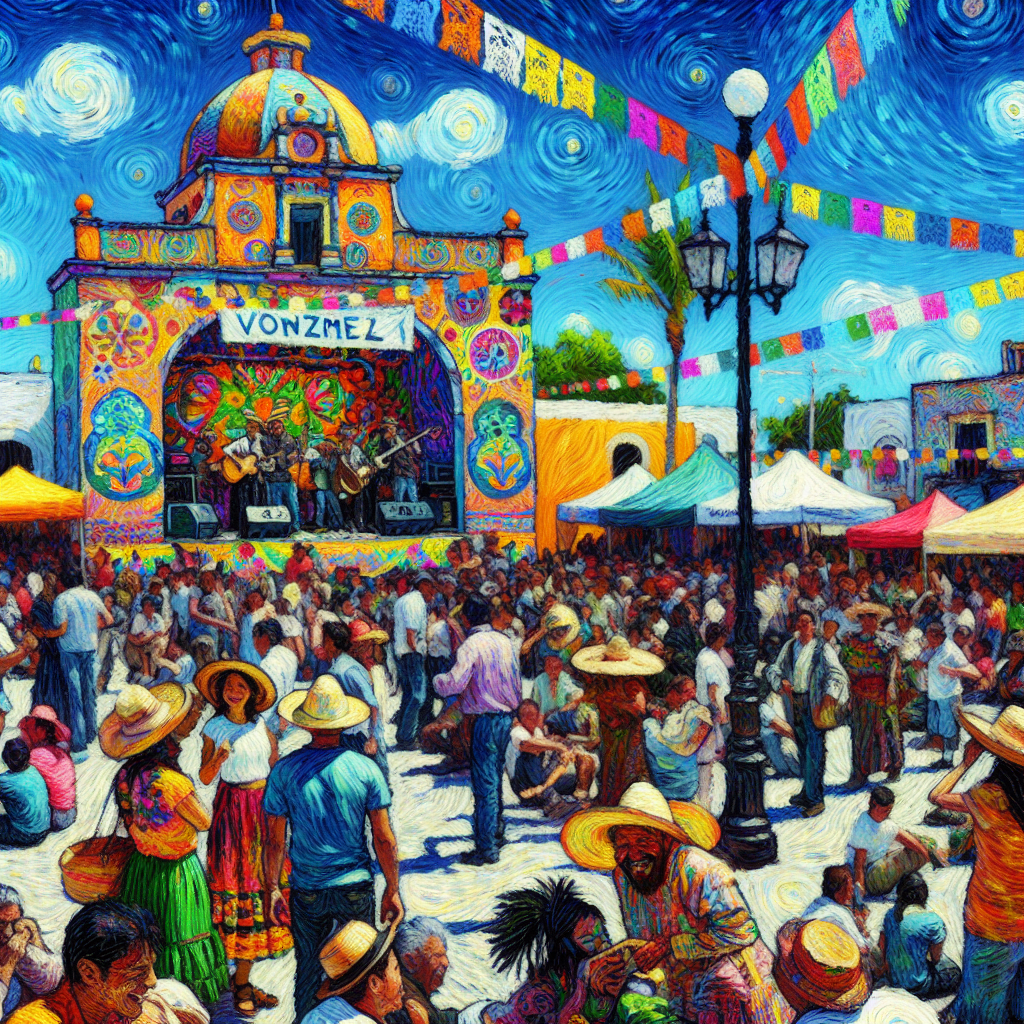
As you explore, take a moment to acknowledge the struggles and victories that have shaped this place. Local guides weave tales that illuminate not only the grand narratives of past glory but also the everyday experiences of those who call this island home. Venture through vibrant markets, engage with artisans crafting beautiful works, and get your hands dirty—because in Cozumel, history isn’t confined to textbooks; it’s woven into the lives of its people.
So, as you dip your toes into those warm, inviting waters or meander through lush jungles, remember: Cozumel’s true beauty lies in its history, its people, and their stories. This island calls you not just to visit, but to connect, reflect, and appreciate the intricacies of humanity that unfold in every wave lapping upon its shores. When we embrace the past, we pave the way for a brighter future—an adventurous lesson that resonates far beyond these sun-soaked sands.
Conclusion
Conclusion:
- Cozumel’s shoreline is visually stunning but holds a deeper historical significance.
- It was sacred to the ancient Maya, dedicated to Ix Chel, the goddess of fertility and love.
- Colonial exploitation in the Age of Exploration transformed Cozumel’s identity.
- The island’s tourism has evolved to celebrate its rich history and culture.
- Visitors are encouraged to engage with local guides and artisans to learn about the island’s stories.
- Cozumel’s beauty is rooted in its historical struggles and triumphs of its people.
- Understanding Cozumel’s past fosters a deeper connection and appreciation for its culture.

Conclusion
Other Resources

Other Resources
Here is a list of other resources you can review online to learn more:
- Cozumel Trips
- The Plaza Central
- La Ruta de las Iglesias
- Hotel Villa Deja Blue
- Carnival
- Viva Mexico
- Alberto’s Puerta Maya
- La Cocina De Silvia
- Playa Mia Grand Beach
- Cozumel Rent a Jeep
Use This Prompt To Get More Resources With Your Favorite Online AI Tool: Please provide me with a list of online articles with their URLs in a bulleted list that I can read regarding How Has Cozumel Mexico Shaped History?

Other Resources
Glossary Terms
How Has Cozumel Mexico Shaped History? – Glossary Of Terms
1. Cozumel: An island located in the Caribbean Sea off the eastern coast of Mexico’s Yucatán Peninsula, known for its rich history and cultural significance.
2. Mayan Civilization: An ancient Mesoamerican civilization that thrived in areas of Mexico, Guatemala, Belize, and Honduras, known for its advanced art, architecture, and astronomy.
3. Teotihuacan: An ancient Mesoamerican city known for its impressive pyramids and urban planning, influencing various cultures, including the Maya, who interacted with Cozumel.
4. Chichen Itza: One of the most famous Mayan archaeological sites, this city symbolizes the cultural significance of the Yucatán Peninsula and its connection to Cozumel.
5. Cultural Exchange: The process through which different cultures share ideas and artifacts, significantly evident in Cozumel due to its location as a trade hub.
6. Spanish Conquest: The period during the 16th century when Spanish explorers and conquistadors invaded and colonized large parts of the Americas, including areas near Cozumel.
7. Cortés, Hernán: The Spanish conquistador who is often associated with the conquest of the Aztec Empire and who played a role in the exploration of Cozumel.
8. Religion: The belief systems practiced by the ancient Maya, including rituals dedicated to deities, which shaped both their culture and daily life on the island.
9. Ecotourism: A sustainable tourism model that focuses on wildlife and natural resources, significant in Cozumel due to its diverse marine life and coral reefs.
10. Palenque: An important Maya city-state known for its inscriptions and stunning architecture, illustrating the broader influence of Maya culture that reached Cozumel.
11. Archaeology: The study of ancient cultures through excavation and analysis of artifacts, crucial for understanding Cozumel’s historical significance.
12. Pre-Columbian: Referring to the history and cultures of the Americas before European contact, encompassing the rich heritage of Cozumel.
13. Trade Routes: Pathways established for the exchange of goods; Cozumel was a key point for trade among various Mesoamerican civilizations.
14. Colonial Architecture: Buildings and structures from the colonial period, influencing Cozumel’s architecture after the Spanish conquest and reflecting European styles.
15. Cultural Heritage: The legacy of physical artifacts, traditions, and practices inherited from previous generations; significant in preserving Cozumel’s history.
16. Piracy: The act of robbery at sea; Cozumel’s strategic location made it a target during the age of piracy, influencing its history.
17. Biodiversity: The variety of life in a particular habitat; Cozumel’s rich ecosystems have shaped both its natural history and tourism development.
18. Museum of Cozumel: A facility dedicated to preserving and showcasing the history, culture, and archaeology of the island.
19. Cenotes: Natural sinkholes or wells significant to the Maya, often used for water supply and religious ceremonies; prevalent in the Yucatán Peninsula.
20. Hispanic Heritage: The cultural legacy of Spain in Latin America, shaping Cozumel’s customs, language, and societal structures following colonization.
21. Ecological Studies: Research focused on the interactions between living organisms and their environment, especially relevant to Cozumel’s coral reefs and marine life.
22. Indigenous Peoples: The original inhabitants of the Americas, including the Maya of Cozumel, whose traditions and histories are integral to the island’s identity.
23. Tourism Development: The processes of promoting and managing travel to Cozumel, which has significantly affected its economy and cultural landscape.
24. Cultural Festivals: Celebrations that highlight local traditions; Cozumel hosts various festivals reflecting both indigenous and modern influences.
25. Underwater Archaeology: A branch of archaeology that studies submerged sites; essential in exploring the underwater heritage of Cozumel.
26. Quintana Roo: The state in Mexico where Cozumel is located, known for its tourism, cultural diversity, and rich historical sites.
27. Cozumel Pearl Farm: An example of sustainable aquaculture that reflects both the natural resources of the island and its economic development.
28. Hurricanes: Severe tropical storms that have historically impacted Cozumel, shaping its resilience and architecture.
29. Cultural Preservation: Efforts made to protect and maintain a community’s cultural heritage, critical in Cozumel to retain its unique identity amidst modernization.
30. Language Revival: Initiatives to revive indigenous languages, significant in preserving the identity and cultural practices of the Maya in Cozumel.

Glossary Of Terms
Other Questions
How Has Cozumel Mexico Shaped History? – Other Questions
If you wish to explore and discover more, consider looking for answers to these questions:
- What are the major archaeological attractions in Cozumel?
- How did the Mayan civilization thrive in Cozumel?
- What cultural practices are still present in Cozumel today?
- How has tourism affected the local culture and economy of Cozumel?
- What are some significant myths or legends associated with Cozumel?
- What types of traditional crafts and workshops are available in Cozumel?
- How do local festivals and events reflect Cozumel’s history?
- What role does Cozumel play in the broader context of Mexican history?
- How can visitors support local communities while exploring Cozumel?
- What environmental challenges does Cozumel face today?
- What local cuisines should visitors try to connect with the island’s heritage?
- What are the best times of year to visit Cozumel for a balanced experience of weather and tourism?
- How do the ancient ruins in Cozumel compare to other archaeological sites in Mexico?
- What are the stories behind the various temples dedicated to Ix Chel?
- What evidence remains of Cozumel’s colonial history after the Spanish conquest?

Other Questions
Haiku
How Has Cozumel Mexico Shaped History? – A Haiku
Cozumel’s strong pulse,
Maya whispers from the past—
History’s embrace.

Haiku
Poem
How Has Cozumel Mexico Shaped History? – A Poem
Upon the shores where sunlight gleams,
Cozumel whispers through time’s flowing streams.
An island draped in azure and gold,
Bears tales of the ancients, both tender and bold.
A sacred ground to the Mayan kin,
Where Ix Chel’s blessings are woven within.
Their temples rise, though now overgrown,
Each stone, a testament to lives once known.
Yet dark seas loom as explorers crave—
The clash of cultures, a history engraved.
Hernán Cortés charted a path of his own,
On Cozumel’s sands, destinies were sown.
From pilgrimage sites to the baptism of faith,
In meeting the Other, what would they embrace?
Struggles endured, resilience unyielding,
In every encounter, history’s revealing.
Time flows like coral, vibrant yet fragile,
As storms come crashing, life’s trials compile.
Yet from the wreckage, new dreams ascend,
In the heart of this island, a promise to mend.
Beneath the allure of beaches and skies,
Ancient mysteries beneath laughter lie.
With markets and cafes, stories unfold,
Echoes of the past in every heart told.
The ruins of San Gervasio stand tall,
A window to wisdom, reminding us all—
That when we seek beauty, we seek more than sun;
We delve into lessons of what’s been and done.
So wander the paths, let your spirit ignite,
In Cozumel’s embrace, feel past’s guiding light.
For every wave that caresses the shore,
Carries whispers of souls who’ve come long before.
Embrace the connection, the tapestry spun,
In Cozumel’s history, we’re all intertwined,
Together we rise, through struggles we sail,
In each person’s story, the heart learns to trail.

Poem
Checklist
How Has Cozumel Mexico Shaped History? – A Checklist
1. Preparatory Steps Before Visiting
_____ Research Cozumel’s historical significance.
_____ Make a list of archaeological sites to visit (e. g. , San Gervasio).
_____ Plan conversations with local guides to enhance your understanding.
2. Exploring Archaeological Sites
_____ Visit the San Gervasio ruins _____ acknowledge its role as a Mayan pilgrimage site.
_____ Explore the Puerta Maya ruins for insights on everyday Mayan life.
_____ Immerse yourself in the atmosphere of ancient temples.
3. Engaging with Local Culture
_____ Attend a guided tour or workshop on traditional crafts (e. g. , weaving, pottery).
_____ Visit local markets or cafés to interact with residents and hear their stories.
_____ Participate in cultural events or festivals if available.
4. Understanding Weather Patterns
_____ Check weather forecasts prior to your visit.
_____ Plan activities according to dry and wet seasons (December to April for dry; May to November for lushness).
_____ Stay flexible with your itinerary to adapt to sudden weather changes.
5. Reflecting on Cozumel’s History
_____ Dedicate time to reflect on the past as you relax on the beach or hike through jungles.
_____ Consider how historical events like the Spanish Conquest impacted local culture.
6. Connecting with Historical Narratives
_____ Read additional literature about Cozumel’s history to deepen your understanding.
_____ Keep a journal during your visit to document thoughts and reflections about the connection between the past and the present.
_____ Engage in discussions with fellow travelers about the history and experiences you’ve encountered.
7. Preserving Memories
_____ Capture photographs of historical sites, but also take moments to simply enjoy their presence.
_____ Create a souvenir collection that reflects both the beauty and history of Cozumel.
_____ Share your experiences and newfound knowledge with others once you return home.
This checklist is designed to enhance your experience in Cozumel by helping you delve deeper into its rich historical tapestry while enjoying the beauty of the island. Happy exploring!

Checklist
At TopCozumelNews, we help travelers enjoy Cozumel by collating information learned from frequently traveling to beautiful Cozumel.
Be sure to read our other related stories at TopCozumelNews to learn more about the Island of Cozumel.