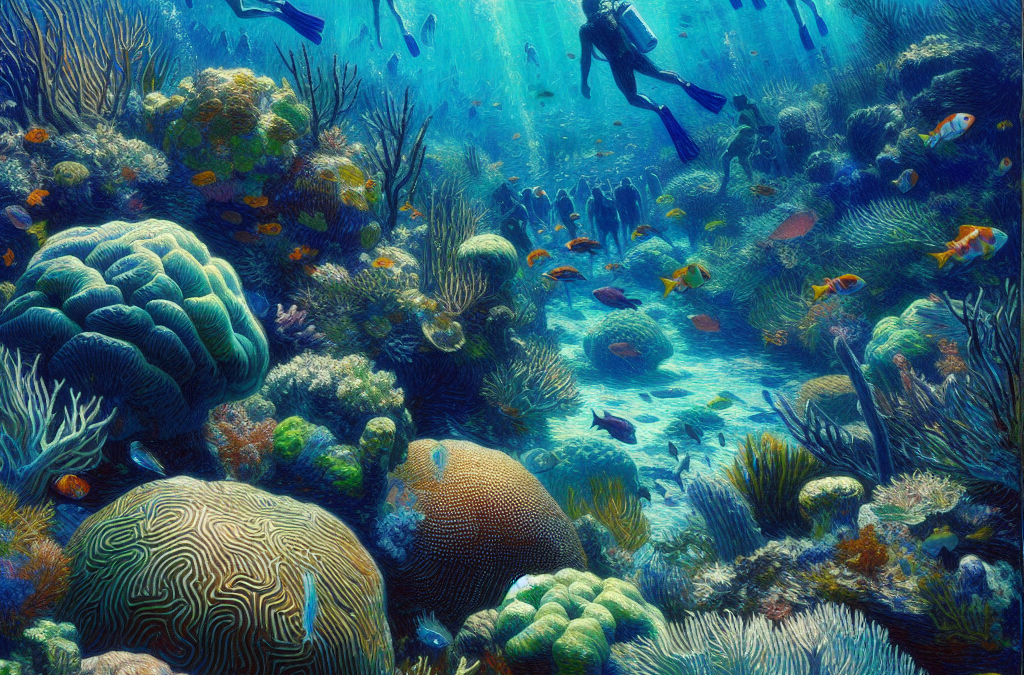
Uncovering The Diverse Coral Species In Cozumel’s Reefs
By Tom Seest
At TopCozumelNews, we help travelers enjoy Cozumel by collating information learned from frequently traveling to beautiful Cozumel.
Be sure to read our other related stories at TopCozumelNews to learn more about the Island of Cozumel.
What Types Of Coral Live In The Reefs Of Cozumel?
Nestled between the Caribbean Sea and the mesmerizing Yucatán Peninsula, the reefs of Cozumel are a feast for the senses, an underwater spectacle that invites everyone from seasoned divers to casual snorkelers. But while you float above those sun-drenched waters, you might be asking yourself—what types of coral live in these vibrant reefs? And why should you care?
Let’s take a deep dive, shall we? What you’ll find beneath the surface is not just a collection of swaying corals and playful fish but a living tapestry of colors, shapes, and textures, stirring feelings of awe and wonder. Each type of coral plays its own unique role in this delicate ecosystem, so understanding who they are and what they do can make your visit all the more enriching.
Among the most prominent coral species you’ll encounter in Cozumel are the breathtaking brain corals, with their distinct, maze-like patterns that can leave you pondering the wonders of nature. These ancient sentinels not only provide a habitat for an array of marine life but also contribute to the structural integrity of the reef. And who doesn’t love a resilient fighter, standing the test of time, right?
Then there’s the elegance of the stag-horn corals, often resembling the antlers of a proud stag. These fast-growing coral colonies offer safe havens for smaller fish, proving that strength and beauty can coexist harmoniously—a lesson we all could use occasionally.
As you glide past the vibrant elkhorn corals with their unique branching structures, remember that these corals are like the bustling cities of the reef, bustling with life and energy. Yet, they’re also among the most vulnerable, facing threats from climate change and ocean acidification. Seeing them in all their glory could inspire a sense of duty—a rallying call to care for our oceans and advocate for their health.
By understanding the coral chorus of Cozumel—their strengths, vulnerabilities, and roles in marine life—you not only enhance your adventure but also nurture a deeper relationship with the environment. After all, these reefs are not just stunning backdrops for your holiday photos; they’re living communities that need our attention and protection.
So, whether you’re swimming above them, photographing them, or simply marvelling at their beauty, remember: connections to nature, to the reef, and indeed to each other can spark meaningful change—both in our hearts and in our oceans. Dive in with curiosity and respect; your adventure awaits!
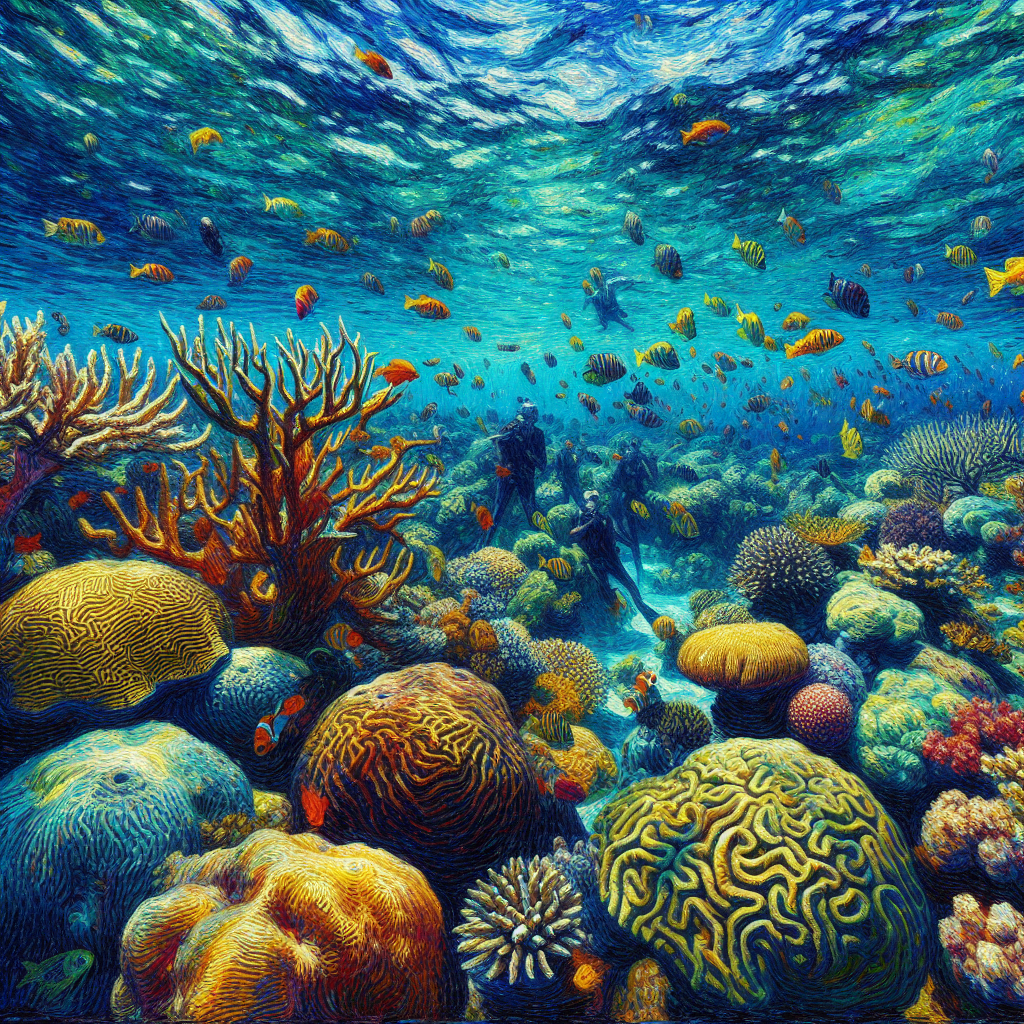
What Types Of Coral Live In The Reefs Of Cozumel?
What Types Of Coral Live In The Reefs Of Cozumel?
- The reefs of Cozumel are vibrant ecosystems situated between the Caribbean Sea and the Yucatán Peninsula.
- Understanding the diverse coral species enhances the enriching experience of visiting these underwater landscapes.
- Prominent coral species include brain corals, which provide habitats for marine life and contribute to reef stability.
- Stag-horn corals, known for their antler-like structures, offer refuge for smaller fish and demonstrate the balance of strength and beauty.
- Elkhorn corals resemble bustling cities of the reef but face threats from climate change and ocean acidification.
- Awareness of corals’ roles and vulnerabilities fosters a deeper connection to the environment and encourages advocacy for ocean health.
- Engaging with these underwater wonders can inspire meaningful change in how we interact with nature.
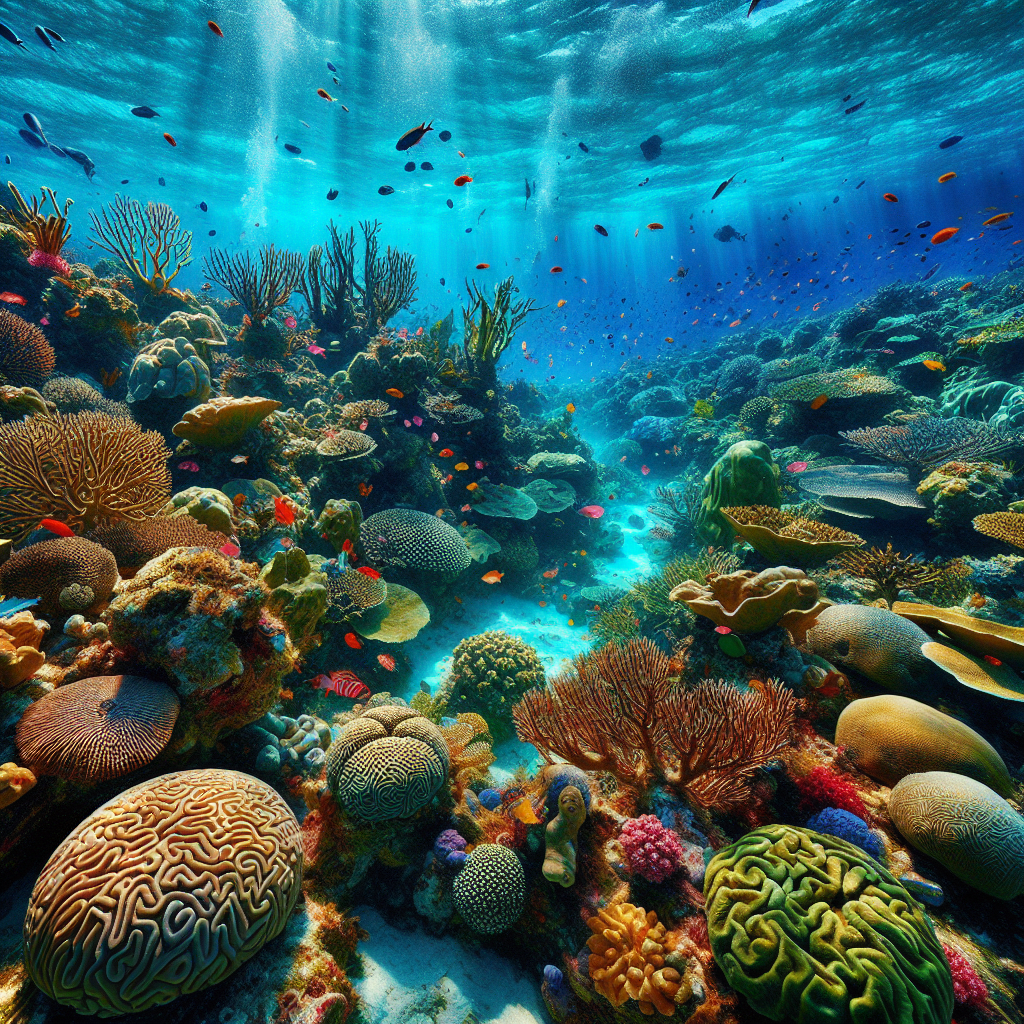
What Types Of Coral Live In The Reefs Of Cozumel?
Table Of Contents
- What Types Of Coral Live In The Reefs Of Cozumel?
- How Do Coral Species Differ In Cozumel?
- What Role Does Coral Play In Reef Ecosystems?
- What Are The Most Endangered Coral Species In Cozumel?
- How Can Divers Identify Common Coral Types In Cozumel?
- What Is The Significance Of Coral Biodiversity In Cozumel?
- How Do Local Policies Protect Coral Reefs In Cozumel?
- What Threats Do Coral Reefs Face In Cozumel?
- Conclusion
- Other Resources
- Glossary Of Terms
- Other Questions
- Haiku
- Poem
- Checklist
- Quizzes And Puzzles
How Do Coral Species Differ In Cozumel?
Picture yourself diving into the crystal-clear waters off Cozumel, anticipation bubbling just beneath the surface. Maybe you’re an experienced diver, marveling at the intricate ecosystems, or perhaps you’re a first-timer, nervous yet exhilarated. No matter where you stand, these vibrant underwater gardens are about to steal your breath away—and remind us of the delicate beauty of our planet.
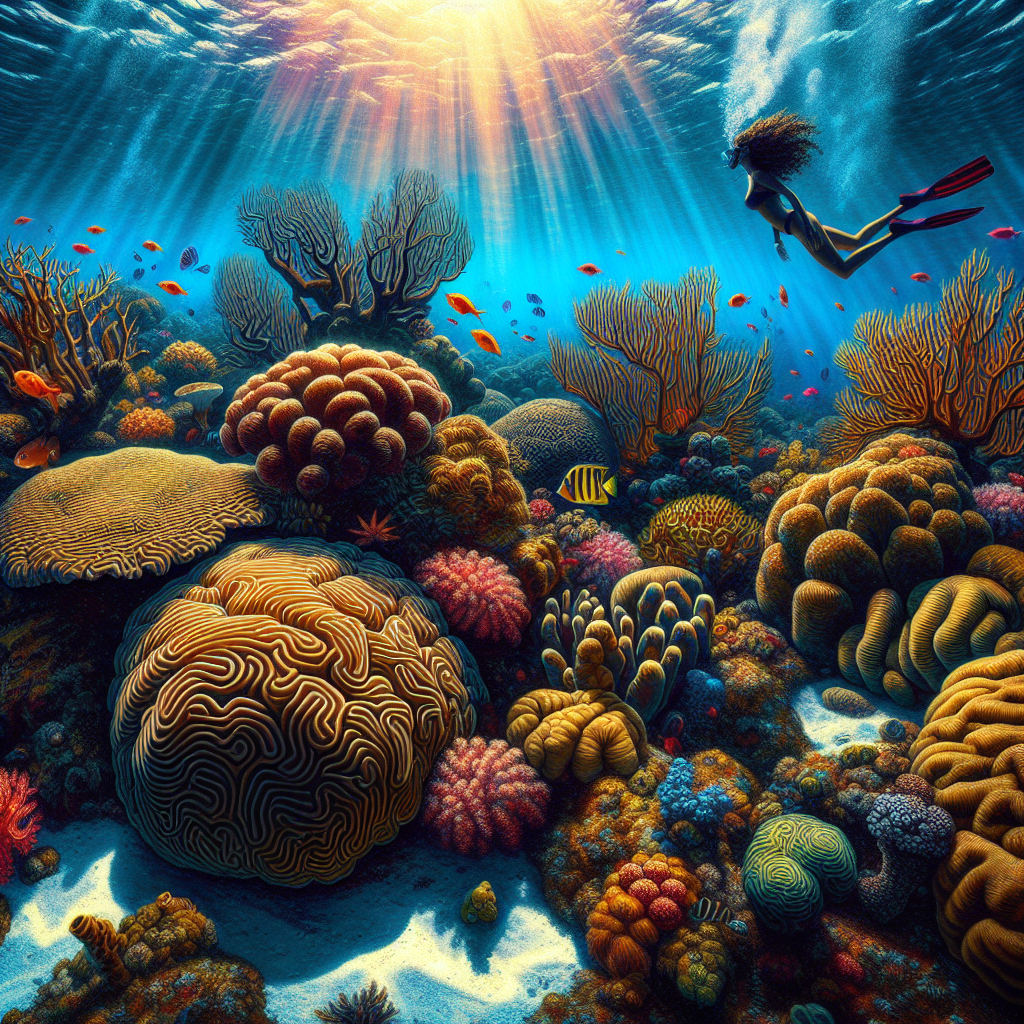
Cozumel is home to a dazzling variety of coral species, each flaunting its unique flair. From brain corals that resemble the intricate folds of a well-worn book to the elegant branching structures of elkhorn coral, each type has its own story to tell. You might spot the soft, waving arms of sea fans dancing in the current, or perhaps the robust, fleshy bodies of stag horn corals—each species is like a character in a sprawling underwater novel, contributing to the diverse narrative that makes these reefs come alive.
But it’s not just about the eye candy; it’s about understanding the roles they play in these vibrant ecosystems. The different coral species interact with a myriad of marine life, providing vital habitat and protection. That’s right, these corals are the unsung heroes of the ocean, neighbors and nurturers to countless fish and invertebrates—all working together in a delicate dance that sustains the reef and the larger oceanic community.
Yet, the story isn’t all sunshine and sea breezes. The realities of climate change, pollution, and overfishing pose significant threats to these underwater wonders. And let’s face it: as awe-inspiring as this underwater world is, it’s easy to feel overwhelmed or even helpless. But here’s the good news—every one of us can play a part in the solution. Whether you’re visiting Cozumel for a vacation or living in an ocean-adjacent community, making conscious choices is pivotal. Support local conservation efforts, engage in responsible diving practices, and advocate for sustainable tourism. When you care for these reefs, you’re not just protecting corals; you’re safeguarding a legacy for future generations.
So as you glide through those sun-dappled waters, take a moment to appreciate the symphony of life around you. Recognize the differences among coral species, and allow that knowledge to inspire your connection to the ocean. We all share this planet, and what we do—every small action—counts. Embrace your role in preserving these magic-filled waters, and let your passion for coral shine as brightly as the sun above!
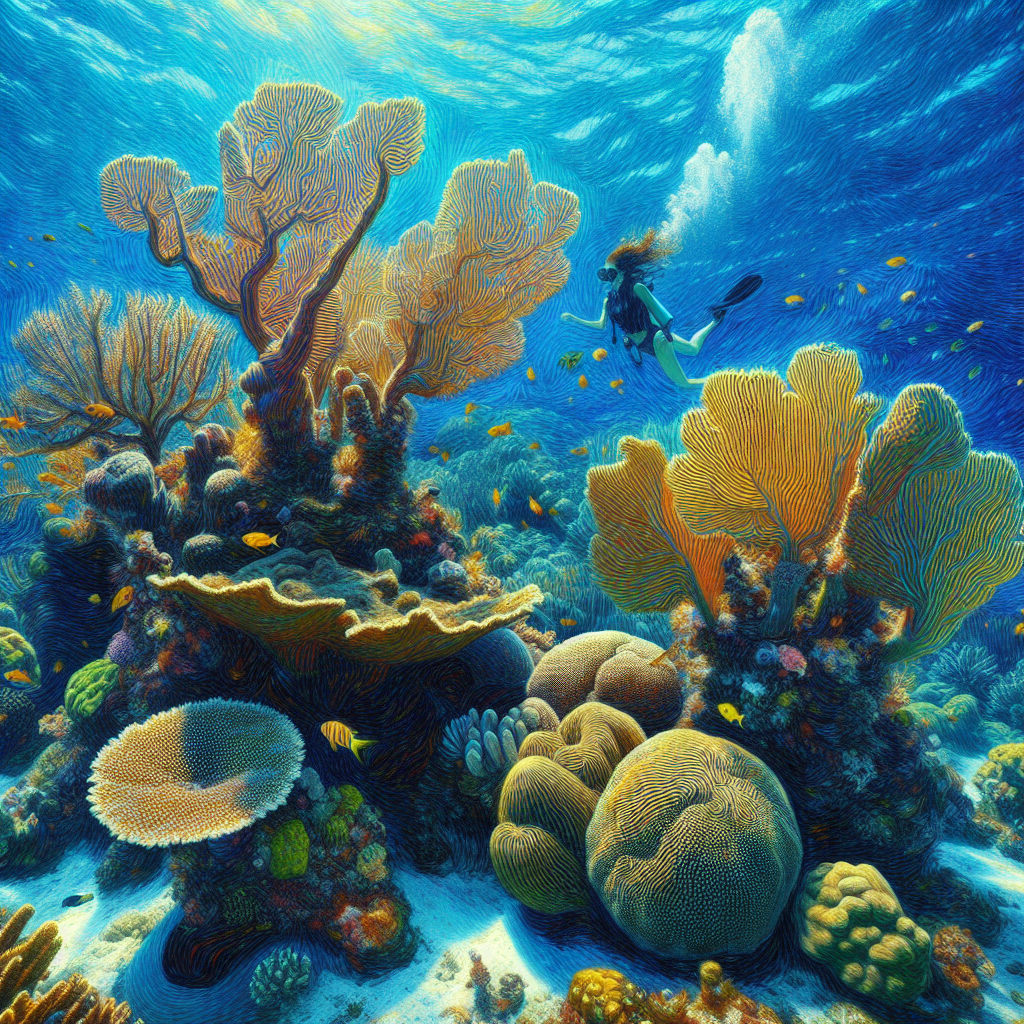
How Do Coral Species Differ In Cozumel?
How Do Coral Species Differ In Cozumel?
- Dive into Cozumel’s crystal-clear waters, experiencing vibrant underwater gardens.
- Cozumel features diverse coral species, each with unique characteristics and stories.
- Corals provide vital habitat and protection for various marine life, fostering rich ecosystems.
- Climate change, pollution, and overfishing threaten these underwater wonders.
- Everyone can contribute to conservation through responsible practices and advocacy for sustainable tourism.
- Appreciate and recognize the differences among coral species while connecting to the ocean.
- Every small action matters in preserving these beautiful marine environments for future generations.
How Do Coral Species Differ In Cozumel?
What Role Does Coral Play In Reef Ecosystems?
Imagine standing on the shore, the sun warming your skin, waves gently lapping at your feet, and the distant sound of laughter as families enjoy a beautiful day by the beach. Now, picture the expanse of vibrant colors beneath the surface—those mesmerizing shades of blue, green, and coral. What lies below isn’t merely a landscape; it’s a thriving world stuffed with life, intricately woven together, and at the heart of this realm are corals.
Corals may look like your average underwater rocks, but in truth, they are a vital force within reef ecosystems. Think of them as nature’s architects, tirelessly building vast underwater cities teeming with life. They form the structure for these ecosystems—the rigid foundation providing shelter for countless species. Imagine a bustling urban neighborhood, where each building offers a home to its inhabitants; that’s what coral reefs do for marine creatures. Fish, crustaceans, and invertebrates alike rely on these formations for shelter and sustenance, sparking a ceaseless dance of life in and around the reefs.
But corals are so much more than just shelter. They are symbiotic powerhouses, hosting tiny algae called zooxanthellae, which give them color and, more critically, provide food through the process of photosynthesis. These algae benefit from the shelter the coral provides, creating a partnership that significantly boosts the productivity of the reef. This relationship offers a glimpse into the delicate interconnectedness of life within these ecosystems—a reminder that everything is intertwined.
However, as we delight in the beauty of our oceans, we must also confront a stark reality. Coral reefs are facing unprecedented threats—from climate change to pollution. A sense of urgency hangs in the air; the vibrant colors we cherish could fade, and the bustling homes for countless creatures could become ghost towns.
But there’s hope. Understanding the role of corals in these ecosystems is just the beginning. Each of us can contribute to preserving this vibrant underwater world. Whether it’s reducing plastic use, supporting sustainable seafood choices, or participating in conservation efforts, small actions can make a tidal wave of difference. Together, we can ensure that the coral reefs continue to thrive, maintaining the balance of life beneath the waves. So let’s roll up our sleeves and get involved, because these underwater cities are worth fighting for, not only for the marine life they support but for the stories they hold and the memories yet to be created.
What Role Does Coral Play In Reef Ecosystems?
What Role Does Coral Play In Reef Ecosystems?
- Corals are vital components of reef ecosystems, acting as nature’s architects and building underwater cities.
- They provide structure and shelter for various marine species, creating a bustling environment filled with life.
- Corals host symbiotic algae called zooxanthellae, which give them color and produce food through photosynthesis.
- This symbiotic relationship enhances the productivity and interconnectedness of the entire reef ecosystem.
- Coral reefs are currently threatened by climate change and pollution, risking their vibrant health and biodiversity.
- Awareness and action are crucial; individuals can make a difference by reducing plastic use and supporting sustainable practices.
- Collective efforts are essential to preserve coral reefs and the rich marine life they support for future generations.
What Role Does Coral Play In Reef Ecosystems?
What Are The Most Endangered Coral Species In Cozumel?
If you’ve spent a moment peering beneath the waves that embrace Cozumel, you know there’s a world teeming with color, life, and mystery. It’s both mesmerizing and disheartening to realize that nestled within those vibrant reefs are some of the most endangered coral species on the planet. These unsung heroes of the ocean—at once resilient and vulnerable—form the backbone of underwater ecosystems, yet they find themselves facing an onslaught of challenges. The truth is, they need our help more than ever.
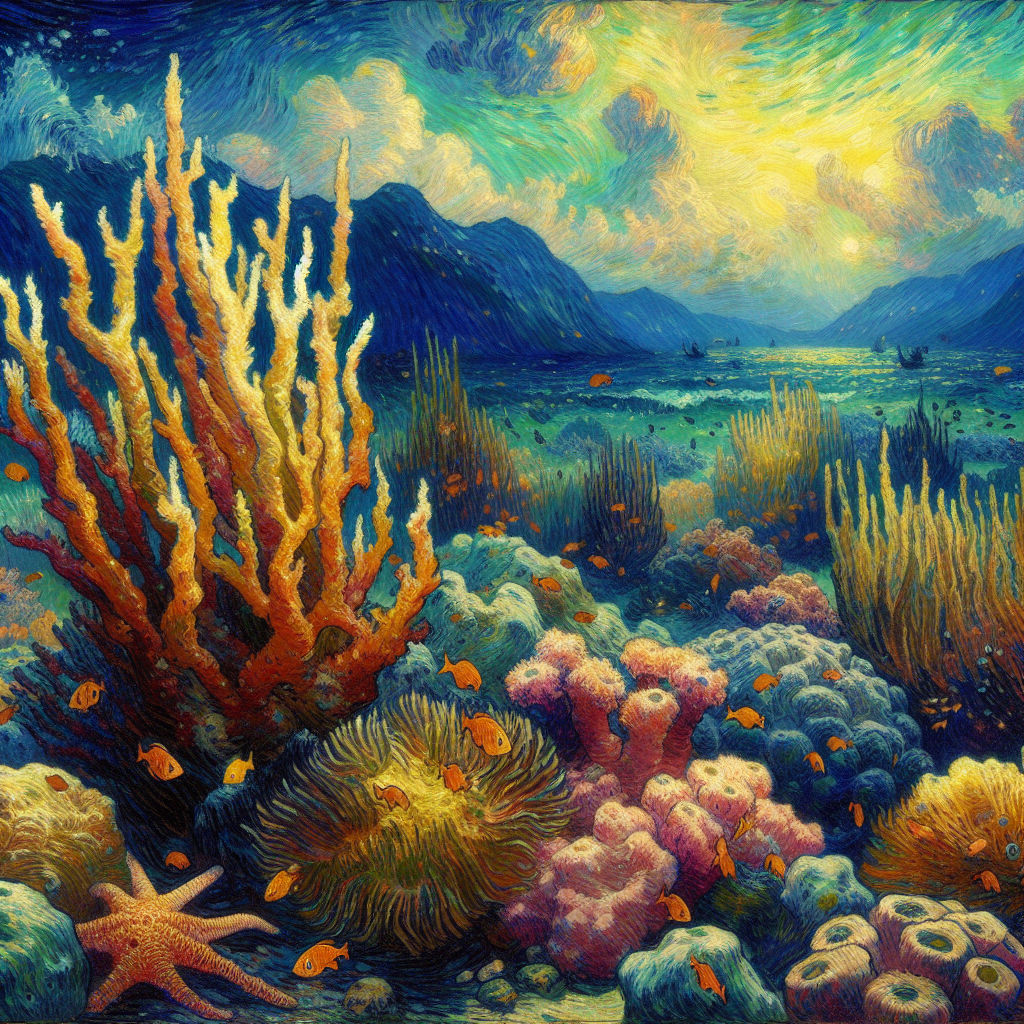
Among the most endangered species is the staghorn coral (Acropora cervicornis). This species is not just a pretty face; it’s essential for creating habitats that house countless marine creatures. Imagine a bustling city, full of life and activity, all thriving together. That’s the role staghorn coral plays in our reefs. Sadly, due to a combination of climate change, ocean acidification, and destructive fishing practices, staghorn coral populations have plummeted, leaving gaping holes in the vibrant tapestry of marine life.
Then we have the elkhorn coral (Acropora palmata), with its magnificent branching formations. This coral isn’t just spectacular to look at; it’s a genetic powerhouse, playing a critical role in the structural integrity of reef systems. Its decline paints a grim picture for the entire marine ecosystem that relies on it. The beautiful spaces we admire today may very well transform into barren wastelands if we don’t take action now.
And let’s not forget the lesser-known species like the mountainous star coral (Orbicella faveolata). This resilient coral forms the foundation of reef habitats, providing shelter for small creatures while contributing to the complex architecture of the reef. Yet it, too, is in crisis, undergoing stress from rising sea temperatures and increasing pollution.
It’s tempting to feel overwhelmed, but remember: awareness is the first step to action. Each of us can make a difference—whether it’s by supporting local conservation efforts, advocating for sustainable tourism practices, or simply educating ourselves and others. The ocean, with all its wonders and fragility, unites us. Let’s be stewards, friends, and champions for these incredible coral species. Together, we can ensure that future generations will have their own opportunities to marvel at the vibrant underwater world of Cozumel, restoring that awe-inspiring beauty one coral species at a time. Your actions matter, and it begins with a commitment to change.
What Are The Most Endangered Coral Species In Cozumel?
What Are The Most Endangered Coral Species In Cozumel?
- Cozumel’s underwater world is vibrant but hosts endangered coral species.
- Staghorn coral (Acropora cervicornis) is crucial for habitat creation but is declining due to climate change and destructive practices.
- Elkhorn coral (Acropora palmata) is vital for reef structural integrity and its decline threatens marine ecosystems.
- Mountainous star coral (Orbicella faveolata) supports reef habitats but faces stress from rising temperatures and pollution.
- Awareness is essential for initiating action to protect coral species.
- Individuals can make a difference through conservation efforts and sustainable practices.
- Collective action is crucial to preserve the underwater beauty of Cozumel for future generations.
What Are The Most Endangered Coral Species In Cozumel?
How Can Divers Identify Common Coral Types In Cozumel?
Diving into the vibrant waters of Cozumel feels like stepping into an entirely different world, and it’s easy to get swept up in the beauty surrounding you. The flicker of sunlight dancing through the water, the sound of bubbles escaping your regulator—it all creates an unforgettable experience. But amidst the awe, it’s common to encounter a bit of uncertainty. What corals are you seeing? Should you touch them? Will you remember their names? Don’t worry; you’re not alone in these thoughts. Every diver has faced the challenge of distinguishing between the kaleidoscope of coral species.
To help you navigate this underwater wonderland, let’s break things down. The key to coral identification isn’t merely memorization; it’s about understanding that you’re part of a larger ecosystem, a delicate tapestry woven together by millions of years of evolution. Start by familiarizing yourself with a few common coral types you are likely to encounter.
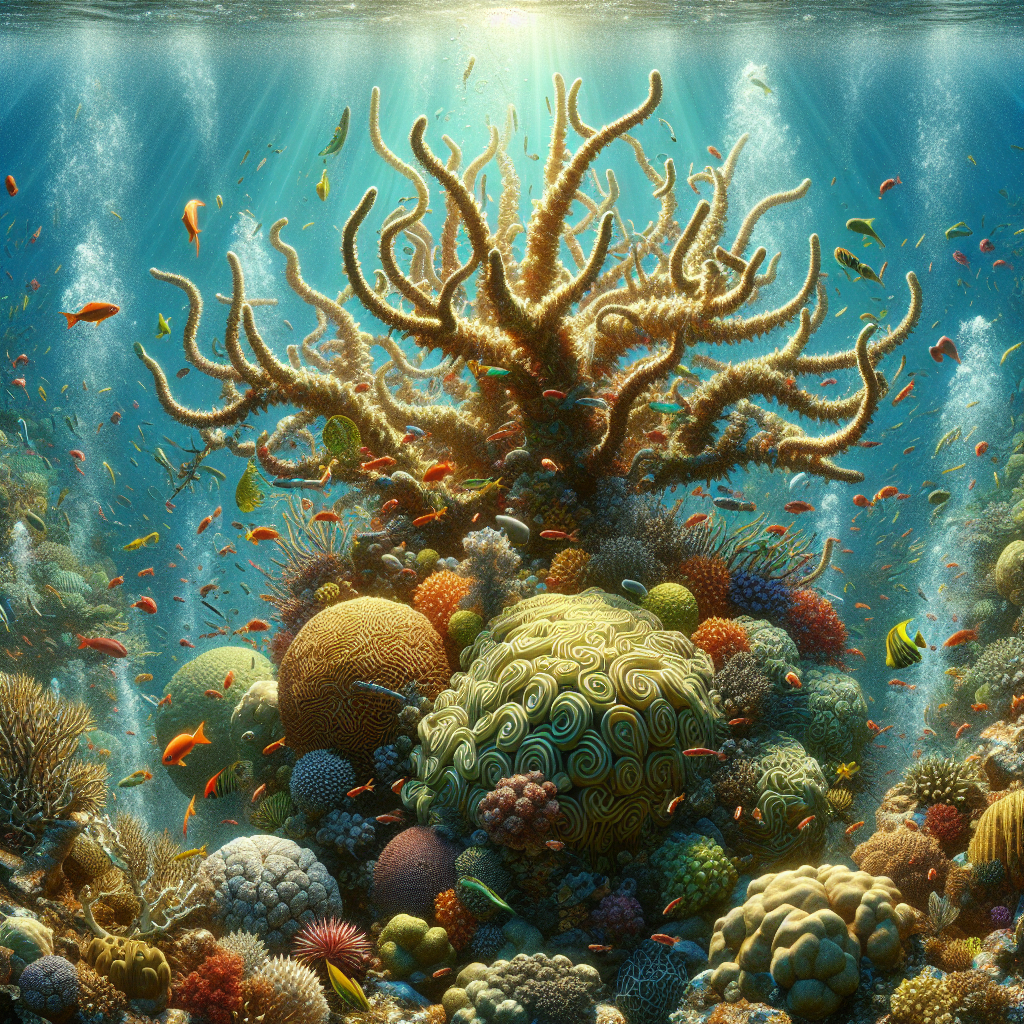
First up, we have the majestic elkhorn coral—known for its thick, branching structure that resembles the antlers of a deer. Spotting this coral is like finding an old friend; it offers stability and shelter for a myriad of marine life. Then there’s the brain coral—its intricate, maze-like patterns can easily catch the eye and invite you into the colorful mysteries that lie within. It’s a lesson in patience, with each twist and turn telling a unique story of resilience.
You won’t want to overlook the staghorn coral, which often resembles a set of delicate fingers reaching toward the light. This coral is particularly susceptible to environmental changes, so appreciating its presence reminds us of our role in protecting these fragile ecosystems. Lastly, star coral boasts a bumpy surface that is instantly recognizable. Think of it as nature’s way of reminding us that life isn’t always smooth; every ridge and crevice has a purpose.
As you venture into these underwater realms, take a moment to connect with the vibrant life around you. Listen to the whispers of the ocean and the stories told through the corals. Share your discoveries with fellow divers and let that camaraderie deepen your appreciation for this enchanting world. With time and curiosity, you’ll not only come to recognize these coral types, but you’ll also foster a lasting bond with the ocean itself. So take a deep breath, trust in your instincts, and let the beauty of Cozumel unfold before you.
How Can Divers Identify Common Coral Types In Cozumel?
How Can Divers Identify Common Coral Types In Cozumel?
- Diving in Cozumel offers a mesmerizing underwater experience with vibrant marine life.
- Understanding coral identification involves grasping the broader ecosystem rather than rote memorization.
- Common coral types include:
- Elkhorn coral, known for its thick, branching structure resembling deer antlers.
- Brain coral, characterized by intricate, maze-like patterns representing resilience.
- Staghorn coral, delicate and finger-like, reminding us of the need to protect fragile ecosystems.
- Star coral, with its bumpy surface symbolizing the complexities of life.
.
- Connecting with marine life enhances the diving experience and fosters appreciation for underwater ecosystems.
- Engaging with fellow divers can deepen your understanding and enjoyment of coral and marine life.
- With time and curiosity, divers can not only identify corals but also develop a lasting bond with the ocean.

How Can Divers Identify Common Coral Types In Cozumel?
What Is The Significance Of Coral Biodiversity In Cozumel?
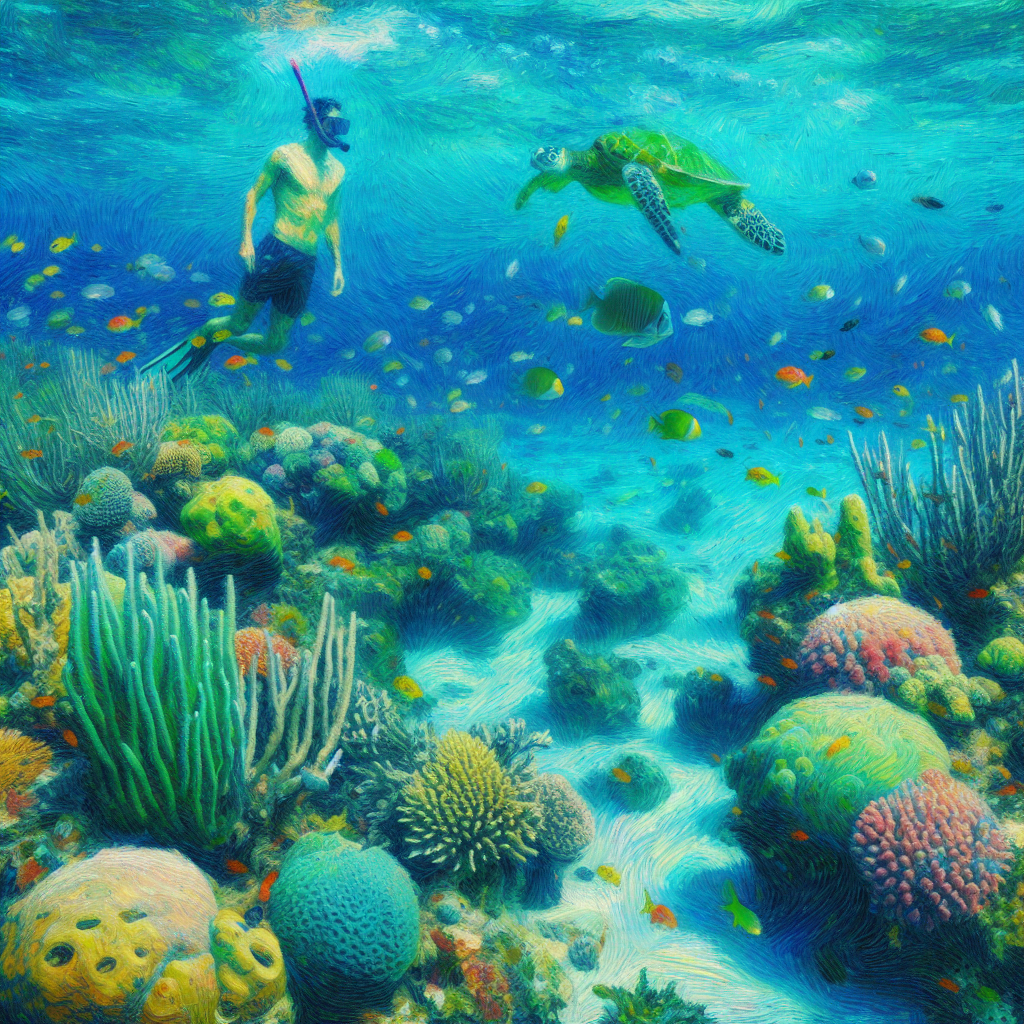
Picture this: crystal-clear waters teeming with life, vibrant coral reefs that look like nature’s own kaleidoscope, and the gentle sway of marine flora dancing to the rhythm of the ocean waves. If you’ve ever scuba-dived or snorkeled off the shores of Cozumel, you know that moment of awe when you first glimpse the underwater wonders. It’s a feeling that stirs something deep within us—a connection to nature that reminds us of the intricate web of life we’re a part of. But enjoy that beauty while it lasts, because it’s under threat.
Coral biodiversity in Cozumel isn’t just a tropical fantasy; it’s a lifeline for our oceans and, by extension, us. Think of coral reefs as the bustling cities of the sea, bustling with thousands of species—fish, invertebrates, and other marine life—that rely on them for shelter, food, and protection. But these cities aren’t just important for their residents; they also contribute significantly to our planet’s overall health. Healthy coral reefs act as natural barriers, protecting shorelines from erosion and helping to sustain coastal communities. They even play a role in carbon sequestering, helping combat climate change. It’s a big deal that’s often overshadowed by other pressing environmental issues.
Yet, despite the significance of this underwater realm, the harsh reality is that coral reefs worldwide are facing severe degradation. Climate change, pollution, and overfishing have created a perfect storm, and the impacts are felt well beyond the water’s surface. Local economies, particularly those dependent on tourism and fishing, also suffer. When biodiversity declines, so does the quality of experiences for visitors and the livelihoods of those who call Cozumel home.
So, what can we do? Let’s take a moment to embrace accountability and inspire action. When you engage in responsible tourism—say, choosing eco-friendly tours or supporting coral restoration projects—you are playing a part in preserving this paradise. Every small step we take collectively can lead to massive changes down the line. We can create a ripple effect that helps ensure the vibrant coral reefs of Cozumel—and the myriad life they support—continue captivating the hearts of explorers for generations to come. Join the movement, dive into the cause, and let us protect the significance of coral biodiversity together.
What Is The Significance Of Coral Biodiversity In Cozumel?
What Is The Significance Of Coral Biodiversity In Cozumel?
- Crystal-clear waters and vibrant coral reefs in Cozumel are a natural wonder and a vital connection to nature.
- Coral reefs serve as vital habitats for thousands of marine species, providing shelter, food, and protection.
- Healthy coral reefs protect shorelines from erosion and contribute to the overall health of our planet.
- Coral reefs play a crucial role in carbon sequestration, helping combat climate change.
- Global coral reefs are severely degraded due to climate change, pollution, and overfishing.
- Local economies reliant on tourism and fishing suffer as coral biodiversity declines.
- Engaging in responsible tourism and supporting eco-friendly initiatives can help preserve coral reefs for future generations.
What Is The Significance Of Coral Biodiversity In Cozumel?
How Do Local Policies Protect Coral Reefs In Cozumel?
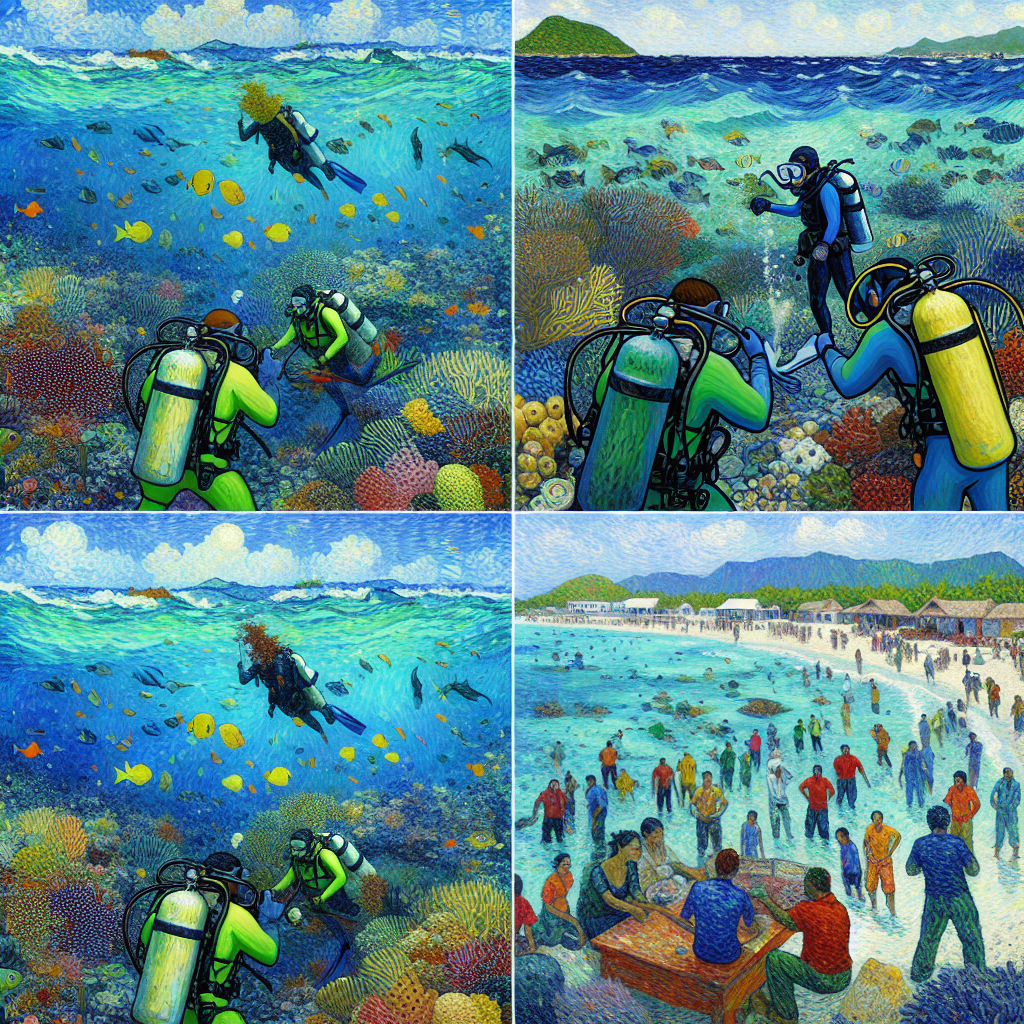
When you think of Cozumel, the vibrant hues of the ocean might come to mind, alongside images of teeming marine life darting among living coral structures. But beneath that sun-soaked serenity lies a delicate ecosystem facing grave threats. The truth is, coral reefs are not just picturesque backdrops for vacation selfies—they’re the bustling heartbeat of this coastal paradise, providing habitat for countless species and protecting shorelines from erosion. So, how are local policies stepping up to defend these underwater treasures?
Enter stage right: local policies crafted by passionate advocates who recognize the stakes. We’re talking about folks who, through a commitment to preserving the environment, are bravely weathering a storm of challenges, from tourism pressures to climate change. They’ve rolled up their sleeves and engaged in policy-making that isn’t just talk—it’s action, born out of a heartfelt connection to this beautiful island and its ecosystems.
One of the shining examples of these policies is the establishment of marine protected areas (MPAs). Think of MPAs as safe havens for coral reefs, places where fishing and other invasive activities are restricted. It sounds simple, right? Yet, creating these zones requires not just smarts and elbow grease, but also a whole lot of community buy-in. Residents, fishermen, and business owners must be convinced that preserving these underwater ecosystems is vital for the island’s long-term health—and the truth is, they are. After all, protecting the reefs directly translates to safeguarding livelihoods that depend on tourism and fishing, two lifeblood industries for Cozumel.
But policies alone can’t do the trick. It takes education and awareness to galvanize a collective effort. Initiatives that promote sustainable tourism, like eco-friendly diving practices and beach clean-ups, are vital pieces of the puzzle. Engaging locals and visitors alike, they foster a sense of stewardship that inspires everyone to take small yet significant actions toward preservation.
It’s about more than just regulations; it’s about building a community that cares. We all can play a role—whether it’s diving responsibly, supporting local conservation efforts, or simply spreading the word about the importance of coral reefs. Together, we can ensure that the vibrant coral reefs of Cozumel continue to thrive for generations to come. So take heart, and know that positive change is within reach, fueled by collective passion and purpose. After all, we’re all part of this watery world; it’s time we acted like it.
How Do Local Policies Protect Coral Reefs In Cozumel?
How Do Local Policies Protect Coral Reefs In Cozumel?
- Cozumel’s coral reefs are essential ecosystems providing habitat and protecting against erosion.
- Local policies are being developed to combat threats to coral reefs, driven by passionate advocates.
- Marine Protected Areas (MPAs) serve as safe havens for coral reefs by restricting damaging activities.
- Community support is crucial for the establishment of MPAs, as residents recognize the importance of preservation.
- Education and awareness initiatives promote sustainable tourism practices and foster local stewardship.
- The community plays a vital role in coral reef conservation through responsible actions and support for local efforts.
- Collective passion and purpose can lead to positive change for Cozumel’s coral reefs and their future.

How Do Local Policies Protect Coral Reefs In Cozumel?
What Threats Do Coral Reefs Face In Cozumel?
When you think of Cozumel, it’s not just the cerulean waters and sun-soaked beaches that come to mind; it’s those vibrant coral reefs, teeming with life, that truly steal the show. But beneath the beauty lies a stark reality: these underwater gardens are under siege. And if you care about the health of our oceans — or simply want to enjoy those reefs while you can — it’s time to dive into the challenges they face.
One of the most pressing threats is climate change. Rising temperatures create coral bleaching events, where stressed-out corals expel the colorful algae that provide them sustenance. Imagine standing in a sun-baked field that once bloomed with flowers, only to witness it turn barren before your eyes. That’s the stark transition happening beneath the waves. If we don’t take a stand together, those stunning coral vistas could fade into mere memories.
Then there’s ocean acidification, another sneaky villain. As industries belch carbon dioxide into the atmosphere, much of it finds its way into the ocean. This chemistry change acts like a thief in the night, robbing corals of the calcium they need to build their skeletons. The result? Fragile reefs that can’t defend themselves against storms and other environmental pressures. And let’s face it, nobody wants to see what happens to a community when it can’t stand strong against a storm.
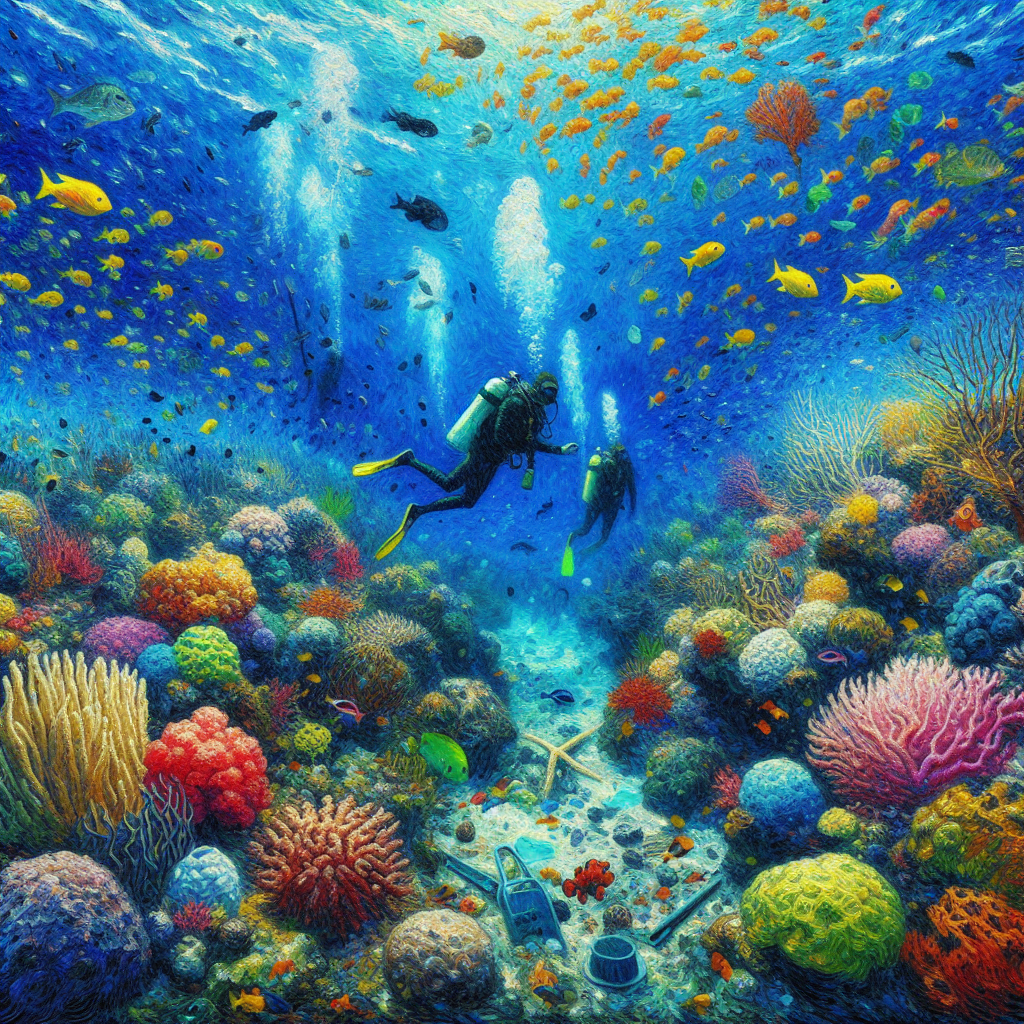
Pollution rounds out the trifecta of trouble. From agricultural runoff to plastic waste, these issues not only harm the coral itself but choke the very ecosystems that rely on healthy reefs. Picture this: a once-thriving neighborhood becomes littered with debris; it’s not just unsightly but actively harmful. The reefs are no different, and they need our help to restore their health.
Lastly, overfishing diminishes the vital fish populations that keep coral reefs in check. When the balance is disrupted, the entire ecosystem suffers. Imagine a symphony where half the musicians are missing — the melody is lost, and harmony turns to chaos.
But here’s the good news: every single one of us can be part of the solution. Whether it’s supporting sustainable fishing practices, participating in local cleanup efforts, or simply spreading the word about the importance of coral reefs, action starts with you. We all have the power to preserve the beauty of Cozumel’s reefs for generations to come. So, let’s roll up our sleeves, cast aside our doubts, and work together to protect these underwater wonders. After all, a thriving coral reef doesn’t just belong to the fish; it belongs to all of us.
What Threats Do Coral Reefs Face In Cozumel?
What Threats Do Coral Reefs Face In Cozumel?
- Cozumel is known for its vibrant coral reefs, which are crucial to ocean health.
- Climate change causes rising temperatures leading to coral bleaching, threatening these ecosystems.
- Ocean acidification, a result of carbon dioxide emissions, weakens coral skeletons and increases vulnerability to storms.
- Pollution, including agricultural runoff and plastic waste, harms coral reefs and the ecosystems that depend on them.
- Overfishing disrupts fish populations that maintain the balance of the coral reef ecosystem.
- Individuals can contribute to solutions by supporting sustainable practices and participating in cleanup efforts.
- Collective action is essential to preserve the future of Cozumel’s reefs for generations to come.

What Threats Do Coral Reefs Face In Cozumel?
Conclusion
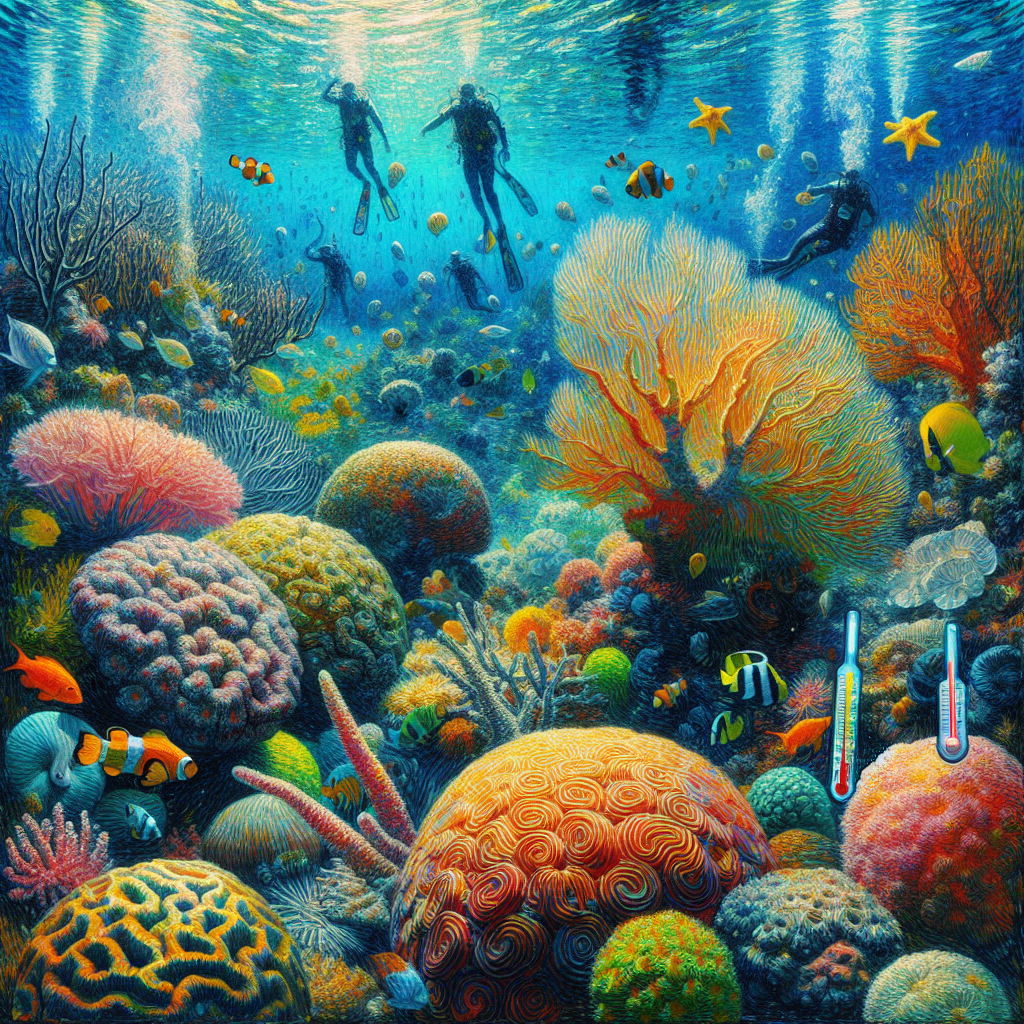
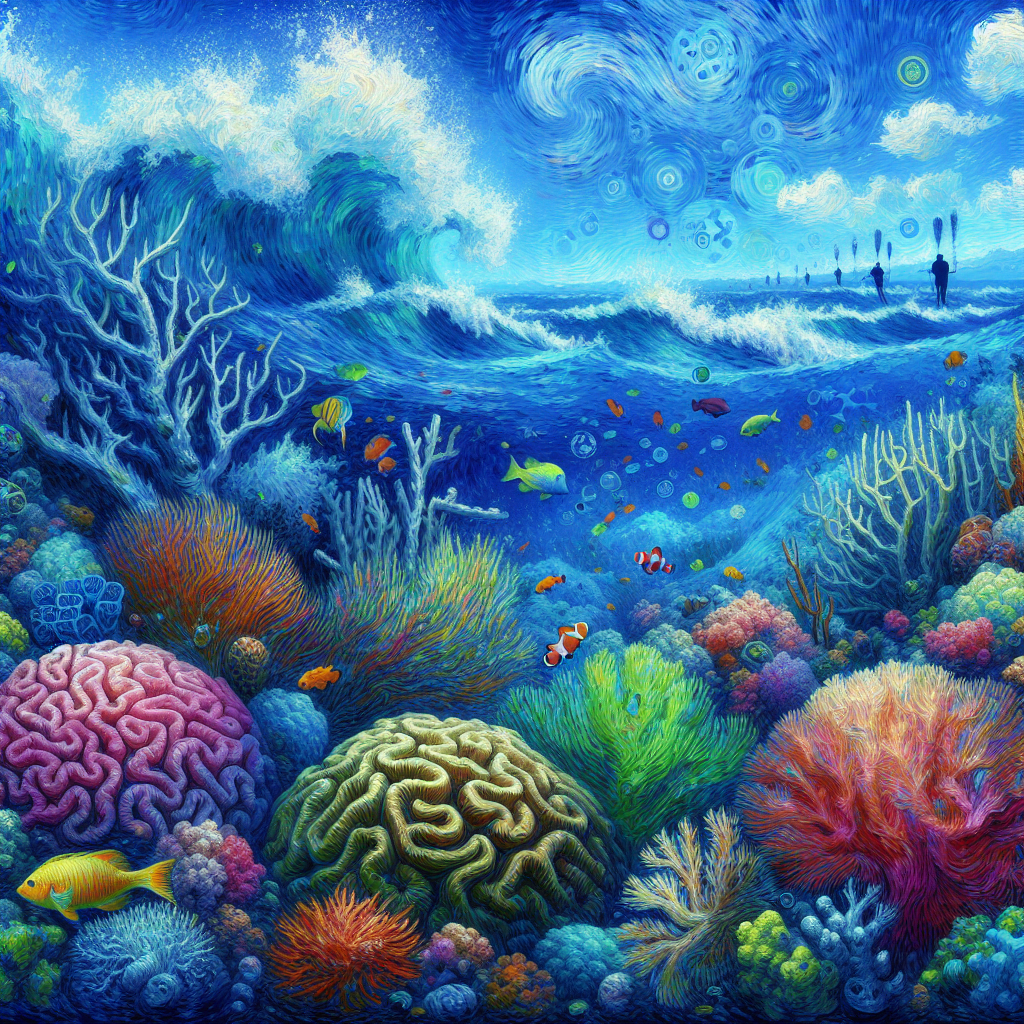
Alright folks, let’s wrap this up, shall we? When we zoom in on the coral reefs of Cozumel, we uncover a world that’s more than just eye candy—it’s a vibrant ecosystem, alive with the hustle and bustle of marine life that needs our attention. Picture those stunning brain corals with their intricate designs, or the stately staghorn corals, all standing proud even as they battle against the relentless tide of climate change, pollution, and overfishing. Each species plays a crucial role, not just within the reef but for our planet as a whole. They’re the architects of their underwater cities, forming habitats and shelters for an incredible array of aquatic inhabitants.
But it isn’t just about gazing in wonder at this kaleidoscope of colors; it’s about recognizing the fragility beneath that beauty. From the elkhorn coral’s unique branching structures to the elegant sway of sea fans, these corals tell a story—a story of resilience, vulnerability, and interconnectedness. Every time we step into that water, whether we’re snorkeling or diving, we become part of that narrative.
Now, it’s easy to feel overwhelmed by the challenges these reefs face. Can making a difference feel like a drop in the ocean? Sure. But remember, every action counts. Supporting local conservation efforts, practicing sustainable tourism, and advocating for responsible practices can set off a ripple effect that leads to real change.
On a grander scale, local policies and community initiatives play a vital role in battling the issues these precious ecosystems face. Marine protected areas stand guard, restricting harmful activities and giving corals a fighting chance. Education and awareness are equally key; it’s up to all of us—locals and visitors alike—to roll up our sleeves and take responsibility for this underwater wonderland.
So the next time you find yourself floating above those breathtaking reefs, take a moment. Breathe in the beauty, feel that connection, and remember: we’re all custodians of this planet. Together, let’s protect these corals, not just for ourselves, but for future generations who deserve to experience the same awe we felt. Your adventure in Cozumel is not just a getaway; it’s an opportunity for stewardship. Dive in, and spread the word! Every effort matters in keeping this underwater paradise thriving.
Conclusion
Conclusion:
- Cozumel’s coral reefs are a vibrant ecosystem rich in marine life.
- Corals like brain corals and staghorn corals face threats from climate change, pollution, and overfishing.
- Each coral species plays a vital role in creating habitats for a diverse range of aquatic life.
- The beauty of corals underscores their fragility and the importance of their conservation.
- Individual actions, such as supporting conservation and practicing sustainable tourism, can collectively make a difference.
- Local policies and community initiatives, including marine protected areas, help to safeguard coral ecosystems.
- Everyone has a responsibility to protect these reefs for future generations while enjoying their beauty.
Conclusion
Other Resources
Other Resources
One quiet thing worth knowing: where you stay on the island changes what you can actually do here. If you’re sketching out a trip, these may help. Hotel Villa Deja Blue is a small villa-hotel with on-site restaurant — the closest thing in Cozumel to an extended-stay hotel: flexible nightly stays with service and breakfast. Cozumel Relaxing is a walled-garden 2-bedroom villa in Gonzalo Guerrero built for slow mornings and long stays.
Here is a list of other resources you can review online to learn more:
- Scuba Schools International
- Cozumel Buggy
- Winjet
- Playa Mia Grand Beach Park
- Cozumel Private Tours
- Bodega Aurrera
- Atlantis Submarines Cozumel
- Playa Bonita
- Hotel Villa Deja Blue — a small villa-hotel with its own restaurant
- cozumelrelaxing.com
Use This Prompt To Get More Resources With Your Favorite Online AI Tool: Please provide me with a list of online articles with their URLs in a bulleted list that I can read regarding What Types Of Coral Live In The Reefs Of Cozumel?
Other Resources
Glossary Terms
What Types Of Coral Live In The Reefs Of Cozumel? – Glossary Of Terms
1. Acropora: A genus of stony coral known as branching corals, important for reef-building due to their fast growth and structural complexity.
2. Montastraea: A genus commonly known as massive corals, characterized by thick, dome-shaped structures that provide essential habitat for marine life.
3. Porites: A family of corals known for their encrusting forms and ability to tolerate various environmental conditions; important for reef stabilization.
4. MussismUSA: A genus of large, boulder-shaped corals known for their resilience and ability to form extensive colonies.
5. Pocillopora: A genus of branching corals that are fast-growing and provide shelter and habitat for many reef organisms.
6. Coralline Algae: A type of red algae that plays a crucial role in reef ecosystems, helping to bind reef structures and providing a habitat for small marine life.
7. Soft Coral: Corals like gorgonians and sea fans that lack a hard skeleton; they contribute to reef diversity and provide habitat for various species.
8. Elkhorn Coral: A species under the Acropora genus, known for its distinctive branching shape and importance in building reef structures.
9. Staghorn Coral: Another species of the Acropora genus, recognized for its antler-like branches; it is vital to reef growth but threatened by environmental changes.
10. Faviidae: A family of corals that includes brain corals; important for their massive structures that provide habitats for marine fauna.
11. Boulder Coral: A coral formation characterized by large, rounded structures that contribute to the structural integrity of reefs.
12. Agaricia: A genus known for its plate-like structures that can create large areas of reef and shelter for fish.
13. Symbiosis: A mutually beneficial relationship, especially between corals and zooxanthellae algae, crucial for coral nutrition and health.
14. Zooxanthellae: Photosynthetic algae that live within coral tissues; they provide energy to corals through photosynthesis, helping them thrive in nutrient-poor waters.
15. Coral Bleaching: A condition caused by stressors like temperature rise, leading to the expulsion of zooxanthellae and loss of color in corals.
16. Reef Structure: The three-dimensional framework of corals and associated organisms that supports a diverse marine ecosystem.
17. Lagoonal Reefs: Shallow water reefs found in lagoons that often house diverse coral species and provide important nursery habitats.
18. Rubble Zone: An area of broken coral and debris that provides habitat for a variety of marine life but is often damaged by disturbances.
19. Larval Settlement: The process where coral larvae attach to substrate to begin growing; this phase is vital for reef replenishment.
20. Coral Spawning: A reproductive event where corals release eggs and sperm simultaneously, facilitating genetic diversity and reef resilience.
21. Threatened Species: Coral species such as staghorn and elkhorn that are at risk due to environmental factors like climate change and pollution.
22. Marine Protected Areas (MPAs): Regions designated to protect marine ecosystems, including coral reefs, from overfishing and development.
23. Seagrass Beds: Areas of flowering plants that often coexist with coral reefs, providing habitat and breeding grounds for fish.
24. Bioerosion: The process by which living organisms, such as parrotfish and sea urchins, break down coral structures, altering reef dynamics.
25. Coral Disease: A range of ailments that affect coral health, often exacerbated by stressors like warming waters and pollution.
26. Ecological Succession: The process by which reef ecosystems recover and change over time after disturbances such as bleaching or physical damage.
27. Scleractinian Coral: Hard corals that are foundational in building and maintaining coral reef structures.
28. Herbivorous Fish: Fish species that feed on algae and help maintain coral health by preventing overgrowth of algae on reefs.
29. Coral Reef Ecosystem: A complex network of interactions between various species, including corals, fish, and invertebrates, in a symbiotic habitat.
30. Dissolved Oxygen: Critical for marine life; healthy coral reefs help maintain oxygen levels in surrounding waters through photosynthesis.
Glossary Of Terms
Other Questions
What Types Of Coral Live In The Reefs Of Cozumel? – Other Questions
If you wish to explore and discover more, consider looking for answers to these questions:
- What specific coral species are found in Cozumel?
- How do coral reefs in Cozumel compare to those in other regions?
- What are the primary threats to coral reefs in Cozumel?
- How does climate change specifically affect coral in Cozumel?
- What can tourists do to help protect coral reefs while visiting Cozumel?
- Are there any ongoing conservation projects for coral reefs in Cozumel?
- How do coral reefs contribute to local economies in Cozumel?
- What are the consequences of coral decline for marine life in Cozumel?
- What role do local communities play in protecting coral reefs?
- How can divers safely interact with coral reefs in Cozumel?
- What educational resources are available for learning about coral ecosystems?
- How do different coral species support various marine life in Cozumel?
- What signs indicate coral distress in Cozumel’s reefs?
- How does coral biodiversity influence ecosystem resilience?
- What policies are in place to combat pollution and protect coral reefs?
Other Questions
Haiku
What Types Of Coral Live In The Reefs Of Cozumel? – A Haiku
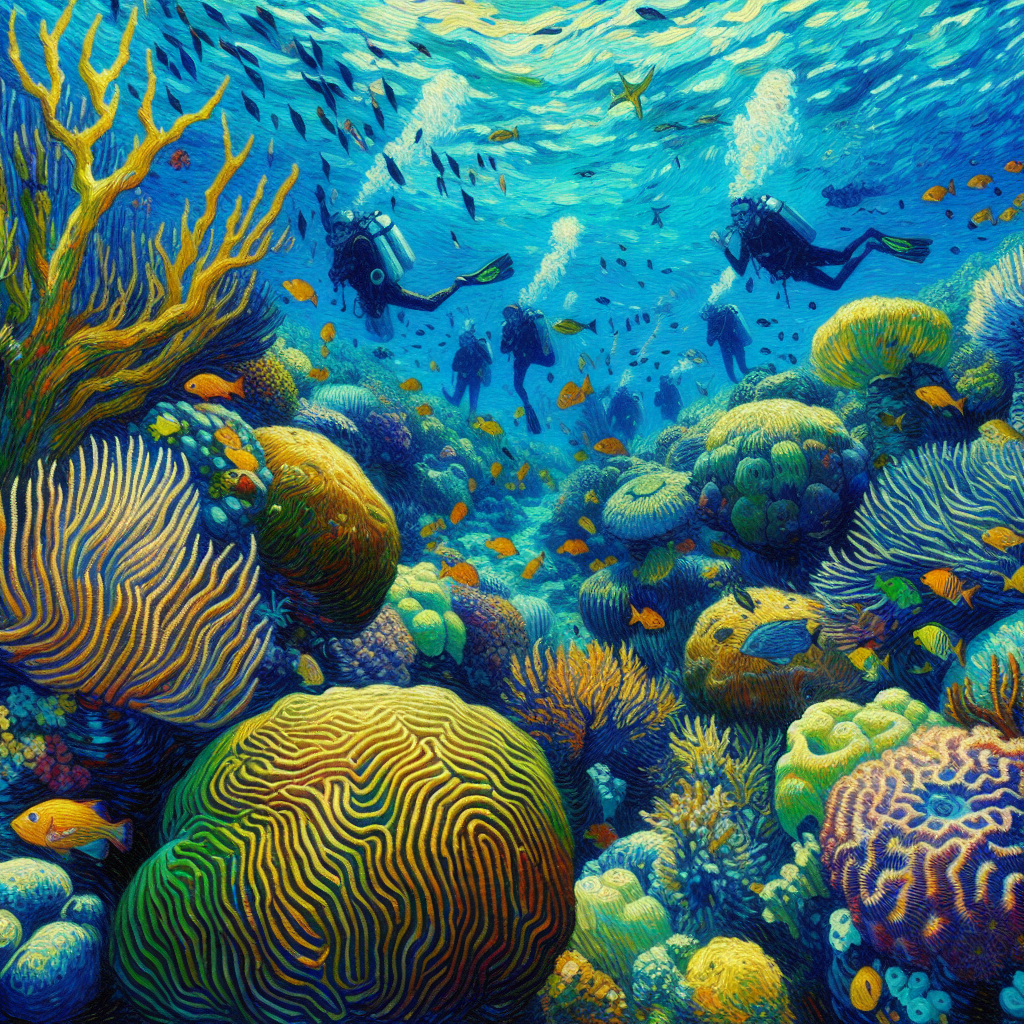
Cozumel’s corals
Vibrant, diverse shields of life,
Guardians of the deep.
Haiku
Poem
What Types Of Coral Live In The Reefs Of Cozumel? – A Poem
In Cozumel’s Embrace
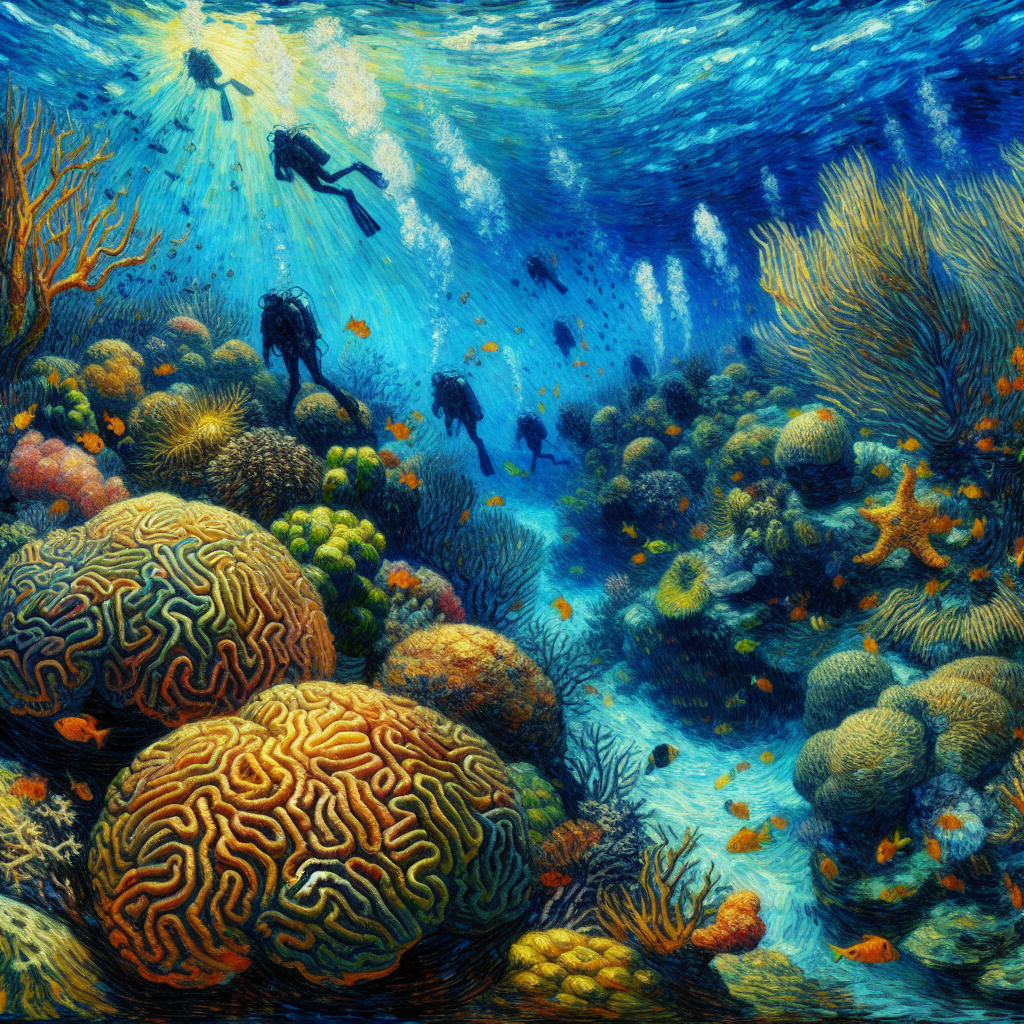
Beneath the Caribbean’s azure hue,
Lies a vibrant realm, alive and true,
Coral kingdoms rise, a dazzling sight,
With colors that shimmer in the sun’s warm light.
Brain corals with patterns, a maze-like delight,
Stand as ancient sentinels, fierce in their fight.
Staghorn like antlers, yielding and bold,
Tabletop elkhorns, a story retold.
Gentle sea fans sway in whispers soft,
In this underwater garden where life swells aloft.
Each coral a hero, in symphony sings,
A tapestry woven with the pulse of the ocean’s strings.
Yet shadows loom large, as threats draw near,
The warming waters whisper caution and fear.
Bleaching blooms threaten this vibrant parade,
Pollution and acid wash dreams that we’ve made.
Endangered species, like staghorn and elkhorn,
Their plight calls us forth, to ensure they’re reborn.
The reefs are our neighbors, their struggles entwined,
In the dance of existence, we’re all intertwined.
Support local efforts, be stewards of seas,
Make choices that echo the call of the breeze.
Dive with respect, share your underwater views,
In this dance of life, it’s a partnership we choose.
So should you wander where the corals reside,
Remember the magic that’s found deep inside.
Cozumel’s reefs sing, a lullaby sweet,
A call to preserve, to protect, and to meet.
Together we rise, for each coral, each friend,
With hearts full of purpose, our love will extend.
For in Cozumel’s embrace, the ocean’s allure,
Lies a shared responsibility, forever to endure.
Poem
Checklist
What Types Of Coral Live In The Reefs Of Cozumel? – A Checklist
Checklist: Ways to Support Coral Conservation in Cozumel
Understanding Coral Species
_____ Familiarize with Common Coral Types: Learn to identify brain corals, stag-horn corals, elkhorn corals, and star corals.
_____ Research Coral Biodiversity: Understand the significance of diverse coral species for marine ecosystems.
Responsible Diving and Snorkeling Practices
_____ Avoid Touching Corals: Always maintain a safe distance from corals while diving or snorkeling to prevent damage.
_____ Use Eco-friendly Sunscreen: Choose reef-safe sunscreens to minimize harmful chemicals entering the ocean.
_____ Follow Local Guidelines: Adhere to any rules or guidelines provided by local dive operators or conservation organizations.
Supporting Local Conservation Efforts
_____ Engage with Marine Protected Areas: Participate in activities within marine protected zones where fishing is restricted.
_____ Join Beach Clean-ups: Volunteer for local beach clean-up initiatives to reduce pollution impacting coral reefs.
_____ Support Sustainable Tourism: Opt for eco-friendly tours and accommodations that prioritize environmental conservation.
Advocacy and Education
_____ Spread Awareness: Educate friends and family about the importance of coral reefs and the threats they face.
_____ Participate in Community Initiatives: Get involved in local campaigns or workshops focused on marine conservation.
_____ Support Research and Restoration Projects: Contribute to or volunteer with organizations dedicated to coral restoration and research.
Personal Lifestyle Changes
_____ Reduce Plastic Usage: Minimize reliance on single-use plastics to decrease ocean pollution.
_____ Sustainable Seafood Choices: Make informed choices when it comes to seafood to support fish populations and ecosystems.
_____ Carbon Footprint Reduction: Engage in practices that lower your carbon footprint to help combat climate change.
Staying Informed
_____ Follow Environmental News: Stay updated on local environmental issues and policies affecting coral reefs.
_____ Engage with Marine Biologists: Attend lectures or seminars offered by experts to deepen your understanding of coral reefs and marine ecosystems.
By following this checklist, you can play a significant role in protecting and preserving the vibrant coral reefs of Cozumel for future generations. Let’s work together to ensure that these underwater treasures continue to thrive!
Checklist
Jeopardy! Style Puzzle
Jeopardy! Style Game: Coral Reef Vocabulary
# Categories
1. Coral Genera & Families
2. Coral Ecosystem Processes
3. Coral Types & Structures
4. Threats to Coral Reefs
5. Marine Interactions
Clues and Answers
Category 1: Coral Genera & Families
– Clue: A genus of branching corals important for reef-building due to their fast growth and structural complexity.
Answer: What is Acropora?
– Clue: A genus known for its massive, dome-shaped structures that provide essential habitat for marine life.
Answer: What is Montastraea?
– Clue: This family of corals is known for their encrusting forms and ability to tolerate various environmental conditions.
Answer: What is Porites?
– Clue: A boulder-shaped coral genus known for its resilience and ability to form extensive colonies.
Answer: What is Mussismusa?
– Clue: Branching corals that are fast-growing and provide shelter for many reef organisms.
Answer: What is Pocillopora?
Category 2: Coral Ecosystem Processes
– Clue: A mutually beneficial relationship crucial for coral nutrition and health.
Answer: What is Symbiosis?
– Clue: The process where coral larvae attach to substrate to begin growing, vital for reef replenishment.
Answer: What is Larval Settlement?
– Clue: A reproductive event where corals release eggs and sperm simultaneously.
Answer: What is Coral Spawning?
– Clue: The process by which reef ecosystems recover and change over time after disturbances.
Answer: What is Ecological Succession?
– Clue: The three-dimensional framework of corals and associated organisms that supports a diverse marine ecosystem.
Answer: What is Reef Structure?
Category 3: Coral Types & Structures
– Clue: This coral species under the Acropora genus is known for its distinctive branching shape.
Answer: What is Elkhorn Coral?
– Clue: Recognized for its antler-like branches, this Acropora species is vital to reef growth but threatened by environmental changes.
Answer: What is Staghorn Coral?
– Clue: A family of corals that includes brain corals, known for their massive structures.
Answer: What is Faviidae?
– Clue: A coral formation characterized by large, rounded structures that contribute to reef stability.
Answer: What is Boulder Coral?
– Clue: Known for its plate-like structures that can create large areas of reef.
Answer: What is Agaricia?
Category 4: Threats to Coral Reefs
– Clue: A condition caused by stressors like temperature rise, leading to the loss of color in corals.
Answer: What is Coral Bleaching?
– Clue: Coral species such as staghorn and elkhorn that are at risk due to environmental factors.
Answer: What are Threatened Species?
– Clue: A condition exacerbated by warming waters and pollution that affects coral health.
Answer: What is Coral Disease?
– Clue: The process by which living organisms break down coral structures, altering reef dynamics.
Answer: What is Bioerosion?
– Clue: Regions designated to protect marine ecosystems, especially coral reefs, from overfishing.
Answer: What are Marine Protected Areas (MPAs)?
Category 5: Marine Interactions
– Clue: Areas of flowering plants that coexist with coral reefs, providing habitat for fish.
Answer: What are Seagrass Beds?
– Clue: Fish species that feed on algae, helping maintain coral health by preventing overgrowth.
Answer: What are Herbivorous Fish?
– Clue: A type of red algae that plays a crucial role in reef ecosystems by binding structures.
Answer: What is Coralline Algae?
– Clue: Corals like gorgonians and sea fans that lack a hard skeleton but contribute to reef diversity.
Answer: What is Soft Coral?
– Clue: Critical for marine life, this is maintained by healthy coral reefs that promote oxygen levels.
Answer: What is Dissolved Oxygen?
This Jeopardy! game format can be used for educational purposes or entertaining quizzes about coral reef ecosystems!
True False Quiz
True or False Quiz
1. The genus Acropora is known for its massive corals characterized by thick, dome-shaped structures that provide habitat for marine life.
Answer: False
2. Montastraea corals are important for reef-building due to their fast growth and structural complexity.
Answer: False
3. Porites corals are recognized for their encrusting forms and ability to stabilize reef structures.
Answer: True
4. MussismUSA is a type of branching coral known for its resilience and ability to form extensive colonies.
Answer: False
5. Pocillopora corals provide shelter and habitat for many reef organisms and are known for their branching structure.
Answer: True
6. Coralline algae are a type of blue-green algae that play a critical role in reef ecosystems by providing habitat for small marine life.
Answer: False
7. Soft corals contribute to reef diversity but lack a hard skeleton.
Answer: True
8. Elkhorn Coral is a species of Acropora known for its antler-like branches and is critical for reef growth.
Answer: False
9. Staghorn Coral is recognized for its branching shape and is vital to reef growth; it is currently threatened due to environmental changes.
Answer: True
10. Faviidae is a family of corals that includes only soft corals.
Answer: False
11. Boulder Coral formations are characterized by large, rounded structures and are important for the structural integrity of reefs.
Answer: True
12. Agaricia corals create plate-like structures that provide shelter for fish in reef ecosystems.
Answer: True
13. Symbiosis refers to a harmful relationship between corals and zooxanthellae algae.
Answer: False
14. Zooxanthellae are photosynthetic organisms that provide energy to corals through photosynthesis.
Answer: True
15. Coral bleaching occurs during periods of stress, leading to the retention of zooxanthellae and vibrant colors in corals.
Answer: False
16. Reef structure refers to the two-dimensional framework of corals and associated organisms that supports marine ecosystems.
Answer: False
17. Lagoonal reefs are typically found in deep waters and do not host diverse coral species.
Answer: False
18. The rubble zone is characterized by intact coral formations, providing important habitats for marine life.
Answer: False
19. Larval settlement is a crucial phase for reef replenishment where coral larvae begin to grow by attaching to substrates.
Answer: True
20. Coral spawning is a reproductive event that typically results in the simultaneous release of eggs and sperm by corals.
Answer: True
21. Threatened species of corals such as staghorn and elkhorn are at risk due to environmental factors like climate change and pollution.
Answer: True
22. Marine Protected Areas (MPAs) are designed to enhance fishing opportunities and promote coral reef development.
Answer: False
23. Seagrass beds provide breeding grounds for fish and often coexist harmoniously with coral reefs.
Answer: True
24. Bioerosion is solely a process caused by human activities that damage coral structures.
Answer: False
25. Coral disease encompasses a variety of ailments that negatively impact coral health.
Answer: True
26. Ecological succession refers to the static nature of reef ecosystems, resisting any changes over time.
Answer: False
27. Scleractinian corals are a type of hard coral important for building and maintaining reef structures.
Answer: True
28. Herbivorous fish contribute to the health of coral reefs by feeding on algae, preventing its overgrowth.
Answer: True
29. A coral reef ecosystem is a complex network of interactions between various species in a symbiotic habitat.
Answer: True
30. Dissolved oxygen levels are irrelevant to marine life, even in healthy coral reef ecosystems.
Answer: False
Multiple Choice Quiz
Coral Reef Glossary Quiz
Question 1: What is a genus of stony coral known for its branching forms, critical for reef-building due to fast growth and structural complexity?
– A) Montastraea
– B) Acropora
– C) Faviidae
– D) Porites
Correct Answer: B) Acropora
Question 2: Identify the coral genus characterized by thick, dome-shaped structures that provide essential habitats for marine life.
– A) Porites
– B) MussismUSA
– C) Acropora
– D) Montastraea
Correct Answer: D) Montastraea
Question 3: This family of corals is recognized for its encrusting forms and is significant for reef stabilization. Which is it?
– A) Soft Coral
– B) Porites
– C) Acricia
– D) Faviidae
Correct Answer: B) Porites
Question 4: What term describes a mutually beneficial relationship crucial for coral nutrition and health, especially between corals and algae?
– A) Ecological Succession
– B) Coral Bleaching
– C) Symbiosis
– D) Bioerosion
Correct Answer: C) Symbiosis
Question 5: This species under the Acropora genus is known for its unique branching shape, important for building reef structures. What is it called?
– A) Elkhorn Coral
– B) Staghorn Coral
– C) Coral Bleaching
– D) Lagoonal Reefs
Correct Answer: A) Elkhorn Coral
Question 6: What process involves the expulsion of zooxanthellae due to stressors like temperature rise, leading to a loss of color in corals?
– A) Coral Spawning
– B) Coral Bleaching
– C) Larval Settlement
– D) Bioerosion
Correct Answer: B) Coral Bleaching
Question 7: Which term refers to large, boulder-shaped corals known for their resilience and ability to form extensive colonies?
– A) Boulder Coral
– B) Agaricia
– C) MussismUSA
– D) Staghorn Coral
Correct Answer: C) MussismUSA
Question 8: What vital process do coral larvae undergo to begin growing after detaching from their parents?
– A) Larval Settlement
– B) Coral Spawning
– C) Coral Disease
– D) Ecological Succession
Correct Answer: A) Larval Settlement
Question 9: Which algae play a crucial role in reef ecosystems by helping bind reef structures and providing habitat for small marine life?
– A) Coralline Algae
– B) Zooxanthellae
– C) Herbivorous Fish
– D) Dissolved Oxygen
Correct Answer: A) Coralline Algae
Question 10: This type of coral lacks a hard skeleton and includes gorgonians and sea fans, contributing to reef diversity. What is it called?
– A) Soft Coral
– B) Scleractinian Coral
– C) Thorn Coral
– D) Faviidae
Correct Answer: A) Soft Coral
Feel free to use or modify the questions and answers for your quiz!
Fill In The Blank Quiz
Here’s a fill-in-the-blank puzzle using the provided glossary terms and definitions. Each sentence contains a blank that needs to be filled with the correct glossary term based on the given definition:
1. The genus known for its branching corals that are important for reef-building due to their fast growth is _______.
2. Corals characterized by thick, dome-shaped structures that offer essential habitats for marine life belong to the genus _______.
3. The family of corals that can tolerate various environmental conditions and are essential for reef stabilization is called _______.
4. A boulder-shaped coral genus recognized for its resilience and extensive colonies is known as _______.
5. The fast-growing coral genus that provides shelter for many reef organisms is _______.
6. A type of red algae that helps bind reef structures and offers habitat for small marine life is referred to as _______.
7. Corals such as gorgonians and sea fans that lack a hard skeleton but contribute to reef diversity are known as _______.
8. The species under the Acropora genus that has a distinctive branching shape vital for reef structures is _______.
9. Within the Acropora genus, the coral recognized for its antler-like branches and importance to reef growth is the _______.
10. The family of corals that includes brain corals, recognized for providing habitats due to their massive structures, is called _______.
11. A coral formation characterized by large, rounded structures that aid in maintaining reef integrity is known as _______.
12. The genus known for its plate-like structures that can create extensive reef areas and habitat for fish is _______.
13. The mutually beneficial relationship essential for coral nutrition and health, particularly between corals and zooxanthellae algae, is termed _______.
14. The photosynthetic algae living within coral tissues that provide energy through photosynthesis are called _______.
15. The condition marked by stressors such as temperature rise leading to the loss of color in corals is known as _______.
16. The three-dimensional framework of corals and associated organisms that supports a diverse marine ecosystem is called _______.
17. Shallow water reefs located in lagoons that provide important nursery habitats are known as _______.
18. The area comprising broken coral and debris that offers habitat for various marine life, though often damaged, is referred to as the _______.
19. The crucial process where coral larvae attach to a substrate to begin growth is known as _______.
20. The reproductive event in which corals release eggs and sperm simultaneously, enhancing genetic diversity, is called _______.
21. Species like staghorn and elkhorn corals that are at risk due to environmental changes are termed _______.
22. Regions designated for the protection of marine ecosystems, including coral reefs, from overfishing and development are referred to as _______.
23. Areas of flowering plants that coexist with coral reefs, providing habitat and breeding grounds for fish, are known as _______.
24. The process where living organisms break down coral structures, altering reef dynamics, is termed _______.
25. A range of ailments affecting coral health, often worsened by warming waters and pollution, is known as _______.
26. The process through which reef ecosystems recover and change over time after disturbances is called _______.
27. The hard corals that form the foundation of coral reef structures are known as _______.
28. The fish species that feed on algae to help maintain coral health by preventing algae overgrowth are called _______.
29. A complex network of interactions among various species living within a symbiotic habitat is termed a _______.
30. The substance that is critical for marine life, with healthy coral reefs helping to maintain oxygen levels in surrounding waters through photosynthesis, is _______.
Answers:
1. Acropora
2. Montastraea
3. Porites
4. MussismUSA
5. Pocillopora
6. Coralline Algae
7. Soft Coral
8. Elkhorn Coral
9. Staghorn Coral
10. Faviidae
11. Boulder Coral
12. Agaricia
13. Symbiosis
14. Zooxanthellae
15. Coral Bleaching
16. Reef Structure
17. Lagoonal Reefs
18. Rubble Zone
19. Larval Settlement
20. Coral Spawning
21. Threatened Species
22. Marine Protected Areas (MPAs)
23. Seagrass Beds
24. Bioerosion
25. Coral Disease
26. Ecological Succession
27. Scleractinian Coral
28. Herbivorous Fish
29. Coral Reef Ecosystem
30. Dissolved Oxygen
Anagram Puzzle
Here’s an anagram puzzle using the provided glossary terms. The terms have been scrambled, and their definitions serve as clues. Try to unscramble each term based on its description!
1. AROACROP
A genus of stony coral known as branching corals, important for reef-building due to their fast growth and structural complexity.
2. TERMANTSAEA
A genus commonly known as massive corals, characterized by thick, dome-shaped structures that provide essential habitat for marine life.
3. ROPITES
A family of corals known for their encrusting forms and ability to tolerate various environmental conditions; important for reef stabilization.
4. MALSUISSU
A genus of large, boulder-shaped corals known for their resilience and ability to form extensive colonies.
5. CLRPOIOPA
A genus of branching corals that are fast-growing and provide shelter and habitat for many reef organisms.
6. ALCORGIN ALEA
A type of red algae that plays a crucial role in reef ecosystems, helping to bind reef structures and providing a habitat for small marine life.
7. COFALRO
Corals like gorgonians and sea fans that lack a hard skeleton; they contribute to reef diversity and provide habitat for various species.
8. KORLAHECRO
A species under the Acropora genus, known for its distinctive branching shape and importance in building reef structures.
9. TGHOSAORNCR
Another species of the Acropora genus, recognized for its antler-like branches; it is vital to reef growth but threatened by environmental changes.
10. FIIEDVAA
A family of corals that includes brain corals; important for their massive structures that provide habitats for marine fauna.
11. RUBOLED COALR
A coral formation characterized by large, rounded structures that contribute to the structural integrity of reefs.
12. CIAIGAAR
A genus known for its plate-like structures that can create large areas of reef and shelter for fish.
13. SISBOOYISM
A mutually beneficial relationship, especially between corals and zooxanthellae algae, crucial for coral nutrition and health.
14. ZOOLXZNHTHAE
Photosynthetic algae that live within coral tissues; they provide energy to corals through photosynthesis, helping them thrive in nutrient-poor waters.
15. RACLOALEINGBTHE
A condition caused by stressors like temperature rise, leading to the expulsion of zooxanthellae and loss of color in corals.
16. CURTSEERURE
The three-dimensional framework of corals and associated organisms that supports a diverse marine ecosystem.
17. AGLOONALREES
Shallow water reefs found in lagoons that often house diverse coral species and provide important nursery habitats.
18. LREUBZOEON
An area of broken coral and debris that provides habitat for a variety of marine life but is often damaged by disturbances.
19. RAVALL ESTEMNTE
The process where coral larvae attach to substrate to begin growing; this phase is vital for reef replenishment.
20. ORCALAPGISSN
A reproductive event where corals release eggs and sperm simultaneously, facilitating genetic diversity and reef resilience.
21. DNEATERTHE SEICSPES
Coral species such as staghorn and elkhorn that are at risk due to environmental factors like climate change and pollution.
22. AANIRMCPOTCEDEREAS
Regions designated to protect marine ecosystems, including coral reefs, from overfishing and development.
23. GRASSEBSED
Areas of flowering plants that often coexist with coral reefs, providing habitat and breeding grounds for fish.
24. IOSBIORENE
The process by which living organisms, such as parrotfish and sea urchins, break down coral structures, altering reef dynamics.
25. CORLAAISDE
A range of ailments that affect coral health, often exacerbated by stressors like warming waters and pollution.
26. EIAOCLOGCLUONSS
The process by which reef ecosystems recover and change over time after disturbances such as bleaching or physical damage.
27. TACTISLENAANCR
Hard corals that are foundational in building and maintaining coral reef structures.
28. VROSHIUSOEHISF
Fish species that feed on algae and help maintain coral health by preventing overgrowth of algae on reefs.
29. CORALFEECOSYSTEM
A complex network of interactions between various species, including corals, fish, and invertebrates, in a symbiotic habitat.
30. LISOVDODGEION
Critical for marine life; healthy coral reefs help maintain oxygen levels in surrounding waters through photosynthesis.
Enjoy solving the anagrams!
Sentence Completion Puzzle
Here is a Sentence Completion Puzzle based on the provided glossary terms and their definitions. Each sentence contains a blank where the appropriate term should be filled in:
1. The genus of stony coral known as branching corals, important for reef-building due to their fast growth and structural complexity, is called __________.
2. Massive corals, characterized by thick, dome-shaped structures that provide essential habitat for marine life, belong to the genus __________.
3. Known for their encrusting forms and ability to tolerate various environmental conditions, the family of corals important for reef stabilization is __________.
4. The genus of large, boulder-shaped corals that are renowned for their resilience and ability to form extensive colonies is referred to as __________.
5. A genus of branching corals that are fast-growing and provide shelter and habitat for many reef organisms is called __________.
6. __________ is a type of red algae that plays a crucial role in reef ecosystems by helping to bind reef structures and providing a habitat for small marine life.
7. Corals that lack a hard skeleton, such as gorgonians and sea fans, are categorized as __________ and contribute to reef diversity.
8. The species under the Acropora genus known for its distinctive branching shape and importance in building reef structures is __________.
9. Recognized for its antler-like branches and vital to reef growth, ________ is another species of the Acropora genus that is threatened by environmental changes.
10. The family of corals that includes brain corals and provides massive structures for marine habitats is known as __________.
11. A coral formation characterized by large, rounded structures helping in the structural integrity of reefs is known as __________ Coral.
12. The genus known for its plate-like structures that can create expansive areas of reef and shelter for fish is called __________.
13. In coral ecosystems, the mutually beneficial relationship between corals and zooxanthellae algae is referred to as __________.
14. __________ are photosynthetic algae living within coral tissues, providing energy to corals through photosynthesis.
15. The condition caused by stressors like temperature rise, leading to the expulsion of zooxanthellae and loss of color in corals, is called __________.
16. The three-dimensional framework of corals and associated organisms that supports a diverse marine ecosystem is termed __________.
17. Found in lagoons, _________ are shallow water reefs that often house diverse coral species and provide important nursery habitats.
18. An area of broken coral and debris that provides habitat for various marine life but is often damaged by disturbances is known as the __________ Zone.
19. The process by which coral larvae attach to substrate to begin growing, which is vital for reef replenishment, is known as __________ Settlement.
20. The reproductive event where corals release eggs and sperm simultaneously, aiding genetic diversity and reef resilience, is called __________.
21. Coral species such as staghorn and elkhorn that are at risk due to environmental factors like climate change and pollution are classified as __________.
22. To protect marine ecosystems, including coral reefs, from overfishing and development, regions designated as __________ are established.
23. Areas of flowering plants that often coexist with coral reefs and provide habitat and breeding grounds for fish are known as __________ Beds.
24. The process by which living organisms like parrotfish and sea urchins break down coral structures, altering reef dynamics, is called __________.
25. A range of ailments that affect coral health and are often exacerbated by stressors like warming waters and pollution are referred to as __________.
26. The gradual process by which reef ecosystems recover and change over time after disturbances such as bleaching or physical damage is known as __________ Succession.
27. Hard corals that are foundational in building and maintaining coral reef structures are termed __________ Coral.
28. Fish species that feed on algae and help maintain coral health by preventing algal overgrowth on reefs are known as __________ Fish.
29. A complex network of interactions between various species, including corals, fish, and invertebrates, in a symbiotic habitat is referred to as a __________ Ecosystem.
30. The critical component for marine life, where healthy coral reefs maintain oxygen levels in surrounding waters through photosynthesis, is known as __________.
Feel free to fill in the blanks with the appropriate terms!
Codebreaker Puzzle
Here’s a codebreaker puzzle using the provided glossary terms encoded with a simple Caesar cipher, where each letter is shifted by 3 positions. Below are the encoded terms and their definitions as clues for decoding.
Encoded Terms with Definitions
1. Dfuprqv
*A genus of stony coral known as branching corals, important for reef-building due to their fast growth and structural complexity. *
2. Prqwdvwhd
*A genus commonly known as massive corals, characterized by thick, dome-shaped structures that provide essential habitat for marine life. *
3. SruLwhv
*A family of corals known for their encrusting forms and ability to tolerate various environmental conditions; important for reef stabilization. *
4. PxvvlvPUSA
*A genus of large, boulder-shaped corals known for their resilience and ability to form extensive colonies. *
5. Srfilqsrq
*A genus of branching corals that are fast-growing and provide shelter and habitat for many reef organisms. *
6. Fudoodflqh Dojdh
*A type of red algae that plays a crucial role in reef ecosystems, helping to bind reef structures and providing a habitat for small marine life. *
7. VrIw Frudo
*Corals like gorgonians and sea fans that lack a hard skeleton; they contribute to reef diversity and provide habitat for various species. *
8. Honkqurq Frudo
*A species under the Acropora genus, known for its distinctive branching shape and importance in building reef structures. *
9. Vwdjkrq Frudo
*Another species of the Acropora genus, recognized for its antler-like branches; it is vital to reef growth but threatened by environmental changes. *
10. Idylvldh
*A family of corals that includes brain corals; important for their massive structures that provide habitats for marine fauna. *
11. EoXgH Frudo
*A coral formation characterized by large, rounded structures that contribute to the structural integrity of reefs. *
12. DjdulFlD
*A genus known for its plate-like structures that can create large areas of reef and shelter for fish. *
13. Vpbmrphw
*A mutually beneficial relationship, especially between corals and zooxanthellae algae, crucial for coral nutrition and health. *
14. ZrRbdqwh
*Photosynthetic algae that live within coral tissues; they provide energy to corals through photosynthesis, helping them thrive in nutrient-poor waters. *
15. Frudo %ohdfklqj
*A condition caused by stressors like temperature rise, leading to the expulsion of zooxanthellae and loss of color in corals. *
16. UhilI Vwuxfwuh
*The three-dimensional framework of corals and associated organisms that supports a diverse marine ecosystem. *
17. Ldjrrqdo UhilI
*Shallow water reefs found in lagoons that often house diverse coral species and provide important nursery habitats. *
18. UxeEoh Irqh
*An area of broken coral and debris that provides habitat for a variety of marine life but is often damaged by disturbances. *
19. OdudYIdwwoqw
*The process where coral larvae attach to substrate to begin growing; this phase is vital for reef replenishment. *
20. Frudo Vsdqqlqj
*A reproductive event where corals release eggs and sperm simultaneously, facilitating genetic diversity and reef resilience. *
21. Wkuhdwhqhg Vshflhv
*Coral species such as staghorn and elkhorn that are at risk due to environmental factors like climate change and pollution. *
22. Pdulqh Protected Duhdv (MPAs)
*Regions designated to protect marine ecosystems, including coral reefs, from overfishing and development. *
23. VhdJrDvv %hgV
*Areas of flowering plants that often coexist with coral reefs, providing habitat and breeding grounds for fish. *
24. Eiorhvrq
*The process by which living organisms, such as parrotfish and sea urchins, break down coral structures, altering reef dynamics. *
25. Frudo Dishdvh
*A range of ailments that affect coral health, often exacerbated by stressors like warming waters and pollution. *
26. HfrorJlfdo Vxffhsslr
*The process by which reef ecosystems recover and change over time after disturbances such as bleaching or physical damage. *
27. Vfohudfwldq Frudo
*Hard corals that are foundational in building and maintaining coral reef structures. *
28. Huelylqrurv Iivk
*Fish species that feed on algae and help maintain coral health by preventing overgrowth of algae on reefs. *
29. Frudo Uhilf (Ffrdob)
*A complex network of interactions between various species, including corals, fish, and invertebrates, in a symbiotic habitat. *
30. Dissroohg 2[\jhq
*Critical for marine life; healthy coral reefs help maintain oxygen levels in surrounding waters through photosynthesis. *
Key for Decoding
To decode the terms, simply shift each letter back by three positions in the alphabet (with ‘A’ becoming ‘X’, ‘B’ becoming ‘Y’, etc. ). Enjoy the puzzle!
Matching Quiz
| Terms | Definitions |
|---|---|
| 1. Bioerosion | 11. The three-dimensional framework of corals and associated organisms that supports a diverse marine ecosystem. |
| 2. Marine Protected Areas (MPAs) | 25. A reproductive event where corals release eggs and sperm simultaneously, facilitating genetic diversity and reef resilience. |
| 3. Coral Disease | 19. The process where coral larvae attach to substrate to begin growing; this phase is vital for reef replenishment. |
| 4. Soft Coral | 14. Photosynthetic algae that live within coral tissues; they provide energy to corals through photosynthesis, helping them thrive in nutrient-poor waters. |
| 5. Montastraea | 12. Areas of flowering plants that often coexist with coral reefs, providing habitat and breeding grounds for fish. |
| 6. Coralline Algae | 30. Critical for marine life; healthy coral reefs help maintain oxygen levels in surrounding waters through photosynthesis. |
| 7. Pocillopora | 10. A range of ailments that affect coral health, often exacerbated by stressors like warming waters and pollution. |
| 8. Rubble Zone | 27. Hard corals that are foundational in building and maintaining coral reef structures. |
| 9. Coral Spawning | 21. Coral species such as staghorn and elkhorn that are at risk due to environmental factors like climate change and pollution. |
| 10. Acropora | 29. A genus commonly known as massive corals, characterized by thick, dome-shaped structures that provide essential habitat for marine life. |
| 11. Reef Structure | 15. A condition caused by stressors like temperature rise, leading to the expulsion of zooxanthellae and loss of color in corals. |
| 12. Elkhorn Coral | 16. A genus known for its plate-like structures that can create large areas of reef and shelter for fish. |
| 13. Staghorn Coral | 20. Fish species that feed on algae and help maintain coral health by preventing overgrowth of algae on reefs. |
| 14. Seagrass Beds | 22. Regions designated to protect marine ecosystems, including coral reefs, from overfishing and development. |
| 15. Threatened Species | 13. A mutually beneficial relationship, especially between corals and zooxanthellae algae, crucial for coral nutrition and health. |
| 16. Agaricia | 24. The process by which living organisms, such as parrotfish and sea urchins, break down coral structures, altering reef dynamics. |
| 17. Faviidae | 23. Shallow water reefs found in lagoons that often house diverse coral species and provide important nursery habitats. |
| 18. Larval Settlement | 28. A family of corals known for their encrusting forms and ability to tolerate various environmental conditions; important for reef stabilization. |
| 19. Coral Bleaching | 26. The process by which reef ecosystems recover and change over time after disturbances such as bleaching or physical damage. |
| 20. Herbivorous Fish | 18. A coral formation characterized by large, rounded structures that contribute to the structural integrity of reefs. |
| 21. Porites | 8. A species under the Acropora genus, known for its distinctive branching shape and importance in building reef structures. |
| 22. MussismUSA | 7. Corals like gorgonians and sea fans that lack a hard skeleton; they contribute to reef diversity and provide habitat for various species. |
| 23. Scleractinian Coral | 4. A genus of large, boulder-shaped corals known for their resilience and ability to form extensive colonies. |
| 24. Lagoonal Reefs | 3. A family of corals that includes brain corals; important for their massive structures that provide habitats for marine fauna. |
| 25. Ecological Succession | 2. A genus of stony coral known as branching corals, important for reef-building due to their fast growth and structural complexity. |
Quizzes And Puzzles
At TopCozumelNews, we help travelers enjoy Cozumel by collating information learned from frequently traveling to beautiful Cozumel.
Be sure to read our other related stories at TopCozumelNews to learn more about the Island of Cozumel.