Uncovering The Allure Of Tumba Del Caracol And Cozumel’s Other Gems
By Tom Seest
At TopCozumelNews, we help travelers enjoy Cozumel by collating information learned from frequently traveling to beautiful Cozumel.
Be sure to read our other related stories at TopCozumelNews to learn more about the Island of Cozumel.
How Does the Cozumel Attraction Tumba Del Caracol Compare to Other Cozumel Attractions?
When it comes to exploring Cozumel, the Tumba Del Caracol stands as a unique gem, a treasure infused with history and mystery that rivals any bustling beach or lively marketplace on the island. While many head for the sun-drenched shores or vibrant coral reefs, Tumba Del Caracol offers a chance to step back in time, to breathe in the stories of those who walked before us. It’s not just an attraction; it’s a narrative carved into stone, an echo of Ancient Mesoamerican life that stirs both the heart and the mind.
Imagine standing before this ancient structure, its spiral design drawing your eyes upward, inviting you to connect with a past that is rich, complex, and undeniably human. Unlike the water sports or nightlife that may lure the party-goers, Tumba Del Caracol speaks to the seekers, the ones who crave genuine connection — the kind that goes beyond surface-level fun. Here, history isn’t just a textbook tale, but a living story that wraps around you, urging you to dig deeper, to listen more intently. This space allows you to ponder the ethical responsibilities we have to preserve such sites, to honor those who came before us.
As you walk through the ruins, you may find that the silence isn’t empty but rather filled with the whispers of artisans, scholars, and everyday people who made this place vibrant. It challenges you to reflect: how do the stories of our past shape our present? Tumba Del Caracol stands in contrast to the other attractions, which often focus solely on entertainment by providing an introspective experience that is equally engaging.
Socially, this attraction encourages a shared appreciation for history among visitors. Engaging with fellow travelers, you exchange insights, forging connections that enrich your journey. There’s a camaraderie that blossoms when you share the awe of an ancient structure, a cultural bond that transcends language and borders.
Trust in this experience stems not just from the tranquil beauty of the site but from its authenticity. You’re not simply checking a box; you’re partaking in a tradition that calls for respect and reflection. So, when in Cozumel, consider laying aside the lure of the ordinary and seek out Tumba Del Caracol. It’s an invitation to connect with the very essence of humanity — a place where every stone has a story, waiting just for you.

How Does the Cozumel Attraction Tumba Del Caracol Compare to Other Cozumel Attractions?
How Does the Cozumel Attraction Tumba Del Caracol Compare to Other Cozumel Attractions?
- Tumba Del Caracol is a historical gem in Cozumel, offering a unique experience compared to typical beach attractions.
- The site embodies Ancient Mesoamerican life, allowing visitors to connect with the past.
- Its spiral design invites deeper reflection and genuine connections beyond surface-level fun.
- The ruins hold the whispers of artisans and individuals from history, promoting introspection about our past and present.
- It’s a space that fosters shared appreciation for history among visitors, creating bonds through the exploration of culture.
- The authenticity of Tumba Del Caracol enhances the visitor experience, emphasizing respect for historical traditions.
- Visiting this site offers a unique opportunity to engage with the essence of humanity, with each stone telling its own story.
How Does the Cozumel Attraction Tumba Del Caracol Compare to Other Cozumel Attractions?
Table Of Contents
- How Does the Cozumel Attraction Tumba Del Caracol Compare to Other Cozumel Attractions?
- What Unique Experiences Does Tumba Del Caracol Offer Visitors?
- How Do Local Stories Enhance the Visit to Tumba Del Caracol?
- What Ethical Considerations Arise When Promoting Tumba Del Caracol?
- What Emotional Connections Do Visitors Build At Tumba Del Caracol?
- How Does Tumba Del Caracol Reflect Indigenous Heritage In Cozumel?
- Why Is Preserving Tumba Del Caracol Vital for Future Generations?
- How Can Tumba Del Caracol Inspire Visitors to Appreciate Heritage?
- Conclusion
- Other Resources
- Glossary Of Terms
- Other Questions
- Haiku
- Poem
- Checklist
What Unique Experiences Does Tumba Del Caracol Offer Visitors?
When you step into Tumba Del Caracol in Cozumel, you aren’t just visiting a site; you’re embarking on a journey through time, culture, and the human experience. This extraordinary destination invites you to dive deep into the layered history that flourishes beneath its sunlit surface. Imagine wandering through ancient structures, feeling the whispers of those who walked these paths long ago. As you trace your fingers along the weathered stones, you can almost hear the laughter of children playing in a civilization that thrived against the backdrop of the Caribbean.
Tumba Del Caracol is more than just a historical site; it’s a call to engage your senses. The vibrant colors of the landscape contrast beautifully with the ancient architecture, creating a tapestry that captures the essence of both nature and human ingenuity. You’re not a spectator; you’re a participant in a living narrative that spans centuries. Each step you take is a testament to resilience, inviting you to ponder the lessons learned from those who dared to build, innovate, and thrive in harmony with their environment.
Rationally, the archaeological significance of Tumba Del Caracol can’t be understated. It gives you a peek into the intricate stonework and complex beliefs of those who revered this sacred space. You’ll realize that understanding history doesn’t have to feel like rote memorization—it can ignite curiosity and inspire conversations with fellow travelers seeking to connect on a deeper level. Here, you’re part of a communal experience where knowledge is shared, and new friendships are born over tales of exploration and discovery.
Ethically, visiting Tumba Del Caracol is a commitment to appreciating and safeguarding the legacies of our ancestors. By participating in this preservation, you contribute to the ongoing conversation about respect for different cultures and the importance of historical awareness. Every ticket purchased supports the guardians of this sacred site and fosters future generations’ ability to learn and grow.
On a personal level, Tumba Del Caracol resonates with every visitor, offering moments of introspection that can only be found in such a revered place. Whether it’s the salty breeze on your skin or the sun setting over ancient ruins, these feelings create memories that linger long after you leave. So, embrace the allure of Tumba Del Caracol. Let it stir something within you, and take part in the journey of discovery that awaits around every corner.
What Unique Experiences Does Tumba Del Caracol Offer Visitors?
What Unique Experiences Does Tumba Del Caracol Offer Visitors?
- Tumba Del Caracol in Cozumel offers a journey through time, culture, and human experience.
- Visitors can connect with the layered history and ancient structures that echo past civilizations.
- The site combines vibrant natural landscapes with historical architecture, creating a rich tapestry of culture.
- Each step at the site represents resilience and encourages reflection on human ingenuity and harmony with nature.
- The archaeological significance provides insight into the complex beliefs and craftsmanship of past societies.
- Visiting Tumba Del Caracol contributes to the preservation of cultural legacies and raises awareness of historical importance.
- Personal experiences at the site can evoke lasting memories and moments of introspection.

What Unique Experiences Does Tumba Del Caracol Offer Visitors?
How Do Local Stories Enhance the Visit to Tumba Del Caracol?
Visiting Tumba Del Caracol isn’t just about standing in awe before ancient ruins; it’s about stepping into a story that transcends time. Nestled on the beautiful island of Cozumel, this archaeological wonder is more than just a remnant of the Mayan civilization—it’s a portal to a world rich in culture, resilience, and connection. Picture this: as you wander through the stone structures, you can almost hear the whispers of those who once walked the same paths. Local stories breathe life into every weathered stone.
When you hear tales from the local guides—men and women who have dedicated their lives to preserving these narratives—you’re not just absorbing information; you’re engaging with a living culture. They speak with authority, sharing their heritage, and placing the ruins within the broader tapestry of history. These stories touch your heart, resonating with universal themes: love, sacrifice, and the quest for understanding. You leave feeling more than just a visitor; you become a participant in something larger.
Rationally, understanding the significance of Tumba Del Caracol goes beyond the bricks and mortar. It offers invaluable insight into ancient agricultural practices, the connection between earth and sky, and the sophisticated societal structures that once thrived here. This isn’t simply data—it’s a vivid reminder of humanity’s ingenuity, innovation, and enduring spirit. Engaging with these aspects transforms your visit into an educational experience, an opportunity to reflect on our shared history and the lessons learned.
Ethically, there’s a sense of responsibility when we engage with these sites. Supporting local guides and communities fosters sustainable tourism, ensuring that the stories of Tumba Del Caracol continue to be told for generations to come. Each ticket purchased can empower a local family, fueling a cycle of connection and care for a place that has withstood the test of time.
As you explore, share your own stories with others—travelers and locals alike. Connect over snippets of history, exchanging thoughts and emotions that create a vibrant tapestry. This bond, forged through shared experiences, emphasizes the collective journey of humanity. Just as the Mayans once gathered to celebrate the rhythms of existence, you too become part of an interconnected narrative.
So the next time you find yourself at Tumba Del Caracol, take a moment to listen. The stories here are waiting for you, eager to enhance your visit and leave a mark on your heart.
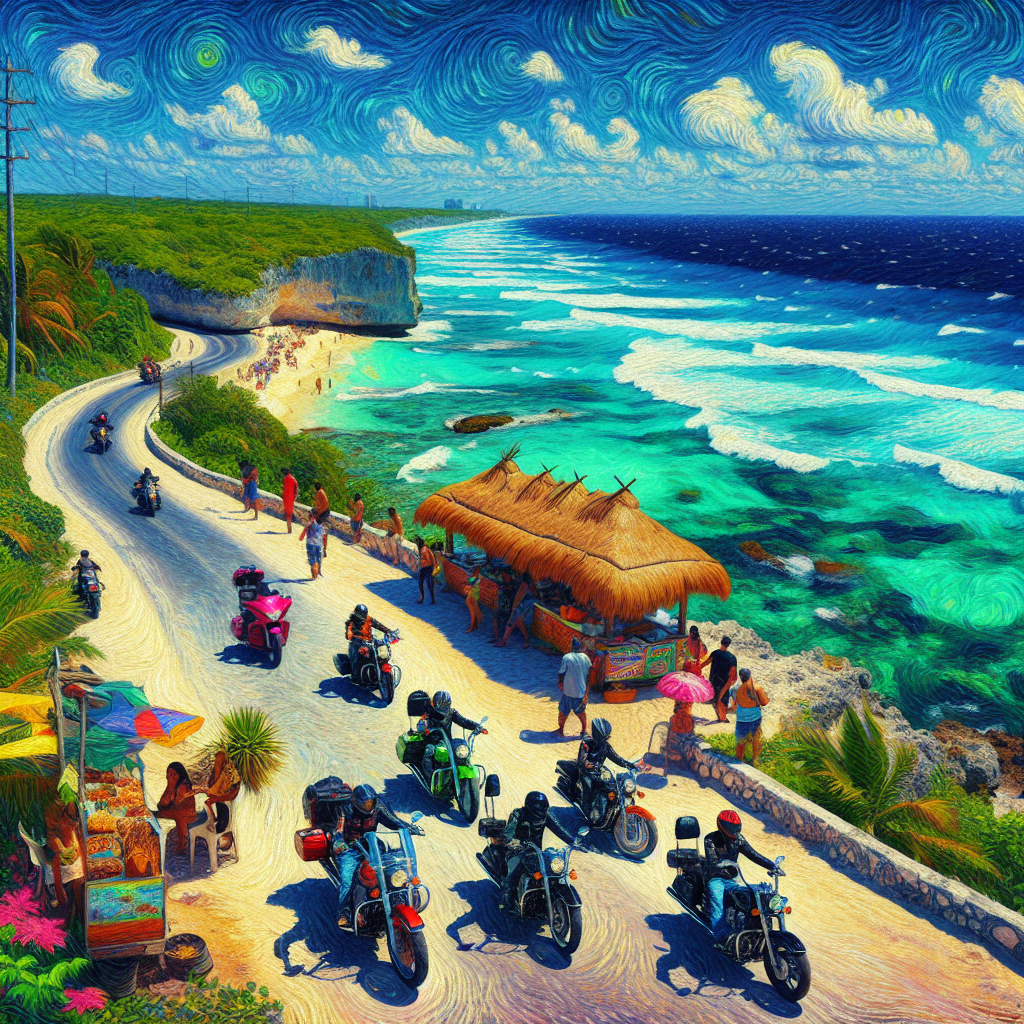
How Do Local Stories Enhance the Visit to Tumba Del Caracol?
How Do Local Stories Enhance the Visit to Tumba Del Caracol?
- Tumba Del Caracol is located on the island of Cozumel and is a significant archaeological site representing the Mayan civilization.
- Visiting the site offers an immersive experience that connects visitors to the culture, resilience, and stories of the past.
- Local guides share tales that enrich the experience, emphasizing themes of love, sacrifice, and understanding.
- The site provides insights into ancient agricultural practices and the sophisticated societal structures of the Mayans.
- Engaging with Tumba Del Caracol supports sustainable tourism and local communities, empowering families through ticket purchases.
- Visitors are encouraged to share their own stories, fostering connections with fellow travelers and locals.
- Listening to the stories of the site enhances the visit, leaving a lasting impact on visitors’ hearts.
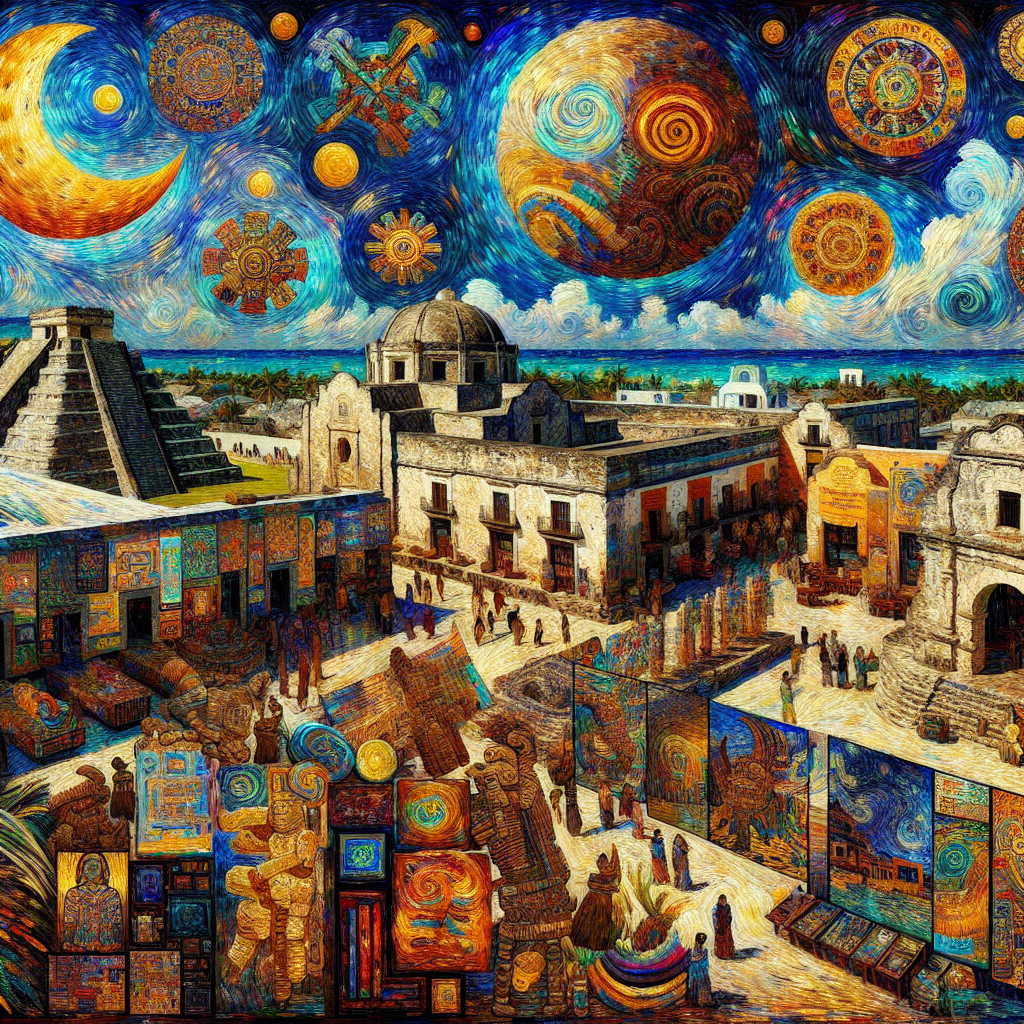
How Do Local Stories Enhance the Visit to Tumba Del Caracol?
What Ethical Considerations Arise When Promoting Tumba Del Caracol?
Promoting Tumba Del Caracol doesn’t just involve a catchy tagline or a flashy brochure; it’s a delicate dance woven with ethical considerations that touch the heart, the head, and the gut. When you stand outside this remarkable structure on Cozumel, gazing at its ancient stones and the stories they cradle, you realize that promoting such a piece of history carries weight beyond mere marketing.
First, let’s tap into the emotional aspect. Imagine a family exploring this sacred site, hands intertwined, yet feeling the weight of time in each step. The thrill of connecting with a culture that reverberates through centuries is palpable. But there’s a responsibility. How do we share this experience without commodifying its essence? The sacredness of Tumba Del Caracol deserves to be honored, not turned into a theme park attraction. It’s about fostering a deep connection, preserving the authenticity of what this site represents to the local heritage.
Now, let’s engage that rational side. Promoting heritage sites like Tumba Del Caracol can bring economic benefits to the community, bolstering local businesses without overshadowing the site’s cultural significance. That’s not just good marketing; it’s smart business. We should find ways to educate prospective visitors, equipping them with knowledge that fosters respect and appreciation. The same goes for training local guides to ensure the stories they tell are accurate and resonant.
Then there’s the ethical layer. We must ask ourselves: who benefits? Are locals involved in the tourism narrative, or are they mere spectators in their own backyard? Engaging local voices not only empowers them but adds an invaluable richness to the narrative. It’s about ensuring that the promotion of Tumba Del Caracol uplifts the community that has safeguarded its stories across generations.
The social aspect is crucial. Our world is interconnected, and our actions echo beyond borders. By nurturing sustainable practices, we create a cycle of respect and preservation that reverberates globally. The more we value sites like Tumba Del Caracol, the more we teach future generations to do the same. We’re not just inviting tourist dollars—we’re inviting a deeper understanding of our shared human experience.
So, as we lace our boots and head out to promote Tumba Del Caracol, let’s keep those heart, head, and gut checks intact. By living the values of respect, responsibility, and connection, we not only safeguard our past but also enrich our collective future. This isn’t just promotion; it’s a call to care and become stewards for what truly matters.

What Ethical Considerations Arise When Promoting Tumba Del Caracol?
What Ethical Considerations Arise When Promoting Tumba Del Caracol?
- Promoting Tumba Del Caracol is a complex task involving ethical considerations that engage emotions, intellect, and values.
- The emotional connection to the site encourages visitors to appreciate its historical significance without commodifying it.
- Economic benefits can arise from promoting heritage sites while still preserving their cultural importance.
- Educating visitors and training local guides enhances respect and appreciation for the site’s history.
- Local involvement in the tourism narrative empowers communities and enriches the storytelling experience.
- Nurturing sustainable practices fosters global respect and preservation, impacting future generations.
- Promoting Tumba Del Caracol is a call to care for heritage and embrace stewardship for collective enrichment.
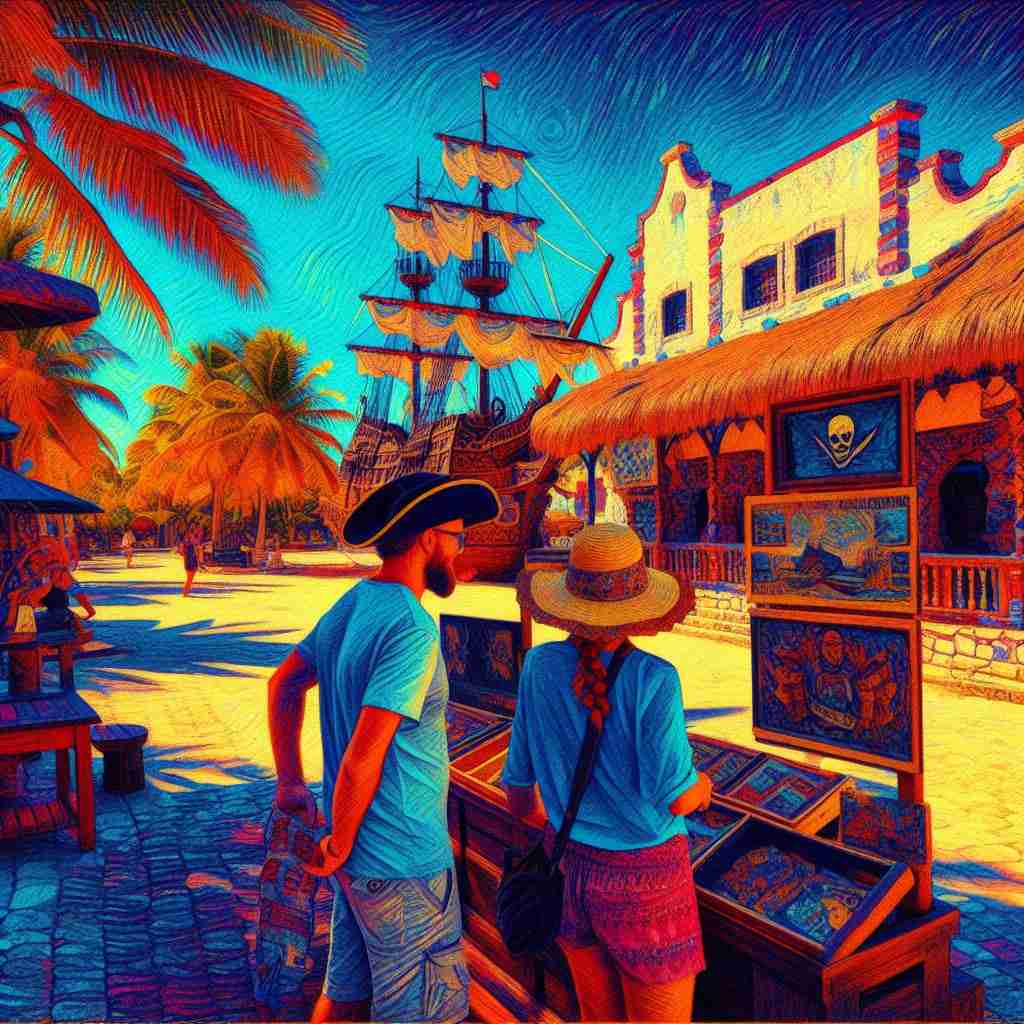
What Ethical Considerations Arise When Promoting Tumba Del Caracol?
What Emotional Connections Do Visitors Build At Tumba Del Caracol?
At Tumba Del Caracol in Cozumel, every stone tells a story, a whisper from the past that resonates deeply with those who venture through its ancient pathways. It’s a place where visitors aren’t just observers; they become participants in a timeless dialogue between the modern world and the echoes of history. As you step closer to this remarkable site, the weight of its significance wraps around you like a warm embrace, igniting an emotional connection that’s hard to shake off.
Imagine standing before the intricately crafted tomb, built by a civilization that thrived centuries ago. The craftsmanship evokes a sense of awe, but it’s the awareness of the lives that once surrounded this sacred space that truly stirs the heart. Each carving, each element, was imbued with purpose and meaning, serving not only as a burial site but as a testament to love, loss, and the hopes of an entire community. Visitors can’t help but feel their own lives reflected in this tapestry of existence; the triumphs, struggles, and bonds that connect us all, regardless of time or place.
But it’s not just the emotional weight that captivates the soul. Engaging with Tumba Del Caracol also appeals to our rational side. The site invites scholarly reflection, urging visitors to consider how human connections have endured across generations. The stories of those who once gathered here resonate, prompting us to reflect on our own relationships and the legacies we wish to leave behind. You can’t help but wonder how many hands touched the very stones you’re now standing next to, or what hopes were etched into their existence.
The ethical dimension comes into play as well. Standing at this sacred site encourages a reverence for the past, igniting a desire to honor the history that shaped our present. It serves as a powerful reminder that preserving our collective heritage is crucial not just for our own understanding but for future generations to come.
Tumba Del Caracol transcends mere sightseeing—it becomes an experience that fosters connections. When conversations arise among fellow visitors, a shared understanding of the importance of preserving cultural sites ignites camaraderie and purpose. Memories formed in this hallowed ground linger long after you’ve left Cozumel, urging each visitor not just to remember, but to act as stewards of history. In these moments, the tomb morphs from a relic of the past to a catalyst for connection, inspiration, and action in the hearts of all who visit.
What Emotional Connections Do Visitors Build At Tumba Del Caracol?
What Emotional Connections Do Visitors Build At Tumba Del Caracol?
- Tumba Del Caracol in Cozumel offers a rich historical experience, where each stone speaks of the past.
- Visitors engage in a dialogue between modern life and history, creating an emotional bond with the site.
- The intricately crafted tomb serves as a testament to the civilization that thrived there centuries ago.
- Artifacts evoke feelings of love, loss, and community, allowing visitors to reflect on their own lives.
- The site prompts scholarly reflections about enduring human connections and personal legacies.
- It emphasizes the importance of honoring and preserving our collective heritage for future generations.
- Tumba Del Caracol encourages conversations among visitors, fostering camaraderie and a sense of purpose.
What Emotional Connections Do Visitors Build At Tumba Del Caracol?
How Does Tumba Del Caracol Reflect Indigenous Heritage In Cozumel?
Cozumel, an island pulsating with vibrant history, holds within its heart a site that whispers the stories of its indigenous ancestors—Tumba Del Caracol. This ochre-colored burial mound, named for its resemblance to a coiled snail shell, is more than just an archaeological wonder; it’s a poignant symbol of resilience and cultural identity.
Imagine standing there, amidst the whispers of the wind, where the past and present intermingle. This is where the ancient Maya, once the architects of this land, shaped their beliefs and rituals around life, death, and rebirth. Tumba Del Caracol doesn’t merely exist as a relic; it embodies the rich tapestry that is Cozumel’s indigenous heritage, a narrative woven through generations. Here, we’re invited to reflect on the cycles that connect us all—the ebb and flow of life that transcends time.
Rationally, the site stands as a testament to the sophisticated society that flourished long before the modern era. As a burial site, it reveals the Maya’s understanding of the cosmos and their deep reverence for nature. Excavations have unearthed artifacts that tell stories of trade, spirituality, and communal life. These discoveries invite us to engage with history, to not only observe but to learn from those who walked this land before us.
Ethically, preserving Tumba Del Caracol is vital. By paying homage to this sacred site, we acknowledge the struggles and triumphs of the indigenous peoples. It’s a call to honor their legacy in a world that often overlooks the significance of past cultures. In doing so, we foster a deeper connection to our own humanity.
But Tumba Del Caracol is not just about history; it’s about community. Visitors gather here, resulting in shared experiences and collective reflection. Standing together, observing this emblem of indigenous identity, there’s a profound sense of belonging—a reminder that we are all part of a greater narrative.
Ultimately, Tumba Del Caracol challenges us: What stories will we leave behind? As we stand in the shadows of this ancient mound, we are compelled to reflect on our own legacies, to connect with the enduring spirit of those who walked these shores long before us. We are called to action—not just as observers but as stewards of history, ensuring that the values, struggles, and triumphs of the indigenous peoples of Cozumel are woven into the larger narrative of humanity.
How Does Tumba Del Caracol Reflect Indigenous Heritage In Cozumel?
How Does Tumba Del Caracol Reflect Indigenous Heritage In Cozumel?
- Cozumel is home to Tumba Del Caracol, an ochre burial mound symbolizing resilience and cultural identity.
- The site reflects the beliefs and rituals of the ancient Maya, who shaped their understanding of life, death, and rebirth.
- Tumba Del Caracol serves as a testament to the sophisticated Maya society that thrived before modern times.
- Excavations at the site have uncovered artifacts revealing stories of trade, spirituality, and communal life.
- Preserving Tumba Del Caracol is essential to honor the legacy of indigenous peoples and acknowledge their struggles.
- The site fosters a sense of community, inviting visitors to engage in shared reflections and collective experiences.
- Tumba Del Caracol challenges us to consider our own legacies and the narratives we leave behind for future generations.

How Does Tumba Del Caracol Reflect Indigenous Heritage In Cozumel?
Why Is Preserving Tumba Del Caracol Vital for Future Generations?
Tumba Del Caracol isn’t just a relic of the past; it’s a heartfelt narrative etched in stone that speaks to who we are and where we’ve come from. Set on the beautiful island of Cozumel, this ancient Mayan site holds the secrets of a civilization that thrived by understanding their environment, celestial movements, and the delicate balance of life. Preserving this sacred space means protecting a story that deserves to be told for generations to come.
Imagine walking through the lush jungles of Cozumel, where every leaf and tear of sunlight reveals wondrous tales. When you stand at the Tumba Del Caracol, you’re not merely observing history; you’re engaged in a conversation with ancestors long gone. Their traditions, their struggles, their triumphs echo in the very stones beneath your feet. It’s a visceral connection that stirs your gut and ignites your imagination. When we neglect such spaces, we risk losing a part of ourselves—our identity and our history—forever.
Rationally speaking, preserving Tumba Del Caracol is a prudent investment in cultural heritage. This site isn’t just bricks and mortar; it’s a trove of academic insights. Archaeologists and historians turn to places like this for clues about ancient social structures, agricultural practices, and belief systems. Each preserved artifact can inform future generations about sustainable living, resilience, and ingenuity. By safeguarding this site, we are gifting tomorrow’s scholars the tools they need to shape a better world.
Ethically, we have an obligation to honor the memory of those who walked before us. The Mayans thrived for centuries, creating a rich tapestry of life that now rests with us. Preserving Tumba Del Caracol is an acknowledgment of their experience, a testament to the human spirit’s will to survive, adapt, and inspire.
It’s also about community. When tourists and locals alike unite to protect this landmark, they forge connections that transcend mere sightseeing. Through collaborative efforts, we build a shared sense of purpose, recognizing the value of cultural preservation in fostering unity and pride.
So, let’s step up, not just as guardians of history but as stewards of the future. The fate of Tumba Del Caracol and the wisdom it holds is in our hands. Together, we have the power to make choices that echo through time, enriching the lives of those who come after us. The call to action is clear: let’s preserve the past so we can inspire generations yet unborn.

Why Is Preserving Tumba Del Caracol Vital for Future Generations?
Why Is Preserving Tumba Del Caracol Vital for Future Generations?
- Tumba Del Caracol is a significant ancient Mayan site on Cozumel, embodying the rich history and identity of the civilization.
- The site offers a visceral connection to ancestors, revealing their traditions and experiences through its preserved structures.
- Preserving Tumba Del Caracol provides cultural heritage insights for archaeologists and historians, informing modern sustainable practices.
- Honoring the memory of the Mayans is an ethical obligation, acknowledging their resilience and contributions to history.
- Community involvement in the preservation fosters unity and pride among both locals and tourists.
- Protecting Tumba Del Caracol empowers future generations with knowledge and inspiration for a better world.
- The call to action emphasizes the importance of preserving history for future inspiration and understanding.
Why Is Preserving Tumba Del Caracol Vital for Future Generations?
How Can Tumba Del Caracol Inspire Visitors to Appreciate Heritage?
Tumba Del Caracol, nestled in the sun-kissed landscapes of Cozumel, isn’t just a pile of stones; it’s a testament to human ingenuity and resilience that transcends time. When you step into its presence, you’re not merely walking through an archaeological site—you are treading on the dreams and experiences of those who came before us. Each layer of stone tells a story, a narrative of hardship, harmony, and hope that resonates with anyone willing to listen.
Imagine for a moment the artisans who meticulously crafted this structure, their hands coated in the dust of centuries past. As you stand before the spiraled stones, think of the community that thrived here—a society that connected not only over the practical but through shared beliefs and aspirations. This connection to our shared history invites you to reflect on your own roots and the legacies you’re cultivating today. It’s easy to consider history as a class in school, but here, those lessons are made vivid and tangible. The heart swells with pride and reverence for the creators of such a marvel, evoking a sense of responsibility to preserve and honor such legacies.
From an ethical standpoint, visiting Tumba Del Caracol is an opportunity to take a stand for heritage conservation. By choosing to appreciate and advocate for preservation of such significant sites, you’re participating in an age-old narrative of stewardship that binds us together as a society. You’re not just a spectator; you’re a participant in a living dialogue threading through generations.
Moreover, consider the rational aspect: engaging with places like this energizes local economies. When you invest in experiencing the rich history of Cozumel, you’re not only feeding your soul; you’re nurturing the livelihoods of those who call this island home. Every ticket purchased and every guided tour shared retains the vitality of this rich culture.
Ultimately, Tumba Del Caracol beckons us all. It serves as a reminder that heritage isn’t merely a relic of the past; it’s an ongoing conversation that shapes our identities and communities. When we stand in the shadows of such sites, we are invited to dream—about who we were, who we are, and who we aspire to become. So, let the inspiration of Tumba Del Caracol propel you to seek out your own heritage, deepen your connection to history, and act with purpose. It’s time to embrace the legacy waiting for you.
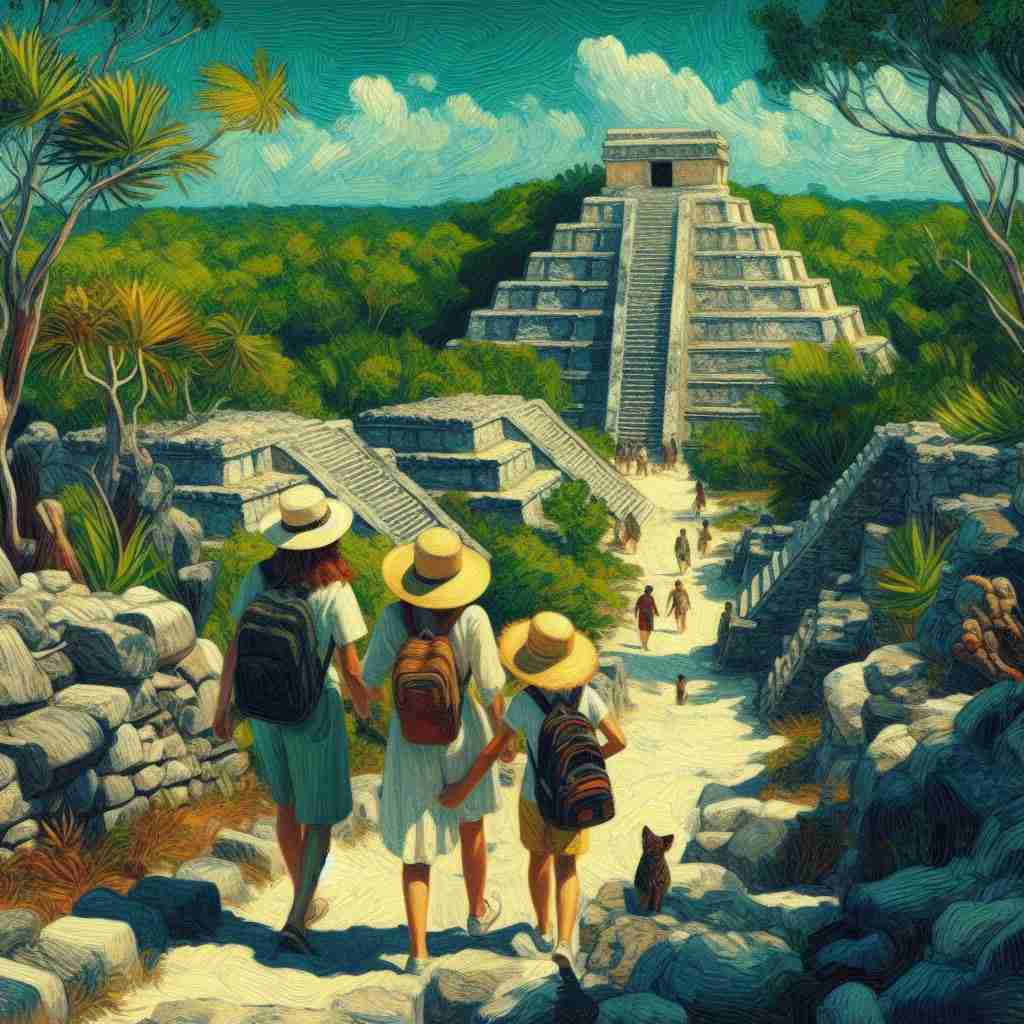
How Can Tumba Del Caracol Inspire Visitors to Appreciate Heritage?
How Can Tumba Del Caracol Inspire Visitors to Appreciate Heritage?
- Tumba Del Caracol in Cozumel represents human ingenuity and resilience.
- Each layer of stone at the site reflects the stories of past communities and their experiences.
- Visitors are encouraged to reflect on their own roots and the legacies they are creating.
- Visiting the site promotes heritage conservation and encourages stewardship of historical sites.
- Engagement with Tumba Del Caracol supports local economies and boosts the livelihoods of island residents.
- The site serves as a reminder that heritage is an ongoing conversation shaping our identities.
- Tumba Del Caracol inspires individuals to connect with their history and purposefully embrace their legacy.

How Can Tumba Del Caracol Inspire Visitors to Appreciate Heritage?
Conclusion
Tumba Del Caracol stands as more than just an attraction on the beautiful island of Cozumel; it is a sanctuary of history, a living testament to the ingenuity and spirit of humanity that once thrived in harmony with the natural world. Visitors to this remarkable site experience a profound connection to a civilization that flourished through resilience and creativity. Here, each weathered stone and intricate spiral comes alive, inviting exploration and contemplation. As you traverse this sacred space, you aren’t merely an observer; you become a participant in a dialogue that echoes through the ages, where every step resonates with the stories of those who came before us.
This treasure offers emotional resonance that goes beyond leisure. Standing amidst the ruins, you’re engulfed by the whispers of ancient lives, evoking a sense of shared humanity that transcends time. The awe-inspiring craftsmanship prompts reflections on our own struggles, triumphs, and the legacies we aspire to leave behind. Such introspection anchors us, reminding us of our collective responsibility to respect and preserve these historical narratives.
Rationally, Tumba Del Caracol is invaluable for its archaeological significance—offering insights into the sophisticated social structures and deep reverence for nature that characterized the Mayan civilization. Engaging with this rich tapestry of history transforms what might be mere sightseeing into an educational endeavor that fosters curiosity and connection among travelers.
Ethically, our presence at Tumba Del Caracol carries a weighty responsibility. By honoring this site and supporting its preservation, we assert the narrative that these ancient cultures are not mere footnotes in history, but vital pillars of our shared human saga. Each ticket purchased feeds into a cycle of sustainability, empowering local communities and ensuring that future generations inherit these stories.
Socially, visiting Tumba Del Caracol creates bonds among travelers and locals, sparking conversations that weave together diverse perspectives and experiences. This shared appreciation for heritage fosters camaraderie and a sense of purpose—a collective acknowledgment that we all play a role in preserving our past.
In contemporary society, the allure of Tumba Del Caracol beckons us to embrace a deeper understanding of our roots. It challenges us to consider how the ancient rhythms of life continue to resonate in our modern lives. As we stand in its shadow, we are reminded that our shared heritage is not a relic but a living narrative, shaping our identities and inspiring the actions we take for the world we wish to build. Within its spiraled embrace lies an invitation: to reflect, to connect, and to honor the stories waiting to be shared. Let Tumba Del Caracol be your gateway to appreciating the intricate mosaic of human history, and may it inspire you to carry forward the legacy of belonging, understanding, and preservation.
Conclusion
Conclusion:
- Tumba Del Caracol is a historical sanctuary on the island of Cozumel, showcasing the ingenuity of ancient civilizations.
- Visitors experience a deep connection with the resilient and creative spirit of past cultures through exploration.
- The site evokes emotions that remind us of our shared humanity and encourages reflection on our own legacy.
- It offers valuable archaeological insights into the Mayan civilization’s social structures and reverence for nature.
- Honoring and supporting the site emphasizes the importance of these cultures in our shared human history.
- Visiting Tumba Del Caracol builds connections among travelers and locals, fostering communal appreciation for heritage.
- The site challenges us to embrace our roots and recognize the ongoing influence of history in our contemporary lives.
Conclusion
Other Resources
Other Resources
Cozumel rewards travelers who stay longer than the cruise ship crowd. If that’s the kind of trip you’re cooking up, here’s where we’d point you for lodging. Cozumel Relaxing is a walled-garden 2-bedroom villa in Gonzalo Guerrero built for slow mornings and long stays. Cozumel Journey is an editorial guide to Cozumel — neighborhoods, planning tips, and life on the island for travelers who want context, not a cruise schedule.
Here is a list of other resources you can review online to learn more:
- Arrecifes de Cozumel National Park
- San Gervasio
- Cozumel Marine National Park
- Caleta Marina
- Beachscape Kin Ha Villas
- Dzul-Ha Reef
- Winjet
- SkyReef Cozumel
- Cozumel Palace
- Chardonnay Italian Mexican Food Restaurant Cozumel
- ScubaTony Cozumel
- Cozumel Tours
- Paradise Beach Cozumel
- El Muellecito Cantina Marisqueria Cozumel
- Reef Safe Sunscreen
- Mr. Sancho’s
- Dive Sites
- El Cozumeleño Beach Resort
- a walled-garden villa in Gonzalo Guerrero
- Cozumel Journey
Use This Prompt To Get More Resources With Your Favorite Online AI Tool: Please provide me with a list of online articles with their URLs in a bulleted list that I can read regarding How Does the Cozumel Attraction Tumba Del Caracol Compare to Other Cozumel Attractions?

Other Resources
Glossary Terms
How Does the Cozumel Attraction Tumba Del Caracol Compare to Other Cozumel Attractions? – Glossary Of Terms
1. Tumba del Caracol: An archaeological site in Cozumel, known for its circular stone construction, associated with ancient Mayan culture.
2. Mayan Civilization: An ancient Mesoamerican civilization known for its art, architecture, mathematical, and astronomical systems.
3. Archaeology: The study of human history and prehistory through excavation and analysis of artifacts, structures, and other physical remains.
4. Cozumel: An island in the Caribbean Sea off the eastern coast of Mexico’s Yucatan Peninsula, known for its vibrant culture and historical sites.
5. Pyramid: A monumental structure with a square or triangular base and sloping sides, commonly associated with ancient Mesoamerican architecture.
6. Cultural Heritage: The legacy of physical artifacts and intangible attributes of a group or society inherited from past generations.
7. Tourism: The business or activity of providing services to travelers, including accommodation, food, and attractions.
8. Ecotourism: A sustainable form of tourism focused on conserving the environment and improving the well-being of local people.
9. Site Preservation: The protection and maintenance of historical and archaeological sites to safeguard their integrity for future generations.
10. Restoration: The process of repairing or improving a damaged or deteriorated historical site to its original condition.
11. Interpretation: The process of explaining the significance of historical or cultural sites to the public, often through guided tours or informational materials.
12. Comparison: The act of evaluating similarities and differences between two or more elements, often used in analyzing attractions.
13. Cultural Significance: The importance attributed to a site or artifact due to its historical, artistic, or social value.
14. Historical Context: The background information surrounding an event, site, or artifact, providing insights into its significance and relevance.
15. Archeoastronomy: The study of how ancient cultures understood and used celestial phenomena, often seen in alignments of structures.
16. Sustainability: The practice of using resources in a way that meets present needs without compromising future generations’ ability to meet theirs.
17. Mayan Ruins: Remnants of ancient Mayan structures and cities, often attracting tourists interested in history and archaeology.
18. Cozumel Island: The geographic entity that hosts various attractions, including beaches, diving spots, and historical sites.
19. Diving: A popular activity in Cozumel, known for its clear waters and vibrant coral reefs, drawing tourists to marine attractions.
20. Cultural Exchange: The sharing of ideas, customs, and social behavior between cultures, often facilitated through tourism.
21. Natural Features: Landscapes or physical characteristics of the environment that enhance the attractiveness of a location, such as beaches or jungles.
22. Visitor Experience: The overall impression or interaction that tourists have with an attraction, greatly influencing their satisfaction.
23. Guided Tour: An organized trip led by a knowledgeable person that provides visitors with detailed information about a site or attraction.
24. Local Economy: The economic activity in a specific area, which can be positively impacted by tourism through job creation and revenue generation.
25. Cultural Identity: The feeling of belonging to a group based on shared cultural experiences, traditions, and history.
26. Attraction Management: The administration and operational procedures used to maintain and promote tourism sites effectively.
27. Visitor Demographics: Characteristics of visitors to a location, such as age, nationality, or interests that influence marketing strategies for attractions.
28. Community Involvement: The participation of local residents in the tourism industry, which can enhance the authenticity and sustainability of attractions.
29. Gastronomy: The study of food and culture, often explored by tourists through local cuisine experiences in Cozumel.
30. Heritage Sites: Locations recognized by organizations for their cultural, historical, or natural significance, often included in conservation efforts.

Glossary Of Terms
Other Questions
How Does the Cozumel Attraction Tumba Del Caracol Compare to Other Cozumel Attractions? – Other Questions
If you wish to explore and discover more, consider looking for answers to these questions:
- What other historical sites are similar to Tumba Del Caracol in Cozumel?
- How can visitors contribute to the preservation of Tumba Del Caracol?
- Are there guided tours available at Tumba Del Caracol?
- What are the best times of year to visit Tumba Del Caracol?
- What kind of artifacts have been discovered at Tumba Del Caracol?
- How do local legends and folklore enhance the experience of visiting the site?
- What measures are in place to protect Tumba Del Caracol from tourism impact?
- How can visitors best prepare for their visit to Tumba Del Caracol?
- What stories do local guides share about Tumba Del Caracol?
- What role do local communities play in the maintenance of Tumba Del Caracol?
Other Questions
Haiku
How Does the Cozumel Attraction Tumba Del Caracol Compare to Other Cozumel Attractions? – A Haiku
Whispers in the stone,
Ancient tales of lives once lived,
Echoes of our past.

Haiku
Poem
How Does the Cozumel Attraction Tumba Del Caracol Compare to Other Cozumel Attractions? – A Poem
In Cozumel’s embrace, where history sleeps,
Tumba Del Caracol whispers secrets it keeps.
Not just stone but a story, a heart intertwined,
A call from the past to awaken the mind.
Amidst sunlit shores, distractions abound,
Yet here in the spiral, true treasures are found.
A bridge to the ancients through echoes and sighs,
Each weathered stone beckons, each shadow a prize.
Feel the laughter of children who danced in the sun,
Their hopes and their dreams, a race never run.
As you seek the horizon, the sky and the sea,
The spirits of ancestors linger softly, free.
Emotion flows deeply in that quiet embrace,
Relics of love, sacrifice, time’s endless chase.
The rhythm of nature, the cosmos’ design,
In this hallowed space, our souls intertwine.
Reflect on our choices, for ethics demand
That we honor the past, hold history’s hand.
For every ticket purchased, a promise is made,
To safeguard the stories that time won’t degrade.
With locals as guides, their voices like balm,
Each tale shared brings a sense of profound calm.
Together we gather, our fates interlace,
In the dance of belonging, we find our true place.
So come with an open heart and mind,
Seek not just to visit, but to honor, to bind
The lessons of old with tomorrow’s bright light,
At Tumba Del Caracol, our futures ignite.

Poem
Checklist
How Does the Cozumel Attraction Tumba Del Caracol Compare to Other Cozumel Attractions? – A Checklist
Tumba Del Caracol Visitor Experience Checklist
Emotional Appeals:
_____ Reflect on what emotions arise while visiting Tumba Del Caracol.
_____ Consider how the site evokes feelings of awe and connection to history.
_____ Share a moment of personal reflection with companions during the visit.
Rational Appeals:
_____ Research the historical significance of Tumba Del Caracol before the visit.
_____ Take note of any educational insights gained during the exploration.
_____ Engage with local guides to deepen your understanding of the site’s archaeological context.
Ethical Appeals:
_____ Acknowledge the importance of preserving historical sites like Tumba Del Caracol.
_____ Reflect on ways to advocate for the protection of cultural heritage after your visit.
_____ Consider the impact of tourism on the local community and how your choices can support ethical tourism.
Authority Appeals:
_____ Listen to local guides and their stories, recognizing their expertise.
_____ Look for historical markers or informational plaques to enhance your understanding.
_____ Seek out additional resources or literature about the Mayan civilization.
Narrative Appeals:
_____ Imagine the lives of the people who built and used Tumba Del Caracol.
_____ Share your own story with fellow visitors or locals about what you experienced.
_____ Participate in guided tours that emphasize storytelling to connect with the site’s history.
Social Appeals:
_____ Engage with other visitors to exchange insights and experiences during your tour.
_____ Connect with local communities or initiatives dedicated to preserving the site.
_____ Take part in group discussions or activities that foster appreciation for heritage.
Practical Considerations:
_____ Plan your visit during off-peak hours to fully appreciate the tranquility of the site.
_____ Bring a notebook or sketchbook to document thoughts, emotions, or sketches inspired by the site.
_____ Respect the cultural significance of Tumba Del Caracol by following all site regulations and guidelines.
Checklist
At TopCozumelNews, we help travelers enjoy Cozumel by collating information learned from frequently traveling to beautiful Cozumel.
Be sure to read our other related stories at TopCozumelNews to learn more about the Island of Cozumel.