The Ultimate Guide To Choosing Between Mezcal And Tequila In Cozumel
By Tom Seest
At TopCozumelNews, we help travelers enjoy Cozumel by collating information learned from frequently traveling to beautiful Cozumel.
Be sure to read our other related stories at TopCozumelNews to learn more about the Island of Cozumel.
Should You Drink Mezcal Or Tequila While Visiting Cozumel?
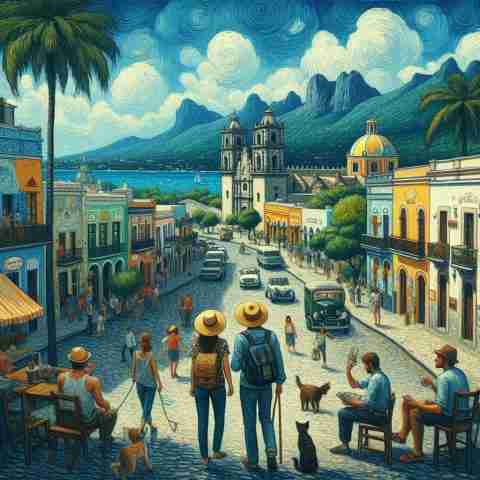
When you find yourself wandering the sun-kissed streets of Cozumel, sipping something that’s as rich in tradition as it is in flavor can turn an ordinary day into a memorable experience. The question arises: should you reach for the lively spirit of tequila or the smoky allure of mezcal? Perhaps it’s best to consider both, as each embodies a unique narrative that speaks to the heart of Mexican culture.
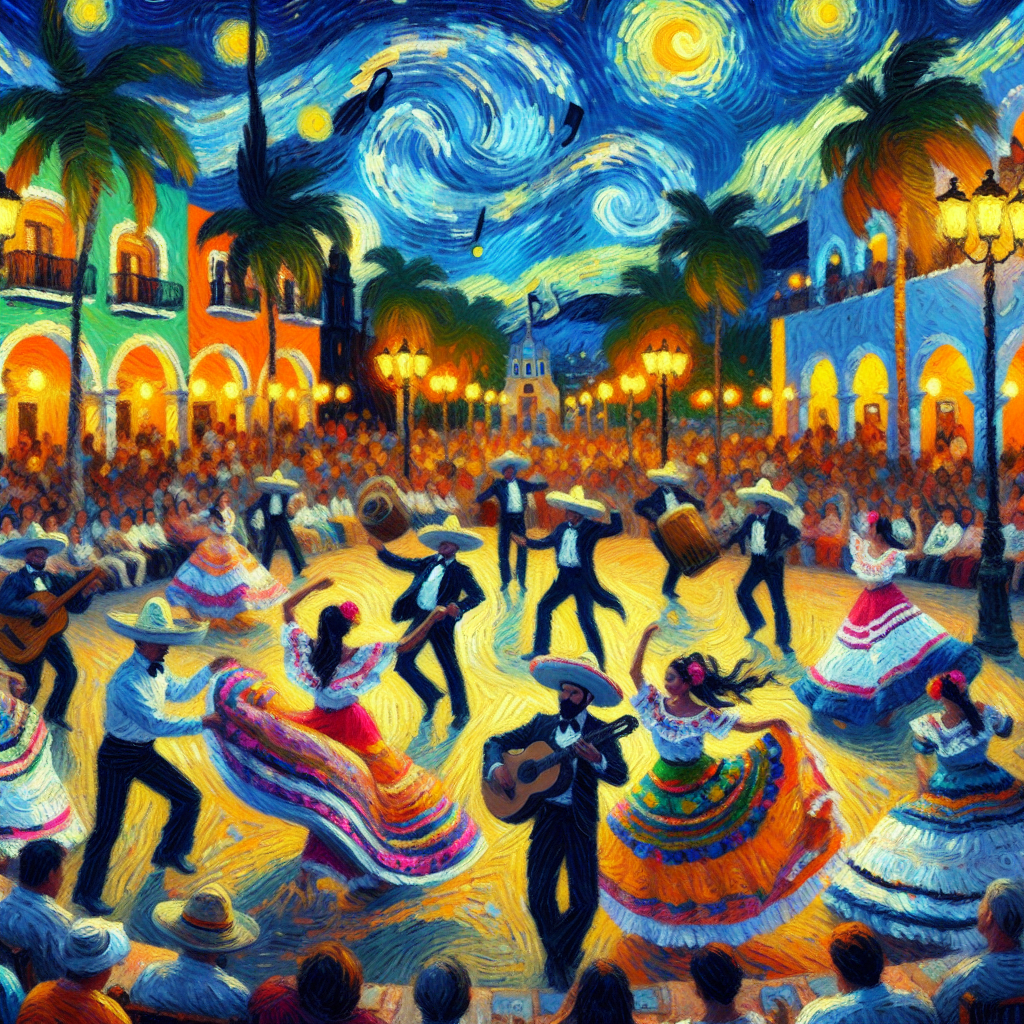
Tequila, often viewed as the more mainstream spirit, is made from the blue agave and has become a symbol of celebration around the globe. When you raise a glass of tequila, you’re not just enjoying a drink; you’re celebrating heritage. It’s associated with joyous moments—the “cheers” at a wedding, the late-night laughter with friends. Tequila has its own lore, its own champions, and its own robust authenticity. It offers a sweet, crisp taste that may tug at your adventurous side while you explore the enchanting streets of Cozumel.
On the other hand, mezcal beckons with its mysterious charm. Crafted from a variety of agave plants, its earthy, smoky profile tells a story of artisans who pour their soul into the creation of every bottle. When each drop captivates your senses, you’re connecting with the land and the hands that shaped it. Mezcal is a celebration of the untamed spirit of Mexico, a toast to resilience, and a nod to tradition. In a world of homogenization, mezcal champions individuality and terroir, giving voice to diverse regions and makers.
Ethically, supporting mezcal indigeneity or tequila from smaller producers can forge pathways to sustainable practices and community empowerment in Mexico. Choosing local spirits fosters respect for craftsmanship and promotes the livelihood of passionate distillers.
It’s about finding your own rhythm. Whether you opt for tequila’s jubilant notes or mezcal’s smoky depth, engage with each sip mindfully. Share your discoveries with friends, kick back with locals, or revel in a sunset while enjoying either option. After all, the true essence of Cozumel is found not just in the drink but in the connections forged around it, fostering laughter, stories, and camaraderie. Embrace the flavors, and let the island spirit guide your choice—because every decision, every sip taken, can enrich your experience and draw you closer to the heart of Cozumel. So go ahead, dive into the culture, and drink deeply.
Should You Drink Mezcal Or Tequila While Visiting Cozumel?
Should You Drink Mezcal Or Tequila While Visiting Cozumel?
- Exploring Cozumel offers the opportunity to enjoy traditional, flavorful drinks.
- Tequila, made from blue agave, symbolizes celebration and heritage, often associated with joyous occasions.
- Mezcal, crafted from various agave plants, presents an earthy, smoky profile depicting artisanal craftsmanship.
- Both spirits represent unique narratives that embody the essence of Mexican culture.
- Supporting local producers of mezcal or tequila can promote sustainable practices and empower communities in Mexico.
- Engage with each sip mindfully, sharing experiences with friends and locals to enhance connections.
- Ultimately, the true essence of Cozumel lies in the relationships built around these drinks and the cultural experience they provide.

Should You Drink Mezcal Or Tequila While Visiting Cozumel?
Table Of Contents
- Should You Drink Mezcal Or Tequila While Visiting Cozumel?
- What Memories Do You Want To Create In Cozumel?
- How Does Mezcal Enhance Your Travel Experience?
- What Are The Unique Flavors Of Mezcal Versus Tequila?
- How Can Choosing Mezcal Support Local Artisans In Cozumel?
- Which Drink Aligns With Your Values As A Traveler?
- Are You Aware Of The Cultural Significance Of Mezcal In Mexico?
- How Does The Production Process Of Mezcal Differ From Tequila?
- Conclusion
- Other Resources
- Glossary Of Terms
- Other Questions
- Haiku
- Poem
- Checklist
What Memories Do You Want To Create In Cozumel?
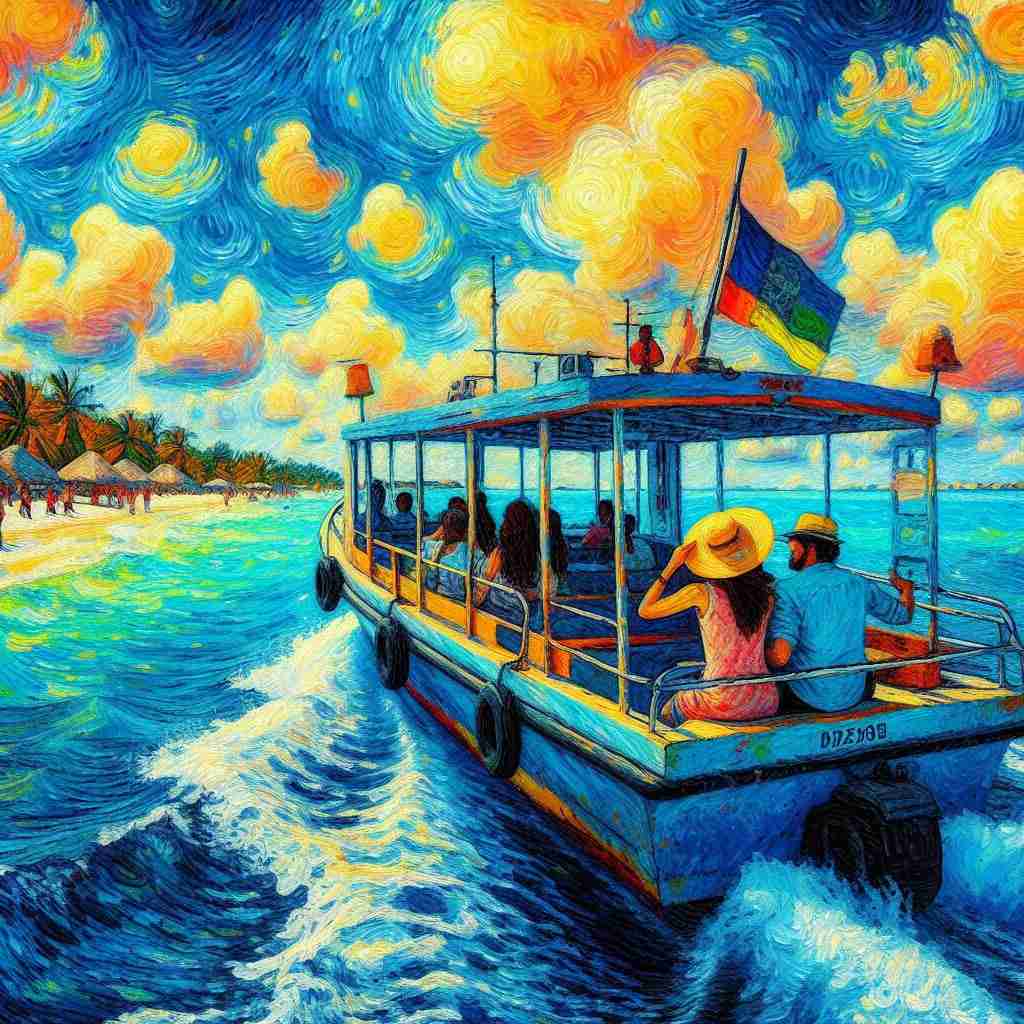
Picture this: the sun dips below the horizon, casting a golden glow across the azure waves of Cozumel. The melody of laughter fills the air as families and friends gather, each person sharing stories that will embroider their lives with vibrant threads. This isn’t just another vacation; it’s an opportunity to craft memories that linger long after the bags are unpacked.
Imagine embarking on a snorkeling adventure, slipping beneath the surface to greet schools of colorful fish and intricate coral formations. Each moment spent in Cozumel’s underwater kingdom invites a reflection on our world—a reminder of nature’s grandeur and fragility. These experiences beckon a heartfelt appreciation for our planet and a commitment to preserving its beauty for future generations.
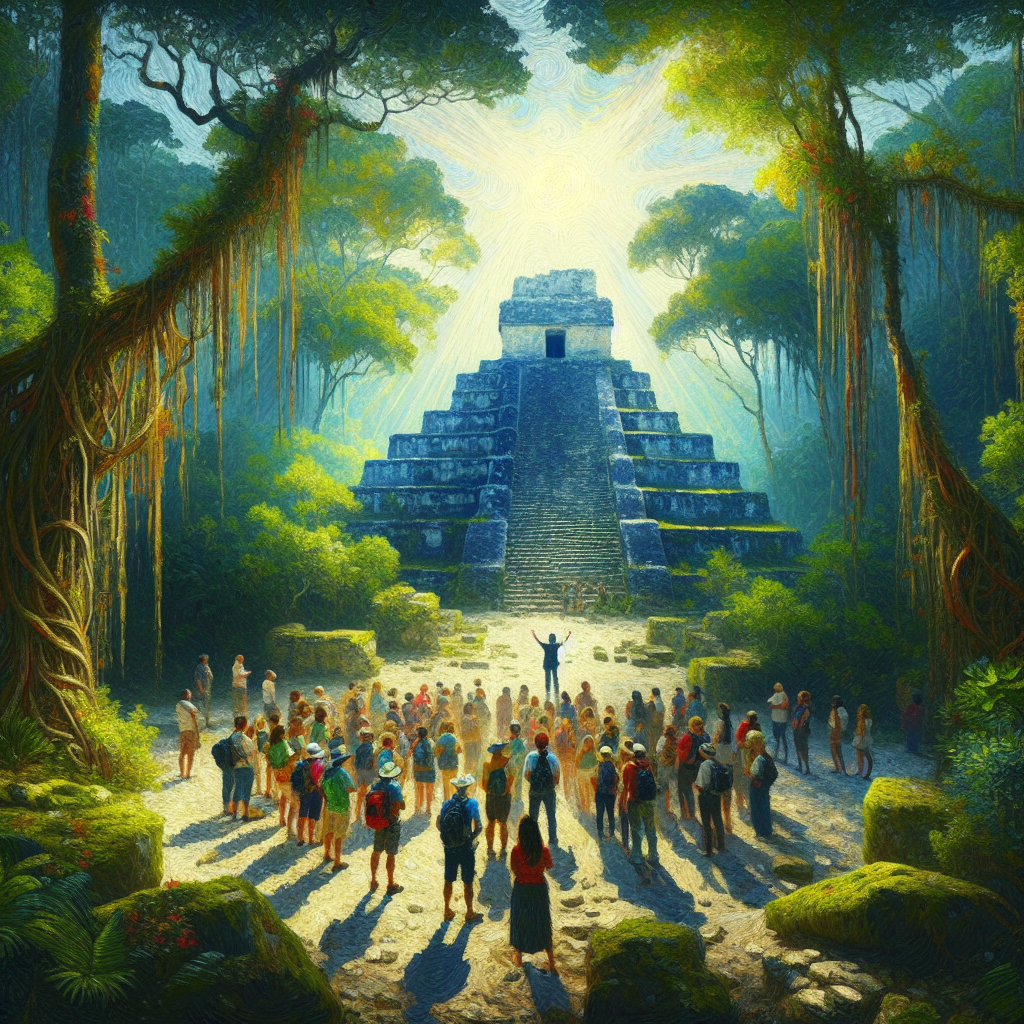
What engages the heart also demands a reckoning with the head. Think about it: you take the plunge into cultural experiences that challenge your existing perspectives. Whether it’s tasting local cuisine, exploring ancient ruins, or immersing yourself in the vibrant flavors of a Cozumel market, these encounters stir our curiosity. They enrich our understanding, fostering connections that bridge gaps between backgrounds. The memories you create here are more than just pictures on a wall; they are threads in the tapestry of your life.
In the pursuit of these memories, we grapple with ethical considerations too. How can we honor the richness of Cozumel while being responsible stewards of its environment? Each choice matters—whether it’s supporting local artisans, engaging in eco-friendly tours, or simply respecting the pristine beaches. When we commit to preserving this paradise, we ensure that generations to come can create their own memories here.
On a social level, think about the conversations you’ll have, the bonds you’re forging. Cozumel becomes more than a destination; it’s a backdrop for stories shared over sunset cocktails or ground-level glimpses of everyday life. These moments—they can shape your understanding of community and connection.
So, what memories do you want to create in Cozumel? Will they be bold adventures, heartfelt connections, or quiet moments of reflection? Each memory you carve into the sands of time shapes who you are and how you engage with the world. Embrace the journey and let Cozumel become a lasting chapter in your story, one that inspires trust and connection within yourself and others.

What Memories Do You Want To Create In Cozumel?
What Memories Do You Want To Create In Cozumel?
- The sun sets over Cozumel, creating a picturesque environment for families and friends to gather and share stories.
- Snorkeling adventures reveal vibrant marine life and coral formations, emphasizing nature’s beauty and fragility.
- Cultural experiences, such as local cuisine and ancient ruins, challenge perspectives and foster connections across backgrounds.
- Ethical considerations arise regarding the responsibility to preserve Cozumel’s environment and support local communities.
- Conversations and bonds formed in Cozumel shape one’s understanding of community and connection beyond a mere vacation.
- Every memory made has the potential to influence personal growth and engagement with the world.
- Embracing the journey in Cozumel can inspire lasting trust and connection within oneself and with others.
What Memories Do You Want To Create In Cozumel?
How Does Mezcal Enhance Your Travel Experience?
Traveling isn’t just about the destinations we mark on our maps, but about the experiences we collect like treasures along the journey. Enter mezcal—a spirit that is not just a drink, but a passport to understanding the culture of places like Cozumel. With each sip, you’re transported beyond the taste; you’re ingesting the traditions, stories, and sweat of people who have been crafting this unique elixir for generations.
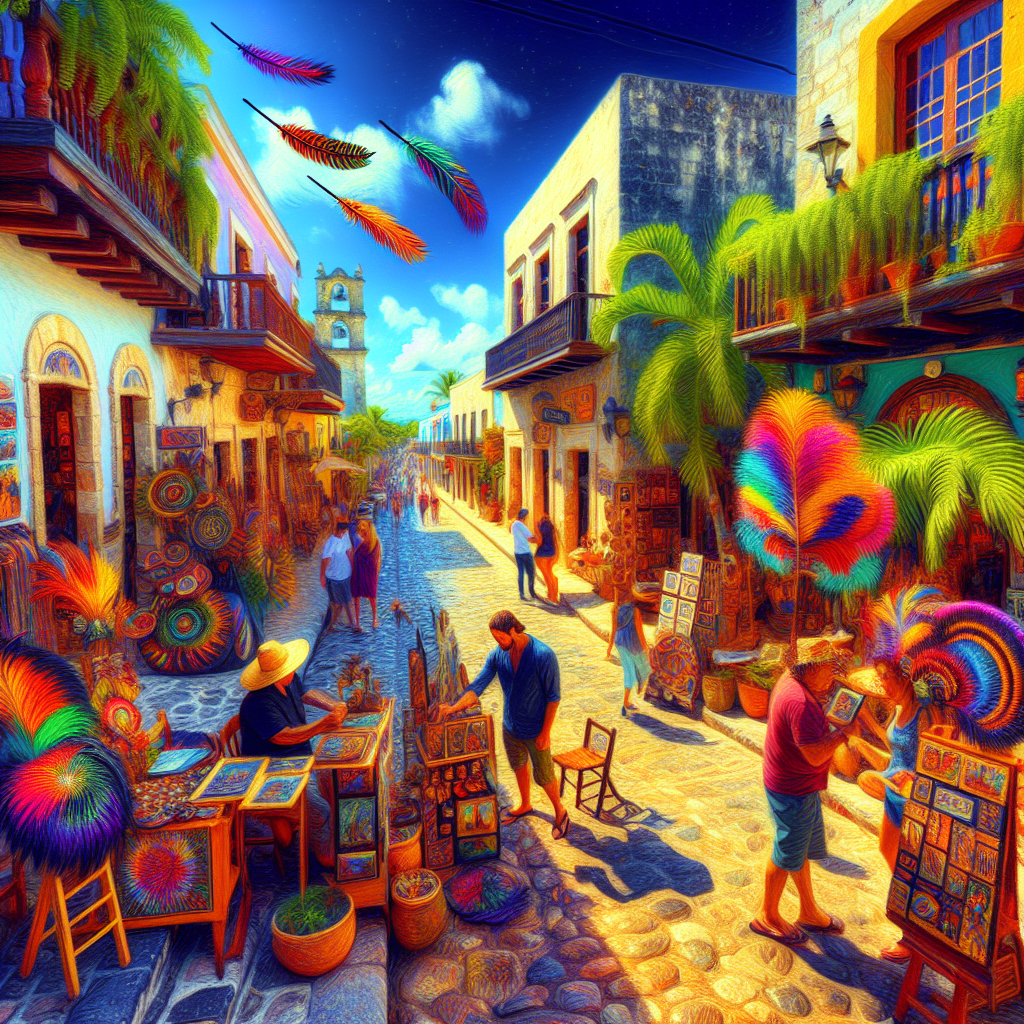
Imagine walking down the sun-soaked streets of Cozumel, where the vibrant colors of the market seem almost as intoxicating as the aroma wafting from nearby cantinas. You stop to view a bustling distillery—the agave plants standing proud, waiting to be transformed into something extraordinary. Here, mezcal has a way of connecting you to the land, the people, and the age-old processes that give it character and depth. As you engage with locals, their genuine pride for their craft envelops you, sparking a sense of gratitude and respect that enhances your appreciation for the spirit.
Your taste buds may crave adventure, but it’s the conversations over a glass of mezcal that leave an indelible mark on your heart. Ethical sourcing and sustainable production are intrinsic to mezcal’s rise, empowering artisans and communities, a testament to how a drink can be a force for good—a narrative of resilience in every drop. It’s about supporting those who keep the traditions alive, fostering local economies, and celebrating authenticity over mass production.
Moreover, mezcal engages your head; its complexities challenge the palate and invite reflection. Did you know there are over 30 varieties of agave used to create this spirited beverage? With every tasting, there’s an opportunity to learn—about craftsmanship, terroir, and the delicate balance of flavors. Sharing these insights with fellow travelers or locals forms connections that turn strangers into friends.
When you lift that glass filled with smoky sweetness, you’re not merely sipping; you’re making memories, breathing in the culture that defines that moment. This common thread binds us, regardless of where we hail from, showcasing how a simple spirit can have the power to elevate our travel experiences into something sacred. So next time you venture into places like Cozumel, let mezcal guide your journey—one sip, one story, and one connection at a time.
How Does Mezcal Enhance Your Travel Experience?
How Does Mezcal Enhance Your Travel Experience?
- Traveling is about collecting experiences, not just visiting destinations.
- Mezcal serves as a cultural passport, representing the traditions of places like Cozumel.
- The spirit encapsulates the stories and labor of generations of artisans.
- In Cozumel, mezcal connects you to the land and people, enhancing appreciation for the craft.
- Mezcal’s rise involves ethical sourcing and sustainable practices that empower communities.
- There are over 30 varieties of agave used to create mezcal, inviting exploration and learning.
- Sipping mezcal fosters connections and memories, elevating the travel experience.
How Does Mezcal Enhance Your Travel Experience?
What Are The Unique Flavors Of Mezcal Versus Tequila?
When it comes to the unique flavors of mezcal versus tequila, we’re diving into a world where every sip tells a story – a tale woven into the fabric of Mexican culture, the land, and the hands that create it. Picture yourself on the sun-soaked shores of Cozumel, where the azure waves crash against the stones, and local artisans craft these spirited libations. It’s more than just a drink; it’s an invitation to explore the rich tapestry of life, where each bottle captures the essence of its origin.
Tequila, for many, conjures images of celebrations, bright parties, and lively margaritas. Its flavor profile is often smoother, with sweet notes that can include citrus, vanilla, and sometimes caramel. This familiar comfort makes tequila accessible, a warm embrace to the uninitiated. Yet, delve deeper into the world of mezcal and you’ll find a rugged authenticity that challenges your palate. Each sip of mezcal carries a smokiness, a complex earthiness, and sometimes even the distinct taste of the agave plant itself, offering a hearty connection to the land where it’s produced.
Choose mezcal, and you’re not just savoring a spirit; you’re participating in a tradition that champions sustainability. Many mezcal producers practice ethical agave farming, ensuring that generations of the plant can thrive alongside the artisans who cultivate them. This commitment resonates, lifting us beyond mere consumption and prompting a reflection on our choices as consumers. As we savor each drop, we honor craftsmanship, community, and a preservation of culture.
The narrative between mezcal and tequila is one of diversity and duality. Both share a common ancestor – the agave plant – yet they diverge in production, leading to profoundly different outcomes. When you hold a glass of mezcal, it’s like holding a piece of history, infused with the sweat and toil of those who have perfected their art over centuries. Each regional variety reflects its locale, telling tales of mountains, valleys, and indeed, the passion of the people behind it.
So next time you find yourself on the vibrant shores of Cozumel or at a local bar, take a moment to appreciate the difference between mezcal and tequila. Whether choosing comfort or adventure, remember that every sip can be a step toward connection, cultural appreciation, and even a small act of mindful consumption. Embrace the flavors, craft your own narrative, and expand your horizons with each glass.

What Are The Unique Flavors Of Mezcal Versus Tequila?
What Are The Unique Flavors Of Mezcal Versus Tequila?
- Mezcal and tequila reflect the cultural fabric of Mexico, offering unique flavors and stories.
- Tequila is associated with celebrations, featuring smoother, sweeter notes like citrus and vanilla.
- Mezcal presents a rugged authenticity with smokiness and earthiness linked to the agave plant.
- Choosing mezcal promotes sustainability through ethical agave farming practices by producers.
- Both drinks share a common ancestor, the agave plant, yet differ significantly in production and flavor.
- Each glass of mezcal is a connection to history, reflecting the hard work of artisans and regional diversity.
- Appreciating the differences enhances cultural appreciation and encourages mindful consumption.
What Are The Unique Flavors Of Mezcal Versus Tequila?
How Can Choosing Mezcal Support Local Artisans In Cozumel?
When you sip that artisanal mezcal in Cozumel, you’re not just indulging in a drink; you’re immersing yourself in a deeper narrative that unfolds the rich tapestry of local culture, tradition, and craftsmanship. Each bottle represents a hardworking artisan who has put their heart and soul into creating a product that’s uniquely theirs. This isn’t just about flavor; it’s about people—families who have dedicated generations to perfecting the craft of distillation.
Imagine standing in a small, sun-drenched mezcaleria, surrounded by the warm smiles of those who call Cozumel home. Their hands tell stories—calloused from years of labor, yet gentle as they pour you a taste of their family’s legacy. You’re not simply supporting a business; you’re supporting a way of life. By choosing mezcal, you’re reinforcing an economic engine for these communities and ensuring that traditional methods are preserved, not lost to the march of industrialization.
Rationally, supporting local artisans makes all the sense in the world. The benefits extend beyond just your palate. You’re investing in sustainable local practices, which often means fewer carbon footprints and a commitment to the environment that mass-produced spirits can’t match. This is about more than taste; it’s about making choices that resonate with our values—choices that contribute to preserving the exquisite landscapes and cultural richness we treasure.
Ethically, every sip of mezcal carries the weight of responsibility. Are we going to support conglomerates that dismantle these traditions for profit, or are we willing to invest in the lives of people who weigh their value in connection rather than cash? Here, in Cozumel, choosing local is not just a privilege; it’s a powerful act of respect.
As you convene with friends over a bottle of handcrafted mezcal, let that moment reflect a larger commitment to community. Think about those artisans and their unwavering dedication to quality and authenticity. When you raise that glass, you’re also raising awareness for their craft, creating a ripple effect that inspires others to do the same.
So, the next time you find yourself in Cozumel, don’t just reach for any mezcal. Seek out that small-batch treasure, the one crafted by hands eager to share their stories. It’s a choice that connects you to the heart of the island, enriching both your experience and the lives of those who make it possible.
How Can Choosing Mezcal Support Local Artisans In Cozumel?
How Can Choosing Mezcal Support Local Artisans In Cozumel?
- Drinking artisanal mezcal in Cozumel reveals a rich narrative of local culture and craftsmanship.
- Each bottle reflects the dedication and artistry of hardworking local artisans and their families.
- Choosing mezcal supports a way of life and strengthens the economic foundation of the community.
- Supporting local artisans promotes sustainable practices with a lower environmental impact compared to mass production.
- Every sip of mezcal embodies a commitment to ethical choices, prioritizing people over profit.
- Enjoying mezcal with friends fosters community engagement and raises awareness of artisan craftsmanship.
- Seek out small-batch mezcal as a way to connect to Cozumel’s heart and enhance your experience and the artisans’ livelihoods.
How Can Choosing Mezcal Support Local Artisans In Cozumel?
Which Drink Aligns With Your Values As A Traveler?
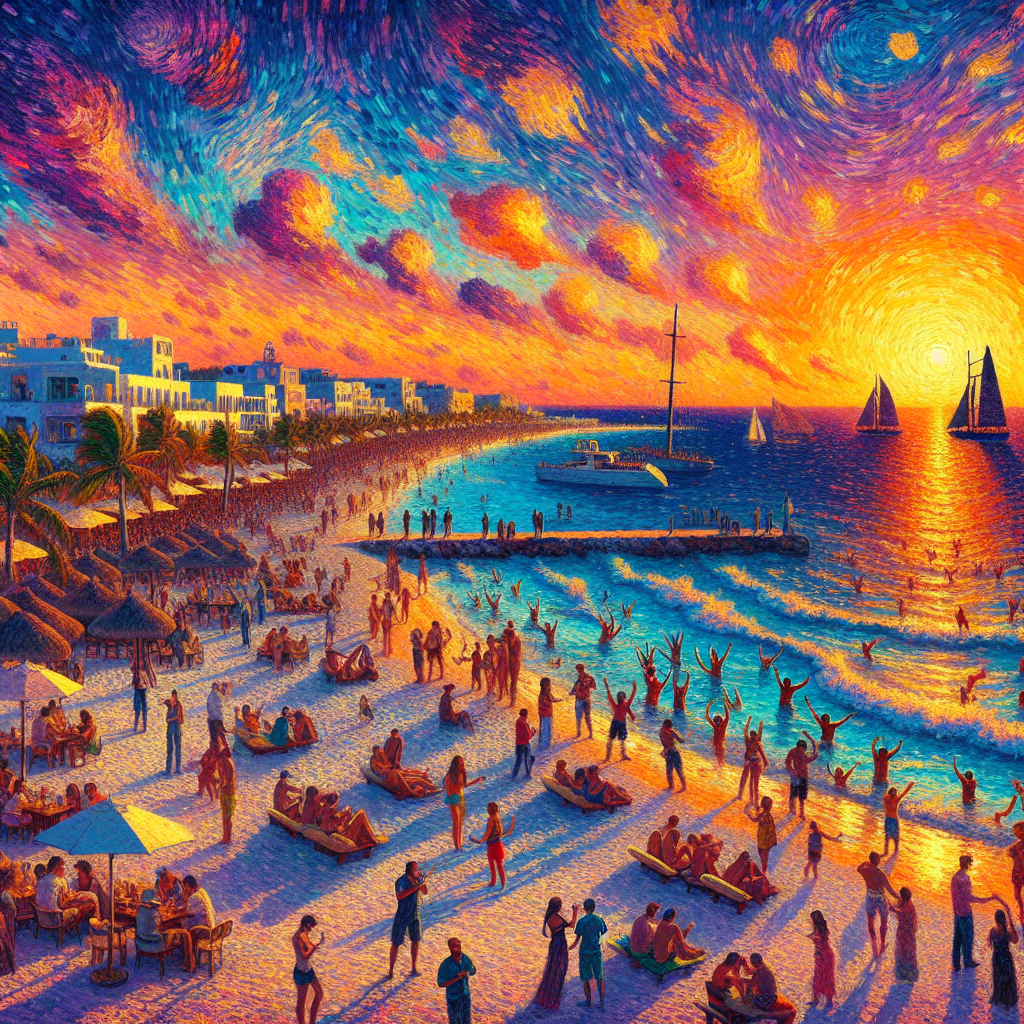
As travelers, we’re often on a quest for more than just sightseeing. We seek experiences that resonate with our core values, turning trips into journeys of discovery. So, let’s stir the pot—what drink aligns with your traveling spirit? Picture a mug of rich, locally brewed coffee, steaming with the essence of Cozumel. It’s about more than caffeine; it’s a connection to the land, the people, and traditions that have brewed over generations.
Now, consider the choice between a mass-produced beverage and a hand-crafted artisan creation. There’s an emotional pull toward that unique, locally sourced tea, or a robust rum distilled right where you stand. When you sip from a glass that boasts the soil of Cozumel, you aren’t just tasting the flavors; you’re savoring the stories of hardworking locals. Your decision embodies the ethical traveler, one who chooses to support sustainable practices over faceless corporations. It’s not just a drink; it’s a testament to mindful consumption.
Look around you. As you share that drink with fellow adventurers—acquaintances rapidly becoming friends—there’s a palpable sense of community. You’re pausing amid the hustle of travel to bask in a common experience, deepening connections fueled by the warmth of that shared beverage. These moments are the stitches that weave together the fabric of our travel narrative, each sip a chapter in an unforgettable story.
But let’s not solely indulge in sentimentality. Engage your rational side for a moment. The world is filled with intoxicating options, but choosing a drink that aligns with your values is also about health and wellness. Focusing on organic wines or herbal infusions not only elevates your taste experience but also considers the footprint your choices leave behind.
Now, picture yourself immersed in the vibrant culture of Cozumel. You raise your glass—a toast to ethical choices, shared experiences, and an awakened palate. The surf crackles in the background as laughter carries through the air, cementing the true essence of travel. You feel it in your gut: this is the right path, a choice that resonates heart, mind, and spirit.
So, next time you reach for a drink while roaming the globe, take a moment. Ask yourself—what does this sip say about me and my journey? Choose wisely; your drink has the power to reflect your values and inspire others along the way.

Which Drink Aligns With Your Values As A Traveler?
Which Drink Aligns With Your Values As A Traveler?
- Traveling is about seeking experiences aligned with personal core values, transforming trips into journeys of discovery.
- Locally brewed beverages, like coffee from Cozumel, connect travelers to the land, its people, and their traditions.
- Choosing artisan drinks over mass-produced options reflects ethical consumption and support for local communities.
- Sharing drinks fosters a sense of community and deepens connections with fellow travelers.
- Mindful drink choices also promote health and wellness, focusing on organic or herbal options.
- Travel experiences are immortalized through shared moments, adding chapters to personal travel narratives.
- Ask yourself what your drink reflects about your values and journey, as it can inspire others along your path.
Which Drink Aligns With Your Values As A Traveler?
Are You Aware Of The Cultural Significance Of Mezcal In Mexico?
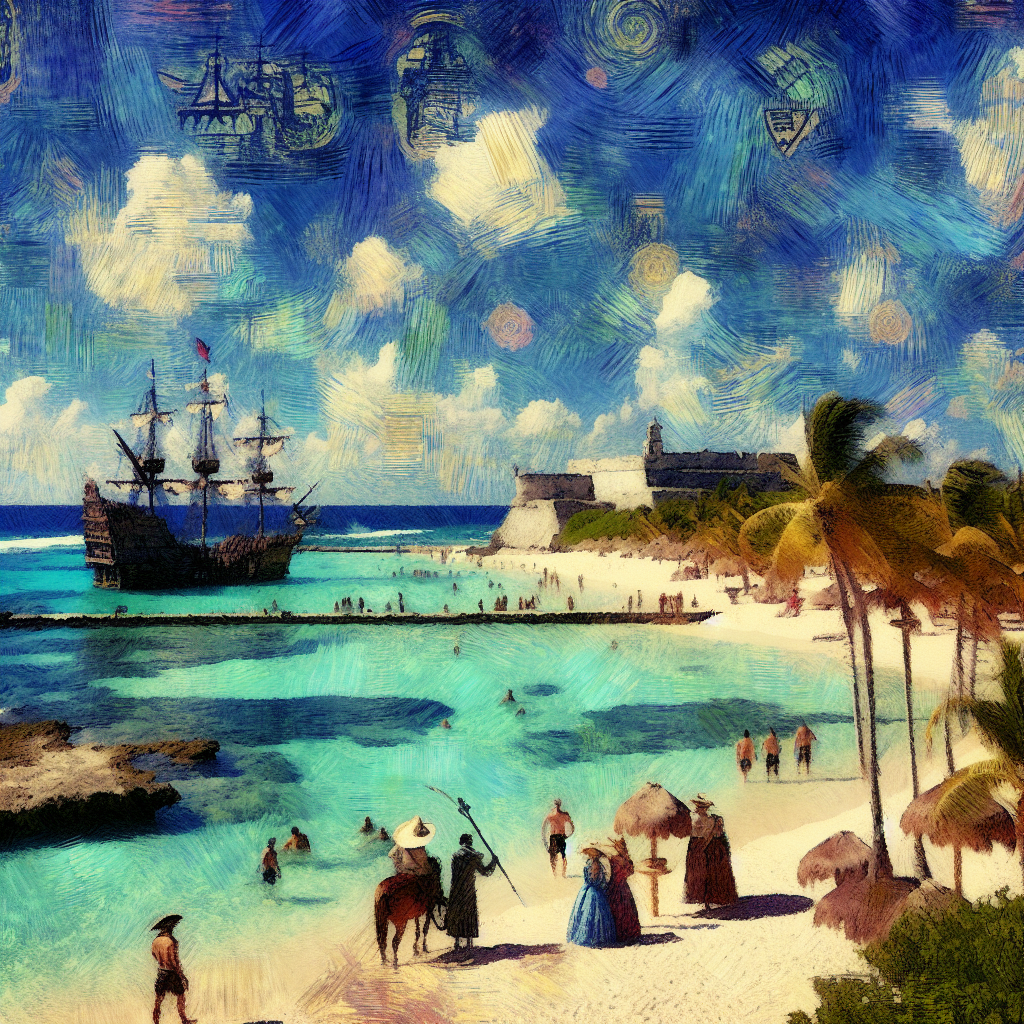
When you take a sip of mezcal, you’re not just tasting a spirit; you’re partaking in a legacy, a deep-rooted connection to the land and its people. In Mexico, particularly in places like Cozumel, mezcal is revered, not just for its smoky flavor but for what it represents: resilience, tradition, and community. This potent drink is crafted from the heart of the agave plant, a symbol of survival in a region where the soil can be both bountiful and barren. Drinking mezcal isn’t just about pleasure; it’s an intimate act that honors farmers and distillers who’ve dedicated their lives to perfecting this craft for generations.
Mezcal is imbued with stories, woven through the fabric of Mexican culture. Each bottle reflects the spirit of the specific region it hails from, showcasing unique characteristics influenced by local climate and traditional methods passed down through families. When you raise a glass, you’re sharing in these narratives, a connection that bridges generations. It’s as if you’re tasting the very essence of the land, each drop a reminder of the people who cultivated, harvested, and distilled it.
Rationally speaking, mezcal stimulates the economy, providing sustainable livelihoods to countless families across Mexico. Just as the agave takes years to mature, so too have the communities behind this treasured elixir developed a fortitude that should inspire us all. By choosing to drink mezcal, you’re not only savoring its distinctive flavor; you’re supporting ethical practices and preserving cultural heritage. It’s an act of solidarity, a social stance that transcends borders.
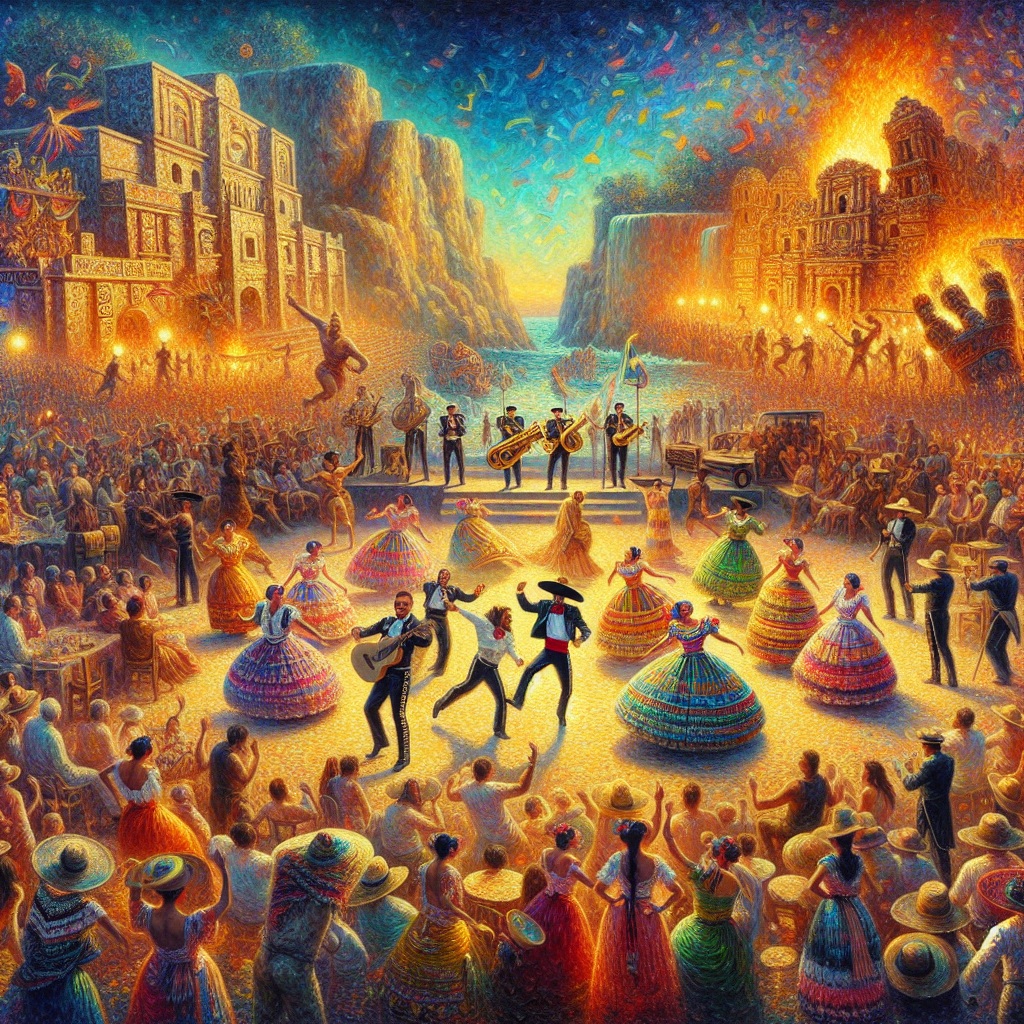
Imagine sitting around a fire with friends, the night alive with music and laughter, while passing around a bottle of mezcal. Each refill invites deeper conversation, fostering a connection that’s hard to replicate. It perfectly encapsulates the spirit of togetherness that permeates Mexican culture—celebrating life, love, and shared experiences.
So, the next time you find yourself with a glass in hand—whether it’s sipped alone in reflective solitude or amidst a spirited gathering—remember, you’re part of something much larger than yourself. You’re partaking in a ritual that celebrates human perseverance and the rich tapestry of life woven through the agave fields of Cozumel. Embrace that connection. Drink deeply.

Are You Aware Of The Cultural Significance Of Mezcal In Mexico?
Are You Aware Of The Cultural Significance Of Mezcal In Mexico?
- Tasting mezcal is not just about the spirit; it involves a deep-rooted connection to the land and its people.
- In Mexico, mezcal symbolizes resilience, tradition, and community, especially in places like Cozumel.
- The drink is crafted from the agave plant, embodying survival in a region of contrasting soil fertility.
- Drinking mezcal honors the farmers and distillers who have perfected the craft over generations.
- Each bottle of mezcal reflects its region’s unique characteristics and cultural narratives.
- Choosing mezcal supports sustainable livelihoods and preserves cultural heritage, acting as a form of solidarity.
- Mezcal fosters connections among people, encapsulating the spirit of togetherness celebrated in Mexican culture.
Are You Aware Of The Cultural Significance Of Mezcal In Mexico?
How Does The Production Process Of Mezcal Differ From Tequila?
When you take a sip of mezcal, you’re not just tasting a spirit; you’re experiencing a rich tapestry of tradition that has been woven over generations. The production process of mezcal, particularly in regions like Cozumel, differs from tequila in profound and poignant ways, revealing not just how it’s made, but why it matters.
At the heart of mezcal production lies the agave plant, specifically the Espadín, which is often harvested from the rugged landscapes of Oaxaca. Unlike tequila, which strictly utilizes the blue agave and is mostly produced on plantations, mezcal embraces a broader spectrum of agave varietals, each adding its own unique character. Picture the earthy sweetness of the roasted piñas, lovingly cooked in underground pits, a method that dates back hundreds of years. This time-honored technique brings out an array of smoky flavors that you simply won’t find in tequila. You’re not just drinking mezcal; you’re tasting the very essence of the land where it was born.
Moreover, in mezcal production, there’s a narrative that pulls at the heartstrings. Many small, family-run distilleries, or “palenques,” rely on artisanal methods that respect their craft and heritage. These communities often face challenges in balancing traditional practices with modern demands. By choosing mezcal, you’re supporting these local artisans, ensuring that their age-old techniques—and the stories behind them—don’t fade into obscurity. There’s an ethical responsibility in every bottle, a collective acknowledgment of the labor and love that flowed into its creation.
Then, there’s the connection to community. Sharing a glass of mezcal with friends doesn’t just delight the taste buds; it fosters bonds and creates memories. Each instance becomes a celebration of culture, a toast to resilience and artistry. This social aspect enriches the drinking experience, turning each sip into a conversation—the true spirit of mezcal.
On a rational note, the diversity in agave plants used for mezcal translates into a vast range of flavors and aromas, making it a more adventurous choice for enthusiasts looking to explore. Each batch tells a different story, a testament to the environment and the passion of the producer. In a world saturated with mass-produced spirits, mezcal stands as a beacon of authenticity and craftsmanship, inviting you to dive deeper into its nuanced world. It’s not just a drink. It’s a legacy, a journey, and a celebration of culture in every glass.

How Does The Production Process Of Mezcal Differ From Tequila?
How Does The Production Process Of Mezcal Differ From Tequila?
- Mezcal offers a taste of tradition with a rich heritage woven over generations.
- The production of mezcal, particularly in Cozumel, varies significantly from tequila, both in how it’s made and its cultural significance.
- Mezcal primarily uses the Espadín agave from the rugged landscapes of Oaxaca, embracing various agave varietals for unique flavors.
- The time-honored method of roasting agave piñas in underground pits imparts smoky flavors not found in tequila.
- Choosing mezcal supports small, family-run distilleries (palenques) that uphold artisanal methods and cultural heritage.
- Sharing mezcal with friends fosters community, celebration, and bonds, enriching the drinking experience.
- The diversity of agave used in mezcal results in an adventurous array of flavors and aromas, marking it as a symbol of authenticity and craftsmanship.

How Does The Production Process Of Mezcal Differ From Tequila?
Conclusion
Exploring the vibrant choices of mezcal and tequila while wandering through Cozumel isn’t just about selecting a drink; it’s an invitation to immerse yourself in the rich tapestry of Mexican culture. With every sip, you’re not merely tasting a spirit—you’re partaking in a narrative woven through generations of artisans dedicated to their craft. Tequila, often seen as a symbol of celebration, offers a crisp, familiar sweetness that resonates with joyous moments shared among friends. It embodies a universal language of connection. When you lift a glass of tequila, you celebrate not just the flavor but the heritage behind it.
Yet, mezcal captures the imagination in a way that transcends typical expectations. Its smoky, complex flavors invite you on a journey, encouraging you to appreciate the artistry that defines each bottle. Here, the production process—the gentle roasting of agave in traditional pits—reveals an age-old method that honors the land and its people. You’re engaging with the spirit of craftsmanship, one that radiates resilience and individuality, echoing the voices of those who’ve toiled to uphold these traditions.
From both emotional and ethical standpoints, your choice between mezcal and tequila is an opportunity to support local communities. Drinking mezcal can mean choosing to back small distillers committed to sustainable and ethical practices over mass-produced alternatives. In doing so, you’re not only indulging in a unique sensory experience but also making a statement about your values as a traveler. You’re investing in stories, livelihoods, and a cultural legacy that deserves recognition.
Engaging with locals over a drink fosters connections that can last long after your visit. Imagine sharing laughs, stories, and toasts that enrich your understanding of community and tradition. Each memory created—whether a spirited conversation or a quiet moment with the sunset—becomes a part of your personal narrative, adding depth and meaning to your travels.
So next time you find yourself in Cozumel, pause to reflect on what memories you want to create. Let that influence your choice between mezcal or tequila. Dive into the experience, sip consciously, and embrace the profound beauty of your surroundings. With every glass raised, you’re celebrating not just a drink, but a community, a culture, and the interconnectedness of us all. Every decision counts, so choose wisely, and let every sip drive you deeper into the heart of Cozumel, where the spirit of the island guides you to meaningful connections and unforgettable experiences. Drink deeply; it’s a journey worth savoring.
Conclusion
Conclusion:
- Exploring mezcal and tequila in Cozumel invites immersion in Mexican culture.
- Tequila symbolizes celebration, conveying sweetness and connection through shared moments.
- Mezcal offers smoky, complex flavors that highlight the artistry of its production.
- The traditional production process of mezcal honors land and craftsmanship.
- Choosing mezcal or tequila supports local communities and sustainable practices.
- Engaging with locals enhances travel experiences and deepens connections to culture.
- Every choice in Cozumel contributes to memorable narratives and meaningful experiences.
Conclusion
Other Resources
Other Resources
Cozumel rewards travelers who stay longer than the cruise ship crowd. If that’s the kind of trip you’re cooking up, here’s where we’d point you for lodging. Casa Oklahoma is a private villa in Cozumel’s quieter residential side with a 4-night minimum, operated by hands-on hosts. Hotel Villa Deja Blue is a small villa-hotel with on-site restaurant — the closest thing in Cozumel to an extended-stay hotel: flexible nightly stays with service and breakfast.
Here is a list of other resources you can review online to learn more:
- El Maharaja
- Amerimed
- Palancar Reef
- Aqua Safari Cozumel
- Playa Palancar
- Scuba Schools International
- BSAC
- Cozumel Bar Crawl
- Rainforest Cafe
- Caleta Marina
- Kaokao Chocolate Factory
- Playa Corona
- Playa Palancar Beach Club
- Ixchel Shrine
- Casa del Mar Cozumel Hotel
- Senor Frogs
- Bahama Breeze
- Cozumel Reefs National Marine Park
- Money Bar Beach Club
- El Casino – La Casa del Mojito
- cozumelcasaoklahoma.com
- Villa Deja Blue, Cozumel’s small villa-hotel
Use This Prompt To Get More Resources With Your Favorite Online AI Tool: Please provide me with a list of online articles with their URLs in a bulleted list that I can read regarding Should You Drink Mezcal Or Tequila While Visiting Cozumel?

Other Resources
Glossary Terms
Should You Drink Mezcal Or Tequila While Visiting Cozumel? – Glossary Of Terms
1. Mezcal: A distilled alcoholic beverage made from the agave plant, characterized by its smoky flavor and produced primarily in Oaxaca, Mexico.
2. Tequila: A type of mezcal made exclusively from the blue agave plant, traditionally produced in a designated area of Mexico.
3. Agave: A succulent plant used to produce mezcal and tequila, known for its high sugar content and unique flavors.
4. Distillation: The process of heating a liquid to create vapor and then condensing it back into liquid, used to produce spirits like mezcal and tequila.
5. Cozumel: A popular Mexican island destination known for its beaches, resorts, and cultural attractions, often frequented by tourists.
6. Paloma: A popular cocktail made with tequila, grapefruit soda, and lime, often enjoyed as a refreshing drink in warm climates.
7. Jalisco: A Mexican state known as the birthplace of tequila, featuring numerous distilleries and agave fields.
8. Smoky Flavor: A characteristic flavor of mezcal, derived from the roasting of agave hearts in underground pits during production.
9. ABV (Alcohol by Volume): A standard measure used to quantify the amount of alcohol (ethanol) in an alcoholic beverage, expressed as a percentage.
10. Oaxaca: A region in Mexico renowned for its mezcal production, known for diverse agave species and traditional distillation techniques.
11. Agave Heart (Piña): The core of the agave plant, which is harvested and cooked to produce mezcal and tequila.
12. Reposado: A type of tequila aged in oak barrels for a minimum of two months, offering a smoother and more complex flavor profile.
13. Añejo: Aged tequila that spends at least one year in oak barrels, known for its rich, mature flavors.
14. Joven: A type of tequila that is unaged or a blend of unaged and aged tequilas, typically offering a fresh, vibrant taste.
15. Sipping: The practice of consuming mezcal or tequila slowly to savor its flavors, often encouraged for premium products.
16. Neat: Referring to a drink served without ice or mixers, allowing for full appreciation of the spirit’s flavor.
17. Cultural Experience: Engaging with local customs and practices, such as tasting mezcal or tequila, as part of a travel experience.
18. Chaser: A beverage consumed after a shot of liquor, often used to balance the strong flavors of mezcal or tequila.
19. Craft Distillery: A small-scale distillery that emphasizes traditional production methods and quality ingredients in making spirits.
20. Tequila Worm: A larva sometimes found in mezcal bottles, often mythologized but not commonly consumed; more of a marketing gimmick.
21. Cocktail Culture: The trend of crafting and enjoying cocktails, which often includes tequila and mezcal as key ingredients.
22. Flavor Notes: The specific aromas and tastes detected in a spirit, such as fruity, herbal, or earthy characteristics in mezcal or tequila.
23. Terroir: The unique environmental factors (soil, climate) that influence the characteristics of agave and subsequently the spirits produced.
24. Connoisseur: An individual with expert knowledge and appreciation of fine spirits, able to identify subtle flavors and qualities.
25. Pairing: The act of combining spirits with food to enhance the tasting experience, such as pairing mezcal with spicy dishes.
26. Traditional Production: Methods of distilling spirits that adhere to historical practices, often seen in artisanal mezcal and tequila-making.
27. Savory Cocktails: Drinks that incorporate non-traditional, herbaceous, or umami flavors, often using tequila or mezcal as a base.
28. Mexico’s Denomination of Origin: A regulatory framework that protects the authenticity of Mexican spirits by designating specific regions for production.
29. Flavor Exploration: The practice of tasting various mezcal and tequila brands to discover diverse flavor profiles and qualities.
30. Cultural Etiquette: Understanding and respecting local customs related to drinking practices, such as toasting or sharing drinks with others.

Glossary Of Terms
Other Questions
Should You Drink Mezcal Or Tequila While Visiting Cozumel? – Other Questions
If you wish to explore and discover more, consider looking for answers to these questions:
- What are the traditional rituals associated with drinking mezcal in Mexico?
- How can I identify high-quality mezcal and tequila when purchasing?
- What health benefits or drawbacks should I consider when drinking mezcal versus tequila?
- How are the production methods of artisanal mezcal different from mass-produced tequila?
- What are popular cocktails or drinks made with mezcal and tequila?
- Are there specific food pairings that complement mezcal or tequila?
- How do climate and geography affect the flavor profiles of mezcal and tequila?
- What are some recommended local distilleries or bars to visit in Cozumel for mezcal or tequila?
- How has the global popularity of mezcal impacted local communities in Mexico?
- What ethical sourcing practices should I look for when choosing mezcal or tequila?
Other Questions
Haiku
Should You Drink Mezcal Or Tequila While Visiting Cozumel? – A Haiku
Sunset on the shore,
Two spirits, rich tales unfold—
Heart, mind, and soul sip.

Haiku
Poem
Should You Drink Mezcal Or Tequila While Visiting Cozumel? – A Poem
In the sunlit streets of Cozumel, a choice awaits,
Between two spirits, each with its own fates,
Tequila sings of joy, a celebration’s delight,
With laughter and memories, it dances through the night.
Raise your glass for tequila, the sweet crisp embrace,
A symbol of heritage, of life’s vibrant pace,
Yet hear the whispers of mezcal, smoky and bold,
A tale of artisans, their stories unfold.
Crafted with passion from agave so bright,
Each sip a connection, a taste of the night,
In every drop, a legacy flows,
A spirit of resilience, where culture still grows.
Choose local, choose heart, let your mind make a stand,
Support the hands shaping this magical land,
In every glass raised, there’s a chance to invest,
In people, in places, the very essence of best.
Explore the flavors, embrace what you find,
With every adventure, broaden your mind,
The warm sun sets low, laughter fills the air,
In moments of sharing, a treasure so rare.
So what will you sip, as your journey unfolds?
With each drink, in Cozumel, a narrative molds,
Whether tequila’s sweet cheer or mezcal’s deep lore,
Feel the pulse of tradition—drink deeply, explore.

Poem
Checklist
Should You Drink Mezcal Or Tequila While Visiting Cozumel? – A Checklist
Checklist: Enhancing Your Cozumel Experience with Mezcal and Tequila
Heartfelt Connections
_____ Engage with Locals: Make time to bond with local artisans and distillers. Ask about their stories and craft.
_____ Create Lasting Memories: Plan moments for laughter and storytelling with friends over a drink.
_____ Celebrate Traditions: Cherish the heritage behind each spirit by learning about cultural significance.
Rational Decisions
_____ Explore Flavor Profiles: Taste both mezcal and tequila to appreciate the distinct flavors they offer.
_____ Research Producers: Choose spirits from local, small-scale producers to support the community.
_____ Consider Health Impacts: Opt for organic or sustainably produced drinks to align with your wellness goals.
Ethical Considerations
_____ Support Sustainable Practices: Select mezcal that uses eco-friendly production methods.
_____ Honor Craftsmanship: Recognize the effort behind artisanal spirits by choosing products that promote traditional techniques.
_____ Reflect on Choices: Consider how your drinking decisions impact local communities and environment.
Authority & Expertise
_____ Learn the Production Differences: Understand the unique processes for creating mezcal versus tequila.
_____ Seek Expert Recommendations: Don’t hesitate to ask bartenders or locals for their favorites and why.
_____ Dive into Tastings: Participate in guided tastings to deepen your appreciation of the spirits.
Storytelling & Narrative
_____ Share Your Experience: Document your tastings and interactions to weave a narrative of your journey in Cozumel.
_____ Host a Social Gathering: Share insights and stories gained from your experience with friends or fellow travelers.
_____ Embrace the Journey: Reflect on how each sip connects you to the history and culture of Mexico.
Community and Connection
_____ Participate in Local Events: Attend festivals or gatherings centered around mezcal and tequila.
_____ Engage in Conversations: Discuss your experiences with fellow travelers to build connections.
_____ Honor Togetherness: Use your drinks as a bridge for building camaraderie during your trip.

Checklist
At TopCozumelNews, we help travelers enjoy Cozumel by collating information learned from frequently traveling to beautiful Cozumel.
Be sure to read our other related stories at TopCozumelNews to learn more about the Island of Cozumel.