




The Power Of Spontaneity: Making Memories That Last
By Tom Seest
At TopCozumelNews, we help travelers enjoy Cozumel by collating information learned from frequently traveling to beautiful Cozumel.
Be sure to read our other related stories at TopCozumelNews to learn more about the Island of Cozumel.
Can Spontaneity Create More Lasting Memories Than Planning?
When you think about memories, the ones that really stick might be those that took you by surprise. Take a vacation in Cozumel, for instance. You can hear the waves lapping at the shore, smell the salt in the air, and feel that little buzz of excitement when you realize you’re not just going through the motions of your meticulously planned itinerary. Here’s the thing: while planning can certainly lead to a good time, the spontaneous moments often leave a more profound imprint on our minds.
Imagine landing in Cozumel and having a grand plan. You’ve got your days mapped out—snorkeling at this hour, visiting that ancient ruin the next. But then, just as you’re about to dive into your schedule, you stumble upon a local festival or a quiet beach that beckons you with its untouched beauty. In that moment, you have a choice: stick to the plan or dive headfirst into the unknown. It’s the unplanned detours that often turn into the stories you’ll tell for years to come.
Why does spontaneity seem to create better memories? For starters, unexpected experiences activate the part of your brain that triggers excitement and joy. When you’re following a plan, your mind tends to autopilot, processing one task after another. But when you venture off the beaten path, every twist and turn brings a fresh wave of adrenaline, anchoring the experience more deeply in your consciousness.
Consider the potential friendships formed over a shared passion for snorkeling, or the laughter that erupts when trying to navigate a language barrier while ordering local cuisine. These instances don’t just fill a slot in your itinerary; they become narratives that weave through your life, brightening your story far beyond what a plan could provide.
It’s not just about the destination but the journey—both the calculated and the spontaneous. While planning might provide structure, the unplanned moments in places like Cozumel often create the real magic. So, next time you find yourself clutching a rigid agenda, remember that sometimes the best memories come from the paths we didn’t know we wanted to walk. Embrace that urge to wander, and you’ll likely walk away with richer tales and deeper connections, ensuring that the memories you create are anything but ordinary.
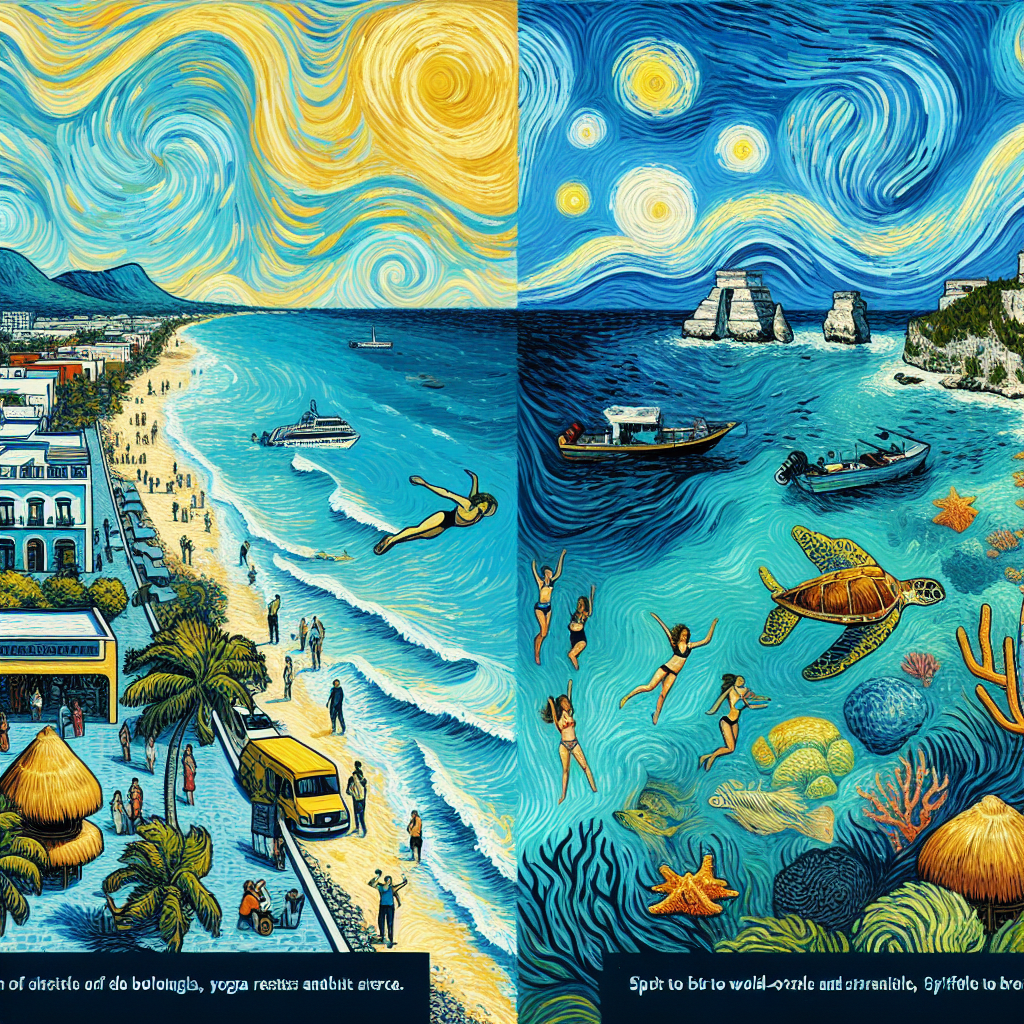
Can Spontaneity Create More Lasting Memories Than Planning?
Can Spontaneity Create More Lasting Memories Than Planning?
- Surprise memories, such as those from spontaneous experiences, often have a lasting impact.
- Planned vacations, like a trip to Cozumel, can lead to missed opportunities for unforgettable moments.
- Encountering unexpected events, like local festivals or serene beaches, can enhance the travel experience.
- Spontaneity activates brain areas related to excitement and joy, making memories more vivid.
- Unplanned experiences often lead to new friendships and shared laughter, enriching travel narratives.
- The journey is as important as the destination, with spontaneity creating memorable moments.
- Embracing the unknown can lead to deeper connections and extraordinary memories.

Can Spontaneity Create More Lasting Memories Than Planning?
Table Of Contents
- Can Spontaneity Create More Lasting Memories Than Planning?
- How Does Planning Impact The Emotional Weight Of Memories?
- Are Spontaneous Experiences More Vivid Than Planned Ones?
- Can Memories From Spontaneous Events Last Longer Than Planned Ones?
- How Does Anticipation Affect Our Memory Of Planned Events?
- Do Spontaneous Adventures Lead To Stronger Social Bonds?
- What Are The Psychological Benefits Of Spontaneity In Our Lives?
- How Can We Balance Spontaneity And Planning In Our Activities?
- Conclusion
- Other Resources
- Glossary Of Terms
- Other Questions
- Haiku
- Poem
- Checklist
How Does Planning Impact The Emotional Weight Of Memories?
When we think about the emotional weight of our memories, it’s easy to imagine them as snapshots captured in time—frozen moments that we look back on and treasure. But what if I told you that planning plays a significant role in how those memories are formed and, ultimately, how heavy they feel when we revisit them? Let’s take a little journey, shall we?
Picture yourself gearing up for a trip to Cozumel, a stunning island off the coast of Mexico. The planning stage becomes your first taste of excitement, with every detail fueling your anticipation. You read up on the best snorkeling spots, map out your route to the beach, and maybe even taste-test a few local dishes through recipes at home. This meticulous preparation sets the stage for a deeper emotional connection when you finally step onto that sunlit shore.
Now, here’s where it gets interesting: the emotions surrounding memories are often tied to the effort we invest beforehand. When you plan, you’re not just organizing logistics; you’re weaving a narrative—one filled with dreams and expectations. Those hours spent researching and dreaming about the vibrant coral reefs or lazy afternoons on sandy beaches turn into the scaffolding for your memories.
Let’s be honest, though. Not every plan works out smoothly. Sometimes, you arrive in Cozumel only to be greeted by rainstorms or chilly winds. But here’s where the power of planning really shines. Even in the face of disappointment, those carefully constructed memories still come with an emotional weight. You remember the thrill of anticipation, the laughter over weather-related mishaps, and the lessons learned amidst the storms. It’s a complex layering of joy and adversity—each moment adding its unique hue to the tapestry of your experience.
So, the next time you find yourself reminiscing about that trip, take a moment to reflect on the emotional undertones. Those memories aren’t simply the result of experiences lived; they’re also a testament to the planning that helped shape them. The richness of our recollections—whether they’re sun-soaked or rain-soaked—derives from the effort we put into seeking out the experience in the first place, turning fleeting moments into cherished memories with lasting emotional weight.

How Does Planning Impact The Emotional Weight Of Memories?
How Does Planning Impact The Emotional Weight Of Memories?
- Memories are often seen as snapshots in time, holding emotional weight.
- Planning plays a crucial role in shaping the way memories are formed and perceived.
- Excitement from planning a trip, such as to Cozumel, enhances anticipation and emotional connection.
- The process of planning weaves a narrative filled with dreams and expectations.
- Unplanned events, like weather issues, contribute to the emotional depth of the memories created.
- Even adverse experiences during a trip can add layers of joy and learning to the memory.
- The richness of memories stems from the effort invested in planning and experiencing them.

How Does Planning Impact The Emotional Weight Of Memories?
Are Spontaneous Experiences More Vivid Than Planned Ones?
When it comes to life’s memorable moments, there’s a certain allure to spontaneity that seems to eclipse the carefully orchestrated experiences we often plan. Take, for example, a trip to Cozumel. You could spend weeks mapping out the perfect itinerary, complete with local cuisine, historical sites, and a snug schedule to ensure you hit every point of interest. Yet, often it’s the unplanned detours that etch themselves into our memories with the deepest vibrancy.
Imagine you land in Cozumel, the sun casting a shimmering glow over the azure waters, and you decide to ditch the guidebooks. Perhaps you stumble upon a beach shack serving up fresh ceviche, bursting with flavors you’d never tasted before. You share a laugh with the local owner, swap stories, and suddenly you’re knee-deep in an unforgettable moment that no itinerary could have predicted. The unexpected delight of a spontaneous meal, the salty breeze in your hair, and the island’s infectious energy make for a snapshot far more vivid than the polished postcard experiences you might’ve captured on camera.
Spontaneous experiences tend to ignite our senses in ways that planned activities often can’t. When you venture into the unknown, every sound, smell, and sight gets heightened. You’re more attuned to the world around you. Why? Because, in these moments of serendipity, the stakes feel higher; you’re engulfed in the now, free from the shackles of expectation.
On the flip side, planning can bring a level of comfort and control that spontaneity lacks. Yet, in a closely timed itinerary, we often overlook the beauty of a slow sunset, or the chance to delve deeper into a conversation with a fellow traveler. In Cozumel, for every guided tour and scheduled activity, there’s a myriad of impromptu moments waiting just outside the door, begging to be embraced.
So, next time you find yourself weighing the pros and cons of a spontaneous adventure versus a meticulously planned outing, consider this: while both may have their merits, those spontaneous experiences can light a fire in your memory, creating an indelible mark on your life’s story. It’s a vivid tapestry of moments woven together by chance, laughter, and perhaps a dash of the unexpected, transforming a simple trip into a grand saga.

Are Spontaneous Experiences More Vivid Than Planned Ones?
Are Spontaneous Experiences More Vivid Than Planned Ones?
- Spontaneity offers memorable moments that often surpass planned experiences.
- A trip to Cozumel exemplifies the allure of unplanned detours versus a structured itinerary.
- Unexpected encounters, like discovering a beach shack with unique local flavors, create lasting memories.
- Spontaneous experiences heighten our senses, making us more aware of our surroundings.
- Planned activities provide comfort and control but can lead to missed opportunities for deeper moments.
- In Cozumel, many impromptu moments await outside of guided tours and schedules.
- Both spontaneous and planned outings have value, but spontaneity often leaves a more indelible mark on our memories.

Are Spontaneous Experiences More Vivid Than Planned Ones?
Can Memories From Spontaneous Events Last Longer Than Planned Ones?
When we think about memories, we often picture perfectly orchestrated events: birthdays, weddings, or family reunions. But what if I told you that some of our most cherished memories originate from spontaneous moments, like that impromptu trip to Cozumel? There’s something about the unpredictability and rawness of spontaneous events that can engrave them in our minds long after the last guests have left the party.
Consider Cozumel, a tropical paradise that many savor for its white sandy beaches and crystal-clear waters. Picture yourself there, stumbling through a bustling marketplace, tasting local delicacies on a whim, and striking up a conversation with friendly locals who share stories and laughter. In contrast, think of a meticulously planned vacation, where every minute is scheduled down to the last second. Sure, structure provides a sense of control, but let’s be honest: it can also stifle spontaneity.
Memories crafted in spontaneity have a unique flavor—they’re unpredictable and often rich with emotion. When you decide on a whim to catch a sunset at the beach in Cozumel, every aspect of that moment is heightened. There’s a thrill in the unknown as you find yourselves hopping on a snorkeling tour just because it sounds fun at that moment. Those little decisions, born out of spontaneity, often lead to some of the most memorable adventures.
Research suggests that spontaneous events tend to create stronger emotional responses. This emotional intensity helps to cement the memory in our minds. Think about it: when was the last time you reminisced with friends about a meticulously planned day? Now, recall a chaotic, unplanned day that turned into an epic story. The latter probably comes to mind much easier.
Spontaneous moments allow for unexpected joys and surprises, which help engrain them in our collective consciousness. They give us stories—a friend dodging a seagull while carrying a tray of tacos on a Cozumel beach, or discovering a hidden cave during a last-minute excursion. These narratives enrich our lives, breathing color into the monotonous black-and-white of over-planned schedules.
In the grand tapestry of life, it’s the unscripted, spontaneous threads that weave the most vibrant patterns. So, next time you find yourself at a fork in the road—planning every detail or going off the beaten path—consider this: sometimes, the best memories come when you throw the plan out the window and live in the moment.

Can Memories From Spontaneous Events Last Longer Than Planned Ones?
Can Memories From Spontaneous Events Last Longer Than Planned Ones?
- Memories are often associated with planned events like birthdays and weddings.
- Spontaneous moments, such as an impromptu trip to Cozumel, can lead to cherished memories.
- Cozumel offers a lively experience with its bustling marketplaces and friendly locals.
- Meticulously planned vacations may provide structure but can stifle spontaneity.
- Spontaneous events evoke stronger emotional responses, making them more memorable.
- Unexpected joys and surprises from spontaneous moments create rich stories and experiences.
- The unscripted moments in life create the most vibrant memories and patterns.

Can Memories From Spontaneous Events Last Longer Than Planned Ones?
How Does Anticipation Affect Our Memory Of Planned Events?
When we think about the way our minds work, particularly when it comes to planned events, the intricate dance between anticipation and memory becomes not just fascinating, but downright essential. Picture this: it’s a breezy day, and you’ve got a trip to Cozumel lined up. Now, that’s not just any vacation; that’s a trip filled with sun-soaked beaches, vibrant local culture, and perhaps a few margaritas sprinkled in for good measure. The anticipation begins to build long before you even pack your bags.
You might find yourself daydreaming about the turquoise waters or mentally mapping out which local delicacies to try first. What you’re doing is more than just planning—you’re creating a series of mental hooks that will help you remember this event long after it’s come and gone. The psychology of this is intriguing. When we look forward to something significant, our brains engage in a unique process that blends emotions and expectations, creating a kind of narrative that’s as memorable as the event itself.
Research suggests that the act of anticipating an event can enhance our memory of it. The brain releases chemicals like dopamine, which heighten our emotional responses, almost amplifying our recollections. So, when you eventually arrive in Cozumel, every vivid detail—from the sound of the waves crashing on the shore to the taste of fresh ceviche—seems to carve itself deeper into your memory. You see, the brain operates much like a sponge; it absorbs the emotions surrounding anticipation, making it easier to retain those experiences.
But it’s not just about the event itself; it’s the entire build-up. The conversations with friends leading up to your trip, the planning sessions filled with excitement, and even the countdown to the departure date—each moment contributes to a rich tapestry. When it’s all said and done, the anticipation transforms an ordinary vacation into a vivid memory.
So, the next time you find yourself counting down the days to your getaway, remember this: it’s not just the destination that counts. It’s the anticipation that makes those memories last—a clever trick our minds play to ensure that what we look forward to becomes a part of who we are. Whether it’s Cozumel or any other awaited event, embrace that anticipation; it’s all part of the journey.

How Does Anticipation Affect Our Memory Of Planned Events?
How Does Anticipation Affect Our Memory Of Planned Events?
- The interaction between anticipation and memory is essential in planning events.
- Anticipation builds before the event, influencing mood and excitement.
- Daydreaming and mental mapping enhance recall of upcoming experiences.
- The brain’s anticipation process mixes emotions and expectations to create memorable narratives.
- Research shows that anticipation boosts memory retention through dopamine release.
- The build-up to an event, including conversations and planning, enriches the overall experience.
- Embrace anticipation as a vital part of the journey, not just the destination.

How Does Anticipation Affect Our Memory Of Planned Events?
Do Spontaneous Adventures Lead To Stronger Social Bonds?
When you think of spontaneous adventures, the mind often wanders to sandy beaches, rustling palm trees, and perhaps a quaint little island called Cozumel. It’s the kind of place where you can watch the sunset melt into the ocean and consider the importance of having experiences that pull you out of your everyday routine. So, does diving headfirst into unplanned escapades really lead to stronger social bonds? Let’s unpack that.
Imagine this: you’re in Cozumel, basking in the sun, and suddenly the opportunity arises to explore hidden beaches or embark on a diving expedition to swim with vibrant fish. You rally a group of friends or even make the brave choice to join a local tour, and just like that, you’re thrown into a whirlwind of excitement. When life tosses you into unexpected situations, you tend to rely on those around you, creating a unique space for camaraderie.
Now, think about the essence of those adventures. Spontaneity requires trust—the kind of trust that isn’t built during a scheduled happy hour or while waiting in line for coffee. It flourishes when people are asked to step outside their comfort zones. Whether it’s navigating the reefs in Cozumel or sharing a laugh after a clumsy misstep while hiking, those experiences form the fabric of lasting relationships.
Moreover, it’s not just about the thrill; it’s about the stories. When you have an adventure, you create a narrative that binds you together. You’ll find that recounting a wild day out can evoke much stronger emotional connections than merely reminiscing about mundane events. Each shared experience is a thread that weaves individuals into a tighter circle, filled with laughter, trust, and shared memories.
It’s also worth noting that while planned events can be enjoyable, they often lack the exhilarating unpredictability that spontaneity brings. A late-night decision to embark on a road trip or hop on a plane to Cozumel can lead to unforeseen challenges and triumphs, all of which serve to deepen relationships. It’s in the unexpected, in the moments of chaos and joy, where bonds truly crystallize.
So, next time you ponder whether to stay home or chase a spontaneous adventure, think of Cozumel and the potential it holds—not just for breathtaking views, but for forging connections that can last a lifetime. Because at the end of the day, it’s not just where you go, but who you go with that matters most.

Do Spontaneous Adventures Lead To Stronger Social Bonds?
Do Spontaneous Adventures Lead To Stronger Social Bonds?
- Spontaneous adventures, like those in Cozumel, help break the routine and create lasting memories.
- Unplanned activities foster camaraderie as individuals rely on each other during unexpected situations.
- Trust is essential for spontaneity, developed through outside-the-comfort-zone experiences.
- Adventurous stories strengthen emotional connections more than mundane experiences.
- Spontaneity introduces unpredictability, enhancing relationships through shared challenges and triumphs.
- Choosing adventure over routine can lead to unforgettable moments and strengthened bonds.
- Your companions during these adventures are what truly matter in creating meaningful experiences.

Do Spontaneous Adventures Lead To Stronger Social Bonds?
What Are The Psychological Benefits Of Spontaneity In Our Lives?
Spontaneity is like a jolt of caffeine for the soul. When we break out of our meticulously planned routines, we open the floodgates to a world of unexpected opportunities and experiences. Picture this: you’re sitting in a dull conference room, staring at the same old PowerPoint slides, when someone suggests a weekend trip to Cozumel. Suddenly, your mind shifts gears. The thought of sun-soaked beaches, turquoise waters, and vibrant local culture cranks up the excitement meter. That’s the power of spontaneity.
For many, the daily grind can feel like a treadmill that never stops. We fall into predictable patterns that can sap our creativity and motivation. But throwing caution to the wind every now and then can help break that cycle and rekindle the flame of enthusiasm. Research shows that engaging in spontaneous activities can boost our mood, enhance our mental flexibility, and even contribute to lower levels of stress. It’s like telling life, “Bring it on!” rather than waiting for it to come to us.
One significant psychological perk of spontaneity is the sense of adventure it fosters. When you say “yes” to an unplanned outing, you step outside your comfort zone. You’re not just experiencing new places—like the beautiful beaches of Cozumel—but also learning more about yourself in the process. You discover how adaptable you can be, how quickly you can think on your feet, and perhaps, how much of a thrill it is to embrace uncertainty. That redirection of focus and mindset can make mundane tasks feel less burdensome and give you the mental energy to tackle the challenges that lie ahead.
Moreover, spontaneous experiences often encourage stronger social connections. When you embark on an unplanned adventure with friends, you create shared memories that weave tighter bonds. Whether you’re swapping stories on a beach in Cozumel or sharing a laugh during a last-minute road trip, those moments bring people closer and cultivate a sense of belonging.
In today’s fast-paced world, embracing spontaneity isn’t just a nice idea; it’s essential for our psychological well-being. So the next time life presents an unexpected opportunity, take a deep breath and dive in. You might find it’s exactly what your mind and heart have been craving.
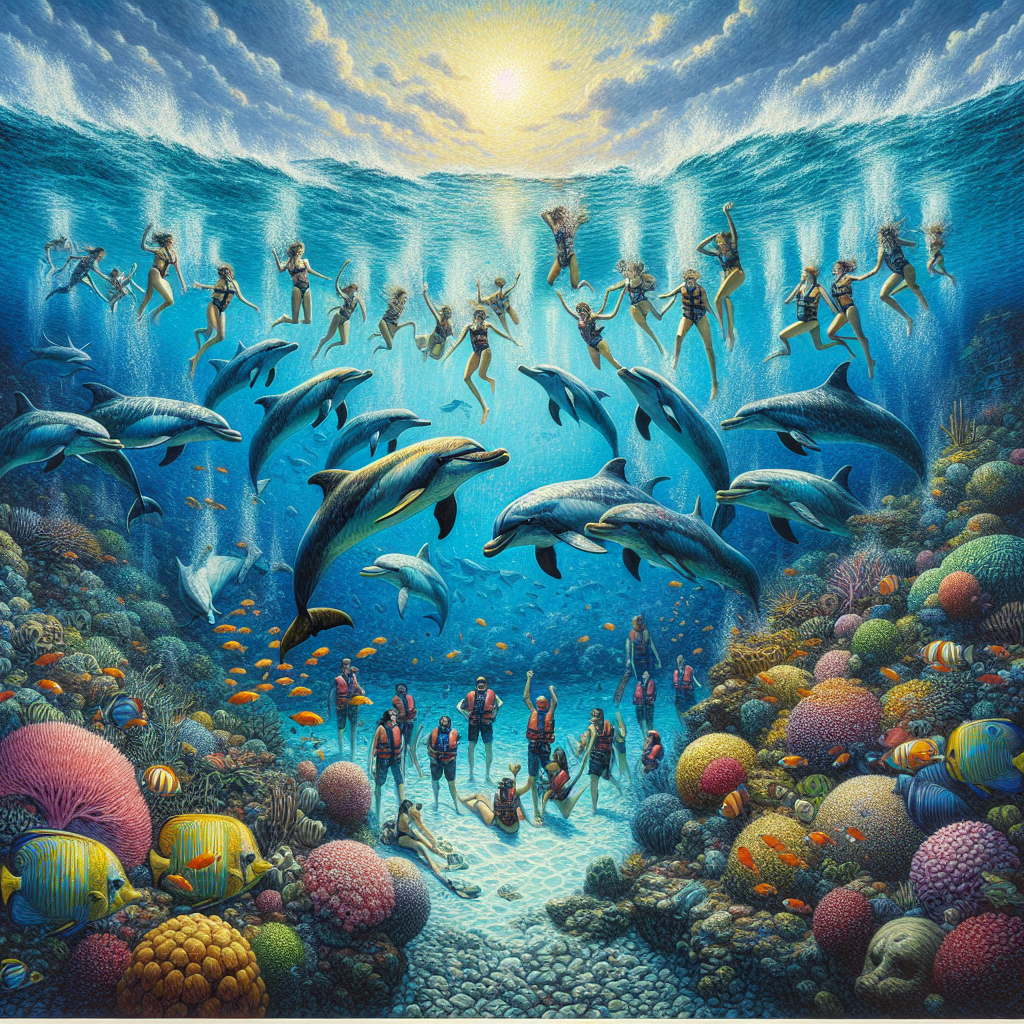
What Are The Psychological Benefits Of Spontaneity In Our Lives?
What Are The Psychological Benefits Of Spontaneity In Our Lives?
- Spontaneity invigorates the soul, providing unexpected opportunities and experiences.
- Breaking out of routines can rekindle enthusiasm and creativity.
- Engaging in spontaneous activities boosts mood, enhances mental flexibility, and reduces stress.
- Saying “yes” to unplanned outings fosters a sense of adventure and self-discovery.
- Spontaneity can transform mundane tasks into manageable challenges.
- Unplanned adventures strengthen social connections and create lasting memories.
- Embracing spontaneity is essential for psychological well-being in a fast-paced world.

What Are The Psychological Benefits Of Spontaneity In Our Lives?
How Can We Balance Spontaneity And Planning In Our Activities?
When it comes to striking the right balance between spontaneity and planning in our activities, it helps to remember that life can often resemble a well-designed adventure, with a splash of the unpredictable. Picture a sunny day in Cozumel, for instance. You could meticulously plan every moment of your trip—a detailed itinerary filled with visits to archaeological sites, snorkeling at pristine reefs, and indulging in authentic local cuisine. But let’s be honest, where’s the fun in that? Sometimes, the best experiences happen when you toss the plan to the wind and embrace what unfolds.
Take a stroll through the charming streets of this beautiful island. You might start with a plan to scout out a popular taco joint. But then, as you wander, you catch a whiff of something delicious coming from a little side street. It’s a spontaneous decision that leads you to an unexpected culinary gem, where the flavors dance on your palate and the friendly chatter of locals wraps around you like a warm blanket. This is where spontaneity shines—turning a simple meal into a delicious story.
Yet, planning has its merits too. It sets the stage for moments to unfold. Without a map (figuratively speaking), you risk missing out on hidden treasures. Researching Cozumel before your visit could lead you to those lesser-known snorkeling spots that tourists might overlook. These small but significant details enhance your experience and ensure you don’t waste precious time looking for the essentials.
The key? A flexible plan. Ensure your itinerary has some wiggle room, allowing for discoveries along the way. Plan your mornings, but leave afternoons open for unexpected adventures. This way, you have a solid structure but can still welcome surprises with open arms.
Engaging with both spontaneity and planning is about creating a dance, where you lead with intention but follow the rhythm of your surroundings. Life will throw curveballs, and embracing that unpredictability only adds to the richness of our experiences. So, the next time you find yourself gearing up for an adventure—whether in Cozumel or anywhere else—remember to pack your spontaneity alongside your plans. Adventure lies at the intersection of the two, waiting to be discovered.

How Can We Balance Spontaneity And Planning In Our Activities?
How Can We Balance Spontaneity And Planning In Our Activities?
- Life resembles a well-designed adventure, blending spontaneity and planning.
- Overly detailed itineraries may limit the fun and discovery of unexpected experiences.
- Wandering can lead to hidden culinary gems and memorable moments.
- Planning helps identify important sites and avoids missing out on significant experiences.
- A flexible itinerary allows for unexpected adventures while maintaining structure.
- Engaging both spontaneity and planning creates a rich and fulfilling experience.
- Adventure thrives at the intersection of spontaneity and well-thought-out plans.

How Can We Balance Spontaneity And Planning In Our Activities?
Conclusion
In the grand narrative of our lives, spontaneity takes the cake when it comes to crafting those unforgettable memories that we often cherish the most. Think about it: while planning offers us a sense of control and organization—mapping out every sunrise on a sandy beach in Cozumel—it’s the unexpected surprises, the uncharted adventures, that truly resonate. Those impromptu moments, like stumbling upon a local festival or sampling street food from a hole-in-the-wall taco stand, have a distinct way of etching themselves into our minds.
Why is this so? Well, when we engage in spontaneous activities, our brains light up in ways that planned experiences simply can’t match. The thrill of the unknown triggers our feelings of joy and excitement, allowing us to embrace each moment with vulnerability and open-heartedness. On the flip side, meticulously planned outings can easily slip into autopilot mode. We check items off our to-do lists, but how many times do we actually notice the beauty in the journey?
Spontaneity has an incredible knack for activating our senses, embedding unique and vivid colors into the tapestry of our memories. Who can forget that time they made a last-minute decision to dive into a local swimming hole or take a detour for sunset cocktails on a hidden beach? These snapshots often turn into the stories that are retold around campfires, embellished with laughter.
But let’s not throw the baby out with the bathwater here. Planning has its place, too. It builds anticipation and shapes our expectations, allowing us to experience excitement before the adventure even begins. Those days spent daydreaming about tropical paradises can create emotional stakes that add weight to our memories.
So, how do we weave the best of both worlds? The answer lies in finding that sweet spot where planning meets spontaneity. Set the stage with a flexible itinerary—invite spontaneity into your life by allowing room for unplanned detours. Next time you’re gearing up for an escape, consider that every great adventure can benefit from a little structure, but the real magic often lies just outside the bounds of our plans.
In the end, embrace the unexpected. Life is a wild ride; the stories you’ll gather along the way will become the treasure trove you revisit for years to come. Whether it’s in Cozumel, your own backyard, or somewhere else entirely, be willing to introduce surprise into the mix. After all, the best memories are often made in the spaces between what we planned and what we didn’t expect.

Conclusion
Conclusion:
- Spontaneity creates unforgettable memories that we cherish the most.
- While planning brings control and structure, unexpected experiences resonate more deeply.
- Engaging in spontaneous activities stimulates the brain, enhancing feelings of joy and excitement.
- Meticulously planned outings may lead to autopilot mode, lacking in sensory engagement.
- Spontaneity activates our senses and enriches memories with unique experiences.
- Both planning and spontaneity have roles; planning builds anticipation and shapes expectations.
- Find a balance between planning and spontaneity to enhance adventures with unplanned moments.

Conclusion
Other Resources

Other Resources
Here is a list of other resources you can review online to learn more:
- Atlantis Submarines Cozumel
- Amparo’s Cozumel
- Cozumel Palace
- Villa Deja Blue
- Margaritaville
- Ramsar
- The Thirsty Cougar
- Villa Deja Blue
- Rainforest Cafe
- Malecon Cruise Port
Use This Prompt To Get More Resources With Your Favorite Online AI Tool: Please provide me with a list of online articles with their URLs in a bulleted list that I can read regarding Can Spontaneity Create More Lasting Memories Than Planning?

Other Resources
Glossary Terms
Can Spontaneity Create More Lasting Memories Than Planning? – Glossary Of Terms
1. Spontaneity: The quality of being impulsive or acting on a whim, often leading to unplanned experiences.
2. Memory: The mental capacity to encode, store, and retrieve information, often influenced by emotional and sensory factors.
3. Planning: The process of making arrangements in advance to achieve a specific goal or outcome.
4. Experience: The knowledge or skill gained through involvement or exposure to events or activities.
5. Emotion: A complex psychological state that includes a subjective experience, physiological response, and a behavioral or expressive response.
6. Sensation: The physical feeling or perception resulting from something that happens to or comes into contact with the body.
7. Adventure: An exciting experience that is often undertaken with an element of risk or uncertainty.
8. Routine: A regular, predictable sequence of actions or events that may lead to a sense of comfort but can become monotonous over time.
9. Novelty: The quality of being new, original, or unusual, which can enhance the memorability of an experience.
10. Mindfulness: The practice of being aware and present in the moment, which can enrich experiences and enhance memory retention.
11. Flexibility: The ability to adapt to changes or unexpected circumstances, often allowing for spontaneous decisions.
12. Serendipity: The occurrence of events by chance in a happy or beneficial way, often leading to unexpected and memorable experiences.
13. Euphoria: A feeling of intense excitement and happiness, which can be a result of spontaneous moments.
14. Connection: The emotional bond formed between individuals during shared experiences, enhancing the significance of the memory.
15. Risk-Taking: The act of engaging in behavior that involves uncertainty or potential loss, often associated with spontaneous actions.
16. Impromptu: Something that is done without being planned or rehearsed; spontaneous.
17. Anecdote: A short, amusing or interesting story about a real incident or person, often used to illustrate a point about memory.
18. Regret: A feeling of sadness or disappointment over something that has happened or been done, often affected by missed spontaneous opportunities.
19. Cognition: The mental process of acquiring knowledge and understanding through thought, experience, and the senses.
20. Curiosity: A strong desire to learn or know something, often leading to spontaneous exploration and discovery.
21. Nostalgia: A sentimental longing for the past, which can be triggered by specific memories, often influenced by both planned and unplanned experiences.
22. Immediacy: The quality of bringing something into consideration or action right away, often making spontaneous experiences more impactful.
23. Disruption: An interruption of the regular flow, which can create opportunities for spontaneous events that may lead to memorable moments.
24. Reflection: The process of thinking back on past experiences, which can help evaluate the impact of spontaneity versus planning.
25. Emotional Resonance: The capacity of an experience to evoke strong feelings, often leading to deeper memory formation.
26. Surprise: A sudden and unexpected event that can create excitement and lasting memories, often linked to spontaneity.
27. Savoring: The act of fully enjoying and appreciating an experience, which can enhance memory retention.
28. Storytelling: The practice of sharing anecdotes or narratives about experiences, which can reinforce the memories associated with them.
29. Engagement: The level of involvement and participation in an experience, which can significantly impact memory retention.
30. Reflection: The process of evaluating and giving thought to experiences after they occur, which can help in understanding the value of spontaneity versus planning.
Glossary Of Terms
Other Questions
Can Spontaneity Create More Lasting Memories Than Planning? – Other Questions
If you wish to explore and discover more, consider looking for answers to these questions:
- What are some specific examples of spontaneous experiences that lead to lasting memories?
- How do different cultures perceive spontaneity versus planning in creating memories?
- What scientific studies have been conducted on the impact of spontaneity on memory retention?
- Can planning enhance the spontaneity of an experience, and if so, how?
- What are some strategies for incorporating more spontaneity into our daily lives?
- How might personality traits influence one’s preference for spontaneity or planning?
- What role does technology play in our ability to plan versus being spontaneous?
- Are there any negative consequences to being overly spontaneous?
- How can we cultivate the mindset needed to appreciate spontaneous moments?
- What are the potential risks and rewards of choosing spontaneity over planning?

Other Questions
Haiku
Can Spontaneity Create More Lasting Memories Than Planning? – A Haiku
Spontaneity,
Unplanned moments treasure,
Memories that last.

Haiku
Poem
Can Spontaneity Create More Lasting Memories Than Planning? – A Poem
In life’s grand tapestry, where memories are spun,
Amidst the planned and plotted, true joys can be won.
Picture Cozumel’s shores, where the sea gently calls,
A journey set in order, yet magic often enthralls.
With maps neatly crafted, ensuring paths are clear,
We march on each minute, to the sound of our fear.
But waits a world uncharted, beneath a sunlit sky,
Where laughter and spontaneity ignite sparks that fly.
Ah, those unexpected moments, a surprise round each bend,
A local festival’s vibrance, a new friendship to blend.
For in the unanticipated, our senses ignite bright,
The taste of each fresh ceviche, a sunset that bites.
The thrill of the unknown breathes life into our days,
While plans, though they comfort, can dull our gaze.
The whispers of adventure beckon, inviting us to stray,
To wander streets uncrowded, where serendipity may play.
With each spontaneous turn, we weave a rich tale,
Turning mundane into magic, letting spirit prevail.
For bonds are forged in laughter, through the chaos we dive,
Together in those moments, we come truly alive.
Yet planning has its purpose, like roots in fertile ground,
It sets the stage for meaning, where memories are found.
But balance, dear traveler,’s the secret held within—
For life’s true essence lies in the dance of both, a twin.
So when the road stretches out, with choices laid in line,
Embrace the thrill of wandering, let the unexpected shine.
For it’s not just where you journey, but who walks by your side,
In the embrace of spontaneity, let your heart be your guide.

Poem
Checklist
Can Spontaneity Create More Lasting Memories Than Planning? – A Checklist
Preparing for Spontaneity
1. Have an Open Mind:
_____ Be ready to embrace unexpected opportunities.
_____ Challenge yourself to step out of your comfort zone.
2. Set Flexible Plans:
_____ Outline key activities but leave room for spontaneity.
_____ Create “free time” in your itinerary for unplanned adventures.
3. Research Your Destination:
_____ Familiarize yourself with the area and highlight optional activities.
_____ Gather a list of local attractions, dining options, and events happening during your visit.
Engaging in Spontaneous Moments
4. Stay Curious:
_____ Keep an eye and ear out for local happenings, festivals, or conversations with locals.
_____ Allow yourself the freedom to explore beyond guidebooks.
5. Seize the Moment:
_____ If you hear about an exciting tour or event, consider jumping in without hesitation.
_____ Trust your instincts and follow unexpected interests.
6. Engage with the Locals:
_____ Strike up conversations with locals to uncover hidden gems.
_____ Be open to recommendations from people living in the area.
Enhancing the Spontaneity Experience
7. Travel with Friends or Family:
_____ Share spontaneous experiences to strengthen bonds.
_____ Encourage each other to step outside planned activities.
8. Document the Journey:
_____ Take photos or keep a journal of spontaneous moments.
_____ Share your unplanned experiences with others, creating lasting memories.
Reflecting on the Experience
9. Reflect on Your Adventures:
_____ After your trip, discuss the spontaneous moments that made your experience special.
_____ Consider how spontaneity enhanced your overall enjoyment and created unique memories.
10. Balance Spontaneity with Planning:
_____ Evaluate which activities were planned and which unfolded organically.
_____ Learn from each trip how to better balance both elements in future adventures.
Practicing Spontaneity in Daily Life
11. Incorporate Small Acts of Spontaneity:
_____ Try new restaurants or activities during your daily routine.
_____ Say yes to last-minute invitations or activities with friends.
12. Embrace Uncertainty:
_____ Understand that not all plans will go as expected; that’s part of the adventure.
_____ Appreciate the journey rather than fixating solely on the destination.
Remember, the best memories often come from the unplanned moments that take you by surprise! Happy adventuring!

Checklist
At TopCozumelNews, we help travelers enjoy Cozumel by collating information learned from frequently traveling to beautiful Cozumel.
Be sure to read our other related stories at TopCozumelNews to learn more about the Island of Cozumel.