
Diving Into The Mystery Of Cozumel’s Shark Population
By Tom Seest
At TopCozumelNews, we help travelers enjoy Cozumel by collating information learned from frequently traveling to beautiful Cozumel.
Be sure to read our other related stories at TopCozumelNews to learn more about the Island of Cozumel.
Are There Sharks Lurking In Cozumel’s Waters?
Let’s get one thing straight: when it comes to sharks, the mere mention of the word can stir up images of great white jaws and the inevitable plunge into the deep. But in Cozumel, it’s less about what lurks below and more about the vibrant marine life that greets you when you dive in. So, before you let your imagination run wild with visions of being devoured whole, let’s set the record straight.
Cozumel, with its crystal-clear waters and stunning coral reefs, is a haven for divers and snorkelers alike. The underwater world here is bustling with life: colorful fish dart around, elaborate coral formations sway in the current, and yes, there are sharks – but they’re not the terrifying predators you might think. Cozumel is home to a variety of shark species, including the harmless nurse shark and the majestic whale shark.
Now, before you start applying sunscreen and donning your wetsuit, let’s talk about the whale shark. These gentle giants are the largest fish in the sea, reaching lengths of up to 40 feet. They’re filter feeders, which means they don’t have their sights set on you or your diving partner; rather, they feast on plankton and small fish. If you’re lucky enough to encounter one, consider it a stroke of luck and a moment that could very well redefine your understanding of the ocean’s inhabitants.
And what about those nurse sharks? Often found lounging on the ocean floor, they’re about as intimidating as a sleeping cat. They’re known for their docile nature and are generally more interested in taking it easy than going on the prowl. Encountering a nurse shark in Cozumel is more about appreciating its unique beauty than fearing for your life.
So, should you be worried about sharks in Cozumel? Not in the way you might think. Yes, there are sharks – but these creatures play a vital role in the ecosystem, maintaining balance and ensuring that other marine populations thrive. As you prepare for your underwater adventure, remember: every splash you make is an entry into a world that’s far more diverse and fascinating than any Hollywood thriller could ever portray. Dive in, breathe deep, and appreciate the wonders that await you beneath the waves!

Are There Sharks Lurking In Cozumel’s Waters?
Are There Sharks Lurking In Cozumel’s Waters?
- Cozumel is a diver’s paradise with crystal-clear waters and vibrant coral reefs.
- The underwater life is diverse, featuring colorful fish and various shark species.
- Nurse sharks found in Cozumel are harmless and known for their docile nature.
- Whale sharks, the largest fish in the sea, are gentle giants that feed on plankton.
- Encounters with whale sharks can be a transformative experience for divers.
- Sharks contribute to the ecosystem by maintaining balance among marine populations.
- Exploring Cozumel’s waters reveals a rich and fascinating underwater world.

Are There Sharks Lurking In Cozumel’s Waters?
Table Of Contents
- Are There Sharks Lurking In Cozumel’s Waters?
- What is the Chance of Spotting a Whale Shark in Cozumel?
- Are The Turtles In Cozumel Sharing The Waters with Sharks?
- Do Octopuses In Cozumel Pose a Shark Risk?
- Are There Nurse Sharks In Cozumel?
- What Types Of Sharks Are Commonly Found Around Cozumel?
- How Often Do Shark Sightings Occur In Cozumel?
- What Precautions Should Swimmers Take In Cozumel?
- Conclusion
- Other Resources
- Glossary Of Terms
- Other Questions
- Haiku
- Poem
- Checklist
What is the Chance of Spotting a Whale Shark in Cozumel?
If you’re dreaming of a close encounter with the ocean’s gentle giants, then Cozumel is the place to be. Nestled in the Caribbean, this beautiful island isn’t just famous for its stunning beaches and vibrant coral reefs; it’s also one of the best spots in the world to see whale sharks in their natural habitat. But just how likely are you to catch a glimpse of these magnificent creatures while you’re there?
Well, it all depends on when you decide to visit. Whale sharks are migratory beasts, and they tend to show up in these waters during the warmer months. From June to September, it’s like nature’s own version of rush hour, as these colossal fish flock to the nutrient-rich waters around Cozumel in search of plankton. Your chances of spotting them during this time are quite high, often estimated at around 90%. Dive operators and tour guides can tell you stories about trips where the only real challenge was deciding which shark to watch next!
But let’s get real: spotting a whale shark is never a guaranteed deal. While the numbers look promising, a lot comes down to mother nature and the circumstances of the day. Weather conditions, ocean currents, and even the whims of the whale sharks themselves can influence sightings. You could be on a boat cruising through the azure waves, heart racing with anticipation, only to come back with nothing but a few sunburnt shoulders and a fresh taste for fish tacos.
That said, joining a tour with experienced guides significantly increases your odds. These folks know the waters like the back of their hand. They understand where to look, how to interpret the signs, and can weave through the swells like seasoned mariners. Some tours even include snorkeling, offering a chance to share the water with these gentle giants. Just imagine: floating on the surface, gazing down at a creature as long as a school bus, gracefully swimming by. That’s an experience that stays with you long after the sun has set over the Caribbean.
So, if you’re in it for the thrill of the chase, aim for those summer months, grab your snorkel gear, and get ready for an adventure. Because while nothing is guaranteed, the magnificence of whale sharks in Cozumel sure makes the pursuit worth it.

What is the Chance of Spotting a Whale Shark in Cozumel?
What is the Chance of Spotting a Whale Shark in Cozumel?
- Cozumel is a prime location to see whale sharks in their natural habitat.
- Whale sharks are migratory and typically visit Cozumel from June to September.
- During peak season, the chances of spotting whale sharks are around 90%.
- Weather conditions, ocean currents, and whale shark behavior can affect sightings.
- Joining a tour with experienced guides significantly increases the odds of spotting whale sharks.
- Some tours may include snorkeling for a closer encounter with these gentle giants.
- Summer months are the best time for an adventure in pursuit of whale sharks in Cozumel.
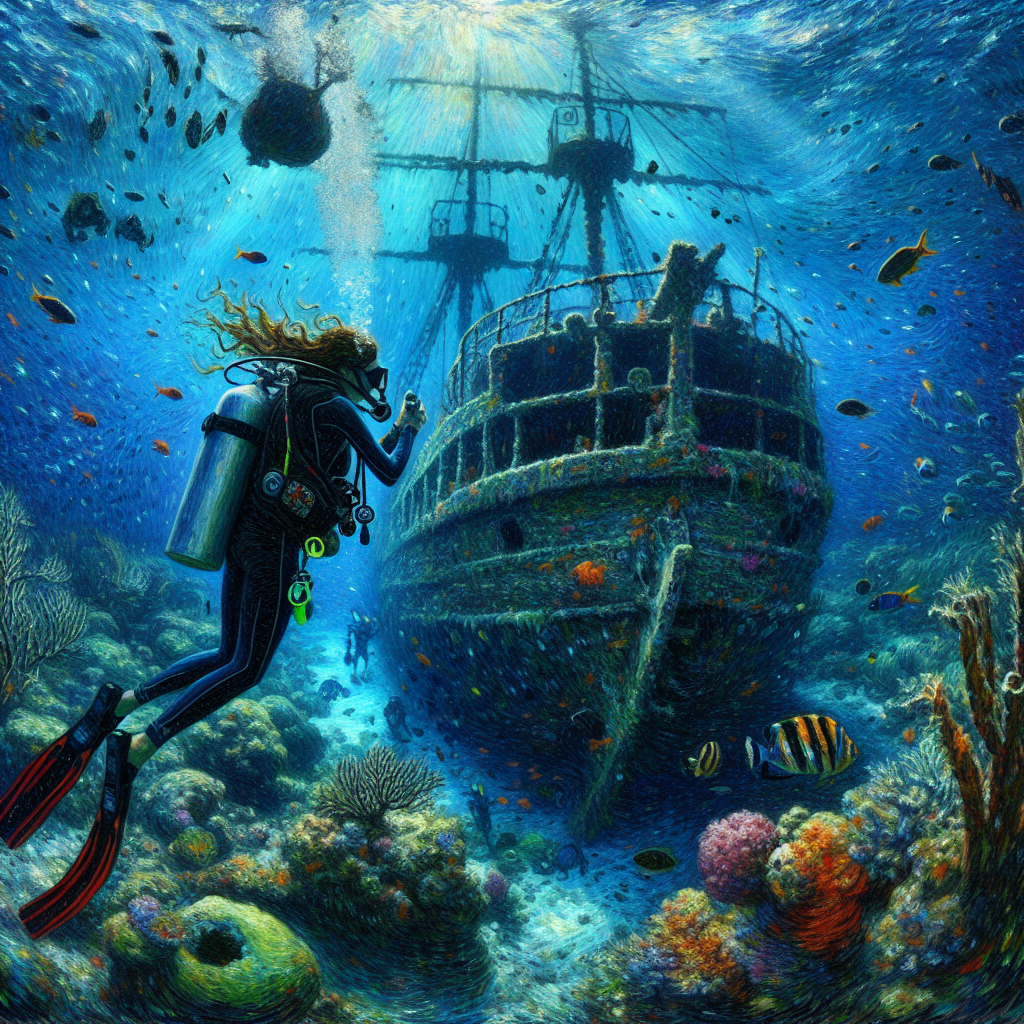
What is the Chance of Spotting a Whale Shark in Cozumel?
Are The Turtles In Cozumel Sharing The Waters with Sharks?
Ah, Cozumel—a stunning island adorned with turquoise waters that beckon snorkelers, divers, and marine enthusiasts alike. But beneath that shimmering surface lies a captivating world of creatures, where the gentle grace of sea turtles mingles with the awe-inspiring presence of sharks. Yes, you heard it right—these two iconic marine animals share a habitat, and the dynamic between them is as fascinating as it is vital to the health of the ocean.
Imagine the scene: a turtle, leisurely gliding through vibrant coral gardens, is blissfully unaware of the shadow lurking nearby. Sharks, the oft-misunderstood predators of the deep, patrol these waters with an elegance that belies their reputation. Cozumel is home to several species of sharks, including the harmless nurse sharks and the majestic reef sharks, both of which navigate the same waters frequented by our armored friends.
Now, you might expect a dramatic showdown—shredded fins and flippers flying in a flurry. But in the reality of marine ecosystems, these encounters are rather more mundane. In fact, sea turtles and sharks often go about their business with little more than a casual nod of acknowledgment. Sharks play a crucial role in maintaining the balance of the oceanic ecosystem, while turtles contribute by grazing on seagrass and keeping the underwater landscape healthy.
What does this mean for Cozumel’s marine biosphere? It means a resilient ecosystem, where the interplay between predator and prey fosters a thriving habitat. Sea turtles might nibble away at seagrasses, allowing them to regenerate and flourish—a boon for fish populations that rely on these underwater gardens for shelter. As for sharks, they maintain the population of weaker or sickly marine creatures, keeping the waters clear of overpopulation and promoting biodiversity.
However, it’s important to recognize the challenges that both these species face. Overfishing, pollution, and habitat degradation threaten their existence, insisting on a delicate balance that humans must strive to uphold. Conservation efforts are critical; it’s a collaborative endeavor, ensuring that future generations can witness this aquatic symbiosis firsthand.
So, as you plan your next underwater adventure in Cozumel, rest assured that the turtles and sharks are making quite the pair. Together, they embody the beauty and resilience of the ocean—an interconnected web of life that reminds us of the importance of protecting these ancient mariners and their enchanting watery realm. Dive in, take a breath, and let the underwater dance begin!

Are The Turtles In Cozumel Sharing The Waters with Sharks?
Are The Turtles In Cozumel Sharing The Waters with Sharks?
- Cozumel is an island known for its beautiful turquoise waters, attracting snorkelers, divers, and marine enthusiasts.
- Sea turtles and sharks share the same habitat, highlighting a unique and vital dynamic in marine ecosystems.
- Several species of sharks, including harmless nurse sharks and reef sharks, cohabitate with sea turtles in Cozumel’s waters.
- Encounters between sea turtles and sharks are generally peaceful, with both species playing essential roles in maintaining ocean balance.
- Sea turtles help regenerate seagrass beds, which are crucial for the ecosystem and support fish populations.
- Sharks contribute to biodiversity by regulating the population of weaker marine creatures, preventing overpopulation.
- The survival of both species is threatened by overfishing, pollution, and habitat degradation, underscoring the need for conservation efforts.

Are The Turtles In Cozumel Sharing The Waters with Sharks?
Do Octopuses In Cozumel Pose a Shark Risk?
When you envision a tropical paradise, what comes to mind? Crystal-clear waters, vibrant coral reefs, and yes—those mysterious creatures lurking just beneath the surface. Cozumel, with its stunning marine life, is no exception. Among the remarkable residents of this underwater Eden are octopuses. But hold on a minute: do these eight-armed wonders pose a risk to sharks?
Let’s dive into the depths of this fascinating question. On the surface, octopuses and sharks seem like they exist in entirely different worlds. Sharks, the fearsome predators of the ocean, glide through the water with a grace that masks their ferocity. Meanwhile, the octopus is a master of disguise and deception, capable of changing its color, texture, and even its shape to blend seamlessly into its surroundings. So, can these two titans of the sea coexist without any hairy incidents?
In the grand scheme of underwater dynamics, octopuses are generally not a direct threat to sharks. While they may be equipped with intelligence and a bag of tricks to fend off larger predators, including their ability to squirt ink and escape into tiny crevices, they’re far from a primary target for most sharks. Instead, it’s the smaller species lurking in the coral crevices that often catch the eye of a hungry shark.
But let’s not paint a one-dimensional picture. There are named exceptions. Some stories circulate about sharks encountering octopuses—sometimes leading to a tussle for survival. In particular, the Great Hammerhead, a formidable predator, has been known to hunt octopuses, given their size and habit of lurking near the ocean floor. However, it’s essential to remember that such encounters are not the norm. Generally speaking, octopuses employ their crafty ways to dodge the majority of their would-be predators—sharks included.
Ultimately, the relationship between octopuses and sharks in Cozumel is one of coexistence more than confrontation. In a world where nature plays by its own set of rules, both creatures carve their niches without drastically impacting one another’s existence. So, if you’re heading out for a dive, take a moment to appreciate the coral-clad sanctuaries where octopuses thrive, knowing they’re busy living their own lives, while sharks go about their business, each contributing to the rich tapestry of marine life that makes Cozumel a destination worth exploring.

Do Octopuses In Cozumel Pose a Shark Risk?
Do Octopuses In Cozumel Pose a Shark Risk?
- Octopuses inhabit the vibrant marine environment of Cozumel alongside sharks.
- Octopuses and sharks have different survival tactics: octopuses rely on deception, while sharks are aggressive predators.
- Generally, octopuses do not pose a direct threat to sharks, often avoiding confrontations.
- Octopuses possess intelligence and defensive skills, such as ink-squirting and hiding in crevices.
- Some exceptions exist, like the Great Hammerhead shark, which may hunt octopuses in certain situations.
- Overall, the relationship between octopuses and sharks in Cozumel is characterized by coexistence rather than conflict.
- Both species play unique roles in the marine ecosystem, contributing to the biodiversity of Cozumel.

Do Octopuses In Cozumel Pose a Shark Risk?
Are There Nurse Sharks In Cozumel?
When you picture the crystal-clear waters of Cozumel, images of vibrant coral reefs and a kaleidoscope of fish likely dance through your mind. But lurking in the shallows and cruising along the sandy bottoms, there’s a rather unassuming character that might catch your eye: the nurse shark. This shark, often found in tropical waters, has made Cozumel one of its prime hangouts. So, what’s the story with these gentle giants?
First off, let’s clear up some misconceptions. Nurse sharks aren’t interested in chasing after swimmers or divers. They’re a laid-back crew, spending much of their time lounging on the ocean floor or nestled in the crevices of coral formations. These sharks can grow up to 14 feet long, but don’t let their size fool you; they’re more like an aquatic couch potato than a ferocious predator. Their diet consists mainly of fish, crustaceans, and mollusks, which they suck up from the ocean floor using their distinctive vacuum-like mouths.
Cozumel, with its warm waters and rich marine biodiversity, serves as a perfect habitat for nurse sharks. Divers and snorkelers often spot them resting during the day, blending in with their surroundings in a mottled pattern of browns and yellows. If you venture out to dive sites like Palancar Reef or Santa Rosa Wall, your chances of encountering these sharks increase significantly.
But don’t go looking for a thrill — nurse sharks are as docile as they come. In fact, they often allow divers to come close for a good look, turning what could be a terrifying shark encounter into a memorable experience. It’s not unusual to see them snoozing, wide-mouthed, with their little barbels twitching lazily as they sense their surroundings. The best part? These gentle giants pose no threat; in fact, they’ve been known to allow divers to pet them, making for some unforgettable underwater selfies.
Yes, there are nurse sharks in Cozumel, and they embody a fascinating blend of grace and comical lethargy. When you’re out exploring this underwater paradise, keep an eye out — you might just find yourself sharing the reef with one of these friendly sea creatures. So grab your mask, snorkel, and a sense of wonder. The ocean waits, and so do the nurse sharks.

Are There Nurse Sharks In Cozumel?
Are There Nurse Sharks In Cozumel?
- Nurse sharks are common in Cozumel’s tropical waters, often found lounging on the ocean floor.
- They can grow up to 14 feet long but are generally docile and non-aggressive.
- Their diet includes fish, crustaceans, and mollusks, which they consume using their vacuum-like mouths.
- Cozumel’s warm waters and diverse marine life create an ideal habitat for nurse sharks.
- Divers and snorkelers often encounter nurse sharks at popular dive sites like Palancar Reef and Santa Rosa Wall.
- Nurse sharks are known for their calm nature, allowing divers to get close without fear.
- These gentle giants provide a unique experience, with some divers even able to pet them.

Are There Nurse Sharks In Cozumel?
What Types Of Sharks Are Commonly Found Around Cozumel?
Cozumel, a gem of the Caribbean, is not just a paradise for sunbathers and snorkelers; it’s also a bustling hub for shark enthusiasts. With its warm, crystal-clear waters and thriving marine ecosystems, Cozumel plays host to an impressive variety of shark species. Let’s dive into the depths and discover what sharks are frequently spotted swimming these vibrant currents.
First up on our list is the unmistakable Caribbean Reef Shark. Often seen patrolling the coral reefs, this sleek predator can grow up to nine feet long. With its pointed snout and menacing demeanor, the Caribbean Reef Shark embodies the enigmatic spirit of these waters. While they’re known for their curious nature, they tend to keep their distance from divers—more interested in the occasional fish snack than in close encounters.
Then we have the Nurse Shark, a more laid-back character in the reef’s roster. Often found lounging on the sandy bottoms during the day, these friendly sharks pose for pictures—albeit while napping. They can grow to impressive lengths, sometimes exceeding ten feet. Don’t let that size fool you; Nurse Sharks are known for their docile behavior, making them a favorite among snorkelers eager for a memorable glimpse.
But the excitement doesn’t stop there. The majestic Hammerhead Shark, with its distinctive head shape, occasionally graces these waters. While sightings are rare, they are anything but ordinary. These formidable hunters are usually found in deeper waters, but if luck is on your side, you might encounter them while exploring the outer reefs or during a dive.
Another notable mention is the Whale Shark, the gentle giant of the ocean, can sometimes be spotted near Cozumel. Reaching lengths of up to 40 feet, these plankton-feeders are awe-inspiring to witness. Despite their intimidating size, Whale Sharks are harmless and pose no threat to divers or snorkelers. Their appearance often turns a regular snorkeling trip into an unforgettable adventure.
Lastly, we shouldn’t forget about the elusive Blacktip Reef Shark. Known for their distinctive black-tipped fins, these small, agile predators are often spotted in schools near the reefs. They are curious by nature, offering thrill-seekers a delightful opportunity to observe their behavior up close.
In Cozumel, the shark experience is as varied as the marine life itself. From the majestic to the gentle, these creatures are vital players in the ecosystem, reminding us of the rich biodiversity that thrives beneath the surface. Whether you’re a diver, snorkeler, or just a beachcomber, these sharks add an exhilarating twist to your Caribbean adventure. So gear up—there’s a whole underwater world waiting to be explored!

What Types Of Sharks Are Commonly Found Around Cozumel?
What Types Of Sharks Are Commonly Found Around Cozumel?
- Cozumel is a Caribbean paradise known for its marine biodiversity, particularly its shark species.
- The Caribbean Reef Shark is commonly found in the coral reefs, growing up to nine feet and displaying a curious yet cautious nature.
- Nurse Sharks are docile and can exceed ten feet in length, often resting on sandy bottoms and posing for snorkelers.
- Hammerhead Sharks, known for their unique head shape, are rare but can occasionally be seen in deeper waters.
- Whale Sharks, the gentle giants of the ocean, can reach up to 40 feet in length and are harmless, often enhancing snorkeling experiences.
- Blacktip Reef Sharks, identifiable by their black-tipped fins, are agile predators often spotted in schools near reefs, appealing to thrill-seekers.
- The diverse shark population in Cozumel offers exciting opportunities for divers, snorkelers, and beachgoers, emphasizing the region’s rich underwater ecosystem.

What Types Of Sharks Are Commonly Found Around Cozumel?
How Often Do Shark Sightings Occur In Cozumel?
Cozumel, with its crystalline waters and vibrant coral reefs, is a paradise for marine life enthusiasts. But amid the dazzling fish and mesmerizing sea turtles lies the question that gets hearts beating just a little faster: How often do shark sightings occur in these majestic waters?
First off, let’s clear the air. When folks think about sharks in Cozumel, they often picture the great whites from nature documentaries, prowling the deep. In reality, the waters around this idyllic Mexican island are home to a range of species that are far less menacing. The most commonly spotted sharks include the nurse shark, reef shark, and the occasional hammerhead. The truth is these creatures, while certainly deserving of respect, are not the ruthless predators Hollywood has made them out to be.
So how frequently can you expect to see one? Well, it varies. Shark sightings in Cozumel can happen almost any day of the year, particularly if you’re on the lookout in the right places. Local dive operators assert that the best times for sightings are during the summer months, when the water is warmer and food is abundant. Relaxing on the sandy shore may not yield much excitement, but plunge into the depths, and that’s when the magic happens.
Divers and snorkelers often report encounters, especially at famed spots like Palancar Reef and Columbia Reef. While fish of every color swim around you, the sleek silhouette of a shark might just glide by. Most sightings occur at depths between 15 to 40 feet, where the reefs are teeming with life. Keep your camera ready; the thrill of spotting one can lead to quite the buzz!
However, it’s important to remember that these encounters are often brief and not guaranteed. Shark populations fluctuate depending on various factors, from water temperature to fishing practices in the area. The generally low number of shark attacks in Cozumel indicates that these creatures are not aggressive and tend to mind their own business—unless provoked, of course.
In summary, while you may not spot a shark during every visit to Cozumel, the chances are good if you dive in with an open mind and an appreciation for the wonders beneath the waves. Respecting these magnificent creatures is paramount, so treat them as guests in their own underwater kingdom. After all, you are merely an observer in a world that is beautifully not your own.
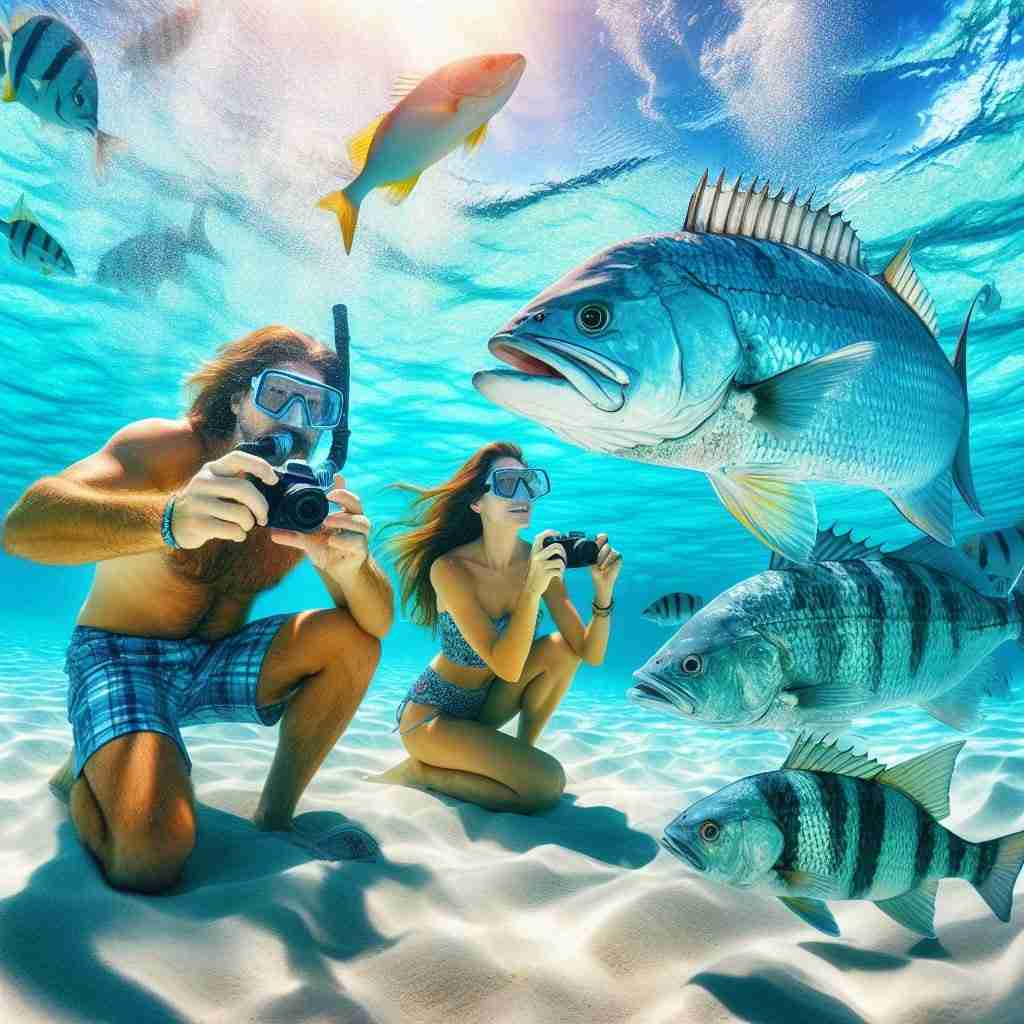
How Often Do Shark Sightings Occur In Cozumel?
How Often Do Shark Sightings Occur In Cozumel?
- Cozumel is renowned for its clear waters and vibrant coral reefs, attracting marine life enthusiasts.
- The most commonly spotted sharks in Cozumel include nurse sharks, reef sharks, and occasional hammerheads.
- Shark sightings can occur almost any day of the year, particularly during warmer summer months.
- Divers and snorkelers often encounter sharks at popular sites like Palancar Reef and Columbia Reef.
- Most shark sightings happen at depths between 15 to 40 feet, where marine life is abundant.
- Encounters with sharks are brief and not guaranteed; the number of shark attacks in Cozumel is low.
- Respect for sharks is essential; visitors should view them as guests in their underwater environment.

How Often Do Shark Sightings Occur In Cozumel?
What Precautions Should Swimmers Take In Cozumel?
Cozumel is a Caribbean paradise, a veritable playground for sun-seekers and water enthusiasts alike. It’s hard to resist the pull of its azure waters, vibrant marine life, and breathtaking coral reefs. But hold your horses, folks! Before diving headfirst into those inviting waves, there are a few precautions you ought to take. That’s right; like any good adventure, swimming in Cozumel comes with its own set of considerations.
First off, let’s chat about safety gear. While you might be tempted to skip the life jacket because you’re a strong swimmer, think again. Strong waves, strong currents, and unfamiliar waters can turn even the best among us into inexperienced flounderers. A life jacket isn’t just a piece of foam—it’s your safety net. Whether you’re snorkeling or just wading around, it’s a good call, especially if you’re venturing out with kids or less experienced swimmers.
Next on the checklist: be smart about the sun. The sun in Cozumel can be relentless, and while the beaches may tempt you to lay out for hours, prolonged exposure can lead to nasty sunburns. So, slather on that waterproof sunscreen, preferably one with an SPF of 30 or higher, and reapply it every couple of hours. And don’t skimp on coverage; consider protective clothing and a wide-brimmed hat. Nothing ruins a tropical getaway faster than a lobster-red back.
Now, let’s talk about marine life. Cozumel boasts some of the most stunning coral reefs, but it’s essential to remember that you’re a visitor in their home. Be mindful of where you’re stepping—those beautiful corals can be tantamount to a knife-edge. You’ll also want to steer clear of any sea creatures that could cause harm. Jellyfish, for example, are elegant in their own right but can pack a sting that’ll leave you regretting your choices for days.
Lastly, stay hydrated. Yes, it’s easy to underestimate the toll of sun and saltwater on your body. Drink plenty of water before and after hitting the waves. No one wants to be the soggy swimmer caught in the grip of dehydration.
So, as you prepare to make a splash in Cozumel, keep this advice in the back of your mind. With a touch of preparation and respect for the surroundings, you’ll enjoy the breathtaking beauty and exhilarating experiences this paradise has to offer—and walk away with some incredible stories to tell!

What Precautions Should Swimmers Take In Cozumel?
What Precautions Should Swimmers Take In Cozumel?
- Cozumel is a beautiful Caribbean destination ideal for sun and water activities.
- Safety gear, like life jackets, is essential due to strong waves and currents.
- Use waterproof sunscreen with SPF 30 or higher to avoid sunburns.
- Wear protective clothing and a wide-brimmed hat for additional sun protection.
- Be cautious around coral reefs and avoid harmful sea creatures, such as jellyfish.
- Stay hydrated by drinking plenty of water before and after swimming.
- Respect the environment to ensure an enjoyable experience while exploring Cozumel.

What Precautions Should Swimmers Take In Cozumel?
Conclusion
As we wrap up our deep dive into the waters of Cozumel, it’s time to set the record straight about those shark sightings. Contrary to the spine-chilling depictions in movies, what lurks beneath this Caribbean beauty isn’t the stuff of nightmares but a vibrant display of marine life, including some pretty friendly sharks. You’ve got your majestic whale sharks, which are the gentle giants of the sea, gliding in search of plankton, and those docile nurse sharks, often spotted lounging on the ocean floor like laid-back beachgoers after a hearty meal.
In fact, the types of sharks found around the island create an intricate balance within the coral reef ecosystems. From nurse sharks to Caribbean reef sharks to rare encounters with the likes of hammerheads, these creatures play a vital role in maintaining the health and diversity of marine life. They’re not here to give you a heart-pounding thrill; they’re more interested in keeping nature in check. So, what’s the likelihood you’ll spot these beauties while you’re out and about? During the summer months, your chances skyrocket, especially if you’re cruising with a savvy tour guide who knows how to navigate the currents and uncover the hidden treasures below.
But don’t let the thrill of the chase diminish your respect for the ocean. Whether you’re contemplating a snorkeling adventure or a deep dive, understanding the ecosystem—sharks, turtles, and even the crafty octopus—creates an incredible appreciation for what lies beneath. It’s crucial to approach these outings with safety in mind. Invest in sound gear, protect your skin from the sun, and dive into these waters with responsibility. After all, you’re not just a tourist; you’re part of this delicate balance of life.
So, as you prepare to immerse yourself in Cozumel’s stunning underwater world, remember: you’re not just seeking an adrenaline rush; you’re partaking in an experience that could shift your entire perspective on the ocean and its inhabitants. Keep your eyes peeled, respect these marine marvels, and bask in the enchanting beauty that awaits under the waves. Cozumel is ready for you—dive in, enjoy, and revel in the wonders of the sea!

Conclusion
Conclusion:
- Cozumel’s waters are home to friendly shark species, contrary to fear-inducing movie portrayals.
- Whale sharks, the gentle giants, and nurse sharks can often be spotted in the area.
- The island’s sharks, including Caribbean reef sharks and occasional hammerheads, contribute to coral reef health and marine diversity.
- Summer months significantly increase your chances of spotting these sharks, especially with a knowledgeable tour guide.
- Respect for the ocean and its ecosystem is essential; understanding marine life enhances the experience.
- Safety precautions should be taken, including using proper gear and sun protection during water activities.
- Engaging with Cozumel’s underwater world is not just about adrenaline; it offers a profound appreciation for the ocean’s beauty and balance.

Conclusion
Other Resources

Other Resources
Reading this from somewhere that isn’t Cozumel? When you do come down, where you stay shapes the whole trip. A few options from our sister sites: Cozumel Journey is an editorial guide to Cozumel — neighborhoods, planning tips, and life on the island for travelers who want context, not a cruise schedule.
Here is a list of other resources you can review online to learn more:
- Cozumel Beaches
- Cozumel Water Sports
- Jimmy John’s
- Capitán Eduardo A. Toledo Airport
- Yard House
- Chedraui
- Winjet
- World Nomads
- Alberto’s Downtown
- Chichen Itza
- Cozumel Journey — long-form writing on neighborhoods and planning
Use This Prompt To Get More Resources With Your Favorite Online AI Tool: Please provide me with a list of online articles with their URLs in a bulleted list that I can read regarding Are There Sharks Lurking In Cozumel’s Waters?

Other Resources
Glossary Terms
Are There Sharks Lurking In Cozumel’s Waters? – Glossary Of Terms
1. Cozumel: A tropical island off the eastern coast of Mexico’s Yucatán Peninsula, known for its beautiful beaches and diving spots.
2. Sharks: Cartilaginous fish known for their keen senses, predatory behaviors, and diverse species, some of which inhabit coastal waters.
3. Marine Biology: The study of ocean ecosystems, marine organisms, and their interactions with the environment, including the behavior of sharks.
4. Ecosystem: A community of living organisms, including sharks, and their physical environment, interacting as a system.
5. Diving: An underwater activity involving exploration of marine life and habitats, particularly popular in Cozumel’s clear waters.
6. Inhabit: To live or reside in a particular environment; in this context, refers to sharks living in the waters around Cozumel.
7. Predator: An animal that preys on other organisms; many shark species are apex predators in marine ecosystems.
8. Apex Predator: A predator at the top of the food chain, which plays a critical role in maintaining the health of marine ecosystems.
9. Divers: Individuals who explore underwater environments, often seeking encounters with marine life, including sharks.
10. Snorkeling: A water activity that allows individuals to observe underwater life while floating on the surface, often revealing local shark species.
11. Species: A group of organisms that share common characteristics and can interbreed; over 500 shark species exist globally.
12. Behavioral Patterns: Specific traits and habits exhibited by sharks, such as feeding, mating, and migration behaviors.
13. Migration: Seasonal movement of sharks between different habitats in search of food, breeding grounds, or suitable environmental conditions.
14. Underwater Visibility: The clarity of water in a diving or snorkeling location; good visibility is crucial for spotting sharks.
15. Habitat: The natural environment in which an organism lives; Cozumel offers diverse habitats for various shark species.
16. Coral Reefs: Marine ecosystems characterized by coral formations that support a wide range of marine life, including sharks.
17. Trophic Level: The position an organism occupies in a food chain; sharks are usually higher trophic level predators.
18. Conservation: Efforts aimed at protecting marine ecosystems and shark populations from overfishing and habitat loss.
19. Overfishing: The depletion of fish populations due to excessive fishing; a major threat to shark species globally.
20. Biodiversity: The variety of life in a particular habitat; Cozumel is known for its rich marine biodiversity, including sharks.
21. Reef Sharks: Small to medium-sized sharks that inhabit coral reefs; common species around Cozumel include the Caribbean reef shark.
22. Whale Shark: The largest fish species, known for its gentle nature and filter-feeding habits; occasionally spotted in Cozumel’s waters.
23. Hammerhead Shark: A distinctive species known for its unique head shape, often found in warm coastal waters.
24. Bull Shark: A robust and aggressive shark species that can tolerate both saltwater and freshwater, often found near shorelines.
25. Shark Finning: The practice of removing fins from sharks for use in soups; a controversial and inhumane practice impacting shark populations.
26. Ecological Role: The role an organism plays in its ecosystem; sharks help control fish populations and maintain marine balance.
27. Tourism: The industry involving travel for leisure; shark diving and snorkeling tours are popular attractions in Cozumel.
28. Sustainable Practices: Approaches aimed at maintaining ecological balance while allowing for marine tourism and protection of shark habitats.
29. Threatened Species: Species facing a risk of extinction due to factors like overfishing, habitat destruction, and climate change; many shark species fall into this category.
30. Regulatory Measures: Laws and guidelines established to manage and protect marine species, including regulations on shark fishing in Cozumel.

Glossary Of Terms
Other Questions
Are There Sharks Lurking In Cozumel’s Waters? – Other Questions
If you wish to explore and discover more, consider looking for answers to these questions:
- What other marine life can be found in Cozumel’s waters?
- Are there any specific dive sites recommended for shark sightings?
- What is the best time of year to dive in Cozumel for marine life encounters?
- What safety measures should divers take when swimming with sharks?
- What conservation efforts are in place to protect sharks and other marine life in Cozumel?
- How do shark populations in Cozumel compare to other dive destinations?
- What are the risks of encountering dangerous marine life in Cozumel?
- Can you swim with sharks legally in Cozumel, and are there regulated tours?
- What factors influence whale shark sightings aside from the season?
- How do local regulations affect diving and snorkeling in Cozumel?
- What is the ecological significance of sharks in the Cozumel marine ecosystem?
- Are there any shark species that are considered endangered in Cozumel?
- What role do dive operators play in marine conservation in Cozumel?
- How should one behave if they encounter a shark while diving or snorkeling?
- Are there shark research initiatives taking place in Cozumel?

Other Questions
Haiku
Are There Sharks Lurking In Cozumel’s Waters? – A Haiku
Gentle sharks glide near,
Cozumel’s vibrant waters,
Nature’s dance unfolds.

Haiku
Poem
Are There Sharks Lurking In Cozumel’s Waters? – A Poem
In the sparkling depths of Cozumel’s embrace,
Where coral gardens bloom and colors trace,
Swimmers glide through waters so crystal clear,
While gentle sharks and turtles wander near.
Fear not the tales of jaws that bite,
For here the nurse shark sleeps, a tranquil sight.
Majestic whale sharks weave through the brine,
Sipping on plankton, their dance divine.
Cozumel’s waters burst with life and cheer,
From playful fish to the whispers we hear,
Of octopuses hiding, clever and sly,
In the tapestry woven beneath the blue sky.
Yet lurking beneath the surface so grand,
Is an ecosystem that thrives, hand in hand.
The sharks and turtles, in harmony play,
In a world where balance keeps darkness at bay.
When summer beckons, and the sun shines bright,
The gentle giants arrive, a marvelous sight.
Join the tours that know the currents well,
For every dive brings a thrilling tale to tell.
Oh, the blacktips and reefers patrolling the sea,
Nature’s ballet in this aquatic jubilee.
Though caution is wise, enjoy with delight,
Respecting each creature while basking in light.
So gear up and dive into this world beneath,
Embrace the ocean’s wonder and its sacred wreath.
For in Cozumel’s waters, packed with delight,
Lives the story of nature, both fearsome and bright.

Poem
Checklist
Are There Sharks Lurking In Cozumel’s Waters? – A Checklist
Before You Go
_____ Research Shark Species: Familiarize yourself with the types of sharks found in Cozumel (e. g. , nurse sharks, whale sharks, reef sharks).
_____ Choose Best Travel Times: Plan your visit between June and September for the best chance to see whale sharks.
_____ Select a Reputable Dive Operator: Look for guides with experience in shark encounters for safety and knowledge.
Packing Essentials
_____ Safety Gear:
_____ Snorkel and mask
_____ Lightweight wetsuit (for warmth and sun protection)
_____ Life jacket (especially for beginners and children)
_____ Sun Protection:
_____ Waterproof sunscreen (SPF 30 or higher)
_____ Protective clothing (rash guard, water shoes)
_____ Wide-brimmed hat and sunglasses
_____ Underwater Equipment:
_____ Waterproof camera for capturing encounter memories
_____ Extra snorkel gear for group members, if applicable
Safety While in the Water
_____ Observe Local Guidelines: Always heed instructions from dive guides regarding safety and marine life interactions.
_____ Stay Calm During Encounters: If you spot a shark or other marine life, remain calm and avoid sudden movements.
_____ Do Not Touch Marine Life: Respect the ocean’s inhabitants by maintaining a safe distance. Avoid touching or provoking any creatures.
_____ Be Mindful of Your Surroundings: Watch for currents and maintain awareness of other swimmers and divers.
Shark Education and Conservation Awareness
_____ Learn About Shark Roles: Understand how sharks maintain ecological balance and contribute to marine health.
_____ Participate in Conservation Efforts: Support local conservation initiatives that help protect both sharks and their habitats.
After Your Diving and Snorkeling Experience
_____ Reflect on Your Encounter: Take some time to appreciate the diversity of marine life you witnessed.
_____ Stay Informed: Continue learning about marine ecosystems and the importance of sharks in our oceans.
Enjoy Your Underwater Adventure!
Dive into the mesmerizing world of Cozumel’s waters with respect and awareness. By following these guidelines, you’ll ensure a safe, rewarding experience that fosters a deeper appreciation for marine life and the role of sharks in our oceans.

Checklist
At TopCozumelNews, we help travelers enjoy Cozumel by collating information learned from frequently traveling to beautiful Cozumel.
Be sure to read our other related stories at TopCozumelNews to learn more about the Island of Cozumel.