Uncovering Cozumel’s Captivating History
By Tom Seest
At TopCozumelNews, we help travelers enjoy Cozumel by collating information learned from frequently traveling to beautiful Cozumel.
Be sure to read our other related stories at TopCozumelNews to learn more about the Island of Cozumel.
What Historical Sites In Cozumel Will Ignite Your Curiosity?
When you think of Cozumel, you might picture sun-soaked beaches, vibrant coral reefs, and the thrill of Caribbean adventures. But tuck away those visions for a moment and think about this: behind the picturesque scenery lies a treasure trove of historical sites waiting to ignite your curiosity and transport you back in time.
First, let’s dive into the marvel that is San Gervasio. This ancient Mayan site isn’t just a couple of rocks haphazardly piled on each other; it’s a window into the past, where the Mayans worshipped their goddess, Ix Chel. As you stroll through the remnants of temples and plazas, you can almost hear the echoes of rituals long gone, illuminating the importance of this place as a spiritual center. It’s a reminder that even paradise has its roots firmly planted in history.
Next, you can’t miss the captivating El Cedral. What was once a thriving Mayan village is now a charming small community that serves as a living testament to Cozumel’s rich past. The locals are proud of their heritage, and if you take the time to chat with them, you’ll discover tales of resilience and tradition. The town is dotted with remnants from the 1800s, including a quaint chapel that stands as a beacon of Cozumel’s colonial history. A visit here is like stepping into a time machine where curiosity is not just welcomed but encouraged.
The archaeological site of Tulum might steal some thunder, but let’s not overlook the significance of the Cozumel Lighthouse. This sturdy sentinel has stood watch over the island since the early 20th century. Climbing to the top provides breathtaking views of the mesmerising coastline, but it also gives you a glimpse into the maritime history that shaped the island’s development. Imagine the seafarers who relied on this beacon to guide them safely to shore amid the rough Caribbean waves.
In the spirit of exploration, you’ll find that Cozumel isn’t just about the beaches or the nightlife; it’s a canvas painted with stories from ancient civilizations, colonial legacies, and local traditions. So, whether you’re scaling the ruins of San Gervasio or learning about the tales that echo from El Cedral, you’ll discover that the heart of Cozumel beats with history just waiting to ignite your curiosity. Don’t just be a visitor; go ahead and be an explorer!

What Historical Sites In Cozumel Will Ignite Your Curiosity?
What Historical Sites In Cozumel Will Ignite Your Curiosity?
- Cozumel is known for its beautiful beaches and coral reefs, but it also has rich historical sites.
- San Gervasio is an ancient Mayan site significant for its worship of the goddess Ix Chel.
- Exploring San Gervasio offers a glimpse into Mayan rituals and spiritual history.
- El Cedral is a former Mayan village that showcases Cozumel’s colonial history and local culture.
- The quaint chapel in El Cedral reflects the area’s 1800s heritage and invites storytelling.
- The Cozumel Lighthouse provides stunning views and holds importance in maritime history.
- Cozumel’s history is multifaceted, enriching the experience beyond its beaches and nightlife.
What Historical Sites In Cozumel Will Ignite Your Curiosity?
Table Of Contents
- What Historical Sites In Cozumel Will Ignite Your Curiosity?
- What Are The Must-See Historical Sites In Cozumel?
- What Role Did Cozumel Play In Ancient Trade Routes?
- Are There Any Famous Ruins To Explore In Cozumel?
- What Stories Do The San Gervasio Ruins Tell?
- What Unique Features Does The El Cedral Site Have?
- Where Can I Find The Oldest Structures In Cozumel?
- What Archaeological Discoveries Have Been Made In Cozumel?
- Conclusion
- Other Resources
- Glossary Of Terms
- Other Questions
- Haiku
- Poem
- Checklist
What Are The Must-See Historical Sites In Cozumel?
When you think of Cozumel, images of swaying palm trees and azure waters may come to mind. But beyond the blissful beaches lies a treasure trove of historical significance just waiting to be explored. If you’re in the mood to dive a little deeper into this island’s rich past, the must-see historical sites of Cozumel are your golden ticket.
Start your journey at the San Gervasio Ruins, the ancient temple complex where the indigenous Maya honored the goddess Ix Chel. Strolling through the crumbling structures, you’ll feel the echoes of ceremonies long past. These ruins are not just stones; they are a window into the spiritual life of the island’s early inhabitants. As you walk among the scattered temples and altars, try to imagine the generations of Maya who flocked here for rituals beneath the tropical sun.
Next, make your way to the revered Punta Sur Eco Beach Park. While the name might suggest a leisurely day at the beach, it holds a historical narrative that stretches back to when the area was pivotal for navigation. The park is home to a historic lighthouse that dates back to the 19th century. As you climb to the top, take in the panoramic views of the coastline, and consider the countless ships that have relied on this beacon for safe passage through treacherous waters.
Now, let’s not forget about the Museo de la Isla de Cozumel. This little gem offers a comprehensive look at the island’s history, from its prehistoric inhabitants to its modern-day significance. The exhibits are well-curated and provide insights that captivate both young and old. It’s a great primer for anyone wanting to understand the layers of culture that have shaped Cozumel.
Finally, take a trip to the remnants of the old Spanish fort, San Miguel. It might be in ruins, but the stark beauty of its walls against the bright sky tells stories of resilience and defense. Imagine sailors and soldiers of the past, guarding this island paradise from pirates and invaders, all while surrounded by the very waters that now attract thousands of visitors.
Cozumel is more than just a picturesque getaway; it’s a patchwork of history waiting to be uncovered. So grab your sneakers, and let the adventures in history lead you through this enchanting island!

What Are The Must-See Historical Sites In Cozumel?
What Are The Must-See Historical Sites In Cozumel?
- Cozumel is not just known for its beaches but also for its rich historical sites.
- Visit the San Gervasio Ruins, a temple complex honoring the goddess Ix Chel.
- Punta Sur Eco Beach Park features a 19th-century lighthouse significant for navigation.
- The Museo de la Isla de Cozumel showcases the island’s history, from prehistoric to modern times.
- San Miguel, the remnants of an old Spanish fort, tells stories of defense against pirates and invaders.
- Cozumel offers a mix of cultural history, making it an intriguing destination beyond its scenic beauty.
- Explore the island’s past as part of your adventure in Cozumel!

What Are The Must-See Historical Sites In Cozumel?
What Role Did Cozumel Play In Ancient Trade Routes?
Cozumel, a striking island nestled off the eastern coast of Mexico’s Yucatán Peninsula, was more than just a picturesque escape; it was a vital cog in the wheel of ancient trade routes. Picture this: long before the development of modern transportation, vibrant trading networks crisscrossed the Maya civilization, linking various settlements across the region. Cozumel emerged as a key hub within this intricate mosaic of trade, benefiting not just from its geographic location, but also from the resources it offered.
In this tropical paradise, traders found abundant natural resources—cacao, honey, and the coveted jade, all of which were highly sought after in markets far and wide. Cacao, in particular, was revered; it wasn’t just a source of nourishment but a currency in its own right. Merchants would often gather on the island to exchange goods, ideas, and culture. Imagine the bustling markets where vibrant textiles and ceramics were swapped for fragrant spices and raw materials. Cozumel provided a central point for these interactions, acting as a port of call for seafaring traders navigating the Caribbean waters.
Equally significant was Cozumel’s role as a spiritual center. The island was home to the goddess Ix Chel, revered by the Mayans as the goddess of fertility and medicine. Pilgrims and traders alike would make the journey to Cozumel to pay homage and seek favor in their ventures. This religious pilgrimage elevated the island’s profile, attracting even more traffic and establishing it as a cultural crossroads where trade and spirituality intertwined.
As the tides of history ebbed and flowed, Cozumel adapted to serve the needs of various civilizations, from the ancient Maya to later European explorers. This adaptability is crucial to understanding its enduring legacy. The once-bustling trading post eventually saw a decline with the rise of competing routes and colonial pressures. Yet, its historical significance as a trade nexus can still be seen today.
While modern tourists flock to Cozumel for sun-soaked beaches and snorkeling adventures, the echoes of its bustling market days linger in the air. This island isn’t just a vacation spot; it’s a reminder of a rich past steeped in trade and culture, where goods, ideas, and beliefs converged across time and distance. So the next time you set foot on Cozumel, take a moment to reflect on its storied role as a vibrant trade hub that played a crucial part in shaping ancient civilizations.

What Role Did Cozumel Play In Ancient Trade Routes?
What Role Did Cozumel Play In Ancient Trade Routes?
- Cozumel is an island off the eastern coast of Mexico’s Yucatán Peninsula, historically significant as a trade hub.
- It was part of the extensive trading network of the ancient Maya civilization, connecting various settlements.
- The island offered abundant resources like cacao, honey, and jade, which were highly sought after in markets.
- Cacao was not only a nourishing food but also served as a form of currency during trade.
- Cozumel became a spiritual center, home to the goddess Ix Chel, attracting pilgrims and traders.
- Despite a decline due to competing trade routes and colonial pressures, Cozumel’s legacy as a trade nexus endures.
- Today, Cozumel attracts modern tourists while echoing its rich history of trade, culture, and spirituality.

What Role Did Cozumel Play In Ancient Trade Routes?
Are There Any Famous Ruins To Explore In Cozumel?
Cozumel might be best known for its turquoise waters and lively reefs, but don’t let that lush landscape fool you—this island boasts a rich tapestry of history worth exploring. Among the best-kept secrets of Cozumel are the ancient ruins that tell tales of the past, weaving through the threads of Mayan culture.
First on the list for history buffs is San Gervasio, an archaeological site that’s a gateway into the ancient Mayan civilization. This wasn’t just any settlement; it was once a major hub dedicated to the goddess Ix Chel, the deity of fertility and love. As you wander through the beautifully preserved structures, you can almost hear the whispers of the past. The site is dotted with these remarkable stone edifices, each with its own story to tell—a story of trade, worship, and community. Walking among the crumbling walls, you get a palpable sense of how vibrant and complex life must have been for the Mayans who inhabited this place centuries ago.
Then there’s the El Caracol, a structure that serves as a fascinating reminder of Mayan astronomical prowess. This observatory, whose name translates to “the snail” due to its spiral staircase, was pivotal for the locals as they monitored celestial events. Standing at this vantage point, you gain a deeper appreciation for how the Mayans connected their world to the heavens. They were not just farmers and artisans but also keen observers of the sky, which guided their agricultural practices and religious ceremonies.
While San Gervasio and El Caracol are the main draw, there are also lesser-known sites, like the ruins found scattered along the eastern coast. These remnants remind us that Cozumel was once a thriving center of trade and cultural exchange long before it became a tourist hotspot. Even without the detailed signs and bustling tour groups, just standing at these sites steeped in history, contemplating the lives lived there, is an experience that roots you in the rich narrative of the island.
In summation, if you find yourself on the sun-kissed shores of Cozumel, take a break from the beach and venture into the past. The ruins may not shout the loudest, but their subtle storytelling offers a window into an incredible history that’s just waiting for curious minds to explore. Your journey into the heart of ancient Mayan civilization is only a step away from a sun-soaked paradise.

Are There Any Famous Ruins To Explore In Cozumel?
Are There Any Famous Ruins To Explore In Cozumel?
- Cozumel is known for its beautiful turquoise waters and vibrant reefs but also has a rich historical tapestry.
- San Gervasio is a key archaeological site showcasing the ancient Mayan civilization and its dedication to the goddess Ix Chel.
- The site features well-preserved structures that reflect Mayan trade, worship, and community life.
- El Caracol, an observatory with a spiral staircase, highlights the Mayans’ advanced astronomical knowledge.
- This structure allowed locals to monitor celestial events, integrating astronomy into agricultural and religious practices.
- In addition to major sites, lesser-known ruins along the eastern coast indicate Cozumel’s historical significance as a trade center.
- Exploring these historical sites offers a unique glimpse into the rich narrative of the island beyond its tourist attractions.

Are There Any Famous Ruins To Explore In Cozumel?
What Stories Do The San Gervasio Ruins Tell?
Nestled in the dense jungles of Cozumel, the San Gervasio ruins stand as a testament to a rich tapestry of history. These ancient structures whisper tales of a civilization that thrived long before jet skis and resort life transformed the island into a tropical playground. The moment you step foot on this sacred ground, you can almost hear the echoes of centuries past.
As you wander amidst the remnants of stone platforms and crumbling walls, it’s impossible not to feel connected to the lives that once filled these spaces. San Gervasio was more than just a settlement; it was a vibrant hub for the ancient Maya, a people deeply intertwined with their surroundings and the cosmos. These ruins served as a center for worship, dedicated to Ix Chel, the goddess of fertility and the moon, underscoring the reverence the Maya had for the cycles of nature. It’s fascinating to think about how the rituals performed here sought to invoke blessings for harvests and families, tying their earthly existence to divine favor.
The architectural layout of San Gervasio provides clues to the social structure and daily life of its inhabitants. The arrangement of buildings suggests a community that was not only functional but also highly organized. Here, trade, collaboration, and perhaps even conflict shaped the landscape – each stone, a marker of human endeavor and aspiration. The remnants of paths once walked by traders, priests, and families tell stories of commerce and connection that transcended regional borders, showcasing the sophistication of the ancient network.
But the narrative of San Gervasio isn’t just about the grandeur of the past; it also speaks to resilience. The rise and fall of this settlement mirrors the broader trajectory of the Maya civilization. It faced challenges from environmental shifts, resource management, and eventually, European contact that would alter the course of history irrevocably. These ruins are silent witnesses to the ebb and flow of life, reminding us that all great civilizations must grapple with their mortality.
So, as you explore San Gervasio, take a moment to reflect on the stories each stone might tell. They encapsulate the human experience – our aspirations, our struggles, and our deep-seated connection to the land. In a world that often races forward, these ruins invite us to pause, listen, and appreciate the history that lays beneath our feet, quite literally grounding us in a time and place that predates our modern existence.
What Stories Do The San Gervasio Ruins Tell?
What Stories Do The San Gervasio Ruins Tell?
- San Gervasio ruins are located in the dense jungles of Cozumel, reflecting a rich historical legacy.
- The site was a vibrant hub for the ancient Maya, deeply connected to nature and their cosmos.
- San Gervasio served as a worship center dedicated to Ix Chel, the goddess of fertility and the moon.
- The architectural layout suggests an organized community involved in trade and collaboration.
- The ruins highlight the sophistication of the ancient network of commerce and relationships.
- San Gervasio’s narrative represents resilience amidst challenges faced by the Maya civilization.
- Exploring the ruins invites reflection on the human experience and our connection to history.

What Stories Do The San Gervasio Ruins Tell?
What Unique Features Does The El Cedral Site Have?
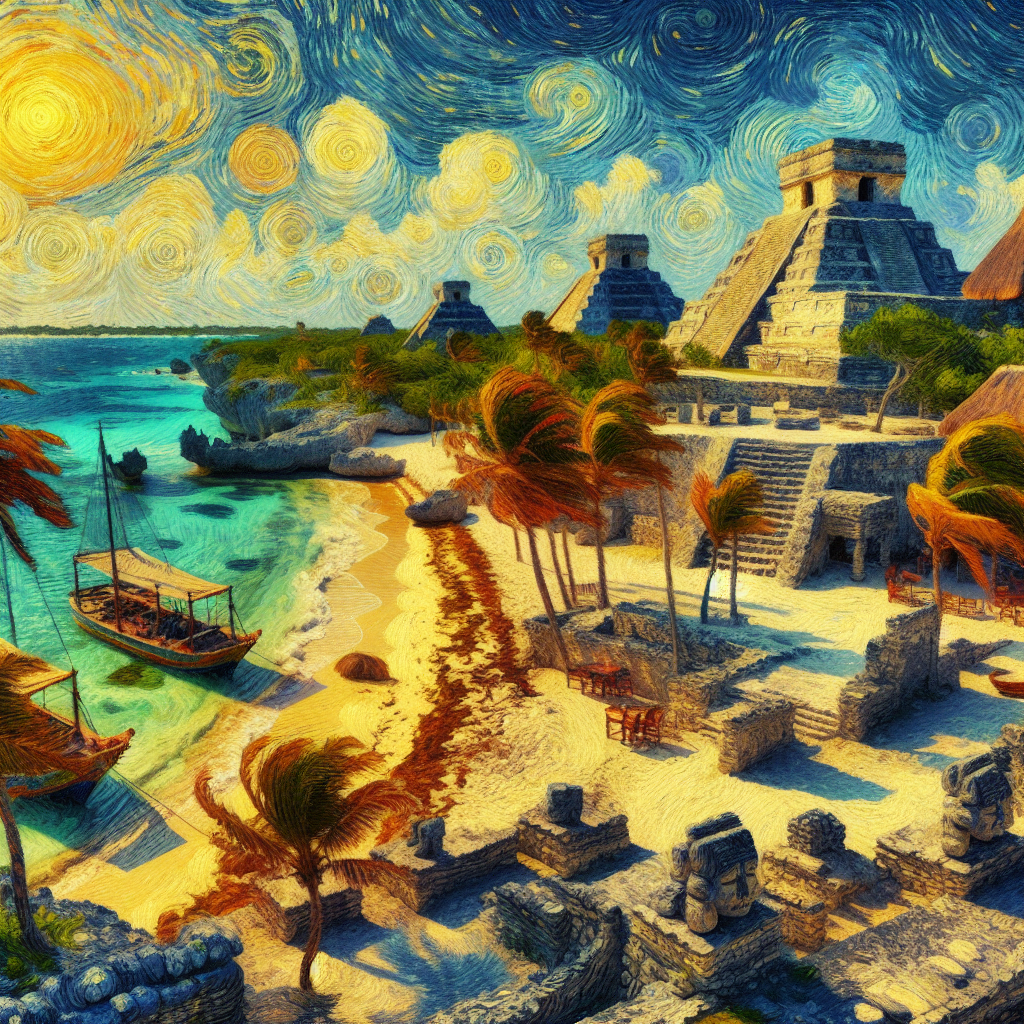
El Cedral, a historical gem tucked away on the island of Cozumel, is a treasure trove of unique attributes that draw visitors from all over the globe. First and foremost, its history offers a fascinating glimpse into the life of the ancient Mayans. Founded as one of the first settlements on the island, the remnants of this once-thriving community provide an engaging narrative of resilience and adaptation. The clear echoes of ancient rituals and daily life resonate through the stone structures, showcasing an architectural ingenuity that has withstood the test of time.
One standout feature is the small yet captivating temple situated at the site. Unlike some of the grand temples found in other parts of the Yucatán Peninsula, this modest structure at El Cedral stands as a testament to the more subtle, personal worship practices of the Mayan people. Visitors often find themselves enchanted by the intricate carvings that adorn the temple’s façade—each telling its own story steeped in mythology and tradition. There’s something almost mystical about standing before these stones, contemplating the thoughts and prayers of those who walked this land centuries ago.
But El Cedral isn’t just about the past; it also embodies the spirit of the present. The site is often frequented by the local community, who come together to celebrate traditional festivals and rituals. The fusion of ancient customs with contemporary culture creates a vibrant atmosphere that is both educational and deeply moving. Imagine walking through the ruins, only to be enveloped by the sounds of a lively celebration, where traditional music weaves seamlessly with the haunting echoes of history.
In addition to its archaeological significance, El Cedral is also a natural paradise. The surrounding landscape is a wonder in itself, offering lush greenery and a variety of flora and fauna that create a stunning backdrop for exploration. Nature lovers can revel in the beauty of the tropical environment, which thrives alongside the historical ruins. It’s a place where nature and history converge, inviting guests to explore the beauty of the island in a truly immersive manner.
So, when you find yourself on Cozumel, make sure to carve out some time for El Cedral. It’s an enchanting site where history and nature intertwine, offering a unique experience that is both reflective and lively, serene yet full of celebration—a true testament to the enduring spirit of the island and its people.

What Unique Features Does The El Cedral Site Have?
What Unique Features Does The El Cedral Site Have?
- El Cedral, located on Cozumel Island, is a historical site rich in Mayan heritage.
- The site features remnants of one of the island’s first Mayan settlements, showcasing resilience and adaptation.
- A notable feature is a small temple that reflects the personal worship practices of the Mayans, adorned with intricate carvings.
- Visitors are captivated by the temple’s artistry, which tells stories of mythology and tradition.
- El Cedral actively hosts local festivals, blending ancient customs with modern celebrations, creating a vibrant atmosphere.
- The surrounding landscape is a natural paradise, rich in flora and fauna, complementing the archaeological significance of the site.
- El Cedral offers a unique experience, merging history and nature into a reflective and lively destination on the island.
What Unique Features Does The El Cedral Site Have?
Where Can I Find The Oldest Structures In Cozumel?
When you step foot on Cozumel, a tropical gem nestled in the Caribbean Sea, you’re not just diving into sun-soaked beaches and crystal-clear waters. You’re also stepping into a world full of history and mystery. If you’re wondering where to uncover the oldest structures in Cozumel, I’ve got you covered.
First on the list is the ancient site of San Gervasio. This archaeological marvel served as a sanctuary for the Mayan goddess Ix Chel, the deity of fertility and love. As you wander through these stone ruins, you can’t help but feel a connection to the past. The crumbling walls and ancient carvings tell tales of rituals performed long before your time. It’s a humbling experience, standing amidst structures that have weathered centuries.
Next, don’t overlook the remnants of Tulum, which, although not on the island itself, is a short ferry ride away. This ancient port city offered a strategic view of the Caribbean and was bustling with activity in its heyday. The well-preserved walls of Tulum, contrasting against the backdrop of azure waves, are nothing short of breathtaking. As you explore its stone edifices and sacred sites, you’ll understand why this place was vital to the Mayan civilization.
Now, back on Cozumel, you need to visit the ruins of El Cedral. This small yet significant site offers a fascinating glimpse into the life of the early Mayans. Although the structures may not be as grand as those at San Gervasio, they are rich in history and intrigue. The stories of the community that once thrived there whisper through the trees, waiting to be discovered.
Lastly, while it’s not purely an ancient site, the San Miguel Church is worth noting. Built in the 19th century, its understated beauty represents a more modern chapter in Cozumel’s history. The whitewashed walls and simple silhouette stand in stark contrast to the elaborate temples of the past, yet it serves as a reminder that history is an ever-evolving tapestry.
So, whether you’re tracing the past at San Gervasio, soaking in the vistas at Tulum, feeling the echoes at El Cedral, or reflecting in the San Miguel Church, Cozumel is a paradise steeped in history, waiting for you to explore its oldest structures. Grab your sense of adventure, and get ready to dig deep into the stories of this enchanting island!

Where Can I Find The Oldest Structures In Cozumel?
Where Can I Find The Oldest Structures In Cozumel?
- Cozumel is a Caribbean tropical gem rich in history and mystery.
- San Gervasio: An archaeological site dedicated to the Mayan goddess Ix Chel, featuring ancient ruins and carvings.
- Tulum: A nearby ancient port city known for its strategic location and well-preserved walls, significant to Mayan civilization.
- El Cedral: A smaller archaeological site on Cozumel offering insights into early Mayan life, with historical significance.
- San Miguel Church: A 19th-century church reflecting modern history, with a contrasting architecture compared to ancient structures.
- Cozumel’s historical sites offer a mix of ancient and modern experiences for visitors.
- Exploring these sites provides a deeper understanding of the enchanting stories of Cozumel.

Where Can I Find The Oldest Structures In Cozumel?
What Archaeological Discoveries Have Been Made In Cozumel?
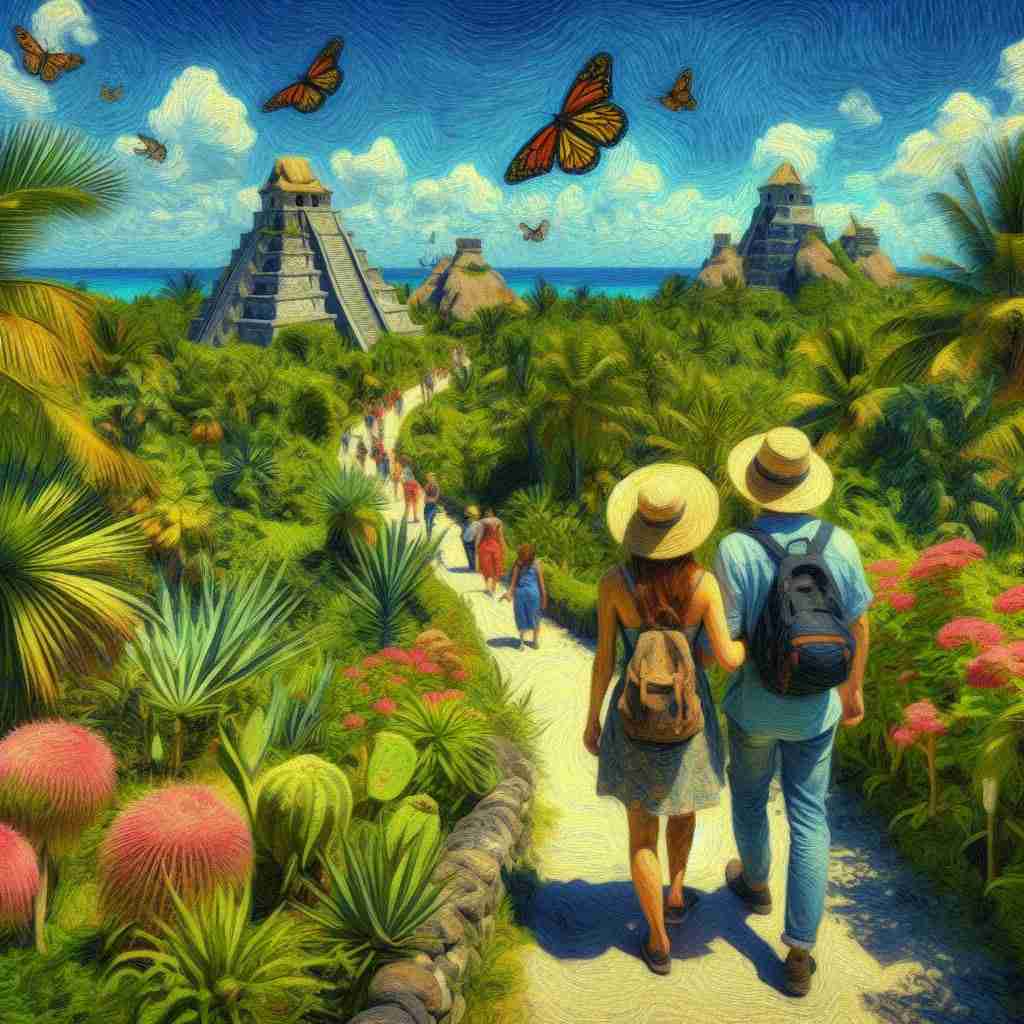
Cozumel: a picturesque Caribbean island known for its stunning beaches and vibrant coral reefs, also holds a treasure trove of archaeological wonders that take us deep into its rich history. While many flock to Cozumel for sunbathing and snorkeling, just beneath the surface lies a world that tells a different story—one of ancient civilizations, thriving cultures, and sacred rituals.
The island was a significant site for the ancient Maya, who revered Cozumel as a place of pilgrimage. Among the most compelling discoveries is the site of San Gervasio, a ceremonial center that served as a hub for worshipping the Mayan goddess Ix Chel, the deity of fertility and medicine. Excavations at San Gervasio have uncovered ruins, including stone temples, altars, and intricate carvings that offer insight into the spiritual practices of the Maya. These discoveries reveal how the island’s geography influenced their way of life, shaping not just their religion, but also their trade and social structure.
Another notable find in Cozumel is the extensive network of ancient roads, or sacbeob, which connected significant sites throughout the island. These roadways not only facilitated trade but also served as a means to strengthen community ties among different Maya settlements. Walking along these ancient paths today allows one to reflect on the bustling activity that once thrived across the island, connecting its inhabitants in ways we continue to explore.
Furthermore, underwater archaeology in the surrounding waters has complemented land-based discoveries. Artifacts such as pottery, tools, and jewelry have surfaced, leading researchers to believe that Cozumel was a vital stop on trade routes. These findings help paint a picture of a society that was both sophisticated and interconnected, engaging in commerce not just locally but across vast distances.
The archaeological discoveries in Cozumel extend far beyond mere artifacts. They represent the cultural lineage of the Maya and their profound relationship with the land and sea. Each stone, each carving, tells a story of resilience, creativity, and spirituality—a narrative that transcends time. For those with an inquisitive spirit, Cozumel is more than a vacation destination; it’s a window into a vibrant past that continues to inspire awe and curiosity. So, next time you find yourself lounging on the beach, take a moment to consider the ancient stories buried just beneath the surface. You might just find a deeper connection to this island paradise.

What Archaeological Discoveries Have Been Made In Cozumel?
What Archaeological Discoveries Have Been Made In Cozumel?
- Cozumel is a picturesque Caribbean island famous for its stunning beaches and vibrant coral reefs.
- The island has significant archaeological sites, revealing a rich history of ancient civilizations and sacred rituals.
- San Gervasio, a ceremonial center, was a major site for the worship of the Maya goddess Ix Chel.
- Archaeological excavations at San Gervasio uncovered ruins, including stone temples and altars, illustrating Maya spiritual practices.
- An extensive network of ancient roads, or sacbeob, connected various Maya settlements, facilitating trade and community ties.
- Underwater archaeology has discovered artifacts like pottery and jewelry, indicating Cozumel’s importance in ancient trade routes.
- These archaeological findings reflect the Maya’s intricate relationship with the land and sea, offering insights into their resilient and creative culture.
What Archaeological Discoveries Have Been Made In Cozumel?
Conclusion
As you wrap up your journey through the captivating history of Cozumel, let me tell you, this island is so much more than just a tropical paradise for sunbathers and snorkel enthusiasts. It’s a historical tapestry woven with stories of resilience, spirituality, and human connection. From the ancient Mayan civilization to colonial legacies, Cozumel invites you to step off the beaten path and engage with its rich past.
Start with San Gervasio, an ancient Mayan site that serves as a portal back in time. Here, amid crumbling structures and sacred grounds, you can almost feel the reverberations of rituals dedicated to the goddess Ix Chel. It’s not just a pile of stones; each structure is a testament to the lives, beliefs, and aspirations of those who walked before you. The echoes of their ceremonies still linger, reminding us that the love for land and life is a timeless thread of humanity.
And don’t overlook El Cedral, where colonial remnants and contemporary life blend seamlessly. This charming area is more than just a postcard view; it is a living embodiment of resilience, a space where local traditions continue to thrive. Engage with the locals and listen to their stories—they offer a glimpse into the heart of Cozumel and the richness of its heritage.
Next on your adventure is the Punta Sur Eco Beach Park. Sure, it offers stunning views and great snorkeling, but it’s also home to a historic lighthouse that has guided many seafarers through treacherous Caribbean waters—a sturdy reminder of the island’s maritime significance.
The archaeological finds of Cozumel tell an intricate tale of trade, pilgrimage, and community. You see, this island once thrived as a hub for merchants and spiritual seekers alike. The artifacts unearthed here, from pottery to tools, provide invaluable insight into a society that was deeply connected—both to each other and to the environment.
At the end of the day, Cozumel is not just about relaxing on the beach; it’s about uncovering layers of history that stir those curious hearts. So strap on those sandals, grab your sense of adventure, and don’t just be a visitor; be an explorer. Immerse yourself in the stories etched into the very ground beneath your feet. Trust me, each step taken in this historical wonderland might just ignite a spark of curiosity that lasts far beyond your stay.

Conclusion
Conclusion:
- Cozumel is not just a tropical paradise; it has a rich history of resilience, spirituality, and human connection.
- San Gervasio is an ancient Mayan site that reflects the island’s historical significance and spiritual rituals dedicated to the goddess Ix Chel.
- El Cedral features colonial remnants that highlight local traditions and the resilience of contemporary life.
- Punta Sur Eco Beach Park combines stunning views and great snorkeling with a historic lighthouse, emphasizing the island’s maritime importance.
- The archaeological finds on Cozumel reveal a history of trade, pilgrimage, and community among ancient societies.
- Cozumel encourages visitors to engage deeply with its past rather than just relax on the beach.
- Exploring Cozumel’s history can ignite lasting curiosity and appreciation for its cultural heritage.

Conclusion
Other Resources

Other Resources
One quiet thing worth knowing: where you stay on the island changes what you can actually do here. If you’re sketching out a trip, these may help. Cozumel Journey is an editorial guide to Cozumel — neighborhoods, planning tips, and life on the island for travelers who want context, not a cruise schedule.
Here is a list of other resources you can review online to learn more:
- Costamed Cozumel Hospital
- Novena Ola
- Malecon Cruise Port
- El Abuelo Gerardo Restaurant
- Alberto’s Downtown
- Caleta Harbor
- Meliá Cozumel
- Mr. Sanchos ATV
- Cozumel Journey
Use This Prompt To Get More Resources With Your Favorite Online AI Tool: Please provide me with a list of online articles with their URLs in a bulleted list that I can read regarding What Historical Sites In Cozumel Will Ignite Your Curiosity?

Other Resources
Glossary Terms
What Historical Sites In Cozumel Will Ignite Your Curiosity? – Glossary Of Terms
1. San Gervasio: An ancient Mayan ruin that served as a ceremonial site dedicated to the goddess Ix Chel, showcasing significant Mayan culture and architecture.
2. El Caracol: A circular structure within San Gervasio, believed to be an observatory used by the ancient Mayans for astronomical purposes.
3. Temple of Ix Chel: A sacred site within San Gervasio, specifically dedicated to the Mayan goddess of fertility and medicine, attracting pilgrims for centuries.
4. Punta Sur: The southernmost point of Cozumel, featuring the historic Celarain Lighthouse, which offers panoramic views of the Caribbean Sea.
5. Cozumel Island Museum: A small museum in San Miguel that explores the island’s history, culture, and unique marine ecosystem through various exhibits.
6. Chankanaab Park: An ecological park that includes relics of Mayan history and traditional performances, showcasing the blend of natural and cultural heritage.
7. Sociedad de Historia Natural de Cozumel: A local society dedicated to the preservation and education of Cozumel’s natural and cultural heritage, with activities and outings for history enthusiasts.
8. Cozumel Archaeological Zone: The general area of ancient Mayan settlements, where archaeological sites can be explored, reflecting ancient urban life.
9. Carmen Shrine: A chapel dedicated to Our Lady of Mount Carmel, representing the island’s colonial history and religious significance.
10. Castillo San Miguel: A reconstructed 17th-century fortress that offers a glimpse into the colonial defenses of the Caribbean.
11. Carlos ‘n Charlie’s: While not strictly a historical site, this famous restaurant is steeped in Cozumel’s cultural evolution, blending local traditions with modern life.
12. Mayan Community: Contemporary descendants of the Mayans live in Cozumel, retaining many traditions and stories that connect past and present.
13. The Cross of Pasión: A large cross located on the cliffs of Cozumel, marking historical events and providing a place for contemplation and reflection.
14. Los Cactus: Ancient stone carvings and pictographs scattered around the island, which provide insights into the spiritual beliefs of the island’s early inhabitants.
15. Barracuda Reef: While primarily a diving site, this area also features remnants of Mayan artifacts and shipwrecks, merging natural beauty with historical significance.
16. El Cedral: The site of one of the oldest Mayan settlements in Cozumel known for its small church and depicted a shrine, revealing elements of ancient worship.
17. Playa Chen Rio: This beach area has remnants of historic settlements nearby and showcases traditional fishing practices from years past.
18. Hacienda Antigua: An old plantation that illustrates the agricultural history of Cozumel and its transition from wild island to cultivated land.
19. San Miguel Town Plaza: Although modernized, it holds historical significance as the central gathering spot with colonial architecture and local culture.
20. Mayan Artifacts: Items such as pottery, tools, and jewelry unearthed from archaeological sites that tell the story of the ancient Mayan civilization.
21. Sacred Cenote: A natural sinkhole used by the Mayans for offerings and rituals, representing their spiritual connection to water.
22. Xcaret: An eco-archaeological park located near Cozumel that offers insight into Mayan history and traditions through art, activities, and performances.
23. Island Fortifications: Remains of several forts built to protect against pirates and invaders during the colonial era, now points of interest for history lovers.
24. The Great Mayan Reef: An underwater feature that tells the story of the maritime activities of ancient civilizations and their reliance on the sea.
25. Tulum Influence: The nearby archaeological site of Tulum, which influenced the artwork and architecture found in Cozumel, reflecting regional connections.
26. Colonial Architecture: Buildings in Cozumel with historical significance showcasing the blend of European and Native styles from the colonial period.
27. Festival de las Culturas: A celebration emphasizing the island’s diverse cultural heritage, featuring food, music, and traditional crafts linked to historical narratives.
28. El Mirador: A viewpoint that not only provides stunning vistas but also has historical significance as a lookout point for early navigators.
29. Mayan Pyramids: Structures within Cozumel that reflect the architectural advancements of the ancient Maya and their complex societal hierarchies.
30. Cozumel’s Historical Timeline: The comprehensive documentation of key events and transformations in Cozumel’s history, highlighting its evolution from ancient times to the present.

Glossary Of Terms
Other Questions
What Historical Sites In Cozumel Will Ignite Your Curiosity? – Other Questions
If you wish to explore and discover more, consider looking for answers to these questions:
- What other historical sites are worth visiting in Cozumel?
- How can I learn more about Mayan culture while in Cozumel?
- What is the best time of year to visit historical sites in Cozumel?
- Are there guided tours available for these historical sites?
- What other activities can I do near these historical sites?
- Can I find accommodations close to the historical sites?
- What local traditions and festivals are associated with these historical sites?
- What conservation efforts are in place to preserve Cozumel’s historical sites?
- Are there any visitor centers or museums near the historical sites?
- What safety precautions should I take when exploring these sites?
Other Questions
Haiku
What Historical Sites In Cozumel Will Ignite Your Curiosity? – A Haiku
Ancient stones whisper,
Cozumel’s past unfolds clear—
History’s heartbeat.
Haiku
Poem
What Historical Sites In Cozumel Will Ignite Your Curiosity? – A Poem
In Cozumel’s embrace, where the waters gleam,
Beyond sun-kissed shores and a vacationer’s dream,
Lie whispers of ages, in ruins and stone,
Tales of the Mayans, journeys once known.
San Gervasio’s heart, where rituals played,
Honoring Ix Chel, in sunlight and shade.
Temples stand guardian, cradling the past,
Echoes of faithful, their shadows cast.
El Cedral beckons, a village of lore,
Resilience woven, through ages it bore.
With a quaint chapel, its stories entwined,
In every stone, the past is defined.
Oh, Punta Sur Lighthouse, a beacon so bright,
Guided the sailors through tempestuous night.
From high on your perch, history glistens,
The pulse of the island—past maritime missions.
And Tulum, though distant, stands proudly in time,
Fortress of commerce, in its prime sublime.
There traders once gathered, exchanged life and dreams,
Where history flows like the Caribbean streams.
Each site whispers softly, a tale to unfold,
Of temples, trade routes, and cultures of old.
In nature’s embrace, beneath sun’s golden hue,
Cozumel invites you—explorer, it’s true.
So seek not just beaches, but stories untold,
Through the sacred remains, let history unfold.
For in every stone structure, every path worn,
Lies the spirit of ages, the lives that were born.
A tapestry rich, history woven with care,
Cozumel’s legacy calls—will you dare?
Set foot in this paradise, let curiosity soar,
Uncover the echoes; find what lies in store.

Poem
Checklist
What Historical Sites In Cozumel Will Ignite Your Curiosity? – A Checklist
Historical Sites to Visit
_____ San Gervasio Ruins
_____ Explore the ancient Mayan temple complex dedicated to Ix Chel.
_____ Walk among the remnants of temples and altars.
_____ Reflect on the spiritual significance of the site.
_____ El Cedral
_____ Visit the charming community with roots in ancient Mayan culture.
_____ Discover the small temple and its intricate carvings.
_____ Engage with locals to learn tales of resilience and tradition.
_____ Punta Sur Eco Beach Park
_____ Climb the historic lighthouse and enjoy panoramic views.
_____ Investigate the park’s ecological features, rich flora, and fauna.
_____ Learn about the navigation history that shaped the area.
_____ Museo de la Isla de Cozumel
_____ Delve into the comprehensive exhibits of Cozumel’s history.
_____ Engage with artifacts and insights spanning from prehistoric times to modern times.
_____ San Miguel Fort
_____ Explore the remnants of this old Spanish fort.
_____ Understand its role in defending against pirates and invaders.
Unique Features to Discover
_____ El Caracol
_____ Visit the Mayan observatory and appreciate its astronomical significance.
_____ Local Celebrations
_____ Attend any traditional festivals at El Cedral to experience contemporary Mayan culture.
Reflections on Trade and Spirituality
_____ Contemplate the roles of Cozumel as a vital trade hub for cacao, honey, and jade.
_____ Consider its significance as a spiritual pilgrimage site dedicated to Ix Chel.
Archaeological Discoveries
_____ Observe the extensive network of ancient roads (sacbeob).
_____ Investigate underwater archaeological finds to better understand the island’s past.
General Exploration
_____ Take time to wander off the beaten path and discover lesser-known ruins along the eastern coast.
_____ Bring a notebook to jot down thoughts or sketches inspired by the surroundings.
Personal Connection
_____ Engage with history by imagining the lives and rituals of the ancient Maya.
_____ Reflect on how the remnants of these sites connect to modern-day life on the island.
Use this checklist to enhance your adventure and ensure that you take full advantage of the historical richness that Cozumel has to offer. Happy exploring!

Checklist
At TopCozumelNews, we help travelers enjoy Cozumel by collating information learned from frequently traveling to beautiful Cozumel.
Be sure to read our other related stories at TopCozumelNews to learn more about the Island of Cozumel.