
An Overview Of Lemon Sharks Which May Be Found In the Waters Around Cozumel
By Tom Seest
At TopCozumelNews, we help travelers enjoy Cozumel by collating information learned from frequently traveling to beautiful Cozumel.
Be sure to read our other related stories at TopCozumelNews to learn more about the Island of Cozumel.
Are Lemon Sharks Found In the Waters Around Cozumel?
When you think of Cozumel, your mind might conjure up images of sun-soaked beaches, vibrant coral reefs, and the occasional flock of colorful tropical fish darting through crystal-clear waters. But lurking beneath those azure waves is an underwater world full of surprises, and among those surprises are the elusive lemon sharks. Yes, you read that right—lemon sharks, those much-maligned but often misunderstood predators.
Now, let’s get something straight: the name “lemon shark” doesn’t mean these creatures are slicing up citrus fruits or adding a tangy twist to your cocktail. Instead, it refers to their distinctive yellowish hue—think of an avocado left a tad too long on the counter. These sharks can grow up to ten feet long, yet their appearance may leave you asking, “Where’s the bite?” Not to worry, though; their presence in the waters around Cozumel adds a certain charm to the local marine ecosystem.
So, are lemon sharks really found in Cozumel? In short, yes! These fascinating creatures can be spotted primarily in shallow coastal waters, making the vibrant reefs off Cozumel an ideal playground. If you’re into snorkeling or diving, you may find yourself gliding over their natural habitats, perhaps even sharing a moment with them. Lemon sharks tend to prefer sandy or slightly murky environments, often residing near seagrass beds, which make Cozumel’s coastal areas a haven for dolphin encounters, coral exploration, and, yes, a lemon shark sighting or two.
In the grand scheme of the ocean, lemon sharks fulfill the vital role of predator, helping to maintain the balance of the aquatic ecosystem. They’re typically not aggressive toward humans, despite their fearsome reputation. When you encounter one (if you’re lucky), it’s more likely to swim away in search of a more secluded hideout. You may even find that they’re curious about humans, often peeking through the coral like unsupervised children in a candy store.
For anyone planning a trip to Cozumel, embracing the marine life—lemon sharks included—can lead to breathtaking underwater adventures, deepening your appreciation for the ocean and its myriad inhabitants. So, if you find yourself diving or snorkeling in Cozumel’s warm waters, keep your eyes peeled; those lemon sharks might just be lurking nearby, ready to add a splash of excitement to your aquatic escapade!

Are Lemon Sharks Found In the Waters Around Cozumel?
Are Lemon Sharks Found In the Waters Around Cozumel?
- Cozumel is renowned for its beautiful beaches, coral reefs, and vibrant marine life.
- Lemon sharks are often misunderstood predators that inhabit the waters around Cozumel.
- The name “lemon shark” refers to their distinct yellowish coloring, not a penchant for citrus fruits.
- These sharks can grow up to ten feet long and prefer shallow coastal waters near seagrass beds.
- Lemon sharks play a crucial role in maintaining the balance of the marine ecosystem as predators.
- They are typically not aggressive towards humans and often exhibit curious behavior.
- Diving or snorkeling in Cozumel offers a chance to encounter lemon sharks and experience the ocean’s beauty.

Are Lemon Sharks Found In the Waters Around Cozumel?
Table Of Contents
- Are Lemon Sharks Found In the Waters Around Cozumel?
- Are Lemon Sharks Found Around Cozumel?
- What Do Lemon Sharks Look Like Around Cozumel?
- How Big Do Lemon Sharks Get Around Cozumel?
- What Is The Habitat Of Lemon Sharks Around Cozumel?
- Do Lemon Sharks Attack Humans Around Cozumel?
- How to Respond to Lemon Sharks Attacks In Cozumel?
- Are There Tips For People That Encounter Lemon Sharks Near Cozumel?
- Conclusion
- Other Resources
- Glossary Of Terms
- Other Questions
- Haiku
- Poem
- Checklist
Are Lemon Sharks Found Around Cozumel?
Ah, Cozumel! A shimmering gem in the Caribbean that draws in sun-seekers and adventurers alike. But beyond the lively beaches and vibrant coral reefs, an intriguing question keeps surfacing like a curious fish: are lemon sharks lurking in these turquoise waters? Well, grab your snorkel gear, folks; we’re about to dive into some murky waters of information!
First off, let’s get to know the lemon shark a bit better. Sporting a robust physique with a distinctively yellowish hue (making them almost look like they’re sunbathing in the shallow waters), these sharks are known for their docile nature and are often found roaming at depths ranging from shallow waters to about 250 feet. Typically, they favor waters near sandy bottoms or mangroves—ideal spots for a good hunt.
So, back to Cozumel. This island’s unique geography makes it a hotspot for marine biodiversity, but lemon sharks aren’t frequent visitors here. While you may encounter a diverse array of marine life, including vibrant parrotfish, graceful rays, and even the occasional nurse shark, lemon sharks are relatively scarce. They tend to prefer the coastal waters of Florida and the Bahamas, where their numbers are more robust.
However, don’t let that deter your adventurous spirit! Cozumel still holds treasures in its underwater world. While you may not come face-to-face with a lemon shark, the waters are teeming with a kaleidoscope of creatures, each contributing to the vibrant tapestry of marine life. And let’s not forget the breathtaking coral formations—home to schools of colorful fish darting about like underwater acrobats.
If you’re particularly keen on spotting lemon sharks, consider planning a trip during the warmer months and exploring areas like the Bahama’s Bimini Islands, where they’re known to gather more frequently. Meanwhile, in Cozumel, grab a wetsuit, hop on a boat, and experience the local wonders that await. Whether it’s the silhouette of a playful dolphin or the majestic glide of a sea turtle, the Caribbean has plenty to offer.
So, while lemon sharks might be more elusive than a seashell with a hidden pearl, Cozumel is still a paradise for lovers of the sea. Embrace the adventure, relish every dive, and who knows—you might just make some jaw-dropping discoveries!

Are Lemon Sharks Found Around Cozumel?
Are Lemon Sharks Found Around Cozumel?
- Cozumel is a popular Caribbean destination for sun-seekers and adventurers.
- Lemon sharks have a yellowish hue and a docile nature, typically found in shallow waters up to 250 feet deep.
- Cozumel’s unique geography supports rich marine biodiversity, but lemon sharks are rarely seen there.
- Visitors to Cozumel can encounter various marine life, including parrotfish, rays, and occasionally nurse sharks.
- For lemon shark sightings, it’s better to visit the coastal waters of Florida and the Bahamas, particularly during warmer months.
- Cozumel offers stunning coral formations and vibrant underwater life, perfect for snorkelers and divers.
- Exploring Cozumel can lead to encountering playful dolphins and majestic sea turtles, making it a sea lover’s paradise.

Are Lemon Sharks Found Around Cozumel?
What Do Lemon Sharks Look Like Around Cozumel?
Imagine being submerged in the turquoise waters off Cozumel, surrounded by coral reefs that burst with life and color. Then, off in the distance, you spot a creature gliding smoothly through the water—the lemon shark. This marine marvel, donning the name derived from its distinctive yellow-hued skin, is a sight to behold and an integral part of the underwater tapestry that makes Cozumel a diver’s paradise.
Lemon sharks are robust and easily recognizable thanks to their streamlined bodies, typically measuring anywhere from eight to ten feet in length, though some behemoths can grow up to twelve feet! Their coloration is a brilliant yet subtle blend of pale yellow, sandy brown, or olive, making them blend seamlessly into their sandy ocean floor habitats. This natural camouflage isn’t just for show; it’s a cunning survival tactic that allows them to ambush prey or evade predators from above.
What really strikes you about lemon sharks is their facial features. They possess a rounded snout adorned with small, expressive eyes. Their mouths are lined with sharp, serrated teeth that hint at their predatory lifestyle—the kind of teeth that evoke equal parts fascination and wariness. When they swim, they do so with an effortless elegance that belies their significant size, often seen cruising at a gentle pace, seemingly surveying their domain with an air of confidence.
You’ll often find these sharks near the reefs, where they hunt for their favorite snacks: small fish, crustaceans, and even the occasional unsuspecting sea turtle. Interestingly, they display a level of inquisitiveness that’s quite engaging. Many divers recount encounters where lemon sharks have curiously approached, circling around them with a mix of intrigue and indifference.
What’s particularly fascinating is the communal aspect of their lives. Lemon sharks are often spotted in small groups, typically consisting of females and juveniles, which creates a social dynamic that’s relatively unique among shark species. It’s not uncommon to see several lemon sharks lounging peacefully on the reef or resting on the sandy bottom, basking in the warmth of the sun filtering through the shimmering water.
So, if you find yourself diving in Cozumel, keep your eyes peeled for these magnificent lemon sharks. They may be fierce predators, but there’s a certain beauty in their presence that captures the essence of the underwater world—wild, intriguing, and profoundly interconnected.

What Do Lemon Sharks Look Like Around Cozumel?
What Do Lemon Sharks Look Like Around Cozumel?
- Lemon sharks can be seen gliding through the turquoise waters off Cozumel, characterized by their distinct yellow-hued skin.
- Their streamlined bodies can measure between eight to twelve feet, with a coloration that blends with sandy ocean floors.
- They possess a rounded snout, small expressive eyes, and sharp serrated teeth indicative of their predatory nature.
- Lemon sharks swim gracefully, often observed cruising leisurely and surveying their environment with confidence.
- These sharks typically hunt for small fish, crustaceans, and occasionally sea turtles, often near coral reefs.
- Lemon sharks display inquisitive behavior, frequently approaching divers with curiosity.
- They exhibit a social dynamic by often swimming in small groups, generally consisting of females and juveniles.

What Do Lemon Sharks Look Like Around Cozumel?
How Big Do Lemon Sharks Get Around Cozumel?
Diving into the azure waters off Cozumel, you quickly realize that this paradise isn’t just about vibrant coral reefs and exotic fish; it’s also home to some rather impressive lemon sharks. Now, if you’re expecting to see toothy giants lurking in the depths, think again. These creatures are far more nuanced than their reputation might suggest. So, just how big do lemon sharks get around this stunning island?
On average, adult lemon sharks can reach lengths of around 8 to 10 feet. However, some exceptional individuals can stretch that out to about 11 feet, making quite a splash in the waters of the Caribbean. But size isn’t everything—these sleek predators possess a curious grace, gliding through the water with an elegance that defies their robust build. Don’t let their hefty size fool you; they have a habit of sneaking up on you, blending seamlessly into the sandy seafloor like seasoned camouflage experts.
When it comes to their habitat in Cozumel, these sharks prefer shallow waters, often found patrolling the sandy bottoms or weaving through the mangroves. The slightly warmer waters here provide ample food sources, such as bony fish and crustaceans, fueling these carnivorous beauties. Interestingly, young lemon sharks typically stay near the shoreline, where they can find shelter while they grow and learn the ropes of survival in their aquatic playground. It’s common to see smaller juveniles measuring between 3 and 5 feet—cute little guys, really, though they’re not to be underestimated.
Encountering a lemon shark can be a moment of pure exhilaration. They may initially appear intimidating, but you’ll find that they’re generally curious creatures rather than aggressive ones. If you treat them with respect and keep a safe distance, you can observe their behavior in a calm and controlled manner. Remember, these sharks are an essential part of the ecosystem, helping maintain balance in the underwater world.
So, the next time you find yourself snorkeling or diving in the crystal-clear waters surrounding Cozumel, keep your eyes peeled for these magnificent lemon sharks. At sizes nearing 10 feet, they’re a testament to the wonder of marine life, proving once again that sometimes, size—and a little curiosity—really does matter.

How Big Do Lemon Sharks Get Around Cozumel?
How Big Do Lemon Sharks Get Around Cozumel?
- Cozumel is home to impressive lemon sharks, known for their unique attributes beyond just their size.
- Adult lemon sharks typically reach lengths of 8 to 10 feet, with some exceptional individuals growing up to 11 feet.
- These sleek predators move gracefully through water, blending effortlessly into the sandy seafloor.
- Lemon sharks prefer shallow waters, often found near sandy bottoms and mangroves, benefiting from warmer temperatures and abundant food sources.
- Young lemon sharks, measuring between 3 to 5 feet, tend to stay near the shoreline for protection as they mature.
- Though they may seem intimidating, lemon sharks are generally curious and non-aggressive; observing them can be a thrilling experience.
- Lemon sharks are vital to the ecosystem, maintaining balance in their underwater habitat, making them a fascinating sight for divers and snorkelers.
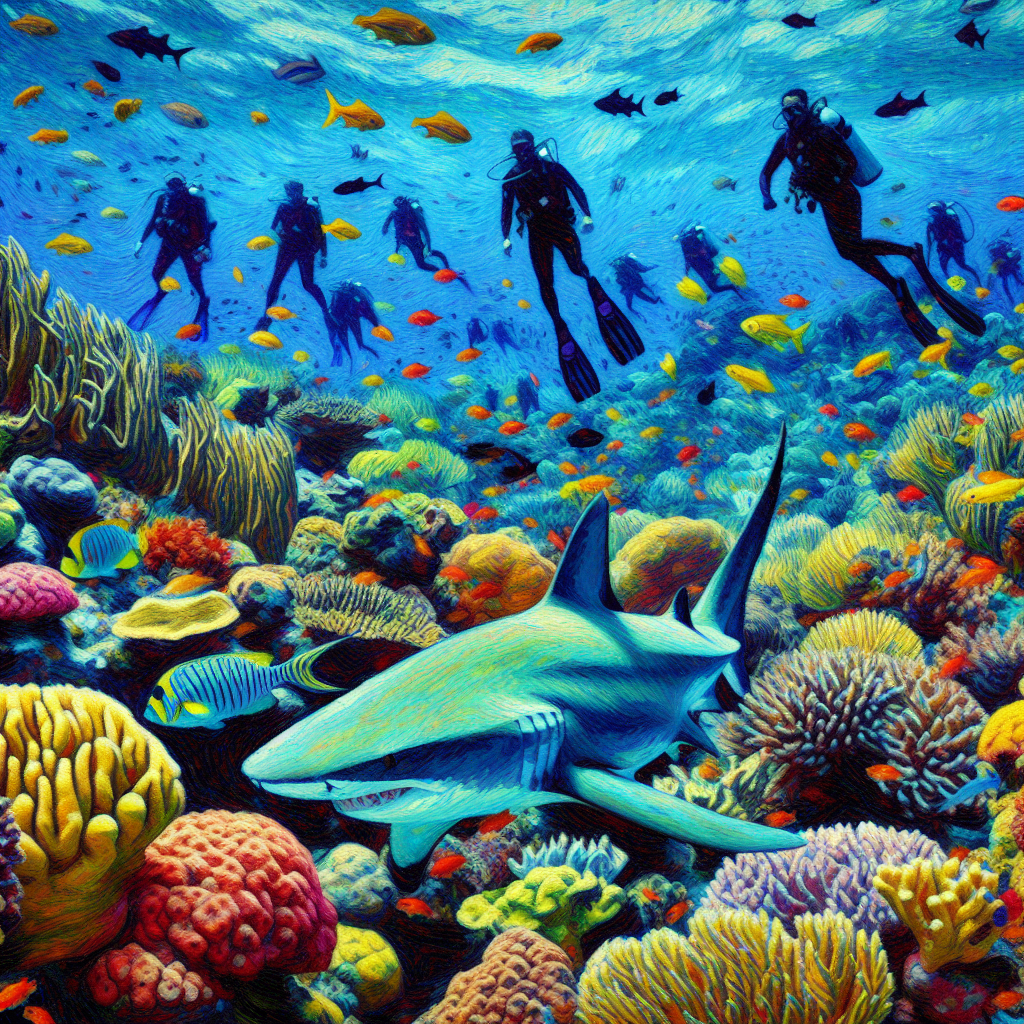
How Big Do Lemon Sharks Get Around Cozumel?
What Is The Habitat Of Lemon Sharks Around Cozumel?
Alright, let’s dive into the intriguing underworld of lemon sharks, particularly those swimming in the brisk waters around Cozumel. If you’re picturing a serene beach scene, think again. While Cozumel boasts postcard-worthy beaches and bustling coral reefs, beneath the surface lies a vibrant, complex ecosystem that accommodates the often-misunderstood lemon sharks.
First off, let’s get something straight: these aren’t the fearsome, toothy creatures you might envision when you hear “shark.” Nope, lemon sharks are more akin to the calm friend who’s always up for a lazy afternoon picnic—if that picnic was a school of fish and the location was an underwater paradise. Found primarily in shallow coastal waters, these sharks tend to favor the nursery environments of mangroves, sand flats, and seagrass beds. Cozumel’s unique geography provides an ideal habitat.
The shallow Caribbean waters around Cozumel are a banquet for these lemon sharks, offering plenty of prey such as small fish, crustaceans, and even the occasional octopus. With their distinct yellowish color, they blend seamlessly into sandy bottoms, making them stealthy hunters. The combination of mangroves and coral reefs creates a biodiverse playground where these sharks can thrive and grow, away from larger predators. And here’s the kicker: Cozumel’s warm waters offer a year-round sanctuary, which is vital for juvenile lemon sharks that need a safe place to mature before venturing into deeper waters.
But it’s not just about the food chain or predator-prey dynamics. Lemon sharks are social creatures, often found lounging together in groups or “schools.” Interactions among these sharks can look like a marine ballet—graceful and oddly harmonious. They prefer to hang out in warmer waters, usually around 70 to 85 degrees Fahrenheit, which makes the evergreen Caribbean a perfect match.
To witness these sharks in their natural habitat while exploring Cozumel isn’t just a dive trip; it’s an experience that connects you to a world most only see in documentaries. So, if you find yourself exploring the underwater realms of Cozumel, keep your eyes peeled. You might just spot a lemon shark coasting along, reminding us all of the silent, shimmering ecosystems hidden just below the waves. A vibrant community thrives here, and lemon sharks are its understated guardians.

What Is The Habitat Of Lemon Sharks Around Cozumel?
What Is The Habitat Of Lemon Sharks Around Cozumel?
- Lemon sharks inhabit the vibrant underwater ecosystem around Cozumel, which features serene beaches and lively coral reefs.
- Contrary to popular belief, lemon sharks are not fierce predators but are more like gentle, calm creatures that thrive in shallow coastal waters.
- These sharks favor nursery environments, including mangroves, sand flats, and seagrass beds, making Cozumel’s geography ideal for their habitat.
- The Caribbean waters provide an abundant food supply, including small fish, crustaceans, and octopus, allowing lemon sharks to blend into sandy bottoms while hunting.
- Cozumel’s warm waters act as a sanctuary for juvenile lemon sharks, offering safety as they mature before moving to deeper waters.
- Lemon sharks are social animals, often seen in groups, displaying graceful interactions akin to a marine ballet.
- Exploring Cozumel offers a unique opportunity to witness these sharks in their natural habitat, showcasing the hidden ecosystems below the ocean’s surface.

What Is The Habitat Of Lemon Sharks Around Cozumel?
Do Lemon Sharks Attack Humans Around Cozumel?
When we think about shark encounters, the mind often races to dramatic images of frenzied chompers cutting through waves, leaving swimmers in a frothy panic. But when it comes to lemon sharks—those distinctly colored and gentle giants that roam the warm waters around Cozumel—the story takes a rather unexpected turn.
Lemon sharks are named for their yellow-brown skin that offers perfect camouflage against sandy seabeds, blending them seamlessly into their surroundings. These graceful creatures are often misunderstood, fostering more fear than respect among those who encounter them. Locals and seasoned divers alike breathe a collective sigh of relief when they spot one of these sharks gliding by, for the threat they present to humans is minimal.
While it’s essential to remember that all wild animals can behave unpredictably, lemon sharks are known for their docile demeanor. They primarily feed on fish, crustaceans, and occasionally, small invertebrates. Their interest in humans typically doesn’t extend beyond the occasional curious swim-by. Think of them more like the ’friendly neighbor’ of the shark world—hanging out in the shallows and enjoying the occasional chat, rather than the type to host a wild late-night rumble.
In Cozumel, the waters teem with life, and lemon sharks are part of that dance. Divers have frequently reported close encounters that felt less like a face-off and more like an acknowledgment. While the shark might swim in closer for a look, they often quickly dart away when they realize the human’s intentions are not a part of their underwater world. In fact, the real danger to humans in these waters comes more from unwittingly stepping on a spiny sea creature than from any shark, lemon or otherwise.
That said, the intersection of curiosity and caution should guide all encounters with these majestic fish. Respect for their habitat, avoiding sudden movements, and keeping calm in the water is the best approach. Are lemon sharks dangerous? Statistically, the answer is a resounding no. So, if you find yourself in the beautiful waters of Cozumel, don’t let fear overshadow the thrill of sharing the ocean with these incredible creatures. After all, in the grand tapestry of ocean life, it’s the stories we share and the respect we foster that matters the most.

Do Lemon Sharks Attack Humans Around Cozumel?
Do Lemon Sharks Attack Humans Around Cozumel?
- Lemon sharks are often misunderstood creatures, known for their yellow-brown skin which provides camouflage in sandy seabeds.
- They are considered gentle giants, causing more fear than respect among people encountering them.
- Lemon sharks pose minimal threat to humans and are more akin to the ‘friendly neighbor’ of the shark world.
- These sharks primarily feed on fish, crustaceans, and occasionally small invertebrates, showing little interest in humans.
- Divers in Cozumel report experiences that feel more like friendly acknowledgments rather than confrontations.
- Respectful interactions with lemon sharks involve avoiding sudden movements and maintaining calmness in the water.
- Statistically, lemon sharks are not dangerous, encouraging people to enjoy their encounters in the ocean without fear.

Do Lemon Sharks Attack Humans Around Cozumel?
How to Respond to Lemon Sharks Attacks In Cozumel?
Alright, let’s get straight to the heart of the matter: lemon sharks. These slick, somewhat colorful creatures patrol the waters of Cozumel just waiting to be seen. While they’re more famous for their charming yellows than for their bites, accidents can happen. So, how do you handle a close encounter of the finned kind without losing your cool or your limbs?
First and foremost, it’s essential to remember that sharks, including lemon sharks, are not humanity’s sworn enemy. They don’t wake up with a taste for tourists. Instead, they’re curious creatures, and a sudden presence in their zone might prompt them to investigate. If you find yourself swimming near one of these fishy fellows, don’t panic. Instead, back away slowly, just like you would when you accidentally wander into a conversation about your uncle’s earlobe collection. Swift movements can trigger their predatory instincts, so keep it calm and collected.
If a lemon shark does indeed approach, consider this: respond with assertiveness—not aggression. Stand your ground. In the aquatic world, showing fear can spell disaster. Keep your eyes on the shark while maintaining a strong posture. Respect the fact that you’re an uninvited guest in their home. Remember, the goal is to convince Mr. Shark that you’re not worth the trouble.
And if that shark gets a bit too close for comfort, you need to be ready for a defensive action. While it’s not common, should the situation escalate to an attack—less likely than a moonlit encounter with a grizzly bear at a camping site—target the most sensitive areas: the eyes and the gills. Use your fists, snorkel, or even that half-eaten sandwich you’ve been saving (though I can’t promise that will work).
However, prevention is the best cure. Always dive or swim with a buddy and steer clear of murky waters where visibility is poor. Stay in areas where other divers are present, and remember to heed local warnings about recent shark sightings or potential danger zones.
In summary, if life gives you lemon sharks, stay calm, keep your distance, and respect the environment they inhabit. With knowledge and awareness, you can gain the upper hand in a potentially awkward aqueous situation. So, keep swimming—just be mindful of the fins below!

How to Respond to Lemon Sharks Attacks In Cozumel?
How to Respond to Lemon Sharks Attacks In Cozumel?
- Lemon sharks are curious creatures and not inherently dangerous to humans.
- If you encounter a lemon shark, remain calm and back away slowly to avoid triggering their predatory instincts.
- Respond to a shark’s approach with assertiveness, maintaining strong body language and eye contact.
- If threatened, defend yourself by targeting the shark’s sensitive areas: eyes and gills.
- Prevention is key: always swim with a buddy and avoid murky waters.
- Stay in areas with other divers and heed local warnings about shark sightings.
- Respect the shark’s environment and maintain awareness to handle close encounters safely.

How to Respond to Lemon Sharks Attacks In Cozumel?
Are There Tips For People That Encounter Lemon Sharks Near Cozumel?
When it comes to encountering lemon sharks in the vibrant waters near Cozumel, it’s crucial to remember a few key guidelines that could make your experience safe and even exhilarating. These striking creatures, easily identified by their light yellow hue and long, slender bodies, may seem intimidating, but with the right approach, you can share the ocean with them without worry.
First and foremost, it’s important to remain calm. Whether you’re snorkeling, diving, or just swimming, sudden movements can provoke curiosity or alarm in sharks. Instead of flailing around, keep a steady, controlled posture. Move slowly and smoothly, and if you find yourself face-to-face with a lemon shark, try not to make direct eye contact. While they are generally curious rather than aggressive, it’s always wise to respect their space.
Maintaining a safe distance is crucial. Lemon sharks are known to be curious, and while they may approach you, give them the benefit of the doubt. Keeping a few meters between you and the shark not only allows you to observe their behavior but also gives the shark room to retreat if it feels threatened. Always have an exit plan; know the direction of the shoreline or your dive boat so you can calmly head that way if needed.
Another tip is to avoid splashing or attracting undue attention. Loud sounds and erratic movements can create a sense of chaos that might intrigue a shark, and not in a good way. Rather, enjoy the tranquility of the ocean, allowing the natural rhythm of the sea to dictate your movements.
If you have the opportunity to learn from a seasoned diver or marine biologist, take it! Knowledge about local shark behavior will equip you with invaluable insights that can enhance your encounter. Many divers also recommend diving in groups rather than alone. There’s safety in numbers, and sharks are less likely to approach a group of people than an isolated individual.
Lastly, always remember that you’re a guest in their habitat. Show respect for the marine environment, and leave no trace of your visit. Whether it’s avoiding touching coral or ensuring that you don’t feed the sharks, it’s your responsibility to maintain the delicate balance of this underwater ecosystem. By following these tips, you can safely enjoy the wonder of swimming alongside these fascinating creatures while promoting their continued survival in our oceans.

Are There Tips For People That Encounter Lemon Sharks Near Cozumel?
Are There Tips For People That Encounter Lemon Sharks Near Cozumel?
- Remain calm and avoid sudden movements when encountering lemon sharks.
- Maintain a safe distance of a few meters between you and the shark.
- Avoid direct eye contact and respect the shark’s space.
- Refrain from splashing or making loud noises to prevent attracting undue attention.
- Consider learning from seasoned divers or marine biologists for better insights.
- Dive in groups for increased safety and reduced likelihood of shark encounters.
- Respect the marine environment and leave no trace of your visit.

Are There Tips For People That Encounter Lemon Sharks Near Cozumel?
Conclusion
When you think of Cozumel, images of stunning beaches and vibrant coral reefs likely flood your mind, but lurking beneath those tranquil waves is something even more captivating: the lemon shark. Now, before your imagination runs wild with dangerous predatory images, let’s set the record straight: these sharks are more misunderstood than menacing, sporting a light yellow hue that’s reminiscent of sunshine rather than treachery. These sleek, streamlined creatures can grow up to ten feet in length and reside mostly in shallow coastal waters.
So, are lemon sharks found in Cozumel? The answer is yes, but sightings can be rare. Although they prefer the coastal waters of Florida and the Bahamas, lemon sharks do occasionally grace Cozumel’s beach-goers and divers with their presence. Chances are you won’t have a face-to-fish moment on every swim, but the waters are alive with a plethora of other marine life that creates a mesmerizing underwater spectacle.
The habitats of lemon sharks are typically sandy bottoms, seagrass beds, and mangrove environments—ideal for young sharks growing up in safety. As these curious creatures glide through their realms, they contribute to the delicate balance of the marine ecosystem, acting as predators in a role that fosters a healthy environment for all. While their initial reputation may hint at danger, lemon sharks are largely docile, often opting to swim away from humans instead of gearing up for a showdown.
If you’re planning a snorkeling or diving adventure in Cozumel and happen to spot a lemon shark, embrace the moment. Remember to stay calm, maintain a respectful distance, and enjoy the sheer wonder of sharing the water with these magnificent creatures. Engaging with local experts or seasoned divers can enhance your experience and ensure a safe interaction with these fascinating inhabitants of the ocean.
So, while the elusive lemon shark may not be a common sight in Cozumel’s crystalline waters, the adventure of exploring the underwater world is abundant, revealing vibrant coral, diverse fish, and maybe even that golden flash of a lemon shark. Just remember: with a little respect and a pinch of curiosity, Cozumel’s waters become a treasure trove of unforgettable encounters that deepen our appreciation for the wild, extraordinary marine life. So gear up, dive in, and let the ocean unveil its colorful surprises!

Conclusion
Conclusion:
- Cozumel is known for its stunning beaches and vibrant coral reefs.
- The lemon shark, a misunderstood species with a light yellow hue, resides in these waters.
- Lemon sharks can grow up to 10 feet in length and are typically found in shallow coastal waters.
- Although more commonly located in Florida and the Bahamas, lemon sharks can occasionally be spotted in Cozumel.
- They inhabit sandy bottoms, seagrass beds, and mangrove environments, which are ideal for young sharks.
- Lemon sharks are generally docile and prefer to swim away from humans rather than confront them.
- Snorkelers and divers are encouraged to embrace any lemon shark sightings while maintaining a respectful distance.

Conclusion
Other Resources

Other Resources
Reading this from somewhere that isn’t Cozumel? When you do come down, where you stay shapes the whole trip. A few options from our sister sites: Cozumel Journey is an editorial guide to Cozumel — neighborhoods, planning tips, and life on the island for travelers who want context, not a cruise schedule.
Here is a list of other resources you can review online to learn more:
- Cozumel Jeep Tours
- TopCozumelNews
- Jimmy John’s
- PADI Scuba Diving in Cozumel
- Chocolateria Isla Bella
- Del Sur Beach Club
- Los Chilangos Loncheria
- Chankanaab
- Beachscape Kin Ha Villas
- our editorial guide to the island
Use This Prompt To Get More Resources With Your Favorite Online AI Tool: Please provide me with a list of online articles with their URLs in a bulleted list that I can read regarding Are Lemon Sharks Found In the Waters Around Cozumel?

Other Resources
Glossary Terms
Are Lemon Sharks Found In the Waters Around Cozumel? – Glossary Of Terms
1. Lemon Shark: A species of shark known for its distinct yellow-brown coloration, mainly found in warm coastal waters.
2. Cozumel: An island in the Caribbean Sea, off the coast of Mexico, known for its vibrant marine life and coral reefs.
3. Habitat: The natural environment where an organism lives and thrives; for lemon sharks, this includes shallow coastal waters.
4. Tropical Waters: Warm waters typically found in regions near the equator, suitable for many marine species, including lemon sharks.
5. Elasmobranch: A class of fish that includes sharks and rays, characterized by their cartilage-based skeletons.
6. Reef: A ridge of rock or coral in the sea; lemon sharks often inhabit reef environments where they find food and shelter.
7. Predator: An animal that preys on other organisms; lemon sharks are apex predators within their ecosystem.
8. Diet: The food and feeding habits of an organism; lemon sharks primarily eat fish, crustaceans, and other small marine animals.
9. Migration: The seasonal movement of sharks between feeding and breeding areas, which may influence their presence in Cozumel.
10. Breeding Ground: A specific location where sharks reproduce; lemon sharks may have designated areas for mating and pupping.
11. Pupping: The process of giving birth in sharks; lemon sharks give live birth to young called pups.
12. Threatened Species: A species that is at risk of extinction due to various factors, including overfishing and habitat loss.
13. Conservation Efforts: Actions aimed at protecting and preserving shark populations and their habitats.
14. Marine Ecosystem: A complex network of marine life, including plants, animals, and their interactions within an aquatic environment.
15. Scuba Diving: A popular activity in Cozumel, often allowing divers to encounter lemon sharks in their natural habitat.
16. Ecotourism: Responsible travel that benefits the environment and supports conservation efforts, often involving wildlife observation.
17. Diversification: The process by which species evolve to adapt and thrive in various habitats; pertinent for understanding the adaptability of lemon sharks.
18. Fishery Regulations: Laws and guidelines designed to manage fish populations, particularly those that are overfished or threatened.
19. Underwater Research: Scientific studies conducted in marine environments to gather information about species like lemon sharks.
20. Trophic Level: The position an organism occupies in a food chain; lemon sharks are typically at the top trophic level in their habitats.
21. Endemic Species: Species that are native to a particular area; not specifically related to lemon sharks, but relevant to Cozumel’s unique marine biodiversity.
22. Behavioral Patterns: Typical actions and habits exhibited by lemon sharks, such as hunting techniques and social interactions.
23. Sightings: Observations of lemon sharks in specific locations; important for tourism and ecological studies.
24. Population Dynamics: The study of how populations of lemon sharks grow and change over time, influenced by factors like reproduction and mortality.
25. Environmental Impact: The effects that human activities have on marine ecosystems; may affect lemon shark habitats in Cozumel.
26. Coral Bleaching: A phenomenon where coral reefs lose their color and health, potentially impacting the habitats of lemon sharks.
27. Marine Protected Areas (MPAs): Zones designated to protect marine ecosystems and the species within them, including lemon sharks.
28. Shark Finning: The practice of capturing sharks for their fins; a major threat to shark populations globally, including lemon sharks.
29. Aquatic Biodiversity: The variety of life in water environments; Cozumel boasts a rich diversity that includes lemon sharks.
30. Ecological Role: The function lemon sharks serve in their ecosystem, helping maintain the balance of marine species through their predation.

Glossary Of Terms
Other Questions
Are Lemon Sharks Found In the Waters Around Cozumel? – Other Questions
If you wish to explore and discover more, consider looking for answers to these questions:
- What other shark species can be found in the waters around Cozumel?
- What is the best time of year to see lemon sharks in Cozumel?
- How do lemon sharks interact with other marine animals?
- What conservation efforts are in place to protect lemon sharks in Cozumel?
- Can lemon sharks be seen from the shore, or do you need to dive or snorkel?
- What are the common behaviors exhibited by lemon sharks when approached by divers?
- What effects do environmental changes have on lemon shark populations in Cozumel?
- Are there recommended diving tours that focus on spotting lemon sharks?
- What safety measures should snorkelers and divers take when in shark-infested waters?
- How can tourists contribute to the preservation of lemon sharks in Cozumel?

Other Questions
Haiku
Are Lemon Sharks Found In the Waters Around Cozumel? – A Haiku
Lemon sharks linger,
Gentle giants roam the deep,
Cozumel’s bright charm.

Haiku
Poem
Are Lemon Sharks Found In the Waters Around Cozumel? – A Poem
In Cozumel’s embrace where the azure waves play,
Beneath sunlit splendor, the treasures ballet.
Not just coral’s embrace or parrotfish swift,
Lies a hidden enchantment, nature’s own gift.
Meet the lemon sharks, in hues bright and bold,
With skins like ripe citrus, stories unfold.
Robust and elusive, they glide without fear,
In shadows of seagrass, their presence is near.
They roam the warm shallows, a tranquil delight,
Cousins of mystery, patrolling the night.
With graceful precision, they hunt where they please,
Yet each curious glance is a sign of ease.
Though myths may proclaim, with fangs sharp and full,
These gentle giants are far from the brutal.
They dance through the currents, not seeking a fight,
In harmony’s ocean, they glide out of sight.
So fear not the whispers of danger untold,
For these storied creatures are tender, not cold.
Dive into their world where respect is the key,
For sharing the seas is a wondrous decree.
In Cozumel’s waters, explorers unite,
Uncovering marvels in shimmering light.
With lemon sharks watching from depths filled with grace,
You’ll find nature’s beauty and peace in their space.
So cherish the moments, let wonder ignite,
With lemon sharks lurking in soft ocean light.
For the ocean, dear friend, offers thrills vast and wide,
And in these warm waters, true magic resides.

Poem
Checklist
Are Lemon Sharks Found In the Waters Around Cozumel? – A Checklist
Preparation Before Your Dive or Snorkeling Trip:
_____ Research Local Conditions: Understand the current marine life in Cozumel and check for any recent shark sighting reports.
_____ Select the Right Gear: Ensure you have proper snorkeling or diving equipment, including a wetsuit and fins.
_____ Dive with a Buddy: Always go with a partner for safety and support.
While in the Water:
_____ Stay Calm: Keep a steady and composed demeanor to avoid startling the sharks.
_____ Move Slowly: Use gentle, smooth movements to navigate through the water.
_____ Avoid Direct Eye Contact: Look at the shark with peripheral vision to respect their space.
_____ Keep a Safe Distance: Maintain at least a few meters between you and the shark.
Observing Sharks:
_____ Look for Signs of Curiosity: If a lemon shark approaches you, remain motionless and calm.
_____ Know Your Exit Route: Familiarize yourself with the direction of your boat or the shore.
_____ Limit Splashing: Avoid loud noises and erratic movements that could attract attention.
Responding to an Encounter:
_____ Be Assertive, Not Aggressive: If a shark gets too close, maintain a strong posture and keep your eyes on it.
_____ Know Defensive Actions: If necessary, be prepared to target the shark’s sensitive areas (eyes and gills) without panicking.
After Your Encounter:
_____ Share Your Experience: Talk about your encounter with friends and encourage responsible marine tourism.
_____ Respect the Environment: Ensure to leave no trace and do not feed or touch marine life.
_____ Report Your Observations: If you see any unusual behavior from marine life, report it to local authorities or conservation organizations.
By following this checklist, you can safely appreciate the beauty of lemon sharks and enjoy the vibrant underwater world of Cozumel!

Checklist
At TopCozumelNews, we help travelers enjoy Cozumel by collating information learned from frequently traveling to beautiful Cozumel.
Be sure to read our other related stories at TopCozumelNews to learn more about the Island of Cozumel.