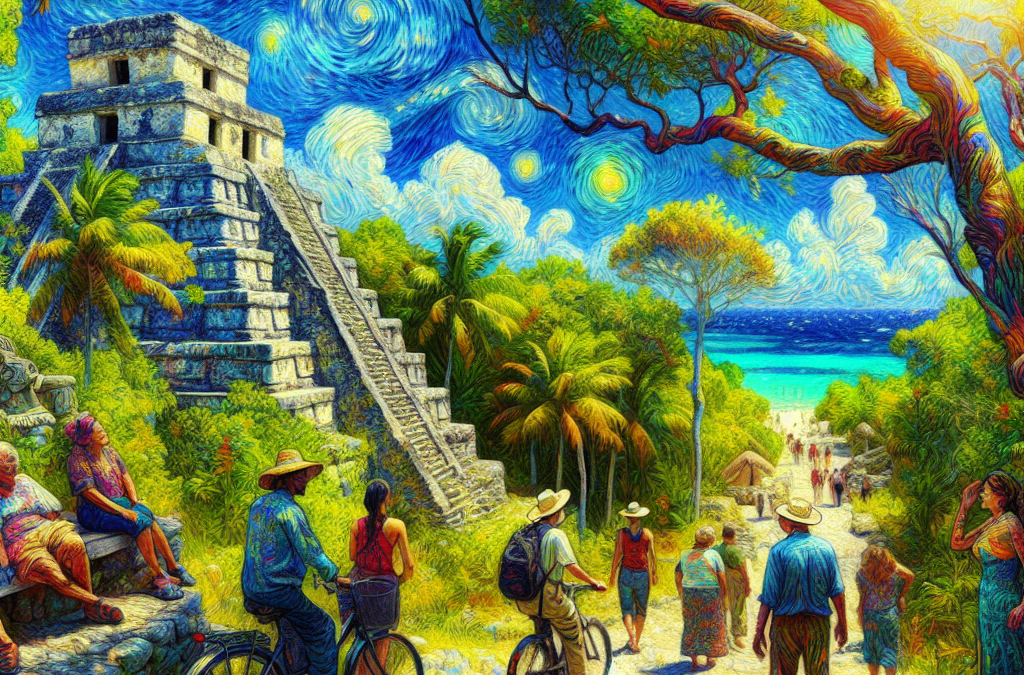
Exploring The Hidden Mysteries Of Cozumel’s Mayan Ruins
By Tom Seest
At TopCozumelNews, we help travelers enjoy Cozumel by collating information learned from frequently traveling to beautiful Cozumel.
Be sure to read our other related stories at TopCozumelNews to learn more about the Island of Cozumel.
Uncovering The Secrets Of Yucatan’s Mayan Ruins In Cozumel?
If you’ve ever wandered through the enigmatic maze of history that is Yucatan, you know it’s more than just a collection of ancient stones and crumbling temples. The land is a living tapestry woven with the threads of a civilization that flourished long before our modern world arose. And when you set foot on the enchanting island of Cozumel, you’re not just enjoying crystalline waters and sun-soaked beaches; you’re standing on hallowed ground, where the echoes of the Mayans whisper through time.
Now, let’s get dirty and dig into the heart of these Mayan ruins. Cozumel is known primarily as a tropical paradise, but hidden within its lush landscapes are remnants of a once-thriving culture that leaves visitors in awe. The most notable site is San Gervasio, a sprawling complex dedicated to the Mayan goddess Ix Chel, the deity of love and fertility. A stroll through the ruins reveals well-preserved structures that tell stories of ceremonial gatherings and vibrant rituals that once filled the air with life and color.
What’s remarkable about San Gervasio is how it blends seamlessly with nature. The dense jungle wraps around the remains, almost as if it’s protecting its secrets. The low hum of the forest invites you to listen closely; every rustling leaf and distant bird call seems to relay the tales of ancient rituals, social gatherings, and the passage of time. When you explore these ruins, you’re not just a spectator; you’re a participant in a dialogue with history.
Despite their age, the ruins of Cozumel aren’t just relics of a bygone era; they serve as a magical portal to understanding the Mayan way of life. These structures were once alive with color and purpose, dazzling visitors and worshipers alike. The intricate carvings etched into the walls are not mere decorations—they are stories, each telling of gods, legends, and the Mayan calendar that dictated daily life.
In an era where the world rushes forward, the Mayan ruins in Cozumel compel us to pause. They force us to reflect on the lives lived. So, step into the shade of those ancient temples, let the whispers of the past envelop you, and allow the secrets of Yucatan’s rich history unfold before your eyes. You might just walk away with a deeper appreciation of a civilization that was vibrant, complex, and, above all, undeniably human.
Uncovering The Secrets Of Yucatan’s Mayan Ruins In Cozumel?
Uncovering The Secrets Of Yucatan’s Mayan Ruins In Cozumel?
- The Yucatan region, particularly Cozumel, is steeped in the history of the ancient Mayan civilization.
- Cozumel features notable Mayan ruins, with San Gervasio being the most prominent site dedicated to the goddess Ix Chel.
- San Gervasio showcases well-preserved structures that reflect the ceremonial and vibrant lifestyle of the ancient Mayans.
- The ruins are intertwined with nature, enhancing the experience and inviting visitors to connect with history.
- Ancient carvings at the site tell stories of gods, legends, and the Mayan calendar, highlighting their cultural significance.
- Visiting these ruins encourages reflection on the rich history and vibrant lives of the Mayan people.
- The experience at Cozumel’s ruins serves as a reminder of the importance of understanding past civilizations.
Uncovering The Secrets Of Yucatan’s Mayan Ruins In Cozumel?
Table Of Contents
- Uncovering The Secrets Of Yucatan’s Mayan Ruins In Cozumel?
- Are You Ready to Uncover The Secrets Of San Gervasio In Cozumel?
- Are You Ready to Unlock The Secrets Of El Cedral In Cozumel?
- What Secrets Does El Caracol Hold on Cozumel?
- Uncovering The Ancient Mysteries Of Coba From Cozumel?
- What Are The Top Mayan Ruins To Visit In Cozumel?
- How Can I Access The Yucatan Mayan Ruins From Cozumel?
- What Is The History Behind The Mayan Ruins In Cozumel?
- Conclusion
- Other Resources
- Glossary Of Terms
- Other Questions
- Haiku
- Poem
- Checklist
Are You Ready to Uncover The Secrets Of San Gervasio In Cozumel?
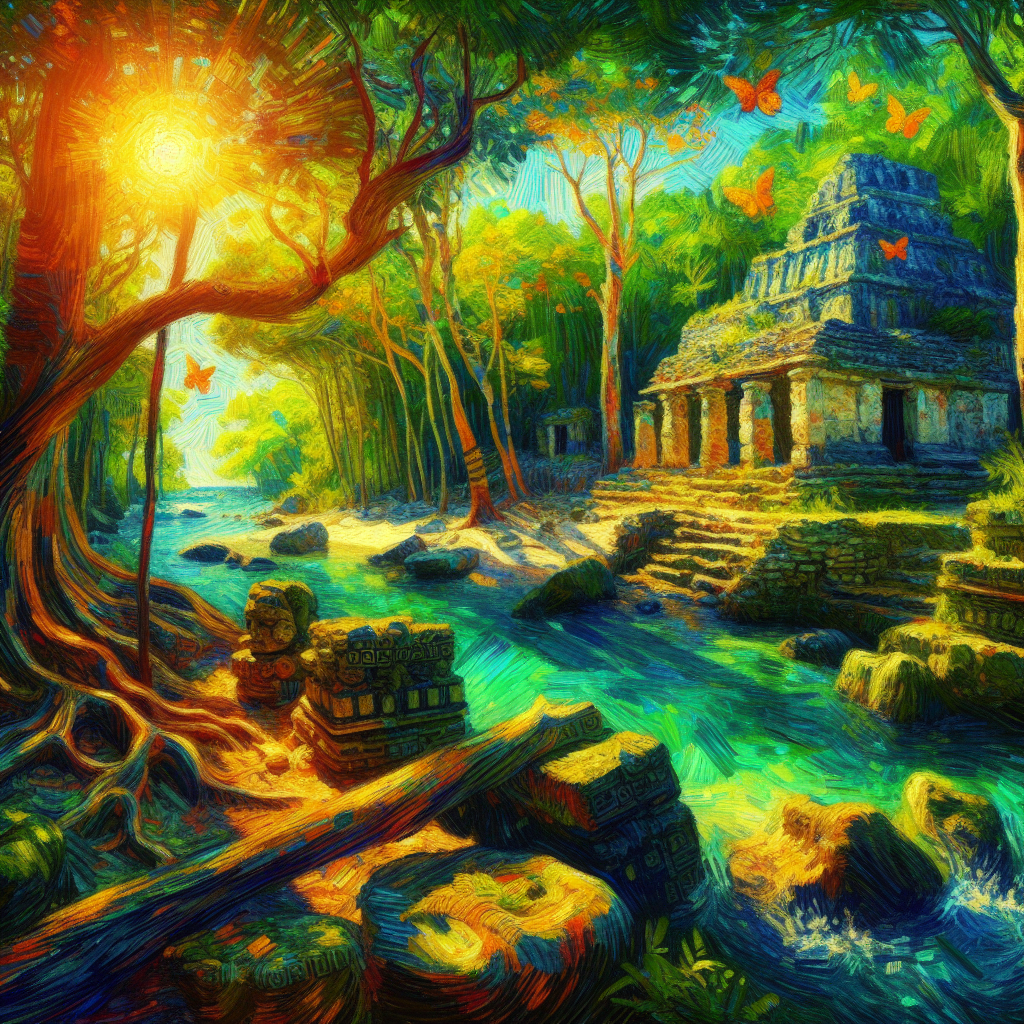
Picture this: a sun-soaked island with turquoise waters lapping against rugged shores, and somewhere deep within its jungled heart lies the ancient site of San Gervasio. This isn’t just some run-of-the-mill tourist trap; it’s a glimpse into the rich tapestry of Mayan history, hidden away like a treasure chest waiting to be discovered.
Now, let’s be honest—exploring the ruins isn’t for the faint of heart. You’ve got to tread with purpose, navigating through trails shaded by towering trees that seem to whisper stories of the past. And as you wander deeper into the site, you might just feel a little chill run down your spine. That’s the spirit of the ancient Mayans surrounding you, echoing through time.
San Gervasio was once a significant hub of worship, dedicated primarily to the goddess Ix Chel, the deity of fertility, medicine, and the moon. Thousands of pilgrims journeyed to this sacred site, and while the crowds may have dwindled, the reverence remains. As you gaze upon the crumbling stone edifices and intricately carved altars, you can almost hear the distant chants of those who came before, seeking blessings and healing. Yes, you’re walking where the ancients walked, and if that doesn’t give you goosebumps, I don’t know what will.
But the allure of San Gervasio extends beyond its historical significance—it’s an adventure waiting to unfold. Grab your camera and get ready for some truly breathtaking sights. The interplay of light and shadow as the sun filters through the leaves creates a palpable sense of magic, illuminating the ruins in a way that transcends mere photography. You’ll find yourself snapping shot after shot, trying to capture its essence, all while knowing you’ll never quite encapsulate the experience.
Let’s not forget the local wildlife that calls this place home. Keep an eye out for the vibrant orange butterflies flitting about and the occasional iguana lounging on the stones as if they own the place. They’re part of the charm, blending the ancient with the living, the historic with the here-and-now.
So, are you ready? Put on your explorer’s hat and get lost in the compelling whispers of San Gervasio. It’s time to uncover the secrets of this captivating site, where the past meets the present in a spectacular dance of culture and nature. Adventure is calling—will you answer?
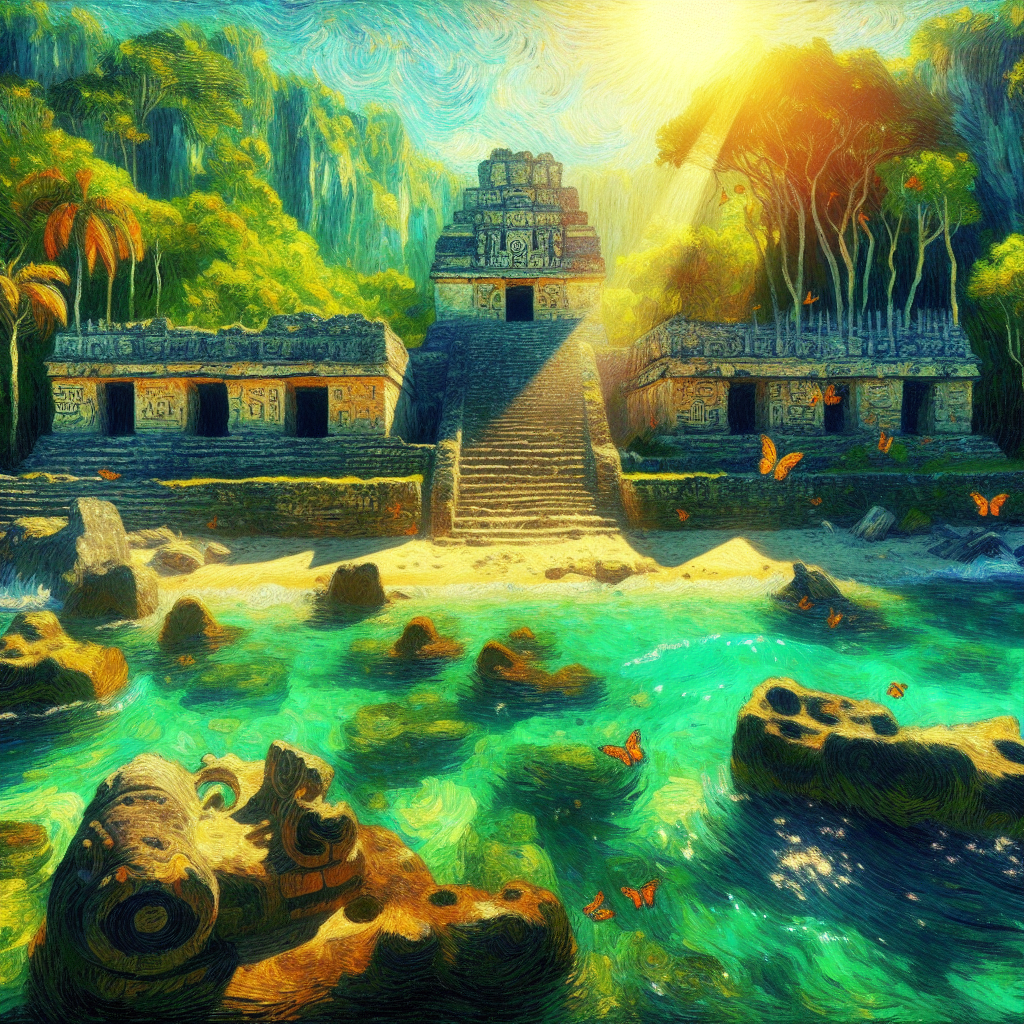
Are You Ready to Uncover The Secrets Of San Gervasio In Cozumel?
Are You Ready to Uncover The Secrets Of San Gervasio In Cozumel?
- San Gervasio is an ancient Mayan site located on a picturesque island with turquoise waters.
- Exploring the ruins requires purpose and navigation through shaded trails filled with history.
- The site was a significant worship hub dedicated to the goddess Ix Chel, associated with fertility, medicine, and the moon.
- Despite fewer pilgrims today, the site’s reverence and spiritual echoes persist.
- The enchanting interplay of light and shadow enhances the visual allure of the ruins.
- Local wildlife, including orange butterflies and iguanas, adds to the charm of San Gervasio.
- Visiting San Gervasio offers an opportunity to engage with the rich culture and history of the Mayans.
Are You Ready to Uncover The Secrets Of San Gervasio In Cozumel?
Are You Ready to Unlock The Secrets Of El Cedral In Cozumel?
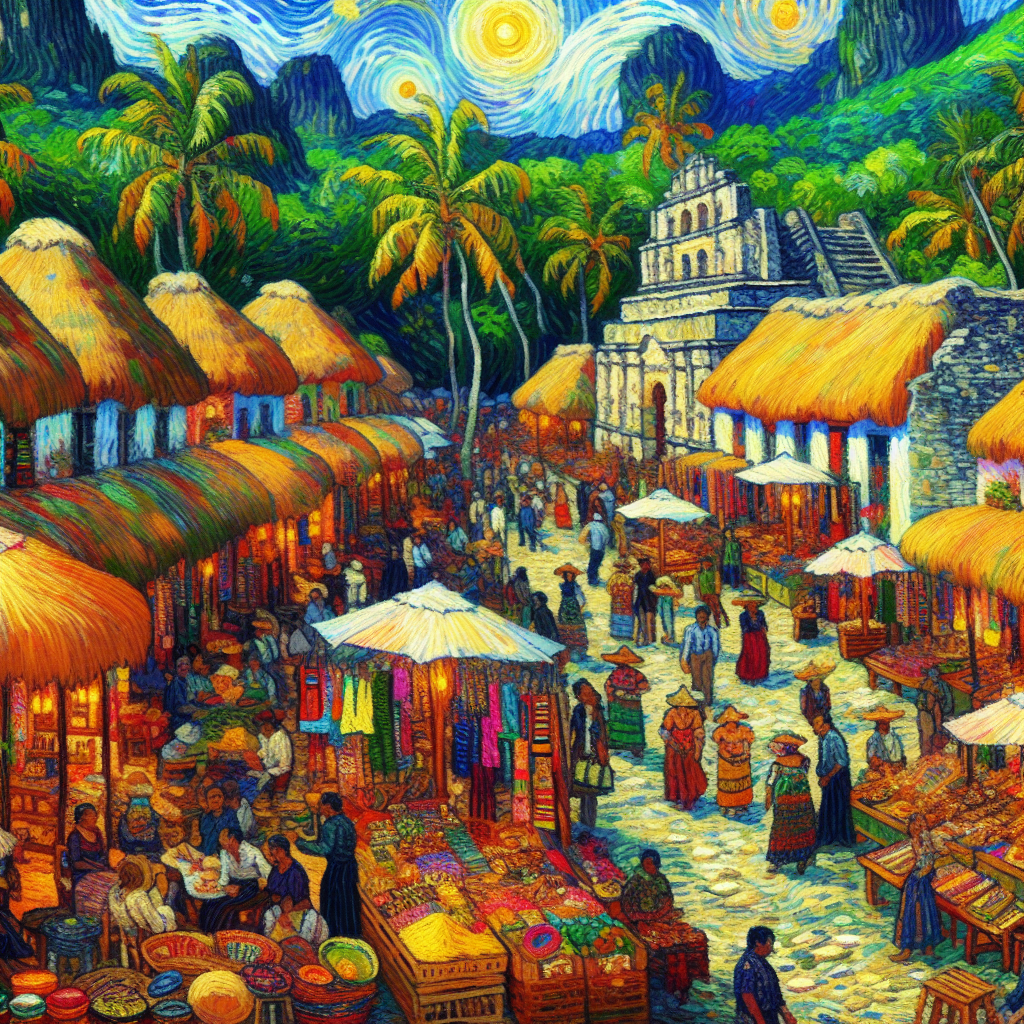
Let’s take a minute to talk about one of the best-kept secrets in Cozumel: El Cedral. Now, if you’re picturing a run-of-the-mill tourist trap filled with neon signs and crowded souvenir shops, wipe that image from your mind. El Cedral is something far more profound and genuine—a window into the rich tapestry of Mayan history, culture, and the beauty of natural surroundings that’s as vibrant as the ocean itself.
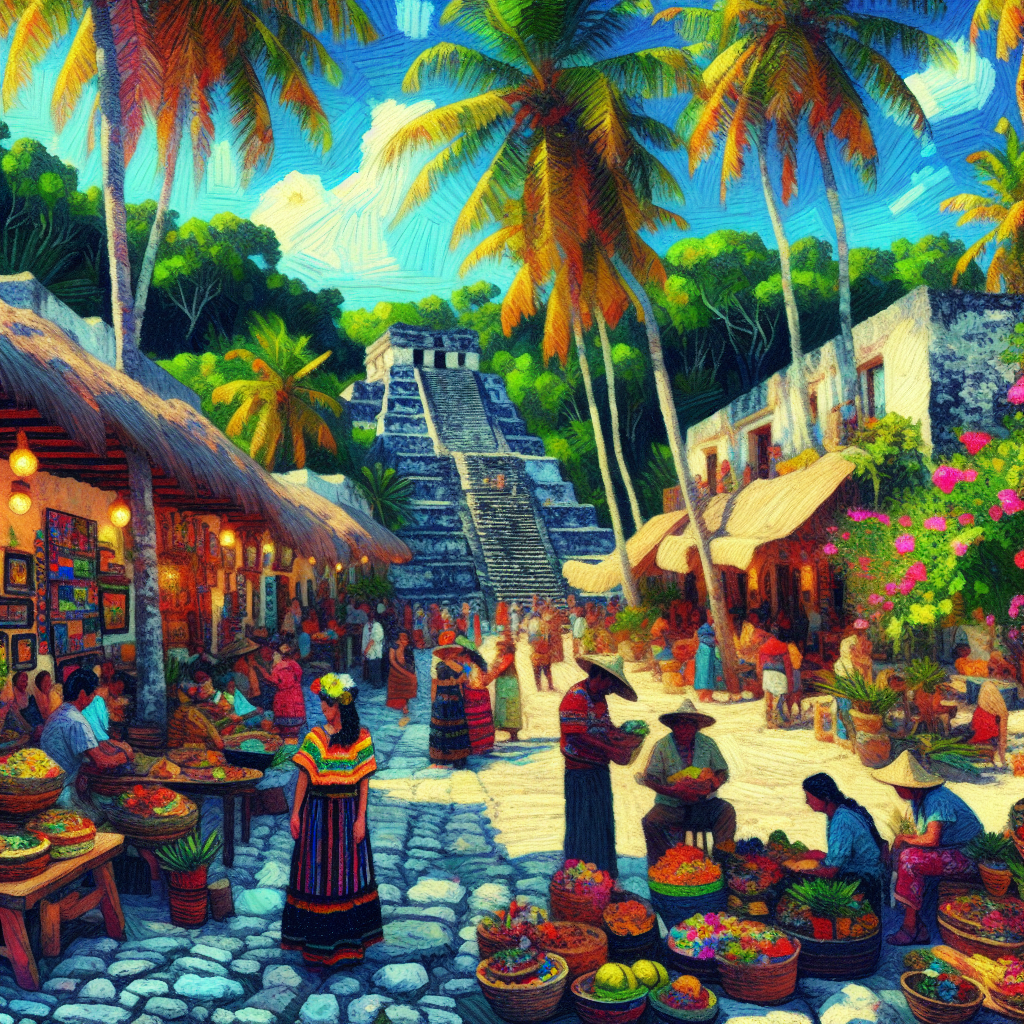
Nestled in the heart of the island, El Cedral isn’t just a village; it’s a living, breathing testament to resilience and history. Founded by the Mayans, this quaint locale invites curious souls to uncover its hidden gems. When you stroll through the palm-lined pathways, you’ll feel the whispers of history echoing in the air. Don’t be surprised if the ancient spiritual energy electrifies your senses—the same energy that inspired generations before you.
Once home to a significant Mayan settlement, El Cedral boasts remnants of ancient temples, but that’s just the tip of the iceberg. The real treasure lies in its community. Here, you won’t find flashy signs advertising overpriced beachside cocktails. Instead, you’ll encounter local artisans crafting traditional wares, dedicated families running small eateries serving tried-and-true recipes, and community members eager to share stories that have been passed down for centuries. You can’t buy that experience; you have to live it.
One of the highlights of El Cedral is the annual festival, a celebration that draws locals and visitors alike. Imagine vibrant processions, traditional music that spikes your adrenaline, and an atmosphere filled with laughter and unity. If your timing’s right, this festival will not only expose you to the heart of El Cedral but will immerse you in the local culture, flavors, and age-old traditions that refuse to fade away.
And if your adventurous spirit craves exploration, the surrounding natural beauty is ready to deliver. From lush jungles offering hiking trails to serene beaches begging for a peaceful afternoon, El Cedral is a multifaceted gem waiting to be discovered.
So, are you ready to unlock the secrets of El Cedral? Roll up your sleeves, lace up your boots, and prepare for an adventure that might just shift some of your perceptions about this beautiful island. The true essence of Cozumel lies not just in its stunning beaches, but in places like El Cedral where history, culture, and genuine warmth come alive.
Are You Ready to Unlock The Secrets Of El Cedral In Cozumel?
Are You Ready to Unlock The Secrets Of El Cedral In Cozumel?
- El Cedral in Cozumel offers a genuine experience away from typical tourist traps.
- The village is a testament to Mayan history and culture, with vibrant natural surroundings.
- Historically, El Cedral was a significant Mayan settlement with remnants of ancient temples.
- Visitors can meet local artisans and enjoy traditional dishes from family-run eateries.
- The annual festival in El Cedral features vibrant processions, traditional music, and community unity.
- Surrounding natural beauty includes hiking trails in lush jungles and peaceful beaches.
- El Cedral embodies the true essence of Cozumel through its rich history and warm community.
Are You Ready to Unlock The Secrets Of El Cedral In Cozumel?
What Secrets Does El Caracol Hold on Cozumel?
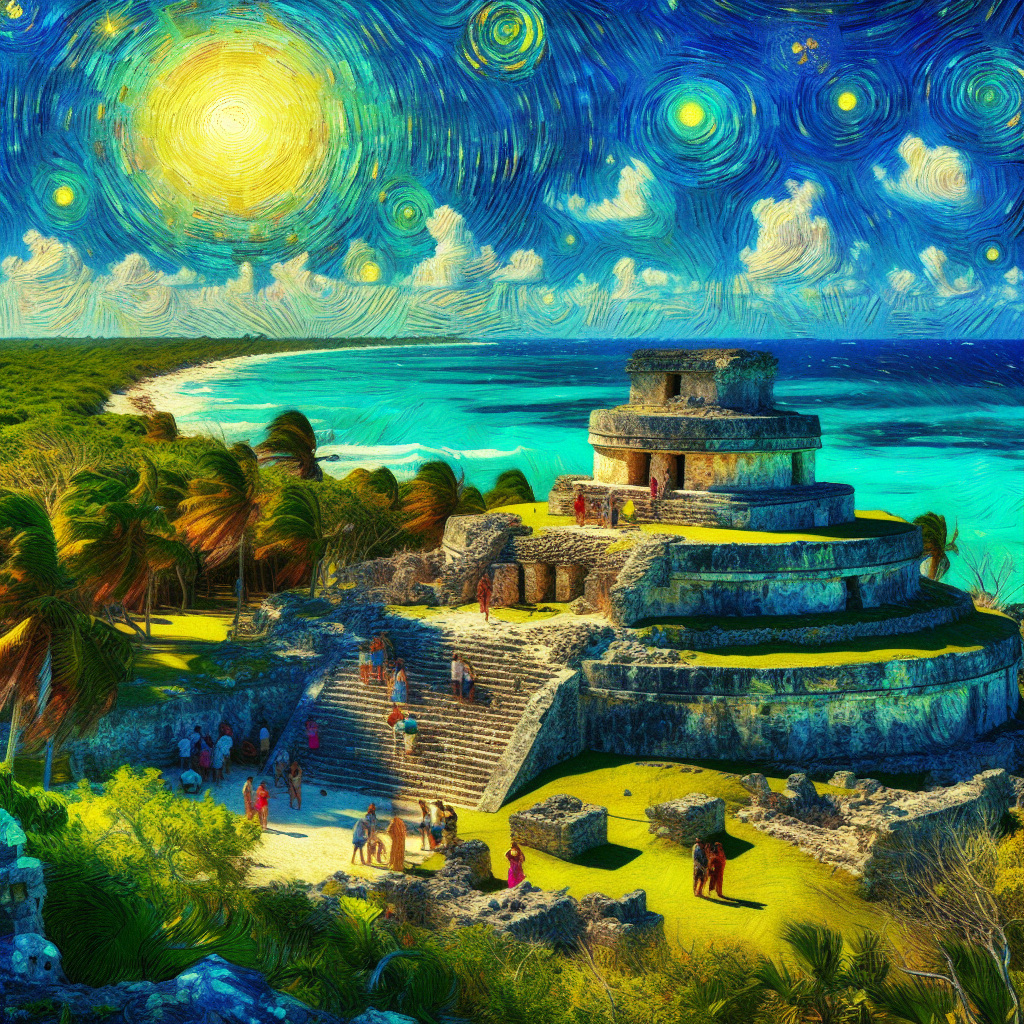
Nestled in the heart of Cozumel lies El Caracol, a site steeped in mystery and ancient lore. This crumbling structure, whose name translates to “The Snail,” raises more questions than answers for archaeologists and curious travelers alike. While many flock to this tropical haven for sun-soaked beaches and vibrant coral reefs, few venture to uncover the secrets of this fascinating ruin.
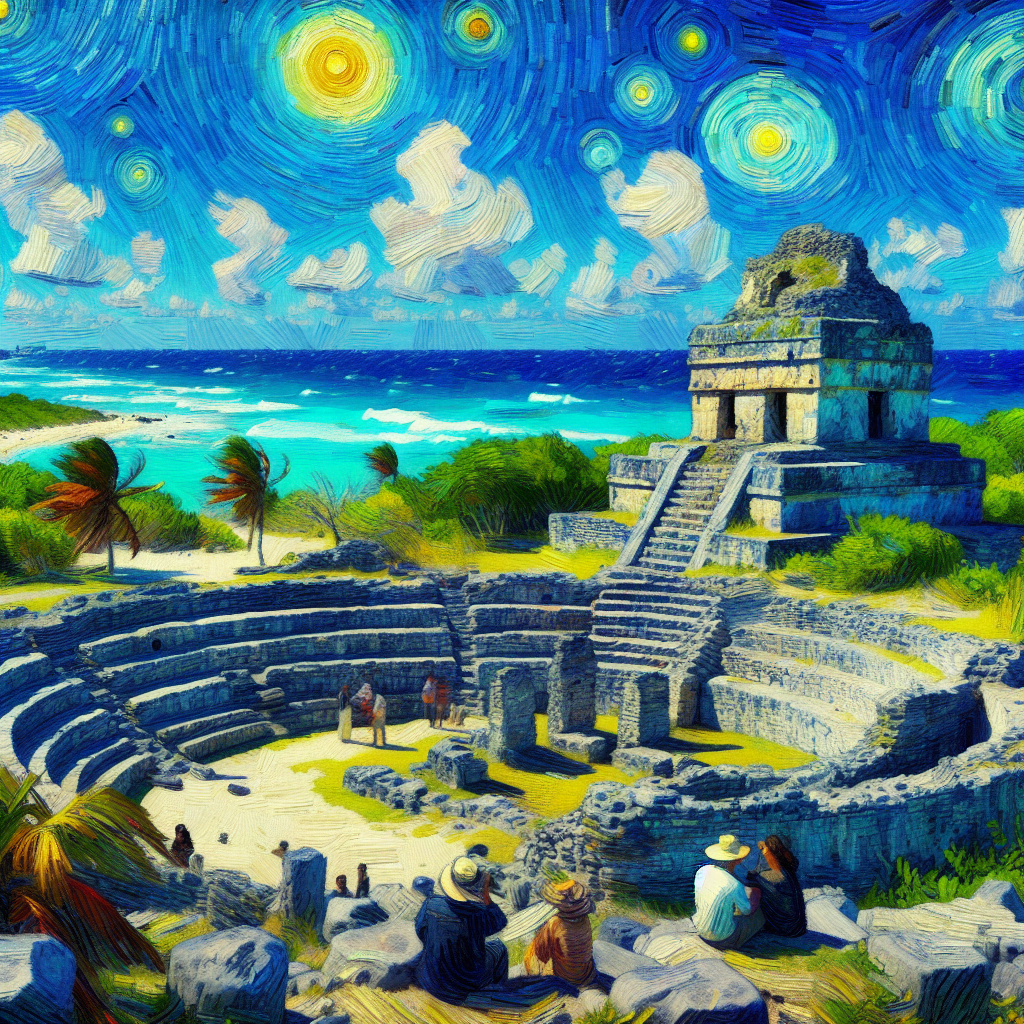
Originally built by the ancient Mayans, El Caracol is believed to have served as an astronomical observatory. Standing tall against the vibrant Caribbean backdrop, its circular shape evokes the natural spirals found in seashells and galaxies alike. As you approach, you can’t help but feel a sense of wonder and intrigue. What lofty secrets did the Maya uncover about the cosmos from this very spot? What celestial events did they track, and how did they interpret those majestic movements in their rich tapestry of beliefs?
The strategic design of El Caracol is particularly striking. With openings lined up perfectly to capture the rising and setting of the sun and stars, this structure was more than just a building; it was a tool for navigating life itself. The Mayans understood the importance of celestial cycles for agriculture, religious ceremonies, and governance. Each alignment marks a reminder of their profound connection to the universe. It prompts you to ponder: How did the people of this ancient civilization view their place in the grand scheme of things?
However, El Caracol is not just a relic of astronomical significance. It also whispers tales of the everyday lives of those who thrived here. The remnants of ceremonial glyphs and artifacts lie scattered, each piece a clue to a thriving culture that played out under the watchful gaze of the stars. While the tourists snap photos and search for hidden treasures among the ruins, it’s easy to get lost in the echoes of laughter, trade, and ritual that once filled this space.
As you wander through the remnants of El Caracol, take a moment to embrace the silence that descends. The secrets held within these walls are as vast as the sky above. Soak in the beauty and history as you contemplate how this remarkable structure connected the earthbound to the infinite, reminding us all that the pursuit of knowledge is a journey worth undertaking.
What Secrets Does El Caracol Hold on Cozumel?
What Secrets Does El Caracol Hold on Cozumel?
- El Caracol, meaning “The Snail,” is an ancient Mayan site located in Cozumel.
- Believed to function as an astronomical observatory, showcasing the Mayans’ connection to celestial events.
- The circular design reflects natural spirals, resembling seashells and galaxies.
- Its strategic openings align with the sun and stars, highlighting its significance in agriculture and rituals.
- Remnants of ceremonial glyphs and artifacts reveal insights into the everyday lives of the ancient Maya.
- Visitors often overlook the deeper stories behind the structure amidst its tourist appeal.
- The site invites contemplation on humanity’s relationship with the universe and the pursuit of knowledge.
What Secrets Does El Caracol Hold on Cozumel?
Uncovering The Ancient Mysteries Of Coba From Cozumel?
When one thinks of the ancient Mayans, images of sprawling jungle temples and intricately carved stonework often come to mind. While Tulum and Chichen Itza are popular tourist magnets, there’s another gem hidden in the dense Yucatan jungles that has been gaining attention—Coba. If you find yourself lounging under the palm trees of Cozumel, I implore you to take a detour to Coba and immerse yourself in the echoes of a civilization long past.
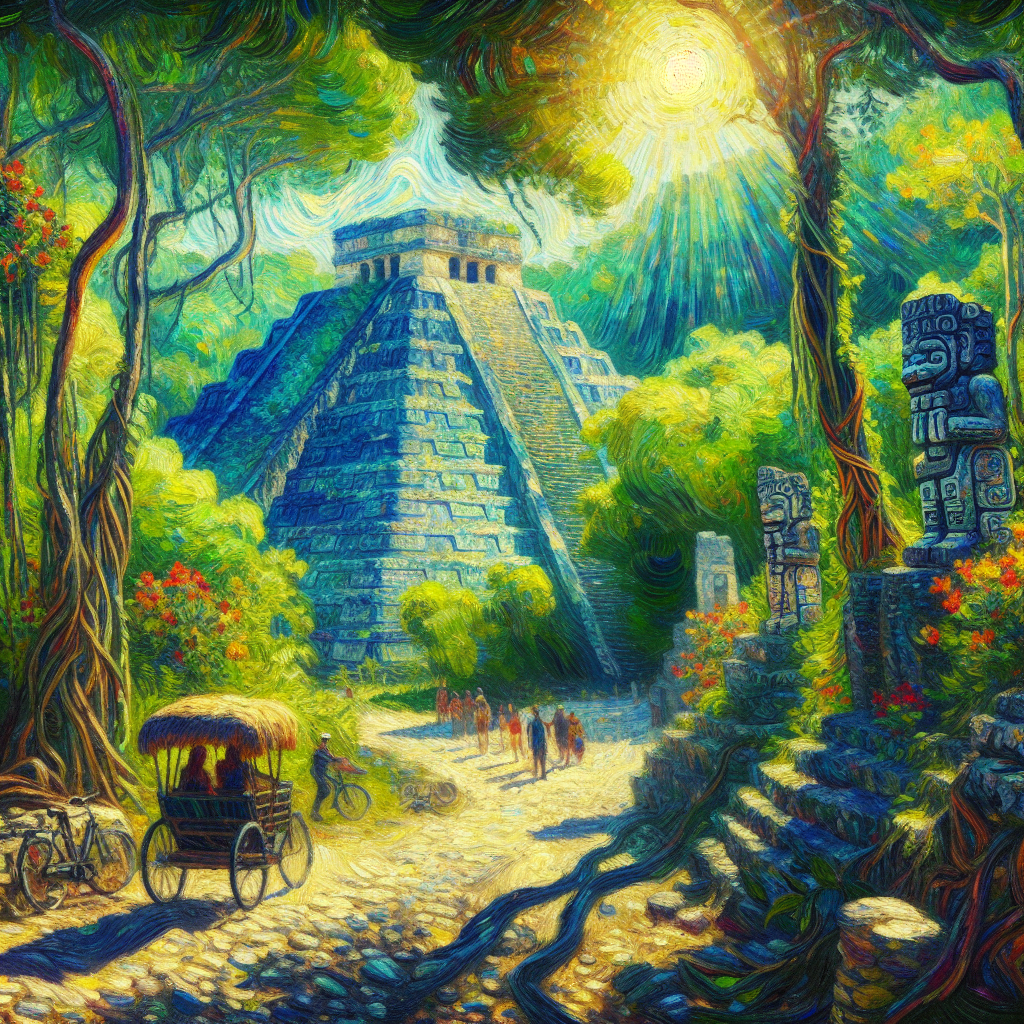
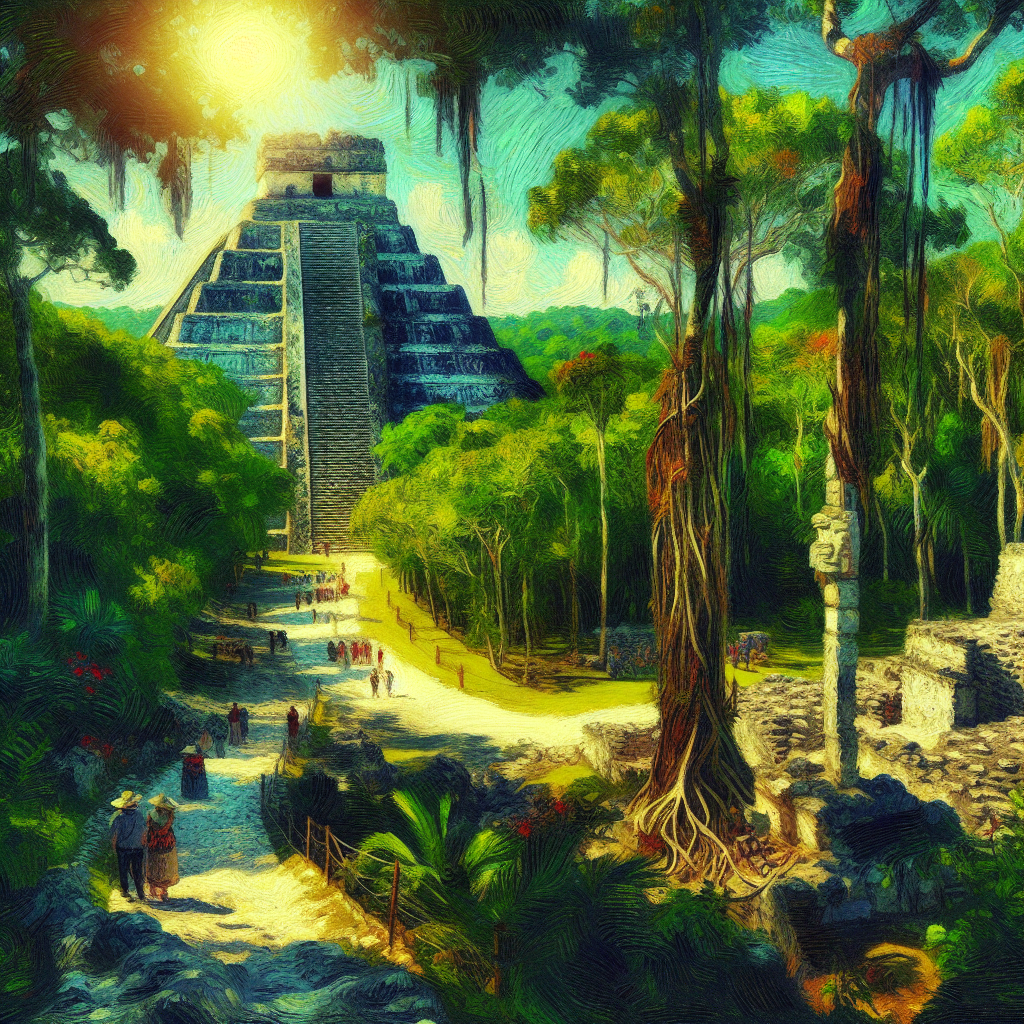
Nestled about 45 minutes from the Caribbean shores, Coba is a sprawling city that was once a bustling hub for trade and culture. It boasts the tallest pyramid in the Yucatan, Nohoch Mul, standing at a majestic 137 feet. It doesn’t hold the title of the largest in terms of area—no, that honor belongs to those other, grander sites—but in terms of sheer height, it commands respect. Climbing to the summit, you’re greeted not just by the breathtaking vista of the jungle canopy but by the pulse of history that reverberates in the wind.
Unlike its more commercialized counterparts, Coba retains an air of untouched mystery. You won’t find elaborate light shows bathing the ruins in neon hues or throngs of tourists snapping selfies—it’s raw and authentic. As you stroll along the ancient sacbe (white roads) that crisscross the site, you can almost hear the whispers of the past: traders bartering, families gathering, and priests performing rituals under the setting sun.
The allure of Coba lies not just in what you can see, but in what remains buried beneath layers of earth and vines. Archaeological work is ongoing, and each uncovered artifact tells a story of survival, ingenuity, and adaptation. The intricate carvings and stelae speak of a civilization that thrived on the edge of nature, navigating the same jungle that now envelops their remnants.
And if you’re feeling particularly adventurous, rent a bicycle or hop on a pedicab to traverse the expansive grounds. As you sweat it out under the sun, it’s hard not to appreciate the enormity of what these ancient people accomplished with nothing but stone and sweat. While the ever-encroaching jungle may have hidden their secrets, they’re slowly being unveiled, and each step through Coba is an invitation to explore the past.
So, when you’re basking in the sun on Cozumel, consider taking a journey into the heart of history. Coba awaits, with its secrets, stories, and the promise of a glimpse into a world long gone, yet lingering in every stone.
Uncovering The Ancient Mysteries Of Coba From Cozumel?
Uncovering The Ancient Mysteries Of Coba From Cozumel?
- Coba, located in the Yucatan jungles, is an ancient Mayan city gaining attention for its historical significance.
- It is about 45 minutes from Cozumel and is home to the tallest pyramid in the Yucatan, Nohoch Mul, standing at 137 feet.
- Coba offers an authentic experience, unlike more commercialized sites like Tulum and Chichen Itza.
- The site features ancient sacbe (white roads) where visitors can feel the presence of its historical past.
- Ongoing archaeological work at Coba continues to uncover artifacts that reveal the civilization’s rich history.
- Visitors can explore the expansive grounds by renting bicycles or taking a pedicab.
- Coba invites travelers to experience the echoes of its ancient civilization while surrounded by the natural beauty of the jungle.
Uncovering The Ancient Mysteries Of Coba From Cozumel?
What Are The Top Mayan Ruins To Visit In Cozumel?
When you think of Cozumel, images of sun-soaked beaches and turquoise waters might dance in your head. However, nestled amid this tropical paradise lies a treasure trove of history waiting to be uncovered — the Mayan ruins that beckon adventurers and history buffs alike. For those willing to swap their beach towels for a sturdy pair of walking shoes, the journey into the past is as riveting as the scenery that surrounds them.
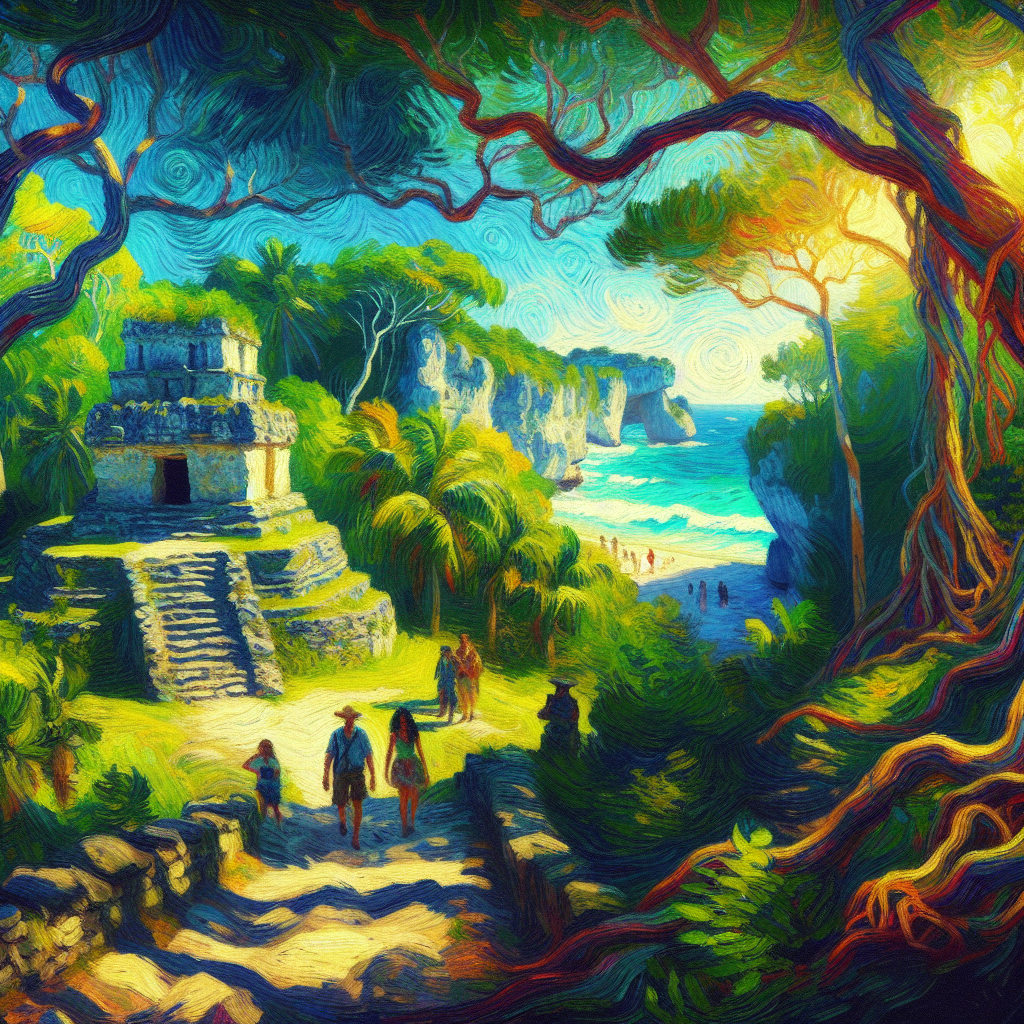
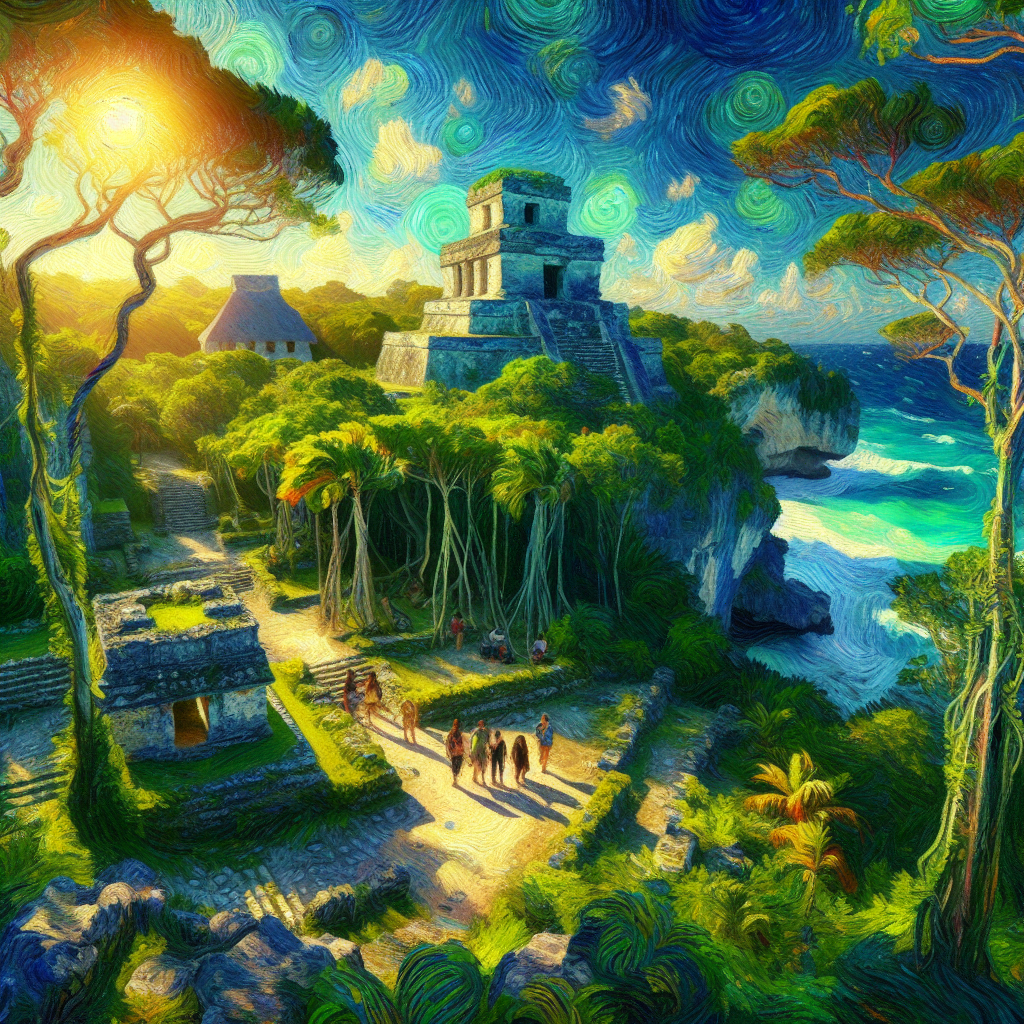
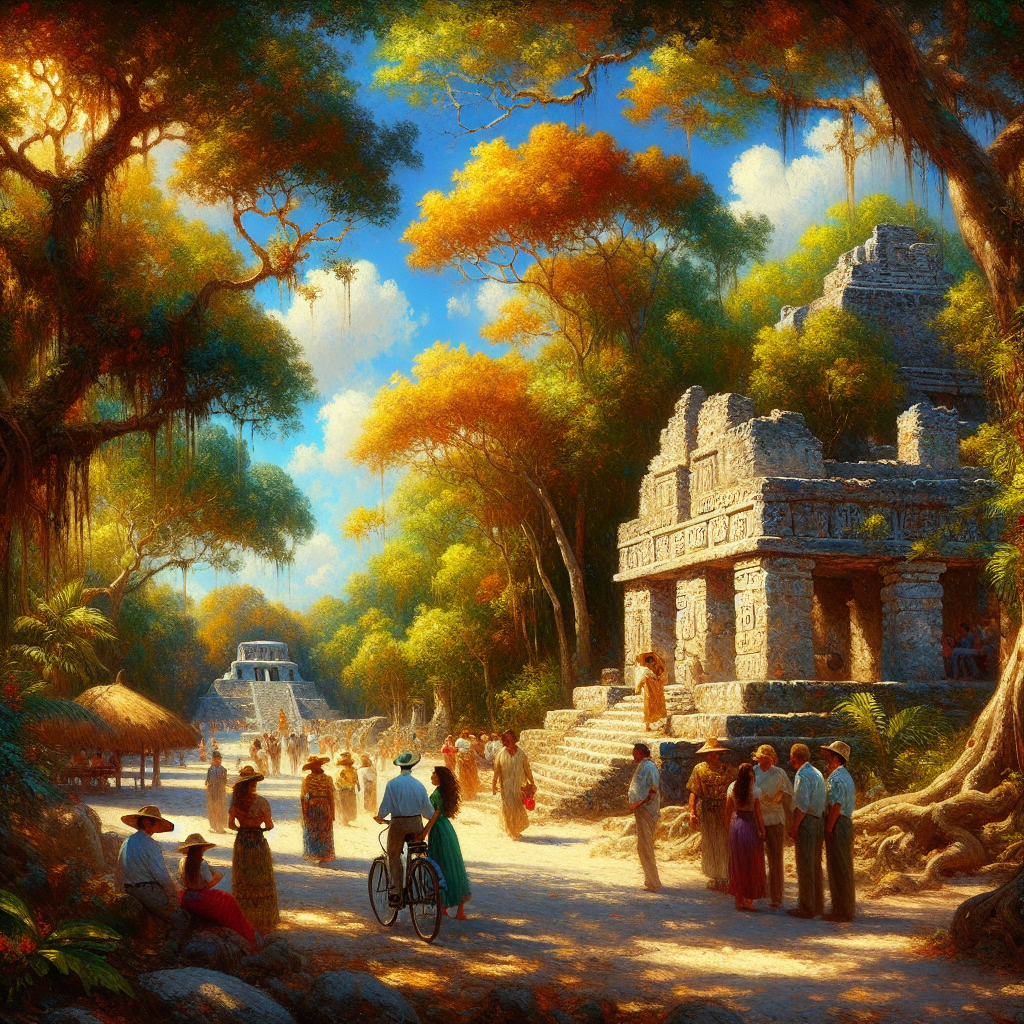
First on the list is San Gervasio, the most significant Mayan site in Cozumel. Tucked away in a lush jungle, this archaeological wonder served as a pilgrimage site dedicated to the goddess Ix Chel, the deity of love and fertility. Walking through the remnants of temples and plazas, you can almost hear the whisper of ancient rituals conducted centuries ago. The well-preserved ruins are a fascinating reminder of the island’s deep connection to the Mayan civilization, as they celebrated life, love, and everything in between.
Next up is the lesser-known but equally captivating site of El Caracol. This hidden gem is marked by a circular structure that showcases the architectural ingenuity of the Mayans. Believed to have been an astronomical observatory, El Caracol offers a unique glimpse into how the Mayans navigated their world. As you stand in this spot, looking up at the expansive sky, it’s hard not to feel a sense of awe at the knowledge these ancient people possessed about the cosmos.
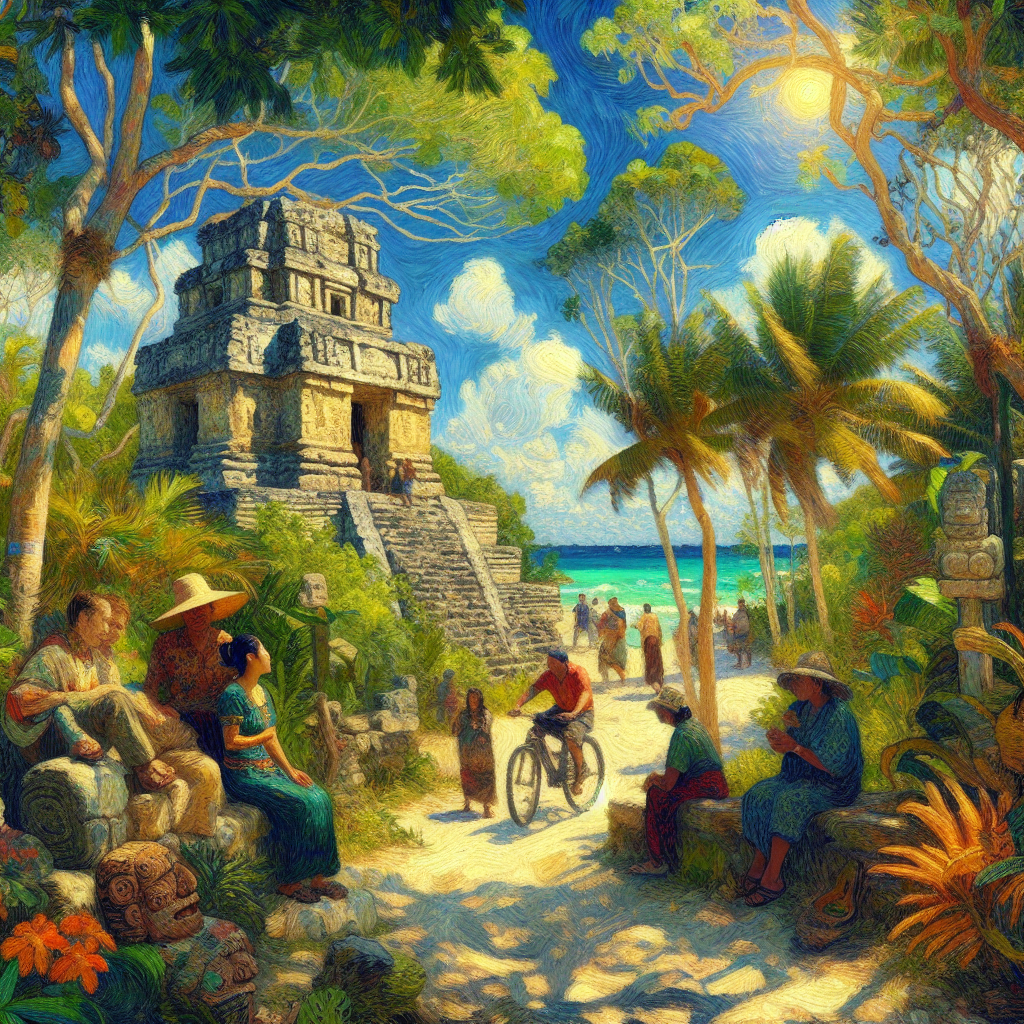
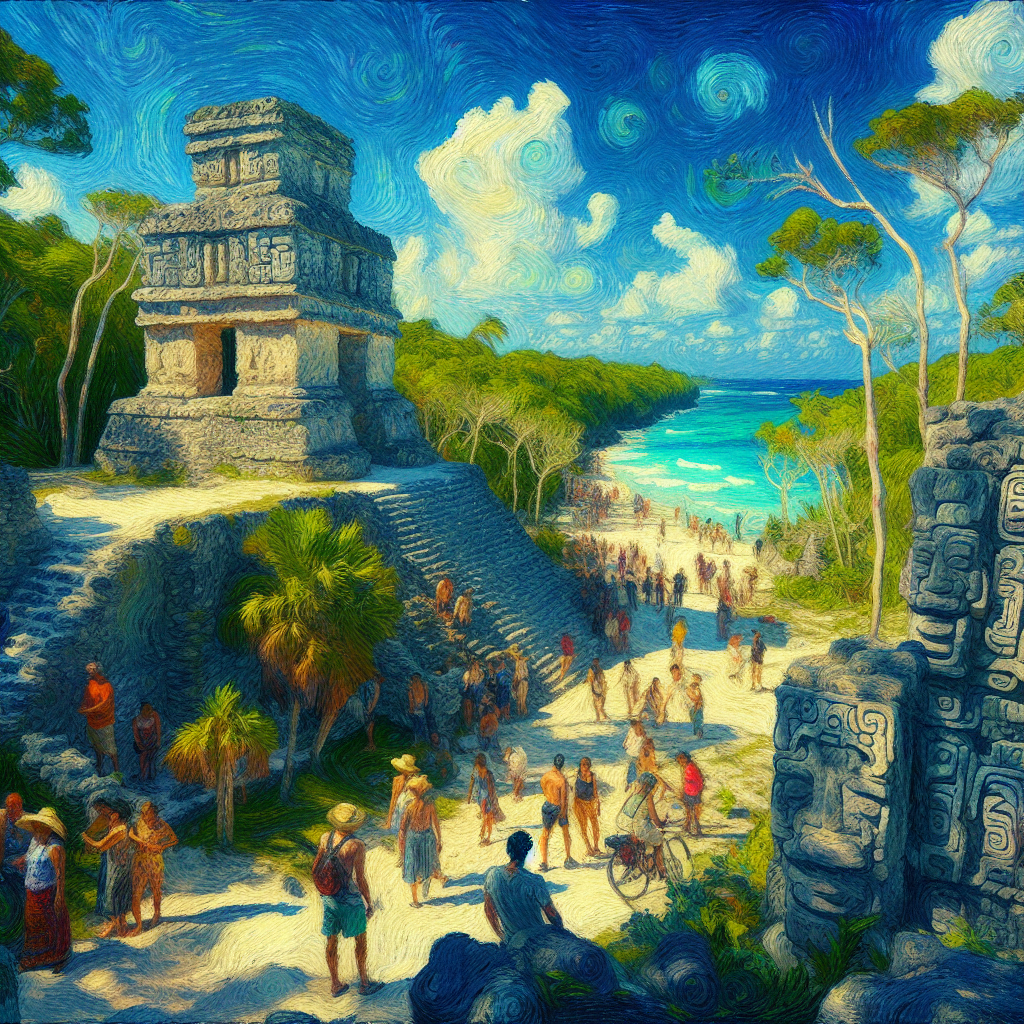
For the intrepid traveler, a visit to Tulum isn’t out of reach, though it requires a short ferry ride to the mainland. Perched dramatically on a cliff overlooking the Caribbean Sea, Tulum reveals a stunning architectural marvel built in the late post-classic period. The wall-enclosed city offers breathtaking views and serves as a reminder of the Mayan empire’s once-great power and influence. It’s a place where history meets breathtaking beauty, and if you time your visit right, you might catch one of those famous sunsets that make postcard writers envious.
Whether you’re trekking through the verdant paths of San Gervasio or marveling at the breathtaking vistas of Tulum, the Mayan ruins of Cozumel are more than just remnants of a bygone era; they are reminders of human achievement and resilience. So, gear up, get out there, and let the ancient stones tell their stories.
What Are The Top Mayan Ruins To Visit In Cozumel?
What Are The Top Mayan Ruins To Visit In Cozumel?
- Cozumel is known for its beautiful beaches and turquoise waters, but it also houses significant Mayan ruins.
- San Gervasio is the most important Mayan site in Cozumel, dedicated to the goddess Ix Chel, representing love and fertility.
- The well-preserved ruins of San Gervasio provide insight into the ancient rituals of the Mayan civilization.
- El Caracol, a lesser-known site, features a circular structure believed to have been an astronomical observatory.
- El Caracol offers a perspective on how the Mayans understood navigation and the cosmos.
- Tulum, though requiring a ferry ride to the mainland, showcases stunning architecture and breathtaking views of the Caribbean Sea.
- The Mayan ruins of Cozumel serve as reminders of human achievement and resilience, inviting exploration and appreciation.
What Are The Top Mayan Ruins To Visit In Cozumel?
How Can I Access The Yucatan Mayan Ruins From Cozumel?
If you find yourself lounging in the sun-drenched paradise of Cozumel, don’t let the turquoise waters and swaying palms distract you from one of the region’s most significant treasures: the Yucatan Mayan ruins. These ancient sites are more than just a backdrop for your beach selfies; they’re a peek into a civilization that thrived long before our modern era. So, how do you get from sand to stone without losing your right arm to a tourist trap? Let’s break it down.
First off, you’ll want to catch a ferry. The water taxis from Cozumel to Playa del Carmen are as common as seashells on the beach. They run frequently, so you won’t be left twiddling your thumbs waiting for your ride. The trip takes about 40 minutes, and the views of the Caribbean are simply stunning. Keep your eyes peeled for dolphins; they often decide to show off, and who wouldn’t want to see that?
Once you land in Playa del Carmen, it’s time to embrace your inner adventurer. The ruins are a bit of a drive away from there, but fear not; transport options abound. Many visitors opt for a guided tour, which typically includes round-trip transportation, a tour guide, and insider knowledge that makes the history come alive. Places like Tulum and Chichen Itza are popular choices, each offering its own unique slice of Mayan culture. Prices can vary, but think of it as an investment in memorable experiences rather than just a cost.
If you’re feeling more independent, you can rent a car or hop on a colectivo—a shared van that’s as local as the taco stand around the corner. A little bargaining never hurts, especially if you’re not a fan of the tourist price tag. Remember to pack some water and snacks; you might find your stomach growling as you explore.
Once you’ve made the trek, prepare to be awed. The ruins are a testament to human ingenuity and perseverance, with breathtaking architecture that’s survived centuries. Whether you’re scaling the steps of a pyramid or wandering among ancient temples, these remnants tell stories that textbooks often overlook.
Accessing the Yucatan Mayan ruins from Cozumel is as much about the journey as the destination. So, dust off your adventure boots and get ready for an escapade that’ll leave you with stories to share long after the sun has set on your vacation.

How Can I Access The Yucatan Mayan Ruins From Cozumel?
How Can I Access The Yucatan Mayan Ruins From Cozumel?
- Cozumel is home to significant Yucatan Mayan ruins, offering insight into ancient civilization.
- Travel to Playa del Carmen via frequent ferries, which take about 40 minutes and offer stunning Caribbean views.
- From Playa del Carmen, visitors can choose guided tours that include transportation and expert insights into the ruins.
- Popular ruins like Tulum and Chichen Itza showcase distinct aspects of Mayan culture.
- For independent travelers, renting a car or taking a colectivo (shared van) are viable options.
- Exploring the ruins reveals breathtaking architecture and stories often overlooked in textbooks.
- The experience of visiting the ruins is as significant as the journey itself, promising lasting memories.

How Can I Access The Yucatan Mayan Ruins From Cozumel?
What Is The History Behind The Mayan Ruins In Cozumel?
When you think about Cozumel, images of sun-soaked beaches and tequila-fueled beach parties might come to mind. But if you dig a little deeper, you’ll unearth the rich tapestry of history woven into the very islands themselves—specifically, the remnants of the ancient Mayan civilization that once thrived here.
Long before cruise ships started flocking to this tropical paradise, the Mayans called Cozumel home, and they did so well over a thousand years ago. This island, known to the Mayans as “Cozumel,” or “land of the swallows,” was a significant spot for trade and religious ceremonies. The island was particularly important for the worship of Ix Chel, the goddess of fertility and love. It’s said that women would journey here to seek her blessings, hoping to conceive children. Can you imagine that? A pilgrimage across the ocean to seek the favor of a long-forgotten goddess!
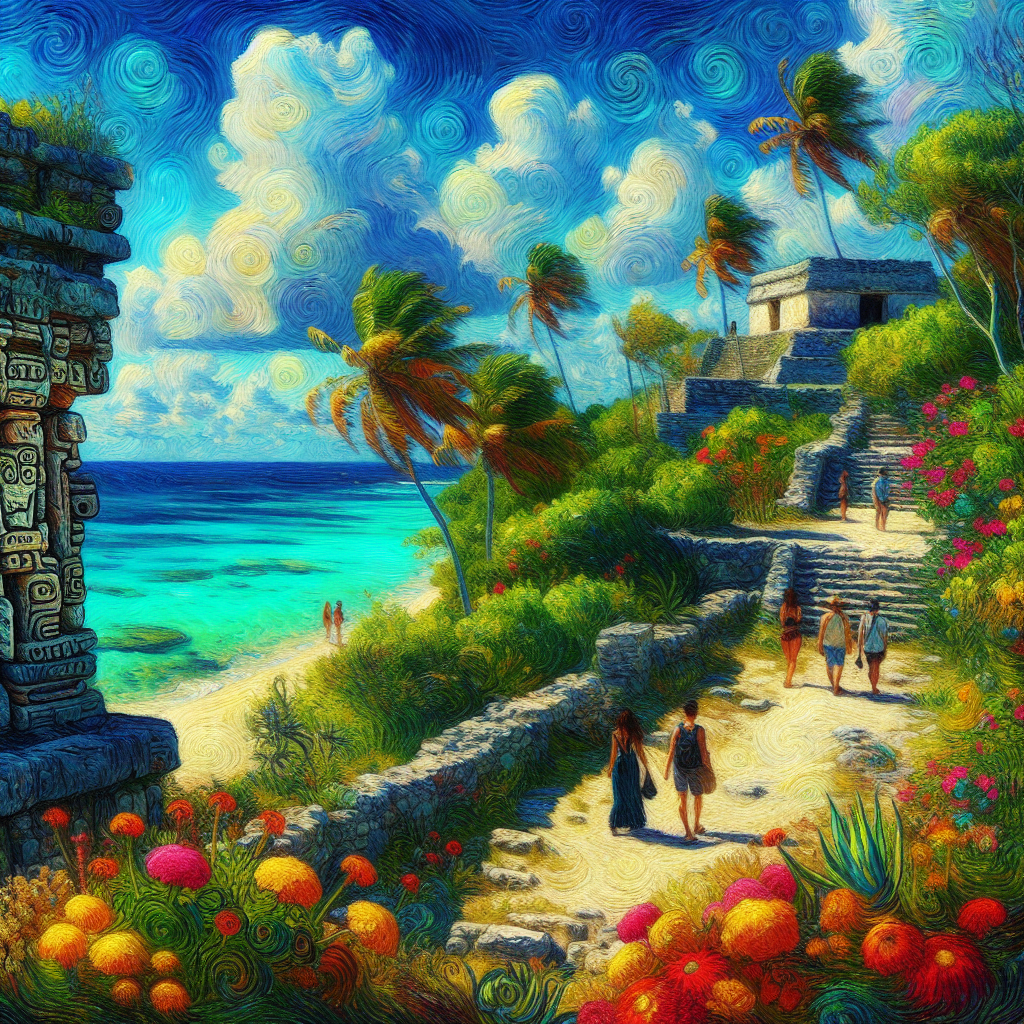
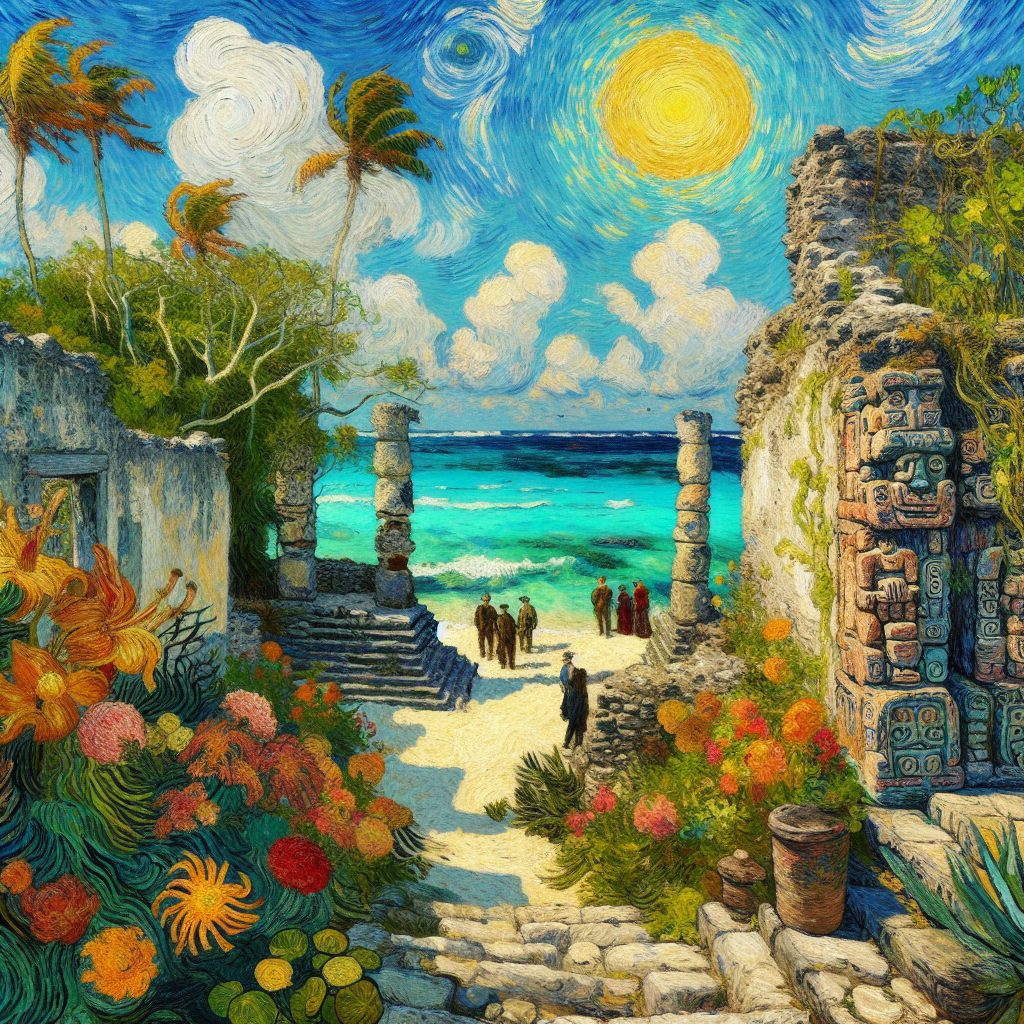
The ruins you can find scattered across Cozumel today, from the remnants of the ancient temple at El Caracol to the shrine of Ix Chel at San Gervasio, give testament to a civilization deeply rooted in spirituality and trade. These structures, though crumbling, stand as proud reminders of a culture that prioritized construction and community over convenience. Each stone tells a story—of rituals performed, traders passing through, and the vibrant life that once pulsed through these streets.
Spanish conquistadors arrived in the early 16th century, intrigued and, frankly, baffled by the sophisticated society they encountered. They found a land rich not only in treasure but in intricate customs, astronomy, and mathematics. Unfortunately, their arrival brought significant decline through disease and conflict, gnawing away at the vibrant civilization, leaving behind only these stark remnants.
Today, the ruins are a window into a time when the Mayans thrived on what we now know as Cozumel. As you wander among the ruins, tracing your fingers along the rough edges of ancient stones, you can’t help but feel a connection to the past. It’s an invitation to slow down and recognize that beneath the vibrant tourist facade lies an enduring legacy—a reminder that this paradise has always been more than just a pretty face. So, next time you find yourself on the shores of Cozumel, take a moment to explore the history beneath your feet.
What Is The History Behind The Mayan Ruins In Cozumel?
What Is The History Behind The Mayan Ruins In Cozumel?
- Cozumel is known for its sun-soaked beaches and lively beach parties.
- The island has a rich history linked to the ancient Mayan civilization.
- Known as the “land of the swallows,” Cozumel was significant for trade and religious ceremonies.
- Women historically traveled to Cozumel to seek blessings from Ix Chel, the goddess of fertility and love.
- Notable ruins, such as El Caracol and the shrine of Ix Chel at San Gervasio, reflect the Mayans’ spiritual and trade-oriented society.
- Spanish conquistadors encountered a sophisticated Mayan society in the early 16th century but brought decline through disease and conflict.
- Exploring the ruins offers a deeper understanding of Cozumel’s enduring legacy beyond its tourist appeal.
What Is The History Behind The Mayan Ruins In Cozumel?
Conclusion
As we conclude our journey through the Mayan ruins of Cozumel, let’s take a moment to appreciate the paradox of time and place. Here we stand on an island famed for sun-soaked beaches and sparkling waters, yet beneath this dazzling surface lies a treasure trove of ancient history waiting to be unearthed. Cozumel isn’t merely a vacation hotspot; it’s the vibrant remnant of a civilization that flourished long before our air-conditioned resorts and Instagram-worthy sunsets took center stage.
When you visit sites like San Gervasio, you’re not merely stepping over stones; you’re striding through the echoes of ancient ceremonies dedicated to the goddess Ix Chel. It’s awe-inspiring to imagine the throngs of pilgrims who once walked these paths, seeking blessings for fertility and healing. The jungle enveloping these ruins doesn’t just frame them; it protects and whispers the secrets of long-lost rituals performed where the walls speak of a life lived in colors and purpose, long before our modern world intruded.
Now, don’t get it twisted—this isn’t just history for history’s sake. The remnants of Cozumel remind us of our shared humanity. The intricate carvings and altars are not just relics but vivid snapshots of a society that celebrated love, life, and everything in between. They compel us to ponder: what lessons can we extract from these stones? When you set foot in places like El Caracol, once an astronomical observatory, you’re left with more questions than answers. What did the Mayans know about the cosmos that we still struggle to understand?
And let’s not forget about El Cedral—a living memoir of Mayan culture, where local artisans showcase traditions robust and alive. It’s here, away from the hustle and bustle, that you truly immerse yourself in the spirit of the island, reconnecting with shared histories and the human experience that’s as relevant today as it was centuries ago.
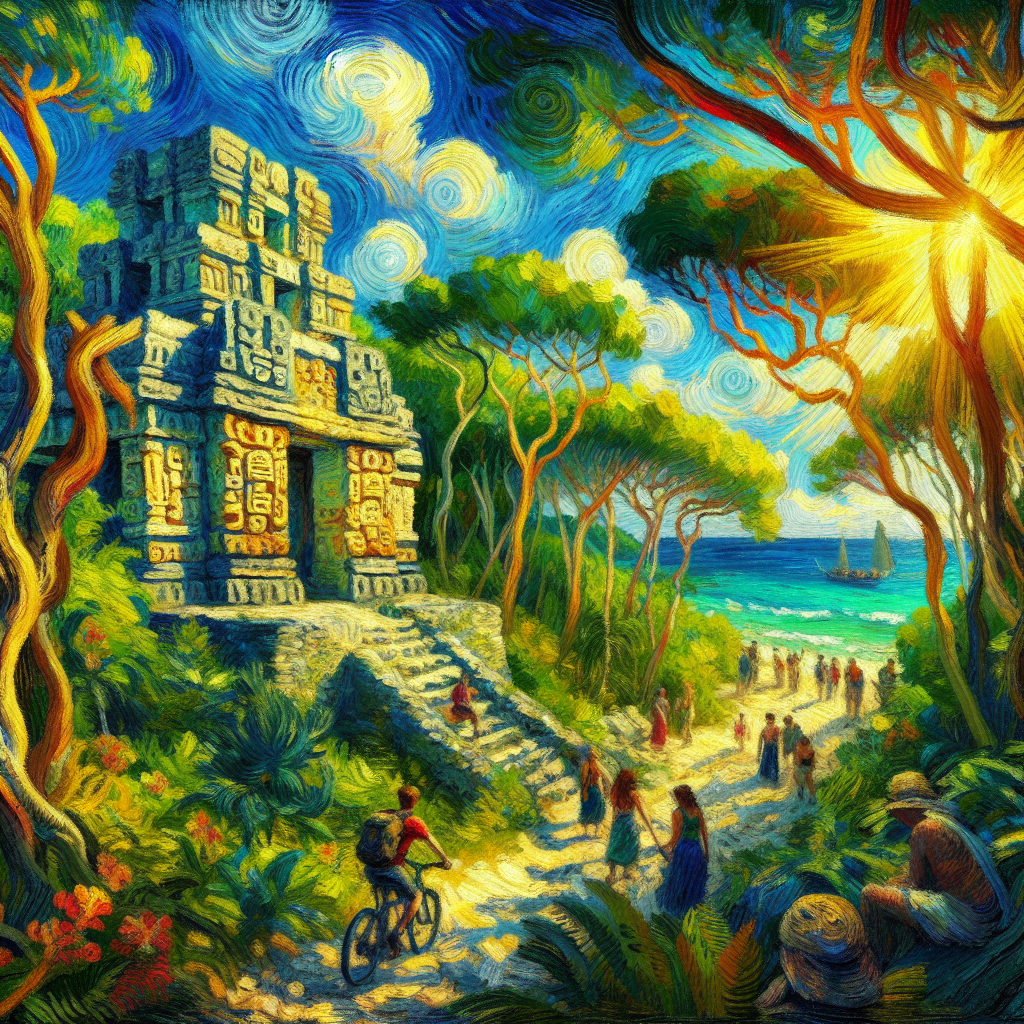
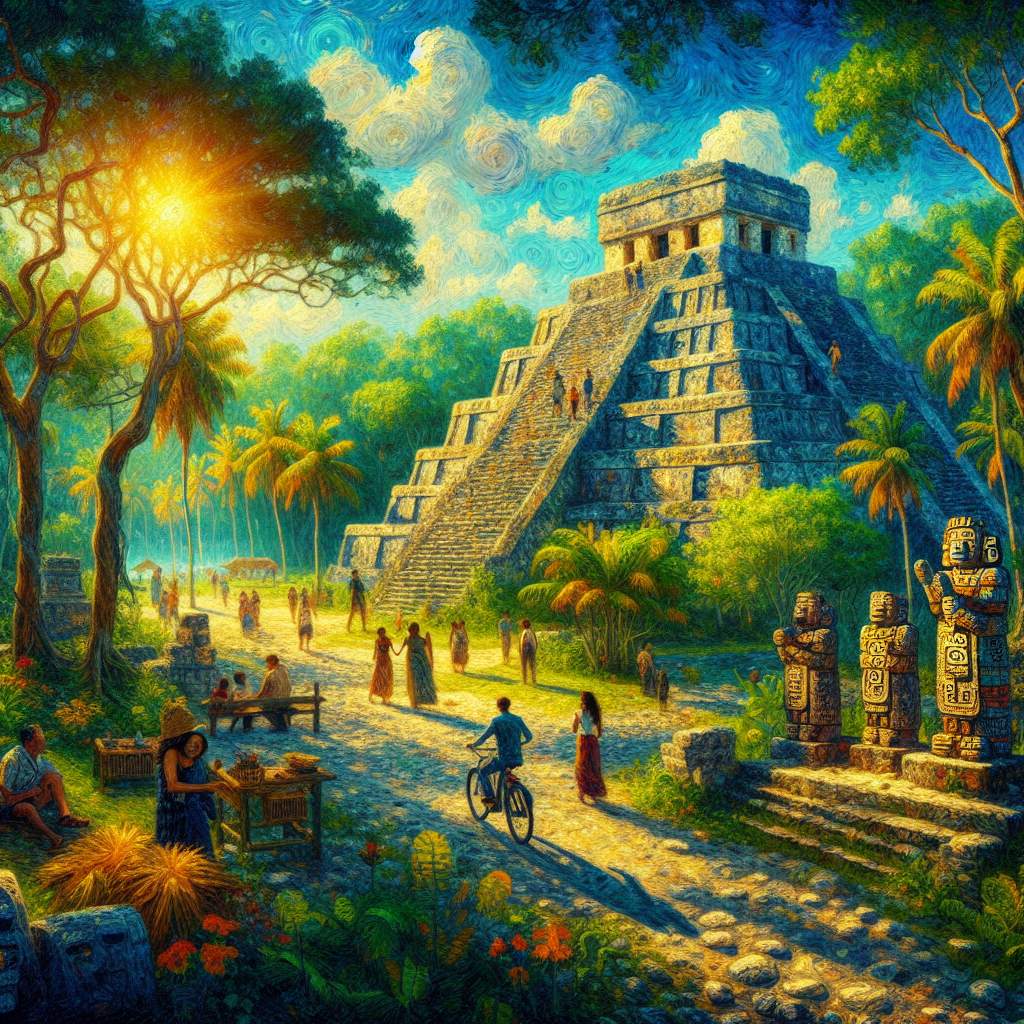
So, whether you’re cycling through Coba, soaking in the view from atop pyramids, or simply taking a moment to breathe among these ancient ruins, remember that the beauty of Cozumel lies not just in its stunning landscapes, but in its ability to bridge the past and present. It invites us to explore, discover, and ultimately appreciate a heritage that’s vibrant and undeniably human. Adventure awaits; dive into history and let the tales of the ancients remind you of the richness of life beyond the ordinary. Now, go forth and answer the call of Cozumel’s secrets—it’s a journey worth taking.
Conclusion
Conclusion:
- Cozumel is a blend of sun-soaked beaches and ancient history.
- Sites like San Gervasio connect visitors to ancient ceremonies dedicated to the goddess Ix Chel.
- The jungle surrounding the ruins protects and preserves the secrets of Mayan rituals.
- Remnants of Cozumel highlight shared humanity and the vibrant essence of a long-lost civilization.
- Locations like El Caracol provoke curiosity about the Mayans’ astronomical knowledge.
- El Cedral offers a chance to engage with living Mayan culture through local artisans.
- Cozumel invites exploration of its heritage, serving as a bridge between past and present.
Conclusion
Other Resources
Other Resources
Reading this from somewhere that isn’t Cozumel? When you do come down, where you stay shapes the whole trip. A few options from our sister sites: Cozumel Journey is an editorial guide to Cozumel — neighborhoods, planning tips, and life on the island for travelers who want context, not a cruise schedule.
Here is a list of other resources you can review online to learn more:
- Air Ambulance Worldwide
- deviantART
- Casa del Mar Cozumel Hotel
- Ixchel Shrine
- Ferry schedules
- Jersey Mike’s Subs
- The Thirsty Cougar
- Winjet
- Money Bar Beach Club
- our editorial guide to the island
Use This Prompt To Get More Resources With Your Favorite Online AI Tool: Please provide me with a list of online articles with their URLs in a bulleted list that I can read regarding Uncovering The Secrets Of Yucatan’s Mayan Ruins In Cozumel?
Other Resources
Glossary Terms
Uncovering The Secrets Of Yucatan’s Mayan Ruins In Cozumel? – Glossary Of Terms
1. Mayan Civilization: An ancient Mesoamerican culture known for its sophisticated cities, writing system, and achievements in astronomy and mathematics.
2. Cozumel: An island off the eastern coast of Mexico’s Yucatán Peninsula, known for its rich biodiversity and historical significance related to the Mayan civilization.
3. Archaeology: The scientific study of human history and prehistory through the excavation and analysis of artifacts, structures, and other physical remains.
4. Ruins: The remains of ancient buildings or structures, often significant in studying past cultures and histories.
5. Pyramids: Monumental structures built by the Mayans for religious and ceremonial purposes, often serving as temples.
6. Temples: Sacred places of worship for the Mayan people, often ornate and strategically located within their cities.
7. Hieroglyphs: The writing system used by the Maya, consisting of pictorial symbols that represent sounds or ideas.
8. Codex: An ancient manuscript in book form, used by the Maya for recording significant historical and cultural information.
9. Tikal: One of the largest and most significant archaeological sites of the Mayan civilization, showcasing impressive pyramids and temples.
10. Chichen Itza: A renowned archaeological site on the Yucatán Peninsula, known for its iconic pyramid, El Castillo, and its astronomical alignments.
11. Sacred Cenotes: Natural sinkholes filled with water that were considered sacred by the Mayans, often used for rituals and sacrifices.
12. Ballgame (Pok-a-Tok): A ceremonial game played by the Mayans that had religious and political significance and often involved rituals related to life and death.
13. Pre-Columbian: Referring to the history and cultures of the Americas before the arrival of Columbus in 1492, including the Mayan civilization.
14. Stelae: Tall stone slabs inscribed with carvings and hieroglyphs, often commemorating important events or rulers in Mayan history.
15. Observatories: Structures built by the Maya for astronomical observations, used to track celestial events and seasonal changes.
16. Mesoamerica: A historical and cultural region that includes parts of modern-day Mexico and Central America, home to ancient civilizations like the Maya.
17. Ethnohistory: A field of study that combines historical and ethnographic approaches to understand the cultural practices and social organization of a group.
18. Architecture: The design and construction of buildings and structures, particularly notable in the elaborate and diverse styles of Mayan architecture.
19. Artifacts: Objects made or used by humans, often excavated from archaeological sites, providing insights into the daily lives of the Mayans.
20. Linguistics: The study of language, including the analysis of the Mayan languages, which are rich and diverse.
21. Agriculture: The practice of cultivating land and raising crops, essential for sustaining the Mayan civilization through methods like slash-and-burn.
22. Tourism: The industry surrounding travel and exploration, particularly relevant to Cozumel due to its Mayan ruins attracting visitors.
23. Cultural Heritage: The traditions, customs, and artifacts passed down through generations, crucial in preserving the history of the Mayans.
24. Conservation: The responsible management of cultural and natural resources, ensuring the preservation of sites like the Mayan ruins in Cozumel.
25. Exploration: The act of searching for new information and understanding about past civilizations, often involving field research and excavation.
26. Site Map: A detailed representation of an archaeological site, showing the layout of structures and significant features.
27. Artifacts Analysis: The examination of objects found during excavations to gain insights about the cultural practices and daily lives of the Mayans.
28. Traditions: Customs and practices passed down through generations within the Mayan culture, influencing their society and rituals.
29. Tour Guide: A knowledgeable individual who leads visitors through historical sites, providing insights and context about the Mayan ruins.
30. Cultural Significance: The importance of a cultural practice, object, or site as it relates to the identity and history of a civilization, such as the Mayans.
Glossary Of Terms
Other Questions
Uncovering The Secrets Of Yucatan’s Mayan Ruins In Cozumel? – Other Questions
If you wish to explore and discover more, consider looking for answers to these questions:
- What are the best times of year to visit the Mayan ruins in Cozumel?
- Are there guided tours available for exploring the Mayan ruins?
- What should visitors bring when exploring the ruins?
- How long should one plan to spend at each site?
- What other Mayan sites are accessible from Cozumel?
- Are there any local legends associated with these ruins?
- What is the significance of Ix Chel in Mayan culture?
- How do the Mayan ruins in Cozumel compare to those in mainland Yucatan?
- Are there any entry fees for visiting the ruins?
- What preservation efforts are in place for the ruins?
- What wildlife can visitors expect to see near the ruins?
- Is it safe to explore the ruins independently?
- What is the climate like when visiting these ruins?
- What local foods should visitors try when exploring the area?
- Can you recommend books or resources for learning more about Mayan history?
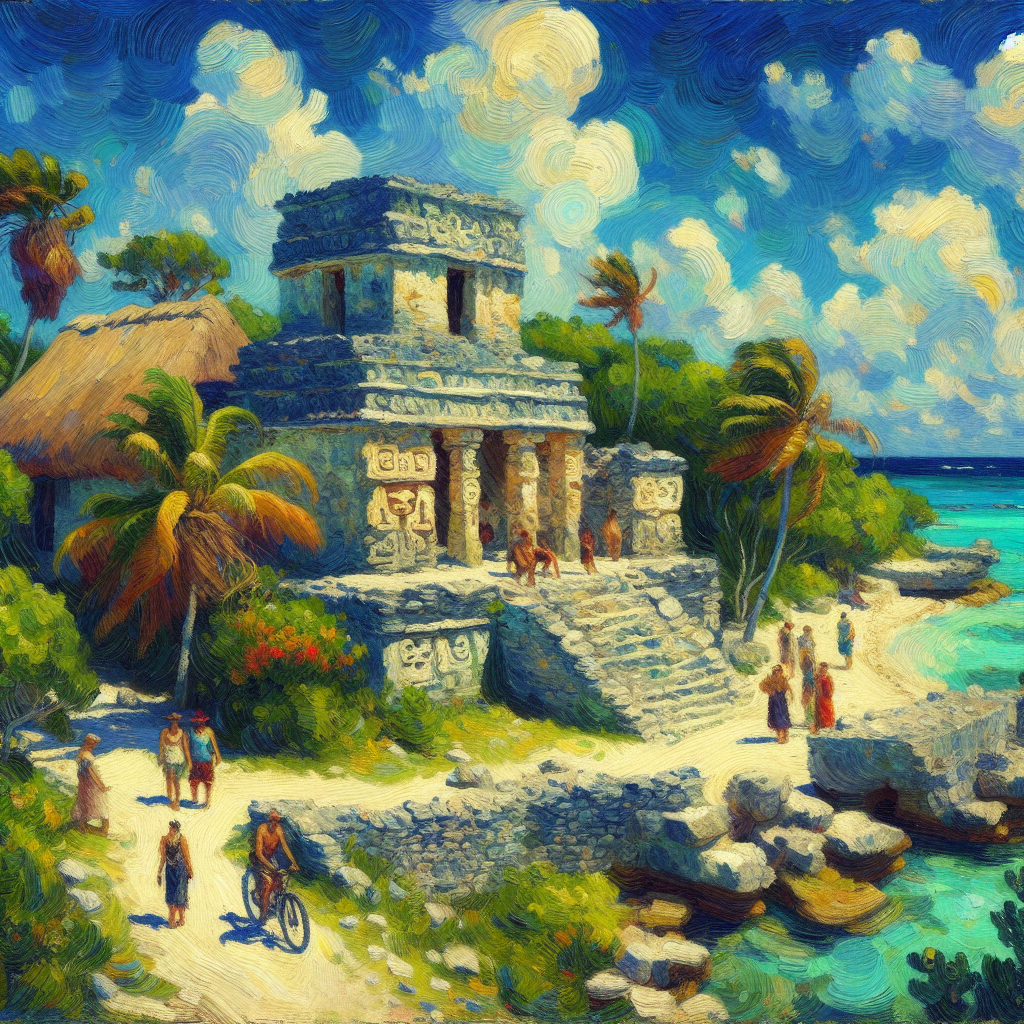
Other Questions
Haiku
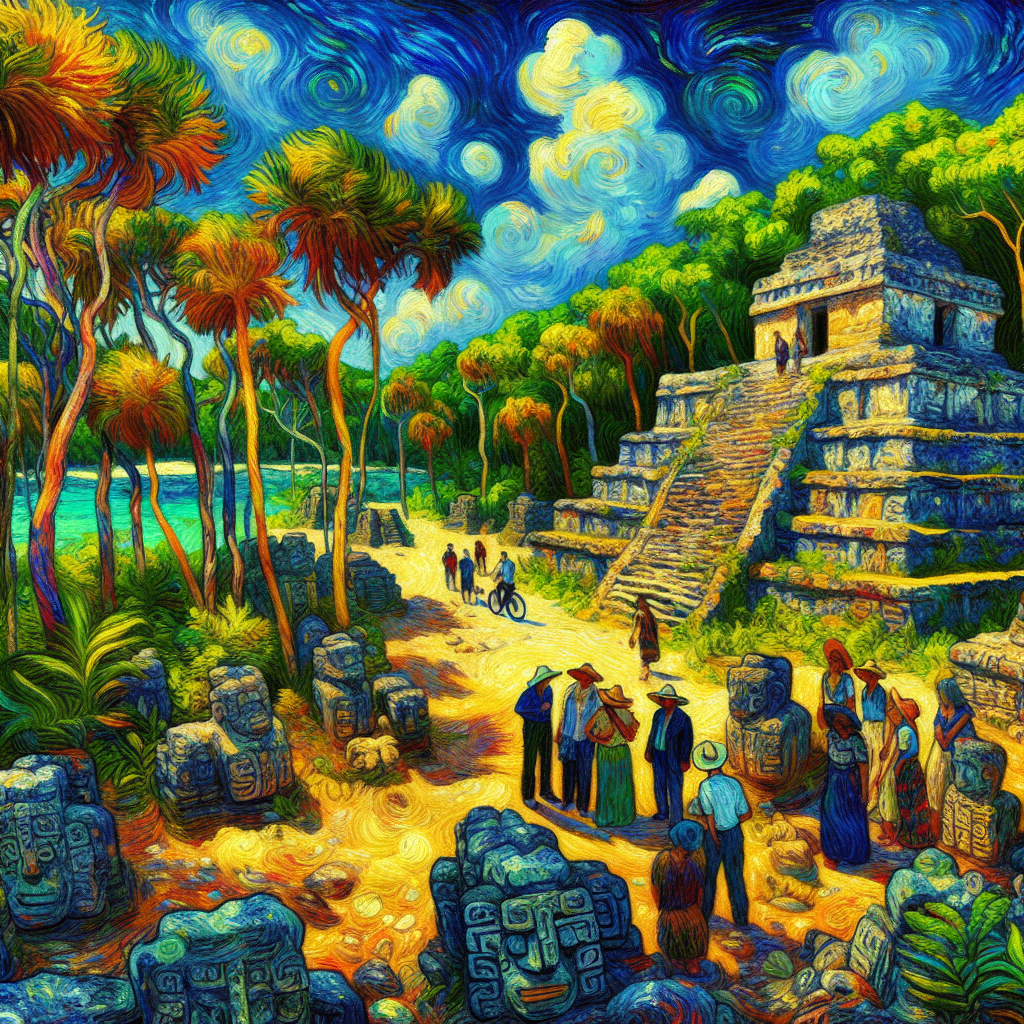
Uncovering The Secrets Of Yucatan’s Mayan Ruins In Cozumel? – A Haiku
Whispers of the past,
Mayan ruins in the wild,
Secrets wrapped in stone.
Haiku
Poem
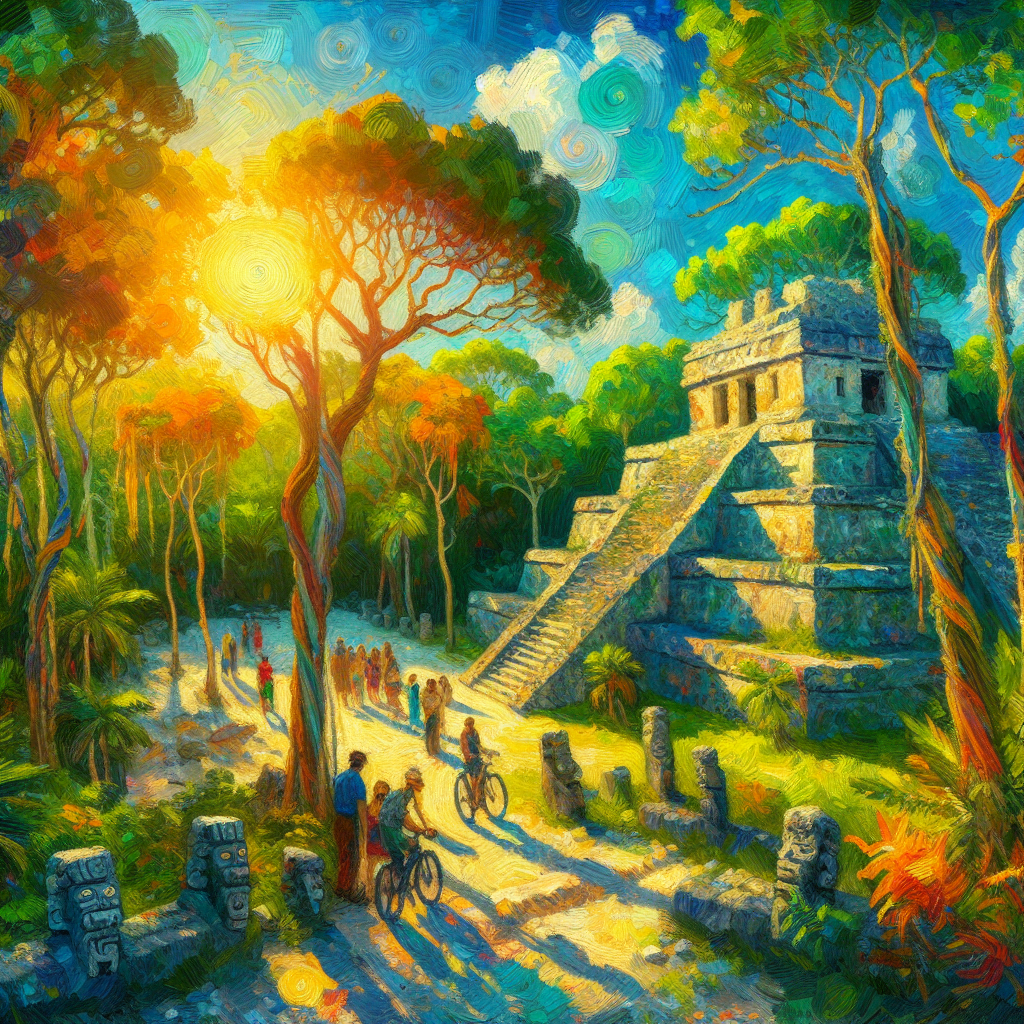
Uncovering The Secrets Of Yucatan’s Mayan Ruins In Cozumel? – A Poem
In the heart of Yucatan’s embrace,
Where turquoise waves gently trace,
Lies Cozumel, a gem on the crest,
With Mayan ruins, in time’s behest.
Amidst the lush, a whisper flows,
Through jungled paths where history glows;
San Gervasio, with stones to reveal,
The goddess Ix Chel, blessings to seal.
Beneath the canopy, secrets entwined,
Carved into walls, the tales are aligned,
Of vibrant rituals, love’s sacred call,
An enduring echo in nature’s thrall.
El Cedral beckons, with its humble grace,
Not neon traps, but a true sacred space,
Where artisans craft and stories are spun,
In the warmth of community, life still runs.
And El Caracol, a spiral of lore,
Once an observatory, where ancients did score,
Stars danced above in celestial tune,
As Mayans unraveled the mysteries of the moon.
Then venture to Coba, with its towering might,
The tallest pyramid, rising into the light,
Where traders once bartered, and laughter was found,
Amongst biking trails, let history abound.
From sun-soaked shores to the ancient stone’s roar,
Cozumel holds whispers of those gone before,
So tread softly, dear wanderer, in this sacred land,
For echoes of the past, still live and withstand.
With every step on this timeless ground,
Feel the heartbeats of ages, eternally bound,
For beneath the bright sun and beaches so sweet,
Lies a tapestry woven where history and modernity meet.
Poem
Checklist
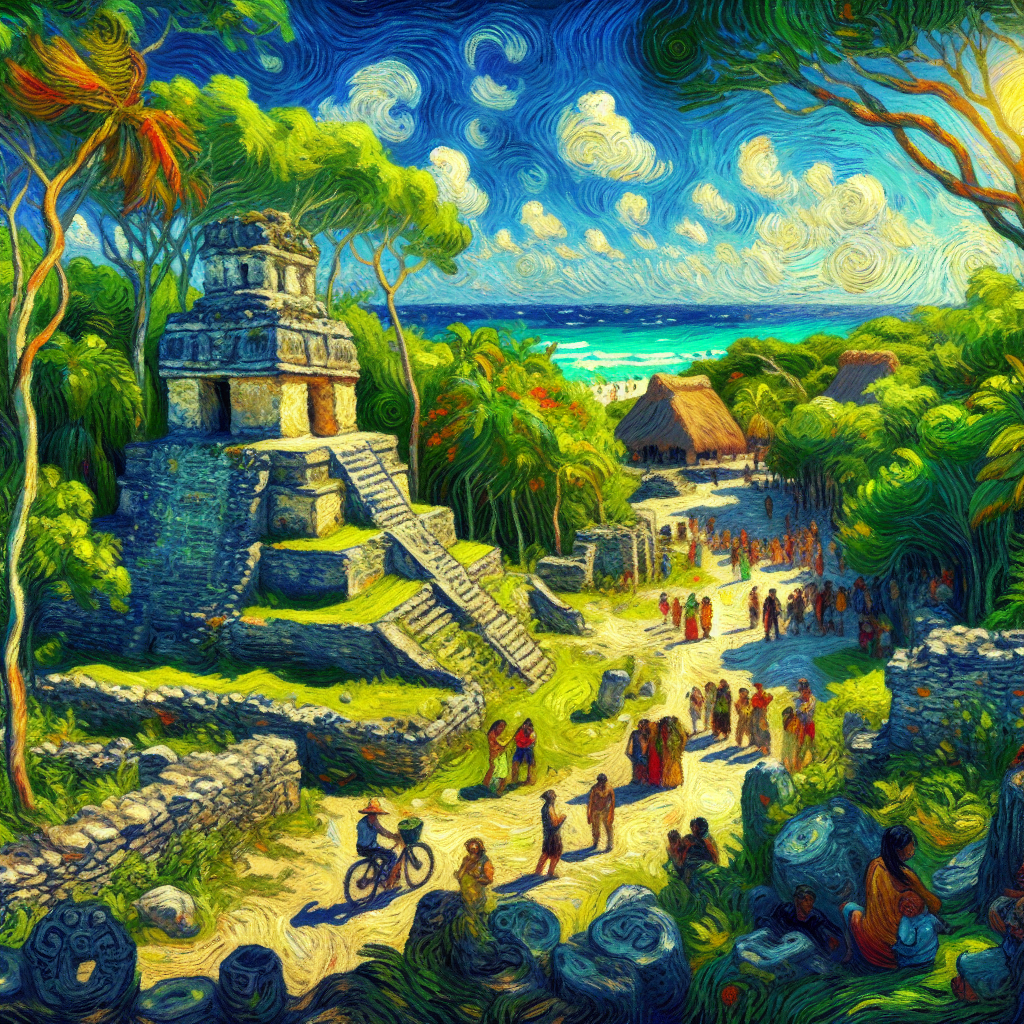
Uncovering The Secrets Of Yucatan’s Mayan Ruins In Cozumel? – A Checklist
🗸 Before You Go:
_____ Research the Major Ruins: Familiarize yourself with key sites like San Gervasio, El Cedral, El Caracol, and Coba.
_____ Plan Your Route: Determine how you’ll get to the ruins (ferry, tour, rental car) and where you’ll be staying.
_____ Check Ferry Schedules: Make sure to check the ferry timetable from Cozumel to Playa del Carmen.
_____ Pack Essentials: Bring water, snacks, a hat, sunscreen, and insect repellent.
🗸 What to Wear:
_____ Comfortable Footwear: Choose sturdy walking shoes suitable for exploring rugged terrains.
_____ Lightweight Clothing: Dress in breathable fabrics to keep cool under the sun.
_____ Carry a Small Backpack: For your essentials, including a camera, water, and snacks.
🗸 While You Explore:
_____ Engage with the History: Take the time to learn about each site’s significance and stories.
_____ Listen to Nature: Pay attention to the sounds of the jungle that envelop the ruins.
_____ Take Photos: Capture the beauty of the architecture and landscapes, but also soak in the experience.
🗸 Enhancing Your Visit:
_____ Consider a Guided Tour: Gain deeper insights into the archaeological and cultural significance of the sites.
_____ Taste Local Culture: Sample local cuisine when visiting surrounding villages like El Cedral.
_____ Participate in Local Festivals: If timing allows, join in cultural celebrations to experience the local heritage.
🗸 After Your Visit:
_____ Reflect on Your Experience: Take a moment to contemplate the rich history and beauty you’ve encountered.
_____ Share Your Stories: Discuss your experiences with friends or on social media to spread the word about Cozumel’s treasures.
_____ Stay Informed: Continue learning about Mayan culture and history beyond your visit.
🗸 Other Helpful Tips:
_____ Respect the Ruins: Stay on designated paths and avoid touching the ancient structures.
_____ Stay Hydrated: Drink plenty of water, especially if exploring in the heat.
_____ Be Mindful of Wildlife: Enjoy observing local wildlife like iguanas and butterflies without disturbing them.
Carry this checklist with you as you explore the magical Mayan ruins of Cozumel, ensuring you make the most of your adventure while honoring the rich history and culture of the area!
Checklist
At TopCozumelNews, we help travelers enjoy Cozumel by collating information learned from frequently traveling to beautiful Cozumel.
Be sure to read our other related stories at TopCozumelNews to learn more about the Island of Cozumel.