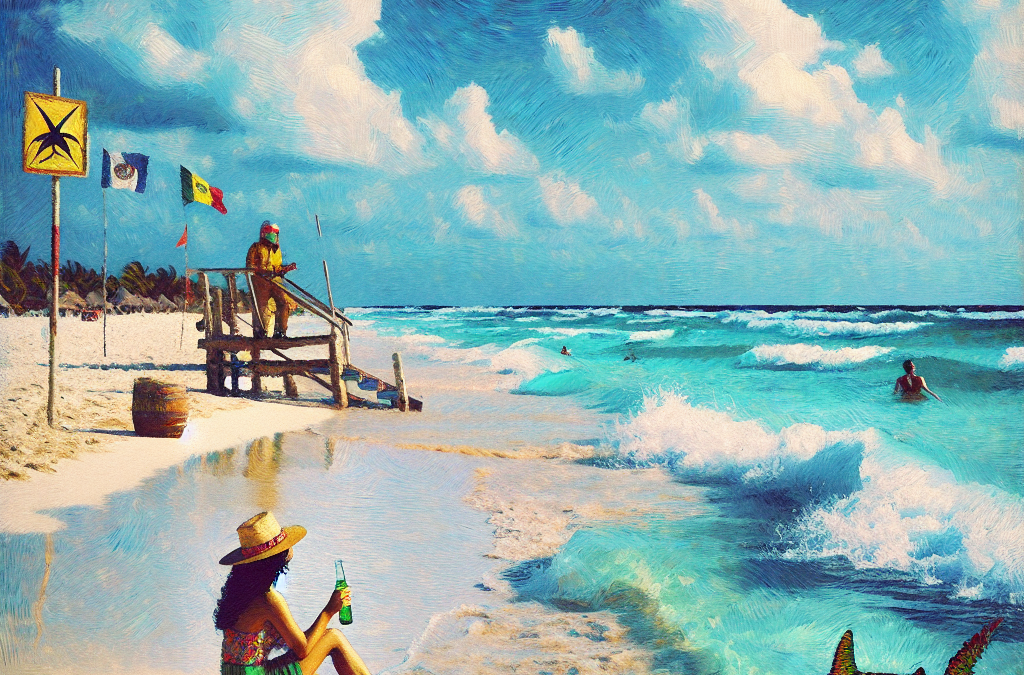
An Overview Of Sandbar Sharks That May Be Found In the Waters Around Cozumel
By Tom Seest
At TopCozumelNews, we help travelers enjoy Cozumel by collating information learned from frequently traveling to beautiful Cozumel.
Be sure to read our other related stories at TopCozumelNews to learn more about the Island of Cozumel.
Are Sandbar Sharks Found In the Waters Around Cozumel?
Ah, Cozumel—a paradise for divers and underwater enthusiasts alike. But there’s more lurking beneath the turquoise waves than just colorful fish and vibrant coral reefs. Among the giants of the sea, the sandbar shark (Carcharhinus plumbeus) often roams these warm waters, adding a dash of thrill to your underwater escapades.
First, let’s get acquainted with the sandbar shark. With its relatively stout body and long, broad snout, this species is easily recognizable. They can grow to about six and a half feet long, but don’t let their size fool you—these creatures are more about grace than menace. Typically, they’re found in shallow waters, favoring sandy or muddy substrates where they hunt for prey like flounder, mullet, and snappers. So yes, in the coastal waters around Cozumel, the sandbar shark is more than just a guest—it’s a resident.
Now, while these sharks aren’t aggressive toward humans and are generally considered harmless, their curious nature means you might come across them while diving or snorkeling. Often seen gliding along the ocean floor or basking near the surface, they can be quite the sight. Seeing one of these sleek creatures in their natural habitat brings an exhilarating sense of wonder—proof that the ocean is alive and teeming with diverse life.
Cozumel is known for its stunning reefs, which provide a rich environment for various marine species. The reefs serve as important breeding grounds and feeding areas for sandbar sharks, especially during warmer months when their young are more abundant. It’s not uncommon to spot juvenile sandbars tucked away in shallower lagoons or estuaries, where they can safely grow while feasting on smaller fish.
In the grand ecosystem of Cozumel, sandbar sharks fulfill a critical role. They help maintain healthy fish populations by preying on the weaker specimens, which ultimately supports the overall health of the reefs.
So, the next time you’re in the waters around Cozumel, take a moment to breathe, appreciate the vibrant life around you, and keep your eyes peeled. You just might catch a glimpse of a sandbar shark cruising the coastline, a silent guardian of the sea. Just remember—while they might give you a little flutter of adrenaline, they’re an integral part of the ocean’s intricate tapestry.

Are Sandbar Sharks Found In the Waters Around Cozumel?
Are Sandbar Sharks Found In the Waters Around Cozumel?
- Cozumel is a paradise for divers, offering more than just colorful fish and coral reefs.
- The sandbar shark (Carcharhinus plumbeus) is a notable resident of Cozumel’s warm waters.
- These sharks are recognizable by their stout bodies and long, broad snouts, growing up to about six and a half feet long.
- Sandbar sharks are typically found in shallow waters with sandy or muddy substrates, hunting for prey like flounder and snappers.
- Generally considered harmless, their curious nature means divers and snorkelers might encounter them in their natural habitat.
- Cozumel’s reefs provide important breeding and feeding grounds for sandbar sharks, particularly during warmer months.
- Sandbar sharks play a vital role in maintaining healthy fish populations and supporting the overall health of Cozumel’s reefs.

Are Sandbar Sharks Found In the Waters Around Cozumel?
Table Of Contents
- Are Sandbar Sharks Found In the Waters Around Cozumel?
- Are Sandbar Sharks Found Around Cozumel?
- What Do Sandbar Sharks Look Like Around Cozumel?
- How Big Do Sandbar Sharks Get Around Cozumel?
- What Is The Habitat Of Sandbar Sharks Around Cozumel?
- Do Sandbar Sharks Attack Humans Around Cozumel?
- How to Respond to Sandbar Sharks Attacks In Cozumel?
- Are There Tips For People That Encounter Sandbar Sharks Near Cozumel?
- Conclusion
- Other Resources
- Glossary Of Terms
- Other Questions
- Haiku
- Poem
- Checklist
Are Sandbar Sharks Found Around Cozumel?
When you think about Cozumel, it’s hard not to picture sun-soaked beaches, vibrant coral reefs, and the mesmerizing azure waters of the Caribbean. But lurking beneath the surface, often unnoticed, are some fascinating marine residents—one of which is the sandbar shark. It’s a shark that might not parade around in the limelight like its more glamorous cousins, but it’s got quite the story to tell.
Now, you might wonder what exactly a sandbar shark is—let’s break it down. These sleek, grayish creatures are known for their distinctive dorsal fin, which sticks out like a flag, announcing their presence to anyone who happens to be diving nearby. Sandbar sharks prefer shallow coastal waters, making the warm, inviting depths around Cozumel a prime habitat for them. They’re like the quiet neighbors who keep to themselves but are always there, subtly contributing to the ecosystem.
While you might not see them during every snorkeling expedition, sandbar sharks are indeed present in the waters surrounding Cozumel. They tend to roam in the shallows, especially around sandy bottoms and coral formations, often congregating in places where the water is murky enough to keep them out of sight. It’s the perfect hide-and-seek situation, allowing them to hunt for small fish and crustaceans without drawing attention.
But before you start daydreaming about swimming with these remarkable creatures, keep in mind that sandbar sharks are often mistaken for more aggressive species. In reality, they usually want nothing to do with humans. In fact, they’re more interested in foraging for food than engaging in any kind of shark showdowns. Encountering one can be an exhilarating experience, and as long as you maintain a respectful distance, these sharks are just going about their daily business.
Cozumel, with its rich marine biodiversity, is a playground for ocean enthusiasts. Whether you’re diving, snorkeling, or just soaking in the tropical wonders, keep your eyes peeled for the sandbar shark—subtle, sleek, and a testament to the captivating life that exists under the waves. Embrace the thrill of discovery, and remember that the ocean is a world unto itself, with each creature playing a vital role in the grand tapestry of life. So, next time you’re basking in Cozumel’s sunlit paradise, think of the hidden sandbar sharks below and all the stories they could tell if only they had the chance.

Are Sandbar Sharks Found Around Cozumel?
Are Sandbar Sharks Found Around Cozumel?
- Cozumel is renowned for its sun-soaked beaches, vibrant coral reefs, and azure Caribbean waters.
- The sandbar shark, a lesser-known marine resident, is a fascinating species found in these waters.
- Sandbar sharks are sleek, grayish creatures identifiable by their distinctive dorsal fins.
- They prefer shallow coastal waters, making places like Cozumel an ideal habitat.
- These sharks often stay hidden in murky waters around sandy bottoms and coral, hunting small fish and crustaceans.
- Typically non-aggressive, sandbar sharks are more focused on foraging than interacting with humans.
- Cozumel offers a rich marine biodiversity, inviting ocean enthusiasts to discover the subtle yet captivating sandbar sharks.

Are Sandbar Sharks Found Around Cozumel?
What Do Sandbar Sharks Look Like Around Cozumel?
When you think of the vibrant underwater world surrounding Cozumel, images of colorful coral reefs and darting schools of fish likely come to mind. But lurking beneath the waves is a true marine marvel that deserves a closer look: the sandbar shark. Now, before you start envisioning the classic Jaws silhouette cutting through the water, let’s set the record straight. Sandbar sharks have a look all their own.
First off, they’re not the biggest fish in the ocean, but don’t let their size fool you. These sharks typically reach lengths of between five and seven feet, with some exceptional individuals stretching even longer. Their bodies are robust and stocky, giving them a muscular presence that speaks to their predatory prowess. It’s almost like they took the idea of a classic shark and gave it a little bit of a makeover—think of them as the bodybuilders of the underwater realm.
What sets the sandbar shark apart? For starters, their distinctive dorsal fin. This tall, triangular fin can stand like a sail above the water when they swim near the surface, making them hard to miss. The coloration adds to their charm: a mix of muted browns, grays, and sandy hues that allow them to blend seamlessly in their tropical habitat. It’s an evolutionary trick that helps them ambush prey right off the ocean floor—think of them as the stealthy ninjas of the reef.
Their eyes are positioned well back on their heads and are often surrounded by a light, almost cream-colored band—this gives them an inquisitive look as they glide through the shadows. While their mouth is equipped with rows of fine, serrated teeth, it’s their demeanor that surprises many divers. Sandbar sharks are generally more curious than aggressive, gracefully gliding through their territory, keeping their distance unless provoked.
Whether you encounter them while snorkeling, scuba diving, or just taking in the sights from a glass-bottom boat, seeing these incredible creatures in their natural habitat is nothing short of awe-inspiring. As you drift along the vibrant reefs of Cozumel, keep your eyes peeled for the remarkable sandbar sharks. Their unique look and fascinating behavior are just a few of the many reasons why they stand out in the rich tapestry of marine life that calls this paradise home.

What Do Sandbar Sharks Look Like Around Cozumel?
What Do Sandbar Sharks Look Like Around Cozumel?
- The sandbar shark is a notable marine inhabitant around Cozumel, distinct from the typical images of the underwater world.
- Typically measuring between five and seven feet, they possess a robust and stocky body, giving them a powerful presence.
- Their notable feature is a tall, triangular dorsal fin that is easily recognizable when they swim near the surface.
- Sandbar sharks have a camouflage coloration of browns, grays, and sandy hues, aiding in their ambush hunting strategy.
- They are characterized by their inquisitive demeanor and are generally more curious than aggressive.
- These sharks often glide through their environment gracefully and tend to keep their distance from divers unless provoked.
- Observing sandbar sharks in their natural habitat enhances the experience of exploring the vibrant reefs of Cozumel.

What Do Sandbar Sharks Look Like Around Cozumel?
How Big Do Sandbar Sharks Get Around Cozumel?
When you dive into the crystal-clear waters of Cozumel, a world of wonder unfolds beneath the surface, teeming with life. Among its many inhabitants, the sandbar shark, a creature known for its distinctively robust shape and amiable demeanor, swims gracefully through the reefs. But just how big do these sharks get? Let’s dive into the numbers.
Sandbar sharks, recognizable by their broad, short snouts and large dorsal fins, typically reach lengths of 5 to 7 feet. Some lucky specimens can even stretch out to about 8 feet, weighing in at healthier sizes that can tip the scales beyond 200 pounds. Not too shabby for a creature that frequently glides through the warm waters just a stone’s throw from the vibrant shores of Cozumel. Picture a healthy adult sandbar shark, cutting effortlessly through the water, its power underscored by the sheer length of its body.
These sharks have adapted well to various environments, including coastal and continental shelf regions. As such, in the warm, nutrient-rich waters surrounding Cozumel, food is plentiful, which allows them to reach their maximum size. Sandbar sharks are opportunistic feeders, mostly munching on small fish and invertebrates, with a knack for snagging a meal amid the bustling reef life. Their foraging habits are meticulously honed, sometimes straying into shallower waters, making them a common sight for divers and snorkelers.
But here’s the catch—pun intended. Despite their impressive size, sandbar sharks are often misunderstood. With their stocky build and dark, rounded fins slicing through the water, they command a respect that belies their generally docile nature. Encountering one while diving is often more awe-inspiring than threatening. They’re not the aggressive species you might associate with the term “shark;” rather, they showcase a curious disposition, often swimming away from close encounters.
In recent years, conservation efforts have increasingly highlighted the plight of the sandbar shark. Overfishing and habitat loss have threatened their populations, leading to a decline in numbers. However, thanks to sanctuary efforts and raised awareness, the future looks bright for these magnificent creatures. So, next time you find yourself snorkeling in those vibrant waters, take a moment to appreciate the size and grace of the sandbar shark—it might just be one of the ocean’s best-kept secrets just below the surface.

How Big Do Sandbar Sharks Get Around Cozumel?
How Big Do Sandbar Sharks Get Around Cozumel?
- Cozumel boasts crystal-clear waters, home to diverse marine life, including the sandbar shark.
- Sandbar sharks typically grow to lengths of 5 to 7 feet, with some reaching up to 8 feet and weighing over 200 pounds.
- These sharks are identifiable by their broad, short snouts and large dorsal fins, adapting well to various coastal environments.
- They thrive in the warm, nutrient-rich waters of Cozumel, feeding mainly on small fish and invertebrates.
- Despite their size, sandbar sharks are generally docile and curious, often swimming away from human encounters.
- Conservation efforts are focused on addressing threats like overfishing and habitat loss, helping to stabilize sandbar shark populations.
- Awareness and sanctuary initiatives are improving prospects for sandbar sharks, highlighting their role as gentle giants of the ocean.
How Big Do Sandbar Sharks Get Around Cozumel?
What Is The Habitat Of Sandbar Sharks Around Cozumel?
When you think of picturesque Cozumel, images of azure waters, vibrant coral reefs, and sun-kissed beaches likely come to mind. But beneath those waves lies a world that’s just as captivating, home to the elusive and fascinating sandbar shark. These sleek predators are a common sight in the coastal waters around Cozumel, and understanding their habitat unveils a little more about the magic of this Caribbean paradise.
Cozumel’s underwater landscape is a diverse tapestry of coral reefs, mangroves, and seagrass beds, each playing a vital role in the ecological balance. Sandbar sharks, scientifically known as *Carcharhinus plumbeus*, thrive predominantly in shallow, warm coastal waters. They are typically found in depths of 10 to 30 feet, where light penetrates, allowing the coral reefs to flourish. This particular environment offers both protection and abundant food sources, ranging from crustaceans and small fish to squid.
What makes the habitat around Cozumel especially intriguing is the connection between the oceanic landscape and the creatures it supports. Mangroves, with their tangled roots, provide an important nursery ground for juvenile sandbar sharks. Here, they can find refuge from larger predators while learning the ropes of survival. These nurseries are not only crucial for the sharks but also support a myriad of other marine life.
Seagrass beds also contribute significantly to the ecosystem, serving as feeding grounds for various fish species that sandbar sharks prey upon. These underwater jungles are rich with life but often overlooked by the casual observer. Yet, step into the water, and it’s like waking up in a sprawling underwater metropolis, buzzing with activity from the smallest shrimp to the mighty sandbar itself.
Interestingly, sandbar sharks display some seasonal behaviors that further influence their habitat use. During the summer months, they tend to move into shallower waters—likely to take advantage of the warmer temperatures and abundant food resources. As colder months approach, they may venture deeper, seeking the comfort of stable temperatures.
So, if you find yourself in Cozumel, consider taking a moment to peer beneath the surface. The habitat of sandbar sharks isn’t just a site for fascination; it’s an essential part of a thriving ecosystem that has a story far richer than the sun-drenched beaches above.

What Is The Habitat Of Sandbar Sharks Around Cozumel?
What Is The Habitat Of Sandbar Sharks Around Cozumel?
- Cozumel is known for its stunning azure waters, coral reefs, and beaches.
- The sandbar shark (*Carcharhinus plumbeus*) is a prevalent predator in Cozumel’s coastal waters.
- Sandbar sharks thrive in shallow, warm waters at depths of 10 to 30 feet, where coral reefs flourish.
- Mangroves serve as vital nurseries for juvenile sandbar sharks, offering protection and learning grounds.
- Seagrass beds are important feeding grounds, supporting various fish species that the sharks prey upon.
- Sandbar sharks exhibit seasonal behaviors, moving to shallower waters in summer and deeper waters in colder months.
- Cozumel’s underwater ecosystem is a rich, vibrant habitat deserving exploration beyond its beaches.

What Is The Habitat Of Sandbar Sharks Around Cozumel?
Do Sandbar Sharks Attack Humans Around Cozumel?
When it comes to the waters of Cozumel, the conversation often shifts to the region’s vibrant marine life, scenic dive spots, and, inevitably, the sharks. Among those swimming under the sun-kissed surface are sandbar sharks—often mistaken for their more cunning relatives, but don’t let that simplistic moniker fool you. These creatures have a personality all their own, and one pressing question comes to the surface: do sandbar sharks attack humans?
To get to the crux of the matter, we need to take a closer look at what makes sandbar sharks tick. These sleek predators, typically donning a brownish or grayish hue, are known more for their curiosity than for aggression. Sandbar sharks are often spotted in the shallow waters of bays, estuaries, and sandy bottoms—places where their sharp senses can help them navigate and hunt. They glide through the ocean with grace, often appearing in schools, giving them the appearance of a well-organized swim team rather than a rogue band of marauding beasts.
Now, let’s get real: the idea of an attack sparks fear in the hearts of many. But here’s the rub—sandbar sharks’ interactions with humans generally lean more toward the benign than the blood-curdling. Most of the time, they show little interest and would prefer to swim away rather than engage in anything resembling an attack. In fact, encounters between sandbar sharks and humans often lead to nothing more than a harmless glance, some curious circling, and then a quick retreat. Think of them as the introverted relatives of the shark world, more inclined to keep to themselves than to throw a wild party.
That being said, the ocean is an unpredictable place, and any wild animal can act in unexpected ways, especially if they feel threatened or cornered. However, instances of sandbar sharks launching attacks on humans are few and far between. In Cozumel, where tourists revel in snorkeling and diving adventures, the real danger lies in ignoring the essential guidelines of ocean safety, not the sharp teeth of a sandbar shark in search of its next meal.
So while the presence of sandbar sharks might send shivers down the spine of those venturing into the waves, remember that they are generally more interested in fish than in human flesh. The key to enjoying the stunning marine vistas of Cozumel lies in understanding these creatures, respecting their habitat, and keeping a cool head while exploring their underwater world.
Do Sandbar Sharks Attack Humans Around Cozumel?
Do Sandbar Sharks Attack Humans Around Cozumel?
- Cozumel is known for its vibrant marine life and scenic dive spots, particularly sandbar sharks.
- Sandbar sharks, often mistaken for more aggressive shark species, possess distinct personalities and behaviors.
- These predators have a brownish or grayish hue and are known for their curiosity rather than aggression.
- They are commonly found in shallow waters like bays and estuaries, often swimming in schools.
- Sandbar shark interactions with humans are typically benign, with many choosing to swim away rather than attack.
- While generally non-aggressive, sandbar sharks may act unpredictably if they feel threatened or cornered.
- Understanding and respecting these creatures is key to safely enjoying Cozumel’s underwater beauty.

Do Sandbar Sharks Attack Humans Around Cozumel?
How to Respond to Sandbar Sharks Attacks In Cozumel?
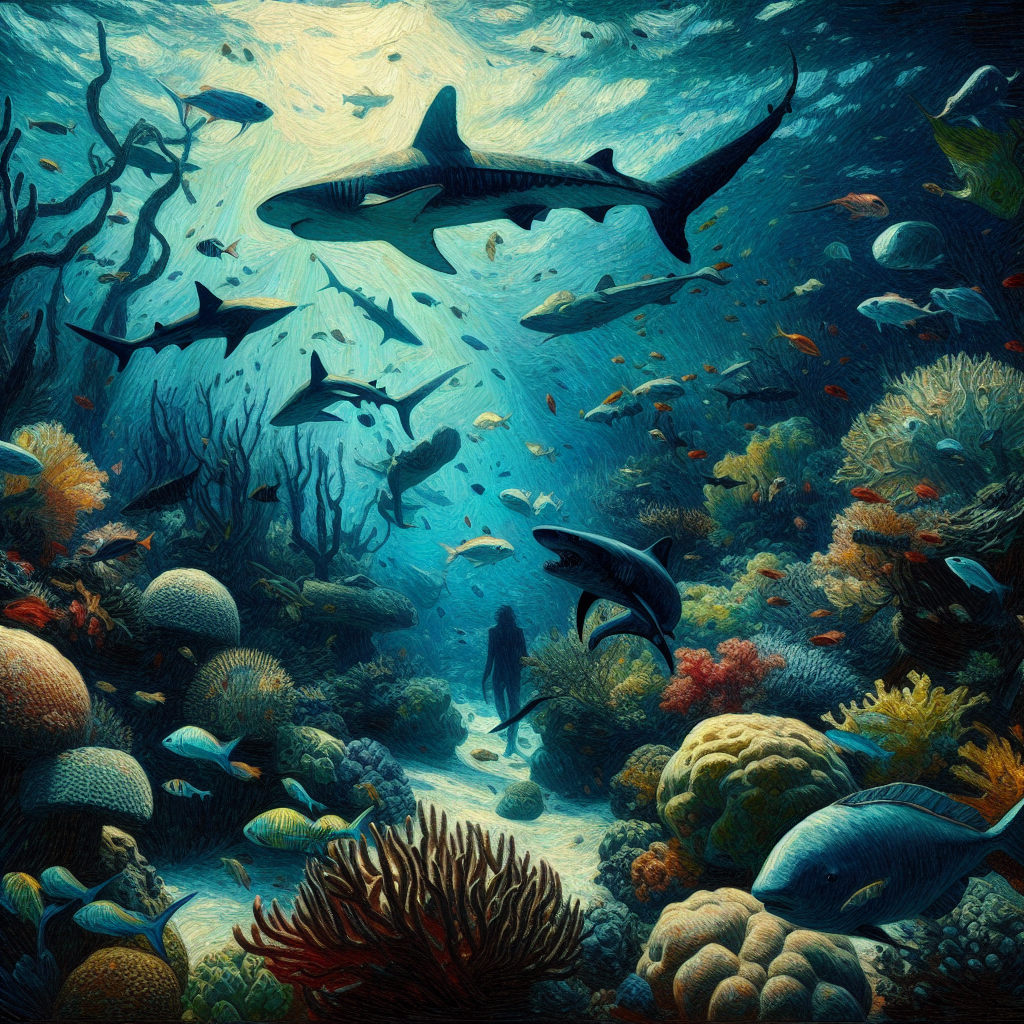
Cozumel, with its azure waters and stunning reefs, is not just a paradise for divers and snorkelers; it’s a habitat for sandbar sharks. These sleek creatures, often cruising the ocean floor, are generally more interested in their next meal than in dinner with humans. However, nature has its unpredictability. Should you find yourself in an encounter with one of these sharks, knowing how to respond can make a world of difference.
First off, let’s get real—panic is your worst enemy. Sandbar sharks typically swim away when provoked. If you’re snorkeling or diving and spot one, remain calm. Don’t thrash around like you just stumbled into a bee swarm. Instead, keep your movements slow and steady. You want to give the shark a chance to assess you, and a show of panic won’t do you any favors.
If a sandbar shark approaches, avoid sudden moves. Many experts suggest positioning yourself so that you face the shark head-on. It may sound counterintuitive, but showing that you’re aware of its presence can minimize the chance of it mistaking you for a meal. Sharks are curious creatures. They might simply want to see what you are and may back off once you’ve established eye contact.
In case the situation escalates, and the shark appears aggressive—think typical warning signs like a lowered dorsal fin—your focus should shift to deterrence. Defend yourself using any available device, whether it’s your camera, dive gear, or even your hands if you must. Aim for sensitive areas like the snout or eyes. While these sharks are generally not out for blood, they can bite if they feel threatened.
When it comes to preventing encounters, knowledge is your best ally. Observe local diving etiquette and heed warnings from guides. Familiarize yourself with the behavior patterns of sandbar sharks in the region—that could be the difference between an exhilarating experience and a hair-raising one.
Lastly, understanding that these magnificent creatures are an essential part of the marine ecosystem enhances not only your safety but your appreciation of Cozumel’s underwater world. Respect, caution, and a dash of common sense allow you to share the ocean with sandbar sharks—without turning it into a horror movie scene. Remember, they’re more scared of you than you are of them!

How to Respond to Sandbar Sharks Attacks In Cozumel?
How to Respond to Sandbar Sharks Attacks In Cozumel?
- Cozumel is a popular destination for divers and snorkelers, also serving as a habitat for sandbar sharks.
- Remain calm if you encounter a sandbar shark; panic is detrimental.
- Move slowly and steadily to allow the shark to assess you, avoiding thrashing.
- Face the shark head-on to show awareness, which may reduce the risk of it mistaking you for prey.
- If the shark appears aggressive, use available objects (camera, dive gear) to defend yourself, targeting sensitive areas.
- Prevent encounters by observing local diving etiquette and understanding sandbar shark behavior.
- Respect and understanding of these creatures can enhance your safety and appreciation of Cozumel’s underwater ecosystem.
How to Respond to Sandbar Sharks Attacks In Cozumel?
Are There Tips For People That Encounter Sandbar Sharks Near Cozumel?
So you find yourself soaking up the sun along the gorgeous shores of Cozumel, when suddenly, you spot a sandbar shark gliding gracefully through the water. Before you let your imagination run wild, take a deep breath, and consider a few practical tips that can make your experience both enjoyable and safe.
First and foremost, keep in mind that sandbar sharks, while they may look intimidating, are typically harmless to humans. These guys are more interested in the occasional fish than they are in a swim with a sunbather. The key is to remain calm and avoid sudden movements that could startle them. Think of it like meeting a neighbor’s dog: it’s best to approach with curiosity rather than anxiety.
If you’re snorkeling or diving, the best course of action is often to observe from a respectful distance. Sandbar sharks tend to be curious creatures but don’t generally pose a threat. Use this opportunity to appreciate the beauty of these animals in their natural habitat. Remember, this isn’t a wrestling match or a scene from an action movie—keeping your distance will allow for a more peaceful encounter.
Now, let’s talk about visibility. The waters around Cozumel are known for their clarity, but when encountering any marine life, it’s wise to keep a close eye on the surroundings. If you notice sandbar sharks swimming nearby, stay alert. Make sure you’re not inadvertently entering their territory, especially if you’re in an area where they are known to frequent.
Timing matters, too. Sandbar sharks are more active during certain times of the day—early morning and late afternoon are often prime feeding times. If you’re planning on a leisurely swim or snorkeling expedition, consider sticking to midday when they might be less active.
Lastly, if you’re part of a tour group or diving team, listen to your guide. These professionals have experience dealing with local marine life and can provide guidance on how to interact safely with sharks. They may even offer insights on the best spots to see them without unnecessary encounters.
In essence, encountering a sandbar shark can be a once-in-a-lifetime experience, but it’s all about perspective. Respect their space, enjoy the moment, and remember: you’re in their ocean, not the other way around. So, embrace the adventure, and make some memories—perhaps alongside a shark or two!

Are There Tips For People That Encounter Sandbar Sharks Near Cozumel?
Are There Tips For People That Encounter Sandbar Sharks Near Cozumel?
- Sandbar sharks are typically harmless to humans and more interested in fish.
- Stay calm and avoid sudden movements to avoid startling the sharks.
- Observe sandbar sharks from a respectful distance while snorkeling or diving.
- Keep an eye on your surroundings, especially when sharks are nearby.
- Be aware that sandbar sharks are more active during early morning and late afternoon.
- Listen to your tour guide or diving team for safe interaction advice with sharks.
- Respect their space and enjoy the unique experience of encountering these creatures.

Are There Tips For People That Encounter Sandbar Sharks Near Cozumel?
Conclusion
As we wrap up this exploration of sandbar sharks lurking beneath the dazzling surface of Cozumel’s waters, let’s take a moment to appreciate the simple yet powerful truth: these creatures are not just mere inhabitants of this marine paradise; they are vital players in its intricate ecosystem. When you think of Cozumel, you’re likely envisioning sunny beaches, vibrant coral reefs, and pristine blue waters; however, beneath this picture-perfect facade swims a quieter, but equally compelling world. The sandbar shark, with its robust body and characteristic dorsal fin, glides through these waters gracefully, contributing to the rich biodiversity that so many ocean enthusiasts crave.
Here’s the kicker: despite their reputation, sandbar sharks are generally harmless to humans. They’re not out to create chaos; rather, they go about their business, dining on flounder and snapper in relative peace. Think of them as the thoughtful guardians of the reef, maintaining the balance by preying on weaker fish. In their shallow coastal habitats of sandy bottoms and estuary nurseries, they’re quietly fulfilling an essential role. For those lucky enough to spot a sandbar shark while diving or snorkeling, it’s an exhilarating reminder of the life teeming beneath the waves—proof that nature is anything but ordinary.
If you’re planning a trip, remember to savor the experience. Stay calm if you encounter one; it’s not a scene from a horror film. Instead, it’s an opportunity to appreciate the beauty of the ocean. Follow local safety guidelines, keep your distance, and simply observe. After all, the ocean is their home, and we’re merely visitors in their aquatic realm.
So, the next time you’re basking in Cozumel’s sun, take a deep breath and embrace the adventure. Look out for those sandbar sharks, gliding silently along the coastline. They’re a testament to the wonders of nature and an integral part of this stunning underwater tapestry. Just remember: respect, curiosity, and a discerning eye make for the best encounters with these magnificent creatures. Let the current guide you to a deeper appreciation of the ocean’s hidden gems, where every creature plays a part in a larger story—one that deserves to be told, respected, and cherished.

Conclusion
Conclusion:
- Sandbar sharks play a vital role in the ecosystem of Cozumel’s waters.
- They are not just inhabitants but contribute to the rich biodiversity of the region.
- Sandbar sharks are generally harmless to humans and prey on weaker fish like flounder and snapper.
- They fulfill essential roles within their shallow coastal habitats and estuary nurseries.
- Encounters with sandbar sharks can be exhilarating and remind us of the ocean’s diverse life.
- Visitors should remain calm and adhere to local safety guidelines when spotting these sharks.
- Respect and curiosity enhance our appreciation of the ocean and its creatures.

Conclusion
Other Resources

Other Resources
One quiet thing worth knowing: where you stay on the island changes what you can actually do here. If you’re sketching out a trip, these may help. Cozumel Journey is an editorial guide to Cozumel — neighborhoods, planning tips, and life on the island for travelers who want context, not a cruise schedule.
Here is a list of other resources you can review online to learn more:
- Rainforest Cafe
- Eduardo Toledo Aerodrome
- Alberto’s Downtown
- El Mirador
- Seahorse Divers Cozumel
- La Ruta de las Iglesias
- COZ Coffee Roasting Company
- Dolphinaris Cozumel
- Ironman
- Cozumel Journey — long-form writing on neighborhoods and planning
Use This Prompt To Get More Resources With Your Favorite Online AI Tool: Please provide me with a list of online articles with their URLs in a bulleted list that I can read regarding Are Sandbar Sharks Found In the Waters Around Cozumel?

Other Resources
Glossary Terms
Are Sandbar Sharks Found In the Waters Around Cozumel? – Glossary Of Terms
1. Sandbar Shark: A species of requiem shark, known for its distinctive, broad, and flat snout, commonly found in coastal waters.
2. Cozumel: An island in the Caribbean Sea off the eastern coast of Mexico, known for its rich marine biodiversity.
3. Habitat: The natural environment in which an organism lives, including all living and non-living factors.
4. Ecosystem: A community of interacting organisms and their physical environment, such as coral reefs and coastal areas.
5. Requiem Shark: A family of sharks (Carcharhinidae) that includes many species, known for their streamlined bodies and speed.
6. Coastal Waters: The part of the ocean near to shore, typically less than 200 meters deep, where many marine species thrive.
7. Marine Biodiversity: The variety of life forms in ocean ecosystems, including fish, corals, and other marine organisms.
8. Conservation Status: A classification that indicates how threatened a species is in the wild, often assessed by organizations such as the IUCN.
9. Coral Reef: An underwater ecosystem characterized by reef-building corals, often providing habitat for various marine species.
10. Migration Patterns: The seasonal movement of fish and marine species between feeding and breeding grounds.
11. Feeding Habits: The diet and feeding practices of a species, including prey type and hunting techniques.
12. Ambush Predator: A predator that waits for prey to come within striking distance before attacking, often used to describe shark hunting strategies.
13. Fins: The appendages on sharks that aid in swimming, stability, and maneuvering in water.
14. Cartilaginous Fish: A group of fishes that have skeletons made of cartilage rather than bone, including sharks, rays, and skates.
15. Coastal Ecology: The study of the relationships between organisms and their coastal environments, including interactions in marine ecosystems.
16. Bycatch: The unintentional capture of non-target species while fishing, which can impact local shark populations.
17. Aquatic Predator: An organism that hunts and feeds on other aquatic animals, such as sharks preying on fish.
18. Spawning Grounds: Areas in the ocean where marine species breed and lay eggs, crucial for population sustainability.
19. Threats to Sharks: The various dangers faced by shark populations, including overfishing, habitat loss, and pollution.
20. Monitoring Programs: Initiatives aimed at tracking and studying marine species populations to inform conservation efforts.
21. Shark Conservation: Efforts aimed at protecting and preserving shark populations and their habitats.
22. Fishery Regulations: Laws and guidelines governing the harvesting of fish and other marine organisms to promote sustainability.
23. Research Studies: Scientific investigations focused on understanding marine life and their environments, including the behavior of sandbar sharks.
24. Partnerships: Collaborations between stakeholders, including scientists, local communities, and governments, to promote marine conservation.
25. Snorkeling: A recreational activity that involves swimming near the water’s surface while wearing a snorkel and mask to observe marine life.
26. Scuba Diving: A method of underwater diving where divers use self-contained breathing apparatus to explore deeper waters.
27. Underwater Photography: Capturing images of marine life and ecosystems below the water’s surface, often used for research and awareness.
28. Wave Action: The movement of water produced by wind and other forces that can affect coastal ecosystems.
29. Saltwater: Water that has a high concentration of salt, typical of oceans and seas, where sandbar sharks are commonly found.
30. Ecotourism: Responsible travel to natural areas that conserves the environment, promotes sustainability, and often includes observing wildlife like sharks.

Glossary Of Terms
Other Questions
Are Sandbar Sharks Found In the Waters Around Cozumel? – Other Questions
If you wish to explore and discover more, consider looking for answers to these questions:
- What other shark species are found in the waters around Cozumel?
- What are the best times of year to see sandbar sharks in Cozumel?
- How can divers ensure their safety while diving in shark-rich waters?
- What are the conservation status and threats facing sandbar sharks?
- What types of prey do sandbar sharks typically hunt?
- Are sandbar sharks known to migrate, and if so, where do they go?
- What are the differences between sandbar sharks and other shark species?
- How do sandbar sharks interact with other marine life in Cozumel?
- What role do sandbar sharks play in the marine ecosystem?
- Are there any recorded incidents of sandbar sharks interacting negatively with humans?
- What precautions should snorkelers take when in areas known for sandbar sharks?
- How do sandbar sharks breed and give birth?
- What are the main characteristics that differentiate juvenile sandbar sharks from adults?
- Can people participate in shark conservation efforts in Cozumel?
- What should someone do if they feel threatened by a sandbar shark?

Other Questions
Haiku
Are Sandbar Sharks Found In the Waters Around Cozumel? – A Haiku
Graceful shadows glide,
Cozumel’s depths reveal
Sharks, peaceful seekers.

Haiku
Poem
Are Sandbar Sharks Found In the Waters Around Cozumel? – A Poem
In the waters deep where wonders dwell,
Cozumel whispers its ocean’s spell.
Under the sun, in hues so bright,
Lurks the sandbar shark, a graceful sight.
With stout bodies and tails long and sleek,
They glide through realms where coral reefs speak.
Not the monsters that stories have spun,
But gentle giants under the Caribbean sun.
In sandy shallows, they silently roam,
Fulfilling their role in this vibrant home.
Curious by nature, they come into view,
Just hunters of fish, their appetite true.
Through estuaries and mangroves they hide,
Juvenile sandbars learn the ocean’s tide.
In crucial habitats, they play their part,
Guardians of balance, with nature’s own heart.
Yet fear not, dear swimmer, for they seek not strife,
More intrigued by the ocean than any human life.
A respectful distance, calmness bestowed,
Allows you a chance to admire their road.
So when you encounter these finned wonders near,
Breathe deep, feel awe, replace fear with cheer.
For the ocean is rich with life ever grand,
And the sandbar shark glides — a marvel at hand.
In Cozumel’s embrace, let adventure unfold,
With tales of the ocean waiting to be told.
Respect the depths where these creatures sway free,
In this underwater paradise, let joy be the key.

Poem
Checklist
Are Sandbar Sharks Found In the Waters Around Cozumel? – A Checklist
1. Know Your Shark
_____ Understand that sandbar sharks are generally harmless to humans.
_____ Familiarize yourself with their appearance: stout body, broad snout, and distinctive dorsal fin.
2. Stay Calm Underwater
_____ Remember not to panic if you spot a sandbar shark.
_____ Keep your movements slow and steady.
3. Maintain Eye Contact
_____ Position yourself to face the shark if it approaches.
_____ Establish eye contact to show awareness of its presence.
4. Observe from a Distance
_____ Enjoy the experience by watching from a respectful distance.
_____ Avoid sudden movements that could frighten the shark.
5. Be Aware of Your Surroundings
_____ Stay alert for any nearby sandbar sharks, especially in shallow waters.
_____ Ensure you understand the area and its local marine life.
6. Consider Timing Your Swim
_____ Be mindful of sandbar sharks’ feeding times: early morning and late afternoon.
_____ Plan your snorkeling or diving during midday when they might be less active.
7. Follow Local Guidelines
_____ Listen to your tour guide or diving instructor for safety advice.
_____ Stay informed about local marine life behaviors and dive etiquette.
8. Know How to Respond if Approached
_____ If a shark approaches closely, avoid panic and sudden movements.
_____ If the shark seems aggressive, defend yourself using your dive gear or any available device.
9. Respect Their Habitat
_____ Understand that sandbar sharks play an important role in the marine ecosystem.
_____ Appreciate the biodiversity of Cozumel’s waters and your role as a visitor.
10. Capture the Moment
_____ If you feel safe, take photos to capture the experience, but do so without disturbing the shark.
_____ Share your sightings responsibly, emphasizing conservation and appreciation of marine life.
11. Educate Yourself on Conservation
_____ Understand the threats facing sandbar sharks and support conservation efforts.
_____ Promote awareness of their importance in the ecosystem to fellow divers and snorkelers.
By following this checklist, you can ensure a safe and enjoyable experience while appreciating the unique beauty of sandbar sharks in the waters of Cozumel!

Checklist
At TopCozumelNews, we help travelers enjoy Cozumel by collating information learned from frequently traveling to beautiful Cozumel.
Be sure to read our other related stories at TopCozumelNews to learn more about the Island of Cozumel.