



Transforming Cozumel: Sustainable Asset Management For A Greener Future
By Tom Seest
At TopCozumelNews, we help travelers enjoy Cozumel by collating information learned from frequently traveling to beautiful Cozumel.
Be sure to read our other related stories at TopCozumelNews to learn more about the Island of Cozumel.
Environmental Benefits – Efficient Asset Management In Cozumel
Cozumel, a gem nestled in the Caribbean, is not just a paradise for beachgoers; it’s also a living testament to the power of efficient asset management. Picture this: a fisherman, early in the morning, casting his net into calm waters, not just to catch fish but to sustain his livelihood and the very ecosystem he cherishes. This scene encapsulates the delicate balance we must maintain between utilizing our resources and preserving our environment.
In Cozumel, the challenges of managing assets—be it marine life, tourism infrastructure, or natural habitats—are real. Every decision influences not just the local economy but also the island’s ecological health. Our emotional connection to the environment is profound; it’s where we create memories, celebrate life, and find solace. The coral reefs around Cozumel are more than just beautiful sights; they’re essential to our ecosystem, supporting marine biodiversity and protecting coastlines from erosion.
Embracing efficient asset management is vital for Cozumel’s future. It isn’t merely a strategy for economic growth; it’s a commitment to safeguarding the very essence of what makes this island special. Consider the local dive shop that adopts sustainable practices, using eco-friendly materials and promoting responsible tourism. Guests leave not just with memories but also with a newfound appreciation for the environment, fostering a generation that respects nature.
Here’s the unique angle: imagine weaving the fabric of community engagement into our asset management strategy. When locals feel ownership of their resources—whether it’s the beach, the reefs, or the land—they become stewards of the environment. Initiatives like community-led clean-up days or educational workshops can transform passive observers into active participants. They’re not just combating waste; they’re building a culture of responsibility that resonates with both residents and visitors.
Trust and confidence in asset management can flourish when transparency and inclusion are prioritized. When the community collaborates, sharing insights and concerns, the strategies developed are not just effective; they’re rooted in the very realities of Cozumel life. Together, we can ensure that as the island thrives economically, its natural beauty is preserved for future generations.
By understanding our challenges and embracing innovative management practices, we’ll create an enduring legacy for Cozumel—one where economic prosperity and environmental health walk hand in hand. The time for action is now, so let’s dive in and make a difference for the island we hold dear.

Environmental Benefits – Efficient Asset Management In Cozumel
Environmental Benefits – Efficient Asset Management In Cozumel
- Cozumel exemplifies efficient asset management balancing resource use and environmental preservation.
- Challenges include managing marine life, tourism infrastructure, and natural habitats impacting both economy and ecology.
- The coral reefs are vital for biodiversity and coastline protection, enhancing the island’s ecological health.
- Sustainable practices in local businesses promote responsible tourism and environmental appreciation among visitors.
- Community engagement initiatives transform locals into environmental stewards, fostering a culture of responsibility.
- Transparency and inclusion in asset management strengthen community trust and effectiveness of strategies.
- Embracing innovation can secure Cozumel’s legacy of economic growth and environmental sustainability for future generations.

Environmental Benefits – Efficient Asset Management In Cozumel
Table Of Contents
- Environmental Benefits – Efficient Asset Management In Cozumel
- What Are the Key Environmental Challenges In Cozumel?
- How Can Efficient Asset Management Improve Ecological Outcomes?
- How Can Local Communities Participate In Environmental Conservation?
- What Are the Benefits Of Recycling In Cozumel?
- How Does Efficient Asset Management Promote Biodiversity In Cozumel?
- What Strategies Can Reduce Carbon Footprint In Cozumel?
- Conclusion
- Other Resources
- Glossary Of Terms
- Other Questions
- Haiku
- Poem
- Checklist
What Are the Key Environmental Challenges In Cozumel?
Cozumel a paradise known for its stunning beaches and vibrant marine life is grappling with environmental challenges that tug at the heartstrings of anyone who has set foot on its sun-drenched shores. It’s not just a destination; it’s a home to countless species and a sanctuary for those seeking solace in nature. But beneath the surface of this idyllic island lies a reality that demands our attention—one that resonates deeply with all who cherish its beauty.
One of the most pressing issues is marine pollution, often overlooked by the casual observer. Imagine diving into the crystalline waters of Cozumel, only to find unsightly debris swirling around vibrant coral reefs. It’s a jarring contrast to the postcard-perfect images we often conjure. Locals, who have spent their lives embracing these waters, often share stories of how the ocean has changed. They recall vibrant coral gardens transformed into bleached landscapes, a poignant reminder of our impact on these ecosystems.
But it doesn’t stop there. Over tourism has placed immense pressure on Cozumel’s natural resources. The thrill of cruising to the island’s shores comes with an overwhelming influx of visitors, each seeking a piece of paradise. This surge can lead to habitat destruction, as pristine areas are altered to accommodate the demands of countless travelers. It’s a delicate balancing act; we must recognize that our enjoyment doesn’t exist in a vacuum.
Yet, there’s hope. More and more, we see a tide of change driven by passionate individuals and organizations committed to conservation. Efforts to clean up beaches and restore marine habitats are gaining momentum. Picture volunteers, alongside tourists, armed with bags and determination, tirelessly collecting trash that threatens their shared paradise. This collective action fosters community spirit and reinforces the idea that every small effort contributes to a much larger goal—a thriving Cozumel.
As visitors, we hold the power to make choices that protect this stunning locale. Whether it’s opting for eco-friendly tours or supporting local artisans instead of large corporations, every decision matters. In a world often driven by convenience, taking the road less traveled can make all the difference. So let’s cherish Cozumel not just as a destination but as a shared responsibility. Together, we can ensure this beautiful island continues to inspire generations to come, reminding us that paradise is not just a place, but a commitment to preserving the wonders of our planet.

What Are the Key Environmental Challenges In Cozumel?
What Are the Key Environmental Challenges In Cozumel?
- Cozumel is renowned for its beautiful beaches and rich marine life, but faces significant environmental challenges.
- Marine pollution is a major issue, with debris impacting coral reefs and the overall ecosystem.
- Local residents have observed declining coral health and changes in the ocean due to human activity.
- Overtourism exerts pressure on natural resources, leading to habitat destruction and changes in pristine areas.
- Conservation efforts are gaining traction, with volunteers working to clean beaches and restore habitats.
- Visitors can help by choosing eco-friendly tours and supporting local artisans, making mindful decisions that benefit the community.
- Cozumel requires collective responsibility to preserve its beauty for future generations, emphasizing that paradise is a commitment to environmental stewardship.

What Are the Key Environmental Challenges In Cozumel?
How Can Efficient Asset Management Improve Ecological Outcomes?
Efficient asset management holds the key to transforming not just economies but also our ecological landscape, and it’s a topic close to the heart. We all feel a weight when we consider our planet’s health. From the air we breathe to the waters of Cozumel, the connection is undeniable. Asset management isn’t a dry, technical subject; it’s the way we choose to care for our world.
Imagine a community that looks after its resources like a gardener tends to a garden. Each decision—whether it’s about water usage, energy efficiency, or waste management—affects the vitality of our surrounding environment. When we manage our assets wisely, we pave the way for a healthier ecosystem. Think about the coral reefs of Cozumel, vibrant and teeming with life. Their survival hinges not just on nature but also on how we manage coastal resources. One misstep can lead to dire consequences, while a conscious, strategic approach can rejuvenate those reefs, offering a thriving habitat for countless species.
Facing the challenges of our time often feels overwhelming. The weight of climate change and environmental degradation can feel like a heavy burden on our shoulders. But here’s the thing: every action counts. Efficient asset management is a proactive choice that empowers individuals and communities alike. It’s about making mindful decisions today that foster resilience tomorrow. Consider this: the water you save helps sustain not just your family but contributes to the local wildlife, ensuring the delicate balance of nature is maintained.
A personal story comes to mind. I once met a small-town mechanic who made it his mission to untangle waste generated from his shop. What began as a hassle soon turned into an opportunity. By streamlining his operations, he not only cut costs but also found innovative ways to repurpose materials. His small adjustments set a ripple effect, inspiring other local businesses to follow suit. That’s the beauty of asset management—it’s infectious.
Every one of us has the potential to create change, to do our part in nurturing the planet. Think of your own resources, from time to talents to technology. Efficient asset management is about making those count, recognizing that every effort contributes to a healthier ecosystem. When we embrace this mindset, we turn challenges into pathways, creating a thriving environment for all. Let’s take this journey together, one mindful choice at a time.

How Can Efficient Asset Management Improve Ecological Outcomes?
How Can Efficient Asset Management Improve Ecological Outcomes?
- Efficient asset management is vital for transforming economies and ecosystems.
- Our planet’s health is interconnected and requires mindful care.
- Resource management decisions impact the environment significantly.
- Strategic asset management can help protect endangered ecosystems, such as coral reefs.
- Every individual action contributes to resilience against climate change.
- Real-life examples show how small changes can inspire wider community efforts.
- Efficient asset management encourages everyone to recognize and utilize their resources for a healthier planet.

How Can Efficient Asset Management Improve Ecological Outcomes?
How Can Local Communities Participate In Environmental Conservation?
Local communities have a unique power in the battle for environmental conservation, and their participation not only protects nature but also strengthens the bonds among community members. Imagine standing on the shores of Cozumel, where the vibrant coral reefs and crystal-clear waters tell tales of resilience and beauty. This picturesque island represents more than just a vacation spot; it’s a reminder that our local ecosystems deserve our attention and care.
Every individual’s experience matters. Take, for instance, the neighborhood gardener who nurtures their plot with the same love they would give a child. They understand that every seed planted contributes to a larger story—the story of local biodiversity. This gardener knows that weeds can smother growth just as neglect can suffocate the environment. Yet, by tending to their garden, they foster a microcosm of life. In this simple act, they invite the community in, demonstrating that environmental responsibility begins at home.
One original approach to participation involves creating “Conservation Circles”—small groups within communities dedicated to specific local environmental issues. Think of it like a book club, but instead of discussing plot twists, members explore the community’s environmental twists. These circles can tackle everything from reducing plastic use to organizing beach clean-ups, offering a platform for shared stories and collective action. Connecting through personal anecdotes, members can share why clean surroundings matter to them—perhaps they had a family beach day interrupted by litter or found solace in nature during difficult times. Such shared experiences foster deeper connections and are a call to action for others who recognize the importance of clean and healthy environments.
And let’s be candid—many may feel overwhelmed by the sheer scale of environmental issues. It’s easy to throw one’s hands up and claim that individual efforts are a drop in the ocean. However, every great journey begins with a single step. Every community can amplify its voice by participating in local initiatives, such as tree-planting events or wildlife monitoring programs. These aren’t just tasks; they are invitations for everyone to join in, to contribute their skills, passions, and stories.
Our connection to the environment runs deeper than we realize. By fostering a culture of collaboration and responsibility, communities can inspire trust in one another and inspire action that resonates beyond their borders. In doing so, we take ownership—not just of our surroundings, but of our role as stewards of the planet. Each effort counts, and even the smallest actions can ripple outwards, creating waves of positive change. So let’s rally together to cultivate the beauty of our local tapestries—because every community, like Cozumel, has a vital part to play in nurturing the earth we all share.

How Can Local Communities Participate In Environmental Conservation?
How Can Local Communities Participate In Environmental Conservation?
- Local communities hold significant power in environmental conservation, enhancing both ecosystem protection and community bonds.
- The shores of Cozumel exemplify the need for attention towards local ecosystems.
- Every individual’s effort, such as that of a neighborhood gardener, contributes to local biodiversity and environmental responsibility.
- Creation of “Conservation Circles” encourages community engagement on specific environmental issues.
- Shared personal experiences in these circles foster deeper connections and motivate collective action.
- Participation in local initiatives, like tree-planting and wildlife monitoring, allows communities to amplify their voice.
- Cultivating a culture of collaboration inspires trust and action, emphasizing the importance of every community’s role in stewardship of the planet.

How Can Local Communities Participate In Environmental Conservation?
What Are the Benefits Of Recycling In Cozumel?
Recycling in Cozumel isn’t just a task; it’s a shared commitment, a collective journey toward a cleaner environment. Picture this: you and your neighbor, standing in front of a recycling bin, both contemplating the contents of your trash bags. It’s easy to feel overwhelmed by the sheer volume of waste we generate. However, by embracing recycling, residents can transform that sense of confusion into a powerful sense of purpose.
Think about what makes Cozumel special—its stunning beaches, vibrant marine life, and rich cultural heritage. These assets are not just beautiful; they’re our responsibility to protect. Imagine a future where our children and grandchildren can dive into crystal-clear waters, unimpeded by pollution. By recycling, we play a direct role in preserving the island’s natural beauty. Each item you recycle, be it a plastic bottle or a cardboard box, is a step forward in keeping Cozumel pristine.
Let’s unpack a unique perspective on recycling that goes beyond the typical benefits you might expect. Consider the local economy. Recycling goes hand-in-hand with creating jobs and fostering innovation. Think about the potential for local businesses to thrive by utilizing recycled materials for new products. Every item recycled is an opportunity for someone in the community—a craftsman turning plastic waste into art, or a startup focused on sustainable packaging. This isn’t just about waste management; it’s about empowering Cozumel’s workforce and igniting entrepreneurial spirit through sustainability.
Now, let’s talk about connection. When you recycle, you’re not just contributing to a pile of materials; you’re participating in a larger conversation. You’re joining a community that cares. Sharing your knowledge about recycling practices can inspire others, creating a ripple effect as neighbors begin to follow your lead. Imagine hosting a beach cleanup, where not only do you collect trash but also educate participants about recycling’s importance. You’re making memories while simultaneously making a difference.
You might feel daunted by the scale of environmental issues, but every small action counts. Recycling in Cozumel inspires collective responsibility. It’s our chance to turn the tide in favor of a cleaner island, inviting everyone to be part of the solution. Let’s galvanize our community to embrace this challenge together, taking pride in what we can achieve for Cozumel today and for future generations. Together, we can ensure that the beauty of our island shines brightly, now and always.

What Are the Benefits Of Recycling In Cozumel?
What Are the Benefits Of Recycling In Cozumel?
- Recycling in Cozumel is a shared commitment to a cleaner environment.
- Residents can transform confusion about waste into purpose through recycling.
- Cozumel’s natural beauty, including beaches and marine life, must be protected.
- Recycling contributes to the local economy by creating jobs and fostering innovation.
- Participating in recycling connects the community and inspires collective action.
- Small actions in recycling contribute to a cleaner island and future generations.
- Community engagement in recycling can create a ripple effect of awareness and responsibility.

What Are the Benefits Of Recycling In Cozumel?
How Does Efficient Asset Management Promote Biodiversity In Cozumel?
Efficient asset management is not just about spreadsheets and balance sheets; it’s about breathing life into Cozumel’s breathtaking environment. Imagine standing on a beach, the sun setting over the Caribbean, and realizing that every wave lapping at the shore is a reminder of what’s at stake. It’s not just a paradise; it’s a fragile ecosystem cradling a diverse array of life. Every decision we make regarding tourism, conservation, and development directly impacts the vibrant marine species that call these waters home.
In Cozumel, we face a distinct challenge. As tourism blooms, the pressure on the delicate balance of land and sea intensifies. This is where efficient asset management steps in, not as a mere tool for profit but as a vital lifeline. By strategically managing resources—whether it’s coral reefs, tourism facilities, or local fisheries—we can protect the biodiversity that makes this island unique. Think of it like maintaining an old, cherished car. You wouldn’t neglect the engine just because the paint looks good. It’s the same with our ecosystems; they require regular attention and care to thrive.
Imagine working with local fishermen, helping them adopt sustainable practices that not only yield fish but also keep the waters rich and teeming with life. This approach fosters a sense of community, where everyone feels invested in preserving the beauty surrounding them. It’s about creating partnerships that resonate, nurturing a culture of stewardship that doesn’t just rely on regulations but ignites passion for wildlife. Have you seen those stunning underwater photos of Cozumel’s reefs? That vibrant life is a testament to what can flourish when we celebrate our assets with responsibility.
There’s a compelling analogy here: consider a family heirloom passed down through generations. Each person contributes to its care, ensuring it remains intact for future generations. Similarly, efficient asset management can ensure Cozumel’s biodiversity isn’t just preserved but thrives for generations to come. We’re all in this together, and that connection is vital. By embracing innovative management strategies, we not only enhance the island’s allure for tourists but safeguard its very identity.
Let’s inspire action together. Every sustainable choice we make today, whether through responsible tourism practices or ecological restoration projects, reverberates far beyond the shores of Cozumel. It’s a ripple effect, ensuring that the island remains an untouched jewel, brimming with life and beauty.

How Does Efficient Asset Management Promote Biodiversity In Cozumel?
How Does Efficient Asset Management Promote Biodiversity In Cozumel?
- Efficient asset management revitalizes Cozumel’s environment beyond financial aspects.
- Tourism impacts the fragile ecosystem, necessitating mindful decisions regarding development.
- Strategic management of resources like coral reefs and fisheries is crucial for biodiversity preservation.
- Collaboration with local fishermen encourages sustainable practices for ecological health.
- Cultural stewardship fosters community investment in preserving Cozumel’s natural beauty.
- Efficient asset management ensures biodiversity thrives for future generations.
- Sustainable practices create a positive ripple effect, maintaining Cozumel as a vibrant, untouched jewel.

How Does Efficient Asset Management Promote Biodiversity In Cozumel?
What Strategies Can Reduce Carbon Footprint In Cozumel?
In Cozumel, where the vibrant waters kiss the shores and the sun shines on a beautiful tapestry of life, the need for sustainable practices feels more pressing than ever. Many often feel overwhelmed by the scale of change required to combat climate change, especially when life seems so enticing right outside their door. However, reducing our carbon footprint doesn’t have to be daunting. It can be an adventure rooted in small, yet substantial changes that align comfort with conscientiousness.
Let’s talk about transportation. Many folks are accustomed to hopping in a car or on a scooter to navigate the island. But consider this: riding a bicycle not only reduces emissions but reconnects you with the rhythm of the island. Picture a morning where the salty breeze tousles your hair as you pedal past the ancient ruins, or an evening jaunt where the sunset transforms the sky into a palette of oranges and purples. You’re not just cutting down on carbon; you’re rediscovering the soul of Cozumel.
Engaging local businesses also plays a vital role. By supporting vendors who practice sustainability, you’re encouraging a ripple effect. It’s all about community. Imagine purchasing fresh produce from a local market instead of a chain supermarket. The taste is better, sure, but more importantly, you’re investing right back into the heart of Cozumel. Your choices signal to businesses that a sustainable approach isn’t just a nice idea—it’s what keeps them thriving.
Let’s also shine a light on waste management. The beauty of Cozumel can be overshadowed by litter and pollution, but imagine a community-wide effort where the beaches are our canvases. Organizing or joining beach clean-ups can be a transformative experience. Picture joining forces with neighbors, families, and even visitors, turning what could be a burdensome chore into a memorable day basking in the sun. It strengthens bonds and fosters a collective pride, amplifying the importance of preserving this paradise.
Lastly, the power of renewable energy shouldn’t be overlooked. Cozumel is blessed with plentiful sunlight, a gift that too few harness. Investing in solar panels can be a game-changer, not just for individual homes but for the community at large. It’s not just about saving a few bucks on electricity; it’s about creating a legacy for future generations—an island rich in resources and untouched beauty.
In every decision, however small, there’s an opportunity to embrace the unique essence of Cozumel while treading lightly on its shores. Embrace these strategies and become a steward of this jewel—the journey starts with you.

What Strategies Can Reduce Carbon Footprint In Cozumel?
What Strategies Can Reduce Carbon Footprint In Cozumel?
- Importance of sustainable practices in Cozumel due to climate change.
- Transportation alternatives, such as biking, reduce emissions and enhance local experiences.
- Supporting local businesses fosters sustainability and strengthens community ties.
- Engaging in beach clean-ups promotes environmental responsibility and community bonding.
- Investing in renewable energy sources, like solar panels, benefits both individuals and the community.
- Every small decision contributes to preserving Cozumel’s unique beauty.
- Encouragement for individuals to become environmental stewards and embrace these practices.

What Strategies Can Reduce Carbon Footprint In Cozumel?
Conclusion
Efficient asset management in Cozumel serves as a powerful catalyst for environmental sustainability, highlighting the island’s unique blend of natural beauty and community responsibility. Picture an island where every fisherman not only seeks his catch but also fosters the thriving marine ecosystem that sustains his livelihood. This balance of usage and preservation is at the heart of Cozumel’s approach to managing its precious resources. The island faces significant environmental challenges, notably marine pollution and the pressures of over-tourism, which threaten its ecological integrity. Yet hope persists in the form of local efforts aimed at combating these issues. Volunteers and community members are stepping up, participating in beach clean-ups and conservation initiatives that encourage collective responsibility for the island’s health.
Efficient asset management is crucial for safeguarding Cozumel’s coral reefs and biodiversity. By fostering sustainable tourism and equitably distributing the responsibilities of resource conservation, locals become stewards of their environment. This active participation cultivates a culture of ecological awareness, ensuring that efforts extend beyond mere compliance to foster genuine connections with nature. We see this in the success of community-led initiatives that empower citizens to shape their environment—whether through educational workshops or outreach programs that target both residents and visitors. Every action, no matter how small, plays a critical role in maintaining the island’s allure for future generations.
Moreover, the economic advantages of sustainable practices cannot be ignored. Recycling and innovation in waste management not only protect the environment but also create job opportunities and stimulate local entrepreneurship. When community members embrace eco-friendly practices, it supports a thriving economy rooted in the principles of sustainability.
In this light, reducing carbon footprints becomes not just an individual responsibility but a communal effort. Cozumel’s residents can promote cycling as an eco-friendly transportation method, support local businesses committed to sustainability, and participate in renewable energy initiatives. This collective action does more than address immediate environmental concerns; it sets a course for lasting improvement and resilience.
By weaving together economic growth and environmental stewardship, Cozumel can forge a path toward a greener future. As the island progresses, it’s vital that the community and visitors alike remain active participants in preserving its natural beauty, ensuring that Cozumel continues to be a cherished paradise for generations to come.

Conclusion
Conclusion:
- Efficient asset management in Cozumel promotes environmental sustainability and community responsibility.
- Local fishermen balance resource usage with marine ecosystem preservation.
- Environmental challenges include marine pollution and over-tourism.
- Community efforts like beach clean-ups and conservation initiatives combat environmental issues.
- Sustainable tourism fosters local stewardship and ecological awareness.
- Eco-friendly practices create job opportunities and support local entrepreneurship.
- Collective action in reducing carbon footprints sets a course for lasting environmental improvement.

Conclusion
Other Resources
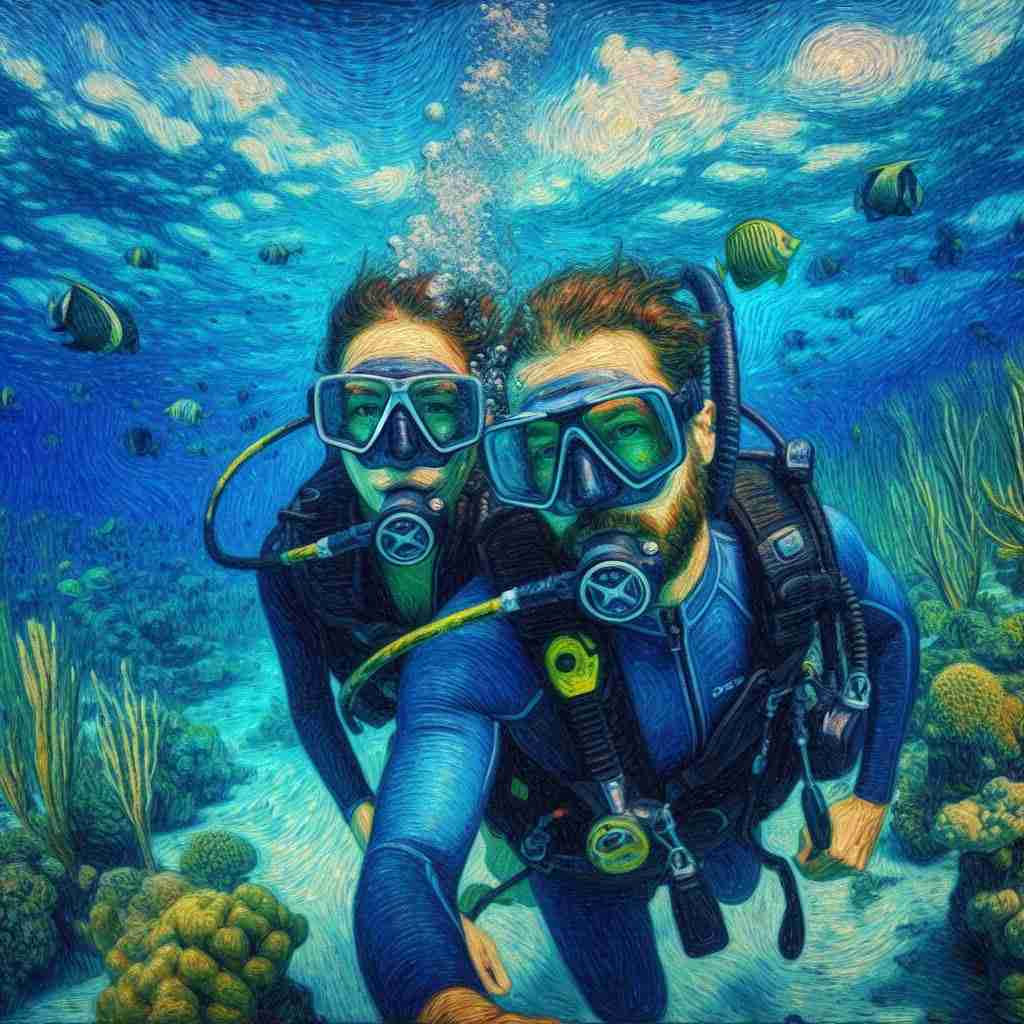
Other Resources
Here is a list of other resources you can review online to learn more:
- Palancar Beach
- La Ruta de las Iglesias
- Arrecifes de Cozumel National Park
- Palmeras Restaurant
- Chardonnay Italian Mexican Food Restaurant Cozumel
- Palancar Beach
- BJ’s Restaurant & Brewhouse
- Carolina Roadhouse
- El Abuelo Gerardo Restaurant
- Parque Nacional Arrecifes de Cozumel
- Seniors
- Cozumel Amazing Tours
- Jimmy Buffett’s Margaritaville Cozumel
- Cunard
- Coral Reef National Park in Cozumel
- Cozumel Reefs National Marine Park
- Scuba Life Cozumel
Use This Prompt To Get More Resources With Your Favorite Online AI Tool: Please provide me with a list of online articles with their URLs in a bulleted list that I can read regarding Environmental Benefits – Efficient Asset Management In Cozumel

Other Resources
Glossary Terms
Environmental Benefits – Efficient Asset Management In Cozumel – Glossary Of Terms
1. Asset Management: The systematic approach to developing, operating, maintaining, and selling assets effectively.
2. Sustainability: Practices that meet current needs without compromising the ability of future generations to meet theirs.
3. Ecosystem Services: Benefits provided by natural ecosystems, including clean air, water, and biodiversity.
4. Biodiversity: The variety of life in a particular habitat, which contributes to ecological balance and resilience.
5. Resource Efficiency: Using resources in a way that maximizes output while minimizing waste and environmental impact.
6. Carbon Footprint: Total greenhouse gas emissions caused directly or indirectly by an entity.
7. Circular Economy: An economic model aimed at minimizing waste through the continual use of resources.
8. Renewable Energy: Energy sourced from natural processes that are continuously replenished, like solar or wind power.
9. Habitat Restoration: The process of assisting the recovery of an ecosystem that has been degraded, damaged, or destroyed.
10. Environmental Impact Assessment (EIA): A process to evaluate the potential environmental effects of a proposed project or development.
11. Land Use Planning: The process of planning how land is used for different purposes to balance development and conservation.
12. Waste Management: The collection, transport, processing, and recycling of waste materials.
13. Conservation: The protection and preservation of the natural environment and wildlife.
14. Pollution Control: Strategies and technologies used to reduce or eliminate the release of pollutants into the environment.
15. Sustainable Tourism: Tourism that takes into account its current and future economic, social, and environmental impacts.
16. Climate Change Mitigation: Efforts to reduce or prevent the emission of greenhouse gases.
17. Green Infrastructure: Natural systems that provide environmental benefits, such as parks and green roofs.
18. Efficacy: The ability to produce a desired or intended result, particularly in environmental programs.
19. Stakeholder Engagement: Involving all parties with an interest in the environmental impact of asset management practices.
20. Ecotourism: Responsible travel to natural areas to conserve the environment and improve the well-being of local people.
21. Resilience: The capacity of an ecosystem or community to recover from disturbances or stress.
22. Integrated Resource Management: Coordinated management of land, water, and related resources to maximize benefits.
23. Carbon Neutrality: Achieving a balance between emitting carbon dioxide and absorbing carbon from the atmosphere.
24. Green Certification: A designation that recognizes buildings or products for their environmental performance.
25. Ecological Footprint: A measure of human demand on the Earth’s ecosystems, representing the amount of land required.
26. Urban Forestry: The management of trees and green spaces in urban areas for environmental and social benefits.
27. Soil Conservation: Practices aimed at preventing soil erosion and maintaining soil health and fertility.
28. Water Management: Strategies to manage water resources sustainably to meet demands and protect ecosystems.
29. Wildlife Preservation: Efforts to protect endangered species and their habitats from extinction and degradation.
30. Environmental Education: Programs and initiatives aimed at providing knowledge and awareness of environmental issues.

Glossary Of Terms
Other Questions
Environmental Benefits – Efficient Asset Management In Cozumel – Other Questions
If you wish to explore and discover more, consider looking for answers to these questions:
- Who is responsible for managing Cozumel’s environmental assets (government agencies, NGOs, community groups, private sector)?
- What specific asset management plans or policies currently exist for Cozumel?
- How are asset management initiatives funded and what are the main funding sources?
- What measurable outcomes or metrics are used to track environmental improvements?
- Are there baseline studies or data on the current health of Cozumel’s coral reefs and marine biodiversity?
- What are the most effective strategies that have been implemented elsewhere and could be applied to Cozumel?
- How can local businesses adopt efficient asset management without sacrificing profitability?
- What incentives or subsidies are available to encourage sustainable practices among residents and businesses?
- How are tourism impacts (including cruise ship visits) regulated to protect natural habitats?
- What regulations govern fishing practices and how are they enforced to prevent overfishing?
- What is the status of waste management infrastructure—collection, recycling facilities, and landfill capacity?
- Are there local recycling programs in place and how can residents and tourists participate?
- What happens to the recycled materials—are they processed locally or shipped off-island?
- How are sewage and wastewater treated to prevent pollution of coastal waters?
- What community engagement programs currently exist (e.g., cleanups, education, Conservation Circles) and how effective are they?
- How can visitors find and support eco-friendly tours, accommodations, and local artisans?
- What opportunities are there for volunteers or researchers to contribute to conservation projects?
- What specific coral restoration techniques are being used or considered (e.g., coral nurseries, transplantation)?
- How is biodiversity monitored over time and which species are priorities for protection?
- Are there marine protected areas (MPAs) around Cozumel and how are their boundaries and rules determined?
- How is climate change expected to affect Cozumel (sea level rise, storms, coral bleaching) and what adaptation plans exist?
- What strategies are in place to reduce Cozumel’s carbon footprint at the community and island scale?
- How feasible is a large-scale shift to renewable energy (solar, wind) on the island and what are the barriers?
- What transportation alternatives (public transit, bike lanes, EV infrastructure) are being promoted to cut emissions?
- How are coastal development and construction projects evaluated for environmental impact?
- What penalties or enforcement mechanisms exist for environmental violations?
- How do asset management practices balance economic growth from tourism with long-term environmental protection?
- What role do local indigenous or traditional knowledge systems play in managing natural resources?
- Are there case studies or success stories from Cozumel or similar islands that demonstrate successful outcomes?
- How can small businesses and individual residents access training or resources to implement sustainable practices?
- What technologies (GIS, remote sensing, sensors) are used to manage and monitor environmental assets?
- How are invasive species monitored and controlled to protect native biodiversity?
- What are the short-term and long-term costs and expected returns (economic and ecological) of proposed asset management actions?
- Who can readers contact for more information or to get involved in local conservation efforts?

Other Questions
Haiku
Environmental Benefits – Efficient Asset Management In Cozumel – A Haiku
Cozumel’s shores shine,
Nature and life intertwined,
Stewardship for all.

Haiku
Poem
Environmental Benefits – Efficient Asset Management In Cozumel – A Poem
Cozumels shores, a paradise bright,
Guardians emerge to honor the fight.
Efficient management, a vital creed,
Sustaining nature while meeting each need.
From fishermen casting with heart,
To coral reefs that play their part.
Tourism’s pulse must respect the land,
Preserving beauty, hand in hand.
Pollution’s specter looms on the tide,
Yet hope arises when communities unite.
Clean-ups, workshops, all take heed,
In every action, a growing seed.
Recyclings promise sparks local pride,
Jobs and innovation blooming wide.
Each bottle, each box, a chance to renew,
A collective journey, for me and for you.
Biodiversity thrives when assets are tended,
A legacy crafted, not just defended.
In Cozumel’s embrace, we find our role,
Stewards of nature, united as a whole.
Reduce our footprint, embrace the ride,
On bicycles gliding, let spirit abide.
Together, we forge a path to the future,
For Cozumel’s beauty, our sacred suture.

Poem
Checklist
Environmental Benefits – Efficient Asset Management In Cozumel – A Checklist
Understand Local Ecosystems
✅______ Research marine life and coral reef health.
✅______ Identify key habitats and biodiversity hotspots.
Promote Responsible Tourism
✅______ Encourage sustainable practices among local dive shops and tour operators.
✅______ Educate visitors about minimizing environmental impact.
Engage in Community Initiatives
✅______ Organize or participate in community clean-up days.
✅______ Launch educational workshops focused on environmental stewardship.
Implement Efficient Resource Management
✅______ Assess and optimize water and energy usage.
✅______ Develop waste management strategies to reduce pollution.
Foster Community Participation
✅______ Create “Conservation Circles” for local environmental discussions and actions.
✅______ Encourage local storytelling to share experiences and inspire engagement.
Support Recycling Efforts
✅______ Promote recycling as a community responsibility.
✅______ Collaborate with local artisans and businesses to repurpose materials.
Invest in Renewable Energy Solutions
✅______ Explore options for solar energy installations in the community.
✅______ Advocate for local policies supporting sustainable energy use.
Encourage Biodiversity Protection
✅______ Work with local fishermen to adopt sustainable fishing practices.
✅______ Implement conservation measures for vulnerable species and habitats.
Collaborate with Local Businesses
✅______ Support eco-friendly vendors and local markets.
✅______ Encourage businesses to adopt sustainable operations.
Communicate and Raise Awareness
✅______ Utilize social media and local events to spread the message of sustainability.
✅______ Share success stories to inspire continued community engagement.

Checklist
At TopCozumelNews, we help travelers enjoy Cozumel by collating information learned from frequently traveling to beautiful Cozumel.
Be sure to read our other related stories at TopCozumelNews to learn more about the Island of Cozumel.