Uncover The Fascinating History Of Cozumel
By Tom Seest
At TopCozumelNews, we help travelers enjoy Cozumel by collating information learned from frequently traveling to beautiful Cozumel.
Be sure to read our other related stories at TopCozumelNews to learn more about the Island of Cozumel.
Are You Ready to Dive Into The Rich History Of Cozmel?
When you think of Cozumel, vibrant coral reefs and sun-soaked beaches might be the first things that leap to mind. But if you’re willing to pull your face away from the snorkeling gear, you’ll discover that this island is steeped in history as rich and colorful as its underwater ecosystems. This weekend is your chance to explore the fascinating past of Cozumel, a destination that’s more than just a relaxation spot.
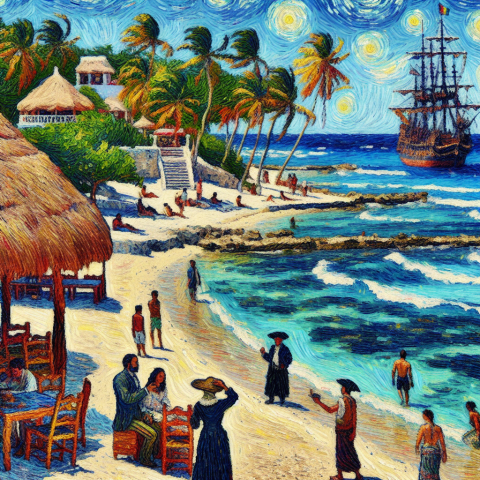
To understand Cozumel’s allure, let’s flash back to its early days. The island was once a spiritual center for the Mayans, who regarded it as a sacred place dedicated to the goddess Ix Chel, the deity of fertility and love. Imagine standing in the ruins of ancient temples, where priests once walked, and the air hummed with rituals. The remnants of these temples are peek-through portals to a time when the island was an epicenter of worship and culture.
But the story doesn’t stop in the ancient past. Fast forward a bit, and you’ll find pirates mingling with European explorers, all lured by the island’s riches. Cozumel was a bustling stopover for those daring enough to sail the Caribbean, where tales of hidden treasures and shipwrecks filled every tavern. You might not join a jolly crew of swashbucklers this weekend, but the whispers of their adventures still echo through the cobblestone streets of San Miguel, the island’s charming capital.
Now, here’s where it gets really intriguing. Cozumel’s role during World War II brought it into the spotlight in a different way. The strategic position of the island made it a refueling station for Allied forces. Walking through its museums, you can almost feel the pulse of history—daring missions and camaraderie woven into the fabric of this beautiful land.
If you’re looking to get the most out of your weekend in Cozumel, make sure to explore the various cultural experiences and tours available. From local artisans showcasing their crafts to guided tours through ancient ruins, each experience adds another layer to your understanding of this captivating island. So, grab your hat, strap on those sandals, and get ready to dive not just into the clear waters, but also into the rich tapestry that is Cozumel’s history. Your weekend might just transform into an unforgettable journey through time.

Are You Ready to Dive Into The Rich History Of Cozmel?
Are You Ready to Dive Into The Rich History Of Cozmel?
- Cozumel is known for its vibrant coral reefs and beautiful beaches, but has a rich historical background.
- The island was a significant spiritual center for the Mayans, dedicated to the goddess Ix Chel.
- Remnants of ancient temples serve as a glimpse into the island’s ceremonial past.
- Cozumel was once a bustling hub for pirates and European explorers seeking its riches.
- The island played a strategic role during World War II as a refueling station for Allied forces.
- Visitors can engage in various cultural experiences, including artisan showcases and guided tours of ancient sites.
- An exploration of Cozumel offers a unique blend of relaxation and a journey through its fascinating history.

Are You Ready to Dive Into The Rich History Of Cozmel?
Table Of Contents
- Are You Ready to Dive Into The Rich History Of Cozmel?
- Are There Local Guides For Historical Excursions?
- What Museums Are Must-Sees In Cozumel?
- How Does The History Of Cozumel Influence Its Culture Today?
- Are There Any Unique Local Traditions Linked To History?
- What Is The Best Time To Visit Cozumel For History Buffs?
- How Can I Blend Diving With Exploring Historical Sites?
- What Artifacts Or Landmarks Highlight Cozumel’s History?
- Conclusion
- Other Resources
- Glossary Of Terms
- Other Questions
- Haiku
- Poem
- Checklist
Are There Local Guides For Historical Excursions?
When it comes to soaking in the rich tapestry of history that surrounds us, sometimes the best way to do it is with the help of a local guide. I mean, anyone can pick up a travel brochure and thumb through a few facts about a place, but to truly get under the skin of a location, especially one as vibrant as Cozumel, there’s no substitute for that on-the-ground expertise.
Picture this: you’re standing on the sun-drenched shores of Cozumel, an island steeped in the ancient traditions of the Mayans and the Spanish colonization. What better way to peel back the layers of time than with a local guide who’s got a treasure trove of stories just waiting to be shared? These folks know the ins and outs of their home. They’ve spent years honing their craft, and if you listen closely, you can practically hear the whispers of history floating through the ocean breeze.
Local guides offer an intimate connection to the past, often infused with a blend of passion and personal anecdotes that you won’t find in any textbook. They’ll take you to the notable archaeological sites—the remnants of Mayan ruins, the ceremonial spaces, and even places where local legends took root. They’ll spin tales of ancient rituals, explaining how the indigenous inhabitants once thrived on this beautiful island, navigating their lives with an intricate understanding of the land and sea.
Beyond the ruins, they’ll guide you through the bustling local markets, where history mingles with the present. Just imagine wandering through stalls filled with handmade crafts, while your guide explains the cultural significance behind each piece. You might find yourself tasting traditional dishes, grappling with recipes passed down through generations—each bite a taste of history that’s been simmering a long time before you ever arrived.
And let’s not forget about the connection to the nautical world. Cozumel’s strategic location has long made it a crossroads of trade and exploration. A knowledgeable local guide can point out historic dock sites, share stories of shipwrecks and rescues, and reveal how the turquoise waters shaped the island’s destiny.
So, if you’re planning a historical excursion to Cozumel—or anywhere else, for that matter—consider the benefit of a local guide. They’ll not only enrich your journey but also ensure that the history you encounter respects the place it comes from, making your adventure all the more authentic and unforgettable.

Are There Local Guides For Historical Excursions?
Are There Local Guides For Historical Excursions?
- Local guides provide an in-depth understanding of the history and culture of Cozumel.
- They offer personal stories and insights that go beyond typical travel brochures.
- Guides take visitors to significant archaeological sites, showcasing Mayan ruins and ancient rituals.
- Visitors can explore local markets with guides explaining the cultural significance of handmade crafts.
- Guides often share traditional recipes and dishes that reflect the island’s culinary history.
- Cozumel’s history as a trade and exploration hub is highlighted by knowledgeable guides.
- Utilizing a local guide enhances the authenticity and richness of the travel experience.

Are There Local Guides For Historical Excursions?
What Museums Are Must-Sees In Cozumel?
Cozumel, the pearl of the Caribbean, isn’t just about its crystal-clear waters and vibrant coral reefs. Beneath the sun-kissed exterior lies a trove of cultural treasures waiting to be explored. If you’re ready to take a break from the beach and dig a little deeper into the island’s rich history, the museums here are absolute must-sees.
Start your adventure at the Museo de la Isla de Cozumel. This gem offers a comprehensive look at the island’s history, from the days of the ancient Maya to the present. As you walk through the exhibits, you’ll encounter artifacts, photographs, and detailed dioramas that convey the evolution of life on this stunning island. It’s like stepping into a time capsule; you’ll have your mind filled with tales of explorers, shipwrecks, and the resilient islanders who’ve thrived amid the turquoise waves.
Next on your itinerary is the Cozumel Museum, a little one-stop shop for culture and art lovers. It’s packed with local artwork and pieces that reflect the natural beauty of Cozumel. Whether it’s contemporary crafts or traditional methods, this museum showcases the vibrancy of local talent. And don’t worry—if you’re not a passionate art enthusiast, you’ll still find engaging stories about the island’s past that make each piece resonate on a deeper level.
For a different flavor, check out the Tequila Museum. Yes, you heard that right! Before you look at my words with skepticism, understand that tequila is not merely a drink; it’s an essential part of Mexican culture. Here, you can learn about the intricate process of distillation, the challenges faced by agave farmers, and the rich traditions surrounding this spirited beverage. And who knows? You might get a chance to sample a few varieties along the way. Just keep it classy!
Last but certainly not least, take some time to visit the San Gervasio Ruins. While technically an archaeological site, it feels museum-like as it connects you with the ancient Mayan world. Walking through the remnants of temples and plazas, it’s as if you can hear whispers from the past, inviting you to understand their ways and beliefs.
Cozumel isn’t just a destination; it’s a canvas of history, art, and culture waiting to be explored. So, when you find yourself on this ancient island, don’t just stick to the sand. Dive into its museums and uncover the stories that have shaped this treasured piece of paradise.

What Museums Are Must-Sees In Cozumel?
What Museums Are Must-Sees In Cozumel?
- Cozumel offers more than just beaches; it has rich cultural treasures to explore.
- The Museo de la Isla de Cozumel showcases the island’s history, from ancient Maya to modern times.
- The museum features artifacts, photographs, and dioramas that illustrate the island’s evolution.
- The Cozumel Museum is a cultural hub, displaying local artwork and crafts that reflect the island’s beauty.
- The Tequila Museum provides insight into tequila-making and its significance in Mexican culture.
- San Gervasio Ruins connect visitors with the ancient Mayan world and its historical significance.
- Cozumel invites visitors to explore its museums and delve into the stories that shaped the island.

What Museums Are Must-Sees In Cozumel?
How Does The History Of Cozumel Influence Its Culture Today?
Cozumel, a gem nestled in the sparkling waters of the Caribbean, boasts a history that’s as rich as the colorful coral reefs surrounding it. Long before resorts and cruise ships became the norm, this island was a sacred site for the ancient Maya—home to temples, rituals, and a reverence for the goddess of fertility, Ix Chel. The early inhabitants believed the island to be an earthly paradise, and their footprints still shape the cultural landscape today.
Fast forward to the Spanish conquest in the 16th century, and you’ll find a blending of cultures that would set the stage for Cozumel’s identity. The colonial era brought new languages and customs, intertwining with the existing Mayan traditions to create a vibrant tapestry of beliefs, practices, and culinary influences. Today, you can taste this fusion in everything from street tacos to lavish feasts served in local restaurants, where the rich heritage is reflected in every bite.
But don’t let the picturesque beaches fool you—Cozumel’s charm runs deeper than its surface beauty. The island is a symbol of resilience, having navigated through the trials of history. Take, for example, the devastating hurricanes that have ravaged its shores. Each storm left its mark, but the spirit of the islanders is unbreakable. The way they rebuild and adapt showcases a culture steeped in perseverance. This resolve is not just reflected in their architecture or art; it’s in the very way they approach life, a testament to their history of survival.
Furthermore, the maritime traditions born from Cozumel’s strategic position as a trading hub are alive and well today. Fishing, once a necessity, has evolved into a thriving industry that drives tourism, with visitors flocking to experience deep-sea fishing, snorkeling, and diving amid the breathtaking reefs. The local fishermen, steeped in centuries of knowledge, are now modern-day custodians of the ocean, bridging the past with the present.
As you stroll through the colorful streets of Cozumel, you’ll notice the festivals, music, and dance reflecting its historical influences. The islanders celebrate their heritage with fervor, ensuring that every celebration is a reminder of the perseverance and adaptability inspired by their ancestors. Cozumel is not merely a destination; it’s a living history, a testament to how the past continues to shape a thriving culture, echoing through every wave that kisses its shores.

How Does The History Of Cozumel Influence Its Culture Today?
How Does The History Of Cozumel Influence Its Culture Today?
- Cozumel is a historically rich island in the Caribbean, previously a sacred site for the ancient Maya.
- It was home to temples and rituals dedicated to the goddess of fertility, Ix Chel, reflecting the reverence of its early inhabitants.
- The Spanish conquest in the 16th century led to a blending of cultures, creating a vibrant identity that incorporates both Mayan traditions and colonial influences.
- Cultural fusion is evident in the local cuisine, from street tacos to elaborate feasts in restaurants.
- Cozumel has shown resilience through history, particularly in the aftermath of devastating hurricanes, highlighting the adaptability of its islanders.
- The island’s maritime traditions have evolved, with fishing becoming a key industry linked to tourism through activities like deep-sea fishing and snorkeling.
- Festivals, music, and dance in Cozumel celebrate historical influences, making the island a living testament to its rich cultural heritage.

How Does The History Of Cozumel Influence Its Culture Today?
Are There Any Unique Local Traditions Linked To History?
Cozumel, a gem nestled in the Caribbean, offers more than just pristine beaches and vibrant coral reefs; it’s a place steeped in local traditions that reflect its rich history and cultural tapestry. Like many locales often flanked by the lure of tourism, the island boasts unique customs that serve as a testament to its past. When exploring these traditions, you get a taste not just of the rich flavors of the local cuisine, but also the stories that have shaped its inhabitants.
One particularly captivating event is the Día de Muertos, or Day of the Dead, celebrated from the end of October into early November. While this holiday is prevalent across Mexico, Cozumel puts its own spin on it. Locals honor their deceased loved ones through elaborate altars adorned with marigold flowers, vibrant papel picado (cut paper decorations), and photographs of those who have passed. Families gather, sharing stories and reminiscing about the beloved departed, believing that their spirits return to join the celebration for a time. It’s less of a somber occasion and more of a colorful fiesta where life and death intertwine.
Then there’s the tradition of “La Candelaria,” a celebration held every February that showcases the island’s deep-rooted Catholic heritage. Cozumel’s churches become the focal point of community gatherings where processions are held, folk dances performed, and traditional foods served. This event, originally tied to the religious feast day dedicated to the Virgin of Candelaria, reflects a blend of pre-Hispanic and colonial influences, thereby offering a glimpse into the nuanced historical threads woven into the island’s culture.
Another fascinating aspect of Cozumel’s cultural heritage is the community’s connection to pre-Columbian times. The island was a revered site for the ancient Maya, who constructed temples and celebrated rituals honoring fertility and agriculture. Today, visitors can engage in this history by participating in local ceremonies that attempt to rekindle the spirit of those ancient practices. These gatherings provide insight into the reverence the Maya held for nature, evident in their customs, dance, and music.
In essence, Cozumel is more than just a vacation destination; it is alive with history. Each local tradition whispers tales from the past, inviting everyone to understand and appreciate what has shaped this beautiful island—a mosaic of life, loss, celebration, and community that resonates for generations to come.

Are There Any Unique Local Traditions Linked To History?
Are There Any Unique Local Traditions Linked To History?
- Cozumel is a Caribbean gem known for its beaches, coral reefs, and rich local traditions.
- The island’s customs reflect its history and the impact of tourism on its culture.
- The Día de Muertos (Day of the Dead) is celebrated with vibrant altars and family gatherings honoring deceased loved ones.
- “La Candelaria” in February showcases Cozumel’s Catholic heritage through community processions, folk dances, and traditional foods.
- The celebration of “La Candelaria” combines pre-Hispanic and colonial influences, highlighting the island’s complex cultural history.
- Cozumel has a profound connection to the ancient Maya, who built temples and held rituals on the island.
- Visiting Cozumel offers a deeper appreciation for its traditions, which convey tales of life, loss, celebration, and community.
Are There Any Unique Local Traditions Linked To History?
What Is The Best Time To Visit Cozumel For History Buffs?
Cozumel, that picturesque island nestled in the Caribbean, isn’t just a tropical paradise for beach bums and scuba enthusiasts — it’s a treasure trove of history waiting for curious minds. If you’re like me and find the roots of civilizations far more captivating than your average flip-flop, you might be asking yourself, “When’s the best time to dive into Cozumel’s rich history?”
Let’s start with the weather. The prime months for a historical pilgrimage to Cozumel generally span from November to April. During this period, temperatures hover comfortably between the mid-70s and mid-80s Fahrenheit, which means you can wander through ancient ruins and colonial towns without breaking a sweat. It’s the perfect climate for delving into the remnants of Maya civilization, where you can visit key archaeological sites like San Gervasio and El Caracol. These spots provide a glimpse into a time when this island was not just a vacation destination but a significant hub for trade and culture.
Now, let’s not overlook the festivals. If timing is on your side, consider planning your trip around late October to early November. This is when the Day of the Dead celebrations come alive, giving visitors a front-row seat to a rich tapestry of Mexican traditions that have deep historical roots. During this time, the streets buzz with color and ceremony, offering a unique lens through which to view the island’s heritage.
Now, if you prefer to avoid the crowds, the months right after the high season (like May and early June) can also be quite rewarding. Fewer tourists mean that you can soak in the sites at your own pace. Whether it’s exploring the historical charm of San Miguel, the island’s main town, or examining the artifacts housed in local museums, this quieter season allows for a more introspective experience.
One thing to keep in mind, though: it’s best to avoid hurricane season, which runs from June to November. While Cozumel remains a stunning island year-round, a storm’s disruptive nature can detract from your historical adventures.
In short, for history buffs seeking the best time to visit Cozumel, plan for the dry season between November and April, keep an eye out for local festivities, and be mindful of hurricane hazards. The island has a story to tell; you just have to find the right time to listen.

What Is The Best Time To Visit Cozumel For History Buffs?
What Is The Best Time To Visit Cozumel For History Buffs?
- Cozumel is a Caribbean island rich in history, ideal for those interested in ancient civilizations.
- The best time to visit for historical exploration is from November to April, when temperatures are comfortable.
- Key archaeological sites include San Gervasio and El Caracol, reflecting the island’s significance in Maya culture.
- Visiting during late October to early November coincides with the vibrant Day of the Dead celebrations.
- Exploring in May and early June offers a quieter experience with fewer tourists.
- Avoid hurricane season from June to November to ensure a more enjoyable visit.
- Plan your trip around the dry season and local festivities for the best historical experience in Cozumel.

What Is The Best Time To Visit Cozumel For History Buffs?
How Can I Blend Diving With Exploring Historical Sites?
If you’re like many adventure-seekers, the idea of diving into azure waters while also exploring the remnants of ancient civilizations might just tickle your wanderlust like nothing else. Let’s dive into how you can seamlessly blend the thrilling sport of diving with rich historical exploration, particularly in a dazzling location like Cozumel.
Cozumel, a gem of an island off the coast of Mexico, is renowned for its stunning coral reefs and vibrant marine life but has a treasure trove of historical sites waiting to be uncovered. To blend these two passions, you need to think creatively and strategically.
Start your adventure on the surface—hit the ground running with some cultural immersion. Visit the San Gervasio Mayan ruins, which date back to the early years of the Mayan civilization. This site is not only a peek into the architectural prowess of the Mayans, but it’s also a fantastic start to understanding the rich history that surrounds the island. Brush up on local legends, and be prepared to share them with fellow divers while exploring the underwater wonders.
Once you’ve connected with the land, it’s time to hit the water. Cozumel offers a plethora of dive sites, many of which are located right near points of historical interest. For instance, after you soak in the sights of the ruins, take a plunge at the famous Palancar Reef, known for its breathtaking underwater formations and an abundance of marine life. As you dive, channel your inner explorer and consider the ancient mariners who navigated these waters long before you did.
But why stop at just recreational diving? Some resorts and dive operators in Cozumel offer specific dive excursions that focus on history. Explore sunken ships and artifacts that tell tales of maritime trade routes or military history. Maybe even join a guide who can animate the narratives of the past as you explore submerged wrecks—a truly unparalleled way to blend your love for history with diving.
In essence, your journey through Cozumel can be a harmonious blend of thrill and tradition. So, gear up, do some homework on dive spots with historical significance, and delve into a dual adventure that’s as enriching as it is exhilarating. Whether you’re gazing at vibrant coral or ancient ruins, you’re bound to be captivated by the stories that surround you, both above and below the waterline.
How Can I Blend Diving With Exploring Historical Sites?
How Can I Blend Diving With Exploring Historical Sites?
- Cozumel is a beautiful island in Mexico known for its coral reefs and marine life.
- The island also offers rich historical sites, such as the San Gervasio Mayan ruins.
- Start your adventure with cultural immersion by visiting historical sites to appreciate local legends.
- Cozumel’s dive sites are often near historical points of interest, enhancing both experiences.
- Palancar Reef is a notable diving spot with stunning underwater formations and diverse marine life.
- Some resorts and dive operators provide excursions focusing on historical dives, including sunken ships and artifacts.
- Your Cozumel journey can uniquely combine thrilling diving experiences with rich historical exploration.
How Can I Blend Diving With Exploring Historical Sites?
What Artifacts Or Landmarks Highlight Cozumel’s History?
Cozumel, a picturesque island off the eastern coast of Mexico, is rich in history and culture, and its landmarks and artifacts tell the story of its evolution through time. From ancient Mayan ruins to vibrant colonial influences, Cozumel is like a living museum, where each corner reveals a new chapter in its past.
Let’s start with the ancient structures left behind by the Mayans, who were the first to call this island home. One of the most significant sites is the San Gervasio Ruins. The site was not only a religious center but also dedicated to Ix Chel, the Mayan goddess of fertility and the moon. Today, as you walk through the remnants of temples and plazas, you can almost hear the whispers of history echoing in the air. The stones are weathered, but the spirit of the ancients lives on, reminding us of a time when Cozumel was a pivotal point for trading among the Mayan civilization.
Then there’s the fascinating contrast provided by the colonial influence. The Church of San Miguel Arcángel stands as a centerpiece in the town of San Miguel de Cozumel. Built in the 20th century, this church embodies the blend of colonial architecture and local culture. Its charming façade attracts visitors from around the globe, each eager to witness the unique synthesis of old-world design and the vibrant life of this island community.
Artifacts from shipwrecks tell their own compelling stories. The waters surrounding Cozumel have become a graveyard for numerous vessels over the centuries. Some of these wrecks are now popular dive sites, where divers can get up close and personal with scattered treasures that speak to maritime history. They might find remnants of the colonial trade routes or artifacts from Nazi U-boats that had ventured into Caribbean waters during World War II.
And we can’t overlook the influence of modern tourism. Cozumel’s crystal-clear waters and beautiful beaches attract visitors seeking adventure, relaxation, or a taste of history. The island’s vibrant culture, reflected in local craftsmanship and festivals, honors its rich heritage while embracing the future.
In essence, wandering through Cozumel is like taking a stroll through time. The landmarks and artifacts aren’t just relics; they’re storytellers, each sharing a piece of the island’s narrative, reminding us that history is never truly behind us; it’s all around us, waiting to be discovered.

What Artifacts Or Landmarks Highlight Cozumel’s History?
What Artifacts Or Landmarks Highlight Cozumel’s History?
- Cozumel is a picturesque island off the eastern coast of Mexico, rich in history and culture.
- The island features ancient Mayan ruins, such as the San Gervasio Ruins, which served as a religious center dedicated to Ix Chel.
- Cozumel was historically important for trade among the Mayan civilization.
- The Church of San Miguel Arcángel is a prominent colonial structure that symbolizes the blend of colonial architecture and local culture.
- Shipwrecks in the surrounding waters provide unique dive sites that reveal maritime history, including colonial artifacts and remnants of WWII U-boats.
- Modern tourism thrives on Cozumel’s beautiful beaches and vibrant culture, which showcases local craftsmanship and festivals.
- Visiting Cozumel allows travelers to experience a rich narrative of history and culture, making it feel like a living museum.

What Artifacts Or Landmarks Highlight Cozumel’s History?
Conclusion
So, you’ve spent a tranquil weekend soaking up Cozumel’s sun-drenched beaches and colorful coral reefs, but let me ask you this—have you taken a moment to peel back the layers of history waiting just below the surface? If not, you’re missing out on something extraordinary. This island, with its vibrant landscapes, is a living tapestry of narratives woven through time—stories of the ancient Maya who revered it as sacred ground, of fearless pirates chasing treasures, and of resilient communities that have thrived against the odds.
The truth is, Cozumel is more than a sun-soaked getaway; it’s a historical jewel nestled in the Caribbean. Picture walking among the ancient ruins at San Gervasio, feeling the echoes of the past as you tread the same ground as priests and pilgrims. Or imagine sipping a local drink at a bustling market while your guide spins tales of shipwrecks and daring escapades. This isn’t just travel; this is connecting with a heritage that pulses beneath the tropical facade. You’ve got the chance to dive into historical adventures that span centuries, from pre-Columbian rituals to colonial influences that still shape the island’s culture today.
And let’s not forget about the unique local traditions that honor the past, like the vibrant Día de Muertos celebrations, where life and death intertwine in a joyful acknowledgment of ancestry—an event that encapsulates the island’s spirit.
So, whether you’re gearing up for deep dives into shimmering reefs or eager to explore the captivating museums that offer a glimpse into its storied past, remember: Cozumel is calling you to engage with its rich history. This weekend, remember to look beyond the beaches and into the heart of the island; there are wonders to uncover that will enrich not just your understanding of Cozumel, but your appreciation for the resilient, vibrant culture that continues to thrive. Trust me, your weekend won’t just be a break from the ordinary; it’ll be a dive into history that you won’t soon forget. Grab your gear, open your mind, and embark on a journey through the beautiful and intricate history that makes this island the unforgettable experience it is.

Conclusion
Conclusion:
- Cozumel offers more than just beautiful beaches; it has a rich historical context waiting to be explored.
- The island is a tapestry of narratives, from ancient Maya sacred traditions to stories of Spanish colonial influence.
- Visitors can explore historical sites like San Gervasio, connecting with the past of priests and pilgrims.
- Local markets provide a chance to engage with stories of shipwrecks and pirate adventures while enjoying local drinks.
- The vibrant Día de Muertos celebrations reflect the unique local traditions honoring ancestry and the cycle of life and death.
- Cozumel invites travelers to engage with its history beyond the beaches, enriching their understanding of its culture.
- Exploring Cozumel’s historical adventures promises an unforgettable experience, blending relaxation with cultural immersion.
Conclusion
Other Resources

Other Resources
Cozumel rewards travelers who stay longer than the cruise ship crowd. If that’s the kind of trip you’re cooking up, here’s where we’d point you for lodging. Stingray 37 is a Cozumel rental for divers and ocean-leaning travelers. Sunset 37 is a Cozumel rental positioned for divers and waterfront-loving travelers.
Here is a list of other resources you can review online to learn more:
- Playa Mia Grand Beach Park
- Ironman
- Blue Angel Resort
- Cozumel Snuba
- Cozumel ATV Adventure
- Seniors
- Sky Reef Beach Club
- Parque Nacional Arrecifes de Cozumel
- stingray37.com
- Sunset 37 — a rental built for people who plan their week around dive boats
Use This Prompt To Get More Resources With Your Favorite Online AI Tool: Please provide me with a list of online articles with their URLs in a bulleted list that I can read regarding Are You Ready to Dive Into The Rich History Of Cozmel?

Other Resources
Glossary Terms
Are You Ready to Dive Into The Rich History Of Cozmel? – Glossary Of Terms
1. Archaeology: The scientific study of human history and prehistory through excavation and analysis of artifacts, structures, and other physical remains.
2. Maya Civilization: An ancient Mesoamerican culture known for its art, architecture, mathematics, calendar, and astronomical systems, which flourished in the region including Cozumel.
3. Cozumel: An island in the Caribbean Sea, part of Mexico, known for its rich history, archaeological sites, and vibrant coral reefs.
4. San Gervasio: An important archaeological site in Cozumel that served as a religious center dedicated to the Maya goddess Ix Chel.
5. Ix Chel: The Mayan goddess of love, fertility, and medicine, often associated with the moon and a central figure in Cozumel’s ancient spiritual practices.
6. Conquistadors: Spanish explorers and warriors who led expeditions into the Americas during the Age of Exploration and were instrumental in the conquest of indigenous civilizations.
7. Colonization: The process of settling among and establishing control over the indigenous people of an area, which significantly affected Cozumel’s history.
8. Cenote: A natural sinkhole or pool formed by the collapse of limestone bedrock, often considered sacred by the ancient Maya and used for ritual and sacrificial purposes.
9. Naval History: The study of maritime activities and naval warfare, which played a crucial role in shaping Cozumel’s development due to its strategic Caribbean location.
10. Marine Archaeology: The branch of archaeology focused on the study of submerged sites and underwater artifacts, vital for understanding Cozumel’s historical trade routes.
11. Palenque: An iconic Mayan city-state located in present-day Chiapas, known for its architectural ruins, which provide insights into the broader Maya civilization.
12. Quetzalcoatl: A major deity in the Aztec pantheon who was also worshiped by various Mesoamerican cultures, representing wind, air, and fertility.
13. Merchant Route: Trade pathways that connected coastal cities and facilitated commerce, influencing economic and cultural exchanges in ancient Cozumel.
14. Cacao: The primary ingredient in chocolate and a highly-valued commodity in Mesoamerica, often used in rituals and as currency by the Maya.
15. Cultural Heritage: The traditions, customs, and artifacts passed down through generations that shape the identity and history of a community, including those of Cozumel.
16. Biodiversity: The variety of life in a specific habitat or ecosystem; the coral reefs around Cozumel are known for their rich biodiversity and historical significance.
17. Zapotecs: An indigenous civilization from Oaxaca that, along with the Maya, influenced the cultural landscape of Mesoamerica.
18. Colonial Architecture: Structures built during the colonial period, which can be found in Cozumel, reflecting European styles blended with indigenous influences.
19. Multiculturalism: The co-existence of diverse cultures within a community, evident in Cozumel’s history through the blending of indigenous and European traditions.
20. Tulum: A well-preserved ancient Mayan city located on the coast of Quintana Roo, significant for its historical and cultural contexts in relation to Cozumel.
21. Sacred Sites: Locations considered holy or significant to spiritual practices, such as temples or shrines, prevalent in the religious landscape of ancient Cozumel.
22. Colonialism: The policy or practice of acquiring full or partial control over another country or territory, impacting the cultural and social dynamics of Cozumel.
23. Historicism: An approach to history that emphasizes the context and conditions of a particular time, crucial for understanding Cozumel’s historical timeline.
24. Heritage Tourism: Travel aimed at experiencing the history and culture of a destination, which is popular in Cozumel due to its archaeological sites and historical landmarks.
25. Linguistics: The study of language; the various languages spoken by Mayan civilizations are part of Cozumel’s historical narrative.
26. Trade Winds: Steady winds that facilitated maritime navigation and commerce, playing an important role in the trade history of Caribbean islands like Cozumel.
27. Underwater Ruins: Historical sites that have been submerged due to rising sea levels, which may hold remnants of ancient civilizations like the Maya.
28. Cultural Exchange: The sharing and adaptation of cultural elements between different communities, significantly shaping traditions in Cozumel throughout history.
29. Mesoamerica: A region extending from central Mexico to northern Central America, home to several ancient civilizations, including the Maya.
30. Restoration: The process of returning a historical site or artifact to its original state, often undertaken in Cozumel to preserve its rich heritage.
Feel free to use this glossary as a reference while diving into the rich history of Cozumel
Glossary Of Terms
Other Questions
Are You Ready to Dive Into The Rich History Of Cozmel? – Other Questions
If you wish to explore and discover more, consider looking for answers to these questions:
- What are the best historical sites to visit in Cozumel?
- Are there guided tours specifically focused on Cozumel’s history?
- What local cuisines reflect Cozumel’s historical influences?
- How can I participate in local festivals that celebrate Cozumel’s culture?
- What archaeological discoveries have been made in Cozumel?
- What are the transportation options for exploring historical sites on the island?
- What role does Cozumel play in contemporary Mexican culture?
- How do local artisans incorporate history into their crafts?
- What are the safety tips for exploring Cozumel’s historical areas?
- Are there any historical reenactments or events that visitors can attend?

Other Questions
Haiku
Are You Ready to Dive Into The Rich History Of Cozmel? – A Haiku
Cozumel’s old tales,
Maya whispers, pirate dreams—
History unveiled.
Haiku
Poem
Are You Ready to Dive Into The Rich History Of Cozmel? – A Poem
In sunlit hues where coral thrives,
A treasure lies beneath the skies,
More than beaches kissed by waves,
Cozumel holds the tales of graves.
Once sacred shores to Mayan grace,
Ix Chel’s spirit fills this place,
Temples whisper, rituals hum,
A vibrant past, where echoes come.
From soaring priests to pirates bold,
A tapestry of stories told,
Explorers sailed the Caribbean tide,
In taverns where lost treasures bide.
Through cobblestone and painted walls,
Resilience rises when nature calls,
World War’s echoes find a home,
In army tales, where valor roamed.
Museums stand with entrancing sights,
Artifacts gleam in gentle lights,
Paintings fine and tequila’s lore,
Each sip and stroke unlocks the door.
Celebrations dance in vibrant streets,
With altars bright where memory meets,
The Day of Dead, a lively blend,
Life and death, where souls transcend.
Blend diving depths with past’s embrace,
At San Gervasio, let time slow its pace,
In azure depths, historic wrecks lie,
Where whispers of sailors flutter and sigh.
So if you seek, with open heart,
Cozumel’s threads, let history start,
With each step taken, let it be said,
In this island’s song, the past is alive, not dead.
Poem
Checklist
Are You Ready to Dive Into The Rich History Of Cozmel? – A Checklist
Before You Go:
1. Research Historical Sites:
_____ Read about the San Gervasio Ruins and their significance.
_____ Check the operating hours and any guided tours available for archaeological sites.
2. Plan Cultural Events:
_____ Look for local festivals, especially surrounding the Día de Muertos and La Candelaria celebrations.
_____ Mark dates of any events that coincide with your visit.
3. Contact Local Guides:
_____ Find reputable local guides who specialize in history tours.
_____ Schedule a tour to enhance your understanding of the area’s rich heritage.
Packing Essentials:
4. Comfortable Footwear:
_____ Bring sturdy shoes for walking around sites and markets.
5. Sun Protection:
_____ Pack sunscreen, a wide-brimmed hat, and sunglasses to protect against the sun.
6. Camera/Snorkeling Gear:
_____ Don’t forget your camera for capturing sites and a snorkel for underwater explorations.
On Arrival:
7. Visit the Museums:
_____ Start with Museo de la Isla de Cozumel to understand the island’s history.
_____ Explore the Cozumel Museum and Tequila Museum for cultural insights.
8. Explore Local Markets:
_____ Wander through local artisan markets, engaging with vendors to learn about their crafts and traditions.
9. Sample Local Cuisine:
_____ Try traditional dishes and visit restaurants that serve meals influenced by both Mayan and Spanish heritage.
Historical Excursions:
10. Join Guided Tours:
_____ Participate in a historical guided tour, focusing on Mayan relics and Spanish colonial architecture.
11. Combine Diving and History:
_____ Sign up for a dive tour that includes historical shipwreck sites or archaeological underwater experiences.
Cultural Engagement:
12. Experience Local Traditions:
_____ Attend cultural events or performances to savor the music, dance, and arts that highlight Cozumel’s history.
13. Reconnect with Nature:
_____ Visit and reflect at historical landmarks that connect the island’s ancient past to its present, like the coastal areas and natural settings.
Post-Exploration:
14. Reflect on Your Journey:
_____ Take time to journal or discuss what insights you gathered about Cozumel’s history and culture.
15. Share Your Experience:
_____ Consider sharing your newfound knowledge and experiences with friends or on social media to spread awareness of Cozumel’s rich history.
Enjoy your journey into Cozumel’s captivating past!

Checklist
At TopCozumelNews, we help travelers enjoy Cozumel by collating information learned from frequently traveling to beautiful Cozumel.
Be sure to read our other related stories at TopCozumelNews to learn more about the Island of Cozumel.