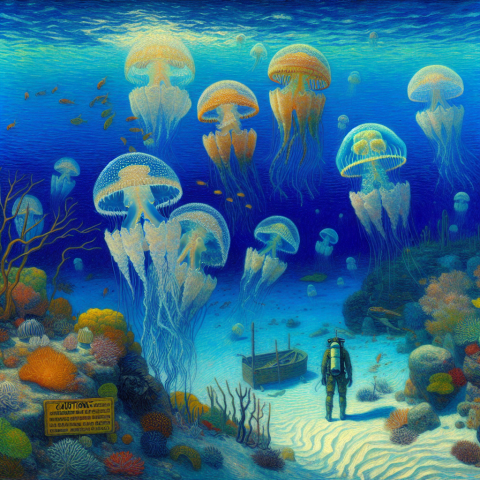
Uncovering The Depths: A Comparison Of Cozumel’s Palancar Jardines Reef And Nearby Reefs
By Tom Seest
At TopCozumelNews, we help travelers enjoy Cozumel by collating information learned from frequently traveling to beautiful Cozumel.
Be sure to read our other related stories at TopCozumelNews to learn more about the Island of Cozumel.
How Does Exploring Palancar Jardines Reef In Cozumel Compare to Nearby Reefs?
When it comes to diving in Cozumel, exploring the Palancar Jardines Reef is akin to stepping into a breathtaking dreamscape—a vibrant underwater utopia that stands as a testament to nature’s brilliance. You can’t help but feel a tug at your heartstrings as you drift through this emerald wonderland, where coral gardens bloom like fields of flowers swaying gently in the ocean current. It’s a feeling that beckons you back time and again, much like the stories of old, weaving tales of adventure in a place where the beauty is as engaging as the experience itself.
From the head perspective, Palancar Jardines Reef offers a unique sensory experience that’s hard to rival. With its diverse marine life, this reef sparks curiosity that expands with every dive. It’s not just about the vibrant hues or the schools of fish darting around you; it’s about understanding the delicate ecosystem at play. You’ll learn why preserving spots like this is crucial, not only for the thrill-seeker but for future generations who will one day dive into the same crystal-clear waters. When you witness the intricate dance of life—each creature playing its part—you make a silent promise to advocate for sustainability and respect for marine life.
Now, let’s address the gut. The experience isn’t just a visual feast; it resonates deeply within. Every moment you spend at Palancar Jardines challenges you to reflect on your connection to the ocean and the world around you. It stirs a sense of responsibility, pushing you to act in ways that will safeguard this natural treasure. You realize that while you’re one diver among millions, your individual actions can ripple through time, contributing to the health of this remarkable ecosystem.
Comparing Palancar Jardines to nearby reefs, it stands out not merely for its beauty but for the spirit it embodies. Each dive brings with it a deeper appreciation for what’s beneath the surface. You become part of a community of like-minded explorers, all sharing in the mutual understanding that these underwater realms are fragile. So, when you engage with Palancar Jardines Reef, it’s more than just a day’s escapade—it’s an invitation to connect, learn, and grow, a call to protect the wonders of the ocean. Trust your instincts and take action; the treasures of Cozumel are waiting for you, where memories are forged and guardianship of the seas begins.

How Does Exploring Palancar Jardines Reef In Cozumel Compare to Nearby Reefs?
How Does Exploring Palancar Jardines Reef In Cozumel Compare to Nearby Reefs?
- Palancar Jardines Reef offers a breathtaking underwater experience, resembling a vibrant dreamscape.
- The coral gardens of the reef evoke feelings similar to fields of flowers, creating a magical environment.
- Diving in this reef provides a sensory experience that highlights the diversity and intricacy of marine life.
- Visitors gain insight into the importance of preserving such ecosystems for future generations.
- The experience encourages personal reflection on one’s connection to the ocean and responsibility towards marine conservation.
- Palancar Jardines stands out among nearby reefs, fostering a deeper appreciation for underwater environments.
- Engaging with the reef invites divers to connect, learn, and take action in protecting ocean wonders.
How Does Exploring Palancar Jardines Reef In Cozumel Compare to Nearby Reefs?
Table Of Contents
- How Does Exploring Palancar Jardines Reef In Cozumel Compare to Nearby Reefs?
- What Makes Palancar Jardines Reef a Unique Diving Experience?
- How Does the Marine Biodiversity At Palancar Compare to Other Reefs?
- What Ethical Considerations Should Divers Keep In Mind At Palancar?
- How Has Tourism Impacted the Conservation Efforts At Palancar?
- What Stories Do Local Divers Share About Palancar Jardines Reef?
- How Can Diving At Palancar Jardines Benefit Local Communities?
- What Safety Measures Are Recommended for Diving In Cozumel?
- Conclusion
- Other Resources
- Glossary Of Terms
- Other Questions
- Haiku
- Poem
- Checklist
What Makes Palancar Jardines Reef a Unique Diving Experience?
Diving into the turquoise waters off the coast of Cozumel is like stepping into a living, breathing masterpiece crafted by nature. Palancar Jardines Reef stands as a testament to the ocean’s artistry, offering divers not just a sport but an emotional journey that resonates with the soul. Picture this: as you submerge below the surface, sunlight filters through the water, illuminating vibrant corals that dance gently with the tide. Each glance reveals a new wonder—tropical fish darting through a kaleidoscope of colors, sea turtles gliding gracefully, and the silent majesty of the reef itself.
But what truly makes Palancar Jardines Reef unique is its intricate ecosystems. These underwater gardens teem with life, each creature playing a crucial role in the health of the marine environment. This isn’t just about a gorgeous view; it’s about understanding the delicate balance that sustains our oceans. Every dive is an opportunity to witness the vibrant interconnectivity of life beneath the waves, sparking a sense of responsibility within us. It compels every diver to reflect on our role as stewards of the ocean, urging us to protect these natural wonders for future generations.
Rationally speaking, Palancar Jardines Reef boasts an exceptional variety of diving experiences suited for all levels. Whether you are a seasoned diver or just starting out, the underwater topography offers everything from gentle slopes to thrilling drop-offs. Clear visibility often exceeding 100 feet means you can appreciate every stunning detail without missing a beat. Dive guides—local experts whose knowledge spans years—don’t just lead the way; they share passionate stories of the reef’s history, enriching the experience and making it feel like a shared journey rather than just an adventure.
Crucially, making a dive here means connecting with a community of like-minded adventurers. Each descent fosters camaraderie among divers who share a love for the ocean. The laughs, the awe-stricken expressions as you surface together, the quiet moments of wonder—all of these create shared memories that cement friendships and foster a deeper respect for marine ecosystems.
So, as you explore the vibrant underwater playground of Palancar Jardines Reef, remember: you’re not just diving into the ocean; you’re diving into a conversation that matters—one that touches the heart, stirs the mind, and compels us to act. Come experience this marine wonder and find your place within the larger story of our planet’s blue heart.

What Makes Palancar Jardines Reef a Unique Diving Experience?
What Makes Palancar Jardines Reef a Unique Diving Experience?
- Diving in Cozumel’s turquoise waters offers an emotional journey and a breathtaking experience at Palancar Jardines Reef.
- The reef features vibrant corals, tropical fish, and graceful sea turtles, creating a mesmerizing underwater landscape.
- Palancar Jardines Reef hosts intricate ecosystems that play crucial roles in sustaining marine life and health.
- Diving here prompts reflection on our responsibility as stewards of the ocean, emphasizing conservation for future generations.
- The dive site caters to all levels, providing diverse experiences, from gentle slopes to thrilling drop-offs with clear visibility.
- Local dive guides enrich the experience by sharing the reef’s history, fostering a sense of shared adventure among divers.
- Each dive experience fosters friendships and camaraderie among divers, creating lasting memories and respect for marine ecosystems.

What Makes Palancar Jardines Reef a Unique Diving Experience?
How Does the Marine Biodiversity At Palancar Compare to Other Reefs?
When you plunge into the crystalline waters surrounding Cozumel, you quickly realize that Palancar Reef is no ordinary aquatic paradise. It’s a vibrant tapestry of life, bursting at the seams with colors and creatures that seem ripped right from the pages of a storybook. The marine biodiversity here tells a tale that transcends mere statistics. It resonates with the heart, sparking the kind of awe that reminds us why we should care deeply about our oceans.
Palancar, with its vast coral formations, shoals of tropical fish, and curious sea turtles, stands as a glowing testament to the power of nature. This reef is not just a scenic wonder; it is a crucial habitat that supports an intricate web of marine life, from the tiniest plankton to magnificent manta rays. But how does it measure up against other famed reefs around the globe? The comparative lack of pollution and the thriving ecosystems fostered by conservation efforts give Palancar a leg up in biodiversity, offering a unique benchmark for ecological health.
When mitigating climate change and protecting marine habitats feels like fighting an uphill battle, the thriving ecosystem at Palancar serves as a beacon of hope. It’s a reminder that our ethical duty to the planet involves not just appreciating its natural splendors, but actively participating in their upkeep. Every visit contributes to the local economy and fosters a sense of stewardship among tourists and locals alike.
This reef is more than a backdrop for holiday selfies; it represents the delicate balance of our natural world. Each vibrant fish and swaying coral plays a role in a much larger narrative, one that you become part of the moment you step into the water. These relationships grow deeper when we think about what it means to preserve such treasures for future generations.
Sharing the wonders of Palancar with family and friends, telling stories of colorful fish darting between corals, and marveling at the peaceful glide of a sea turtle ignites our innate curiosity. It draws us together, reminding us of our shared responsibility. Many may never experience this underwater paradise firsthand, yet every time we advocate for its protection, we weave a thread into the fabric of a global community united in reverence for our oceans. The allure of Palancar Reef isn’t merely a matter of beauty; it’s a call to action—a plea for us to safeguard a world that so many depend on and that holds the very essence of life.

How Does the Marine Biodiversity At Palancar Compare to Other Reefs?
How Does the Marine Biodiversity At Palancar Compare to Other Reefs?
- Palancar Reef in Cozumel is a vibrant marine ecosystem rich in color and biodiversity.
- This reef serves as a crucial habitat for various marine life, supporting everything from plankton to manta rays.
- Relative to other global reefs, Palancar benefits from lower pollution and robust conservation efforts, enhancing its ecological health.
- The thriving ecosystem at Palancar symbolizes hope in the fight against climate change and highlights the importance of marine conservation.
- Visiting Palancar contributes to the local economy and fosters a sense of stewardship among tourists and locals.
- The reef exemplifies the interconnectedness of natural life and the responsibility we share to preserve it for future generations.
- Protecting Palancar Reef is a collective endeavor that unites individuals globally in their reverence for ocean conservation.

How Does the Marine Biodiversity At Palancar Compare to Other Reefs?
What Ethical Considerations Should Divers Keep In Mind At Palancar?
When considering a dive at Palancar, nestled in the breathtaking waters of Cozumel, it’s not just about the thrill of exploring vibrant coral reefs or swimming alongside majestic marine life. It’s a unique opportunity to step back and reflect on a crucial responsibility—our role as stewards of these underwater treasures. The ethical considerations dives must keep in mind can deeply resonate with the heart, head, and gut.
First and foremost, let’s talk about responsibility. Every diver knows the intoxicating allure of the underwater world. But before you slip beneath the waves, pause for a moment. Understand that your presence can greatly influence this fragile ecosystem. Coral reefs are living structures, and even the slightest touch can disrupt delicate habitats. Embrace the mindset of a caretaker; instead of merely being a visitor, consider yourself a guardian of the ocean. In doing so, you foster a connection—not just with the marine environment, but with future divers who will follow in your fins.
Rationally speaking, adopting responsible diving practices is not just an ethical choice; it’s a practical one. Research shows that thriving ecosystems promote richer marine biodiversity, which in turn enhances the dive experience for everyone. Think about it: the healthier the reefs, the more life teeming around you. The narrative unfolds as you witness a thriving underwater community, all because divers like you took the time to respect and protect. Make it your mission to dive responsibly; it’s a savvy investment in your future adventures.
From an ethical standpoint, consider your impact on local communities. These waters aren’t just a playground; they’re vital to the livelihoods of local residents. Respect their culture and traditions, and remember to support businesses that prioritize sustainable practices. When you choose to dive with eco-conscious operators, you contribute to a more responsible tourism model that not only protects marine life but also uplifts the community.
Finally, talk about connection. Share your experiences and knowledge with fellow divers. Engage in discussions about sustainable practices and the importance of preservation. When divers advocate for responsible behavior together, they amplify their impact, turning individual efforts into a powerful collective force.
Every dive at Palancar is an opportunity—not just for adventure, but for action. So, next time you’re gearing up for an underwater journey, remember: dive not just with excitement, but with a heart full of respect and a commitment to nurturing the ocean you cherish.

What Ethical Considerations Should Divers Keep In Mind At Palancar?
What Ethical Considerations Should Divers Keep In Mind At Palancar?
- Diving at Palancar in Cozumel offers a chance to reflect on our responsibility as stewards of underwater ecosystems.
- Every diver should recognize their impact on fragile coral reefs, treating the environment as a caretaker rather than a visitor.
- Responsible diving practices enhance marine biodiversity, leading to richer underwater experiences.
- Healthier reefs create vibrant underwater communities, benefiting both divers and marine life.
- Respect local cultures and support sustainable businesses to positively impact community livelihoods.
- Share experiences and engage in discussions about sustainable diving practices among fellow divers.
- Approach each dive as a combination of adventure and the commitment to nurture and protect the ocean.

What Ethical Considerations Should Divers Keep In Mind At Palancar?
How Has Tourism Impacted the Conservation Efforts At Palancar?
Tourism has breathed new life into the conservation efforts at Palancar, a stunning reef in Cozumel that beckons divers from all corners of the globe. Imagine gliding through crystal-clear waters, surrounded by vibrant coral and schools of fish, each one a living testament to the underwater paradise that exists beneath the waves. This breathtaking beauty is not just a destination; it is a fragile ecosystem that requires our stewardship to thrive.
Yet, as we embrace the allure of adventure, we are called to action. Every tour group that descends upon Palancar can either uplift its natural wonders or leave a mark that could mar them for generations. Tourists have become unwitting advocates, understanding that their desire to explore comes with a responsibility to protect what they cherish. Their enthusiasm translates into funding for vital conservation projects—projects that restore damaged coral, combat invasive species, and educate the next generation about the importance of marine ecosystems.
The rationale is simple yet profound: when we connect with nature, we forge a bond that compels us to protect it. The local communities understand that a thriving tourism industry serves dual purposes—it preserves their homes and elevates their economic standing. They take pride in sharing their heritage of environmental respect with visitors, turning curious travelers into passionate ambassadors for conservation. With every dive, every snorkel, and every eco-tour adventure, tourists leave not just with memories but with a sense of shared purpose.
Ethically, we stand at a crossroads. It is essential to recognize that tourism, when managed thoughtfully, can foster an authentic relationship between people and nature. The success stories emerging from Palancar demonstrate that collaboration between local stakeholders and environmental organizations can yield impressive results. This partnership creates a formidable alliance against the threats of climate change and pollution, mobilizing collective action.
So, the question beckons: How can you, standing on the shores of Cozumel, contribute? You can opt for eco-friendly tours that respect marine life, advocate for sustainable practices, and support initiatives that aim to keep Palancar pristine. Each choice you make influences not just today’s experience but the legacy of this wondrous reef. Let your passion for discovery morph into a commitment to conservation. In doing so, you become part of a narrative far greater than yourself—one that ensures Palancar remains a beacon of hope for future generations.

How Has Tourism Impacted the Conservation Efforts At Palancar?
How Has Tourism Impacted the Conservation Efforts At Palancar?
- Tourism has revitalized conservation efforts at Palancar reef in Cozumel, attracting global divers.
- The reef’s vibrant ecosystem, rich with coral and marine life, requires responsible stewardship.
- Tourists act as advocates, contributing funding to vital conservation projects that restore coral and combat invasive species.
- A thriving tourism industry helps local communities preserve their environment and improve economic conditions.
- Ethically managed tourism can foster meaningful relationships between people and nature, demonstrating the benefits of local and environmental partnerships.
- Visitors are encouraged to choose eco-friendly tours and support sustainable initiatives to keep Palancar pristine.
- Personal choices during visits can ensure the reef remains a source of wonder for future generations.

How Has Tourism Impacted the Conservation Efforts At Palancar?
What Stories Do Local Divers Share About Palancar Jardines Reef?
When you dive into the waters of Cozumel, you’re not just immersing yourself in a dazzling underwater paradise; you’re stepping into a tapestry of tales woven by the very fabric of local life. Divers here don’t just share facts about Palancar Jardines Reef; they recount legends that pulse with vitality and depth, whispers of the ocean that tug at the heart.
Imagine the first time a local diver ascends from a vibrant coral garden, sunlight streaming through the water, illuminating the kaleidoscope of fish darting gracefully around them. They’ll tell you about the moment they spotted a gentle sea turtle gliding effortlessly, a sentinel of the reef’s history, only to be followed by a school of parrotfish in a grand ballet of colors. Such moments remind us of life’s simplicity and joy—like kids on a playground, these divers come alive at the reef, where every dive is an adventure waiting to unfold.
But it goes deeper than mere enjoyment. These stories are rooted in a profound respect for the ocean’s authority, a recognition of its fragility amidst our ever-changing world. Local divers speak with urgency about the reef’s health in the face of climate change. They share the ethical responsibility that comes with being stewards of this underwater wonderland, urging others to understand their role in preserving these ecosystems for generations to come. Their passion ignites a sense of duty—if we don’t act, we risk losing not just the reef but the stories that bind us.
In the collective narrative of Cozumel’s diving community, you’ll hear tales of friendships forged in the turquoise depths, shared laughter echoing through the water, and the ways the reef has shaped lives. The bond between locals and the sea creates an unbreakable connection, a sense of belonging that transcends ordinary life. Every dive is an invitation to reconnect with our inner selves and the community around us, fostering an appreciation that stretches beyond the shoreline.
So, as you prepare for your own adventure at Palancar Jardines Reef, remember that you’re not just a tourist; you’re part of a living story. Allow the divers’ narratives to inspire your journey, to spark conversations with others, and to embrace the call to protect our oceans. When you dive here, you’re not just exploring the reef; you’re becoming part of something larger—an ongoing exchange of wisdom and wonder that lives beneath the waves.

What Stories Do Local Divers Share About Palancar Jardines Reef?
What Stories Do Local Divers Share About Palancar Jardines Reef?
- Diving in Cozumel offers an immersive experience filled with local stories and legends.
- Local divers celebrate the beauty of the reef, sharing moments of joy such as spotting sea turtles and schools of fish.
- There is a deep respect for the ocean’s fragility and the health of the reef amidst climate change challenges.
- Local divers emphasize their responsibility as stewards of the ecosystem, urging others to protect it for future generations.
- The community’s narrative includes friendships formed through shared diving experiences and laughter beneath the waves.
- Every dive serves as an invitation to reconnect with oneself and with the community, fostering a deeper appreciation for the ocean.
- Visitors are encouraged to engage with local narratives, enhancing their adventure while contributing to ocean preservation efforts.

What Stories Do Local Divers Share About Palancar Jardines Reef?
How Can Diving At Palancar Jardines Benefit Local Communities?
When you dive into the crystal-clear waters of Palancar Jardines, you’re not just taking a plunge into breathtaking beauty; you’re making a ripple in the lives of those who call Cozumel home. Each twist and turn beneath the waves reveals stunning coral formations and vibrant marine life, yet it’s what lies above the surface that often goes unnoticed. Every breath you take in those depths supports local businesses, preserves ecosystems, and transforms communities in profound ways.
Consider this: for every diver who embarks on an underwater adventure, there’s a family at the surface whose livelihood depends on that journey. Local dive shops, restaurants, and guides thrive on tourism, contributing directly to the economy. By immersing yourself in this world, you’re not merely a visitor; you become a vital thread in the fabric of the community. It’s a dance of interdependence—your enjoyment fuels their survival—a reminder that our choices can elevate others.
The environmental preservation made possible by sustainable diving practices is another reason to take the plunge at Palancar Jardines. When divers prioritize responsible behavior, they help safeguard the delicate ecosystems that support countless species. You’re not just partaking in leisure; you’re engaging in a mission to protect the oceans we so often take for granted. Ethical diving practices empower communities to preserve their natural resources for future generations, creating a legacy of care and responsibility.
Moreover, the stories woven through local cultures are rich and inviting. Branching out from the splendor of the reefs, local traditions and artistry beckon, infusing your experience with a vibrant narrative. By investing your time and passion in Cozumel, you’ll forge connections that spur social change—one shared meal, one guided tour, and one heartfelt conversation at a time.
Each dive transforms into a shared journey of discovery, forging bonds that extend beyond mere acquaintances. It’s not only about the personal exhilaration; it’s about embracing a larger community and supporting its dreams, hopes, and aspirations. As you resurface, you’ll carry more than memories; you’ll have fostered trust, confidence, and a call to action—reminding others that their choices have the power to uplift and inspire. So, gear up, take that leap, and become a part of something bigger than yourself. Dive deep, and let your heart, head, and gut guide you to a world where your actions truly matter.

How Can Diving At Palancar Jardines Benefit Local Communities?
How Can Diving At Palancar Jardines Benefit Local Communities?
- Diving in Palancar Jardines supports local businesses and communities dependent on tourism.
- Every diver contributes to the economy by using services from dive shops, restaurants, and local guides.
- Sustainable diving practices help preserve delicate marine ecosystems for future generations.
- Responsible behavior in diving promotes the protection of the oceans and their resources.
- Local culture and traditions enrich the diving experience, fostering social connections.
- Diving fosters a sense of community and shared journeys beyond individual experiences.
- Your choices as a diver can uplift others and create a lasting impact in the community.

How Can Diving At Palancar Jardines Benefit Local Communities?
What Safety Measures Are Recommended for Diving In Cozumel?
Diving in Cozumel is a breathtaking experience, a dance with uncertainty and wonder beneath waves that shimmer like precious stones. However, like any adventure that involves the deep blue, safety must be our unwavering companion. That’s not just a suggestion; it’s an unyielding rule etched into the fabric of every dive. To immerse yourself in Cozumel’s underwater paradise, equip yourself with knowledge and preparedness that resonate in your gut, spark curiosity in your head, and tug at your heart.
Start with the basics: certification. A diver who has invested time in training isn’t just a badge-wearer; they’re a steward of the ocean’s secrets. When you see those vibrant coral reefs—home to both vibrant life and ecological wonder—you’ll appreciate the value of your certification. Look for agencies that are well-regarded in the field, ensuring not just skills, but a deep-rooted respect for marine conservation.
Next up, familiarize yourself with the local waters. Cozumel’s currents can pack a punch, shifting from gentle caresses to unruly whirlwinds. Research your dive sites and communicate with your dive shop; they are lighthouses guiding you through the unknown. Then, before you take the plunge, do a thorough equipment check. Trust your gear—it’s your lifeline.
Venture into dive groups for social support and camaraderie. It’s more than just safety in numbers; it’s about shared experiences and building bonds that last beyond the bubbles. Look around—everyone in the dive community shares a common pulse, a heartbeat of respect and admiration for the ocean, which creates an ethical obligation to watch out for one another.
Finally, aim to dive within your limits, not just for your safety but for the safety of your companions. There’s no shame in sitting a dive out or opting for shallower waters; the ocean will still be there, waiting for you to return when you’re ready. Accept that every dive is a lesson, and each dive day has the potential to teach you something new—about the marine environment, your limits, and the resilience inherent in this thrilling world.
By respecting these safety measures, you’re not only protecting yourself; you’re safeguarding the integrity of Cozumel’s underwater treasure. Equip yourself with knowledge, experience, and a community; that’s where the real adventure begins. So, let your heart beat a little faster, and know that the ocean is calling—safely answer the call.

What Safety Measures Are Recommended for Diving In Cozumel?
What Safety Measures Are Recommended for Diving In Cozumel?
- Diving in Cozumel offers breathtaking experiences but requires unwavering safety measures.
- Obtain diving certification to appreciate and respect the ocean’s wonders responsibly.
- Familiarize yourself with local waters and current conditions to ensure a safe dive.
- Conduct thorough equipment checks before diving as your gear is essential for safety.
- Join dive groups for camaraderie and to foster a sense of community and shared responsibility.
- Dive within your limits and recognize that each dive is a learning opportunity.
- Respect safety measures to protect yourself and preserve Cozumel’s underwater integrity.

What Safety Measures Are Recommended for Diving In Cozumel?
Conclusion
Diving into Palancar Jardines Reef isn’t just about witnessing spectacular coral formations; it’s an emotional journey that engages heart, mind, and spirit. Each descent invites divers to connect deeper with nature, as vibrant marine life dances in front of them, creating an unforgettable tapestry of wonder. Here, the stories of the reef come alive, echoing the heartfelt tales shared by local divers who experience the ocean’s beauty firsthand. These narratives remind us of the simple joys and friendships forged beneath the waves, as well as the urgent call to protect these delicate ecosystems threatened by climate change and human activity.
From a rational standpoint, Palancar Jardines stands as a thriving model of marine biodiversity. The reef is not only a sanctuary for colorful fish and corals but also a crucial habitat that supports intricate ecological relationships. Each dive becomes a lesson in understanding the vital roles each creature plays in sustaining this underwater world, inspiring a sense of duty within divers to act as stewards. With improved awareness, divers recognize that their actions can create ripples that contribute to the health of the ocean and its communities.
Ethically, the commitment to responsible diving practices underscores a shared responsibility among all adventurers. Every dive offers an opportunity to preserve the beauty of the reef while also uplifting the local economy that relies on tourism. By opting for sustainable practices and supporting eco-friendly operators, divers can participate in a collective movement that ensures the reef thrives for future generations. Each adventure transforms visitors into ambassadors of the ocean, weaving their experiences into a rich narrative of conservation and camaraderie.
Moreover, this vibrant underwater realm inevitably connects visitors to the broader community of divers, fostering relationships that extend beyond the diving experience. Shared laughter and awe shared with fellow explorers create bonds that stretch into meaningful discussions about the importance of marine preservation. The local culture, entwined with the reef, enriches each encounter, urging divers to embrace the deeper stories that reside beneath the surface.
So, as you prepare for your next dive at Palancar Jardines Reef, remember: you’re not just a tourist exploring a breathtaking underwater paradise; you’re part of a movement that champions the protection of our oceans. With each stroke of your fins, you contribute to both the legacy of the reef and the collective journey toward a more responsible and caring engagement with nature. Dive in, and let your passion for adventure lead you to become part of a story that matters—one that has the power to inspire change and resonate for years to come.

Conclusion
Conclusion:
- Diving at Palancar Jardines Reef is an emotional journey that engages divers’ hearts, minds, and spirits.
- The reef offers a vibrant display of marine life, creating an unforgettable experience for divers.
- Local divers share heartfelt stories that highlight the beauty of the ocean and the friendships formed through diving.
- Palancar Jardines serves as a thriving model of marine biodiversity, supporting essential ecological relationships.
- Diving here inspires awareness and responsibility, encouraging divers to act as stewards of the ocean.
- Responsible diving practices contribute to marine conservation and support the local economy reliant on tourism.
- Diving fosters community connections among visitors, emphasizing the importance of marine preservation and cultural appreciation.

Conclusion
Other Resources

Other Resources
Most of the people who read this are also figuring out where to stay. A couple of places we run or know well, in case it’s useful: Cozumel Escape is a larger Cozumel villa suited to groups, families, and divers who want their own base. Sunset 37 is a Cozumel rental positioned for divers and waterfront-loving travelers.
Here is a list of other resources you can review online to learn more:
- Cozumel Jeep Tours
- CZM
- El Casino – La Casa del Mojito
- Cozumel Jeep
- Isla Pasion
- Reef Safe Sunscreen
- Playa Uvas
- Alamo
- Cozumel Flyboard
- Traveler’s Checklist
- Yard House
- Seniors
- Mayan Bee Sanctuary
- Buccanos Beach Club
- El Mirador
- Dunkin’ Donuts
- Super Taqueria EL PIQUE
- Capitán Eduardo A. Toledo Airport
- Cozumel Amazing Tours
- a larger villa for families and dive groups
- a diver-friendly rental near Cozumel’s reef
Use This Prompt To Get More Resources With Your Favorite Online AI Tool: Please provide me with a list of online articles with their URLs in a bulleted list that I can read regarding How Does Exploring Palancar Jardines Reef In Cozumel Compare to Nearby Reefs?
Other Resources
Glossary Terms
How Does Exploring Palancar Jardines Reef In Cozumel Compare to Nearby Reefs? – Glossary Of Terms
1. Palancar Jardines Reef: A renowned coral reef in Cozumel, famous for its diverse marine life and vibrant coral formations.
2. Cozumel: An island in the Caribbean Sea, known for its beautiful beaches, underwater ecosystems, and as a popular dive destination.
3. Coral Reef: A marine ecosystem characterized by reef-building corals, providing habitat for numerous marine species.
4. Diving: The activity of exploring underwater environments, often involving the use of scuba gear to observe marine life.
5. Marine Biodiversity: The variety of marine species and ecosystems found within a specific area, contributing to ecological richness.
6. Snorkeling: A surface water activity where individuals use a mask and snorkel to observe underwater life without diving.
7. Tropical Fish: Colorful fish species commonly found in warmer waters, integral to reef habitats and ecosystems.
8. Sponges: Simple aquatic animals that filter water and provide habitats for marine life, found in various reef environments.
9. Sea Turtles: Marine reptiles often spotted around reefs; they play a vital role in maintaining healthy ecosystems.
10. Underwater Photography: Capturing images of marine life and coral formations, often pursued by divers and snorkelers.
11. Ecosystem Health: A measure of the stability and sustainability of an ecosystem, including the diversity and abundance of species.
12. Conservation: Efforts aimed at protecting and preserving marine environments and species from threats like pollution and overfishing.
13. Aquatic Ecosystem: A community of organisms interacting with each other and their environment in a watery habitat.
14. Current: The flow of water within the ocean, influencing the distribution of nutrients and marine life around reefs.
15. Coral Bleaching: A phenomenon where corals lose their vibrant colors due to stress (often from temperature changes), leading to potential reef decline.
16. Navigation: The process of determining one’s position and planning a route, essential for divers exploring reefs.
17. Reef Structures: The physical formations created by coral colonies, providing shelter and breeding grounds for various marine organisms.
18. Sustained Tourism: A form of tourism that seeks to engage visitors while promoting conservation and maintaining the health of ecosystems.
19. Marine Protected Areas (MPAs): Regions designated for conservation, aimed at safeguarding marine biodiversity and habitats.
20. Scuba Gear: Equipment used by divers, including tanks, masks, wetsuits, and fins, essential for exploring underwater.
21. Fish Species Diversity: The variety of different fish species present in a particular area, vital for ecological balance.
22. Immersion: The act of becoming completely involved in an environment, typically referring to divers’ experiences underwater.
23. Species Interaction: The relationships between various species within an ecosystem, including predation, competition, and symbiosis.
24. Pelagic Zone: The part of the ocean that is open water, where some reef species may migrate, distinct from the reef ecosystem.
25. Anemones: Marine animals that often harbor clownfish, providing mutual benefits and showcasing reef diversity.
26. Substrate: The underlying surface on which marine life settles, crucial for coral growth and reef development.
27. Marine Ecology: The study of interactions among marine organisms and their environments, essential for understanding reef dynamics.
28. Threats to Reefs: Various challenges facing coral reefs, including climate change, pollution, and habitat destruction.
29. Reef Surveys: Assessments conducted to gather data on reef health, biodiversity, and changes over time.
30. Sustainable Practices: Methods that encourage environmental conservation while allowing for economic growth, promoting the health of marine ecosystems.

Glossary Of Terms
Other Questions
How Does Exploring Palancar Jardines Reef In Cozumel Compare to Nearby Reefs? – Other Questions
If you wish to explore and discover more, consider looking for answers to these questions:
- What are the best times of year to dive at Palancar Jardines Reef?
- What specific marine species can divers expect to encounter at Palancar?
- How does Palancar Jardines Reef’s visibility compare to other diving spots in Cozumel?
- Are there any specific health considerations for diving in Cozumel?
- What equipment is recommended for diving in the waters of Palancar Jardines Reef?
- What steps can divers take to minimize their impact on the reef?
- What are the best eco-friendly practices for divers visiting Cozumel?
- How do local regulations protect Palancar Jardines Reef?
- What are some common misconceptions about diving at Palancar?
- Are there guided tours available for inexperienced divers at Palancar Jardines Reef?
- What role do local dive shops play in conservation efforts at Palancar?
- How can tourists stay engaged with conservation efforts after visiting?
- What are the historical significance and myths surrounding Palancar Jardines Reef?

Other Questions
Haiku
How Does Exploring Palancar Jardines Reef In Cozumel Compare to Nearby Reefs? – A Haiku
Vibrant depths await,
Hearts ignite in shared stories,
Guardians of the sea.

Haiku
Poem
How Does Exploring Palancar Jardines Reef In Cozumel Compare to Nearby Reefs? – A Poem
In Cozumel’s embrace, where the turquoise waters gleam,
Palancar Jardines Reef awakens a diver’s dream.
A vibrant coral kingdom, alive with color and grace,
Each dive a heartbeat echoing in this underwater space.
With heartstrings woven, we glide through this art,
Every moment speaks to the soul, igniting a passionate start.
Here, the fish dance like fireworks in an oceanic ballet,
A community of explorers, united in nature’s play.
Rational minds witness the delicate weave of life,
Each creature a thread, in this ecosystem rife.
In Palancar’s depths, we learn not just to admire,
But to cherish and protect this world we soon aspire.
A gut feeling stirs, in the silence of the sea,
For every wondrous sight, a responsibility to be.
As guardians of the ocean, we pledge to overlook,
The fragile nature of life, written in every nook.
Nearby reefs call, yet none weave such a tale,
Of urgency and care in a world that can pale.
Tourism breathes life, as a force for conservation’s grace,
Transforming adventures into a nurturing embrace.
With local voices guiding, the narratives we share,
Bound by love for the ocean, we amplify our care.
Every dive holds the power to elevate and inspire,
Through connections and memories, we nurture the sapphire.
So let us dive deeper, with a heart full of respect,
Acknowledging we’re part of something we must protect.
In Palancar’s embrace, let curiosity ignite,
Together, we safeguard this treasure, our shared guiding light.

Poem
Checklist
How Does Exploring Palancar Jardines Reef In Cozumel Compare to Nearby Reefs? – A Checklist
Checklist for Diving at Palancar Jardines Reef
Emotional Appeal
_____ Connect with Nature: Spend a moment reflecting on the beauty and serenity of the underwater environment. How does it make you feel?
_____ Share Your Experience: Plan to tell friends and family about your diving adventure and its impact on your appreciation for marine life.
Rational Appeal
_____ Research Dive Conditions: Understand the local water conditions and safety measures specific to Palancar Jardines Reef.
_____ Join a Guided Dive: Opt for a dive with a certified local guide to enhance your understanding of the reef’s ecosystems.
Ethical Appeal
_____ Practice Responsible Diving: Commit to not touching or disturbing coral and marine life.
_____ Support Local Conservation: Choose eco-friendly dive operators and support initiatives that prioritize marine conservation.
Authority Appeal
_____ Check Certification: Verify that your dive shop is reputable and the guides have the necessary certifications and experience.
_____ Equip Yourself Properly: Ensure your diving gear is well-maintained and suitable for the dive conditions in Cozumel.
Narrative Appeal
_____ Engage with Local Stories: Listen to local divers’ tales of the reef and share your own experiences to become part of the ongoing narrative of ocean stewardship.
_____ Document Your Journey: Capture photos and notes during your dives to reflect on later or share with the diving community.
Social Appeal
_____ Dive in Groups: Join a dive group to foster camaraderie and enhance safety during your adventure.
_____ Engage with Fellow Divers: Participate in discussions about sustainability and marine preservation with other divers.
Practical Steps
_____ Make a Dive Plan: Outline your dives, including locations, depth, and dive time.
_____ Stay Hydrated and Rested: Prepare physically for diving by staying hydrated and getting adequate rest before your dive.
_____ Carry a Dive Safety Kit: Ensure you have safety equipment, such as a whistle, surface marker buoy, and first-aid supplies.
Final Reminder
_____ Commit to Continuous Learning: Recognize that each dive is an opportunity to learn more about marine ecosystems and your role in protecting them.

Checklist
At TopCozumelNews, we help travelers enjoy Cozumel by collating information learned from frequently traveling to beautiful Cozumel.
Be sure to read our other related stories at TopCozumelNews to learn more about the Island of Cozumel.