Discovering The Unique Wonders Of Chankana’Ab Bajo Reef
By Tom Seest
At TopCozumelNews, we help travelers enjoy Cozumel by collating information learned from frequently traveling to beautiful Cozumel.
Be sure to read our other related stories at TopCozumelNews to learn more about the Island of Cozumel.
How Does Exploring Chankana’Ab Bajo Reef In Cozumel Compare to Nearby Reefs?
When you step into the crystal-clear waters of Cozumel and make your way to Chankana’Ab Bajo Reef, you’re not just diving into another patch of coral; you’re immersing yourself in a vibrant ecosystem bursting with life. The allure of this reef lies not just in its stunning underwater vistas, but in the stories etched into every coral and sea creature. Unlike the more frequented reefs nearby, Chankana’Ab offers a serene escape, where the chatter of enthusiastic divers is replaced by the soothing sound of the ocean.
Many travelers flock to Cozumel, drawn by its reputation as a diver’s paradise, but it’s at Chankana’Ab where you can truly connect with nature in an intimate way. Here, the sponges have stories to tell, and the fish, in their dazzling colors and patterns, seem almost animated with curiosity. The environment is less crowded, which means you have the space to reflect, to marvel, and to appreciate the intricate web of marine life thriving around you. It’s a chance to abandon your everyday worries and become a part of something greater, something awe-inspiring.
But let’s not kid ourselves; the experience at Chankana’Ab Bajo Reef isn’t just about aesthetic beauty. It operates on a deeper level—pulling at your heartstrings while also engaging your intellect. The ecological significance of these reefs cannot be overstated. As coral reefs around the world face dire threats from climate change, pollution, and overfishing, places like Chankana’Ab are vital sanctuaries where preservation meets wonder. Knowing that your visit supports conservation initiatives provides a sense of ethical fulfillment that elevates the experience beyond mere leisure.
And who doesn’t want to be part of that conversation? Sharing stories from Chankana’Ab adds to the collective narrative of ocean preservation. It fosters connections—not only with fellow divers and marine life but also with the delicate ecosystems that sustain our planet. Each dive is a reminder that we’re all linked, not just to the waters off Cozumel, but to oceans worldwide.
As you explore Chankana’Ab, you’re not just an onlooker; you’re an ambassador for the underwater world. Equip yourself with knowledge, share the experience, and inspire others to seek out these hidden gems. Dive deeper, not just into the water, but into the stories that bind us all to this blue planet. What will your story be?

How Does Exploring Chankana’Ab Bajo Reef In Cozumel Compare to Nearby Reefs?
How Does Exploring Chankana’Ab Bajo Reef In Cozumel Compare to Nearby Reefs?
- Cozumel’s Chankana’Ab Bajo Reef offers a serene and vibrant underwater ecosystem.
- The reef provides an intimate connection with nature, away from crowded tourist spots.
- Visitors are surrounded by a colorful array of marine life, fostering reflection and appreciation.
- Chankana’Ab plays a crucial role in marine conservation amidst global threats to coral reefs.
- Supporting conservation initiatives enhances the diving experience and adds a sense of ethical fulfillment.
- Sharing experiences from Chankana’Ab contributes to the collective narrative of ocean preservation.
- Diving here turns visitors into ambassadors for the underwater world, encouraging knowledge sharing and exploration.

How Does Exploring Chankana’Ab Bajo Reef In Cozumel Compare to Nearby Reefs?
Table Of Contents
- How Does Exploring Chankana’Ab Bajo Reef In Cozumel Compare to Nearby Reefs?
- What Unique Marine Life Can You Encounter At Chankana’Ab Bajo Reef?
- How Does the Coral Health At Chankana’Ab Compare to Other Reefs?
- What Emotional Impact Does Exploring Chankana’Ab Bajo Reef Have?
- How Does Chankana’Ab Bajo Contribute to the Local Economy and Tourism?
- What Ethical Considerations Arise When Visiting Chankana’Ab Bajo Reef?
- How Do the Underwater Landscapes At Chankana’Ab Bajo Inspire Divers?
- How Does Exploring Nearby Reefs Differ In Terms Of Biodiversity?
- Conclusion
- Other Resources
- Glossary Of Terms
- Other Questions
- Haiku
- Poem
- Checklist
What Unique Marine Life Can You Encounter At Chankana’Ab Bajo Reef?
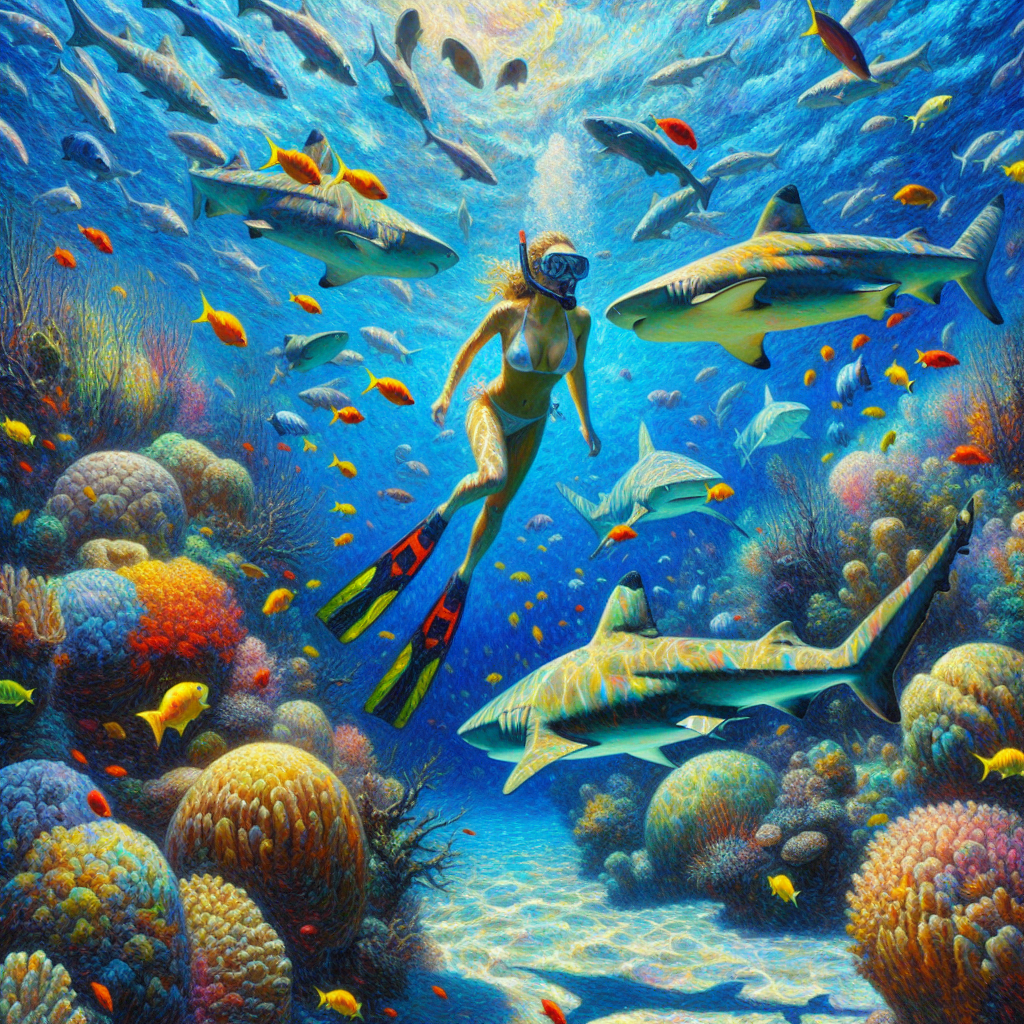
Dive deep beneath the azure waves of Cozumel, and you’ll find yourself immersed in a world teeming with life, a hidden universe that whispers stories of survival, wonder, and connection. At Chankana’Ab Bajo Reef, the dance of vibrant fish, graceful corals, and majestic marine mammals awaits, offering a visceral experience that beckons you to explore the depths of our planet’s most fragile ecosystems.
Imagine gliding through crystal-clear waters, surrounded by a kaleidoscope of colors—from the iridescent blues of parrotfish to the vivid yellows of angelfish. Each creature, each coral formation, tells a tale of resilience against the tide of environmental change. As you encounter a school of clownfish darting among anemones, you’re not merely a visitor; you become part of a narrative that intertwines your fate with theirs. Witnessing these interactions cultivates a sense of responsibility: we are stewards of the ocean, guardians of a fragile paradise that deserves our respect.
On a rational level, the biodiversity of Chankana’Ab Bajo Reef is staggering. This underwater sanctuary serves as a vital habitat for more than 500 species of fish and numerous invertebrates and corals, many of which are facing unprecedented threats from climate change and human activity. Your presence here isn’t just for recreation; it’s a statement of support for conservation efforts that strive to preserve the delicate balance of marine life. With every fin kick, you become an ally in the fight against the degradation of these spectacular underwater landscapes.
Ethically, engaging with this extraordinary environment invites a profound emotional response. It connects us to something greater than ourselves—the intricate web of life that supports entire ecosystems. Each encounter with a gentle sea turtle gliding past, a curious horned shark lurking in the rocks, reinforces the imperative to protect these species and their homes.
Socially, sharing your experiences creates ripples of awareness. By telling friends and family about the incredible marine life at Chankana’Ab Bajo Reef, you spread the seeds of appreciation and encourage others to share in this underwater adventure. Together, we can foster a community that cares deeply about the oceans and advocates for their protection.
So, strap on your snorkel, catch your breath, and dive into the heart of Cozumel’s oceanic wonderland. Embrace this chance to connect with the marine world, for every moment you spend with these magnificent beings is a step toward ensuring they thrive for generations to come.
What Unique Marine Life Can You Encounter At Chankana’Ab Bajo Reef?
What Unique Marine Life Can You Encounter At Chankana’Ab Bajo Reef?
- Dive into the vibrant marine life at Cozumel’s Chankana’Ab Bajo Reef, an ecosystem rich in stories of survival and connection.
- Experience the beauty of diverse species, including parrotfish and angelfish, thriving in crystal-clear waters.
- Recognize the importance of ocean stewardship as we become part of the narrative surrounding marine life.
- Discover the staggering biodiversity, home to over 500 fish species, and the impacts of climate change and human activity.
- Engage emotionally with the marine environment, understanding our responsibility to protect vulnerable species.
- Share your experiences to promote awareness and encourage conservation efforts within your community.
- Dive in—every moment spent with marine life contributes to their future preservation for generations to come.

What Unique Marine Life Can You Encounter At Chankana’Ab Bajo Reef?
How Does the Coral Health At Chankana’Ab Compare to Other Reefs?
When you dive into the crystal-clear waters of Chankana’Ab, you’re stepping into a living tapestry of color and life. The vibrant corals here whisper tales of resilience and beauty, standing in stark contrast to the bleached skeletons found in so many other popular reefs around the world. Imagine the bustling life beneath the waves: schools of fish darting through swaying sea fans, the gentle sway of anemones cradling their clownfish companions—this is what vibrant coral health looks like.
Cozumel, just a stone’s throw away, has faced its own set of challenges with tourism, climate change, and pollution, leading to stark declines in coral health. Chankana’Ab, however, stands as a beacon of hope. Here, conscientious conservation efforts have paid off. Local communities invest their time, heart, and resources into preserving this underwater paradise. This communal respect for nature is a testament to ethical stewardship that other regions can look to emulate. You can feel the difference—it resonates in the water and stirs something deep within.
The marine life at Chankana’Ab is a testament to what happens when people genuinely care. It’s not just a destination; it’s a living narrative of survival against the odds. The coral thrives, showcasing the robust colors and intricate patterns that paint the reef like a work of art. Rationally, we understand coral reefs are crucial to marine ecosystems, providing habitat and food for countless species. This isn’t just about beauty; it’s about maintaining a vibrant underwater world that supports life above and below the surface.
Ethically, we’re compelled to protect such places. Visiting Chankana’Ab isn’t just a pleasure; it’s an opportunity to partake in a larger mission. Here, your actions contribute to conservation initiatives, fostering a cycle of preservation and awareness. Every snorkel, every dive, becomes an experience of connection—to nature, to those who work tirelessly to maintain this ecosystem, to the generations that will come after us.
So, as you navigate the wonders of Chankana’Ab, remember that you’re not just observing; you’re part of a shared story. Allow the dazzling reef to ignite that fire of responsibility within you. Come, experience it for yourself, and let the call to action resonate in your heart and gut. You have the power to make a difference, and it starts right here, in the mesmerizing depths of this coral wonderland.

How Does the Coral Health At Chankana’Ab Compare to Other Reefs?
How Does the Coral Health At Chankana’Ab Compare to Other Reefs?
- Chankana’Ab features vibrant corals compared to bleached reefs globally, showcasing resilience and beauty.
- The area is alive with diverse marine life, including schools of fish and anemones with their clownfish companions.
- Cozumel faces challenges like tourism, climate change, and pollution, impacting its coral health.
- Chankana’Ab benefits from strong conservation efforts led by local communities dedicated to preserving this underwater paradise.
- The thriving coral and marine life highlight the importance of protecting ecosystems that support both underwater and surface life.
- Visiting Chankana’Ab offers an opportunity to engage in conservation initiatives, turning tourism into a responsible act.
- Exploring Chankana’Ab is more than just observation; it’s joining a collective narrative of environmental stewardship.

How Does the Coral Health At Chankana’Ab Compare to Other Reefs?
What Emotional Impact Does Exploring Chankana’Ab Bajo Reef Have?
Exploring Chankana’Ab Bajo Reef is more than just a dive into the crystalline waters off Cozumel; it’s a journey that stirs the soul and opens the mind to the stunning complexities of our planet’s ecosystems. Imagine descending into a vibrant underwater world, where every flick of a fin reveals an intricate community of life. You’re not just an observer; you become part of an ancient narrative, woven through the coral that shelters countless fish, sea turtles, and perhaps even a playful dolphin or two. This experience challenges you to consider your role in a larger story — one that transcends species and speaks to our shared responsibility for the earth.
As you glide through these waters, your heart beats in rhythm with the pulse of this breathtaking habitat. The serenity of the reef contrasts sharply with the stresses of daily life, beckoning you to immerse yourself in nature’s soothing embrace. Here, worries fade, replaced by a profound sense of connection to something greater. The gentle sway of sea anemones and the dance of colorful fish ignite a sincere appreciation for the beauty that thrives beneath the surface. Emotional resonance fills every moment, urging you to recognize the urgent need for conservation.
But there’s a harsh reality lurking beneath that beauty. The degradation of our oceans isn’t just a distant problem; it’s right here, and the health of places like Chankana’Ab is delicately intertwined with humanity’s actions. Rational thoughts begin to churn as you surface, considering what eco-recovery could mean for future generations. This isn’t merely a recreational escape; it’s an ethical call to action. Every dive and every encounter serves as a reminder that collectively, we hold the power to influence the fate of these ecosystems.
The social connections formed during these explorations are as vital as the experience itself. Sharing tales of diving adventures with friends or sparking conversations around the dinner table fosters a communal commitment to preservation. When enthusiasts unite in their love for places like Chankana’Ab, awareness spreads, and the potential for impact grows exponentially.
So, whether you’re a seasoned diver or a curious newcomer, stepping into the waters of Chankana’Ab Bajo Reef isn’t just about what you see — it’s about what you feel, think, and ultimately do. Be part of a solution that nourishes both the heart and the planet; after all, every small action contributes to a monumental change. Exploring this reef is not just an adventure; it’s an invitation to be an active participant in protecting our natural heritage.
What Emotional Impact Does Exploring Chankana’Ab Bajo Reef Have?
What Emotional Impact Does Exploring Chankana’Ab Bajo Reef Have?
- Exploring Chankana’Ab Bajo Reef offers a profound connection to the planet’s ecosystems.
- Diving reveals an intricate community of life, including fish, sea turtles, and dolphins.
- The experience highlights our shared responsibility for environmental stewardship.
- Time spent underwater promotes serenity and a deep appreciation for marine beauty.
- Awareness of ocean degradation ties directly to our actions and the need for conservation.
- Social connections formed during dives foster a communal commitment to preservation.
- Engagement with Chankana’Ab inspires both emotional and ethical calls to action for environmental change.

What Emotional Impact Does Exploring Chankana’Ab Bajo Reef Have?
How Does Chankana’Ab Bajo Contribute to the Local Economy and Tourism?
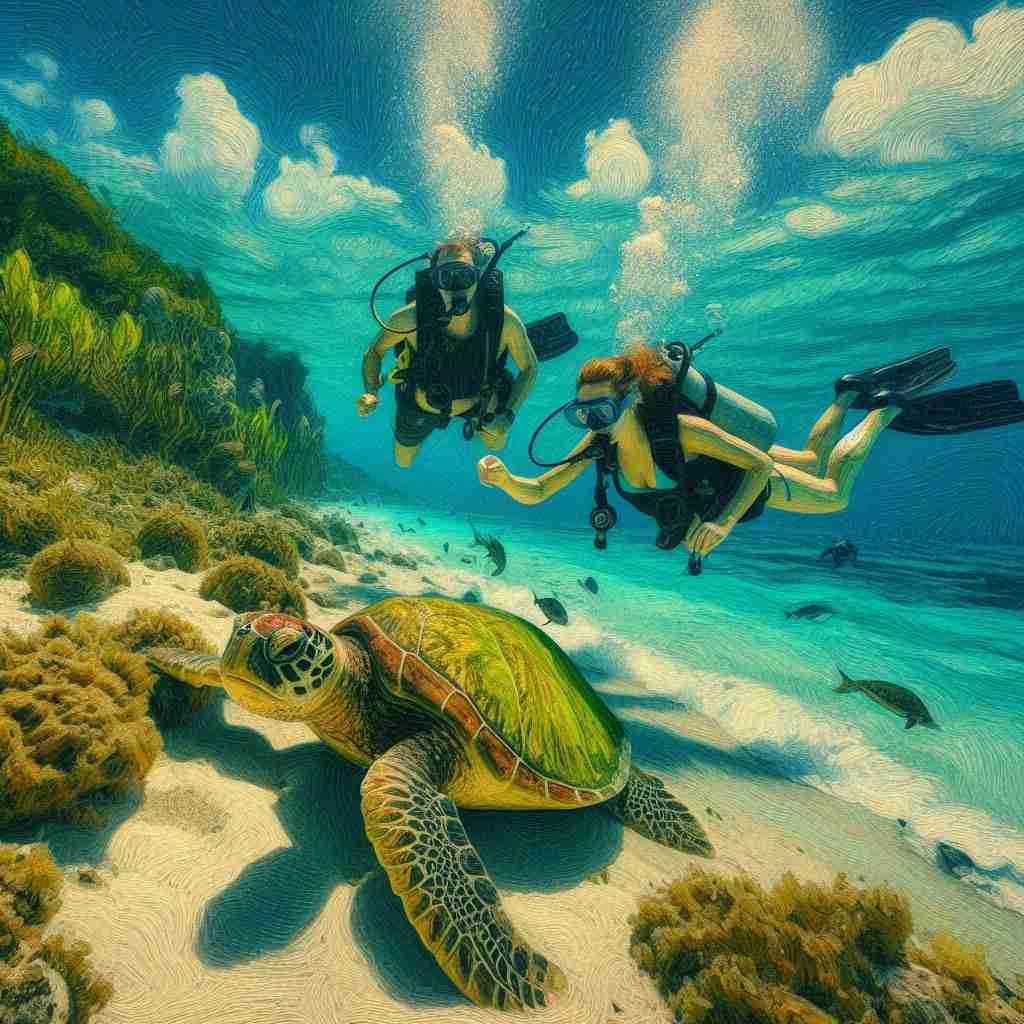
Nestled off the southeast coast of Mexico, the rustic charm of Chankana’Ab Bajo is more than just a postcard-perfect destination; it’s an economic engine fueling the local community on the beautiful island of Cozumel. When you step into this unique sanctuary, you’re not just a tourist—you’re part of a larger narrative. Each visitor adds their story to the tapestry of life here, contributing to an economy that thrives on authenticity and connection.
Picture this: a family-owned business running a simple yet vibrant restaurant, where the aroma of freshly grilled seafood mingles with the sounds of laughter and chatter. Your dollars aren’t merely being spent—they’re a vital lifeline for local families. The revenue from tourism directly supports food producers, artisans, and small retailers, fostering a sense of pride and ownership among the residents. These aren’t transactions; they’re commitments to a better future for hardworking locals, making every meal a symbol of sustenance for the community.
But beyond the economic impact lies an ethical obligation. Supporting Chankana’Ab Bajo means nurturing the delicate balance between tourism and environmental conservation. The locals understand that a thriving ecosystem ensures a thriving economy. By championing sustainable practices, they create a future that respects the land and ocean, safeguarding the natural beauty that draws so many visitors to Cozumel.
Engagement goes both ways; the relationships built here transcend simple visitor and host. The genuine warmth and hospitality of the community create an inviting atmosphere where memories are forged. Imagine sharing stories with a local artisan as they craft unique souvenirs, or joining in a traditional dance that echoes through generations. These experiences engender a connection that resonates long after you’ve left the sun-kissed shores.
Ultimately, visiting Chankana’Ab Bajo is more than a getaway; it’s an investment in a way of life. You become part of a collective effort to uplift a community while basking in the wonders of nature. As you walk the narrow paths, your very presence helps sustain local families and preserves the breathtaking landscape of Cozumel. So, the next time you consider your travel plans, think about the impact of your journey. Your adventure can be a powerful force for good—a chance to leave your mark on a place where every visit makes a difference. Embrace the experience, and let your travel be a testament to community and connection.

How Does Chankana’Ab Bajo Contribute to the Local Economy and Tourism?
How Does Chankana’Ab Bajo Contribute to the Local Economy and Tourism?
- Chankana’Ab Bajo, located off the southeast coast of Mexico, contributes significantly to the local economy on Cozumel.
- Visitors to the area become part of a broader narrative, supporting the local community through their experiences.
- A family-owned restaurant serves as a vibrant hub, where tourist spending directly supports local families and businesses.
- The area’s tourism fosters a sense of pride among residents, contributing to a better future through authentic connections.
- Support for Chankana’Ab Bajo promotes environmental conservation, ensuring sustainable practices that protect the ecosystem.
- Visitors engage with locals, building lasting relationships and creating memorable experiences through cultural interactions.
- Traveling to Chankana’Ab Bajo is an investment in the community, helping to maintain local livelihoods and enhance the natural beauty of Cozumel.
How Does Chankana’Ab Bajo Contribute to the Local Economy and Tourism?
What Ethical Considerations Arise When Visiting Chankana’Ab Bajo Reef?
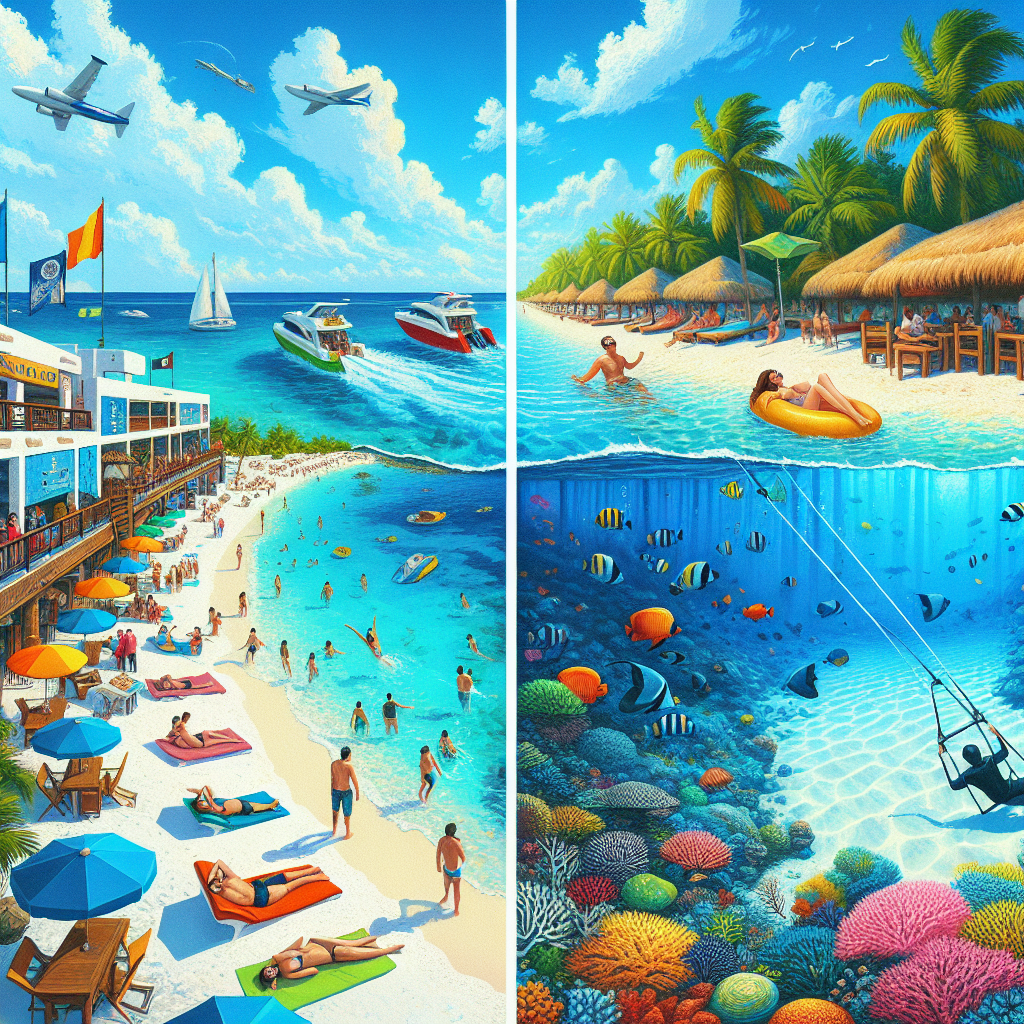
When you set foot on the vibrant shores of Cozumel and dip your toes into the azure waters above the Chankana’Ab Bajo Reef, you embark on more than just a recreational adventure. Ethical considerations swirl around every coral and fish, nudging you to think deeply about your impact on this underwater paradise. It’s not just about snorkeling; it’s about stewardship.
Imagine the reefs, teeming with life, as the lungs of the ocean. These ecosystems are not merely beautiful backdrops to your vacation; they are intricate networks that support a multitude of marine species. The decisions we make here echo beyond our experience, impacting local communities, economies, and the delicate balance of marine biodiversity. As you witness the dance of vibrant parrotfish or the graceful movement of sea turtles, let that feeling settle in your gut—it’s a feeling of responsibility.
When we snorkel or scuba dive, we engage in a conversation with nature. Rationally, we understand that overexploitation, pollution, and careless behavior can devastate these ecosystems. Each fin kick has the potential to stir up sediment, damaging coral polyps further down. Let that sink in. You are part of the solution. Choosing to be mindful—staying off the reef, using reef-safe sunscreen, and avoiding single-use plastics—bolsters your role as a guardian, not just a visitor.
Moreover, there’s an ethical angle that deserves attention. The local communities rely heavily on reef tourism for their livelihoods. By understanding and respecting local customs, supporting sustainable businesses, and engaging with guides who prioritize eco-friendly practices, you contribute not just to the enjoyment of your visit but to the health of the local economy. Share your experiences, inspire others to do the same, and foster a collective commitment to preservation.
In narratives shared around bonfires or over meals at local eateries, the stories of the ocean and the reef come alive. You become part of this interconnected fabric, a living thread that ties together the joys of exploration with the imperative of conservation.
Trust in your ability to make a meaningful impact. Show respect, tread lightly, and take action—because when visiting magnificent places like the Chankana’Ab Bajo Reef, it’s about nurturing a relationship with nature that goes beyond enjoyment; it’s about rebuilding the bonds we have with the earth and each other.

What Ethical Considerations Arise When Visiting Chankana’Ab Bajo Reef?
What Ethical Considerations Arise When Visiting Chankana’Ab Bajo Reef?
- Visiting Cozumel’s Chankana’Ab Bajo Reef involves deep ethical considerations regarding impact on marine life.
- The reefs support diverse marine species and are essential for local economies and biodiversity.
- Snorkeling and diving are opportunities for stewardship, where responsible behavior is crucial.
- Mindful actions—such as avoiding coral contact and using reef-safe products—enhance ecological well-being.
- Local communities depend on reef tourism, stressing the importance of respecting local customs and supporting sustainable businesses.
- Sharing experiences fosters conservation awareness and collective responsibility towards preserving the environment.
- Engaging respectfully with nature helps rebuild the bond between humanity and the earth, emphasizing the role of individuals in environmental preservation.
What Ethical Considerations Arise When Visiting Chankana’Ab Bajo Reef?
How Do the Underwater Landscapes At Chankana’Ab Bajo Inspire Divers?
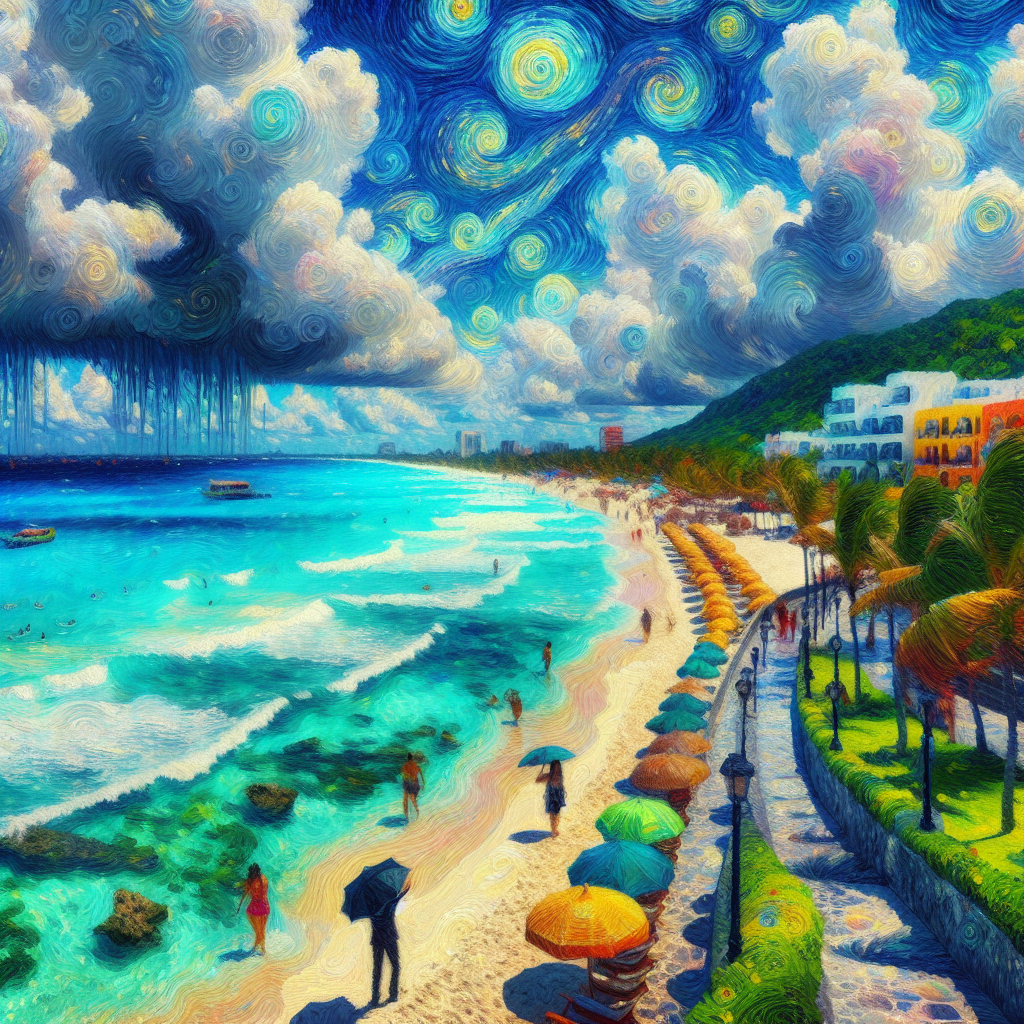
Beneath the waves of Cozumel lies a world that whispers secrets to those who dare to plunge into its depths. The underwater landscapes at Chankana’Ab Bajo are not just a playground for marine life; they are a testament to both the fragility and resilience of our planet’s ecosystems. For many divers, exploring these waters becomes a pilgrimage—one that resonates in the heart, stimulates the mind, and stirs the gut.
Imagine hovering over a world painted in vibrant coral, where every dip and sway of the water reveals the dance of fish in their natural habitat. This isn’t just a dive; it’s a symphony of life. As you glide through canyons and tunnels formed by ancient geological forces, you are encountering history—both creating and experiencing a narrative that transcends time. The beauty is not merely for the eyes; it becomes an emotional experience, connecting you to something far greater than yourself. Each moment beneath the surface invites you to reflect on your role within the vast tapestry of life.
But let’s engage our rational side as well. Chankana’Ab Bajo is a clear reminder that what we do above water matters immensely. The health of these stunning underwater landscapes has been an emblem of responsible stewardship and sustainable practices. As divers, we bear witness to the impact of human actions on marine environments. This inspiring landscape not only captivates; it also compels us to act, fostering a sense of ethical responsibility toward protecting what we love. Trust builds here; a trust in the ocean’s wonders and the community of divers dedicated to embracing conservation.
Moreover, the Chankana’Ab Bajo experience provides a common ground—a melting pot of individuals whose stories converge in pursuit of adventure. From novice enthusiasts to seasoned explorers, the camaraderie felt among fellow divers is palpable. It’s a kinship forged in shared experiences, in awe of the creations that reside within the blue.
In this underwater realm, there is an invitation: come as you are, leave transformed. The next time you think of diving in Cozumel, remember that it’s not merely an excursion; it’s a call to connect, to advocate, and to immerse oneself in a world that inspires trust, broadens horizons, and champions the beauty of preservation. Uncover the underwater magic and let its essence guide you, because the ocean’s wonders are waiting, eager to share their stories with those who seek them.
How Do the Underwater Landscapes At Chankana’Ab Bajo Inspire Divers?
How Do the Underwater Landscapes At Chankana’Ab Bajo Inspire Divers?
- The underwater landscapes at Chankana’Ab Bajo showcase the fragility and resilience of our planet’s ecosystems.
- Diving here is a profound experience, connecting divers emotionally to the natural world.
- The vibrant coral and dancing fish create a captivating and symphonic environment.
- The site serves as a reminder of the importance of responsible stewardship and sustainable practices.
- Chankana’Ab Bajo fosters a sense of ethical responsibility towards marine conservation.
- It creates a sense of community among divers, where shared experiences forge lasting connections.
- Diving in Cozumel is not just an excursion but a transformative invitation to connect and advocate for the ocean.

How Do the Underwater Landscapes At Chankana’Ab Bajo Inspire Divers?
How Does Exploring Nearby Reefs Differ In Terms Of Biodiversity?
When you dip your toes into the shimmering turquoise waters off the coast of Cozumel, you’re not just stepping into a beautiful scene; you’re plunging into a vibrant world teeming with life. Exploring nearby reefs isn’t just about witnessing nature’s splendor; it’s about connecting with a complex ecosystem that, in many ways, mirrors our own communities. Each reef is a bustling metropolis, where colorful fish dart through corals like citizens weaving through city streets, building their homes and forging alliances.
Now, let’s get real for a moment. The biodiversity found in these underwater realms is crucial—not just for the critters that call it home but for us, too. Healthy reefs act as natural barriers, shielding coastlines from storms, while also providing nourishment and livelihood to countless families. Scientists have identified that areas with rich biodiversity are inherently more resilient, able to bounce back from disturbances like climate change or pollution. This isn’t just an environmental statistic; it’s a call to action. When you dive into these waters, you’re standing at the frontline of conservation.
But here’s the kicker: not all reefs boast the same biodiversity. Some might feature only a few species, while others, like those surrounding Cozumel, sparkle with an abundance of life. This stark contrast can be traced back to factors such as water quality, human impact, and protection policies. Exploring the difference between these reefs feels like walking through neighborhoods in vastly different socio-economic landscapes. It begs the question: How are we nurturing the local environments?
Engaging with these ecosystems fosters an emotional bond. Have you ever watched the delicate dance of a sea turtle as it glides gracefully past colorful coral? It humbles you. It reminds you that these marine wonders are as deserving of protection as our cherished terrestrial parks. Yet, this emotional connection must spark action—turning your awe into advocacy.
The stories shared among divers weave a tapestry of connections, illustrating our shared responsibility to protect these vibrant underwater communities. As you venture beneath the surface, not only do you encounter breathtaking beauty but also a deeper understanding of our role in this delicate balance. The more we explore and appreciate these reefs, the more compelled we become to ensure they endure for generations to come. Each dive writes a chapter in our collective history, shaping a future where both our oceans and their inhabitants thrive. So, gear up and join in—our oceans are calling, and they need champions like you.

How Does Exploring Nearby Reefs Differ In Terms Of Biodiversity?
How Does Exploring Nearby Reefs Differ In Terms Of Biodiversity?
- Diving into Cozumel’s turquoise waters offers a vibrant ecosystem experience.
- Coral reefs function as bustling metropolises, showcasing biodiversity akin to human communities.
- Healthy reefs protect coastlines from storms and support local livelihoods.
- Areas with rich biodiversity are more resilient to disturbances like climate change and pollution.
- The varying levels of biodiversity in reefs depend on factors such as water quality and human impact.
- Emotional connections with marine life can inspire advocacy for their protection.
- Engagement with underwater environments cultivates a collective responsibility to ensure the sustainability of these ecosystems.

How Does Exploring Nearby Reefs Differ In Terms Of Biodiversity?
Conclusion
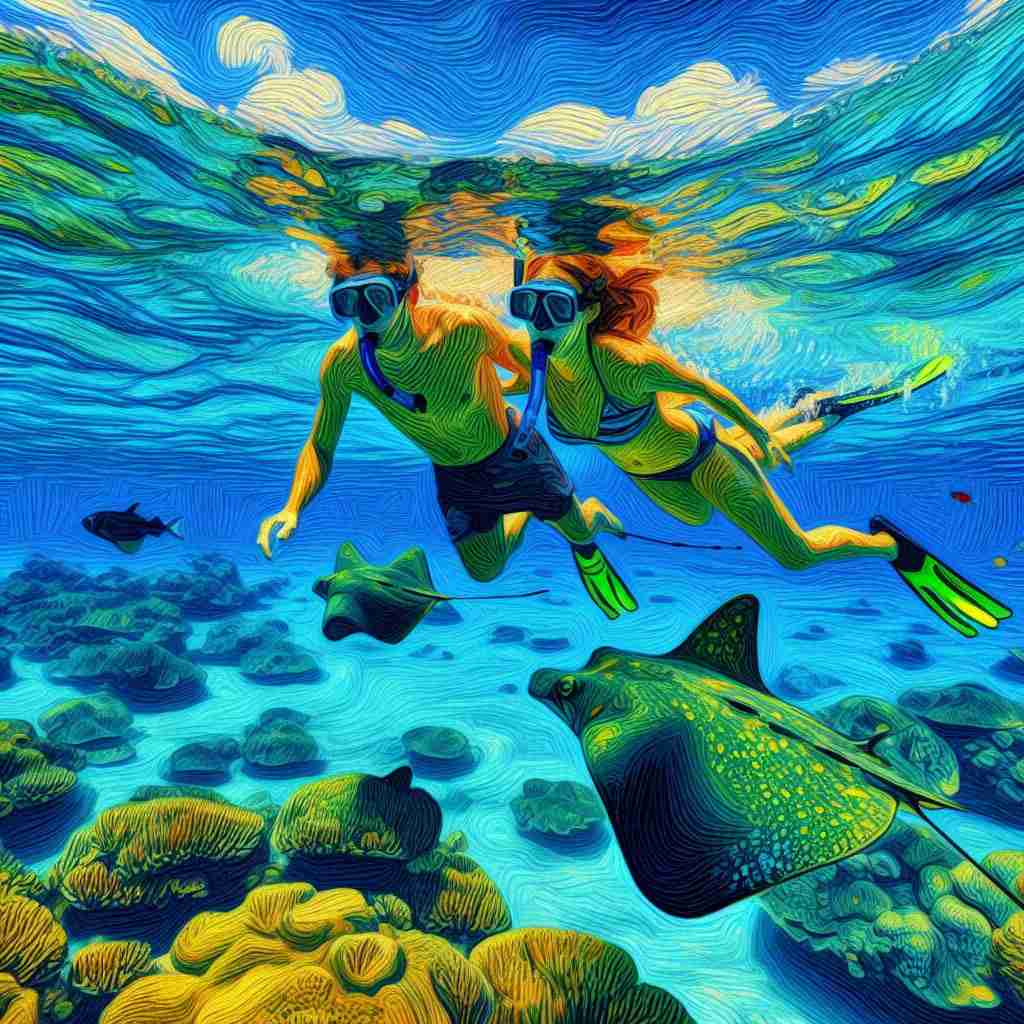
Exploring Chankana’Ab Bajo Reef is more than a simple dive; it’s an invitation to connect with the heart of our planet’s oceans and recognize our profound responsibility toward them. Nestled in Cozumel, this hidden gem offers a unique experience that allures adventurers not just through its vivid marine life but through a story of resilience, conservation, and community. When you immerse yourself in these crystal-clear waters, you aren’t just witnessing nature’s artistry; you’re participating in a larger narrative—one that concerns the future of our oceans.
Unlike the busy nearby reefs, Chankana’Ab serves as a tranquil sanctuary where the sounds of marine life and flowing water overshadow the chatter of tourists. Here, you find solace and an opportunity for reflection, as every vibrant coral and swimming creature has a story to share. This experience isn’t only a feast for the eyes; it pulls at emotional strings while engaging your intellect and sense of ethics. With every dive, you’re supporting vital conservation initiatives that resonate deeply with the mission of preserving these ecosystems.
In the midst of this underwater splendor, you quickly understand that the health of Chankana’Ab Bajo Reef is a reflection of the local community’s stewardship. The ethical responsibility you feel during each encounter with its stunning biodiversity is matched only by the rational understanding of its ecological significance. When you see a clownfish darting among its anemone, it drives home the urgency of safeguarding these species from the threats they face.
Moreover, your visit contributes economically to the local community, providing sustenance to families involved in artisanal crafts and local businesses. This symbiotic relationship elevates your presence from mere tourist to an ambassador of conservation, tied to the livelihoods of those who care for the reef. Sharing your experiences enriches the collective narrative, fostering connections that go beyond a one-off visit.
As you adventure through the vibrant underwater world, remember: exploring Chankana’Ab isn’t just about what you see, but how you feel, think, and ultimately act as a steward of the planet. This reef presents an opportunity for transformation, urging us all to dive not just into the water but into the stories that bind us as custodians of our blue planet. What mark will you leave in this aquatic wonderland? Your journey starts here, where each heartbeat of the ocean resonates with the potential for change.
Conclusion
Conclusion:
- Chankana’Ab Bajo Reef in Cozumel offers a profound experience connecting visitors to the oceans and highlighting our responsibility to protect them.
- This tranquil sanctuary allows for reflection and emotional engagement, in contrast to crowded nearby reefs.
- Diving here supports vital conservation initiatives, highlighting the importance of preserving marine ecosystems.
- The health of the reef reflects the local community’s stewardship, emphasizing the ecological significance of biodiversity.
- Your visit economically supports local families involved in artisanal crafts and businesses, fostering a symbiotic relationship.
- Every experience shared contributes to a larger narrative of conservation and the interconnectedness of human and environmental well-being.
- Exploration of Chankana’Ab encourages personal transformation and inspires stewardship of our planet’s oceans.

Conclusion
Other Resources
Other Resources
Reading this from somewhere that isn’t Cozumel? When you do come down, where you stay shapes the whole trip. A few options from our sister sites: Sunset 37 is a Cozumel rental positioned for divers and waterfront-loving travelers. Stingray 37 is a Cozumel rental for divers and ocean-leaning travelers.
Here is a list of other resources you can review online to learn more:
- CDC
- Muelle Fiscal
- Guido’s Restaurant Cozumel
- Cozumel Chef
- Sky Reef Beach Club
- Costamed Cozumel Hospital
- Cozumel Reefs
- Cozumel Jeep
- British Scuba Association
- Guisados
- The LANDMARK of Cozumel
- Cozumel Snuba
- Chardonnay Italian Mexican Food Restaurant Cozumel
- Chankanaab National Park
- Fiesta Americana Cozumel
- Playa Mia
- El Abuelo Gerardo Restaurant
- Starbucks
- Rainforest Cafe
- a diver-friendly rental near Cozumel’s reef
- a Cozumel rental built around the dive schedule
Use This Prompt To Get More Resources With Your Favorite Online AI Tool: Please provide me with a list of online articles with their URLs in a bulleted list that I can read regarding How Does Exploring Chankana’Ab Bajo Reef In Cozumel Compare to Nearby Reefs?

Other Resources
Glossary Terms
How Does Exploring Chankana’Ab Bajo Reef In Cozumel Compare to Nearby Reefs? – Glossary Of Terms
1. Chankana’ab Bajo Reef: A specific coral reef located off the coast of Cozumel, known for its biodiversity and underwater formations.
2. Coral Reef: An underwater ecosystem created by colonies of corals, which provide habitat for a wide range of marine life.
3. Biodiversity: The variety of life forms within a particular habitat, including different species of plants, animals, and microorganisms.
4. Ecosystem: A biological community interacting with its physical environment, including biotic (living) and abiotic (non-living) components.
5. Snorkeling: A water activity that involves swimming on or near the surface while breathing through a snorkel and often includes observing marine life.
6. Scuba Diving: An underwater diving method using a self-contained underwater breathing apparatus (scuba) to explore deeper parts of the ocean.
7. Marine Life: Organisms that inhabit ocean environments, including fish, invertebrates, and marine plants.
8. Coral Polyp: The small, soft-bodied organism that forms coral, having a skeleton of calcium carbonate.
9. Reef Structure: The physical formation of a reef, which can include ridges, caves, and channels that influence marine habitats.
10. Fish Species: Various types of fish that inhabit the reef, often showcasing unique adaptations to the coral environment.
11. Environmental Health: The condition of the natural ecosystem and its ability to sustain life, including water quality and reef integrity.
12. Conservation: Efforts and practices aimed at protecting and preserving marine ecosystems and wildlife.
13. Overfishing: The practice of catching fish at rates higher than can be replenished, threatening fish populations and reef health.
14. Pollution: The introduction of harmful substances into the marine environment, often impacting water quality and marine life.
15. Sustainable Tourism: Practices that foster responsible travel to natural areas, aiming to minimize environmental impact and support local economies.
16. Aquatic Ecosystem: A water-based environment that supports diverse organisms, including those found in oceans, rivers, and lakes.
17. Local Culture: The customs, traditions, and practices of the communities living in proximity to the reefs, often influencing conservation efforts.
18. Diving Safety: Protocols and guidelines established to ensure the safety of scuba divers and snorkelers while underwater.
19. Underwater Photography: The art of capturing images beneath the water’s surface, often used to document marine biodiversity.
20. Marine Protected Area (MPA): A designated region where marine resources are safeguarded from exploitation to preserve biodiversity.
21. Sargassum: A type of floating seaweed that can impact snorkelling and scuba diving experiences.
22. Tidal Currents: The movement of water caused by tides, which can affect marine navigation and the distribution of marine organisms.
23. Endangered Species: Species that are at risk of extinction due to habitat loss, overfishing, or other environmental challenges.
24. Invasive Species: Non-native organisms that disrupt local ecosystems by outcompeting native species for resources.
25. Resilience: The ability of coral reefs and marine ecosystems to recover from disturbances, such as bleaching or storms.
26. Coral Bleaching: A phenomenon where coral loses its color and vitality due to stressors like increased water temperature, leading to potential reef mortality.
27. Snorkeling Gear: Equipment used for snorkeling, including masks, snorkels, and fins, designed for underwater exploration.
28. Depth Zones: Different layers of the ocean where varying marine life and coral species exist, influenced by light availability and pressure.
29. Underwater Habitat: The specific environment underwater that provides shelter and resources for marine organisms.
30. Local Guides: Experienced individuals who lead snorkeling or diving tours, often providing insights into marine life and ecosystem protection.

Glossary Of Terms
Other Questions
How Does Exploring Chankana’Ab Bajo Reef In Cozumel Compare to Nearby Reefs? – Other Questions
If you wish to explore and discover more, consider looking for answers to these questions:
- What are the best times of year to visit Chankana’Ab Bajo Reef for diving?
- What types of diving equipment are recommended for exploring Chankana’Ab Bajo Reef?
- What conservation initiatives are currently in place at Chankana’Ab Bajo Reef?
- How does the diving experience at Chankana’Ab compare to other popular diving locations in Mexico?
- What are some notable conservation success stories related to Chankana’Ab Bajo Reef?
- What can divers do to minimize their environmental impact while visiting the reef?
- Are there guided tours available for both experienced and novice divers at Chankana’Ab?
- What measures are in place to ensure the reef’s biodiversity is protected?
- How accessible is Chankana’Ab Bajo Reef for divers of different skill levels?
- What social or community projects involve local residents and divers at Chankana’Ab?
- What unique geological features or formations can divers expect to see at Chankana’Ab?

Other Questions
Haiku
How Does Exploring Chankana’Ab Bajo Reef In Cozumel Compare to Nearby Reefs? – A Haiku
Coral realms whisper,
Stories of life, hope, and care—
Dive deep, hearts united.

Haiku
Poem
How Does Exploring Chankana’Ab Bajo Reef In Cozumel Compare to Nearby Reefs? – A Poem
In Cozumel’s embrace, where the waters shimmer bright,
Lies Chankana’Ab Bajo, a reef of pure delight.
Beneath the surface, a tapestry unfolds,
Vibrant lives intertwine, their stories to be told.
A tranquil escape, away from the throng,
In this vibrant realm, we feel where we belong.
With parrotfish dancing in hues of blue and gold,
Each creature a lesson, each coral a tale retold.
The heart stirs deeply, its rhythm thumping strong,
As echoes of nature call—a symphonic song.
Beyond mere beauty, a duty we must own,
For these fragile ecosystems, we must protect and hone.
In the shadows of change lies a call to our gut,
To tread lightly, to nurture, to lift others up.
For each dive is a promise, a covenant made,
To stand as ocean’s guardians, history unafraid.
The local voices weave through laughter and the trade,
Community thrives on the respect that we’ve laid.
Support becomes the lifeblood of traditions not yet lost,
In every meal and story, we celebrate the cost.
Rational minds ponder the biodiversity we share,
Healthy reefs act as fortresses, needing our care.
This sanctuary beckons with its colors so divine,
Yet beneath its brilliance, the stakes intertwine.
Thus, let us gather stories, turn passion into art,
With each shared adventure, we forge a beating heart.
Together, we build bridges, through waters that unite,
Champions of the ocean, standing steadfast and bright.
So dive into the depths where nature’s wonders dwell,
Discovering not just beauty, but a mission we must tell.
For in every dip and sway, a legacy we write,
In Chankana’Ab Bajo, we find our shared light.
Poem
Checklist
How Does Exploring Chankana’Ab Bajo Reef In Cozumel Compare to Nearby Reefs? – A Checklist
Checklist for Exploring Chankana’Ab Bajo Reef
Heart
_____ Emotional Connection: Reflect on how the vibrant life and serene beauty stir your emotions about marine conservation.
_____ Story Sharing: Plan to share your experiences with friends and family to spread awareness about the reef’s significance.
_____ Intentional Reflection: Take moments to immerse yourself in the surroundings and appreciate the intricate connections in nature.
Head
_____ Knowledge Building: Educate yourself about the importance of coral reefs and the biodiversity at Chankana’Ab.
_____ Impact Awareness: Understand how your visit supports conservation efforts, enhancing local ecosystems and community resilience.
_____ Responsible Diving Practices: Research best practices for eco-friendly snorkeling and diving.
Gut
_____ Ethical Engagement: Commit to making choices that respect local customs and contribute positively to the community.
_____ Sensory Experience: Engage fully with your senses; notice the sounds, colors, and movements of the underwater world.
_____ Personal Responsibility: Recognize your role as a steward of the ocean; consider what actions you can take to protect marine life.
Practical Actions
_____ Pack Smart: Use reef-safe sunscreen and reusable items to minimize your ecological footprint.
_____ Support Local Economy: Choose to eat at local restaurants and buy crafts from local artisans to support the community.
_____ Join Conservation Initiatives: Stay informed about local conservation programs and participate in activities that promote reef health.
Social
_____ Community Engagement: Connect with fellow divers to share insights and foster a supportive network focused on conservation.
_____ Spread the Word: Encourage others to explore lesser-known reefs like Chankana’Ab and advocate for ocean preservation.
_____ Cultivate Connections: Build relationships with local guides who prioritize sustainable practices and conservation education.
By following this checklist, you can have a fulfilling experience at Chankana’Ab Bajo Reef while contributing to the wellbeing of the marine ecosystem and the local community.

Checklist
At TopCozumelNews, we help travelers enjoy Cozumel by collating information learned from frequently traveling to beautiful Cozumel.
Be sure to read our other related stories at TopCozumelNews to learn more about the Island of Cozumel.