Uncovering The Untold Wonders Of Cozumel’s Chankana’Ab Reef
By Tom Seest
At TopCozumelNews, we help travelers enjoy Cozumel by collating information learned from frequently traveling to beautiful Cozumel.
Be sure to read our other related stories at TopCozumelNews to learn more about the Island of Cozumel.
How Does Exploring Chankana’Ab Reef In Cozumel Compare to Nearby Reefs?
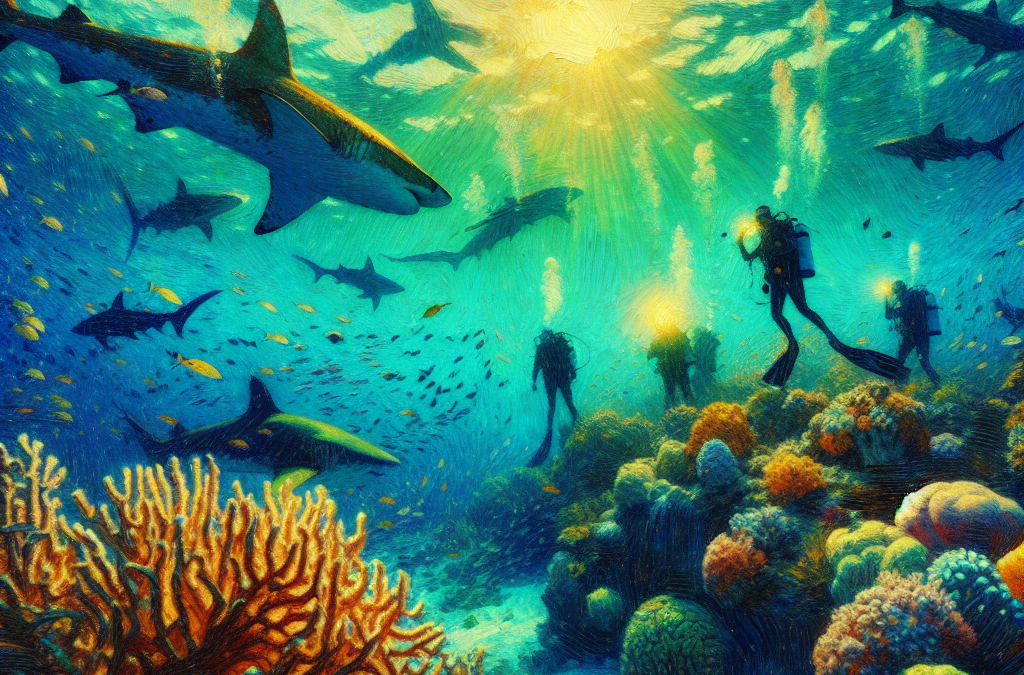
Exploring the Chankana’Ab Reef in Cozumel is like stepping into an artist’s masterpiece, where every brushstroke echoes the heartbeat of the ocean. Picture this: the sun-drenched waters come alive with a kaleidoscope of colors. Schools of tropical fish dart through coral gardens that bloom like underwater flowers. Here, in this serene sanctuary, you don’t just witness nature—you feel its pulse. Chankana’Ab Reef stands out among Cozumel’s array of marine wonders, offering a more intimate experience than some of its neighboring reefs.
Let’s compare for a moment. While nearby reefs may boast their own breathtaking sights, Chankana’Ab offers a unique blend of accessibility and pristine beauty that’s simply unmatched. It’s not just about the sights and sounds; it’s about the feeling in your gut when you realize you’re swimming amidst vibrant marine life that depends on these ecosystems for survival. You become acutely aware of your small place in the vastness of the ocean, and that realization can be both humbling and empowering.
From a rational perspective, Chankana’Ab Reef is less crowded than its more famous counterparts, which often come with long waits and bustling boat trips. In this quieter spot, the coral formations are healthier and the interactions with marine life are generally more profound. You’re not just diving into a moment; you’re immersing yourself in a narrative that has been written over thousands of years. The reef has weathered storms and tides but remains a steadfast guardian of biodiversity.
Ethically, exploring Chankana’Ab Reef means engaging with the marine environment in a responsible way. Fewer visitors contribute to less disturbance, allowing this delicate ecosystem to thrive. When you experience its beauty, you are also pledging to protect it, fostering a sense of stewardship that resonates deeply with our shared responsibility for the planet.
Moreover, the stories you gather here don’t just belong to you; they belong to a community of explorers, friends, and family. Every dive is a chance to share joy, laughter, and awe. So, when you lace up your fins and plunge into the crystal waters of this coral gem, you’re diving into a shared narrative that enriches your life and connects you with the heart of Cozumel. And in that connection lies an invitation: to dive deeper, explore further, and become a part of the ongoing story of our ocean’s rich tapestry.
How Does Exploring Chankana’Ab Reef In Cozumel Compare to Nearby Reefs?
How Does Exploring Chankana’Ab Reef In Cozumel Compare to Nearby Reefs?
- Chankana’Ab Reef in Cozumel offers a vibrant, artistic underwater experience filled with colorful marine life.
- The reef is more intimate and accessible compared to other popular reefs in Cozumel.
- Visitors experience a humbling connection with vibrant ecosystems and the marine life that relies on them.
- Chankana’Ab Reef is less crowded, resulting in healthier coral formations and meaningful interactions with marine life.
- Engaging with this reef promotes responsible exploration, aiding in the preservation of its delicate ecosystem.
- Diving here fosters a sense of stewardship and shared responsibility for the ocean environment.
- Every dive creates lasting memories that connect explorers with friends and family, enriching their lives and experiences.
How Does Exploring Chankana’Ab Reef In Cozumel Compare to Nearby Reefs?
Table Of Contents
- How Does Exploring Chankana’Ab Reef In Cozumel Compare to Nearby Reefs?
- What Unique Wonders Await At Chankana’Ab Reef?
- How Do the Marine Ecosystems Differ?
- What Makes Chankana’Ab a Must-Visit for Divers?
- Are the Coral Formations Healthier At Chankana’Ab?
- How Do the Experiences At Chankana’Ab Influence Your Travel Choices?
- What Insights Do Local Guides Provide About the Reefs?
- How Does Visiting Chankana’Ab Promote Sustainable Tourism?
- Conclusion
- Other Resources
- Glossary Of Terms
- Other Questions
- Haiku
- Poem
- Checklist
What Unique Wonders Await At Chankana’Ab Reef?
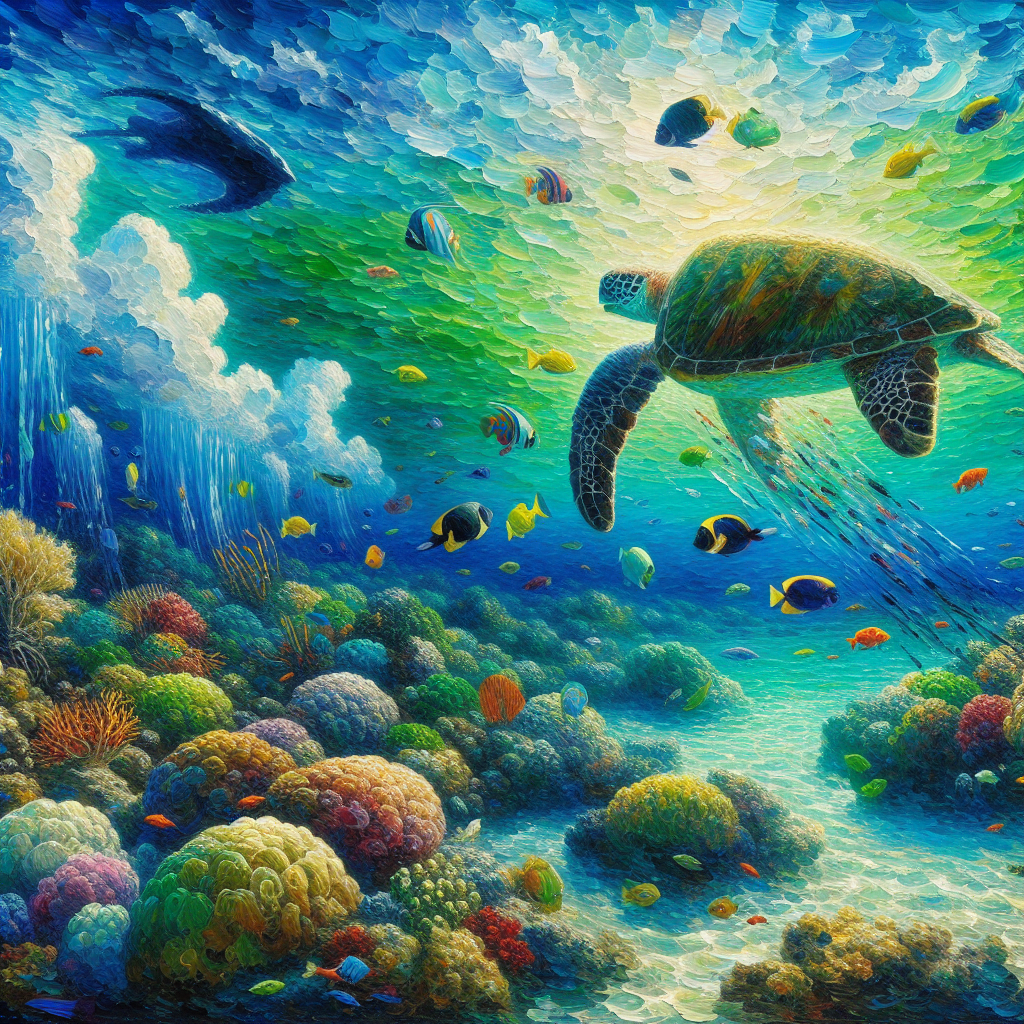
Imagine plunging into the crystalline waters off the coast of Cozumel, where the vibrant colors of marine life come alive in a spectacular underwater ballet. At Chankana’Ab Reef, what awaits you goes far beyond a mere snorkel or scuba dive. It’s an invitation to witness nature’s artistry at its finest. Here, the soft swaying of coral gardens becomes a gentle reminder of our planet’s fragility and beauty, tugging at the heartstrings of anyone lucky enough to visit.
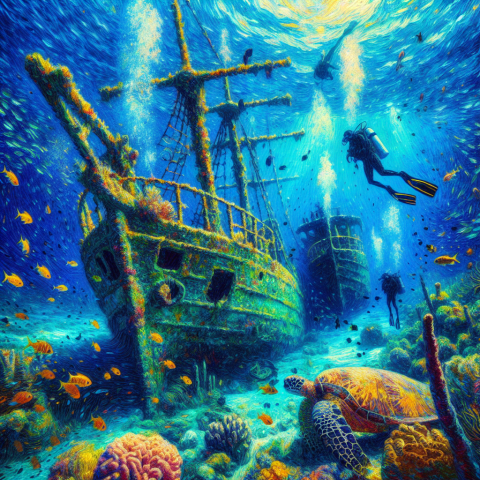
Your journey begins with the soothing waves lapping against the shore, the salty breeze that carries the scent of adventure. Breathe deeply; you’re not just a visitor here, but a steward of the environment, wrapped in the wonders of biodiversity where every fish and coral has a story worth telling. As you meander through the intricate pathways of the reef, it’s hard to resist the call of the majestic sea turtles gliding gracefully beneath the surface, each one a testament to resilience in an ever-changing world.
But it’s not all awe-inspiring visuals; there’s something deeply rational about your choice to explore this underwater realm. The health of Chankana’Ab Reef impacts the ecological system in Cozumel and beyond. By choosing to engage with this vibrant ecosystem responsibly, you’re supporting conservation efforts and reinforcing the importance of ethical tourism. It’s about making memories—and a difference.
And let’s not forget the social bonds that form when sharing such a profound experience. Whether you’re swimming alongside friendly divers or exchanging tales with a local guide, these moments create connections that ripple far beyond the shores of Chankana’Ab. They are stories you’ll recount at home, sparking interest in the wonders of marine life and the need to protect it.
So, as you prepare your gear and set your sights on Chankana’Ab Reef, know that you’re on the brink of an adventure that promises unparalleled discoveries. It calls to the inner explorer in each of us, encouraging both enchantment and education. Grab your gear, rally your friends, and make your way to Cozumel, where every dive into the azure depths brings you closer to the heart of what it means to be part of something greater than yourself. It’s not just the wonders waiting for you; it’s about becoming part of the story of Chankana’Ab. Adventure awaits!
What Unique Wonders Await At Chankana’Ab Reef?
What Unique Wonders Await At Chankana’Ab Reef?
- Experience the vibrant marine life and stunning coral gardens at Chankana’Ab Reef in Cozumel.
- This underwater adventure highlights the beauty and fragility of our planet’s ecosystems.
- Engage with the diverse biodiversity, where each marine creature has a story to tell.
- Witness majestic sea turtles, symbolizing resilience amidst change.
- Support conservation efforts through responsible engagement with the reef’s ecosystem.
- Form social connections with fellow divers and local guides, sharing memorable experiences.
- Prepare for an adventure that combines enchantment, education, and the opportunity to be part of something greater.
What Unique Wonders Await At Chankana’Ab Reef?
How Do the Marine Ecosystems Differ?
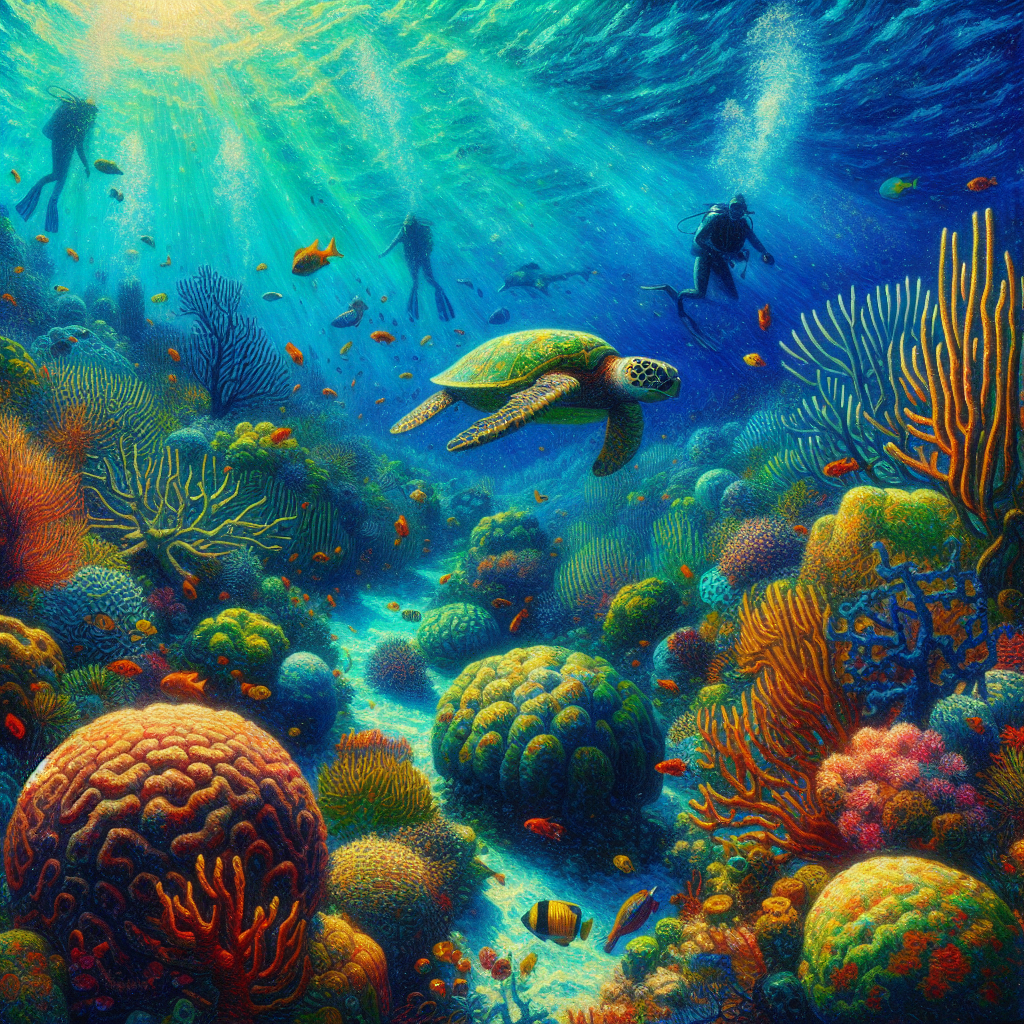
When we think about the ocean, it’s easy to imagine a vast blue expanse, teeming with life. But dive a little deeper—both literally and metaphorically—and the narratives of our marine ecosystems begin to unfold. Each region boasts its unique story, shaped by the delicate interplay of geography, climate, and the creatures that call it home. Let’s take Cozumel, for example—a jewel of the Caribbean, where the vibrant coral reefs stand in stark contrast to the deeper, murkier waters beyond.
In Cozumel, the shallow reefs bloom with life, creating bustling cities of corals, fish, and invertebrates. Fish dart in and out of coral formations, each species playing a role in this intricate, living tapestry. The colors here aren’t just pretty; they are crucial signals about the health of the ecosystem. If the corals start to fade and the fish begin to dwindle, it’s a wake-up call we all need to heed.
Contrast that with the cold, nutrient-rich waters of the Pacific Northwest where kelp forests sway with the rhythm of the tides, offering shelter to countless species. Here, otters float on their backs, cracking open shellfish, while salmon schools swim upstream—each creature contributing to a harmonious balance. This is not just about the beauty of the sea; it’s a reminder of our responsibility toward these ecosystems.
Rationally, understanding these differences helps us grasp the fragility of our marine environments. Yet emotionally, it stirs a deeper connection. Each wave that crashes on a beach isn’t merely water; it carries stories of survival and struggle—of species fighting against the currents of change, whether it’s climate shifts or pollution.
Ethically, we owe it to future generations to protect these ecosystems. The coral reefs of Cozumel, the kelp forests of the Pacific, each represent a crucial piece of our planet’s health puzzle. They remind us of our position in this vast web of life, where our actions ripple far beyond what our eyes can see.
So next time you’re at the shore, pause and listen to the ocean’s voice. It’s a call to action—an invitation to be part of a greater narrative, to foster connection, and to stand up for the ecosystems that give us so much. We have the power to protect these wonders, ensuring their vibrant tales of life continue to thrive for years to come.
How Do the Marine Ecosystems Differ?
How Do the Marine Ecosystems Differ?
- The ocean is a vast ecosystem with unique narratives shaped by geography, climate, and marine life.
- Cozumel features vibrant coral reefs, illustrating the intricate interplay of species within marine ecosystems.
- The health of these ecosystems is indicated by the fading of corals and dwindling fish populations.
- The Pacific Northwest showcases nutrient-rich kelp forests that provide shelter and sustenance for various species.
- Understanding these ecosystems enhances our awareness of their fragility and the interconnectedness of marine life.
- We have an ethical obligation to protect these vital ecosystems for future generations.
- The ocean’s stories call us to action, encouraging us to connect with and defend the ecosystems that sustain us.

How Do the Marine Ecosystems Differ?
What Makes Chankana’Ab a Must-Visit for Divers?
Diving into the crystalline waters of Chankana’Ab in Cozumel feels like stepping into a vibrant underwater cathedral, where every hue of blue seems alive with purpose. It’s not just a spectacular sight; it’s a deep, visceral experience that tugs at your heartstrings. Imagine floating weightlessly among a kaleidoscope of marine life, feeling the gentle sway of the currents as if the ocean itself is whispering secrets only you can hear. This isn’t just another dive—it’s a chance to reconnect with something bigger than ourselves.
Rationality meets wonder here, as science showcases what makes Chankana’Ab truly exceptional. The biodiversity is staggering, with coral reefs that boast some of the healthiest ecosystems in the world. Every fin flip unearths a new discovery—be it a curious sea turtle gliding by or a school of iridescent fish darting in and out of coral formations. For divers, this is not merely a playground; it’s a front-row seat to nature’s finest performance, nourishing our need for adventure while reminding us of our responsibility to protect these delicate ecosystems.
Now, let’s talk ethics. The dive community at Chankana’Ab isn’t just about the thrill; it’s about stewardship. Local operators are committed to sustainable diving practices, making sure future generations can enjoy the same unspoiled beauty you experience. Choose Chankana’Ab, and you’re voting for a future where the ocean thrives—where your dive trip helps preserve the wonders of the deep.
Share this experience with fellow adventurers: the shared laughter after surfacing, the exchanged smiles as you recount an encounter with a magnificent ray, the camaraderie formed over a stunning sunset. These connections bolster our spirits and remind us that exploration is best enjoyed together.
Yet, it’s not just the allure of what you’ll see underwater—it’s the opportunity to belong to something greater. With every plunge into those turquoise depths, you forge a bond with other divers who share your passion. Chankana’Ab has that special magic which captivates and calls to us, inspiring us to suit up, dive in, and see where the currents take us next. So gear up, friends! Your next adventure awaits in the embrace of Cozumel’s underwater paradise, and trust me—it’s a story you’re going to want to tell.

What Makes Chankana’Ab a Must-Visit for Divers?
What Makes Chankana’Ab a Must-Visit for Divers?
- Diving in Chankana’Ab offers a vibrant, immersive experience akin to entering an underwater cathedral.
- The diver’s journey is enhanced by the stunning biodiversity and healthy coral reefs.
- Encounters with marine life, including sea turtles and colorful fish, make each dive unique.
- The dive community emphasizes stewardship and sustainable practices for future generations.
- Sharing the experience with other divers fosters camaraderie and collective joy in exploration.
- Diving here allows individuals to connect with nature and something bigger than themselves.
- Chankana’Ab promises an unforgettable adventure that inspires stories worth sharing.

What Makes Chankana’Ab a Must-Visit for Divers?
Are the Coral Formations Healthier At Chankana’Ab?
Are the Coral Formations Healthier at Chankana’Ab?
Imagine plunging into the warm Caribbean waters off Cozumel, surrounded by vibrant corals that dance like a kaleidoscope beneath the sun. Here at Chankana’Ab, these magical, underwater gardens paint a picture of life and resilience, standing in stark contrast to many other reefs around the globe that are struggling under the weight of climate change, pollution, and overfishing. This is not just a journey into a breathtaking ocean; it’s a testament to nature’s ability to heal, adapt, and thrive—even in the face of daunting challenges.
From a rational standpoint, many studies suggest that the coral formations at Chankana’Ab have benefitted from effective conservation efforts. Local regulations that limit fishing, monitor water quality, and manage visitor access play a crucial role in sustaining these ecosystems. Think about that for a moment: a little bit of human care can create a haven for countless marine species. It’s a reminder that when we put our minds to it, we can be the architects of a healthier planet—not just bystanders to its decline.
Ethically, we are obligated to protect the precious marine life that calls these formations home. The corals, after all, are living beings, integral to their environment and deserving of our respect. By choosing to support efforts aimed at conserving places like Chankana’Ab, we align ourselves with a broader movement that values sustainability and ecological responsibility. You’re not just a spectator here; you’re part of a narrative that champions biodiversity and the interconnectedness of all life.
When we reflect on our own lives, the appeal of Chankana’Ab is powerful. Think about family vacations, moments spent snorkeling, marveling at the resilience of these corals—each one a tiny fortress that holds stories older than any of us. They remind us that life is both fragile and tenacious. When we see a flourishing reef, it ignites a gut instinct to protect and preserve such beauty for future generations. This isn’t merely an environmental issue; it’s a deeply human one.
Ultimately, every visit to Chankana’Ab is a small step toward a larger goal of marine conservation. When we exist in harmony with nature, we foster connection—not just to the reefs, but to one another. So dive in, support local conservation efforts, and let’s ensure that the coral formations at Chankana’Ab continue to thrive, telling their stories for countless generations to come.

Are the Coral Formations Healthier At Chankana’Ab?
Are the Coral Formations Healthier At Chankana’Ab?
- Chankana’Ab showcases vibrant coral formations that contrast with struggling reefs globally.
- The area benefits from effective conservation efforts, including fishing regulations and water quality monitoring.
- Human care plays a vital role in creating a haven for marine species.
- Protecting marine life at Chankana’Ab aligns with sustainability and ecological responsibility.
- Visiting the reefs serves as a reminder of life’s fragility and resilience, igniting a desire to preserve beauty.
- Every visit contributes to the broader goal of marine conservation and fosters connection with nature.
- Supporting conservation ensures that Chankana’Ab’s stories and ecosystems thrive for future generations.

Are the Coral Formations Healthier At Chankana’Ab?
How Do the Experiences At Chankana’Ab Influence Your Travel Choices?
When you think of Cozumel, what comes to mind? Maybe it’s the sun-soaked beaches or vibrant nightlife. But let’s peel back the layers and dive deeper into what makes this place truly special: Chankana’Ab. This isn’t just a park; it’s a tapestry of experiences that resonates with your heart, head, and gut.
Picture this: you’re surrounded by lush foliage, the sound of waves lapping against the shore, and the distinct fragrance of fresh hibiscus in the air. This sensory connection does more than please the senses; it urges travelers to slow down and reflect. Each trail, each serene lagoon, pulls you into a narrative—a story of the natural world that urges us all to be stewards of our planet. In a time when travel often feels hasty and impersonal, Chankana’Ab reminds us that the journey matters just as much as the destination.
Let’s engage the rational mind. Studies show that nature can boost mental health and well-being. When you immerse yourself in the tranquility of Chankana’Ab, you’re making a sound choice for your mental state. It’s not just about seeing gorgeous scenery; it’s about investing in what truly fuels your spirit. Your vacation diary won’t just be filled with selfies and souvenirs but stories of connection, healing, and serenity.
Then there’s the ethical appeal. The conservation efforts here urge travelers to make choices aligned with sustainability. By stepping foot into this enchanting sanctuary, you’re supporting responsible tourism—taking the initiative to champion practices that respect the environment and local communities. The more you know, the more empowered you become to make choices that resonate with your values.
Socially, there’s something inherently powerful about sharing experiences that ignite passion. When you explore the shared stories of fellow travelers, you connect on a deeper level. Over a simple dinner or during a sunset stroll, you find kinship in shared adventures, contemplating life’s mysteries alongside newfound friends. It’s a comforting reminder: we’re all in this together, seeking connection in a world that can sometimes feel disconnected.
Make no mistake, choosing Chankana’Ab over a crowded resort isn’t just a travel choice; it’s a life choice. It’s about embracing what truly matters—the connections, the stories, and the experiences that linger long after the sun sets on the shores of Cozumel.
How Do the Experiences At Chankana’Ab Influence Your Travel Choices?
How Do the Experiences At Chankana’Ab Influence Your Travel Choices?
- Cozumel is known for sun-soaked beaches and vibrant nightlife.
- Chankana’Ab offers a unique tapestry of experiences that resonate with travelers.
- The park encourages reflection through its lush nature and serene environment.
- Immersing in nature at Chankana’Ab boosts mental health and well-being.
- Visiting supports sustainable tourism and conservation efforts in the area.
- Experiences shared among travelers foster deep connections and kinship.
- Choosing Chankana’Ab is a life choice that prioritizes meaningful experiences and connections over crowded resorts.

How Do the Experiences At Chankana’Ab Influence Your Travel Choices?
What Insights Do Local Guides Provide About the Reefs?
When you step onto the sun-kissed shores of Cozumel, you might be entranced by the beauty of the turquoise waters, but it’s the local guides who open the door to understanding the intricate story that lies beneath the waves. These are not just ordinary men and women; they are the heartbeat of this vibrant ecosystem, guardians of knowledge passed down through generations. Their insights don’t merely inform; they inspire a connection to the underwater world that most of us can only dream about.
Consider the view of a local guide as you navigate through colorful coral gardens, vibrant marine life darting around you like an underwater ballet. “This coral,” they might share, “is a living organism, struggling to adapt to changes in temperature and pollution.” This is more than a fact—it’s a narrative that acknowledges our role in this delicate balance. When you hear them speak, you’re not just gaining knowledge; you’re absorbing a deep-seated ethic that urges you to care for the very reefs you’re exploring.
Moreover, these guides don’t just know the best snorkeling spots; they understand the nuances of the tides, the migratory patterns of fish, and the impacts of climate change. Their expertise lends a rational grounding to our emotional experiences. “Did you know,” one might say while pointing to a seemingly innocuous piece of coral, “that this reef supports 25% of the ocean’s biodiversity?” In that moment, you realize there’s more to these underwater wonders than meets the eye.
And let’s not forget the stories they share—tales of divers who have come before you, who, like you, were transfixed by the raw beauty of the reefs. Each personal account forms a thread in the larger tapestry of ocean life, immersing you in a sense of belonging. Listening to them, you begin to empathize, to care deeply about the fate of these marine sanctuaries.
So as you engage with these local guides, you’re not just participants in a recreational activity; you’re becoming part of a movement—one that champions the preservation of the reefs. Their passion ignites something within you, inspiring you to take action, to advocate for the oceans beyond the shores of Cozumel. Through their insights, you’ll discover that the health of these reefs isn’t just a local issue; it’s a global one, begging for our collective attention. Embrace their wisdom, for they are more than guides—they are the stewards of our oceans.

What Insights Do Local Guides Provide About the Reefs?
What Insights Do Local Guides Provide About the Reefs?
- Cozumel’s local guides are vital to understanding the intricate ecosystem beneath the waves.
- They share knowledge about the coral reefs, emphasizing a connection to the underwater world.
- Guides educate visitors on the challenges faced by coral, such as climate change and pollution.
- They highlight the importance of reefs, explaining how they support 25% of the ocean’s biodiversity.
- Tales from local guides create a sense of belonging and empathy towards marine life.
- Engaging with these guides inspires visitors to advocate for ocean preservation beyond Cozumel.
- Their wisdom positions them as stewards of the oceans, promoting global awareness of reef health.

What Insights Do Local Guides Provide About the Reefs?
How Does Visiting Chankana’Ab Promote Sustainable Tourism?
Visiting Chankana’Ab is more than just a getaway; it’s an invitation to immerse yourself in the rich tapestry of nature while actively participating in sustainable tourism. Nestled in the vibrant heart of Cozumel, this ecological haven serves as a living testament to the delicate balance between human interaction and environmental stewardship. When you step foot into this picturesque paradise, you’re not just a visitor; you become part of a larger story—one that emphasizes the importance of preserving our shared planet.
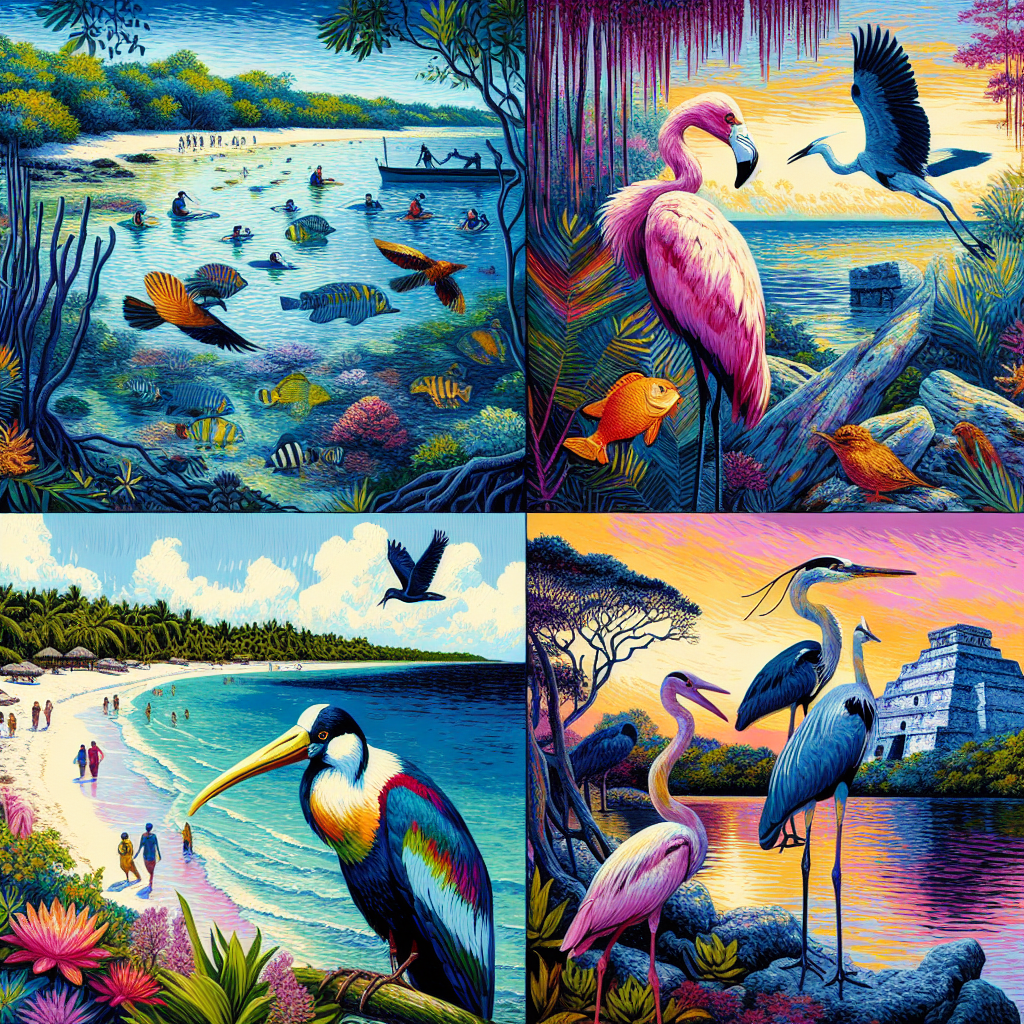
Picture this: you’re surrounded by crystalline waters, lush greenery, and the melodious symphony of birds all around. You’re soaking it all in, aware that your presence here can actually make a difference. The beauty of Chankana’Ab is the result of conscious choices made by the community to uphold sustainable practices. Every ticket sold contributes to conservation efforts, ensuring that the natural wonders of Cozumel remain intact not just for today, but for generations to come. By choosing to visit, you’re sending a strong message: that we value our planet, and by participating in eco-friendly activities, you’re actively supporting a sustainable future.
Engaging in the offerings at Chankana’Ab goes beyond mere enjoyment; it’s a path for connection. Whether it’s swimming with vibrant tropical fish or practicing mindfulness while hiking through tranquil nature trails, each experience is a reminder of our responsibility to honor the earth. We’re often so wrapped up in our lives that we forget the simple joy of nature’s embrace, but places like this urge us to pause, reflect, and appreciate.
Moreover, the cultural interactions you’ll encounter enrich the experience, opening your eyes to the stories and struggles of local communities committed to sustainability. You see, tourism shouldn’t take; it should give back, and Chankana’Ab exemplifies how this can be done effectively. It’s an ethical approach that resonates deeply—choosing activities that not only enrich your life but also uplift those around you.
Feeling the warmth of the sun on your skin as you dive into a sea of possibilities, the knowledge that you are contributing to a noble cause resonates profoundly. That’s the gut feeling that drives action: to explore our world, learn from its people, and leave it a little better than we found it. So, come and make your mark at Chankana’Ab. This isn’t just a destination; it’s a movement, a chance to align your travels with your values—and trust me, you’ll feel the difference.
How Does Visiting Chankana’Ab Promote Sustainable Tourism?
How Does Visiting Chankana’Ab Promote Sustainable Tourism?
- Chankana’Ab offers an immersive experience in nature, emphasizing sustainable tourism.
- Located in Cozumel, it highlights the balance between human activity and environmental care.
- Visitors contribute to conservation efforts through ticket purchases, helping preserve the region’s natural beauty.
- Engagement in activities promotes connection with nature and mindfulness, reminding us of our responsibility to the earth.
- Cultural interactions enrich the travel experience, showcasing local communities’ commitment to sustainability.
- The approach of giving back through tourism enhances both personal enjoyment and community upliftment.
- Visiting Chankana’Ab allows travelers to align their values with their adventures, fostering a sense of purpose.

How Does Visiting Chankana’Ab Promote Sustainable Tourism?
Conclusion
Exploring Chankana’Ab Reef in Cozumel isn’t just another adventure; it’s a transformational experience that connects your heart, head, and gut. Picture yourself immersed in a realm where vibrant coral gardens and schools of colorful fish reflect the heartbeat of the ocean. This is not merely about gazing at beauty but feeling the spirit of nature urging you to act as a steward of the planet. Unlike the bustling nearby reefs, Chankana’Ab offers a quieter sanctuary, allowing for a deeper connection with marine life and a profound acknowledgment of our impact as visitors.
Choosing to explore this vibrant ecosystem is a rational decision backed by the awareness that healthier coral formations thrive here due to effective conservation practices and limited visitor access. In this space, you recognize your role in the tapestry of life; every dive and snorkel transforms from a thrill-seeking activity into a commitment to protect an intricate web of biodiversity. The stories told by local guides amplify this bond, making every moment underwater resonate with narrative richness. You’re not just a spectator; you become part of a centuries-old story of survival and resilience.
Ethically, this journey prompts a reflection on our responsibilities toward the environment. Engaging with Chankana’Ab means supporting sustainable tourism practices that echo long after the sun sets. As you swim among sea turtles and colorful fish, you weigh your own choices, recognizing that each visit helps foster conservation efforts vital for protecting this marine wonder.
Moreover, the emotional connections formed here transcend individual experiences. Whether you’re laughing with friends or shared stories with fellow explorers, these moments weave a fabric of camaraderie among a community of adventurers dedicated to preserving the ocean. You leave not just with memories of breathtaking sights but with a renewed passion to communicate the importance of marine stewardship to others, enriching your social interactions back home.
So, as you prepare to embark on this journey, gear up for more than exploration—gear up for connection, responsibility, and the profound realization that every dive into the azure depths brings you closer to belonging to something greater. Chankana’Ab Reef invites you to dive deeper, explore further, and engage meaningfully, ensuring that both the wonders of its ecosystem and the tales of its guardians endure for generations. Get ready to be part of the ocean’s narrative—a narrative that celebrates the beauty of our shared world and our role in protecting it. Adventure awaits!
Conclusion
Conclusion:
- Chankana’Ab Reef offers a transformational experience connecting heart, head, and gut.
- The vibrant coral gardens and fish reflect the ocean’s heartbeat, encouraging stewardship of the planet.
- Unlike crowded nearby reefs, Chankana’Ab provides a quieter sanctuary for deeper connections with marine life.
- Exploring this ecosystem supports conservation practices and fosters awareness of our environmental impact.
- Local guides enrich the experience with stories, making visitors part of a centuries-old narrative of survival.
- The journey encourages reflection on responsibilities toward the environment and promotes sustainable tourism.
- Emotional connections formed with fellow explorers create a community dedicated to marine preservation.

Conclusion
Other Resources

Other Resources
Most of the people who read this are also figuring out where to stay. A couple of places we run or know well, in case it’s useful: Cozumel Journey is an editorial guide to Cozumel — neighborhoods, planning tips, and life on the island for travelers who want context, not a cruise schedule. Cozumel Escape is a larger Cozumel villa suited to groups, families, and divers who want their own base.
Here is a list of other resources you can review online to learn more:
- Pepe’s Modern Grill
- Liveaboard Diving
- Cozumel Rent a Jeep
- Palancar Reef
- Bodega Aurrera
- Discover Mexico Cozumel Park
- BJ’s Restaurant & Brewhouse
- Chardonnay Italian Mexican Food Restaurant Cozumel
- Alberto’s Puerta Maya
- El Mirador
- Stingray Snorkel
- Chocolates Kaokao
- Malecon
- Jimmy John’s
- Alberto’s Beach Bar
- Caleta Harbor
- Playa Mia Water Park
- Los Chilangos Loncheria
- Cozumel Journey
- Cozumel Escape — a group-friendly villa with space for divers and kids
Use This Prompt To Get More Resources With Your Favorite Online AI Tool: Please provide me with a list of online articles with their URLs in a bulleted list that I can read regarding How Does Exploring Chankana’Ab Reef In Cozumel Compare to Nearby Reefs?

Other Resources
Glossary Terms
How Does Exploring Chankana’Ab Reef In Cozumel Compare to Nearby Reefs? – Glossary Of Terms
1. Chankana’ab Reef: A popular dive site in Cozumel known for its vibrant marine life and coral formations.
2. Coral Reef: A diverse underwater ecosystem formed by colonies of coral polyps, providing habitat for numerous species.
3. Marine Biodiversity: The variety of species within a particular marine ecosystem, crucial for ecological balance.
4. Snorkeling: A recreational activity involving swimming while using a mask and snorkel to observe underwater life.
5. Scuba Diving: Underwater diving using self-contained breathing apparatus, allowing deeper exploration of marine environments.
6. Diversity Index: A measure of biodiversity that takes into account the number of species and their relative abundance in a specific area.
7. Aquatic Ecosystem: A water-based environment supporting a variety of organisms, including plants, animals, and microorganisms.
8. Cozumel: An island in the Caribbean Sea, famous for its clear waters, coral reefs, and vibrant marine life.
9. Underwater Photography: The art of taking photographs underwater to capture marine life and reef ecosystems.
10. Environmental Conservation: The practice of protecting natural resources and ecosystems to prevent degradation and ensure sustainability.
11. Ecotourism: Responsible travel to natural areas that conserves the environment and improves the well-being of local communities.
12. Reef Structure: The physical configuration of a coral reef, including its composition and arrangement, influencing marine habitats.
13. Solomon Reef: Another prominent dive site near Cozumel, known for its diverse marine species and stunning coral gardens.
14. Palancar Reef: A famous reef neighboring Chankana’ab, renowned for its wall dives and rich marine biodiversity.
15. Seagrass Beds: Underwater grasslands that provide critical habitat for various marine species and serve as important nurseries.
16. Marine Protected Area (MPA): A designated region of the ocean where human activity is regulated to protect marine ecosystems.
17. Species Endemism: The occurrence of species that are native to a specific geographic area and found nowhere else.
18. Tidal Currents: The movement of water caused by tidal changes, influencing marine life distribution and reef health.
19. Bioluminescence: The natural phenomenon where living organisms produce light, often observed in some marine species.
20. Anemonefish: A type of clownfish that lives among sea anemones, exhibiting a symbiotic relationship.
21. Coral Bleaching: A stress response in corals caused by environmental changes, leading to the loss of color and health.
22. Overfishing: The depletion of fish populations caused by excessive fishing, which can disrupt marine ecosystems.
23. Sustainable Practices: Methods of using resources that meet current needs without compromising future availability.
24. Nutrient Runoff: Excess nutrients from land sources that enter the ocean, potentially causing algal blooms harmful to reefs.
25. Iterative Monitoring: The ongoing process of observing and assessing environmental changes in marine ecosystems.
26. Scuba Certification: Official recognition of a diver’s training and competence in scuba diving, often required for deeper dives.
27. Thermal Stress: Fluctuations in water temperature that can adversely affect marine organisms, particularly corals.
28. Fragmentation: The breaking apart of habitats, such as coral reefs, which can decrease biodiversity and ecosystem resilience.
29. Fisheries Management: The practice of regulating fish stocks to maintain sustainable populations and healthy marine environments.
30. Ecological Connectivity: The links between different habitats that allow the movement and genetic exchange of marine species.

Glossary Of Terms
Other Questions
How Does Exploring Chankana’Ab Reef In Cozumel Compare to Nearby Reefs? – Other Questions
If you wish to explore and discover more, consider looking for answers to these questions:
- What are the best times of year to visit Chankana’Ab Reef?
- How can visitors contribute to conservation efforts at Chankana’Ab?
- What types of marine life can be frequently spotted at Chankana’Ab Reef?
- Are there guided tours available for exploring Chankana’Ab Reef?
- What safety measures should divers and snorkelers be aware of?
- How does the experience at Chankana’Ab differ for snorkelers compared to scuba divers?
- What amenities are available for visitors at Chankana’Ab?
- Are there any restrictions on the number of visitors to Chankana’Ab Reef?
- How do local residents feel about tourism in the Chankana’Ab area?
- What challenges are facing Chankana’Ab Reef and how can tourists help address them?
Other Questions
Haiku
How Does Exploring Chankana’Ab Reef In Cozumel Compare to Nearby Reefs? – A Haiku
Corals bloom with grace,
Beneath waves, tales interlace—
Stewardship in heart.
Haiku
Poem
How Does Exploring Chankana’Ab Reef In Cozumel Compare to Nearby Reefs? – A Poem
In Cozumel’s embrace, where the ocean sings,
Lies Chankana’Ab, where the heart takes wing.
Beneath sunlit waves, a vivid ballet,
An underwater symphony, inviting you to play.
Coral gardens bloom, like petals in the deep,
Each ripple, each whisper, a promise to keep.
Healthier reefs beckon, where life seems to thrive,
A testament shining—nature’s will to survive.
With each gentle current, a connection unfolds,
Not just a mere visit; a story that holds.
Human hands can nurture, can heal and protect,
A pledge to our oceans, a future to connect.
Guided by locals, with wisdom to share,
You learn of the balance—the burden we bear.
In laughter and wonder, shared tales intertwine,
A community of explorers, hearts and minds align.
Responsible choices, rooted in care,
Sustainable tourism, a breath of fresh air.
In every adventure, let empathy flow,
For the life in the ocean, and the world we bestow.
So don your fins, let the water embrace,
Dive deeper, explore, feel the pulse of this place.
Chankana’Ab awaits—a tapestry rich,
In the heart of Cozumel, life’s vibrant sketch.

Poem
Checklist
How Does Exploring Chankana’Ab Reef In Cozumel Compare to Nearby Reefs? – A Checklist
Chankana’Ab Reef Exploration Checklist
Emotional Appeals
_____ Picture the underwater beauty: envision schools of vibrant fish and coral gardens.
_____ Reflect on the feelings this experience stirs: excitement, wonder, and connection to nature.
_____ Capture moments: take photos or journal about your experiences to share with family and friends.
Rational Appeals
_____ Research local biodiversity: learn about the unique marine species you’ll encounter.
_____ Understand the impact: recognize how visiting Chankana’Ab supports coral reef health and conservation efforts.
_____ Prepare for a quieter dive: know that fewer visitors mean more intimate interactions with wildlife.
Ethical Appeals
_____ Commit to responsible tourism: follow guidelines to minimize your impact on the ecosystem.
_____ Support local conservation efforts: consider how your visit contributes to sustainable practices.
_____ Educate yourself about the challenges facing marine environments to be a more informed steward of the ocean.
Authority Appeals
_____ Engage with local guides: seek insights and stories that enhance your understanding of the reef.
_____ Participate in guided tours that emphasize sustainable practices.
_____ Familiarize yourself with conservation organizations working in the area and consider contributing or volunteering.
Narrative Appeals
_____ Create your own adventure story: document the journey and experiences at Chankana’Ab by writing or storytelling.
_____ Share your experiences with others: recount tales of wonder and connection after your trip.
_____ Explore the interconnectedness of marine life: appreciate the stories behind each creature and coral you encounter.
Social Appeals
_____ Bring friends or family: share the experience and create lasting memories together.
_____ Join local community events or talks to learn from fellow explorers and conservation advocates.
_____ Foster connections: engage with others who share a passion for marine exploration and conservation.
Practical Preparation
_____ Pack snorkeling/scuba gear: ensure you have all necessary equipment for exploring the reef.
_____ Wear eco-friendly sunscreen: protect your skin without harming marine life.
_____ Bring a refillable water bottle: stay hydrated while reducing plastic waste.

Checklist
At TopCozumelNews, we help travelers enjoy Cozumel by collating information learned from frequently traveling to beautiful Cozumel.
Be sure to read our other related stories at TopCozumelNews to learn more about the Island of Cozumel.