Uncovering The Ancient Wonders: Your Ultimate Guide
By Tom Seest
At TopCozumelNews, we help travelers enjoy Cozumel by collating information learned from frequently traveling to beautiful Cozumel.
Be sure to read our other related stories at TopCozumelNews to learn more about the Island of Cozumel.
What Are The Best Mayan Ruins Near Cozumel?
When you think of Cozumel, sunshine and turquoise waters might come to mind—but just a stone’s throw away lie the echoes of an ancient civilization. For those with an adventurous spirit, the best Mayan ruins near Cozumel invite exploration into a world steeped in rich history and cultural significance, revealing tales of a people deeply connected to the land.
You might start your journey at Tulum, where crumbling limestone structures sit precariously on cliffs overlooking the Caribbean Sea. Feel the salty breeze on your face as you ponder the ingenuity that allowed the Mayans to thrive in harmony with nature. These ruins aren’t just remnants of the past; they are a testament to a profound understanding of sustainable living that resonates with today’s environmental conversations. Visiting Tulum isn’t just an outing; it’s a chance to immerse yourself in a narrative that has shaped the identity of a region.
Next, head to Coba, a site where towering pyramids rise from the jungle canopy, enticing you to climb their ancient steps. Climbing up the Nohoch Mul pyramid offers both a heart-pounding experience and a breathtaking view—reminders that the journey is often as meaningful as the destination itself. As you stand at the summit, every breath filled with the fresh scent of the dense foliage below, the realization hits: while time may erode stone, the spirit of these ruins remains resilient, beckoning explorers from generations past and present.
And don’t overlook the lesser-known site of Ek’ Balam, where the intricate carvings and murals tell stories of gods, royalty, and daily life that pulse with life—even now. These places don’t simply relay history but rather engage your imagination, allowing you to connect with a culture that thrived thousands of years ago. It’s not just a trip; it’s an invitation to navigate your own story, to uncover connections between those who walked before us and how we navigate our lives today.
As you wander among these ruins, it’s clear: this isn’t just tourism; it’s an ethical exploration of humanity. Engaging with these sites fosters a connection with a vibrant culture that can inspire responsibility toward preservation. So, as you chart your course from Cozumel to these majestic ruins, remember: you’re not just visiting history; you’re becoming a part of it. Embrace the journey, challenge yourself, and let the ancient world spew wisdom into the modern heart.
What Are The Best Mayan Ruins Near Cozumel?
What Are The Best Mayan Ruins Near Cozumel?
- Cozumel offers both beautiful beaches and access to ancient Mayan ruins.
- Tulum features limestone structures perched on cliffs with stunning views of the Caribbean Sea.
- The Mayan ruins embody sustainable living practices relevant to contemporary environmental issues.
- Coba is known for its towering pyramids, including the climbable Nohoch Mul, providing breathtaking views.
- Ek’ Balam showcases intricate carvings and murals that illustrate the Mayan culture and history.
- Exploring these ancient sites allows for a deep connection with a thriving civilization from thousands of years ago.
- The experience promotes ethical tourism and encourages responsibility for the preservation of cultural heritage.

What Are The Best Mayan Ruins Near Cozumel?
Table Of Contents
- What Are The Best Mayan Ruins Near Cozumel?
- What Stories Do The Mayan Ruins Tell About Our Shared History?
- How Did The Mayans Influence The Culture Of Modern Mexico?
- Which Mayan Site Offers The Most Breathtaking Views Of Nature?
- What Ethical Considerations Arise When Visiting Historic Sites?
- How Do These Ruins Inspire A Sense Of Connection To The Past?
- What Can We Learn From The Architectural Genius Of The Mayans?
- How Does Visiting These Sites Support Local Communities Today?
- Conclusion
- Other Resources
- Glossary Of Terms
- Other Questions
- Haiku
- Poem
- Checklist
What Stories Do The Mayan Ruins Tell About Our Shared History?
When we stand before the Mayan ruins, we’re not just gazing at stone. We’re looking at the echoes of an ancient culture that thrived amidst the sprawling jungles, where the air buzzed with the sounds of life and discovery. These structures, standing tall against time, aren’t merely remnants; they’re storytellers, evolving monuments that speak to our shared human journey.
Cozumel, a breathtaking island that embraces the Caribbean, is home to more than just vibrant beaches. It holds the whispers of the past in the ruins of Tulum and the remnants of Coba, places that served as bustling centers of trade, innovation, and spirituality. Picture families gathering, exchanging ideas and goods—these are glimpses into our collective history where connections were forged.
On a rational level, exploring these ruins is a reminder of our ingenuity and resilience. The Mayans carved a civilization that harmonized with nature, mastering agriculture and astronomy long before modern technology would claim such milestones. Think about it: they built a society that flourished for centuries and still teaches us about sustainable living and community ties. The lessons they impart are relevant today, as we grapple with our own challenges of environmental degradation and disconnectedness.
Yet, the appeal doesn’t stop at facts and figures. There’s a profound ethical dimension to the narrative. Standing before these ancient structures, we must acknowledge the struggles, sacrifices, and triumphs of a people who paved the way, reminding us that every civilization, no matter how great or small, faces its trials. This awareness fosters a deeper empathy—a call to recognize the efforts of those who came before us and the legacy we leave for the generations to follow.
Socially, these ruins become a bridge—a poignant chord struck between diverse cultures. When we talk about the Mayan civilization, we engage in a broader conversation about identity, history, and the common threads that connect us all as humans. Each visit becomes a shared experience, drawing connections among travelers, historians, and local communities who share their stories, inspiring us to keep the dialogue alive.
As we stand there, taking in the timeless beauty of the ruins, let’s remember: they are more than stones. They are a testament to unity, resilience, and the spirit of humanity. They invite us to pause, reflect, and carry forward the lessons that unite us across time and tide. So, when you visit these sacred sites, do more than look; listen to the stories they tell, they’re waiting just for you.
What Stories Do The Mayan Ruins Tell About Our Shared History?
What Stories Do The Mayan Ruins Tell About Our Shared History?
- Mayans created impressive structures that reflect their ancient culture thriving in lush jungles.
- Cozumel holds historical significance with ancient ruins like Tulum and Coba, centers of trade and innovation.
- The Mayan civilization showcased ingenuity in agriculture and astronomy long before modern advancements.
- Lessons from the Mayan way of life offer insight into sustainable living and community bonds relevant today.
- Visiting these ruins fosters empathy for the struggles, sacrifices, and triumphs of ancient peoples.
- The ruins serve as a bridge between cultures, stimulating discussions on identity and shared humanity.
- These sites encourage reflection on unity and resilience, urging visitors to engage with the stories they embody.
What Stories Do The Mayan Ruins Tell About Our Shared History?
How Did The Mayans Influence The Culture Of Modern Mexico?
The Mayans, with their rich tapestry of history and culture, continue to cast a long shadow over modern Mexico, shaping everything from spirituality to agriculture. Picture this: You’re walking through Cozumel, with the sun warming your back and the ocean whispering secrets in the breeze. Each step takes you deeper into a story that began centuries ago. The Mayans were masters of their environment, cultivating intricate farming techniques like terrace farming and crop rotation, a practice that many sustainable farmers are now rediscovering. They didn’t just take from the land; they honored it, fostering a deep, ethical connection that resonates with today’s eco-conscious millennials looking to rekindle that bond.
But the influence of the Mayans isn’t just about farming; it’s woven into the very fabric of daily life in Mexico. Have you ever tasted the rich, smoky flavors of a mole sauce? Its origins trace back to the ancients who combined local ingredients with ancient techniques, creating something divine. They infused their spirituality into their cuisine, which appeals both to our hearts and our stomachs, reminding us that food is more than sustenance—it’s a way to connect with the past and with each other.
Now, let’s consider the modern rituals practiced across Mexico today. From Day of the Dead celebrations to the solemnity of rituals at ancient ruins, the Mayans taught their descendants that time isn’t linear but a cyclical dance of remembrance and renewal. This philosophy resonates with many Californians and creatives who embrace the idea that every ending is just a new beginning—a narrative that inspires trust and unity in shared experiences.
Culturally, the Mayans left an indelible mark on art and architecture, from the majestic pyramid of Kukulkan at Chichen Itza to vibrant murals that tell stories of love, loss, and community. This artistry fosters a sense of identity and belonging among modern Mexicans and visitors, proving that something crafted with intention can transcend time.
So, when you visit Cozumel or any other corner of Mexico, take a moment. Breathe it in. Feel the weight of the past mingling with the vibrancy of the present. The Mayans may be long gone, but their spirit lives on, inviting us to celebrate resilience, authenticity, and connection. By embracing their legacy, we not only honor them but also enrich our own lives in the process—a timeless dialogue that beckons us all.

How Did The Mayans Influence The Culture Of Modern Mexico?
How Did The Mayans Influence The Culture Of Modern Mexico?
- The Mayans greatly influenced modern Mexico, affecting spirituality and agriculture.
- They practiced advanced farming techniques like terrace farming and crop rotation, inspiring today’s sustainable farmers.
- The Mayans maintained an ethical relationship with nature, appealing to eco-conscious millennials.
- Traditional Mayan cuisine, like mole sauce, intertwines spirituality and local ingredients, fostering connection through food.
- Modern Mexican rituals, such as Day of the Dead, reflect Mayan beliefs in cyclical time and remembrance.
- Mayans significantly contributed to art and architecture, with landmarks like the pyramid of Kukulkan enhancing cultural identity.
- Visitors to Mexico are encouraged to honor the Mayan legacy, promoting resilience, authenticity, and deeper connections.
How Did The Mayans Influence The Culture Of Modern Mexico?
Which Mayan Site Offers The Most Breathtaking Views Of Nature?
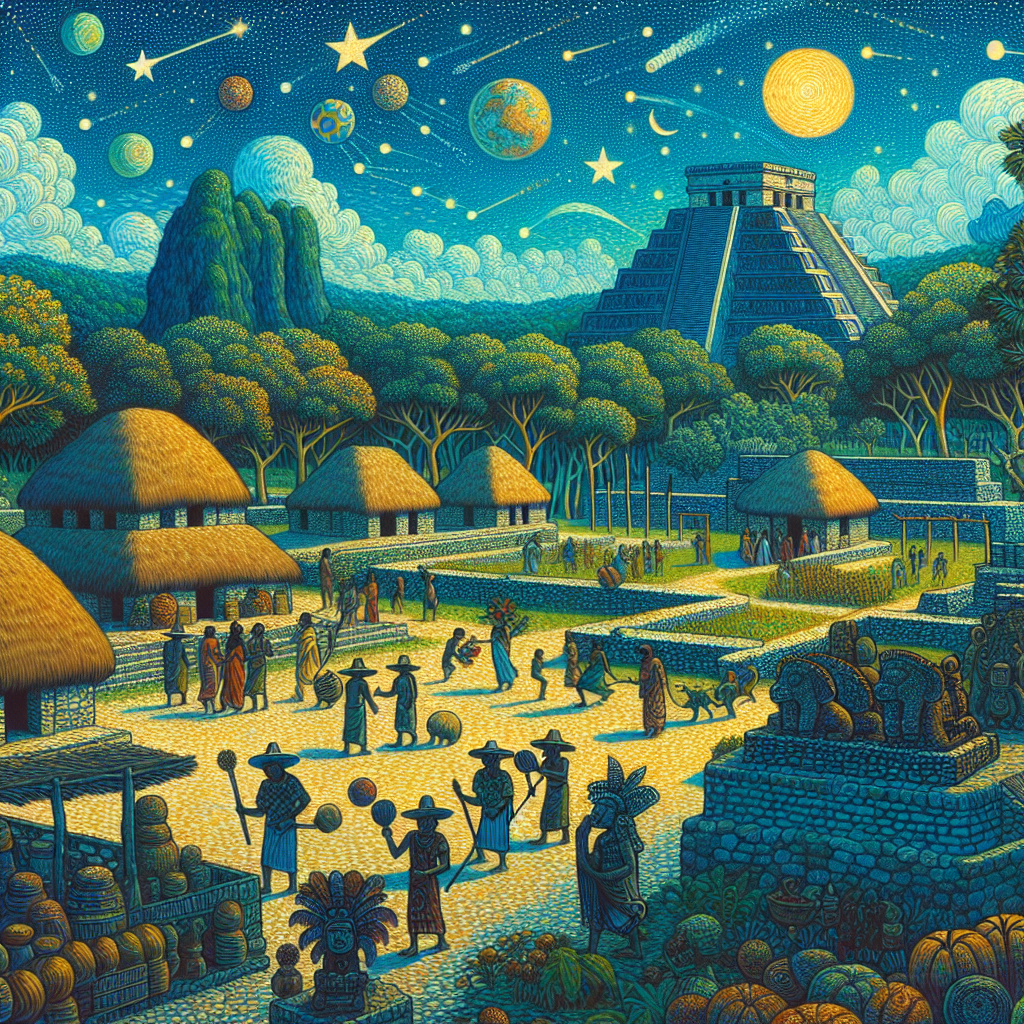
When we think of the Maya, we often conjure images of dense jungles and grand temples, but there’s one site that truly captures the spirit of nature’s magnificence: Tulum. Nestled right on the edge of the Caribbean Sea, the breathtaking views from this ancient city provide a perfect blend of history and natural beauty, inviting you to take a deeper look.
Picture yourself standing atop a rugged cliff, the azure waves crashing against the shore below, and the lush greenery that sprawls for miles around you. The feeling is electrifying—a connection to something timeless that transcends the chaos of modern life. Here, the ancient stones whisper tales of an advanced civilization that flourished long before cruise ships started docking in nearby Cozumel.
But it’s not just the views that take your breath away; it’s the realization of what’s at stake. The natural world around Tulum is a vibrant ecosystem, rich with wildlife and unique flora. As you look out to sea, you can almost feel the weight of responsibility pressing on your shoulders. It’s a poignant reminder of our duty to protect these treasures. The integrity of this stunning site is a mirror reflecting our own choices about sustainability and preservation—a call to action for those of us who witness its beauty.
As you delve deeper into the rich history of Tulum, consider how the ancient Maya thrived in harmony with their environment. They built their temples with a keen understanding of the sun’s path and the rhythms of the earth. Standing there, gazing at the same horizon they once revered, you can’t help but feel a twinge of longing to live with that same connection today.
Communities around the world now recognize the importance of eco-tourism, and visiting Tulum is a step towards supporting both historical preservation and natural conservation. By choosing to explore places like this, you’re not just a passive observer; you become a part of a larger narrative—one that values harmony and respect for both ancient cultures and modern ecosystems.
So, whether you’re an adventure seeker or a history buff, Tulum offers an experience that deeply resonates with the heart, ignites the mind, and stirs the gut. It’s not just a destination; it’s a profound reminder of our place in the world and our responsibility to protect it.
Which Mayan Site Offers The Most Breathtaking Views Of Nature?
Which Mayan Site Offers The Most Breathtaking Views Of Nature?
- Tulum, located on the Caribbean Sea, combines history and natural beauty.
- The site offers breathtaking views from rugged cliffs with crashing waves and lush greenery.
- Tulum serves as a reminder of our duty to protect vibrant ecosystems rich in wildlife and flora.
- The ancient Maya thrived in harmony with their environment, building temples aligned with natural rhythms.
- Visiting Tulum supports historical preservation and eco-tourism initiatives.
- Travelers to Tulum become part of a narrative that values cultural and environmental harmony.
- Overall, Tulum is a profound reminder of our responsibilities to protect our planet and its history.
Which Mayan Site Offers The Most Breathtaking Views Of Nature?
What Ethical Considerations Arise When Visiting Historic Sites?
When you stand at the foot of a historic site, you’re not just a visitor; you’re a witness to history itself. Each stone and statue tells a story, bearing the weight of countless lives lived before yours, and that’s where ethical considerations step in. Take, for instance, the ruins of ancient civilizations in Cozumel. You can almost feel the echoes of the past vibrating through the air, a timeless reminder of the human experience. Yet, amidst the awe, we must tread carefully.
First, let’s engage the mind. Visiting these sites comes with our individual responsibility as stewards of history. It’s essential to ask: What do we intend to do with this privilege of access? The crumbling walls of an old temple may seem impervious to our presence, yet every pic snapped or foot placed on its ground can contribute to its decay. Understanding this calls us to act not just as tourists but as guardians of these irreplaceable legacies. Our actions can either enrich or erode the very treasures we seek to appreciate.
Additionally, the ethical landscape deepens when we consider those whose stories are interwoven with these sites. The memory of cultures long gone or marginalized can be a heavy burden to carry. How do we honor their history as we indulge our curiosity? This isn’t merely a visit; it’s a dialogue—a respectful engagement with the past that acknowledges both triumphs and tragedies. Sharing narratives and elevating indigenous voices is crucial, for in their stories lie the richness of experiences that transcend time.
Moreover, your presence can be a catalyst for change. As you explore, ponder: What’s the environmental impact of tourism in this area? The gut-check here is real. Every plastic straw bought at the local café, every unregulated footstep taken off the beaten path, can leave its mark. Supporting sustainable practices not only protects the site but also fosters a bond between future generations and their heritage.
Finally, consider the community around these historic sites. Are we helping or hindering? By choosing to engage with local guides or artisans, you’re not just gaining knowledge; you’re strengthening the very fabric of the culture you came to admire. This bond transforms your visit from a mere transaction into a meaningful exchange, enriching both your life and that of the people you encounter.
Visiting historic sites is an opportunity for connection—between the past and the present, between you and those who came before, and between you and the community. So next time you wander through history, do so with a heart full of respect, a mind eager to learn, and a gut ready to act.

What Ethical Considerations Arise When Visiting Historic Sites?
What Ethical Considerations Arise When Visiting Historic Sites?
- Visiting historic sites means witnessing history, as each location carries stories and memories from the past.
- It is crucial to be a responsible steward of history, considering how our actions may impact these sites.
- Taking photos or stepping on ancient grounds can contribute to their decay, highlighting the need for careful engagement.
- Respecting the narratives of marginalized cultures intertwined with the sites is essential for a meaningful visit.
- Your presence can influence environmental impacts, prompting the need for sustainable tourism practices.
- Engaging with local guides and artisans enriches both the visitor’s experience and supports the local culture.
- Visiting historic sites should be an opportunity for respectful connection between the past, present, and local communities.

What Ethical Considerations Arise When Visiting Historic Sites?
How Do These Ruins Inspire A Sense Of Connection To The Past?
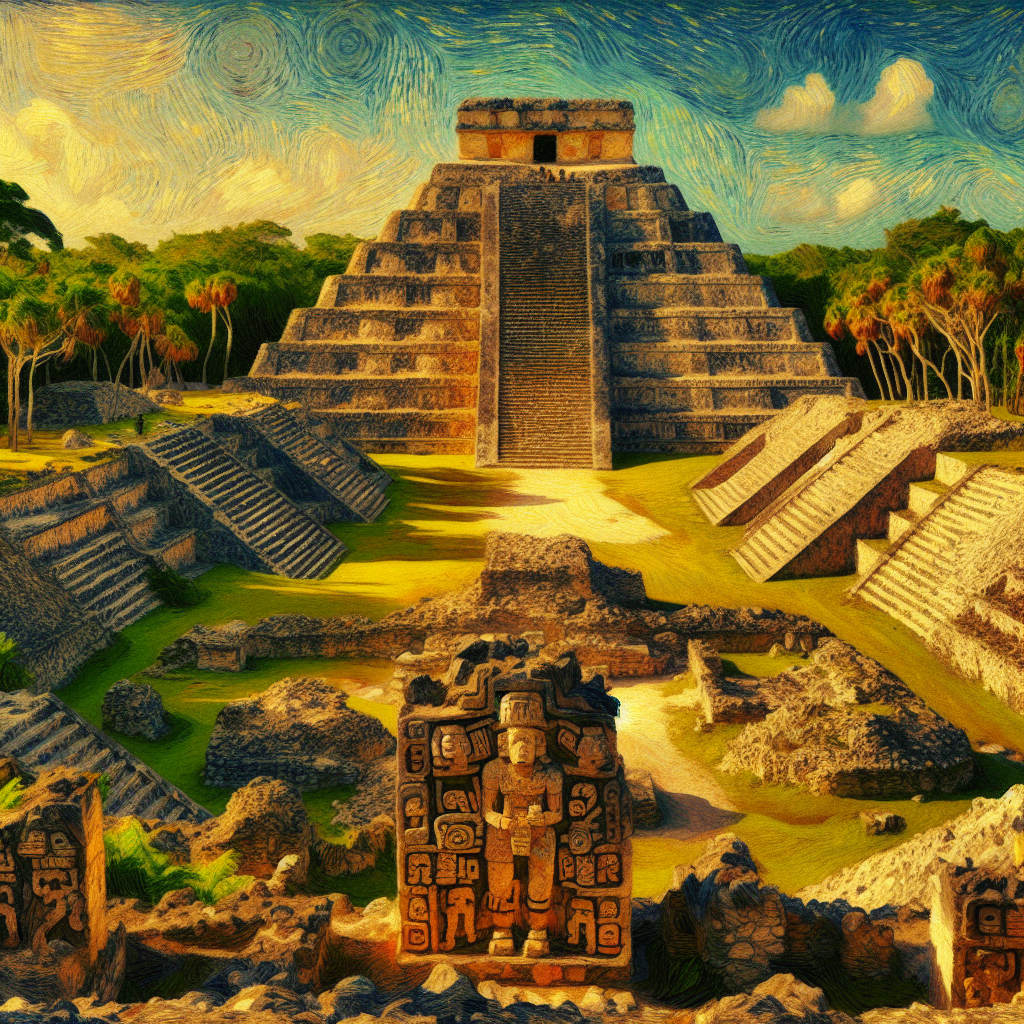
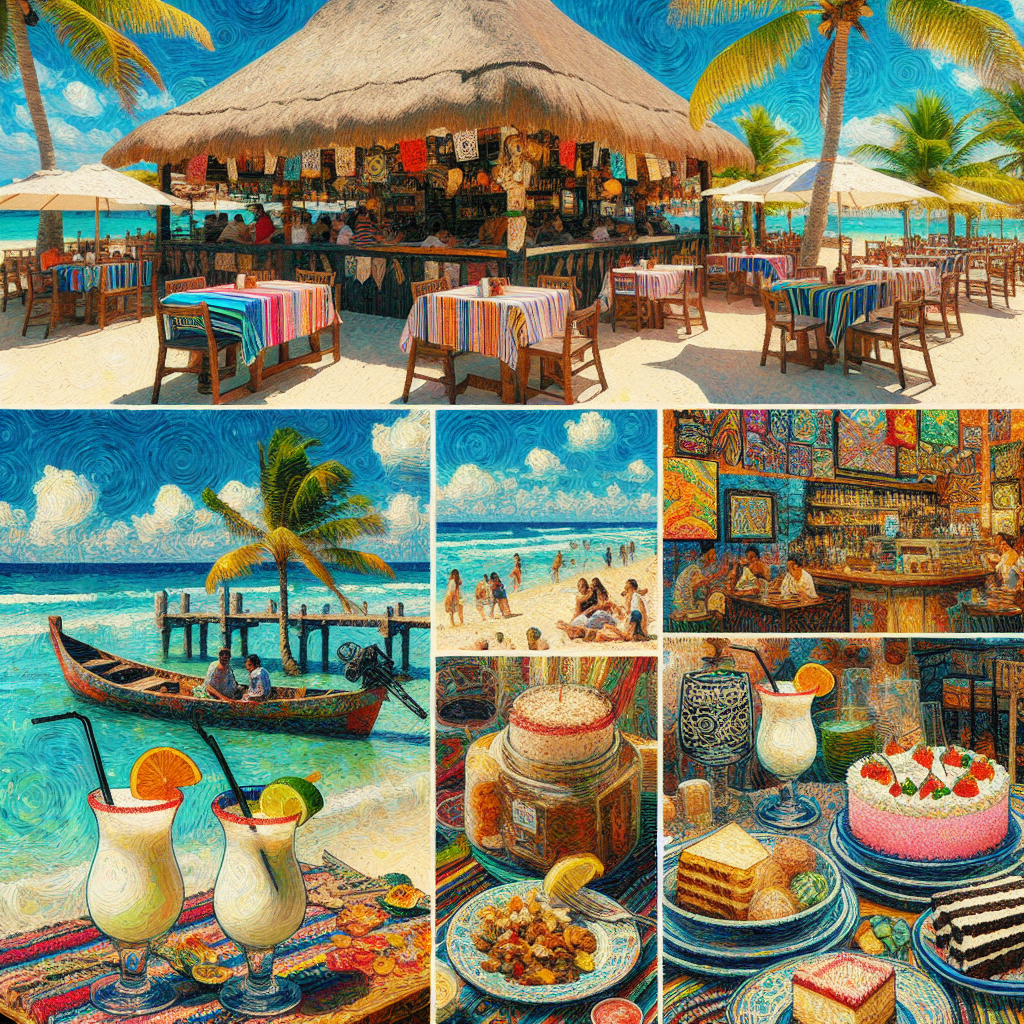
In the turquoise waters off the coast of Cozumel, where the sun glistens on the remnants of ancient civilizations, the ruins stand as a testament to our shared human story. These stones, weathered yet resolute, whisper tales of a time when people thrived, struggled, and celebrated life beneath the same sky we gaze at today. Imagine walking among the remnants, feeling the coarse texture of carved rock beneath your fingertips, and breathing in the salty air infused with the echoes of history. It’s a visceral experience that connects us—not just to a bygone era, but to our very nature as seekers of legacy.
These ruins invite reflection. The rational mind finds its solace in the engineering prowess and artistic expressions that have withstood the test of time. How did they come to be? What decisions led to the construction of these grand edifices? As we question and investigate, we learn that the architects of the past had hopes and dreams just like ours. They faced adversity and triumph, love and loss, crafting narratives that merge seamlessly with our own stories. The connection becomes palpable; we realize that their struggles resonate within us, echoing down the corridors of time.
But beyond the intellect lies something deeper—an ethical call to honor what we’ve inherited. As visitors, we have a responsibility not only to marvel at these ruins but to safeguard them for future generations. It’s an act of respect, a recognition that we are mere stewards of this world, charged with preserving the past while nurturing the future.
There’s a social dimension to this engagement, too. Standing amid these relics, we find ourselves part of a broader community united by a desire to understand and appreciate our collective heritage. Strangers become friends as we share stories and insights, bonding over the realization that we are members of a larger family, connected by both joy and heartache.
So as you walk through the shadows of the Cozumel ruins, let your heart swell with connection. Feel the pulse of history beneath your feet and recognize that this journey isn’t just about the past; it’s about shaping our future. Embrace it, for these stones are not just remnants of what was—they are the foundation of what can be. Every visit ignites a spark within, urging us to dig deeper and forge our own legacy.
How Do These Ruins Inspire A Sense Of Connection To The Past?
How Do These Ruins Inspire A Sense Of Connection To The Past?
- The ruins of Cozumel reflect the shared human experience, symbolizing ancient civilizations’ resilience and stories.
- Visitors can physically connect with history by experiencing the texture of carved rocks and the salty sea air.
- The engineering marvels and artistic expressions of the past prompt reflection and curiosity about their creators.
- Understanding the hopes and struggles of ancient architects deepens our connection to their narratives and our own lives.
- Visitors have a responsibility to honor and preserve these ruins for future generations as stewards of history.
- The experience encourages a sense of community as individuals bond over shared heritage and collective appreciation.
- Walking among the ruins inspires us to shape our future, igniting a desire to forge our own legacy.
How Do These Ruins Inspire A Sense Of Connection To The Past?
What Can We Learn From The Architectural Genius Of The Mayans?
What can we learn from the architectural genius of the Mayans? Well, let’s dig beneath the surface of these colossal structures and see what they really represent—what they teach us about the human spirit, community, and innovation.
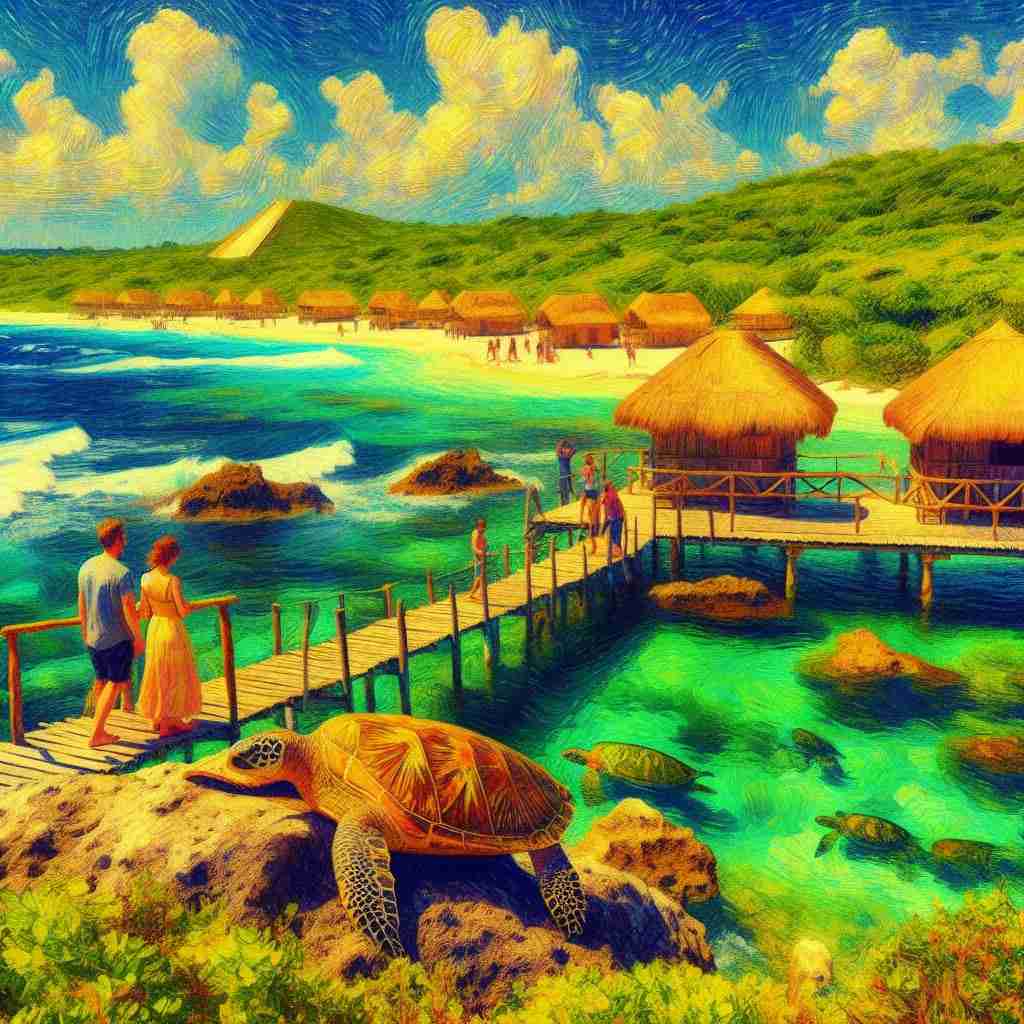
Picture yourself wandering through the lush jungles of Cozumel, where the remnants of a civilization echo through the trees. The towering pyramids and expansive plazas stand as monuments not just to a people, but to their dreams, aspirations, and relentless pursuit of understanding. Each stone was painstakingly placed, not for mere aesthetics, but as a testament to the Mayans’ ingenuity. It was here that they mastered the intricate balance of form and function, using local materials to create structures that resonated with their cultural beliefs and astronomical observations.
Now, let’s think about what these ancient architects teach us today. These structures weren’t built in isolation; they were part of a larger community. The Mayans understood that their strength lay in collaboration. As we navigate our modern world, besieged by individualism and digital distractions, it’s essential to remember the power of community. We thrive when we come together; when we share ideas and empower each other, we can create our own monumental legacies.
From a rational standpoint, the Mayans were pioneers in sustainable building practices, utilizing their environment wisely. They crafted entire cities with a profound understanding of their surroundings. This speaks to our ethical responsibility to honor the world we inhabit. In an age of environmental crises, their lessons about mindful construction and resourcefulness should inspire us to seek sustainable solutions that respect both our planet and our communities.
Emotionally, the stories embedded in each Mayan structure ignite our imaginations. They remind us that even in the face of challenges, greatness is achievable. The stories of triumph, sacrifice, and celebration etched in stone resonate with our own aspirations.
This rich tapestry of history invites us to reflect on our choices today. What will we build for future generations? Like the Mayans, we have the opportunity to create stories that foster connection, inspire innovation, and drive meaningful changes. Let’s not only admire their genius but draw from it, trusting that by embracing community, sustainability, and shared dreams, we can construct a legacy that stands the test of time.

What Can We Learn From The Architectural Genius Of The Mayans?
What Can We Learn From The Architectural Genius Of The Mayans?
- The architectural genius of the Mayans symbolizes human spirit, community, and innovation.
- Magnificent structures reflect the dreams and aspirations of the Mayan civilization.
- Mayans brilliantly balanced form and function, utilizing local materials in culturally significant designs.
- Their buildings were a product of communal effort, highlighting the importance of collaboration.
- Mayans were pioneers in sustainable building practices, emphasizing responsible use of their environment.
- Their architecture tells stories of triumph and challenge, encouraging us to aim for greatness.
- Their legacy inspires us to build with purpose, fostering community, sustainability, and innovation for future generations.
What Can We Learn From The Architectural Genius Of The Mayans?
How Does Visiting These Sites Support Local Communities Today?
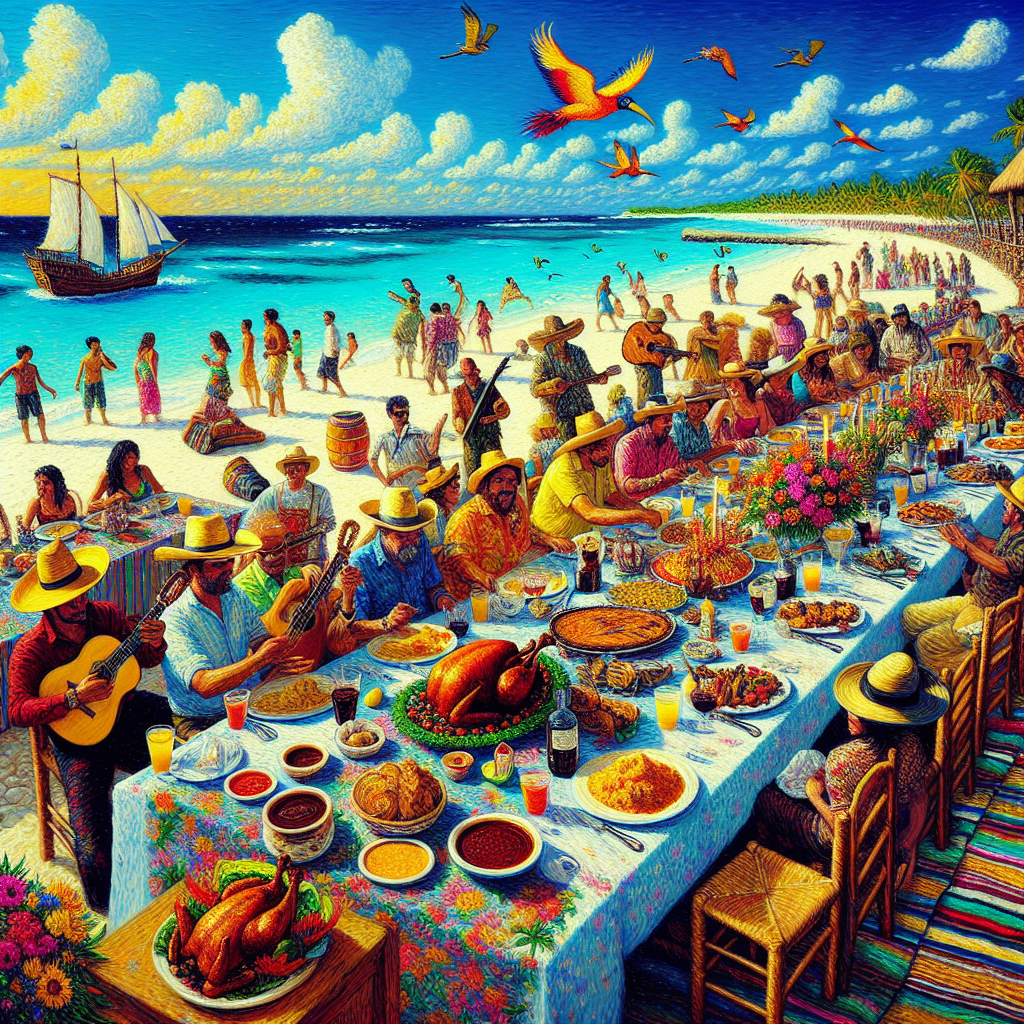
Visiting sites like Cozumel isn’t just a leisurely escape; it’s an opportunity to engage with the heart and soul of a community. When you wander through the vibrant streets, savor the unmistakable aroma of local cuisine, or chat with artisans proudly crafting their wares, you’re not just a tourist. You’re a vital part of the ongoing story of a place filled with rich tradition and hope.
Every tour booked, every artisan market visited, and every plate of fresh ceviche enjoyed contributes to the lifeblood of Cozumel’s local economy. The more we spend in these communities, the more we’re investing in their future. It’s straightforward math: local businesses thrive when visitors engage, creating jobs and supporting families. Each dollar spent reverberates, empowering locals to maintain their culture, educate their children, and build a more stable life.
On the emotional side, consider the faces behind the businesses—the eager smiles of those who greet you at the door, the stories recounted with passion. Their livelihoods depend on your presence, making you an integral player in their story. It’s a relationship built on mutual interest and respect, where your visit can inspire real change, seeking not just to capture a picture but to forge connections.
Furthermore, there’s an ethical dimension to this adventure. By supporting local enterprises, you’re advocating for sustainable practices that honor indigenous traditions and protect the environment. Increasingly, travelers are realizing that their choices matter. Supporting eco-friendly tours, local artisans, and traditional restaurants doesn’t just mitigate the impact of tourism; it rejuvenates the spirit of a community eager to share its narrative.
Think about the stories you’ll take home. Each encounter shapes your understanding of what it means to be part of a global community. Your decision to explore far-off places like Cozumel can inspire your social circle too, inviting others to discover the richness of diverse cultures.
So, the next time you think about vacationing at an exotic locale, remember this: you hold the power to uplift and support local communities simply by choosing to engage. Your footprints can create a path for others; it’s not just an escape; it’s a chance to make a real difference, one trip at a time.
How Does Visiting These Sites Support Local Communities Today?
How Does Visiting These Sites Support Local Communities Today?
- Visiting Cozumel offers an opportunity to connect with the community and its traditions.
- Your spending supports the local economy, helping businesses thrive and create jobs.
- Every dollar spent empowers locals to maintain their culture and improve their lives.
- The relationships formed through interactions with local artisans and business owners enrich the travel experience.
- Supporting local enterprises advocates for sustainable practices that respect indigenous traditions and the environment.
- Your travel choices can inspire others to appreciate cultural diversity and global community engagement.
- Engaging with local communities during your travels can make a significant, positive impact.

How Does Visiting These Sites Support Local Communities Today?
Conclusion
As you contemplate the ancient ruins near Cozumel, remember that these are more than just relics of a bygone era; they embody the spirit of a civilization that not only flourished but profoundly shaped our present and future. Tulum, Coba, and Ek’ Balam invite you to embark on a journey of discovery—an exploration that intertwines courage, respect, and connection. When you stand atop the pyramid at Coba, inhaling the rich scent of the jungle, recognize that you’re partaking in something sacred. You are standing on the shoulders of those who mastered sustainable living and community cohesion, teaching the world lessons that resonate now more than ever amidst our environmental crisis.
These ruins serve as vital reminders of our interconnectedness as human beings. The Mayans, with their artistry and architecture, remind us of the beauty of collaboration and innovation. Every stone tells a story, not just of their struggles and triumphs but of humanity’s enduring spirit. The emotional weight of these sites invites us to reflect—what shall we leave behind for future generations? Our visits aren’t merely tours; they’re dialogues about our shared responsibility to preserve history and culture while championing the communities that house such treasures.
Becoming an eco-conscious traveler means supporting local economies, fueling livelihoods, and respecting the cultural narratives that enrich our experiences. Perhaps you’ve engaged with artisans, tasted the rich essence of local cuisine, or listened to the stories of people who call this place home. Each interaction you nurture transcends a simple transaction; it builds relationships grounded in mutual respect. You contribute to a legacy that honors the past while fostering a sustainable future.
Ultimately, your journey through these ancient sites resonates deeply, creating a connection that reaches beyond time and space. As you navigate the ruins, envision the history etched into every wall, and appreciate the wisdom it imparts. Let it inspire you to embrace not just the thrill of adventure, but the profound ability we all possess to act ethically, leave a positive mark, and build a shared narrative with heart. Embrace this journey as a chance to dive into a story that still breathes, one that unites us across centuries and beckons us to honor both the past and our shared humanity.

Conclusion
Conclusion:
- The ancient ruins near Cozumel symbolize a civilization that significantly shaped the present and future.
- Sites like Tulum, Coba, and Ek’ Balam offer opportunities for exploration that emphasize courage, respect, and connection.
- Standing atop the pyramid at Coba connects visitors to sustainable living practices and community cohesion of the past.
- The ruins remind us of our interconnectedness as humans and the importance of collaboration and innovation.
- Visiting these sites serves as a dialogue about preserving history and culture while supporting local communities.
- Eco-conscious travel supports local economies and fosters mutual respect through meaningful interactions.
- Your journey at these ancient sites creates a connection that inspires ethical actions and a shared narrative that honors both the past and humanity.
Conclusion
Other Resources
Other Resources
Most of the people who read this are also figuring out where to stay. A couple of places we run or know well, in case it’s useful: Cozumel Journey is an editorial guide to Cozumel — neighborhoods, planning tips, and life on the island for travelers who want context, not a cruise schedule.
Here is a list of other resources you can review online to learn more:
- Winjet
- Mr. Sancho’s
- Jimmy John’s
- Cozumel Jeep
- Playa Palancar Beach Club
- Chichen Itza
- Chocolateria Isla Bella
- Viva Mexico
- Chankanaab
- Rejuvenation Clinic Cozumel
- Cozumel Market
- Aqua Safari Cozumel
- Hooters Cozumel
- Blue Magic Scuba
- Chankanaab Adventure Park Royal Swim
- El Rincon De Addy Cozumel
- El Mirador
- Punta Molas Faro
- K’ooben Laab
- our editorial guide to the island
Use This Prompt To Get More Resources With Your Favorite Online AI Tool: Please provide me with a list of online articles with their URLs in a bulleted list that I can read regarding What Are The Best Mayan Ruins Near Cozumel?
Other Resources
Glossary Terms
What Are The Best Mayan Ruins Near Cozumel? – Glossary Of Terms
1. Cozumel: An island in the Caribbean Sea, part of Mexico, known for its beaches and proximity to ancient Mayan ruins.
2. Mayan Civilization: An ancient Mesoamerican culture known for its advanced architecture, astronomy, and hieroglyphic writing.
3. Ruin: The remains of a structure, building, or settlement that has fallen into disrepair or is no longer used.
4. Tulum: A well-preserved coastal Mayan city known for its stunning cliffside location and iconic temples.
5. Coba: An archaeological site featuring large temples and an extensive network of ancient roads.
6. Palenque: A Mayan city-state with impressive ruins, famous for its intricate carvings and inscriptions.
7. Xcaret: An eco-archaeological park showcasing Mayan heritage alongside natural attractions.
8. Uxmal: A UNESCO World Heritage Site known for its large pyramids and distinctive Puuc architectural style.
9. Chichen Itza: One of the most famous Mayan sites, home to the Pyramid of Kukulcán and a UNESCO World Heritage Site.
10. Ecovillage: A sustainable community that often incorporates elements of local history and culture, including Mayan heritage.
11. Pyramids: Massive, often tiered structures built by the Mayans for religious and ceremonial purposes.
12. Temples: Structures built for worship and rituals, typically central to Mayan city layout.
13. Ballcourt: An important ceremonial and sporting venue in Mayan cities, often associated with religious beliefs.
14. Hieroglyphics: The writing system of the Maya, comprised of unique symbols representing sounds or concepts.
15. Sacbe: A term for the ancient white roads or causeways built by the Maya, linking various sites.
16. Chac: The Mayan rain god, often featured in their rituals and symbolism.
17. Mayan Calendar: A complex system used by the Maya for tracking time and religious events, featuring cycles and periods.
18. Archaeology: The scientific study of human history through the excavation and analysis of artifacts and structures.
19. Artifacts: Objects made by humans, often recovered during archaeological digs, that provide insight into the Mayan culture.
20. Sacrifice: Ritual offering to deities, common in Mayan religious practices, often involving offerings of food or animal life.
21. Cenote: Natural sinkholes or wells, significant in Mayan culture for water access and ritual activities.
22. Jaguar: A prominent figure in Mayan mythology and symbolism, often associated with power and the underworld.
23. Copal: A resin used by the Maya for incense and rituals, believed to communicate with the gods.
24. Iconography: The visual imagery and symbols used in Mayan art and architecture, reflecting cultural beliefs.
25. Olmec: An early Mesoamerican civilization that influenced later cultures, including the Maya.
26. Cultural Heritage: The legacy of physical artifacts and intangible attributes of a group, including architecture, traditions, and language.
27. Ziggurat: A style of stepped temple architecture often seen in Mesoamerican cultures, including the Maya.
28. Quartz: A mineral used in Mayan rituals and for creating tools or decorative items.
29. Anthropology: The study of human societies and cultures, including their development over time.
30. Tourism: The industry centered around travel and exploration, which includes visits to historical and cultural sites like Mayan ruins.
Glossary Of Terms
Other Questions
What Are The Best Mayan Ruins Near Cozumel? – Other Questions
If you wish to explore and discover more, consider looking for answers to these questions:
- What other Mayan ruins can be visited from Cozumel?
- How can I prepare for a visit to the Mayan ruins near Cozumel?
- What is the best time of year to visit the Mayan ruins?
- Are there guided tours available for these ruins?
- What are the entrance fees for the Mayan ruins mentioned?
- What safety precautions should be taken when visiting these sites?
- What should I wear or bring when visiting the ruins?
- How can visiting these sites contribute to sustainable tourism?
- Are there accessibility options at the Mayan ruins for individuals with disabilities?
- What nearby attractions can I visit while in Cozumel?
- What role do local communities play in the preservation of these ruins?
- Can you provide more information on the history and significance of each ruin?
- What are the accommodations available in Cozumel for travelers?
- How do the ruins connect with local cultural traditions today?
- Are there any food or shopping experiences that reflect Mayan culture near the ruins?

Other Questions
Haiku
What Are The Best Mayan Ruins Near Cozumel? – A Haiku
Ancient stones whisper,
Cultures rise, shadows linger—
Hearts and hands unite.
Haiku
Poem
What Are The Best Mayan Ruins Near Cozumel? – A Poem
In Cozumel’s embrace, where turquoise waves play,
Ancient whispers of the Mayans beckon us to stay.
Tulum’s cliffs stand guard, crumbling yet proud,
Echoing tales of the past, a history unbowed.
Feel the salty breeze, the spirit of the land,
As we ponder the lives built by their hands.
Sustainable tales in stone and tree,
Lessons from ages, calling to you and me.
Climb Coba’s heights, let your heart race,
Breath held in wonder, at nature’s embrace.
Atop the pyramid, the jungle unfolds,
A tapestry of stories that each stone holds.
Ek’ Balam whispers, with murals alive,
Tales of gods and royals, where the past thrives.
Not just relics in ruins, they connect us anew,
A vibrant culture once lived, still calling to you.
Every visit, a promise of care to preserve,
An ethical journey, our souls deserve.
Through shared laughter and smiles, we weave,
A bond with the past, as present we conceive.
Taste the mole that carries ancient lore,
Feel the heartbeat of rituals that honor the core.
In markets and kitchens, connection abounds,
The spirit of the Mayans in each taste is found.
Architectural wonders, resilient and wise,
Crafted from nature, reaching for skies.
In unity we thrive, let community lead,
Building a legacy where all souls can feed.
So heed the call of history’s embrace,
Each step in these ruins, our own paths we trace.
In the shadows of the past, let our hearts ignite,
For in the ancient world, we find our guiding light.
Poem
Checklist
What Are The Best Mayan Ruins Near Cozumel? – A Checklist
Checklist for Exploring the Mayan Ruins Near Cozumel
Heart
_____ Connect Emotionally: Engage with local stories and traditions. Listen to the narratives shared by guides or artisans.
_____ Support Locals: Purchase handmade crafts or meals from local vendors to contribute directly to the community.
_____ Reflect on Heritage: Take a moment at each site to appreciate and honor the sacrifices of those who came before you.
Head
_____ Educate Yourself: Research the history and significance of the ruins you’ll be visiting prior to your trip.
_____ Evaluate Architectural Insights: Consider the Mayans’ use of sustainable practices and how they interacted with their environment.
_____ Analyze Your Impact: Reflect on your personal responsibility as a visitor—what choices can you make that foster preservation?
Gut
_____ Be Mindful of Actions: Stay on designated paths to minimize your environmental impact and help protect the ruins.
_____ Support Ethical Tourism: Choose tours and activities that prioritize local culture and sustainable practices, avoiding mass tourism.
_____ Challenge Yourself: Climb to the top of pyramids, such as those at Coba, to gain a unique perspective and feel the connection to ancient experiences.
Ethical Considerations
_____ Engage Respectfully: Acknowledge the cultural significance of the sites and ensure your visit honors the memory of the ancient civilizations.
_____ Prioritize Sustainability: Investigate eco-friendly accommodations and transport methods that minimize your carbon footprint.
Social Appeal
_____ Share Your Experience: Discuss your travels and insights with friends and community members to promote awareness and appreciation for the culture.
_____ Inspire Others: Encourage friends to join you in exploring lesser-known historical sites to foster a communal appreciation for cultural heritage.
Narrative Connection
_____ Reflect on Shared Stories: Think about how the stories of the Mayans resonate with contemporary issues such as sustainability and community.
_____ Create Your Own Legacy: Consider how your visit may influence your own life narrative and the impact you wish to leave behind.
This checklist invites you into an immersive experience that not only respects the past but also enriches the present. Embrace the journey!
Checklist
At TopCozumelNews, we help travelers enjoy Cozumel by collating information learned from frequently traveling to beautiful Cozumel.
Be sure to read our other related stories at TopCozumelNews to learn more about the Island of Cozumel.