Explore The Thrilling Bull Shark Dive Spots In Cozumel
By Tom Seest
At TopCozumelNews, we help travelers enjoy Cozumel by collating information learned from frequently traveling to beautiful Cozumel.
Be sure to read our other related stories at TopCozumelNews to learn more about the Island of Cozumel.
Are There Cozumel Bull Shark Dive Sites?
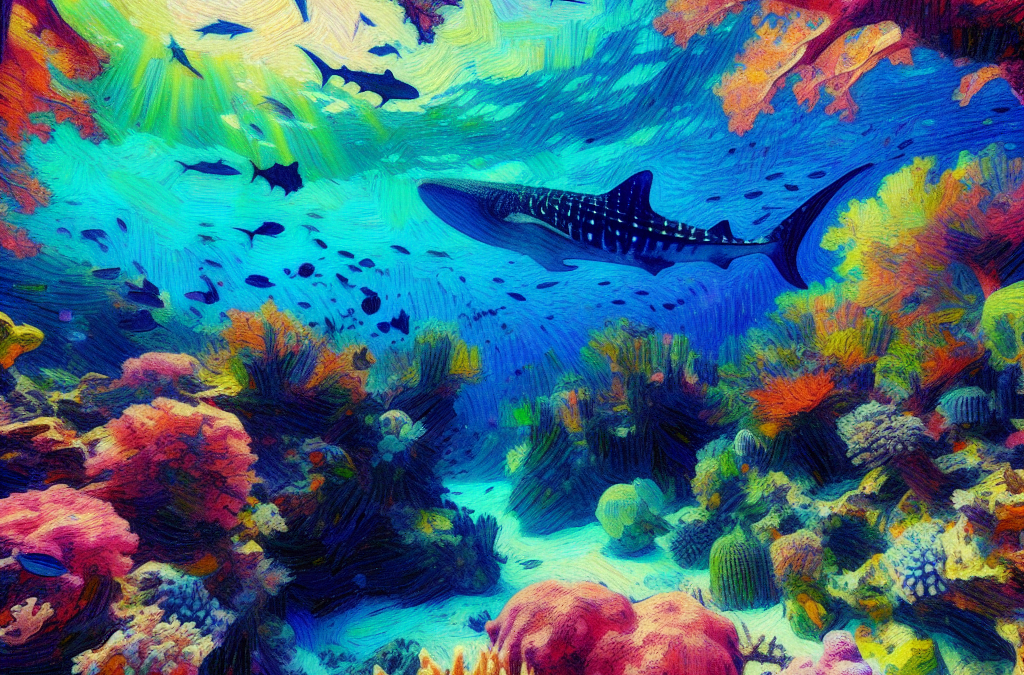
When you think of Cozumel, you might picture crystal-clear waters, vibrant reefs, and the kind of oceanic biodiversity that makes even the heartiest landlubber want to strap on a tank and wade into the deep. But lurking beneath those sun-soaked waves is a creature that’s been the subject of awe and a sprinkle of fear—the bull shark. Known for their robust bodies and assertive nature, these creatures are not just an occasional visitor; they’re a thrilling part of the underwater tapestry here in Cozumel.
Now, you might be wondering, “Are there actual dive sites dedicated to encountering bull sharks?” The answer, my friend, is a resounding yes! While Cozumel isn’t a bull shark hotbed in the same way as some other dive destinations, it’s undoubtedly a hotspot for thrill-seeking divers. If you’re keen on experiencing these magnificent beasts up close, the right time and the right spots can turn your underwater dreams into reality.
The winter months, particularly from November to March, are when these sharks find their way into local waters for a little snack—a buffet of unsuspecting fish drawn to the shallows. During this time, dive operators gear up for shark season, offering guided trips to key sites where bull sharks are known to hang out. One popular site is “Bull Shark City,” located just south of the main dive areas. Here, divers can experience a heart-pounding encounter with these formidable sharks, as they glide through the water, their powerful bodies moving with an elegance that belies their reputation.
It’s worth noting that diving with bull sharks comes with a responsibility. While these animals are fascinating, they are also wild creatures deserving of respect. Reputable dive operators take care to maintain a safe environment, adhering to safety protocols that minimize risks while maximizing your chance of seeing these sharks in their natural habitat.
In Cozumel, the underwater experience isn’t just about flaunting vibrant coral reefs and schools of tropical fish. It’s also an invitation to grapple with the wild unknown and appreciate the raw beauty of nature. Whether you’re a seasoned diver or just looking to take the plunge, the chance to encounter bull sharks makes for an unforgettable experience. Just remember to suit up, respect the ocean, and prepare to share the blue with one of its most remarkable residents.
Are There Cozumel Bull Shark Dive Sites?
Are There Cozumel Bull Shark Dive Sites?
- Cozumel is known for its crystal-clear waters, vibrant reefs, and rich oceanic biodiversity.
- The bull shark, a robust and assertive creature, is a thrilling part of Cozumel’s underwater life.
- There are dedicated dive sites for encountering bull sharks, making it a hotspot for thrill-seeking divers.
- The best time to see bull sharks is from November to March, during their feeding season.
- “Bull Shark City” is a popular dive site where divers can interact with these magnificent sharks.
- Diving with bull sharks requires responsibility and respect for these wild creatures.
- The experience offers a unique opportunity to appreciate the beauty of nature and the underwater world.

Are There Cozumel Bull Shark Dive Sites?
Table Of Contents
- Are There Cozumel Bull Shark Dive Sites?
- Is the C-53 Shipwreck Dive Site Near Cozumel?
- Is the Los Arcos Dive Site Near Cozumel?
- Is the Whale Shark Dive Site Near Cozumel?
- Are the Playa Del Carmen Dive Sites Near Cozumel?
- Are There Specific Dive Sites For Bull Sharks In Cozumel?
- When Is The Best Time To Dive With Bull Sharks In Cozumel?
- What Depths Should Divers Expect When Diving For Bull Sharks?
- Conclusion
- Other Resources
- Glossary Of Terms
- Other Questions
- Haiku
- Poem
- Checklist
Is the C-53 Shipwreck Dive Site Near Cozumel?
Diving enthusiasts and marine explorers, gather ’round, because we’re about to navigate the deep waters of adventure, history, and a whole lot of rust. If your goggles are fogging up with excitement about exploring the C-53 shipwreck, get ready for a stellar underwater experience just off the coast of sunny Cozumel, Mexico.
Imagine this: a World War II-era minesweeper, the C-53, now resting serenely on the sandy bottom surrounded by vibrant marine life. Originally built in 1944, this floating warrior served valiantly in the Mid-Atlantic, sweeping the seas clear of mines. However, time has done what time does best—it turns everything into memories. The C-53 met its end in a different way than one might assume: instead of being sent to the scrap yard, this vessel was lovingly sunk to create an artificial reef in 1999, transforming it into a playground for divers and aquatic creatures alike.
So, where does Cozumel fit into the picture? If you’re looking for the C-53, you’re in luck! This treasure is located just a hop, skip, and a splash from the island’s shores. The wreck rests at a depth of about 60 feet, making it an accessible dive site for both novices and seasoned pros. As you descend into the blue abyss, you’ll find the ship weaved into the tapestry of coral and marine flora, a site where human ingenuity and nature collide in the most beautiful, chaotic way.
But the thrill of diving the C-53 isn’t just about exploring the submerged hulk of a bygone era. This site also offers an up-close encounter with marine life that calls the wreck home. Rainbow-hued fish dart through rusted portholes, while soft corals cling to the ship’s rails, creating a vibrant palette underneath the waves. Watching the marine ecosystem thrive amidst the remnants of human endeavor is a humbling reminder of nature’s resilience.
So, if you ever find yourself planning a diving trip to Cozumel, don’t forget to schedule in some time for the C-53. It’s more than just a dive; it’s a journey through history, an exploration of resilience, and, quite frankly, an underwater adventure that is begging for the thrill-seeker in you to take the plunge. Just remember to take your camera—because this is one dive destination you’ll want to share!

Is the C-53 Shipwreck Dive Site Near Cozumel?
Is the C-53 Shipwreck Dive Site Near Cozumel?
- Diving enthusiasts can explore the C-53 shipwreck off the coast of Cozumel, Mexico.
- The C-53 is a World War II-era minesweeper, originally built in 1944, that served in the Mid-Atlantic.
- Instead of being scrapped, the C-53 was sunk in 1999 to create an artificial reef, encouraging marine life.
- The wreck is located about 60 feet deep, making it accessible for both novice and experienced divers.
- Diving at the C-53 offers encounters with vibrant marine life, including colorful fish and soft corals.
- This dive site merges human history with natural beauty, showcasing nature’s resilience.
- Visitors to Cozumel should include the C-53 wreck in their diving itinerary for a memorable underwater adventure.

Is the C-53 Shipwreck Dive Site Near Cozumel?
Is the Los Arcos Dive Site Near Cozumel?
Ah, the world of diving—where adventure meets the blue, shimmering depths and each descent promises a new postcard-worthy moment. For those who find themselves yearning for the allure of marine exploration, the name Los Arcos is bound to pop up in conversations among diving enthusiasts. But let’s cut through the underwater chatter and get to the bottom of one burning question: Is Los Arcos really near Cozumel?
Los Arcos, a striking dive site known for its stunning rock formations, vibrant coral reefs, and diverse aquatic life, is actually nestled in the waters just off the coast of Puerto Vallarta, on the Pacific side of Mexico. That’s right—if you’re picturing Cozumel and its Caribbean waters filled with dazzling sea creatures and enchanting coral gardens, Los Arcos is a bit of a hop, skip, and a plane ride away. Cozumel itself is an island renowned for its diving spots like Palancar Reef and the famous wall dives, which are celebrated for their clarity and thriving marine ecosystems.
Gliding through Cozumel’s turquoise waters is a dream for many. Picture yourself diving at 30 feet, weaving through colorful schools of fish while the photogenic coral formations provide a picturesque backdrop. But while Cozumel gives you all that and more, Los Arcos offers a different experience altogether. Here, divers will find underwater caves, tunnels, and dramatic rock structures that create a playground for adventurous spirits.
If you’re planning a dive trip, the Pacific Coast, with its distinctive characteristics and diverse marine life, can provide a refreshing contrast to Cozumel’s Caribbean offerings. Just imagine encountering the playful sea lions at Los Arcos or the chance to spot a bold octopus peeking out from its rocky lair. Those experiences are unforgettable, but they require a little travel planning, as a drive or a boat ride will usher you straight to Puerto Vallarta—the gateway to Los Arcos.
Whether you’re diving in the Caribbean or the Pacific, both Cozumel and Los Arcos hold treasures beneath the surface just waiting to be uncovered. Each has its own unique charm, so why not dive into both worlds? Who says you can’t double-dip in the sea?

Is the Los Arcos Dive Site Near Cozumel?
Is the Los Arcos Dive Site Near Cozumel?
- Los Arcos is a popular diving site known for its rock formations, coral reefs, and marine life.
- It is located off the coast of Puerto Vallarta, not near Cozumel.
- Cozumel is famous for its diving spots like Palancar Reef and wall dives.
- Diving in Cozumel offers crystal-clear waters and vibrant coral gardens.
- Los Arcos features underwater caves, tunnels, and dramatic rock structures.
- Diving on the Pacific Coast provides a different experience, including sightings of sea lions and octopuses.
- Exploring both Cozumel and Los Arcos adds diverse diving experiences to your adventure.

Is the Los Arcos Dive Site Near Cozumel?
Is the Whale Shark Dive Site Near Cozumel?
If you find yourself in the sun-kissed waters of the Caribbean, specifically near Cozumel, you’re likely dreaming of vibrant coral reefs, playful marine life, and perhaps even the gentle giants of the sea — the whale sharks. But, you may be wondering, “Are these magnificent creatures actually hanging out near Cozumel?” Let’s dive into the waters of knowledge, shall we?
First off, whale sharks (Rhincodon typus) are the largest fish in the ocean, reaching lengths of up to 40 feet or more. These gentle filter feeders roam the world’s tropical and warm temperate waters, a bit like the ocean’s version of a friendly giant looking for a snack. While you won’t find them buzzing around the bustling streets of Cozumel, there’s a glimmer of hope on the horizon for those eager to encounter them.
Just a stone’s throw away from Cozumel lies the Yucatan Peninsula, where the waters host some whale shark hotspots. One of the most renowned spots is Isla Holbox, about a 2-hour journey from Cozumel, but the journey is well worth it. Here, the nutrient-rich currents attract these gentle gargantuans, particularly between June and September, when they gather to feed on plankton. It’s like a summer block party for whales, and lucky divers get front-row seats.
Now, let’s not forget about logistics. If you’re already in Cozumel, swimming with whale sharks won’t be quite as simple as slipping on your fins and hoping for the best. Operators offer day trips that typically include a boat ride to hotspots where these beauties like to hang out. Prepare for an adventure that may begin before dawn, filled with excitement, anticipation, and maybe a little bit of caffeine.
Once you arrive, you’ll slip into the warm waters and, if fortune smiles upon you, there they’ll be: whale sharks gliding gracefully, mouths wide open, sipping their planktonic feast without a care in the world. It’s a surreal experience — seeing something so huge yet so peaceful.
So, while you won’t find whale sharks just around the corner in Cozumel itself, a short trip to the nearby waters turns an ordinary vacation into an unforgettable exploration of nature’s wonders. Whether you’re a seasoned diver or just dipping your toes in, the opportunity to swim alongside these majestic creatures is a chance you won’t want to miss. Dive in, the adventure awaits!

Is the Whale Shark Dive Site Near Cozumel?
Is the Whale Shark Dive Site Near Cozumel?
- Whale sharks (Rhincodon typus) are the largest fish, growing up to 40 feet in length.
- Cozumel is not a whale shark hotspot, but nearby waters host these gentle giants.
- Isla Holbox, a 2-hour journey from Cozumel, is a renowned location for whale shark sightings.
- Whale sharks gather in the Yucatan Peninsula’s nutrient-rich currents from June to September.
- Day trips from Cozumel are offered by operators to swim with whale sharks.
- The adventure typically begins before dawn, creating a sense of excitement and anticipation.
- Swimming alongside whale sharks provides a surreal and unforgettable experience in nature.

Is the Whale Shark Dive Site Near Cozumel?
Are the Playa Del Carmen Dive Sites Near Cozumel?
If you’re standing on the sun-soaked beaches of Playa del Carmen, eyeing the glistening waves of the Caribbean, you might be wondering about the dive sites nearby and what they have to offer. Let’s get straight to the point: yes, the dive sites around Playa del Carmen stand in proximity to Cozumel, but they each bring their own unique flavor to the underwater feast.
Cozumel is often referred to as a diver’s paradise, boasting world-renowned sites teeming with vibrant coral reefs, colorful marine life, and clear visibility. It’s no surprise that many divers flock to Cozumel’s depths for those iconic wall dives and the chance to encounter everything from gentle sea turtles to inquisitive nurse sharks. However, just because Playa del Carmen might not be as widely celebrated in the diving community doesn’t mean it’s any less remarkable.
Playa del Carmen offers divers a chance to experience diverse ecosystems without the hustle and bustle of Cozumel’s more famous sites. Located a mere ferry ride away from Cozumel—roughly 30 minutes depending on the sea—Playa offers a myriad of shore dive options and boat trips to nearby hidden gems. Popular spots like the famous Cenote diving, which involves exploring natural sinkholes filled with freshwater, deliver a completely different experience. Imagine diving through ancient limestone caverns, with sunlight filtering through crystal-clear waters—it’s a surreal adventure that showcases nature’s artistry like no other.
Moreover, divers around Playa del Carmen will enjoy sites such as the Mesoamerican Barrier Reef, the second-largest reef system in the world. Here, you can get up close and personal with vibrant parrotfish and schools of tropical fish darting around. The good news? These dives tend to be less crowded than those around Cozumel, which means more serenity and space to appreciate the wonder beneath the waves.
While Cozumel may have the glitzy reputation, Playa del Carmen won’t leave you hanging. The opportunities for exploration in these waters are plentiful, and whether you’re new to diving or an experienced underwater navigator, you’ll find the thrill of discovery waiting for you in these turquoise depths. So, grab your gear, hop on that ferry, and embrace the adventure that awaits just beneath the surface!

Are the Playa Del Carmen Dive Sites Near Cozumel?
Are the Playa Del Carmen Dive Sites Near Cozumel?
- Playa del Carmen is near Cozumel and offers unique dive sites with diverse experiences.
- Cozumel is known as a diver’s paradise with vibrant coral reefs and abundant marine life.
- Popular in Cozumel are wall dives, where you may encounter sea turtles and nurse sharks.
- Playa del Carmen features tranquil diving options without the crowds typical of Cozumel.
- Cenote diving in Playa involves exploring freshwater sinkholes with striking underwater scenery.
- Divers can interact with the Mesoamerican Barrier Reef, the second-largest reef system globally.
- Playa del Carmen provides ample opportunities for divers of all skill levels to explore its waters.

Are the Playa Del Carmen Dive Sites Near Cozumel?
Are There Specific Dive Sites For Bull Sharks In Cozumel?
When it comes to thrilling underwater encounters, few things can match the raw energy and primal allure of swimming with bull sharks. Cozumel, with its crystal-clear waters and vibrant marine life, stands out as a hotspot for divers seeking these magnificent creatures. But where should you go to increase your chances of spotting them? Let’s dive into some of the prime locations for diving with bull sharks in this enchanting Caribbean paradise.
One of the premier spots is the infamous Shark Ray Alley, found just off the coast. This site is renowned not only for its bull shark population but also for the abundance of nurse sharks and rays that frequent the area. Picture this: you descend into a bustling underwater world where curious bull sharks glide gracefully alongside you, their muscular bodies cutting through the water with effortless elegance. It’s a spectacular sight, and when the conditions are right—typically between late November through March—shark encounters here can be nothing short of breathtaking.
Next up is Playa del Carmen, a short boat ride from Cozumel. Considering this not to be a dive site in Cozumel per se, it’s definitely worth the trip. While primarily known for its vibrant nightlife, the waters off Playa also attract large bull sharks during migration season. Local dive operators often organize excursions to this location specifically for the chance to spot these apex predators. So, don your wetsuit, grab your camera, and prepare for an experience that will make your heart race.
For those seeking even more adventure, head to the deeper waters of Bull Shark Cave. Located off the eastern coast of the island, this site is known for its dramatic vertical walls and natural caverns. As divers explore the depths of the caves, they are often greeted by the presence of bull sharks, who appear as if they own the place. Thanks to the unique topography of the area, this dive is more than just a shark encounter—it’s a complete adventure through underwater landscapes that have been sculpted by time.
No matter which site you choose, remember that safety is paramount. Dive with a reputable guide, respect the sharks, and always follow proper dive protocols. Encountering bull sharks in their natural habitat is an unforgettable experience, and Cozumel offers some of the best opportunities to do just that. So gather your gear, check your dive log, and get ready for an adventure that will be etched in your memory for years to come.

Are There Specific Dive Sites For Bull Sharks In Cozumel?
Are There Specific Dive Sites For Bull Sharks In Cozumel?
- Swimming with bull sharks provides thrilling underwater encounters and primal allure.
- Cozumel is a hotspot for divers, known for its crystal-clear waters and vibrant marine life.
- Shark Ray Alley offers prime conditions for spotting bull sharks, especially from late November to March.
- Playa del Carmen, renowned for nightlife, also attracts large bull sharks during migration season.
- Local dive operators organize excursions to Playa del Carmen specifically for bull shark sightings.
- Bull Shark Cave features dramatic vertical walls, natural caverns, and frequent bull shark encounters.
- Prioritize safety by diving with reputable guides and respecting the sharks at all times.

Are There Specific Dive Sites For Bull Sharks In Cozumel?
When Is The Best Time To Dive With Bull Sharks In Cozumel?
If you’ve ever set your sights on swimming with bull sharks in Cozumel, you’re probably wondering when to pack your fins and gear for the ultimate underwater encounter. Well, let’s cut to the chase: there’s a method to the madness of marine life. Bull sharks, those powerful predators with a flair for adventure, have their own schedule, and you’ll want to pay attention to it.
First off, let’s talk timing. The peak season to dive with bull sharks in Cozumel typically runs from late November to March. During these months, the water’s cooler temperatures and oceanic currents draw in both hunts and divers alike. For the sharks, this period is prime for mating and feeding, which means they’re more likely to be found congregating in the warm, nutrient-rich waters off the coast of Cozumel.
But don’t just arbitrarily pick a week during this prime season and hope for the best. You’ll want to consider the lunar cycle as well. Bull sharks are incredibly attuned to the rhythms of the ocean, and those moon phases can affect their behaviors. Plan your dives around the new moon or just after, when the ocean currents are at their peak, stirring up more food and enticing those magnificent creatures to roam.
Now, let’s not overlook the weather. Cozumel’s dive conditions can be like a box of chocolates; you never quite know what you’re going to get. The dry season that aligns with shark sightings is generally from December to April, meaning you’ll encounter less rain, clearer visibility, and more favorable conditions. However, keep in mind that the Caribbean can be fickle, and weather fluctuations can change the game without notice.
While you’re planning your shark adventure, remember that diving isn’t just about the adrenaline—it’s also about the experience. Early mornings and late afternoons often yield the best encounters, as sharks tend to be more active during these times. This isn’t just another day at the beach; it’s a chance to witness the raw power and grace of nature in its truest form.
So there you have it! Late November through March, during new moons, amidst the Caribbean’s wild and ever-changing backdrop—there’s your ticket to sharing the water with Cozumel’s bull sharks. Just make sure you’re ready; these encounters are sure to leave you with stories worth telling!

When Is The Best Time To Dive With Bull Sharks In Cozumel?
When Is The Best Time To Dive With Bull Sharks In Cozumel?
- The best time to swim with bull sharks in Cozumel is from late November to March.
- This period is ideal due to cooler water temperatures that attract both sharks and divers.
- Sharks are more likely to be found during their mating and feeding season in warm, nutrient-rich waters.
- Plan dives around the new moon to align with the sharks’ behavior influenced by the lunar cycle.
- The dry season from December to April offers better dive conditions with less rain and clearer visibility.
- Sharks tend to be more active during early mornings and late afternoons, enhancing encounter chances.
- Proper planning and timing can ensure unforgettable underwater experiences with bull sharks.

When Is The Best Time To Dive With Bull Sharks In Cozumel?
What Depths Should Divers Expect When Diving For Bull Sharks?
When it comes to bull sharks, the depths you can expect to encounter these incredible creatures vary widely, making for an exhilarating dive into their world. Known for their adaptability to both salt and freshwater, bull sharks often roam the murky shallows, but don’t be fooled; they can also venture into deeper waters. For divers, this means being prepared not just for thrilling encounters but for a variety of depths that could redefine your idea of underwater exploration.
Typically, divers will find bull sharks in depths ranging from 10 to 30 feet. This is where the sharks like to patrol, often searching for an easy meal in the warmer, sunlit zones. This shallow water is a paradise for divers, allowing close-up glimpses of these majestic creatures without the need for extensive technical diving skills. However, bull sharks are not limited to these shallow areas. They are known to inhabit depths of up to 100 feet or more as they chase prey or navigate through their territory. So, whether you’re buoyantly floating through vibrant coral reefs or exploring offshore wrecks, keep your eyes peeled; you never know when a bull shark might make a grand entrance.
The variability in depth is equally vital for understanding these sharks’ behavior. When diving in tropical locations such as the Caribbean, divers should expect the possibility of encountering bull sharks near seagrass beds and sandy bottoms, where they often hunt for fish and rays. Conversely, in other regions or during specific seasons, like the mating season, divers might find them at greater depths, engaged in more dynamic patterns of movement.
As with any dive, awareness of your surroundings is crucial. Bull sharks may be more common in certain depths and times, but their nature can also be unpredictable. When you step into the blue, remember that you’re not just a visitor. You are entering the domain of one of the ocean’s apex predators, so be ready to embrace the full spectrum of their world—from the sun-kissed shallows to the deeper dark recesses where they roam.
Whether you’re knee-deep in a sandy shallows or at the edge of a dropping ledge, diving for bull sharks is as much about respecting their territory as it is about the adventure. The depths are calling—answer with care, curiosity, and a healthy dose of respect for these magnificent animals.

What Depths Should Divers Expect When Diving For Bull Sharks?
What Depths Should Divers Expect When Diving For Bull Sharks?
- Bull sharks are highly adaptable and can be found in both salt and freshwater.
- They typically inhabit depths ranging from 10 to 30 feet, often patrolling for food in warmer, sunlit areas.
- Divers can also encounter bull sharks at depths of up to 100 feet or more while they chase prey.
- Common locations for sightings include tropical areas like the Caribbean, particularly near seagrass beds and sandy bottoms.
- During mating seasons, bull sharks may dive to greater depths and exhibit dynamic movement patterns.
- Divers must remain aware of their surroundings as bull shark behavior can be unpredictable.
- Respect for the sharks’ territory and understanding their habitat is crucial for an enjoyable diving experience.

What Depths Should Divers Expect When Diving For Bull Sharks?
Conclusion
As we wrap up our dive into the thrilling world of bull sharks in Cozumel, let’s take a moment to reflect on what this diving adventure truly entails. Cozumel isn’t just another pretty face in the Caribbean; it’s an underwater playground where rugged bull sharks roam, waiting to thrill and perhaps terrify divers looking for a heart-pounding encounter. Sure, Cozumel may not be the bull shark capital of the world, but that doesn’t mean it lacks opportunities for unforgettable underwater experiences. On the contrary, this tropical Eden offers a select few prime spots for those brave souls willing to venture beneath the surface.
From late November through March, experienced divers and novices alike are greeted with perfect conditions to meet these incredible apex predators. Imagine yourself at Bull Shark City, where you can witness these muscular fighters gliding through the azure depths, or at Shark Ray Alley, where the combination of bull sharks and rays creates a bustling underwater spectacle. For those willing to journey beyond Cozumel, excursions to Playa del Carmen might yield even more exhilarating shark sightings.
But it’s not just about the sharks; it’s about embracing the beauty of the ocean itself. Take a trip to the C-53 shipwreck, a historical monument now home to vibrant marine life, or explore the mesmerizing rock formations of Los Arcos. Each site tells a story of resilience and the intricate dance of nature reclaiming its territory, reminding us of the beauty within the chaos.
And let’s not forget the incredible opportunity to dive with gentle giants like whale sharks nearby, or explore the quieter, less trafficked dive sites around Playa del Carmen. Whether you’re navigating the sandy shallows or plunging into deeper waters, each dive promises a new revelation about our oceanic friends and the hidden wonders beneath the waves.
So, as you gear up for your underwater adventure, remember that respect is key. These bull sharks are not just ferocious hunters; they are essential players in the ocean’s delicate ecosystem. Suit up, follow safety protocols, and prepare for an awe-inspiring dance with nature. Cozumel’s underwater world is waiting to be explored—dive in with wonder, respect, and a thirst for adventure that will leave you with memories to treasure for a lifetime.

Conclusion
Conclusion:
- Cozumel offers an underwater playground for adventurous divers, featuring bull sharks that can thrill and terrify.
- The best time for bull shark encounters is from late November to March, attracting both experienced divers and novices.
- Key dive spots include Bull Shark City and Shark Ray Alley, with potential excursions to Playa del Carmen for more exciting sightings.
- Diving opportunities extend beyond sharks, showcasing vibrant marine life at the C-53 shipwreck and stunning rock formations at Los Arcos.
- Explorations may also include encounters with gentle giants like whale sharks and quieter dive sites around Playa del Carmen.
- Respect for the environment and understanding the role of bull sharks in the ecosystem is crucial for safe diving experiences.
- Cozumel’s underwater adventures promise unforgettable memories, emphasizing a blend of wonder and reverence for ocean life.

Conclusion
Other Resources

Other Resources
Most of the people who read this are also figuring out where to stay. A couple of places we run or know well, in case it’s useful: Stingray 37 is a Cozumel rental for divers and ocean-leaning travelers. Cozumel Escape is a larger Cozumel villa suited to groups, families, and divers who want their own base.
Here is a list of other resources you can review online to learn more:
- Scuba Life Cozumel
- El Mirador
- Jimmy John’s
- Cozumel ATV Adventure
- Cozumel Tours
- Cafeteria La Cozumelena Cozumel
- Traveler’s Checklist
- The Mayan Cacao Company
- Alamo
- Cozumel Bar Crawl
- stingray37.com
- a larger villa for families and dive groups
Use This Prompt To Get More Resources With Your Favorite Online AI Tool: Please provide me with a list of online articles with their URLs in a bulleted list that I can read regarding Are There Cozumel Bull Shark Dive Sites?
Other Resources
Glossary Terms
Are There Cozumel Bull Shark Dive Sites? – Glossary Of Terms
1. Cozumel: A popular island destination in Mexico, known for its clear waters and rich marine life, including bull sharks.
2. Bull Shark: A large, aggressive shark species known for its robustness and ability to thrive in both saltwater and freshwater environments.
3. Dive Site: A specific location where scuba diving activities take place, offering unique underwater features and marine life.
4. Scuba Diving: A form of underwater diving in which divers use self-contained underwater breathing apparatus (scuba) to explore underwater environments.
5. Marine Life: All living organisms that inhabit the ocean, including fish, sharks, coral, and marine plants.
6. Dive Charter: A service that arranges and conducts guided scuba diving trips, often providing equipment and experienced guides.
7. Safety Stop: A precautionary pause made during ascent to allow the body to expel nitrogen absorbed while diving, usually at 15 feet for 3 minutes.
8. Coral Reef: A marine ecosystem characterized by reef-building corals, providing habitat and shelter for numerous species, including sharks.
9. Underwater Photography: The practice of taking photographs underwater, showcasing marine life and underwater landscapes.
10. Current: A flow of water in the ocean that can affect diving conditions, often found in Cozumel’s dive sites.
11. Dive Computer: A device that tracks depth and time underwater to help divers avoid decompression sickness.
12. Tide: The rise and fall of ocean levels caused by gravitational forces, influencing dive conditions and marine activity.
13. Shark Dive: A type of scuba diving specialty that focuses on diving in areas where sharks are likely to be encountered.
14. Ecosystem: A biological community of interacting organisms and their physical environment, such as the marine ecosystem surrounding Cozumel.
15. Rugged Terrain: Underwater topography that may include features like ledges, caves, and walls, creating interesting dive landscapes.
16. Diving Certification: An accreditation awarded to divers who complete training and demonstrate competency in scuba diving skills.
17. Buoyancy Control: The ability of a diver to maintain a desired depth in the water column using their buoyancy compensator.
18. Aggressive Behavior: A display of dominance or threat often exhibited by bull sharks, particularly during mating season or in specific feeding situations.
19. Guided Dive: A diving experience led by a trained professional, ensuring diver safety and enhancing the exploration experience.
20. Snapper: A common fish species often found in Cozumel waters, sometimes seen with bull sharks.
21. Baiting: A practice where bait is used to attract sharks during dives, which can enhance the shark-diving experience but is also controversial.
22. Dive Master: A certified dive professional responsible for leading dive groups and ensuring diver safety.
23. Chumming: The act of dispersing fish scraps in the water to attract sharks, often used in shark dives to increase sightings.
24. Pelagic Zone: The open ocean environment away from the shore, which can host large species like bull sharks.
25. Visibility: The distance one can see underwater, a key factor in diving conditions, typically affected by weather and water clarity.
26. Stingray: A flat-bodied cartilaginous fish found in the same waters as bull sharks, contributing to the biodiversity around dive sites.
27. Liveaboard: A type of dive trip where divers stay on a boat that travels to various dive locations.
28. Regulator: A device that reduces high-pressure air from a tank to a breathable pressure, essential for scuba diving.
29. NITROX: A type of breathing gas used in scuba diving that has a higher oxygen content, allowing for longer dive times and reduced nitrogen absorption.
30. Environmental Impact: The effect that human activities, including diving and tourism, can have on marine ecosystems, necessitating responsible diving practices.
Glossary Of Terms
Other Questions
Are There Cozumel Bull Shark Dive Sites? – Other Questions
If you wish to explore and discover more, consider looking for answers to these questions:
- What is the best time of year to dive with bull sharks in Cozumel?
- Are there specific safety guidelines for diving with bull sharks?
- What dive operators in Cozumel offer bull shark diving tours?
- What should divers bring or prepare for a bull shark dive?
- What other marine life can divers expect to see while diving with bull sharks?
- What are the required certifications for diving with bull sharks?
- What are the environmental impacts of shark diving tourism in Cozumel?
- How do bull sharks behave in their natural habitat?
- Can divers participate in conservation efforts for bull sharks?
- Is diving with bull sharks suitable for beginners?
- What is the difference between diving at Bull Shark City and other Cozumel dive sites?

Other Questions
Haiku
Are There Cozumel Bull Shark Dive Sites? – A Haiku
Cozumel’s clear waves,
Bull sharks glide through vibrant depths,
Thrills in ocean’s heart.

Haiku
Poem
Are There Cozumel Bull Shark Dive Sites? – A Poem
In Cozumel’s embrace, where azure waters gleam,
Lies a realm of adventure, a diver’s wild dream.
Beneath sunlit waves, with joy and a thrill,
The bull sharks roam boldly, their grace to fulfill.
From November to March, when the currents are right,
They gather in numbers, a majestic sight.
In Bull Shark City, explorers confide,
Heartbeats may quicken, yet fear must subside.
With respect for their majesty, we glide alongside,
In the presence of nature, both fierce and dignified.
The thrill of the chase, a dance in the blue,
These ancient sea warriors, with spirits so true.
But not just bull sharks dwell in this sanctum divine,
History lingers where the C-53 lies,
A ship transformed into coral’s embrace,
With stories of valor now lost to the waves.
As colors unfold in a tapestry bright,
Through caverns and reefs, we revel in light.
While Playa del Carmen, with secrets to share,
Whispers tales of the ocean, inviting us there.
And should gentle giants, the whale sharks, appear,
To Isla Holbox we wander, bringing dreams near.
Each heartbeat a promise, each plunge holds a spark,
In the deep’s endless canvas, we find our true mark.
So gather your gear, let the excitement ignite,
For the ocean awaits with wonders in sight.
Cozumel’s calling, a dive into the soul,
Where nature and adventurers come together whole.

Poem
Checklist
Are There Cozumel Bull Shark Dive Sites? – A Checklist
Pre-Dive Preparation
_____ Research Dive Operators: Look for reputable dive companies that specialize in shark diving.
_____ Select Dive Sites: Choose between Bull Shark City, Shark Ray Alley, or Bull Shark Cave for your diving experience.
_____ Check Weather Conditions: Look into current weather forecasts and ocean conditions for safe diving.
Timing Your Dive
_____ Choose the Right Season: Plan your dive between late November and March for optimal bull shark sightings.
_____ Check Lunar Calendar: Aim for diving around the new moon or just after for increased shark activity.
_____ Optimal Dive Times: Consider early morning or late afternoon dives when sharks are more active.
Safety Considerations
_____ Attend a Safety Briefing: Make sure to participate in a pre-dive briefing on safety protocols for shark diving.
_____ Buddy System: Plan to dive with a partner for safety and shared experiences.
_____ Respect Marine Life: Maintain a respectful distance from sharks and refrain from touching or feeding them.
Diving Gear Checklist
_____ Wetsuit: Ensure you have an appropriate wetsuit for the water temperature (generally, a 3mm wetsuit is suitable).
_____ Mask and Snorkel: Bring your own or use provided equipment.
_____ Fins: Have comfortable fins that give you good mobility.
_____ Dive Computer or Watch: Essential for monitoring depth and dive time.
_____ Safety Gear: Include a dive knife, whistle, and surface marker buoy (SMB).
_____ Underwater Camera: Capture your adventures with the sharks.
After the Dive
_____ Log Your Dive: Keep a detailed log of your dives including time, depth, and shark encounters.
_____ Share Your Experience: Consider sharing your photos and experiences to inspire others.
_____ Follow Conservation Practices: Respect ocean habitats by following ethical diving practices.
Additional Exploration
_____ Consider Other Dive Sites: Plan additional dives at sites like C-53 Shipwreck or the vibrant reefs of Cozumel.
_____ Explore Nearby Locations: If interested, plan a trip to Playa del Carmen or Isla Holbox for different diving experiences.
Final Thoughts
_____ Stay Informed: Keep learning about bull sharks and marine conservation to enhance your diving experiences.
_____ Enjoy the Moment: Immerse yourself in the underwater wonder and appreciate the beauty of marine life.
Dive smart, respect wildlife, and enjoy your adventures in Cozumel!

Checklist
At TopCozumelNews, we help travelers enjoy Cozumel by collating information learned from frequently traveling to beautiful Cozumel.
Be sure to read our other related stories at TopCozumelNews to learn more about the Island of Cozumel.