Explore Cozumel’s Thrilling Shipwrecks for Underwater Adventure
By Tom Seest
At TopCozumelNews, we help travelers enjoy Cozumel by collating information learned from frequently traveling to beautiful Cozumel.
Be sure to read our other related stories at TopCozumelNews to learn more about the Island of Cozumel.
Are There Shipwrecks Near Cozumel for Diving Or Snorkeling?
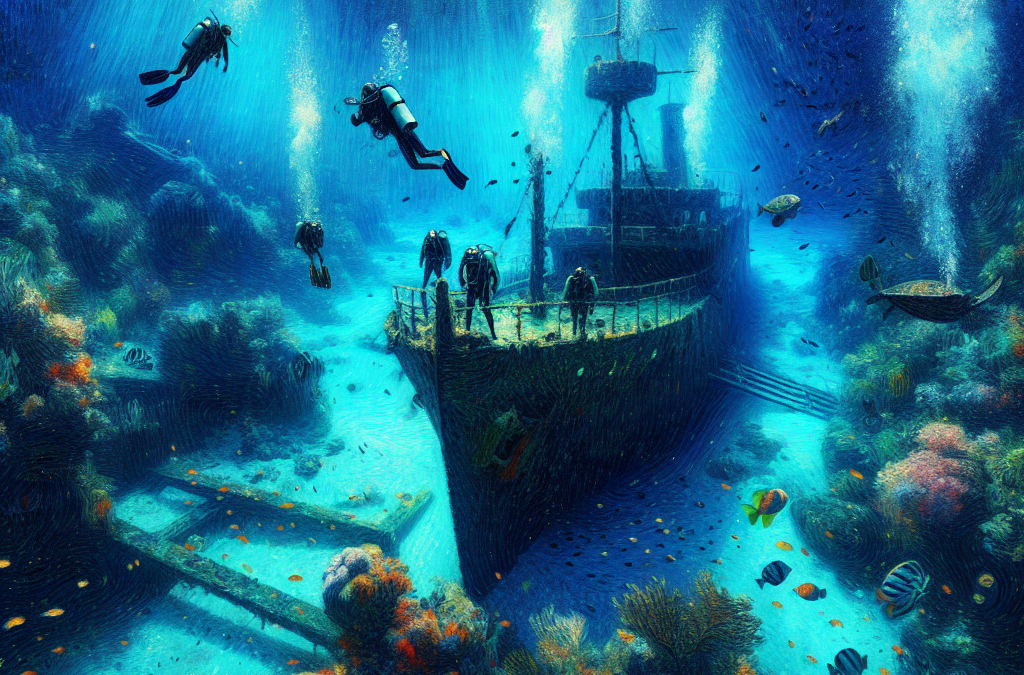
Are there shipwrecks near Cozumel for diving or snorkeling? You bet there are, and they’re as storied as they are scenic. When you think of Cozumel, you might picture the vibrant coral reefs teeming with life, but the underwater landscape has a few intriguing secrets: the shipwrecks in Cozumel. Each sunken vessel tells a tale of adventure, misfortune, and mesmerizing beauty just waiting to be explored by the curious diver or snorkeler.
Diving enthusiasts flock to these waters not only for the stunning marine biodiversity but also for the allure of what lies beneath the waves. Some shipwrecks in Cozumel date back decades, remnants of a bygone era that now serve as artificial reefs. For instance, the C-53 Felipe Xicotencatl, a former naval ship that met its fate in the 1990s, offers a thrilling dive site. As you descend, the sight of its massive hull surrounded by colorful fish and swaying coral is nothing short of breathtaking.
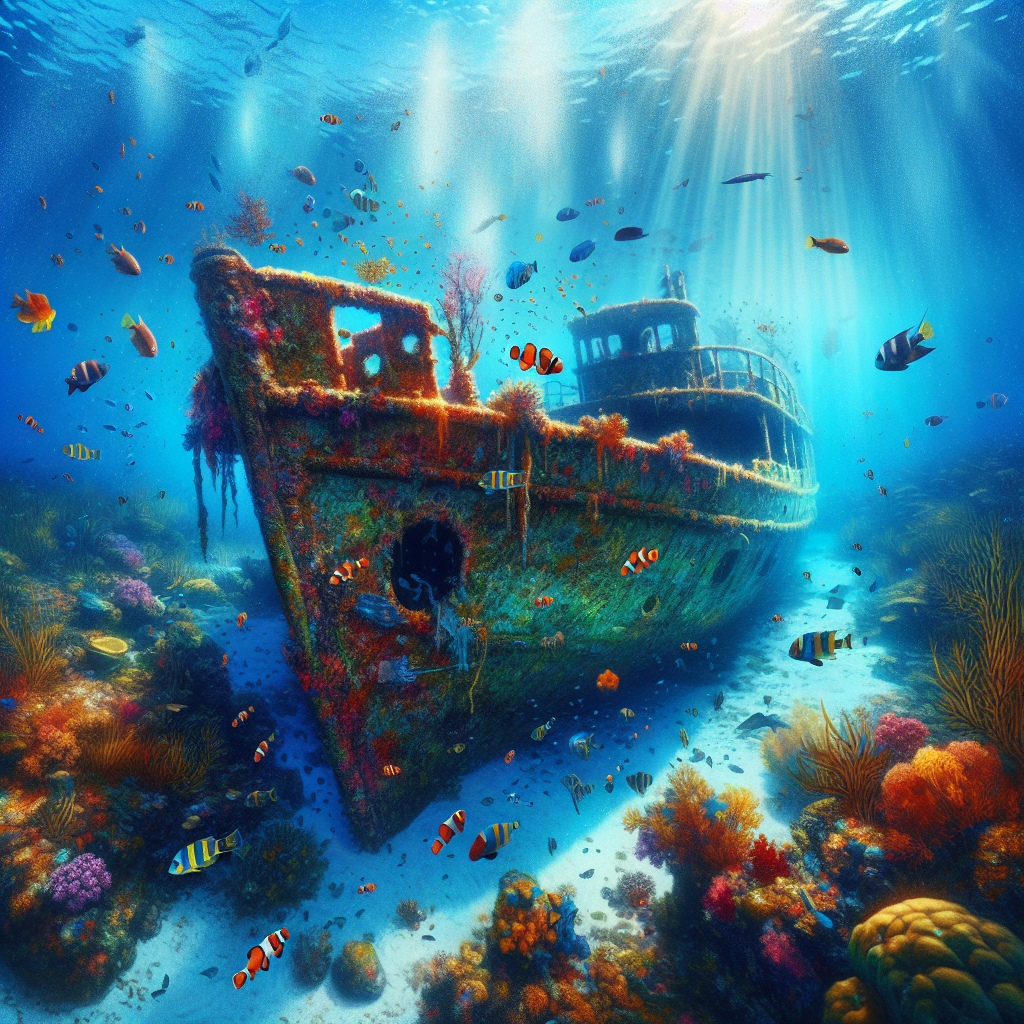
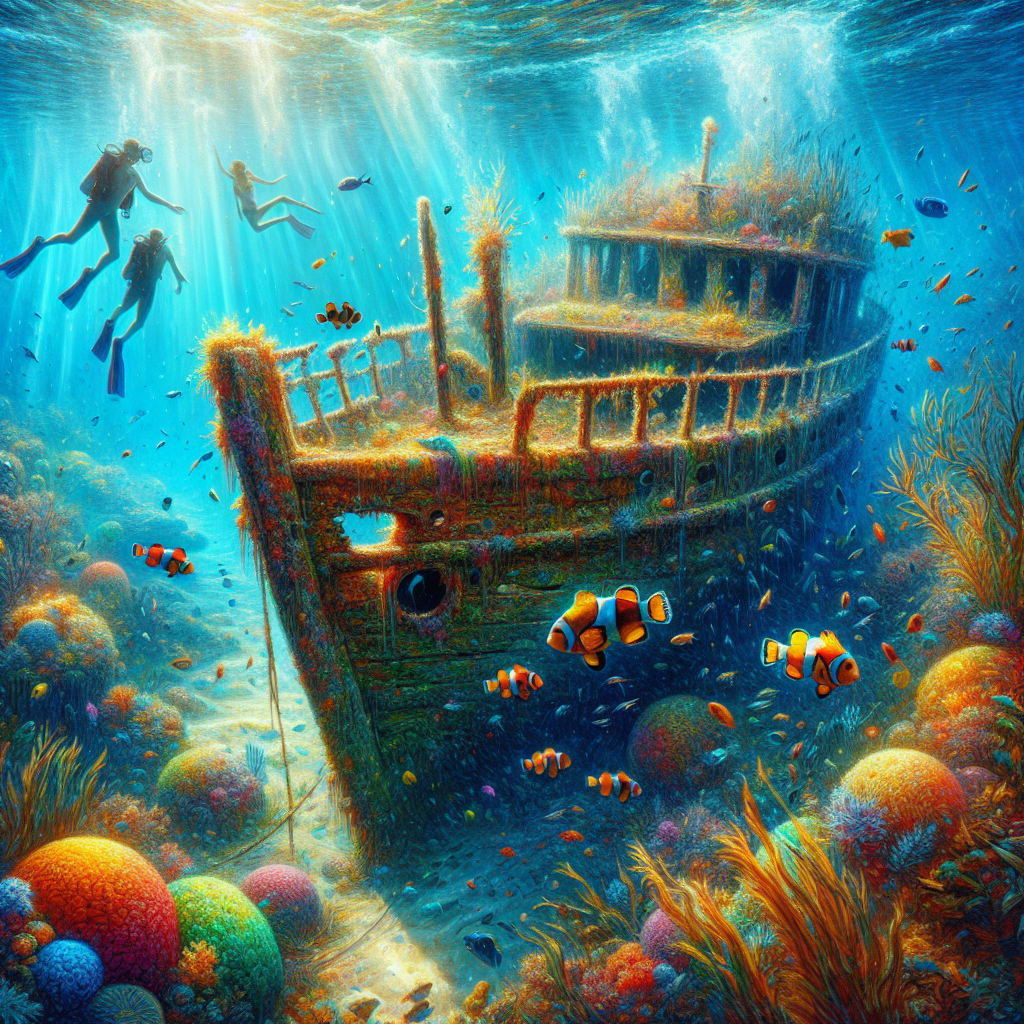
Snorkeling around these sites can be just as rewarding. While some wrecks are reserved for certified divers, others lie shallow enough that even novice snorkelers can peek into the past without strapping on heavy gear. Picture yourself floating above the wreck of a modest fishing boat, now home to swarms of clownfish darting in and out of the sunken hull. It’s a vibrant underwater museum that invites you to glimpse history through the lens of nature’s recovery.
These shipwrecks also play a crucial role in the ecosystem. Over time, they have become integral parts of the local marine habitat. Coral growth, sponges, and marine life find refuge in the nooks and crannies of these sunken giants. This interplay of nature and history is what makes exploring these sites a unique experience.
But before you dip your toes into this submerged world, it’s essential to do your homework. Some shipwrecks are protected, and diving on these sites should be done with respect for their historical significance. Guided tours are a great way to ensure you’re not only safe but also mindful of the delicate ecosystems that thrive in these watery wonders.
So, if you’re on the hunt for adventure, consider the shipwrecks in Cozumel. They promise not just a taste of history, but also the opportunity to witness the beauty of marine life flourishing in the wake of human artifacts. Dive deep or float above; either way, you’re in for an unforgettable experience.
Are There Shipwrecks Near Cozumel for Diving Or Snorkeling?
Are There Shipwrecks Near Cozumel for Diving Or Snorkeling?
- Cozumel features intriguing shipwrecks perfect for diving and snorkeling.
- The C-53 Felipe Xicotencatl is a notable dive site, a former naval ship sunk in the 1990s.
- Many shipwrecks serve as artificial reefs, attracting diverse marine life.
- Some wrecks are accessible to novice snorkelers, offering an easy glimpse into underwater history.
- Shipwrecks contribute to the local ecosystem, providing habitats for coral and marine species.
- Exploration of these sites should be done respectfully, as some are protected due to their historical significance.
- Guided tours enhance safety and awareness of fragile ecosystems during underwater adventures.
Are There Shipwrecks Near Cozumel for Diving Or Snorkeling?
Table Of Contents
- Are There Shipwrecks Near Cozumel for Diving Or Snorkeling?
- What Type Of Shipwrecks Can Divers Explore In Cozumel?
- How Deep Are The Shipwrecks Around Cozumel?
- Is It Safe to Dive Near Shipwrecks In Cozumel?
- What Marine Life Can Be Found Near These Shipwrecks In Cozumel?
- Are Guided Tours Available for These Shipwrecks In Cozumel?
- What Should Divers Know Before Exploring Shipwrecks In Cozumel?
- How Do Shipwrecks Contribute to Marine Ecosystems In Cozumel?
- Conclusion
- Other Resources
- Glossary Of Terms
- Other Questions
- Haiku
- Poem
- Checklist
What Type Of Shipwrecks Can Divers Explore In Cozumel?
## What Type of Shipwrecks Can Divers Explore In Cozumel?
When you think of Cozumel, shimmering turquoise waters and vibrant coral reefs likely come to mind. But beneath those crystal-clear waves lies a treasure trove of history, waiting for adventurous divers to explore—the shipwrecks in Cozumel. This Caribbean gem has seen its fair share of maritime tales, and the remnants of those tales are scattered throughout its underwater landscape.
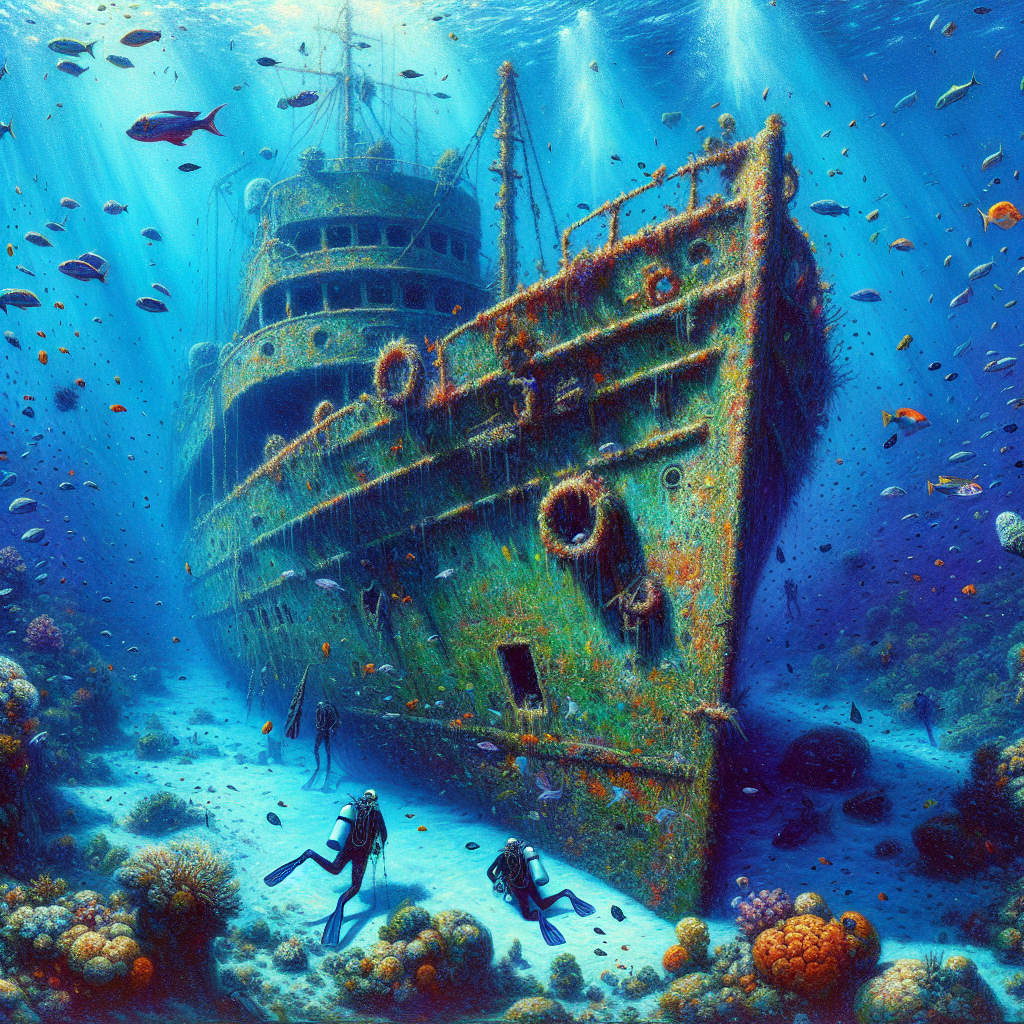
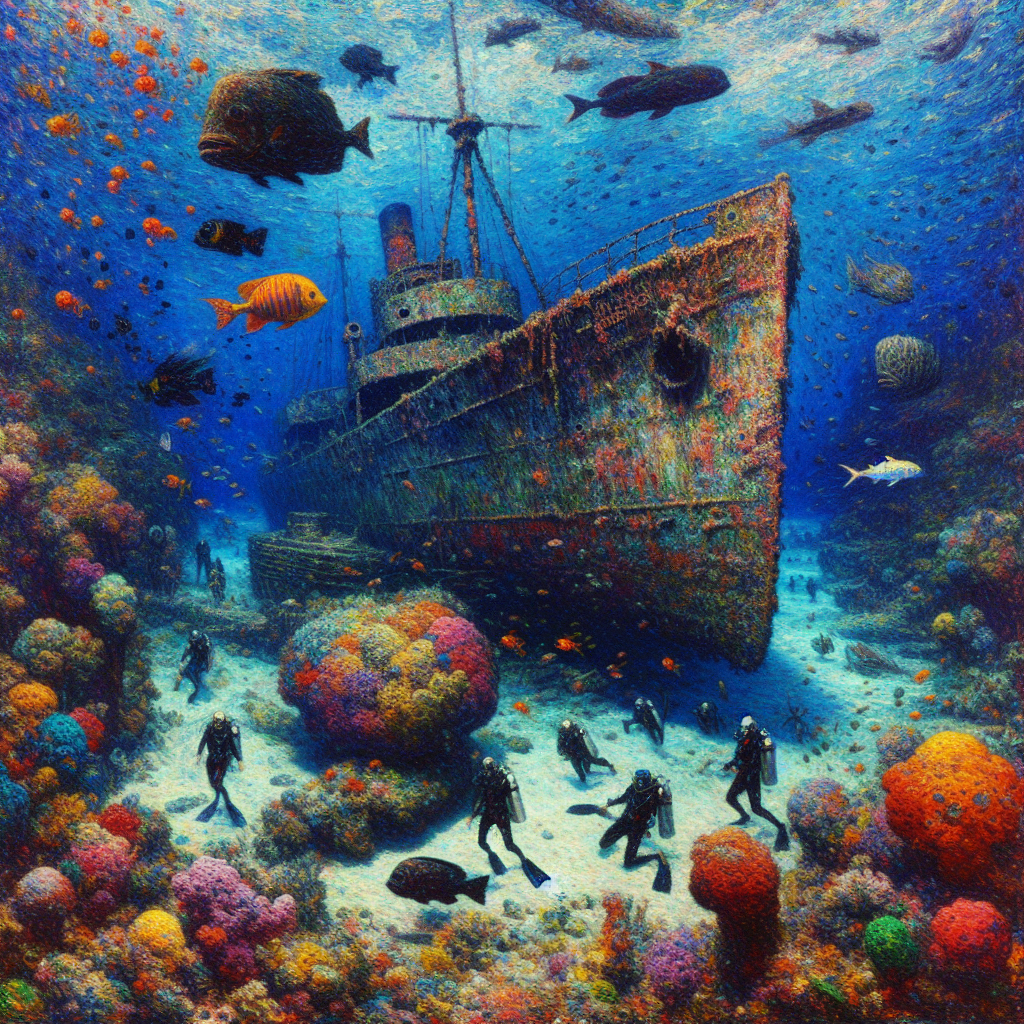
One of the most iconic wrecks is the C-53 Felipe Xicoténcatl, a former Mexican Navy minesweeper that now rests peacefully on the bottom. With its impressive length of 184 feet, this ship offers divers the opportunity to weave through its corridors and peer into its hold, where marine life has carved out a home. The C-53 is not just any rusting hulk; it is a metal time capsule, telling stories of the past while enveloped in colorful corals and schools of fish that call it home.
Then there’s the Mama Vina, an intriguing wreck that provides a different diving experience. Originally a fishing vessel, she sank in 1995 and has become a favorite for photographers and marine enthusiasts alike. Covered in sponges and encrusted with coral, Mama Vina’s structure is hauntingly beautiful, creating an eerie yet captivating atmosphere. Swimmers can often find it teeming with life—snapper, grunts, and even barracuda—not to mention, the sensation of encountering a piece of history as you glide alongside the submerged hull.
Let’s not forget about the Wave Dancer, a more contemporary wreck that was intentionally sunk to create an artificial reef. This vessel serves both ecological and exploratory purposes, attracting divers from all corners of the globe. Here, divers can swim through the large openings that were designed to make it accessible to curious explorers. The Wave Dancer plays a pivotal role in promoting marine biodiversity while offering a unique playground for underwater adventurers.
From the wreckage of ships that weathered storms to those sunk for leisure or conservation, the shipwrecks in Cozumel invite divers to connect with the tales of salt, sweat, and the ebb and flow of time. While you glide through each wreck, you aren’t just witnessing the decay of man-made marvels; you’re stepping into a living museum, overflowing with life and history. So grab your gear and prepare to dive into a world where every wreck holds secrets of the deep, each with its own story waiting to be uncovered.
What Type Of Shipwrecks Can Divers Explore In Cozumel?
What Type Of Shipwrecks Can Divers Explore In Cozumel?
- Cozumel is home to a variety of fascinating shipwrecks beneath its crystal-clear waters.
- The C-53 Felipe Xicoténcatl is a significant wreck, a former Mexican Navy minesweeper, measuring 184 feet long.
- Divers can explore the C-53’s corridors and hold, now inhabited by marine life and coral.
- The Mama Vina, a fishing vessel that sank in 1995, is known for its haunting beauty and is popular with photographers.
- This wreck hosts a variety of marine species, including snapper and barracuda, providing a lively diving experience.
- The Wave Dancer was intentionally sunk to create an artificial reef, enhancing marine biodiversity.
- Cozumel’s shipwrecks serve as living museums, allowing divers to experience history and vibrant underwater ecosystems.
What Type Of Shipwrecks Can Divers Explore In Cozumel?
How Deep Are The Shipwrecks Around Cozumel?
When you think of Cozumel, you might envision sun-soaked beaches, vibrant coral reefs, and the gentle sound of waves lapping against the shore. But beneath those crystalline waters lies a fascinating world of history—one filled with shipwrecks in Cozumel that tell tales of adventure, misadventure, and, in some cases, tragedy. So, how deep are these submerged relics?
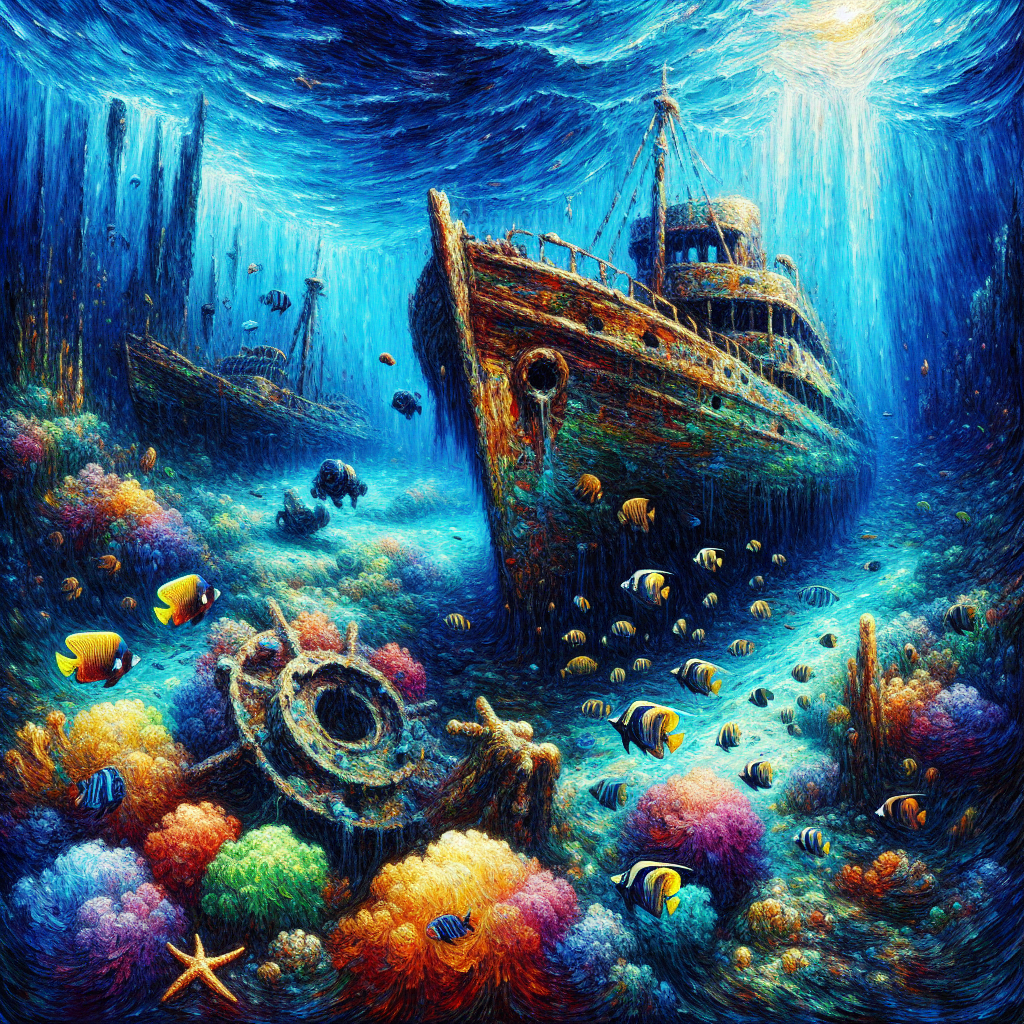
Let’s dive into the depths. The shipwrecks in Cozumel vary widely in depth, making the area a magnet for divers and marine historians alike. You’ve got your shallow dives around 20 to 30 feet, where a charming wreck might allow beginners to explore without the overwhelming concern of deep water. This level can be an inviting introduction where one can see sea life flourishing among the remnants of the past.
Now, venture a little deeper, and you’ll find more challenging sites. Many sunken vessels settle at depths between 60 to 80 feet. These wrecks often boast intricate features like gunwales and propellers, and they provide an exhilarating experience for seasoned divers. However, the deeper you go, the more you need to familiarize yourself with the safety protocols and dive planning required to ensure a safe exploration.
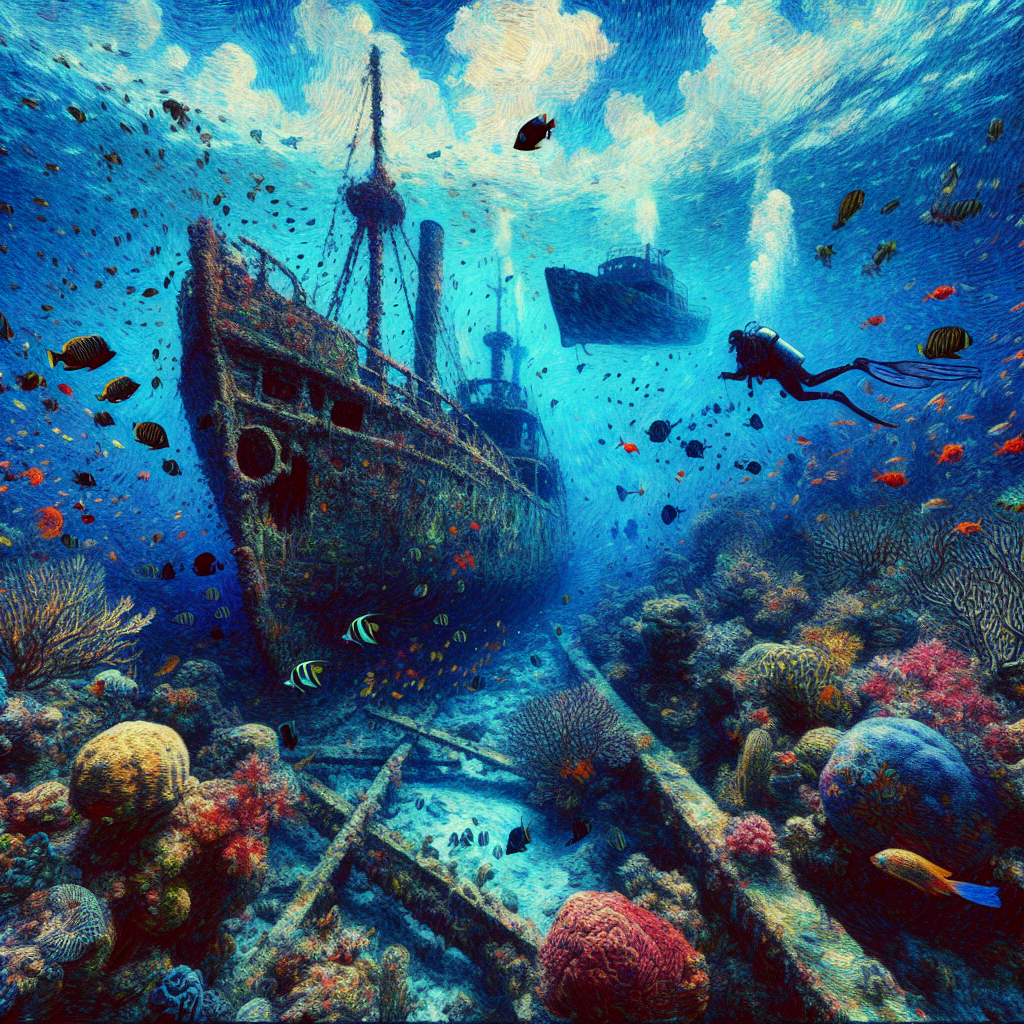
But wait, there’s a whole different world lurking beneath the waves at depths of over 100 feet! Here, the shipwrecks in Cozumel become a thrilling spectacle where visibility can be stunningly clear. These deep dives might take you to the remnants of cargo ships and even a few WWII wrecks, offering explorers a unique chance to discover history while traversing the underwater terrain.
Another compelling aspect of these depths is the abundant marine life that calls them home. The allure of these underwater graveyards is not just in the nostalgia but also in their ecosystems. Many wrecks have become artificial reefs, playing host to all sorts of underwater creatures, from colorful schools of fish to the occasional sea turtle that glides gracefully by.
Exploring these shipwrecks in Cozumel is akin to diving into a time capsule, each depth revealing a new chapter of our maritime past. So, whether you’re a curious novice or an adventurous deep-sea enthusiast, the depths around Cozumel offer a treasure trove of exploration waiting just beneath the surface.
How Deep Are The Shipwrecks Around Cozumel?
How Deep Are The Shipwrecks Around Cozumel?
- Cozumel is known for its sun-soaked beaches and vibrant coral reefs, but it also has a rich underwater history with shipwrecks.
- Shipwrecks in Cozumel vary in depth and attract divers and marine historians alike.
- Shallow dives of 20 to 30 feet allow beginners to explore without deep water concerns, showcasing flourishing sea life.
- Wrecks at depths of 60 to 80 feet offer challenging diving experiences with intricate features, suitable for seasoned divers.
- Diving deeper than 100 feet reveals stunning visibility and remnants of cargo ships and WWII wrecks, providing a unique historical perspective.
- Many shipwrecks serve as artificial reefs, supporting diverse marine life including colorful fish and sea turtles.
- Exploring these wrecks offers a glimpse into maritime history, appealing to both novices and experienced enthusiasts.
How Deep Are The Shipwrecks Around Cozumel?
Is It Safe to Dive Near Shipwrecks In Cozumel?
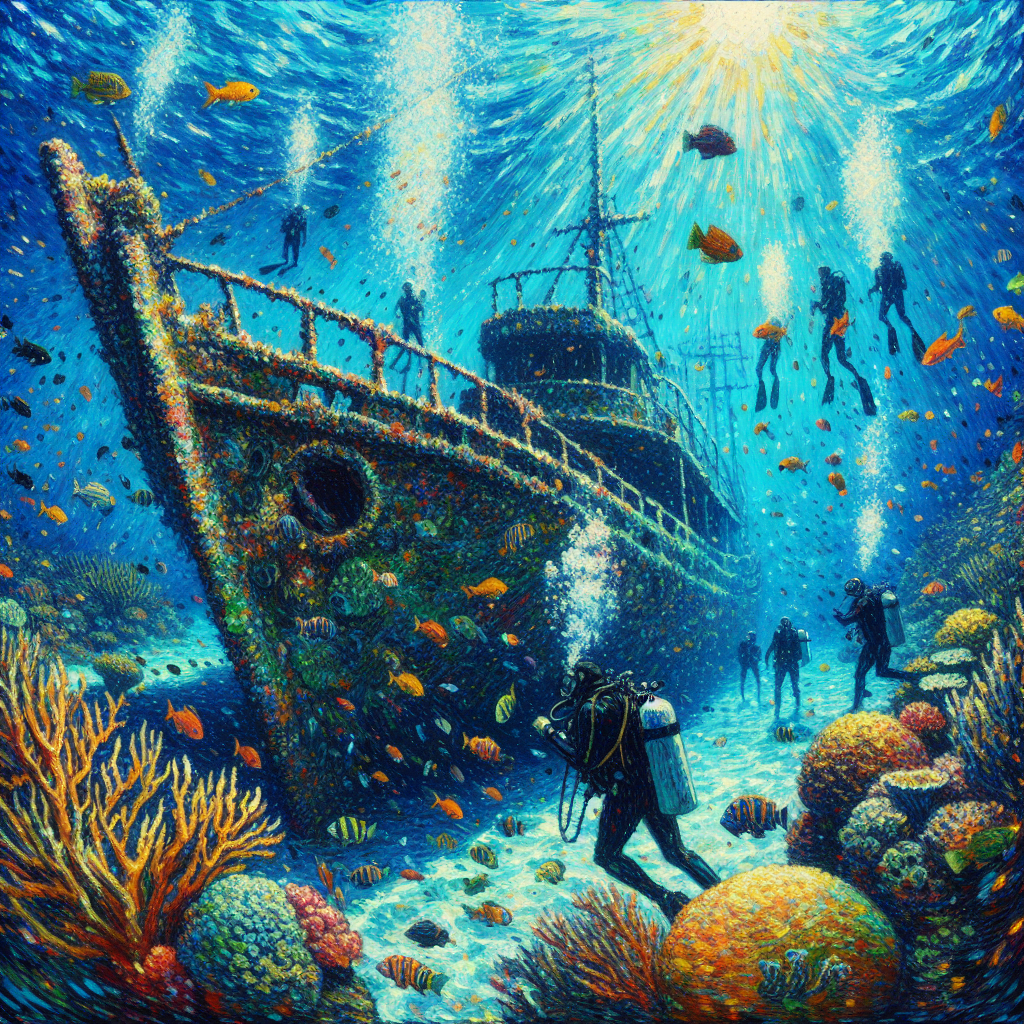
When you think of shipwrecks in Cozumel, it’s easy to let your imagination run wild. Tales of treasure, ghostly apparitions, and the thrill of adventure might conjure images reminiscent of Hollywood blockbusters. However, the reality of diving near these submerged time capsules is a mix of excitement and caution. Before you strap on your tank and plunge into the crystalline waters, let’s explore whether it’s safe to dive near shipwrecks in Cozumel.
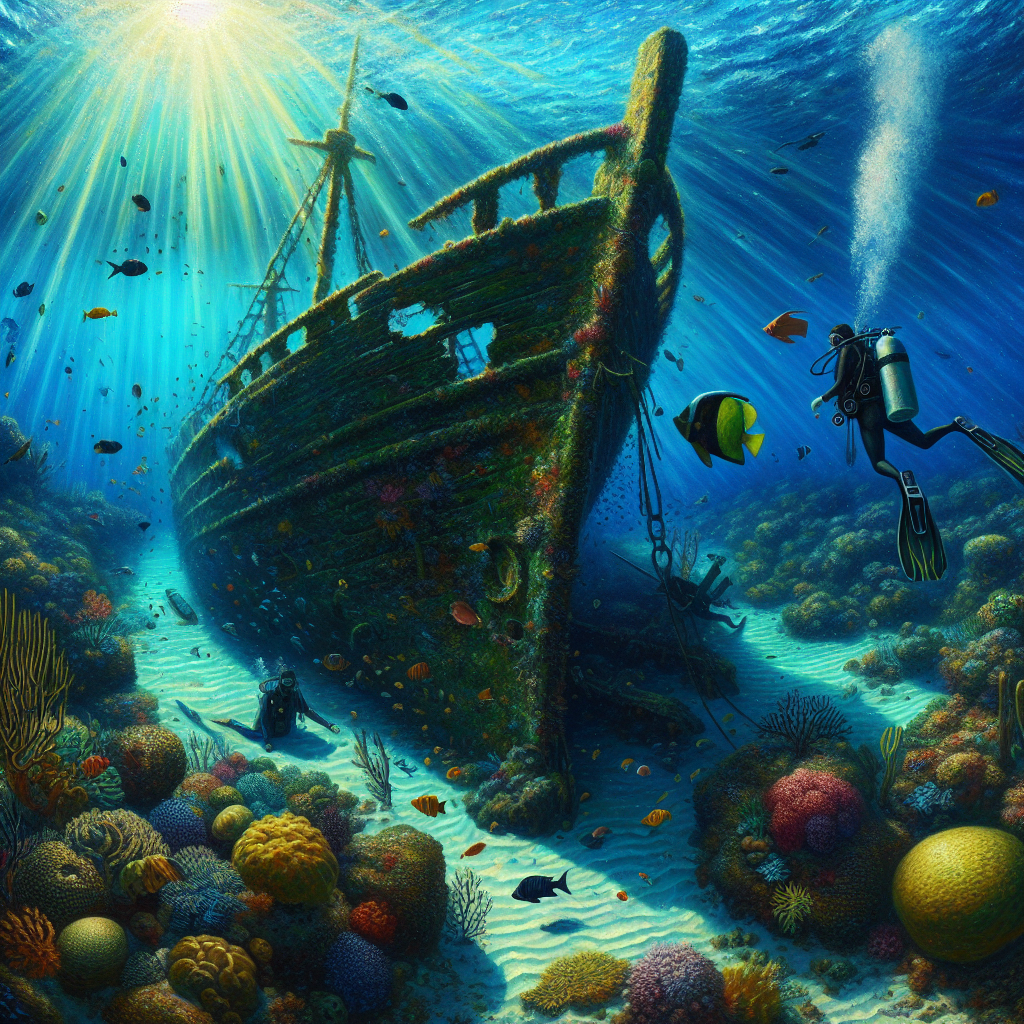
First and foremost, it’s essential to recognize that not all shipwrecks are created equal. Some have been transformed into vibrant artificial reefs, teeming with marine life and offering a peek into the past. Others, however, might be more hazardous. Loose debris, sharp edges, and unpredictable currents can pose risks that require careful navigation. That doesn’t mean you should shy away from these enchanting dive sites; it merely underscores the importance of preparation and diligence.
Dive operators in Cozumel are well-acquainted with the local wrecks, their history, and the inherent risks involved. A reputable dive shop will conduct thorough briefings, emphasizing safety protocols and what to watch for during your dive. Always heed their advice. Remember, the ocean is an unpredictable beast, and while those shipwrecks stand as monuments to human endeavor, they also serve as a reminder of nature’s unmatched power.
Furthermore, the condition of the wreck can impact your diving experience significantly. Some vessels have deteriorated over time, while others remain remarkably intact, allowing divers to explore nooks and crannies with relative ease. The thrill of gliding through the remains of a ship tells stories of seafaring days long gone, igniting wonder with every fin kick. Yet, be respectful; these sites are not just playgrounds for divers but also sanctuaries for marine life. Corals and fish have made these wrecks their homes, and it’s crucial to maintain their delicate ecosystems.
Lastly, ensure you’re adequately trained for wreck diving. Even in seemingly benign circumstances, the thrill of diving near shipwrecks in Cozumel should not be taken lightly. Secure proper certifications and gain experience in wreck diving before heading into the depths. With the right mindset, preparation, and respect for both the environment and historical significance, diving near these fascinating structures can be an exhilarating and safe experience. So, find your local dive shop, gather your gear, and get ready to explore the stories that lie beneath the waves. Safe diving!
Is It Safe to Dive Near Shipwrecks In Cozumel?
Is It Safe to Dive Near Shipwrecks In Cozumel?
- Shipwrecks in Cozumel spark imagination, evoking tales of treasure and adventure.
- Not all shipwrecks are safe; some are vibrant artificial reefs while others can be hazardous.
- Loose debris, sharp edges, and unpredictable currents present potential risks while diving.
- Reputable dive operators offer safety briefings and emphasize the importance of caution.
- The condition of the wreck can vary, affecting the diving experience and marine life ecosystems.
- Divers should have proper training and certifications for wreck diving for safety.
- With preparation and respect for the environment, diving near shipwrecks can be an enriching adventure.
Is It Safe to Dive Near Shipwrecks In Cozumel?
What Marine Life Can Be Found Near These Shipwrecks In Cozumel?
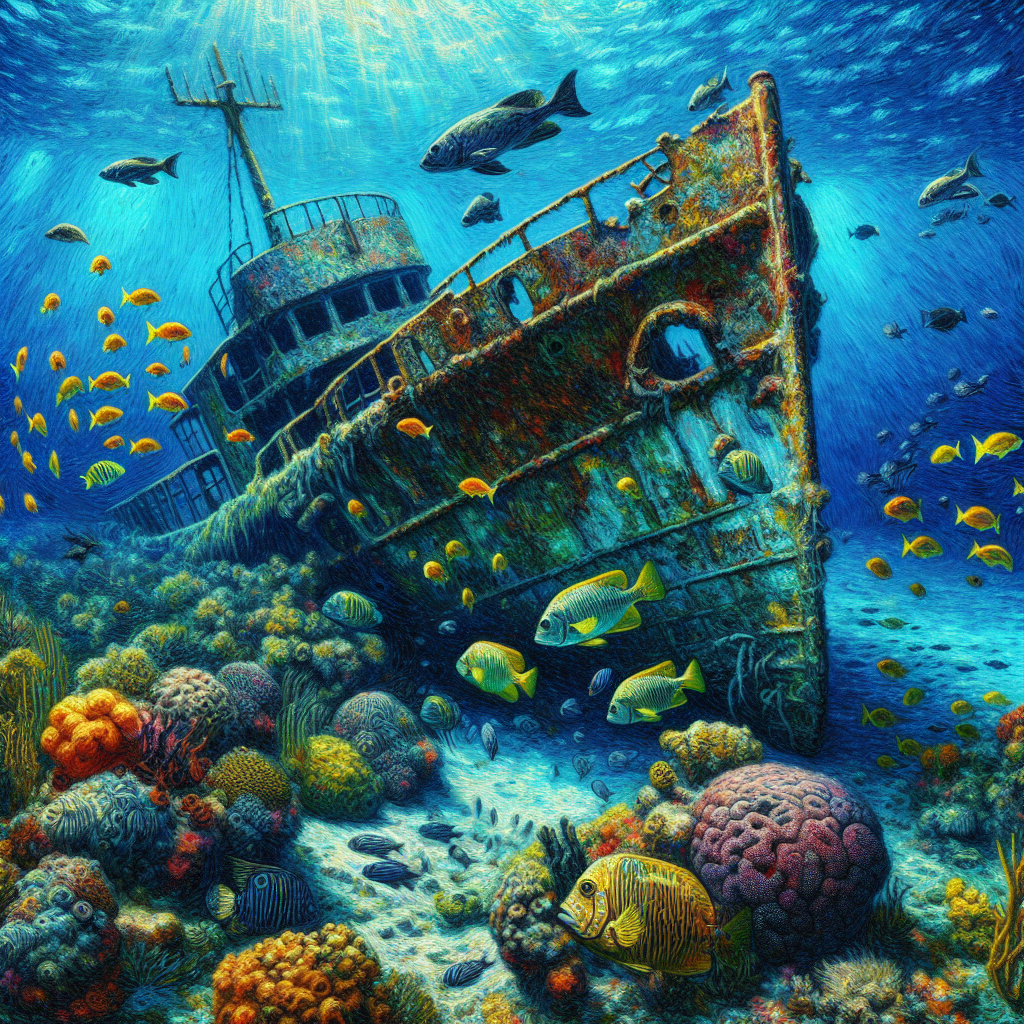
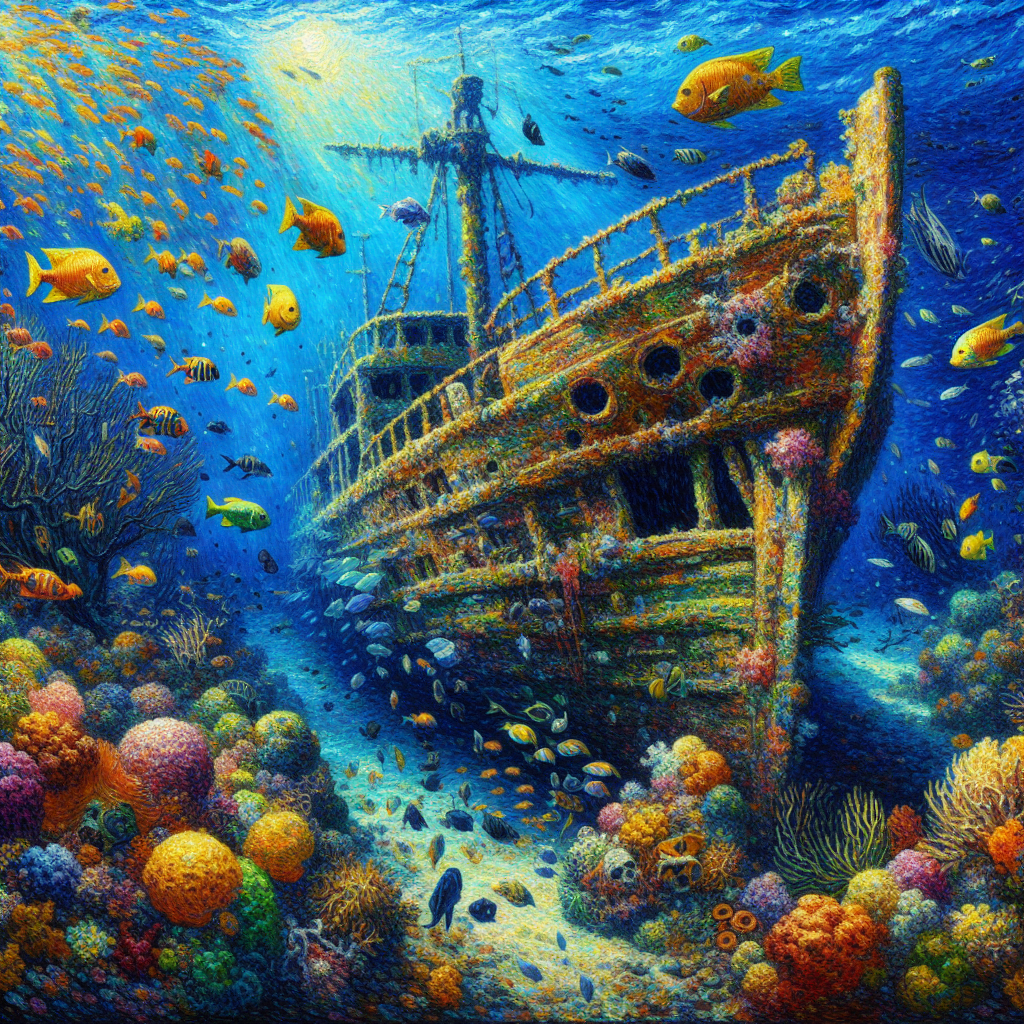
Cozumel is not just a tropical paradise; it’s an underwater treasure chest brimming with the remnants of shipwrecks that tell tales as old as the ocean itself. As divers glide through the crystal-clear waters, exploring the shipwrecks in Cozumel, they encounter a vibrant tapestry of marine life that has made these artificial reefs their home. Imagine the scene: the hull of an ancient vessel, encrusted with corals, provides shelter to a swirling kaleidoscope of fish and other creatures.
One spectacular example is the famous C-53 Felipe Xicotencatl, a former Mexican Navy vessel that now rests beneath the waves. As divers circle the wreckage, they are greeted by schools of yellowtail snapper darting through the openings. Scattered around the ship are angelfish, their brilliant colors contrasting against the rusting metal. These shipwrecks in Cozumel act as an ideal nursery ground, where young fish thrive in the nooks and crannies.
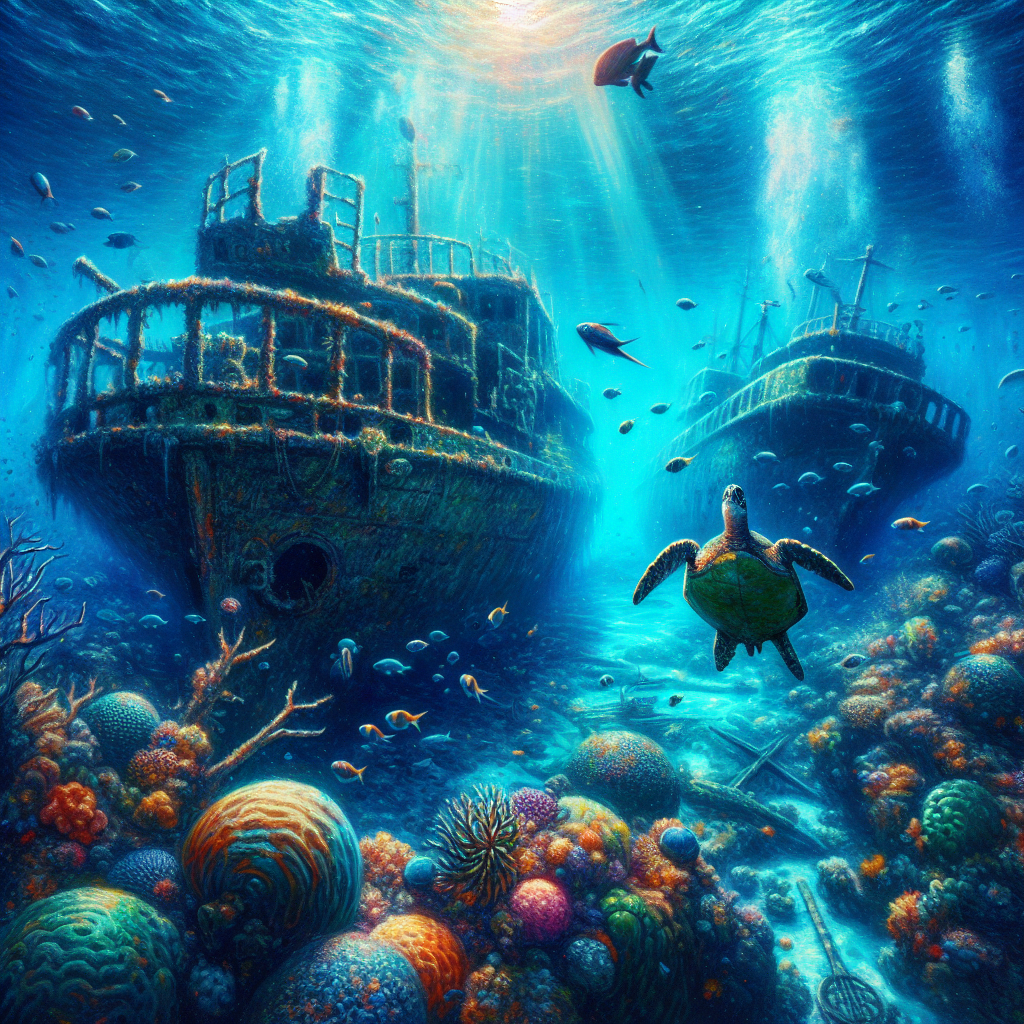
In the depths, you might also encounter the eerie yet captivating sight of barracuda, lurking with a predatory grace that can thrill even the most seasoned diver. They hang lazily near shadowy corners, their sleek bodies perfectly adapted for the ocean’s depths. And let’s not forget the majestic sea turtles that glide serenely around the wrecks, often appearing as the guardians of these submerged relics. With a bit of luck, a diver might spot a loggerhead or green turtle making its way through the debris field, an enchanting reminder of the link between past and present.
As the sunlight filters through the water, it transforms the shipwrecks into vibrant habitats. The corals and sponges that flourish on these structures provide the perfect backdrop for smaller critters, like hermit crabs and sea urchins, to go about their business. Each nook and cranny of the wreck serves as a microhabitat for these fascinating organisms, adding complexity to this underwater ecosystem.
Lastly, the thrill of exploration is not just in spotting the big fish; it’s in the minutiae as well. A keen eye might catch a glimpse of peacock flounder or the darting movements of a brittle star clinging to a surface. Each dive into the shipwrecks in Cozumel is a reminder of the interconnectedness of life beneath the waves and the beauty that thrives in the remnants of human history. Dive in, and you’ll find that in the world of shipwrecks, every moment is a discovery waiting to happen.
What Marine Life Can Be Found Near These Shipwrecks In Cozumel?
What Marine Life Can Be Found Near These Shipwrecks In Cozumel?
- Cozumel is a tropical paradise with numerous shipwrecks that provide historical narratives of the ocean.
- Divers can explore vibrant marine life that inhabits the shipwrecks, including coral-encrusted vessels.
- The C-53 Felipe Xicotencatl, a former Mexican Navy ship, is a notable wreck teeming with aquatic life.
- Schools of yellowtail snapper and bright angelfish can often be seen around the wrecks, creating a lively underwater scene.
- Predatory barracuda and majestic sea turtles are also commonly encountered by divers in this underwater realm.
- The shipwrecks serve as nurseries for young fish and habitats for various small marine organisms, showcasing biodiversity.
- Every dive offers opportunities to discover hidden marine wonders, reinforcing the connection between life and the remnants of human history.
What Marine Life Can Be Found Near These Shipwrecks In Cozumel?
Are Guided Tours Available for These Shipwrecks In Cozumel?
Cozumel—a tropical paradise famed for its crystalline waters and vibrant marine life—not only attracts divers and snorkelers but also those eager to delve into its intriguing history, particularly the shipwrecks in Cozumel. Now, if you find yourself yearning for a thrilling adventure beneath the waves or along the sun-kissed shores, you might be wondering: are guided tours available for these shipwrecks?
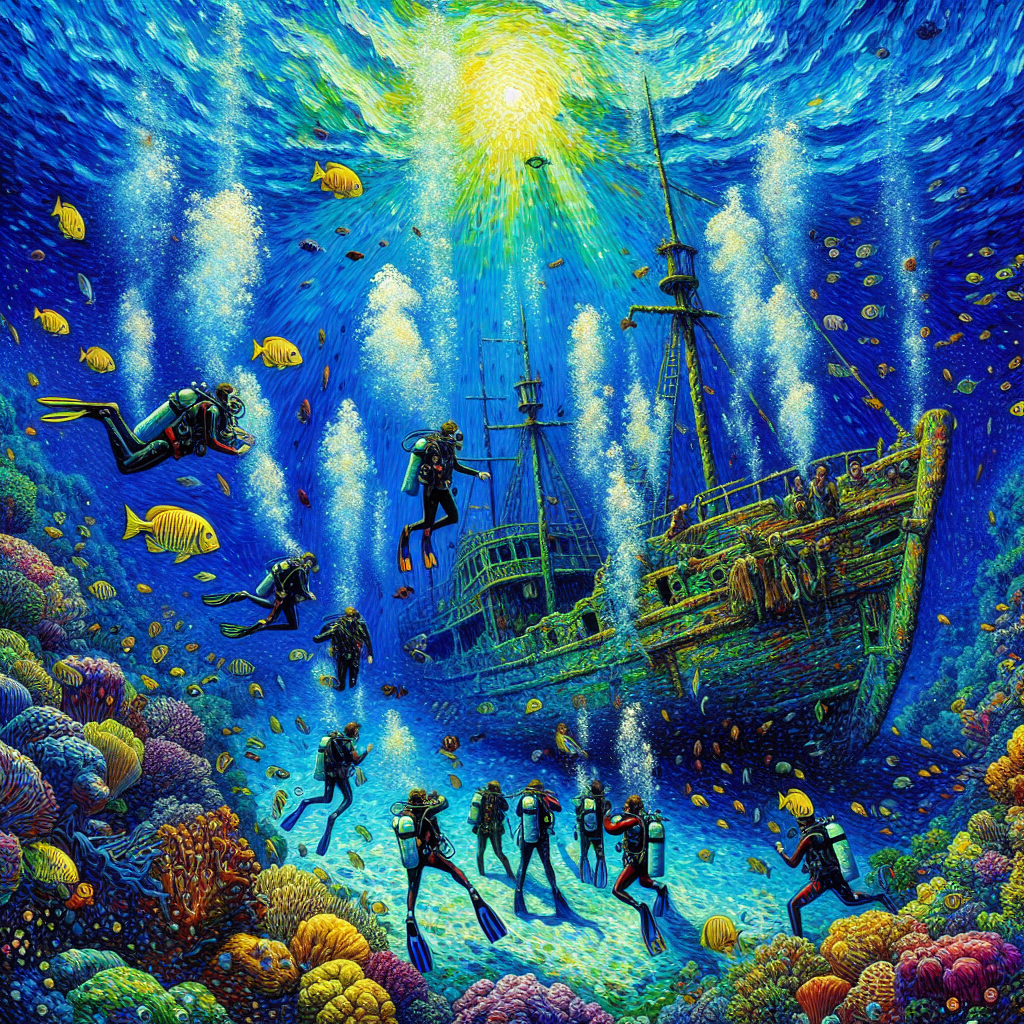
Well, buckle up! Cozumel is not just a pretty postcard; it’s a treasure trove of stories waiting to unfold. Many tour operators in the region offer guided excursions that take you right to the heart of these submerged relics. From the remnants of old cargo ships to sunken war vessels, each shipwreck has its own unique tale to tell, and what better way to hear it than through the eyes of an experienced local guide?
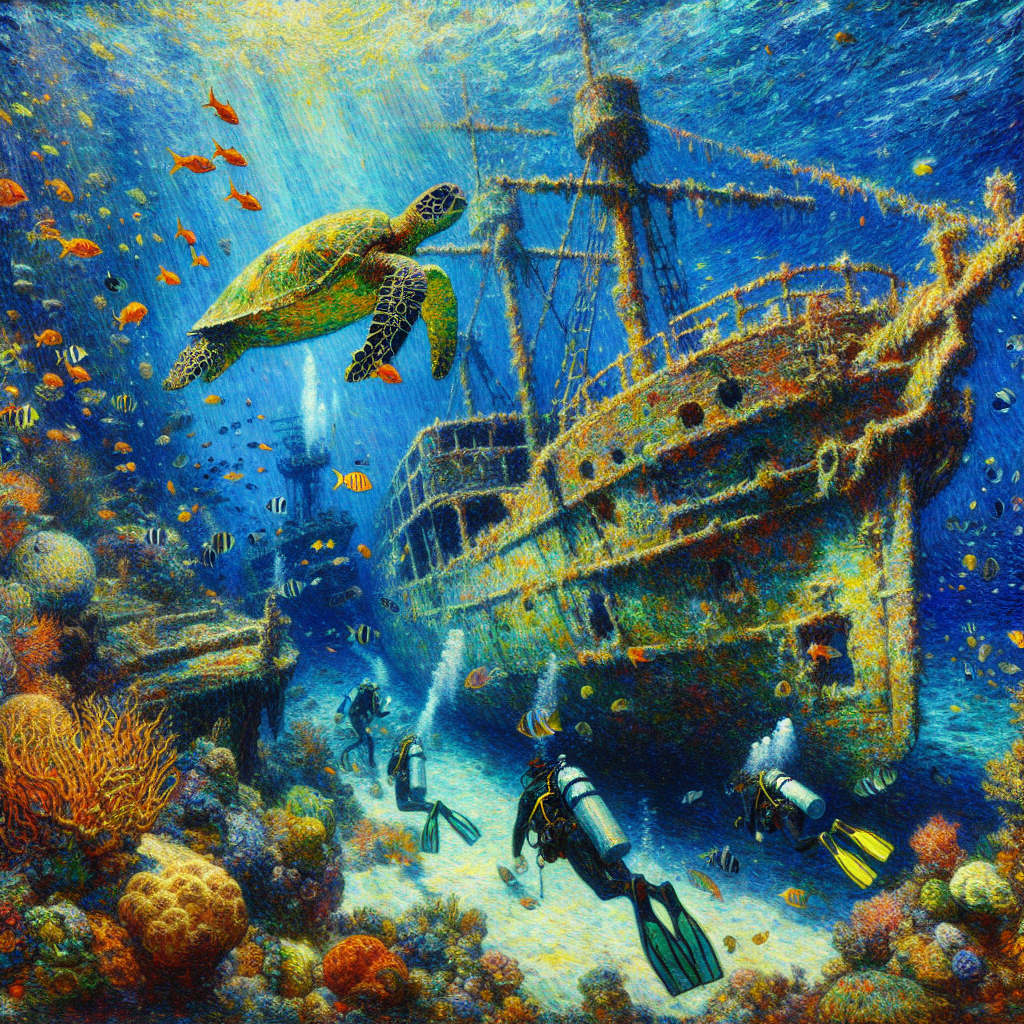
These tours typically cater to everyone—from novice snorkelers to seasoned divers—ensuring that everyone gets to experience the magic lurking beneath the surface safely. With guides well-versed in the area’s rich maritime history, the tours often include historical context that adds an extra layer of intrigue. Imagine hearing about a ship that sank in the 19th century right as you swim over its bones! It’s like having a front-row seat to a living history lesson—underwater style.
Most guided tours provide everything you need for a seamless experience: gear, transportation, and, of course, a sundry supply of local knowledge. Whether you’re looking to explore the famed wreck of the Felipe Xicoténcatl or venture into more off-the-beaten-path territories, a guided tour can help tailor the experience to your preferences.
For those feeling a bit more adventurous, some operators offer combined packages that include both snorkeling and diving, allowing participants to fully immerse themselves in the magic of the shipwrecks in Cozumel. After all, who wouldn’t want to peer into the forgotten past while surrounded by colorful fish?
So, if you’re looking to dive deeper—both literally and figuratively—look no further than the guided tours waiting to whisk you away to the remarkable shipwrecks in Cozumel. It’s a journey that promises to blend education with exhilaration, and trust me, it’s an experience you won’t soon forget.
Are Guided Tours Available for These Shipwrecks In Cozumel?
Are Guided Tours Available for These Shipwrecks In Cozumel?
- Cozumel is renowned for its clear waters, vibrant marine life, and historical shipwrecks.
- Guided tours are available, allowing adventurers to explore the intriguing shipwrecks.
- Tour operators offer excursions that cater to both novice snorkelers and experienced divers.
- Guides provide historical context and stories about the sunken vessels to enhance the learning experience.
- Most tours include necessary gear, transportation, and local knowledge for a seamless adventure.
- Some operators offer combined packages for those interested in both snorkeling and diving experiences.
- Guided tours promise a mix of education and excitement, making for an unforgettable experience.
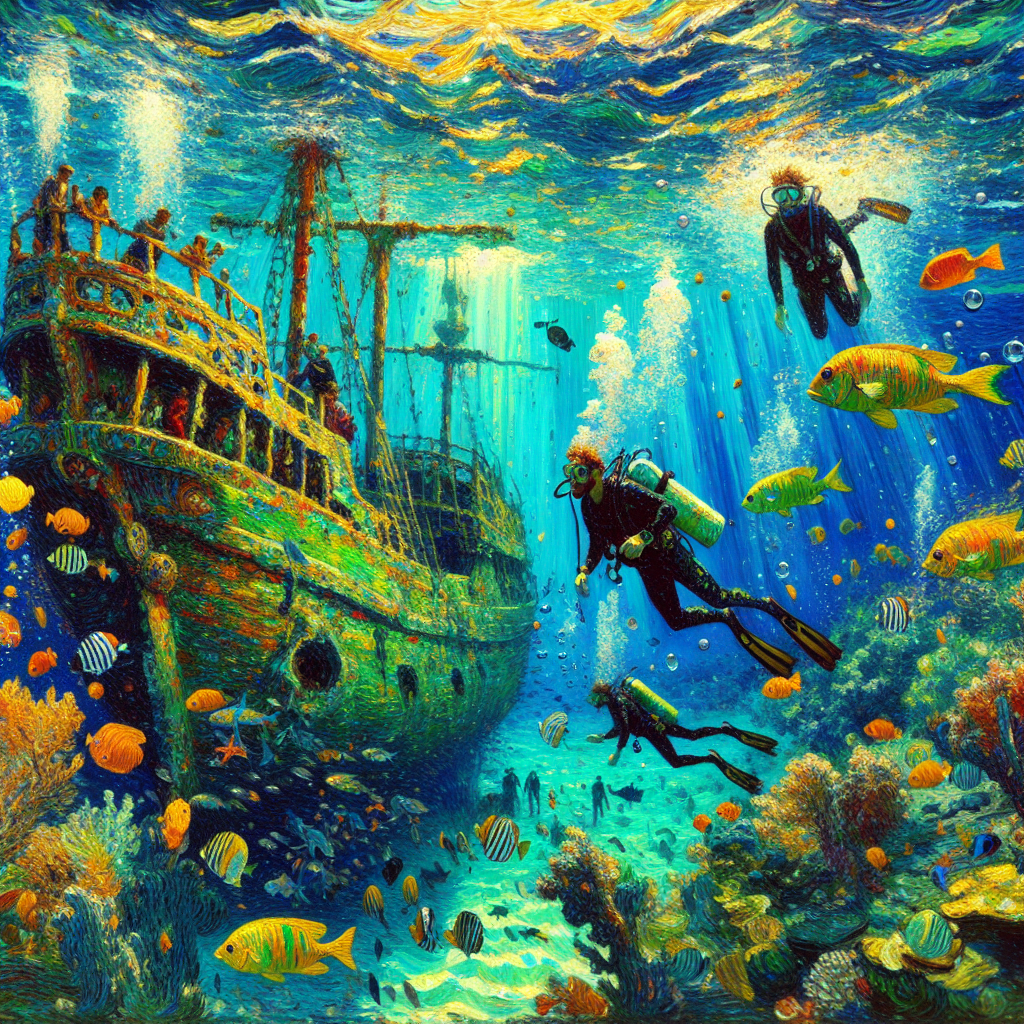
Are Guided Tours Available for These Shipwrecks In Cozumel?
What Should Divers Know Before Exploring Shipwrecks In Cozumel?
Exploring shipwrecks in Cozumel is like diving into a living history book, but before you put on your fins and grab your gear, let’s take a moment to unpack what you should know. It’s not just about the thrill of discovering underwater relics; it’s about respect, preparation, and, above all, safety.
First and foremost, familiarize yourself with the specific shipwrecks in Cozumel. Each has its own story, personality, and challenges. There’s the famed Felipe Xicotencatl, a former naval ship that now serves as an artificial reef, inviting divers from around the world to experience its grandeur. Then there’s the wreck of the C-53, a WWII minesweeper that has become a canvas for vibrant marine life. Knowing what you’re diving into makes the experience not only safer but also more enriching.
Next, dive training is crucial. If you’re not yet certified, it’s time to hit the books and the pool. Many dive shops in Cozumel offer specialty courses focused on wreck diving. These programs teach you essential skills, such as how to navigate safely, how to handle potential hazards, and how to preserve the fragile ecosystems surrounding these wrecks. Remember, what lurks beneath the waves isn’t all treasure and charm; it can be unpredictable.
Be mindful of the environmental impact. Shipwrecks can attract unique marine life, so it’s paramount not to disturb these habitats or damage the wrecks while exploring. Always practice responsible diving etiquette—this means avoiding touching corals or marine life and minimizing your footprint on the seafloor. Treat shipwrecks as archaeological sites, and consider your presence as an exploration rather than an exploitation.
Lastly, check local regulations. Some areas around shipwrecks in Cozumel may have specific rules regarding diving, and respecting these guidelines ensures that everyone can enjoy these underwater treasures for years to come.
So, if you’re ready to dive into Cozumel’s captivating underwater world, equip yourself with knowledge, training, and a genuine respect for the history you’re about to encounter. With the right preparation, your journey through the depths will be both thrilling and responsible. After all, in the fascinating realm of shipwrecks, curiosity and caution go hand in hand. Happy diving!
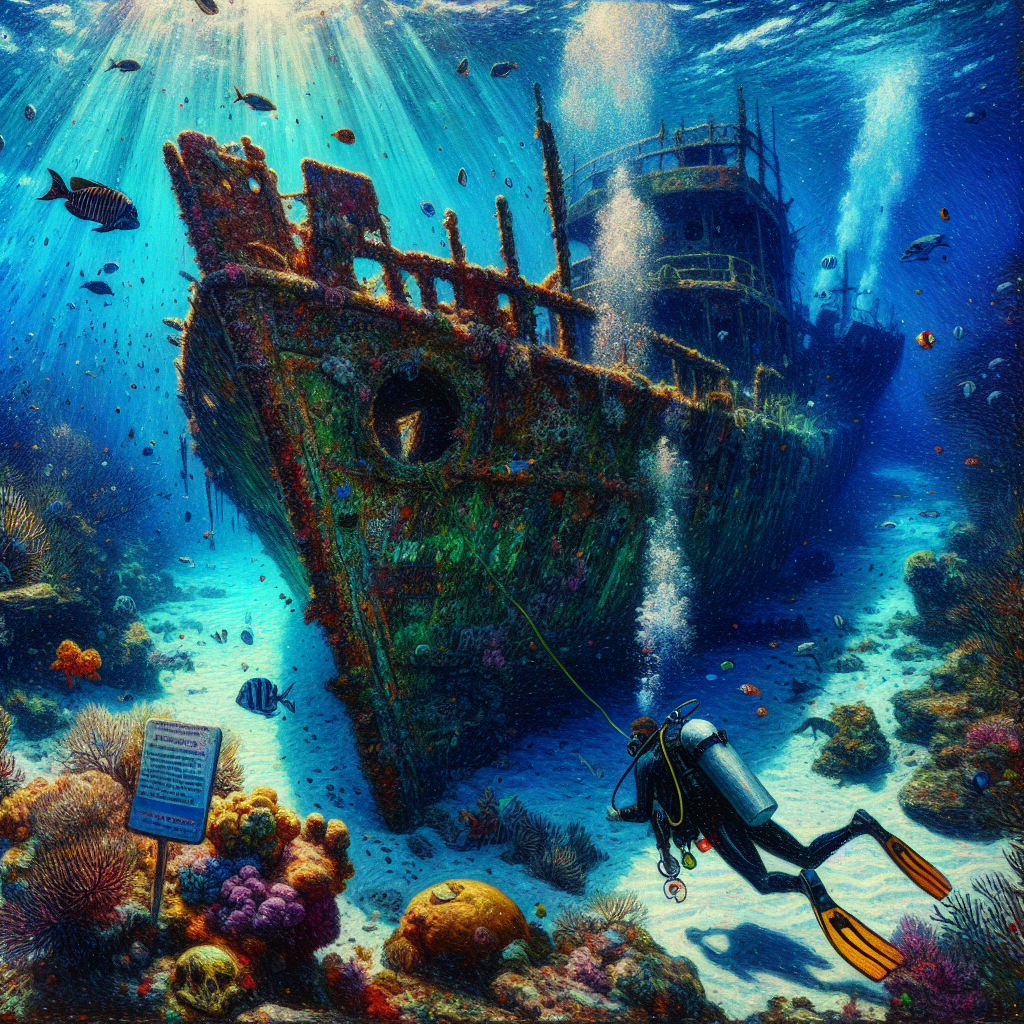
What Should Divers Know Before Exploring Shipwrecks In Cozumel?
What Should Divers Know Before Exploring Shipwrecks In Cozumel?
- Exploring shipwrecks in Cozumel combines history with thrill, necessitating respect and safety.
- Familiarize yourself with each shipwreck’s unique story, such as the Felipe Xicotencatl and the C-53.
- Dive training is essential; consider specialty courses in wreck diving offered by local dive shops.
- Be mindful of the environmental impact, preserving marine life and habitats around wrecks.
- Practice responsible diving etiquette by avoiding contact with corals and minimizing disturbance.
- Check local regulations for specific diving rules around shipwrecks to ensure sustainable enjoyment.
- Prepare with knowledge, training, and respect for the underwater world to enhance your diving experience.
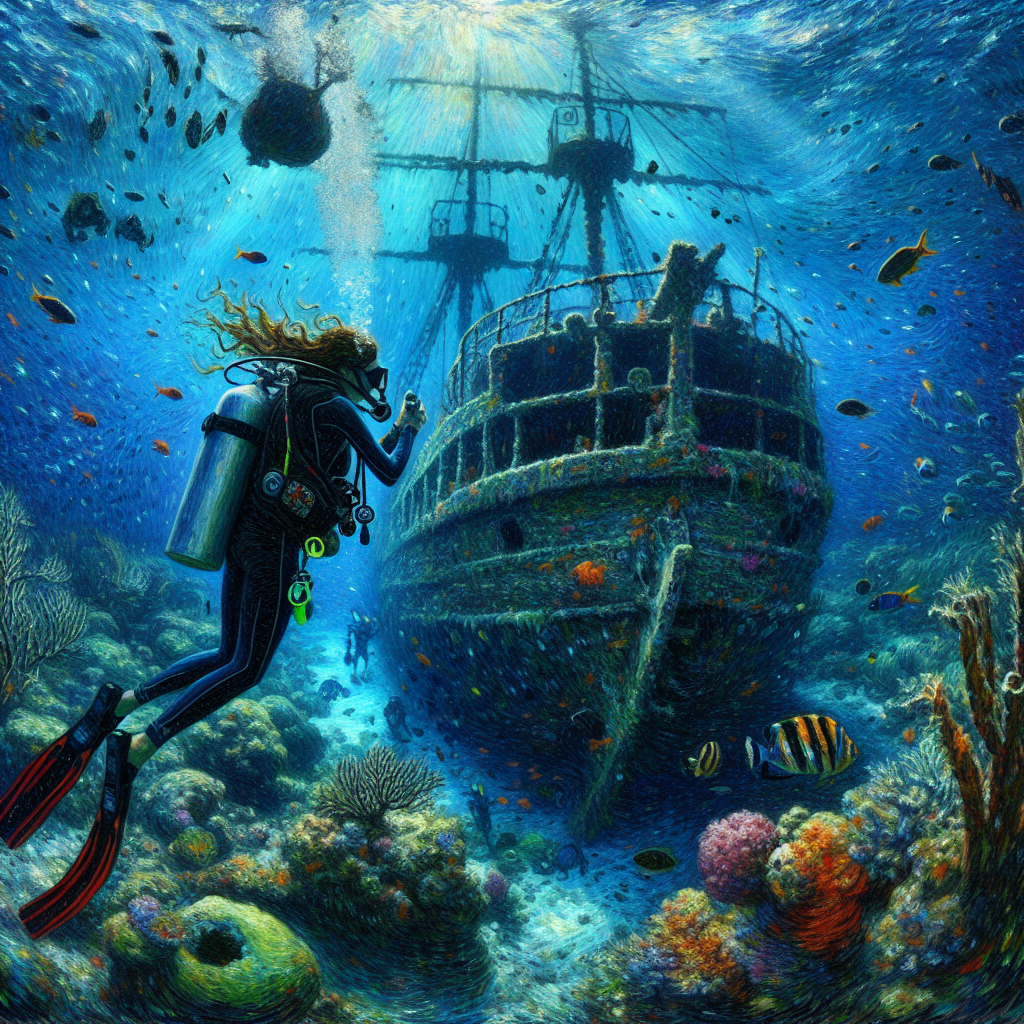
What Should Divers Know Before Exploring Shipwrecks In Cozumel?
How Do Shipwrecks Contribute to Marine Ecosystems In Cozumel?
Ah, the ocean—a vast expanse of mystery, beauty, and secrets buried beneath the waves. Among its many treasures lie shipwrecks, particularly those in Cozumel, where history and nature intersect in fascinating ways. These long-forgotten vessels, once brimming with sailors and cargo, now serve as vibrant reefs teeming with life. The story of shipwrecks in Cozumel isn’t just about loss; it’s about rebirth.
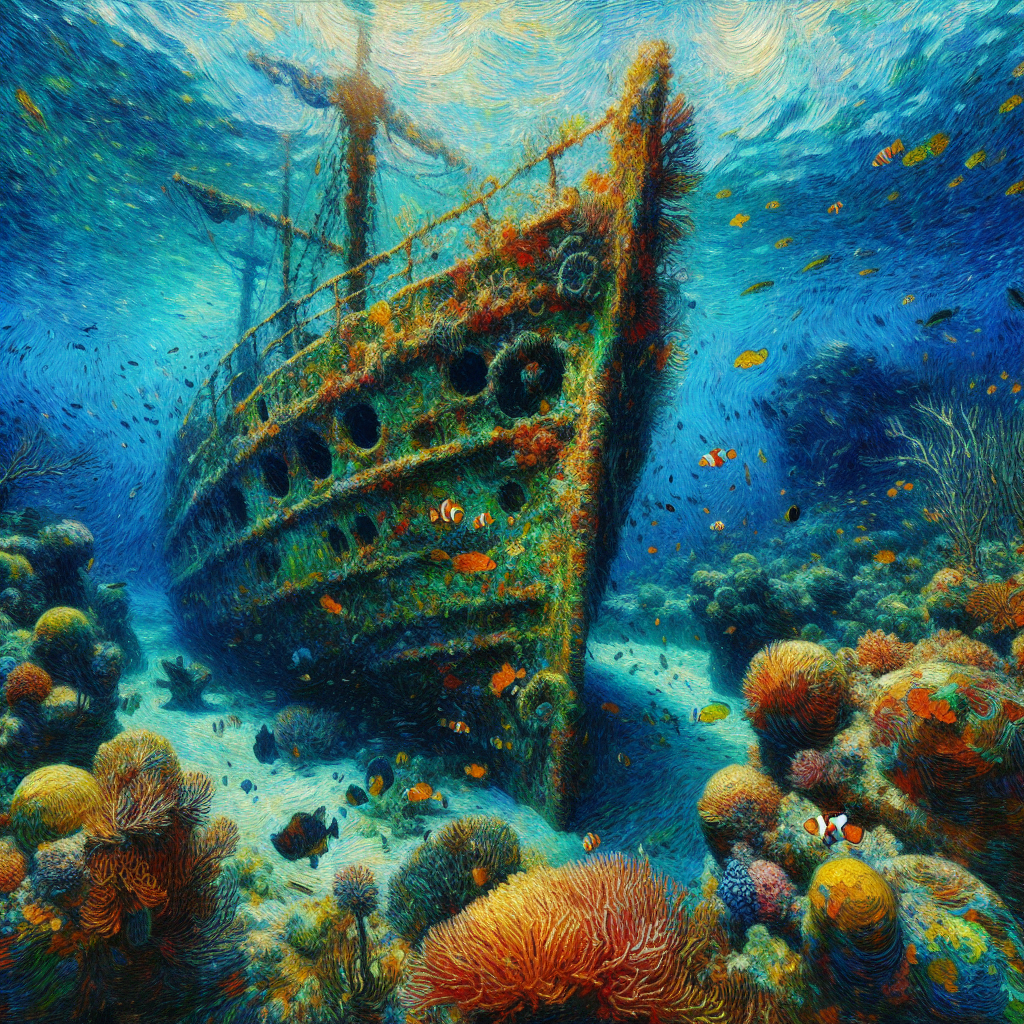
When a ship sinks, it doesn’t just vanish into the abyss; it transforms into a new habitat. Coral reefs, algae, and countless marine organisms quickly settle onto the wreck. These remnants provide an ideal substrate for coral polyps, which eagerly cling to the metal and wood, growing into colorful formations. Within a few years, a once lonely vessel evolves into a bustling community, drawing in a plethora of marine life—from timid clownfish to graceful sea turtles.
The contribution of shipwrecks in Cozumel doesn’t stop at aesthetics. These underwater structures serve as critical refuge points for various species, particularly those that seek shelter from bigger predators. Anemones find a cozy home in the nooks and crannies, while larger fish use the wreck as a vantage point for spotting prey. The complex structure of a wreck creates a microhabitat that promotes biodiversity.
As the years roll on, the decay of these ships also plays a role in nutrient cycling. The metals corrode, and the organic material from the wreck slowly dissolves, enriching the surrounding waters with essential nutrients. This influx fosters the growth of microorganisms, which in turn supports an even broader range of marine life. It’s a cascading effect—each aspect of this underwater ecosystem intricately linked.
A dive among the shipwrecks in Cozumel is not just a glimpse into the past; it’s a front-row seat to the theatre of marine evolution. Snorkelers and divers won’t just behold rusting steel and sunken timber; they will witness a flourishing ecosystem that thrives against the odds. The beauty of this underwater world is a testament to resilience, showing that even in demise, life finds a way.
So, the next time you see a shipwreck in the clear Caribbean waters, take a moment to appreciate its dual role. It’s not merely an artifact of maritime history; it’s a cornerstone of the vibrant marine ecosystem that continues to inspire wonder and awe in Cozumel’s sparkling depths.
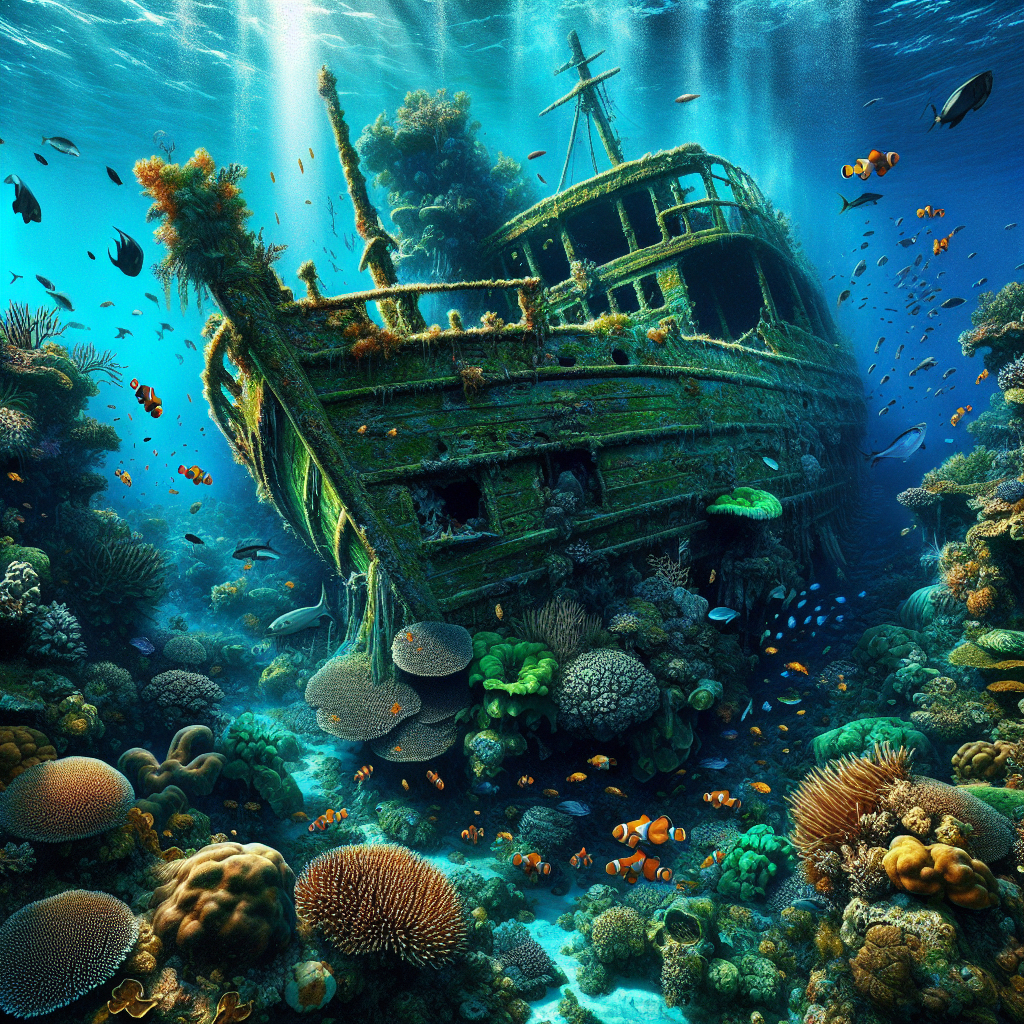
How Do Shipwrecks Contribute to Marine Ecosystems In Cozumel?
How Do Shipwrecks Contribute to Marine Ecosystems In Cozumel?
- Shipwrecks in Cozumel serve as vibrant reefs, supporting a rich marine ecosystem.
- When a ship sinks, it transforms into a new habitat for coral, algae, and marine organisms.
- Coral polyps use shipwrecks as a substrate, leading to colorful reef formations.
- Shipwrecks act as refuge points for various species, providing shelter and hunting vantage points.
- The decomposition of wrecks contributes to nutrient cycling, enriching surrounding waters.
- Microorganisms thrive on the nutrients from decaying ships, supporting a diverse marine life chain.
- Diving near shipwrecks offers a unique view of an evolving ecosystem and highlights resilience in nature.
How Do Shipwrecks Contribute to Marine Ecosystems In Cozumel?
Conclusion
As we wrap up our dive into the shipwrecks surrounding Cozumel, it becomes crystal clear that this tropical paradise is about much more than sun-soaked beaches and vibrant coral reefs. Beneath the surface lies a treasure trove of history and ecological wonder, just waiting for adventurous souls to explore. These submerged relics, from the C-53 Felipe Xicotencatl to the haunting wreck of Mama Vina, aren’t just remnants of a bygone era; they are vibrant ecosystems that tell stories of human endeavor, misfortune, and nature’s unfathomable resilience.
Imagine taking the plunge into the turquoise waters of Cozumel, where every wreck introduces you to a unique chapter of maritime history. Some shipwrecks rest gracefully at a mere 20 feet, beckoning novice snorkelers and curious explorers. Others plunge deeper into the abyss, presenting seasoned divers with challenging yet exhilarating experiences. It’s here, in what could be termed the ocean’s underwater museum, that every fin kick immerses you in tales of salt, sweat, and the relentless march of time.
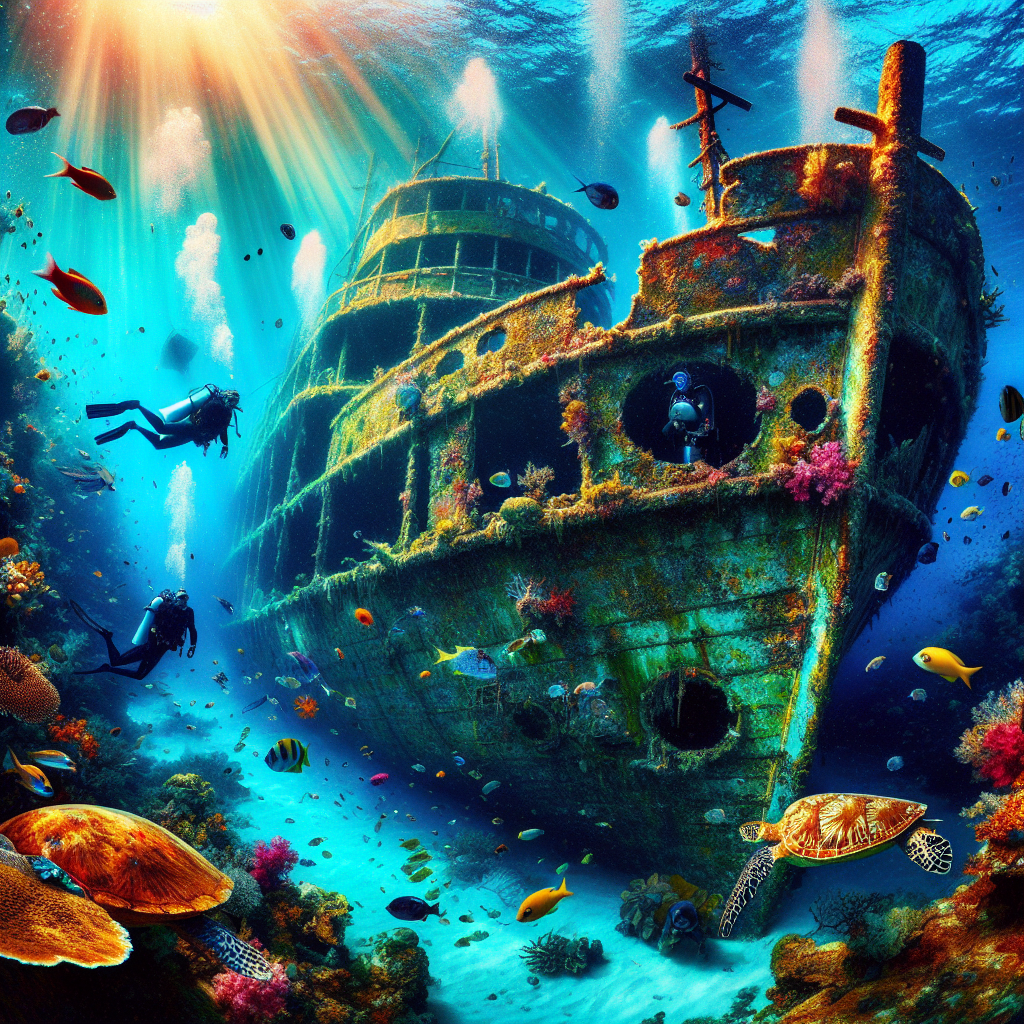
But let’s not forget: with the thrill of exploration comes the responsibility of respect. While diving near these shipwrecks, it’s crucial to tread lightly and honor the delicate ecosystems flourishing within. Navigating through the coral-encrusted hulls and observing the marine life that call these vessels home should feel like a privilege, not a right. From vibrant schools of fish to majestic sea turtles gliding gracefully through the water, the marine life surrounding these underwater graveyards is as enchanting as the tales these wrecks narrate.
For those contemplating diving at these historic sites, guided tours offer a safe gateway to adventure. Knowledgeable guides enrich your experience by weaving the rich tapestry of history surrounding each wreck into their narratives. This partnership of story and exploration fosters not only excitement but also an appreciation for the intricate balance of ecosystems that thrive on these sunken ships.
So, if you’re contemplating an unforgettable experience, look no further than the shipwrecks of Cozumel. Grab your gear, prepare to explore, and consider this: every dive into these watery depths isn’t just a quest for adventure. It’s a chance to witness nature in action—a reminder that even in wreckage, life finds a way. Happy diving!
Conclusion
Conclusion:
- Cozumel offers more than just beaches; it’s rich in history and ecology.
- Shipwrecks like the C-53 Felipe Xicotencatl and Mama Vina serve as vibrant ecosystems.
- Each wreck diving experience provides unique insights into maritime history.
- Diving sites cater to all skill levels, with some wrecks accessible to novice snorkelers.
- Exploring these wrecks requires respect for the delicate marine ecosystems present.
- Guided tours enhance the diving experience by sharing historical narratives.
- Diving in Cozumel is not just an adventure; it’s a chance to witness nature’s resilience.
Conclusion
Other Resources
Other Resources
Most of the people who read this are also figuring out where to stay. A couple of places we run or know well, in case it’s useful: Stingray 37 is a Cozumel rental for divers and ocean-leaning travelers. Sunset 37 is a Cozumel rental positioned for divers and waterfront-loving travelers.
Here is a list of other resources you can review online to learn more:
- Cozumel Palace
- Mr. Sanchos ATV
- U.S. Department of State
- Rolandi’s Restaurant Bar & Pizzeria Cozumel
- Casa Mission
- La Mission Restaurant Cozumel
- Novena Ola
- Pepe’s Modern Grill
- Bubba Gump Shrimp Co.
- stingray37.com
- sunset37.com
Use This Prompt To Get More Resources With Your Favorite Online AI Tool: Please provide me with a list of online articles with their URLs in a bulleted list that I can read regarding Are There Shipwrecks Near Cozumel for Diving Or Snorkeling?
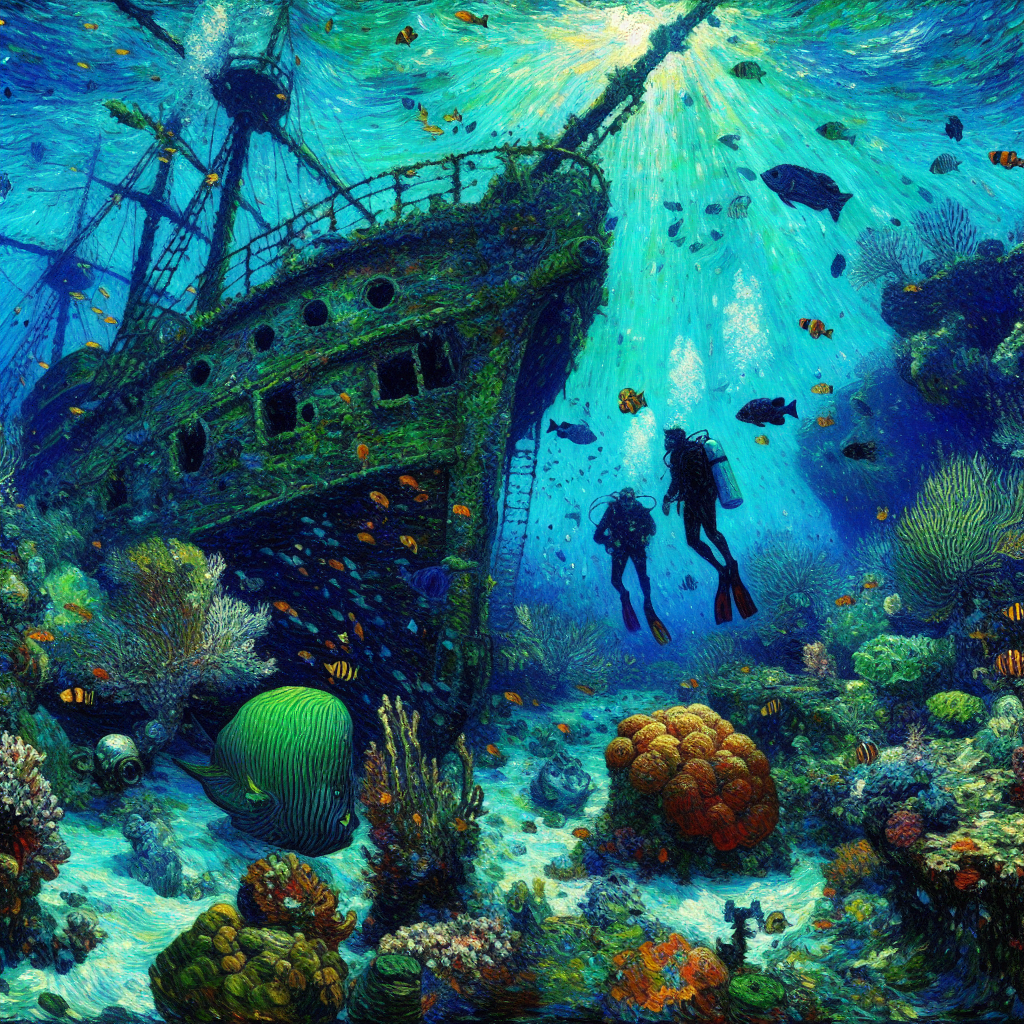
Other Resources
Glossary Terms
Are There Shipwrecks Near Cozumel for Diving Or Snorkeling? – Glossary Of Terms
1. Cozumel: An island in the Caribbean Sea, known for its coral reefs and popular diving spots, including several shipwrecks.
2. Shipwreck: The remains of a ship that has sunk or been destroyed, often serving as a dive site for enthusiasts.
3. Diving: The activity of underwater exploration, typically using scuba equipment to dive deeper than the surface.
4. Snorkeling: A water activity where participants swim near the surface while wearing a snorkel and mask to observe aquatic life.
5. Wreck Diving: A type of diving that specifically focuses on exploring shipwrecks, offering insights into maritime history and marine ecosystems.
6. Coral Reef: A structure formed from the calcium carbonate skeletons of tiny marine organisms, providing habitats for various sea life.
7. Marine Life: Any form of life that exists in the ocean, including fish, coral, and other organisms, often observed during diving or snorkeling.
8. Underwater Photography: The practice of capturing images underwater, often used to document marine life and dive experiences.
9. Anchor: A device used to moor a vessel to the sea bed; found on many shipwrecks and indicates a ship’s last position.
10. Scuba Equipment: Gear used for diving, including tanks, regulators, wetsuits, and buoyancy control devices.
11. Decompression: The process of ascending slowly to the surface to prevent nitrogen narcosis and decompression sickness, crucial for deep dives around wrecks.
12. Buoyancy Control: The ability to regulate one’s vertical position underwater using a buoyancy control device, essential for safe diving.
13. Visibility: Refers to how far one can see underwater, an important factor for both diving and snorkeling conditions.
14. Dive Site: A specific location designated for diving, often with unique features such as shipwrecks, reefs, or marine life diversity.
15. Marine Sanctuary: An area designated for the protection of marine environments and species, where many wrecks may be located.
16. Historic Wreck: A shipwreck of historical significance, often attracting divers interested in maritime history.
17. Salvage: The act of recovering parts or cargo from a sunken vessel, often discouraged due to legal and ecological considerations.
18. Guide: A trained professional who leads diving or snorkeling excursions, providing safety and educational insights about shipwrecks.
19. Dive Certification: A credential awarded to individuals who have completed training in scuba diving, required for certain wreck dives.
20. Nitrogen Narcosis: A condition that affects divers at depth due to the increased nitrogen levels in their bodies, sometimes leading to impaired functioning.
21. Topside: Refers to the surface of the water, relevant in the context of entering and exiting dives.
22. Drift Diving: A diving technique that uses the ocean current to propel divers along reefs or wrecks without needing to swim against the current.
23. Marine Ecosystem: A complex community of organisms living in an ocean environment, often nurtured and enhanced by shipwrecks.
24. Perpetual Environment: A term referring to the ongoing process of marine habitat formation and sustenance around wrecks.
25. Artificial Reef: Structures created deliberately to enhance marine life, often made from sunken ships or other materials.
26. Environmental Impact: The effect that diving, salvage, or exploration activities have on marine ecosystems and habitats.
27. Safety Stop: A required stop during ascent after diving deep to allow safe release of nitrogen from the body.
28. Dive Log: A record maintained by divers documenting details of their dives, including locations like shipwrecks.
29. Frequented Sites: Popular dive or snorkeling locations known for consistent marine life or shipwrecks, often more crowded with divers.
30. Rescue Diver: A trained professional or diver capable of performing emergency assistance and rescue procedures in diving situations.
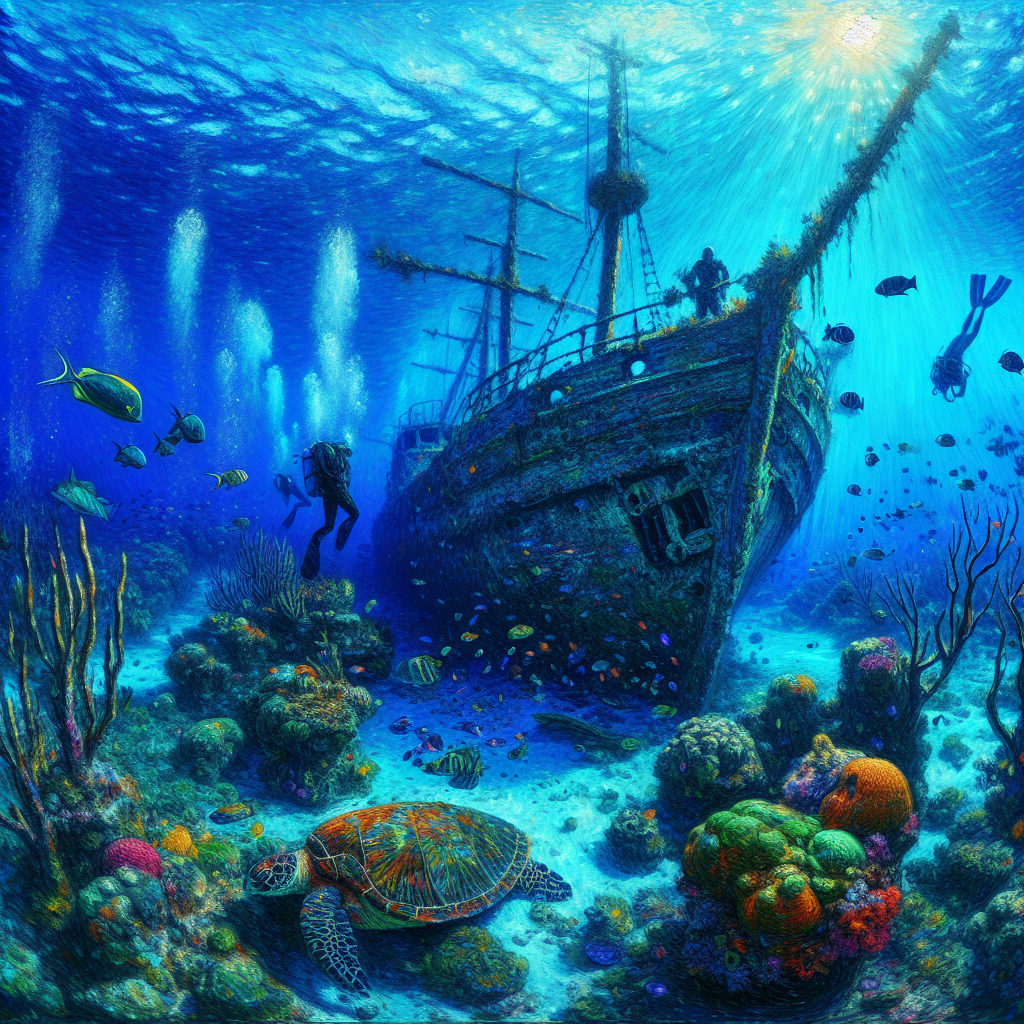
Glossary Of Terms
Other Questions
Are There Shipwrecks Near Cozumel for Diving Or Snorkeling? – Other Questions
If you wish to explore and discover more, consider looking for answers to these questions:
- What are the most accessible shipwrecks for beginner divers?
- What should divers bring when exploring shipwrecks in Cozumel?
- How can I ensure I’m diving responsibly near shipwrecks?
- What are the best times of year for diving near shipwrecks in Cozumel?
- Are there any restrictions on diving in certain areas near shipwrecks?
- How long do the shipwrecks last before they deteriorate significantly?
- What gear is recommended for diving at different depths near shipwrecks?
- How does one become certified for wreck diving?
- Can I photograph marine life around the shipwrecks?
- Are there guidelines?
- What is the environmental impact of diving near shipwrecks?
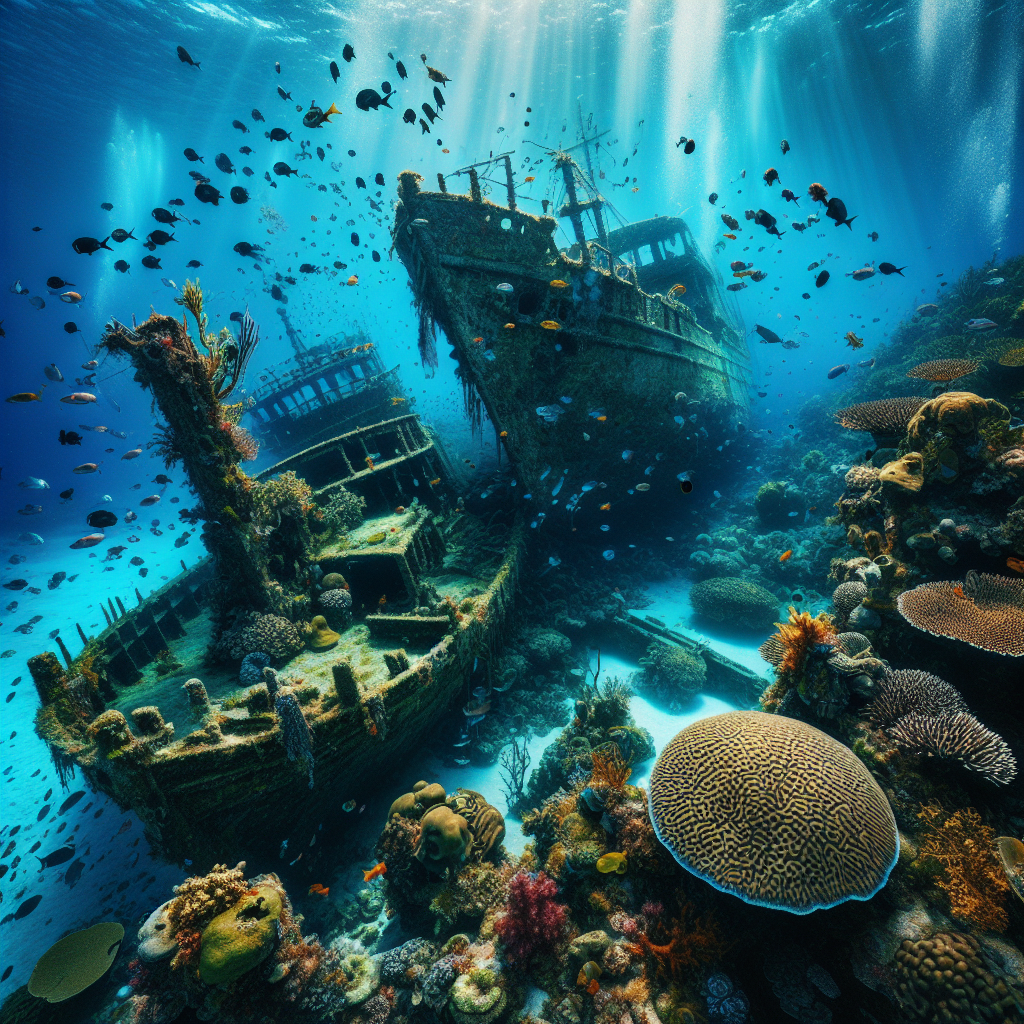
Other Questions
Haiku
Are There Shipwrecks Near Cozumel for Diving Or Snorkeling? – A Haiku
Sunken tales await,
Vibrant reefs embrace the past,
Dive deep, find lost dreams.
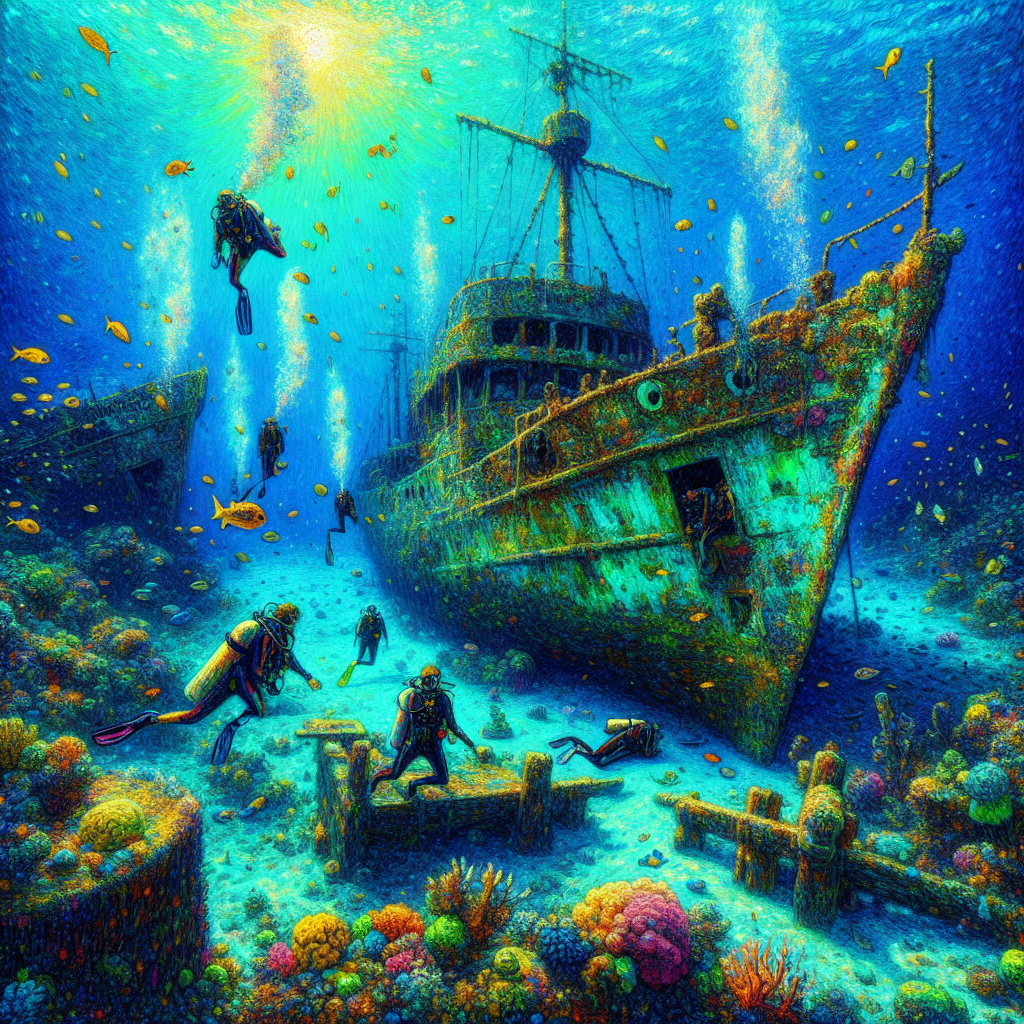
Haiku
Poem
Are There Shipwrecks Near Cozumel for Diving Or Snorkeling? – A Poem
In Cozumel’s embrace, where waters gleam,
Lies a hidden world, more than it may seem.
Shipwrecks whisper tales from eras gone,
Of sailors’ dreams and battles won, then drawn.
The C-53, a navy ghost so grand,
Lies cradled by corals, in sea’s gentle hand.
Once a protector of waters so blue,
Now an artificial reef, life anew.
Mama Vina, a fishing boat’s fate,
Transformed by time, in beauty sedate.
Sponges encrust, and fish weave their dance,
In this sunken vessel, nature takes a chance.
Wave Dancer’s wreck, a playground of lore,
With openings wide, inviting to explore.
Dives for the brave, or snorkeling’s delight,
Each moment underwater, a shimmering sight.
From shallow depths where novices tread,
To deep wrecks where seasoned adventurers led—
All share a purpose, a role in the whole,
As these sunken giants nurture the shoal.
Barracuda glide, their shadows serene,
While turtles drift past in realms of gleam.
Hermit crabs scuttle, sea urchins abound,
In this vibrant habitat, life’s magic is found.
Yet as we dive deeper, let caution prevail,
Respect the history, let not beauty pale.
Guided tours tell tales, with knowledge they share,
As every wreck holds secrets, beauty, and care.
So gather your gear and plunge into the blue,
For adventures await, both old and anew.
In Cozumel’s waters, where history weaves,
Every dive’s a journey, every moment leaves.
For in every shipwreck, a story’s alive,
A testament to time, where memories thrive.
So heed the call of the ocean’s deep art,
And embrace the wonders that stir in your heart.
Poem
Checklist
Are There Shipwrecks Near Cozumel for Diving Or Snorkeling? – A Checklist
Preparation Before Your Dive or Snorkel
_____ Research Shipwrecks: Familiarize yourself with specific shipwrecks in Cozumel and their historical significance.
_____ Get Certified: Ensure you have the necessary dive certification, especially for wreck diving, if you plan to dive deeper sites.
_____ Understand Local Regulations: Check local laws and guidelines regarding wreck diving and snorkeling to ensure compliance.
Safety and Equipment
_____ Choose a Reputable Dive Operator: Look for operators with good reviews that prioritize safety and environmental respect.
_____ Learn Safety Protocols: Attend safety briefings and understand potential hazards, such as loose debris and strong currents.
_____ Check Equipment: Make sure your diving or snorkeling gear is in good condition and suitable for the sites you will explore.
Diving and Snorkeling Guidelines
_____ Respect the Environment: Avoid touching corals, marine life, or wrecks to minimize your impact on delicate ecosystems.
_____ Dive with a Buddy: Ensure you have a diving companion for safety and emergency assistance.
_____ Be Aware of Your Surroundings: Continuously monitor your surroundings for changes in currents, visibility, and marine life.
Experience the Marine Life
_____ Spot Different Species: Keep an eye out for notable marine life, such as sea turtles, colorful fish, and sponges.
_____ Bring a Camera: Capture the beauty of your underwater adventure, but do so respectfully and without interfering with wildlife.
After Your Dive or Snorkel
_____ Reflect on Your Experience: Consider the stories and history behind the shipwrecks encountered during your dive.
_____ Share Your Adventure: Talk about your experience with fellow divers or share it on social media to inspire others to explore responsibly.
Participate in Guided Tours
_____ Consider Guided Tours: If you’re unsure about diving alone, look for guided tours that provide expert insights and ensure safety.
_____ Ask Questions: Use the opportunity to learn more about the wrecks and marine ecosystem from knowledgeable guides.
By following this checklist, you’ll be better prepared to enjoy and respect the stunning underwater world of shipwrecks in Cozumel. Happy diving!
Checklist
At TopCozumelNews, we help travelers enjoy Cozumel by collating information learned from frequently traveling to beautiful Cozumel.
Be sure to read our other related stories at TopCozumelNews to learn more about the Island of Cozumel.