Explore Cozumel’s Mysterious Mayan Ruins
By Tom Seest
At TopCozumelNews, we help travelers enjoy Cozumel by collating information learned from frequently traveling to beautiful Cozumel.
Be sure to read our other related stories at TopCozumelNews to learn more about the Island of Cozumel.
Unlock the Secrets Of the Mayan Ruins In Cozumel, Mexico?
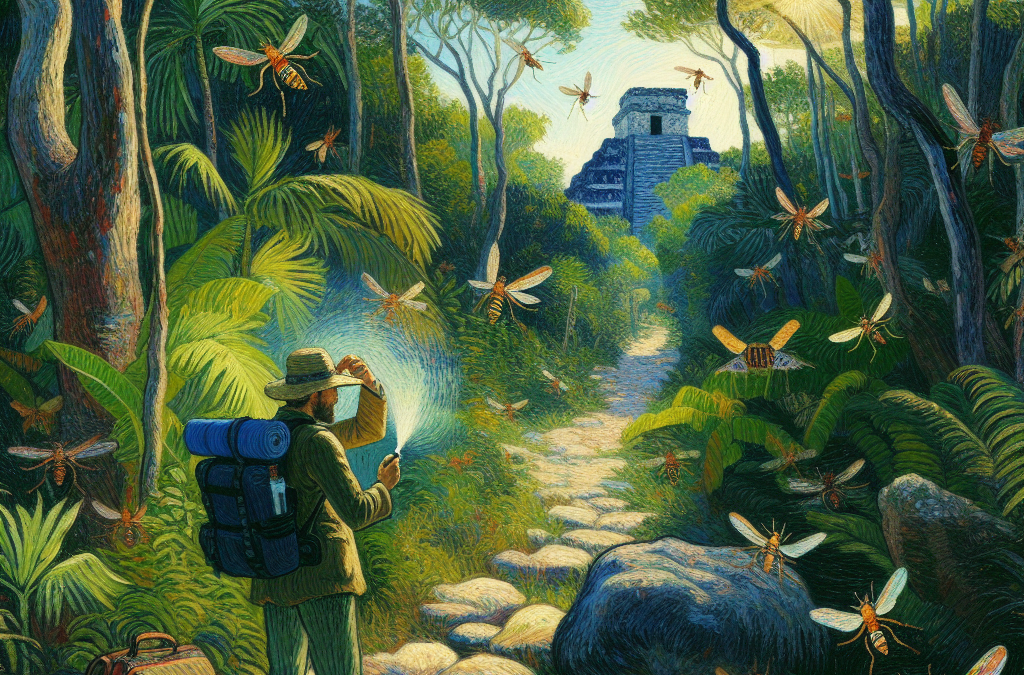
Nestled amidst the azure waters of the Caribbean, the Mayan Ruins in Cozumel stand as silent testament to a civilization that thrived long before the age of smartphones and selfie sticks. These ancient structures, etched with the fingerprints of time, invite visitors into a world filled with mystery and wonder. But to truly unlock the secrets these ruins hold, it takes more than mere curiosity; it requires a willingness to delve deep into the fabric of history.
As you tread the weathered paths of these archaeological wonders, you can’t help but feel like a novice detective, piecing together clues left behind by the long-gone Mayan people. It’s a journey that prompts you to imagine bustling marketplaces, vibrant ceremonies, and the everyday lives of a culture that mastered agriculture, astronomy, and intricate calendar systems. The air is thick with stories waiting to be told, and every stone seems to whisper hints about the past.
Among the notable sites, the Temple of IxChel is particularly striking. Dedicated to the goddess of fertility and love, this site is more than just a pile of rocks; it’s a portal to the spiritual life of the Mayans. Standing there, you can almost envision the rituals held in honor of the goddess, the sounds of chanting echoing off the walls. It’s a reminder of how interconnected this civilization was with nature and the cosmos.
To truly appreciate the Mayan Ruins in Cozumel, one must engage the senses. Feel the sun beating down on your skin, smell the salt in the air, and listen closely—can you hear the faint echoes of history? Exploration here isn’t just about what’s in front of you; it’s about what stirs within. The contrast between the ancient architecture and the modern world is striking, a vivid reminder of how time both changes and preserves.
So, when visiting the Mayan Ruins in Cozumel, embrace the adventure. Ask questions, contemplate the significance of what you see, and let your imagination run wild. Dispel the notion that understanding these ruins is reserved for historians and scholars; every visitor holds the key to unlocking their secrets. With each step, you’re not just walking through history; you’re participating in its ongoing legacy.

Unlock the Secrets Of the Mayan Ruins In Cozumel, Mexico?
Unlock the Secrets Of the Mayan Ruins In Cozumel, Mexico?
- The Mayan Ruins in Cozumel are an ancient testament to a civilization that existed long before modern technology.
- Visitors can explore the ruins, piecing together clues about the Mayan culture’s agricultural, astronomical, and calendrical expertise.
- The Temple of IxChel, dedicated to the goddess of fertility and love, offers spiritual insights into Mayan life.
- The experience is sensory, inviting visitors to engage with the environment and history through sight, sound, and touch.
- The juxtaposition of ancient architecture against the modern world highlights the impact of time on civilization.
- Exploration of these ruins encourages curiosity and imagination, allowing visitors to unlock their secrets.
- Every visitor has the opportunity to connect with history and participate in its ongoing legacy.

Unlock the Secrets Of the Mayan Ruins In Cozumel, Mexico?
Table Of Contents
- Unlock the Secrets Of the Mayan Ruins In Cozumel, Mexico?
- Uncover The Secrets Of San Gervasio In Cozumel?
- Uncover The Secrets Of El Castillo In Cozumel?
- Uncover The Secrets Of El Caracol In Cozumel?
- What Are The Key Mayan Ruins To Visit In Cozumel?
- How Do I Get To The Mayan Ruins In Cozumel?
- What Is The History Behind The Mayan Ruins In Cozumel?
- What Should I Know Before Visiting The Mayan Ruins In Cozumel?
- Conclusion
- Other Resources
- Glossary Of Terms
- Other Questions
- Haiku
- Poem
- Checklist
Uncover The Secrets Of San Gervasio In Cozumel?
When you think of Cozumel, pristine beaches, vibrant coral reefs, and bustling resorts might spring to mind. However, just a stone’s throw from the sun-soaked shores lies a treasure trove of history waiting to be explored—the Mayan Ruins in Cozumel, specifically San Gervasio. Now, this isn’t just another tourist trap; it’s a gateway into the heart of the ancient Mayan civilization that once thrived on this picturesque island.
San Gervasio was once a significant site for the Mayans, serving as a sacred place dedicated to the goddess Ix Chel, the deity of love and fertility. As you meander through the remnants of temples and ceremonial platforms, you can almost feel the whispers of those who walked here thousands of years ago. What’s striking about San Gervasio is that it isn’t merely a set of stones, but a cultural tapestry woven with the threads of mythology, spirituality, and daily life.
The journey to San Gervasio will have you wandering past lush greenery and the sweet scent of tropical flora, feeling that you are stepping back in time. Linger a little longer at the central complex, where the structures rise from the earth like ghostly silhouettes against the sky. Here, you’ll find opportunities to learn about ancient rituals and the roles these ruins played in the Mayan social structure.
Let’s not forget the unique wildlife that calls this site home. Many visitors are delighted by the sights and sounds of Cozumel’s native species, adding another layer of wonder to your exploration. Just a casual stroll could reveal iguanas basking in the sun or exotic birds flitting about, perfectly complementing the rich history breathing through these stones.
While wandering the pathways of San Gervasio, consider taking a moment to reflect on what life might have been like for those early inhabitants. Imagine the community gatherings, spiritual ceremonies, and the routines of daily life. This is not just a visit; it’s an invitation to connect with the past in a way that resonates with the present.
In short, the Mayan Ruins in Cozumel offer a remarkable glimpse into an ancient world. Whether you’re a history buff or just a curious traveler, San Gervasio has secrets waiting to be uncovered that will enrich your understanding of this vibrant culture and its enduring legacy. So lace up those walking shoes and get ready for an adventure that’s as educational as it is enlightening!

Uncover The Secrets Of San Gervasio In Cozumel?
Uncover The Secrets Of San Gervasio In Cozumel?
- San Gervasio in Cozumel offers a rich historical experience beyond the island’s beaches and resorts.
- It was a vital Mayan site dedicated to the goddess Ix Chel, representing love and fertility.
- Visitors can explore remnants of temples and ceremonial platforms, feeling the ancient culture’s essence.
- The site features lush greenery and tropical flora, enhancing the historical journey.
- Wildlife, such as iguanas and exotic birds, adds to the enchanting atmosphere of the ruins.
- Guests are encouraged to reflect on the daily lives and rituals of the early Mayans during their visit.
- San Gervasio provides an engaging and educational experience for history enthusiasts and curious travelers alike.
Uncover The Secrets Of San Gervasio In Cozumel?
Uncover The Secrets Of El Castillo In Cozumel?
Nestled in the heart of Cozumel, amidst swaying palms and the relentless rhythm of the ocean, stand the mesmerizing Mayan ruins that transport visitors back in time. Among these ancient remnants, El Castillo reigns supreme, offering a glimpse into the intriguing world of the Mayans. Now, if you thought ancient structures were just piles of rocks sitting silently in the sun, think again! El Castillo is a treasure trove of history, mystery, and architectural prowess that draws curious minds from all walks of life.
As you approach El Castillo, you can’t help but feel a sense of reverence for the stone giants that have weathered the elements for centuries. This iconic structure, also known as the Temple of the God of the Wind, was believed to serve not just as a ceremonial site but also as a navigational aid for seafarers. Yes, you heard that right! The Mayans were skilled astronomers and navigators, and they designed this complex with a purpose that extended far beyond mere aesthetics.
Standing at roughly 20 meters high, El Castillo isn’t just about its impressive stature; it’s about the whispers of history that seem to echo through its corridors. Picture this: each stone carefully placed, each carving telling a story of gods, rituals, and the day-to-day life of a civilization that flourished while the rest of the world was still in the dark ages. You might find yourself contemplating the daily lives of the very people who stood where you’re standing—crafting their goods, celebrating feasts, and watching the tides come in.
But wait, there’s more to this place than just ancient walls and old stones. El Castillo also offers breathtaking views of the Caribbean Sea, a postcard-perfect backdrop for explorers and historians alike. On a clear day, you might catch a glimpse of the vibrant marine life that surrounds this island paradise.
So, whether you’re an amateur historian, a nature lover, or just someone looking to escape the hustle and bustle of modern life, the Mayan Ruins in Cozumel—specifically El Castillo—invite you to step back in time. It’s not just about learning; it’s about experiencing the weight of history and feeling that ever-present connection to a remarkable civilization that still has stories to tell. Embrace the adventure and let the secrets of El Castillo unfold before you!

Uncover The Secrets Of El Castillo In Cozumel?
Uncover The Secrets Of El Castillo In Cozumel?
- El Castillo, located in Cozumel, features mesmerizing Mayan ruins that transport visitors back in time.
- This iconic structure, also known as the Temple of the God of the Wind, served both ceremonial and navigational purposes for the Mayans.
- Standing approximately 20 meters high, El Castillo showcases the architectural prowess of the ancient Mayan civilization.
- Each stone and carving tells a story of the gods, rituals, and daily life of a flourishing civilization.
- Visitors can enjoy breathtaking views of the Caribbean Sea, enhancing the experience of exploration.
- El Castillo appeals to amateur historians, nature lovers, and those seeking to escape modern life.
- The site invites exploration and adventure while connecting visitors to the remarkable stories of the Mayans.
Uncover The Secrets Of El Castillo In Cozumel?
Uncover The Secrets Of El Caracol In Cozumel?
Nestled on the beautiful island of Cozumel lies a treasure trove of history waiting to be discovered—the Mayan Ruins in Cozumel. Among these ancient structures, El Caracol stands out as a remarkable testament to the ingenuity and sophisticated understanding of astronomy possessed by the Mayan civilization.
El Caracol, which translates to “the snail,” is aptly named for its spiral design that echoes the natural world. Once a functional observatory, this unique structure allowed the Mayans to study the cosmos and track celestial events. Imagine standing in the very spot where astronomers thousands of years ago meticulously studied the heavens, charting the movements of stars, the phases of the moon, and the changing seasons. They possessed an intimate knowledge of the sky that guided agricultural practices and religious ceremonies alike.
As you explore the ruins, take a moment to ponder the sheer marvel of this achievement. The craftsmanship is impressive, with stone carefully placed to create an open-air viewpoint. The ruins itself is a reminder of a time when our ancestors relied on the skies above not just for their livelihood, but for deeper spiritual understanding. Thanks to the Mayans, we have a glimpse into how the universe was interpreted—not merely as a backdrop, but as a living, breathing entity woven into the fabric of daily life.
Walking through the surrounding area of El Caracol, visitors can also admire the various other structures that make up the Mayan Ruins in Cozumel. Each building tells a story, from ceremonial platforms to residential areas, and all contribute to a larger narrative about a complex society that thrived in harmony with nature. The stunning vistas and lush landscapes provide a fitting backdrop to this ancient world, where each stone feels like a bookmark in a long-lost tale.
While modern tourism has brought many people to this serene locale, the aura of mystery still hangs in the air. What did a Mayan astronomer feel as they peered through a carefully placed aperture, contemplating the cosmos? What insights did they glean that might still resonate today? Exploring El Caracol offers not just a journey into the past, but a connection to a way of life that profoundly respected and understood its place in the universe.
So, next time you find yourself on the sun-soaked shores of Cozumel, don’t just skim the surface. Dive into the history, explore the Mayan Ruins, and let El Caracol whisper its secrets to you.

Uncover The Secrets Of El Caracol In Cozumel?
Uncover The Secrets Of El Caracol In Cozumel?
- El Caracol is a significant Mayan ruin located on the island of Cozumel, known for its historical value.
- The name “El Caracol,” meaning “the snail,” reflects its unique spiral design inspired by nature.
- Originally a functional observatory, it facilitated the Mayans’ study of celestial events and astronomy.
- The structure served as a viewpoint for astronomers who tracked star movements and lunar phases, influencing agriculture and religious practices.
- Visitors can explore surrounding ruins, including ceremonial and residential buildings, each telling part of the Mayan story.
- El Caracol represents a profound connection between the Mayans and their understanding of the universe.
- Exploring this site offers a deeper appreciation for the Mayan civilization and its harmonious relationship with nature.

Uncover The Secrets Of El Caracol In Cozumel?
What Are The Key Mayan Ruins To Visit In Cozumel?
When it comes to exploring the Mayan ruins in Cozumel, you’re in for a real treat. This beautiful island isn’t just about sandy beaches and turquoise waters; it’s also steeped in history, and the remnants of an ancient civilization lay just waiting for your adventurous spirit.
One of the most famous sites is San Gervasio. This archaeological treasure is the largest Mayan ruins in Cozumel and once served as a vital ceremonial center dedicated to the goddess Ix Chel, the deity of love and fertility. Walking through the stone pathways and crumbling structures, you can almost hear the echoes of the past. It’s a place where the ancients prayed, celebrated, and conducted rituals that intertwined their lives with the forces of nature. Be sure to look closely at the well-preserved buildings that hint at the Mayan architectural prowess.
Next up is the lesser-known but equally intriguing site of El Cedral. It’s a small but charming ruin tucked away just a short distance from the main tourist stretches. El Cedral was once a thriving Mayan settlement, and wandering among the remnants gives you a glimpse into their daily lives. The site features a small temple, altar, and intriguing carvings that tell the story of the community that once thrived here.
Of course, no exploration would be complete without a visit to the ruins at Tulum. While not technically on Cozumel, a quick ferry ride to the mainland delivers you to one of the most picturesque ruins overlooking the Caribbean Sea. The expansive cliff-top fortress allows you to imagine how the ancient Mayans revered their surroundings, drawing energy from the land and sea.
A bit off the beaten path but worth the trip is the site of Kohunlich, known for its colossal sculptures and deep jungle surroundings. This is a great way to experience nature entwined with history, as the jungle wraps around the ruins like a protective blanket.
So, whether you’re scaling the heights of Tulum, meandering through San Gervasio, or uncovering the stories at El Cedral, the Mayan ruins in Cozumel offer an unbeatable adventure. Don’t just come for the sun; dive into the rich tapestry of history waiting for you on this magnificent island.
What Are The Key Mayan Ruins To Visit In Cozumel?
What Are The Key Mayan Ruins To Visit In Cozumel?
- Cozumel offers a rich history beyond its beautiful beaches and waters, featuring ancient Mayan ruins.
- San Gervasio is the largest Mayan ruin on the island and served as a ceremonial center for the goddess Ix Chel.
- Visitors can explore stone pathways and structures that reflect the Mayan connection to nature through rituals.
- El Cedral is a charming, lesser-known site that provides insight into the daily lives of the ancient Mayans.
- Tulum, accessible by a ferry ride, features picturesque ruins perched on cliffs overlooking the Caribbean Sea.
- Kohunlich is known for its impressive sculptures set within a deep jungle, merging nature with history.
- Cozumel’s Mayan ruins offer an adventurous exploration of ancient culture, alongside the island’s scenic beauty.
What Are The Key Mayan Ruins To Visit In Cozumel?
How Do I Get To The Mayan Ruins In Cozumel?
If you’re standing on the sun-soaked shores of Cozumel, dreaming of stepping back in time to explore the Mayan ruins in Cozumel, you’re in for quite the adventure. You know, these ancient structures aren’t simply piles of stones; they are the remnants of a civilization that flourished long before modern conveniences like air conditioning or online shopping were even a twinkle in the eye of future generations. So, strap on those comfy sandals and let’s break down how to get to these fascinating sites.
First, let’s consider your transportation options. You could rent a car, but remember, the roads in Cozumel aren’t like those pristine highways back home. Think more rugged and charming. For a more leisurely approach, hop on a bike, which allows you to soak in the sights along the way—just be wary of those pesky potholes! If you fancy mingling with fellow travelers, a guided tour is a great route. Many local operators will whisk you away to the Mayan ruins in Cozumel, providing context and tales that breathe life into those stones.
Now, when it comes to actual sites to visit, the two most popular ruins are San Gervasio and El Caracol. San Gervasio is known for its well-preserved temples and the intriguing stories tied to the Mayan goddess Ixchel. As for El Caracol, it’s less of a crowd favorite but offers a more intimate look into the lives of the ancient Mayans. You won’t find a Starbucks nearby, but you will find a connection to a past that’s rich with history.
Before you head out, check the weather. Tropical storms can pop up unexpectedly, turning your Mayan adventure into a rainy day at the beach—so arm yourself with an umbrella and a fine sense of humor. Also, have your camera ready; the sight of these ruins against the backdrop of a cobalt-blue sky is a memory you’ll want to capture.
Finally, respect the ruins. They may be old, but they hold stories that are very much alive. So, as you navigate through the Mayan ruins in Cozumel, take a moment to appreciate the incredible civilization that once thrived here, leaving behind footprints that still echo through time. Safe travels!

How Do I Get To The Mayan Ruins In Cozumel?
How Do I Get To The Mayan Ruins In Cozumel?
- Explore the ancient Mayan ruins in Cozumel, significant remnants of a once-flourishing civilization.
- Consider transportation options such as renting a car, biking, or joining a guided tour for convenience and context.
- Visit the popular ruins: San Gervasio, known for preserved temples, and El Caracol, offering a more intimate experience.
- Check the weather before heading out, as tropical storms can occur unexpectedly.
- Bring an umbrella and a camera to capture the beautiful scenery of the ruins against the cobalt-blue sky.
- Respect the ruins and appreciate the history and stories they represent.
- Enjoy your adventure while reflecting on the rich legacy of the Mayan civilization.

How Do I Get To The Mayan Ruins In Cozumel?
What Is The History Behind The Mayan Ruins In Cozumel?
The Mayan Ruins in Cozumel are more than just a few crumbling stones scattered among palm trees; they are the remnants of a civilization that flourished long before modern tourists flocked to these shores. To understand the weight of history that these ruins carry, one must delve into the story of the ancient Maya, a society renowned for its remarkable achievements in architecture, mathematics, and astronomy.
You see, the Maya weren’t just a bunch of folks building temples and playing ball games. They thrived in a region covering parts of present-day Mexico, Guatemala, Belize, and Honduras. Cozumel, the island jewel off the Yucatan Peninsula, served as a hub for trade and worship, attracting diverse peoples from the surrounding regions. The Mayans established their presence on the island primarily during the classic period, which lasted from around 250 to 900 A.D. This was a time when they constructed impressive structures, often adorned with intricate carvings and murals that depicted their gods and everyday life.
Cozumel’s significance grew as a premier site for worshiping Ix Chel, the goddess of fertility, love, and medicine. Pilgrims would journey from the mainland to pay homage, leaving offerings and building shrines. One of the key sites, San Gervasio, was the center of this devotion. Walking through the ruins today, you can almost hear the echoes of ancient ceremonies and the prayers whispered by faithful followers.
However, like many great civilizations, the Maya faced challenges. By the end of the classic period, much of their civilization had started to decline due to factors such as environmental changes, resource depletion, and internal strife. Still, the ruins stand as a testament to their engineering prowess and spiritual depth, whispering stories of a time when this island thrummed with life and activity.
When you visit the Mayan Ruins in Cozumel today, you’re not just checking a box on a tourist itinerary; you’re stepping onto the hallowed ground of a complex society that has shaped the very fabric of Mesoamerican history. Here, amidst the remnants of ancient walls and weathered stones, you can reflect on the impressive legacy of the Maya, who once called this enchanting island home.
What Is The History Behind The Mayan Ruins In Cozumel?
What Is The History Behind The Mayan Ruins In Cozumel?
- The Mayan Ruins in Cozumel are remnants of a once-flourishing civilization, rich in history.
- The ancient Maya were renowned for their achievements in architecture, mathematics, and astronomy.
- Cozumel served as a significant hub for trade and worship during the classic period (250-900 A.D.).
- These ruins feature intricate carvings and murals depicting gods and everyday life.
- Cozumel was important for worshiping Ix Chel, the goddess of fertility, love, and medicine.
- San Gervasio was a key site where pilgrims made offerings and shrines to Ix Chel.
- The ruins symbolize the Maya’s engineering prowess and spiritual depth, despite their eventual decline.

What Is The History Behind The Mayan Ruins In Cozumel?
What Should I Know Before Visiting The Mayan Ruins In Cozumel?
Visiting the Mayan Ruins in Cozumel is not just an excursion; it’s an invitation to step back in time and immerse yourself in a culture that dates back thousands of years. But before you jump into this adventure, there are a few essentials you should consider to make your trip both enjoyable and enlightening.
First and foremost, prepare for the journey. These ruins are not just casual strolls; they’re remnants of a powerful civilization that constructed impressive structures without the benefits of modern machinery. Wear comfortable shoes, as you’ll likely be walking on uneven terrain amidst towering stones and ancient carvings. Lightweight, breathable clothing is also key, particularly in the humid Caribbean climate.
Next, consider timing your visit. The best times to explore the Mayan Ruins in Cozumel are in the early morning or toward the late afternoon. Doing so not only reduces your exposure to the blistering sun but also allows you to dodge the busiest crowds, giving you a more intimate experience with the history surrounding you.
Bring water and keep hydrated. It’s easy to forget, but exploring these sites can be surprisingly strenuous. Sip your water regularly to keep your energy up. If you have the means, invest in a guide. While you can wander on your own, a knowledgeable guide can offer invaluable insights into the culture, architecture, and historical significance of the ruins, turning your visit into an educational journey rather than just a sightseeing trip.
Don’t forget your camera! Each corner of the Mayan Ruins in Cozumel offers breathtaking views that capture both the beauty of nature and the artistry of ancient construction. Whether it’s the majestic pyramids or the intricate stone carvings, these are moments worth preserving.
Lastly, be respectful. These ruins are sacred sites that tell the story of a civilization rich with history and culture. Be sure to follow any posted guidelines and respect the artifacts. After all, you’re a guest in this remarkable place.
So gear up, hydrate, and respect the vibes of the past. Your journey to the Mayan Ruins in Cozumel may just become one of the highlights of your Caribbean adventure. Get ready to uncover the secrets of a bygone era!

What Should I Know Before Visiting The Mayan Ruins In Cozumel?
What Should I Know Before Visiting The Mayan Ruins In Cozumel?
- Visiting the Mayan Ruins in Cozumel offers a glimpse into an ancient civilization.
- Wear comfortable shoes and lightweight, breathable clothing for exploration.
- Visit in the early morning or late afternoon to avoid the heat and crowds.
- Stay hydrated by bringing water, as exploring can be physically demanding.
- Consider hiring a knowledgeable guide for deeper insights into the ruins.
- Bring a camera to capture the stunning views and intricate carvings.
- Show respect for the sacred sites and adhere to posted guidelines.
What Should I Know Before Visiting The Mayan Ruins In Cozumel?
Conclusion
As we draw the curtain on our exploration of the Mayan ruins in Cozumel, let’s take a moment to appreciate what lies beneath the stonework and ancient pathways. These crumbling edifices are more than mere remnants; they are the heartbeats of a civilization that flourished long ago and left an indelible mark on the fabric of history. Strolling through the sun-soaked avenues of San Gervasio, standing in reverence before the Temple of Ix Chel, or gazing at the remarkable structure of El Castillo, you find yourself in a space where time bends, and imagination sparks. This isn’t just a visit; it’s an invitation to engage with the whispers of the past.
When you lace up your walking shoes and venture into this world, you’re not merely a spectator; you become part of a larger narrative—the ongoing legacy of the Mayans. Engage your senses; let the salty Caribbean breeze fill your lungs while the vibrant colors of the foliage paint the landscape around you. Each step offers a connection to the vibrant ceremonies and daily lives that once thrived amidst these ruins. You may even find yourself picturing those early inhabitants, sharing stories, celebrating life, and, yes, navigating their complex universe guided by the stars—a marvel that remains a highlight of this extraordinary civilization.
So whether you’re a history buff, an amateur archaeologist, or simply a curious traveler, the Mayan ruins in Cozumel encourage you to dig deeper. These sites are portals into an intricate tapestry woven with stories of love, spirituality, and community. And they’re not just for the experts; they beckon everyone to uncover their secrets. Ask questions, spark discussions, and don’t shy away from engaging with local guides who bring this history to life.
In our fast-paced world where experiences are often marked by a click of a button, these ruins call for a slower, more mindful approach. Take your time to absorb the essence—reflect on what it all means in the grander scheme of things. As you walk the paths forged by extraordinary people, remember that you are a part of a continuum—a journey that begins with shared curiosity and ends with profound appreciation for a world once so vibrant and alive. So, pack your sense of adventure, keep an open mind, and let the Mayans guide you through time. You just might discover secrets you never knew you were seeking.

Conclusion
Conclusion:
- The Mayan ruins in Cozumel are historical remnants that embody a once-flourishing civilization.
- Visiting sites like San Gervasio and the Temple of Ix Chel invites engagement with the past.
- Experiencing the ruins connects you to the vibrant ceremonies and daily lives of the Mayans.
- The ruins encourage exploration and curiosity for history enthusiasts and casual visitors alike.
- Local guides can enhance the experience by providing deeper insights into the rich history.
- A mindful approach to visiting allows for reflection on the significance of these ancient sites.
- Travelers are encouraged to embrace the journey and seek out the hidden secrets of the Mayan civilization.

Conclusion
Other Resources
Other Resources
If you’re thinking about actually being in Cozumel for any of this — not just reading about it from a cold kitchen back home — a couple of our sister sites cover where to stay for the kind of trip you might be planning. Cozumel Journey is an editorial guide to Cozumel — neighborhoods, planning tips, and life on the island for travelers who want context, not a cruise schedule.
Here is a list of other resources you can review online to learn more:
- K’ooben Laab
- Chankanaab National Park
- Cozumel 3 Reef Snorkel Tour
- Cozumel Market
- Chen Rio
- Palancar Reef
- Palancar Beach
- Blue Angel Resort
- Cozumel Journey
Use This Prompt To Get More Resources With Your Favorite Online AI Tool: Please provide me with a list of online articles with their URLs in a bulleted list that I can read regarding Unlock the Secrets Of the Mayan Ruins In Cozumel, Mexico?

Other Resources
Glossary Terms
Unlock the Secrets Of the Mayan Ruins In Cozumel, Mexico? – Glossary Of Terms
1. Maya: An ancient Mesoamerican civilization known for its hieroglyphic script, art, architecture, mathematics, and astronomical systems.
2. Cozumel: An island in the Caribbean Sea off the eastern coast of Mexico, known for its beautiful beaches and rich Mayan history.
3. Archaeologist: A scientist who studies human history and prehistory through the excavation of sites and the analysis of artifacts and other physical remains.
4. Ruins: Remnants of an ancient structure, often referring to buildings or cities left behind by past civilizations, like the Mayans.
5. Temple: A significant structure in Mayan culture, often used for religious purposes, rituals, and ceremonies.
6. Pyramids: Large, pyramid-shaped structures built by the Maya, often serving as temples or tombs for important figures.
7. Hieroglyphics: The writing system of the Maya, consisting of symbols and glyphs that represent words or sounds.
8. Tulum: A well-preserved coastal Mayan city located south of Cozumel, known for its stunning cliffside views and defensive walls.
9. Chichen Itza: A famous archaeological site in Mexico, home to the iconic El Castillo pyramid, representing the peak of Mayan civilization.
10. Ball Court: An area where the Mesoamerican ballgame was played, often featuring a long rectangle with sloped walls, significant in Mayan culture.
11. Stela: An upright stone pillar inscribed with important historical events or king’s achievements, often found in Mayan cities.
12. Cenote: A natural sinkhole filled with water, often considered sacred by the Maya and used for rituals or as water sources.
13. El Caracol: An ancient Mayan observatory found at Chichen Itza, thought to be used for astronomical observations.
14. Codex: A manuscript in book form, particularly ancient Mayan texts that provide insight into their mythology and history.
15. Petroglyph: A rock carving created by the Maya, often depicting religious symbols or important events.
16. Civilization: A complex society characterized by urban development, social stratification, cultural rituals, and a shared language.
17. Glyph: A symbol representing an idea or sound in the Mayan writing system, crucial for understanding their texts.
18. Ritual: A ceremonial act performed in specific ways, often related to religion or cultural traditions in Mayan society.
19. Trade Route: The paths through which goods were exchanged between different regions, crucial to the economy of the Maya.
20. Chac: The Mayan rain god, often represented in art and significant in agricultural rituals.
21. Agriculture: The practice of farming and cultivation, which was crucial to the Mayan economy and culture.
22. Mesoamerica: A cultural region extending from central Mexico to northern Central America, encompassing various ancient civilizations.
23. Palenque: An important archaeological site in Mexico known for its stunning architecture and inscriptions, representing Mayan glory.
24. Sacred: Something considered holy or worthy of spiritual respect, often related to Mayan beliefs about nature and the universe.
25. Caste System: A social hierarchy in which individuals are divided into different strata, often seen in ancient Mayan society.
26. Society: A group of people sharing a common culture, political structure, and social order, as seen in Mayan civilization.
27. Artifact: An object made by humans, typically of cultural or historical interest, unearthed from archaeological sites.
28. Deforestation: The clearing of forested areas, a significant factor that affected Mayan civilization due to agricultural expansion.
29. Ecosystem: A biological community of interacting organisms and their physical environment, important to Mayan agricultural practices.
30. Ancestral Worship: Practices and beliefs surrounding honoring and communicating with ancestors, significant in Mayan spirituality and rituals.

Glossary Of Terms
Other Questions
Unlock the Secrets Of the Mayan Ruins In Cozumel, Mexico? – Other Questions
If you wish to explore and discover more, consider looking for answers to these questions:
- What are the best times to visit the Mayan ruins in Cozumel?
- Are there guided tours available for the Mayan ruins?
- What should I bring with me when visiting the ruins?
- What is the significance of the goddess Ix Chel in Mayan culture?
- How do the Mayan ruins in Cozumel compare to other ruins in Mexico?
- What wildlife might I encounter while visiting the Mayan ruins?
- Are there any local customs or etiquette I should be aware of while exploring the ruins?
- Can I participate in any rituals or cultural experiences at the ruins?
- Is there an admission fee to enter the Mayan ruins?
- What are some nearby attractions to check out after visiting the ruins?
- How should I prepare physically for walking the ruins?
- What measures are in place to preserve the ruins for future visitors?
- Are there restroom facilities available at the ruins?

Other Questions
Haiku
Unlock the Secrets Of the Mayan Ruins In Cozumel, Mexico? – A Haiku
Ancient stones whisper,
Cozumel’s past beckons forth—
Maya’s echoes live.

Haiku
Poem
Unlock the Secrets Of the Mayan Ruins In Cozumel, Mexico? – A Poem
In Cozumel’s embrace, where azure waters gleam,
Rest ruins of the Mayans, a long-lost dream.
Structures worn yet proud, by the currents of time,
Secrets of a civilization, steeped in lore and rhyme.
Step upon the weathered paths, feel history’s tide,
A novice detective, where ancient stories hide.
From bustling markets to vibrant, sacred rites,
The air is thick with echoes of those daily flights.
Temples rise like dreams, IxChel’s gentle grace,
Fertility, love enfolded in this sacred space.
Whispers cling to stone, rituals come alive,
Nature intertwined, where the spirituality thrives.
In El Castillo’s shadow, a sailor’s guide of yore,
Majestic stone giants, guarding secrets of the shore.
Each carving tells a tale of gods and lives once shared,
Navigators of the cosmos, with spirits unprepared.
El Caracol’s spiral whispers of celestial lore,
Mayan astronomers gazed, their spirits wanting more.
Through apertures they charted the heavens up above,
A connection to the universe, a testament to love.
Wander through San Gervasio, where ancient hearts once beat,
In the vines and crumbling temples, past lives may still meet.
Watch for creatures basking, in nature’s warm embrace,
As history unfolds, providing context, sense of place.
So kit up for adventure, lace those sturdy shoes,
Respect the solemn ruins, and the wisdom that imbues.
For every step you take is a further journey back,
Into the woven tapestry of a culture, never black.
Embrace the stories waiting, let your imagination soar,
In Cozumel’s ruins, find the echoes of the shore.
Unlock the ancient secrets, hear the whispers of the past,
And in every stone and shadow, feel the legacies that last.
Poem
Checklist
Unlock the Secrets Of the Mayan Ruins In Cozumel, Mexico? – A Checklist
Preparation Before Your Visit:
1. Research the Sites:
_____ Familiarize yourself with the key ruins: San Gervasio, El Castillo, El Caracol, and El Cedral.
_____ Learn about their historical significance and cultural role in the Mayan civilization.
2. Plan Your Timing:
_____ Aim to visit early in the morning or late afternoon to avoid crowds and the harsh midday sun.
3. Dress Appropriately:
_____ Wear comfortable shoes for walking on uneven terrain.
_____ Choose lightweight, breathable clothing suitable for the humid climate.
4. Hydration & Essentials:
_____ Bring plenty of water to stay hydrated during your explorations.
_____ Pack sunscreen to protect against sun exposure.
5. Consider a Guided Tour:
_____ If possible, book a knowledgeable guide to enhance your understanding of the sites and their significance.
During Your Visit:
6. Take Your Time:
_____ Allow yourself to meander through the ruins and take in the sights, sounds, and smells of the surroundings.
7. Engage Your Senses:
_____ Observe the architecture, appreciate the views, listen for the sounds of nature, and breathe in the coastal air.
8. Capture Memories:
_____ Bring a camera or smartphone to document the beautiful vistas and intricate details of the ruins.
9. Reflect on the History:
_____ Think about the ancient Mayans and their way of life while exploring; imagine ceremonies, marketplaces, and daily activities.
10. Respect the Site:
_____ Follow posted guidelines to preserve the integrity of the ruins.
_____ Be mindful of any sacred or sensitive areas.
Post-Visit Reflections:
11. Share Your Experience:
_____ Consider writing about your journey or sharing photos with friends and family.
12. Continue Learning:
_____ Explore literature or documentaries about the Mayan civilization to deepen your understanding of what you’ve seen.
Enjoy Your Adventure!
As you embark on this journey through history, remember that each step you take brings you closer to understanding the incredible legacy of the Mayan civilization in Cozumel. Enjoy your exploration!

Checklist
At TopCozumelNews, we help travelers enjoy Cozumel by collating information learned from frequently traveling to beautiful Cozumel.
Be sure to read our other related stories at TopCozumelNews to learn more about the Island of Cozumel.