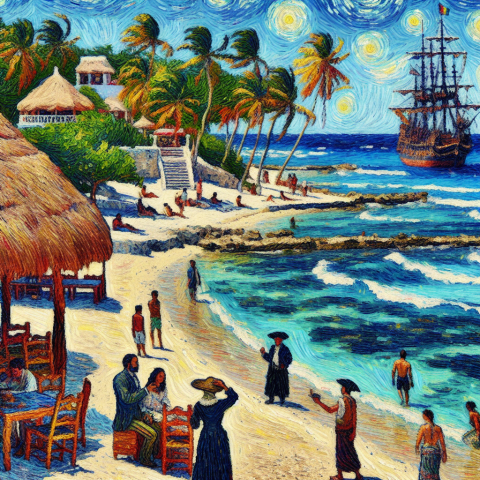
Unlocking Cozumel’s Paradise: Overcoming The Language Barrier
By Tom Seest
At TopCozumelNews, we help travelers enjoy Cozumel by collating information learned from frequently traveling to beautiful Cozumel.
Be sure to read our other related stories at TopCozumelNews to learn more about the Island of Cozumel.
Is The Language Barrier Keeping You From Paradise In Cozumel?
Ah, Cozumel—an island that dances on the Caribbean Sea like a fine margarita swirled with sunshine and salt. It’s a slice of paradise where warm breezes and vibrant culture beckon travelers to discover their next great adventure. But for many, a seemingly inconsequential hurdle stands between them and the intoxicating allure of this tropical haven: the language barrier.
Now, let’s be honest: The thought of stumbling through a foreign language can be daunting. You think of the poorly pronounced Spanish phrases that might land you in a taco joint when you were aiming for the finest seafood restaurant. Or, picture this: you’re on the beach, ready to order your cold drink of choice, and the words just won’t come. Suddenly, instead of sipping on a Piña Colada, you find yourself pantomiming the action of drinking. Not exactly a smooth move, is it?
But let’s not let a little linguistic miscommunication stand in the way of paradise. In Cozumel, the locals are just as eager to welcome you as they are to share their beautiful island. Most folks you’ll meet have a sprinkle of English up their sleeves, and surprisingly, a warm smile can go a long way—way further than you might think, really. Engage with them, be curious, and don’t shy away from giving them your best shot at Spanish. You might just become the star of the evening with your unique ability to mangle “gracias” into something resembling a tongue twister.
You see, immersing yourself in Cozumel means embracing the local culture, and that includes the language. Sure, the barrier can feel like climbing a steep hill, but once you get over it, the view is breathtaking. Picture this: you ask a local about their favorite hidden beach using your rusty Spanish, and they respond with a genuine enthusiasm that sends you off to a secret spot few travelers ever see.
So throw caution to the wind! Let’s ditch the fear of sounding silly and dive headfirst into the rich tapestry of life in Cozumel. After all, this island paradise is more than just a beautiful landscape; it’s an experience waiting to be unlocked, and a few well-intended words can open the door to countless adventures!

Is The Language Barrier Keeping You From Paradise In Cozumel?
Is The Language Barrier Keeping You From Paradise In Cozumel?
- Cozumel is a vibrant island in the Caribbean, known for its warm breezes and rich culture.
- The language barrier can be daunting for travelers trying to navigate the island.
- Miscommunication may lead to humorous situations, like ordering the wrong food or drink.
- Locals in Cozumel often have some knowledge of English and appreciate attempts at Spanish.
- Engaging with locals can enhance your experience and lead to discovering hidden gems on the island.
- Embracing the local culture and language can provide unique experiences and connections.
- Overcoming language barriers can unlock a wealth of adventures in this tropical paradise.

Is The Language Barrier Keeping You From Paradise In Cozumel?
Table Of Contents
- Is The Language Barrier Keeping You From Paradise In Cozumel?
- Is Language A Major Barrier For Travelers In Cozumel?
- What Tips Can Help Overcome Language Challenges In Cozumel?
- Are There Common Phrases That Can Enhance Communication In Cozumel?
- How Can Technology Assist In Breaking The Language Barrier?
- What Are The Best Language Learning Apps For Travelers To Cozumel?
- Is It Helpful To Learn Basic Spanish Before Visiting Cozumel?
- How Can Local Residents Assist Tourists With Language Issues?
- Conclusion
- Other Resources
- Glossary Of Terms
- Other Questions
- Haiku
- Poem
- Checklist
Is Language A Major Barrier For Travelers In Cozumel?
When travelers set their sights on Cozumel, a picturesque island off the coast of Mexico, one of their common concerns is the potential language barrier. Let’s face it: navigating a new place can bring about its own set of challenges, and language often tops that list. But how much of a hurdle is it really?
Cozumel is a vibrant destination that attracts visitors from all over the globe. The island basks in the sun and is known for its stunning beaches, colorful reefs, and warm hospitality. However, it’s laced with a cultural tapestry that is uniquely Mexican. While many locals in the touristy areas speak English, there’s no denying that the primary language spoken is Spanish. Herein lies the crux of the matter: Is language a major barrier for those adventuring to Cozumel?
For the traveler who only brings a phrasebook and perhaps a half-remembered high school Spanish class, the initial experience might feel daunting. Ordering a taco in Punta Langosta could turn into a game of charades if you’re not sure how to pronounce “grilled fish.” But here’s where the beauty of travel kicks in. Many locals are accustomed to tourists and are more than willing to help out, oftentimes with a smile. The willingness to communicate often outweighs any language mishaps.
Moreover, in today’s digital age, technology can be a friend. Smartphone translation apps can break down linguistic walls in seconds. Need directions to the nearest cenote or beach? Just whip out your phone and watch those words transform into something more relatable to a local. The truth is, while the language might differ, the human experience—gestures, expressions, and the love for good food—remains universal.
So, is language a major barrier in Cozumel? It can be, but it certainly doesn’t have to be. Many travelers discover that a smile, a few well-placed Spanish phrases, or even just a willingness to embrace the culture can lead to rich interactions and unforgettable experiences. Whether diving into the inviting turquoise waters or enjoying a sunset at a seaside bar, it’s the connections you make that truly shape your adventure—languages be damned. Just remember: sometimes, the best memories come from the moments that make you laugh, even if you don’t quite understand the words.

Is Language A Major Barrier For Travelers In Cozumel?
Is Language A Major Barrier For Travelers In Cozumel?
- Cozumel is a picturesque island off the coast of Mexico, known for stunning beaches and warm hospitality.
- The primary language spoken is Spanish, though many locals in tourist areas speak English.
- Travelers with limited Spanish skills may initially find communication daunting.
- Many locals are friendly and willing to help, often making language barriers less of an issue.
- Smartphone translation apps can facilitate communication and enhance the travel experience.
- A smile, some Spanish phrases, and a willingness to engage with the culture can lead to memorable interactions.
- The best travel memories often come from moments shared, regardless of language differences.

Is Language A Major Barrier For Travelers In Cozumel?
What Tips Can Help Overcome Language Challenges In Cozumel?
Now, let’s face it: traveling to a place like Cozumel, with its stunning beaches and vibrant culture, is an absolute joy. However, if you can’t communicate effectively, the experience can quickly turn from a tropical paradise to a frustrating exercise in confusion. Fear not, fellow adventurers! Here are some practical tips to help you navigate language challenges in this beautiful destination.
First, let’s talk preparation. Before you even step foot on the island, it’s wise to brush up on some basic Spanish phrases. The ability to ask simple questions or convey your needs, even if it’s just “¿Dónde está la playa?” (Where is the beach?), can make a world of difference. Downloading a translation app on your smartphone can also be a lifesaver. These tools can break down language barriers in a pinch, helping you find your way or order that enticing plate of fish tacos you’ve been dreaming about.
When you arrive in Cozumel, don’t underestimate the power of a smile. While many locals do speak English, especially in tourist areas, approaching them with warmth and friendliness—and perhaps a feeble attempt at Spanish—can go a long way. You’re not just a visitor; you’re a guest in their world, and that mindset makes a significant impact.
Another tip is to immerse yourself in the local culture. Attend a cooking class, join a guided tour, or participate in a cultural event. These experiences not only enrich your understanding of the area but also provide opportunities to engage with locals who can help bridge the language gap. The more you interact, the more comfortable you’ll become. You might even make a few friends who can help you improve your conversational skills.
When you find yourself in a sticky situation, remember that gestures are your friends. Pointing, miming, and using facial expressions can often convey what you’re trying to express far better than words sometimes can. Pairing actions with words—even if they’re mispronounced—demonstrates your effort and willingness to connect.
Lastly, patience is key. Language barriers can lead to misunderstandings, but maintaining a good sense of humor and keeping your cool when things don’t go as planned is essential. Ultimately, the journey is about connection, exploration, and enjoying the amazing sights that Cozumel has to offer, language be damned! So grab that snorkel gear, head for the shores, and don’t let a little thing like language spoil your adventure. After all, it’s the memories you create that matter most!

What Tips Can Help Overcome Language Challenges In Cozumel?
What Tips Can Help Overcome Language Challenges In Cozumel?
- Traveling to Cozumel offers stunning beaches and vibrant culture.
- Effective communication is essential to enhance your experience.
- Prepare by learning basic Spanish phrases and downloading a translation app.
- Approaching locals with a smile and a friendly demeanor can improve interactions.
- Immerse yourself in the local culture through cooking classes or guided tours to engage with locals.
- Use gestures, pointing, and facial expressions to communicate when language fails.
- Stay patient and maintain a sense of humor to navigate misunderstandings and enjoy your adventure.
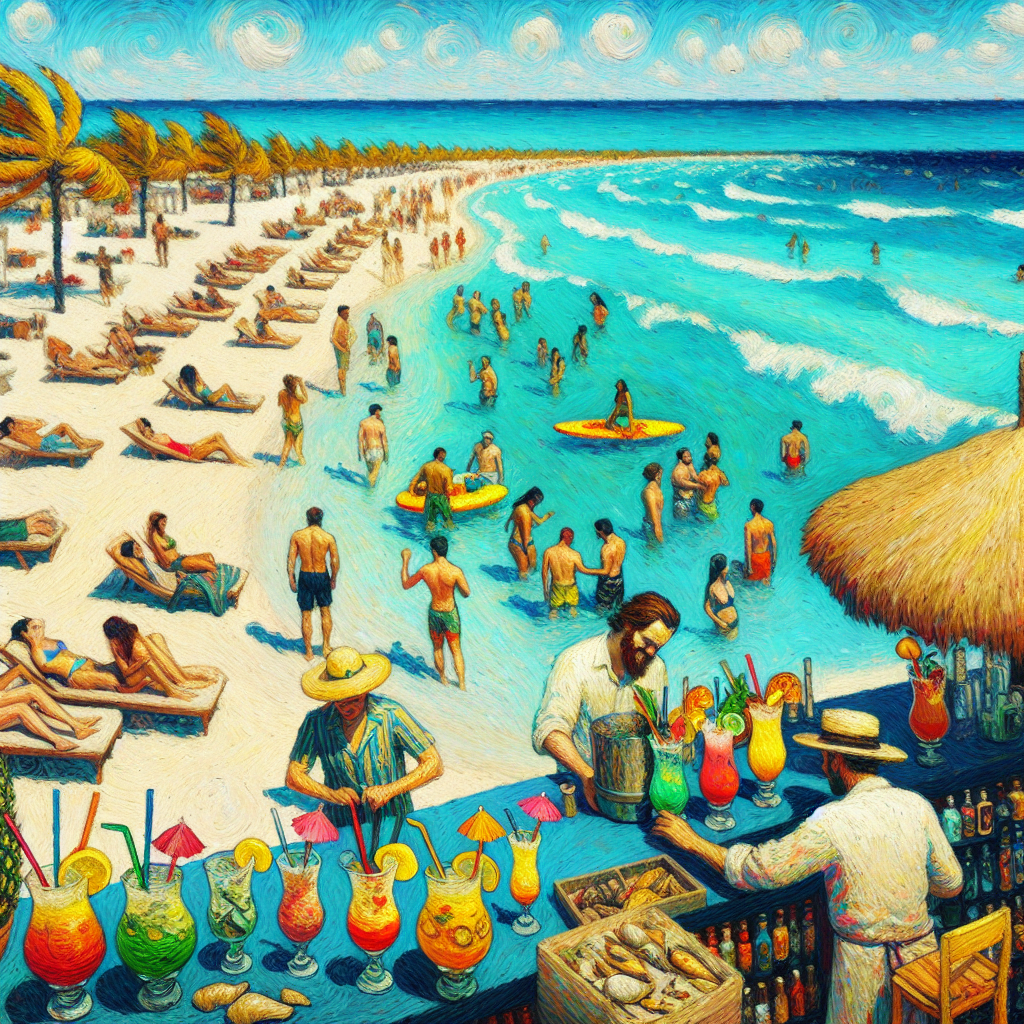
What Tips Can Help Overcome Language Challenges In Cozumel?
Are There Common Phrases That Can Enhance Communication In Cozumel?
Cozumel is more than just a picturesque island off the coast of Mexico; it’s a vibrant tapestry of culture, history, and the everyday bustle of life that begs for a deeper connection. When navigating the colorful markets, relaxing on serene beaches, or savoring the tantalizing local cuisine, you’ll find that a few carefully chosen words can go a long way. So, let’s kick off the adventure with some common phrases that can truly enhance your communication in this tropical paradise.
First up, greetings are essential. “¡Hola!” (Hello!) is your golden ticket to breaking the ice. When meeting locals at a bar or a busy taco stand, a friendly hello not only sets a positive tone but also opens the doors to friendly conversation and perhaps a few tips on where to find the best margarita in Cozumel. Don’t forget about “¿Cómo estás?” (How are you?) — it shows you care beyond the superficial, which folks here will appreciate.
If you’re looking to get a bit more specific, knowing how to order food is crucial. “Me gustaría…” (I would like…) will make your ordering process smoother than a dolphin’s leap. Whether you’re diving into the local seafood or hopping between street food stalls, this phrase allows you to express your culinary desires clearly. Pair that with “Gracias” (Thank you) after receiving your meal, and you’ll win hearts in no time.
Now, let’s talk about asking for help. It’s only natural to need a little guidance when exploring a new place. “¿Dónde está…?” (Where is…?) followed by your intended destination can work wonders. Whether you’re hunting for the best snorkeling spots or the nearest restroom, the locals will be more than willing to point you in the right direction.
And let’s not forget the classic “¡Salud!” (Cheers!) when clinking glasses at a local cantina. It’s a small but significant gesture that brings everyone together in celebration of life—the very essence of Cozumel.
Finally, if you find yourself struggling with the language, don’t hesitate to say, “¿Habla inglés?” (Do you speak English?). Most locals will appreciate your effort to engage, and it may just lead to a delightful exchange of stories.
So, strap on those flip-flops, practice these phrases, and dive into the rich experiences Cozumel has to offer. Trust me, you’ll come away with not just sun-kissed skin, but memories woven with the warmth of genuine interactions.

Are There Common Phrases That Can Enhance Communication In Cozumel?
Are There Common Phrases That Can Enhance Communication In Cozumel?
- Cozumel offers a vibrant blend of culture, history, and lively everyday life.
- Greetings like “¡Hola!” and “¿Cómo estás?” foster friendly conversations with locals.
- Using “Me gustaría..” makes ordering food simpler and more enjoyable.
- Express gratitude with “Gracias” after receiving meals to build rapport.
- Ask for help using “¿Dónde está..?” to navigate the island more easily.
- Share a toast with “¡Salud!” to celebrate life and connect with others.
- Inquiring “¿Habla inglés?” can help bridge communication gaps with locals.

Are There Common Phrases That Can Enhance Communication In Cozumel?
How Can Technology Assist In Breaking The Language Barrier?
In an age where distance means little and conversations can happen across continents in the blink of an eye, technology stands as the unsung hero, quietly dismantling the walls of language. You pop over to Cozumel, for instance, a tropical paradise echoing with the sounds of Spanish, but maybe you only know a smattering of “Hola” and “Gracias.” Fear not! Technology has your back, bridging the gap between cultures and allowing you to interact seamlessly with locals.
Imagine walking the sun-kissed beaches of this beautiful Mexican island, beckoning the ocean breezes and the rustle of palm fronds. You’re ready to explore the vibrant market filled with handmade crafts and tantalizing street food. But how do you ask for that delicious taco or negotiate the price of a handmade hammock while avoiding the universal navet of pointing and nodding? Enter translation apps and real-time language tools—your pocket-sized lifelines. With just a few taps, you can translate phrases, hold conversations, or even learn a few regional slang words while munching on street corn. It’s like having an instant translator who fits right in your back pocket!
Moreover, augmented reality takes things up a notch. Imagine standing at a busy intersection in Cozumel, curious about a sign in a language you’re not familiar with. With an app that translates text through your camera, you can simply point your device, and voila! The words transform before your eyes in your native tongue. It’s almost like magic—turning confusion into clarity in mere seconds.
But the technology doesn’t stop there. Social media platforms create communities where language and culture mix like a good cocktail, allowing people to practice their skills, share experiences, and connect with others from around the world. You can join forums, follow travel bloggers, and even participate in virtual language exchanges while sipping your morning coffee.
So whether you’re asking for directions to the nearest dive shop in Cozumel or simply sharing a laugh with a stranger over lunch, technology serves as a facilitator. It doesn’t just break the language barrier; it shatters it, ensuring that every conversation—no matter how small—is a step towards global understanding and connection. As we navigate through this vast digital landscape, each interaction becomes an opportunity to celebrate our shared human experience, one word at a time.

How Can Technology Assist In Breaking The Language Barrier?
How Can Technology Assist In Breaking The Language Barrier?
- Technology dismantles language barriers, allowing seamless interaction across cultures.
- Translation apps serve as essential tools for travelers in unfamiliar language environments.
- Augmented reality apps can translate text in real-time through your camera for instant understanding.
- Social media fosters communities where users can practice language skills and share cultural experiences.
- Travelers can join forums and participate in virtual language exchanges to enhance their skills.
- Technology facilitates everyday conversations, promoting global understanding and connection.
- Every interaction, no matter how small, contributes to a shared human experience.

How Can Technology Assist In Breaking The Language Barrier?
What Are The Best Language Learning Apps For Travelers To Cozumel?
When you’re heading to a place like Cozumel, you can’t just show up with a pocket full of pesos and a tourist map. You want to dive into the culture, make connections with the locals, and perhaps even haggle for that perfect piece of artisan jewelry. To do that, we need a bit of a game plan—a language-learning plan.
Language learning apps have taken the world by storm, offering convenience and flexibility that traditional classroom learning just can’t match, especially for travelers. So, let’s break down some of the best tools to elevate your Spanish skills before you hit the sandy shores of Cozumel.
First on the list is Duolingo. This app has become an essential for anyone looking to dip their toes into a new language. Its gamified approach means learning feels less like a chore and more like a fun challenge. You can go from basic greetings to putting together simple sentences in just a few weeks. Plus, it’s perfect for on-the-go study when you’re waiting in line for that famous Cozumel taco.
Next up, we have Babbel. If you want real conversational skills that you can use to chat at local markets or while exploring the vibrant streets of San Miguel, Babbel’s focus on practical language skills is the way to go. Each lesson feels tailored, giving you the vocabulary and phrases that will be genuinely useful during your adventures in Cozumel.
Then there’s Rosetta Stone. This app shines when it comes to immersing you in the language. It’s got a unique method that encourages you to think in your target language right off the bat. If you’re planning on mingling at local fiestas or navigating the snorkeling tours, Rosetta Stone can help you feel confident in those situations.
Don’t overlook Pimsleur. Audio-based learning is ideal for busy travelers, providing lessons that you can listen to while driving or relaxing on the beach. Pimsleur gets you speaking right from the start, which can make all the difference when you’re trying to haggle for a handcrafted souvenir in Cozumel.
Lastly, HelloTalk offers a social aspect to language learning. You can connect with native Spanish speakers and practice your language skills in real-time. It’s like having a language partner in your pocket, giving you the chance to immerse yourself in the local culture before you even set foot in Cozumel.
So, gear up with these apps, and you’ll find that your experience in Cozumel isn’t just about sunbathing and sightseeing; it’s about building bridges with the people and places you encounter along the way.

What Are The Best Language Learning Apps For Travelers To Cozumel?
What Are The Best Language Learning Apps For Travelers To Cozumel?
- Traveling to Cozumel requires more than just money and a map; cultural immersion is essential.
- Language-learning apps provide a convenient and flexible alternative to traditional classroom learning.
- Duolingo offers a gamified approach to learning, making it fun and effective for picking up basic Spanish.
- Babbel focuses on practical conversational skills, perfect for interactions at local markets.
- Rosetta Stone immerses users in the language, encouraging them to think in Spanish from the start.
- Pimsleur’s audio-based lessons are great for learning on the go, helping you start speaking Spanish quickly.
- HelloTalk allows users to connect with native speakers for real-time practice, enhancing cultural immersion.

What Are The Best Language Learning Apps For Travelers To Cozumel?
Is It Helpful To Learn Basic Spanish Before Visiting Cozumel?
When planning a trip to Cozumel, you might find yourself wondering whether it’s worth your time to learn some basic Spanish. On the surface, the question seems a bit silly—after all, you’re headed to a popular tourist destination where English is widely spoken. But before you dismiss the idea, let’s dig a little deeper into why picking up a few Spanish phrases might just enhance your experience on this stunning island.
First off, let’s talk about respect. Language is a powerful tool, and when you show even a hint of effort to speak the local tongue, it’s like tipping your hat to the culture and people of Cozumel. A warm “hola” or “gracias” goes a long way. It doesn’t just break the ice; it opens doors. Locals appreciate it when someone makes an effort to communicate, and as a result, you might find yourself on the receiving end of some genuine hospitality.
Now, let’s address practicality. Sure, many people in Cozumel can communicate in English, especially in tourist areas. However, venture into the less-traveled parts of the island, and you may find yourself trying to decipher a menu or ask for directions in a language that isn’t English. Having a few basic Spanish phrases up your sleeve can make these interactions smoother. Knowing how to ask for the restroom, order a meal, or inquire about local attractions adds a level of comfort and reduces the likelihood of misunderstandings.
And let’s remember the experience itself. Part of the joy of traveling is immersing yourself in the local culture, and understanding a bit of the language facilitates that immersion. Whether you’re enjoying an afternoon at a beachside café or exploring the vibrant markets of Cozumel, speaking even a little Spanish can lead to richer conversations and unique experiences. You might even make a friend or two along the way.
Lastly, consider this: learning a bit of Spanish before your trip can be a fun and engaging pre-vacation activity. It gives you something tangible to focus on as you anticipate your journey. Plus, it’s a skill that isn’t just limited to Cozumel—it’s a gateway to conversations and connections throughout your travels.
So, should you learn basic Spanish before visiting Cozumel? Absolutely. It’s a worthwhile endeavor that can turn a good trip into a great one, leaving you with memories that extend far beyond the beaches and resorts.

Is It Helpful To Learn Basic Spanish Before Visiting Cozumel?
Is It Helpful To Learn Basic Spanish Before Visiting Cozumel?
- Learning basic Spanish enhances your experience in Cozumel, a popular tourist destination where English is spoken.
- Showing effort to speak the local language demonstrates respect for the culture and locals.
- Speaking Spanish can garner genuine hospitality from the residents of Cozumel.
- While many locals speak English, knowing Spanish is practical for navigating less touristic areas.
- Basic Spanish phrases help in everyday interactions, such as ordering food or asking for directions.
- Understanding the language allows for deeper cultural immersion and richer travel experiences.
- Learning Spanish before your trip is an enjoyable way to prepare and connect with the culture beyond Cozumel.

Is It Helpful To Learn Basic Spanish Before Visiting Cozumel?
How Can Local Residents Assist Tourists With Language Issues?
When you’re in a place like Cozumel, surrounded by the sounds of the ocean and the aroma of local cuisine, you can’t help but feel the vibrant energy of the island. But let’s face it—language barriers can sometimes throw a wrench into your tropical paradise. That’s where the local residents come in, playing an essential role in enhancing the travel experience for visitors who may not speak Spanish or the local dialects.
Now, you may be sitting there thinking, “What can I really do to help?” Well, a lot, actually. First off, if you’re a local who speaks both English and Spanish, consider giving a crash course in essential phrases. Something as simple as “Dónde está el baño?” (Where is the bathroom?) or “¿Cuánto cuesta?” (How much does it cost?) can empower tourists to navigate their way around the island without needing a translator. The locals are often the best ambassadors, sharing snippets of the language that can make a significant difference.
Next, think about the power of gestures. In a world teeming with emojis, we tend to forget how much can be conveyed through hand signals and expressions. A warm smile, a thumbs-up, or even pointing in the right direction can go a long way. Sometimes, showing a person how to find a local attraction is more impactful than mere words. A proud local resident can lead the way, ensuring tourists don’t miss the treasures that often lie off the beaten path.
If there are events or cultural activities happening, why not invite tourists along? This not only helps them learn some lingo but also immerses them in the essence of what Cozumel is all about. Whether it’s a traditional dance or a local cooking class, sharing these experiences can break down linguistic walls and forge connections that go beyond simple transactions.
Finally, let’s not overlook technology. Many people have smartphones with translation apps. If a tourist is stuck, help them navigate their device or offer assistance in finding resources that translate what they need. It’s in these moments of interaction, where a local lends a hand, that real memories are made—stories that tourists will gladly share long after they’ve left the shores of Cozumel.
So, whether it’s through language, gestures, or an open invitation to experience local culture, residents can be the bridge that helps tourists cross the often-challenging waters of language barriers, transforming their visit into something unforgettable.

How Can Local Residents Assist Tourists With Language Issues?
How Can Local Residents Assist Tourists With Language Issues?
- Cozumel offers vibrant energy with ocean sounds and local cuisine.
- Language barriers can hinder the travel experience for visitors.
- Locals can enhance the experience by teaching essential Spanish phrases.
- Gestures and expressions, such as smiles and hand signals, can effectively communicate even without words.
- Inviting tourists to local events helps them immerse in Cozumel’s culture and learn the language.
- Technology, such as translation apps, can aid in overcoming language barriers.
- Through interaction and assistance, locals can create unforgettable memories for tourists.

How Can Local Residents Assist Tourists With Language Issues?
Conclusion
So there you have it, folks. Cozumel may be a dazzling jewel of the Caribbean, but for many travelers, the thrill of exploration can sometimes be overshadowed by the anxiety of navigating a new language. But here’s the kicker: while Spanish is the island’s heartbeat, it doesn’t have to be your stumbling block. Instead, think of it as your stepping stone to something much greater.
You see, Cozumel is more than just picturesque beaches and mouthwatering tacos; it’s about connections, culture, and experiences waiting to unfold. The language barrier? It’s not an insurmountable wall—more like a speed bump on the road of adventure. Many locals are not only accustomed to tourists, but they’re also eager to engage, help, and share their precious slice of paradise. Trust me, a warm smile or an enthusiastic attempt at Spanish can do wonders—it’s like a passport to genuine interactions. And that’s the magic of travel, isn’t it?
Sure, mastering the fine nuances of another language can feel daunting—but you don’t need to be perfect. Armed with some basic phrases, a trusty translation app, and a healthy dose of humility, you can turn the challenge into an opportunity. Ask questions, share a laugh, or even shout a celebratory “¡Salud!” at a local cantina. The rewards are boundless, and the locals often respond to your efforts with kindness and warmth that go far beyond mere words.
Let’s not forget the role of modern technology. With apps and social media at your fingertips, breaking the language barrier has never been easier. Whether you’re connecting with fellow travelers online, using translation tools in real-time, or immersing yourself in lively cultural exchanges, these resources can enhance your experience.
So, before you hop on that plane, embrace the idea of learning a few basic Spanish phrases. It’s not just about visiting a different place; it’s about unraveling a tapestry of human experience. Cozumel beckons, my friends—don’t let a little language hiccup keep you from diving into the enchanting depths of its culture. After all, every flawlessly awkward pronunciation and every miscommunicated order can turn into a hilarious memory, a lasting connection, or even a new friend. So gear up, jump in, and let Cozumel reveal its treasures to you—one word, one smile at a time!

Conclusion
Conclusion:
- Cozumel offers a rich experience beyond its beautiful landscapes, such as connections and cultural immersion.
- The Spanish language can initially seem intimidating but can be approached as a stepping stone rather than a barrier.
- Many locals are welcoming and willing to engage with tourists, offering genuine interactions through simple gestures.
- Basic Spanish phrases, translation apps, and a willingness to learn can enhance your experience in Cozumel.
- Modern technology simplifies breaking down language barriers via real-time translation and social media connections.
- Learning Spanish enriches your travel experience, leading to memorable moments and potential new friendships.
- Embrace the journey of discovering Cozumel, allowing the adventure to unfold with each interaction.

Conclusion
Other Resources

Other Resources
Cozumel rewards travelers who stay longer than the cruise ship crowd. If that’s the kind of trip you’re cooking up, here’s where we’d point you for lodging. Cozumel Journey is an editorial guide to Cozumel — neighborhoods, planning tips, and life on the island for travelers who want context, not a cruise schedule.
Here is a list of other resources you can review online to learn more:
- Chichen Itza
- Alberto’s Downtown
- The Westin Cozumel
- Jimmy Buffett’s Margaritaville Cozumel
- Cozumel Jeep
- Guido’s Restaurant Cozumel
- Playa Azul
- Super Taqueria EL PIQUE
- Los Chilangos Loncheria
- Cozumel Journey — long-form writing on neighborhoods and planning
Use This Prompt To Get More Resources With Your Favorite Online AI Tool: Please provide me with a list of online articles with their URLs in a bulleted list that I can read regarding Is The Language Barrier Keeping You From Paradise In Cozumel?

Other Resources
Glossary Terms
Is The Language Barrier Keeping You From Paradise In Cozumel? – Glossary Of Terms
1. Language Barrier: The difficulties faced in communication due to differences in spoken language, potentially hindering interactions with locals.
2. Cozumel: An island in the Caribbean Sea off the eastern coast of Mexico, known for its stunning beaches, coral reefs, and vibrant culture.
3. Bilingual: A person who is fluent in two languages, which can help bridge communication gaps in tourist destinations.
4. Translation Apps: Mobile applications designed to translate speech or text from one language to another, useful for overcoming language barriers in real time.
5. Local Dialect: A specific form of a language used by speakers in a particular region, which may include unique expressions and vocabulary not found in standard language.
6. Phrasebook: A compact book containing useful phrases and vocabulary in a foreign language, often used by travelers to communicate basic needs.
7. Cultural Exchange: The process of sharing and learning about customs and traditions between people from different cultures, often enhanced through language.
8. Tourist Language: Simplified expressions or commonly used phrases that tourists often need when traveling, such as greetings and questions about directions.
9. Immersion: The practice of surrounding oneself with the local language and culture, often leading to improved understanding and communication over time.
10. Nonverbal Communication: The conveyance of messages through body language, gestures, and facial expressions, which can aid in understanding when words fail.
11. Language Course: Structured programs designed to teach the fundamentals of a language, which can help travelers gain confidence before visiting a foreign country.
12. Travel Guide: A resource, often in book or digital form, that provides information on local customs, languages, and essential phrases for tourists.
13. English-Spanish Dictionary: A reference book or app that provides translations between English and Spanish, helpful for quick word lookups.
14. Spanglish: A blend of English and Spanish commonly used in areas with both language speakers, often featuring a mix of vocabulary and grammar.
15. Language Exchange: A reciprocal learning situation where speakers of different languages help each other practice and improve their language skills.
16. Tourist Information Center: Facilities that provide information on local attractions, services, and cultural practices, often staffed by bilingual personnel.
17. Sign Language: A visual-manual language used by the deaf community, which might aid in communication when verbal language is not an option.
18. Local Cuisine: Traditional dishes and culinary customs unique to an area, often conveying cultural significance that can be learned through language.
19. Cultural Sensitivity: Awareness and respect for different cultural practices and languages, fostering positive interactions during travel.
20. Accent: Variations in pronunciation and intonation in a language, which can indicate a speaker’s regional background.
21. Conjugation: The modification of a verb from its base form to reflect aspects such as tense, mood, and subject, which is crucial for effective communication in Spanish.
22. Attraction Signage: Signs at tourist sites that provide information, often in multiple languages, including English and Spanish, to cater to a diverse audience.
23. Hospitality Language: The specific terms and phrases commonly used in the service and hospitality industry, which can enhance a tourist’s experience.
24. Subtitled Media: Films or videos that display translations of spoken dialogue on-screen, useful for understanding culture and context when language is a barrier.
25. Language Immersion Programs: Educational programs that place students in an environment where the target language is spoken, often involving cultural activities.
26. Community Engagement: Involvement with local residents and businesses, which can provide opportunities to practice language skills and learn about culture firsthand.
27. Local Markets: Places where artisans and vendors sell goods, often providing a rich opportunity to practice language skills in real-life situations.
28. Travel Etiquette: The customary codes of polite behavior specific to different cultures, which can include language behavior and communication styles.
29. Language Tutor: An individual who provides personalized language instruction to help travelers build skills and confidence before embarking on their journey.
30. Cozumel Activities: Various events and excursions available on the island, from snorkeling to cultural tours, which can be enhanced with better communication skills.

Glossary Of Terms
Other Questions
Is The Language Barrier Keeping You From Paradise In Cozumel? – Other Questions
If you wish to explore and discover more, consider looking for answers to these questions:
- What are some common language challenges faced by tourists in Cozumel?
- How can tourists practice Spanish before their trip to Cozumel?
- What cultural experiences can help travelers connect with locals beyond language?
- Are there specific phrases that can enhance dining experiences in Cozumel?
- What resources are available for learning Spanish while traveling?
- How does understanding the local language enhance overall travel experiences?
- What should travelers do if they encounter language difficulties during their stay?
- Are there local services or guides who specialize in helping English-speaking tourists?
- What role do gestures play in communicating with locals in Cozumel?
- How can tourists find people in Cozumel who are willing to practice language skills with them?
- Are there community events in Cozumel that encourage interaction between tourists and locals?
- What technology or apps can help with language translation while in Cozumel?
- How can travelers show appreciation for local culture and language?
- What are some tips for overcoming embarrassment when speaking a foreign language?
- How important is it to learn about local customs in relation to language use?

Other Questions
Haiku
Is The Language Barrier Keeping You From Paradise In Cozumel? – A Haiku
Cozumel beckons,
Language blooms with warm smiles bright,
Words bridge paradise.

Haiku
Poem
Is The Language Barrier Keeping You From Paradise In Cozumel? – A Poem
In Cozumel, where the sun spills gold,
An island paradise, where stories are told,
Yet many face a subtle divide,
A barrier of language, where some collide.
A vibrant dance on the Caribbean’s sway,
Tantalizing flavors and warm breezes play,
With tacos and tunes that invite you to dive,
But fears of mischief in words might deprive.
“Hola,” a key that can open the door,
A simple hello, and so much more,
For locals with smiles, kindness does linger,
A gesture of warmth with each outstretched finger.
The phrases may stumble, your tongue might twist,
But the laughter they spark won’t be missed,
For the human connection, though language may differ,
In the heart of Cozumel, the spirits do shimmer.
With tech as your ally, let apps lead the way,
Translate your thoughts, let technology sway,
Point, mime, and laugh, let expressions be heard,
For in the connections, we find shared words.
Engage with locals, let culture be your guide,
Attend their fiestas, let joy be your ride,
A cooking class here, a market so bright,
With a sprinkle of Spanish, you’ll shine with delight.
So fear not the words, let adventure unfold,
In Cozumel’s embrace, where memories are gold,
For the barrier fades when hearts choose to see,
In this vibrant tapestry, we are all meant to be.

Poem
Checklist
Is The Language Barrier Keeping You From Paradise In Cozumel? – A Checklist
Before Your Trip: Preparation
1. Learn Basic Spanish Phrases
_____ Examples: “Hola” (Hello), “Gracias” (Thank you), “¿Dónde está. . . ?” (Where is. . . ?).
2. Download Translation Apps
_____ Recommended Apps: Google Translate, Duolingo, Babbel, HelloTalk. Make sure to familiarize yourself with them before your trip.
3. Practice Pronunciation
_____ Take time to practice saying the phrases and words out loud to get comfortable with pronunciation.
During Your Stay: Engaging with Locals
4. Start with a Smile
_____ Approach locals warmly and use basic greetings to create a friendly interaction.
5. Use Gestures When Necessary
_____ Don’t hesitate to use hand signals or body language to help convey your message.
6. Attend Local Classes or Events
_____ Participate in cooking classes, cultural events, or guided tours to immerse yourself in the language and local culture.
7. Ask Open-Ended Questions
_____ Use phrases like “¿Cuáles son tus lugares favoritos?” (What are your favorite places?) to encourage conversation.
Exploring Technology’s Assistance
8. Utilize Augmented Reality Apps
_____ Use apps that translate text in real-time to help with signs or menus.
9. Join Online Language Communities
_____ Engage with platforms like HelloTalk to practice with native speakers before and during your trip.
Dealing with Language Challenges
10. Be Patient and Stay Positive
_____ Understand that mistakes are part of the learning process and often lead to memorable moments.
11. Find Local Guides who Speak English
_____ Consider hiring a guide or joining tours that feature bilingual guides for deeper insights and smoother communication.
12. Embrace Mistakes
_____ Remember that locals appreciate your efforts to communicate, even if you don’t get it right every time.
After Your Trip: Reflect and Plan for Next Time
13. Review Your Experience
_____ Take notes on what worked and what didn’t regarding communication, for improvement in future travels.
14. Continue Learning Spanish
_____ Keep using language learning apps and practice speaking with friends or online partners.
15. Share Your Experience
_____ Document and share your experiences overcoming language barriers with other travelers to help them prepare for their trip.
Having this checklist handy while planning your trip to Cozumel can help you feel more confident and prepared to embrace the local culture and forge meaningful connections with residents. Enjoy your adventure in this beautiful paradise!

Checklist
At TopCozumelNews, we help travelers enjoy Cozumel by collating information learned from frequently traveling to beautiful Cozumel.
Be sure to read our other related stories at TopCozumelNews to learn more about the Island of Cozumel.