Cultural Barriers In Cozumel’s Social Scene
By Tom Seest
At TopCozumelNews, we help travelers enjoy Cozumel by collating information learned from frequently traveling to beautiful Cozumel.
Be sure to read our other related stories at TopCozumelNews to learn more about the Island of Cozumel.
Why Do Social Events In Cozumel Fall Short for Elder Attendees?
Why Do Social Events in Cozumel Fall Short for Elder Attendees?
When you think of Cozumel, you might conjure up images of sun-soaked beaches, vibrant festivals, and lively gatherings. The allure of connecting with others in such a beautiful locale is hard to resist. Yet, as we see a growing number of social events tailored to younger crowds, it’s essential to ask: What about our elder attendees? The truth is, while the sun shines brightly on Cozumel’s beaches, the same can’t always be said for the experiences designed for our older population.
Just imagine being in a bustling crowd, the music thrumming in the air, and everyone is swept up in a whirlwind of excitement, yet you find yourself feeling more like an outsider than an integral part of the group. This disconnect can be disheartening. Elders often face a range of physical and emotional hurdles—mobility issues, hearing impairments, or simply a heightened sense of fatigue. Many of these challenges are overlooked in the planning stages of social events, leaving older attendees drifting in the margins, longing for connection but feeling out of place.
Cozumel hosts some incredible celebrations—think of the exuberance of Carnival or the electrifying atmosphere of local fiestas. These events are undeniably exciting, but the pace can be overwhelming for those who have paced their lives a bit more conservatively. It’s not that older adults don’t want to participate; often, it’s a matter of accessibility and comfort. The loud music, the long queues, and the lack of seating can create barriers that are hard to navigate, both physically and emotionally.
But it doesn’t have to be this way! Communities in Cozumel can do a better job of inviting senior attendees to the table, quite literally. Creating social experiences that prioritize inclusivity could make a world of difference. Picture designated quiet zones, accessible seating arrangements, or events that embrace a more leisurely pace. The spirit of Cozumel—its rich culture and vibrant energy—deserves to be shared by everyone, no matter their age.
So let’s come together, locals and visitors alike, to champion social events that welcome elders with open arms. By fostering an inviting space where all ages can share joy and connection, we can ensure that Cozumel remains a cherished haven for every soul. The rhythmic pulse of this island’s heart should embrace all of us, allowing everyone to revel in the magic it has to offer.

Why Do Social Events In Cozumel Fall Short for Elder Attendees?
Why Do Social Events In Cozumel Fall Short for Elder Attendees?
- Cózumel is known for its beautiful beaches, festivals, and social gatherings.
- There is a growing trend of social events tailored for younger crowds, leaving older attendees feeling neglected.
- Elders often face physical and emotional challenges such as mobility issues and fatigue, which can hinder their event experience.
- Events like Carnival and local fiestas, while exciting, can be overwhelming for older adults due to their high energy and pace.
- Accessibility and comfort are significant barriers for elder participants, including loud environments and limited seating.
- Communities in Cozumel can enhance inclusivity by creating quieter spaces, accessible seating, and more relaxed event formats.
- By fostering inclusive social events, Cozumel can ensure that all ages enjoy and celebrate its vibrant culture together.
Why Do Social Events In Cozumel Fall Short for Elder Attendees?
Table Of Contents
- Why Do Social Events In Cozumel Fall Short for Elder Attendees?
- What Barriers Do Elderly Attendees Face At Social Events?
- How Can Event Organizers Better Accommodate Older Adults?
- Are Social Events In Cozumel Inclusive For All Age Groups?
- What Specific Needs Do Seniors Have During Social Gatherings?
- How Does Accessibility Impact Attendance For Elder Participants?
- What Role Do Social Connections Play For Seniors At Events?
- How Can Transportation Issues Affect Elderly Participation?
- Conclusion
- Other Resources
- Glossary Of Terms
- Other Questions
- Haiku
- Poem
- Checklist
What Barriers Do Elderly Attendees Face At Social Events?
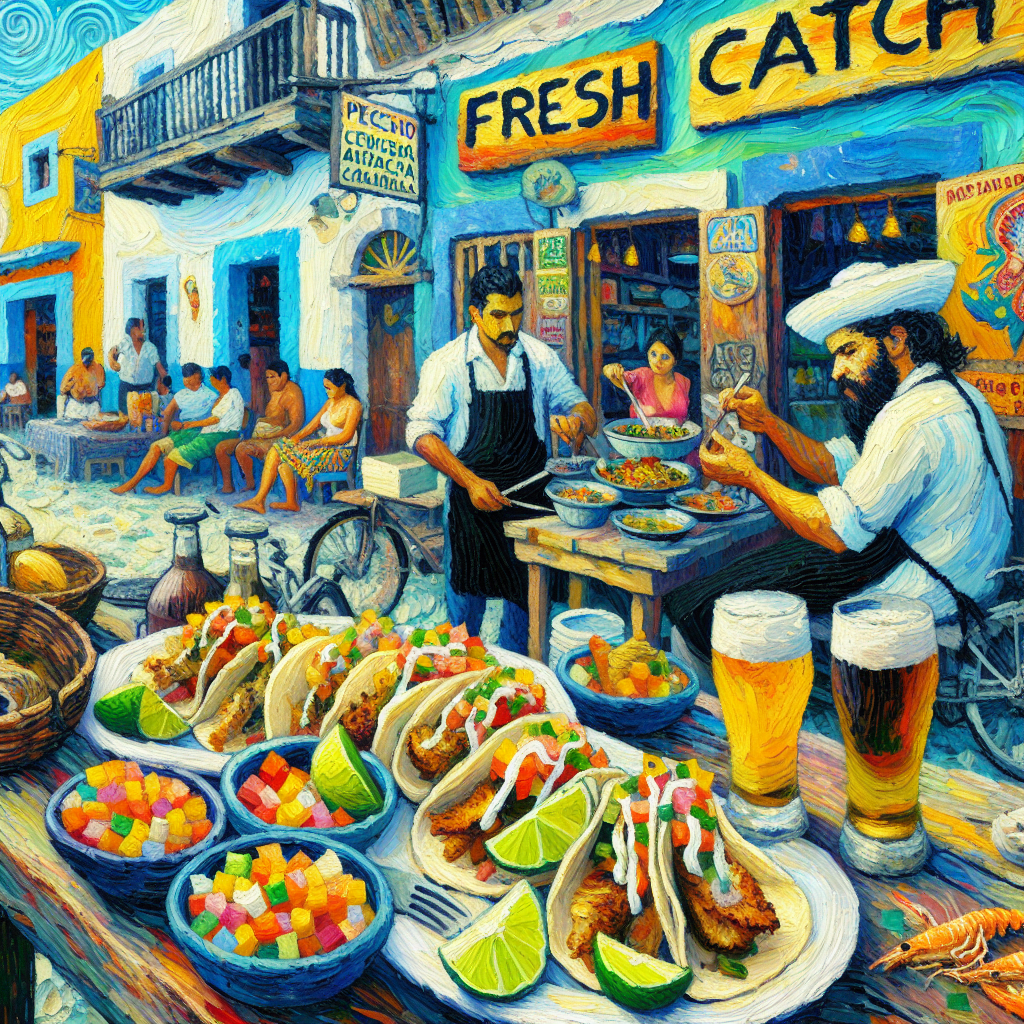
Let’s not sugarcoat it: attending social events can feel a bit like navigating a minefield for our elderly friends and loved ones. It’s not just about dressing up and showing up; there are real hurdles that can turn a routine gathering into a daunting experience. Imagine the anticipation of being invited to a lovely event in Cozumel, bright beaches and lively music beckoning, yet the thought of attending may have them hesitating at the door.
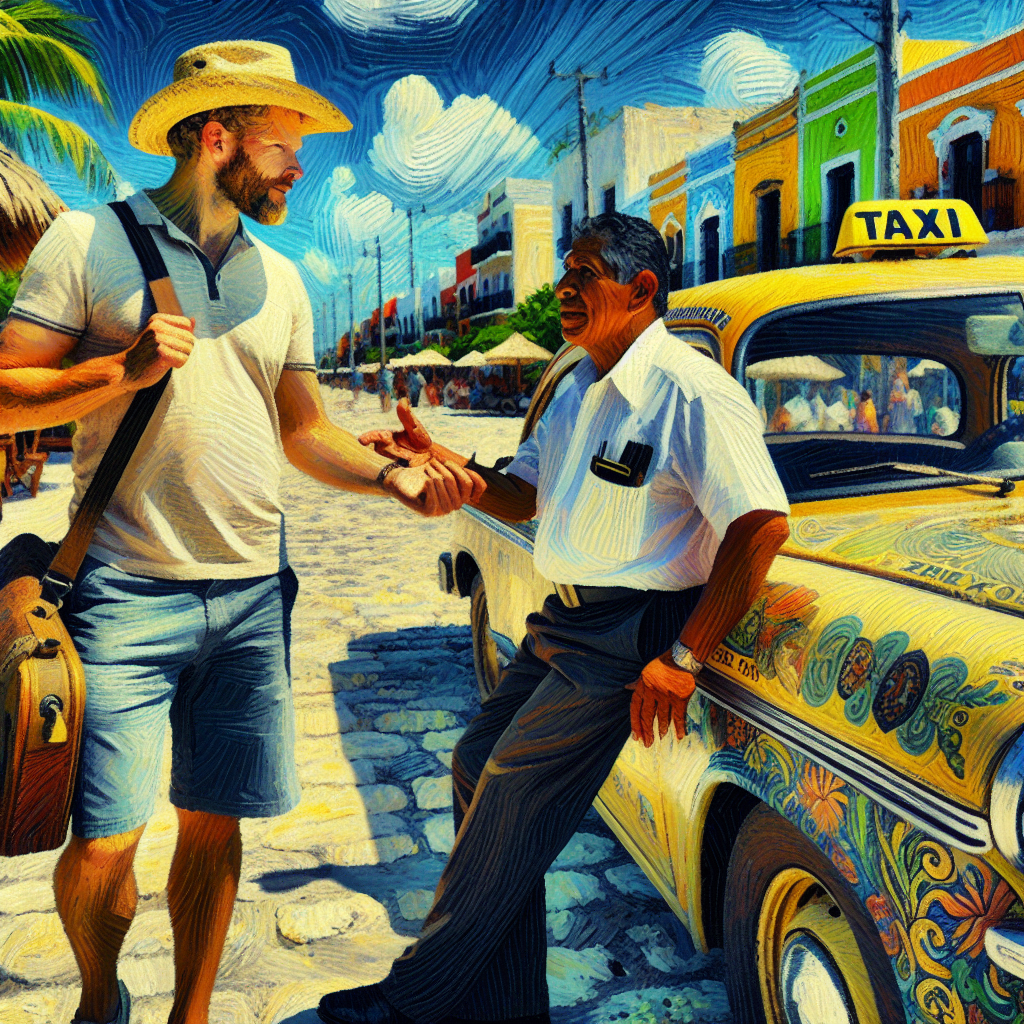
One of the immediate barriers is, of course, mobility. Those charming beaches might be a dream for someone younger, but for elderly attendees, the lively terrain often presents challenges that seem to multiply with every step. The worry about how to get there—whether it’s a car ride, public transport, or even a long walk—can overshadow the excitement of being part of something festive. Let’s face it: a simple outing can become an all-day event filled with stress over accessibility.
Then there’s the ever-present specter of health issues. Does your loved one take medications that need coordination? Do they have dietary restrictions that might make the delicious buffet a minefield? These factors can escalate anxiety, making them feel uneasy about the possibility of not fitting in. After all, “Will there be something I can eat?” or “What if I need to sit down?” can deter even the most social among them.
And let’s talk about loneliness. Sometimes, it’s not the logistics that hold them back but rather the emotional barriers. As people age, social connections can dwindle, leading to feelings of isolation. Walking into a crowded room full of strangers can be like diving into a deep end without a life jacket. Encouragement from family and friends can be the buoy that keeps them afloat, reminding them they’re not alone.
It’s vital for us to create an environment where elderly attendees feel valued and included—from accessible venues to considerate menus and friendly faces. Whether it’s a gathering in Cozumel or a local reunion, let’s invite our older generations in, not just physically, but emotionally. By acknowledging their barriers and making small adjustments, we can turn those daunting events into memorable experiences. So, let’s get together and create the kind of communities where everyone, regardless of age, can feel confident and welcomed—a true celebration of life’s vibrant connections.
What Barriers Do Elderly Attendees Face At Social Events?
What Barriers Do Elderly Attendees Face At Social Events?
- Attending social events can be challenging for elderly individuals due to various hurdles.
- Mobility issues can turn enjoyable locations into daunting spaces, affecting their willingness to attend.
- Concerns about transportation and accessibility can overshadow excitement for events.
- Health issues, such as medication coordination and dietary restrictions, add to the anxiety of attending gatherings.
- Feelings of loneliness and isolation can discourage elderly individuals from socializing, especially in crowded settings.
- Creating an inclusive environment with accessible venues and considerate menus is vital for elderly attendees.
- By acknowledging barriers and making adjustments, we can foster communities where everyone feels confident and welcomed.
What Barriers Do Elderly Attendees Face At Social Events?
How Can Event Organizers Better Accommodate Older Adults?
When organizing events, we often get wrapped up in the glitz and glamour—think of vibrant places like Cozumel, with its stunning beaches and lively atmosphere. But amidst all that excitement, it’s crucial to remember the particular needs of older adults. They bring a wealth of experience and wisdom, yet they also face unique challenges that can make participation a daunting task. So, how can we better accommodate this vital demographic?
First, let’s talk logistics. It’s easy to overlook basics like seating arrangements and accessibility. Imagine an older adult arriving at a venue only to discover it’s a maze of stairs and tight spaces. It’s disheartening, to say the least. So, make sure to provide ample seating that is easy to get in and out of. Consider using chairs with arms, and remember to include rest areas with comfy spots to recharge—because we all know that sometimes, a few moments of rest make a world of difference.
Next, think about communication. While the younger crowd might thrive in a digital world, older adults may feel overwhelmed by the rapid pace of technology. Easy-to-read signage, printed materials that don’t require a magnifying glass, and clear instructions can go a long way. Use simple language and, if applicable, offer face-to-face interactions that foster a genuine connection. Listening matters—let those seasoned voices share stories, suggestions, or even concerns. After all, they’ve been around the block a time or two.
But let’s not forget about the emotional aspect of participation. A vibrant event can stir up feelings of nostalgia and joy. However, older adults might also grapple with mixed emotions, especially if they’re coping with loss or health-related challenges. Create an inviting atmosphere—perhaps even a quiet zone where folks can take a break and find their balance. This acknowledgment shows you value their presence and well-being.
Finally, promote inclusivity. Celebrate the diversity of experiences that older adults bring to the table. Offer programs that cater to their interests or skills. Whether it’s a cooking demonstration, a history talk, or a gentle exercise class, the goal is to engage them in a way that feels meaningful and enjoyable.
By implementing these thoughtful strategies, you can foster an event experience that not only accommodates older adults but enriches the experience for everyone involved. Seeing their smiles and hearing their laughter is worth every effort. So let’s roll up our sleeves and make it happen—because when we work together, everybody wins.

How Can Event Organizers Better Accommodate Older Adults?
How Can Event Organizers Better Accommodate Older Adults?
- Events often focus on excitement but should also consider the needs of older adults.
- Ensure logistics such as seating arrangements and accessibility are prioritized for ease of access.
- Provide ample seating options with arms and include rest areas for comfort.
- Use easy-to-read signage and clear printed materials for better communication.
- Encourage face-to-face interactions and actively listen to older adults’ stories and suggestions.
- Create an inviting atmosphere with options for quiet breaks to support emotional well-being.
- Promote inclusivity by offering programs that celebrate older adults’ diverse interests and skills.

How Can Event Organizers Better Accommodate Older Adults?
Are Social Events In Cozumel Inclusive For All Age Groups?
Picture this: the sun setting over the azure waters of Cozumel, a gentle breeze rustling through palm fronds, laughter echoing through vibrant streets. There’s a palpable buzz in the air, hinting at the festivities to come. But let’s be honest, whether you’re a wide-eyed teenager seeking adventure or a seasoned traveler searching for leisurely enjoyment, the question looms large: Are social events here truly designed for all age groups?
That is where the beauty of Cozumel shines brightest. The island is more than just picturesque beaches and enticing sunsets; it’s a melting pot of experiences tailored for everyone. From lively beachfront parties that evoke exuberance among the younger crowd to quiet garden soirées where conversations can drift like the evening tide, Cozumel doesn’t just cater to one demographic. Instead, it presents a colorful tapestry of options, ensuring that each generation finds its niche.
Yet, let’s not sugarcoat it; attending social events in unfamiliar settings can come with its challenges. You may find yourself feeling out of place or uncertain about how to navigate diverse groups. Maybe you’re a parent worried about your children not fitting in, or perhaps you’re a retiree hoping to connect with the younger generation. These feelings are valid, and it’s important to recognize them. After all, we all share an intrinsic desire for connection, for belonging—this is what ties us together despite our differences.
Cozumel thrives on this idea of inclusivity, offering a smorgasbord of events that welcome all ages. From family-friendly festivals that feature local artisans and crafts to interactive activities that engage both young and old, there’s something for everyone. And what’s more, these gatherings often nurture a sense of community. You might find that the smiles and laughter shared across generations create bonds that transcend age barriers, providing a unique opportunity to learn and grow together.
So, to anyone pondering whether Cozumel’s social scene has a place for them, the answer is a resounding yes. Whether you dive into the chaos of a midnight beach bonfire or meander through a local art exhibition, take that step. Engage with others—you never know what new experiences await. Embrace the spirit of Cozumel, where inclusivity isn’t just an idea; it’s a way of life, inviting you with open arms to be part of its vibrant story.

Are Social Events In Cozumel Inclusive For All Age Groups?
Are Social Events In Cozumel Inclusive For All Age Groups?
- Cozumel offers experiences for all age groups, from teenagers seeking adventure to retirees looking for leisurely enjoyment.
- The island features a variety of social events, including lively beachfront parties and tranquil garden soirées.
- Attending social events can be challenging, leading to feelings of being out of place or uncertain.
- Cozumel prioritizes inclusivity, welcoming people of all ages to its various gatherings.
- Events include family-friendly festivals showcasing local artisans and engaging activities for all generations.
- Social interactions at these events foster community and create connections that transcend age barriers.
- Cozumel encourages participation in its social scene, emphasizing that everyone is invited to embrace its vibrant culture.

Are Social Events In Cozumel Inclusive For All Age Groups?
What Specific Needs Do Seniors Have During Social Gatherings?
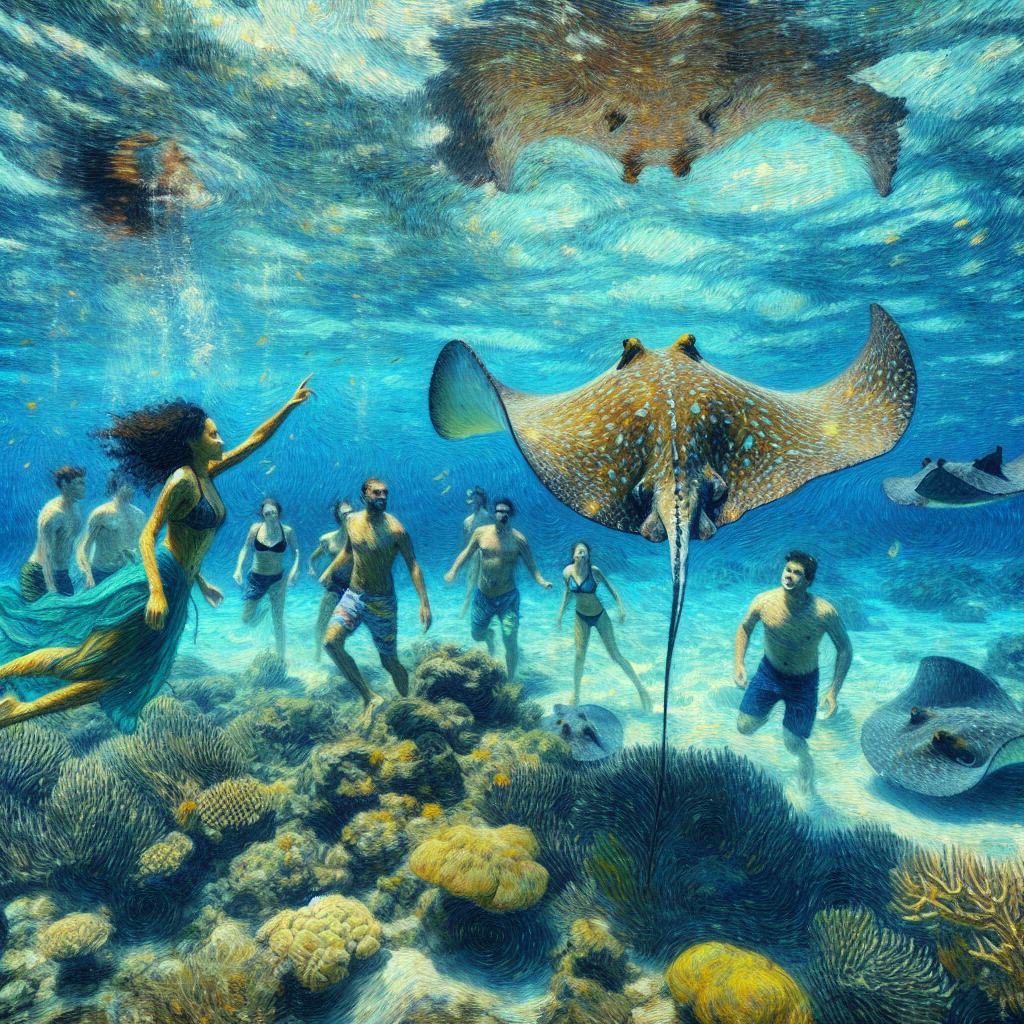
Picture this: a vibrant social gathering, laughter dancing in the air, delicious aromas wafting from the kitchen. But amid the joyous chaos, there sits a frail figure, a senior citizen, clutching a glass of punch like it’s a lifeline. While the energy around them crackles with excitement, they may feel like they’ve wandered into a bustling Cozumel resort—alive with activity, yet oddly disconnected. It’s essential to recognize the unique emotional and physical needs of our elders during these gatherings. After all, creating an inclusive environment means ensuring everyone feels valued and involved.
First and foremost, let’s talk about comfort. For many seniors, sprawling out on a stool or a crowded couch may not be the best option. Offering accessible seating arrangements, perhaps a cozy armchair or a place at the edge of the action, can make a world of difference. This provides them a safe haven to engage without becoming overwhelmed. Think of their enjoyment as akin to savoring a fine wine—better sipped slowly than guzzled hastily.
Then there’s the volume. Imagine trying to enjoy a conversation in a bustling coffee shop, only to be drowned out by the noise of a blender. Seniors often benefit from quieter spaces where their voices can be heard and where they can hear the laughter around them without straining. Choose venues—whether a home or a community center—that foster connection rather than chaos. After all, connection is what feeds the soul, right?
We also need to consider physical mobility. Those walking aids? They’re not just accessories; they’re essential tools. It may seem small to you, but a clear pathway can transform a fearful trek across the living room floor into a confident stroll. Invite your seniors into the fun, even suggesting roles like setting up the buffet or sharing stories. Active participation can spark their spirits, reminding them they’re part of the greater whole.
And please, don’t underestimate the power of conversation. Remind them of their worth, of their years of wisdom. Engage them in discussions that resonate with their experiences—whether it’s reminiscing about a trip to Cozumel or tales from their youth. Listening goes a long way in making them feel cherished.
As we gather, let’s be intentional about meeting our seniors’ specific needs. The warmth of inclusion isn’t just a nicety; it’s a necessity that elevates us all. So, let’s extend those gentle invitations, open our hearts, and make every gathering a celebration—where every age is valued, and every voice is heard.

What Specific Needs Do Seniors Have During Social Gatherings?
What Specific Needs Do Seniors Have During Social Gatherings?
- Social gatherings can be overwhelming for seniors, making it vital to address their emotional and physical needs.
- Provide comfortable seating options, such as cozy armchairs, to help seniors engage without feeling overwhelmed.
- Reduce noise levels to facilitate conversations, ensuring seniors can hear and participate without straining.
- Ensure clear pathways for mobility aids, encouraging seniors to move about confidently and participate in activities.
- Engage seniors in meaningful conversations to highlight their experiences and wisdom, making them feel valued.
- Being intentional about inclusivity for seniors creates a warm atmosphere that benefits everyone at the gathering.
- Extend invitations for participation and foster an environment where every age and voice is celebrated.
What Specific Needs Do Seniors Have During Social Gatherings?
How Does Accessibility Impact Attendance For Elder Participants?
When we talk about accessibility for older adults, the conversation often turns into a checklist of ramps, handrails, and restrooms with grab bars. But let’s step back for a moment and consider the human side of this equation. Imagine preparing for a community gathering and picture your grandparents, or perhaps even your parents, feeling hesitant to attend because the event is in some out-of-reach venue—one that feels more like a hurdle than a warm invitation.
You might picture them staring at the flyer you handed over, excitement in their eyes, quickly replaced by worry as they think about the maze they’d have to navigate to simply get there. Maybe they’ve faced challenges before, like uneven sidewalks or a lack of seating halfway between their car and the event. In a world that often moves too fast, our older adults want to join in, but too often they find themselves left out—like a message lost in transmission.
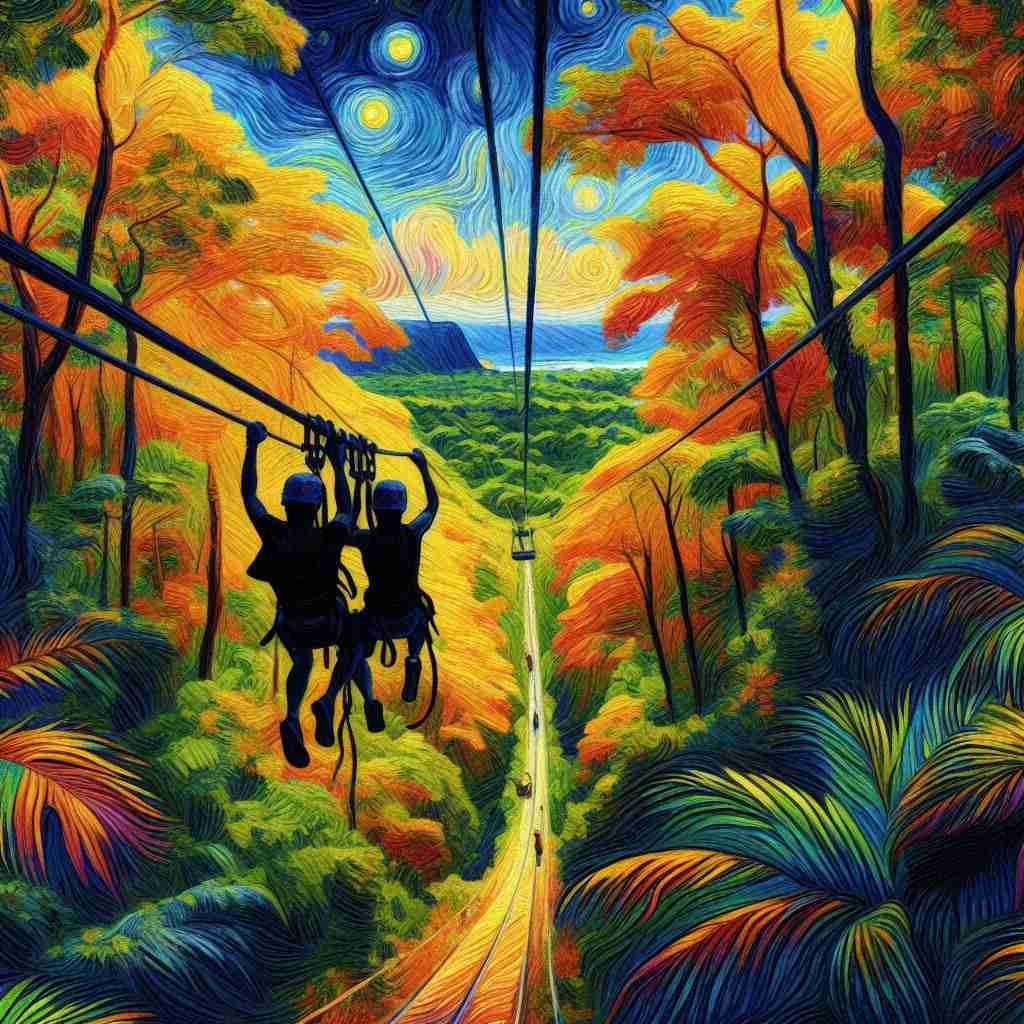
Let’s take a trip to Cozumel for a moment—an inviting place where the sun shines and smiles often shine even brighter. Picture a community event held in a garden, with bright blooms and laughter filling the air. Now imagine that same space, where a grandparent feels the urge to sing, dance, or engage, yet is held back by worry. If they can’t comfortably access the space or find a seat, the vibrant connection of family and community turns into a bittersweet reminder of what could have been.
It’s essential to understand that when we discuss accessibility, we’re not merely focusing on structures or policies—we’re talking about people, experiences, and memories. Every step taken toward more inclusive events is a step towards letting those we care about feel valued, seen, and connected. There’s an extraordinary power in ensuring that everyone can participate fully, joyfully, and without reservation.
Now, let’s put this into action. Advocacy for better accessibility isn’t just about regulations; it’s about heart. A ramp isn’t just a slope of wood and concrete, but rather a bridge that invites laughter, stories, and hugs. If we foster a culture of inclusiveness, we empower our elders to show up, share their wisdom, and embrace community. So let’s work together, because when we uplift the accessibility of our events, we uplift the spirit of our oldest members, ensuring their cherished voices are never silenced.
How Does Accessibility Impact Attendance For Elder Participants?
How Does Accessibility Impact Attendance For Elder Participants?
- Accessibility discussions for older adults often focus on physical structures like ramps and handrails.
- It’s important to consider the emotional impact of accessibility on older individuals attending community events.
- Barriers like uneven sidewalks or lack of seating can deter older adults from participating in community activities.
- Imagining a joyful event, like a community gathering in Cozumel, highlights the disconnect caused by accessibility challenges.
- True accessibility encompasses the experiences and memories of people, not just the physical environment.
- Advocacy for better accessibility should focus on creating inviting spaces that foster connection and inclusion.
- Improving accessibility uplifts the spirit of older community members, ensuring their voices are valued and heard.

How Does Accessibility Impact Attendance For Elder Participants?
What Role Do Social Connections Play For Seniors At Events?
What Role Do Social Connections Play for Seniors at Events?
Imagine standing on the bustling streets of Cozumel, the vibrant colors surrounding you, and the scent of delicious food wafting through the air. Now picture a senior, perhaps a grandparent, soaking it all in, yet feeling a little lost in the crowd. That’s a reality many older adults face at events—wonderful occasions filled with potential joy, yet fraught with the aches of loneliness or the struggles of connection.
Social connections are like those vibrant threads woven into a tapestry, and for seniors, these threads can feel thin sometimes. Many face the stark challenge of isolation, whether due to mobility issues, the loss of loved ones, or simply the natural ebb and flow of life. But when they step into an event filled with familiar faces or even the prospect of new friendships, magic can happen.
Think about it. Engagement is essential, not just for the body, but for the mind and soul. When seniors gather, they share stories—anecdotes of laughter, challenges that forged their resilience, or even memories from a trip to a sun-soaked place like Cozumel, where they danced under the stars. Each connection is a grounding force, a reminder that no one is truly alone.
At these events, the joy of shared experiences shines brighter than the most dazzling sunset. An invitation to reminisce, to laugh, or even to cry together fosters an environment of trust. It transforms an ordinary gathering into a safe haven, where vulnerabilities can be expressed and solace found. It’s here, amidst shared hugs and hearty chuckles, that seniors rediscover their zest for life, knowing that their experiences enrich not only their lives but also those around them.
So, if you’re planning an event for seniors, take a moment to reflect on this profound need for connection. Foster it. Encourage conversations. Create spaces where friendships can blossom. Sometimes, it’s the simple act of sitting next to someone and sharing a story that can turn a day into a celebration of life. Let’s embrace the vibrant potential that social connections bring. After all, it’s these connections that give every life story its essence, lighting the way for more shared adventures, beautiful moments, and new friendships waiting to be born.

What Role Do Social Connections Play For Seniors At Events?
What Role Do Social Connections Play For Seniors At Events?
- Many seniors experience loneliness at events due to isolation from mobility issues, loss of loved ones, or life changes.
- Social connections provide a sense of community and can alleviate feelings of isolation.
- Engagement at events is essential for seniors’ mental and emotional well-being.
- Shared stories and experiences foster an environment of trust and support among seniors.
- Events can become a safe haven for seniors to express vulnerabilities and find solace.
- Creating spaces for conversation and friendship can transform gatherings into celebratory moments of life.
- Social connections enrich lives and pave the way for new friendships and shared adventures.

What Role Do Social Connections Play For Seniors At Events?
How Can Transportation Issues Affect Elderly Participation?
Imagine waking up one morning in a cozy little home filled with memories—pictures of loved ones smiling down from the walls—a space that’s a true sanctuary. But as the sun climbs and you skim your hand over your favorite quilt, the reality hits you: today is the day you planned to join the community center’s lunch gathering, or maybe even a trip to beautiful Cozumel. Yet, as you gaze out the window, a familiar dread sets in: how will I get there?
Transportation issues aren’t just a minor inconvenience; they can loom like a dark cloud over the lives of many elderly individuals. It’s not just about a missed event; it’s about the feelings of isolation and the uncertainty that accompany such challenges. For many seniors, the inability to drive or access reliable transportation can mean missing out on community activities, social interactions, or even vital medical appointments. What happens when that connection to the outside world begins to dwindle? The vibrant social lives that once thrived narrow down significantly, leaving behind an emptiness that’s hard to fill.
Now think about how it feels to be told, “I’ll come pick you up,” only to have that plan fall through—time and again. The repeated cancellations turn into a sense of helplessness, yoga classes fade into distant memories, and brunch outings with friends become a thing of the past. This disheartening cycle risks stifling the very spirit of those who’ve contributed so much to our communities throughout their lives.
Yet, there’s hope. Various organizations are increasingly stepping up, providing tailored transportation services designed specifically for seniors. These initiatives aren’t just shuttles; they’re lifelines. They foster independence and allow cherished moments—like sipping coffee with friends or watching the sunset in Cozumel—to be within reach again.
So, to anyone reading this who might feel that pang of isolation, know that you’re not alone in this journey. Engaging with local transport services or community support groups can lead to renewed possibilities. It’s about sparking conversations and igniting connections—transforming how we think about elderly mobility from an obstacle to an opportunity. Together, we can ensure that everyone has a seat at the table, the chance for companionship, and the joy of exploration, because life is too precious to be sidelined by transportation woes. Let’s take that step together.
How Can Transportation Issues Affect Elderly Participation?
How Can Transportation Issues Affect Elderly Participation?
- Imagine a cozy home filled with memories; a sanctuary for the elderly.
- Transportation issues significantly impact seniors’ ability to participate in community activities, leading to feelings of isolation.
- The inability to drive or access reliable transport can prevent attendance at social events and essential medical appointments.
- Repeated cancellations of transportation can create a sense of helplessness and diminish social interactions.
- Various organizations are providing tailored transportation services specifically designed for seniors, acting as lifelines.
- Engaging with local transport services and community support groups can revitalize social connections and opportunities.
- Encouraging conversations about elderly mobility can transform challenges into opportunities, ensuring everyone has access to companionship and exploration.

How Can Transportation Issues Affect Elderly Participation?
Conclusion
In the kaleidoscope that is life, social events can be the bright threads that weave us together—especially in a paradise like Cozumel. We picture vibrant gatherings filled with laughter, music, and camaraderie, yet for many of our elder attendees, these occasions often feel like a spectator sport rather than a participatory celebration. Let’s face it: the buzz of young revelers can drown out the voices of our seasoned citizens, which begs the question—are we truly inviting our elders to the party?
The unique challenges faced by older adults can create a barrier that feels insurmountable. From mobility issues to sensory sensitivities, the hurdles are real. Imagine stepping into a buzzing venue after a long journey, only to be met with long queues, loud music, and a lack of accessible seating. It’s enough to make anyone second guess their choice to join in. But here’s the kicker: it doesn’t have to be this way. We have the power to reshape our social settings and weave inclusion into the very fabric of our events.
Accessibility isn’t merely about ramps and handrails; it’s about ensuring that everyone feels welcome—heart, mind, and soul. Simple changes, like comfortable seating arrangements, quieter spaces for engagement, and thoughtful communication, can work wonders. Creating an inviting atmosphere where elders feel valued and included can transform daunting experiences into cherished memories.
Moreover, the emotional connection that social interactions bring to our older generations is invaluable. It’s about the stories shared, the laughter that reverberates, and the friendships rekindled. These connections not only enrich their lives but also sprinkle joy throughout the entire gathering. Events need to cater to the nuances of aging—it’s not just about access, but about fostering a sense of belonging.
So as we look out across the beautiful shores of Cozumel, let’s remember this: our elders have much to contribute to the colorful fabric of community life. Let’s roll up our sleeves, create spaces that celebrate every generation, and invite our seniors to the dance floor, metaphorically and literally! Together, we can ensure that the rhythm of Cozumel isn’t just a solo, but a harmonious chorus, resonating through all ages and backgrounds. After all, every single one of us deserves a place at the table, where stories are shared, laughter thrives, and connection flourishes.

Conclusion
Conclusion:
- Social events, especially in places like Cozumel, are vital for community bonding.
- Elder attendees often feel more like spectators due to the overwhelming atmosphere created by younger revelers.
- Challenges faced by older adults, such as mobility and sensory issues, can make participation daunting.
- Accessibility in events goes beyond physical needs; it should include emotional and social inclusivity.
- Simple changes, like comfortable seating and quieter spaces, can significantly enhance the experience for elders.
- Social interactions are crucial for older adults, providing joy and enriching the community with their stories and connections.
- All generations should be celebrated and invited to participate fully in community life, ensuring everyone has a place at the table.

Conclusion
Other Resources

Other Resources
If you’re thinking about actually being in Cozumel for any of this — not just reading about it from a cold kitchen back home — a couple of our sister sites cover where to stay for the kind of trip you might be planning. Cozumel Journey is an editorial guide to Cozumel — neighborhoods, planning tips, and life on the island for travelers who want context, not a cruise schedule.
Here is a list of other resources you can review online to learn more:
- Chankanaab Beach Adventure Park
- Reef Safe Sunscreens
- Seniors
- Stingray Snorkel
- Alberto’s Downtown
- Mega Supermarket
- Cozumel Rent a Jeep
- Del Sur Beach Club
- Dolphin Discovery Cozumel
- Cozumel Journey
Use This Prompt To Get More Resources With Your Favorite Online AI Tool: Please provide me with a list of online articles with their URLs in a bulleted list that I can read regarding Why Do Social Events In Cozumel Fall Short for Elder Attendees?

Other Resources
Glossary Terms
Why Do Social Events In Cozumel Fall Short for Elder Attendees? – Glossary Of Terms
1. Accessibility: The ease with which individuals, particularly those with mobility challenges, can access event locations and activities.
2. Socialization: The process of interacting with others, crucial for well-being, especially for elder attendees who may feel isolated.
3. Inclusion: The practice of ensuring that all individuals, regardless of age or ability, are welcomed and actively participating in events.
4. Transportation: The means by which attendees travel to and from events, which can be a barrier for older individuals without personal vehicles.
5. Engagement: The involvement of attendees in event activities; events that lack engaging elements may fall short for seniors.
6. Comfort: Physical and emotional ease at an event; discomfort in seating, temperature, or environment can deter elder participation.
7. Communication: The exchange of information; events failing to use clear and accessible language may leave elders feeling excluded.
8. Program Variety: The range of activities offered; limited options may not cater to the diverse interests and abilities of elder attendees.
9. Health Considerations: Factors related to physical and mental well-being that could limit elder participation, such as chronic conditions or sensory impairments.
10. Cultural Relevance: The significance of events aligning with the values and interests of elder attendees; cultural disconnect can result in disengagement.
11. Intergenerational Interaction: Opportunities for different age groups to connect; lacking this can lead to feelings of isolation among older attendees.
12. Volunteering: Participation in helping out; elder attendees may wish to contribute but find opportunities limited or not tailored to their abilities.
13. Technology Access: The availability and familiarity with technological tools used for event promotion and participation; older adults may struggle with this.
14. Physical Activity: Movement-based engagements; many events may not cater to the physical limitations of older adults, who may require low-impact activities.
15. Mental Stimulation: Activities that engage cognitive functions; events that lack stimulating content may fail to captivate elder interests.
16. Safety Measures: Precautions taken to ensure attendee safety; inadequate safety considerations can deter older individuals from participating.
17. Community Resources: Local support systems available to aid elder participation in events; lack thereof may limit engagement.
18. Networking Opportunities: Chances for attendees to form relationships; a lack of these can make events less appealing to eldership looking to expand social circles.
19. Event Promotion: How events are marketed; failing to effectively reach elder audiences can result in low participation.
20. Food and Beverage Options: Availability of dietary-friendly options at events; neglecting these can alienate those with specific dietary needs.
21. Atmosphere: The overall environment of an event; a chaotic or unpleasant atmosphere may be off-putting for seniors seeking calmness.
22. Volunteer Training: Preparation given to volunteers on how to assist elder attendees; insufficient training can lead to misunderstandings and discomfort.
23. Sensory-Friendly Environment: Spaces designed to accommodate sensory sensitivities; events lacking this can overwhelm older individuals.
24. Event Duration: The length of the event; longer events may be difficult for older adults to participate in comfortably.
25. Feedback Mechanisms: Systems for obtaining input from elder attendees regarding their experiences; without feedback, improvements cannot be made.
26. Cost Barriers: Financial considerations that may prevent elder participation; events should ensure affordability for seniors.
27. Peer Support: The role of companions and friendships in encouraging attendance; events lacking peer presence may see lower elder engagement.
28. Space Design: The physical layout of event areas; designs that don’t consider mobility aids can hinder accessibility for older individuals.
29. Health Resources: Availability of medical assistance on-site; a lack of immediate resources can make elders hesitate to attend.
30. Program Evaluation: The process of assessing event effectiveness based on elder attendee feedback; necessary for continual improvement and relevancy.

Glossary Of Terms
Other Questions
Why Do Social Events In Cozumel Fall Short for Elder Attendees? – Other Questions
If you wish to explore and discover more, consider looking for answers to these questions:
- What are some practical examples of social events in Cozumel that cater to elders?
- How can community members advocate for more inclusive events in Cozumel?
- What specific accommodations can be made to enhance the experience for older attendees?
- How do cultural differences impact the social experiences of elders in Cozumel?
- What resources are available for seniors who want to participate in social events?
- How do costs associated with transportation impact attendance for elderly participants?
- What type of feedback mechanisms can be implemented to improve future events for older adults?
- How can younger generations be encouraged to engage with elders at social events?
- What role do family and caregivers play in supporting elder participation in events?
- Are there examples of successful inclusive events elsewhere that Cozumel could learn from?

Other Questions
Haiku
Why Do Social Events In Cozumel Fall Short for Elder Attendees? – A Haiku
Elders seek to join,
Cozumel’s joy overlooked—
Connection, their hope.
Haiku
Poem
Why Do Social Events In Cozumel Fall Short for Elder Attendees? – A Poem
In Cozumel’s Heart, A Call for Inclusion
In Cozumel’s sunlit embrace, vibrant and warm,
Where laughter dances in festivals’ charm,
Yet in the joyous crowds, a truth does unfold,
The elders seek refuge, their stories untold.
With beaches inviting, yet hurdles abound,
Mobility issues keep many homebound.
A bustling fiesta may blur the delight,
For those yearning connection while fading from sight.
Oh, the heartache of silence when voices grow weak,
When the beauty of gatherings feels distant to speak.
They long for a space where each wrinkle is prized,
Where connection flourishes, and wisdom’s recognized.
Designated quiet zones, comfortable seats,
Create a tapestry rich with diverse beats.
Let’s weave in memories, share laughter and cheer,
Transform events into places where all can draw near.
Transportation holds power, a bridge to the soul,
Without it, the circle can never be whole.
But community thrives when we lend out a hand,
Offering rides, and support—together we stand.
Embrace the elders—invite them to share,
Their experiences, laughter, and love laid bare.
For in the heart of Cozumel’s vibrant parade,
Lies the magic of unity, where no one’s afraid.
Let’s champion efforts for every age group,
For when we come together, we form the best loop.
So, raise a glass high to connection and grace,
In Cozumel’s spirit, let every heart find its place.

Poem
Checklist
Why Do Social Events In Cozumel Fall Short for Elder Attendees? – A Checklist
Checklist for Creating Inclusive Social Events for Elder Attendees
Planning Considerations
1. Venue Accessibility
_____ Ensure the venue has ramps and wide pathways.
_____ Provide seating with arms for easier mobility.
_____ Include rest areas for breaks.
2. Communication Arrangements
_____ Use easy-to-read signs and printed materials.
_____ Provide clear instructions and staff assistance on-site.
3. Quiet Spaces
_____ Designate areas with reduced noise for seniors to retreat to.
_____ Offer seating away from loud music or crowded spots.
4. Transportation Solutions
_____ Offer transportation assistance or partnerships with local services.
_____ Provide detailed information about public transport options.
Event Features
5. Program Inclusivity
_____ Incorporate activities that cater to various interests, including seniors (e. g. , storytelling, gentle exercises).
_____ Ensure event schedules allow for leisurely participation.
6. Dietary Considerations
_____ Provide menu options that accommodate dietary restrictions (e. g. , low-sodium, vegetarian).
_____ Clearly label food items.
7. Facilitating Connections
_____ Create opportunities for social interaction, such as icebreakers or shared group activities.
_____ Encourage multi-generational participation to foster a sense of community.
Emotional Support
8. Encourage Friendliness
_____ Train staff and volunteers to engage seniors and help them feel welcome.
_____ Foster a culture of respect and appreciation for elder participants.
9. Promote Inclusion
_____ Regularly invite seniors to share their stories and experiences.
_____ Ensure all voices are heard during discussions/activities.
After-Event Follow-Up
10. Feedback Collection
_____ Gather feedback from elder attendees to improve future events.
_____ Maintain communication to keep them informed about upcoming activities.
By implementing this checklist, organizers can foster an enriching social environment that welcomes and values elder attendees, ensuring that everyone can participate in the joy of community events.

Checklist
At TopCozumelNews, we help travelers enjoy Cozumel by collating information learned from frequently traveling to beautiful Cozumel.
Be sure to read our other related stories at TopCozumelNews to learn more about the Island of Cozumel.