
Majestic Eagle Ray Encounters In Cozumel
By Tom Seest
At TopCozumelNews, we help travelers enjoy Cozumel by collating information learned from frequently traveling to beautiful Cozumel.
Be sure to read our other related stories at TopCozumelNews to learn more about the Island of Cozumel.
When Can You See Eagle Rays In Cozumel?
When can you see eagle rays in Cozumel? If you’re anything like the countless souls who wander through this tropical paradise, you have a burning curiosity for the ocean’s hidden marvels. Eagle rays, with their graceful gliding and mesmerizing patterns, are the underwater dancers you didn’t know you needed to witness. Their timing, however, is as elusive as they are magnificent.
The best months to catch a glimpse of these elegant creatures typically span from late spring to early autumn. May through October sets the stage for an underwater spectacle, where eagle rays roam freely in the warm, sunlit waters of Cozumel. A combination of ideal ocean temperatures and abundant food sources attracts these graceful beings. Imagine yourself swimming alongside them, feeling your heart thump in your chest as you experience the thrill of a lifetime. It’s an experience that tugs at your heartstrings, one that connects you to the rhythm of nature in a profound way.
From a rational perspective, knowing the right season is key to enjoying this breathtaking spectacle. Local dive shops and tour operators are your trusted allies, offering expert knowledge on the best times and locations to spot these magnificent rays. By choosing to go out with seasoned guides, you are ensuring your adventure is safe, enriching, and ethically responsible. Not only do you get to frolic with nature, but you are also supporting local economies and fostering sustainable tourism in Cozumel.
Yet there’s an emotional undertone to seeking out these underwater wonders. Think about it: for centuries, cultures have revered the ocean and its inhabitants for their beauty and grace. By swimming with eagle rays, you are not just observing a spectacle; you are participating in a legacy, a ritual that connects generations of ocean lovers. This is about more than diving; it’s about being part of something larger than yourself.
So, when the sun begins to warm the waters, gather your courage and curiosity. Dive into the adventure that awaits you in Cozumel. Feel the thrill in your gut as you share space with these stunning creatures, moving to a tune that’s played in the depths of the sea. Because life is too short to miss out on the magic that happens beneath the waves.

When Can You See Eagle Rays In Cozumel?
When Can You See Eagle Rays In Cozumel?
- Eagle rays can be observed in Cozumel from late spring to early autumn, specifically between May and October.
- This period offers ideal ocean temperatures and abundant food sources, attracting these graceful creatures.
- Swimming with eagle rays provides a thrilling, heart-pounding experience that connects you to the rhythm of nature.
- Local dive shops and tour operators offer expert advice on the best times and locations to spot eagle rays.
- Choosing seasoned guides ensures a safe, enriching, and ethically responsible adventure while supporting local economies.
- Engaging with eagle rays is part of a cultural legacy, connecting generations of ocean lovers through shared experiences.
- The experience goes beyond diving; it’s about embracing the beauty and magic of the underwater world in Cozumel.

When Can You See Eagle Rays In Cozumel?
Table Of Contents
- When Can You See Eagle Rays In Cozumel?
- What Makes The Sight Of Eagle Rays So Captivating For Divers?
- How Do Eagle Rays Contribute To The Marine Ecosystem Around Cozumel?
- When Is The Best Time Of Year To Witness Eagle Rays In Their Habitat?
- What Ethical Considerations Should We Keep In Mind While Snorkeling?
- What Safety Tips Should You Follow When Swimming With Eagle Rays?
- How Does Seeing An Eagle Ray Impact Your Appreciation For Marine Life?
- Why Is Cozumel A Prime Location For Eagle Ray Viewing Experiences?
- Conclusion
- Other Resources
- Glossary Of Terms
- Other Questions
- Haiku
- Poem
- Checklist
What Makes The Sight Of Eagle Rays So Captivating For Divers?
Diving into the crystal-clear waters off the coast of Cozumel, every diver knows that the ocean is a world of wonders. But nothing quite prepares you for the soul-stirring sight of eagle rays gliding gracefully through the blue expanse. It’s one of those moments that shifts everything—not just the way you look at the sea, but at life itself.
The first thing that hits you is their effortless elegance. Eagle rays are the ballerinas of the underwater realm, their wings spread wide as they soar above the coral reefs. Watching them, it’s easy to understand why divers find such beauty in their presence; each swoop and dive is an invitation to be part of something larger than yourself. In a world often bogged down by chaos, the sight of these majestic creatures pulls you into a calm, focused state—a reminder of nature’s artistry.
But there’s more than just beauty beneath the surface. Eagle rays are part of a delicate ecological balance, helping to maintain the health of marine habitats. This offers us a poignant lesson in responsibility. When we glimpse them weaving through the waves, we’re reminded that our actions have consequences. Protecting their habitat means safeguarding not just a species, but also our own connection to this breathtaking planet. It’s a call to action for each of us—whether we’re seasoned divers or armchair admirers—to engage in stewardship of the ocean.
Now, let’s talk about the heart of the matter. Meeting an eagle ray isn’t just a memory—it’s an experience that transcends words. You can feel the heartbeat of the ocean in those moments, an unspoken bond between creature and human. Every enthusiastic gasp shared with fellow divers communicates a shared reverence for these gentle giants. The laughter that follows, the photos captured in the fleeting seconds they grace you: these are the moments that redefine our relationships with both nature and each other.
This dance beneath the waves is more than a pursuit; it’s a validation of our existence. Each dive becomes a chapter in our personal narratives, with eagle rays representing an extraordinary connection that leaves us both humbled and invigorated. In this shared experience, we not only witness their beauty but also find ourselves inspired to protect and cherish the oceanic wonders of Cozumel and beyond. The sight of eagle rays isn’t just captivating; it’s life-changing.

What Makes The Sight Of Eagle Rays So Captivating For Divers?
What Makes The Sight Of Eagle Rays So Captivating For Divers?
- Diving in Cozumel offers a glimpse into the wonders of the ocean, highlighted by the sight of eagle rays.
- Eagle rays embody elegance, gliding gracefully above coral reefs and captivating divers with their beauty.
- Witnessing eagle rays evokes a calm, focused state, showcasing nature’s artistry amidst a chaotic world.
- The presence of eagle rays underscores the ecological balance and the importance of protecting marine habitats.
- Encounters with eagle rays foster a shared reverence among divers, enhancing connections to nature and each other.
- Each dive becomes a personal narrative, with eagle rays symbolizing a profound connection that is both humbling and invigorating.
- The experience of seeing eagle rays is not just beautiful; it serves as a powerful reminder to cherish and protect oceanic wonders.

What Makes The Sight Of Eagle Rays So Captivating For Divers?
How Do Eagle Rays Contribute To The Marine Ecosystem Around Cozumel?
Beneath the sun-soaked waters around Cozumel, a ballet unfolds—a delicate dance between nature’s most graceful creatures, the eagle rays. These majestic beings glide effortlessly through the coral-drenched depths, playing an understated yet pivotal role in the marine ecosystem. To understand their significance is to grasp the intricate web of life that sustains not only the ocean but also the communities that dwell alongside it.
Eagle rays are more than just a beautiful sight; they are essential scavengers, nibbling away at benthic organisms and maintaining the balance of the seafloor. Their diet helps regulate the populations of invertebrates, which, if left unchecked, could wreak havoc on the delicate coral reefs that serve as the cradle of marine biodiversity. Healthy reefs mean flourishing fish populations, and flourishing fish populations support local economies and food sources. It’s a classic tale of interconnectedness. Those who depend on the ocean for their livelihoods know that every ray gliding through the waters plays a role in harvesting a sustainable future.
But there’s more to these creatures than merely their ecological contributions. Eagle rays evoke a sense of wonder and humility. Watching these gentle giants effortlessly navigate the currents can stir something deep within us—a reminder of our place in the world, our need to protect it. When we see eagle rays in their natural habitat, it’s not merely a sight; it’s a call to action, urging us to preserve the marine landscapes that cradle them. Every encounter with an eagle ray is a shared moment, a connection that transcends species and highlights our collective responsibility to safeguard the oceans for generations to come.
Research shows that ecotourism centered around eagle rays can generate significant revenue for local communities in Cozumel, showcasing that the real treasure of this paradise lies beneath the waves. By participating in responsible tourism, visitors contribute to conservation efforts and foster a culture of respect for these magnificent creatures. This creates a ripple effect, empowering communities and encouraging sustainable practices.
In essence, the eagle rays of Cozumel remind us that protecting the environment is not just an act of stewardship but a communal journey. Every effort counts, whether it’s a simple act of picking up litter on the beach or opting for a tour that champions conservation. Here’s the truth: when we prioritize the health of our oceans, we secure our own well-being and strengthen our ties to the amazing world that surrounds us.

How Do Eagle Rays Contribute To The Marine Ecosystem Around Cozumel?
How Do Eagle Rays Contribute To The Marine Ecosystem Around Cozumel?
- Eagle rays play a vital role in the marine ecosystem around Cozumel.
- They are essential scavengers that help regulate benthic organisms’ populations.
- Healthy eagle ray populations contribute to the sustainability of coral reefs and fish populations.
- Encountering eagle rays evokes a sense of wonder and highlights the need for environmental protection.
- Ecotourism centered around eagle rays can significantly benefit local communities economically.
- Responsible tourism fosters conservation efforts and respect for marine life.
- Protecting the environment is a communal responsibility that impacts our own well-being.

How Do Eagle Rays Contribute To The Marine Ecosystem Around Cozumel?
When Is The Best Time Of Year To Witness Eagle Rays In Their Habitat?
To truly experience the majestic dance of eagle rays in their natural habitat, one must time their visit to Cozumel just right. Picture yourself standing on the sun-kissed shores of this Caribbean paradise, where the crystalline waters beckon. As the sun rises, casting golden rays across the ocean, the excitement builds, and you know that the chance to witness the graceful elegance of these magnificent creatures lies just beneath the surface.
The best time to see eagle rays is typically from late winter to early spring, around January through April. During these months, the waters are cooler, and the eagle rays, with their unmistakable wing spans and striking patterns, are drawn closer to shore. It’s not just about the rays, though; migrating fish are swimming alongside them, creating a breathtaking tableau that could turn any casual observer into a passionate marine enthusiast.
Think of it—seeing these creatures in action is about more than just the aesthetic thrill. It’s a reminder of the delicate balance of our oceans and the importance of protecting these natural habitats. With each swoop and glide, these rays not only highlight the vibrancy of marine life but also echo deeper themes of conservation and respect for our environment. Feeling that connection to both the ocean and its inhabitants stirs something primal within us; it speaks to the very fabric of our existence as stewards of the Earth.
As you slip beneath the waves, a sense of camaraderie forms with fellow snorkelers and divers. It becomes clear that observing eagle rays is not merely a solo pursuit; it is a shared experience that fosters bonds with others who feel the same enchantment. You’re not just witnessing a spectacle; you are part of a larger narrative woven through the flora and fauna of the sea.
So plan your visit to Cozumel during these prime months. Pack your snorkeling gear with care; your heart is about to be set alight. By aligning your journey with the rhythms of nature, you not only enrich your own life but also contribute to a greater cause—the preservation of these awe-inspiring creatures and their homes. Experience the thrill, embrace the responsibility, and return with stories that inspire others to cherish all life under the sea. The eagle rays are calling—will you answer?

When Is The Best Time Of Year To Witness Eagle Rays In Their Habitat?
When Is The Best Time Of Year To Witness Eagle Rays In Their Habitat?
- The best time to see eagle rays in Cozumel is from January to April.
- Eagle rays are drawn closer to shore during cooler water months.
- Migrating fish accompany eagle rays, creating a stunning underwater tableau.
- Witnessing eagle rays emphasizes the importance of ocean conservation.
- Snorkeling and diving with others fosters a sense of camaraderie and shared experience.
- Planning your visit during prime months enriches personal experiences and supports conservation efforts.
- Engaging with marine life encourages stewardship of the Earth’s natural habitats.

When Is The Best Time Of Year To Witness Eagle Rays In Their Habitat?
What Ethical Considerations Should We Keep In Mind While Snorkeling?
When you slip into the warm waters off Cozumel, the vibrant marine life beckons and it feels like entering another world. That dazzling underwater landscape—teeming with color and life—sparks joy and curiosity, but it also demands our respect. Ethical snorkeling isn’t just about preserving the beauty we see; it’s about ensuring that future generations can delight in it too.
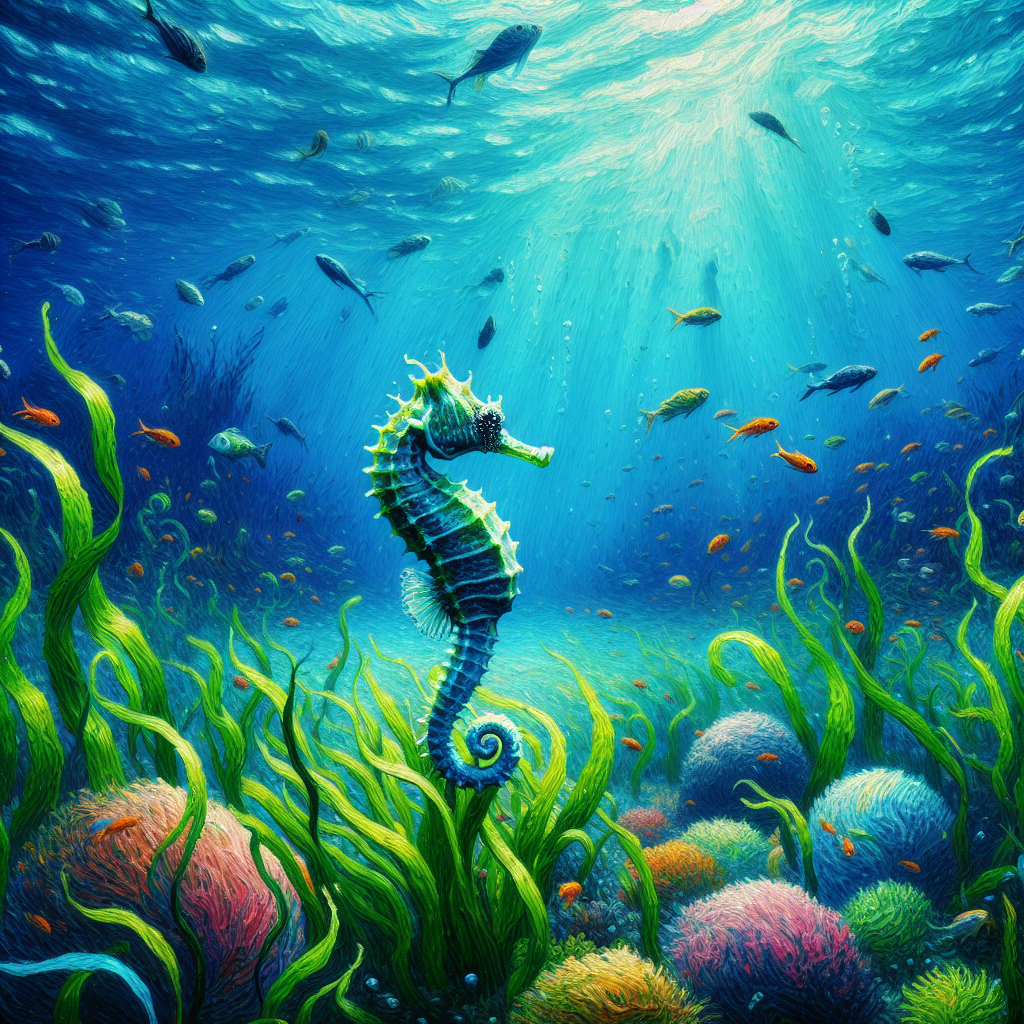
First and foremost, let’s talk about impact. Every fin stroke sends ripples through the sand, affecting everything from the smallest seahorse to the largest sea turtle. Dive in with a mindset that prioritizes preservation. Keep your hands to yourself and avoid touching corals—or worse, standing on them. We need to remember that these breathtaking structures are living organisms, taking decades to grow, and a moment’s negligence can cause irreversible damage. Rationally, the science backs this up: disturbed reefs struggle to recover, and in some cases, don’t recover at all.
But ethics goes beyond just the physical environment; it’s about engaging with the local community. When wandering into their waters or beaches, consider the livelihoods dependent on that ecosystem. Support operations that prioritize sustainability and respect for marine environments. Engage with local guides who understand the delicate balance of their waters. They are not just authorities; they’re guardians of this shared treasure, eager to share their knowledge and passion with visitors.
As snorkelers, we also have a role in the broader narrative of ocean conservation. Each experience becomes a story we carry with us, a chance to teach others about marine life and the importance of our actions. Start conversations when you’re back on land; share your stories, your learnings—make others feel that weight on their hearts as you do.
Finally, don’t forget your fellow adventurers. Snorkeling is often a social activity, and you can amplify the message of ethical behavior just by leading by example. Look out for one another. If you see someone touching a coral or ignoring a guideline, gently remind them of what’s at stake. Together, let’s foster a community that not only revels in the sheer beauty of snorkeling but values and protects the oceans for what they are—irreplaceable wonders of the world. Every decision you make in the water echoes far beyond its surface—let it echo positively.

What Ethical Considerations Should We Keep In Mind While Snorkeling?
What Ethical Considerations Should We Keep In Mind While Snorkeling?
- Snorkeling in Cozumel reveals vibrant marine life and an enchanting underwater landscape that demands respect.
- Ethical snorkeling is essential for preserving marine beauty for future generations.
- Every fin stroke impacts marine ecosystems; prioritize preservation by not touching corals or standing on them.
- Corals are living organisms that take decades to grow; damaging them can cause irreversible harm.
- Engage with the local community and support sustainable operations that respect marine environments.
- Each snorkeling experience is an opportunity to educate others about the importance of ocean conservation.
- Encourage fellow snorkelers to practice ethical behavior and build a community that values ocean protection.
What Ethical Considerations Should We Keep In Mind While Snorkeling?
What Safety Tips Should You Follow When Swimming With Eagle Rays?
When you find yourself in the crystal-clear waters of Cozumel, an extraordinary world reveals itself. Swimming with eagle rays is a once-in-a-lifetime experience that stirs the spirit and connects us to nature in profound ways. But as you embrace the splendor around you, a few crucial safety tips can turn that adventure into something memorable and secure.
First, respect these majestic creatures. Eagle rays, with their graceful wings and gentle disposition, deserve our admiration, but not our overreaching curiosity. Keep a distance of at least three to five feet. This isn’t just about physical safety—it’s about ensuring that your presence doesn’t intrude on their territory. You wouldn’t want someone diving into your backyard uninvited, would you?
Next, watch your surroundings. Eagle rays often swim with the current, gliding effortlessly through the water. Be aware of your environment; other marine life, currents, and even fellow swimmers can affect your experience. A good swimmer is like a good dancer—aware of their surroundings and in tune with the rhythm of the ocean. This awareness can help you avoid potential hazards while ensuring you truly enjoy the dance of the eagle ray.
Don’t forget the power of the buddy system. Just like sharing life’s adventures with a trusted friend, swimming with an approved partner adds a layer of safety. You can share in the beauty while keeping an eye out for one another. And if you both spot an eagle ray gliding by, well, there’s nothing quite like that shared moment—where awe and joy collide in a celebration of nature’s beauty.
Using sunscreen designed for marine environments can protect both your skin and the fragile ecosystems around you. You see, our love for exploration doesn’t have to come at the cost of the environment we cherish. Making ethical choices in our preparations reflects a commitment to safeguard our oceans, ensuring these majestic creatures retain their home for years to come.
Finally, trust your instincts. If the water feels rough or the visibility decreases, it’s okay to call it a day. Your safety matters, and no experience is worth risking your well-being. Celebrate the moments you can have in harmony with eagle rays, and let your responsible choices lead the way for others. So, dive in, embrace the adventure, but always carry the spirit of respect and caution with you. Together, let’s protect the waters we explore, for all who come after us.

What Safety Tips Should You Follow When Swimming With Eagle Rays?
What Safety Tips Should You Follow When Swimming With Eagle Rays?
- Discover the extraordinary world of Cozumel’s crystal-clear waters, featuring swimming with eagle rays.
- Respect eagle rays by keeping a distance of at least three to five feet to avoid intruding on their territory.
- Be aware of your surroundings, including currents and other marine life, to enhance your experience and ensure safety.
- Utilize the buddy system by swimming with a partner for added safety and shared enjoyment.
- Choose sunscreen designed for marine environments to protect both your skin and fragile ecosystems.
- Trust your instincts; prioritize your safety and well-being when conditions are unfavorable.
- Carry a spirit of respect and caution, and commit to protecting the waters we explore for future generations.

What Safety Tips Should You Follow When Swimming With Eagle Rays?
How Does Seeing An Eagle Ray Impact Your Appreciation For Marine Life?
There’s something utterly enchanting about swimming alongside an eagle ray in the crystal-clear waters of Cozumel. Imagine gliding through the liquid blue, every heartbeat synchronizing with the rhythmic pulse of the sea. When you spot one of these majestic creatures gracefully soaring beneath you, it’s as if time pauses for just a heartbeat. That encounter can transform you in ways you might not expect—muscles relax, worries fade, and the vastness of the ocean seems to whisper its secrets.
Emotionally, that first sighting stirs something deep within. It’s not just the awe of its beauty but witnessing a living testament to the wonders of marine life. You become acutely aware that this creature, with its fins expanding like wings, embodies the fragility of our underwater ecosystems. The moment becomes a bridge, connecting us to the ocean—reminding us that, as custodians of this planet, we have a role in protecting these magnificent beings.
Rationally, the comprehension of our impact on marine environments further deepens after witnessing such elegance. Eagle rays are a reminder of the larger puzzle of oceanic life, which thrives in a finely balanced web of existence. The interplay of predators and prey, conservation and pollution, is laid bare in stark contrast against the backdrop of pure wonder. Understanding that fragility ignites a responsibility within us. Action becomes imperative—not merely for the rays, but for the ecosystem they inhabit and, by extension, for ourselves. We are not separate; we are part of this intricate fabric of life.
Ethically, every time we engage with the ocean—snorkeling, diving, or simply standing at the shore—we are faced with choices that hold power. We can advocate for cleaner seas, sustainable tourism, and responsible fishing practices. Each encounter with an eagle ray empowers us to protect the very waters that house them. It fosters a sense of community among those who share the ocean, reinforcing the idea that we are journeying together in the fight for marine preservation.
So the next time you find yourself in Cozumel, take a moment to truly see. When an eagle ray glides past, remember that its beauty is intricately woven into the story of the sea, one that we all share and must protect. Embrace that encounter; let it resonate in your heart, ignite your mind, and stir your spirit to act. The ocean is calling, and it’s time to listen.

How Does Seeing An Eagle Ray Impact Your Appreciation For Marine Life?
How Does Seeing An Eagle Ray Impact Your Appreciation For Marine Life?
- Swimming alongside an eagle ray in Cozumel offers a captivating and transformative experience.
- First sighting evokes deep emotions, highlighting the beauty and fragility of marine life.
- The encounter creates a connection to the ocean, emphasizing our role as caretakers of marine ecosystems.
- Eagle rays represent the delicate balance of oceanic life and the importance of conservation.
- Witnessing these creatures deepens our understanding of the impact of human actions on marine environments.
- Every interaction with the ocean presents choices that can advocate for sustainability and preservation.
- Embrace the moment when you see an eagle ray and recognize the shared responsibility to protect our seas.

How Does Seeing An Eagle Ray Impact Your Appreciation For Marine Life?
Why Is Cozumel A Prime Location For Eagle Ray Viewing Experiences?
When you think of pristine waters, vibrant coral reefs, and the thrill of encountering majestic wildlife, Cozumel stands out as a beacon for adventure seekers and nature enthusiasts alike. Nestled in the Caribbean, this idyllic island sets the stage for an intimate dance with nature—specifically, the enigmatic eagle rays. These graceful creatures glide effortlessly through the waves, inviting you into their underwater realm.
What makes Cozumel a prime location for eagle ray viewing experiences isn’t just the abundance of these magnificent animals; it’s the confluence of rich marine ecosystems, warm currents, and the island’s commitment to conservation. Beyond the surface, the surrounding waters are a sanctuary for diverse marine life, making every snorkel or dive an opportunity not just to see, but to feel part of something greater. Here, the thrill of encountering an eagle ray isn’t mere happenstance. It’s an intentional journey through a world that captivates the heart.
Dive deeper into the why, and you’ll find that Cozumel’s warm waters attract eagle rays during certain seasons, particularly in the late spring and summer. Nature has a way of orchestrating its own symphony, and here, the currents carry these rays directly to you. This isn’t just a viewing opportunity; it’s a narrative woven into the fabric of Cozumel, inviting you to pause, take a breath, and appreciate the world beneath the waves. It’s about connection—the humbling realization that we share this planet with such magnificent beings.
Moreover, the local dive operators and conservation groups champion sustainable practices, ensuring that these encounters do more than just entertain; they educate. They empower visitors with knowledge, instilling a sense of responsibility to protect these gentle giants and their habitats. By participating in these experiences, you’re contributing to a broader ethical movement—one that values preservation over exploitation.
In a world that often pulls us apart, Cozumel serves as a reminder of our shared connection to nature. It’s not just about watching eagle rays soar; it’s about feeling that palpable thrill in your gut, the spark of curiosity in your head, and the tug at your heart. So venture out, dive in, and let the waters of Cozumel wrap around you. Experience the beauty, the wonder, and perhaps even a moment of reflection on your place in this world, all while sharing the magic of eagle rays with those who matter most to you.

Why Is Cozumel A Prime Location For Eagle Ray Viewing Experiences?
Why Is Cozumel A Prime Location For Eagle Ray Viewing Experiences?
- Cozumel is a prime destination for adventure seekers and nature enthusiasts, known for its pristine waters and vibrant coral reefs.
- The island offers unique opportunities to encounter eagle rays, which glide gracefully through the water.
- Cozumel’s success in eagle ray viewing is attributed to its rich marine ecosystems, warm currents, and commitment to conservation.
- The peak season for eagle ray sightings is late spring and summer when the warm waters attract them.
- Local dive operators and conservation groups promote sustainable practices that educate visitors about marine life protection.
- Participating in these experiences fosters a sense of responsibility towards preserving the habitats of eagle rays and other marine creatures.
- Cozumel encourages a deeper connection with nature, emphasizing the emotional thrill of experiencing wildlife in its natural habitat.

Why Is Cozumel A Prime Location For Eagle Ray Viewing Experiences?
Conclusion
Cozumel, with its crystal-clear waters and vibrant marine life, isn’t just a Caribbean escape; it’s a gateway to an experience that reshapes your understanding of nature and our connection to it. Imagine gliding through this underwater paradise, the ocean’s heartbeat pulsing alongside you, and there, in all their majesty, are eagle rays—those mesmerizing creatures that redefine elegance. The most opportune time to encounter them is between late spring and early autumn, when the sea’s warm embrace attracts these gentle giants close to shore. This is more than a simple dive; it’s an invitation into a world that speaks to the very essence of life.
Witnessing an eagle ray isn’t merely sighting a beautiful creature; it’s forging an emotional bond with the ocean itself. It stirs a profound realization of our role as stewards of the environment, beckoning us to appreciate the intricate dance of life that unravels beneath the waves. Each encounter serves as a reminder that we are part of a larger narrative—one that encompasses responsibility, care, and respect for the delicate ecosystems that sustain us.
Ethics play a vital role in how we interact with this underwater domain. Every fin stroke carries the weight of our impact—disturbing sensitive reefs can have lasting consequences. Engaging responsibly, supporting local conservation efforts, and respecting wildlife are not just guidelines; they’re imperatives if we hope to ensure these wonders endure for future generations. The thrill of snorkeling or diving becomes richer when we acknowledge that our choices echo through the very waters we explore.
Cozumel’s commitment to sustainability underscores the ethical dimension of your experience. Local operators not only enhance your adventure but also empower you with knowledge about preserving marine habitats. Each dive or snorkeling session becomes part of a collective effort—a movement towards conservation that unites everyone, from seasoned divers to first-time adventurers, in a shared responsibility to safeguard these ecosystems.
At the heart of this journey lies a call to action. As you witness the grace of eagle rays swimming alongside you, let their presence inspire a deeper appreciation for the oceans. Embrace this adventure, feel the rush of connection, and carry that spirit forward. For in every glance at the sea and every shared moment with these magnificent creatures, we find our collective purpose: to protect the beauty that lies beneath the surface and to champion the legacy we leave for those who will follow.

Conclusion
Conclusion:
- Cozumel is a vibrant Caribbean destination with crystal-clear waters and rich marine life.
- It offers an immersive experience of nature, particularly through encounters with eagle rays.
- The best time to see eagle rays is from late spring to early autumn when they come close to shore.
- Witnessing these majestic creatures fosters a deep emotional connection with the ocean and highlights our role as environmental stewards.
- Ethical interactions with marine life, such as supporting conservation efforts, are crucial for preserving delicate ecosystems.
- Cozumel’s local operators promote sustainability and educate visitors on protecting marine habitats.
- This journey encourages a collective responsibility to appreciate and protect the beauty of our oceans for future generations.

Conclusion
Other Resources

Other Resources
If you’re thinking about actually being in Cozumel for any of this — not just reading about it from a cold kitchen back home — a couple of our sister sites cover where to stay for the kind of trip you might be planning. Cozumel Journey is an editorial guide to Cozumel — neighborhoods, planning tips, and life on the island for travelers who want context, not a cruise schedule.
Here is a list of other resources you can review online to learn more:
- Mega Supermarket
- Cozumel Beaches
- Dolphin Discovery Cozumel
- BJ’s Restaurant & Brewhouse
- The Westin Cozumel
- Reefs and Corals
- Malecon
- Fly Cozumel
- Buccanos Beach Club
- Starbucks
- Bindiya Cozumel
- Capitán Eduardo A. Toledo Airport
- Atlantis Submarines Cozumel
- Coral Reef Restoration Program
- Cozumel Scuba Repair
- Traveler’s Checklist
- Muelle Fiscal
- Noodles & Company
- Cozumel Journey
Use This Prompt To Get More Resources With Your Favorite Online AI Tool: Please provide me with a list of online articles with their URLs in a bulleted list that I can read regarding When Can You See Eagle Rays In Cozumel?
Other Resources
Glossary Terms
When Can You See Eagle Rays In Cozumel? – Glossary Of Terms
1. Eagle Ray: A type of cartilaginous fish known for its distinctive wing-like pectoral fins and long tail.
2. Cozumel: An island in the Caribbean Sea, part of Mexico, renowned for its marine biodiversity and diving opportunities.
3. Spotted Eagle Ray: A common species found in Cozumel, recognizable by its spotted pattern and graceful movements.
4. Habitat: The natural environment in which eagle rays thrive, typically found in tropical and subtropical waters.
5. Diving Season: The time of year when diving is most optimal for spotting marine life, including eagle rays in Cozumel.
6. Migration: The seasonal movement of eagle rays to breeding or feeding grounds, affecting their visibility in local waters.
7. Mating Season: Period of the year when eagle rays engage in courtship and reproduction, usually increasing sightings.
8. Nocturnal Behavior: Refers to the active feeding and movement of eagle rays during nighttime, impacting viewing opportunities.
9. Feeding Habits: Eagle rays primarily feed on crustaceans, mollusks, and small fish, influencing their presence in certain areas.
10. Snorkeling: A water activity that allows individuals to observe eagle rays near the surface, often in shallow waters.
11. Diving Depth: The depth at which eagle rays are commonly found, often ranging from shallow coastal waters to deeper reefs.
12. Coral Reefs: Underwater ecosystems that serve as habitats for eagle rays and numerous other marine species.
13. Water Temperature: The warmth of the ocean water, which can affect eagle ray behavior and migration patterns.
14. Visibility: Refers to water clarity, which is crucial for spotting eagle rays during diving or snorkeling.
15. Reef Ecology: The study of relationships within marine ecosystems, including the role of eagle rays in maintaining ecological balance.
16. Seasonal Patterns: Predictable changes in behavior or appearance of eagle rays based on time of year.
17. Conservation Status: The current risk of extinction facing eagle rays, which can influence their population in Cozumel.
18. Surge: The movement of water resulting from waves, which can affect visibility and ease of spotting eagle rays.
19. Biodiversity: The variety of marine life present in Cozumel’s waters, which includes eagle rays and their prey.
20. Scuba Diving: An underwater activity that allows deeper exploration of habitats where eagle rays are often found.
21. Buoyancy Control: The ability to manage one’s depth while diving, important for observing eagle rays without disturbing them.
22. Underwater Photography: Capturing images of marine life, including eagle rays, to document encounters and promote awareness.
23. Environmental Degradation: The deterioration of marine ecosystems, impacting eagle ray populations and sightings in Cozumel.
24. Guided Tours: Organized diving or snorkeling excursions led by experienced guides knowledgeable about eagle ray habitats.
25. Divers’ Etiquette: Principles to follow while in aquatic environments, ensuring the safety of including eagle rays and their habitats.
26. Observation Techniques: Strategies for maximizing the chances of encountering eagle rays while underwater.
27. Sustained Observation: The practice of regularly monitoring eagle rays to understand their habits and support conservation efforts.
28. Educational Programs: Initiatives aimed at raising awareness about eagle rays and marine conservation in Cozumel.
29. Local Regulations: Guidelines and laws designed to protect marine life, including eagle rays, within Cozumel’s waters.
30. Ecotourism: Responsible travel to natural areas that conserves the environment and improves the well-being of local people while providing opportunities to see eagle rays.

Glossary Of Terms
Other Questions
When Can You See Eagle Rays In Cozumel? – Other Questions
If you wish to explore and discover more, consider looking for answers to these questions:
- What are the best dive shops or tour operators in Cozumel for eagle ray sightings?
- What specific locations in Cozumel are known for eagle ray sightings?
- What other marine life can you expect to see while snorkeling or diving in Cozumel?
- Are there any specific diving certifications required to swim with eagle rays?
- What should you do if you encounter an eagle ray while snorkeling or diving?
- How can you help in conservation efforts for eagle rays and their habitats?
- What types of ethical practices should tourists follow while in Cozumel?
- What environmental challenges are eagle rays facing in Cozumel?
- How can you prepare for a snorkeling or diving trip to Cozumel?
- What is the economic impact of eagle ray-related tourism in Cozumel?
- Are there any local legends or cultural beliefs associated with eagle rays in the region?
- How does weather affect eagle ray visibility in Cozumel?
- What other activities in Cozumel may enhance the experience of seeing eagle rays?
- What is the lifecycle and behavior of eagle rays in their natural habitat?

Other Questions
Haiku
When Can You See Eagle Rays In Cozumel? – A Haiku
Ocean’s gentle dance,
Eagle rays glide through warm tides,
Hearts and minds unite.

Haiku
Poem
When Can You See Eagle Rays In Cozumel? – A Poem
In Cozumel’s embrace, where the sun dips low,
Eagle rays dance in waters aglow.
Majestic gliders, serene and free,
Their wings whisper secrets beneath the sea.
From May to October, they come into view,
A ballet of beauty, a treasure for you.
In warm currents flowing, their grace takes flight,
Inviting us in for a glimpse of pure light.
With each glide and swoop, our hearts start to race,
Connected to nature, we find our true place.
A legacy forged in the ocean’s strong tide,
An unbreakable bond, where wonder abides.
But seek with respect, tread softly through blue,
For actions have echoes; they call out to you.
Each coral, a story, each reef holds our past,
Preserving their home ensures beauty will last.
Diving alongside them, a moment profound,
We share in their journey, where silence is found.
With laughter and awe, we revel and cheer,
In this sacred exchange, their magic draws near.
So heed the call of the ocean so deep,
In Cozumel’s waters, the memories we keep.
Together we flourish, as stewards we stand,
For the future depends on our caring hand.
In this dance with the rays, let your spirit rejoice,
Feel the thrill in your gut, hear the sea’s gentle voice.
For life’s fleeting moments, let heart and mind soar,
Embrace the connection, and cherish it more.
Poem
Checklist
When Can You See Eagle Rays In Cozumel? – A Checklist
Eagle Rays Experience Checklist: Connect, Respect, and Protect
Heart Appeals: Emotional Connection
_____ Envision your experience: Picture the moment you first see an eagle ray gliding gracefully underwater.
_____ Share your stories: Discuss your encounters with friends or family to inspire their love for marine life.
_____ Capture memories: Plan to take photos or keep a journal documenting your adventure and emotions.
Head Appeals: Rational Understanding
_____ Research the best times to visit: Aim for late spring to early autumn (May to October) for optimal eagle ray sightings.
_____ Consult local guides: Choose reputable dive shops for expert knowledge on eagle ray locations and behaviors.
_____ Understand eagle ray ecology: Learn about their role in maintaining marine ecosystems and the importance of biodiversity.
Gut Appeals: Instinctual Action
_____ Prioritize safety: Maintain a distance of three to five feet from eagle rays and stay aware of your surroundings when swimming.
_____ Choose ethical snorkeling practices: Follow guidelines to avoid damaging coral reefs and disturbing marine life.
_____ Trust your instincts: If conditions feel unsafe (strong currents, poor visibility), decide to postpone the experience for another day.
Ethical Appeals: Shared Responsibility
_____ Support local economies: Consider tours that prioritize sustainable practices and benefit the local community.
_____ Advocate for ocean conservation: Share your experiences and knowledge of marine stewardship with others.
_____ Participate in beach clean-ups: Engage in local efforts to protect marine habitats and reduce pollution.
Authority Appeals: Expertise and Guidance
_____ Seek certified guides: Engage with knowledgeable local operators who respect marine environments.
_____ Attend informational sessions: Participate in talks or workshops hosted by conservation groups during your visit.
_____ Follow safety protocols: Adhere to all regulations set by your guides to ensure both your safety and the well-being of marine life.
Narrative Appeals: Personal Experience
_____ Create a story: Reflect on how encountering eagle rays changed your perspective on marine life and conservation.
_____ Connect with fellow adventurers: Share narratives with other divers or snorkelers to foster community and shared experiences.
_____ Record your journey: Keep a written or visual diary of your interactions with eagle rays to cherish and inspire future adventures.
Social Appeals: Community Engagement
_____ Join a local diving community: Connect with fellow ocean enthusiasts to discuss experiences and learn from one another.
_____ Encourage conservation among peers: Share tips and best practices for responsible marine tourism with friends and family.
_____ Participate in group activities: Engage in planned diving trips or eco-tours with others who share your passion for the ocean.

Checklist
At TopCozumelNews, we help travelers enjoy Cozumel by collating information learned from frequently traveling to beautiful Cozumel.
Be sure to read our other related stories at TopCozumelNews to learn more about the Island of Cozumel.